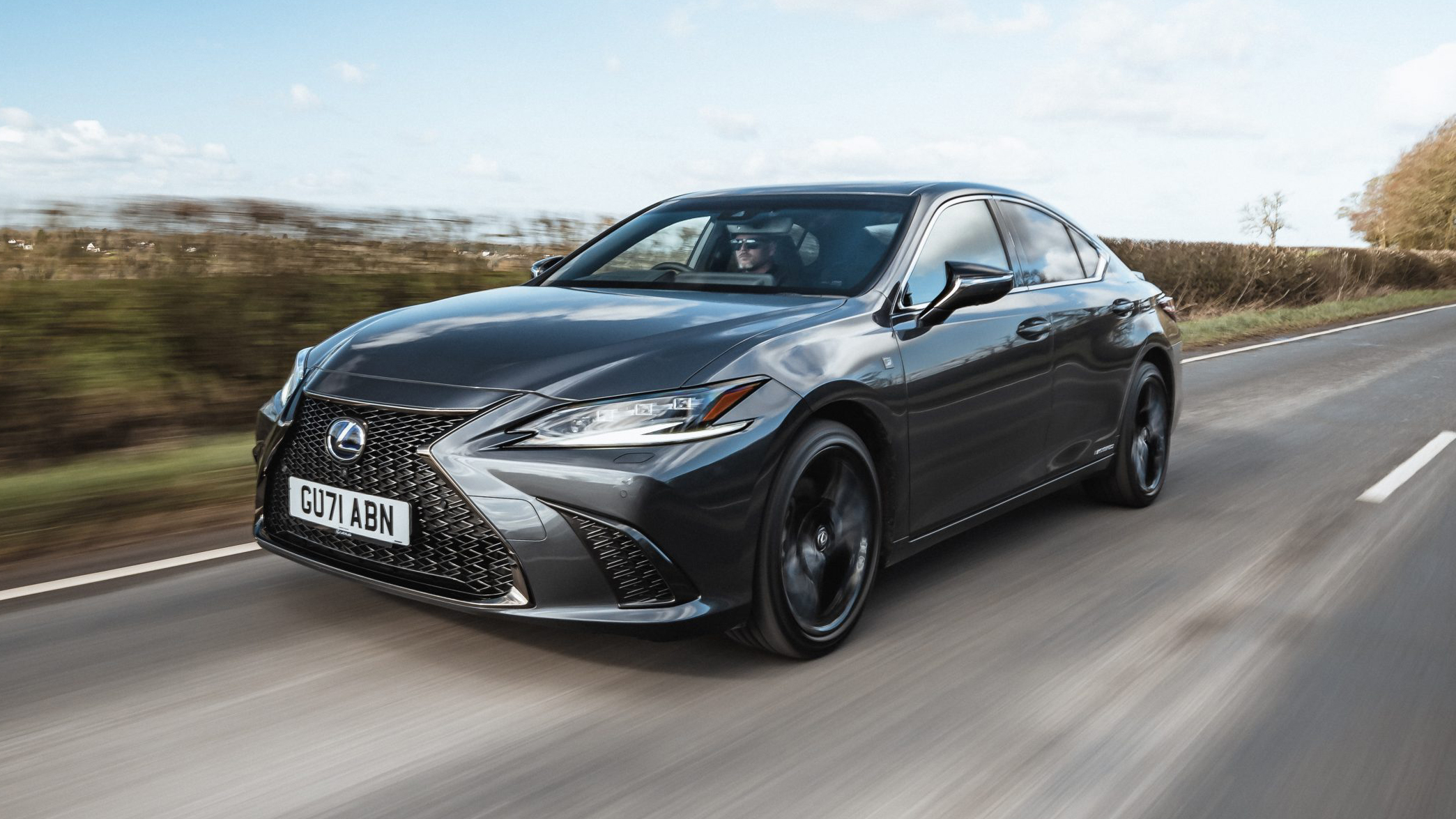
For decades, automotive brands have built reputations that influence buying decisions as much as horsepower figures or design language. Some manufacturers earned near legendary status for durability, low ownership costs, and consistent long term performance.
Others struggled with recalls, mechanical failures, and customer dissatisfaction that lingered for years. Yet reputations are not permanent. They evolve as engineering priorities shift, new technologies are introduced, and leadership strategies change.
In recent years, the reliability landscape has become more dynamic than ever. Electrification, advanced driver assistance systems, turbocharged downsized engines, and increasingly complex infotainment platforms have transformed vehicles into rolling computers.
While innovation brings benefits in efficiency and safety, it also introduces new failure points. Brands once praised for mechanical simplicity may now face growing pains as they adapt to modern demands.
At the same time, manufacturers historically criticized for poor reliability have made serious investments in quality control, supplier oversight, and long term durability testing. Competitive pressure and global transparency have forced improvement.
Warranty data, customer satisfaction surveys, and independent testing now influence public perception more quickly than ever before.
This article explores both sides of that shifting landscape. First, we examine five brands that built strong reputations for reliability but appear to be losing some of their edge.
Then, we look at five brands once considered unreliable that are improving at a surprising pace. The goal is not to declare winners or losers, but to analyze how quickly the narrative can change in today’s automotive market.
Reliability is not static. It reflects corporate culture, engineering discipline, and the willingness to adapt. Understanding which brands are slipping and which are climbing provides valuable perspective for anyone planning a long term vehicle purchase.
Also Read: 5 Used European Cars That Are Reliable vs 5 That Require Constant Repairs
5 Reliable Brands That Are Losing Their Edge Introduction
Reliability reputations are built slowly and can erode faster than many expect. A brand that spends decades cultivating trust through durable engines and low maintenance costs can see that goodwill diminish if new technologies introduce persistent problems. Customers who once recommended a name without hesitation may begin expressing caution.
I am writing about these brands not to dismiss their history, but to highlight signs of transition. In many cases, the companies discussed here still produce solid vehicles.
However, shifts toward turbocharging, electrification, complex infotainment systems, and cost cutting strategies have created inconsistencies that did not define them in the past.
Another factor is scale. As global production expands and supply chains grow more complex, maintaining uniform quality becomes harder. Even a few high profile issues can reshape public perception quickly in the age of online reviews and social media. A single problematic engine generation can overshadow years of strong performance.
These brands are not necessarily collapsing in reliability. Rather, they are facing pressure as they modernize. Introducing new powertrains and advanced technology often comes with early production issues. The question is whether these challenges represent temporary adjustments or deeper strategic missteps.
The five brands that follow earned their reputations through consistency and conservative engineering. That conservative approach often kept them ahead in dependability rankings.
Now, as they push toward innovation and electrification, some cracks have appeared. Examining those cracks provides insight into how fragile even the strongest reputations can be.
1. Toyota
For decades, Toyota was nearly synonymous with bulletproof reliability. Its reputation was built on conservative engineering, naturally aspirated engines, simple transmissions, and a refusal to rush unproven technology into mass production.
That formula earned enormous trust across global markets. However, recent years suggest that even Toyota is not immune to growing pains.
I am writing about Toyota because its reputation has been so strong for so long that even small cracks become significant.
The shift toward turbocharged engines in trucks and SUVs, along with expanded hybrid and electrified offerings, has introduced new layers of complexity. In certain cases, early production issues have drawn attention and raised questions.
Modern infotainment systems have also been a challenge. As Toyota integrates larger screens, connected services, and over the air updates, software glitches have become more visible. These issues may not always affect drivability, but they influence customer perception of overall quality.
Supply chain challenges in recent years have also affected consistency. Rapid production adjustments and global sourcing pressures can create uneven quality control. While Toyota still ranks well in many reliability surveys, the margin between it and competitors has narrowed.
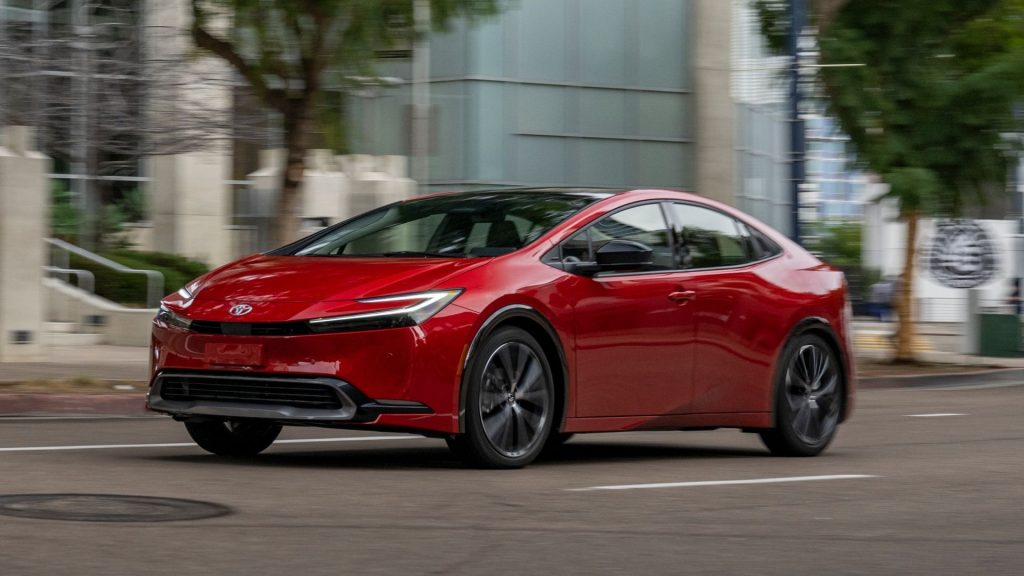
Another factor is consumer expectation. Buyers now expect advanced driver assistance features, hybrid performance, and seamless technology integration. Delivering these features while maintaining old school durability is more difficult than building simple, mechanically focused vehicles.
Toyota remains a strong brand, but it no longer feels untouchable. The question is whether these challenges represent temporary turbulence during modernization or a longer term shift away from its historically conservative reliability advantage.
2. Honda
Honda earned its reputation through high revving, durable engines and efficient, well engineered vehicles that routinely surpassed 200,000 miles with proper maintenance. For years, it was a safe recommendation for buyers seeking long term dependability. Recently, however, its reliability record has become less uniformly consistent.
I am including Honda because the brand has undergone significant technological transitions. The widespread adoption of small displacement turbocharged engines replaced the naturally aspirated units that defined its earlier success.
While these new engines offer improved efficiency and torque, some early models experienced oil dilution concerns and other minor issues that affected confidence.
Transmission changes have also played a role. As continuously variable transmissions became more common, some buyers questioned long term durability compared to older automatic designs. Though many units perform well, perception matters in reliability discussions.
In addition, increasing electronic complexity has led to software related complaints. Advanced safety systems and infotainment features, while beneficial, add potential failure points. Customers who once associated Honda with mechanical simplicity now encounter a more technology heavy ownership experience.
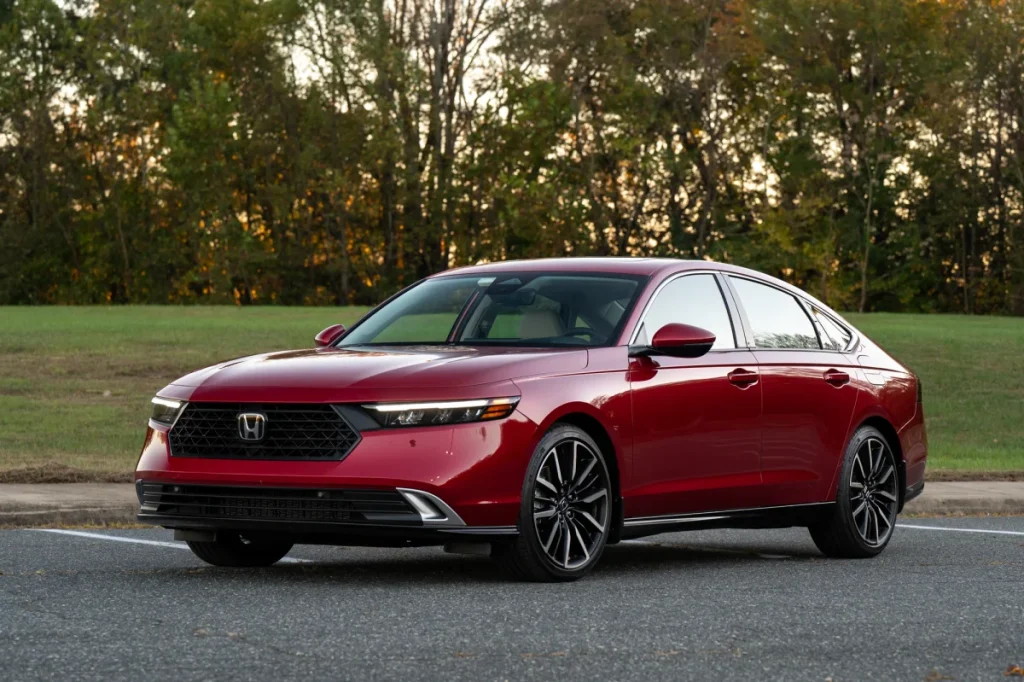
Honda is far from unreliable. Many of its current models remain competitive in dependability ratings. However, the gap between its historic reputation and present day performance feels smaller. That narrowing gap is why it deserves examination in this context.
The brand’s long term strength will likely depend on how effectively it refines its newer engines and electronics while maintaining the durability that built its loyal following.
3. Subaru
Subaru built its reliability identity around durable boxer engines and standard all wheel drive systems. For drivers in cold climates or rural areas, Subaru represented confidence and practicality. Its loyal customer base often cited long term ownership satisfaction.
I am writing about Subaru because recent years have presented challenges that have tested that loyalty. Certain engine generations have faced oil consumption complaints, while some transmission issues have affected perception. Although many problems were addressed through updates and warranty support, they left an impression.
The brand’s heavy reliance on continuously variable transmissions also drew scrutiny. While CVTs improve efficiency, they sometimes lack the durability perception of traditional automatics. Customer confidence can shift quickly when drivetrain components feel less robust.
Subaru’s expansion into more technologically advanced interiors has introduced software complexity as well. Larger infotainment systems and integrated driver assistance features increase the number of electronic components that must function seamlessly.
Another factor is rapid growth. As Subaru expanded production to meet rising demand, maintaining consistent quality became more challenging. Scaling up without compromising reliability is difficult for any manufacturer.
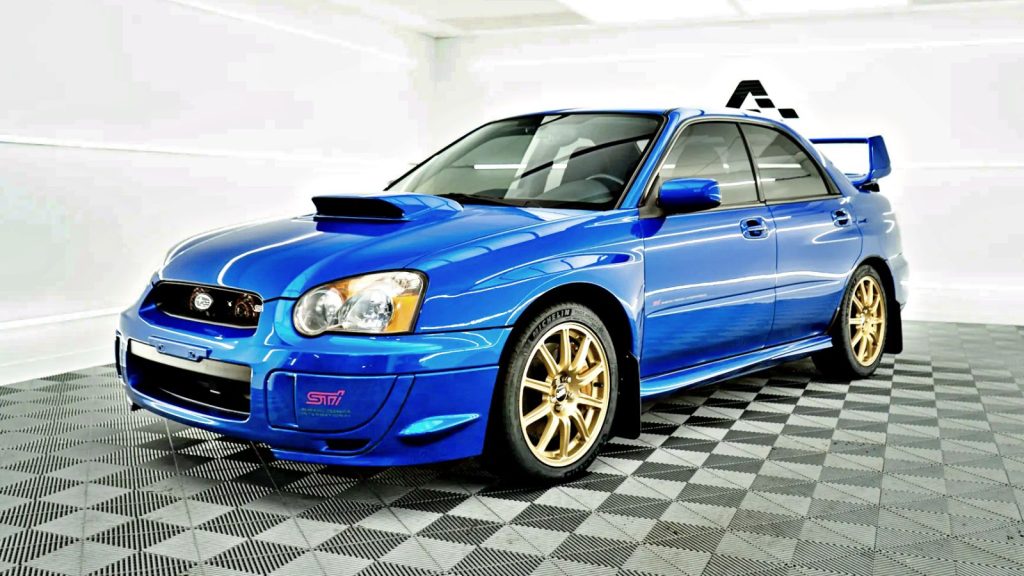
Subaru remains respected for safety and capability, but its once rock solid reliability narrative feels more nuanced today. It is not a dramatic collapse, but rather a subtle erosion of unquestioned trust. That subtlety makes it important to analyze.
4. Lexus
Lexus built its global identity on near flawless reliability paired with quiet luxury. For years, it consistently topped dependability rankings, often outperforming not only European luxury rivals but also many mainstream brands. Its formula was simple: prioritize long term durability over rapid innovation.
I am writing about Lexus because that formula is now being tested. As the brand integrates turbocharged engines, complex hybrid systems, larger infotainment displays, and more advanced driver assistance features, it faces the same technological pressures affecting the broader industry. Increased complexity naturally increases the risk of inconsistencies.
Early versions of some new infotainment systems received criticism for usability and occasional glitches. While these issues are not catastrophic mechanical failures, they shape customer perception of quality. In the luxury segment, expectations are especially high. Even minor inconveniences can feel magnified.
Hybrid systems, long a Lexus strength, remain generally dependable. However, as electrification expands and battery technology evolves, maintaining historic durability standards becomes more challenging. The balance between innovation and conservative engineering is delicate.
Another factor is competition. European luxury brands have improved their own reliability in recent years, narrowing the gap Lexus once dominated. When competitors close in, even small declines can stand out more clearly.
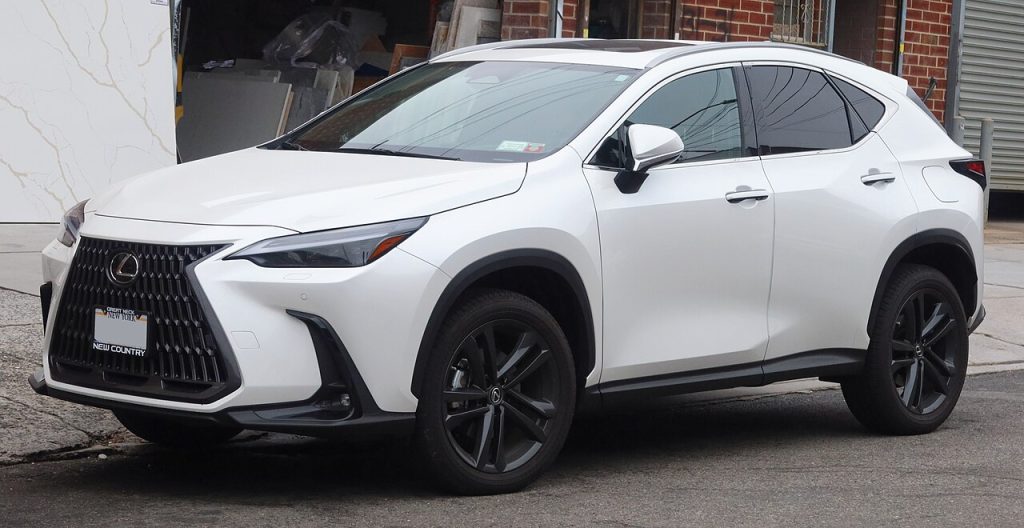
Lexus is still a strong performer in many reliability surveys, but its aura of invincibility feels slightly diminished. That shift does not indicate collapse, but it signals how difficult it is to maintain perfection in an era of rapid technological change.
5. Mazda
Mazda earned praise over the past decade for combining engaging driving dynamics with solid dependability. It carefully avoided overcomplicated engineering, often sticking with naturally aspirated engines and conventional automatic transmissions while competitors rushed toward smaller turbocharged units.
I am including Mazda because it now stands at a crossroads. As the company expands into more premium territory and introduces new turbocharged engines and mild hybrid systems, it is navigating unfamiliar territory. Growth and repositioning bring both opportunity and risk.
Recent powertrain updates have generally performed well, but any move toward higher output turbocharged configurations introduces additional stress on components. Maintaining long term durability while chasing performance gains is not simple.
Mazda’s efforts to elevate interior quality and technology have also increased electronic complexity. Larger screens, advanced safety features, and connected services enhance appeal but require flawless integration to protect reliability perceptions.
Another challenge is scale. As Mazda broadens its global reach and refines its platform strategy, supply chain consistency becomes critical. Even minor quality control lapses can impact brand reputation, especially for a company known for careful engineering.
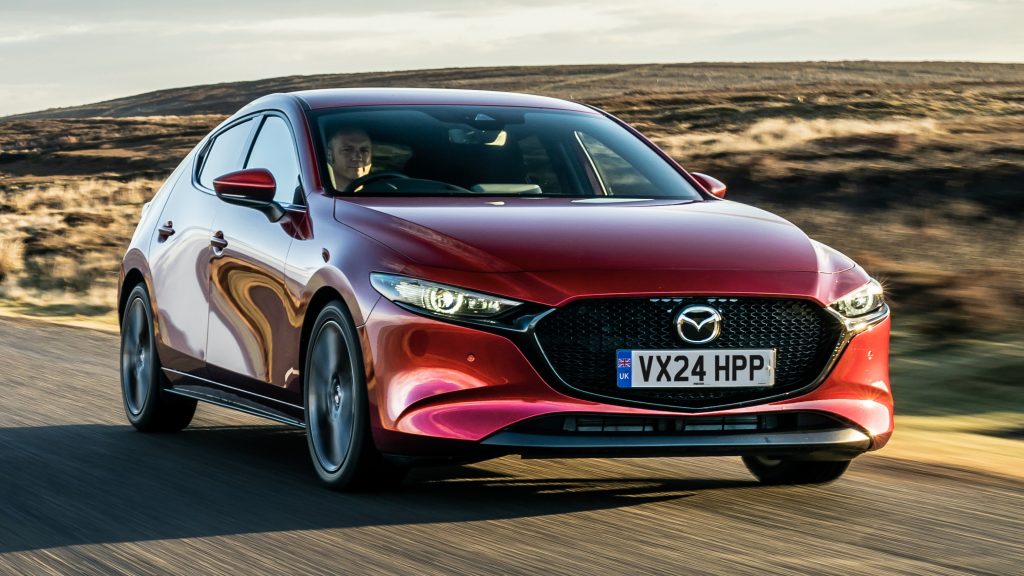
Mazda is not currently plagued by widespread failures, but the margin for error has narrowed. As it transitions from niche performance oriented brand to near luxury contender, sustaining its reliability edge will require disciplined execution.
5 Unreliable Brands Improving Fast Introduction
Reputation can work both ways. Just as dependable brands can slip, historically unreliable manufacturers can rebound impressively. Advances in manufacturing processes, stricter quality control, and lessons learned from costly recalls have pushed several brands to improve significantly.
I am writing about these improving brands because change deserves recognition. When companies invest heavily in redesigning engines, refining transmissions, and tightening supplier standards, customers benefit. Perceptions may lag behind reality, but data often reveals meaningful progress.
Many of these brands once struggled with inconsistent build quality or problematic powertrains. In response, they restructured engineering teams, increased testing cycles, and adopted more global platforms designed for durability. Some also extended warranties to rebuild trust.
Another factor is competition. As consumers gained access to reliability data more easily, brands could no longer hide behind marketing alone. Transparency accelerated improvement. The pressure to climb rankings and reduce warranty claims became intense.
The five brands in this section were once cautionary tales in reliability discussions. Today, they show signs of steady progress. Their journeys demonstrate that reputations are not permanent and that disciplined engineering can rewrite a narrative over time.
1. Hyundai
For many years, Hyundai struggled with a perception of inconsistent quality. Early models in the brand’s global expansion phase were often criticized for long term durability concerns, uneven build quality, and powertrain issues that affected resale values.
While the company made steady progress over time, skepticism lingered among buyers who remembered earlier shortcomings.
I am writing about Hyundai because the pace of its improvement has been notable. The company invested heavily in global manufacturing standards, powertrain redesigns, and quality control systems.
Extended warranty coverage also signaled confidence in its engineering direction. Over time, these steps began translating into stronger reliability data and improved customer satisfaction.
Modern Hyundai engines and transmissions have shown measurable gains in durability compared to older generations. While isolated recalls and issues still occur, the frequency and severity of systemic problems have declined. The brand’s willingness to address concerns publicly and proactively has also helped rebuild trust.
Interior build quality has improved as well. Materials feel more solid, and assembly consistency has strengthened across production facilities. Technology integration, once a weak point, has become more refined, with infotainment systems that compete effectively in usability and stability.
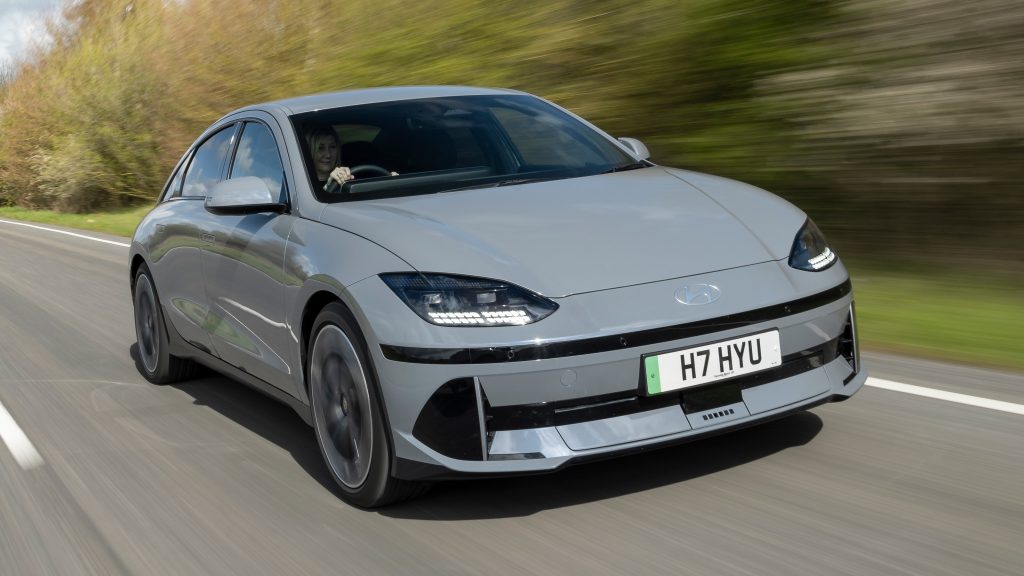
Another key factor is platform strategy. Hyundai has streamlined global architectures, reducing complexity and improving parts commonality. That consistency supports quality control and long term durability.
Hyundai’s transformation illustrates how sustained investment and accountability can shift perception.
While some buyers remain cautious due to past experiences, the trajectory is clearly upward. The brand’s progress suggests that reliability reputations can be rewritten with disciplined execution and transparency.
2. Kia
Kia shared a similar early reputation to Hyundai, often viewed as a budget alternative with questionable long term reliability. In its earlier years of expansion, inconsistent build quality and engine concerns limited consumer confidence. Over time, however, Kia began a steady and determined overhaul of its engineering and manufacturing approach.
I am including Kia because its improvement has been both measurable and strategic. The company strengthened supplier relationships, increased testing standards, and refined powertrain durability. Extended warranties played a major role in rebuilding trust, signaling that Kia stood behind its products.
Recent models demonstrate more consistent assembly quality and stronger drivetrain performance than earlier generations. While no brand is immune to recalls, Kia’s rate of widespread systemic failures has declined. Owners increasingly report positive long term experiences, contributing to improved reputation metrics.
Design upgrades have also elevated perceived quality. Interiors feel more thoughtfully constructed, and electronic systems operate more smoothly than in past models.
As technology becomes central to vehicle ownership, stable infotainment and driver assistance systems play an important role in reliability perception.
Kia’s global platform consolidation has mirrored Hyundai’s approach, improving manufacturing consistency across regions. This disciplined strategy reduces variability and strengthens durability outcomes.
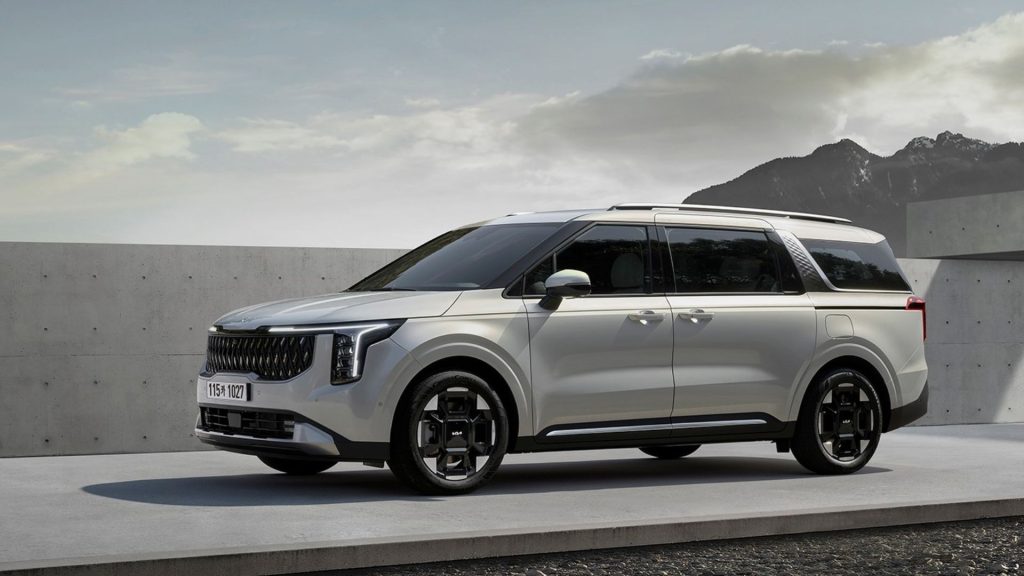
Although skepticism from older reliability records may linger, Kia’s trajectory is clearly positive. Its journey demonstrates that commitment to engineering discipline and customer reassurance can gradually erase a troubled past.
3. Cadillac
Cadillac historically battled reliability perception challenges, particularly during periods when platform sharing and rushed product cycles compromised consistency. In the past, certain engines and electronic systems affected long term dependability rankings, reinforcing doubts among luxury buyers.
I am writing about Cadillac because its recent restructuring and engineering investments are beginning to pay off. The brand has focused on refining powertrain durability and improving quality control, particularly in newer performance oriented and electrified models.
Updated manufacturing processes and stricter testing standards have reduced variability in assembly quality. While Cadillac once lagged behind European and Japanese luxury competitors in reliability surveys, recent data indicates measurable improvement in both mechanical and electronic systems.
The integration of modern infotainment and driver assistance technology has also matured. Earlier generations sometimes experienced glitches or inconsistent operation. Newer systems demonstrate greater stability, which significantly influences owner satisfaction in the luxury segment.
Cadillac’s renewed emphasis on premium positioning requires durability to match design ambition. The company appears to understand that improved reliability is essential for credibility. As newer platforms age, early indicators suggest that the brand’s progress is not temporary.
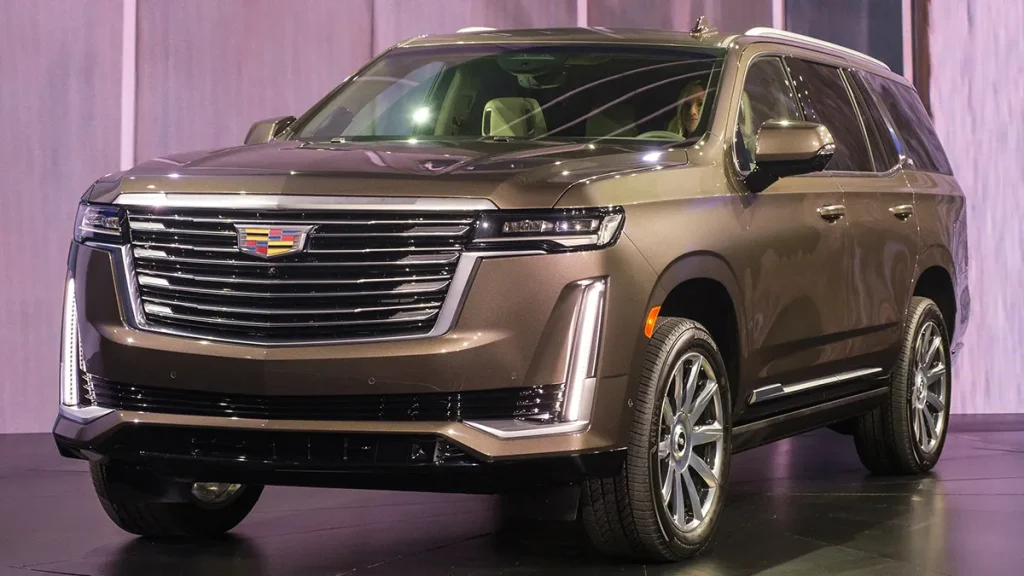
Cadillac’s story highlights how legacy brands can evolve when leadership commits to quality over short term volume gains. Its upward trend suggests a meaningful shift rather than a superficial rebranding effort.
4. Genesis
Genesis entered the market as a relatively new luxury brand, carrying the burden of being associated with Hyundai’s earlier reliability struggles.
At launch, skepticism surrounded whether a newcomer could truly compete with established luxury names in both quality and durability. Early impressions were positive in design and value, but long term dependability remained an open question.
I am writing about Genesis because its rapid progress in reliability perception has been impressive. The brand focused heavily on refinement from the outset, emphasizing build quality, noise isolation, and careful material selection.
Rather than rushing a large portfolio, Genesis introduced models gradually, allowing engineering teams to refine each platform thoroughly.
Recent reliability data suggests that Genesis vehicles are performing competitively in long term ownership studies. While isolated issues have appeared, the frequency of serious mechanical concerns has remained relatively low. The brand’s strong warranty coverage has also reinforced buyer confidence.
Another important factor is disciplined technology integration. Genesis vehicles offer advanced infotainment and driver assistance features, yet early signs indicate improved system stability compared to many rivals. In the luxury segment, smooth electronic performance is as critical as engine durability.
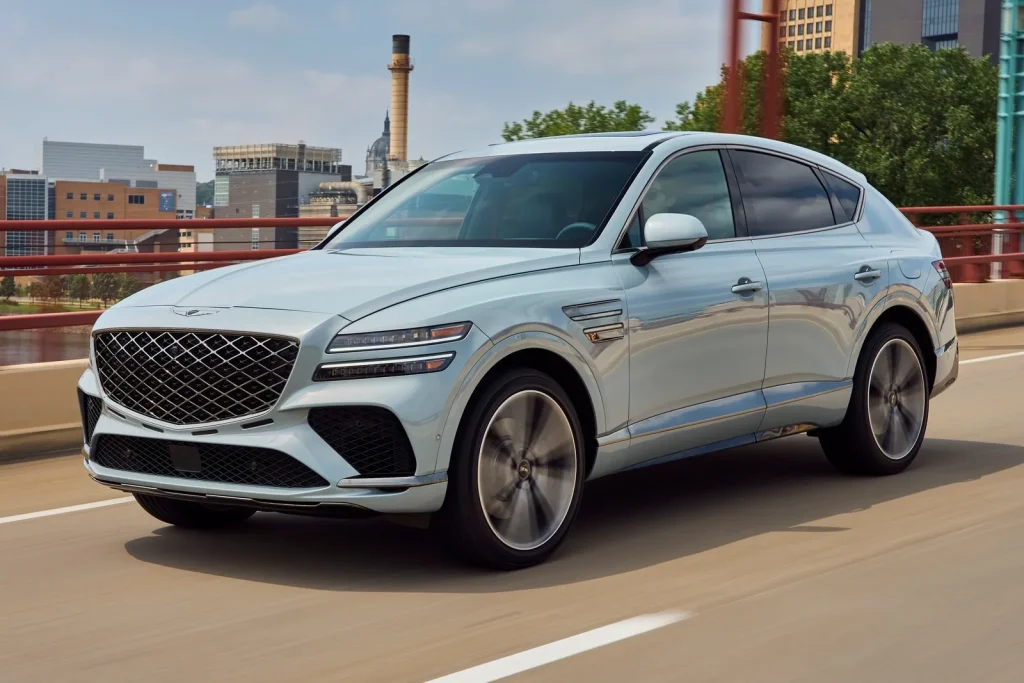
Manufacturing partnerships with Hyundai’s improved global production facilities provide a solid foundation. Lessons learned from past missteps have clearly influenced Genesis’ quality control strategies.
Genesis still has years to prove sustained durability across multiple generations, but its trajectory is encouraging. It demonstrates how a brand can build a strong reliability foundation quickly when quality is prioritized from the beginning.
5. Volkswagen
Volkswagen has long battled inconsistent reliability perception, particularly in markets where complex turbocharged engines and dual clutch transmissions led to higher maintenance costs. Electrical issues and sensor related faults also affected long term ownership experiences in certain model years.
I am including Volkswagen because the brand has shown visible efforts to stabilize its reliability profile. Platform consolidation under global modular architectures has improved manufacturing consistency. Shared components across models simplify engineering oversight and reduce variability.
Recent engine designs have demonstrated improved durability compared to some earlier generations. While turbocharging remains central to Volkswagen’s strategy, refinements in cooling systems and component strength have reduced the frequency of widespread failures. Transmission updates have also improved long term performance.
Software integration, once a frequent complaint, has received renewed attention. As vehicles become increasingly digital, Volkswagen has invested heavily in stabilizing infotainment systems and electronic modules. While challenges remain, the overall trend appears more stable than in the past decade.
Transparency and recall responsiveness have also improved. Addressing issues more quickly and communicating clearly with customers helps rebuild trust. Reputation repair requires both technical progress and public accountability.
Volkswagen’s journey illustrates that improvement is possible even after extended periods of skepticism. While it may take time for perception to fully align with data, signs suggest that the brand is steadily moving in a more dependable direction.
This completes the examination of five traditionally reliable brands that may be losing some of their historic edge and five historically unreliable brands that are improving rapidly. Together, they show that reliability is never permanent. It reflects ongoing engineering discipline, responsiveness to change, and the ability to balance innovation with durability.
The reliability landscape in the automotive industry is far more fluid today than it was a decade ago. Brands that once seemed untouchable in dependability rankings are facing new challenges, while manufacturers long criticized for inconsistency are quietly improving.
Innovation, electrification, advanced driver assistance systems, and increasingly complex infotainment platforms have reshaped what reliability means in the modern era. Mechanical simplicity has given way to digital integration, and that shift has affected nearly every automaker.
Among historically reliable brands, Toyota, Honda, Subaru, Lexus, and Mazda remain strong players, but they are navigating transitional pressures. Turbocharged engines, expanded hybrid systems, and more sophisticated electronics have introduced new variables.
In some cases, early production issues, software glitches, and drivetrain concerns have narrowed the reliability gap between these brands and their competitors.
While none of them have collapsed in quality, their once dominant reputations now face stronger competition and higher expectations. The margin for error is smaller, and even minor missteps are magnified in a connected, data driven market.
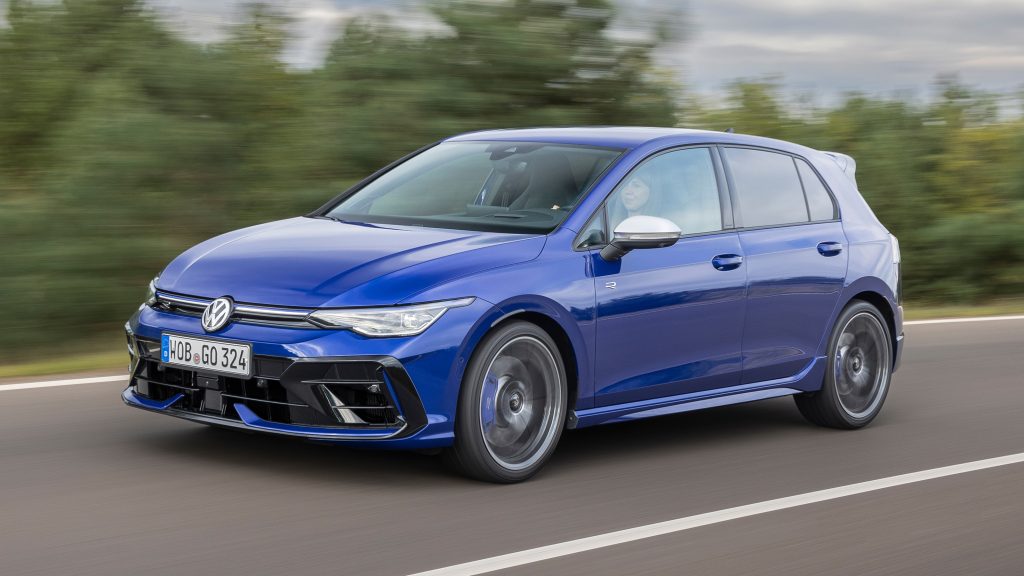
On the other side, Hyundai, Kia, Cadillac, Genesis, and Volkswagen demonstrate how reputations can be rebuilt. Through stricter quality control, platform consolidation, improved supplier oversight, and stronger warranty programs, these brands have made measurable gains.
Manufacturing consistency has improved, engines and transmissions have become more durable, and technology integration has matured. Transparency in addressing recalls and customer concerns has also played a key role in restoring confidence.
The contrast between these two groups highlights an essential truth. Reliability is not a permanent badge earned once and held forever. It requires constant investment, disciplined engineering, and careful integration of new technologies.
Brands that innovate too aggressively without sufficient testing risk damaging hard earned trust. Conversely, brands that learn from past mistakes and commit to long term quality can reshape public perception.
Ultimately, today’s automotive market rewards adaptability. Consumers now have access to detailed reliability data and owner feedback, making transparency more important than ever.
The brands that succeed will be those that balance innovation with durability and respond quickly to emerging issues. In this evolving environment, reputation is dynamic, and the hierarchy of reliability is continually being rewritten.
Also Read: 5 Crossovers With Excellent Blind Spot Visibility vs 5 With Poor Sightlines