
The modern automotive world moves at a relentless pace. Technology evolves yearly, performance benchmarks climb higher, and entire segments appear and disappear within a decade.
Yet history shows that only a handful of today’s vehicles will transcend their era and become truly sought after classics. Others, despite early hype or strong sales numbers, will quietly fade into obscurity and depreciate into near worthlessness.
What separates the future icons from the forgettable? It is rarely just horsepower or badge prestige. Cultural impact, limited production, engineering purity, emotional engagement, and even timing all play decisive roles.
Cars that represent the end of an era often gain importance later. Models that embrace electrification too early without identity may struggle. Overproduced crossovers with generic styling may age poorly, while analog sports cars in a digital age may become treasured relics.
Collectors tend to reward authenticity and uniqueness. A car that offers a manual transmission in a time when manuals are disappearing gains historical weight. A naturally aspirated engine in the turbocharged era becomes symbolic.
Meanwhile, vehicles built purely for mass appeal without distinctive character often fail to inspire long term devotion.
In this article, we explore both sides of that equation. First, we examine five modern cars that have all the ingredients to become highly desirable classics in the coming decades.
These are machines that represent turning points, technological milestones, or emotional high points in their respective segments. After that, we shift to five vehicles that may struggle to hold value because they lack rarity, identity, or long term desirability.
The goal is not to criticize or glorify blindly, but to analyze the forces that shape automotive legacy. Time ultimately decides a car’s fate, but patterns from the past give us strong clues. Some of today’s showroom stars are tomorrow’s auction heroes.
Others are destined for rental lots and scrapyards. The difference often lies beneath the surface.
Also Read: 5 Pickups With Rust-Proof Beds vs 5 That Rot Out
5 Modern Cars That Will Be Sought After Classics
Modern performance and enthusiast cars face a unique moment in history. Governments worldwide are tightening emissions regulations, manufacturers are transitioning toward electrification, and manual gearboxes are disappearing rapidly.
In this climate, certain vehicles stand out not just as good cars, but as symbolic markers of the end of an internal combustion era.
Future classics often share a few defining traits. They deliver a driving experience that feels mechanical and unfiltered. They arrive at a turning point for their brand. They are produced in limited numbers or offer configurations that will never return.
They also build emotional loyalty among enthusiasts, something that cannot be manufactured through marketing alone.
We are writing about the following five cars because each represents something irreplaceable. Whether it is the final naturally aspirated engine of its kind, a benchmark chassis, or a revival of a legendary nameplate done correctly, these vehicles carry long term cultural weight.
They are already respected today, but their true value may only be realized when similar experiences no longer exist in new car showrooms.
Some of them combine usability with thrilling performance. Others are more focused and uncompromising. All of them stand apart from the crowd in a way that mass produced vehicles rarely do. Their significance is not based purely on speed or luxury, but on identity and timing.
Below is the first of five modern machines that have a strong chance of becoming coveted collector cars in the future.
1. Toyota GR Yaris
The Toyota GR Yaris is not just another hot hatch. It is a homologation special born from rally ambitions, developed with genuine motorsport input rather than marketing strategy. In an era when many performance variants are little more than cosmetic upgrades, this car was engineered with a singular purpose.
Under its compact body sits a turbocharged three cylinder engine producing remarkable output for its size, paired with a sophisticated all wheel drive system designed for performance driving.
More importantly, it offers a six speed manual transmission, something that is disappearing rapidly from new performance cars. That alone gives it future significance.
We are writing about the GR Yaris because it represents a level of engineering commitment that modern mass production rarely allows. Toyota could have built a simple front wheel drive hot hatch and sold it in greater numbers.
Instead, it invested in bespoke body panels, a unique drivetrain layout, and a chassis tuned for genuine enthusiast engagement.
It also arrives at a time when rally inspired road cars are nearly extinct. The golden age of homologation specials feels distant, and this model reconnects with that heritage.
As regulations tighten and electrification expands, the likelihood of another small displacement, manual, all wheel drive rally derived hatchback becomes increasingly slim.
Production numbers are limited compared to mainstream models, and regional availability has added to its desirability.
Cars that were difficult to obtain when new often become even more desirable later. Enthusiast communities have already embraced it, and strong early demand suggests long term interest.
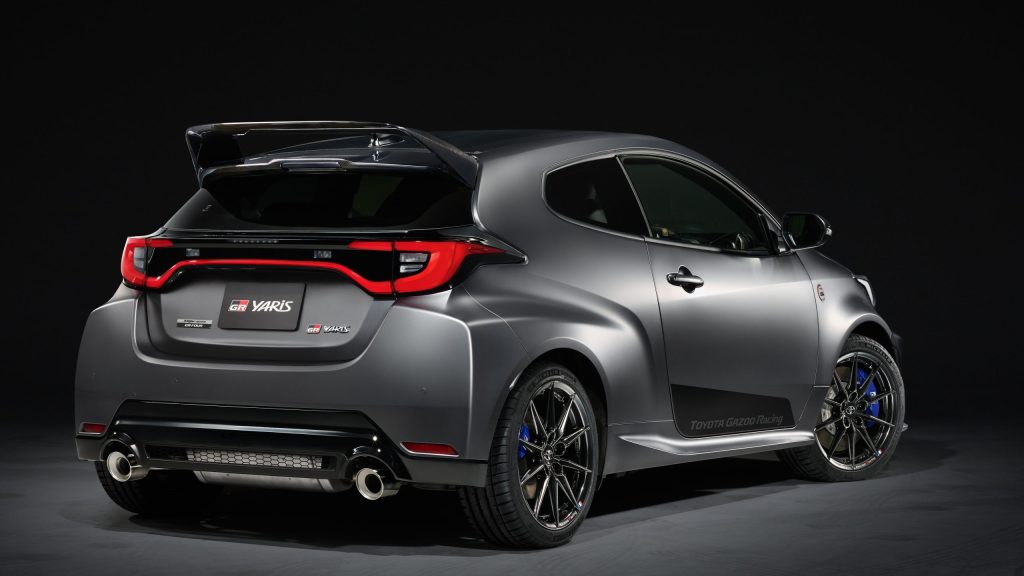
Beyond specifications, the GR Yaris delivers a raw driving feel. The steering, the manual gearbox, and the mechanical grip create an experience that feels purposeful.
It does not rely on artificial sound enhancement or excessive driver aids to create excitement.
When future buyers look back at the final era of pure internal combustion hot hatches, the GR Yaris will likely stand out as one of the most authentic examples. That authenticity is often the foundation of a true classic.
2. Porsche 718 Cayman GT4 RS
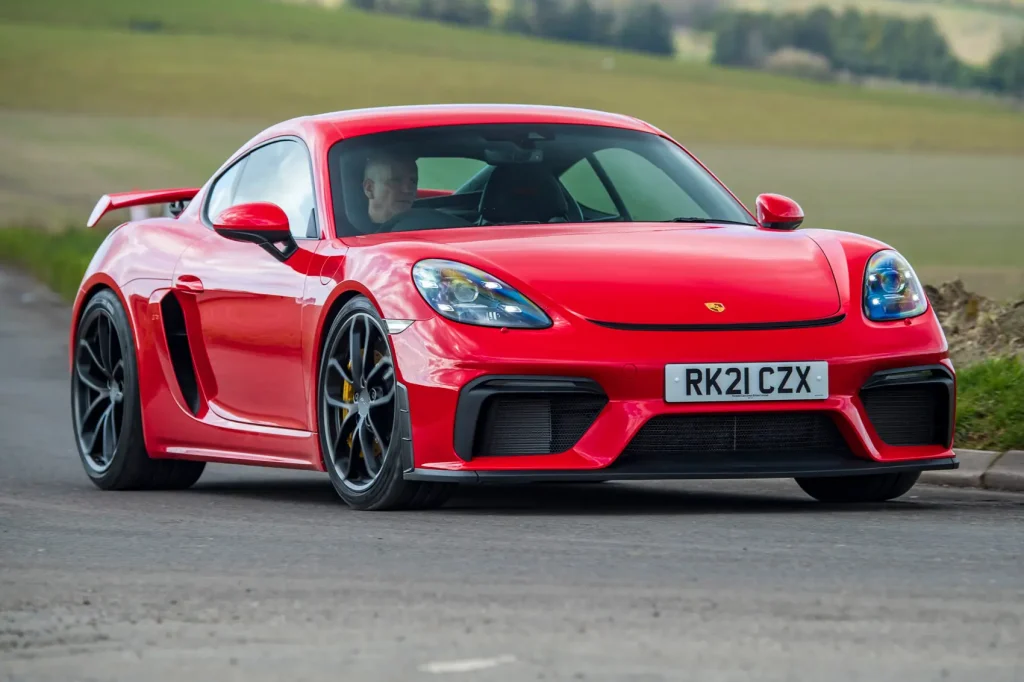
The Porsche 718 Cayman GT4 RS represents something increasingly rare in the modern performance landscape: a mid engine sports car powered by a naturally aspirated, high revving engine in an era dominated by turbocharging and electrification. It is not merely a faster Cayman. It is a statement of intent from Porsche.
At the heart of the GT4 RS lies a 4.0 liter flat six derived from the 911 GT3, an engine known for its thrilling character and stratospheric redline.
The sound alone sets it apart from most modern performance cars. It is mechanical, raw, and unmistakably emotional. In a time when artificial augmentation often replaces genuine acoustics, this authenticity matters.
We are writing about this car because it captures a transitional moment for Porsche. The 718 generation is expected to move toward electrification in the future, which means the GT4 RS could represent the final naturally aspirated Cayman. Historically, the last examples of a breed often gain collector status, especially when they offer an uncompromising driving experience.
The GT4 RS is also relatively limited compared to standard models. It is not designed for mass market appeal but for purists who prioritize handling precision and engine character over comfort. The weight reduction measures, aggressive aerodynamics, and track focused tuning reinforce its singular mission.
Another reason it stands out is its place in Porsche’s hierarchy. For years, the 911 dominated the brand’s performance narrative.
The GT4 RS challenges that dynamic by delivering an experience that rivals and in some ways surpasses certain 911 variants in terms of engagement. Cars that disrupt internal brand hierarchies often gain long term significance.
Its value proposition when new was already strong relative to performance, which suggests that buyers saw it as special from the outset. Strong initial demand and limited allocations typically translate into sustained interest in the secondary market.
As electric sports cars become more common, collectors may seek out machines that offer the analog thrill of a high revving combustion engine paired with razor sharp chassis balance.
The 718 Cayman GT4 RS checks every box for future desirability. It is precise, focused, and emotionally charged in a way that future regulations may not allow again.
3. BMW M2 CS F87
The BMW M2 CS F87 generation is widely regarded as one of the last truly compact, rear wheel drive performance cars from BMW that prioritizes driver engagement over digital complexity. It arrives at a pivotal moment in the brand’s history, when weight, size, and technology were beginning to reshape the character of M cars.
Powered by a twin turbocharged inline six producing impressive output, the M2 CS combines serious performance with a relatively small footprint.
More importantly, it offers a manual transmission option, reinforcing its appeal among purists. As BMW continues to electrify and integrate hybrid systems into its lineup, fully combustion powered, manual M cars are becoming rarer.
We are writing about the M2 CS because it represents a high watermark for modern BMW performance in terms of balance and feedback.
The steering feel, chassis tuning, and manageable size create a connection between driver and machine that is increasingly difficult to find. Larger M3 and M4 models have grown in dimensions and complexity, making the compact M2 CS feel more focused by comparison.
The CS designation also adds exclusivity. Produced in limited numbers, it was positioned above the standard M2 Competition, featuring weight saving components, upgraded cooling, and enhanced suspension tuning.
Limited production runs often translate into stronger long term collector appeal, especially when the driving experience matches the hype.
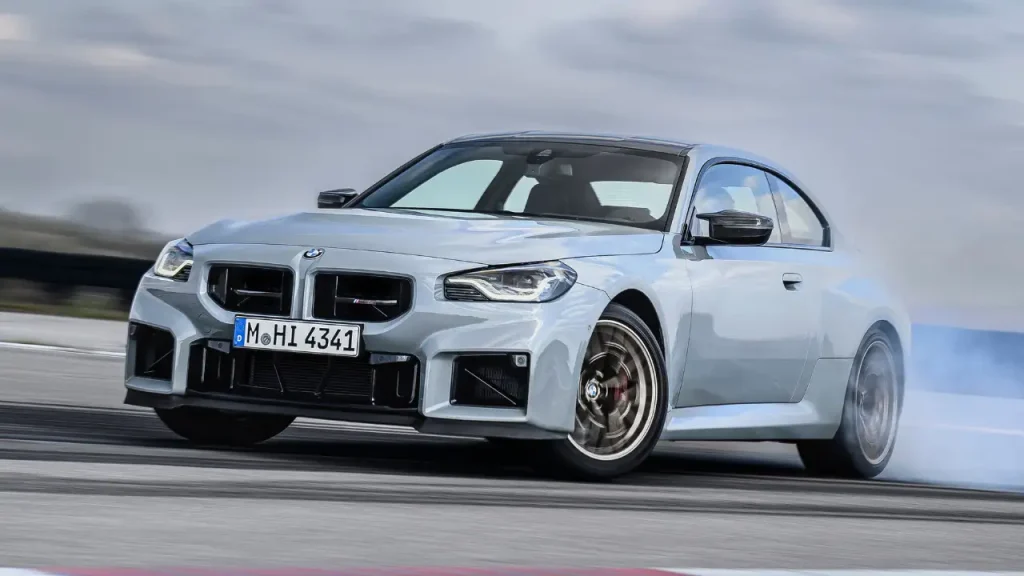
Another factor is timing. As BMW transitions toward hybrid and fully electric M models, enthusiasts may look back at the M2 CS as one of the last relatively simple, pure combustion performance coupes from the brand. Historically, cars that represent the end of an era often gain importance.
The M2 CS also benefits from strong community support. Enthusiast culture plays a major role in determining future classic status. When owners passionately defend and celebrate a model, its legacy tends to strengthen over time.
In the coming decades, when compact rear wheel drive manual sports coupes become scarce, the BMW M2 CS F87 is likely to be remembered as a benchmark. Its blend of usability, performance, and mechanical engagement positions it firmly on the path toward sought after classic status.
4. Ford Mustang Shelby GT350
The Ford Mustang Shelby GT350 stands apart from typical muscle cars because of its engine. The 5.2 liter flat plane crank V8 delivers a character more commonly associated with European exotic cars than traditional American muscle. Its high revving nature and distinctive exhaust note create an experience unlike any other Mustang.
We are writing about the GT350 because it represents a unique engineering experiment within Ford’s modern lineup. The flat plane crank design allowed for higher revs and sharper throttle response, transforming the Mustang from a straight line powerhouse into a track capable machine with genuine finesse.
In a broader context, the GT350 may mark one of the last naturally aspirated, high displacement performance Mustangs before electrification reshapes the segment. As hybrid and electric performance variants emerge, purely combustion powered specialty Mustangs could become increasingly valuable.
The car also arrived during a renaissance period for American performance vehicles, when manufacturers were investing heavily in handling and track capability rather than just horsepower numbers. The GT350 was developed with serious attention to suspension tuning, braking performance, and aerodynamic balance.
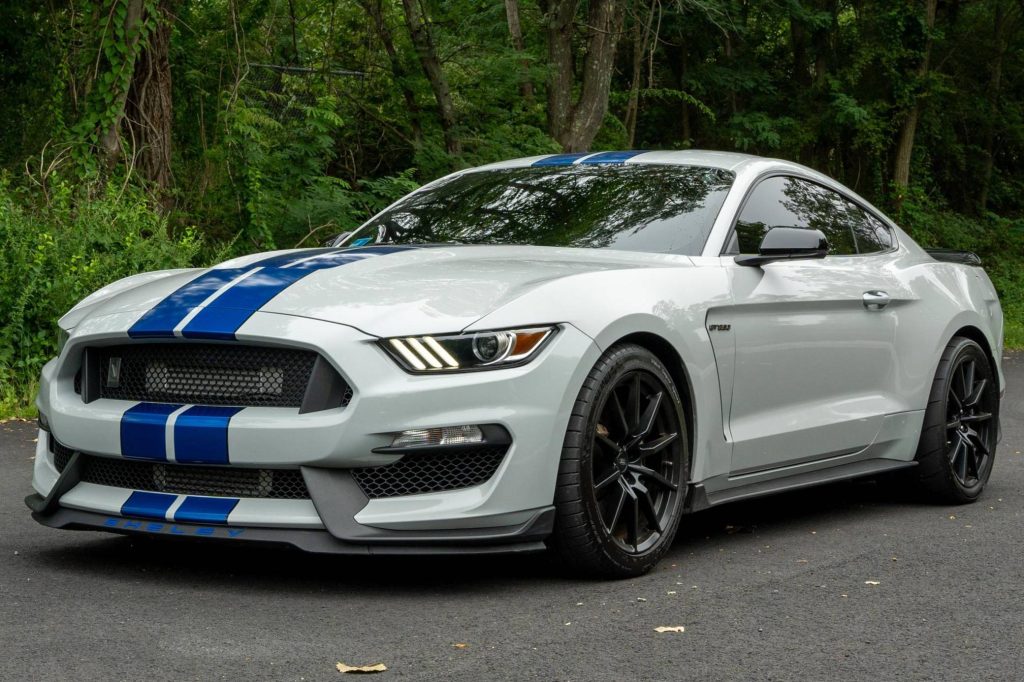
Production was not unlimited, and its distinct engine configuration ensures that it cannot be easily replicated in future models due to cost and regulatory constraints. Cars with unique engine architectures often gain collector appeal because they cannot be recreated under new emissions standards.
Despite early concerns about engine reliability in some units, well maintained examples are already gaining respect in enthusiast circles. Over time, the rarity of the flat plane V8 Mustang could overshadow its early criticisms.
When the era of large displacement, naturally aspirated performance cars fades further into history, the Shelby GT350 will likely be seen as a bold and distinctive chapter in the Mustang story. Its individuality and engineering ambition make it a strong candidate for future classic recognition.
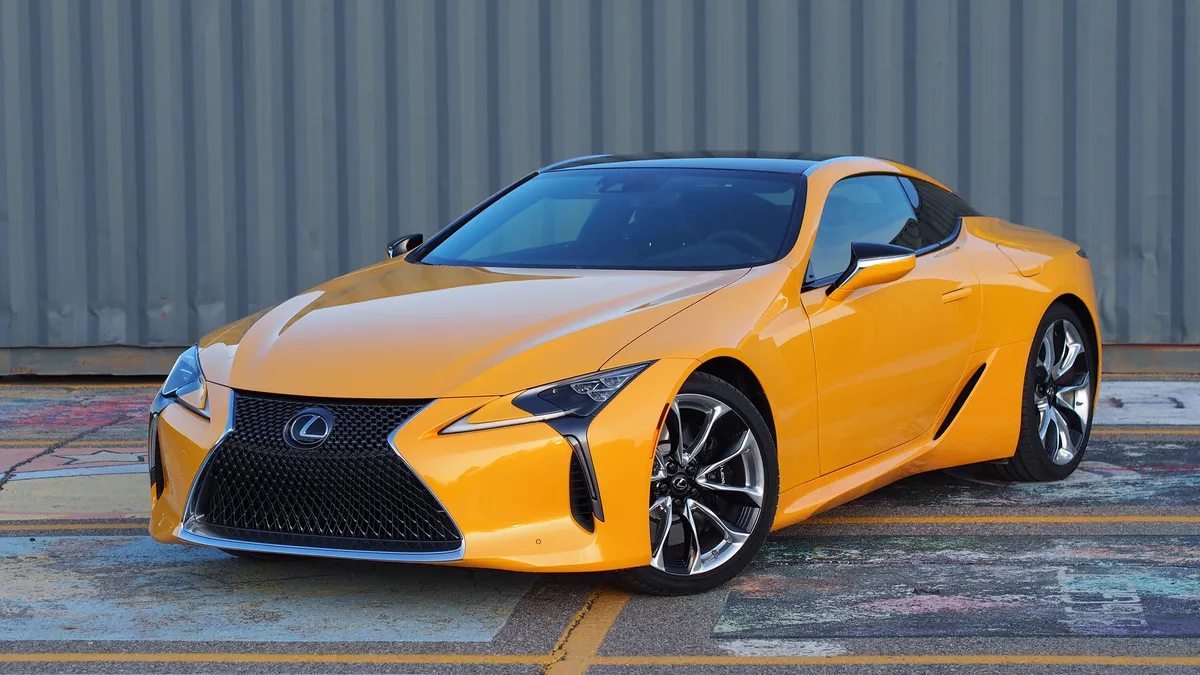
5. Lexus LC 500
The Lexus LC 500 feels like a car built against the current direction of the automotive industry. While many manufacturers have downsized engines and shifted to turbocharging or hybrid only performance, Lexus chose to place a naturally aspirated 5.0 liter V8 into a dramatic grand touring coupe with striking design and meticulous craftsmanship.
We are writing about the LC 500 because it represents one of the last large displacement, naturally aspirated luxury coupes from a major Japanese brand.
Its engine is smooth, responsive, and sonorous in a way that turbocharged alternatives rarely replicate. As emissions standards tighten globally, engines like this are rapidly disappearing.
The LC 500 also stands out for its design. It looks almost identical to the concept car that previewed it, which is rare in modern production vehicles.
Bold styling often helps cars age gracefully, especially when they avoid trend driven cues that quickly become outdated. The LC 500 has a presence that feels timeless rather than fashionable.
Another factor is brand positioning. Lexus has long been associated with reliability and comfort, but not necessarily with emotional performance. The LC 500 challenges that perception. It blends refinement with genuine driver engagement, creating a unique identity in the grand touring segment.
Production numbers are not extremely limited, but it is not a high volume seller either. Grand touring coupes have seen declining demand as buyers move toward SUVs. Cars from shrinking segments often become more desirable later because they represent a fading category.
The interior craftsmanship further enhances its long term appeal. Hand stitched materials, distinctive design elements, and a sense of occasion make it feel special every time it is driven. Future collectors often value vehicles that provide a sensory experience beyond raw performance.
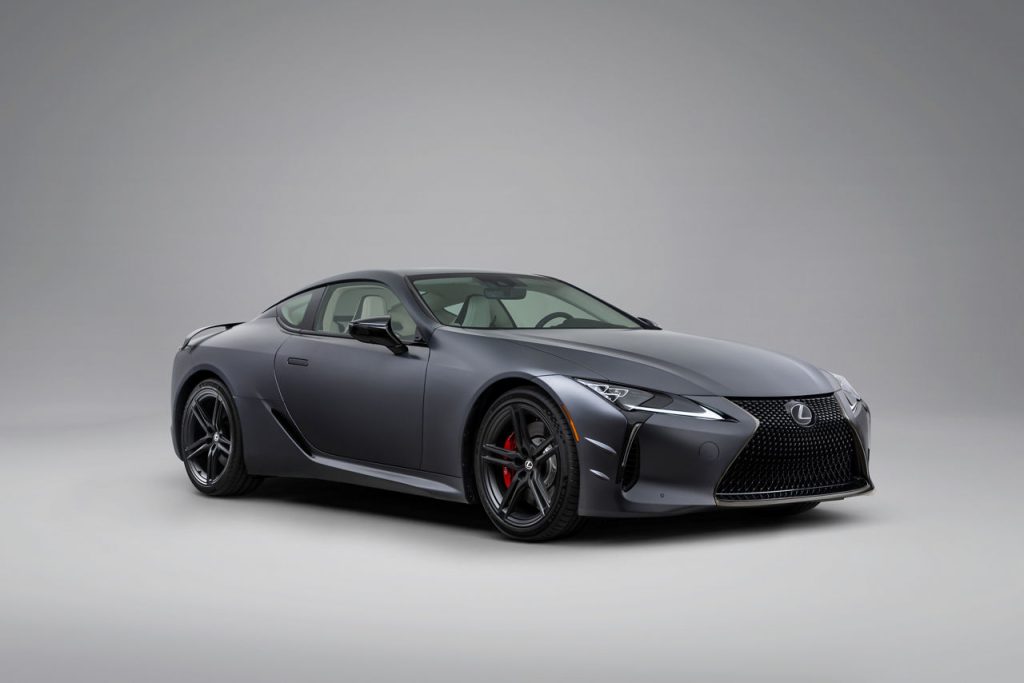
As the industry transitions toward electrified luxury, the LC 500 may come to symbolize the final flourish of traditional Japanese V8 grand tourers. Its combination of beauty, engine character, and relative rarity places it firmly among modern cars likely to become sought after classics.
5 Modern Cars That Will Be Worth Nothing
Not every modern vehicle is destined for appreciation. In fact, most cars depreciate heavily and never recover. Some are victims of overproduction.
Others suffer from generic design, uninspiring driving dynamics, or a lack of clear identity. When a car fails to create emotional attachment or historical significance, it struggles to maintain long term value.
We are writing about the following five vehicles because they highlight patterns that often lead to steep depreciation and minimal collector interest. These cars may sell well initially or offer competitive features, but they lack the distinctiveness or cultural weight that supports future desirability.
Many of them belong to oversaturated segments like compact crossovers, where dozens of similar models compete with minimal differentiation. Others rely heavily on technology that may age poorly, making older examples less appealing once newer systems emerge.
Rarity alone does not guarantee value, but overabundance almost guarantees the opposite. When a car is produced in massive numbers and offers no unique performance or design element, supply will likely outstrip demand for decades.
It is important to clarify that worth nothing does not mean unusable or bad. Many of these vehicles may serve their owners reliably for years. However, from a collector or long term investment perspective, they are unlikely to command significant interest in the future.
Below are the first three modern cars that may struggle to retain value or achieve classic status.
1. Nissan Rogue
The Nissan Rogue has been one of the best selling compact crossovers in many markets, but high sales numbers often work against long term collectibility. It was designed primarily for practicality and broad appeal rather than distinction or performance.
We are writing about the Rogue because it exemplifies a vehicle built to meet mass market demand without creating a strong emotional identity. Its styling is contemporary but not groundbreaking. Its performance is adequate but unremarkable. In a segment crowded with competitors, it does little to stand apart.
Compact crossovers are among the most saturated categories in the automotive world. When millions of similar vehicles are on the road, scarcity never develops. Future buyers seeking nostalgia or uniqueness are unlikely to prioritize a model that blended seamlessly into traffic.
Technology heavy interiors may also age quickly. Infotainment systems that seem advanced today can feel outdated within a few years. Unlike mechanical excellence, digital features rarely add long term collector value.
The Rogue’s primary strengths are comfort, efficiency, and affordability. Those qualities are valuable to everyday drivers but do not translate into future classic status. Historically, utilitarian family crossovers almost never appreciate in value unless tied to a specific cultural phenomenon.
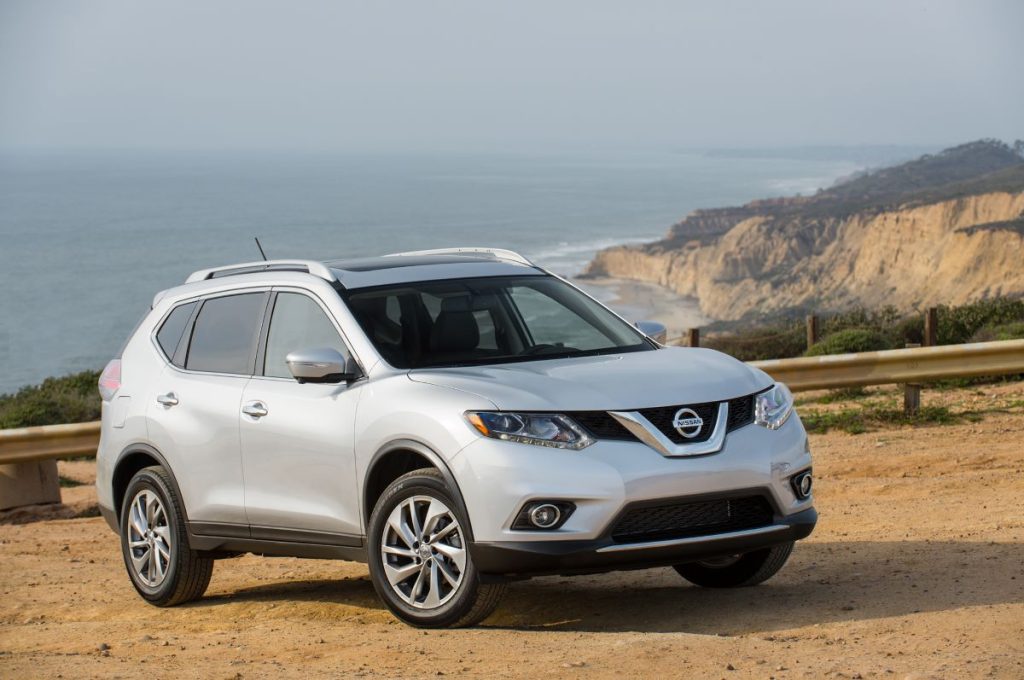
As newer generations continue to replace older ones with improved efficiency and features, earlier versions will likely see steep depreciation. With high production volumes and limited enthusiast appeal, the Nissan Rogue is unlikely to become anything more than an affordable used vehicle in the decades ahead.
2. Chevrolet Malibu
The Chevrolet Malibu represents a shrinking segment: the mainstream midsize sedan. While that might suggest future rarity, the reality is more complex. The Malibu was produced in large numbers and aimed squarely at fleet sales and everyday commuting needs.
We are writing about the Malibu because it lacks a defining characteristic that would elevate it beyond transportation. It does not offer exceptional performance, groundbreaking technology, or distinctive design. It competes on value and practicality, which rarely inspire long term devotion.
Sedans once dominated the market, but consumer preferences have shifted heavily toward SUVs. As a result, many mainstream sedans have lost cultural prominence. Unless a model carries historical significance or enthusiast credibility, it often fades from memory.
Fleet sales further dilute exclusivity. When a car becomes common in rental fleets and corporate environments, it loses the aura that supports collectibility. High mileage examples flood the used market, keeping prices low.
The Malibu is not a bad car. It serves its purpose effectively. However, vehicles that are merely competent rarely become cherished. Without a performance variant that achieved iconic status or a groundbreaking feature, the Malibu is unlikely to gain collector interest.
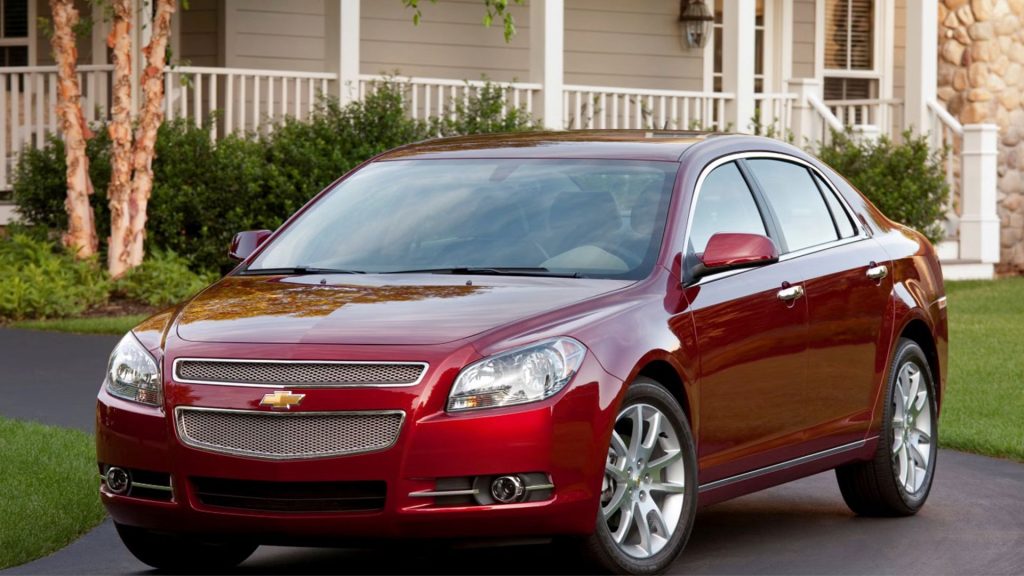
In the long term, it will probably be remembered as a practical commuter car from an era when sedans were declining in popularity. That role does not typically lead to appreciation or classic recognition.
3. Mitsubishi Eclipse Cross
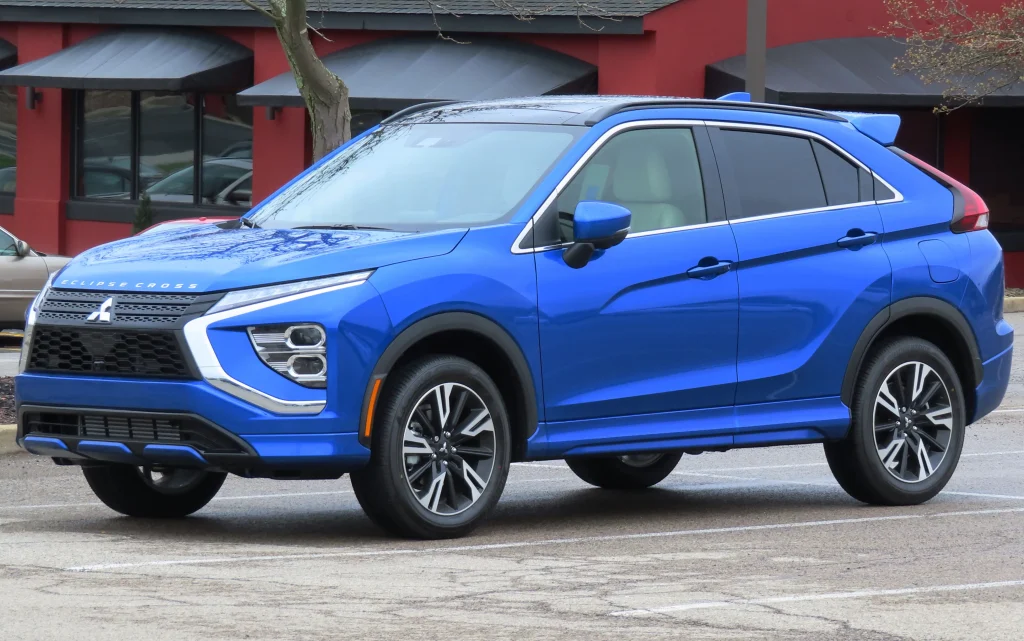
The Mitsubishi Eclipse Cross carries a name that once belonged to a beloved sport compact coupe, but the modern vehicle bearing that badge is a compact crossover focused on practicality rather than performance. That disconnect alone weakens its long term prospects.
We are writing about the Eclipse Cross because it highlights how nameplate revival without preserving core identity can hurt future desirability. The original Eclipse built a loyal enthusiast following due to its sporty styling and tuning potential. The crossover version does not carry that spirit forward in any meaningful mechanical way.
Its design is distinctive but polarizing, and polarizing styling without strong performance credentials rarely ages well. Under the hood, it offers modest turbocharged four cylinder power paired with a continuously variable transmission. While efficient, this setup does not inspire emotional connection.
Production numbers are not extremely high compared to segment leaders, but the compact crossover market is heavily saturated. There is little that separates the Eclipse Cross from dozens of alternatives in terms of performance or innovation. Without a defining trait, it risks fading into obscurity.
Another issue is brand strength. Mitsubishi’s global presence has fluctuated, and models from brands with shrinking influence often struggle to gain collector attention unless they are genuinely exceptional. The Eclipse Cross was built to fill a gap in the lineup, not to create a legacy.
Technology focused interiors and mainstream engineering further limit its uniqueness. As newer crossovers introduce improved efficiency and digital interfaces, earlier examples will likely depreciate heavily.
In the long term, the Eclipse Cross may be remembered more for its controversial name revival than for its merits. That type of legacy rarely translates into rising values or enthusiast demand.
4. Toyota C-HR
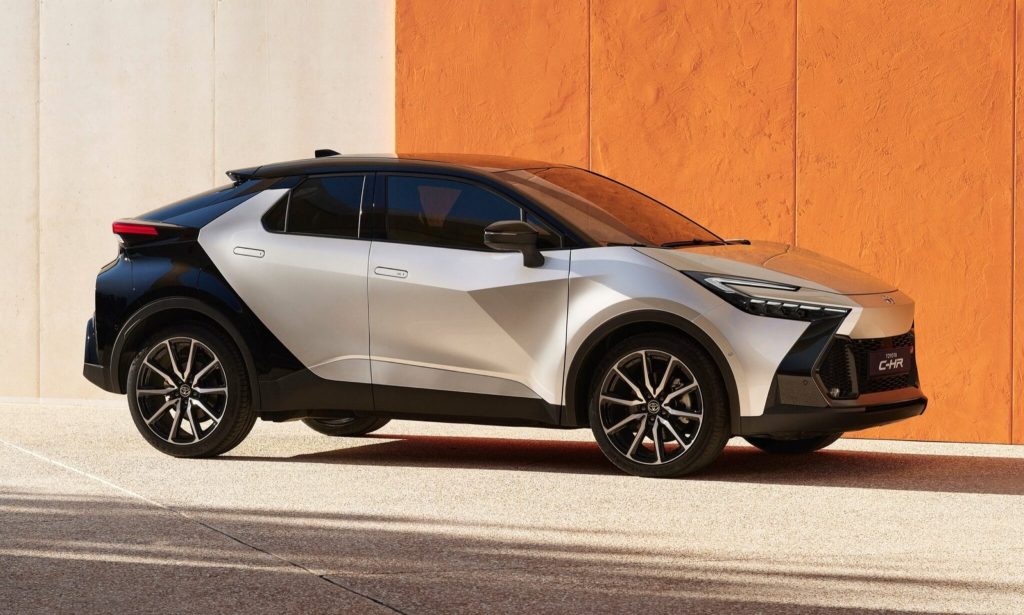
The Toyota C-HR arrived with bold styling and an attempt to capture younger buyers seeking something expressive in the subcompact crossover segment. While its design certainly stands out, its mechanical package does not match the visual drama.
We are writing about the C-HR because it represents a vehicle that leans heavily on appearance without delivering corresponding performance or versatility. Front wheel drive only in many markets and modest power output limit its appeal among driving enthusiasts. Styling alone rarely sustains long term value.
Subcompact crossovers are often purchased for affordability and urban practicality. That utilitarian role tends to generate high production numbers and strong depreciation. When supply remains abundant for years, scarcity driven appreciation becomes unlikely.
The C-HR also lacks a halo variant that could anchor future collector interest. There is no high performance version that might create nostalgia decades later. Without a defining edition or mechanical uniqueness, it blends into the broader narrative of early 2020s small crossovers.
Another factor is interior technology. Infotainment systems and digital displays age quickly, and once outdated, they rarely add charm. Mechanical purity often helps older cars remain desirable, but technology heavy entry level crossovers struggle to achieve that timeless feel.
Although the C-HR serves its intended audience well, it was not engineered with long term legacy in mind. As newer electric and hybrid urban vehicles enter the market, the C-HR may be viewed simply as a transitional product rather than a landmark model.
5. Hyundai Sonata
The Hyundai Sonata has evolved significantly over the years, offering stylish design and competitive features at an accessible price point. Despite these improvements, it faces the same challenge as many mainstream midsize sedans: oversupply and limited emotional resonance.
We are writing about the Sonata because it demonstrates how strong value does not automatically translate into future collectibility. It competes primarily on technology, warranty coverage, and affordability. While those qualities are appealing to buyers, they do not create long term mystique.
Large production volumes ensure that used examples will remain plentiful for decades. Abundance typically suppresses value growth, especially when no particular generation stands out as revolutionary in engineering or cultural impact.
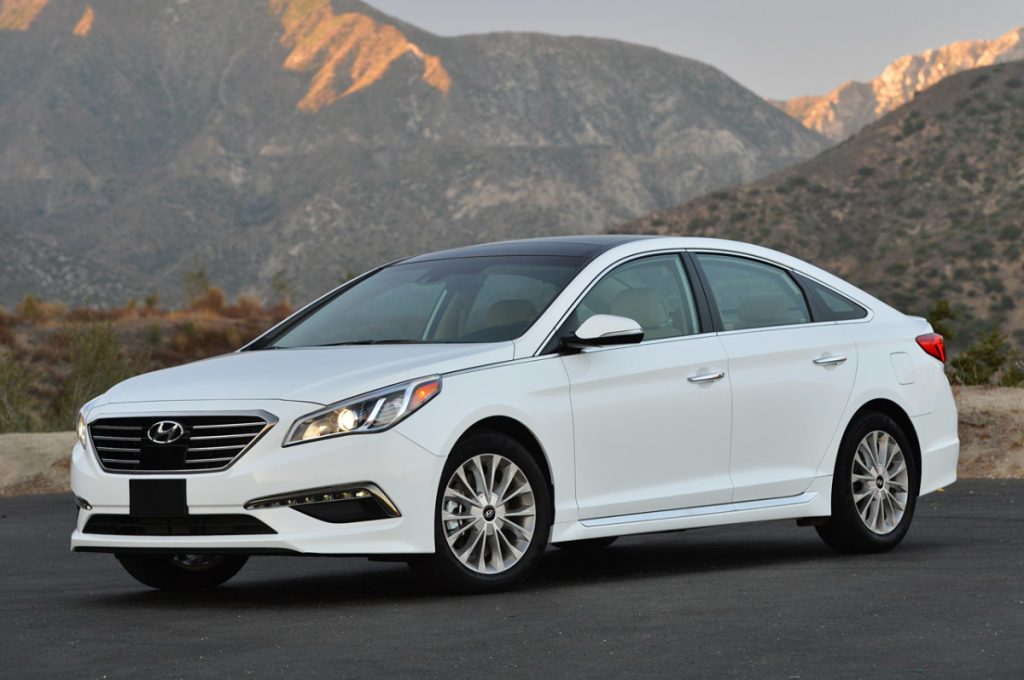
The Sonata’s performance oriented variants, while competent, have not yet established the kind of reputation that transforms a mainstream sedan into a collector item. Without a breakthrough moment or a distinctive mechanical identity, it remains a practical commuter.
As the industry shifts further toward SUVs and electrification, mainstream gasoline sedans may become less common. However, rarity alone does not guarantee appreciation. Vehicles must also represent a significant milestone or deliver a uniquely engaging experience.
The Sonata will likely continue to serve reliably in the used market, but from a collector standpoint, it lacks the narrative strength that fuels future demand. Practicality alone rarely builds legacy.
Also Read: 5 Crossovers With Excellent Blind Spot Visibility vs 5 With Poor Sightlines
