
Off road vehicles are marketed with dramatic images of mountain climbs, river crossings, and desert adventures. Skid plates scrape over rocks, tires dig into mud, and rugged bodywork appears ready for anything. Yet real world durability varies dramatically.
Some off roaders are engineered with heavy duty frames, locking differentials, solid axles, and components designed to endure years of punishment. Others wear aggressive styling cues but struggle once pavement ends.
True off road capability depends on more than ground clearance and all terrain tires. It requires a strong chassis, robust suspension geometry, proper drivetrain protection, reliable cooling systems, and mechanical simplicity that tolerates abuse.
Vehicles designed with genuine expedition or utility roots tend to survive extreme conditions. Those built primarily for urban appeal often reveal weaknesses when exposed to repeated stress.
We are writing this article to examine both ends of the spectrum. First, we will explore five off road vehicles that are widely regarded as being built like tanks. These machines have earned reputations for surviving harsh terrain, remote expeditions, and years of demanding use. Their engineering prioritizes durability over trend driven features.
After that, we will shift to five vehicles that may look adventurous but frequently struggle on even moderate trails. In some cases, fragile components, limited articulation, or vulnerable drivetrains lead to breakdowns. In others, complex electronics or crossover based platforms limit their resilience.
The goal is not to shame or glorify blindly, but to analyze why certain vehicles thrive in off road environments while others falter. Off roading exposes mechanical weaknesses quickly. Understanding what separates genuine toughness from marketing can save owners frustration and expensive repairs.
Also Read: 5 Budget Cars With Premium Interiors vs 5 That Feel Excessively Cheap
5 Off Roaders That Are Built Like Tanks
True off road durability begins with a solid foundation. Body on frame construction, heavy duty axles, strong transfer cases, and mechanical simplicity create vehicles capable of absorbing punishment without constant repairs.
Engineers who design for global markets with limited service infrastructure often overbuild components, knowing reliability is critical in remote regions.
We are writing about the following five off roaders because they consistently demonstrate resilience in extreme environments. These vehicles are used in deserts, jungles, arctic climates, and mountainous terrain across the world. Many have proven themselves in military service, humanitarian missions, and expedition travel.
A key factor behind their toughness is conservative engineering. Instead of chasing maximum horsepower or luxury technology, they focus on strong driveline components, durable suspension arms, and protective underbody hardware. Repairability also plays an important role. Vehicles that can be fixed easily with basic tools often survive longer in harsh conditions.
Longevity further reinforces their reputation. Many of these models remain on the road decades after production, accumulating hundreds of thousands of kilometers on rough terrain. Their frames resist twisting, their differentials withstand torque loads, and their cooling systems manage sustained stress.
Another advantage is community support. Strong aftermarket ecosystems allow owners to upgrade suspension components, reinforce weak points, and maintain vehicles long after factory support ends. This adaptability extends lifespan and enhances durability.
The five vehicles below were selected because they combine structural strength, proven drivetrains, and real world endurance. They are not simply styled for adventure. They are engineered to withstand repeated punishment. Below is the first off roader widely regarded as being built like a tank.
1. Toyota Land Cruiser 70 Series
The Toyota Land Cruiser 70 Series has become legendary for its ruggedness. Introduced decades ago and still in production in certain markets, it represents old school durability in a modern world increasingly dominated by electronics and comfort features.
We are writing about the Land Cruiser 70 Series because it was designed specifically for harsh environments. Body on frame construction provides exceptional structural rigidity. Solid front and rear axles deliver strength and articulation, while heavy duty leaf springs in some variants prioritize load carrying capacity over ride comfort.
Its engines are tuned for reliability rather than peak output. Diesel variants in particular are known for enduring extreme heat and high mileage without major failures. Simplicity reduces the number of components that can malfunction during remote travel.
Drivetrain components such as transfer cases and differentials are engineered to handle heavy loads. Locking differentials are available in many markets, enhancing traction while maintaining mechanical robustness. Underbody protection shields vital components from rocks and debris.
Another reason for its tank like reputation is global usage. From African safaris to Australian outback expeditions, the 70 Series operates in some of the harshest conditions on Earth. Fleet operators, mining companies, and humanitarian organizations rely on it because downtime is unacceptable.
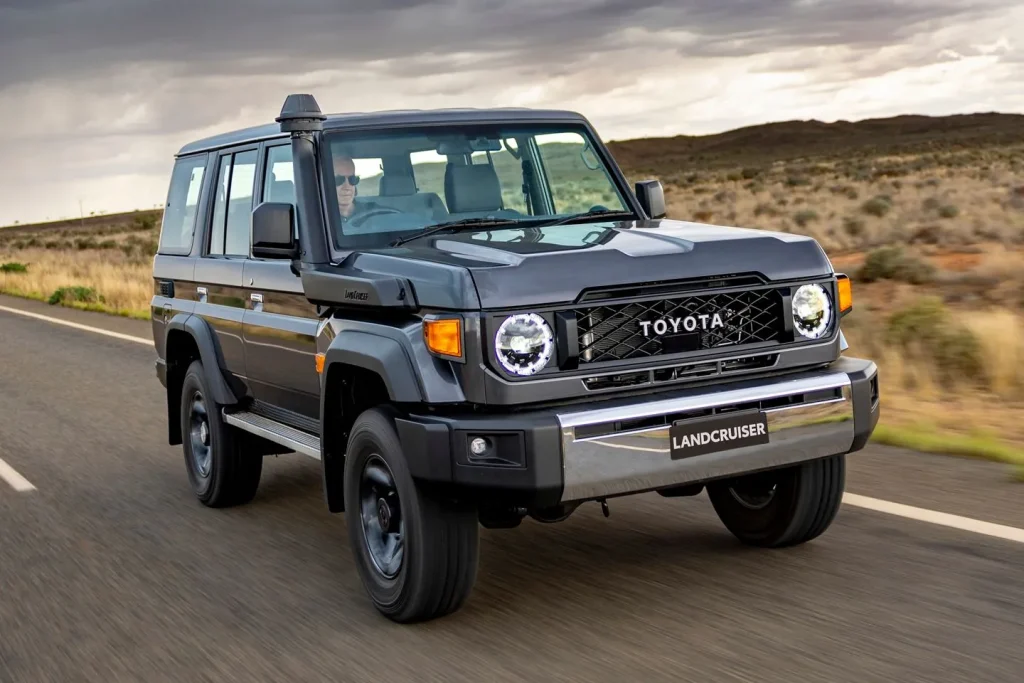
Its design philosophy emphasizes function over luxury. Interiors are basic but durable. Electronics are limited compared to modern SUVs, reducing vulnerability to water or dust damage. Repairability in remote locations is a critical strength.
The Land Cruiser 70 Series demonstrates that true off road durability comes from overbuilt components and long term engineering refinement. It stands as one of the most respected examples of a vehicle built to endure punishment year after year without compromise.
2. Jeep Wrangler Rubicon
The Jeep Wrangler Rubicon has built its reputation on trail performance that goes far beyond cosmetic upgrades. While many SUVs borrow rugged styling cues, the Rubicon variant is engineered with hardware specifically designed for extreme terrain.
We are writing about the Wrangler Rubicon because it represents one of the few mass market vehicles purpose built for rock crawling and challenging trails straight from the factory. Its body on frame construction provides strength and flexibility under torsional stress, while solid front and rear axles enhance articulation and durability.
Heavy duty Dana axles, electronic locking differentials, and a low range transfer case allow the Rubicon to maintain traction in situations where lesser vehicles spin helplessly. These components are not simply marketing additions. They are robust mechanical systems designed to withstand repeated torque loads.
The suspension is tuned for articulation, enabling wheels to maintain ground contact over uneven terrain. High ground clearance and protective skid plates shield vulnerable components such as the oil pan, transfer case, and fuel tank. Rock rails protect the body when navigating tight obstacles.
Another reason for its tank like status is aftermarket support. The Wrangler platform enjoys one of the largest modification communities in the world. Reinforced bumpers, upgraded suspension systems, and stronger driveline components are widely available, extending durability even further.
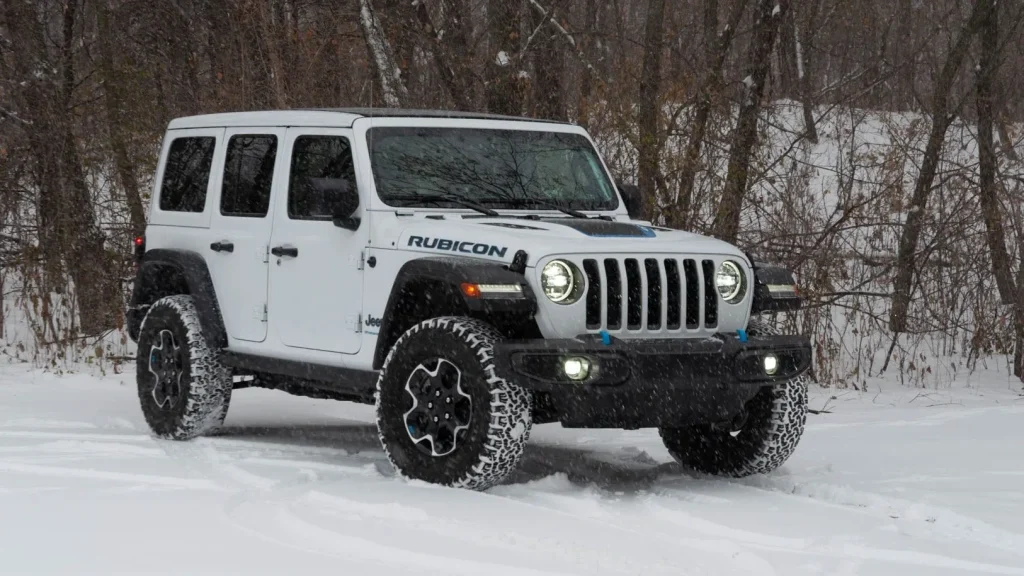
Its removable doors and roof may suggest lifestyle appeal, but underneath lies serious engineering. The Rubicon is frequently used in organized off road events and overland expeditions, enduring conditions that expose weaknesses quickly. While not immune to mechanical issues, its core structure and drivetrain are built to absorb punishment.
The Wrangler Rubicon stands as proof that genuine off road capability requires purpose built components. It is not merely styled for adventure. It is engineered for it, earning its place among vehicles built like tanks.
3. Toyota 4Runner TRD Pro
The Toyota 4Runner TRD Pro continues a lineage of body on frame SUVs known for durability. In an era when many competitors transitioned to unibody construction for comfort and efficiency, the 4Runner retained its traditional rugged foundation.
We are writing about the 4Runner TRD Pro because it blends proven mechanical strength with modern reliability. Its body on frame architecture provides structural resilience under twisting loads encountered on rocky trails. The rear solid axle adds durability and predictable articulation.
The TRD Pro variant enhances this foundation with upgraded suspension components designed to handle rough terrain. Reinforced shocks, skid plates, and all terrain tires allow the vehicle to tackle demanding conditions without immediate modification.
The naturally aspirated V6 engine emphasizes reliability over high output. While not the most powerful in its class, it is known for long service life. Pairing this engine with a robust transfer case and available locking rear differential creates a dependable drivetrain combination.
Another factor contributing to its tank like reputation is simplicity compared to luxury oriented SUVs. Although modern safety systems are present, the 4Runner avoids excessive complexity. This reduces potential electronic failures in harsh environments.
Owners frequently report high mileage durability even after years of trail use. The model is popular among overland travelers who require consistent performance far from repair facilities. Its cooling system, drivetrain components, and chassis integrity have proven capable of sustained stress.
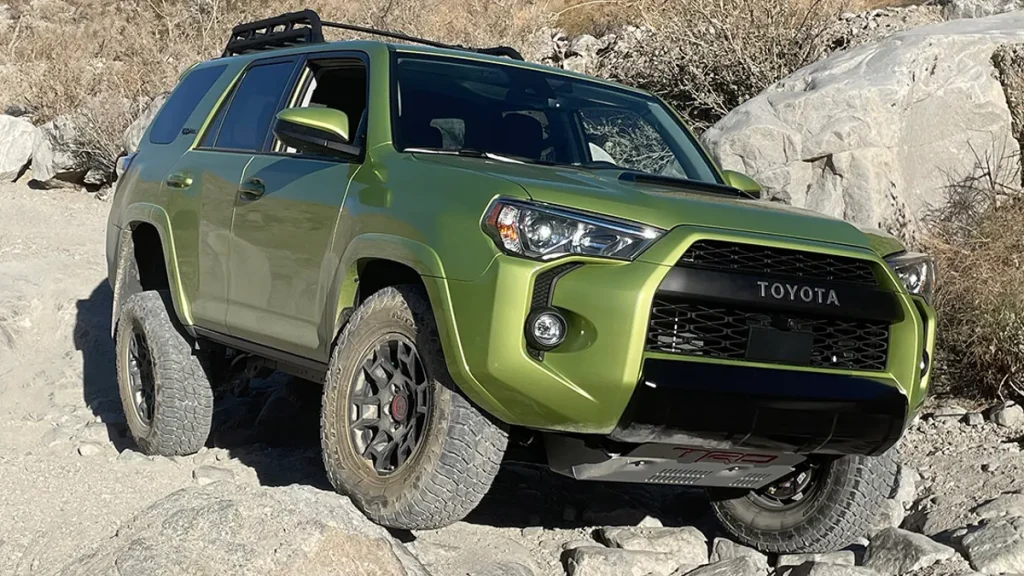
The 4Runner TRD Pro may not offer the most refined ride, but its toughness is intentional. It was engineered with off road reliability as a priority rather than an afterthought. That philosophy secures its place among the most durable off roaders available today.
4. Mercedes-Benz G-Class Professional
The Mercedes Benz G Class Professional traces its roots to military and utility applications rather than luxury showrooms. While modern G Class models emphasize high end interiors, the Professional variants focus on durability and function.
We are writing about the G Class Professional because it represents a rare combination of premium engineering and genuine off road toughness. Its ladder frame chassis provides immense strength, and solid axles at both ends enhance durability and articulation.
Three locking differentials allow precise traction control in extreme conditions. Unlike systems that rely primarily on electronic brake intervention, these mechanical locks provide direct torque distribution. This approach reduces strain and improves reliability during sustained off road use.
The G Class was originally developed for military contracts, which required resilience in harsh climates and unpredictable terrain. That heritage influences its structural design. Thick steel components and heavy duty suspension parts contribute to its tank like feel.
Ground clearance and underbody protection further enhance survivability. The Professional variant avoids excessive luxury electronics, focusing instead on durability. While maintenance costs can be high, the core mechanical architecture is built for longevity.
Its global reputation reinforces its status. From desert patrols to mountainous expeditions, the G Class has proven capable of enduring environments that expose weaknesses quickly. Few vehicles combine such structural strength with refined engineering.

Although modern luxury versions have evolved significantly, the Professional model remains closest to the original utilitarian concept. It stands as one of the most robust off road platforms ever produced, earning recognition as a vehicle built to withstand severe punishment.
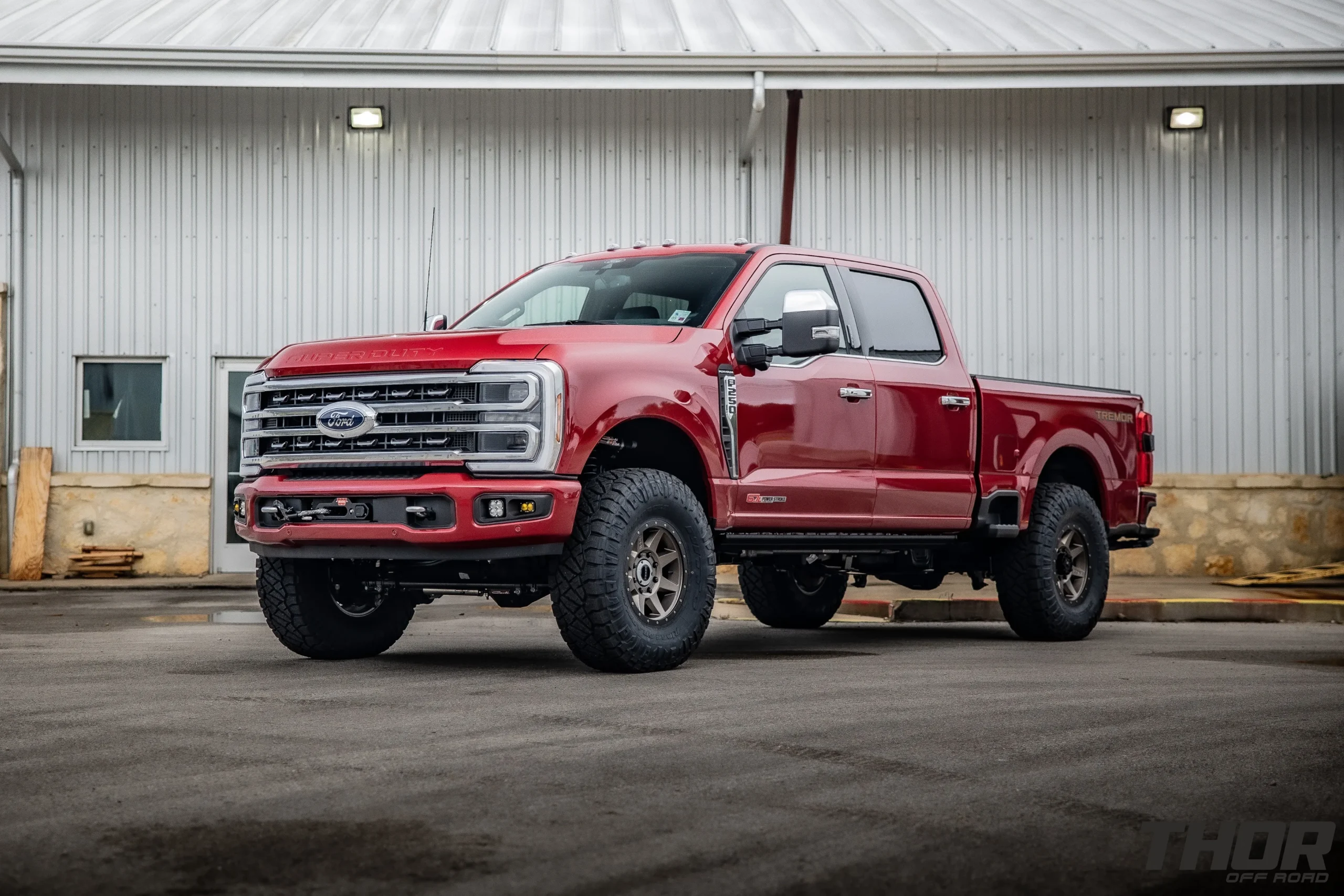
5. Ford F 250 Super Duty Tremor
The Ford F 250 Super Duty Tremor may be classified as a heavy duty pickup, but in off road form it becomes a formidable machine capable of enduring punishment that would overwhelm many traditional SUVs. Its size alone does not define its toughness. Its engineering does.
We are writing about the F 250 Super Duty Tremor because it combines commercial grade durability with specialized off road upgrades. Built on a fully boxed high strength steel frame, the Super Duty platform is designed to tow and haul extreme loads. That overbuilt foundation translates directly into trail resilience.
The Tremor package enhances capability with upgraded suspension components, larger all terrain tires, and improved ground clearance.
Reinforced shocks and skid plates protect vulnerable components. While it may not be as nimble as smaller off roaders, its structural strength allows it to absorb significant impacts without bending or cracking key components.
Heavy duty axles and a robust transfer case provide confidence when navigating uneven terrain. The drivetrain is engineered to handle high torque output from powerful gasoline or diesel engines. That strength reduces the risk of component failure during demanding climbs or while carrying heavy gear.
Another advantage is cooling capacity. Designed for towing in extreme conditions, the Super Duty platform includes large radiators and transmission cooling systems. This helps prevent overheating during prolonged low speed off road driving, which can strain engines and gearboxes.
The Tremor variant also includes selectable drive modes and electronic aids, but its durability stems primarily from mechanical robustness rather than software alone. Its components are sized for commercial workloads, meaning moderate off road abuse rarely pushes them beyond design limits.
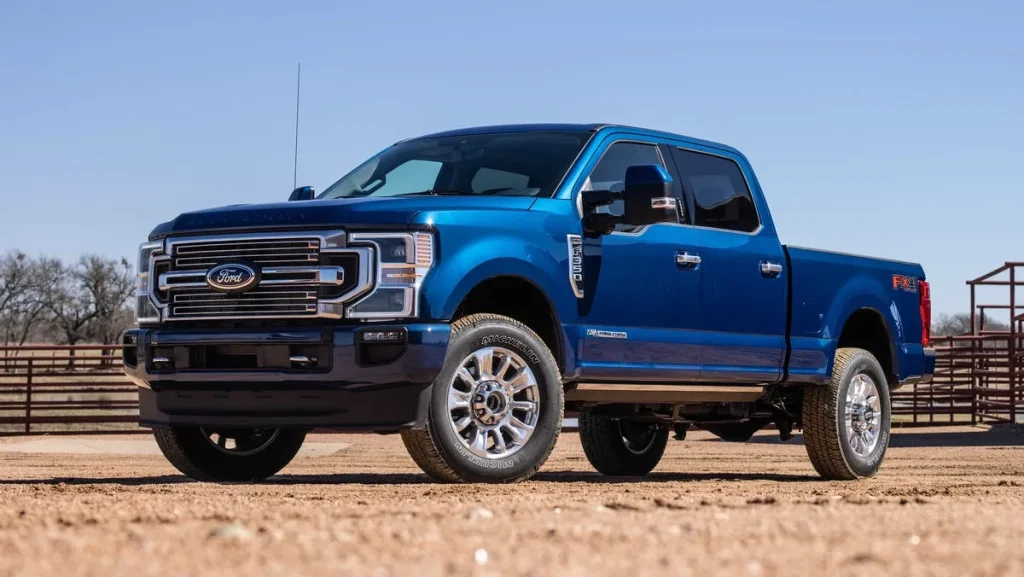
While its large footprint can limit maneuverability in tight trails, its tank like construction ensures that frame, suspension, and drivetrain components remain intact under heavy stress. The F 250 Super Duty Tremor completes our list of five off roaders engineered with true structural strength and resilience.
5 That Break on Simple Trails
Not every vehicle marketed with rugged styling can withstand genuine off road use. Many modern crossovers prioritize comfort, fuel economy, and on road handling over structural strength. While they may feature all wheel drive systems and plastic cladding, their underlying architecture often limits durability on rough terrain.
We are writing about the following five vehicles because they illustrate how certain design choices can create vulnerabilities on even moderate trails.
Unibody construction, low ground clearance, fragile suspension components, and limited drivetrain protection can lead to breakdowns when exposed to rocks, ruts, and uneven surfaces.
Some vehicles struggle due to weak cooling systems that overheat during slow technical driving. Others suffer from limited articulation, causing wheels to lift and traction systems to overcompensate. Plastic underbody panels can crack, and exposed components may be damaged by simple obstacles.
It is important to emphasize that these vehicles may perform well in urban conditions or on light gravel roads. However, once terrain becomes uneven or moderately challenging, weaknesses can surface quickly.
Owners expecting true off road durability may find themselves facing repairs after relatively simple excursions.
The three vehicles below demonstrate how styling and marketing can create expectations that mechanical design does not fully support.
1. Jeep Renegade Trailhawk
The Jeep Renegade Trailhawk carries a badge associated with serious off road heritage, yet its compact crossover platform limits its durability in demanding conditions. While it includes features such as skid plates and an all wheel drive system, its underlying structure is unibody rather than body on frame.
We are writing about the Renegade Trailhawk because it highlights how platform limitations can undermine off road aspirations. Built on a small car architecture shared with other compact models, it lacks the heavy duty frame strength found in larger Jeep products.
Ground clearance is modest compared to true off roaders, and suspension articulation is limited. On uneven trails, wheels can lift easily, forcing traction control systems to work aggressively. Excessive reliance on electronic intervention can generate heat and strain drivetrain components.
Underbody protection exists but is not as robust as that found on purpose built off road vehicles. Plastic elements and lighter gauge metal can suffer damage from rocks that heavier vehicles would shrug off. Approach and departure angles are improved over standard versions, yet still constrained by compact dimensions.
The Renegade Trailhawk can handle light to moderate trails with care. However, repeated exposure to rough terrain may accelerate wear on suspension components and driveline parts. It serves better as a capable urban crossover than a true expedition vehicle.
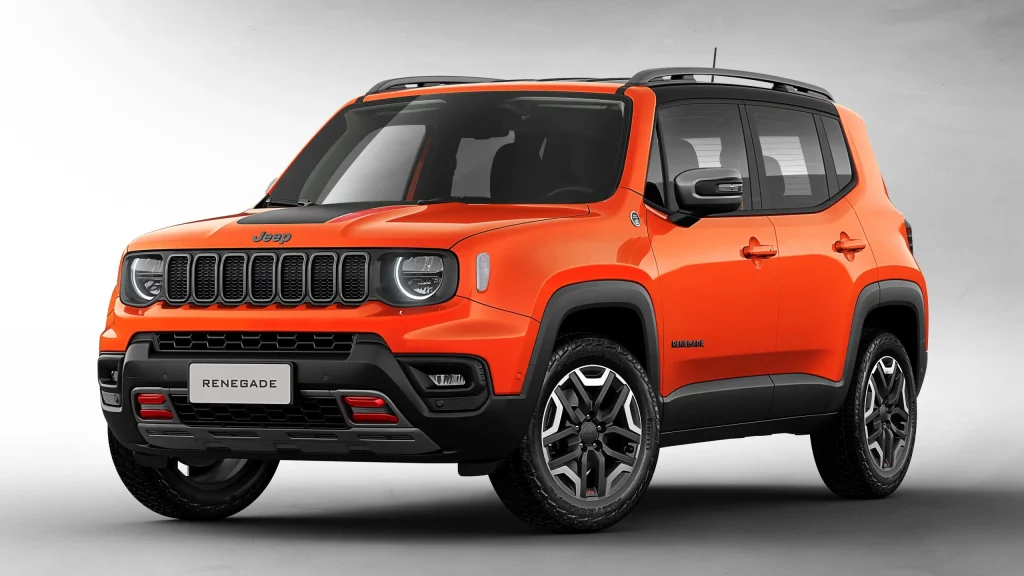
While the Trailhawk badge suggests toughness, its car based origins place limits on how much punishment it can absorb. On simple trails it may perform adequately, but pushing beyond moderate conditions can reveal its structural compromises.
2. Subaru Outback Wilderness
The Subaru Outback Wilderness is marketed as a more rugged variant of the popular wagon based crossover. With increased ground clearance and all terrain tires, it appears ready for adventure. However, its unibody construction and independent suspension setup impose durability limits.
We are writing about the Outback Wilderness because it demonstrates how enhanced trim packages cannot fully transform a vehicle’s structural DNA. While it performs impressively on dirt roads and snow covered paths, rocky trails can expose weaknesses.
Its continuously variable transmission is optimized for smooth on road driving and efficiency. Prolonged low speed crawling on steep terrain can generate heat, placing strain on the transmission system. Unlike traditional low range transfer cases, it lacks true gear reduction for technical obstacles.
Suspension components are designed primarily for ride comfort and moderate off road travel rather than repeated heavy articulation. Hard impacts on uneven terrain can accelerate wear on bushings and control arms.
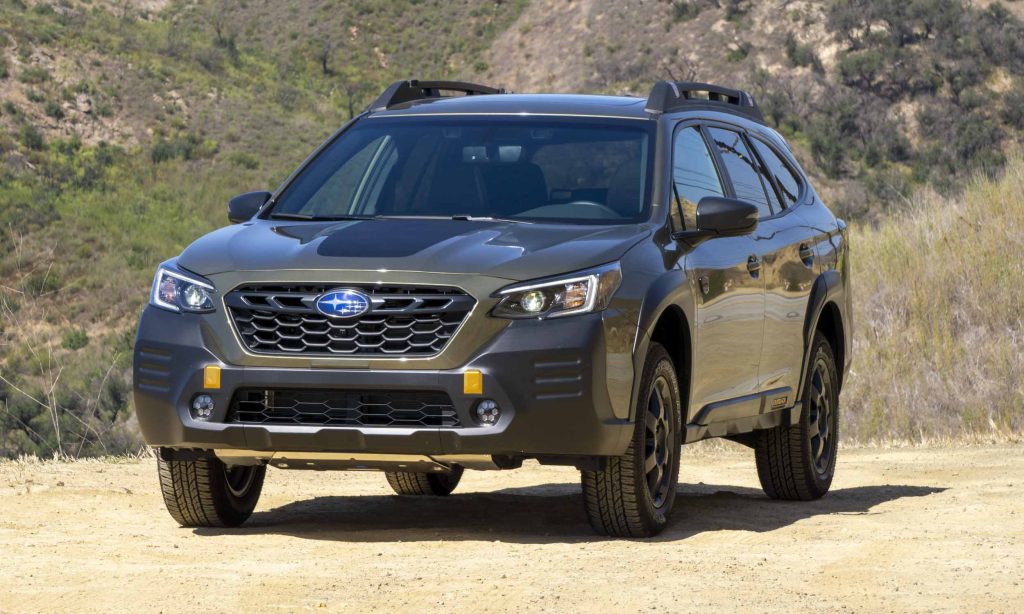
Underbody protection is improved compared to standard models, yet remains lighter than that found on body on frame off roaders. Vulnerable components such as the exhaust system and differential housings may be exposed on rough trails.
The Outback Wilderness excels as a versatile adventure vehicle for camping trips and mild terrain exploration. However, on rocky or deeply rutted trails, its structural and drivetrain limitations can lead to damage or mechanical stress.
It represents a capable crossover rather than a true tank like off roader. Understanding that distinction helps prevent unrealistic expectations that may result in costly repairs.
3. Chevrolet Blazer
The modern Chevrolet Blazer revived a historic name, but its engineering direction differs significantly from the rugged SUVs of the past. Built on a unibody crossover platform, it prioritizes on road comfort and sporty styling rather than heavy duty off road resilience.
We are writing about the Blazer because it illustrates how heritage names can create expectations that mechanical design does not fulfill. While it offers available all wheel drive and traction management systems, it lacks the structural strength and protective hardware required for sustained trail use.
Ground clearance is moderate at best, and approach and departure angles are limited by its low front fascia and extended bodywork. On uneven terrain, the risk of scraping bumpers or damaging underbody components increases quickly.
Its suspension is tuned primarily for highway stability and urban driving. Independent setups can provide good ride quality but may struggle under repeated heavy articulation. Hard impacts on rocky trails can stress control arms and bushings more than they would in body on frame vehicles.
Cooling systems in crossovers are typically optimized for road speeds. Prolonged low speed off road crawling can reduce airflow, potentially increasing engine and transmission temperatures. Without dedicated low range gearing, the drivetrain may work harder than intended during steep climbs.
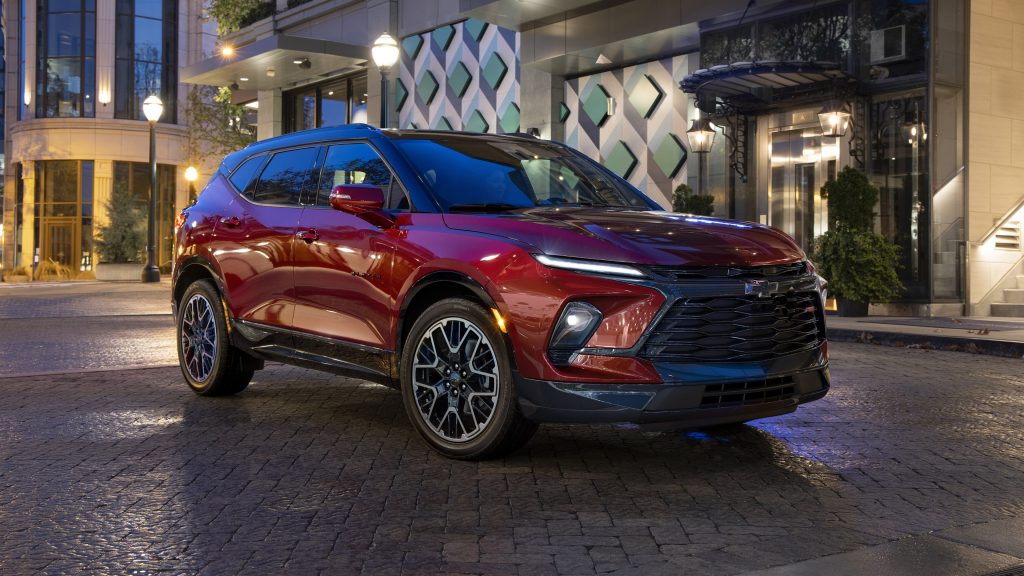
While the Blazer is perfectly suited for paved roads and light gravel paths, it is not engineered to withstand repeated off road punishment. Owners who attempt moderate trails may encounter underbody damage or accelerated wear.
The Blazer demonstrates that modern styling and marketing cannot replace structural durability. Despite carrying a name associated with adventure, its design focus remains firmly rooted in everyday driving comfort rather than tank like toughness.
4. Honda CR V
The Honda CR V is one of the most popular compact crossovers in the world, known for reliability, efficiency, and practicality. However, genuine off road durability is not part of its core design philosophy.
We are writing about the CR V because it represents how mainstream crossovers can struggle when taken beyond their intended environment. Its unibody construction and front wheel drive biased all wheel drive system are optimized for urban and suburban conditions.
Ground clearance is limited compared to dedicated off roaders. On trails with deep ruts or rocks, underbody components such as the exhaust and fuel tank can be vulnerable. Protective skid plates are minimal or absent in many trims.
The all wheel drive system engages primarily when slip is detected, rather than offering mechanical locking capability. This reactive approach works well in snow or light mud but may overheat or struggle in sustained low traction situations.
Suspension geometry favors comfort and predictable road manners. While this makes daily commuting pleasant, it reduces articulation on uneven terrain. Wheels may lift easily, forcing traction control systems to compensate.
Cooling systems are also designed with highway airflow in mind. Slow speed crawling can reduce cooling efficiency, placing additional stress on the powertrain.
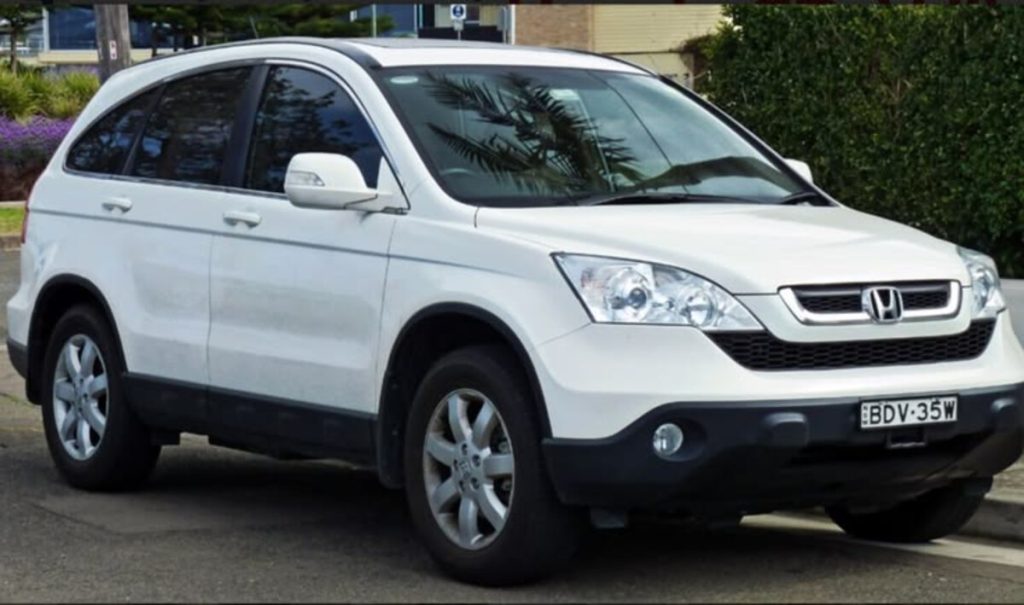
The CR V excels in its intended role as a practical family vehicle. However, on simple trails that involve uneven surfaces and moderate obstacles, its limitations become apparent. It was never engineered as a rugged off road platform, and attempting to use it as one can result in premature wear or damage
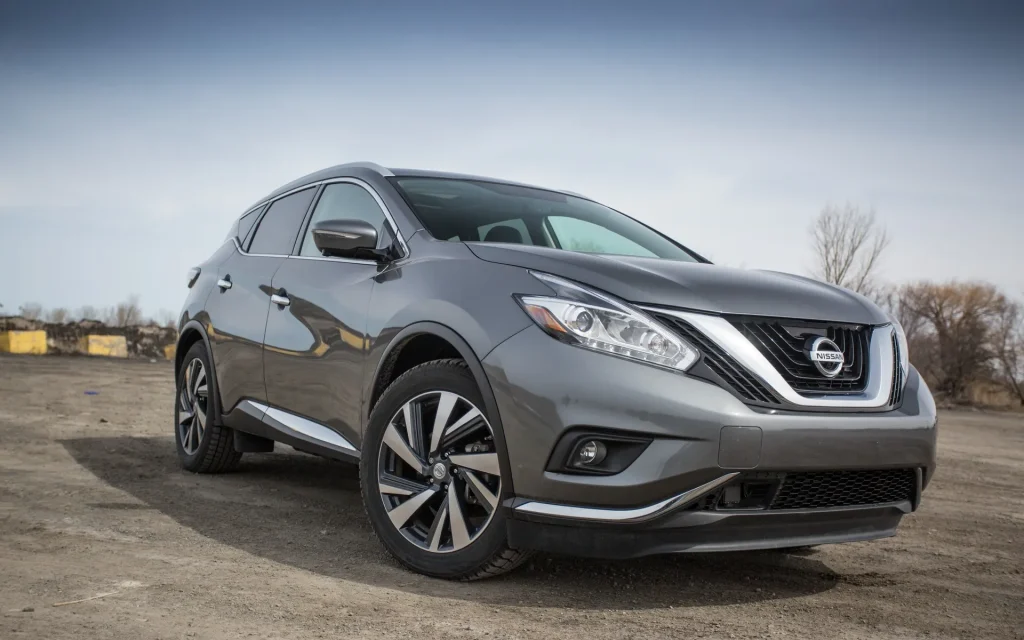
5. Nissan Murano
The Nissan Murano focuses heavily on comfort, smooth ride quality, and modern styling. Its design philosophy centers on urban refinement rather than off road resilience. As a result, even simple trails can present challenges.
We are writing about the Murano because it clearly illustrates the gap between crossover aesthetics and genuine trail durability. Its unibody construction and road oriented suspension tuning provide comfortable daily driving but limit structural robustness on uneven terrain.
Ground clearance is relatively low compared to purpose built off road vehicles. Steep inclines or rocky paths increase the likelihood of scraping the underbody. Protective components are minimal, leaving sensitive areas exposed.
The continuously variable transmission is optimized for efficiency and smoothness. Prolonged low speed climbing or descending on rough trails can generate additional heat, which may strain the transmission system. Without a low range transfer case, torque delivery during technical maneuvers is less controlled.
Approach and departure angles are constrained by body design. Long overhangs increase the risk of bumper damage when navigating obstacles. Independent suspension components are also more susceptible to impact stress compared to solid axle setups.
While the Murano handles snow covered roads and light gravel comfortably, repeated exposure to rocky or uneven trails can accelerate wear. It was engineered for paved surfaces first and foremost.
True off road durability depends on structural strength, mechanical simplicity, protective hardware, and conservative engineering.
Vehicles such as the Land Cruiser 70 Series, Wrangler Rubicon, 4Runner TRD Pro, G Class Professional, and F 250 Super Duty Tremor demonstrate how overbuilt components create lasting resilience.
Conversely, crossovers like the Renegade Trailhawk, Outback Wilderness, Blazer, CR V, and Murano reveal how platform limitations can surface quickly on simple trails. They are capable in moderate conditions but not designed for sustained punishment.
Understanding these differences allows buyers to match vehicle capability with intended use. Off road marketing can be persuasive, but mechanical design ultimately determines whether a vehicle is built like a tank or vulnerable on basic terrain.
Also Read: 5 Budget Cars With Premium Interiors vs 5 That Feel Excessively Cheap
