
In the modern automotive market, the line between economy and luxury has become increasingly blurred. Advances in manufacturing, global competition, and rising consumer expectations have pushed even budget friendly vehicles to offer features that were once reserved for premium brands.
Soft-touch materials, large infotainment screens, advanced driver assistance systems, and refined ride quality are no longer exclusive to high price tags.
Yet not all economy cars are created equal. Some manage to deliver a surprisingly upscale experience despite modest pricing.
They offer quiet cabins, composed suspension tuning, thoughtful interior design, and a sense of solidity that makes drivers forget they are in an entry level vehicle. These cars demonstrate how careful engineering and smart cost allocation can create genuine value.
On the other hand, certain economy models still feel distinctly budget oriented. Thin insulation, excessive road noise, hard plastics, and unrefined drivetrains can make them feel more like oversized toys than serious transportation. While they may fulfill basic mobility needs, the experience often lacks substance and durability.
We are writing this article to explore both sides of that contrast. First, we will examine five economy cars that consistently surprise drivers by delivering a near luxury feel at accessible prices. These vehicles elevate expectations and prove that refinement does not always require a premium badge.
After that, we will shift to five economy cars that, despite competitive pricing, feel lightweight and underdeveloped in comparison. Understanding these differences can help buyers prioritize comfort, build quality, and long term satisfaction rather than focusing solely on sticker price.
The difference between feeling premium and feeling cheap often lies in details. Engineering choices, material quality, and chassis tuning can transform a basic car into something far more sophisticated or reduce it to something forgettable.
Also Read: 5 Used European Cars That Are Reliable vs 5 That Require Constant Repairs
5 Economy Cars That Feel Like Luxury Vehicles
The idea of luxury has evolved. It is no longer defined solely by leather upholstery or brand prestige. Today, refinement means low noise levels, smooth power delivery, intuitive technology, and solid construction.
An economy car that achieves these qualities can feel far more expensive than its price suggests.
We are writing about the following five economy cars because they consistently deliver experiences that exceed expectations.
They combine thoughtful interior design, balanced ride comfort, and strong perceived quality. Many incorporate advanced safety systems and infotainment features that rival entry level luxury models.
A key factor is sound insulation. Cars that effectively reduce road and wind noise create an immediate impression of sophistication. Suspension tuning also plays a major role. A composed ride over broken pavement gives occupants confidence and comfort typically associated with higher segments.
Material selection contributes significantly to perception. Soft touch dashboard panels, tight panel gaps, and durable seat fabrics elevate the environment. Even subtle details such as door weight and switchgear feedback influence how premium a vehicle feels.
Another important element is drivetrain refinement. Smooth transmissions and well calibrated engines reduce vibration and harshness. When acceleration feels linear and controlled, the entire vehicle seems more substantial.
The five cars below demonstrate how economy pricing does not automatically mean compromise. Through smart engineering and attention to detail, they manage to deliver an upscale experience that challenges conventional expectations. Below is the first economy car widely recognized for feeling far more expensive than its category suggests.
1. Mazda3
The Mazda3 has earned praise for consistently delivering a near premium experience within the compact car segment. From exterior styling to cabin materials, it reflects a deliberate attempt to compete with entry level luxury vehicles rather than simply other economy cars.
We are writing about the Mazda3 because it represents one of the clearest examples of thoughtful engineering elevating a budget friendly platform.
Its interior design emphasizes minimalism and high quality materials. Soft touch surfaces, clean dashboard layout, and precise switchgear create an environment that feels carefully crafted.
Road noise insulation is noticeably better than many competitors. Mazda invested in sound dampening and chassis rigidity improvements, resulting in a cabin that remains composed at highway speeds. This quietness contributes significantly to its upscale impression.
Suspension tuning strikes a balance between comfort and responsiveness. Unlike some economy cars that feel floaty or unsettled, the Mazda3 feels planted and controlled. Steering feedback is refined, adding to the sense of precision often associated with more expensive vehicles.
Drivetrain refinement further enhances the experience. Smooth automatic transmissions and responsive engines provide steady acceleration without excessive vibration. Even base models feel well calibrated rather than stripped down.
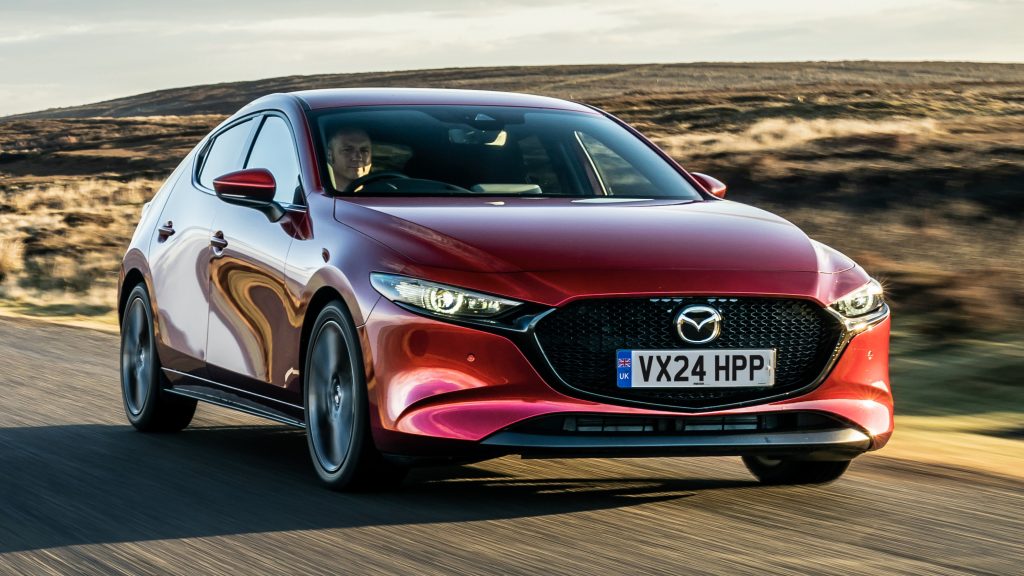
Exterior styling also contributes to its premium aura. Flowing body lines and a restrained design language give it an elegance rarely seen in the compact segment. It avoids exaggerated styling cues in favor of subtle sophistication.
The Mazda3 proves that an economy car can prioritize refinement and material quality without drastically increasing cost. By focusing on sensory details and engineering discipline, it delivers an experience that feels genuinely upscale, setting a high benchmark for affordable vehicles.
2. Honda Civic
The Honda Civic has long been known for reliability and practicality, but recent generations have elevated refinement to a level that surprises many buyers. It no longer feels like a basic commuter car. Instead, it delivers a composed and mature driving experience that approaches entry level luxury territory.
We are writing about the Civic because it demonstrates how incremental engineering improvements can transform a mainstream compact into something far more sophisticated. The cabin design emphasizes clean lines and high quality materials, with textured surfaces and well integrated digital displays that avoid looking cheap or cluttered.
Noise reduction has improved significantly. Road and wind noise are well controlled, especially at highway speeds. The structure feels rigid, reducing vibrations that often make economy cars feel lightweight. This solidity enhances perceived quality immediately upon driving.
Ride comfort is another strength. The suspension absorbs bumps without excessive harshness while maintaining stability in corners. The balance between comfort and control gives the Civic a composed character typically associated with higher priced sedans.
The steering is precise and predictable, contributing to a confident driving feel. Unlike some economy models that prioritize softness at the expense of engagement, the Civic feels tuned with care. The drivetrain also delivers smooth acceleration, and the transmission calibration avoids abrupt shifts.
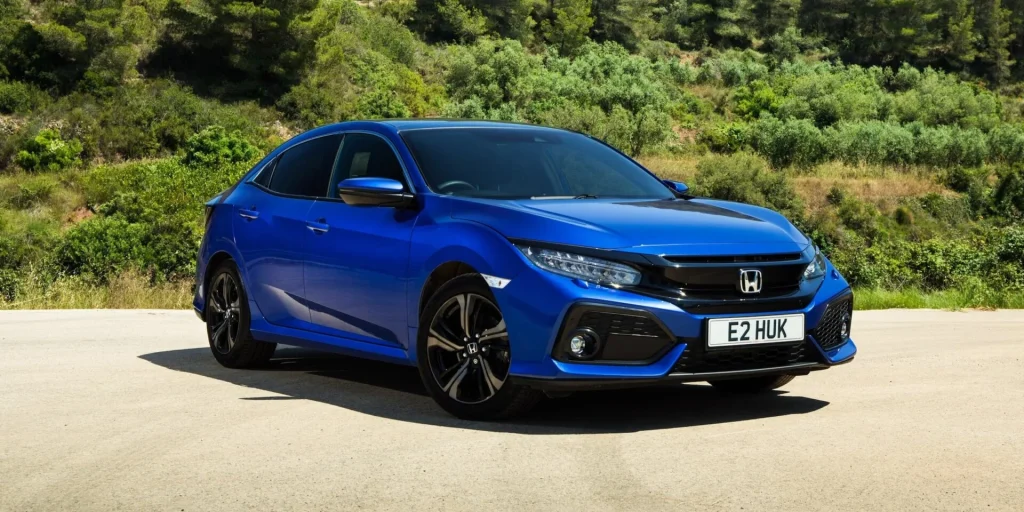
Interior space planning adds to its upscale impression. Thoughtful ergonomics and well positioned controls reduce distraction and make the cabin feel intentional rather than cost constrained.
The Civic proves that long standing economy models can evolve beyond their original image. By focusing on refinement, structural rigidity, and cohesive design, Honda created a compact car that often feels more expensive than it is.
3. Hyundai Elantra
The Hyundai Elantra has transformed over the past decade. Once perceived as purely budget focused, it now offers a blend of design sophistication and feature richness that rivals many pricier vehicles.
We are writing about the Elantra because it reflects how aggressive investment in design and technology can elevate a compact sedan’s presence. The cabin incorporates large digital displays and a driver focused layout that feels modern and deliberate. Materials, while not extravagant, are thoughtfully arranged to create a cohesive and refined atmosphere.
Ride quality is composed for its class. The suspension filters out minor road imperfections effectively, providing comfort that feels mature rather than economy oriented. At cruising speeds, cabin noise remains controlled, enhancing the sense of insulation from the outside world.
The drivetrain contributes to this perception. Smooth acceleration and well tuned transmissions prevent the jerky or strained feel sometimes associated with lower cost vehicles. Even base engines are calibrated for steady power delivery.
Safety technology is another area where the Elantra excels. Advanced driver assistance systems that were once reserved for premium brands are available in this segment, reinforcing the impression of value and sophistication.
Exterior styling is bold yet structured. While design taste is subjective, the Elantra avoids appearing cheap or simplistic. Crisp lines and confident proportions give it visual presence beyond its price category.
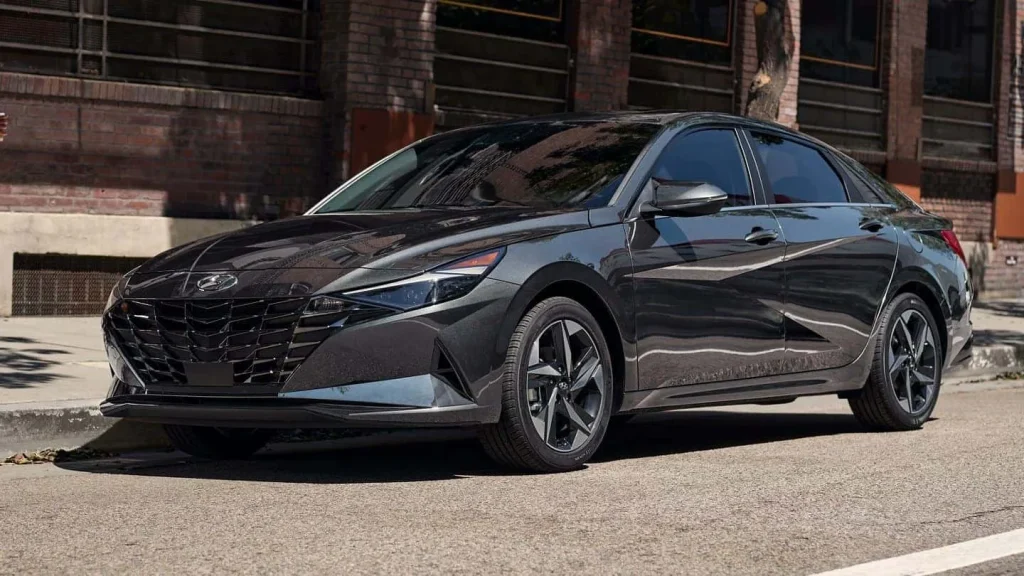
The Elantra shows how strategic focus on technology, refinement, and design cohesion can dramatically shift perception. It stands as an example of an economy car that delivers far more than basic transportation, approaching the comfort and features expected in luxury entry segments.
4. Toyota Corolla
The Toyota Corolla has built its legacy on reliability, but modern versions add an unexpected layer of polish. While earlier generations prioritized practicality above all else, recent models incorporate improvements that enhance refinement and cabin comfort.
We are writing about the Corolla because it illustrates how a traditionally conservative model can quietly evolve into something more sophisticated. The interior layout feels organized and sturdy. Controls operate with reassuring precision, and panel fit quality reinforces a sense of durability.
Ride comfort is notably improved compared to older iterations. The suspension handles uneven pavement with composure, minimizing harsh impacts. Combined with better sound insulation, this creates a calm driving environment.
Steering response is predictable and steady, which enhances driver confidence. The vehicle feels stable at highway speeds, avoiding the nervous or floaty sensation common in some economy vehicles.
The drivetrain emphasizes smoothness. Acceleration may not be aggressive, but it is linear and refined. Transmission calibration prioritizes comfort rather than abrupt gear changes.
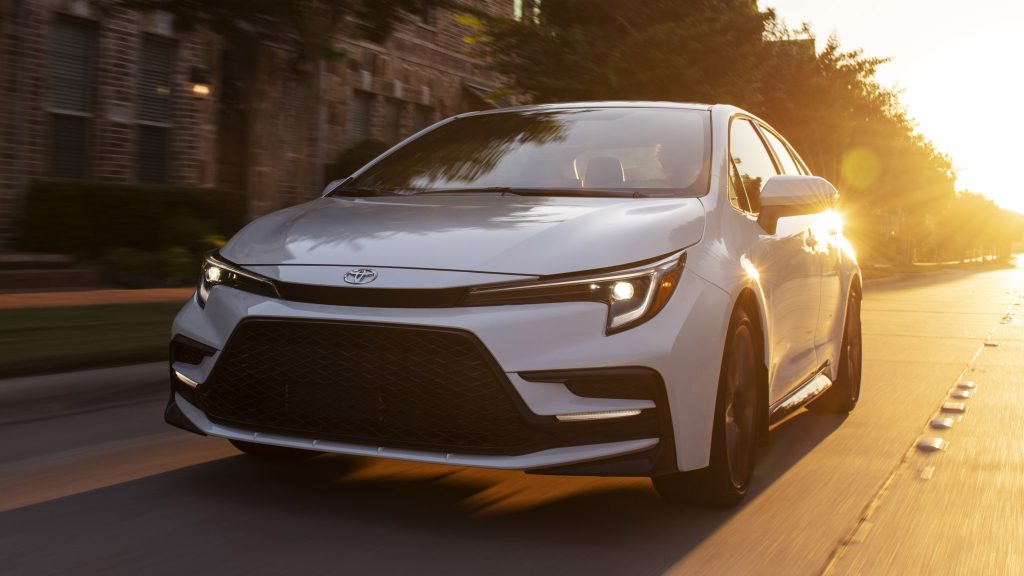
Another factor is build consistency. Toyota’s manufacturing discipline ensures tight tolerances and reliable assembly. Over time, this contributes to a sense of long term quality that reinforces the premium feel.
The Corolla may not shout luxury, but it delivers quiet competence and structural solidity. That understated refinement allows it to feel more expensive than its category suggests, especially for buyers seeking calm and comfort over flashiness.
5. Kia Forte
The Kia Forte rounds out our list of economy cars that feel more upscale than their price tags suggest. Over multiple generations, Kia has steadily improved material quality, cabin design, and overall refinement, allowing the Forte to compete well above its traditional segment expectations.
We are writing about the Forte because it demonstrates how value oriented brands can redefine perception through attention to detail. The interior layout is clean and logically arranged, with intuitive infotainment controls and a modern digital interface that avoids looking overly budget focused.
Material quality is competitive within the compact class. While hard plastics are present in lower sections, the areas most frequently touched by occupants often feature improved textures and thoughtful trim accents. The overall effect feels cohesive rather than stripped down.
Ride quality is another strong point. The suspension tuning absorbs everyday road imperfections with confidence, limiting harsh vibrations that often make entry level vehicles feel lightweight. At highway speeds, the cabin remains relatively quiet, reinforcing a sense of composure.
Steering and braking feel consistent and predictable. This balanced calibration creates a reassuring driving experience rather than one that feels fragile or underdeveloped. Even base engine options deliver steady power without excessive noise.
Safety features are widely available, including advanced driver assistance systems that contribute to a feeling of modern sophistication. When combined with a competitive warranty, the Forte projects long term value and confidence.
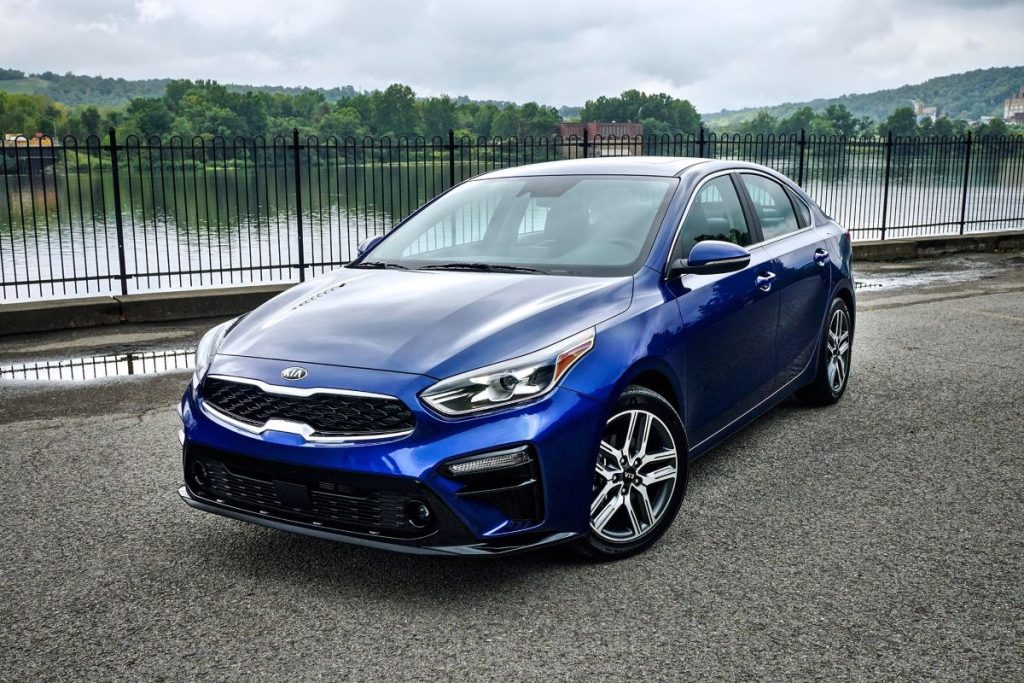
The Kia Forte proves that economy cars can deliver a surprisingly refined and well rounded experience. It completes our first group by showing how thoughtful engineering and steady brand improvement can produce vehicles that feel closer to luxury than their pricing would indicate.
5 That Feel Like Toys
While some economy cars exceed expectations, others reveal their cost cutting measures immediately. Thin insulation, excessive engine noise, lightweight body panels, and underpowered drivetrains can create an experience that feels flimsy rather than reassuring.
We are writing about the following five vehicles because they illustrate how compromises in material quality, structural rigidity, and tuning can affect perception. These cars may fulfill basic transportation needs, but they often lack the solidity and composure that create confidence.
A toy like feel can come from multiple sources. Excessive cabin noise makes occupants feel exposed. Hard, hollow sounding plastics reduce perceived quality. Light steering and overly soft suspension can make a vehicle seem unstable. Underpowered engines paired with noisy transmissions further amplify the effect.
Affordability alone is not the issue. Many budget cars feel substantial when engineered carefully. However, when refinement is sacrificed aggressively to meet pricing targets, the difference becomes obvious during everyday driving.
The five cars below were selected because they frequently receive criticism for feeling less substantial than competitors in similar price ranges. Below are the first three economy vehicles that often feel lightweight and underdeveloped compared to their peers.
1. Mitsubishi Mirage
The Mitsubishi Mirage is designed with affordability as its primary objective. While it offers excellent fuel efficiency and a low purchase price, its refinement levels are minimal compared to other compact cars.
We are writing about the Mirage because it clearly demonstrates how aggressive cost cutting can affect driving experience. The cabin features hard plastics throughout, and panel insulation is limited. Road and engine noise are pronounced, especially at highway speeds.
The small three cylinder engine struggles under acceleration, often producing loud and strained sounds. Paired with a continuously variable transmission, the power delivery can feel disconnected and noisy. This combination contributes significantly to the toy like impression.
Steering is light but lacks feedback. Suspension tuning prioritizes softness but can feel unsettled on uneven pavement. At higher speeds, the vehicle may feel less planted than competitors, reinforcing a sense of lightness.
Exterior body panels are thin, and doors may close with a hollow sound. These small sensory cues shape perception quickly. While the Mirage performs its role as inexpensive transportation, it does not attempt to create a premium or even substantial feel.
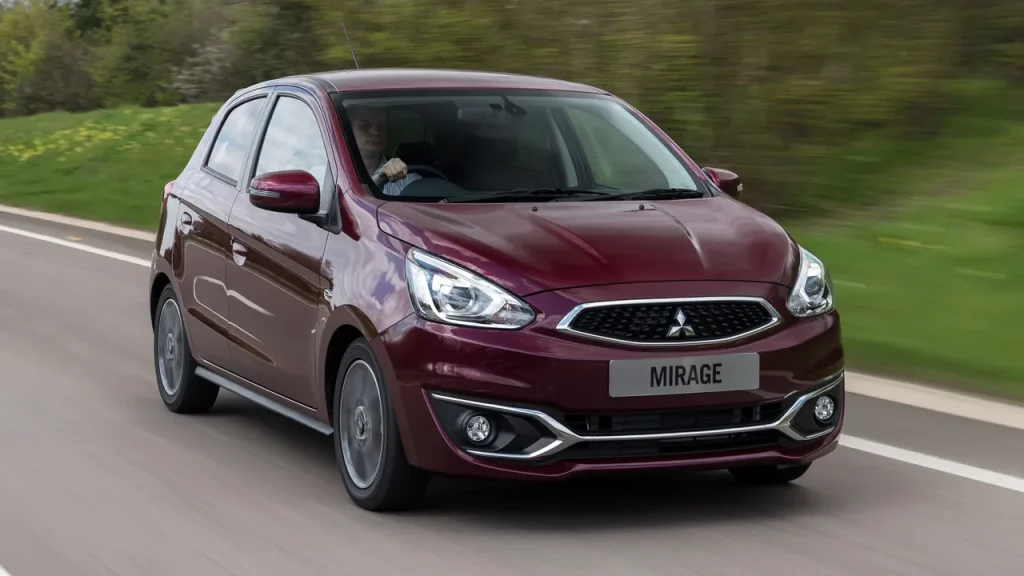
The Mirage highlights how price driven engineering decisions influence overall impression. It remains practical for budget focused buyers, but its lightweight construction and limited refinement often make it feel more like an oversized toy than a mature automobile.
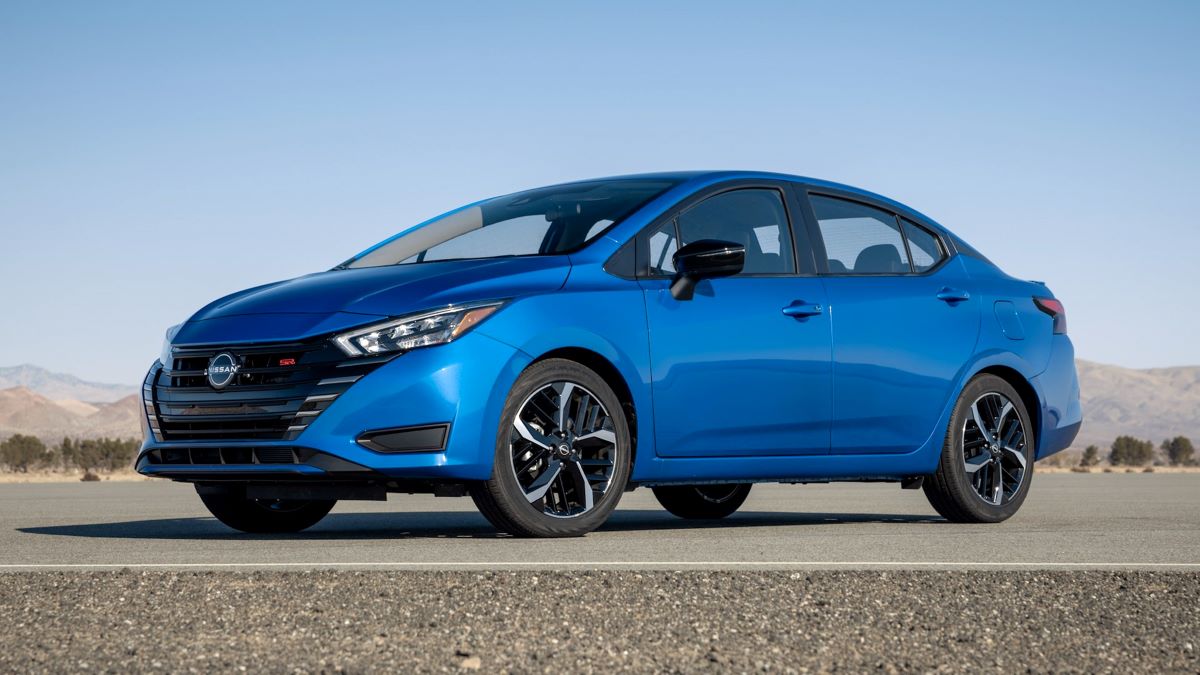
2. Nissan Versa
The Nissan Versa aims to provide affordable sedan ownership, but certain aspects of its design and execution can leave it feeling less substantial than competitors.
We are writing about the Versa because it represents how entry level positioning can sometimes result in noticeable compromises. Interior materials are functional but basic, with extensive use of hard plastics and minimal soft touch surfaces.
Cabin insulation is adequate for city driving but less impressive at highway speeds. Road noise and engine sounds can intrude more than expected, reducing the sense of calm associated with higher quality vehicles.
The base engine delivers modest power, and while sufficient for commuting, acceleration can feel labored under heavier loads. Transmission behavior may emphasize efficiency over smoothness, contributing to a slightly strained sensation during passing maneuvers.
Suspension tuning is comfortable at low speeds but may feel less controlled over rough pavement. Combined with light steering feedback, this can create a somewhat disconnected driving experience.
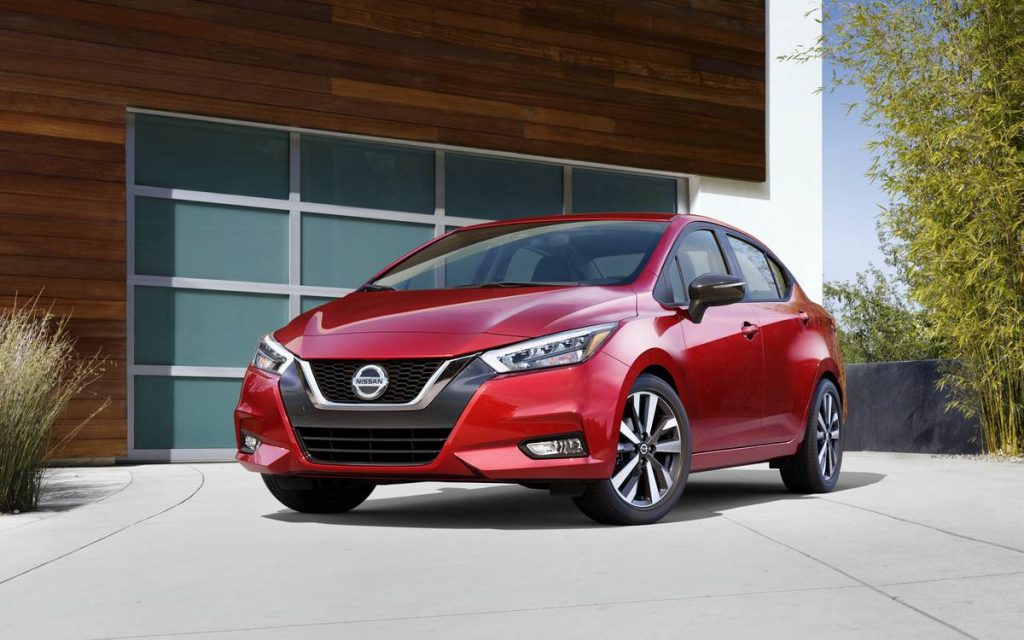
While the Versa fulfills essential transportation needs and offers good fuel economy, it lacks the solidity and refinement found in some similarly priced rivals. The result is a car that functions reliably but feels less substantial in daily operation.
3. Chevrolet Spark
The Chevrolet Spark was designed as a small city car focused on maneuverability and affordability. Its compact dimensions make it practical in tight urban spaces, but those same characteristics can contribute to a lightweight and fragile feel.
We are writing about the Spark because it showcases how extreme downsizing affects perception. The short wheelbase and narrow track width make it agile, yet they also reduce stability at higher speeds. On highways, it may feel more susceptible to wind and road imperfections.
Interior materials are basic, with hard plastics dominating most surfaces. While assembly quality is acceptable, the tactile experience lacks depth. Engine noise is noticeable, especially when accelerating or climbing hills.
The small displacement engine must work hard to maintain speed, producing audible strain. Combined with modest insulation, this amplifies the impression of a vehicle operating near its limits.
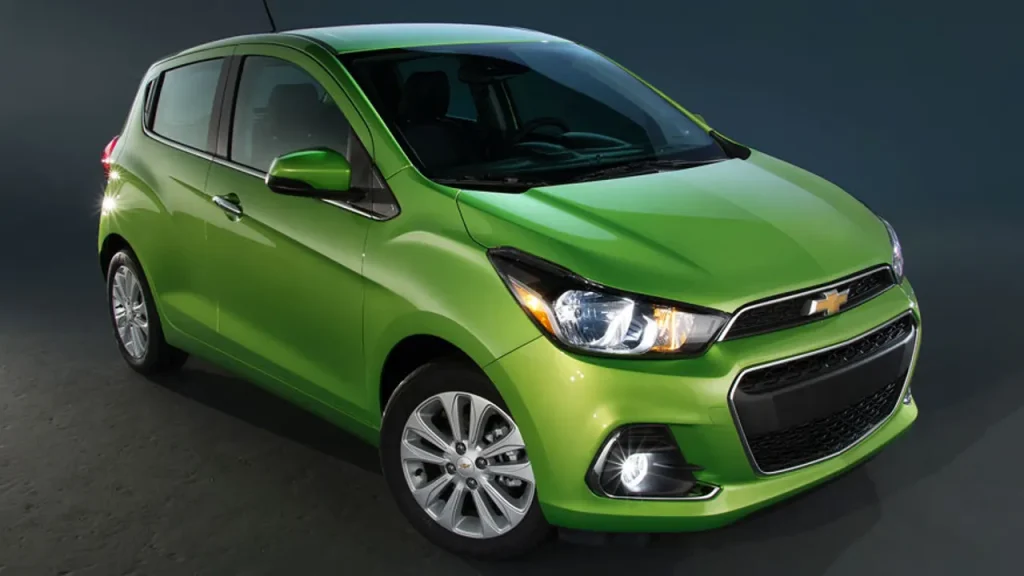
Although the Spark is easy to park and economical to run, its minimalistic design and lightweight construction can make it feel more like a toy than a robust daily driver. It serves a specific purpose effectively but does not attempt to emulate luxury or solidity.
4. Suzuki Celerio
The Suzuki Celerio was developed as an ultra affordable city car aimed at markets where price sensitivity is critical. While it succeeds in delivering low ownership costs and simple mechanics, refinement and structural solidity were not primary priorities.
We are writing about the Celerio because it clearly illustrates how minimizing cost can influence perceived quality. The cabin features extensive hard plastics with minimal texture variation. Panels often feel thin, and door closures can sound hollow, which immediately shapes first impressions.
Road noise insulation is limited. At moderate highway speeds, wind and tire noise become noticeable, reducing the sense of isolation that contributes to a premium feel. Vibrations from the small engine can also transfer into the cabin more easily than in heavier vehicles.
The lightweight chassis improves fuel efficiency but can make the car feel less planted on uneven roads. Suspension tuning prioritizes softness for city driving, yet it may feel unsettled on rough surfaces or at higher speeds.
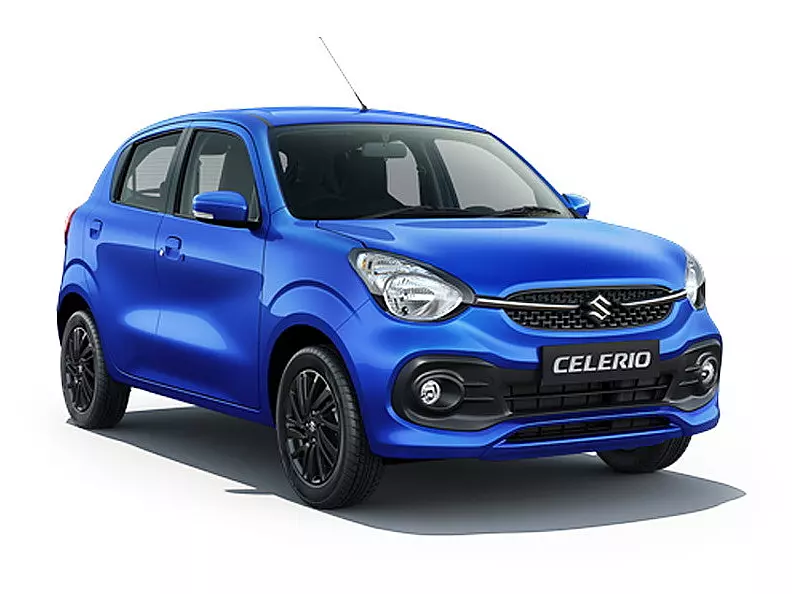
Steering is light for maneuverability, which is helpful in urban traffic, but it lacks feedback and resistance. This contributes to a perception of fragility rather than confidence. Engine performance is adequate for city commuting, yet it often feels strained under load.
The Celerio fulfills its intended role as affordable transportation in densely populated areas. However, the compromises required to reach its price point result in a driving experience that feels simplistic and toy like compared to more refined compact cars.
5. Renault Kwid
The Renault Kwid targets entry level buyers seeking SUV inspired styling in a compact and affordable package. While visually appealing for its segment, its underlying construction emphasizes cost efficiency over substantial feel.
We are writing about the Kwid because it demonstrates how design ambition does not always translate into perceived quality. The exterior styling may suggest ruggedness, but the lightweight body structure and minimal insulation quickly reveal its budget focus.
Inside, hard plastics dominate the cabin. Fit and finish are acceptable for the price, yet tactile surfaces lack the density associated with higher quality vehicles. Switchgear may feel light, reinforcing the impression of cost cutting.
The small engine delivers sufficient power for city use but struggles when fully loaded or climbing inclines. Engine noise becomes prominent during acceleration, which can amplify the sensation of mechanical strain.
Ride quality is acceptable on smooth roads but can feel unsettled over potholes or rough surfaces. The suspension, designed primarily for affordability and efficiency, lacks the damping refinement found in more premium oriented compact cars.
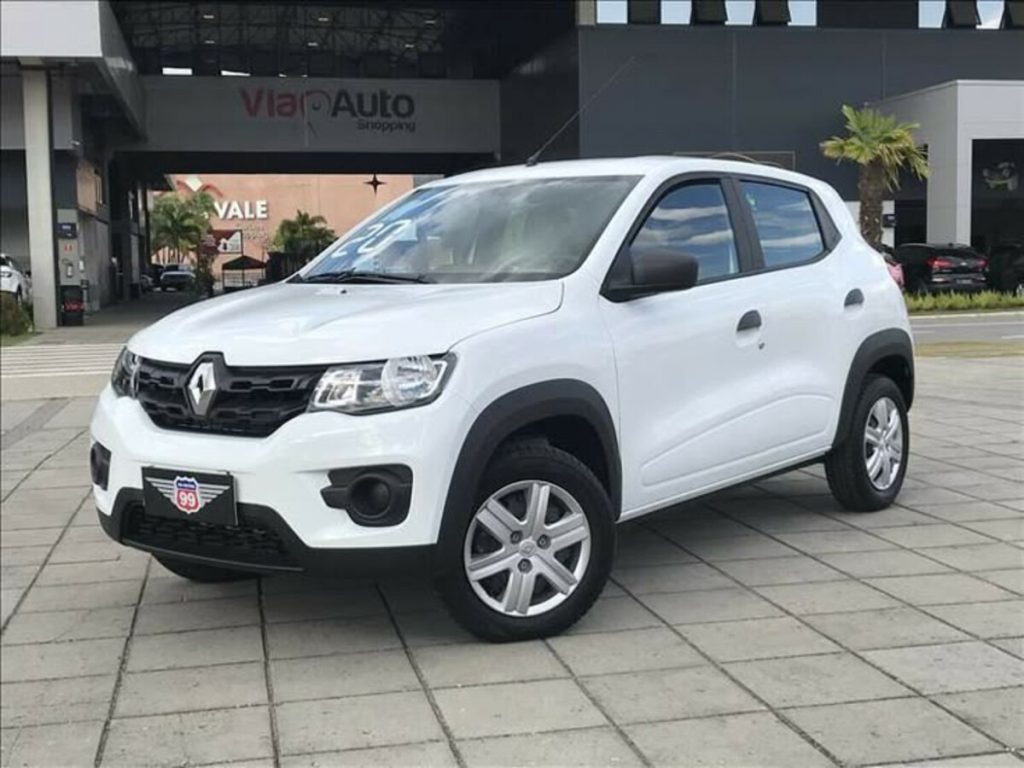
While the Kwid offers accessibility and practicality, it does not attempt to create a luxury like environment. Instead, it prioritizes affordability and urban mobility. That focus results in a vehicle that feels functional but lightweight.
Across the economy car spectrum, perception is shaped by refinement, structure, and thoughtful engineering. Vehicles such as the Mazda3, Honda Civic, Hyundai Elantra, Toyota Corolla, and Kia Forte demonstrate that budget pricing does not automatically require a sacrifice in comfort or quality.
Through careful attention to noise insulation, suspension tuning, and material selection, they create experiences that rival entry level luxury offerings.
On the other hand, models like the Mitsubishi Mirage, Nissan Versa, Chevrolet Spark, Suzuki Celerio, and Renault Kwid reveal how aggressive cost control can influence driving feel. Thin materials, limited sound insulation, modest powertrains, and lightweight construction combine to create impressions that feel less substantial.
We wrote this article to highlight that the difference between feeling premium and feeling cheap often lies in execution rather than price alone. Small engineering decisions, such as adding better sound dampening or refining transmission calibration, can significantly alter perception.
Buyers seeking long term satisfaction should consider more than monthly payments or fuel economy ratings. Cabin quietness, steering feedback, and overall solidity contribute daily to driving enjoyment. An economy car that feels refined can make every commute more comfortable.
Ultimately, the market offers choices across a wide spectrum. Some economy cars surprise with sophistication, while others remain purely utilitarian.
Understanding these distinctions allows drivers to select vehicles that align not only with budget constraints but also with expectations for quality and comfort.
Also Read: 5 Budget Cars With Premium Interiors vs 5 That Feel Excessively Cheap
