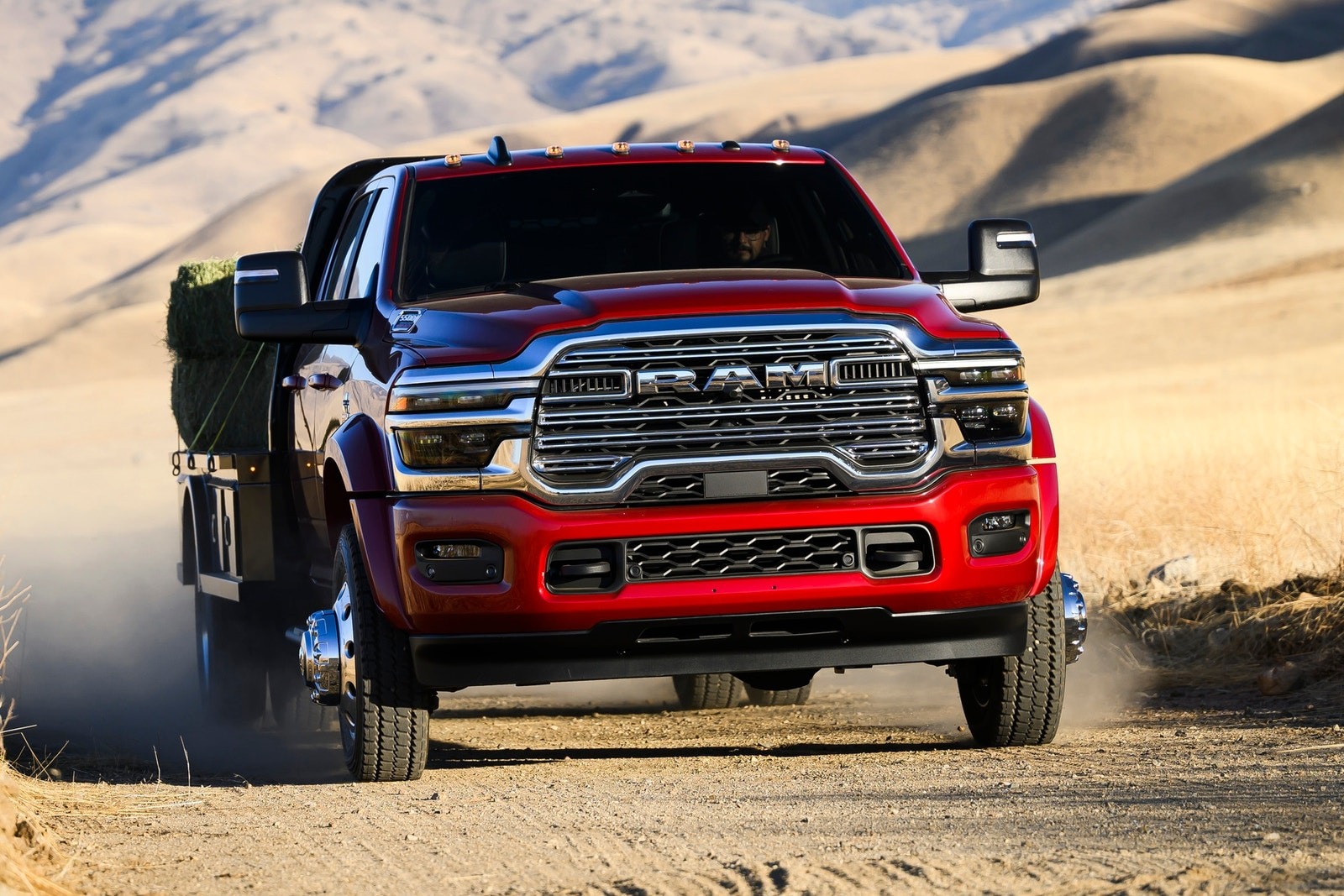
Heavy duty trucks sit at the top of the pickup market in both price and promise. These machines are marketed as the ultimate tools for towing massive trailers, hauling construction materials, and surviving years of punishing work.
With six figure price tags becoming increasingly common in higher trims, buyers expect more than bold styling and chrome accents. They expect durability, mechanical strength, and real world capability that justifies the financial commitment.
The heavy duty segment has evolved dramatically over the past two decades. Engines have grown more powerful, transmissions more sophisticated, and interiors more luxurious. Manufacturers now combine commercial grade performance with comfort features that rival high end SUVs.
While this transformation has broadened appeal, it has also blurred the line between work focused engineering and image driven marketing.
Some trucks genuinely earn their premium status through proven powertrains, reinforced frames, and long term reliability. Others command high prices based more on branding and trim packages than mechanical superiority.
Towing capacity numbers and torque ratings dominate advertisements, yet real value lies in durability under sustained load. Cooling systems, drivetrain strength, suspension design, and long term maintenance costs matter more than headline figures.
Buyers investing in heavy duty trucks often rely on them for income, meaning downtime carries financial consequences.
This article examines both sides of the equation. First, we will highlight five heavy duty trucks that justify their high price through engineering depth, durability, and real world performance. Then we will explore five models that, despite strong marketing, may not fully deliver proportional value for their cost.
Also Read: 10 Sports Cars With Fragile Dual-Clutch Gearboxes
5 Heavy Duty Trucks That Justify the High Price
A heavy duty truck should deliver more than impressive brochures. The trucks that truly justify their price combine robust powertrains, reinforced chassis components, and long term reliability under sustained towing and hauling.
These vehicles are engineered with commercial use in mind, often tested under extreme loads and harsh environments. When properly maintained, they can provide hundreds of thousands of miles of dependable service.
High quality diesel engines with strong internals are often at the heart of these trucks. Paired with heavy duty automatic transmissions and advanced cooling systems, they are built to manage high torque without excessive strain.
Frame rigidity, axle strength, and suspension durability further separate serious work trucks from image oriented trims.
In this section, we will examine five heavy duty trucks that consistently deliver on their promises. These models justify their premium pricing through measurable capability and long term durability rather than styling or luxury alone.
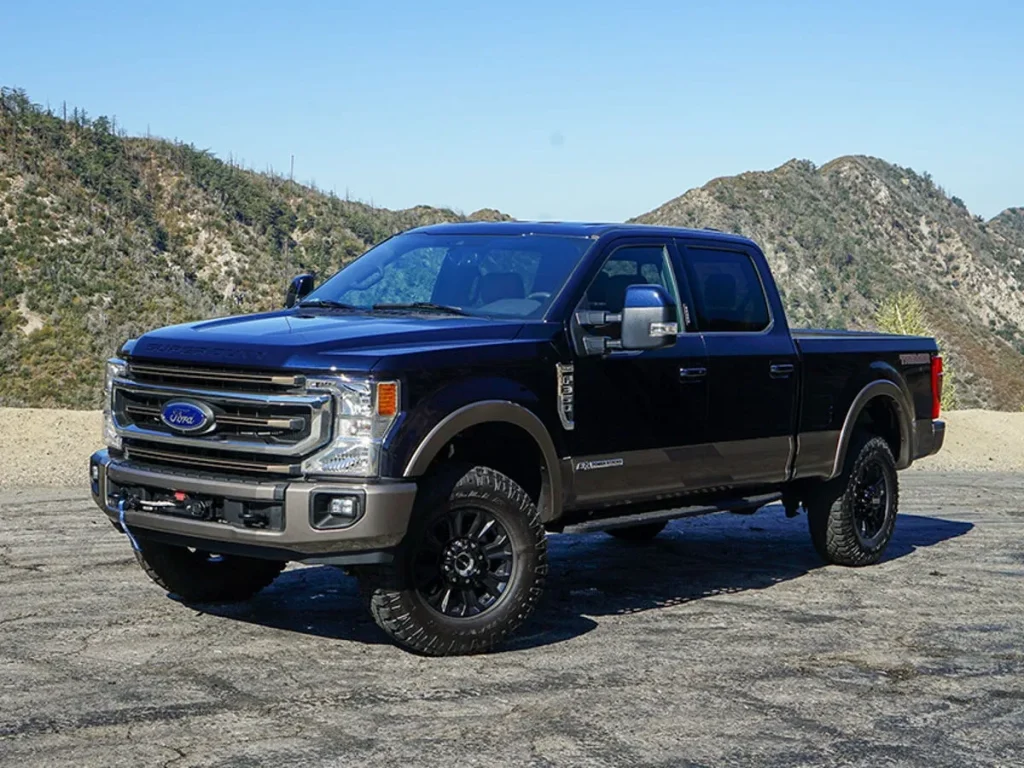
1. Ford F 350 Super Duty
The Ford F 350 Super Duty has built its reputation on delivering serious capability where it matters most. Designed for demanding towing and hauling, it offers a high strength steel frame and heavy duty suspension components engineered to withstand sustained load.
Its available Power Stroke diesel engine produces substantial torque, allowing it to tow large fifth wheel trailers and commercial equipment with confidence.
One of the key reasons this truck justifies its high price is durability under stress. The engine is paired with a robust automatic transmission designed to manage heavy torque output without premature wear.
Cooling systems are engineered to maintain stable temperatures during long uphill climbs and extended towing sessions. These mechanical fundamentals ensure that performance numbers are not simply marketing claims but usable in real world conditions.
The F 350 also integrates advanced towing technologies such as trailer backup assist, integrated brake controllers, and multiple camera views. These systems reduce driver fatigue and improve control when maneuvering heavy loads. Importantly, they support capability rather than distract from it.
Interior refinement has improved significantly, offering comfort for drivers who spend long hours behind the wheel. Yet beneath the premium materials lies commercial grade engineering. Axles, frame crossmembers, and drivetrain components are built with longevity in mind.
I am writing about the Ford F 350 Super Duty because it represents a heavy duty truck where engineering depth matches price. It combines high output diesel strength with structural reinforcement, making it a legitimate investment for those who rely on towing capacity and durability daily.
2. Ram 3500 Heavy Duty
The Ram 3500 Heavy Duty stands out in the segment due to its exceptional torque output and strong chassis construction. Available with a high output Cummins turbo diesel engine, it delivers impressive pulling power suited for large trailers and industrial equipment. The engine’s inline six design is known for durability and sustained performance under load.
A significant advantage of the Ram 3500 is its frame and suspension engineering. The truck uses heavy duty axles and reinforced components that maintain stability when fully loaded. Air suspension options enhance ride quality without sacrificing capability, allowing the truck to remain level under varying payload conditions.
The transmission pairing is built to handle diesel torque without excessive stress. Cooling systems are designed to support prolonged towing in high temperature environments, reducing the risk of overheating. These elements are essential for buyers who use their trucks as work tools rather than lifestyle statements.
Advanced towing assistance features simplify complex maneuvers. Multiple camera angles and integrated trailer monitoring systems improve visibility and control. These technologies support safe operation while handling heavy loads.
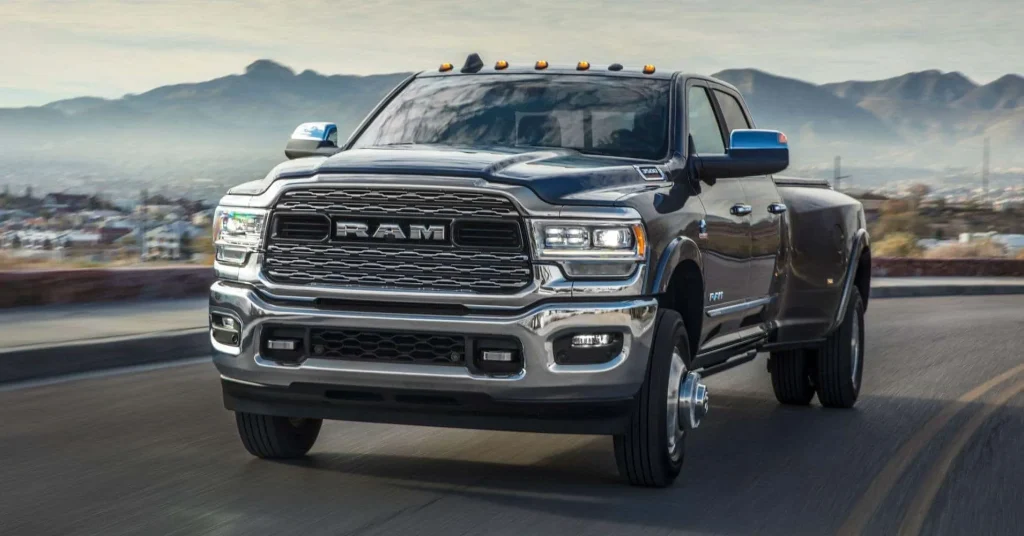
I am including the Ram 3500 Heavy Duty because it consistently proves its worth through mechanical strength and real world reliability. Its pricing reflects substantial engineering investment, particularly in its diesel powertrain and structural durability.
3. Chevrolet Silverado 2500HD
The Chevrolet Silverado 2500HD earns its place among heavy duty trucks that justify their cost through balanced engineering and proven powertrains.
Its available Duramax diesel engine provides strong torque and dependable performance under sustained towing conditions. Paired with a heavy duty automatic transmission, the powertrain is engineered for longevity and load management.
The truck’s frame and suspension are designed to support heavy payloads without excessive flex. Reinforced crossmembers and robust rear axles contribute to structural stability. When hauling construction materials or towing large trailers, this rigidity translates to improved control and durability.
Cooling performance is another strength. The Silverado 2500HD incorporates systems that maintain temperature stability during demanding tasks. This attention to thermal management protects engine components and prolongs service life.
Interior technology supports work focused use. Trailer brake controllers, towing camera systems, and load monitoring features enhance driver confidence. These systems are practical tools rather than superficial additions.
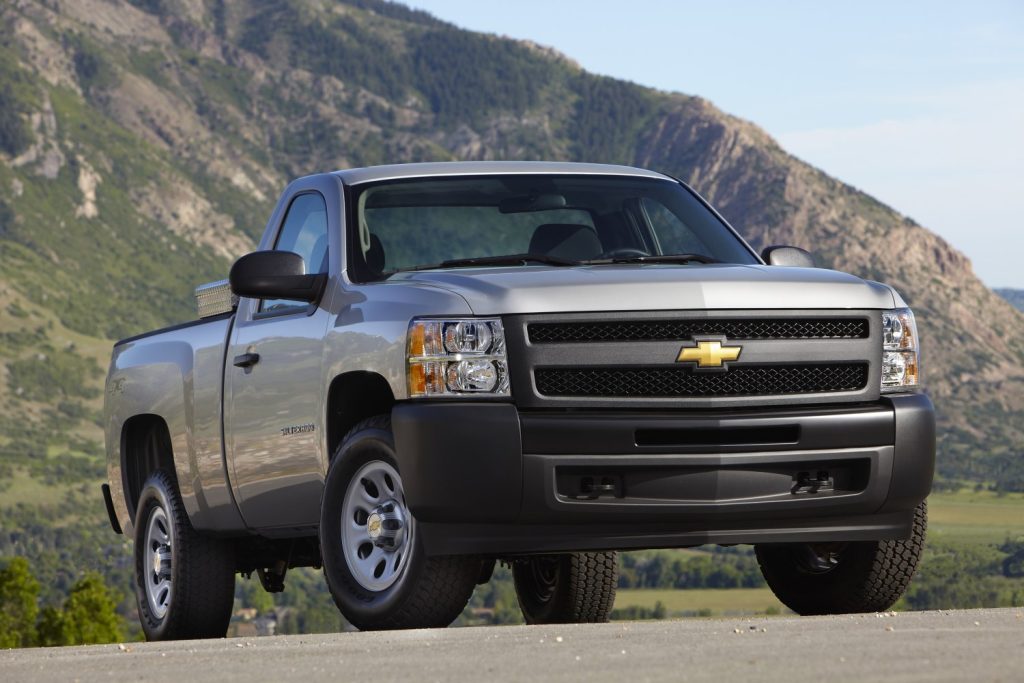
I am writing about the Chevrolet Silverado 2500HD because it demonstrates how a heavy duty truck can combine capability with reliability. Its pricing reflects durable components and strong diesel engineering rather than relying solely on premium trim packages.
4. GMC Sierra 3500HD
The GMC Sierra 3500HD justifies its premium pricing by delivering a combination of commercial grade strength and refined execution. Built on a reinforced frame shared with other heavy duty platforms yet tuned with its own suspension calibrations, the Sierra 3500HD is engineered for sustained towing and payload demands.
Its available Duramax turbo diesel engine produces substantial torque, allowing it to manage large trailers, equipment haulers, and multi axle recreational rigs with authority.
One of the defining characteristics of the Sierra 3500HD is how well its powertrain components work together under load. The diesel engine is paired with a heavy duty automatic transmission specifically designed to handle high torque without excessive heat buildup.
Transmission cooling and engine cooling systems are robust, ensuring that performance remains consistent during long uphill grades or extended highway towing sessions. These elements are critical in separating true work trucks from those that only excel on paper.
The chassis structure features strong crossmembers and reinforced mounting points that resist flex when hauling near maximum capacity.
This structural rigidity improves towing stability and reduces long term wear on drivetrain components. Rear axle strength and available dual rear wheel configurations further enhance heavy load confidence.
The Sierra 3500HD also integrates advanced towing technology that complements its mechanical strength. Multi angle camera systems, trailer length memory, and integrated brake controls assist drivers in managing complex maneuvers safely.
Unlike purely cosmetic upgrades, these features enhance usability for operators who rely on their trucks for demanding tasks.
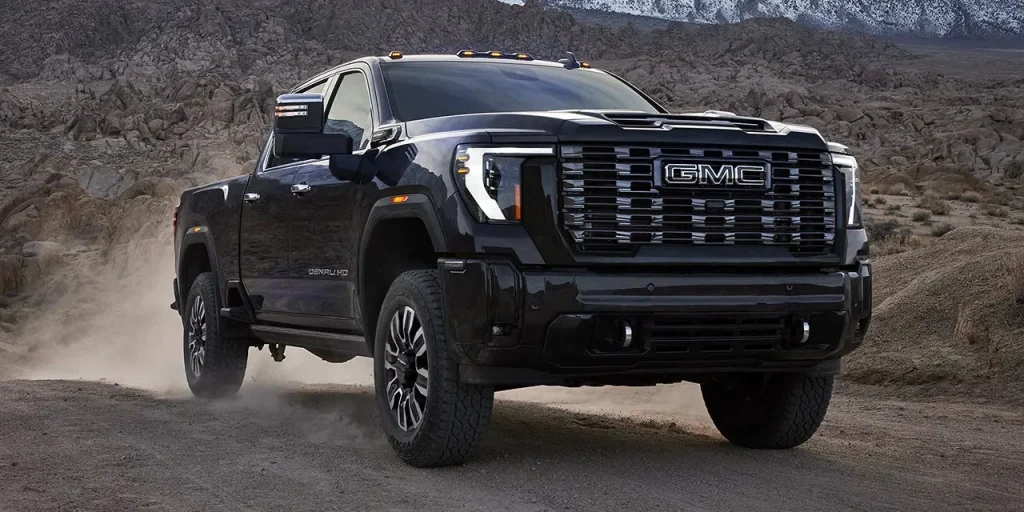
I am writing about the GMC Sierra 3500HD because it represents a heavy duty truck where pricing aligns with capability.
It combines strong diesel engineering, structural durability, and practical towing enhancements. For buyers who regularly operate near capacity, its cost reflects tangible mechanical value rather than simply elevated trim branding.
5. Ford F 450 Super Duty
The Ford F 450 Super Duty occupies the upper tier of heavy duty capability and commands a price that reflects its extreme performance envelope.
Designed primarily for substantial towing demands, it features a reinforced frame, wide track front axle, and upgraded suspension components compared to lighter Super Duty variants. Its engineering focus centers on managing exceptionally heavy trailers with composure and control.
Under the hood, the available high output diesel engine delivers immense torque tailored for large fifth wheel and gooseneck towing applications.
The engine’s strength is matched by a heavy duty transmission calibrated to handle sustained high torque loads without overheating. Integrated exhaust braking supports downhill control, reducing brake wear when descending steep grades with heavy trailers.
The F 450’s chassis enhancements are a major contributor to its value proposition. The wide track front axle improves turning radius despite the truck’s size, making maneuvering large trailers more manageable.
Dual rear wheel setups increase load stability and distribute weight more effectively across the rear axle assembly. Frame reinforcement ensures minimal flex under extreme strain.
Cooling systems are engineered to support long duration towing in demanding climates. Large radiators and auxiliary coolers protect both engine and transmission components from excessive thermal stress. These mechanical investments directly impact long term reliability under heavy usage.
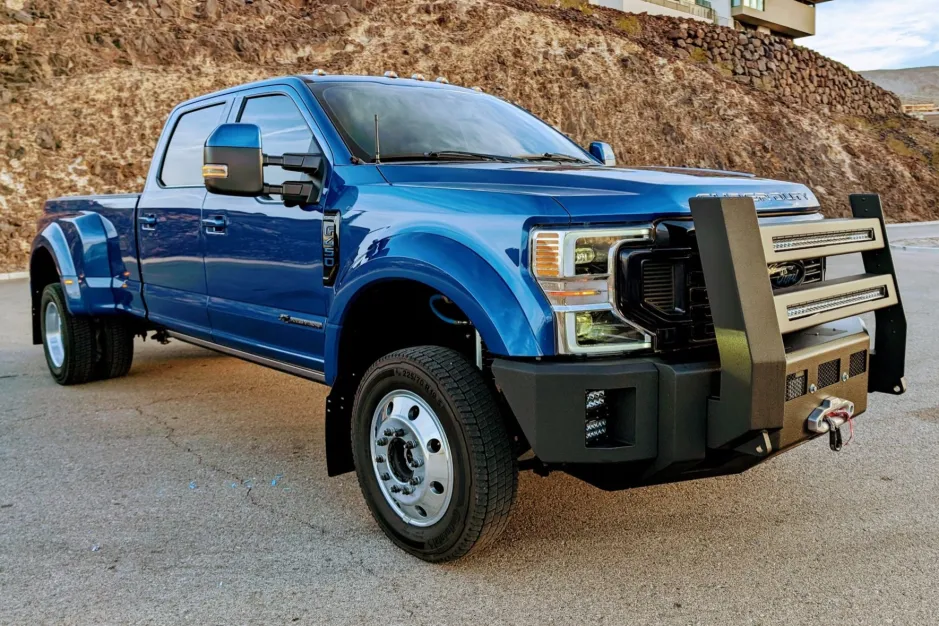
I am including the Ford F 450 Super Duty because it exemplifies heavy duty engineering taken to its logical extreme.
Its high price is justified by structural reinforcement, drivetrain durability, and towing control systems designed for serious commercial and high weight applications. It is not built for image alone but for operators who require maximum capability without compromise.
5 That Are Overhyped
Heavy duty trucks carry an image of toughness, power, and uncompromising strength. Manufacturers promote massive torque figures, bold exterior designs, and increasingly luxurious interiors to justify rising price tags.
However, not every expensive heavy duty model delivers mechanical advantages that align with its cost. In some cases, buyers are paying more for trim exclusivity, aesthetic upgrades, and branding prestige than for meaningful improvements in structural durability or towing capability.
The distinction between true capability and perceived capability is important. Many heavy duty trucks share similar frames, axles, and core powertrain components across multiple trims. Yet higher priced versions can cost tens of thousands more due to cosmetic enhancements, upgraded infotainment systems, or limited production badges.
While comfort and technology have value, they do not necessarily increase long term durability or hauling strength. For buyers who prioritize work focused performance, the additional expense may not translate into measurable gains.
Marketing often emphasizes maximum towing numbers without clarifying configuration differences. Certain headline figures apply only to specific drivetrain combinations, axle ratios, or dual rear wheel setups.
Buyers who select premium trims for appearance may not receive the same capability as lower priced work oriented variants equipped for optimal towing. This creates a gap between perception and practical performance.
In this section, we examine five heavy duty trucks that, despite strong branding and widespread recognition, can be considered overhyped relative to their price. These models are not incapable, but their cost may exceed the tangible mechanical benefits they provide.
By evaluating structural engineering, drivetrain depth, and real world value, we can better understand where marketing influence outweighs practical justification.
1. Ram 2500 Limited
The Ram 2500 Limited often represents the highest trim expression of the Ram heavy duty lineup short of the 3500 series, and it carries a price that can rival luxury SUVs. While it is undeniably capable, the Limited trim frequently blurs the line between work tool and luxury statement.
Much of its elevated cost is tied to interior appointments, premium leather, large wheels, and advanced infotainment features rather than substantial mechanical upgrades over lower trims.
Underneath the premium materials, the core frame and axle architecture remain largely consistent with less expensive Ram 2500 variants. The available Cummins diesel engine is strong and proven, but it is not exclusive to the Limited trim.
Buyers can access similar towing capacity and torque output in more modest configurations at significantly lower cost. In many cases, the difference in price reflects aesthetic upgrades and convenience features rather than reinforced structural components.
Large diameter wheels common on luxury trims can even reduce practicality in certain work scenarios. Lower profile tires are more susceptible to damage under heavy loads and on job sites. While the air suspension system enhances ride comfort, it does not necessarily improve maximum towing durability compared to simpler heavy duty setups.
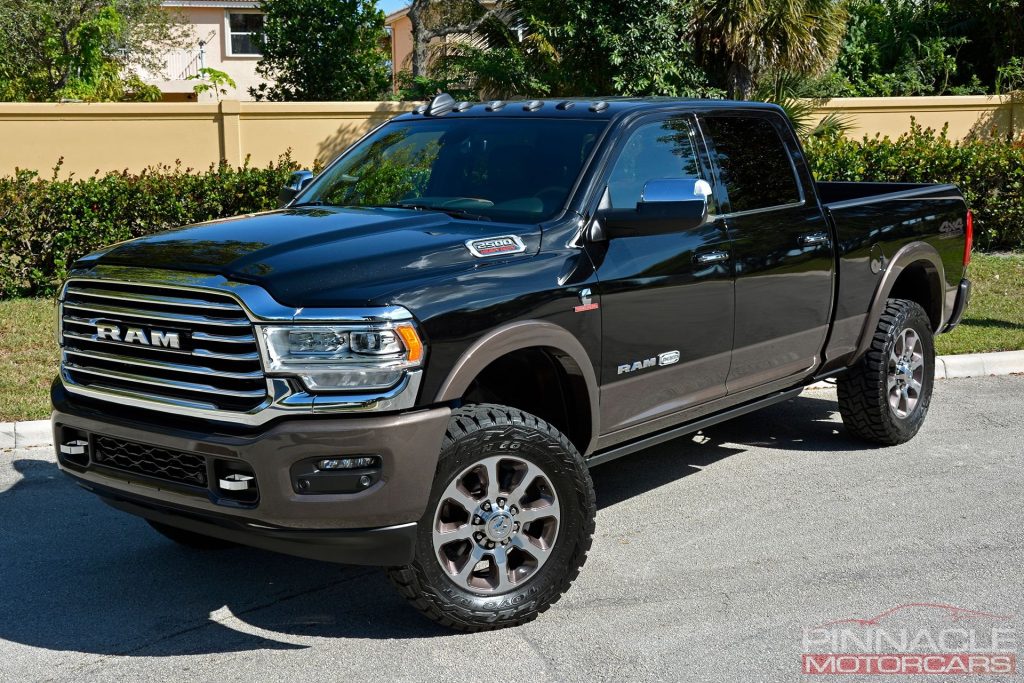
I am including the Ram 2500 Limited because it illustrates how premium branding can elevate price beyond functional gains. It remains a strong truck mechanically, yet its high trim cost may not translate into proportional work focused advantage.
For buyers seeking maximum value per dollar in capability, lower trims may offer nearly identical performance at a more reasonable price.
2. Chevrolet Silverado 3500HD High Country
The Chevrolet Silverado 3500HD High Country is marketed as the pinnacle of refinement within the heavy duty range. It blends substantial towing capacity with upscale interior finishes and advanced technology. While the truck remains capable, much of its premium pricing is tied to comfort and styling rather than mechanical differentiation.
The available Duramax diesel engine and heavy duty transmission pairing are indeed robust, but these components are also offered in more affordable trims.
Structural elements such as the frame and axles are fundamentally shared across the lineup. The High Country trim does not introduce significant reinforcement beyond what is already present in lower variants configured for towing.
Large chrome wheels, extensive exterior accents, and upgraded cabin materials contribute heavily to cost. While these features enhance ownership satisfaction for some buyers, they do not directly increase towing durability or payload strength. In some cases, larger wheels can slightly reduce sidewall cushioning under heavy load.
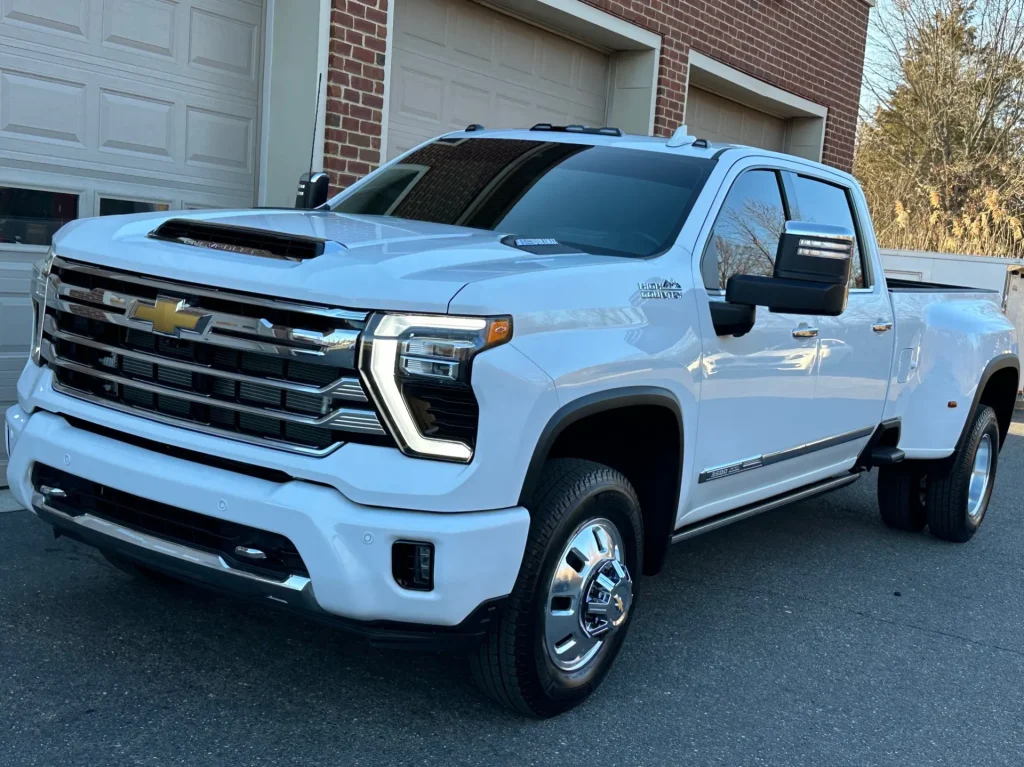
The truck’s advanced camera systems and driver assistance features improve convenience, yet they are increasingly available in mid level trims as well. The gap in mechanical capability between a properly equipped mid trim Silverado 3500HD and the High Country is often smaller than the price difference suggests.
I am writing about the Chevrolet Silverado 3500HD High Country because it demonstrates how luxury positioning can elevate perception beyond tangible engineering upgrades. It remains a strong performer, but its premium status may be driven more by comfort and image than by unique mechanical advantage.
3. GMC Sierra 2500HD Denali Ultimate
The GMC Sierra 2500HD Denali Ultimate represents one of the most expensive interpretations of a heavy duty pickup. With premium leather, open pore wood trim, advanced audio systems, and exclusive badging, it is positioned as a flagship model.
However, the underlying mechanical platform is closely aligned with less costly Sierra 2500HD configurations.
The available diesel engine delivers substantial torque, but it is shared across trims. The frame, suspension geometry, and axle components do not receive exclusive reinforcement specific to the Denali Ultimate designation.
Buyers pay a significant premium primarily for luxury enhancements rather than measurable increases in towing capacity or structural strength.
Technology features such as multi camera trailering systems and driver assistance aids add convenience, yet many are available in lower trims.
The Denali Ultimate focuses heavily on comfort and presentation. While this may appeal to buyers who want both capability and prestige, the incremental mechanical benefit over mid tier trims is limited.
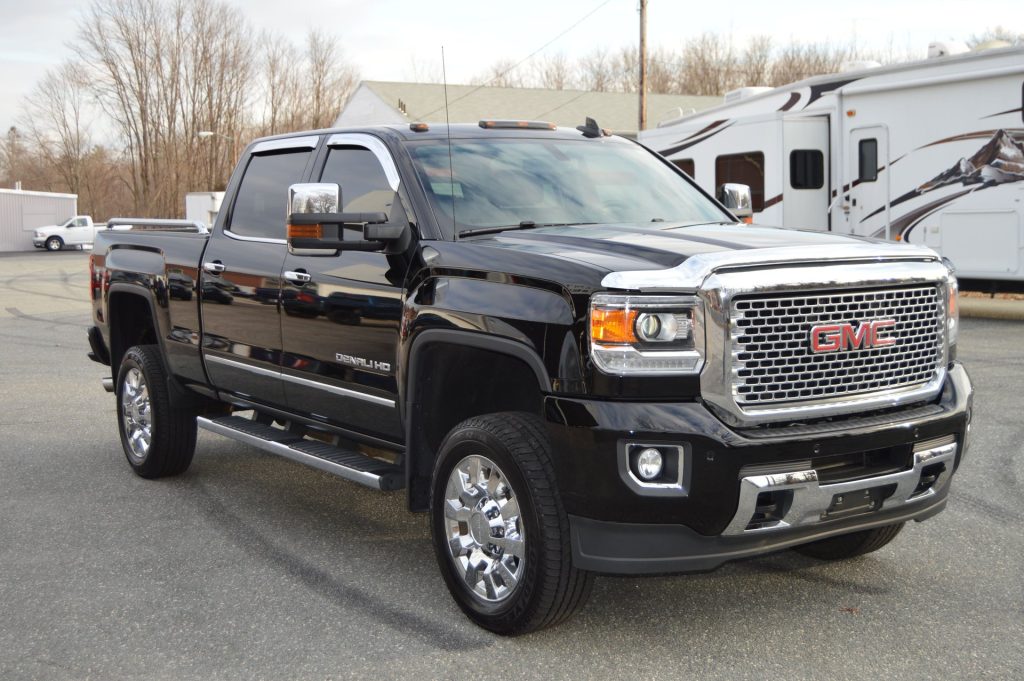
I am including the GMC Sierra 2500HD Denali Ultimate because it exemplifies how heavy duty trucks can transition into luxury territory without proportionate gains in work focused engineering. It remains capable, but its high cost is often justified more by refinement and branding than by unique mechanical superiority.
4. Ford F 250 Platinum
The Ford F 250 Platinum occupies a space where heavy duty capability meets high end presentation. On paper, it delivers strong towing numbers, advanced technology, and a commanding road presence.
In practice, however, much of its elevated pricing is tied to luxury appointments rather than meaningful mechanical upgrades over more modest trims within the same lineup.
While undeniably capable, the Platinum trim illustrates how branding and premium features can inflate cost beyond proportional gains in work focused performance.
At its core, the F 250 Platinum shares its frame, suspension architecture, and available powertrains with lower trims such as the XLT and Lariat. The optional diesel engine that drives its strongest towing figures is not exclusive to the Platinum.
Buyers can configure a lower trim with the same engine, axle ratios, and towing package while spending considerably less money. The structural integrity of the truck does not dramatically change simply because the trim badge does.
Where the Platinum distinguishes itself is inside the cabin. High grade leather seating, distinctive stitching patterns, premium sound systems, large touchscreen displays, and decorative trim materials create a refined environment.
For some buyers, especially those using their trucks as daily drivers or business image statements, this comfort carries real value. However, these features do not directly increase payload durability, axle strength, or cooling capacity under sustained heavy load.
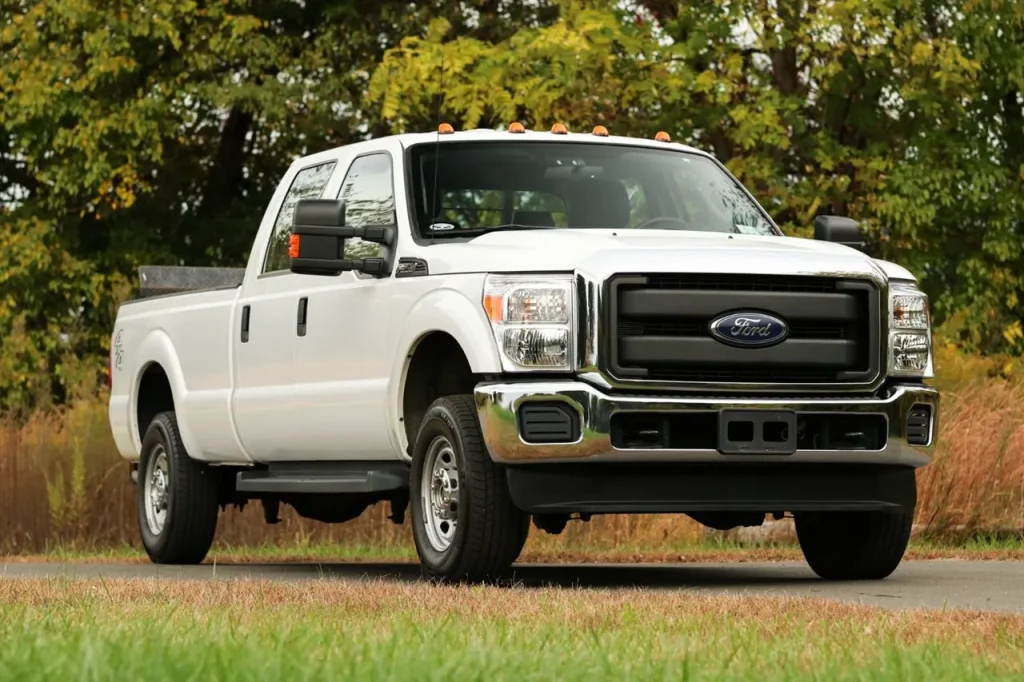
Wheel choices also reflect the luxury focus. Larger polished wheels paired with lower profile tires may enhance appearance but can slightly compromise sidewall strength compared to more utilitarian setups. In demanding job site environments, simpler wheel and tire combinations often prove more practical.
I am including the Ford F 250 Platinum because it highlights the difference between capability and presentation. It remains a strong and reliable heavy duty truck, but its highest price points are driven primarily by luxury upgrades.
Buyers seeking maximum value in pure towing and hauling performance may find that lower trims deliver nearly identical mechanical capability at a significantly reduced cost.
5. Nissan Titan XD
The Nissan Titan XD was introduced as a bridge between traditional half ton and three quarter ton trucks, aiming to carve out a unique niche.
Marketed with available diesel power and reinforced components, it positioned itself as a heavy duty alternative for buyers who wanted more capability than a light duty pickup but less bulk than a full three quarter ton model.
Despite these ambitions, the Titan XD struggled to fully justify its pricing relative to established heavy duty competitors.
One of the main challenges was positioning. While the Titan XD offered stronger components than the standard Titan, it did not match the maximum towing and payload ratings of established heavy duty trucks from other manufacturers.
Buyers paying near heavy duty pricing often discovered that they could obtain greater capacity from more proven platforms at similar or even lower cost. This created a value imbalance in the marketplace.
The available diesel engine option initially attracted attention, but long term ownership costs and limited service familiarity reduced its appeal.
Compared to more established diesel powertrains in the heavy duty segment, the Titan XD’s offering did not build the same widespread reputation for durability under sustained commercial use. As a result, resale values and buyer confidence were affected.
Structurally, the Titan XD featured reinforced frames and upgraded suspension components compared to light duty variants, yet it remained heavier and less efficient than half ton competitors without delivering the full strength of traditional heavy duty trucks. This in between identity made it difficult to justify its premium.
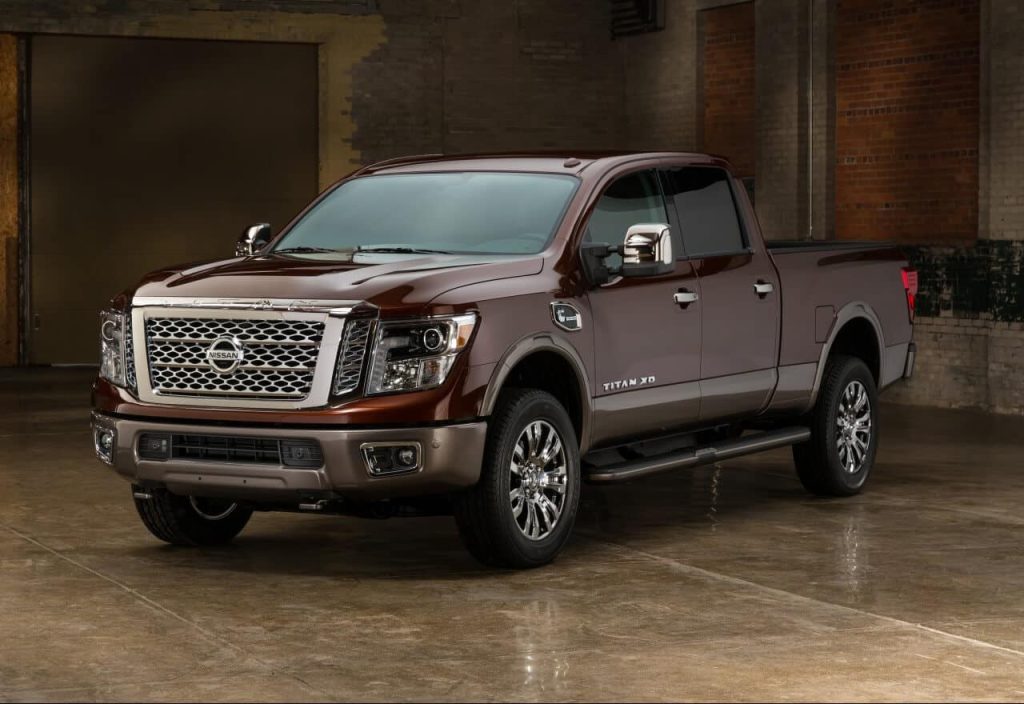
I am writing about the Nissan Titan XD because it represents how ambitious marketing does not always translate into segment leading value. While capable and distinctive, it struggled to deliver a clear mechanical advantage relative to its price.
For buyers focused on maximum towing durability per dollar, more established heavy duty platforms often provided stronger justification for investment.
Heavy duty trucks command high prices because they promise strength, durability, and the ability to handle serious towing and hauling demands. However, not every expensive model delivers proportional mechanical value.
The distinction between trucks that justify their price and those that are overhyped often comes down to engineering depth rather than trim level prestige or luxury features.
Models such as the Ford F 350 Super Duty, Ram 3500 Heavy Duty, Chevrolet Silverado 2500HD, GMC Sierra 3500HD, and Ford F 450 Super Duty justify their premium pricing through reinforced frames, heavy duty axles, high torque diesel engines, and cooling systems designed for sustained load.
These trucks are built with commercial grade durability in mind. Their transmissions are calibrated for extreme torque, their chassis structures resist flex under heavy trailers, and their towing technologies support real world capability.
Buyers who depend on their trucks for income or demanding tasks often find that the investment pays off in reliability and performance under stress.
On the other hand, certain high end trims such as the Ram 2500 Limited, Chevrolet Silverado 3500HD High Country, GMC Sierra 2500HD Denali Ultimate, Ford F 250 Platinum, and Nissan Titan XD illustrate how pricing can be driven by branding and luxury enhancements rather than substantial mechanical differences.
While these trucks remain capable, much of their elevated cost is tied to premium interiors, advanced infotainment systems, and aesthetic upgrades. In many cases, lower trims offer nearly identical towing and payload performance at a significantly reduced price.
Ultimately, value in the heavy duty segment depends on intended use. Buyers focused on maximum work capability should prioritize structural strength, drivetrain durability, and cooling capacity over cosmetic refinement.
Those seeking comfort and prestige may find justification in luxury trims. The key lesson is that high price alone does not guarantee superior mechanical advantage.
Also Read: 10 Best Daily Drivers To Get in 2026 That Age Gracefully