Minivans have long carried a complicated reputation. For many drivers, they represent practicality, family duty, and maximum interior space.
Sliding doors, three rows of seating, and expansive cargo areas make them unmatched for hauling children, luggage, and everything in between. Yet despite their usefulness, minivans are often criticized for feeling large, detached, and uninspiring behind the wheel.
The truth is that not all minivans drive the same way. Some manufacturers have worked hard to engineer responsive steering, refined suspension tuning, and strong powertrains that make their vans surprisingly enjoyable.
These models balance space and comfort with driving confidence, proving that practicality does not have to mean boredom.
On the other hand, certain minivans truly feel like piloting a small bus. Excessive body roll, slow acceleration, vague steering feedback, and bulky dimensions can make them tiring to maneuver in tight urban settings.
When a vehicle feels oversized and disconnected from the road, daily errands become more stressful than they need to be.
This article explores both ends of the spectrum. First, we will examine five minivans that drivers genuinely enjoy operating. These models combine family friendly versatility with composure, smoothness, and surprisingly engaging dynamics.
Then we will look at five minivans that feel heavy and unwieldy, where the size and suspension tuning create a bus like experience that diminishes driving confidence.
Understanding these differences is essential. Families deserve vehicles that simplify life, not ones that make every school run feel like navigating a commercial shuttle. The following sections highlight where minivans shine and where they fall short in delivering a satisfying driving experience.
Also Read: Top 10 Diesel Cars Famous for Hitting 500,000 Miles
5 Minivans That Drivers Actually Enjoy
Driving enjoyment in a minivan might sound contradictory, but it is not impossible. While these vehicles prioritize space and comfort, thoughtful engineering can dramatically influence how they behave on the road.
Steering weight, suspension calibration, braking feel, and power delivery all contribute to whether a van feels manageable or overwhelming.
I am focusing on the following five minivans because they demonstrate that size alone does not determine driving quality. Each one offers a level of refinement, responsiveness, or performance that makes daily use less stressful and, in some cases, genuinely pleasant.
These vans maintain stability during highway cruising, feel composed over uneven pavement, and provide confident braking response. Some offer strong engines that prevent them from feeling sluggish when fully loaded. Others emphasize quiet cabins and smooth ride quality that reduce fatigue during long trips.
What separates these models from less engaging competitors is balance. They do not attempt to be sports cars, but they avoid feeling cumbersome.
Their steering systems offer predictable feedback, their transmissions shift smoothly, and their dimensions feel manageable in parking lots and city streets.
For families who spend significant time behind the wheel, these qualities matter. A minivan is not just a tool for transporting passengers. It is a daily companion that shapes how enjoyable commutes, errands, and road trips feel.
The first example sets the benchmark for how well engineered a modern minivan can be when driving dynamics are treated as a priority rather than an afterthought.
1. Honda Odyssey
The Honda Odyssey stands out as one of the most well balanced minivans on the market. Despite its generous dimensions and three rows of seating, it manages to feel composed and surprisingly responsive behind the wheel.
The steering is precise for the segment, giving drivers confidence when navigating tight corners or crowded parking lots.
I am including the Odyssey because it proves that family focused engineering does not have to sacrifice driver engagement.
Its V6 engine delivers strong, smooth acceleration, which prevents the van from feeling strained when merging onto highways or climbing inclines with a full load of passengers. Power delivery is predictable and reassuring rather than sluggish.
The suspension tuning strikes an impressive balance between comfort and control. While it absorbs bumps effectively, it also limits excessive body roll in turns. That composure reduces the top heavy sensation that often makes large vehicles feel bus like.
Visibility is another strength. Large windows and thoughtfully designed mirrors make it easy to judge the vehicle’s size. This reduces stress in urban driving situations. The driving position also feels natural rather than overly elevated or detached.
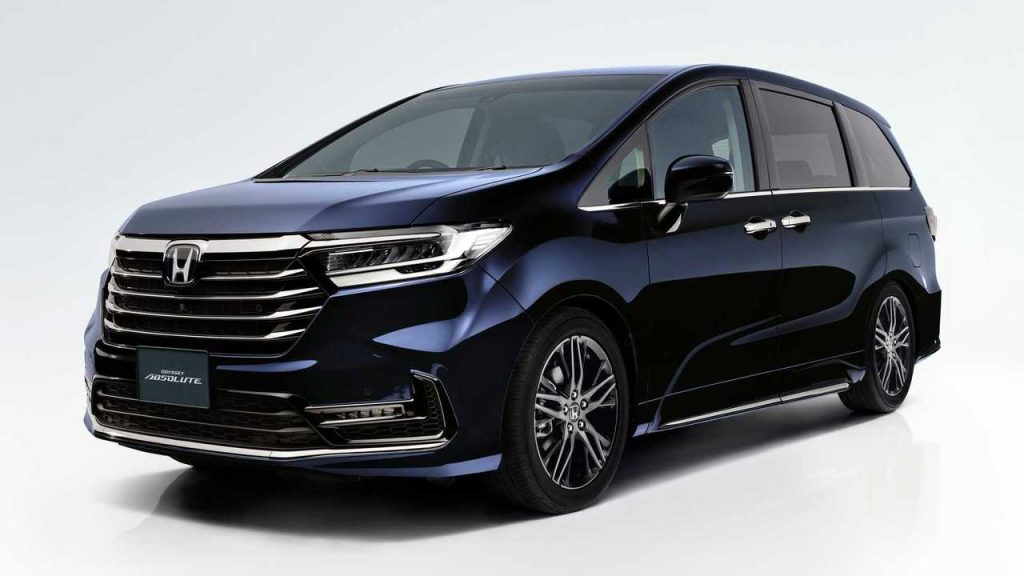
The Odyssey’s braking performance is strong and confidence inspiring. Pedal feel is progressive, which helps drivers modulate stopping power smoothly. Combined with responsive steering and a refined powertrain, the overall experience feels cohesive.
For families who spend hours on the road each week, these details matter. The Odyssey demonstrates that a minivan can be practical, spacious, and genuinely pleasant to drive without feeling oversized or disconnected.
2. Toyota Sienna
The Toyota Sienna offers a different approach to driving enjoyment. Instead of focusing solely on power, it emphasizes smoothness and efficiency. Its hybrid powertrain delivers seamless acceleration and impressive fuel economy, making long drives quieter and less stressful.
I am highlighting the Sienna because it shows how refinement can enhance driver satisfaction. The transition between electric and gasoline power is subtle, creating a calm driving environment. This smoothness prevents the van from feeling heavy or cumbersome.
Steering response is well tuned for daily driving. It may not be sporty, but it is predictable and easy to control. The Sienna feels stable at highway speeds, and its suspension absorbs road imperfections without excessive bouncing or swaying.
Another advantage is its available all wheel drive system. For families in regions with challenging weather, this added traction increases confidence without negatively affecting everyday handling.
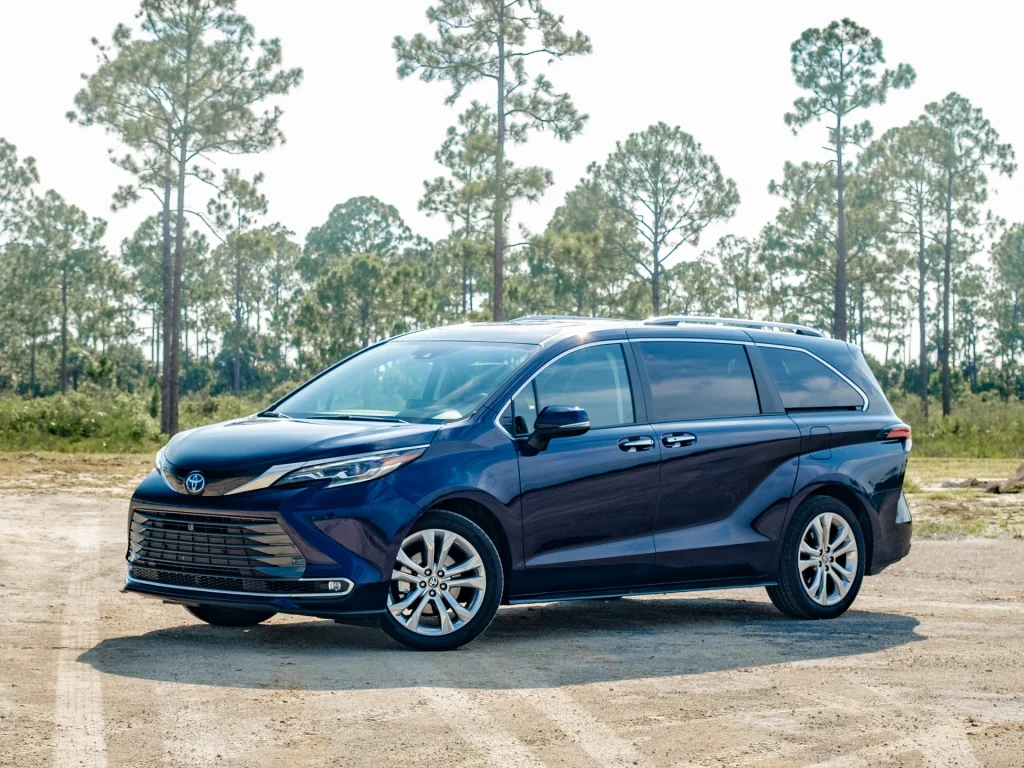
The interior is quiet and thoughtfully designed, reducing fatigue during long journeys. When a vehicle feels composed and insulated from harsh road noise, the driving experience becomes more relaxing.
The Sienna proves that enjoyment does not always mean excitement. Sometimes it means calm, controlled, and efficient performance that makes daily responsibilities easier to manage.
3. Kia Carnival
The Kia Carnival challenges traditional minivan stereotypes with styling and driving manners that feel closer to a large crossover. Its steering is light yet accurate, and the overall chassis feels stable even during quick lane changes.
I am including the Carnival because it delivers confident road manners while maintaining comfort. The V6 engine provides ample power, ensuring the van never feels underpowered. Acceleration is smooth and responsive, helping it avoid the sluggish sensation common in heavier family vehicles.
The suspension is tuned to minimize body roll without compromising ride quality. Over uneven roads, the Carnival remains composed rather than floaty. This controlled behavior reduces the bus like feel that often plagues larger vans.
Cabin insulation is another strength. Road and wind noise are well managed, contributing to a refined driving environment. A quiet cabin enhances perceived control and comfort, especially on long highway trips.
The Carnival also benefits from clear outward visibility and intuitive controls. Drivers quickly adapt to its size because the layout feels logical and approachable.
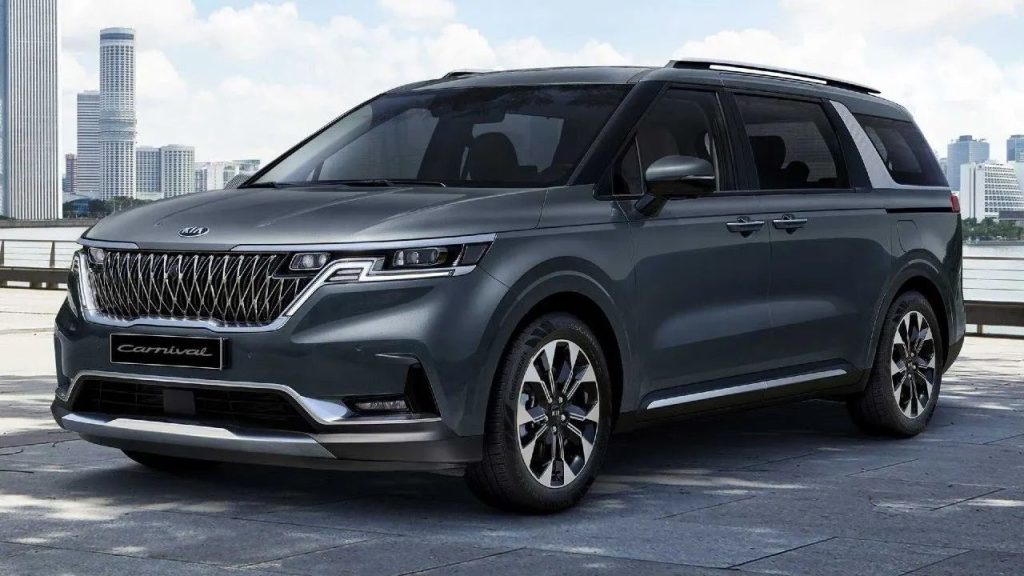
For families who want practicality without sacrificing modern driving dynamics, the Carnival offers a compelling balance. It demonstrates that minivans can feel contemporary and composed rather than bulky and outdated.
4. Chrysler Pacifica
The Chrysler Pacifica deserves recognition for how well it masks its size in daily driving. Despite offering expansive interior space and versatile seating configurations, it maintains a composed and controlled road presence. Steering response is linear and predictable, helping drivers feel connected rather than detached.
I am including the Pacifica because it represents one of the most refined driving experiences in the minivan segment. Its V6 engine delivers smooth acceleration, and the transmission shifts unobtrusively. When merging onto highways or carrying a full load of passengers, the powertrain feels confident rather than strained.
The suspension setup balances comfort with stability. While it absorbs road imperfections effectively, it does not allow excessive body lean in corners. This composure helps prevent the floating sensation that often makes large vans feel cumbersome. Drivers can change lanes or navigate sweeping curves with reassurance.
Cabin quietness also enhances the driving experience. Road and wind noise are well controlled, which reduces fatigue during long trips. When the environment inside the vehicle feels calm, the act of driving becomes less stressful.
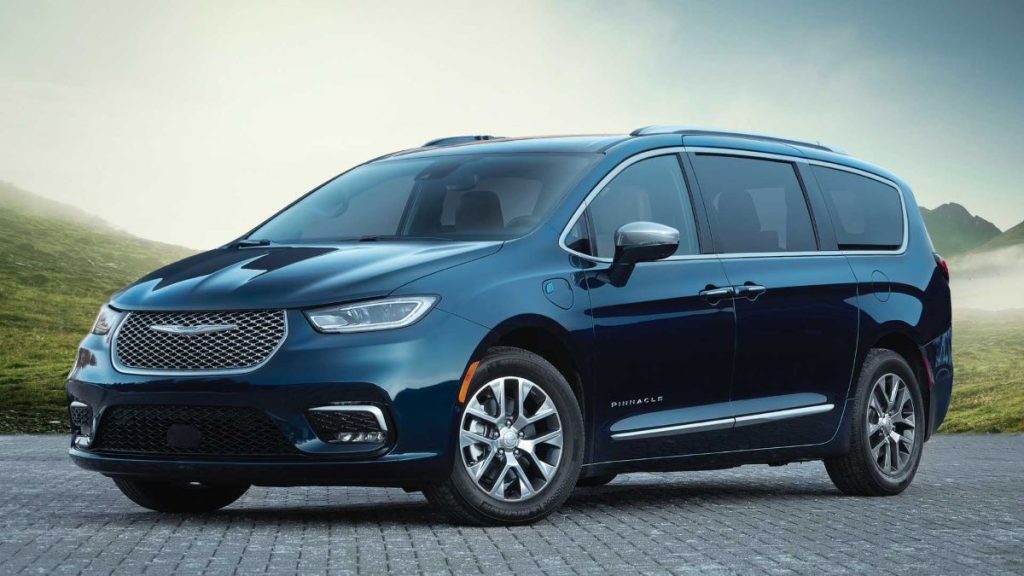
Another factor is braking performance. The pedal feel is progressive and easy to modulate, which improves confidence in urban environments. Combined with good visibility and modern driver assistance features, the Pacifica feels manageable in everyday situations.
For families who want practicality paired with refinement, the Pacifica stands out as a minivan that feels thoughtfully engineered for the person behind the wheel, not just the passengers.
5. Mazda5
Although smaller than traditional minivans, the Mazda5 earns a place on this list because it offers a uniquely engaging driving character. Its compact footprint makes it easier to maneuver than larger three row vans, reducing the intimidation factor many drivers associate with the segment.
I am highlighting the Mazda5 because it brings Mazda’s reputation for responsive handling into a family oriented format. Steering feedback feels direct, and the lighter weight compared to full size vans contributes to agile movement in city traffic.
The engine may not be the most powerful in the segment, but it feels eager and well matched to the vehicle’s size. This responsiveness prevents the van from feeling slow or overly burdened. Drivers who prioritize control and precision will appreciate how quickly the Mazda5 reacts to inputs.
The suspension tuning leans slightly toward firmness, which helps maintain stability during cornering. While comfort remains adequate for daily use, the emphasis on control reduces body roll and enhances confidence.
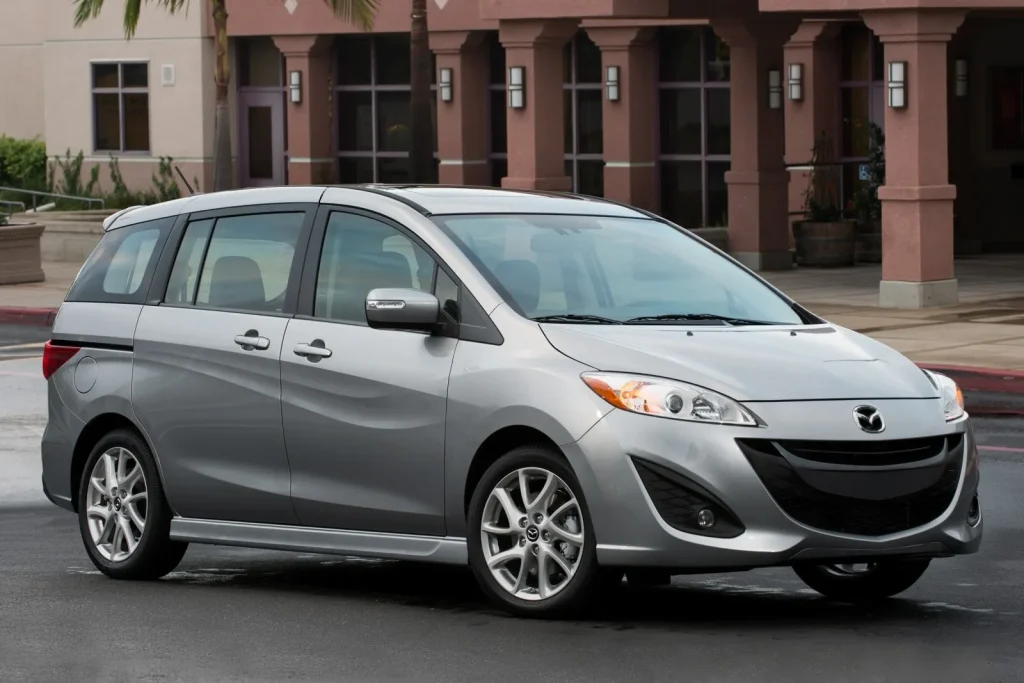
Because of its smaller dimensions, parking and navigating tight streets feel less stressful. Drivers who are hesitant about traditional minivan bulk often find the Mazda5 more approachable.
For those seeking family practicality without sacrificing a sense of connection to the road, the Mazda5 proves that a minivan can feel nimble and driver focused rather than oversized and detached.
5 That Feel Like Driving a Bus
While some minivans achieve an impressive balance between space and drivability, others struggle to disguise their size. Excessive body roll, sluggish acceleration, and vague steering feedback can create a driving experience that feels more like operating a commercial shuttle than a family vehicle.
I am focusing on the following five minivans because they illustrate how weight, suspension tuning, and overall design priorities can negatively impact driver confidence. These models may still provide ample space and comfort, but their on road behavior can feel cumbersome in daily use.
Large dimensions alone do not automatically result in a bus like feel. Instead, it is the combination of soft suspension setups, limited steering precision, and underpowered engines that amplifies the sensation of bulk. When drivers struggle to judge corners or experience excessive swaying, stress levels increase.
For families who spend hours each week commuting, running errands, and traveling long distances, these shortcomings matter. A minivan should simplify transportation, not make it feel intimidating.
The following examples demonstrate where driving refinement falls short, turning practicality into an experience that feels heavier and less engaging than it should.
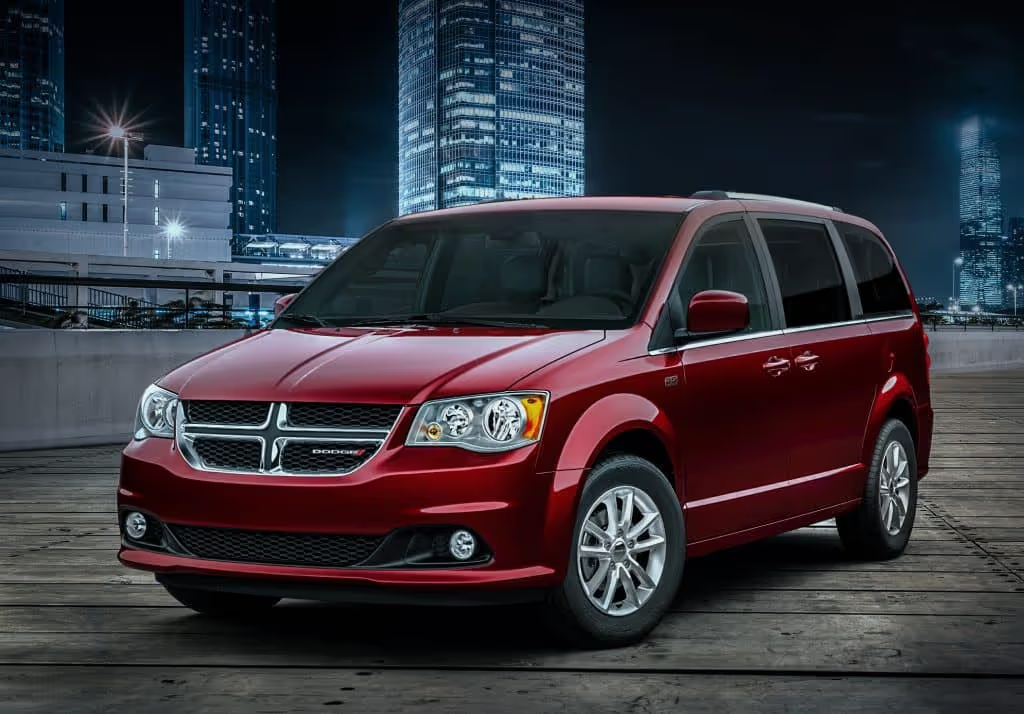
1. Dodge Grand Caravan
The Dodge Grand Caravan built its reputation on affordability and practicality, but in many of its later years it began to feel dated compared to newer competitors. While it offered generous interior space and flexible seating, the driving experience often reflected an older engineering philosophy that prioritized cost control over refinement.
I am including the Grand Caravan because it clearly illustrates how suspension tuning and steering calibration can influence perception. The steering tends to feel light yet vague, offering limited feedback through corners.
This lack of precision can make the van feel larger than it actually is, especially in tighter urban environments. Drivers may find themselves making constant small corrections to maintain a smooth line.
Body roll is another noticeable characteristic. When taking highway ramps or navigating curvy roads, the Grand Caravan can lean more than modern rivals. That side to side motion contributes heavily to the sensation of driving a small bus rather than a well controlled family vehicle. Passengers may also feel that movement more intensely in the rear rows.
The powertrain, while reliable, does not feel particularly energetic by current standards. Acceleration can feel steady but not especially responsive, especially when fully loaded. This slower buildup of speed reinforces the impression of bulk.
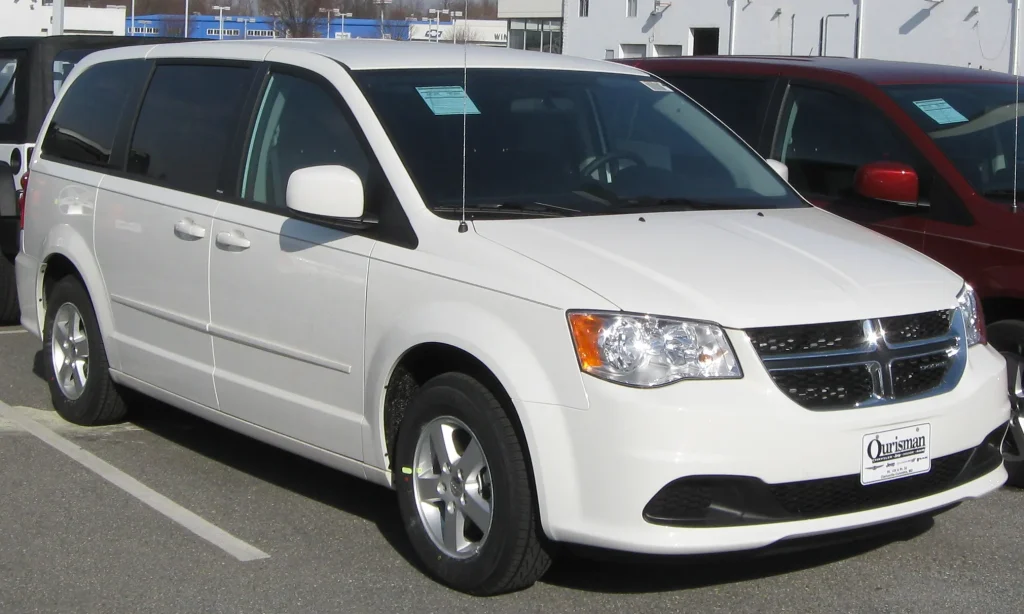
Interior noise levels further amplify the experience. Road and wind noise are more noticeable compared to newer, better insulated vans. A louder cabin can make a vehicle feel less refined and heavier than it is.
The Grand Caravan remains practical and affordable, but its dated dynamics and softer control responses make it feel more like commercial transport than an engaging family hauler.
2. Nissan Quest
The Nissan Quest was once praised for its distinctive styling and spacious interior, yet its driving dynamics often failed to inspire confidence. While comfortable for passengers, the Quest’s overall behavior on the road could feel detached and cumbersome.
I am highlighting the Quest because it represents how comfort focused suspension tuning can sometimes go too far. Its ride quality tends to be soft, absorbing bumps well, but at the expense of stability during quick maneuvers. In sharper turns or sudden lane changes, noticeable body sway can make the vehicle feel less planted.
Steering feedback also leans toward the lighter side, which may reduce effort at low speeds but limits precision at higher speeds. When steering lacks firmness or directness, drivers can feel less connected to the vehicle’s movements. This contributes strongly to the bus like sensation.
Acceleration is adequate for daily use, but the vehicle’s weight becomes apparent when merging or climbing hills. The powertrain does not always mask the mass effectively, which reinforces the impression of operating a larger vehicle.
Visibility and interior layout remain strengths, but even those advantages cannot fully compensate for the dynamic softness. For drivers accustomed to more responsive crossovers or sedans, the Quest may feel overly relaxed and somewhat unwieldy.
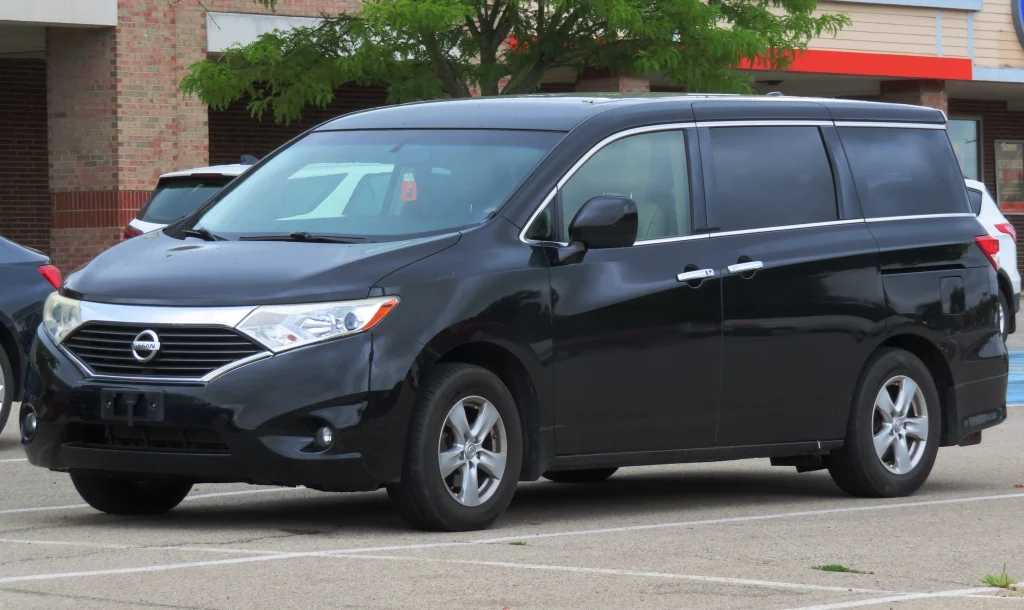
The Quest offered comfort and space, yet its handling and control characteristics made it feel larger and heavier than necessary.
3. Chevrolet Uplander
The Chevrolet Uplander emerged during a transitional era for minivans, and its driving characteristics reflect older design priorities. While it provided practicality and seating flexibility, it struggled to deliver a confident and refined on road experience.
I am including the Uplander because it highlights how outdated chassis design can impact drivability. Steering often feels slow to respond, requiring more input to achieve directional changes. This delayed reaction can make the vehicle feel bulky in tight turns or congested city streets.
The suspension setup tends to allow significant body movement. During cornering, the Uplander can lean noticeably, creating a sense of top heaviness. That leaning motion is a key factor in why some drivers describe certain minivans as feeling like buses.
Engine performance is sufficient for moderate use, but acceleration can feel labored when the vehicle is fully occupied. The sensation of pushing weight rather than gliding forward reinforces the perception of mass.
Braking performance, while functional, does not always feel particularly sharp. A softer pedal response can reduce driver confidence in quick stopping situations.
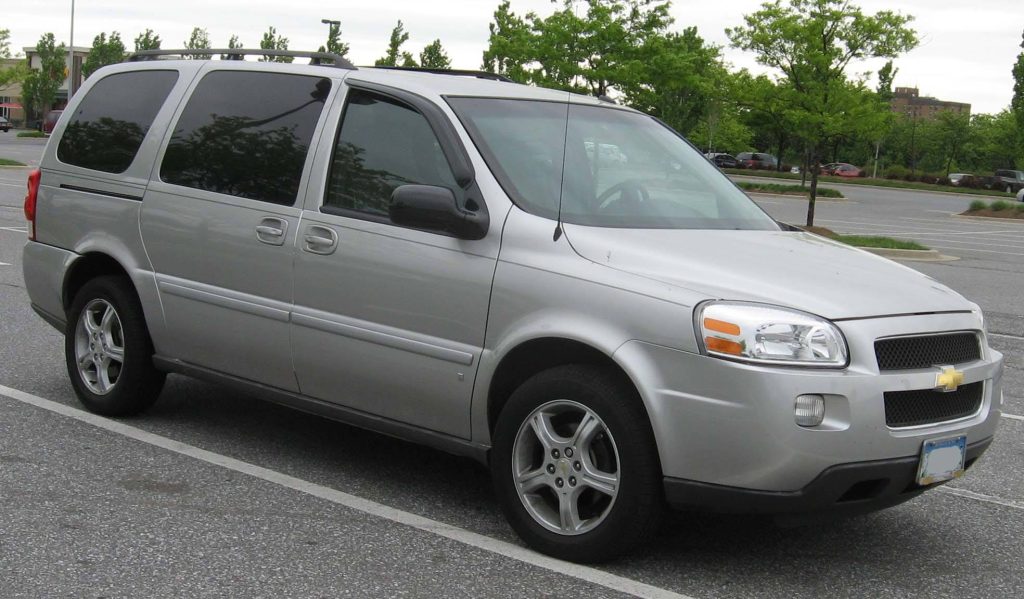
Interior refinement also falls short of modern expectations. Increased cabin noise and older materials contribute to a less polished overall feel.
The Uplander fulfilled basic family transportation needs, but its slower steering, noticeable body roll, and dated refinement combined to create a driving experience that feels heavier and more cumbersome than contemporary alternatives.
4. Ford Windstar
The Ford Windstar played an important role in the evolution of the modern minivan, but from a driving standpoint it often felt larger and more cumbersome than its dimensions suggested. While it delivered generous cabin space and practical family features, its on road behavior reflected a design approach that leaned heavily toward softness rather than balance.
I am including the Windstar because it demonstrates how suspension tuning can dramatically shape perception. The ride quality is generally soft, which helps absorb uneven pavement and provide comfort for passengers.
However, that softness also translates into noticeable body roll during cornering. When navigating highway ramps or quick lane changes, the vehicle can lean substantially, creating a sensation similar to piloting a small shuttle.
Steering feel contributes further to this impression. The steering system tends to be light and somewhat imprecise. While that reduces effort at low speeds, it also limits confidence at higher speeds.
Drivers may find themselves making small corrections to maintain a straight path, particularly in crosswinds. That constant adjustment reinforces the sense of operating something heavier and less agile than a typical family car.
Acceleration is adequate but rarely feels energetic. When fully loaded with passengers and cargo, the Windstar’s engine can feel strained during merging or uphill driving. Rather than delivering smooth and confident thrust, it often builds speed gradually. That slower response highlights the vehicle’s mass instead of disguising it.
Braking performance is serviceable, yet the pedal feel can lack the sharpness that inspires confidence in sudden stops. Combined with moderate cabin noise at highway speeds, the overall driving experience can feel dated compared to newer minivans.
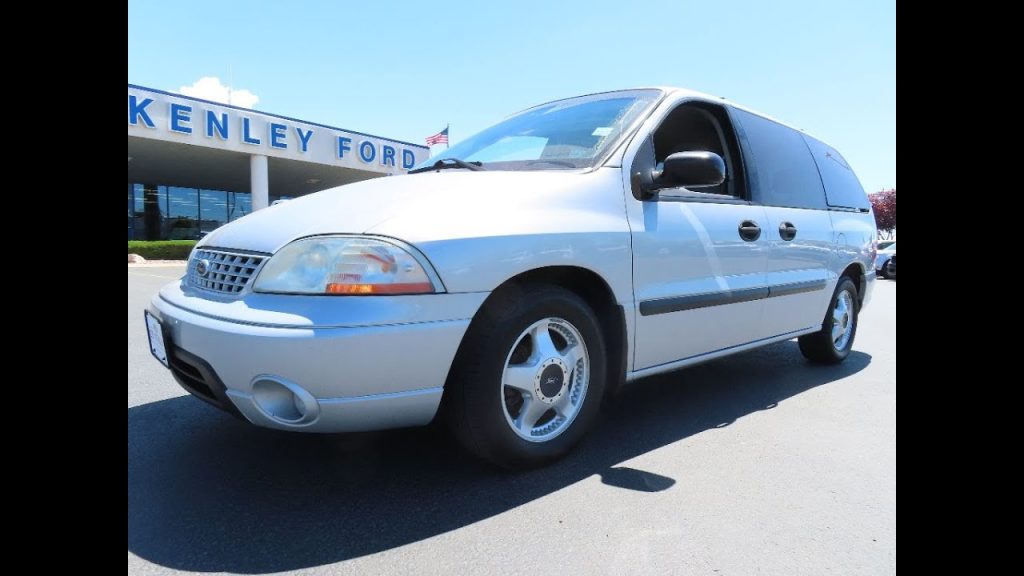
The Windstar fulfilled its mission of transporting families comfortably, but its soft dynamics, vague steering, and gradual acceleration make it feel more like operating a commercial transport vehicle than a modern, driver friendly minivan.
5. Volkswagen Routan
The Volkswagen Routan entered the minivan market with European branding expectations, but its driving character did not fully align with the agile image often associated with the brand. While it offered spacious seating and respectable power, its road manners frequently felt heavier and less controlled than drivers anticipated.
I am highlighting the Routan because it illustrates how weight and chassis tuning can shape perception regardless of branding. Although it shares mechanical foundations with other vans, the overall driving experience tends to emphasize mass rather than nimbleness.
Steering is generally easy to operate, yet it lacks the communicative feel that makes drivers feel connected to the road.
Body control is adequate for everyday driving, but noticeable lean appears during sharper turns. That side to side movement can make the vehicle feel tall and top heavy. Instead of feeling planted, it may give the impression of shifting its weight slowly through corners.
This sensation strongly resembles driving a small bus, particularly when passengers are seated in all three rows.
The engine provides sufficient power for highway travel, but acceleration can feel steady rather than lively. When fully loaded, the Routan’s size becomes apparent during merging and passing maneuvers. The powertrain does its job, yet it does not mask the vehicle’s bulk.
Interior comfort remains a strength, with supportive seating and a practical layout. However, driving enjoyment depends heavily on control and responsiveness. In this area, the Routan does not fully distinguish itself.
For families seeking pure practicality, the Routan may satisfy basic transportation needs. However, its combination of soft body control, modest steering feedback, and noticeable weight contributes to a driving experience that feels more like operating a shuttle than piloting a refined family vehicle.

Minivans are designed to prioritize space, comfort, and practicality, but not all of them deliver the same driving experience. While they share similar dimensions and family focused layouts, the way they behave on the road can vary dramatically.
Some feel composed, refined, and surprisingly manageable, while others emphasize softness and size to a degree that makes them feel more like small buses than personal vehicles.
Among the most enjoyable minivans to drive are models like the Honda Odyssey, Toyota Sienna, Kia Carnival, Chrysler Pacifica, and Mazda5. These vehicles prove that engineering balance makes a significant difference.
Responsive steering, well tuned suspensions, smooth power delivery, and controlled body movement allow these vans to feel stable and confident.
Even though they are large, they do not constantly remind drivers of their bulk. Strong engines and refined cabins further reduce fatigue during long drives, making daily errands and road trips more pleasant.
In contrast, some minivans struggle to disguise their mass. Models such as the Dodge Grand Caravan, Nissan Quest, Chevrolet Uplander, Ford Windstar, and Volkswagen Routan often lean heavily toward soft suspension setups and less precise steering.
Excessive body roll, gradual acceleration, and limited road feedback contribute to a bus like sensation. While they still offer practicality and interior comfort, their driving dynamics can feel dated or cumbersome, especially compared to more modern competitors.
Ultimately, the difference comes down to refinement and balance. A minivan does not need to be sporty, but it should feel controlled and predictable.
Families spend countless hours behind the wheel, and a vehicle that feels stable and manageable can reduce stress significantly.
Choosing the right minivan means looking beyond seating capacity and cargo space. It means considering how confidently and comfortably it moves down the road.
Also Read: 10 Used SUVs With Electrical Systems That Become Money Pits After 80K Miles