
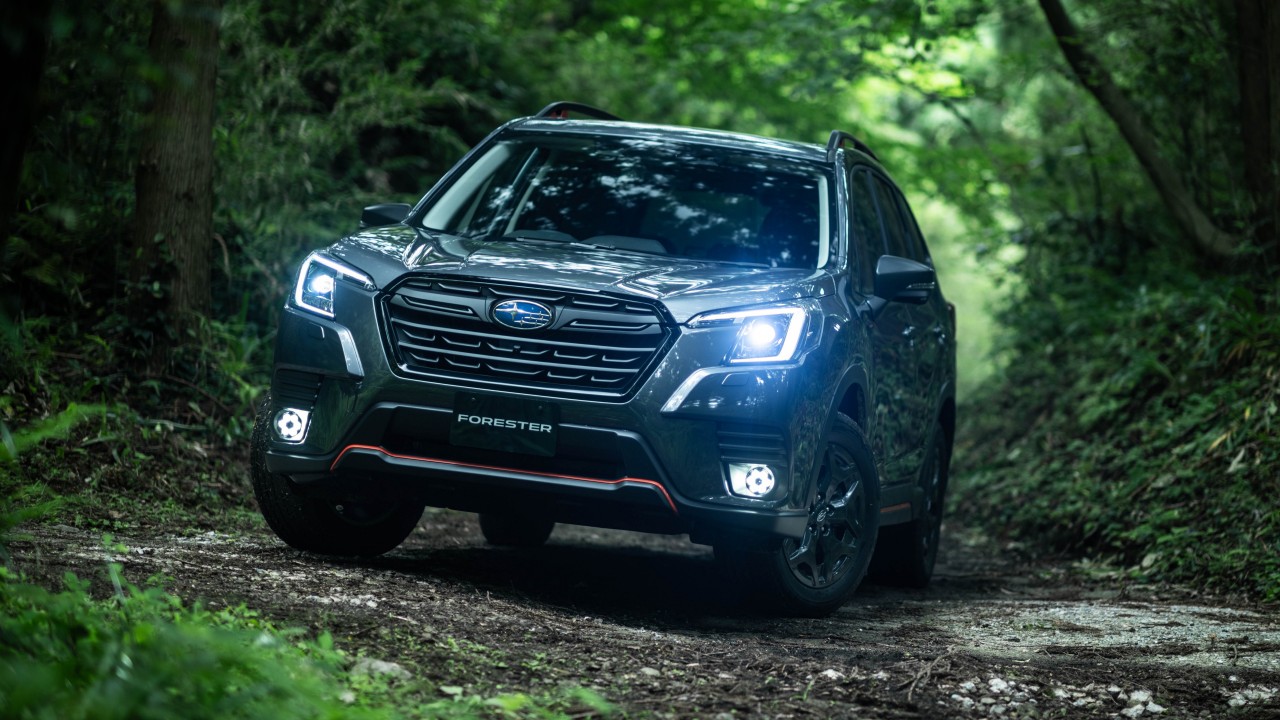
Compact SUVs have become the default choice for millions of drivers around the world. They promise elevated seating, flexible interiors, and practical cargo capacity without the bulk of a full size SUV. On paper, many compact crossovers appear similar.
They often share comparable exterior dimensions, similar engine outputs, and near identical seating layouts. However, once you open the rear hatch, the differences can be dramatic.
Cargo space is one of the primary reasons buyers move from sedans to SUVs. Families need room for strollers, sports equipment, luggage, and weekly shopping runs. Outdoor enthusiasts require enough capacity for camping gear or bicycles.
Even daily commuters benefit from flexible storage for work supplies and errands. Yet not every compact SUV delivers on that promise.
Some maximize interior packaging brilliantly, offering cavernous storage areas that rival larger vehicles. Others sacrifice usable space for styling, sloping rooflines, or thick interior trim that eats into practicality.
This article explores both sides of that equation. First, we examine five compact SUVs that genuinely impress with generous cargo capacity and smart storage design.
These vehicles prove that compact does not have to mean cramped. Thoughtful engineering and efficient packaging can unlock surprising versatility within modest exterior dimensions.
Then we shift focus to five compact SUVs that struggle to provide meaningful cargo room. While they may look rugged or sporty from the outside, their real world storage limitations can quickly frustrate owners.
Understanding these differences is essential for buyers who prioritize functionality. In a segment where marketing often emphasizes style and technology, actual usable space remains one of the most important factors in everyday satisfaction.
Also Read: Top 10 Used 4x4s That Are Still Cheap in 2026
5 Compact SUVs With Huge Cargo Space
Not all compact SUVs are created equal when it comes to cargo capacity. I am focusing on the following five models because they stand out for intelligently maximizing interior space without dramatically increasing exterior size. These vehicles demonstrate that clever engineering can make a measurable difference in daily usability.
Large cargo numbers on a specification sheet tell part of the story, but real world practicality goes deeper. The shape of the cargo bay, the width between wheel wells, the height of the roofline, and the flexibility of folding seats all influence how useful the space truly feels.
Some compact SUVs offer nearly flat load floors, wide openings, and low lift over heights that make loading heavy or bulky items much easier.
These models are particularly valuable for families, small business owners, and active individuals who regularly transport more than just a few shopping bags. When rear seats fold easily and the cargo area remains square and unobstructed, the vehicle becomes far more versatile.
Another important factor is passenger comfort alongside cargo space. The best compact SUVs manage to provide generous rear seat legroom while still maintaining expansive storage capacity behind the second row. Achieving that balance requires thoughtful design rather than simply stretching the vehicle.
The five compact SUVs highlighted here prove that smart packaging can transform a practical vehicle into an exceptional one. The first example sets a strong benchmark for how spacious a compact SUV can truly be.
1. Honda CR V
The Honda CR V has long been regarded as one of the most practical compact SUVs on the market, and its cargo space is a major reason why. I am including it because it consistently ranks near the top of the segment for usable storage volume while maintaining comfortable seating for five adults.
Behind the rear seats, the CR V offers a wide and deep cargo area that easily accommodates large suitcases, strollers, and bulky grocery runs. The shape of the space is particularly impressive.
Instead of tapering inward dramatically, the side walls remain relatively straight, which makes it easier to load rectangular boxes or stack items efficiently. This practical geometry makes the cargo area feel even larger than the official numbers suggest.
When the rear seats are folded down, the CR V transforms into an almost wagon like hauler. The seats drop flat with minimal effort, creating a long and level load floor that is ideal for transporting furniture or larger sports equipment. For families who frequently switch between passenger duty and cargo hauling, this flexibility is invaluable.
I am writing about the CR V because it represents how intelligent packaging can maximize interior space without making the vehicle feel oversized on the road. Despite its generous cargo area, it remains easy to maneuver in city environments and fits comfortably in standard parking spaces.
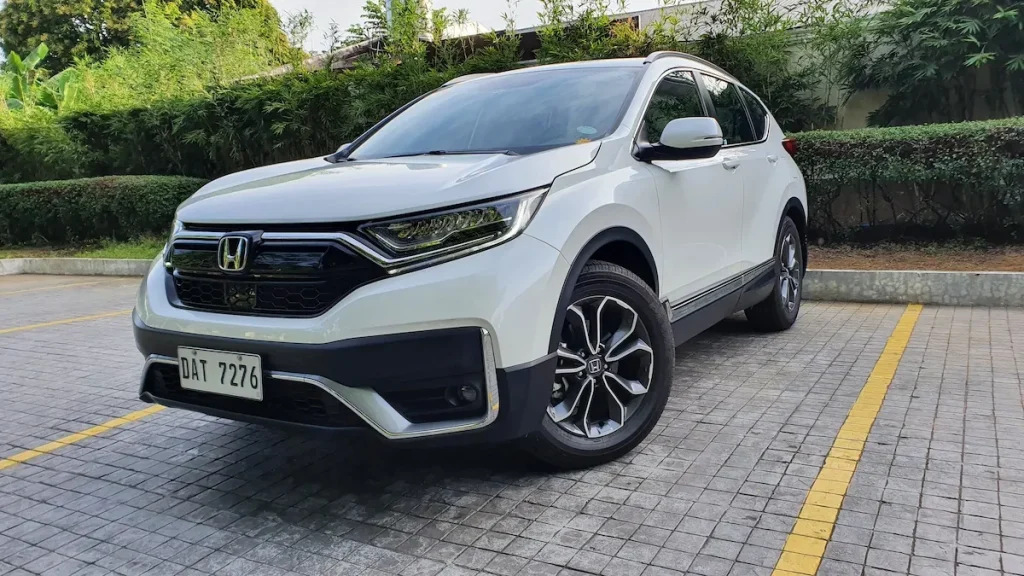
Another strength is the low lift over height at the rear hatch. Loading heavy items is less strenuous because you do not have to lift them excessively high. Combined with a wide opening, this design makes everyday tasks simpler.
The CR V proves that a compact SUV can genuinely replace larger vehicles for many households. Its balance of passenger comfort and cargo flexibility makes it one of the strongest all around practical choices in its class.
2. Toyota RAV4
The Toyota RAV4 earns its place on this list because it offers a generous and highly usable cargo area that supports a wide range of lifestyles. I am including it because it combines durability and space in a way that appeals to families and outdoor oriented drivers alike.
Behind the second row, the RAV4 provides a spacious cargo bay with a flat floor and well defined edges. The square shape makes it easy to organize luggage, toolboxes, or camping gear without wasted corners. Unlike some compact SUVs that prioritize styling over functionality, the RAV4 emphasizes usable space.
Folding the rear seats expands the storage area significantly. The process is straightforward, and the resulting load floor is relatively even.
This makes it practical for transporting longer items such as skis, bicycles with wheels removed, or small pieces of furniture. The versatility encourages owners to rely on the vehicle for more than routine errands.
I am highlighting the RAV4 because it demonstrates how thoughtful engineering supports real world needs. The cargo area also features tie down points and available power outlets, which enhance usability for road trips or work related tasks. These small details make a meaningful difference.
Passenger space remains strong despite the generous rear storage. Rear seat occupants still benefit from comfortable legroom, which shows that Toyota did not sacrifice seating comfort to achieve cargo volume.
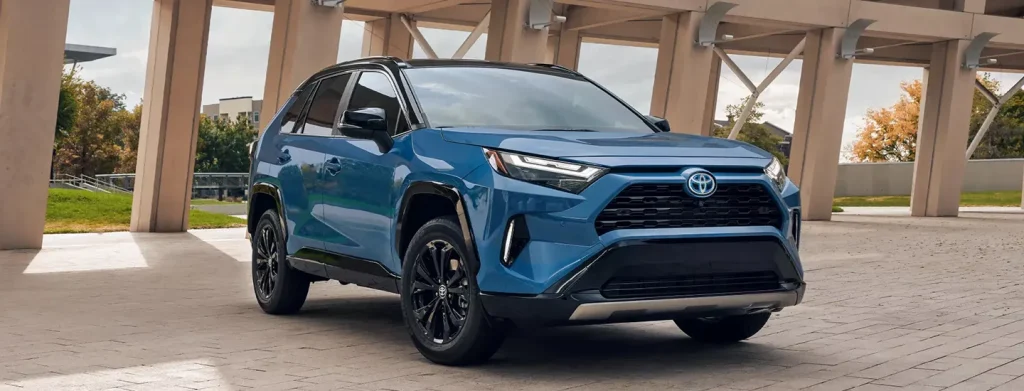
For buyers who need a compact SUV that can handle both family life and active hobbies, the RAV4 stands out as a dependable and spacious option. It successfully balances practicality with everyday drivability.
3. Subaru Forester
The Subaru Forester is another compact SUV that excels in cargo capacity. I am including it because its boxy design and tall roofline create a remarkably open and airy storage area compared to many sleeker competitors.
Behind the rear seats, the Forester offers a wide cargo bay with impressive vertical clearance. The taller roof allows owners to stack items higher without worrying about sloping glass cutting into space. This is particularly useful for transporting large coolers, pet crates, or travel luggage.
When the rear seats are folded, the Forester reveals an expansive and nearly flat loading area. The design prioritizes functionality over aggressive styling, and the payoff is evident in everyday use. Families moving between activities can load sports gear quickly without playing storage puzzles.
I am writing about the Forester because it highlights how visibility and practicality often go hand in hand. The upright shape not only improves outward visibility but also maximizes internal dimensions. Instead of sacrificing cargo space for a sporty roofline, Subaru chose to emphasize utility.
The rear hatch opening is large and square, making it easier to fit bulky objects. Additionally, the lift over height is manageable, which reduces strain when loading heavier items.
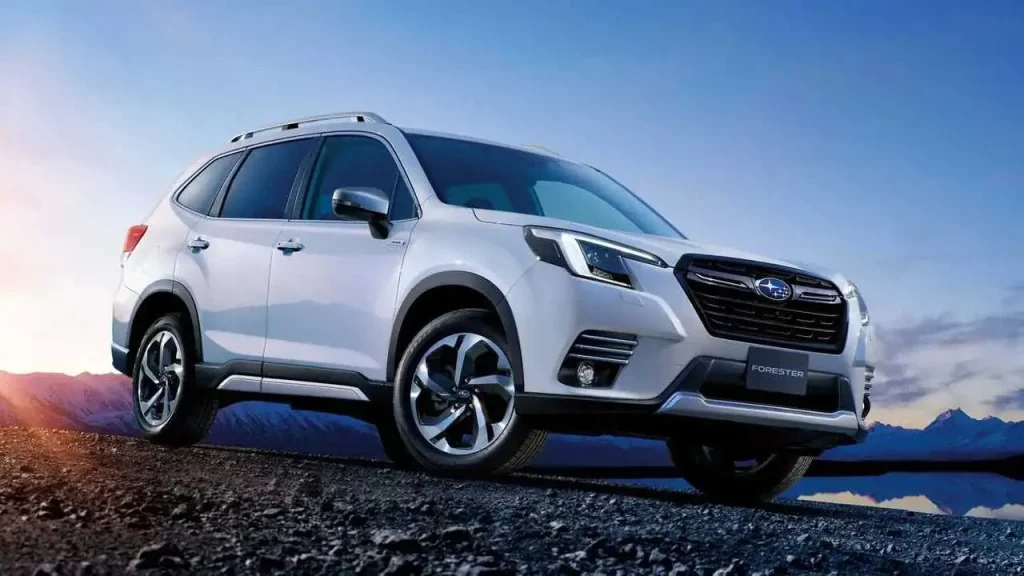
The Forester proves that traditional SUV proportions still have a place in the compact segment. For buyers who prioritize cargo capacity and straightforward usability, it remains one of the most accommodating choices available.
4. Hyundai Tucson
The Hyundai Tucson deserves a place among compact SUVs with genuinely impressive cargo capacity. I am including it because it demonstrates how modern design can coexist with smart interior packaging. While its exterior styling is bold and contemporary, the Tucson does not sacrifice practicality for appearance.
Behind the rear seats, the Tucson offers a deep and well shaped cargo area that can easily accommodate large grocery hauls, multiple suitcases, or sports gear.
The load floor is relatively flat and wide, which makes arranging items straightforward. Instead of forcing owners to angle bags around awkward curves, the Tucson provides a usable rectangular space that feels thoughtfully engineered.
Folding the second row significantly expands storage capacity. The seats drop smoothly, creating a long cargo area capable of handling furniture boxes, flat packed home improvement items, or travel equipment. For growing families or drivers who regularly transport bulkier items, this flexibility is a major advantage.
I am highlighting the Tucson because it balances interior comfort with cargo volume effectively. Rear passengers still benefit from generous legroom and supportive seating, yet there remains ample space behind them. This equilibrium is not easy to achieve in the compact segment, where designers often compromise one for the other.
Another strength is the rear hatch design. The opening is wide and tall enough to simplify loading. Combined with a relatively low lift over height, this makes everyday tasks less physically demanding. Optional hands free tailgate functionality further enhances convenience when arms are full.
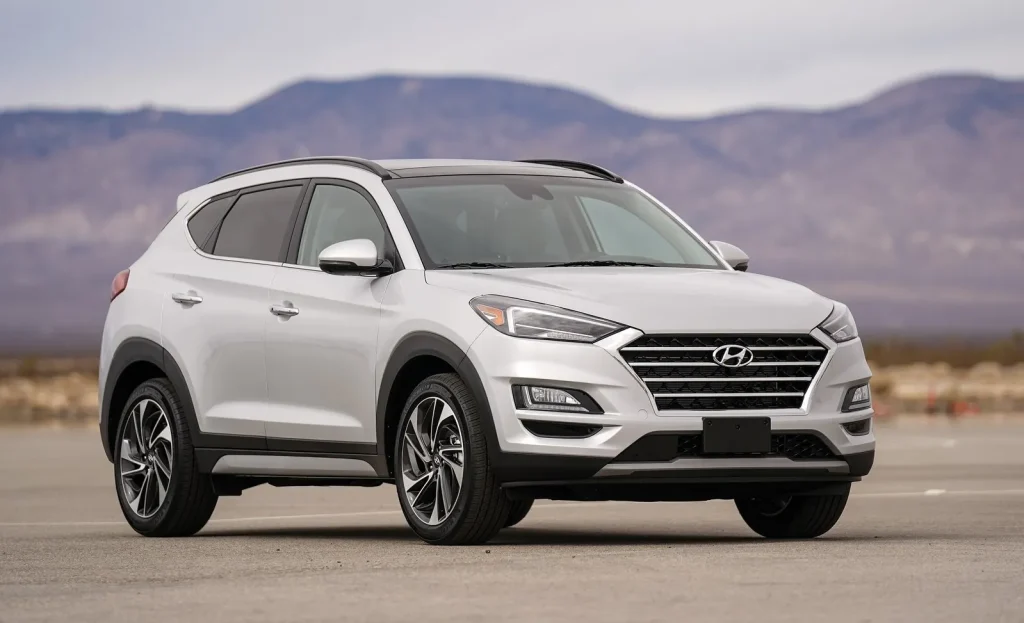
The Tucson proves that modern compact SUVs can offer both striking aesthetics and meaningful practicality. It stands as a reminder that cargo space should not be overlooked when evaluating daily usability.
5. Chevrolet Equinox
The Chevrolet Equinox rounds out this group because it offers surprisingly generous cargo space in a vehicle that remains easy to maneuver. I am including it because it consistently provides strong interior flexibility relative to its footprint.
Behind the rear seats, the Equinox presents a wide and accessible cargo area that works well for everyday errands and larger hauling needs. The floor is flat and the side walls are relatively straight, making it easy to stack boxes or organize luggage efficiently. This simple design makes a tangible difference in real world use.
One notable advantage is the sliding rear seat available on certain configurations. This feature allows drivers to prioritize either passenger legroom or additional cargo space as needed. That adaptability increases the Equinox’s versatility for families with changing demands.
When the rear seats are folded, the cargo area expands significantly, offering enough length for longer items such as small furniture pieces or recreational equipment. The folding mechanism is straightforward, reducing the time and effort required to reconfigure the cabin.
I am writing about the Equinox because it shows how a practical interior can elevate an otherwise conventional compact SUV. It may not be the flashiest vehicle in the segment, but its functional cargo layout supports everyday life effectively.
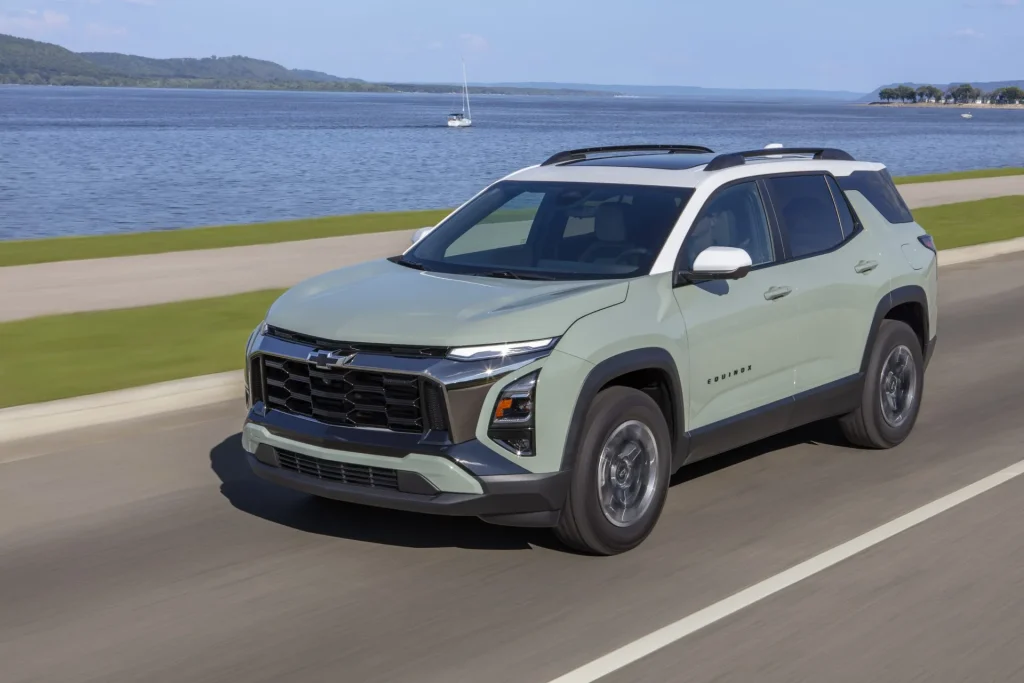
For buyers who value flexibility and consistent usability, the Equinox delivers impressive storage capacity without pushing into midsize territory. It completes the list of compact SUVs that genuinely maximize their interior potential.
5 That Can Barely Fit Groceries
While many compact SUVs excel at cargo management, others fall short of expectations. I am focusing on the following five models because they highlight how styling decisions, sloping rooflines, and tight rear seat packaging can significantly limit usable storage space.
On paper, these vehicles may appear competitive. They often share similar exterior dimensions with more spacious rivals. However, once you open the rear hatch, the differences become clear. Narrow cargo bays, high load floors, and sharply angled rear glass can reduce usable volume dramatically.
In some cases, designers prioritized sporty silhouettes over practicality. While that may improve curb appeal, it can frustrate owners who expect SUV level versatility. Limited cargo depth or compromised vertical clearance quickly becomes noticeable during routine tasks such as grocery shopping or airport runs.
The following five compact SUVs illustrate how insufficient packaging can undermine everyday usability. Their limitations may not matter to every buyer, but for those who rely on flexible storage, the shortcomings become difficult to ignore.
1. Mazda CX 30
The Mazda CX 30 stands out for its premium interior feel and sharp driving dynamics, but it falls short when it comes to cargo capacity. I am including it because it clearly demonstrates how stylish proportions can limit real world practicality in the compact SUV category.
Although marketed as a compact crossover, the CX 30 is positioned closer to a subcompact SUV in terms of interior packaging. Behind the rear seats, the cargo area is noticeably tighter than many competitors.
The floor depth is modest, and the overall width narrows toward the rear, which limits how efficiently larger boxes or suitcases can be arranged.
The sloping rear roofline further reduces usable vertical space. While the design looks sleek from the outside, it restricts how high items can be stacked. Tall grocery bags or bulky equipment may press against the glass sooner than expected. This forces owners to be more strategic when loading everyday items.
I am writing about the CX 30 because it highlights a trade off between style and function. Mazda clearly prioritized a refined aesthetic and engaging driving experience. While those qualities are appealing, buyers who expect generous cargo space may feel disappointed after comparing it to roomier rivals.
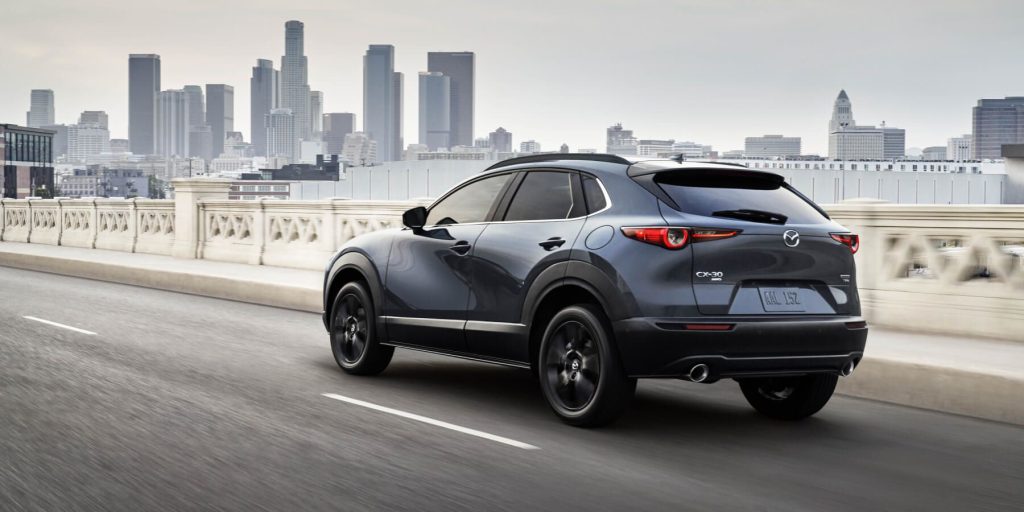
Folding the rear seats expands capacity, but the overall length remains shorter than many competitors. This means longer items may still require creative positioning. For small households, the space may be adequate. For families or active individuals, it can quickly feel limiting.
The CX 30 proves that not all compact SUVs deliver meaningful storage capacity. Its appeal lies more in design and driving feel than in maximum cargo utility.
2. Toyota C HR
The Toyota C HR makes a bold visual statement, but cargo practicality is not its strongest trait. I am including it because it demonstrates how dramatic styling choices can significantly reduce usable interior space.
Behind the rear seats, the cargo area feels shallow compared to other compact SUVs. The sloping roof and sharply angled rear window reduce vertical clearance. Even everyday tasks such as transporting multiple grocery bags can feel more constrained than expected.
The rear hatch opening is also narrower than many rivals. This makes loading larger items more challenging. Instead of benefiting from a wide and square entry point, owners must navigate tighter dimensions that limit flexibility.
I am highlighting the C HR because it reflects a clear design first philosophy. The coupe inspired roofline and sculpted body panels create visual appeal, but they compromise interior packaging. While the vehicle works well for light urban errands, it struggles when faced with bulkier cargo demands.
Folding the rear seats improves total space, but the overall cargo floor remains less expansive than competitors in the same class. The design emphasis on exterior flair ultimately restricts internal volume.
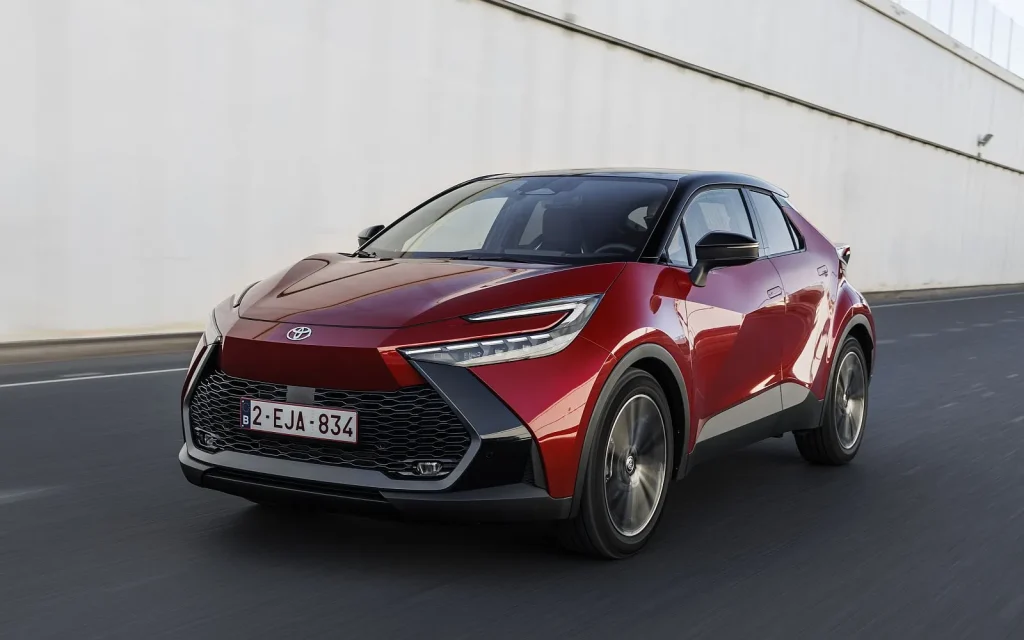
For drivers who prioritize distinctive looks over maximum utility, the C HR may satisfy. However, those expecting SUV level storage capacity may find it surprisingly limited in day to day use.
3. Nissan Kicks
The Nissan Kicks is positioned as an affordable and efficient small crossover, yet its cargo space remains modest even within the compact category. I am including it because it illustrates how cost conscious design can influence interior capacity.
Behind the rear seats, the cargo area offers limited depth and width compared to roomier rivals. While adequate for basic errands, it can feel constrained when transporting larger shopping runs or travel luggage. The vertical space is also somewhat restricted, reducing stacking potential.
The overall proportions of the Kicks lean toward subcompact dimensions, which impacts storage flexibility. Although it benefits from a tall seating position and good visibility, the rear cargo section does not fully capitalize on available height.
I am writing about the Kicks because it demonstrates how buyers should carefully examine cargo specifications rather than relying on SUV branding alone. The vehicle may appear practical from the outside, but its interior packaging tells a different story.
Folding the rear seats increases capacity, yet the resulting space still falls short of many competitors that better optimize cabin layout. For single drivers or light duty use, the Kicks may suffice. For households requiring frequent hauling, its limitations become evident.
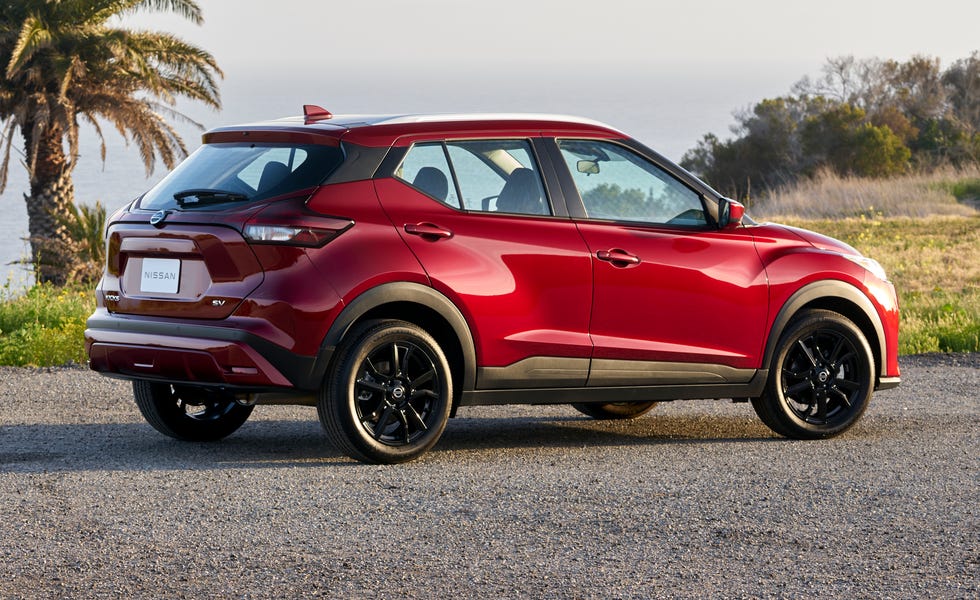
The Kicks reinforces the importance of evaluating real world cargo dimensions before committing to a compact SUV that may look larger than it actually functions.
4. Chevrolet Trax
The Chevrolet Trax presents itself as a practical entry level SUV, but when it comes to cargo capacity, it often feels tighter than buyers expect. I am including it because it highlights how exterior SUV styling does not always translate into meaningful interior storage space.
Behind the rear seats, the Trax offers a relatively shallow cargo area. While it can handle a few grocery bags or a small set of suitcases, the available depth and width limit flexibility. The cargo floor does not extend as far back as many compact rivals, which reduces overall usable volume in everyday scenarios.
The shape of the rear compartment also impacts usability. The side panels and wheel well intrusions eat into the available width, making it harder to fit bulkier rectangular items. This can become frustrating when transporting storage bins or larger boxed goods.
I am writing about the Trax because it represents a common compromise in smaller crossovers. In order to maintain a compact exterior footprint and affordable price point, interior space sometimes takes a back seat.
While the Trax performs well as a city friendly commuter vehicle, its cargo limitations quickly become apparent for families or drivers with active lifestyles.
Folding the rear seats does improve total capacity, but the load floor is not as long or as flat as that of more spacious competitors. That means longer objects may still require careful positioning. For occasional light hauling, it works. For frequent cargo demands, it can feel restrictive.
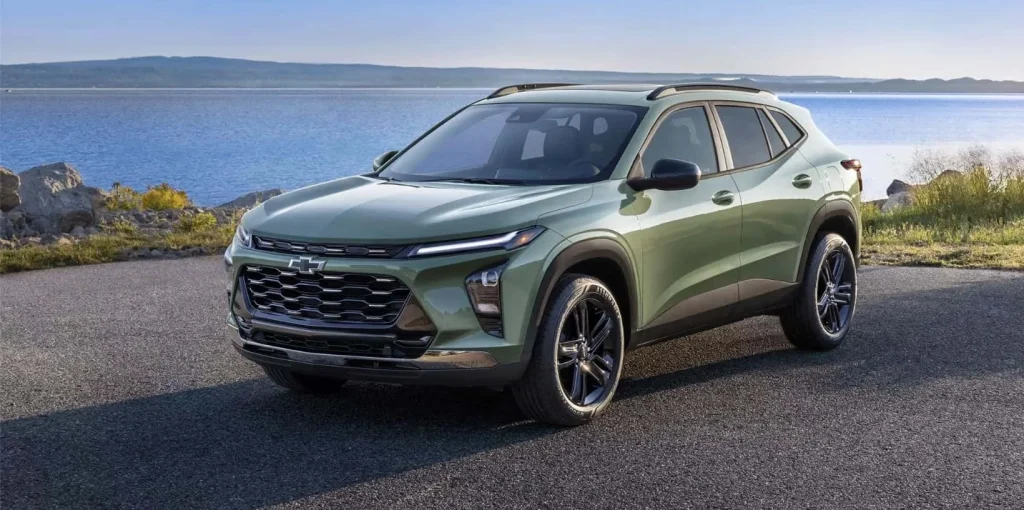
The Trax underscores the importance of physically assessing cargo space rather than assuming that SUV labeling guarantees versatility.
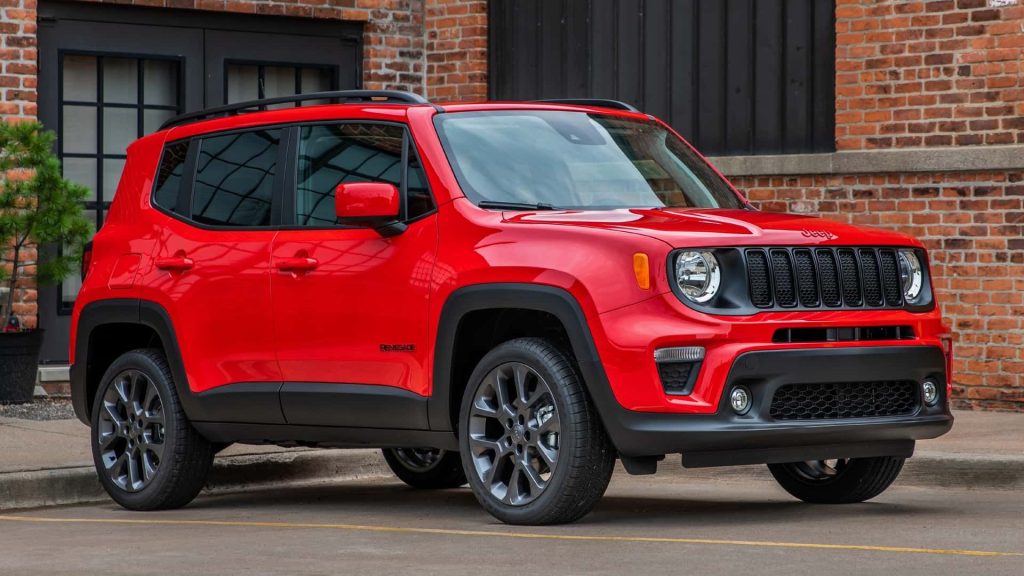
5. Jeep Renegade
The Jeep Renegade offers rugged styling and off road character, but cargo space is not one of its strongest attributes. I am including it because it shows how a boxy exterior does not automatically equal expansive interior storage.
Behind the second row, the Renegade provides a modest cargo area that feels narrower and shallower than many compact competitors.
While the upright design suggests practicality, the actual dimensions limit how much can comfortably fit without folding seats. Larger grocery runs or airport luggage loads can quickly consume available space.
The rear hatch opening is adequate but not especially wide. Combined with interior contours that reduce flat surfaces, organizing cargo can require more effort. The vertical height is reasonable, yet overall floor space remains limited compared to segment leaders.
I am highlighting the Renegade because it prioritizes personality and capability over maximum interior packaging efficiency. Its off road inspired design and short overall length contribute to its distinctive character, but they also constrain cargo flexibility.
When the rear seats are folded, the space expands, yet it still does not match the volume offered by more cargo focused compact SUVs. For individuals who value style and trail readiness over storage capacity, this trade off may be acceptable.
However, for buyers who expect substantial everyday hauling capability from a compact SUV, the Renegade can feel undersized in practical terms. It concludes the list of compact SUVs where exterior presence does not necessarily translate into generous cargo room.
Cargo space remains one of the most important reasons buyers choose compact SUVs, yet real world usability varies significantly across the segment.
While many models advertise similar dimensions, interior packaging and design choices can dramatically affect how much they can truly carry. Some compact SUVs maximize every inch of space, while others prioritize style or compact proportions at the expense of practicality.
Among the strongest performers are the Honda CR V, Toyota RAV4, Subaru Forester, Hyundai Tucson, and Chevrolet Equinox. These models stand out because they combine wide, square cargo bays with flexible folding rear seats and manageable lift over heights.
Their interiors are shaped to accommodate luggage, groceries, sports equipment, and bulkier items without awkward compromises. Importantly, they manage to balance generous cargo capacity with comfortable passenger space, making them versatile for both daily errands and longer trips.
On the other hand, models like the Mazda CX 30, Toyota C HR, Nissan Kicks, Chevrolet Trax, and Jeep Renegade demonstrate how compact dimensions and design focused styling can limit storage capacity.
Sloping rooflines, narrower hatch openings, and shorter cargo floors reduce flexibility. While these vehicles may excel in urban maneuverability or distinctive appearance, they can feel restrictive when faced with larger shopping runs or travel needs.
Ultimately, compact SUV buyers should look beyond marketing claims and examine real world cargo layouts. A practical design with a flat, wide load floor often matters more than exterior styling cues.
The right choice depends on lifestyle demands, but understanding these differences can prevent disappointment and ensure that a compact SUV truly meets everyday hauling expectations.
Also Read: 10 Best Daily Drivers To Get in 2026 That Age Gracefully
