
For decades, American and German sedans have battled for driveway dominance. German brands built their reputations on engineering precision, high speed stability, and refined interiors, while American automakers leaned into comfort, space, and long term durability.
Yet ownership stories often reveal a surprising twist. Some American sedans quietly outlast their sophisticated German rivals, while others crumble under neglect, cost cutting, or flawed engineering.
Longevity is not just about engine strength. It involves transmission resilience, suspension durability, electrical reliability, and how well a vehicle tolerates real world abuse. German sedans frequently offer sharper handling and richer materials, but they can demand strict maintenance schedules and expensive repairs.
In contrast, certain American models are engineered with simpler components and robust drivetrains that withstand years of commuting, harsh climates, and high mileage.
At the same time, not every American sedan deserves praise. Some have suffered from rushed redesigns, problematic gearboxes, weak interior materials, or chronic electronic failures. These shortcomings have left owners frustrated and resale values weakened. In a segment where reliability builds reputation, inconsistency can quickly erode trust.
This comparison explores both sides of the American sedan story. First, we examine five American sedans that have proven they can outlast many German competitors in real world conditions.
Then we shift focus to five that gained attention for the wrong reasons, falling apart sooner than expected. Together, they highlight how design priorities, engineering philosophy, and quality control shape long term ownership experiences.
Also Read: 10 Used SUVs With Electrical Systems That Become Money Pits After 80K Miles
5 American Sedans That Outlast Their German Rivals
American automakers have not always received credit for durability. While German sedans are praised for performance engineering and premium craftsmanship, several American models have quietly built reputations for mechanical toughness and lower long term ownership costs.
These vehicles may not always deliver the sharpest steering feel or the most advanced infotainment systems, but they often excel in one critical area: surviving years of heavy use with minimal drama.
What makes certain American sedans last longer than their German counterparts is often simplicity. Naturally aspirated engines, traditional automatic transmissions, and less complicated electronic systems can mean fewer expensive failure points.
Parts availability is broader, repairs are generally more affordable, and maintenance intervals are easier for average owners to manage. In high mileage scenarios, these factors make a measurable difference.
Another advantage lies in engineering priorities. Some American sedans were designed primarily for fleet use, long commutes, and demanding service conditions.
That focus tends to produce tougher suspension components, durable cooling systems, and drivetrains built to tolerate neglect. While German sedans often deliver superior driving dynamics, their tighter tolerances and complex turbocharged setups can create long term cost burdens.
In this section, we focus on five American sedans that consistently demonstrate resilience. These cars are not perfect, but they have earned reputations for crossing the 200,000 mile mark without catastrophic failures.
They represent examples where American engineering meets durability in a way that rivals, and sometimes surpasses, many German competitors in real world ownership.
The following five models highlight that strength and explain why they deserve recognition for outlasting their rivals.
1. Ford Crown Victoria
The Ford Crown Victoria represents one of the clearest examples of American durability outperforming many European luxury sedans in real world use. Built on the long running Panther platform, it relied on a body on frame construction that prioritized strength over sophistication.
While German rivals often used more advanced unibody architectures and complex suspension systems, the Crown Victoria embraced simplicity and toughness. That decision paid off over time.
At the heart of the Crown Victoria was a naturally aspirated 4.6 liter modular V8 engine paired with a traditional automatic transmission. This powertrain was not cutting edge, nor was it the most efficient, but it was famously durable.
Taxi fleets and police departments routinely pushed these cars beyond 300,000 miles with proper maintenance. Many German sedans, even those from respected brands, struggled to match that kind of longevity without significant repair bills.
Another reason for its endurance lies in its mechanical accessibility. Repairs were straightforward, parts were abundant, and labor costs remained manageable.
Owners could keep these cars running without facing the intimidating electronic diagnostics or high parts prices often associated with German vehicles. In high mileage ownership scenarios, this accessibility became a decisive advantage.
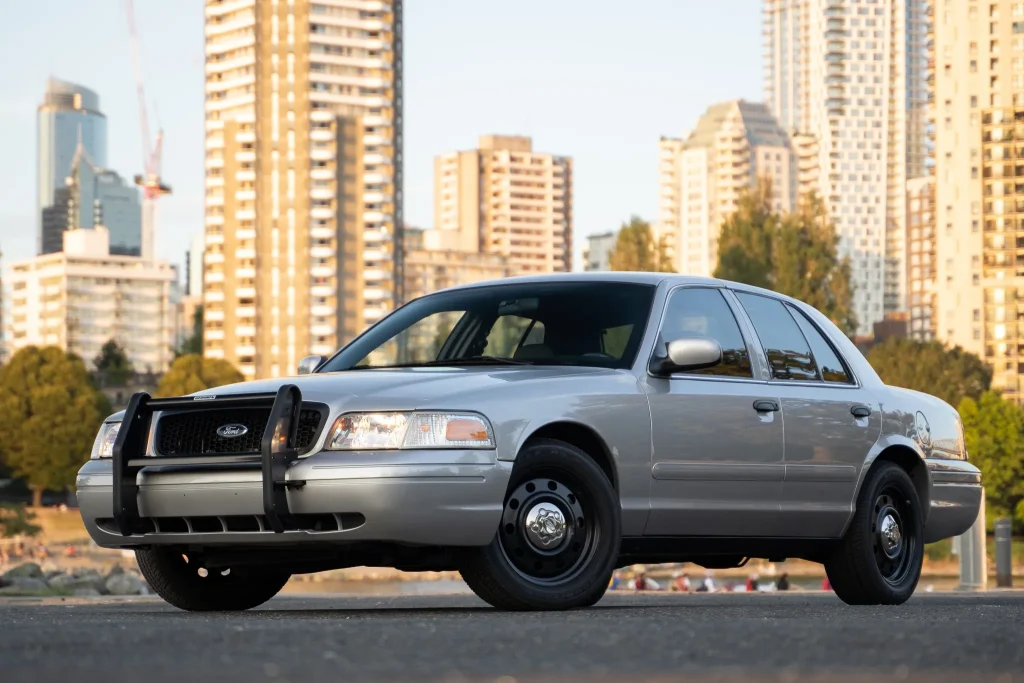
I am writing about the Crown Victoria because it symbolizes how over engineering in the right direction can create legendary reliability. It was not luxurious by European standards, and it certainly did not offer razor sharp handling.
Yet when it came to surviving hard service and neglect, it consistently proved superior. In the conversation about sedans that truly last, this car stands as a benchmark of American resilience.
2. Chevrolet Impala
The Chevrolet Impala, particularly in its later full size front wheel drive generations, built a quiet reputation for long term dependability. While it never matched the prestige of German executive sedans, it frequently outperformed them in overall ownership costs and longevity. Its powertrains were designed with durability in mind rather than outright performance.
Many Impala models featured naturally aspirated V6 engines that prioritized steady power delivery and manageable maintenance. These engines, paired with conventional automatic transmissions, often lasted well beyond 200,000 miles when maintained properly.
In contrast, some German rivals equipped with turbocharged engines and dual clutch transmissions developed expensive issues as mileage climbed.
Interior materials in the Impala were not always premium, but they were often functional and resistant to heavy wear. Fleet buyers relied on this sedan because it handled daily abuse with minimal structural problems. Suspension components and steering systems were tuned for comfort and durability rather than aggressive driving dynamics.
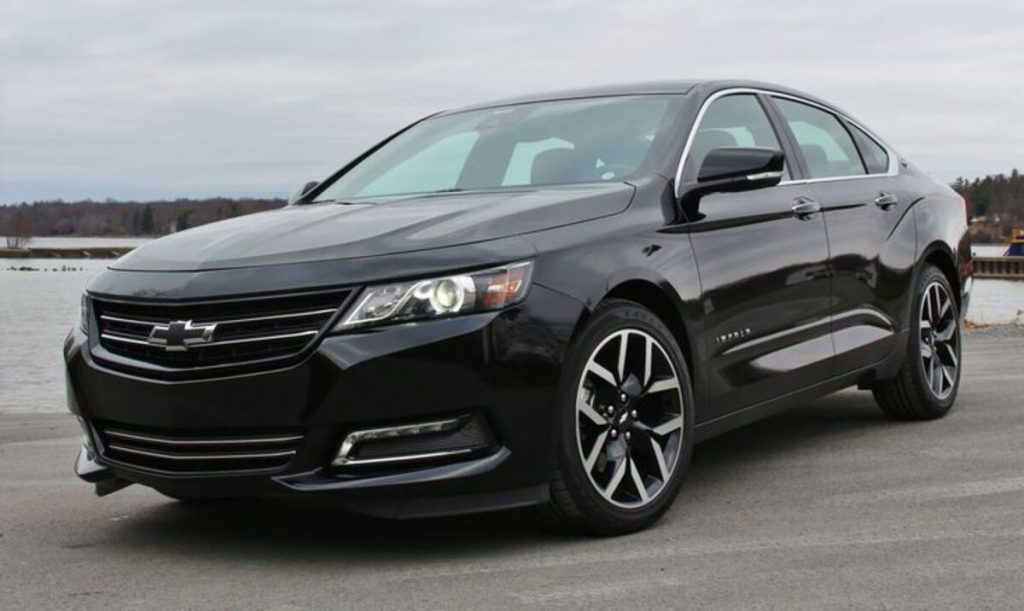
I am including the Impala because it demonstrates that practical engineering can outperform luxury focused complexity over time. Owners looking for dependable transportation rather than cutting edge technology often found the Impala to be a safer long term investment.
While German sedans offered sharper driving experiences, the Impala frequently won the battle of endurance and affordability in real world conditions.
3. Buick LaCrosse
The Buick LaCrosse presents another example of understated American durability. Often overshadowed by flashier European competitors, the LaCrosse focused on comfort, smooth power delivery, and solid long term reliability. It catered to buyers who valued quiet operation and consistent performance rather than aggressive styling or sporty credentials.
Equipped with proven V6 engines and traditional automatic transmissions, many LaCrosse models avoided the complexity that sometimes plagued German luxury sedans.
Turbocharged powerplants and advanced suspension systems in European rivals often translated into higher maintenance costs as vehicles aged. The LaCrosse, by contrast, maintained a simpler engineering approach that paid dividends over extended ownership.
Ride comfort was a defining characteristic, and that softer tuning also reduced stress on suspension components.
German sedans with firmer setups sometimes experienced premature wear in bushings, control arms, and shocks, especially on rough roads. The LaCrosse handled imperfect surfaces with less strain, contributing to its long term durability.
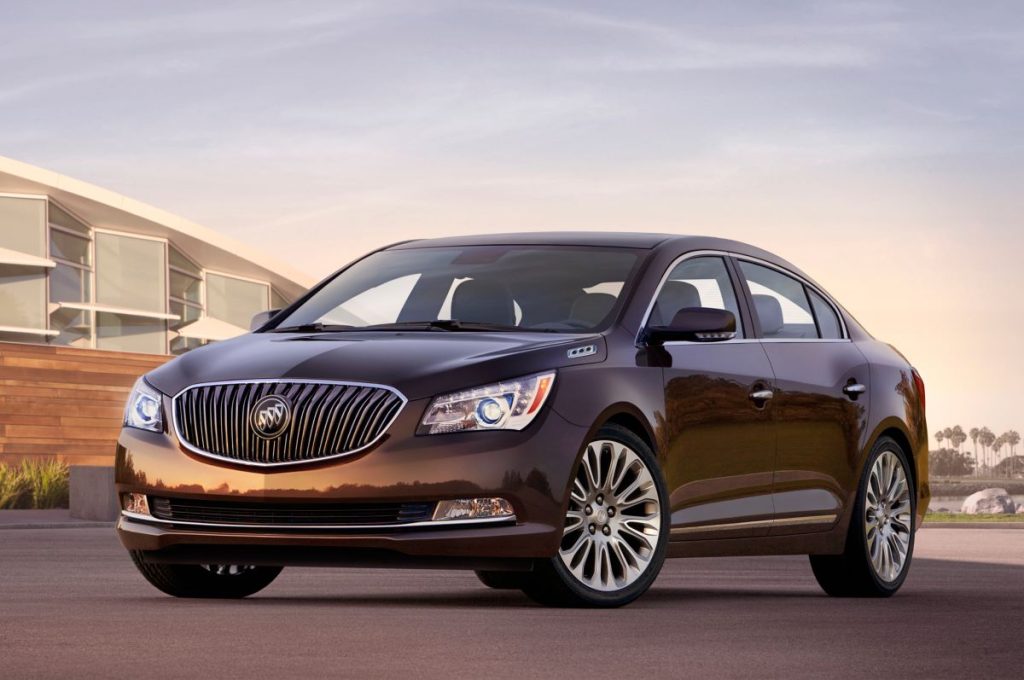
I am writing about the LaCrosse because it challenges the idea that longevity must come with sacrifice. It delivered refinement and reliability in equal measure. While it may not dominate performance comparisons, it frequently surpasses expectations in high mileage ownership.
In the debate over sedans that quietly outlast their rivals, the LaCrosse deserves recognition for blending comfort with resilience.
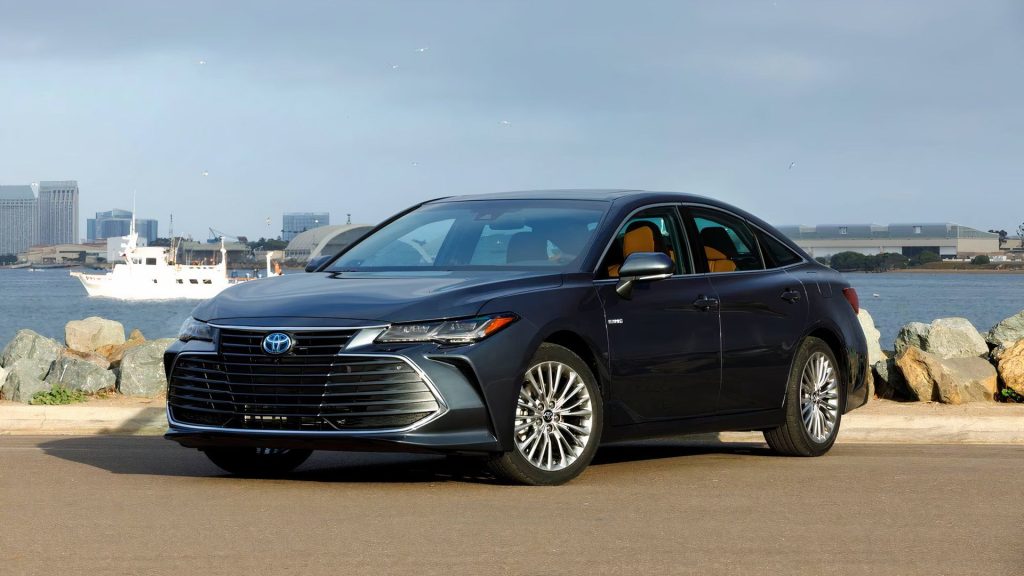
4. Toyota Avalon (U.S.-Built Models)
The Toyota Avalon, particularly the generations built in American plants, deserves mention because it demonstrates how a sedan assembled in the United States can combine global engineering standards with American manufacturing durability.
Although Toyota is a Japanese brand, many Avalons were produced domestically and competed directly against German executive sedans in the American market. Their long term reliability often eclipsed European competitors that carried higher price tags.
The Avalon relied heavily on proven naturally aspirated V6 engines and conventional automatic transmissions. This pairing emphasized smoothness and durability rather than cutting edge performance technology.
German rivals frequently adopted turbocharged engines, advanced dual clutch gearboxes, and complex adaptive suspensions. While impressive on paper, those systems sometimes became liabilities as mileage climbed. The Avalon’s more conservative engineering choices proved easier to maintain and less prone to catastrophic failure.
Interior longevity was another strength. While not extravagant, the materials held up well to daily wear. Electronics were generally dependable, avoiding the persistent glitches that sometimes affected aging German infotainment systems and sensor networks.
Cooling systems, engine mounts, and driveline components also showed strong durability in high mileage ownership.
I am including the Avalon because it illustrates how practical engineering often wins the longevity race. It may not have offered the sharp handling or badge prestige of its European competitors, but it consistently delivered smooth performance well beyond 200,000 miles.
For buyers prioritizing endurance over flash, this sedan often outlasted German rivals with far fewer costly surprises.
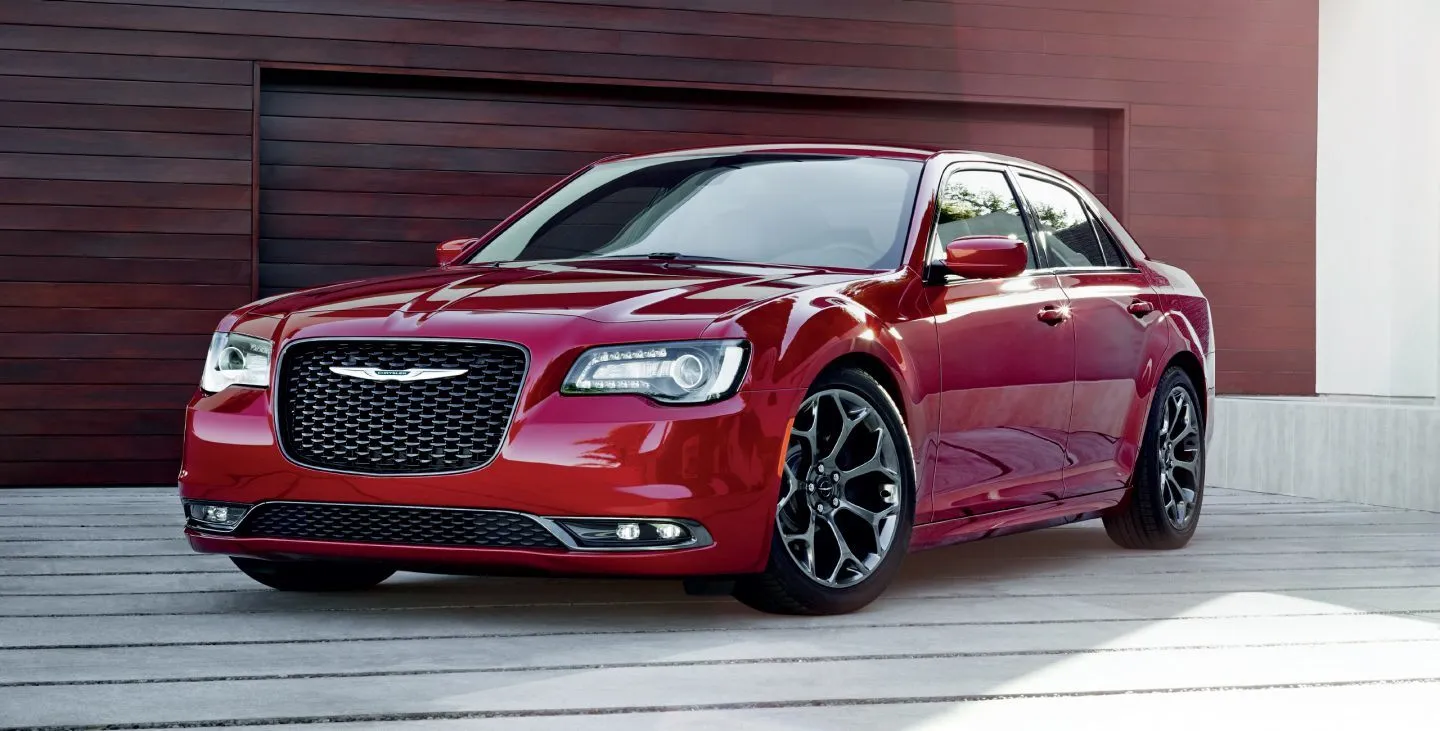
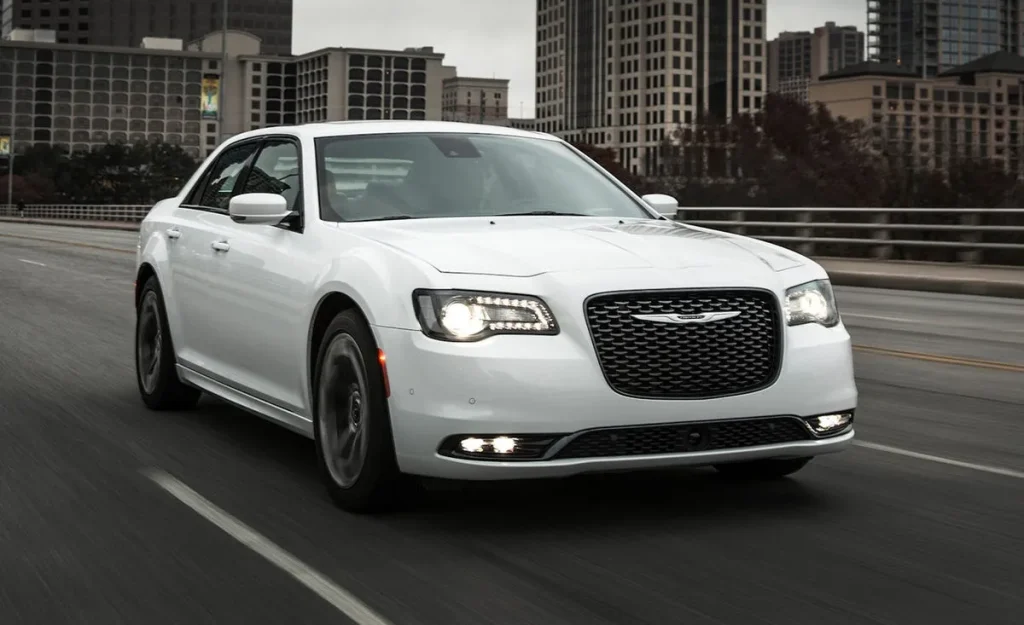
5. Chrysler 300 (V6 and 5.7 HEMI Variants)
The Chrysler 300 stands as an example of American boldness combined with mechanical staying power. While it competed in a segment dominated by German sport sedans, it approached the formula differently.
Instead of focusing on complex turbocharging and advanced performance electronics, many versions relied on robust naturally aspirated engines and traditional automatic transmissions.
The 3.6 liter Pentastar V6 and the 5.7 liter HEMI V8 have both developed reputations for strong longevity when properly maintained. These engines deliver straightforward power and are supported by widely available parts.
German rivals in the same price bracket often use turbocharged inline six engines paired with sophisticated transmission systems. As those systems age, repair costs can escalate significantly.
The Chrysler 300 also benefits from relatively simple suspension architecture compared to some European counterparts with adaptive dampers and multi mode systems. This simplicity can reduce long term repair frequency.
While interior materials may not match the tactile richness of German luxury cabins, they tend to age predictably rather than failing electronically.
I am writing about the Chrysler 300 because it represents a distinctly American approach to the sedan formula. It emphasizes displacement, comfort, and mechanical accessibility.
Though not flawless, it has shown an ability to remain roadworthy long after some German competitors require major overhauls. In terms of survivability and manageable maintenance, it earns its place among American sedans that frequently outlast their European rivals.
5 That Fall Apart
While some American sedans have earned respect for durability, others have struggled with inconsistent quality control, weak transmissions, fragile interiors, or problematic electronics. The contrast highlights how design decisions and cost management can dramatically influence long term ownership experiences.
Certain models entered the market with ambitious styling and modern features, but they lacked the mechanical robustness necessary for high mileage reliability. In some cases, downsized turbocharged engines introduced complexity without sufficient durability testing.
In others, automatic transmissions suffered from calibration issues or internal wear problems that emerged prematurely. Electrical gremlins and infotainment failures further compounded frustration for owners.
Unlike the durable models discussed earlier, these sedans often reveal their weaknesses after warranties expire. Repair costs accumulate quickly, resale values decline, and reputations suffer.
When compared to German rivals, which may already carry a perception of higher maintenance demands, these American sedans sometimes fail to justify even their lower initial purchase prices.
In this next section, we examine five American sedans that developed reputations for falling apart sooner than expected. Each example illustrates how rushed engineering, aggressive cost cutting, or flawed drivetrain design can undermine long term reliability.
These cars serve as reminders that durability requires careful execution, not just bold marketing or attractive pricing.
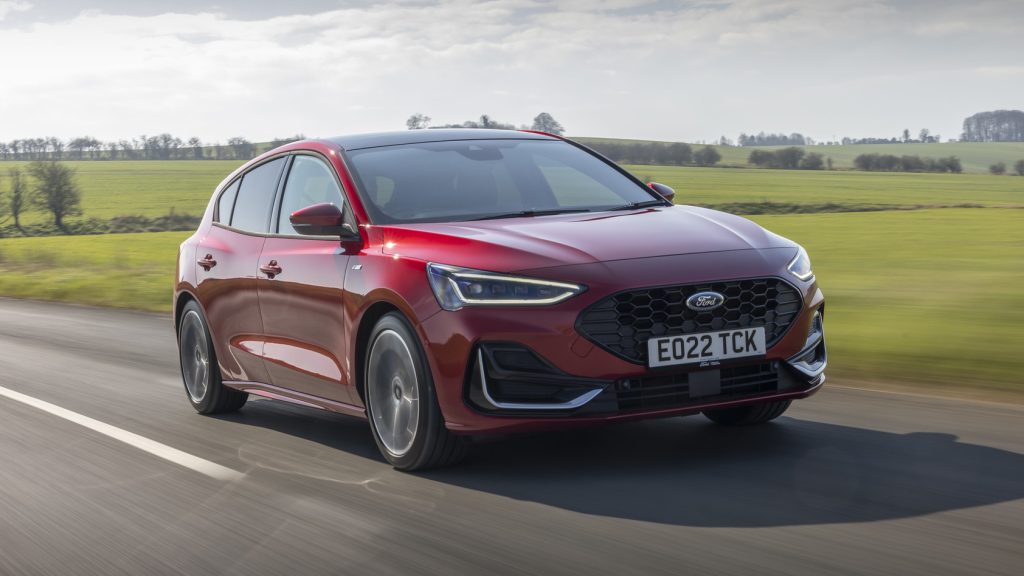
1. Ford Focus Sedan (Dual Clutch Transmission Models)
The Ford Focus sedan equipped with the dual clutch automatic transmission became one of the most widely discussed reliability disappointments of its era.
On paper, the transmission promised improved fuel efficiency and quicker shifts compared to traditional automatics. In practice, it delivered hesitation, shuddering, and premature clutch wear that frustrated countless owners.
Unlike conventional torque converter automatics that tolerate daily stop and go traffic with ease, this dual clutch setup struggled in real world driving conditions. Many drivers reported jerky acceleration, slipping, and repeated visits to dealerships for software updates or component replacements.
German competitors using dual clutch systems often invested heavily in refinement and durability, but the Focus implementation appeared underdeveloped.
Beyond transmission problems, some models experienced electrical issues and interior wear that reduced long term satisfaction.
Although the engine itself could be reasonably durable, the transmission overshadowed its strengths. Owners who expected dependable compact transportation were left dealing with repeated mechanical uncertainty.
I am writing about this model because it demonstrates how a single flawed engineering decision can damage an otherwise promising sedan.
While earlier American sedans succeeded through mechanical simplicity, the Focus dual clutch variant shows the risk of adopting advanced technology without adequate durability validation. In many cases, it fell apart in owner confidence long before reaching high mileage milestones.
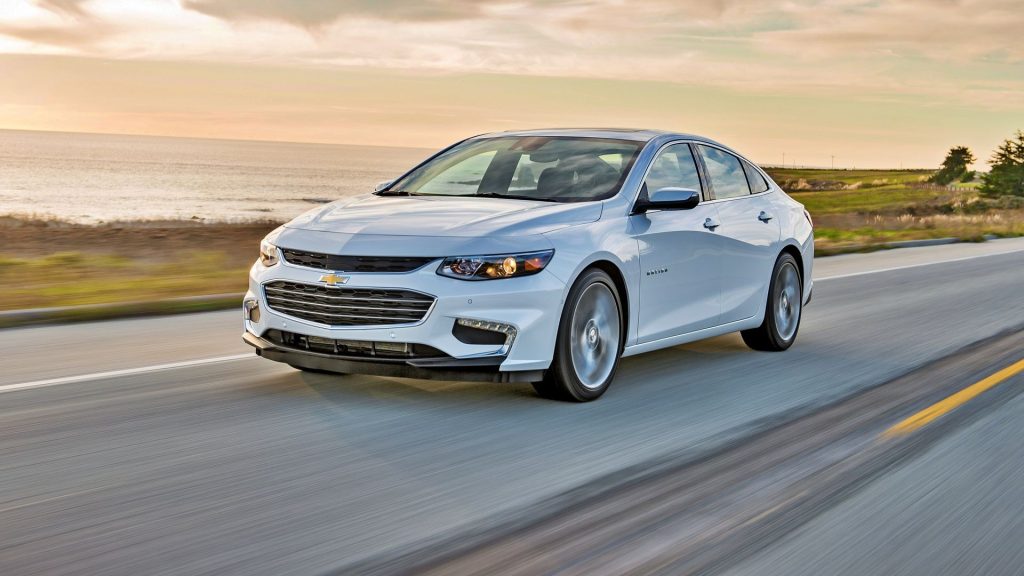
2. Chevrolet Malibu (Early 2000s Generations)
Certain early 2000s versions of the Chevrolet Malibu struggled with long term durability concerns that limited their lifespan compared to both American and German competitors. While marketed as practical and affordable family transportation, these models were often criticized for weak interior materials and inconsistent powertrain reliability.
Some engines developed intake manifold gasket issues and cooling system vulnerabilities. Over time, these problems could escalate into more serious mechanical failures if not addressed promptly.
Transmission durability also became a concern for certain model years, especially as mileage accumulated. In comparison, German rivals from the same period often featured stronger build consistency, even if maintenance costs were higher.
Interior aging presented another challenge. Dashboard materials, trim pieces, and seat fabrics sometimes wore prematurely, giving the car a tired appearance even before major mechanical failures occurred. Suspension components also required attention earlier than expected in some cases.
I am including the early 2000s Malibu because it highlights how cost conscious engineering can backfire when durability is compromised. While affordable upfront, the long term ownership experience often involved repeated repairs and declining structural confidence.
In the broader comparison between American and German sedans, this generation struggled to uphold the durability standards set by stronger domestic counterparts.
3. Dodge Dart
The Dodge Dart reentered the compact sedan segment with ambitious styling and modern features, but it ultimately failed to deliver consistent long term reliability. Built on a platform shared with European engineering influences, it combined turbocharged engine options with complex electronics. Unfortunately, this combination did not translate into lasting durability.
Transmission issues were common, particularly with certain automatic variants. Owners reported hesitation, rough shifting, and software related inconsistencies.
Turbocharged engine versions introduced additional maintenance complexity, and some drivers experienced sensor failures and electrical glitches that affected drivability.
Interior build quality also came under scrutiny. While the design appeared modern, certain trim pieces and materials did not withstand extended use gracefully. Compared to the American sedans praised earlier for their mechanical resilience, the Dart felt less cohesive and more vulnerable to wear.

I am writing about the Dodge Dart because it illustrates how reviving a nameplate does not guarantee long term success. Despite promising design and competitive pricing, the model struggled to build a reputation for reliability.
In many cases, it fell short of both domestic expectations and the durability standards set by some German compact sedans in the same era.
4. Chrysler Sebring
The Chrysler Sebring became a common sight on American roads during the late 1990s and 2000s, but its long term durability record has often been questioned.
While it was marketed as an affordable midsize sedan with modern styling and comfort oriented features, ownership experiences frequently revealed mechanical and structural weaknesses that emerged as mileage increased.
One of the most persistent concerns involved transmission reliability. Certain automatic gearboxes were prone to premature wear, harsh shifting, and eventual failure.
In comparison, many German sedans of the same period used more robust transmission designs that, while expensive to service, often lasted longer under proper maintenance. When the Sebring’s transmission issues appeared, repair costs could quickly exceed the vehicle’s resale value.
Engine options also showed inconsistency. Some four cylinder and V6 variants developed oil sludge buildup or cooling related vulnerabilities if maintenance intervals were neglected.
Unlike the durable American sedans discussed earlier, which tolerated occasional oversight, the Sebring demanded stricter care than its reputation suggested. Electrical glitches further complicated ownership, affecting power windows, dashboard illumination, and sensor systems.
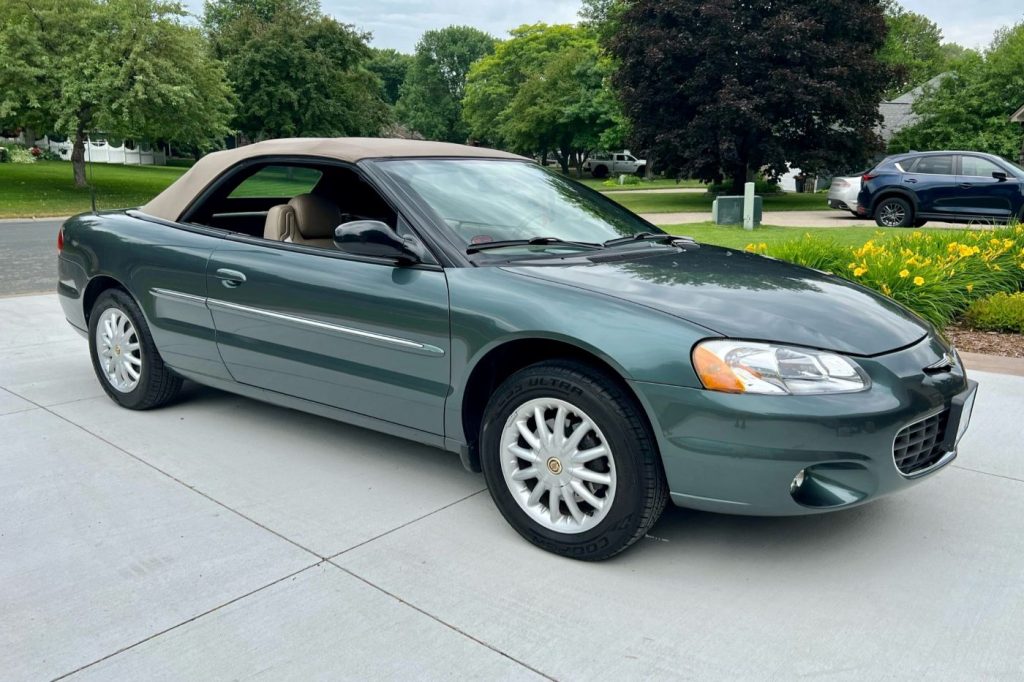
Interior materials aged quickly as well. Dashboard plastics, seat fabrics, and trim components sometimes deteriorated faster than expected, creating a worn appearance that did not reflect high mileage use alone. Suspension components also required attention earlier than many competitors, particularly in regions with rough road conditions.
I am including the Chrysler Sebring because it exemplifies how inconsistent engineering undermines confidence. While attractive at purchase due to pricing and comfort, it often struggled to maintain structural and mechanical integrity over extended ownership.
In the broader American versus German comparison, this model failed to provide the durability advantage that some domestic sedans successfully achieved.
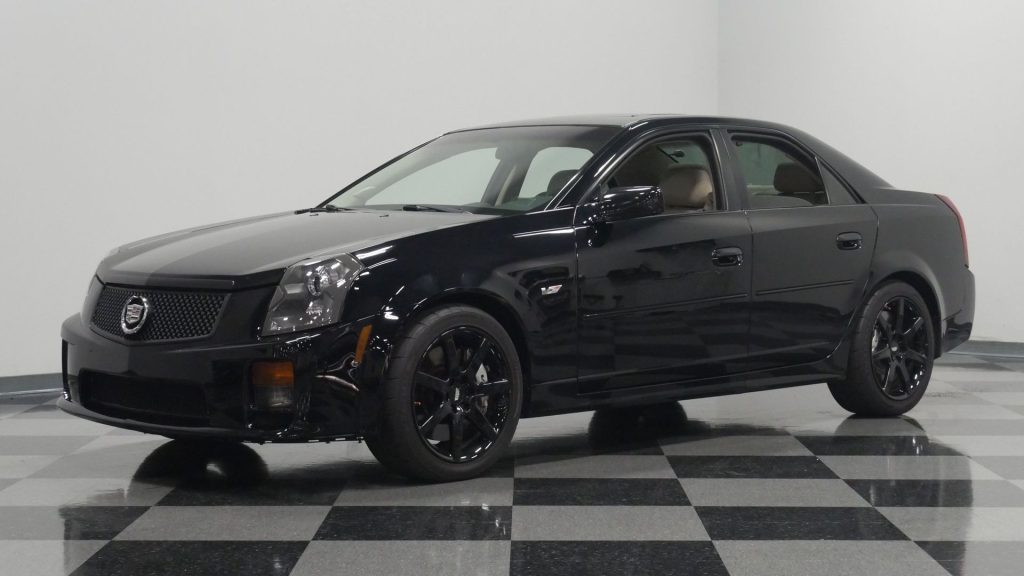
5. Cadillac CTS (First Generation)
The first generation Cadillac CTS represented a bold attempt to challenge established German sport sedans with sharper handling and more aggressive styling. It marked an important shift in Cadillac’s identity, signaling a move toward performance oriented engineering. However, early examples faced reliability concerns that limited their long term durability reputation.
Electrical complexity played a significant role in its challenges. Advanced features and evolving infotainment systems introduced multiple potential failure points.
Owners reported sensor malfunctions, dashboard warning lights, and intermittent electronic issues that required diagnostic attention. German competitors also faced electronic complexity, but many had already refined these systems through years of development.
Some early CTS models experienced differential and suspension related wear that surfaced sooner than expected. While the engines themselves could be reasonably durable, peripheral systems such as cooling components and drivetrain mounts sometimes demanded repairs earlier than ideal.
Compared to the simpler American sedans praised earlier in this article, the CTS incorporated more performance driven technology that increased maintenance sensitivity.
Interior durability presented mixed results. The design looked modern and upscale at launch, but certain materials showed wear faster than anticipated. Combined with electrical inconsistencies, this created a perception of fragility that contrasted with Cadillac’s premium aspirations.
I am writing about the first generation CTS because it highlights the risks of rapid transformation. Cadillac aimed to rival German performance sedans directly, but early execution revealed growing pains.
While later generations improved significantly, this initial effort struggled to match the long term reliability expectations buyers associate with enduring sedans.
Together, these five examples demonstrate how American sedans can sometimes falter when engineering complexity outpaces durability testing. They serve as counterpoints to the resilient models discussed earlier, reinforcing that longevity depends on disciplined design, robust validation, and consistent quality control rather than ambition alone.
The comparison between American and German sedans reveals a complex truth about durability, engineering philosophy, and long term ownership costs. While German sedans are widely respected for their performance precision, refined interiors, and advanced technology, longevity does not always favor complexity.
In many cases, certain American sedans have proven capable of outlasting their European rivals thanks to simpler mechanical designs, robust drivetrains, and lower repair costs.
Models such as the Ford Crown Victoria, Chevrolet Impala, Buick LaCrosse, Toyota Avalon built in American plants, and Chrysler 300 demonstrate how conservative engineering can translate into long term resilience.
These sedans often rely on naturally aspirated engines, traditional automatic transmissions, and less complicated electronic systems. That simplicity reduces potential failure points and makes maintenance more manageable for average owners.
Fleet use in police departments, taxi services, and corporate environments further validated their durability under demanding conditions.
Many of these vehicles comfortably surpass 200,000 miles with routine care, often avoiding the expensive turbocharger, dual clutch, or adaptive suspension failures that can affect aging German competitors.
Another key factor in their endurance is accessibility. Parts availability, lower labor costs, and straightforward mechanical layouts make repairs less intimidating and more affordable. Even when issues arise, they are typically easier to diagnose and fix.
Over time, this practicality gives certain American sedans a clear advantage in real world ownership scenarios, especially for buyers prioritizing reliability over prestige.
However, the American sedan story is not uniformly positive. Models like the Ford Focus sedan with dual clutch transmission, early 2000s Chevrolet Malibu, Dodge Dart, Chrysler Sebring, and first generation Cadillac CTS illustrate how durability can falter when engineering execution falls short.
Transmission flaws, electrical gremlins, premature interior wear, and inconsistent quality control contributed to reputations that hurt resale value and owner satisfaction.
In some cases, the adoption of advanced technologies without sufficient long term validation created vulnerabilities. Dual clutch gearboxes, turbocharged engines, and complex electronics introduced performance benefits but also added maintenance sensitivity.
When these systems failed prematurely, repair costs eroded any pricing advantage over German competitors. Additionally, cost cutting in materials and assembly sometimes resulted in structural or cosmetic deterioration earlier than expected.
Ultimately, this comparison shows that longevity depends less on brand origin and more on engineering discipline. Some American sedans thrive because they prioritize mechanical durability and serviceability.
Others struggle when ambition outpaces refinement. The lesson for buyers is clear: evaluate individual models rather than relying on national stereotypes. Within both American and German lineups, durability varies widely.
The sedans that endure are those built with balanced design, proven components, and a clear focus on surviving real world driving for years to come.
Also Read: Top 10 Diesel Trucks That Hold Value Better Than Gold
