
Convertibles have always symbolized freedom, open skies, and the emotional connection between driver and road. For many enthusiasts, dropping the top is about more than sunshine.
It is about immersion, sound, and the sensation of motion without barriers. Yet not all convertibles are created equal when seasons change. Some are engineered with genuine four season usability in mind, while others are unapologetically built for warm pavement and cloudless days.
The difference becomes obvious when winter arrives. Cold air exposes weak insulation, inadequate heating systems, and chassis tuning that struggles on slick surfaces. Rear wheel drive sports cars with summer tires can quickly turn from thrilling to treacherous.
On the other hand, certain convertibles feature advanced all wheel drive systems, insulated multi layer soft tops, heated seats, heated steering wheels, and even neck level warm air vents. These models prove that open air driving does not have to disappear when temperatures drop.
At the same time, there remains a category of convertibles that truly belong to summer. These cars prioritize lightweight construction, aggressive suspension tuning, and minimal insulation.
They shine on coastal highways and mountain passes in warm conditions but become uncomfortable or impractical when weather turns harsh. Their appeal lies in purity, not practicality.
This article explores both sides of the convertible spectrum. First, we examine five convertibles that can be comfortably driven through winter without sacrificing safety or comfort.
Then we shift to five summer only cars that deliver unforgettable warm weather experiences but are far less suited to cold climates. Together, they highlight how engineering priorities define whether a convertible is a year round companion or strictly a seasonal indulgence.
Also Read: Top 10 Diesel Cars Famous for Hitting 500,000 Miles
5 Convertibles You Can Comfortably Drive in Winter
Driving a convertible in winter may sound counterintuitive, but modern engineering has changed the equation. Advances in roof insulation, drivetrain technology, and cabin climate control have transformed certain drop tops into legitimate four season vehicles.
For buyers living in colder climates, the idea of parking a convertible for half the year is no longer a necessity.
The key factors that separate winter capable convertibles from fair weather toys begin with traction. All wheel drive systems dramatically improve stability on snow and ice, especially when paired with proper winter tires.
Balanced chassis tuning and advanced stability control systems further enhance confidence in slippery conditions. Without these features, even a powerful convertible can feel unpredictable when roads turn slick.
Insulation is equally critical. Multi layer fabric roofs with improved sealing prevent wind noise and heat loss. Heated seats, heated steering wheels, and dual zone climate control ensure that the cabin remains comfortable even when temperatures fall below freezing.
Some manufacturers go a step further by incorporating neck level heating vents that allow top down driving in surprisingly cold weather.
Structural rigidity also plays a role. Convertibles engineered with reinforced chassis designs handle rough winter roads without excessive flex or rattles. Durable materials and corrosion protection are essential for withstanding road salt and moisture over time.
In this section, we focus on five convertibles that combine performance, comfort, and cold weather readiness. These models prove that open air driving does not need to be limited to summer months.
With the right engineering and thoughtful features, a convertible can be a practical companion throughout the year, even in regions where winter demands respect.
1. Audi A5 Cabriolet
The Audi A5 Cabriolet stands out as one of the most convincing examples of a convertible designed for all season usability. Unlike many soft top sports cars that prioritize sunshine and style, this model integrates practical winter focused engineering from the ground up.
The most significant advantage is the availability of Audi’s Quattro all wheel drive system, which dramatically improves traction on snow covered or icy roads.
Quattro distributes power intelligently between the front and rear axles, enhancing grip when conditions become unpredictable. This system gives the A5 Cabriolet stability that rear wheel drive competitors often lack in winter.
When paired with proper winter tires, it can handle challenging weather with confidence. This makes it suitable not just for mild cold climates but also for regions that experience heavy snowfall.
The soft top itself is another strength. Audi engineered it with multiple insulating layers, reducing heat loss and minimizing wind noise. Once raised, the cabin feels almost as secure as a fixed roof coupe.
Heated seats, a heated steering wheel, and advanced climate control systems further reinforce its winter readiness. Even top down driving is possible in cooler weather thanks to strong cabin heating and well designed airflow management.
Interior materials are also built to withstand daily use. The fit and finish resist creaks and rattles over rough winter roads. Corrosion protection and high build quality add long term durability in environments where road salt can be damaging.
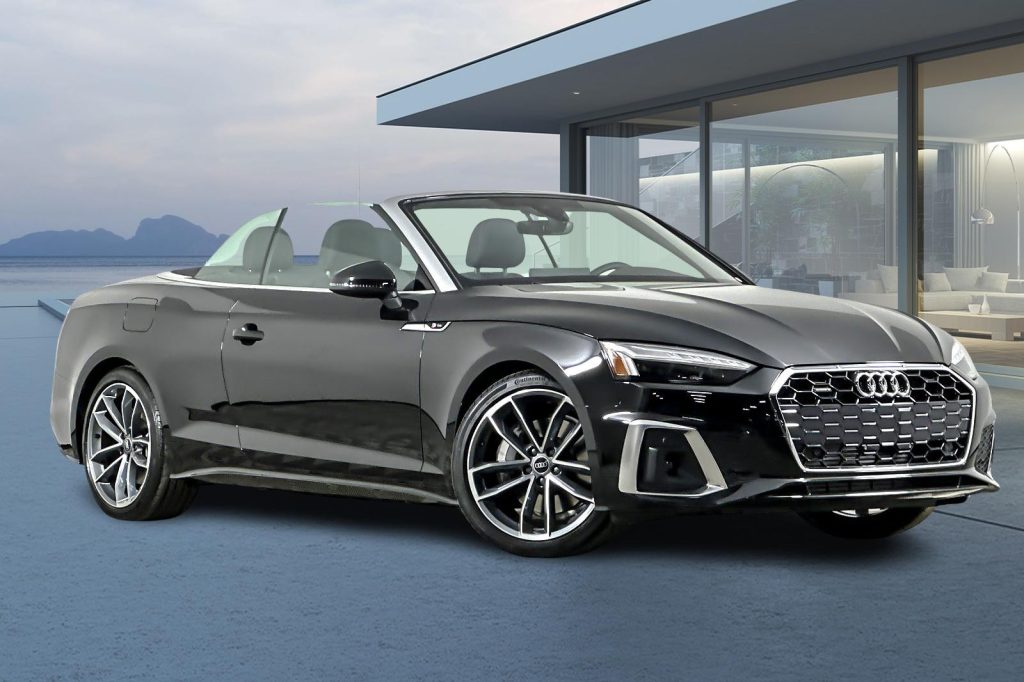
I am writing about the Audi A5 Cabriolet because it redefines expectations for convertibles in cold climates. It does not force drivers to choose between enjoyment and practicality. Instead, it blends refined comfort, confident traction, and year round usability in a way that makes it a genuine four season option.
2. BMW 4 Series Convertible
The BMW 4 Series Convertible is another model that proves a drop top can function beyond summer months. Designed with both performance and comfort in mind, it incorporates technologies that allow drivers to enjoy open air motoring even when temperatures fall sharply. One of its defining features is the available xDrive all wheel drive system, which enhances traction in snow and rain.
xDrive continuously monitors road conditions and adjusts torque distribution to maintain stability. In winter scenarios, this system offers reassurance that many rear wheel drive sports convertibles simply cannot match. Stability control and balanced chassis tuning further support secure handling on slippery surfaces.
BMW also integrates thoughtful comfort features tailored to colder climates. Heated front seats and a heated steering wheel are standard or widely available options, and the brand’s Air Collar neck level heating system allows occupants to drive with the top down even in brisk weather. The convertible roof is engineered with strong insulation, significantly reducing outside noise and retaining cabin warmth.
Structural rigidity remains impressive despite the absence of a fixed roof. Reinforced body components minimize flex, contributing to a composed ride over uneven winter roads. Interior materials are durable and well assembled, reducing long term wear from seasonal temperature fluctuations.
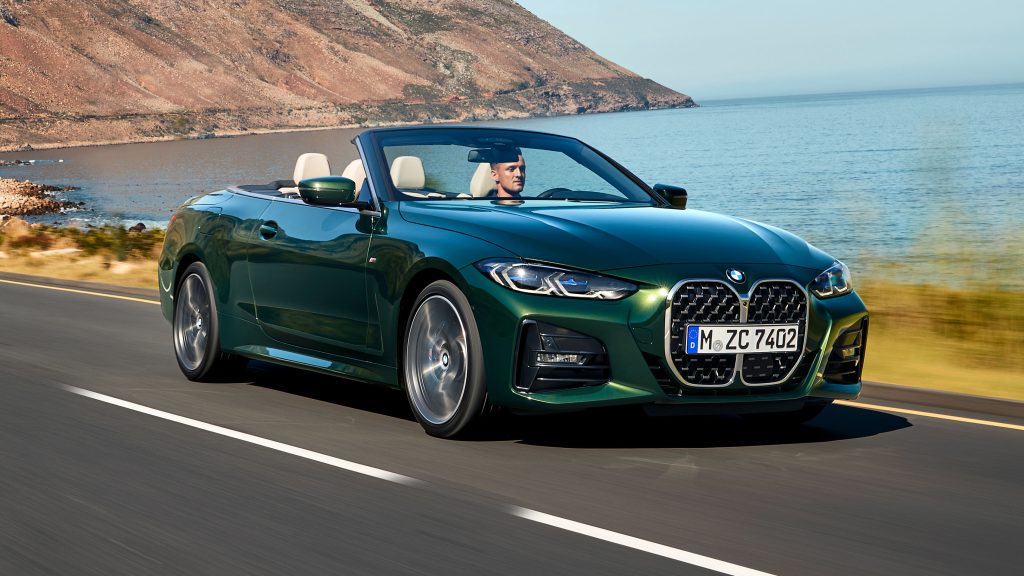
I am including the BMW 4 Series Convertible because it balances driving engagement with practicality. It delivers the dynamic character expected from BMW while incorporating real world winter usability.
For drivers unwilling to store their convertible during colder months, it offers a convincing compromise between performance and year round comfort.
3. Mercedes-Benz C-Class Cabriolet
The Mercedes Benz C Class Cabriolet demonstrates how luxury engineering can make winter convertible ownership both feasible and enjoyable. While it retains the elegance and performance expected from a premium German brand, it also integrates technology specifically designed for cold weather comfort and safety.
Available 4MATIC all wheel drive significantly improves winter traction. This system enhances grip during acceleration and cornering on slick surfaces, making the C Class Cabriolet far more stable than typical rear wheel drive alternatives.
For drivers living in snowy regions, this added security transforms the car from a seasonal indulgence into a viable daily driver.
Comfort features further support its winter credentials. Heated seats, a heated steering wheel, and the innovative Airscarf neck level heating system allow occupants to remain warm even with the top lowered. The multi layer soft top provides impressive insulation when closed, preserving cabin heat and reducing external noise.
The chassis benefits from reinforcement that maintains structural strength over uneven, frost damaged roads. Advanced driver assistance systems also contribute to confidence during reduced visibility or slippery conditions. Interior craftsmanship ensures that materials resist wear from seasonal exposure to moisture and cold.
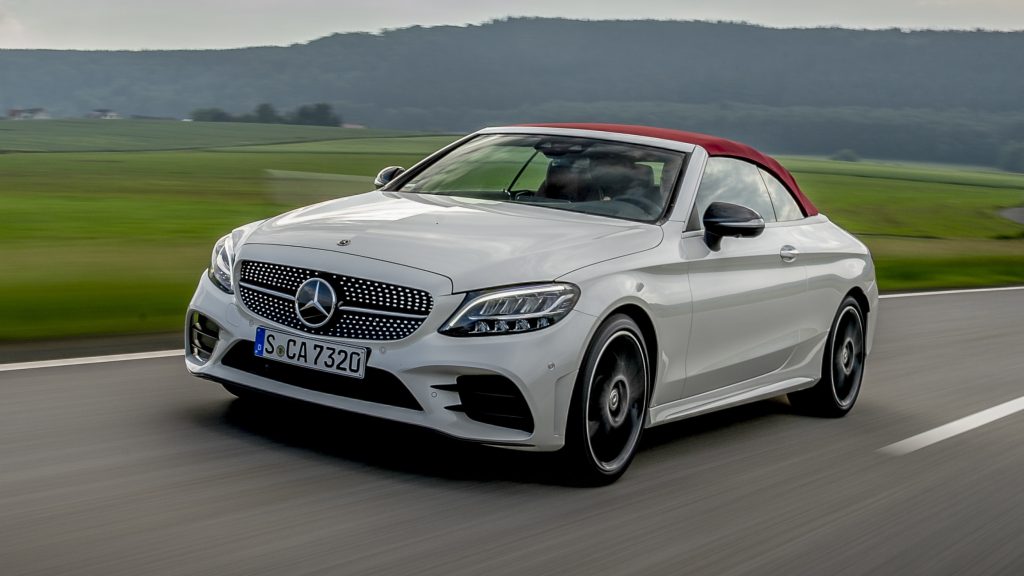
I am writing about the Mercedes Benz C Class Cabriolet because it showcases how luxury and practicality can coexist in a convertible. Rather than limiting enjoyment to warm months, it extends the open air experience into winter with thoughtful engineering and comfort innovations.
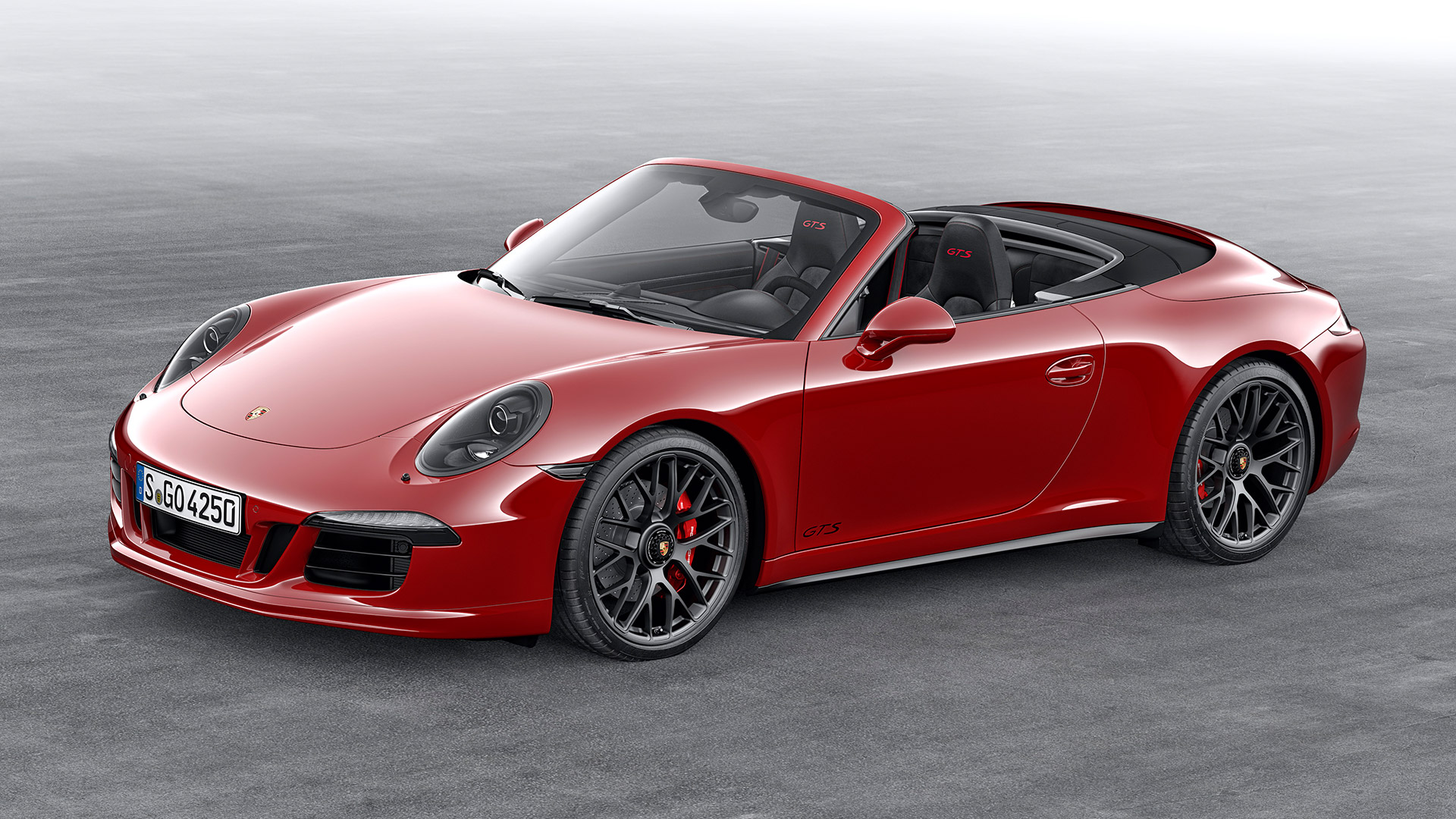
4. Porsche 911 Cabriolet
The Porsche 911 Cabriolet proves that a high performance sports car can still function as a genuine four season machine.
Unlike many exotic convertibles that become garage ornaments once temperatures drop, the 911 has long been engineered with everyday usability in mind. Its availability with all wheel drive in Carrera 4 variants gives it a decisive advantage in winter conditions.
The rear engine layout already provides strong traction over the driven wheels. When combined with Porsche’s advanced all wheel drive system, the 911 Cabriolet maintains remarkable stability on wet or lightly snow covered roads.
With proper winter tires, it becomes surprisingly capable in climates that would sideline many other sports cars. This traction advantage alone separates it from numerous summer focused rivals.
The soft top is tightly insulated and engineered for durability. When raised, cabin refinement rivals that of the coupe. Heated seats, dual zone climate control, and optional heated steering wheels ensure comfort during freezing mornings.
The airflow management inside the cabin allows drivers to enjoy brief top down drives even in crisp air without excessive discomfort.
Structural rigidity is another strength. Porsche reinforces the chassis to preserve handling precision, which also helps the car feel solid over rough winter pavement. High quality materials and corrosion protection contribute to long term resilience in harsh climates where road salt can accelerate wear.
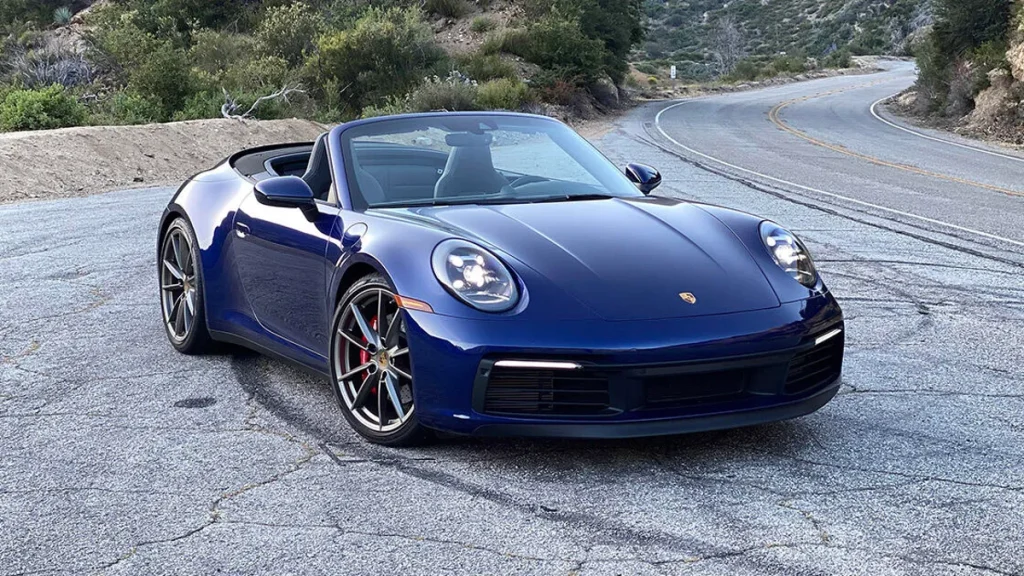
I am writing about the Porsche 911 Cabriolet because it defies the stereotype that sports convertibles are fragile fair weather toys. It blends performance pedigree with genuine usability, making it one of the rare high end drop tops that owners can confidently drive throughout the year.
5. Volvo C70
The Volvo C70 represents a more understated approach to winter ready convertible ownership. While it may not have the aggressive performance image of German sport models, it excels in safety, comfort, and cold climate practicality.
Designed by a manufacturer known for prioritizing winter capability, the C70 brings a different philosophy to the convertible segment.
Many versions of the C70 feature front wheel drive layouts that provide stable traction in snow when paired with winter tires. While not as advanced as all wheel drive systems, this setup remains predictable and manageable in slippery conditions. Volvo’s emphasis on balanced chassis tuning further enhances driver confidence during inclement weather.
The C70’s insulated roof design contributes to impressive cabin warmth. Heated seats and effective climate control systems ensure that occupants remain comfortable even when outside temperatures drop significantly.
The car’s safety systems, including stability control and robust braking performance, add reassurance during winter commuting.
Interior durability is another strong point. Materials are engineered to withstand temperature swings and regular use, reducing the likelihood of premature wear. Volvo’s corrosion resistance and structural engineering also support long term ownership in regions where road salt is common.
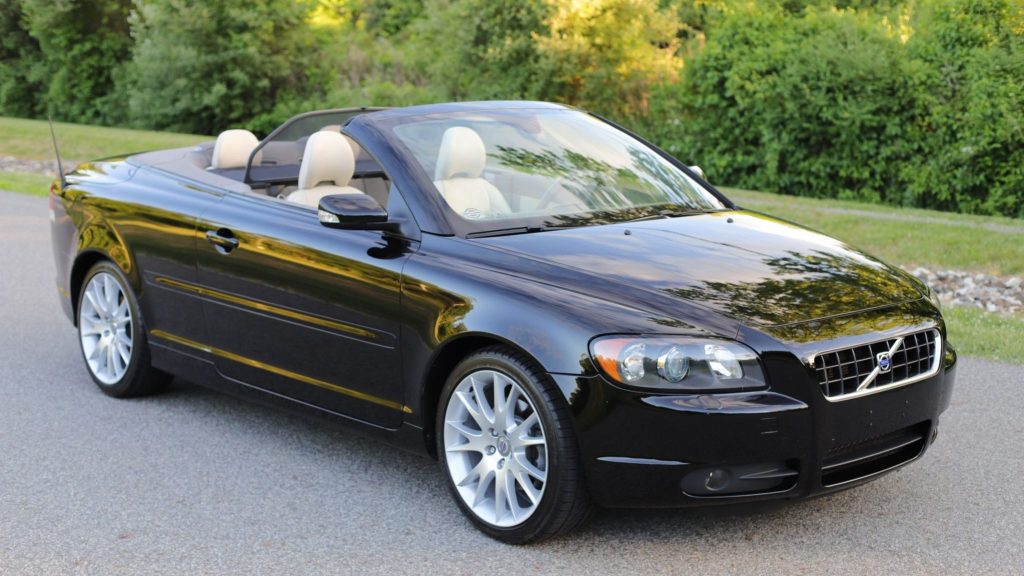
I am including the Volvo C70 because it illustrates how winter convertible driving does not have to revolve around high horsepower or luxury branding. Instead, thoughtful design, safety prioritization, and effective insulation can make open air driving practical year round.
5 Summer Only Cars
While some convertibles thrive in colder climates, others are unapologetically built for warm pavement and sunny skies. These cars prioritize lightweight construction, aggressive suspension tuning, and raw driving engagement. Their appeal lies in sensory intensity rather than insulation or winter traction.
Many summer focused convertibles rely exclusively on rear wheel drive paired with high-performance summer tires. These setups maximize grip in warm temperatures but lose effectiveness dramatically in cold conditions.
Limited ground clearance and firm suspension tuning can also make driving on snow covered or salt treated roads impractical or damaging.
Insulation is often minimal in pursuit of reduced weight. Soft tops may lack multi layer construction, leading to higher wind noise and reduced heat retention. Cabin heating systems can struggle against freezing temperatures, and comfort features such as heated steering wheels or neck level warm air vents are frequently absent.
In this section, we examine five convertibles that shine brightest in summer but become far less practical when winter arrives. These cars are thrilling, emotional, and unforgettable in ideal conditions, yet they demand seasonal restraint when temperatures fall.
1. Mazda MX 5 Miata
The Mazda MX 5 Miata has long been celebrated as one of the purest driver focused convertibles ever produced. Its lightweight construction, rear wheel drive layout, and balanced chassis make it a joy on warm, winding roads. However, those same characteristics limit its practicality once winter conditions arrive.
The Miata’s relatively low ground clearance can become problematic in snow covered environments. Even moderate snowfall can challenge its ability to navigate safely.
Rear wheel drive, while ideal for spirited summer driving, requires careful throttle control on slick surfaces. Without advanced all wheel drive assistance, winter traction is heavily dependent on tire choice and driver skill.
The soft top, particularly in earlier generations, offers minimal insulation compared to larger luxury convertibles. While modern versions have improved sealing and refinement, they still cannot match the warmth retention of multi layer premium roofs.
Cabin heating is adequate, but prolonged exposure to freezing temperatures can diminish comfort, especially during highway driving.
Suspension tuning also favors responsiveness over compliance. Firm setups that feel engaging in summer may become less forgiving on winter damaged roads filled with potholes and uneven surfaces. Road salt exposure can further accelerate wear on underbody components if not carefully maintained.
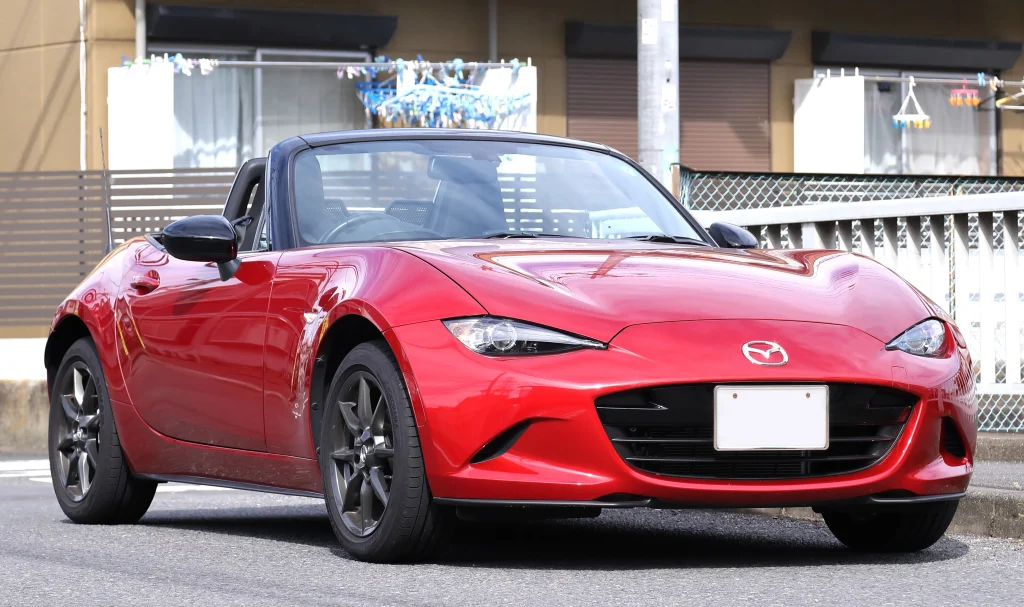
I am writing about the Mazda MX 5 Miata because it embodies the spirit of summer motoring. It is affordable, engaging, and mechanically simple, yet its design priorities clearly lean toward warm weather enjoyment. While determined owners may drive it year round, it truly shines when skies are clear and temperatures are inviting.
2. Chevrolet Camaro Convertible
The Chevrolet Camaro Convertible delivers bold styling and muscular performance, making it a standout choice for summer cruising.
Powerful V6 and V8 engine options provide thrilling acceleration, and its rear wheel drive platform emphasizes traditional American performance values. However, winter usability is not its strongest attribute.
High torque output combined with rear wheel drive can make traction management difficult on icy or snow covered roads. Even with traction control systems engaged, maintaining stability requires caution. Many Camaro owners opt for performance oriented summer tires, which lose effectiveness dramatically in cold temperatures.
The convertible top provides reasonable insulation, but it lacks the refined sealing found in luxury focused winter ready models.
Cabin warmth can be maintained with heating systems, yet wind noise and temperature fluctuations are more noticeable in harsh conditions. Ground clearance is limited, further restricting practicality in snowy climates.
The Camaro’s suspension tuning prioritizes handling and performance, often resulting in a firmer ride. On winter scarred pavement, this can translate to reduced comfort and increased component stress. Visibility, already somewhat constrained due to design, can also feel more challenging in adverse weather.
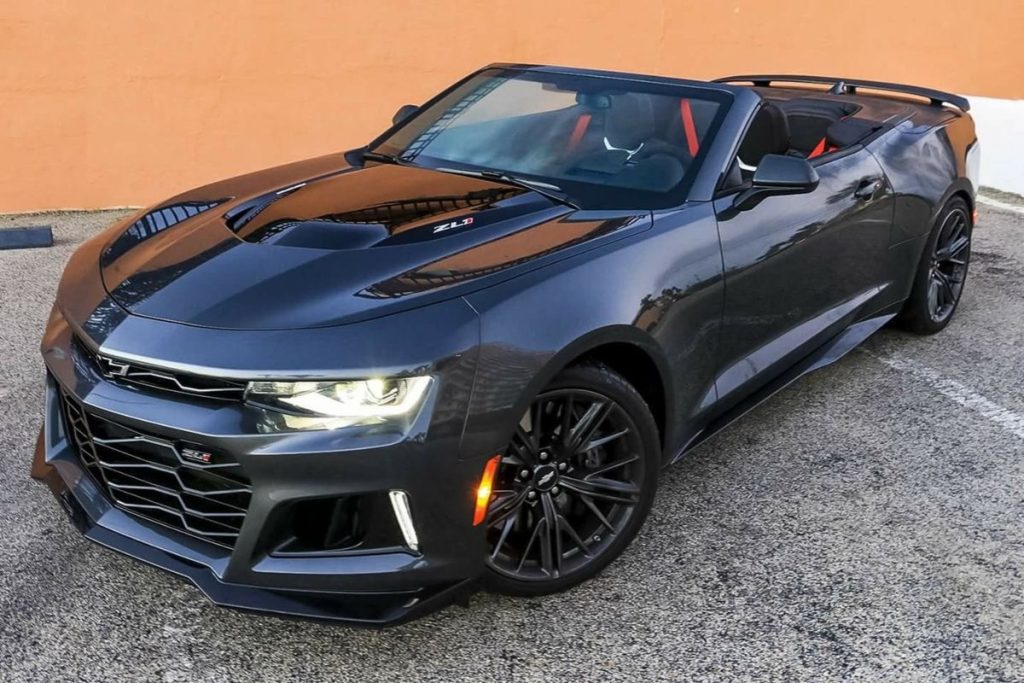
I am including the Chevrolet Camaro Convertible because it perfectly represents a summer performance icon. It offers excitement and presence when conditions are ideal, but it demands compromise when winter weather appears.
3. Jaguar F Type Convertible
The Jaguar F Type Convertible is designed to deliver drama, sound, and striking aesthetics. Its aggressive styling and powerful engine options make it one of the most emotionally engaging convertibles available. Yet its focus on performance and style makes it far more suited to summer driving than cold season commuting.
Rear wheel drive versions emphasize dynamic handling and responsive acceleration. While some all wheel drive variants exist, the car’s low ride height and performance tire setups remain limiting factors in snowy environments. Cold temperatures can reduce tire grip significantly, diminishing confidence in slippery conditions.
The convertible roof is well crafted but does not prioritize heavy insulation. Cabin heating systems perform adequately, yet the overall design is centered on open air exhilaration rather than winter resilience. Prolonged exposure to road salt and moisture can also increase maintenance demands over time.
Suspension tuning is firm, enhancing agility on dry roads but amplifying discomfort on rough winter surfaces. The F Type’s sporty nature means it thrives in conditions where grip is plentiful and temperatures are moderate.
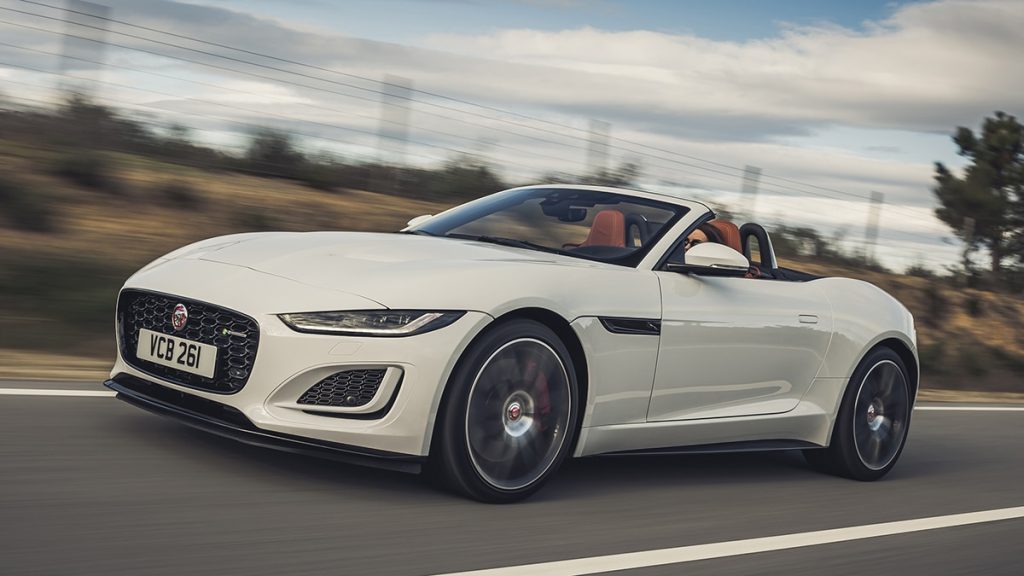
I am writing about the Jaguar F Type Convertible because it captures the emotional side of convertible ownership. It is thrilling, beautiful, and engaging in warm weather, but it remains best enjoyed when winter is safely in the rearview mirror.
4. Lotus Elise
The Lotus Elise is the definition of a focused, lightweight sports convertible. Engineered with minimal mass and maximum driver feedback in mind, it delivers one of the most direct and engaging driving experiences available. However, that same purity makes it highly impractical once winter conditions arrive.
The Elise sits extremely low to the ground, which becomes a serious limitation in snowy or icy environments. Even minor snow accumulation can make roads difficult to navigate.
Its rear wheel drive configuration, combined with performance oriented tires, offers limited traction in cold temperatures. Unlike winter capable convertibles that integrate all wheel drive or advanced traction distribution systems, the Elise prioritizes simplicity and weight reduction.
The soft top is basic and lightweight, designed more to shield occupants from light rain than to insulate against freezing temperatures.
Wind noise is significant even in moderate conditions, and cabin heating systems are not engineered for prolonged winter comfort. In extremely cold weather, the interior can feel exposed rather than protected.
The suspension is firm and tuned for precise handling. While this creates remarkable agility on smooth summer roads, it can become uncomfortable on winter damaged pavement filled with cracks and potholes. Road salt exposure may also accelerate wear on exposed underbody components due to the car’s minimalist protective measures.
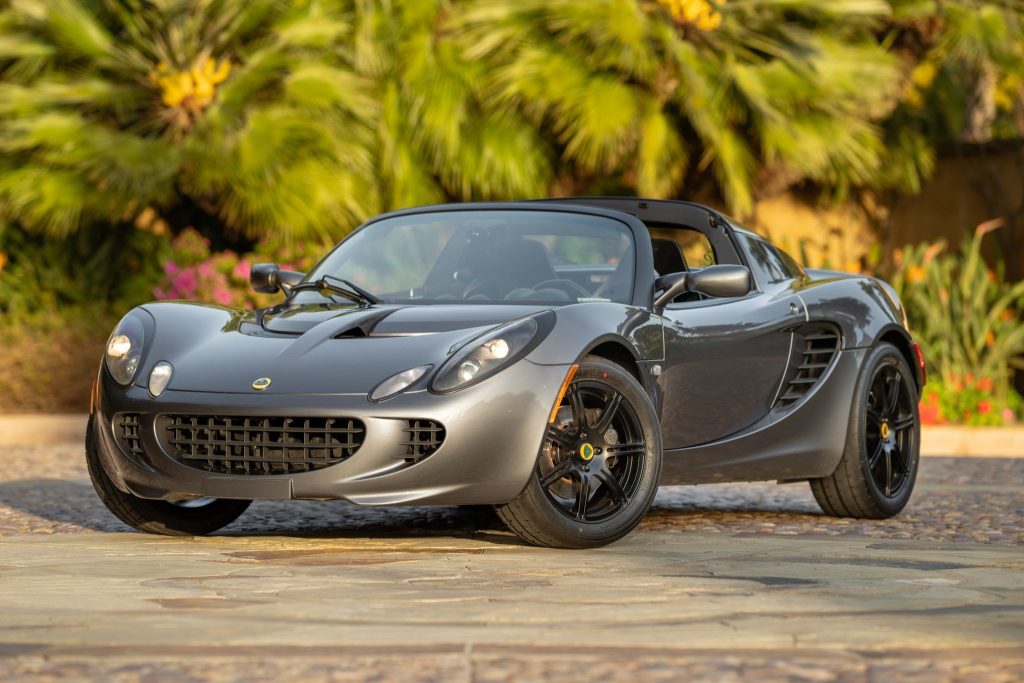
I am writing about the Lotus Elise because it represents uncompromised summer driving purity. It thrives on dry asphalt and winding roads, but its design philosophy makes it unsuitable for cold climate practicality. It is a seasonal thrill machine, not a year round commuter.
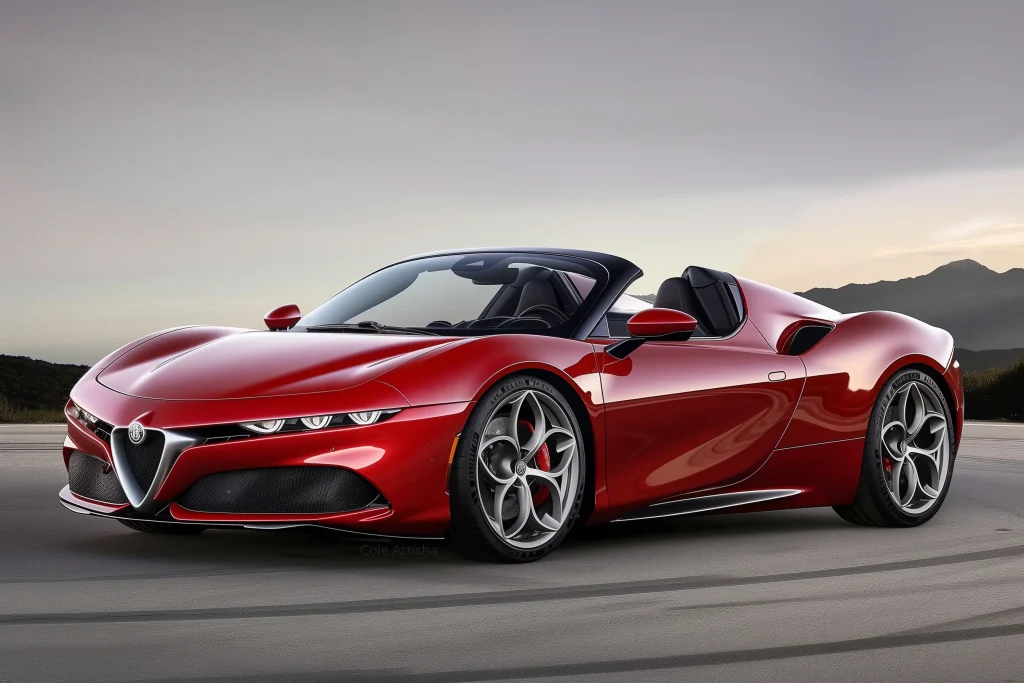
5. Alfa Romeo 4C Spider
The Alfa Romeo 4C Spider offers exotic styling and race inspired dynamics in a compact convertible package. With its carbon fiber monocoque chassis and mid engine layout, it delivers sharp handling and dramatic character. Yet these same attributes restrict its usability when winter weather sets in.
The 4C Spider rides extremely low, making snow covered streets a major obstacle. Ground clearance is minimal, and performance tires struggle to maintain grip in cold temperatures. Rear wheel drive combined with turbocharged power requires delicate throttle control even in mild wet conditions, let alone icy roads.
Its lightweight roof design emphasizes weight savings rather than insulation. Cabin heating is present but not designed to counteract harsh winter climates for extended periods. Wind noise and temperature penetration are more noticeable than in luxury oriented winter capable convertibles.
The suspension setup is intentionally stiff to maximize responsiveness. While this enhances cornering precision during summer driving, it can amplify discomfort on uneven winter pavement. Visibility and daily practicality are also limited, reducing confidence in challenging weather.
I am including the Alfa Romeo 4C Spider because it embodies summer exclusivity. It delivers intensity, style, and performance in warm conditions, but it is not engineered for year round comfort. Like the Lotus Elise, it belongs to drivers who see winter as storage season rather than driving season.
Convertibles are often associated with sunshine and coastal roads, but modern engineering has expanded their usability far beyond summer months.
This comparison between winter capable convertibles and summer only machines highlights how design priorities shape real world practicality. Some drop tops are built to handle cold climates with confidence, while others remain unapologetically seasonal thrill rides.
Models such as the Audi A5 Cabriolet, BMW 4 Series Convertible, Mercedes Benz C Class Cabriolet, Porsche 911 Cabriolet, and Volvo C70 demonstrate that year round convertible ownership is entirely possible.
Their success comes from thoughtful engineering choices. All wheel drive systems or stable front engine layouts improve traction on snow and ice. Multi layer insulated soft tops help retain cabin warmth and reduce wind noise.
Heated seats, heated steering wheels, and neck level heating systems make even top down driving feasible in cooler temperatures. Structural rigidity and corrosion protection further enhance durability in harsh winter environments.
On the other hand, summer focused convertibles like the Mazda MX 5 Miata, Chevrolet Camaro Convertible, Jaguar F Type Convertible, Lotus Elise, and Alfa Romeo 4C Spider prioritize lightweight construction, sharp handling, and emotional driving engagement.
Their low ground clearance, rear wheel drive layouts, and performance oriented tires limit their effectiveness when temperatures drop. Minimal insulation and firm suspension tuning make them less comfortable and less practical during winter months.
Ultimately, the difference lies in purpose. Winter ready convertibles balance performance with comfort and safety in challenging conditions.
Summer only cars deliver raw excitement and purity but demand seasonal restraint. Buyers must decide whether they want a convertible that complements daily life throughout the year or one that serves as a warm-weather escape.
Also Read: Top 10 Diesel Trucks That Hold Value Better Than Gold
