As electric vehicles become increasingly popular, one of the most critical factors for real-world usability is how well they handle extreme temperatures. Heat can significantly affect range, charging speed, battery longevity, and cabin comfort.
Some modern EVs are engineered with sophisticated thermal management systems, including liquid cooling, heat pumps, and proactive battery conditioning, allowing them to maintain performance and efficiency even during scorching summer days.
The Tesla Model 3, Hyundai Ioniq 6, BMW iX, Kia EV6, and Porsche Taycan all exemplify this approach, offering drivers confidence in hot climates, rapid charging capabilities, and minimal range loss.
Conversely, other EVs such as the Nissan LEAF, Citroën e-C3, Volkswagen e-Golf, Mazda MX-30, and early Chevrolet Bolt EV rely on passive cooling or less advanced systems, making them more vulnerable to thermal throttling, reduced performance, and accelerated battery degradation. Understanding these differences is essential for buyers who prioritize reliability, comfort, and efficiency in warm weather.
5 EVs That Handle Heat Well
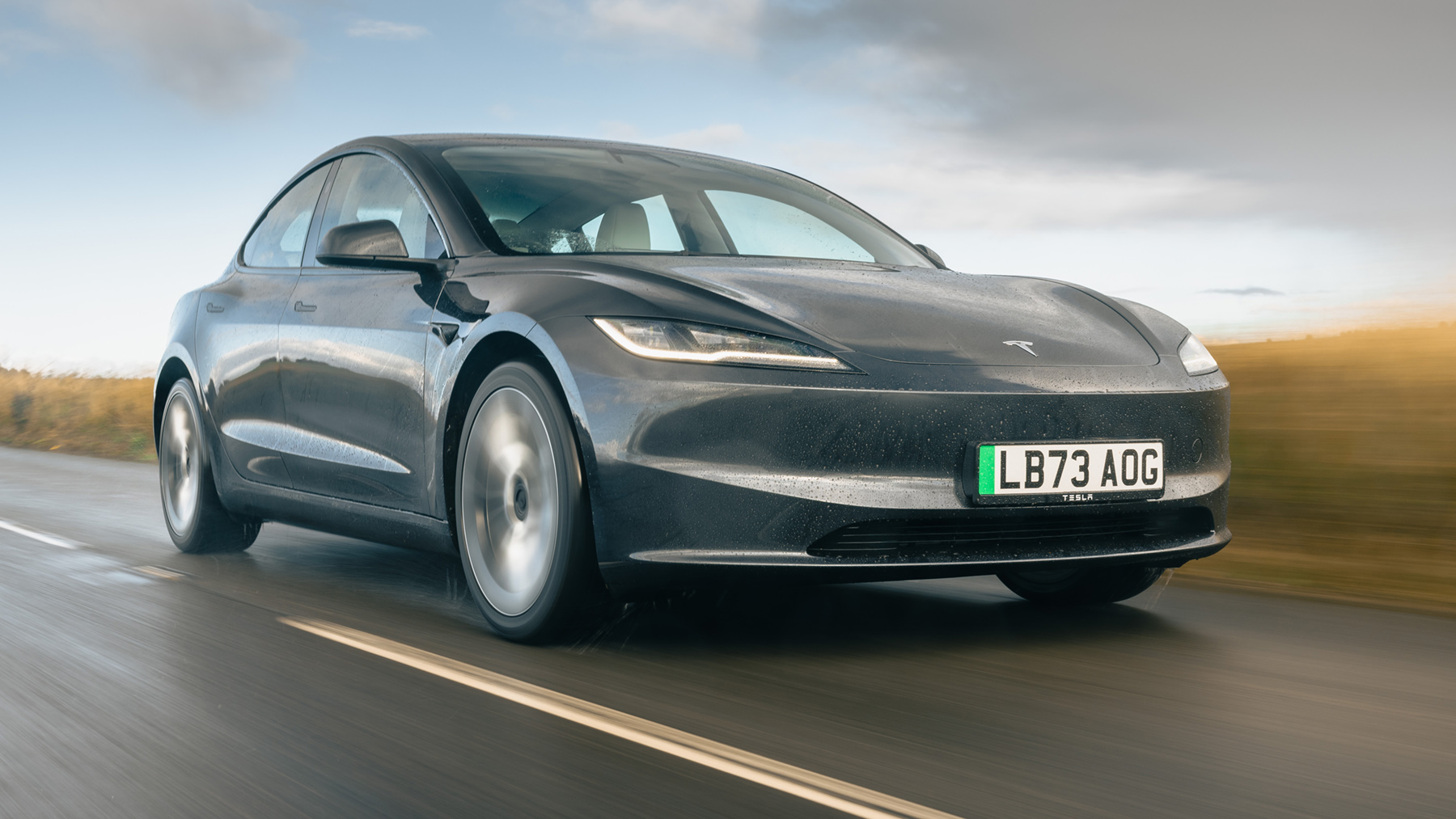
1. Tesla Model 3: Heat Management, Performance, and Everyday Practicality
The Tesla Model 3 stands out in the electric vehicle (EV) market for its advanced thermal management, strong performance, impressive efficiency, and cutting-edge technology. One of its most notable strengths is how effectively it handles hot weather.
Equipped with an integrated liquid-cooled system featuring Tesla’s innovative “Octovalve,” the Model 3 efficiently redirects heat between the battery, powertrain, and cabin. In 35°C (95°F) testing, it experienced only an 8% range reduction from air-conditioning use, among the lowest in its class.
Tesla enhances heat management with proactive, tech-driven climate features. Owners can remotely pre-cool the cabin via the Tesla smartphone app before entering the vehicle. Cabin Overheat Protection prevents interior temperatures from exceeding 105°F (40°C) when parked by automatically activating the fan or air conditioning.
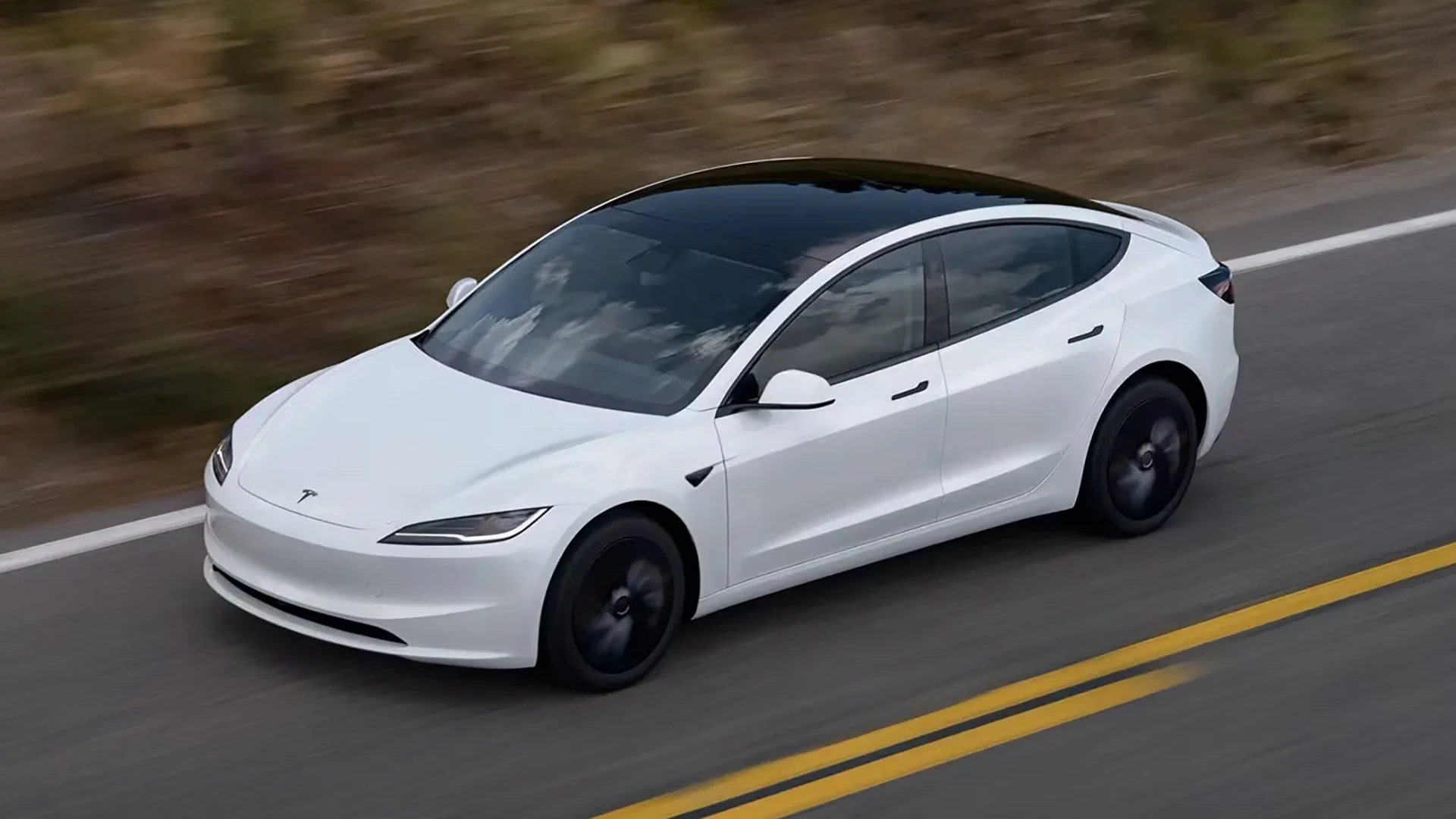
Newer 2024+ models offer ventilated front seats with perforations that deliver direct cooling, reducing reliance on maximum AC power. The tinted glass roof helps limit UV and infrared penetration, and optional roof shades can further decrease heat buildup.
Features like Camp Mode allow the HVAC system to maintain a set temperature for extended periods, even while charging. Although continuous climate control use can slightly reduce range, the system remains highly efficient.
Performance is another key highlight. The Model 3 is available with multiple powertrains: a 286-hp single motor (rear-wheel drive), a 425-hp dual motor (all-wheel drive), and a 510-hp dual-motor Performance variant. Acceleration is swift and nearly silent, with the Performance model reaching 0–60 mph in just 2.8 seconds, quicker than some more expensive rivals like the BMW i4 M50.
The low-mounted battery creates a low center of gravity, improving stability and handling. Steering is precise, and the ride is firm yet comfortable. The Performance trim adds adaptive dampers, upgraded brakes, and grippier tires for enhanced dynamics.
Range remains competitive, with EPA estimates between 309 and 363 miles. In real-world highway testing, the Model 3 achieved up to 310 miles (RWD) and 260 miles (Performance). DC fast charging can replenish the battery from 10% to 90% in about 39 minutes, with charging speeds up to 250 kW (225 kW for the Standard model). Efficiency ratings range from 113 to 138 MPGe.
Inside, the minimalist cabin centers around a 15.4-inch touchscreen. While rear seating is somewhat tight, cargo capacity is generous, fitting up to 15 carry-on bags with seats folded. Advanced driver-assistance features, strong warranty coverage, and over-the-air updates further reinforce the Model 3’s position as a well-rounded, high-performance EV.
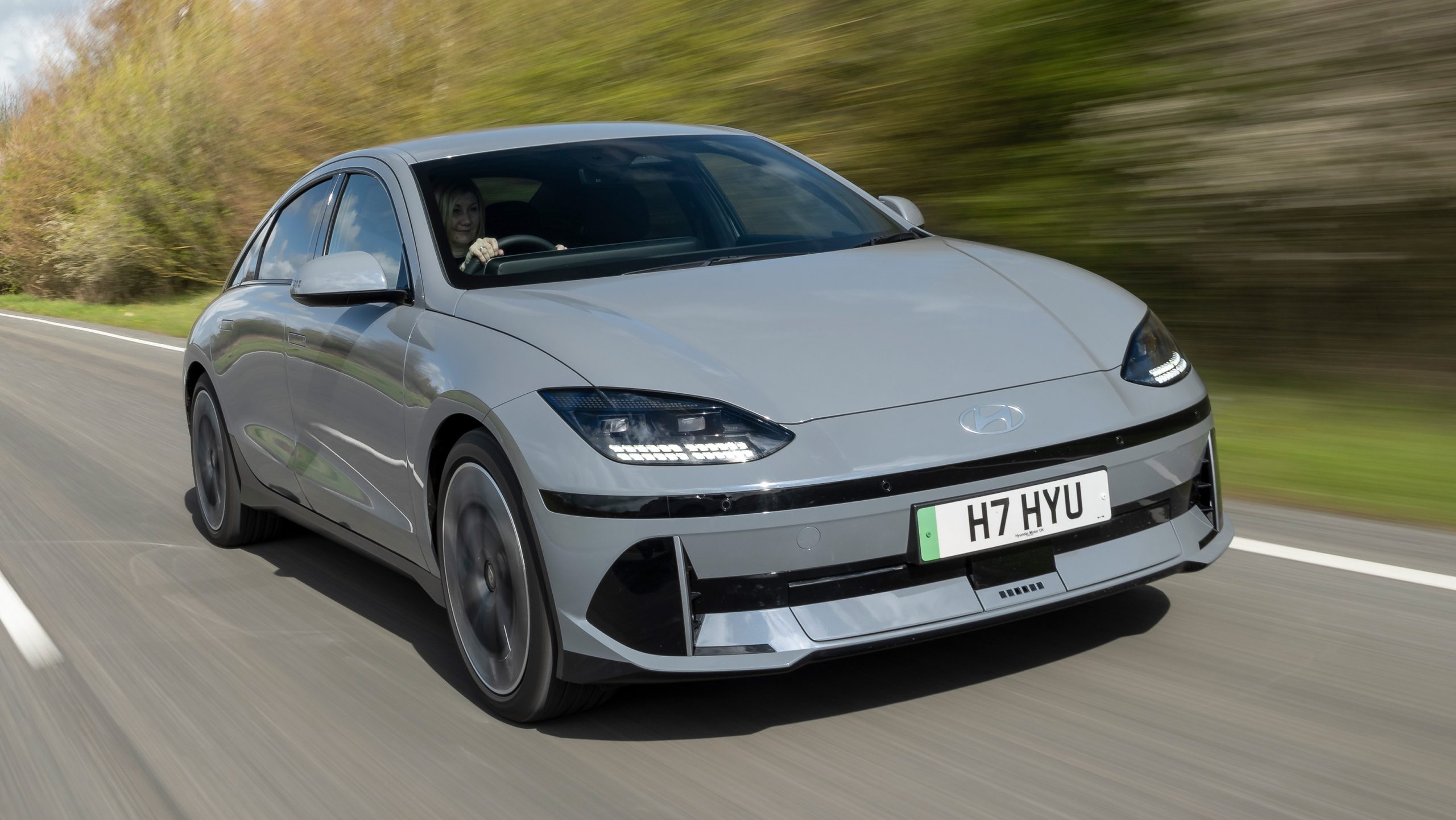
2. Hyundai Ioniq 6: Advanced Thermal Management and Long-Distance Efficiency
The Hyundai Ioniq 6 is engineered with a clear purpose: to travel long distances as efficiently as possible while maintaining comfort in demanding conditions. Built on Hyundai’s dedicated E-GMP electric platform, the Ioniq 6 comes standard with a heat pump, battery conditioning system, and intelligent liquid-cooled battery management.
These technologies allow the vehicle to regulate both battery and cabin temperatures effectively, particularly in high heat, during rapid charging, or under sustained performance driving.
A major strength of the Ioniq 6 lies in its active battery cooling system. The liquid cooling setup carefully manages battery temperature to prevent overheating and protect long-term battery health. This is especially important during fast charging or hot weather driving. The standard heat pump increases climate control efficiency by reusing waste heat, reducing the energy required to cool the cabin.
As a result, the system places less strain on the battery compared with traditional air-conditioning setups. Battery conditioning also plays a role in warm climates by maintaining optimal battery temperatures, preserving charging performance and reducing the risk of capacity loss.
Aerodynamics are central to the Ioniq 6’s mission. With a drag coefficient of just 0.21, it ranks among the most aerodynamic production cars available. Its streamlined shape, active grille shutters, and wind tunnel-developed body reduce the energy needed to move at highway speeds.
Lower energy demand means less drivetrain heat generation and improved efficiency. The result is a driving range of up to 338 miles and an efficiency figure of approximately 4.3 miles per kilowatt-hour, impressive numbers for a vehicle weighing close to 2,000 kilograms.
Buyers focused on maximum range will prefer the rear-wheel-drive single motor model, producing 226 bhp. Those seeking more performance can opt for the dual-motor all-wheel-drive version with 320 bhp, capable of accelerating from 0 to 62 mph in 5.1 seconds, though with a slight reduction in range.
Both variants use a 77.4 kWh battery and benefit from an 800-volt architecture that supports charging speeds up to 350 kW, enabling a 10 to 80 percent charge in as little as 18 minutes under ideal conditions.
Inside, the Ioniq 6 offers strong refinement and comfort. Wind noise is minimal, the suspension absorbs road imperfections effectively, and rear legroom is generous. Adjustable regenerative braking and selectable driving modes allow drivers to tailor the experience. The Ioniq 6 delivers a quiet, efficient, and confidence-inspiring electric drive designed to minimize range anxiety and maximize long-distance usability.
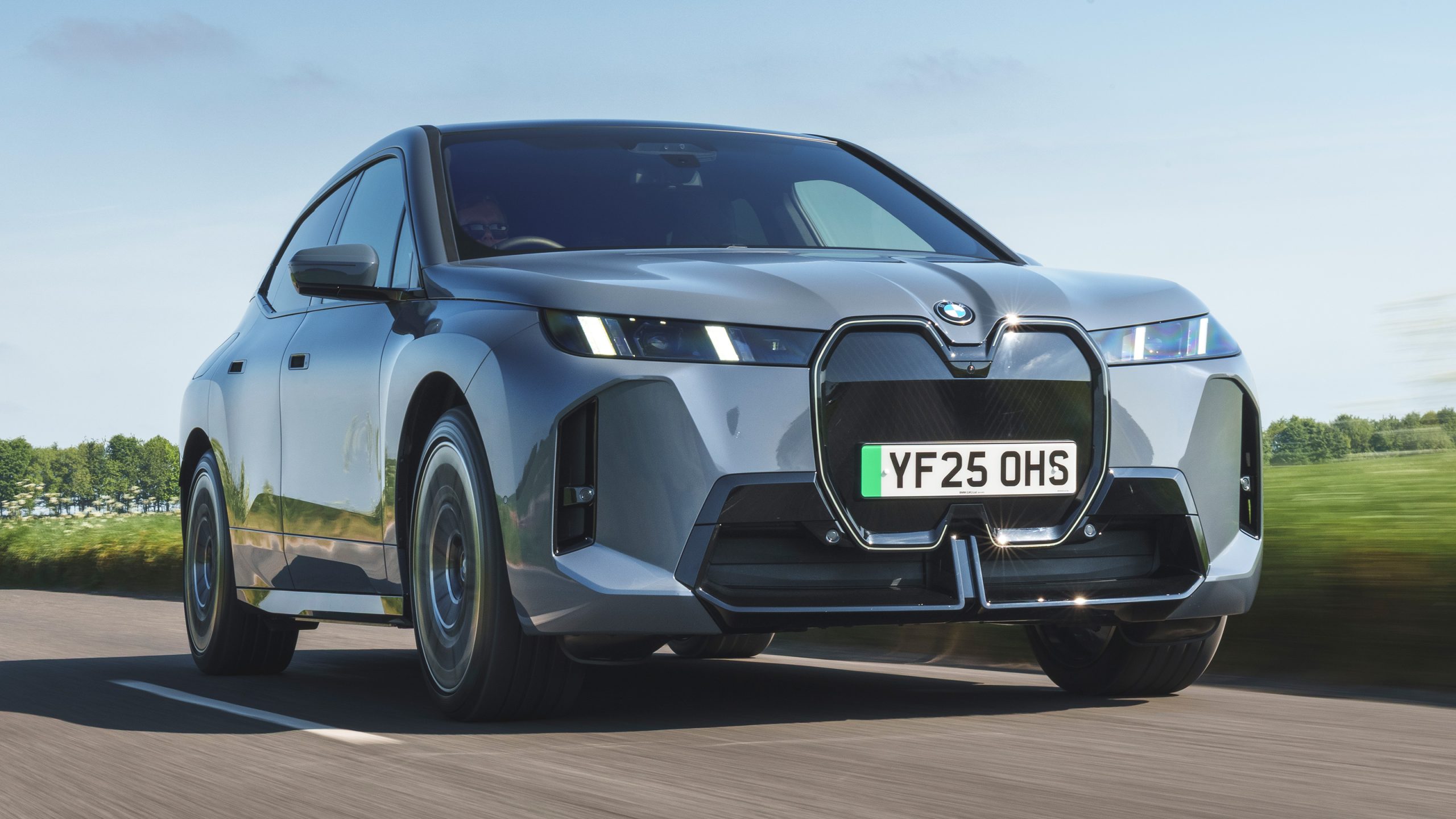
3. BMW iX: Luxury, Thermal Precision, and High Performance in an Electric SUV
The BMW iX combines advanced electric performance with sophisticated thermal management and luxury refinement. At the core of its capability is a highly integrated cooling and heating system designed to keep the battery operating within its optimal temperature range in both extreme heat and cold.
Using a refrigerant-based cooling circuit, intelligent liquid cooling plates, and an efficient heat pump, the iX maintains stable battery performance during driving and DC fast charging. This system allows for consistent fast charging speeds even after extended summer highway driving.
Thermal control is supported by intelligent battery preconditioning, accessible through the My BMW app. Drivers can prepare both the cabin and battery before departure, reducing strain on the system in extreme temperatures. The cabin itself benefits from strong insulation that helps maintain interior comfort and prevents rapid heat buildup.
BMW also engineered the battery pack with liquid cooling plates to distribute and remove heat evenly across the cells, enhancing durability and long-term efficiency. The iX has undergone extensive environmental testing to ensure dependable operation in harsh climates. Even design elements such as the self-healing kidney grille, which can repair minor scratches using heat, reflect BMW’s focus on innovation.
For 2026, the iX is offered in three variants. The xDrive45 produces 402 horsepower, the xDrive60 increases output to 536 horsepower, and the high-performance M70 xDrive delivers 650 horsepower. All models feature dual motors and standard All Wheel Drive.
Optional air suspension and rear wheel steering enhance agility, while the M70 includes these features as standard. Acceleration is impressive, with the xDrive45 reaching 60 mph in 4.6 seconds and the M70 expected to approach 3.6 seconds or quicker. Despite strong performance, the iX remains quiet and composed, with minimal road noise and a smooth ride.
Range estimates are competitive, with up to 364 miles for the xDrive60. The xDrive45 is rated at 312 miles and delivered 290 miles in highway testing, exceeding expectations. DC fast charging can replenish the battery from 10 to 80 percent in about 35 minutes on a 200 kW connection.
Inside, the iX offers a spacious, modern cabin with a curved dual display setup running BMW iDrive 8.5, premium materials, and generous cargo space. Comprehensive safety features and strong warranty coverage further reinforce the iX as a technologically advanced and refined electric SUV.
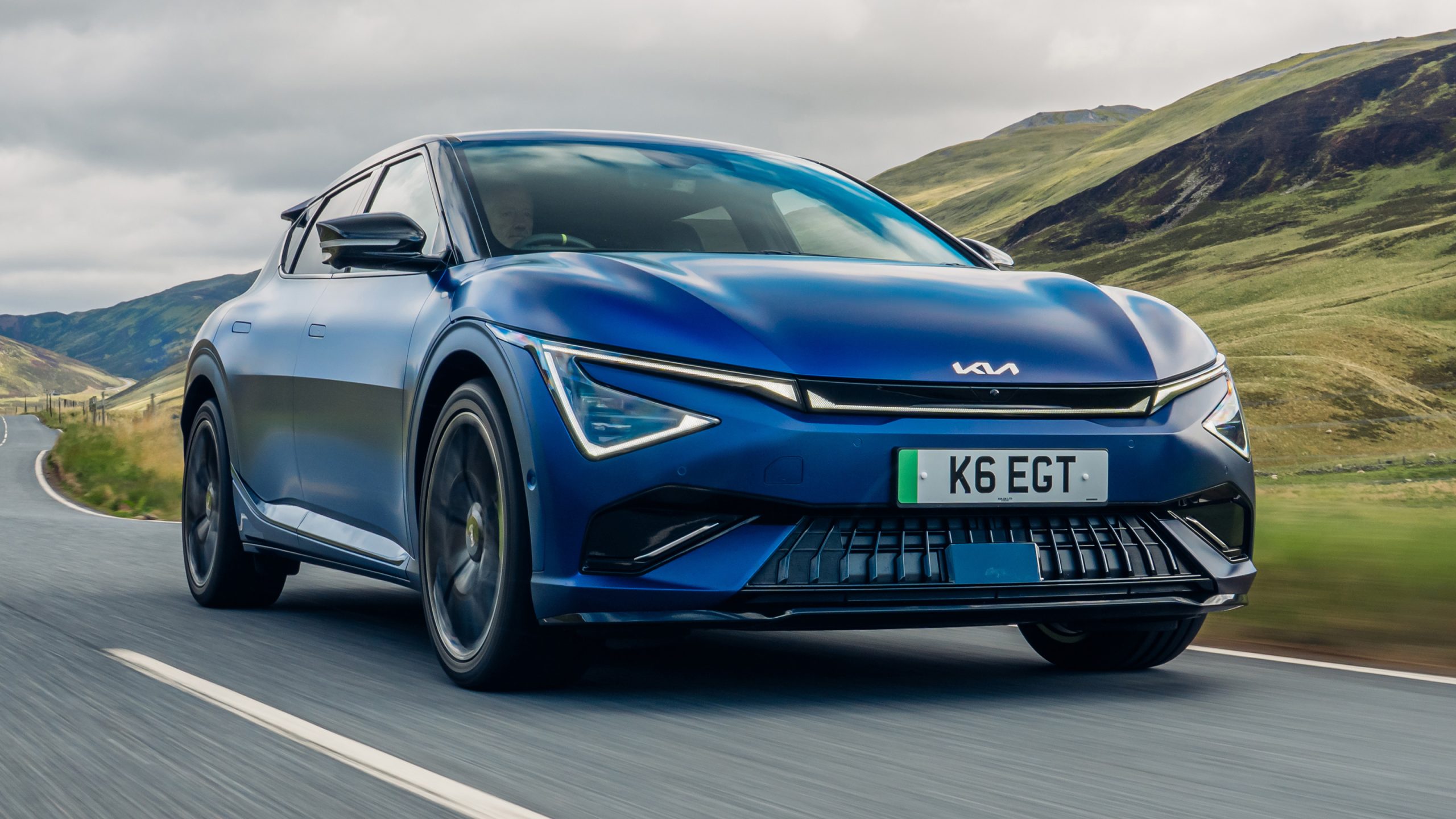
4. Kia EV6: High Performance Cooling and Fast Charging Confidence
The Kia EV6 is engineered to deliver strong performance and rapid charging while maintaining reliable thermal control in hot conditions. Built on Hyundai Motor Group’s advanced E-GMP electric platform, the EV6 benefits from a sophisticated thermal management system designed to protect the battery, preserve performance, and support ultra-fast charging.
Its liquid-cooled pouch cell battery is specifically designed to operate under high thermal stress, making the EV6 well-suited for warm climates and demanding driving scenarios.
At the heart of the EV6’s heat resilience is its active battery cooling system. Liquid cooling continuously regulates battery temperature, preventing overheating during high-speed driving and repeated DC fast charging sessions.
This allows the EV6 to maintain consistent performance even when ambient temperatures rise. In higher-performance trims such as the EV6 GT, Kia upgrades the thermal management hardware to better handle extreme heat generated by aggressive driving and high power output.
Cabin cooling is also carefully optimized. The EV6 features an efficient HVAC system with automatic climate control that allows drivers to maintain a comfortable interior temperature without excessive energy use. When plugged in, the system can preset the cabin temperature, reducing the initial cooling load on the battery once driving begins.
This approach improves efficiency and helps preserve driving range in hot weather. The heat pump system, while primarily intended to improve cold-weather efficiency, also reduces the electrical load placed on the battery by managing thermal energy more effectively.
There are limitations to consider. In extremely high ambient temperatures above approximately 95 degrees Fahrenheit, sustained air conditioning use can noticeably reduce driving range.
In rare cases of prolonged high-speed driving near the vehicle’s maximum capability, the electric motor may temporarily reduce power output to protect itself from overheating. These measures are protective rather than problematic and demonstrate the system’s focus on long-term durability.
Performance is a major highlight of the EV6 lineup. Rear Wheel Drive versions offer 167 or 225 horsepower and prioritize efficiency and range. All Wheel Drive variants increase output to 320 horsepower, while the EV6 GT sits at the top with up to 641 horsepower using launch mode. Acceleration is strong across the range, with the GT capable of reaching 60 mph in just 3.2 seconds.
The EV6 also excels in charging speed. Thanks to its 800 volt architecture, it can charge from 10 to 80 percent in under 18 minutes on a 350 kW fast charger. Combined with a modern interior, generous passenger space, advanced safety features, and an industry-leading warranty, the Kia EV6 delivers a compelling mix of thermal stability, performance, and everyday usability.
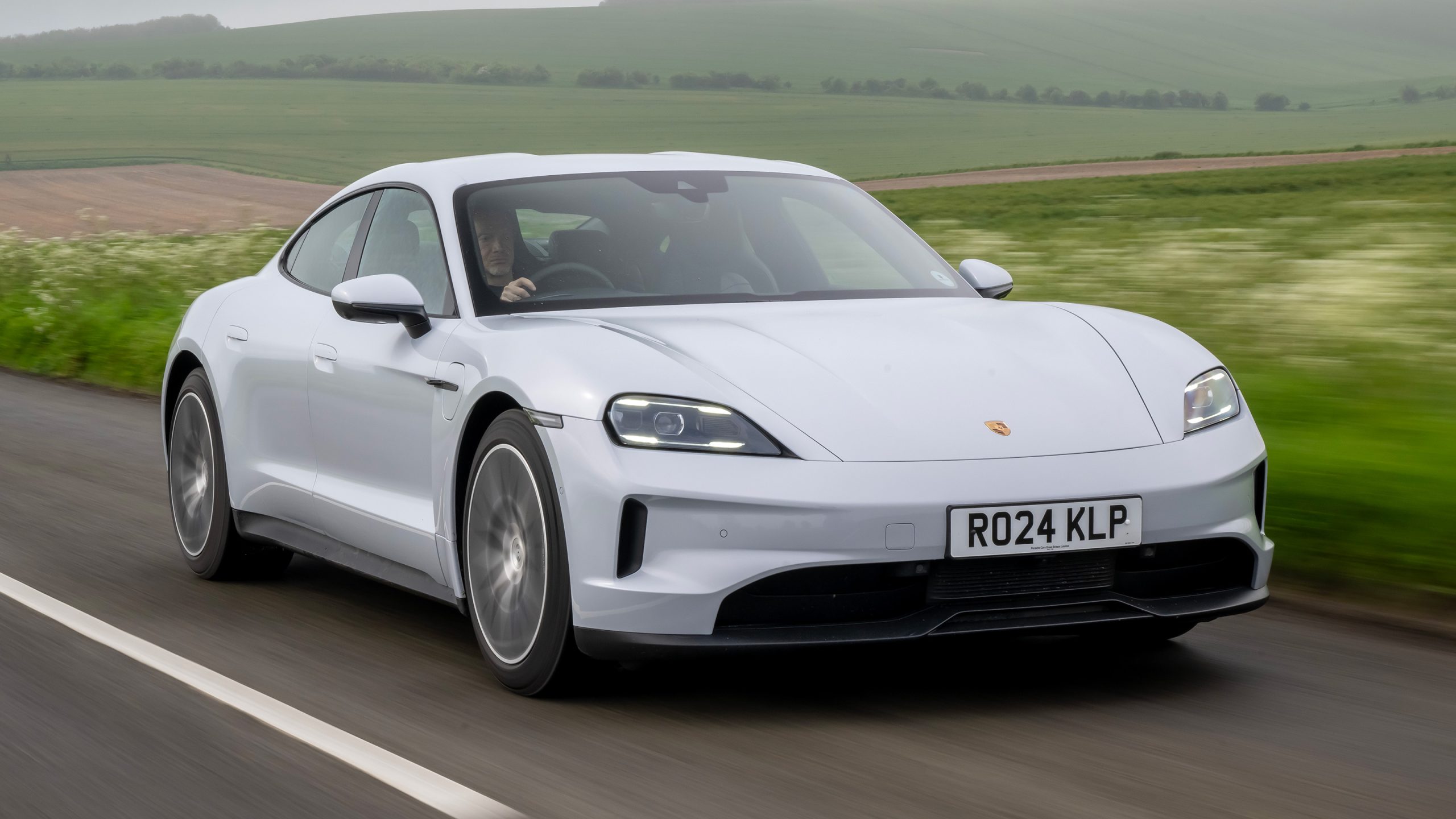
5. Porsche Taycan: Advanced Thermal Management and High-Performance EV
The Porsche Taycan is engineered to deliver extreme performance while maintaining precise temperature control, making it one of the most capable electric sports sedans available. Its direct liquid-cooling system efficiently manages battery heat during repeated 800-volt fast-charging sessions and sustained high-speed driving in hot weather.
The Taycan’s proactive thermal management, paired with an 800-volt architecture, minimizes heat generation, allowing rapid charging and high-performance driving without overheating.
The Taycan’s thermal system includes sophisticated liquid cooling with thermal paste and cooling plates to evenly distribute heat across the battery cells. The battery can be pre-cooled or pre-heated before charging, ensuring efficient energy intake and protecting long-term performance.
Cabin comfort is supported by a pre-cool function accessible via the My Porsche app, which often uses power from the grid rather than the battery. An optional tinted panoramic roof further limits interior heat buildup, keeping the cabin comfortable even in strong sunlight. These features allow the Taycan to perform consistently under extreme temperatures while safeguarding the battery.
Performance is a standout feature of the Taycan lineup. The base model has a single rear-mounted electric motor producing between 402 and 429 horsepower. Dual-motor variants, including the 4S, GTS, Turbo S, and Turbo GT, deliver between 536 and 1019 horsepower when using launch control.
All models feature a two-speed direct-drive transmission, contributing to rapid acceleration and high efficiency. The Taycan’s low center of gravity, precise steering, and optional adaptive air suspension enhance agility and ride quality. Testing showed the Taycan 4S reaching 60 mph in 3.1 seconds, while the Turbo GT accomplished the same in just 1.9 seconds.
Range varies by model, with last year’s EPA ratings between 252 and 318 miles per charge. In real-world highway testing, the Taycan 4S exceeded expectations with 330 miles, while the Turbo GT delivered 270 miles. DC fast charging allows the battery to recharge from 10 to 80 percent in approximately 18 minutes under ideal conditions, supporting long-distance usability.
Inside, the Taycan blends luxury with technology. The cabin features multiple high-resolution touchscreens, including a 16.8-inch gauge display and two central screens for infotainment and climate control, with optional passenger and rear-seat touchscreens.
Premium options include Dolby Atmos audio and a wide selection of materials and finishes. Standard safety features include automated emergency braking, lane-keeping assist, and forward-collision warning, with adaptive cruise control available. Warranty coverage includes a four-year or 50,000-mile limited warranty, with electrical components covered for eight years or 100,000 miles.
The Porsche Taycan delivers a refined combination of high-speed performance, advanced thermal management, rapid charging, and luxury interior comfort, making it a benchmark among electric sports sedans.
Also Read: 5 Cars With Simple Dash Layouts vs 5 With Confusing Ones
5 That Don’t
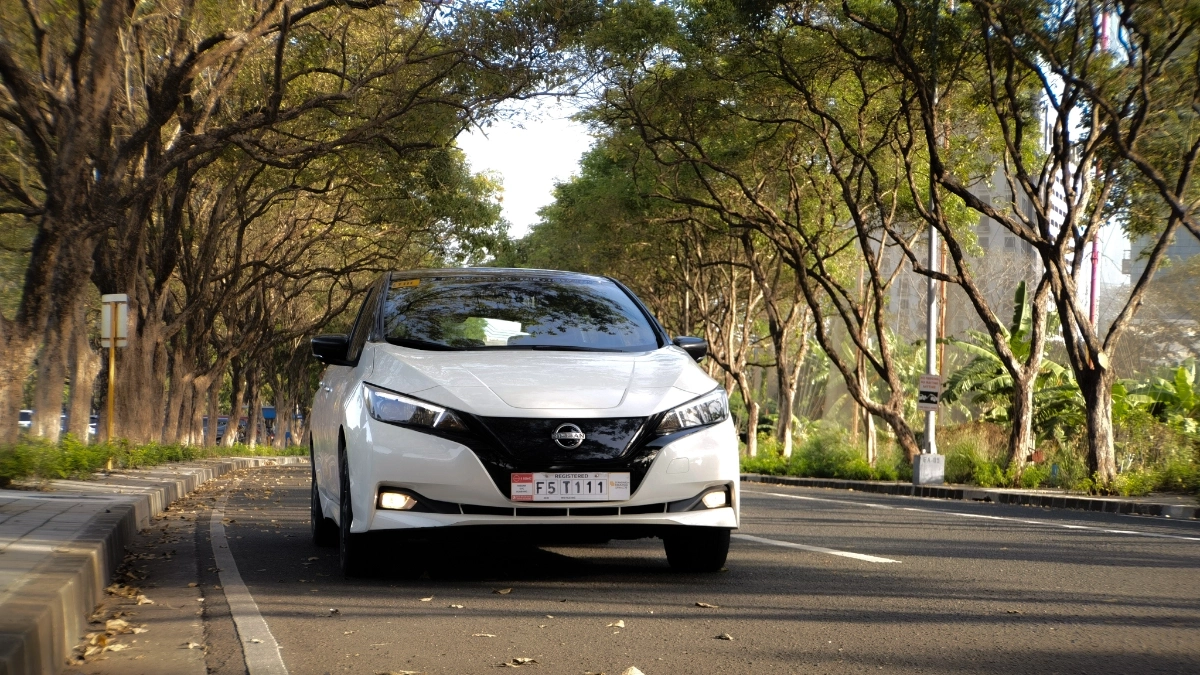
1. Nissan LEAF: Passive Cooling Limits Heat Management and Fast Charging
The Nissan LEAF is one of the few remaining electric vehicles that relies on a passive air-cooled battery, a design that significantly impacts its performance in hot conditions.
Unlike modern EVs that use active liquid cooling, which circulates coolant through the battery to dissipate heat, the LEAF’s battery is a sealed metal box relying solely on ambient air and airflow generated while driving. This approach keeps costs down and simplifies the battery pack, but it creates notable limitations in high temperatures.
The primary issue is heat accumulation. The sealed battery traps heat during both driving and DC fast charging. When temperatures rise, the LEAF experiences “Rapidgate,” a situation in which the onboard computer slows down fast-charging speeds to prevent the battery from overheating.
This throttling can make consecutive fast charges take twice as long as the first. Over time, repeated thermal stress accelerates chemical degradation within the lithium-ion cells, leading to permanent capacity loss, often displayed as “disappearing bars” on the battery gauge.
Nissan chose passive air cooling to reduce manufacturing costs, simplify the battery design, and eliminate components like pumps, hoses, or coolant that could fail or leak. This made the LEAF an affordable and compact option during its early development but left it vulnerable to heat-related performance issues.
The consequences of this design are most apparent in hot climates and on long-distance trips. Fast charging is slowed, the cabin air conditioning reduces driving range, and battery longevity can be compromised.
In temperate regions or for short-range commuting, these issues are less pronounced, making the LEAF a practical and budget-friendly option. However, in desert or extreme heat conditions, liquid-cooled alternatives such as Tesla or Hyundai models offer far more reliable performance and better battery protection.
The LEAF’s passive cooling approach prioritizes simplicity and cost over high-temperature resilience, making it suitable for everyday city use but less ideal for aggressive driving, frequent fast charging, or hot climates.
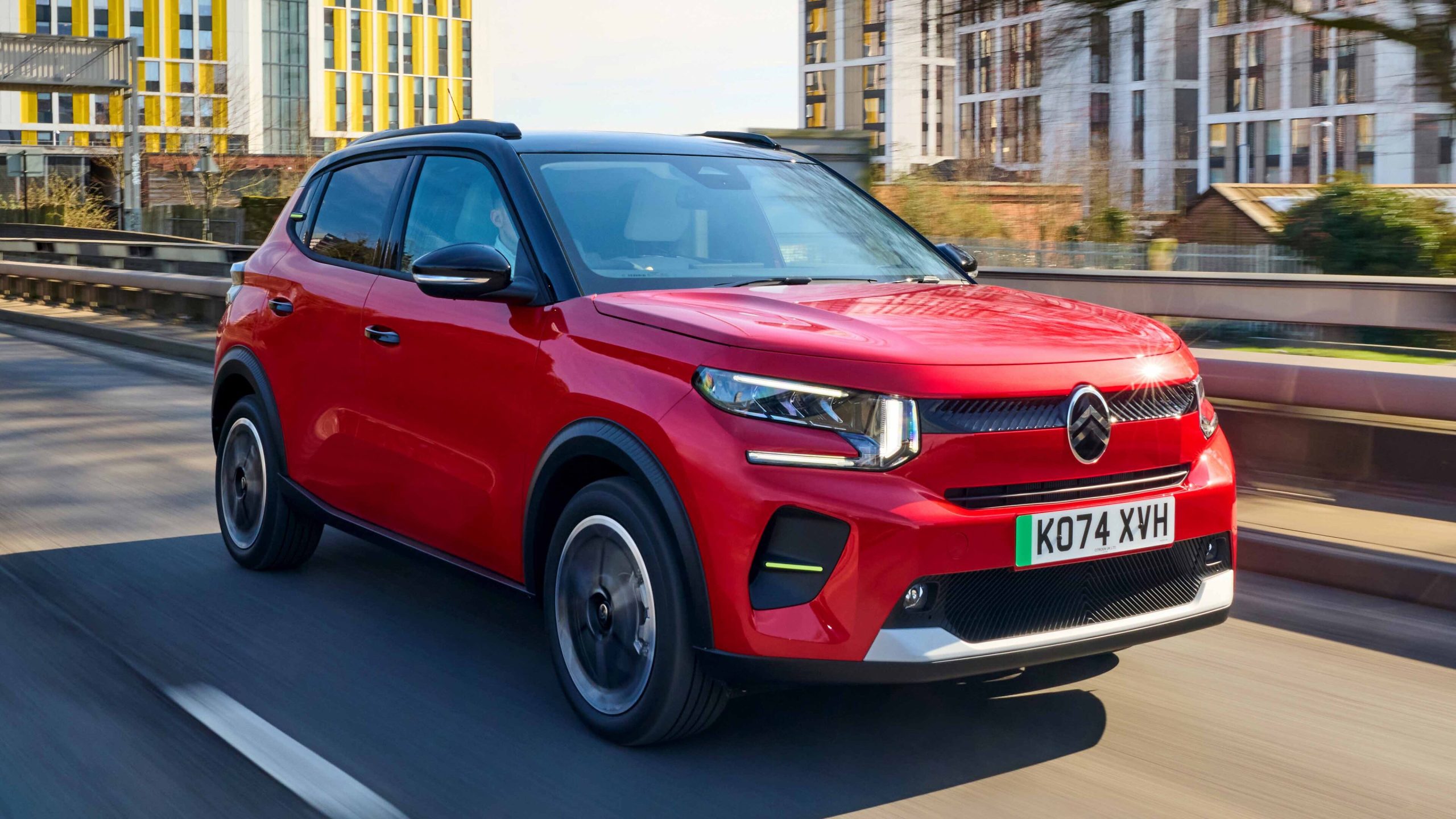
2. Citroën e-C3: Heat Challenges Restrict Performance and Range
The Citroën e-C3 is vulnerable in hot climates due to its passive air-cooled battery, a cost-saving design that differs from modern EVs using liquid-cooled systems. Testing in extreme Spanish heat showed the e-C3’s range dropped to 142 miles, a 29 percent reduction from its official rating, largely because the air conditioning draws significant energy under high temperatures.
Thermal throttling is a key limitation during DC fast charging. Without active cooling, the battery heats up quickly, causing the car’s management system to sharply reduce charging speeds to under 20 kW or even stop charging entirely if the battery is already warm. On long trips, some owners report the vehicle may only charge to 20–30 percent when the battery has been preheated by driving.
High ambient temperatures can also cause operational lockouts. Temperatures above 30°C (86°F) may trigger overheating warnings on the dashboard or prevent the motor from starting. The vehicle can enter a protective Energy Economy Mode, temporarily locking the steering and disabling the motor until the battery cools.
Performance is deliberately limited to manage heat generation. The e-C3 produces around 57 horsepower and has a top speed of approximately 107 km/h (66 mph). These limits prevent the battery from discharging too quickly and generating excess heat, but they also reduce the car’s suitability for sustained highway driving in hot regions.
The e-C3 lacks thermal management hardware such as a heat pump, which is commonly used in higher-end EVs to efficiently regulate battery and cabin temperatures. While Citroën provides a Tropicalised AC system for passenger comfort, the lithium-iron phosphate battery remains sensitive to extreme heat cycles, limiting its reliability during prolonged exposure to high temperatures.
The Citroën e-C3 is most practical for city commuting in temperate climates. Its air-cooled battery offers durability and low cost but restricts fast-charging performance, driving range, and sustained high-speed capabilities in hot environments, making it less suitable for long-distance travel under extreme heat conditions.
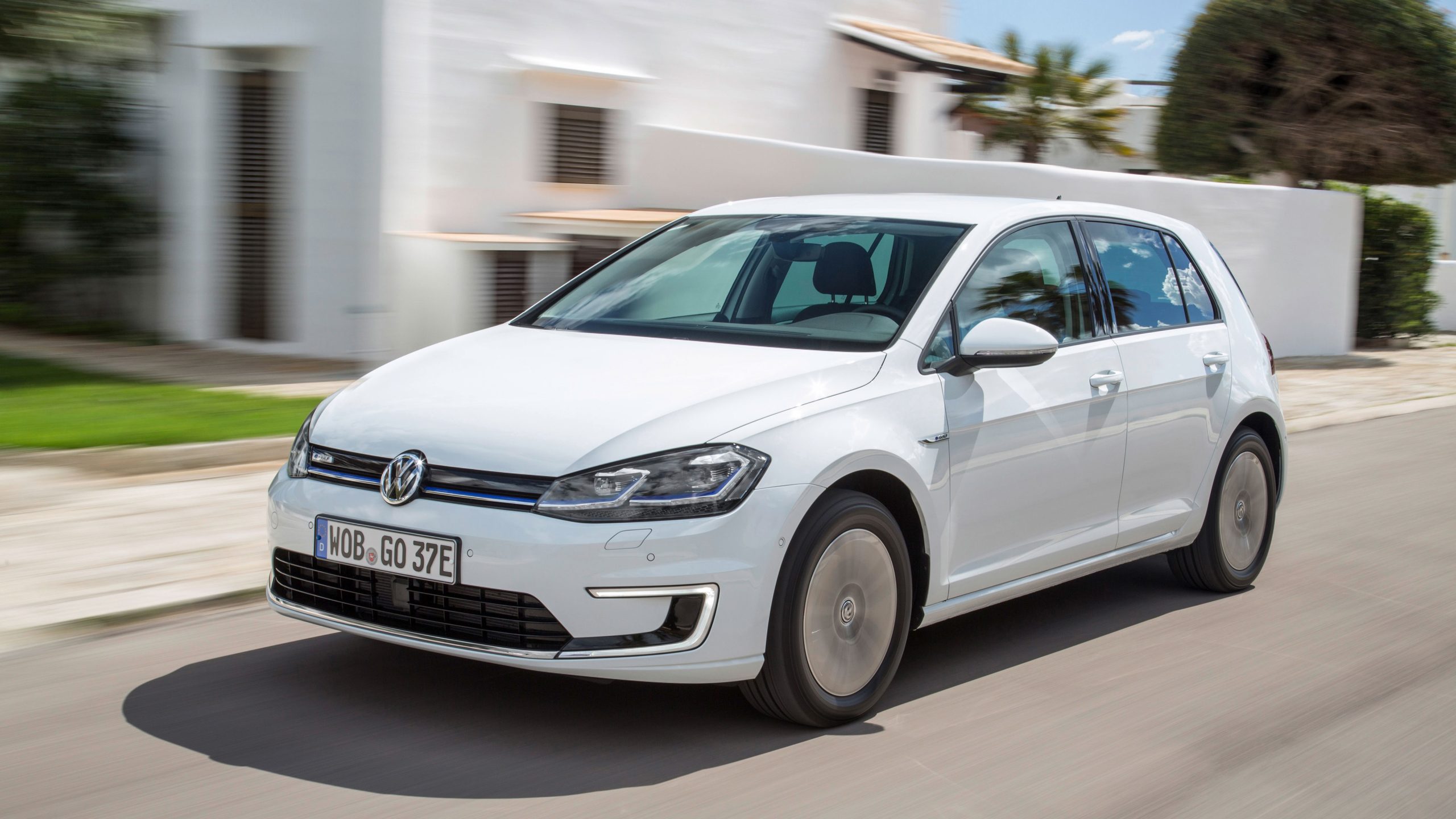
3. Volkswagen e-Golf: Heat Sensitivity Limits Battery Performance
The Volkswagen e-Golf struggles in hot climates due to its passive air-cooled battery system, unlike modern EVs that use liquid cooling to actively manage temperature. While the simplified design reduces weight and mechanical complexity, it creates significant challenges for battery performance and longevity in high temperatures.
A key limitation is the lack of active thermal management. The battery relies on natural convection and heat dissipation through the chassis, which is insufficient in ambient temperatures above 100°F. Internal temperatures can spike rapidly, affecting both performance and charging capability.
This passive system leads to “Rapidgate” during DC fast charging. High-speed charging generates substantial heat, and because the e-Golf cannot cool its cells actively, the Battery Management System throttles charging speeds to protect the battery.
Although the battery can theoretically accept 40 kW, charging often drops to 22–28 kW if the pack is warm. Back-to-back fast-charging sessions are discouraged, as residual heat from the first charge slows subsequent sessions and increases stress on the cells.
Prolonged exposure to high temperatures accelerates battery degradation. Lithium-ion chemistry is highly sensitive to heat, and sustained temperatures above 95°F can double the rate of chemical breakdown. Desert climates have shown permanent capacity loss in e-Golf batteries, reducing total driving range and lifespan compared to vehicles with liquid-cooled systems.
Cabin cooling also suffers in extreme heat. Air conditioning can struggle to maintain a cold interior at temperatures above 105°F, and efficiency modes like Eco or Eco+ may further reduce AC output to conserve battery energy. Drivers must balance cabin comfort with range, and pre-cooling while plugged in or parking in shaded areas is recommended to mitigate heat-related issues.
The Volkswagen e-Golf’s passive cooling limits fast-charging performance, accelerates battery degradation, and reduces comfort in high temperatures. It remains suitable for temperate climates but is less reliable in desert or consistently hot environments.
4. Mazda MX-30: Heat Management Limits Comfort and Range
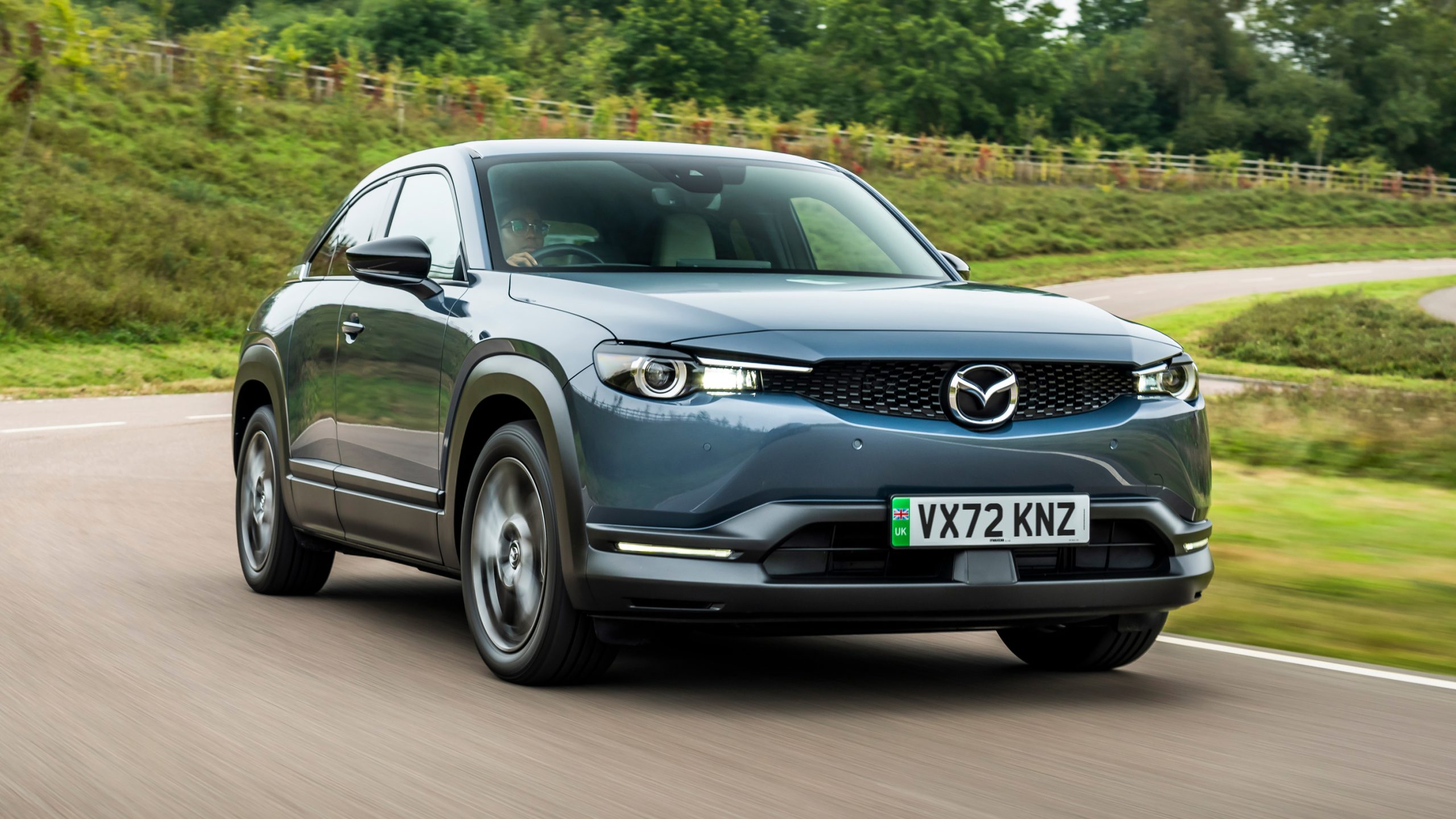
The Mazda MX-30 struggles in hot weather due to its small battery and limited thermal management system, which impacts both cabin comfort and driving range. With a 35.5 kWh battery, high air conditioning demand in warm conditions can quickly reduce the vehicle’s already modest range, making temperature control a significant concern for drivers.
A primary issue is the air conditioning system. On hot days, the MX-30’s A/C can blow warm air for the first 10 minutes of driving, creating immediate discomfort. The single-zone climate control in Auto mode is often inconsistent, requiring manual adjustments to fan speed and temperature settings to achieve a comfortable cabin environment.
Stop-start driving further compounds the problem, as the system struggles to maintain low temperatures when the vehicle is idling or moving slowly.
The cabin design contributes to the heat problem. Reports indicate that the MX-30 traps heat, and the combination of poor airflow and delayed cooling can cause rapid window steaming. While this can be cleared manually, it highlights deficiencies in air circulation and temperature management within the cabin.
Although the MX-30 features a heat pump, which is intended to improve efficiency in both heating and cooling, user experiences suggest that it does little to overcome the challenges of managing interior comfort during extreme heat. High-demand air conditioning significantly drains the small battery, further limiting range on warm days or during extended city driving.
The Mazda MX-30’s heat management system is underpowered and inconsistent. Its small battery and delayed A/C performance reduce comfort and range in hot weather, making it better suited for temperate climates and short urban trips rather than extended drives in high temperatures.
5. Chevrolet Bolt EV (Pre-Heat Pump): Thermal Challenges Limit Performance
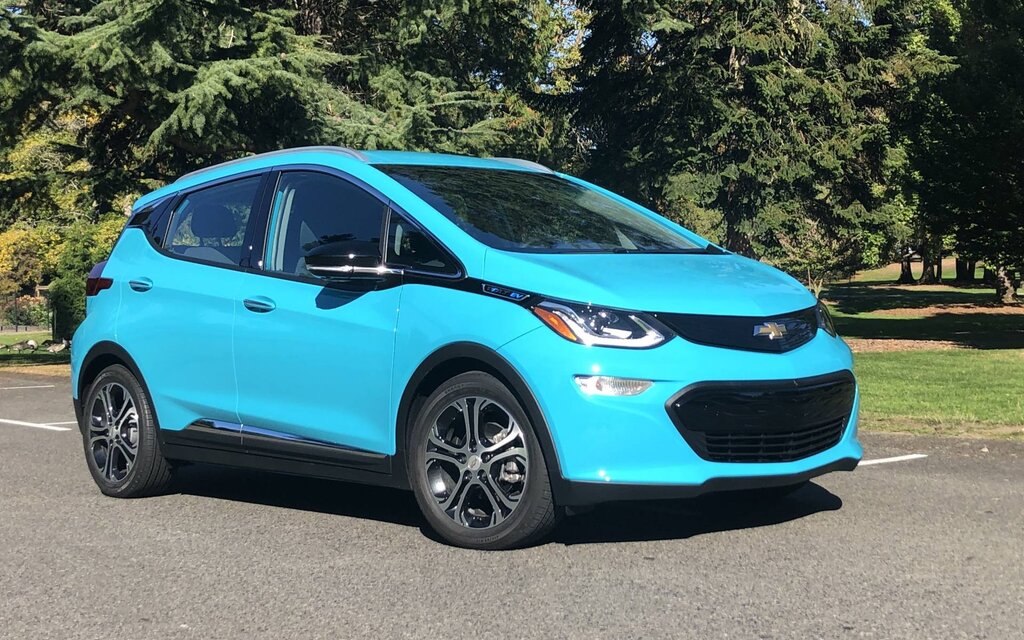
Early Chevrolet Bolt EV models (2017–2021) use liquid cooling for the battery but lack a heat pump, relying instead on a high-voltage PTC heater for cabin warmth and standard vapor compression for cooling. While innovative for their time, this setup struggles in extreme heat or cold, reducing efficiency, comfort, and range.
A key issue is resistive heating. The PTC heater consumes electricity directly from the traction battery, producing a 1-to-1 heat-to-energy ratio. Unlike a heat pump, which can move two to three units of heat per unit of electricity, the Bolt’s heater draws up to 7.5 kW on very cold days. This substantial energy drain can reduce driving range by 30% to 50%.
Cooling inefficiencies also affect performance. The Bolt uses three isolated loops for the battery, motor/electronics, and cabin. These systems cannot share heat effectively, preventing the car from reusing waste heat from the motor to warm the battery or cabin. In high temperatures, the A/C must actively cool the battery, often competing with cabin cooling needs. This can trigger thermal throttling during DC fast charging, slowing charging speeds to protect the battery.
Battery chemistry adds to the vulnerability. Early LG Chem cells are sensitive to thermal stress, and conservative thermal management software only activates cooling once the battery reaches high temperatures. This delayed response increases the risk of chemical degradation over time, especially in hot climates.
Charging limitations further illustrate the Bolt’s heat sensitivity. Although the vehicle is capped at 55 kW DC fast charging to reduce heat generation, in hot conditions, the car frequently throttles this rate to keep battery temperatures safe.
Early Bolt EVs perform well in moderate climates but struggle with extreme temperatures. Their resistive heating, isolated cooling loops, and heat-sensitive battery chemistry reduce efficiency, range, and charging speed, highlighting the benefits of modern heat pump-equipped EVs.
Heat management is a critical factor in the real-world performance of electric vehicles. EVs with active cooling systems, heat pumps, and battery preconditioning maintain efficiency, fast-charging capability, and cabin comfort even during extreme heat. Vehicles like the Tesla Model 3 and Porsche Taycan demonstrate how effective thermal management enhances performance and preserves battery health.
On the other hand, models with passive or limited cooling, including the Nissan LEAF and early Chevrolet Bolt, are more susceptible to slower charging, range loss, and accelerated battery wear in hot conditions.
For drivers living in warm regions or planning long-distance trips, choosing an EV with proven heat resilience ensures dependable performance, comfort, and longevity. Considering thermal capabilities is as important as range or horsepower when evaluating an EV for daily use and extreme weather conditions.
Also Read: 5 Cars With Simple Dash Layouts vs 5 With Confusing Ones