Luxury SUVs promise comfort, prestige, and cutting-edge technology, but not all of them treat your wallet the same way once the honeymoon period ends. Some models deliver premium features while quietly keeping ownership costs reasonable, while others lure buyers in with performance and status before unleashing years of expensive repairs, rapid depreciation, and high maintenance bills. That is where the real divide begins.
In this guide, 5 Luxury SUVs That Are Cheap to Maintain vs 5 That Are Expensive Money Pits, we break down which vehicles reward long-term ownership and which ones demand deep pockets well beyond the purchase price.
From low-maintenance electrics and rock-solid Japanese luxury to high-tech European flagships with costly weak points, this comparison focuses on what really matters after the keys are handed over: reliability, repair frequency, depreciation, and real-world ownership costs. If you are shopping for luxury without financial regret, knowing the difference is essential.
5 Luxury SUVs That Are Cheap to Maintain
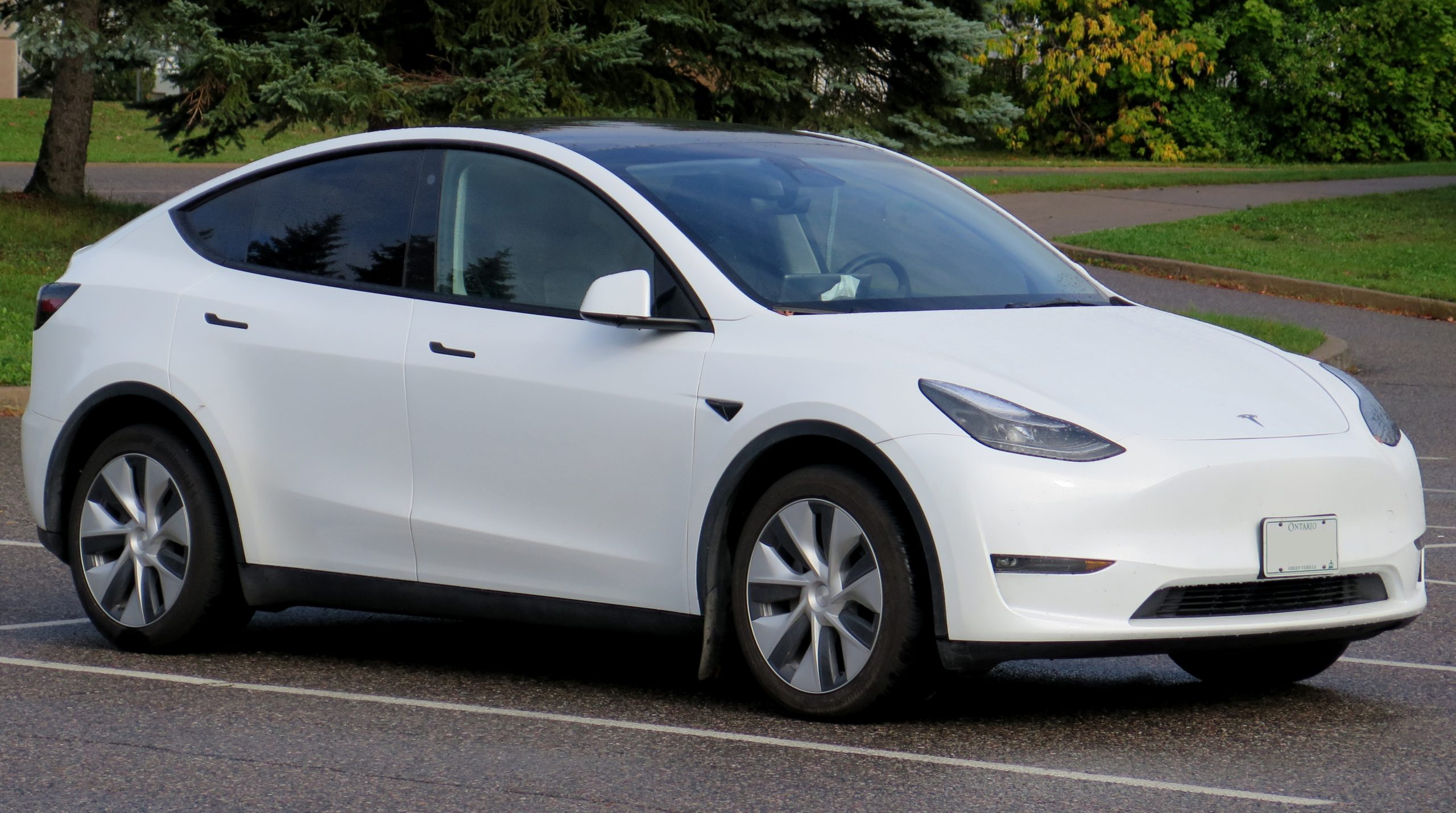
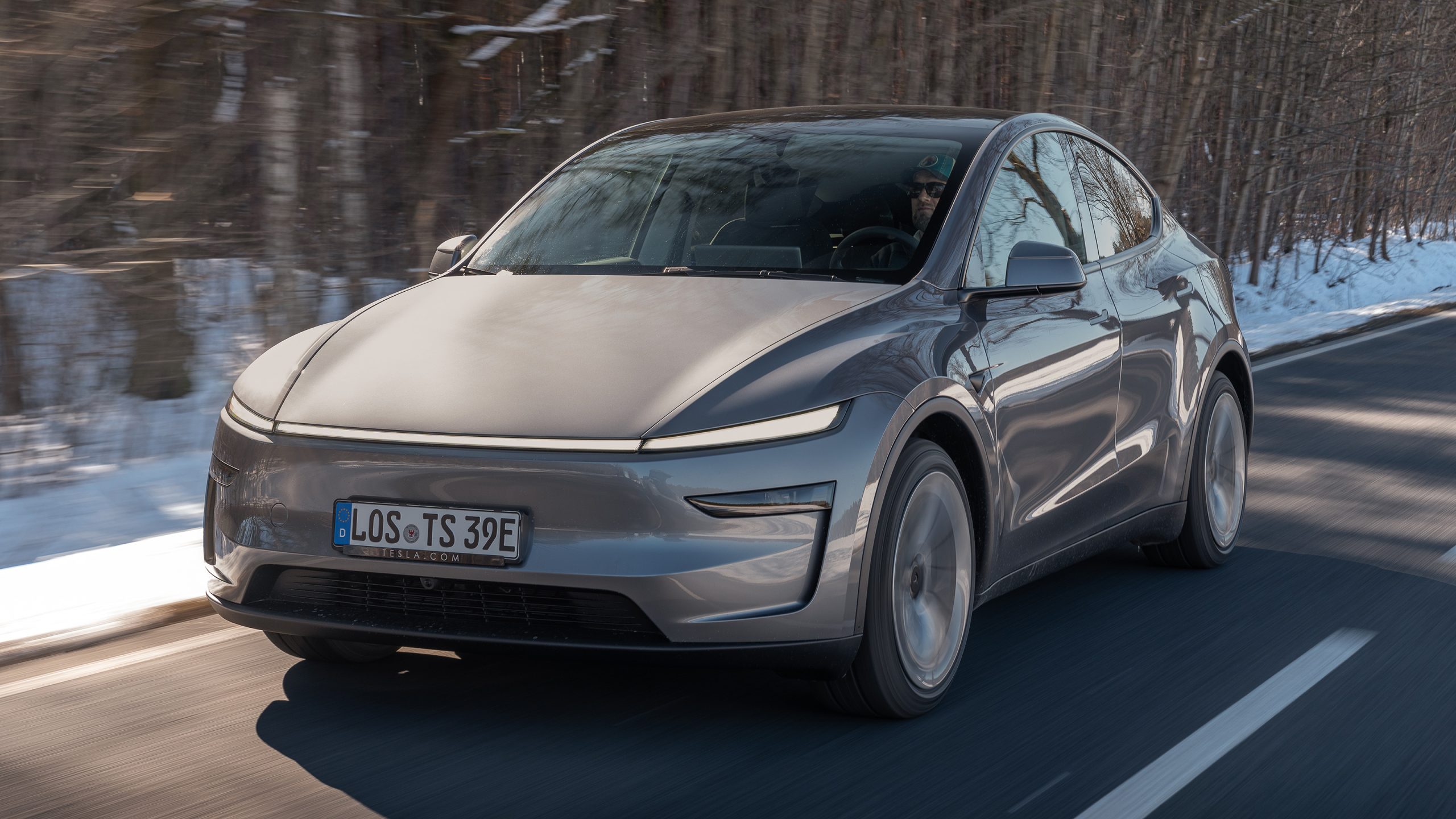
1. Tesla Model Y: Low-Maintenance Electric SUV with Impressive Performance
The Tesla Model Y stands out as a low-maintenance electric SUV, thanks to its simplified powertrain and fewer moving parts compared to conventional gasoline vehicles. With roughly 20 moving components, the Model Y eliminates the need for oil changes, spark plugs, transmission flushes, and emissions checks.
Regenerative braking further reduces wear on brake pads and rotors, often delaying replacements for years. According to CarEdge, 10-year maintenance costs average around $3,978, saving over $8,000 compared to typical luxury SUVs. Routine maintenance primarily involves tire rotations, cabin air filter replacements, brake fluid checks, and washer fluid refills.
Battery and drive units are typically covered for eight years or 120,000 miles, further protecting owners from major expenses. However, insurance can be higher due to specialized repair costs, and tires may wear faster from the vehicle’s weight and torque.
In terms of performance, rear-wheel-drive Model Y variants likely produce around 295–300 horsepower, while all-wheel-drive models with dual motors deliver 375 horsepower. The Performance trim features upgraded suspension, a widened track, and 21-inch wheels.
Acceleration is brisk across the lineup, with the Long Range AWD reaching 0–60 mph in 3.9 seconds, the RWD in 5.1 seconds, and the Performance model in approximately 3.3 seconds. The updated AWD Model Y also offers improved cabin quietness and refined driving dynamics, though some may find the ride firmer than the Model 3 sedan.
Range and charging are competitive: the Standard Model Y delivers 303–321 miles, Premium RWD up to 357 miles, and AWD variants 303–327 miles, depending on wheel size. Tesla’s fast-charging capability allows the Premium RWD to gain up to 182 miles in 15 minutes. EPA-rated efficiency ranges from 104 MPGe (Performance AWD) to 138 MPGe (Standard).
The interior emphasizes minimalism and technology, featuring a large 15.4-inch touchscreen controlling nearly all functions. Standard features include faux-leather seats, heated front seats, a dual-zone climate system, and seating for five, with an optional third row in Premium AWD models. Rear passengers can access an 8-inch display, while Standard trims have physical climate controls.
Safety features include automated emergency braking, lane-departure warnings, lane-keeping assist, adaptive cruise control, and optional Full Self-Driving technology, which still requires driver attention. Warranty coverage includes four years/50,000 miles bumper-to-bumper and eight years/100,000 miles for battery and drive units, with no complimentary scheduled maintenance.
2. Lexus RX 350: Reliable Luxury Midsize SUV
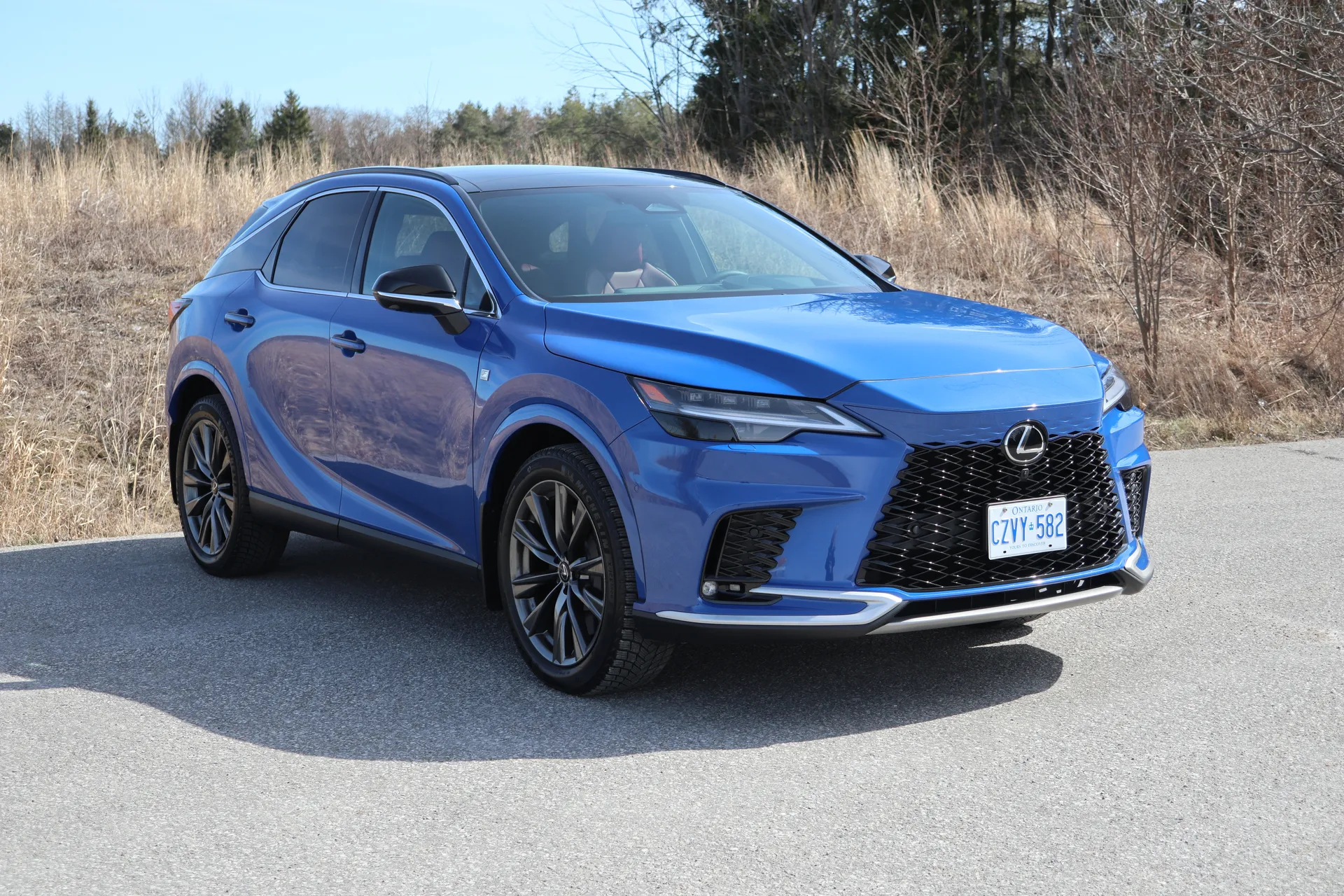
The Lexus RX 350 is widely regarded as a benchmark for reliability among luxury midsize SUVs. Sharing its DNA with the Toyota Highlander, it benefits from readily available parts, familiar engineering, and lower repair costs. Over ten years, maintenance averages around $7,800, making it far more affordable than European competitors.
Toyota’s engineering ensures durability, with the RX 350 rarely experiencing major engine or transmission issues, earning a 4.0/5.0 reliability rating. Repair frequencies are low, and many components are interchangeable with Toyota models, reducing both cost and downtime. While maintenance costs can rise as the vehicle ages, the RX 350 remains a practical luxury SUV.
Pricing for the petrol RX 350 starts at $82,900 for the Prestige trim and climbs to $108,900 for the top-spec RX 450h hybrid. Trim options include Prestige, Sport, and Sport Luxury, with minimal add-ons like a full-size spare wheel or sunroof. Lexus maintains modest styling updates, balancing modernity with brand continuity. Hybrid variants feature a blue halo around the Lexus emblem for easy recognition.
Inside, the RX 350 emphasizes comfort and technology. A joystick-style controller manages the satellite navigation, climate, and audio systems, while a 12-speaker Mark Levinson audio system delivers impressive sound quality.
Front passengers enjoy heated seats and ample legroom, while the second row offers good space, though taller passengers may find headroom limited. Boot capacity is 446 liters, with an electrically assisted hatch available in higher trims.
Under the hood, the RX 350 features a 3.5-liter V6 engine producing 204 kW and 346 Nm of torque, paired with a six-speed automatic transmission. This combination delivers smooth acceleration, with a 0–100 km/h time of 8.0 seconds and combined fuel consumption of 10.8 L/100 km, improving to 10.2 L/100 km under highway conditions.
The on-demand all-wheel-drive system provides traction as needed, while brake pedal feedback and steering ease contribute to comfortable city and highway driving.
The RX 350’s ride prioritizes comfort over sporty handling, with moderate body roll but excellent noise suppression, resulting in a quiet cabin at highway speeds. Safety and convenience features include a reversing camera, traction control, and all-wheel-drive capability.
The Lexus RX 350 combines reliability, refined performance, and family-friendly features with reasonable maintenance costs, making it a practical choice for luxury SUV buyers seeking comfort, dependability, and longevity.
3. Lexus NX: Reliable and Low-Maintenance Luxury Compact SUV
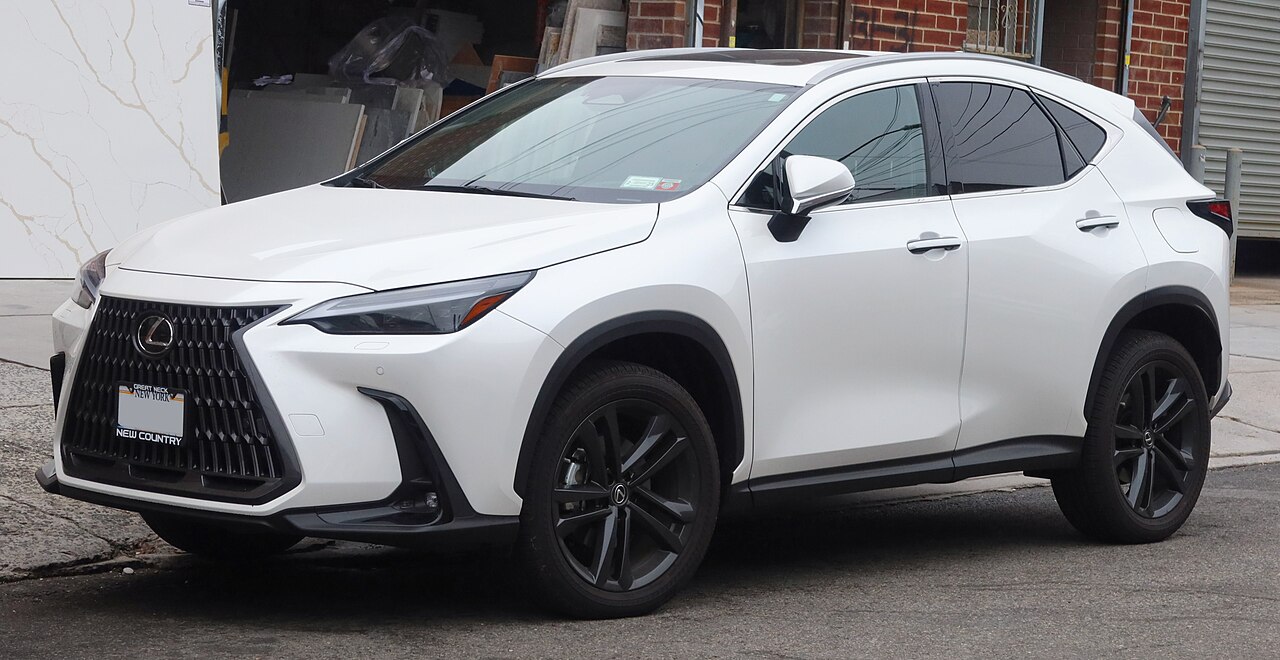
The Lexus NX exemplifies “set it and forget it” luxury, offering reliability, durability, and low long-term maintenance costs. Leveraging Toyota’s proven engineering, the NX shares many components with the Toyota RAV4, allowing owners to use compatible, affordable parts and, in some cases, service the vehicle at Toyota dealerships to reduce labor costs.
Major repairs are infrequent, with only a 20% probability over ten years, and CarEdge estimates a 10-year maintenance cost of around $7,700. In the first five years, maintenance and repair costs average just $2,485, over $3,000 below the luxury SUV segment norm.
Efficient engineering, including synthetic oils and high-quality components, ensures that routine service intervals, such as oil changes and brake inspections, are minimal. Strong reliability also preserves resale value, further lowering total ownership costs.
Under the hood, the NX features a 275-hp turbocharged 2.4-liter four-cylinder engine paired with an eight-speed automatic transmission. All-wheel drive is standard, while the former NX250 model with 203 hp and front-wheel drive is no longer offered. The NX delivers a 0–60 mph time of 6.6 seconds, which is competitive but slightly behind rivals like the BMW X1 and Volvo XC40.
Its chassis prioritizes comfort over sporty handling, although the F Sport trim with adaptive suspension offers improved ride control and poise. Towing capacity is rated at 2,000 pounds, suitable for small trailers or recreational gear.
Fuel economy is class-competitive, with EPA ratings of 21 mpg city and 28 mpg highway. On-road testing confirms the NX achieves 28 mpg on the highway, on par with the segment average.
The interior combines comfort, technology, and practicality. Heated front seats with lumbar support are standard, while top trims feature ventilated seats and genuine leather. Rear seating is slightly tight for adults but adequate for children, with optional heated seats and power-folding 60/40 split rear seats.
Cargo capacity is 22 cubic feet behind the second row and 46 cubic feet with seats folded, enough for luggage, strollers, or golf bags. Infotainment includes a standard 9.8-inch touchscreen, optional 14-inch display, Bluetooth, wireless Apple CarPlay and Android Auto, and a premium 17-speaker Mark Levinson audio system.
Safety is comprehensive, with Lexus Safety System+ 3.0 standard across all NX models, including automated emergency braking, lane-keeping assist, and adaptive cruise control.
Optional features include a 360-degree camera, blind-spot monitoring, and rear cross-traffic alert. Warranty coverage includes four years/50,000 miles limited and six years/70,000 miles powertrain protection, with one year or 10,000 miles of complimentary maintenance.
The Lexus NX is a dependable, low-maintenance luxury compact SUV offering refined comfort, competitive performance, and strong resale value, making it a practical choice for buyers seeking long-term reliability.
4. Acura RDX: Reliable and Affordable Luxury Compact SUV
The Acura RDX combines Honda’s engineering efficiency with luxury SUV comfort, offering a dependable and cost-effective ownership experience. Ten-year maintenance costs are estimated at about $10,300, approximately $5,400 lower than the luxury SUV average. The RDX benefits from Honda’s reputation for reliability and shares many components with the Honda CR-V.
This allows owners to use affordable parts and have the vehicle serviced at non-specialized mechanics, reducing labor costs. Annual maintenance averages between $497 and $500, and the chance of a major repair over ten years is 29.6 percent, roughly 9 percent lower than similar vehicles.
Recent models include the Acura Maintenance Package, covering scheduled services for the first two years or 24,000 miles. Fuel economy is competitive with 21 miles per gallon in the city, 27 on the highway, and 23 combined.
Power comes from a 272-horsepower turbocharged 2.0-liter four-cylinder engine paired with a 10-speed automatic transmission and Acura’s SH-AWD torque-vectoring all-wheel-drive system. The RDX accelerates to 60 mph in 6.2 seconds, providing smooth and responsive performance for daily driving.
The transmission can be slightly slow to downshift when using the steering wheel paddle shifters. Optional adaptive dampers and 20-inch wheels allow drivers to adjust ride quality, while the SH-AWD system improves handling around corners. The cabin remains quiet, though harsh impacts are noticeable on rough roads. Brake pedal feedback can feel inconsistent, but it does not severely affect driving comfort.
The interior is both sporty and practical. The A-Spec trim adds red leather seats and unique styling touches, while standard features across trims include ambient lighting, power-adjustable heated front seats, and dual-zone climate control.
Rear seats fold flat for additional cargo space, fitting 22 carry-on bags with seats down and eight with them upright. A 10.2-inch touchscreen controls infotainment, offering wireless Apple CarPlay, Android Auto, and an optional Wi-Fi hotspot. Higher trims add built-in navigation, USB ports, and a 12-speaker ELS Studio audio system.
Safety features include standard forward-collision warning, automated emergency braking, lane-keeping assist, and adaptive cruise control. Optional equipment adds blind-spot monitoring, rear cross-traffic alert, and front and rear parking sensors.
Warranty coverage consists of a four-year or 50,000-mile limited warranty, a six-year or 70,000-mile powertrain warranty, and two years or 24,000 miles of complimentary scheduled maintenance.
The Acura RDX offers a strong balance of reliability, low maintenance costs, practical interior space, and enjoyable performance, making it a competitive choice in the luxury compact SUV segment.
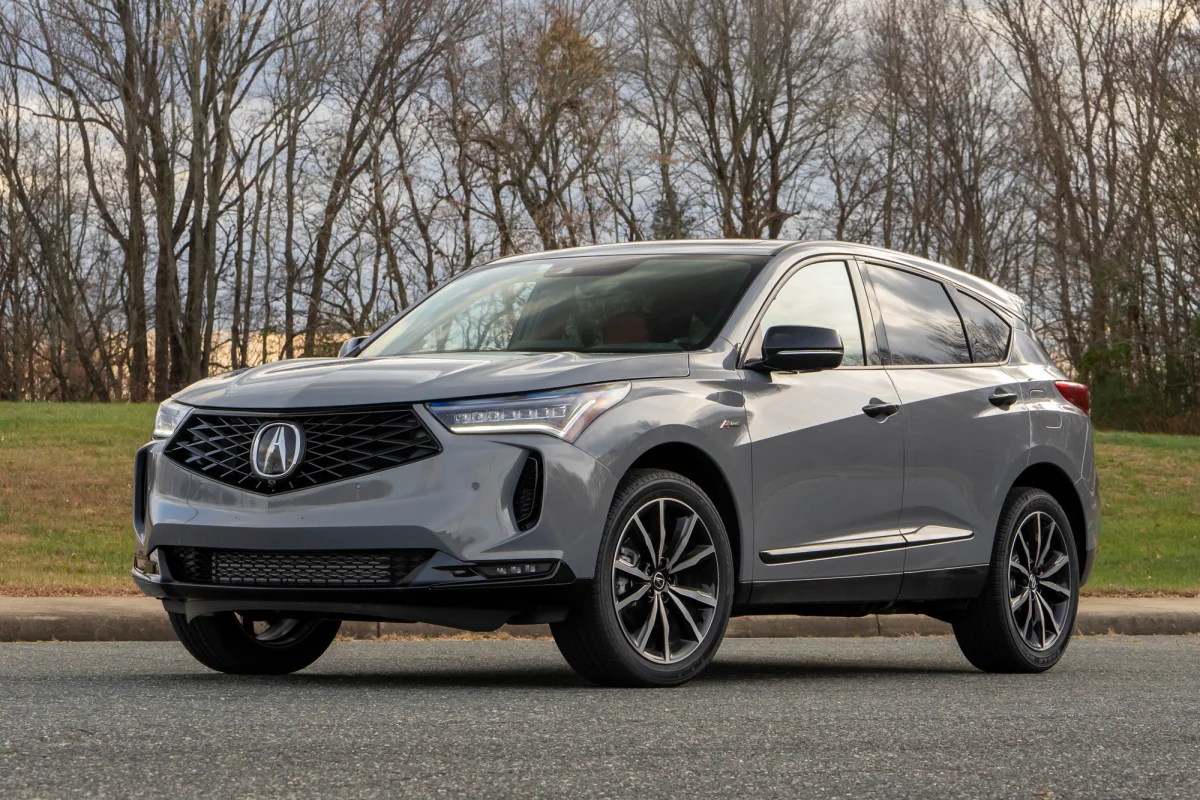
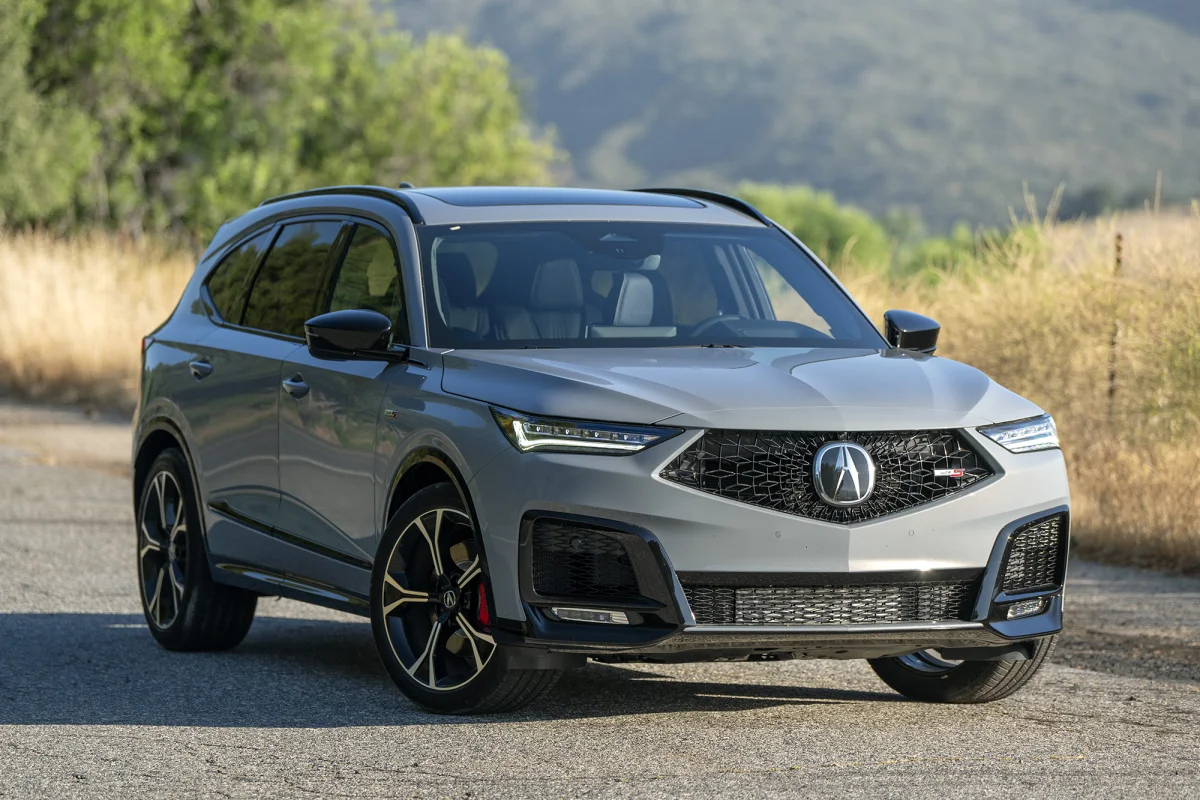
5. Acura MDX: Dependable Three-Row Luxury SUV with Low Maintenance
The Acura MDX is a practical choice for families needing three rows of seating while keeping maintenance costs manageable. Estimated ten-year ownership costs are around $10,500, significantly lower than those of many European midsize luxury SUVs. The MDX relies on Honda’s engineering reliability and shares components with the Honda Pilot, making parts widely available and affordable.
Average annual repair costs are about $571, compared with $807 for other luxury midsize SUVs. The MDX experiences fewer and less severe unscheduled repairs, with a 0.4 average annual shop visit rate.
Key components, such as timing belts, are designed for high-mileage intervals exceeding 100,000 miles, reducing the frequency of costly maintenance. Many independent mechanics can service the MDX at lower labor rates compared with specialized European dealerships.
Powering the standard MDX is a 290-horsepower 3.5-liter V6 paired with a 10-speed automatic transmission. Front-wheel drive is standard, with all-wheel drive optional. The sportier Type S model comes with a 355-horsepower turbocharged 3.0-liter V6 and all-wheel drive. The standard MDX accelerates to 60 mph in 6.4 seconds, while the Type S reaches 60 mph in 5.5 seconds.
Handling is nimble for a three-row SUV, with responsive steering and smooth acceleration. Fuel economy is rated at 19 miles per gallon in the city, 26 on the highway, and 22 combined. On-road testing of all-wheel-drive models produced results of 22 mpg for the standard MDX and 23 mpg for the Type S.
The interior of the MDX is comfortable and family-friendly. High-end trims feature stitched leather, open-pore wood, and metal accents. Front seats are supportive and available with 16-way power adjustability and massage functionality.
The first and second rows provide ample space, while the third row is suitable for children. Cargo space with the third row in place fits three carry-on suitcases, and folding both rear rows accommodates up to 27 cases.
Technology includes a 12.3-inch touchscreen infotainment display, a 12.3-inch digital gauge cluster, wireless Apple CarPlay and Android Auto, in-dash navigation, and a Wi-Fi hotspot.
Audio systems range from an 11-speaker setup to a 31-speaker Bang & Olufsen system in the Type S. Standard safety features include automated emergency braking with pedestrian detection, lane-departure warning, lane-keeping assist, adaptive cruise control, blind-spot monitoring, and lane-change assist.
Warranty coverage includes four years or 50,000 miles for the limited warranty, six years or 70,000 miles for the powertrain, and two years or 24,000 miles of complimentary scheduled maintenance. The Acura MDX combines reliable performance, family-focused comfort, and lower long-term maintenance costs, making it a practical choice in the luxury three-row SUV segment.
Also Read: 5 Cars With Simple Dash Layouts vs 5 With Confusing Ones
5 That Are Expensive Money Pits
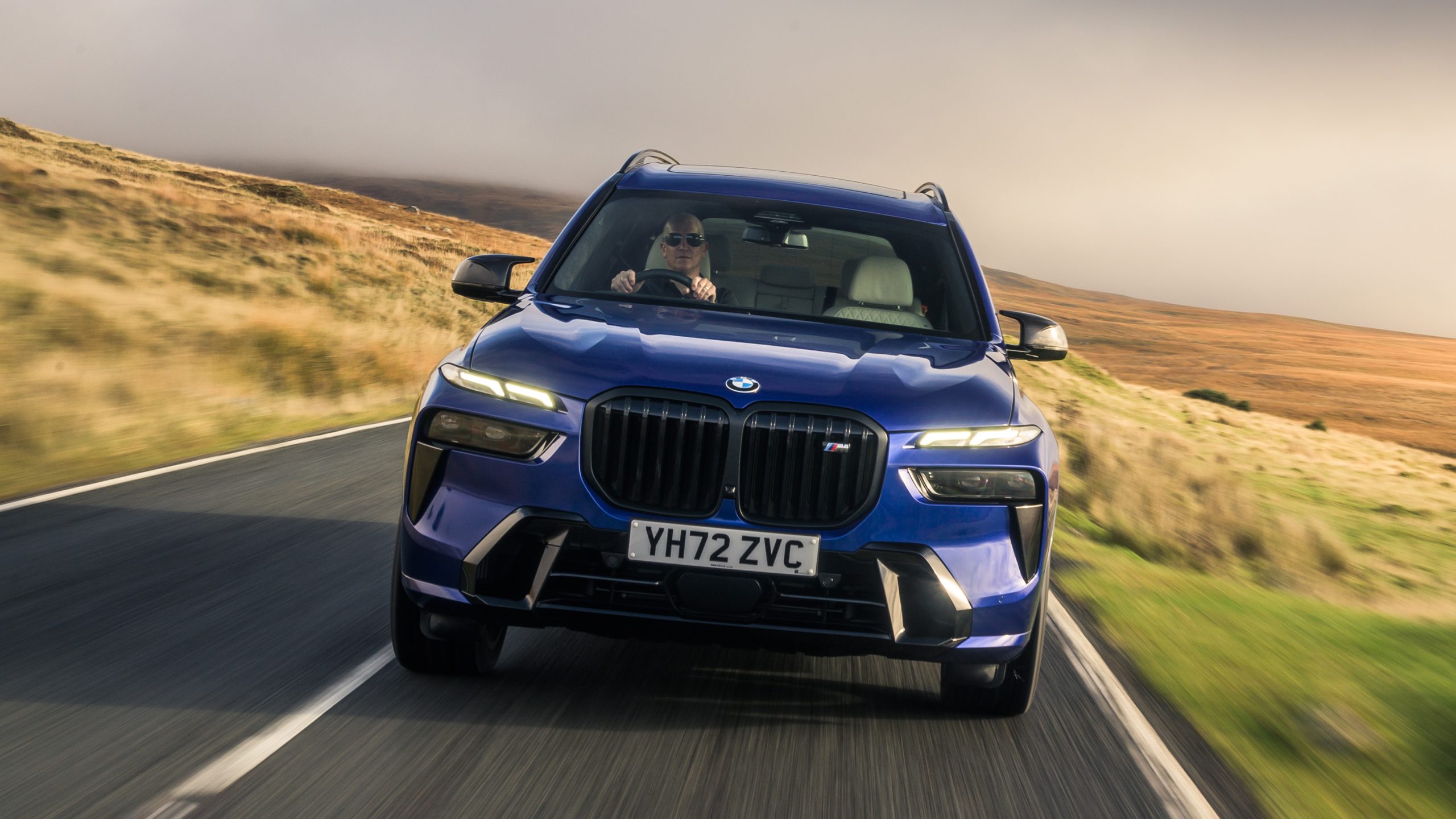
1. BMW X7: High-Tech Luxury with Significant Maintenance Costs
The BMW X7 is a technologically advanced luxury SUV, but its complexity leads to very high ownership costs. Ten-year maintenance estimates exceed $20,000, making it one of the most expensive SUVs to maintain.
The X7’s sophisticated systems, including adaptive suspension, advanced electronics, and high-performance engines, require specialized service and expensive parts, which add significantly to repair and maintenance expenses compared with mainstream SUVs.
Older models or vehicles with neglected maintenance are especially prone to high-cost mechanical issues. Transmission failures, particularly in models equipped with the ZF9 automatic, can require extensive repairs or replacement.
Steering components and adaptive air suspension systems are also known trouble spots and demand specialized attention. High-performance tires, brake-by-wire systems, and advanced sensors further increase the cost of parts and service.
Routine luxury-level maintenance is essential to prevent major failures. Timing belt replacements, premium fuel requirements, and other scheduled services must be followed closely, with missed maintenance potentially resulting in costly repairs.
Electronics and infotainment systems, including large touchscreen displays and driver-assistance modules, have been reported to experience glitches or hardware issues that are difficult and expensive to fix.
Despite the high costs, the BMW X7 delivers cutting-edge performance, advanced technology, and a premium cabin experience that few competitors match.
Buyers should exercise caution when considering older or high-mileage models, as repair costs can quickly surpass the vehicle’s market value. Maintaining strict service schedules and choosing well-maintained examples can help reduce some expenses, but the X7 remains a high-cost luxury SUV.
The BMW X7 is ideal for buyers who prioritize advanced technology, powerful performance, and a luxurious interior and are prepared for significant maintenance and repair expenses over the life of the vehicle.
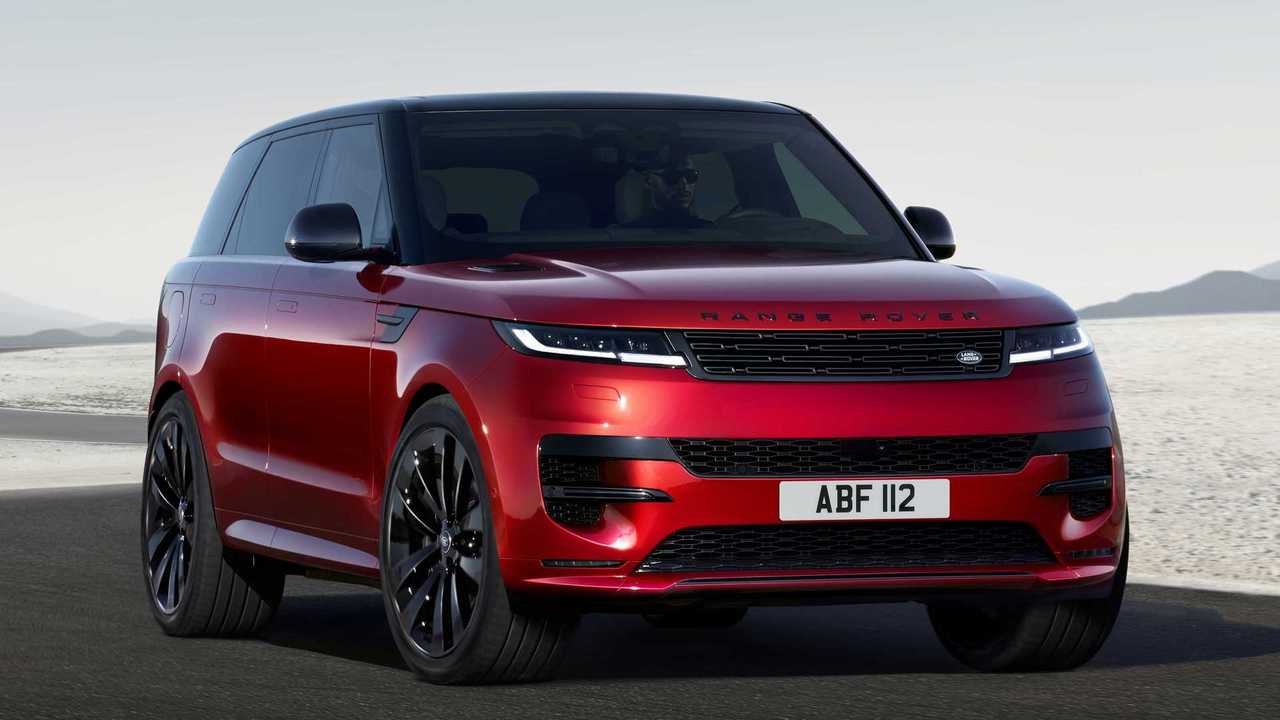
2. Land Rover Range Rover: Iconic Luxury with High Repair Risk
The Land Rover Range Rover is famous for its blend of opulent luxury and exceptional off-road capability, but it is equally known for high maintenance and repair costs. Industry data suggests there is roughly a 50 percent chance that a Range Rover will require a major repair within its first ten years of ownership.
Total maintenance and repair expenses over that period approach $20,000, placing it among the most expensive luxury SUVs to keep on the road. Even as newer models introduce refined interiors and upgraded technology, long-term reliability concerns remain common.
The Range Rover’s engineering prioritizes performance and capability rather than simplicity. Its all-aluminum structure and advanced four-wheel-drive system allow it to tackle steep terrain and deliver strong on-road performance, but this sophistication puts significant strain on mechanical components.
Large turbocharged engines, heavy-duty gearboxes, and oversized wheels mean that routine items such as tires, brakes, and suspension parts cost far more than those on typical luxury SUVs.
Repair risk is a defining concern. Recent data indicates a 51.26 percent likelihood of a major repair within ten years, which is notably worse than the luxury SUV average. Once warranty coverage expires, annual ownership costs often exceed $3,000.
One of the most failure-prone systems is the air suspension, which is standard on all models. Leaking air springs and failing compressors are common, with a single replacement strut costing over $1,300 and full suspension repairs exceeding $5,000 in parts alone.
Electronics are another weak point. Modern Range Rovers rely heavily on screens, sensors, and software-driven features that are prone to glitches, including frozen infotainment systems and malfunctioning door handles. Recent recalls have also affected engines and drivetrain components, including oil filter leaks and faulty gear selector modules.
Depreciation further amplifies ownership costs. Full-size Range Rover models can lose more than 60 percent of their value within five years, meaning repair bills on older examples can quickly exceed resale value. The Range Rover suits buyers who prioritize image, luxury, and off-road prestige and are willing to absorb high long-term costs to maintain them.
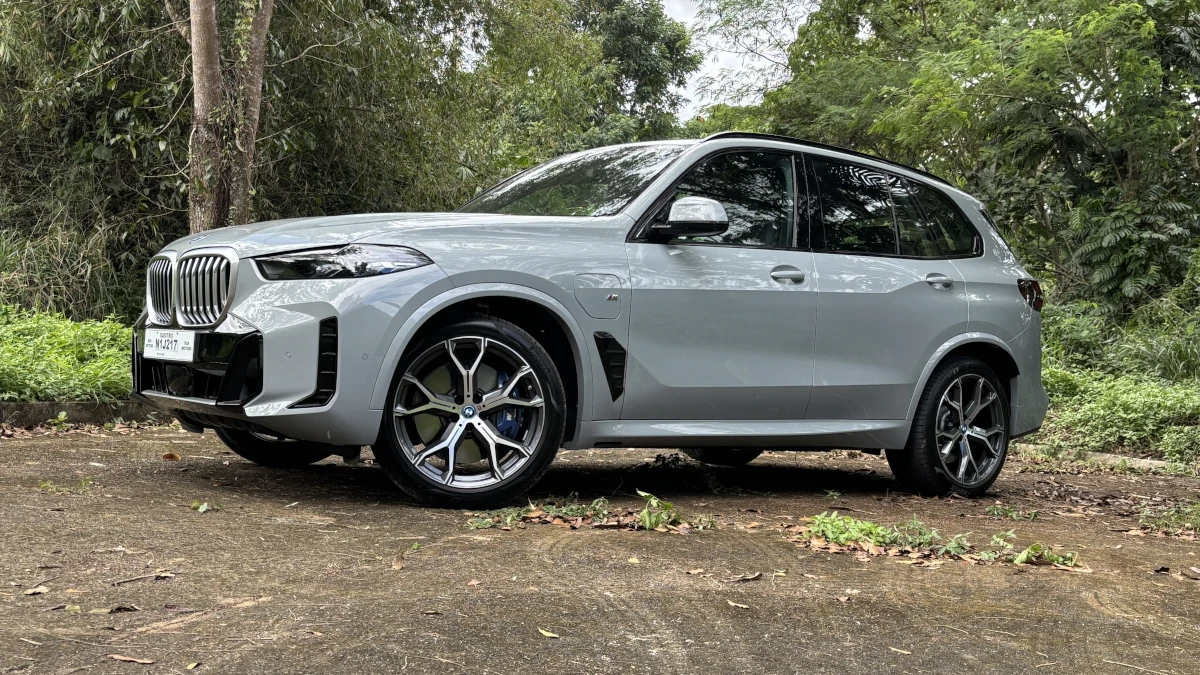
3. BMW X5: Luxury Performance with High Long-Term Ownership Costs
The BMW X5 delivers one of the most refined driving experiences in the luxury midsize SUV segment, but that performance comes with significant long-term financial obligations. Owners should expect to spend close to $19,500 in maintenance and repair costs over the first ten years. Once the vehicle passes the 60,000-mile mark and exits warranty coverage, reliability concerns and repair expenses tend to increase noticeably.
Routine maintenance alone is costly, with annual expenses typically ranging from $1,000 to $1,500 for services such as oil changes, brake work, and inspections. BMW vehicles require certified technicians and specialized diagnostic equipment, which raises labor rates.
Replacement parts are also expensive and often proprietary, including air suspension components that can cost between $1,000 and $1,500 per corner. Data shows that X5 owners experience unscheduled repairs about 0.8 times per year, with a 17 percent likelihood that any given repair will be classified as major.
Depreciation further adds to the cost of ownership. A new BMW X5 is expected to lose between 56 and 59 percent of its value within five years. A 2026 model priced around $81,000 is projected to be worth less than $33,000 after five years. Plug-in hybrid variants such as the xDrive50e often depreciate faster due to rapidly advancing battery technology and long-term replacement concerns.
Several mechanical systems contribute to the X5’s reputation for costly ownership. Air suspension systems are prone to failure as mileage increases, especially in newer generations. Cooling system components, such as water pumps and thermostats, are known weak points that can lead to severe engine damage if not replaced proactively.
Oil leaks from valve cover and oil pan gaskets are common and labor-intensive to fix. Modern electronics also present challenges, with owners reporting issues related to infotainment systems, power tailgates, and keyless entry sensors.
The BMW X5 offers exceptional luxury, performance, and driving comfort, but ownership requires careful budgeting. Many buyers choose leasing or extended warranties to manage long-term costs associated with aging German luxury engineering.
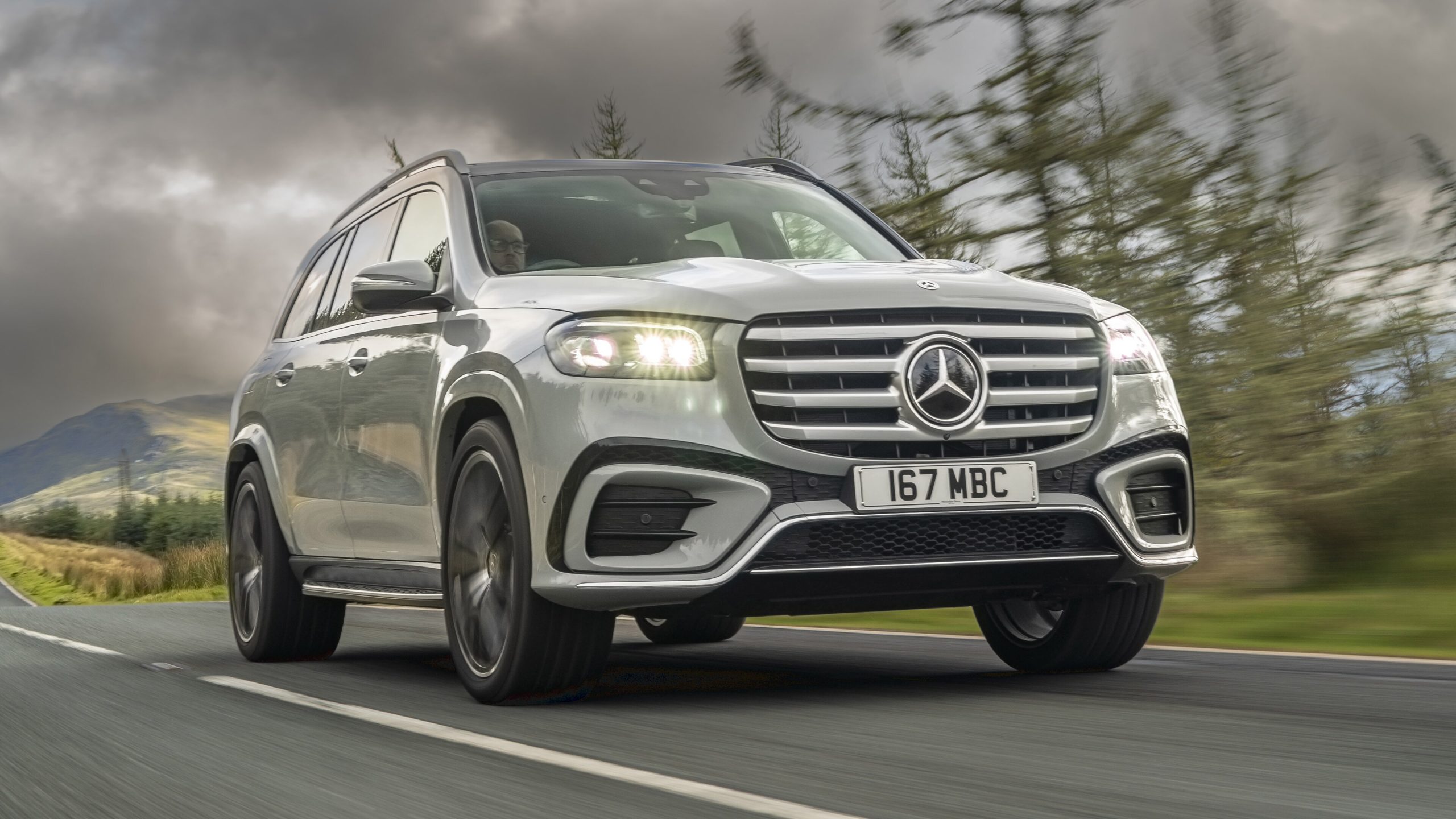
4. Mercedes-Benz GLS: Flagship Comfort with Heavy Long-Term Costs
The Mercedes-Benz GLS is positioned as the “S-Class of SUVs,” offering exceptional comfort, advanced technology, and commanding road presence. Beneath that luxury, however, lies a demanding and expensive ownership experience. Over a ten-year period, maintenance and repair costs are estimated at roughly $17,500, driven by complex systems that require specialized tools and highly trained technicians.
Depreciation is one of the largest financial drawbacks. A GLS typically loses between 48 and 51 percent of its value within the first five years. High-performance variants suffer even steeper losses, with AMG models shedding tens of thousands of dollars in value in a short span.
Purchasing a new GLS 580 at around $148,000 can result in more than $24,000 in lost value during the first year alone, making depreciation a major hidden expense.
Repair frequency increases as the vehicle ages, particularly after warranty coverage ends. The AIRMATIC air suspension system is a common failure point, with individual air struts costing up to $2,400 and full system repairs easily exceeding $5,000.
Engine and drivetrain issues are also reported, including oil leaks, rough shifting caused by internal transmission components, and worn driveshaft flex discs that create vibration. Due to the GLS’s substantial weight, brakes and related wear items tend to wear out quickly, sometimes needing replacement as early as 20,000 miles.
Maintenance costs add up steadily. Mercedes-Benz follows a paid Service A and Service B schedule every 10,000 miles, with annual expenses averaging $1,250 to $1,300. Over ten years, total maintenance and repair costs exceed the luxury SUV segment average by several thousand dollars, and there is a 44 percent chance of a major repair during that period.
Daily operating expenses are also high. Premium fuel, particularly for V8 models, can exceed $5,000 annually, while insurance costs often surpass $5,300 per year. The GLS delivers flagship luxury, but ownership requires a substantial and ongoing financial commitment.
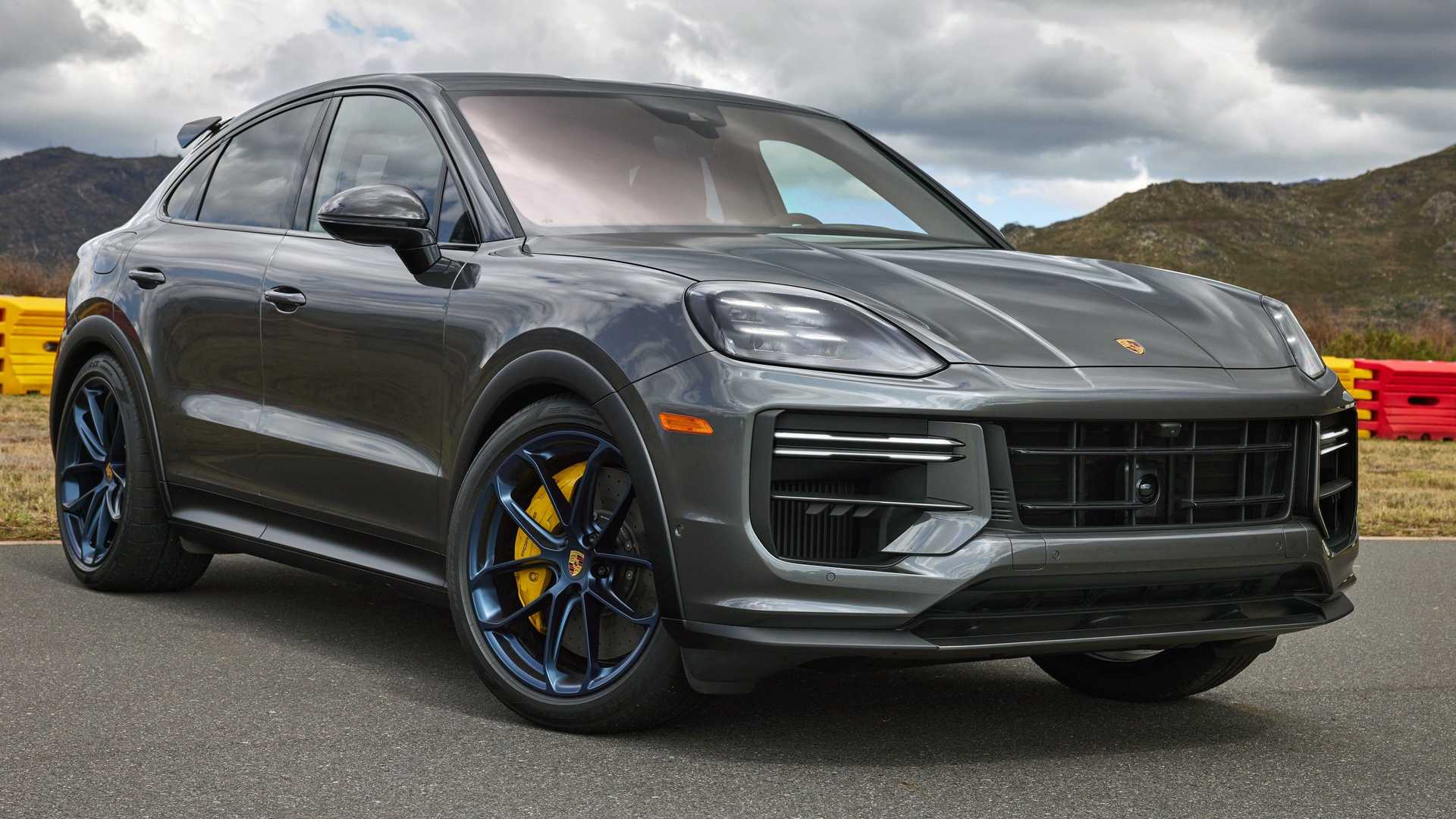
5. Porsche Cayenne: Sports-Car Performance with Luxury SUV Ownership Costs
The Porsche Cayenne blends sports-car handling with SUV practicality, but that performance-driven engineering results in a demanding and expensive ownership experience.
Over a ten-year period, maintenance and repair costs are estimated between $15,000 and $17,000, contributing to a total cost of ownership that is roughly 83 percent higher than the industry average. While the Cayenne delivers exceptional driving dynamics, the financial commitment can be substantial.
Depreciation represents the largest expense. Depending on trim, a Cayenne can lose between $52,000 and $75,000 in value within the first five years, with up to 38 percent lost in just three years. Five-year ownership costs for 2026 models range from approximately $134,000 for an E-Hybrid to more than $155,000 for a GTS.
Insurance premiums are also elevated, typically running 18 to 22 percent higher than those of standard SUVs due to costly parts and specialized repair requirements.
Maintenance follows Porsche’s strict service schedule, alternating between minor and major intervals. Annual minor services generally cost $500 to $900, while major services, every two to four years, can exceed $1,500 to $2,500. Wear items add further expense. High-performance tires often cost $1,200 to $1,500 per set, and full brake replacements regularly surpass $3,000, with some setups nearing $5,000.
Reliability concerns further reinforce the Cayenne’s reputation for costly ownership. Owners average nearly one unscheduled repair visit per year, with a 21 percent chance that any repair will be severe.
Common problem areas include leaking coolant pipes, failing air suspension components, and drivetrain issues such as transfer case malfunctions. Older V8 models are particularly notorious for bore scoring, a serious defect that can require a complete engine rebuild.
The Porsche Cayenne excels as a performance-focused luxury SUV, but precision engineering demands precision maintenance. For buyers unprepared for high depreciation, premium servicing, and complex repairs, ownership can quickly become financially overwhelming.
Choosing a luxury SUV is no longer just about horsepower, leather quality, or badge appeal. Long-term ownership costs can easily outweigh the excitement of the first few years, especially once warranties expire and repairs become unavoidable.
As this list shows, some luxury SUVs are engineered with durability and simplicity in mind, rewarding owners with predictable costs and long service lives. Others rely on complex systems and high-performance components that deliver an incredible driving experience, but demand constant financial attention.
The key takeaway is not that expensive luxury SUVs are “bad,” but that they require a different mindset and budget. Buyers who plan carefully, lease strategically, or invest in extended warranties may still find value in them.
For everyone else, the smarter move is choosing luxury models that combine comfort with proven reliability. Understanding which SUVs are cheap to maintain and which become money pits can save you thousands and make luxury ownership far more satisfying in the long run.
Also Read: 10 Cars That Make You Take the Long Way Home