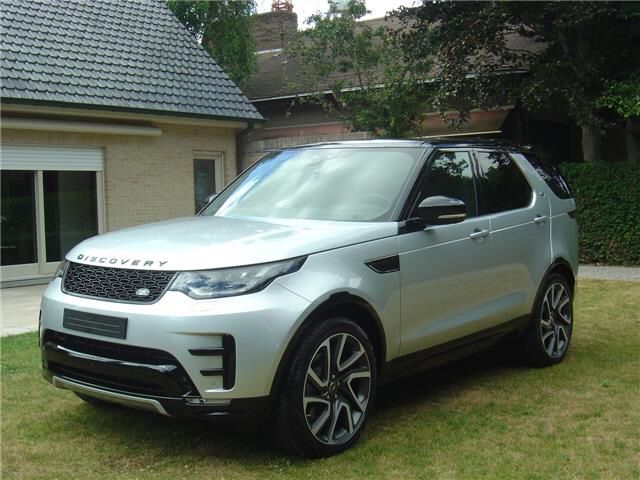
Soft roaders live in an awkward middle space. They look like SUVs, market themselves as adventure-ready, and promise “go anywhere” confidence.
But let’s be real not all of them deserve that badge. Some soft roaders can claw their way through mud, slush, and loose dirt without drama. Others? They panic on wet grass and spin helplessly like they’ve never seen moisture before.
The problem is expectations. Buyers often assume ground clearance and chunky styling equal off-road ability. That’s not how it works.
What actually matters is drivetrain setup, traction control tuning, torque delivery, tyre grip, and how smart the vehicle is when the surface turns slick. A soft-roader with a well-calibrated AWD system can outperform a bigger, heavier SUV that’s all show and no grip.
This matters more than ever because people don’t just drive on highways anymore. Campsites, muddy parking fields, rural roads after rain, farm tracks, and half-finished construction lanes are common.
You don’t need a hardcore 4×4, but you do need a soft roader that won’t leave you embarrassed, calling for help, or pushing your own car out of a grassy slope.
In this guide, we’re cutting through the marketing noise. No brand worship. No brochure talk. Just real-world behavior. We’re comparing soft roaders that can handle mud against soft roaders that get stuck on wet grass, based on drivetrain logic, weight balance, traction behavior, and known performance patterns.
This is not about rock crawling or river crossings. It’s about realistic conditions muddy access roads, rain-soaked fields, slippery slopes, and loose terrain where traction matters more than looks.
Let’s start with the soft-roaders that actually do their job when the ground turns ugly.
5 Soft Roaders That Can Handle Mud
These vehicles aren’t hardcore off-roaders, but they’re smartly engineered. Their AWD systems react fast, their traction control doesn’t freak out, and their power delivery works with the surface instead of against it. They prove that a soft roader doesn’t have to be soft when things get slippery.
ALSO READ: Top 10 Classic American Luxury Cars That Truly Earn Their Reputation
1. Subaru Forester AWD
The Subaru Forester doesn’t scream adventure. It just quietly gets on with it and that’s exactly why it works so well in mud. Subaru’s symmetrical all-wheel drive is the star here. Power is always distributed evenly, not scrambled after wheel slip begins. That single design choice gives the Forester a massive advantage on muddy surfaces.
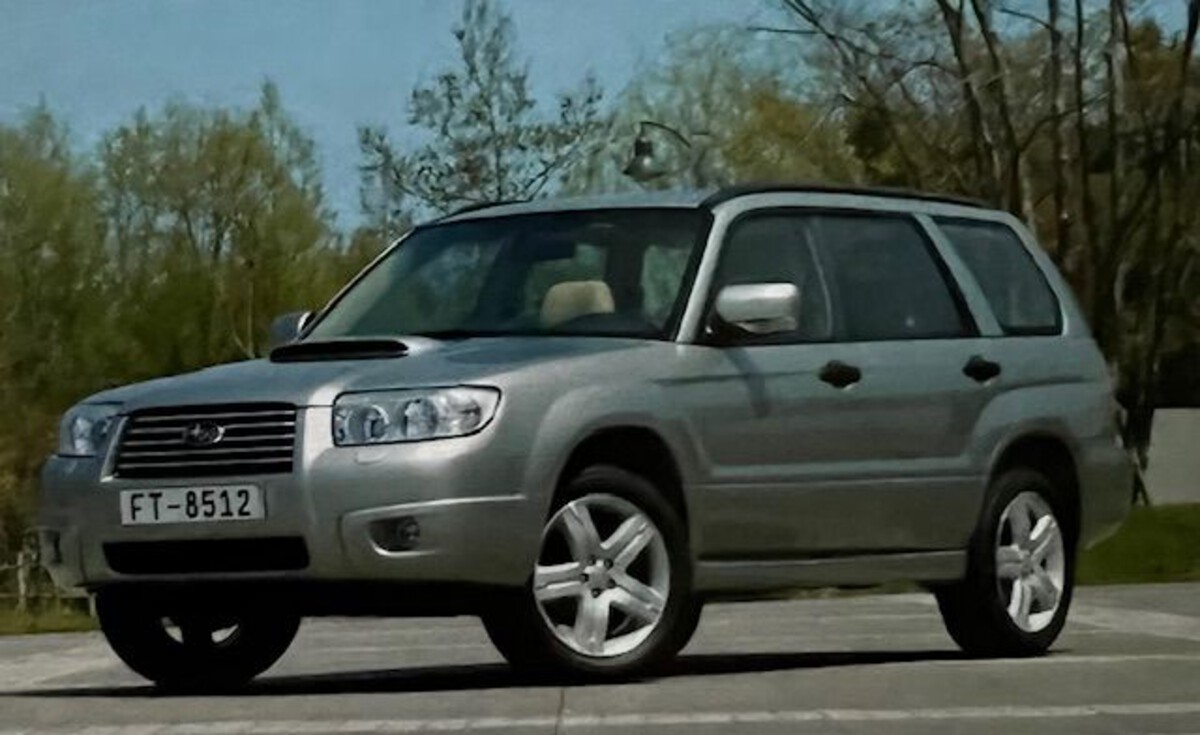
On wet soil, the Forester doesn’t spin wildly or hunt for grip. It moves forward with steady, predictable traction. The boxer engine layout also keeps the center of gravity low, which helps stability when the ground is uneven or slick. Add decent ground clearance and a well-tuned traction control system, and you get a soft roader that feels confident instead of stressed.
What really stands out is how the Forester behaves when one wheel loses grip. Instead of cutting power aggressively, it redistributes torque smoothly. That makes it excellent for muddy trails, farm access roads, and rain-soaked fields where sudden torque cuts would leave you stuck.
It’s not fast. It’s not flashy. But in mud, it’s calm and calm wins. For buyers who actually leave paved roads, the Forester is one of the safest bets among soft roaders that can handle mud.
2. Toyota RAV4 AWD (Adventure/TRD)
Not all RAV4s are equal. The AWD Adventure and TRD variants are the ones that matter here. These trims use a torque-vectoring AWD system that can actively send power to the rear wheels before things go wrong. That’s huge in muddy conditions.
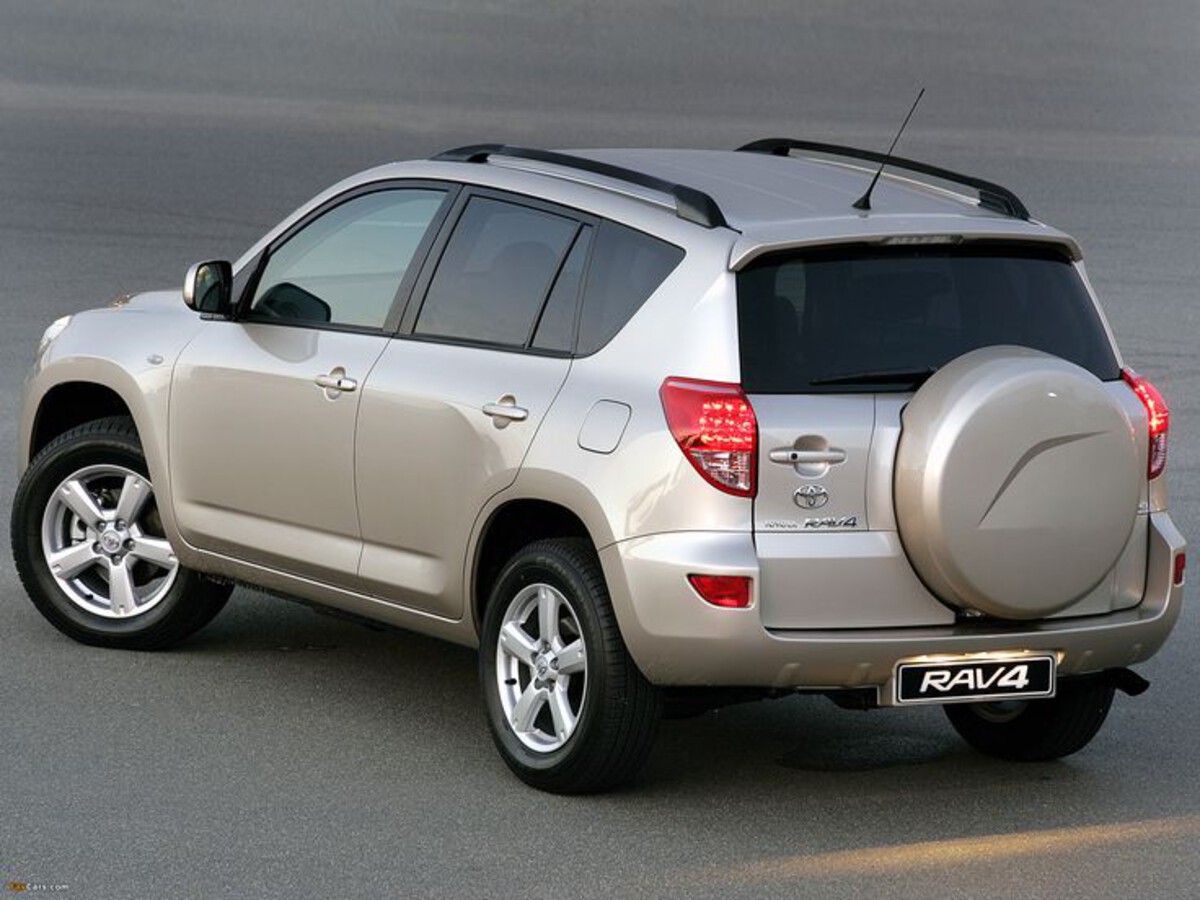
On slick surfaces, the RAV4 doesn’t wait for wheelspin to react. It anticipates it. That means fewer traction losses and smoother progress through mud, gravel, and loose dirt. The system can even shift torque side-to-side at the rear, which helps when one wheel is struggling more than the other.
The engine’s torque delivery is predictable, not jumpy. That makes controlled throttle inputs easier when the ground is wet. Combine that with decent approach angles and rugged tyres on the Adventure trims, and the RAV4 becomes far more capable than its suburban image suggests.
Is it a rock crawler? No. But in real-world muddy situations wet grass fields, muddy campsite roads, slippery slopes—it performs reliably. Many drivers underestimate it, right until they watch it drive past vehicles that look tougher but lack proper AWD logic.
Among modern soft roaders, this RAV4 setup earns its place.
3. Mazda CX-50 AWD
Mazda doesn’t market the CX-50 as a hardcore off-road SUV, but its AWD tuning tells a different story. The system constantly monitors throttle input, steering angle, and surface conditions to predict traction loss before it happens. That predictive behavior makes a big difference in mud.
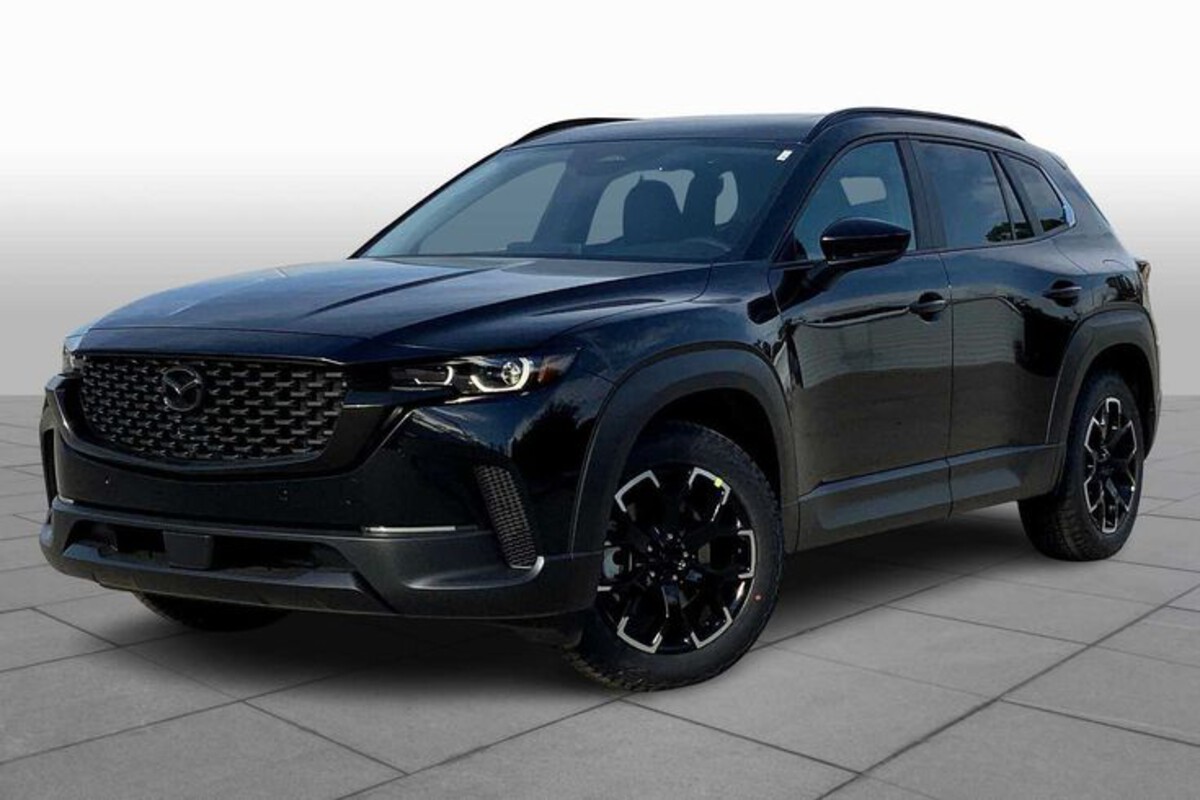
Instead of reacting late, the CX-50 adjusts torque distribution early. This prevents sudden wheelspin, which is often what gets soft roaders stuck in wet ground. The vehicle feels planted, controlled, and surprisingly confident when the surface turns slippery.
Ground clearance is respectable, and the chassis balance is excellent. Mazda’s focus on weight distribution pays off here. The CX-50 doesn’t feel top-heavy or unstable when navigating uneven terrain. That stability helps maintain grip when one wheel drops into softer mud.
The engine doesn’t overwhelm the tyres, which is a good thing in low-traction environments. You get usable torque instead of flashy acceleration. For muddy backroads, forest access tracks, and rainy rural routes, the CX-50 proves that smart engineering beats brute force.
It’s a reminder that soft roaders that can handle mud don’t need aggressive styling they need good software and balance
4. Honda CR-V AWD
The Honda CR-V AWD often gets dismissed as a pure city SUV. That’s unfair. Its AWD system is reactive but well-tuned, and in muddy conditions, it behaves better than many expect.
When the front wheels start slipping, the system quickly and smoothly sends power rearward. It doesn’t wait long enough to dig itself into trouble. The traction control is gentle, allowing just enough wheel movement to maintain momentum without cutting power completely.
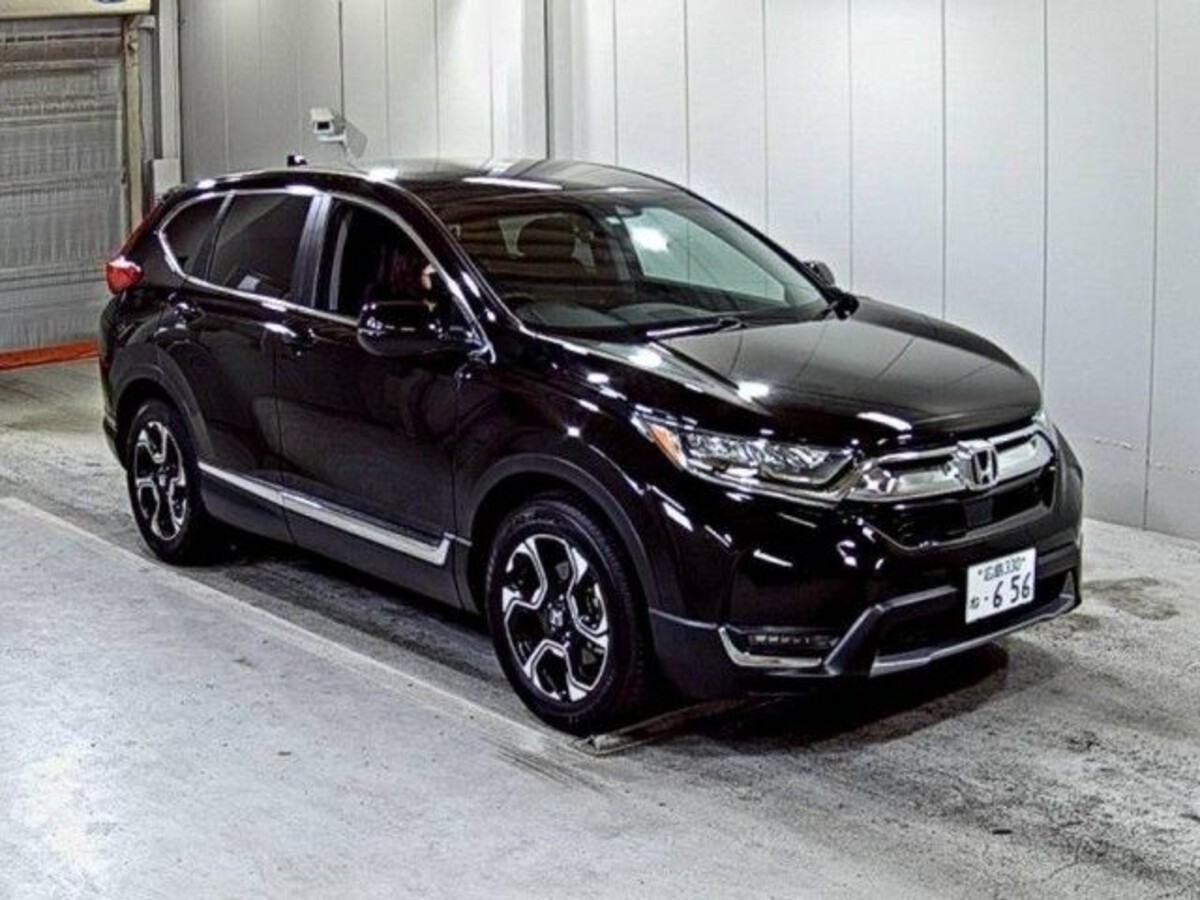
The CR-V’s light weight also works in its favor. Less mass means less sinking in soft mud. Combined with a predictable throttle response, it can crawl through wet grass and muddy patches where heavier vehicles bog down.
It won’t climb steep muddy hills aggressively, but for everyday muddy situations rural driveways, rain-soaked fields, campsite access roads—it holds its own. Drivers who respect its limits are often surprised by how far it can go.
Among mainstream soft roaders, the CR-V AWD is a practical, reliable performer when the ground turns messy.
5. Suzuki Vitara AllGrip
The Suzuki Vitara AllGrip doesn’t get much attention, but it deserves respect. Its lightweight body and selectable AWD modes make it one of the most capable soft roaders in muddy conditions.
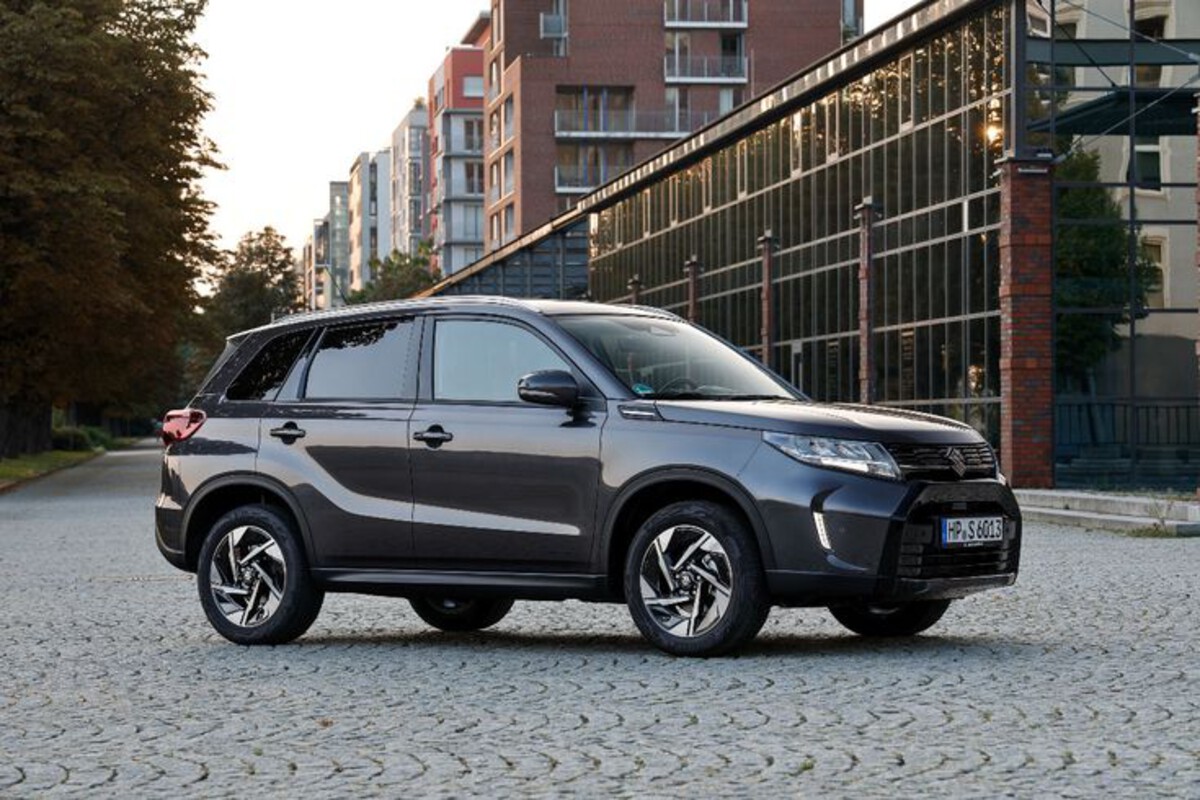
Being light is a massive advantage in mud. The Vitara doesn’t sink as easily as heavier SUVs. Its AllGrip system offers different modes that adjust throttle response and torque distribution, giving the driver more control on slippery surfaces.
In mud, the Vitara feels eager rather than strained. The engine doesn’t overpower the tyres, and the AWD system reacts quickly to grip loss. It’s especially good on muddy rural roads and wet grass slopes where traction is inconsistent.
Ground clearance is decent for its size, and the short wheelbase helps with maneuverability. It’s not built for extreme terrain, but for realistic muddy conditions, it punches well above its weight.
If you want proof that soft-roaders that can handle mud don’t need big engines or bulky frames, the Vitara is it.
5 Soft Roaders That Get Stuck on Wet Grass
This is where marketing hype falls apart. These soft roaders look capable, sit high, and talk big, but when traction drops, they expose weak drivetrains, lazy traction systems, or poor weight balance. Wet grass is often harder than mud. There’s no bite, no resistance, and once wheels spin, you’re done. These vehicles struggle badly in those conditions.
ALSO READ: 5 Cars Owners Are Happy With Long-Term vs 5 They Aren’t
1. Hyundai Creta (2WD)
The Hyundai Creta in its 2WD form is a classic example of an SUV that looks ready for rough conditions but absolutely isn’t. On wet grass, it struggles almost immediately.
The front-wheel-drive setup sends all power to the wheels with the least grip, and once they start spinning, the traction control reacts too late and too aggressively.
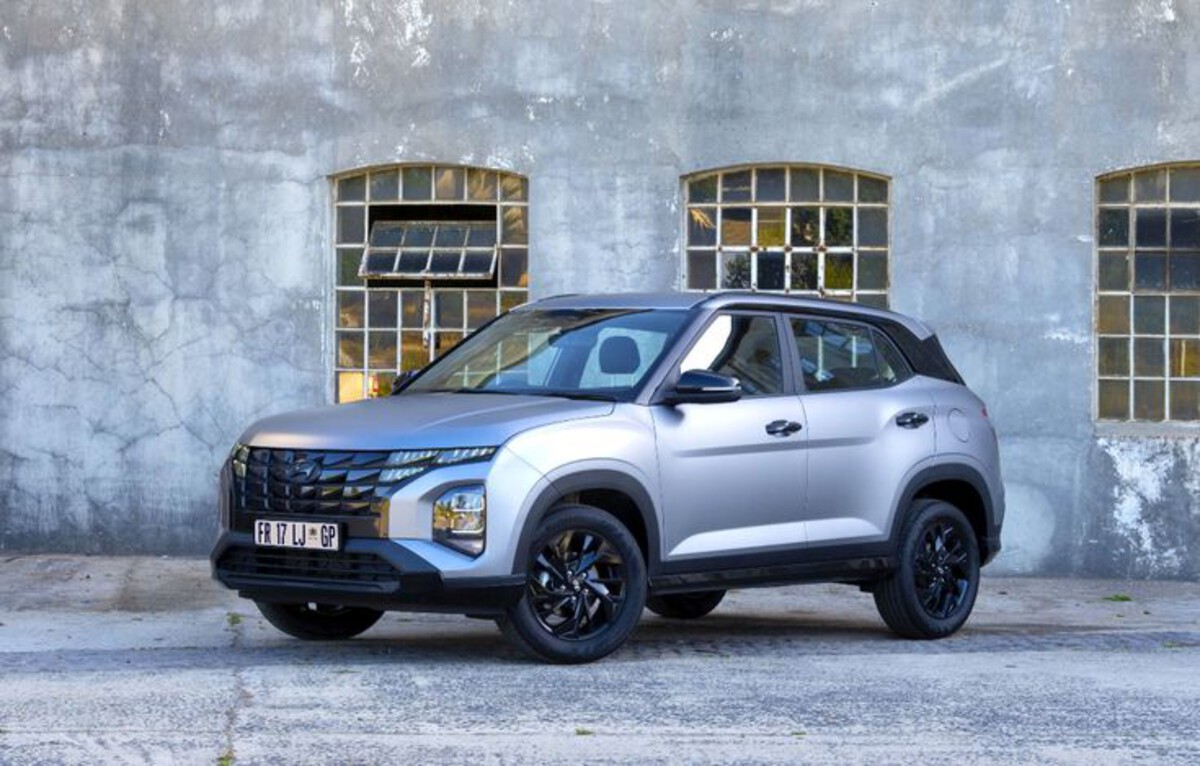
Instead of gently managing wheelspin, the system cuts power hard. That sounds smart, but in practice, it kills momentum. On slippery grass, momentum is everything. The moment the Creta loses it, the car just sits there, tyres spinning uselessly.
The engine’s torque delivery doesn’t help either. It comes in suddenly, which breaks traction instead of maintaining it. Combine that with road-focused tyres and average ground clearance, and you’ve got a soft roader that panics the second conditions turn slick.
It’s perfectly fine on tarmac. But call it what it is: on wet grass or mild mud, this is one of the soft roaders that get stuck fast.
2. Kia Seltos (2WD)
The Kia Seltos suffers from a similar issue to the Creta, but with an extra layer of frustration. Its traction control system is overly cautious. The moment it senses slip, it clamps down hard, cutting power so aggressively that the car loses all forward motion.
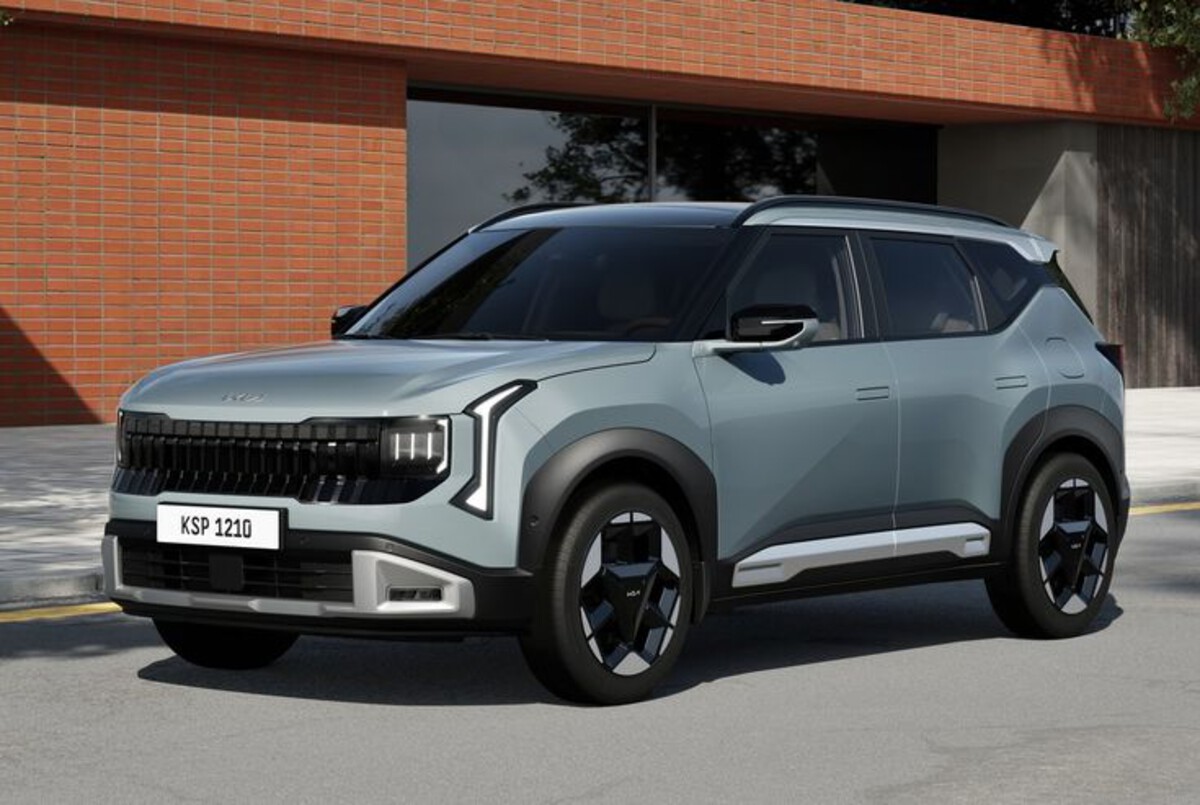
On wet grass, this behavior is disastrous. Instead of allowing controlled wheel movement to find grip, the Seltos shuts everything down. The result? No progress. Just spinning, stopping, and frustration.
Weight distribution doesn’t help either. The front-heavy layout presses the tyres into slick grass, but without AWD support, there’s nowhere for torque to go. Once the front tyres lose grip, the car has no backup plan.
This is a textbook case of a soft roader designed for urban comfort, not real-world slippery surfaces. It may handle speed bumps confidently, but wet grass exposes its limits very quickly.
3. Nissan Kicks
The Nissan Kicks is barely a softroader it’s closer to a raised hatchback. That shows immediately on wet grass. Low ground clearance, front-wheel drive, and basic traction control mean it struggles even before conditions get truly challenging.
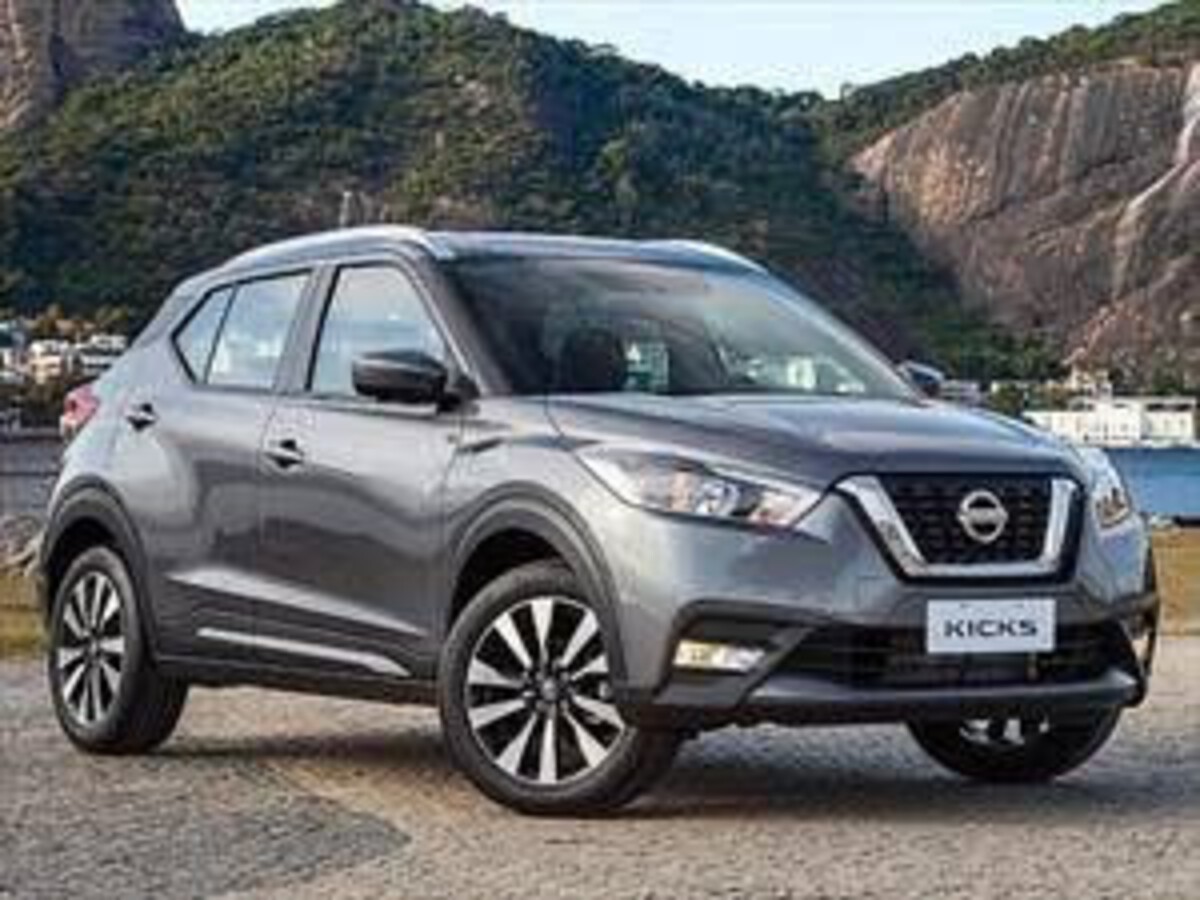
The biggest issue is tyre grip. The Kicks runs narrow, efficiency-focused tyres that simply don’t have the surface contact needed on slippery terrain. Once they start spinning, the car doesn’t have the torque management or drivetrain support to recover.
Because it’s light, some assume it won’t sink. That’s only half true. While it doesn’t bog down deeply, it also can’t generate enough controlled traction to move forward once grip is gone.
For paved city use, it’s fine. But on a rainy field, grassy slope, or muddy parking area, the Kicks earns its place among soft roaders that get stuck on wet grass with embarrassing ease.
4. Volkswagen Taigun / Skoda Kushaq
On paper, these vehicles look promising. Turbo engines, solid build quality, and confident road manners. But wet grass reveals a major flaw: too much torque sent to the wrong wheels.
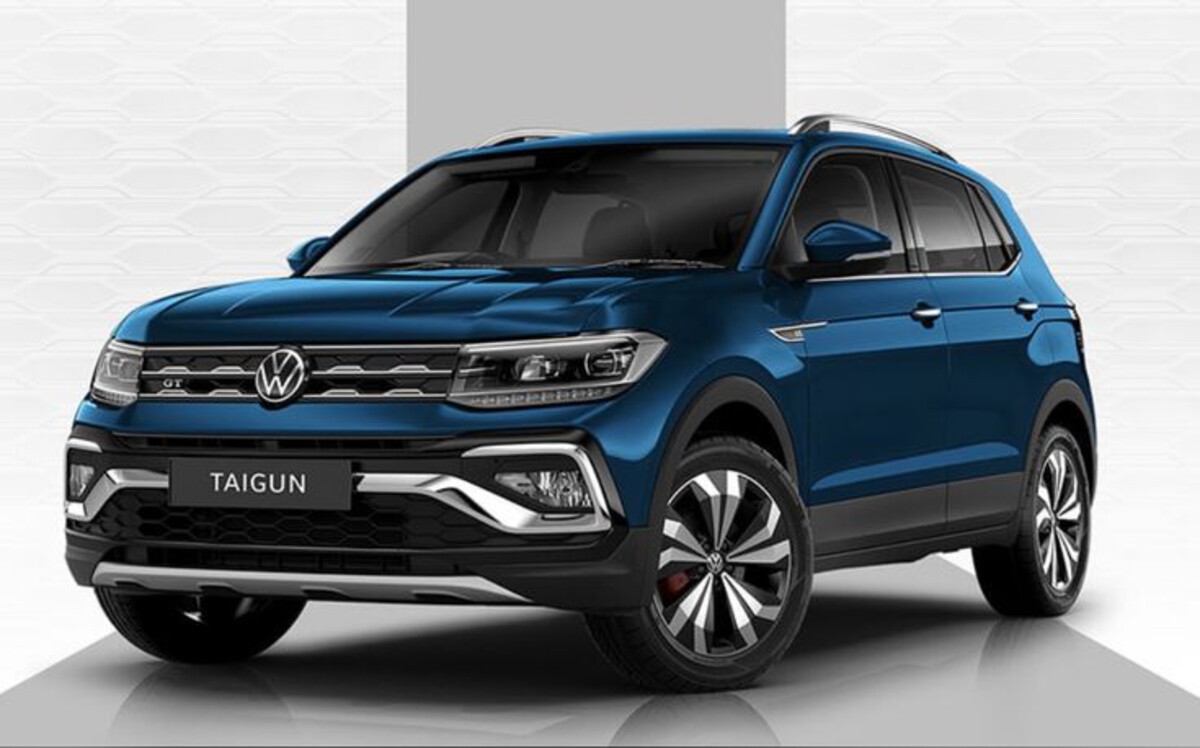
The engines deliver torque quickly and strongly. That’s great on highways. On slippery grass? It’s a problem. The front wheels spin instantly, and the traction control struggles to keep up. Instead of smoothing power delivery, it alternates between wheelspin and power cuts.
Ground clearance is acceptable, but clearance alone doesn’t create traction. Without AWD support, the Taigun and Kushaq rely entirely on electronics to compensate and those electronics aren’t tuned for low-grip terrain.
Drivers often assume European engineering equals capability everywhere. Wet grass proves otherwise. These cars are brilliant on roads but uncomfortable and unreliable when traction is limited.
5. MG Hector
The MG Hector’s biggest weakness is its weight. On wet grass, that weight works against it in every way. With only front-wheel drive, the front tyres are asked to pull a very heavy body across a surface with almost no grip.
The result is predictable. Wheelspin, power cut, stop. Repeat.
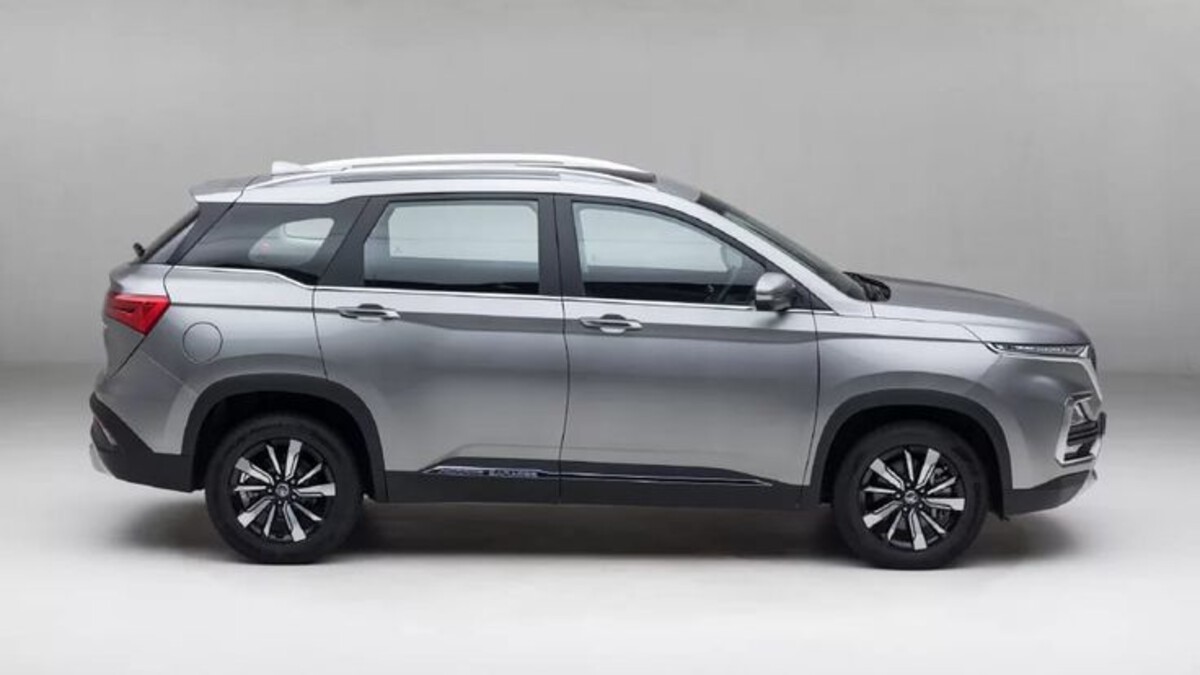
Traction control is slow to respond, and once it does, it shuts things down too aggressively. The car feels confused, unsure whether to push forward or give up entirely.
Add wide road tyres designed for comfort, not grip, and the Hector becomes one of the most unreliable soft roaders in slippery conditions. It might feel planted on highways, but that same mass becomes a liability the moment the ground turns wet.
This is a prime example of why size and presence don’t equal capability.ple do need a soft roader that won’t humiliate them the first time they park on wet grass or drive down a muddy access road.
The difference isn’t branding. It’s drivetrain logic.
Soft roaders that can handle mud share a few key traits: smart AWD systems, predictable torque delivery, balanced weight, and traction control that works with the driver instead of against them. They don’t rely on brute power or flashy styling. They rely on control.
On the flip side, soft roaders that get stuck on wet grass usually fail for the same reasons: front-wheel drive pretending to be adventurous, overly aggressive traction control, heavy bodies with no torque redistribution, and tyres chosen for silence instead of grip.
If your driving life includes rural areas, campsites, unfinished roads, rainy fields, or uneven ground, this matters. Wet grass is not an extreme test it’s a basic one. Any SUV that can’t handle it without drama isn’t as capable as it claims.
So before buying, stop asking how an SUV looks. Ask how it sends power to the ground when things go wrong. That single question will save you money, stress, and the embarrassment of being the car everyone has to push.