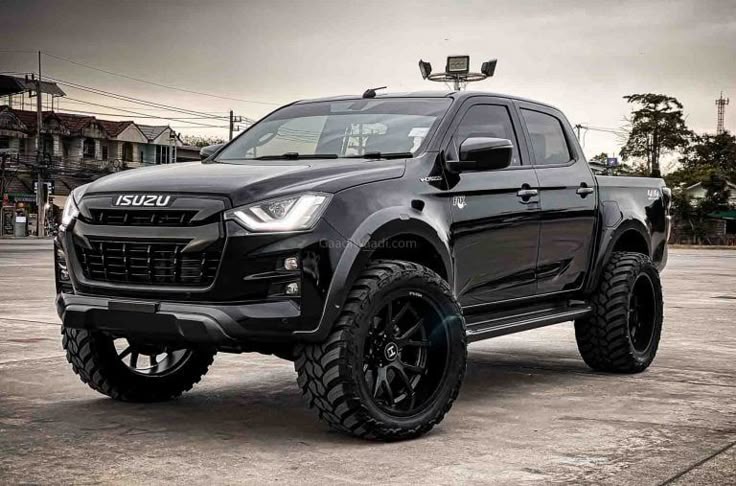
Pickup trucks are built to work. They haul, tow, dump, scrape, and carry things that most vehicles never touch. And yet, the one part that takes the most abuse the truck bed, is also the part many manufacturers quietly under-engineer.
Rust doesn’t show up overnight. It creeps in through scratches, moisture, road salt, and bad drainage. Before you know it, the bed floor softens, seams bubble, and structural strength disappears.
This matters more than people admit. A rusted truck bed isn’t just ugly; it’s unsafe. Payload ratings mean nothing if the metal underneath is flaking apart. Resale value drops fast once corrosion is visible.
Repairs aren’t cheap either bed replacements can cost thousands, and patch jobs rarely last. For buyers who plan to keep their pickup long term, bed durability should rank just as high as engine reliability.
Not all pickups are built the same. Some manufacturers took rust seriously and invested in smart materials like aluminum, composites, thicker steel coatings, and better drainage. These trucks age well, even in harsh climates with rain, snow, or coastal air. Their beds stay solid long after competitors start showing rot.
Plenty of popular pickups still use thin steel, weak coatings, and designs that trap moisture. These are the trucks that look fine at five years old and fall apart by year ten. Owners don’t notice the problem until it’s too late.
In this guide, we’re cutting through marketing talk and getting real. First, we’ll break down five pickups with rust-proof or rust-resistant beds that actually hold up.
These trucks earn their reputation through materials, design, and long-term ownership results not hype. In Part 2, we’ll flip the script and expose five pickups known for bed corrosion issues, explaining why they fail and what buyers should watch out for.
If you care about long-lasting pickup trucks, rust prevention, and real durability not just horsepower numbers this is where you start.
5 Pickups With Rust-Proof Beds
Rust resistance isn’t accidental. The pickups in this group earned their reputation by using smarter materials, better coatings, and designs that don’t trap moisture.
These trucks consistently show fewer issues with truck bed corrosion, even after years of hard use. Whether it’s aluminum, composite construction, or heavy-duty steel treatment, each one solves the rust problem in a different way but with the same result: beds that stay solid.
What sets these pickups apart isn’t perfection. Scratches still happen. Dents still happen. But rust doesn’t spread the way it does on poorly protected steel beds. That difference matters long term, especially for owners who live in wet climates, snowy regions, or near the coast.
Another common thread is manufacturer intent. These brands openly addressed rust concerns instead of ignoring them. Some moved away from steel entirely. Others doubled down on thicker coatings and smarter drainage. Either way, the outcome is clear when you look at older models still on the road today.
If you want a pickup truck that doesn’t rot out from the inside, these five deserve serious consideration. They’re not just strong when new they stay strong.
ALSO READ: 5 EVs That Handle Heat Well vs 5 That Don’t
Ford F-150 (Aluminum Bed)
Ford changed the game when it switched the F-150 to an aluminum body and bed. At first, critics laughed. Then time did the talking. Aluminum doesn’t rust the way steel does, and that single decision solved one of the biggest long-term pickup truck problems.
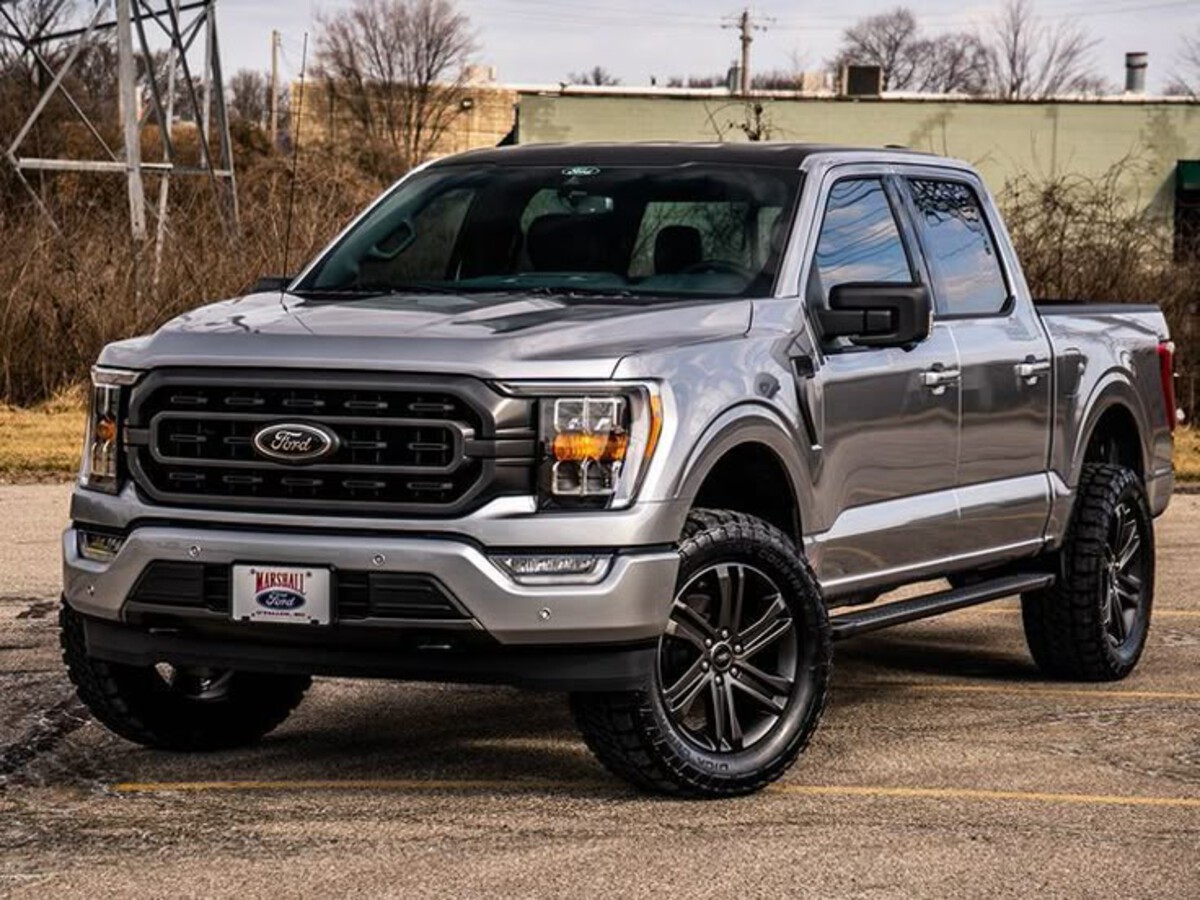
The aluminum bed on the F-150 resists corrosion even when scratched. Exposed aluminum can oxidize, but oxidation doesn’t eat through the metal like rust does. That means chips, gouges, and wear marks don’t turn into structural damage over time. For work trucks that see daily abuse, this is a massive win.
Another overlooked advantage is drainage. Ford designed the bed with smart water channels and fewer rust-prone seams. Moisture doesn’t sit and rot the structure from the inside out. In cold climates where road salt destroys steel beds, aluminum holds up dramatically better.
There’s also a weight benefit. A lighter bed means better payload efficiency and fuel economy without sacrificing strength. Ford compensated for aluminum’s different properties by reinforcing stress points, so the bed doesn’t flex or crack under load.
Owners who keep F-150s for ten years or more consistently report beds that still look solid underneath, even if the surface shows wear. That’s the difference between cosmetic damage and structural failure.
Is aluminum perfect? No. Repairs can be more expensive, and dent removal isn’t as simple as steel. But when it comes to rust-proof truck beds, the F-150 set a standard others are still chasing.
If long-term durability matters more than tradition, the aluminum F-150 bed is one of the safest bets in the pickup world.
Honda Ridgeline (Composite Bed)
The Honda Ridgeline doesn’t look like a traditional pickup, and that’s exactly why its bed works so well. Instead of steel, Honda uses a composite bed made from reinforced plastic. No steel means no rust period.
This composite truck bed doesn’t corrode, flake, or rot. Water, salt, fertilizer, and chemicals simply don’t affect it the way they do metal. Scratches don’t expose anything vulnerable underneath. There’s nothing to spread.
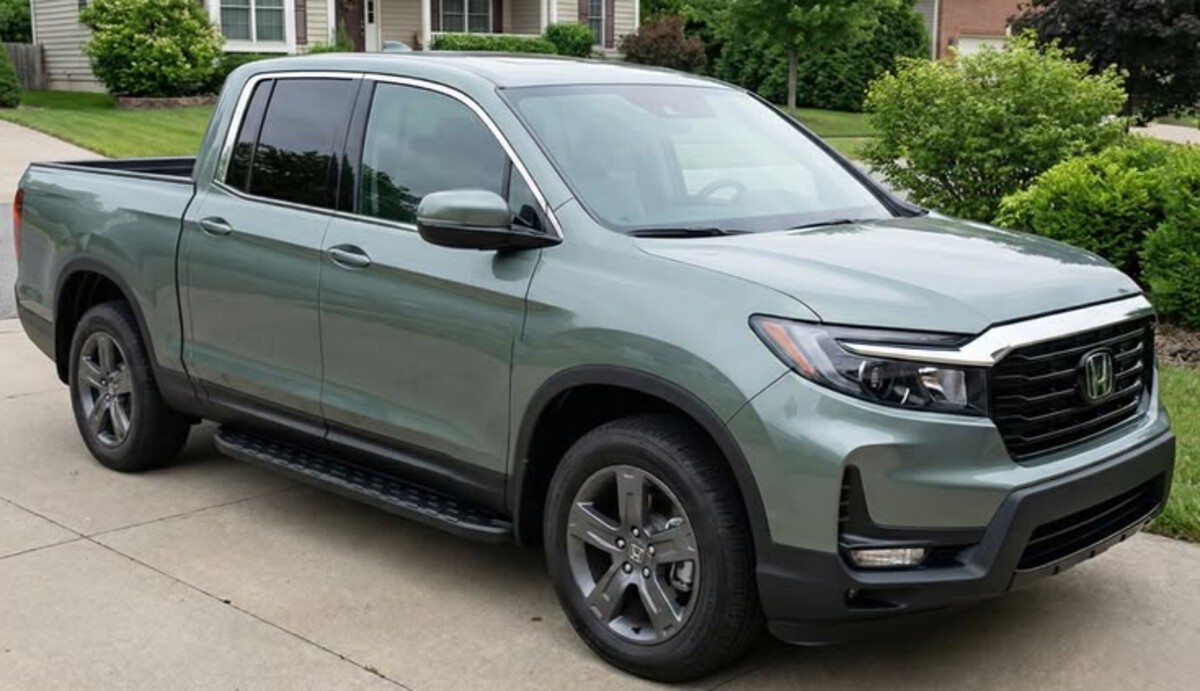
Durability is another strong point. The bed resists dents better than thin steel and bounces back from impacts that would permanently deform metal. For homeowners, outdoor gear users, and light contractors, this makes daily use stress-free.
Honda also designed the bed with function in mind. The integrated drainage system allows owners to hose it out without worrying about trapped moisture. There’s even a built-in trunk under the bed floor, sealed and protected from corrosion entirely.
Critics often say the Ridgeline isn’t a “real truck,” but that misses the point. For buyers who care about longevity and rust resistance, the composite bed outperforms many full-size pickups in this one critical area.
Long-term ownership data backs this up. Older Ridgelines rarely show bed degradation, even in wet or snowy regions. While frames and underbodies still need care, the bed itself remains one of the most durable in the segment.
If you want a pickup truck with zero bed rust risk and don’t need extreme towing, the Ridgeline quietly does what many trucks fail to do.
Chevrolet Silverado (New-Gen Coated Steel Beds)
Not all steel beds are doomed to rust. The newer Chevrolet Silverado proves that when steel is treated properly, it can last. Chevy upgraded its bed construction with stronger steel alloys, thicker coatings, and better seam sealing.
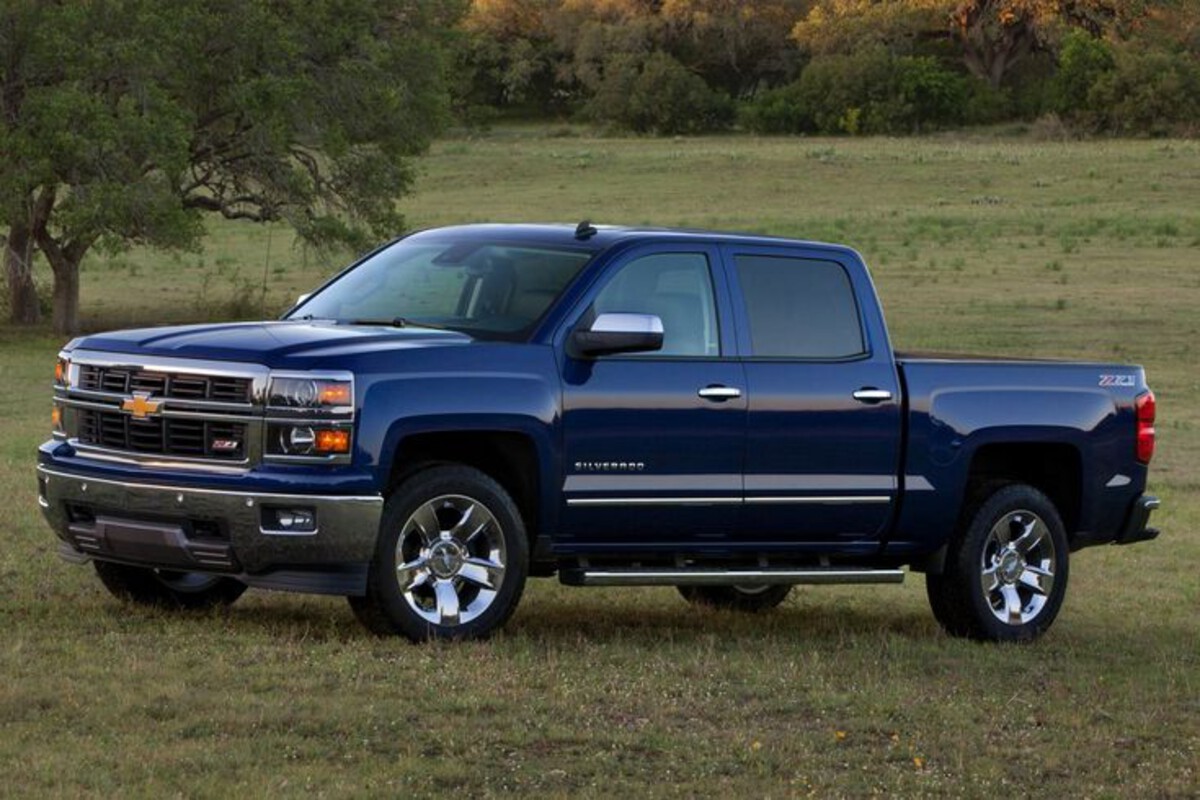
The key improvement is corrosion protection. Modern Silverados use advanced galvanization and multi-layer coatings that resist moisture intrusion. The bed floor and sides are less prone to bubbling paint and seam rot compared to older generations.
Chevy also improved drainage design. Water no longer pools in the same problem areas that plagued earlier models. This reduces long-term exposure and slows corrosion dramatically.
Another advantage is repair simplicity. Steel beds are easier and cheaper to fix than aluminum if damaged. For fleet owners, this matters. You get rust resistance without specialized repair costs.
Owners who maintain their trucks and touch up deep scratches report beds that stay solid well past the 8- to 10-year mark. While not immune to rust, these beds age far better than older Silverado designs.
The takeaway: steel isn’t the enemy cheap steel is. Chevrolet finally addressed that, making newer Silverados a safer long-term option for buyers worried about bed corrosion.
Toyota Tacoma (Composite Inner Bed)
Toyota took a hybrid approach with the Tacoma. Instead of a fully steel bed, it uses a composite inner bed mounted to a steel structure. This design limits rust where it matters most: the bed surface.
The composite liner isn’t an add-on it’s part of the structure. That means no exposed steel floor to rot, no seams to bubble, and no thin paint to fail. Scratches are irrelevant because there’s nothing underneath to corrode.
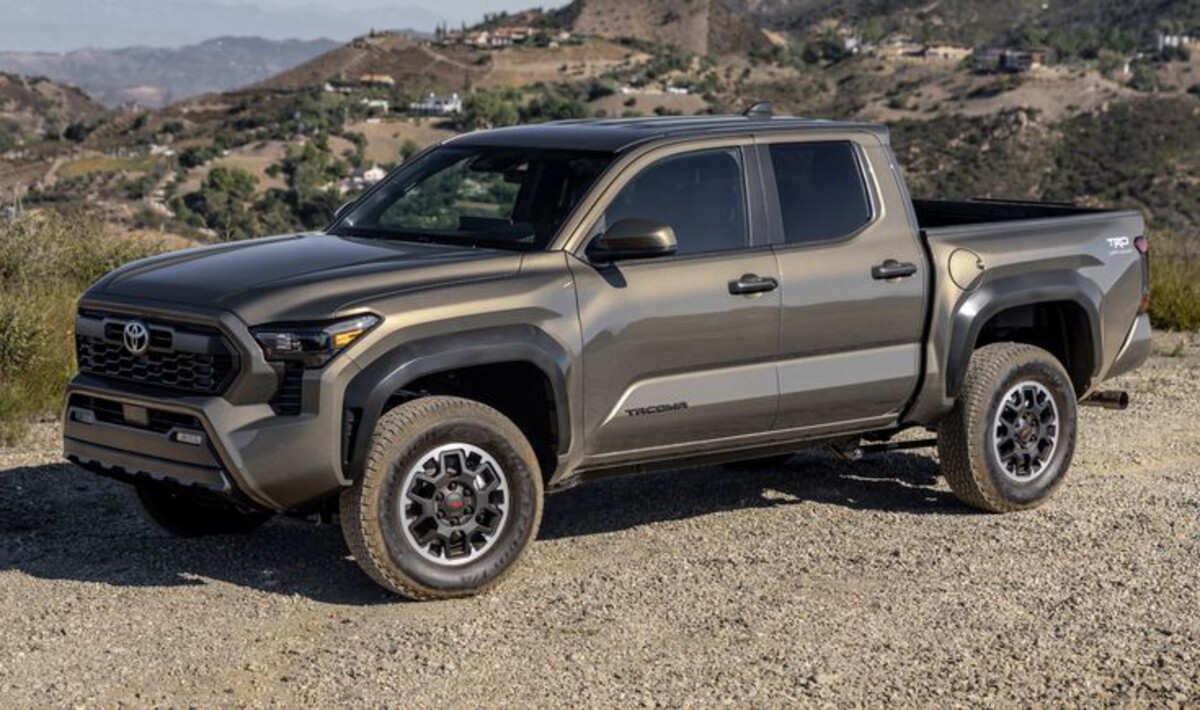
Tacomas are often used off-road, in mud, water, and harsh conditions. That makes rust prevention critical. Toyota clearly understood this and designed the bed accordingly.
The outer steel still needs care, but the bed itself remains solid even when abused. Drainage is good, cleaning is easy, and long-term owners rarely report bed failure.
This setup isn’t flashy, but it works. Tacoma beds consistently outlast competitors in rough environments, which is why resale values stay strong.
For buyers who want a midsize pickup that doesn’t rot out after years of use, the Tacoma earns its reputation.
GMC Sierra (CarbonPro & Treated Steel Options)
The GMC Sierra stands out by offering two solid approaches to rust resistance. Some trims use advanced treated steel similar to the Silverado, while others feature the CarbonPro bed, a carbon-fiber reinforced composite.
CarbonPro beds don’t rust, dent easily, or corrode. They’re lightweight, extremely strong, and designed for long-term durability. Scratches don’t matter, and moisture does nothing.
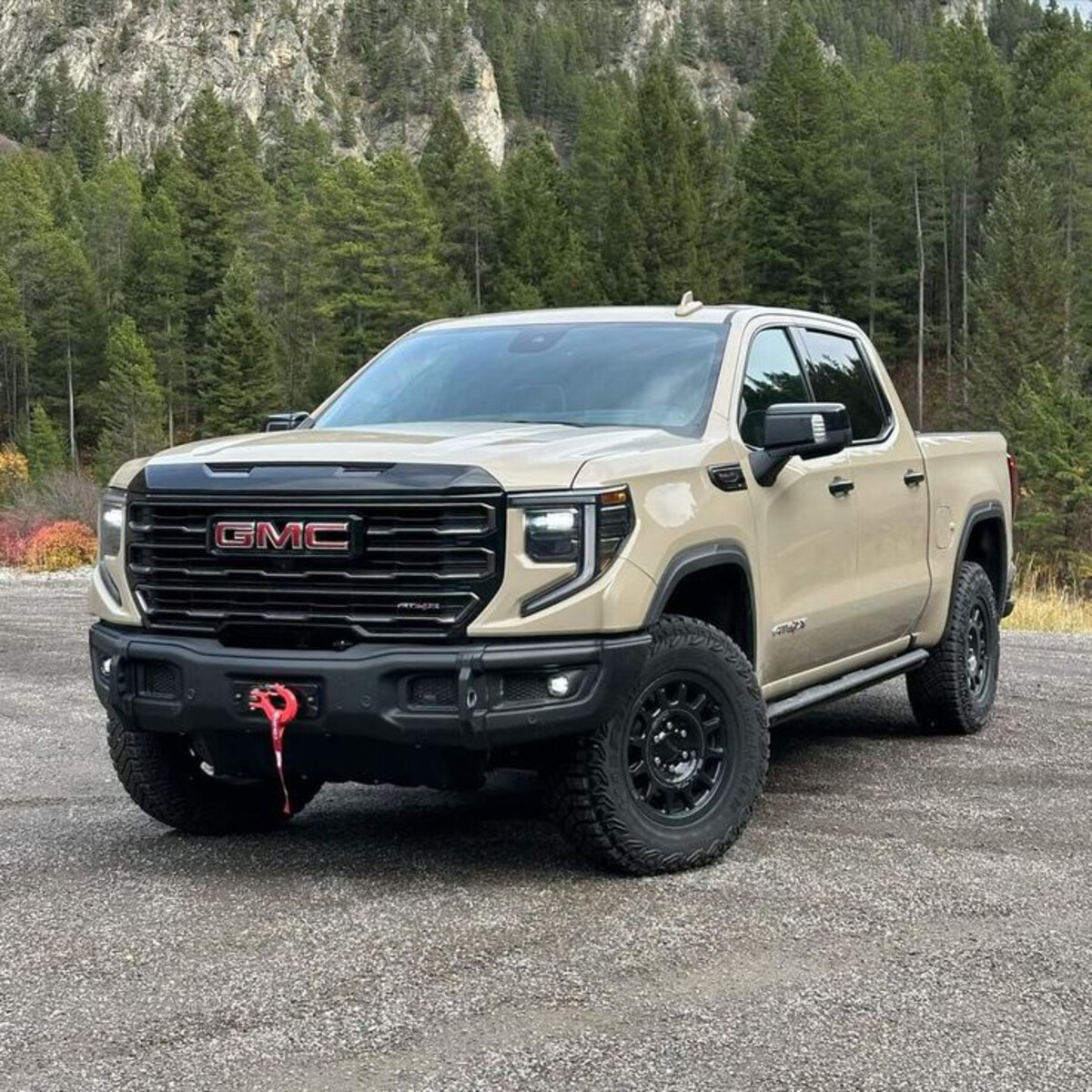
Even the steel bed versions benefit from improved coatings and smarter construction. GMC focused heavily on reducing corrosion complaints, and it shows in real-world aging.
Owners who keep Sierras long term often report beds holding up better than expected, especially compared to older GM trucks.
Between material choice and better engineering, the Sierra earns its place among pickups with rust-resistant beds.
ALSO READ: 5 Affordable Cars With Durable Transmissions vs 5 Known for Gearbox Failure
5 Pickups That Rot Out
Not every pickup is built for the long haul. Some trucks look tough on the surface but quietly fall apart where it hurts most the bed. Rust doesn’t care about brand loyalty or horsepower numbers. If moisture gets trapped, coatings fail, or steel is too thin, corrosion will win. And once it starts, it rarely stops.
The pickups in this section aren’t here because they’re bad trucks overall. Some of them sell extremely well. Some are loved for their engines or styling. The issue is simpler and more frustrating: poor rust prevention in the truck bed. Weak paint, bad drainage, thin steel, and ignored design flaws turn minor scratches into serious structural damage over time.
These are the trucks owners complain about years later. The ones where the bed floor softens, seams flake, and mounting points weaken. Many of these issues don’t show up during warranty periods, which makes them even worse. By the time rot becomes obvious, repair costs are high and resale value is already gone.
Climate makes the problem louder. Snow, rain, road salt, humidity, and coastal air accelerate corrosion. But even in mild conditions, these beds age poorly compared to better-designed competitors.
If you’re shopping for a long-lasting pickup truck, this list matters just as much as the rust-proof one. Knowing what tends to fail can save you years of frustration and thousands of dollars.
Dodge Ram 1500 (Older Steel Beds)
Older Ram 1500 models are notorious for bed rust, especially in trucks from the early 2000s through the mid-2010s. The issue isn’t just cosmetic. These beds rot from the inside out.
The steel used was thin, and corrosion protection was inconsistent. Paint chips easily, exposing bare metal that rusts fast. Once moisture gets in, it spreads along seams and under the bed floor where owners can’t see it.
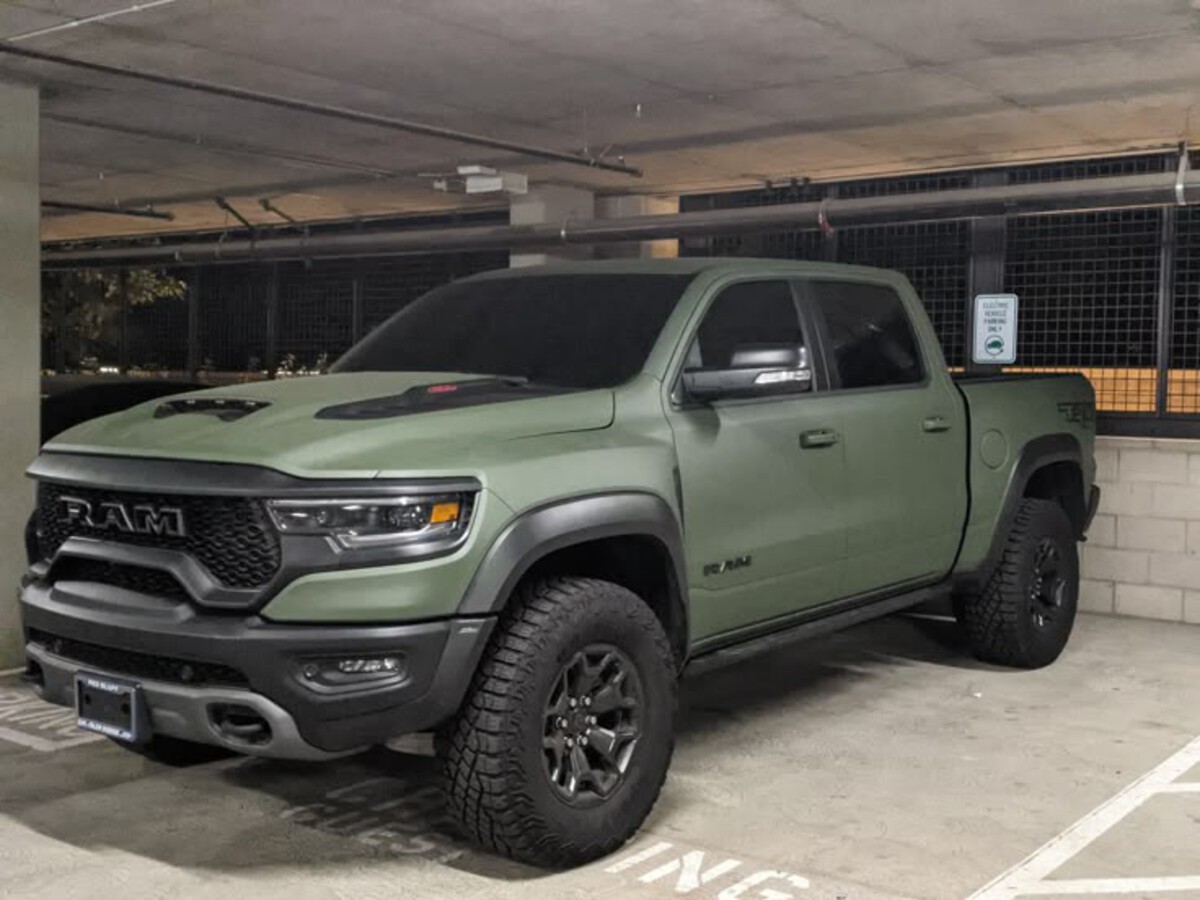
Drainage is another weak spot. Water tends to collect in corners and along bed supports. Over time, that trapped moisture eats away at structural sections, not just surface panels.
Many owners report holes forming near wheel wells and bed mounts. At that point, payload ratings are meaningless. The bed may look usable, but it’s compromised underneath.
Bed liners don’t always help. In some cases, they make things worse by trapping moisture against already vulnerable steel. Without frequent inspection, rust accelerates quietly.
Ram improved materials in newer generations, but older models still dominate the used market. Buyers who don’t check carefully often inherit expensive problems.
If long-term durability is your priority, older Ram beds are a gamble and often a losing one.
Nissan Frontier (Pre-Redesign Models)
Older Nissan Frontier pickups suffer from bed corrosion issues that often go unnoticed until serious damage appears. The steel beds lack robust rust protection, especially in areas exposed to constant moisture.
Paint quality is a major weakness. Chips and scratches expose metal quickly, and rust spreads along seams and under bed rails. The problem worsens in wet or snowy climates.
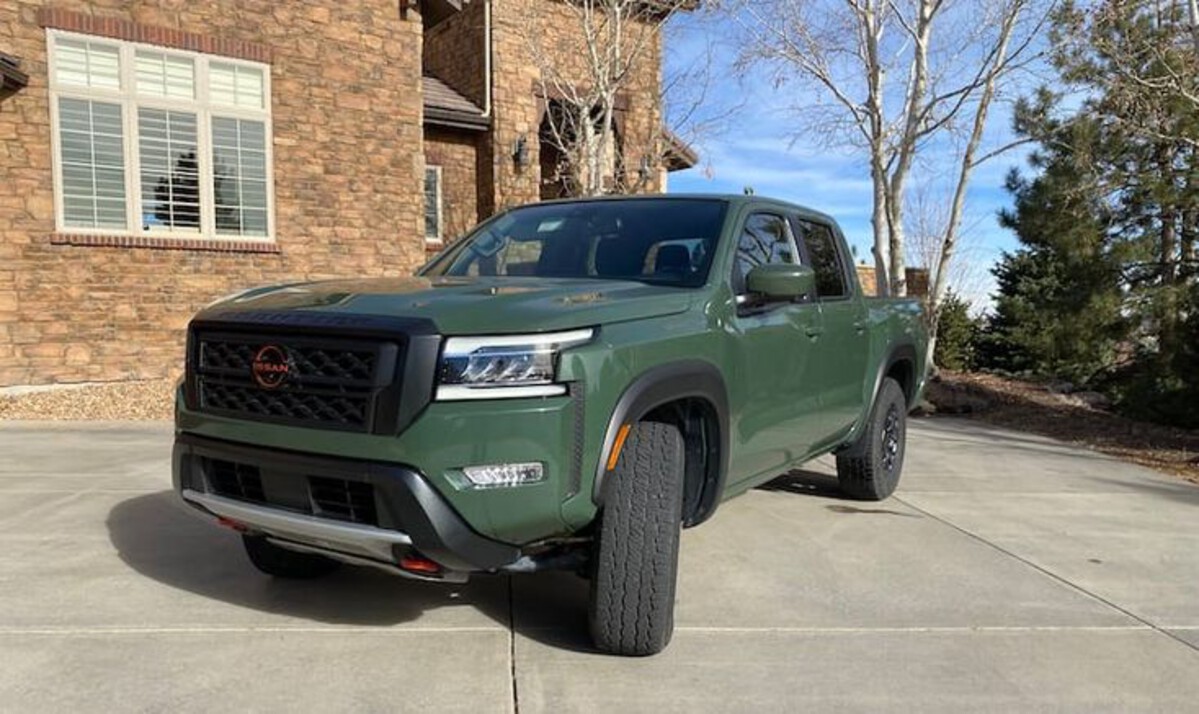
Drainage design doesn’t help. Water tends to sit in low spots, accelerating corrosion from the inside. Owners frequently discover rust only after lifting bed liners or noticing bubbling paint.
While the Frontier is mechanically reliable, the bed doesn’t match the drivetrain’s longevity. Many trucks remain roadworthy while their beds deteriorate beyond practical repair.
For buyers shopping used, this mismatch is frustrating. The truck still runs well, but the bed is failing often requiring costly replacement.
Newer Frontiers improved slightly, but older models remain a cautionary tale for rust-prone truck beds.
Toyota Tundra (Early Generations)
Toyota’s reputation for reliability doesn’t fully protect early Tundra beds from criticism. While frames were a known issue, bed corrosion also affected many early models.
Steel beds on older Tundras suffered from inconsistent coating quality. Paint failure around seams and mounting points allowed rust to creep in slowly but steadily.
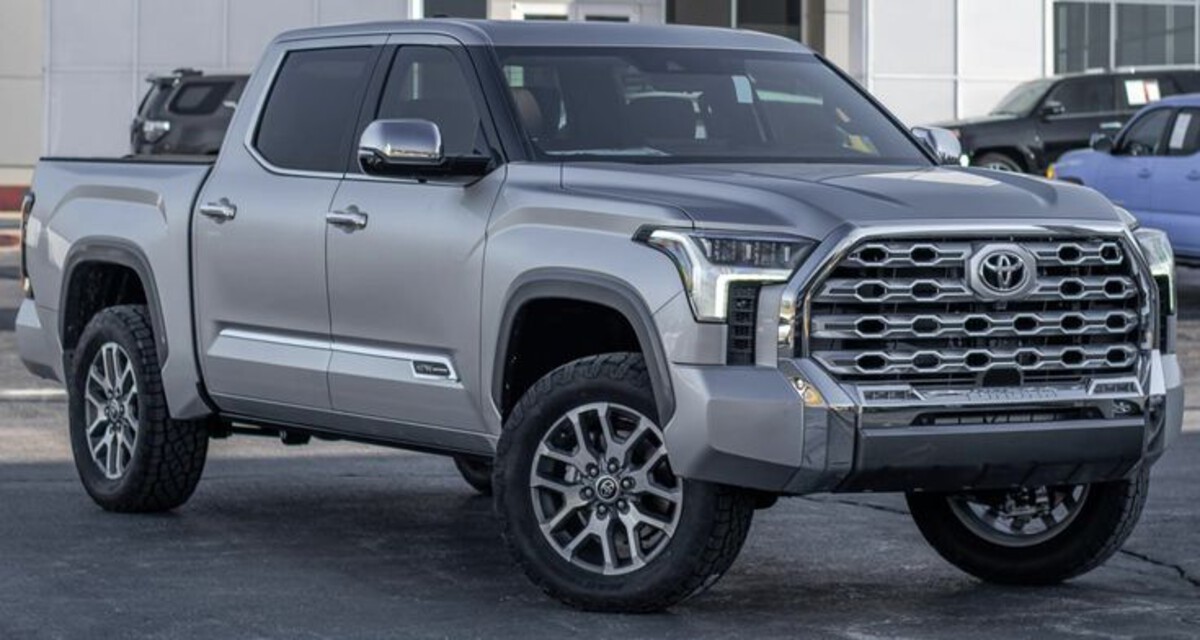
The problem wasn’t immediate. Many owners didn’t notice issues until years later, well after warranties expired. By then, corrosion had spread underneath the bed floor.
Drainage and seam sealing were weak points. Moisture collected where steel layers overlapped, leading to internal rot rather than surface rust.
Toyota addressed many of these issues in later models, but early Tundras remain common on the used market. Buyers often assume durability based on brand reputation alone—and that’s where trouble starts.
A strong engine doesn’t matter if the bed is falling apart. Early Tundra beds prove that even reliable brands can miss the mark on rust prevention.
Ford Ranger (Older Steel Bed Models)
Before Ford’s aluminum revolution, Rangers suffered from classic steel-bed corrosion. Thin metal and minimal protection made rust almost inevitable over time.
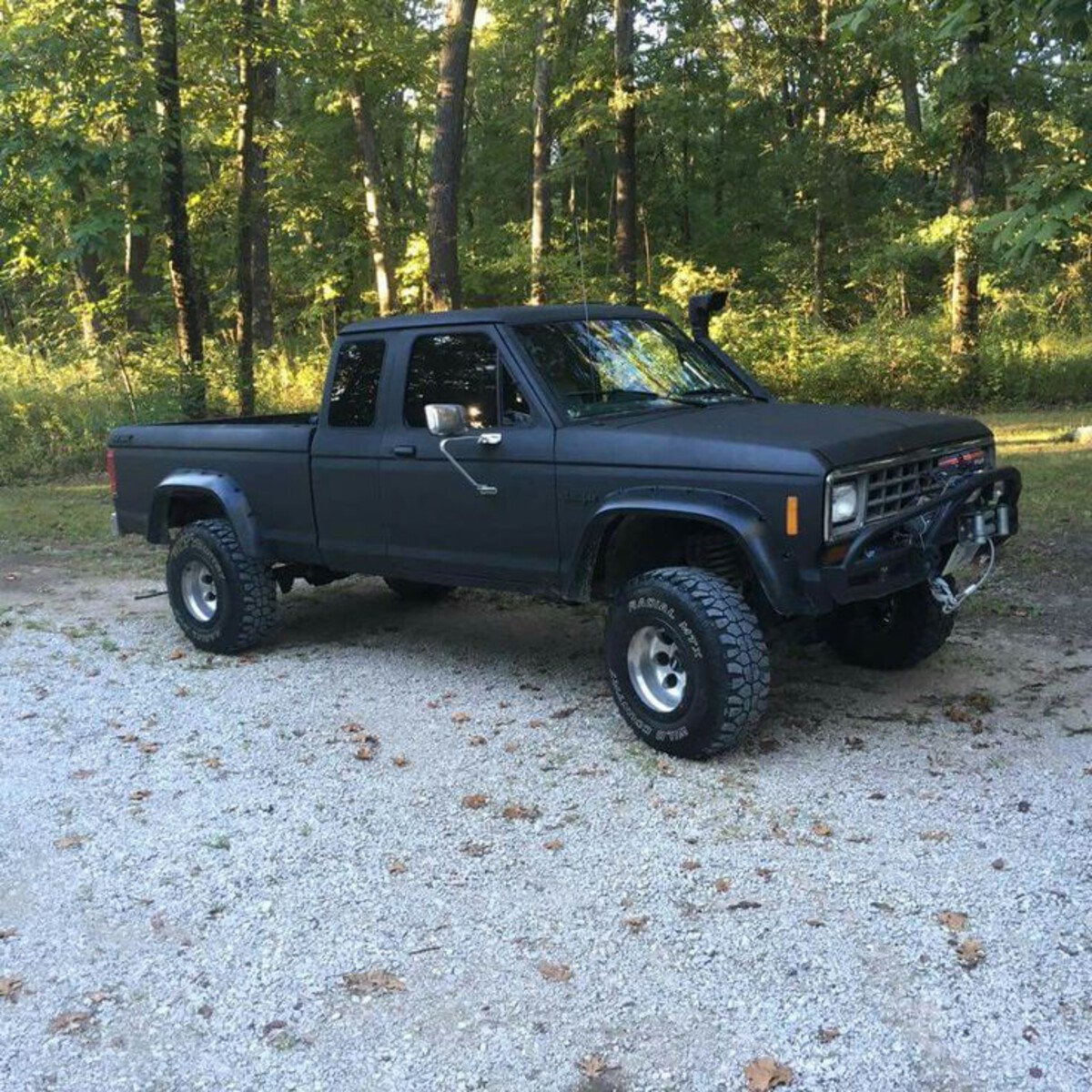
Bed floors were especially vulnerable. Once paint wore down, moisture penetrated quickly. Rust spread under the surface, weakening structural integrity.
Wheel wells and bed seams were common failure points. Many Rangers developed visible rust holes, not just surface bubbling.
Owners often used bed liners, but liners didn’t solve the root problem. Moisture trapped underneath accelerated corrosion instead of stopping it.
The Ranger’s compact size and affordability made it popular, but bed durability was never its strong suit. Many trucks outlived their beds mechanically.
Newer Rangers improved materials, but older models remain a warning sign for buyers chasing cheap used pickups.
Mitsubishi Triton / L200
The Triton (also called the L200) struggles with long-term bed corrosion in many markets. Thin steel and limited rust protection leave these beds vulnerable early.
Paint failure is common, especially along edges and seams. Once corrosion begins, it spreads fast due to poor sealing and moisture retention.
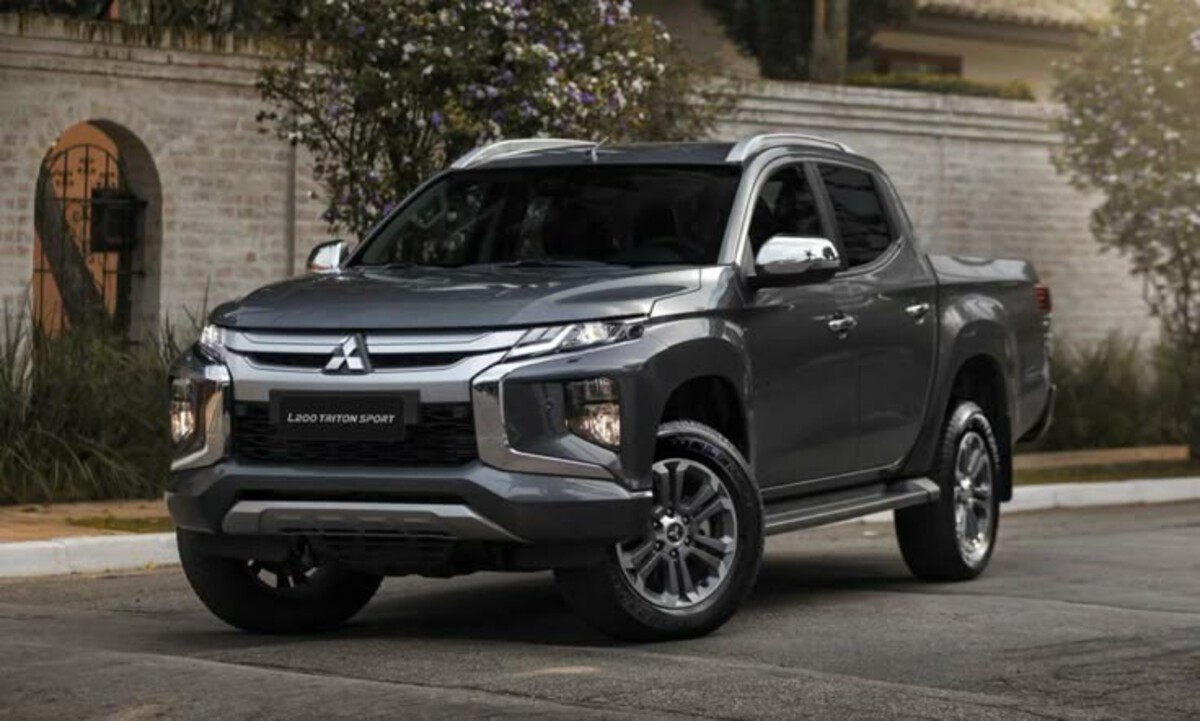
The bed floor is particularly weak under heavy use. Repeated loading accelerates paint wear, exposing steel underneath.
Owners in humid or coastal regions report aggressive rust development within a few years. Structural rot, not just cosmetic damage, is a recurring complaint.
While the Triton offers good value upfront, bed longevity is a known trade-off. Long-term owners often face repairs that outweigh initial savings.
Final Verdict: Buy the Bed, Not the Badge
Truck buyers obsess over engines, towing numbers, and tech features but ignore the bed at their own risk. A pickup truck’s bed takes more abuse than any other part, and once rust sets in, it’s game over.
The difference between rust-proof beds and beds that rot out comes down to materials and intent. Aluminum, composites, and properly treated steel last. Thin, poorly coated steel doesn’t. It’s that simple.
What makes this frustrating is how long rust takes to show. Many trucks look fine for years before problems appear. By the time damage is visible, structural integrity is already compromised. Repairs are expensive, and resale value drops hard.
If you plan to keep your truck long term, bed construction matters more than trim level or screen size. Trucks like the Ford F-150, Honda Ridgeline, Tacoma, Silverado, and Sierra prove that rust resistance is achievable when manufacturers care.
On the flip side, older Rams, Frontiers, Rangers, early Tundras, and Tritons show what happens when corrosion protection is treated as an afterthought.
The smartest buyers don’t just ask how strong a truck is when new they ask how it will age. Rust doesn’t show mercy, and marketing won’t save you later.
In the end, the best pickup trucks are the ones that still work when the shine is gone. Choose the bed wisely.