
Longevity has always been a defining trait of the Honda Civic, a nameplate that has crossed decades, fuel crises, design revolutions, and technology revolts without losing its reputation for dependability. Drivers often speak about Civics reaching extraordinary mileages with original engines, untouched transmissions, and interiors that still feel usable years later.
That reputation did not appear by chance. Each generation reflects a specific engineering mindset, influenced by regulations, buyer expectations, and manufacturing philosophy at the time. Reliability, however, has never meant the same thing in every era.
Early Civics focused on mechanical simplicity and ease of repair. Later versions introduced electronics, advanced safety systems, and efficiency-driven powertrains that tested Honda’s ability to preserve durability while adding innovation. Some generations earned praise for near bulletproof construction, while others faced criticism for experimenting too boldly.
Ranking Civic generations by reliability requires more than nostalgia or sales numbers. Ownership records, long-term service data, recall history, drivetrain durability, and real-world usage patterns all contribute to a clearer picture. Certain generations shine because they survive abuse and neglect. Others earn respect by balancing modern features with long-lasting components.
This ranking walks through every Civic generation, evaluating how each performed when reliability became the primary measure. Rather than glorifying or dismissing any era, this list explains where each generation stands and why.
For buyers seeking dependable transportation or enthusiasts curious about Honda’s engineering evolution, this breakdown offers a grounded perspective built on years of accumulated experience.
1. Honda Civic First Generation (1973 to 1979)
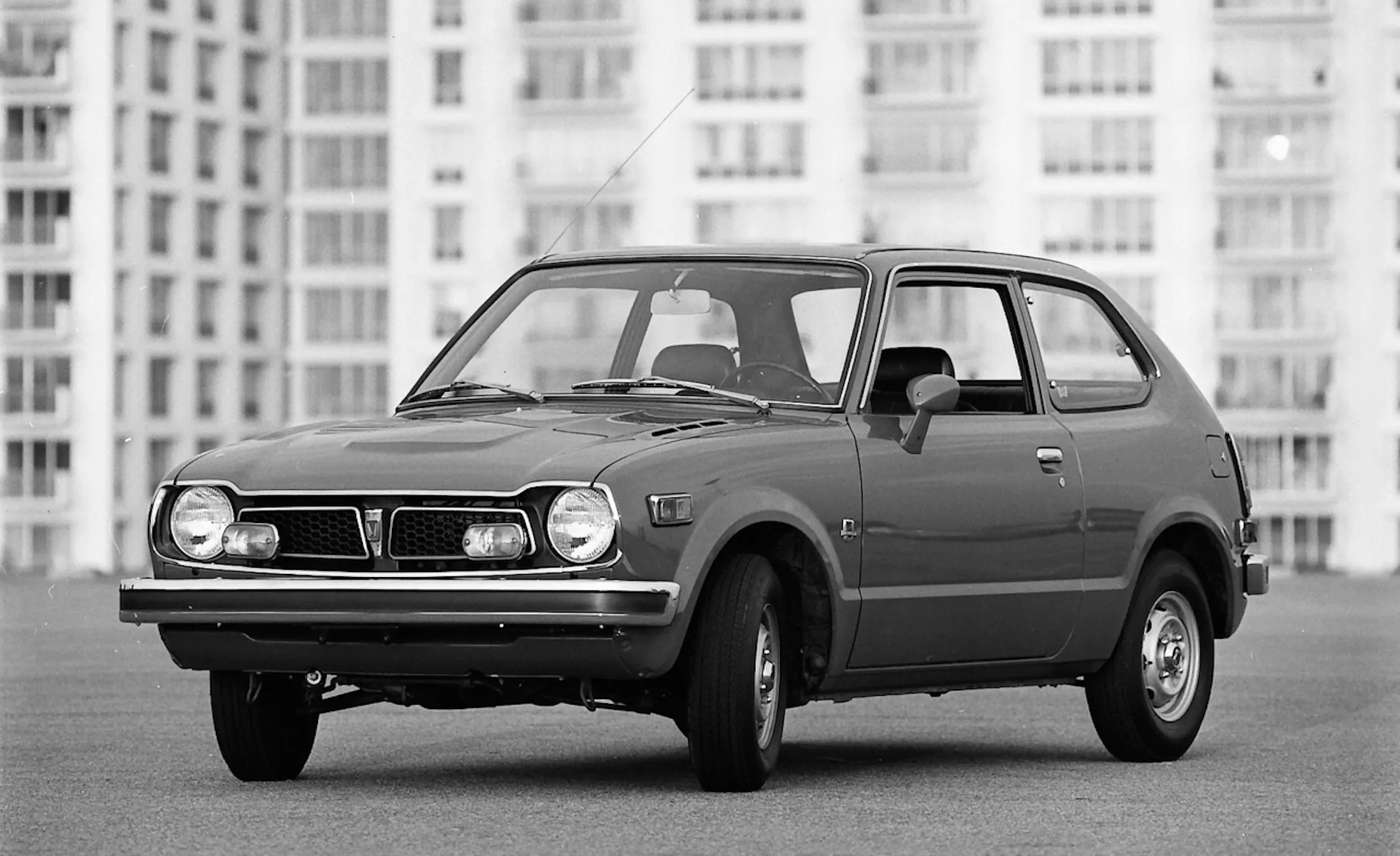
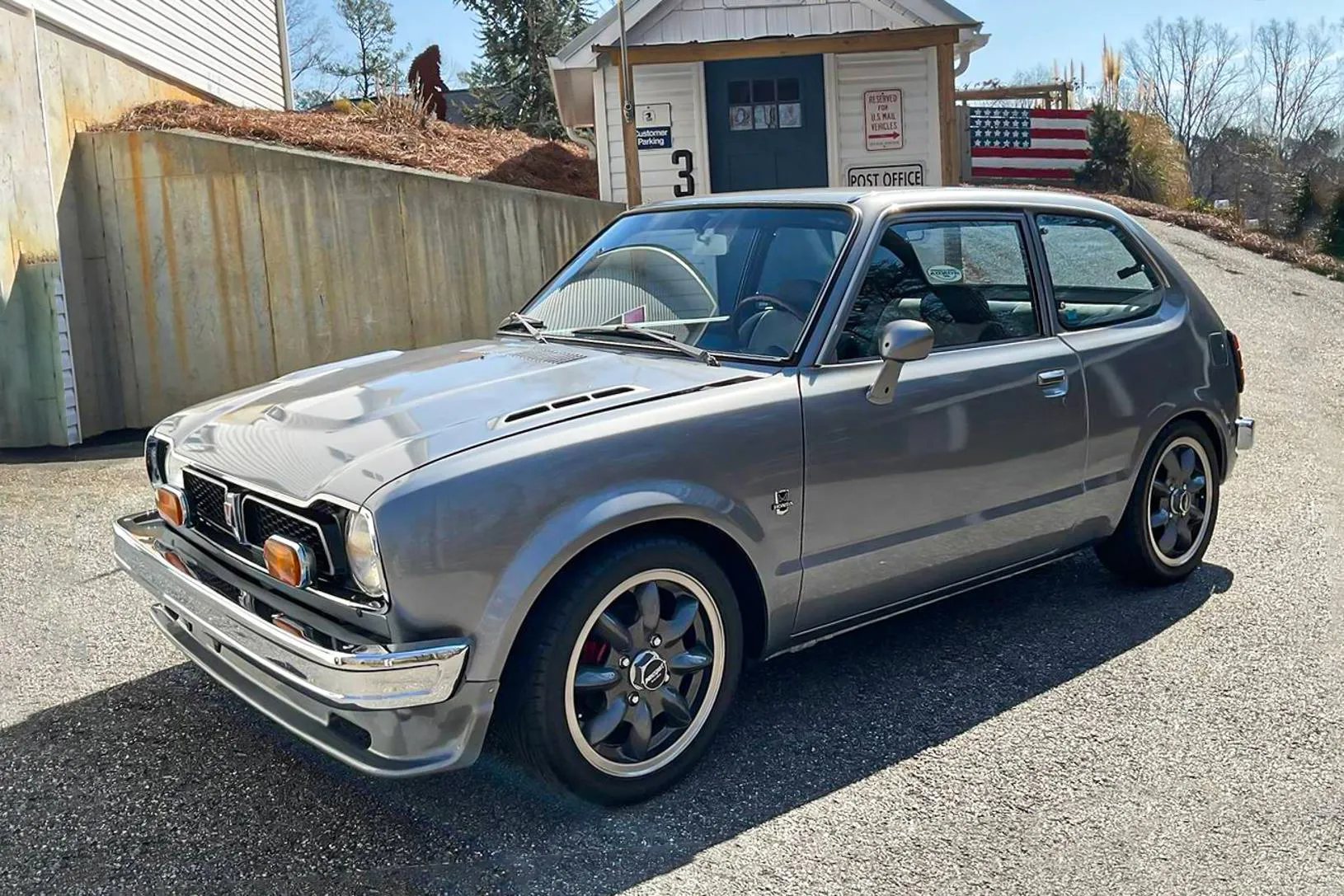
Mechanical honesty defines the first-generation Honda Civic, a vehicle created during an era when fuel efficiency and basic engineering mattered more than refinement. Honda introduced this model as a response to rising fuel costs, focusing on lightweight construction, compact dimensions, and engines designed for simplicity. Reliability during this period came from minimalism rather than technological sophistication.
Carbureted inline four engines powered these Civics, producing modest output but delivering dependable operation when maintained. Absence of advanced electronics meant fewer failure points. Ignition systems relied on straightforward components, and engine bays offered generous access for repairs. Owners often handled basic servicing themselves, reinforcing long service life through regular upkeep.
Cooling systems remained uncomplicated, and overheating issues were uncommon unless maintenance was ignored. Manual transmissions dominated, featuring durable gearsets that tolerated daily use without complaint. Automatic options existed but appeared less frequently, and their simpler hydraulic designs aged better than many later alternatives.
Rust resistance represented a weakness, particularly in regions exposed to road salt. Structural corrosion shortened the lifespan of many early Civics despite mechanically sound drivetrains. Reliability ratings must account for this vulnerability, as body deterioration often ended ownership long before engines failed.
Interior materials leaned toward durability rather than comfort. Vinyl surfaces resisted wear, while basic dashboards avoided cracking better than later plastic-heavy designs. Electrical systems supported only essential functions, reducing strain on wiring and switches.
First-generation Civic reliability benefits from clarity of purpose. Nothing existed beyond what drivers truly needed, allowing mechanical systems to perform predictably. Parts availability remains strong due to shared components and aftermarket support, helping surviving examples remain functional decades later.
Despite limited safety features and dated construction, these Civics earned trust by starting reliably and running consistently. Reliability here means endurance through simplicity, placing this generation high for mechanical dependability but slightly lower due to corrosion concerns and outdated safety standards.
2. Honda Civic Second Generation (1980 to 1983)
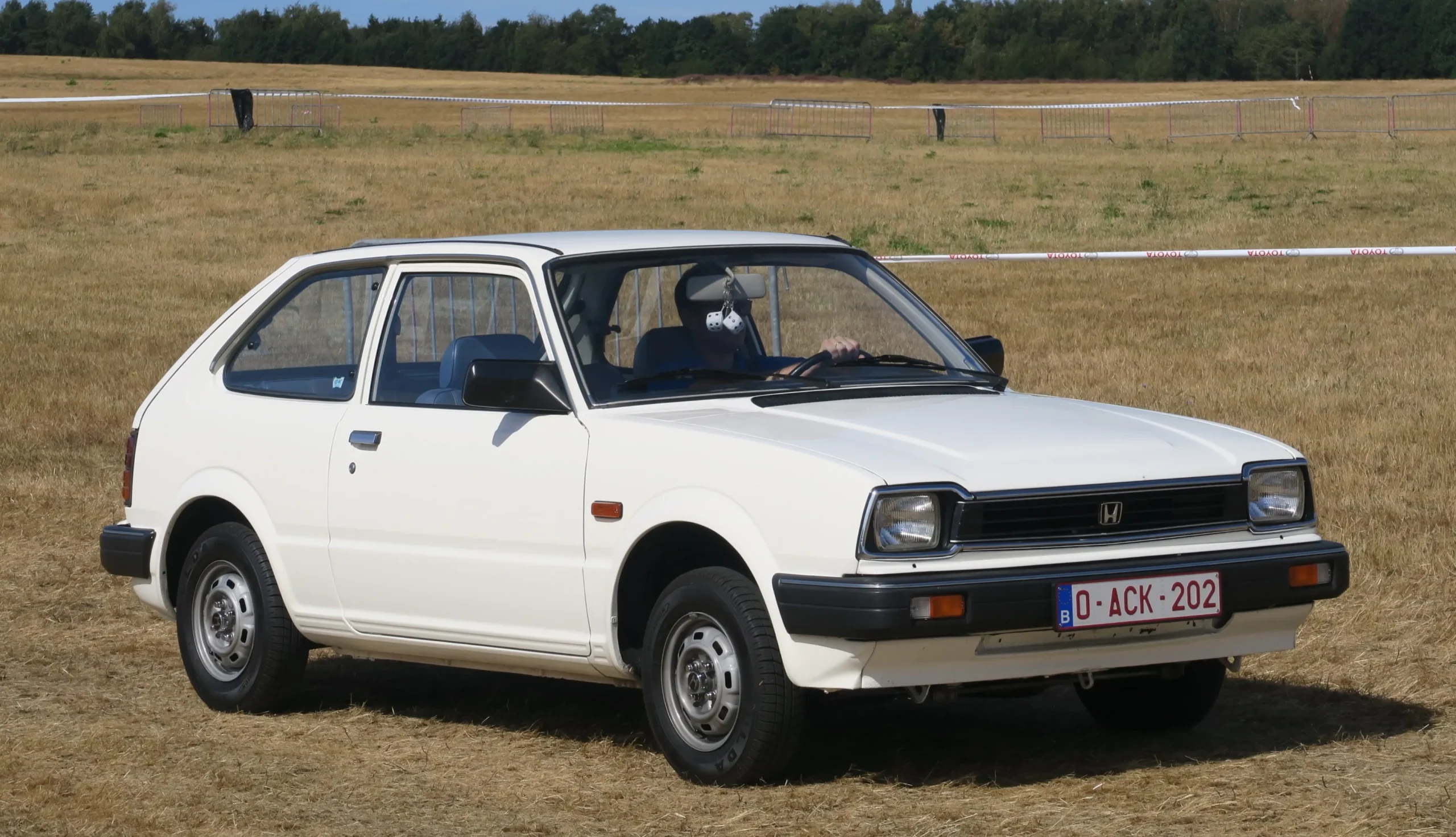
Design refinement arrived with the second-generation Honda Civic, introducing improved aerodynamics, better cabin insulation, and more comfortable seating without abandoning reliability fundamentals. Honda expanded the Civic’s appeal while preserving the mechanical straightforwardness that owners valued.
Engines received modest updates focused on efficiency and emissions compliance. Carburetors remained standard, though tuning improved drivability and cold starts. Reliability benefited from Honda’s growing experience with emissions controls, which avoided the severe failures seen in some competitors of the same era.
Manual gearboxes continued as the preferred choice for longevity. Shifters feel improved, and clutch assemblies handled extended use effectively. Automatic transmissions gained smoother operation but retained mechanical simplicity that reduced failure rates.
Suspension systems advanced to deliver improved ride comfort. Components remained durable, with bushings and joints lasting longer due to refined materials. Steering systems used rack and pinion setups that provided consistent operation with limited maintenance demands.
Electrical systems expanded slightly, adding convenience features while staying manageable. Wiring harnesses showed improved insulation quality, reducing age-related failures. Instrument clusters maintained readability and reliability, avoiding electronic displays that could fail prematurely.
Body construction improved corrosion resistance compared to earlier models, though rust still posed a threat in harsh climates. Improved coatings extended the lifespan of many vehicles, allowing mechanical reliability to shine longer before structural issues intervened.
Interior durability improved through better plastics and upholstery materials. Seats retained shape better, dashboards resisted sun damage more effectively, and switchgear survived repeated use. Second-generation Civics represent a balance between simplicity and refinement. Reliability scores benefit from incremental improvements without radical design changes.
Owners who followed basic service schedules often reported exceptional longevity, making this generation one of the most dependable early Civics produced.
Also Read: Top 11 of the Most Powerful Honda Motorcycles Ever Produced
3. Honda Civic Third Generation (1984 to 1987)
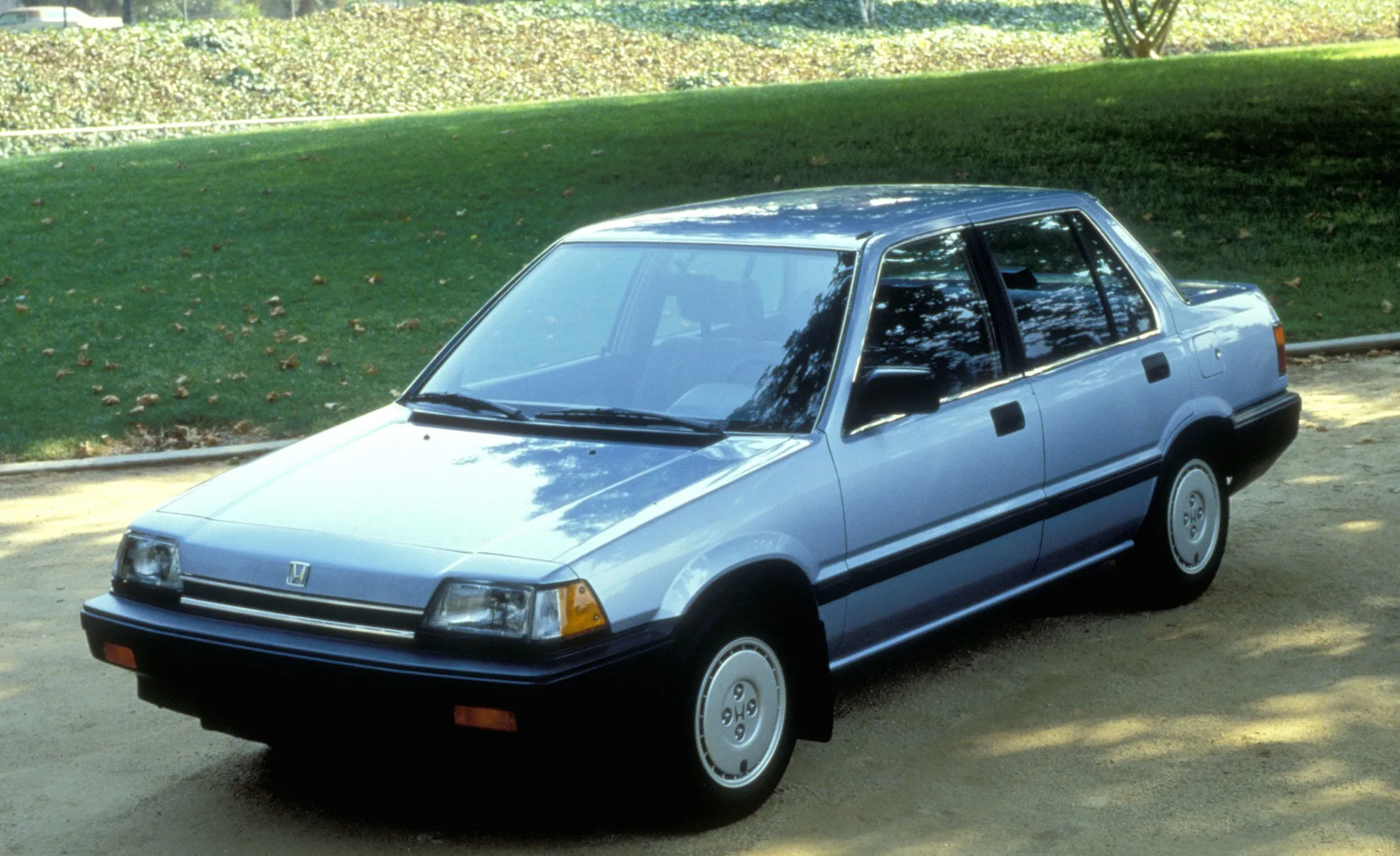
A decisive transformation occurred with the introduction of the Honda Civic Third Generation, produced between 1984 and 1987. During this period, Honda moved beyond its early economy car identity and adopted a more refined engineering direction. One of the most important developments was the introduction of electronic fuel injection on selected trims.
This advancement improved engine consistency and fuel efficiency, while also reducing common problems associated with carbureted systems. Electronic fuel injection provided more accurate fuel delivery, particularly during cold starts and varying weather conditions. Carburetors often required adjustment and were vulnerable to wear that affected performance.
By adopting electronically controlled systems, Honda improved reliability without overcomplicating mechanical design. The company implemented these systems with caution, using durable components and conservative calibration. As a result, long-term dependability remained strong rather than declining due to increased electronics.
Engine durability during this era remained impressive. Regular maintenance, especially the timely replacement of timing belts, ensured extended service life. When maintenance schedules were respected, catastrophic failures were rare. Improvements in cylinder head design enhanced cooling efficiency, reducing the likelihood of overheating. These changes supported stable operation even in demanding driving environments.
Transmission reliability continued to reflect Honda’s reputation for mechanical precision. Manual gearboxes were particularly robust, offering smooth engagement and long clutch life. Automatic transmissions also showed improvement through refined hydraulic systems, which enhanced move quality and durability.
Attention to chassis engineering contributed further to reliability. Weight reduction strategies did not compromise structural integrity. Suspension components demonstrated steady wear patterns, and steering systems maintained responsive feedback without premature failure.
Electrical expansion during this generation was measured as rather than excessive. Sensors and control modules operated dependably due to restrained system integration and high manufacturing standards. Interior design also advanced, incorporating improved materials that resisted deterioration. Enhanced rust protection extends vehicle longevity in colder climates.
The third-generation Civic stands as evidence that technological advancement can coexist with mechanical durability. This period established Honda’s capacity to introduce electronics without sacrificing the long-term dependability that drivers expected.
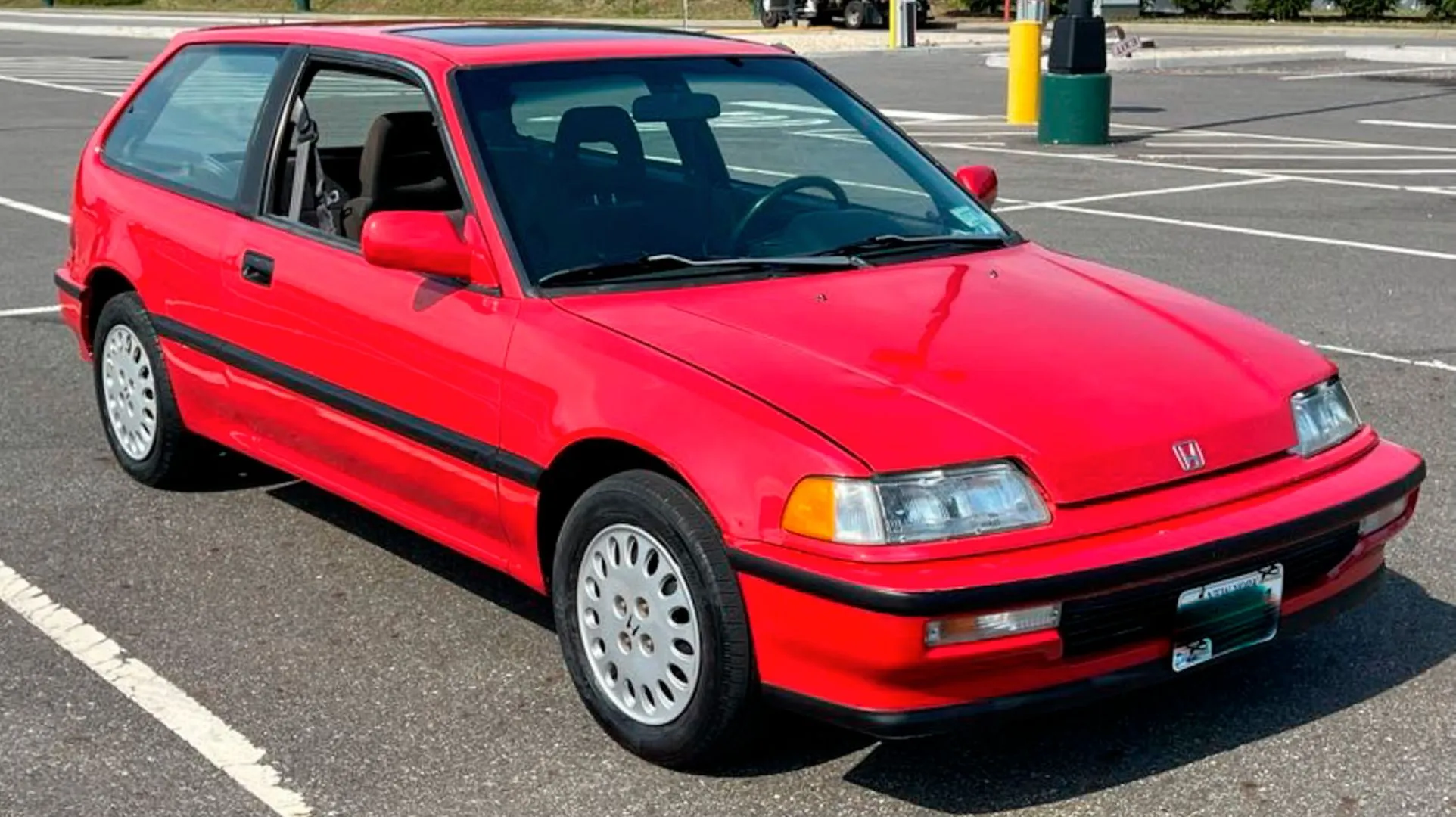
4. Honda Civic Fourth Generation (1988 to 1991)
Engineering confidence defined the Honda Civic Fourth Generation, produced from 1988 to 1991. Rather than introducing dramatic experimentation, Honda focused on refining established systems. This approach resulted in a vehicle that combined performance, practicality, and enduring reliability.
Fuel-injected engines became standard across the lineup, providing smoother power delivery and lower maintenance demands. These engines demonstrated strong internal construction, with many examples surpassing high mileage figures without major mechanical intervention. Oil consumption remained controlled, and cooling systems performed reliably under routine use.
Manual transmissions reached a high point of refinement during this period. Gear engagement felt precise, and clutch assemblies demonstrated long service intervals when properly maintained. Automatic transmissions benefited from previous improvements, showing fewer operational issues and smoother moves compared to earlier designs.
Suspension enhancements improved ride comfort and handling balance. Revised geometry delivered better stability without relying on fragile components. Bushings, dampers, and joints displayed predictable wear patterns, enabling planned servicing rather than unexpected repairs.
Electrical systems expanded modestly, adding conveniences such as power accessories while maintaining reliability. Wiring architecture remained straightforward, reducing the likelihood of widespread electrical faults. Control modules operated dependably due to careful system integration.
Interior durability improved through upgraded materials and stronger structural support. Seats retained their shape and comfort after extended use, and dashboards resisted cracking under exposure to sunlight. Switchgear maintained functionality even after years of operation.
Corrosion protection advanced again, extending body lifespan across diverse climates. Protective coatings and improved manufacturing processes reduced structural deterioration. The fourth-generation Civic represents the benefits of measured refinement.
Reliability during this era stemmed from careful improvement rather than radical redesign. Honda demonstrated that steady development could yield a vehicle capable of delivering dependable service for many years.
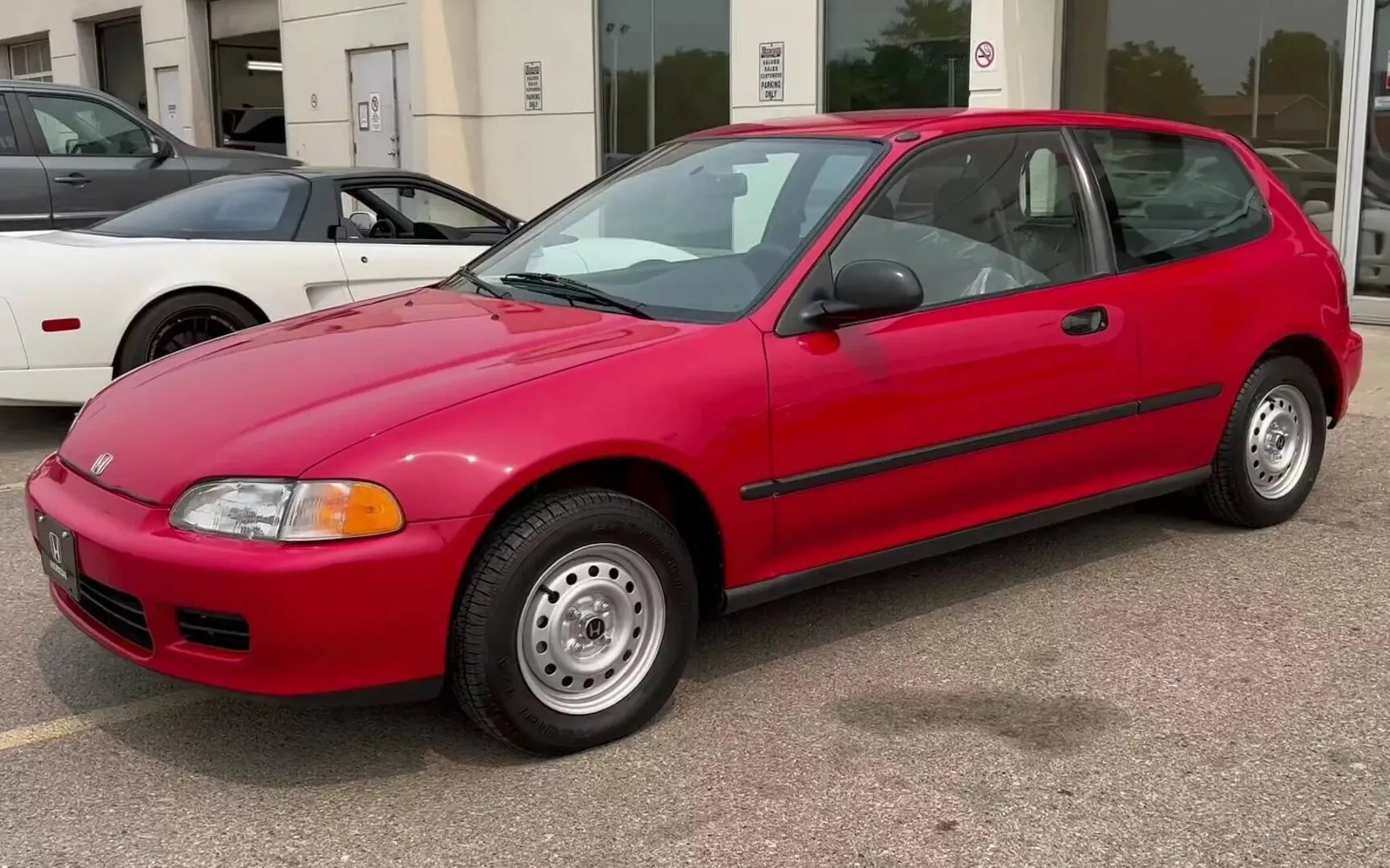
5. Honda Civic Fifth Generation (1992 to 1995)
Stylistic modernization and performance refinement characterized the Honda Civic Fifth Generation, produced between 1992 and 1995. This generation emphasized lighter construction and improved handling dynamics while preserving mechanical durability.
Engine development during this period achieved a balance between efficiency and longevity. Robust internal components, effective cooling systems, and reliable fuel injection supported extended service life. Routine timing belt replacement remained essential, yet when performed at recommended intervals, engines continued operating smoothly for high mileage periods.
Manual transmissions complemented engine responsiveness with consistent operation. Drivers appreciated precise engagement and durable clutch assemblies. Automatic transmissions maintained earlier reliability improvements, though manual configurations were often favored for extended durability.
Suspension systems adopted advanced double wishbone layouts, enhancing cornering stability and ride comfort. Despite increased sophistication, components retained strength and predictable wear characteristics. Proper maintenance ensured long operational life for joints and bushings.
Electrical integration expanded moderately, yet Honda preserved reliability through careful design. Sensors and electronic control units avoided frequent failure patterns. Wiring systems remained organized and resilient. Interior construction balanced weight savings with durability.
Materials resisted excessive wear, and cabin layouts remained practical. Controls operated smoothly, contributing to long-term usability. Body construction continued benefiting from improved corrosion resistance. Many examples from this generation remain structurally sound decades after production ceased.
The fifth-generation Civic illustrates how performance-oriented design can coexist with dependable engineering. Honda achieved a reputation for mechanical consistency by maintaining disciplined development practices. Reliability during this period reflects thoughtful advancement rather than unnecessary complication.
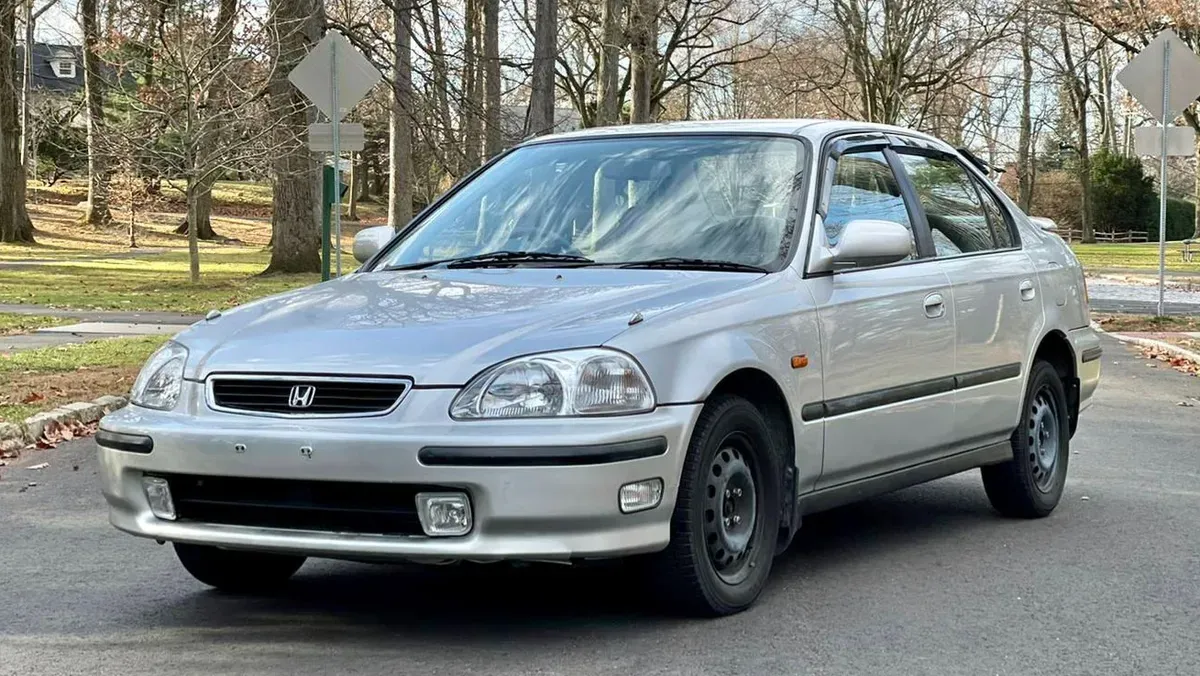
6. Honda Civic Sixth Generation (1996 to 2000)
A change in direction arrived during the sixth-generation Honda Civic era, marked by broader styling, increased safety requirements, and growing reliance on electronic systems. Honda faced pressure to modernize while preserving the long-term dependability that owners expected. Results came with mixed outcomes, though reliability remained strong when viewed through a long ownership lens.
Engine choices continued with proven inline four designs, refined to meet tighter emissions rules. These powerplants retained solid internal construction, allowing high mileage performance when serviced correctly. Oil control improved compared to earlier designs, though neglected maintenance could lead to issues with valve seals in aging units. Cooling systems stayed dependable provided radiators and hoses received routine attention.
Manual transmissions continued Honda’s reputation for durability. Clutch assemblies held up well under normal use, and gear engagement remained consistent even after years of driving. Automatic transmissions performed adequately, though higher mileage examples sometimes exhibited wear related to fluid neglect rather than design flaws.
Suspension components shifted toward increased comfort. Bushings and joints wore faster than previous generations due to softer tuning, yet replacements remained straightforward and affordable. Steering systems maintained predictable behavior without excessive component failure.
Electronics expanded noticeably. Power accessories, advanced engine controls, and improved safety features introduced new potential failure points. Honda managed integration carefully, yet sensors and aging wiring required attention as vehicles aged. These issues rarely caused complete breakdowns but demanded more awareness from owners.
Interior materials prioritized comfort and sound insulation. Seats aged reasonably well, while dashboard plastics occasionally showed sun damage in harsh climates. Electrical switchgear performed reliably with consistent use. Sixth-generation Civics maintained strong reliability credentials through balanced engineering.
While increased electronics introduced maintenance considerations, mechanical foundations remained durable. This generation rewards attentive ownership, earning respectable placement despite rising system complication.
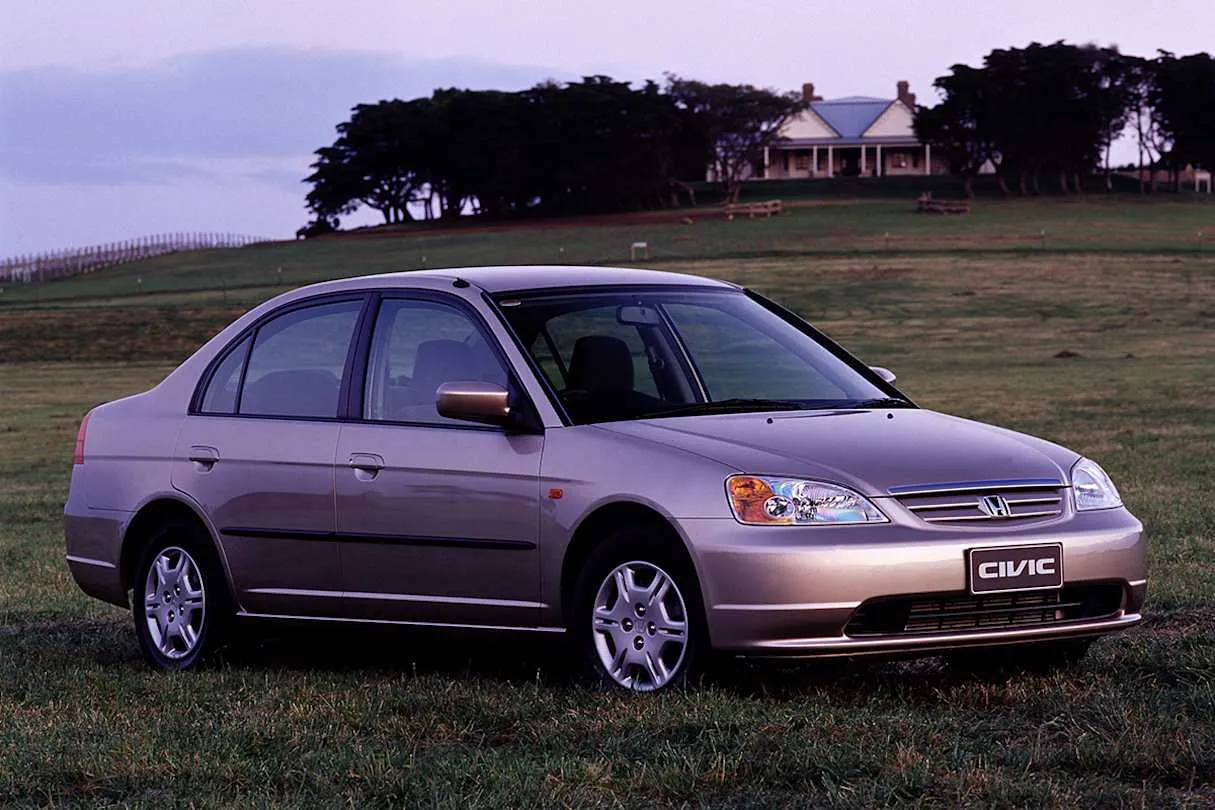
7. Honda Civic Seventh Generation (2001 to 2005)
Transition defined the seventh-generation Honda Civic, as Honda pursued fuel efficiency gains and interior space improvements. These changes introduced new engineering approaches that affected long-term dependability in varied ways. Engine designs were developed with lighter materials and revised internal geometry.
Fuel economy improved, though some engines experienced head gasket concerns when cooling systems suffered neglect. Routine service preserved reliability, yet tolerance for missed maintenance narrowed compared to earlier eras. Manual transmissions remained dependable, though clutch feel softened.
Automatic transmissions marked a challenging period, as certain units experienced premature wear related to design revisions. Honda addressed issues through updates, yet its reputation suffered among owners encountering early failures. Suspension systems emphasized ride comfort and cabin isolation.
Softer components reduced harshness but increased wear rates for bushings and struts. Replacement intervals shortened, though costs stayed manageable. Electrical systems expanded further, integrating climate controls and advanced diagnostics. While generally reliable, troubleshooting became more involved due to increased sensor networks. Failures tended to be gradual rather than sudden.
Interior design focused on space efficiency. Materials resisted wear reasonably well, though seat fabrics showed aging earlier than prior generations. Instrument panels remained functional, supported by clear displays. Seventh-generation Civics present a reliability profile shaped by ambition and learning.
Honda pushed boundaries, sometimes encountering challenges. Proper care preserved longevity, though automatic transmission concerns place this generation lower in reliability rankings.
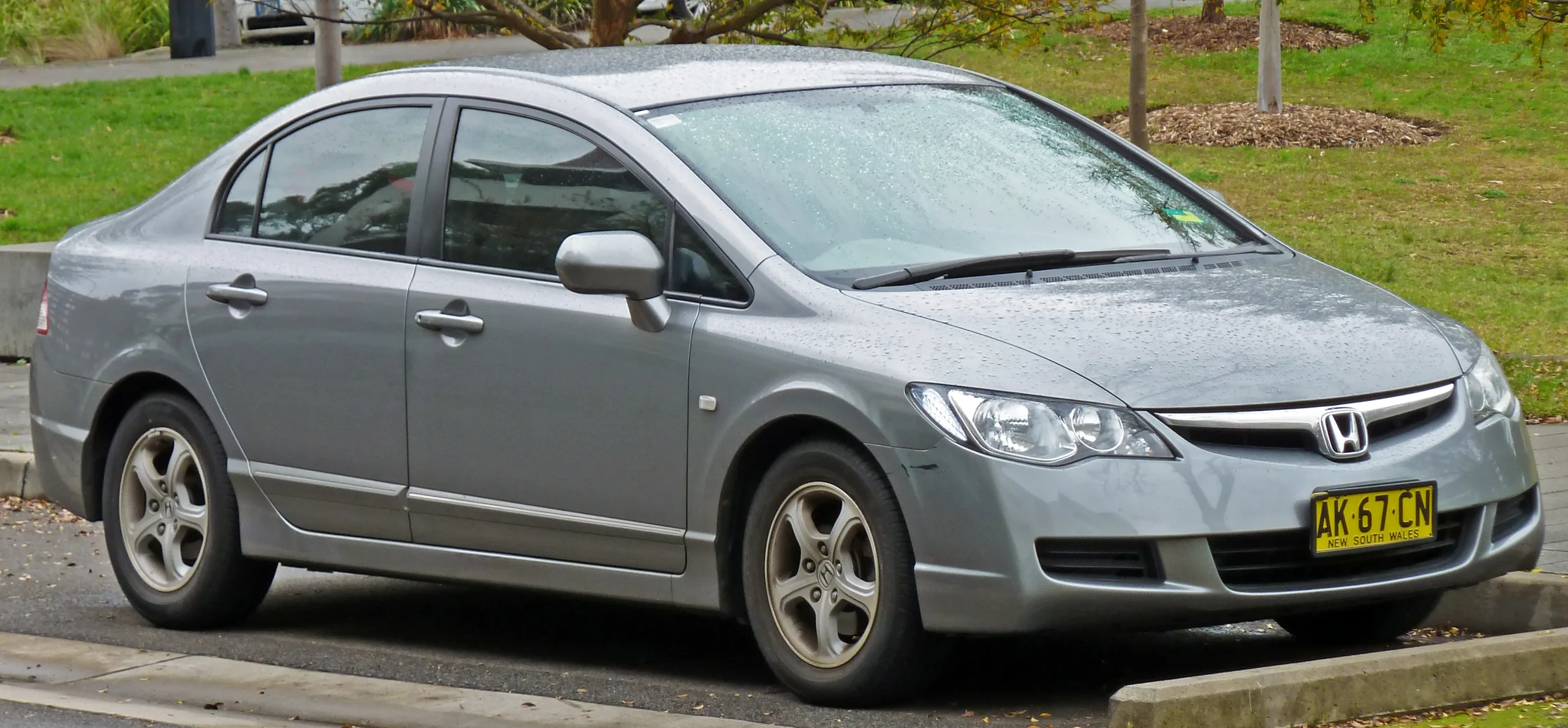
8. Honda Civic Eighth Generation (2006 to 2011)
A bold styling direction marked the arrival of the Honda Civic Eighth Generation 2006 to 2011. Sharp lines, a futuristic dashboard layout, and a split-level digital instrument cluster distinguished it immediately from its predecessor. Honda clearly intended to modernize the Civic while retaining the durability that built its reputation across global markets.
Powertrain engineering received attention during this period. Four-cylinder engines were refined with improved machining precision, contributing to stronger internal wear resistance. When maintained according to factory guidelines, these engines frequently surpassed high mileage thresholds without major mechanical distress.
Certain early production units experienced engine block casting concerns, which Honda addressed through recall campaigns and warranty support. Vehicles that received corrective service continued to perform dependably for many years. Manual transmissions remained a strong point.
Gear engagement felt precise, and clutch assemblies demonstrated respectable longevity under normal driving conditions. Automatic transmissions showed measurable improvement compared to earlier generations. Smooth gear changes and better fluid cooling enhanced service life, provided owners adhered to recommended maintenance intervals.
Chassis tuning favored a firmer ride, promoting confident handling and cornering stability. Suspension components aged predictably, allowing for scheduled replacement of bushings, struts, and control arms. Electronic power steering introduced greater efficiency, though isolated sensor issues appeared in higher mileage examples. Repairs in such cases were manageable rather than catastrophic.
Technology expansion became a defining trait. The two-tier digital instrument cluster functioned reliably in most cases, though display fading occurred in some older units. Electrical systems benefited from upgraded diagnostics, assisting technicians in identifying faults quickly. Engine management software supported stable performance and efficient fuel delivery.
Interior construction improved compared to earlier models. Plastics resisted premature cracking, and seat fabrics held up well under daily use. The unconventional dashboard design required initial adaptation, yet controls were logically positioned and accessible once familiarity developed.
Honda Civic Eighth Generation models combine technological ambition with disciplined engineering. Although added electronics increased the number of components requiring attention, fundamental mechanical systems remained durable. Proper maintenance rewarded owners with dependable daily transportation supported by a forward-thinking design philosophy.
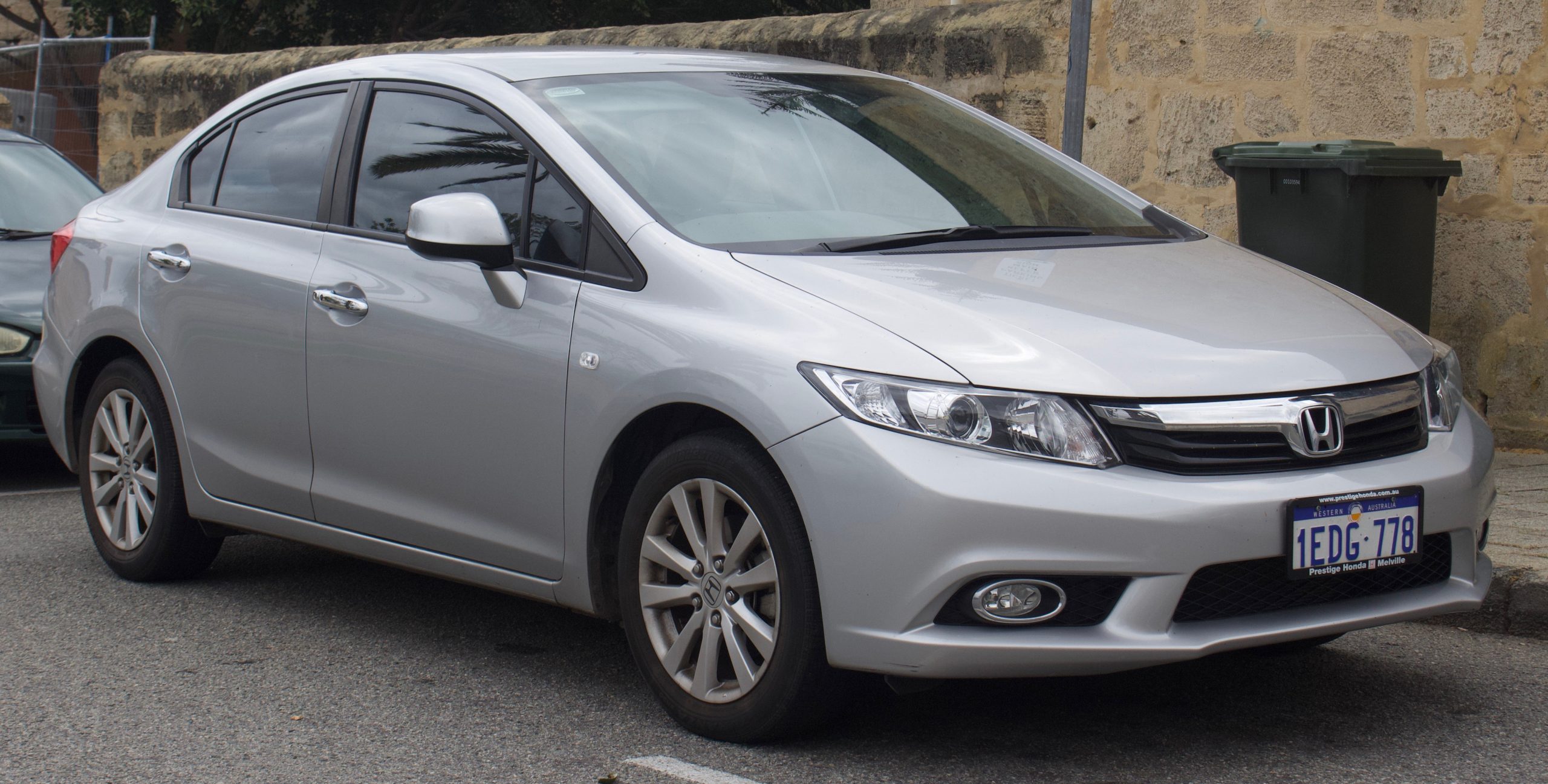
9. Honda Civic Ninth Generation (2012 to 2015)
Measured refinement defined the Honda Civic Ninth Generation 2012 to 2015. After feedback from critics and customers, Honda focused on strengthening material quality and restoring confidence in durability. Subtle exterior adjustments concealed deeper engineering improvements aimed at consistent ownership satisfaction.
Engine options largely carried forward proven four-cylinder configurations, yet incremental upgrades enhanced fuel efficiency and internal stability. Improved piston ring designs and revised cooling pathways reduced oil consumption concerns observed in some earlier models.
Under varied driving conditions, these engines maintained steady temperature control and dependable operation. Transmission reliability advanced during this generation. Manual gearboxes continued Honda’s tradition of smooth shifting and robust construction.
Automatic transmissions benefited from revised hydraulic programming and reinforced components, lowering failure rates. Introduction of the continuously variable transmission occurred with careful calibration. When serviced regularly with proper fluid, CVT units demonstrated stable long-term performance.
Ride quality reflected thoughtful suspension tuning. Engineers balanced comfort with composed handling, resulting in predictable response during daily commuting. Component longevity improved, reducing premature replacement of suspension bushings and dampers. Steering systems delivered consistent feedback, supported by reliable electronic assistance.
Electrical architecture adopted a more streamlined approach. Infotainment interfaces were refined, decreasing software-related interruptions. Sensor integration for engine and transmission management operated with increased reliability, enhancing diagnostic accuracy during servicing.
Cabin quality saw meaningful improvement. Upgraded seat materials resisted wear, while dashboard surfaces aged gracefully without excessive fading or cracking. Control switches maintained tactile integrity even after years of use. Reduced cabin noise contributed to a calmer driving experience.
Honda Civic Ninth Generation models represent a disciplined response to earlier criticism. Engineering decisions prioritized durability and comfort rather than dramatic innovation. As a result, owners benefited from balanced performance, dependable mechanical systems, and a cohesive design that supported long-term reliability in daily use.
Also Read: Top 10 Hondas That Prove Reliability Doesn’t Mean Boring
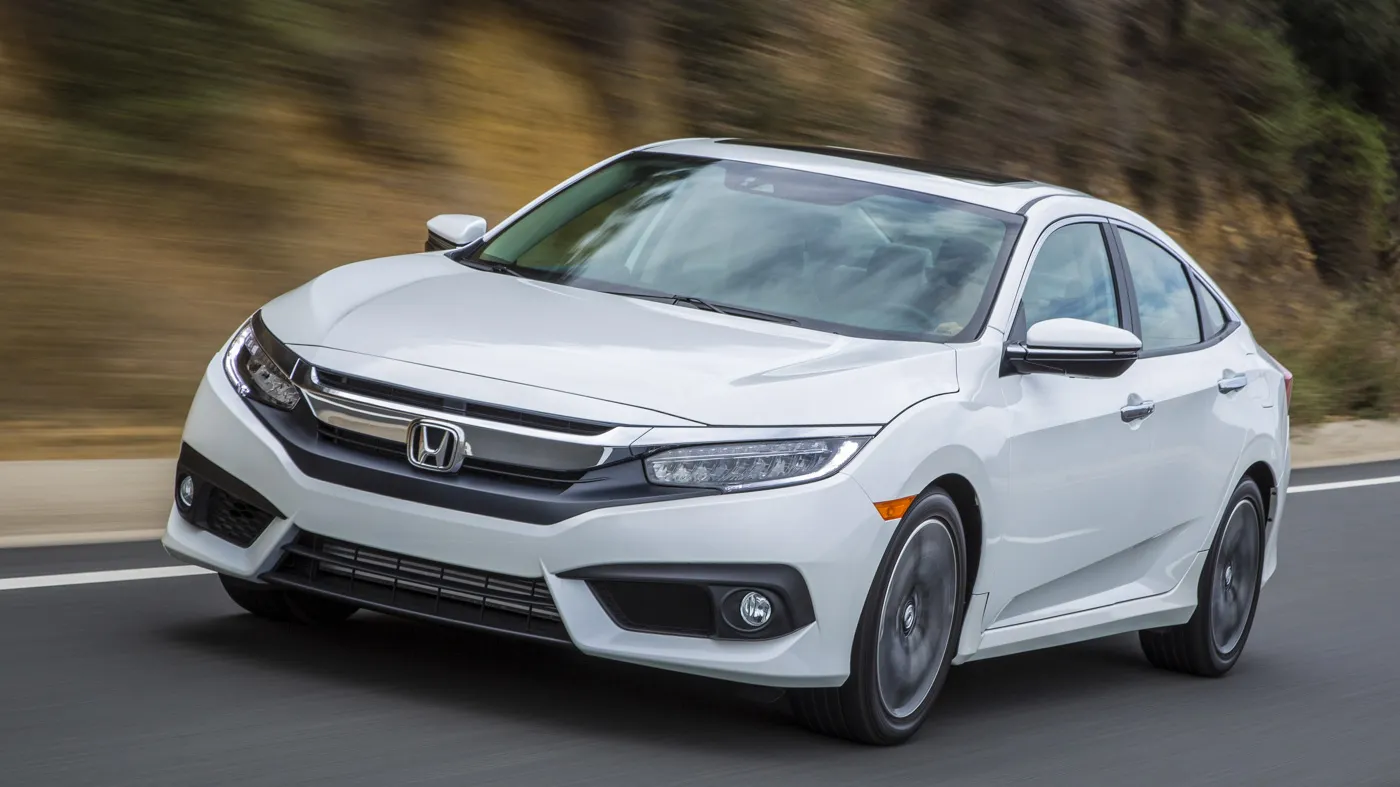
10. Honda Civic Tenth Generation (2016 to 2021)
Modern design language and advanced engineering characterized the Honda Civic Tenth Generation 2016 to 2021. A lower stance, aggressive body lines, and expanded technology signaled a new era for the Civic nameplate. Alongside visual transformation came mechanical and electronic advancements that required careful evaluation from a reliability perspective.
Turbocharged engine options debuted widely during this period. These powerplants delivered stronger acceleration and improved fuel economy compared to naturally aspirated predecessors. Early discussions centered on fuel dilution under certain driving conditions. Honda responded with software updates and owner guidance, mitigating long-term concerns. With consistent oil changes and attentive maintenance, these engines demonstrated durable performance.
Transmission offerings included refined manual gearboxes, traditional automatics in select markets, and extensively updated continuously variable transmissions. Strengthened internal components and improved software calibration enhanced CVT longevity. Owners who followed recommended service intervals experienced smooth operation and reliable daily usability.
Suspension systems featured revised geometry for sharper handling without excessive ride harshness. Components such as control arms and bushings exhibited solid durability when driven under normal conditions. Electronic steering assistance functioned dependably, though proper wheel alignment remained essential to preserve optimal response.
Electrical systems expanded through the integration of advanced driver assistance features. Systems such as collision mitigation braking and lane keeping assist increased safety support while adding electronic components. Conservative programming and periodic software updates helped maintain stability across these systems.
Interior refinement progressed as well. Higher quality materials improved tactile feel and long-term wear resistance. Infotainment interfaces matured, reducing early-generation glitches. Logical control placement supported intuitive daily operation. Honda Civic Tenth Generation models illustrate how innovation can coexist with disciplined engineering.
While increased technology introduced additional service considerations, responsible maintenance preserved reliability. Owners gained modern performance and safety enhancements without sacrificing the durable foundation long associated with the Civic name.
11. Honda Civic Eleventh Generation (2022 to Present)
The Honda Civic Eleventh Generation, introduced for the 2022 model year, reflects a deliberate shift toward refinement, structural rigidity, and software-driven integration.
Rather than radically reinventing the formula, Honda focused on tightening engineering tolerances, improving material quality, and smoothing out the experimental edges seen in earlier turbocharged generations. From a reliability standpoint, this generation benefits from accumulated lessons learned over nearly five decades of Civic development.
Powertrain options continue with naturally aspirated 2.0-liter inline-four engines and the updated 1.5-liter turbocharged unit. The naturally aspirated engine remains the safer long-term bet for maximum durability due to its simpler design and absence of forced induction. It relies on proven architecture with conservative tuning, reducing stress on internal components. Early ownership data suggests stable oil consumption, consistent thermal control, and predictable maintenance intervals.
The 1.5-liter turbo engine has received calibration refinements aimed at addressing earlier fuel dilution concerns seen in the previous generation. Revised engine management software, improved warm-up programming, and updated piston ring designs have reduced those risks. While long-term high-mileage data is still accumulating, early reliability reports indicate improved stability compared to initial tenth-generation turbo models.
Transmission options include a refined continuously variable transmission (CVT) and a six-speed manual in select trims. The CVT benefits from stronger internal components and improved fluid management. Honda has historically improved CVT durability with each iteration, and early field reports show fewer complaints than first-generation CVT applications from the mid-2010s. As with any CVT, strict adherence to fluid service intervals remains critical for longevity.
Chassis engineering marks a significant improvement. Increased body rigidity enhances structural integrity, reducing long-term stress-related noise and panel fatigue. Suspension tuning favors controlled comfort, and component wear appears consistent with expectations for compact sedans in this class. Steering systems rely on well-calibrated electronic assistance that has shown stable operation so far.
Electronics and driver assistance systems represent the largest expansion in complexity. Standard Honda Sensing safety features include adaptive cruise control, lane keeping assist, and collision mitigation braking. While increased electronic integration always raises potential failure points, Honda’s conservative programming and mature sensor architecture have resulted in low early failure rates. Software stability has improved compared to earlier infotainment generations.
