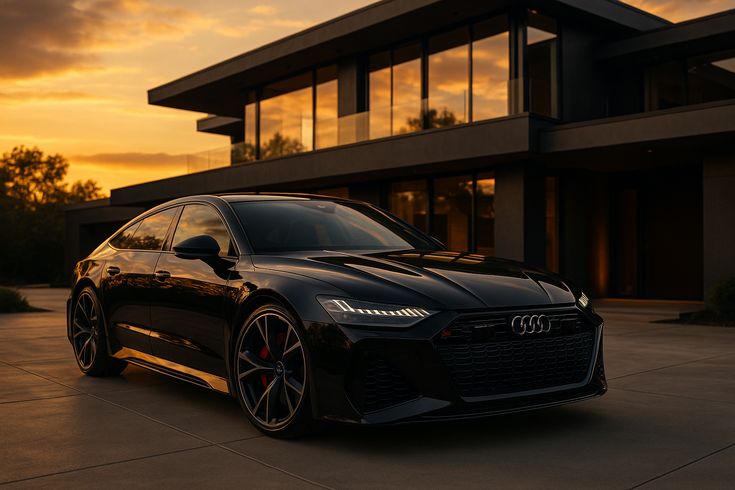
Audi did not build its performance reputation by chasing trends or loud styling. It earned credibility the hard way through engineering discipline, motorsport influence, and cars that delivered speed without sacrificing daily usability.
The RS badge represents the sharpest edge of Audi’s performance lineup, sitting above S models and built with a singular goal: to push the limits of what a road-legal Audi can do.
The roots of Audi RS performance models trace back to Audi’s racing DNA. From rally dominance to endurance racing success, Audi learned early that power alone is not enough.
Grip, balance, and control matter just as much. This mindset shaped the RS philosophy. These cars were never meant to be delicate showpieces. They were designed to be fast in the real world on wet roads, tight corners, long highways, and demanding conditions.
What separates Audi RS models from competitors is their ability to blend extreme performance with everyday practicality. Many RS cars look understated, but beneath that restraint sit turbocharged engines, advanced all-wheel-drive systems, reinforced chassis components, and aggressive suspension tuning. The result is speed that feels usable, not intimidating.
Over the years, certain RS models did more than just impress buyers. They changed how the automotive world viewed Audi as a performance brand. These cars proved Audi could compete with long-established rivals in the high-performance segment while still maintaining its unique identity. Each generation refined the formula, adding more power, better handling, and smarter technology.
This article breaks down eight Audi RS models that defined the brand’s performance legacy. These are not just fast Audis. They are milestones cars that set benchmarks, influenced future designs, and helped Audi RS become a symbol of controlled aggression and engineering excellence.
ALSO READ: Audi Axes Combustion S6; Electric S6 Sportback e-tron Takes Its Place
Audi RS2 Avant
The Audi RS2 Avant is where the RS legacy truly began. Released in the mid-1990s, it was not just Audi’s first RS model it was a bold experiment that reshaped expectations of performance cars. At a time when high-performance vehicles were mostly coupes or sedans, Audi introduced a high-powered wagon that could outrun sports cars.
The RS2 Avant was powered by a turbocharged five-cylinder engine, producing an output that was exceptional for its era. This engine delivered strong low-end torque and a distinctive sound that later became a signature of Audi RS performance models. Acceleration figures shocked the market, proving that a family-friendly body style could deliver high speed.
What truly defined the RS2 Avant was its collaboration-driven engineering approach. Every component was tuned for performance, from the upgraded braking system to the strengthened suspension.
The quattro all-wheel-drive system played a crucial role, allowing the RS2 to put power down efficiently in all conditions. This gave it an advantage over rear-wheel-drive competitors, particularly in poor weather.
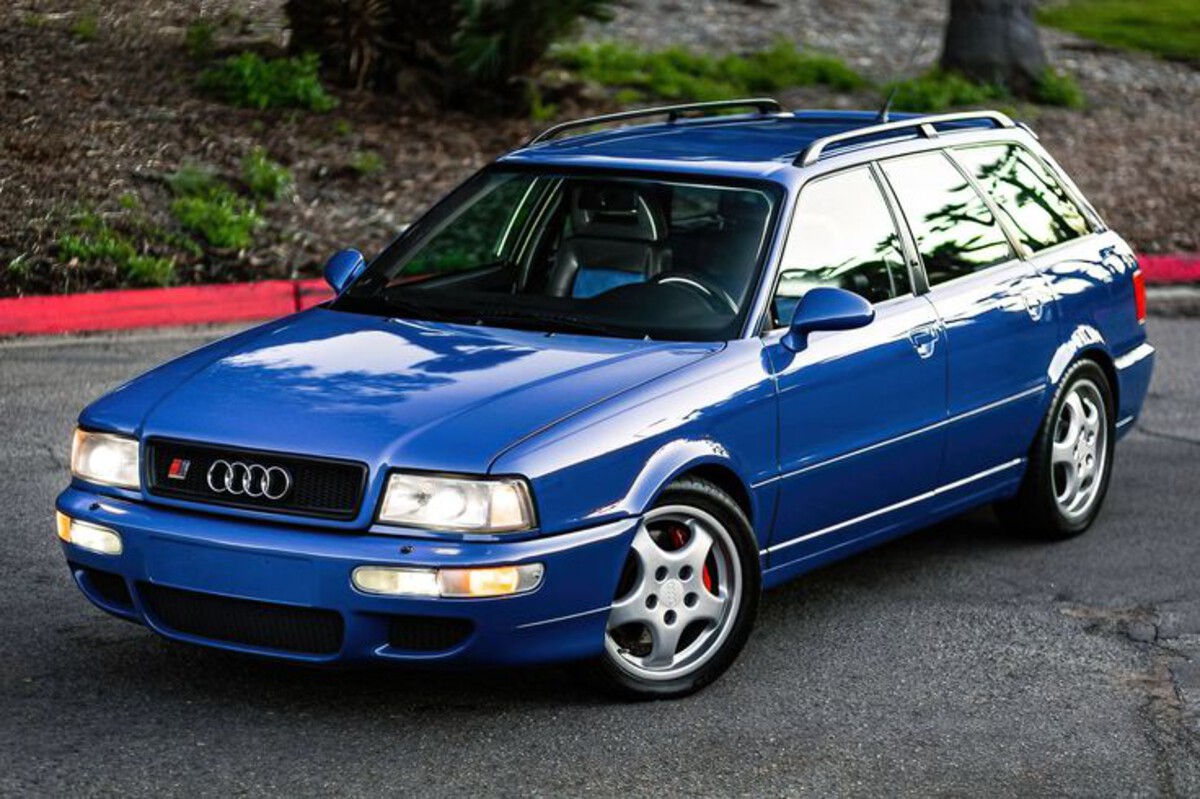
Design choices were functional rather than decorative. Wider wheel arches, unique mirrors, and subtle badging hinted at its performance potential without shouting. This understated design philosophy became a recurring theme across future Audi RS models.
The RS2 Avant also set the tone for practicality-focused performance. It offered usable rear seats, cargo space, and everyday comfort, all while delivering performance that embarrassed dedicated sports cars of its time. This balance became one of Audi’s strongest selling points in the performance segment.
Most importantly, the RS2 Avant established credibility. It showed the automotive world that Audi was serious about performance and willing to challenge traditional norms. Without this model, the RS lineup as we know it would not exist. It laid the foundation for everything that followed.
Audi RS4 (B5)
The Audi RS4 B5 generation marked a major evolution in the RS story. While the RS2 proved a wagon could be fast, the RS4 showed that Audi could build a high-performance sedan capable of competing with the best in its class. This model helped push Audi RS performance models into the mainstream performance conversation.
Under the hood, the RS4 B5 featured a twin-turbocharged V6 engine that delivered strong, linear power. The acceleration was aggressive, yet controlled, making it suitable for both spirited driving and daily use. Audi focused on creating a car that felt fast without being unstable or unpredictable.
The quattro all-wheel-drive system again played a central role. Power delivery was confident, allowing the RS4 to maintain traction during hard launches and high-speed cornering. This capability made it especially effective on winding roads and in less-than-ideal conditions, reinforcing Audi’s performance philosophy.
Chassis tuning was noticeably sharper than standard A4 models. Stiffer suspension, larger brakes, and wider tires transformed the driving experience. The RS4 did not just rely on engine output, it delivered a complete performance package that felt cohesive and purposeful.
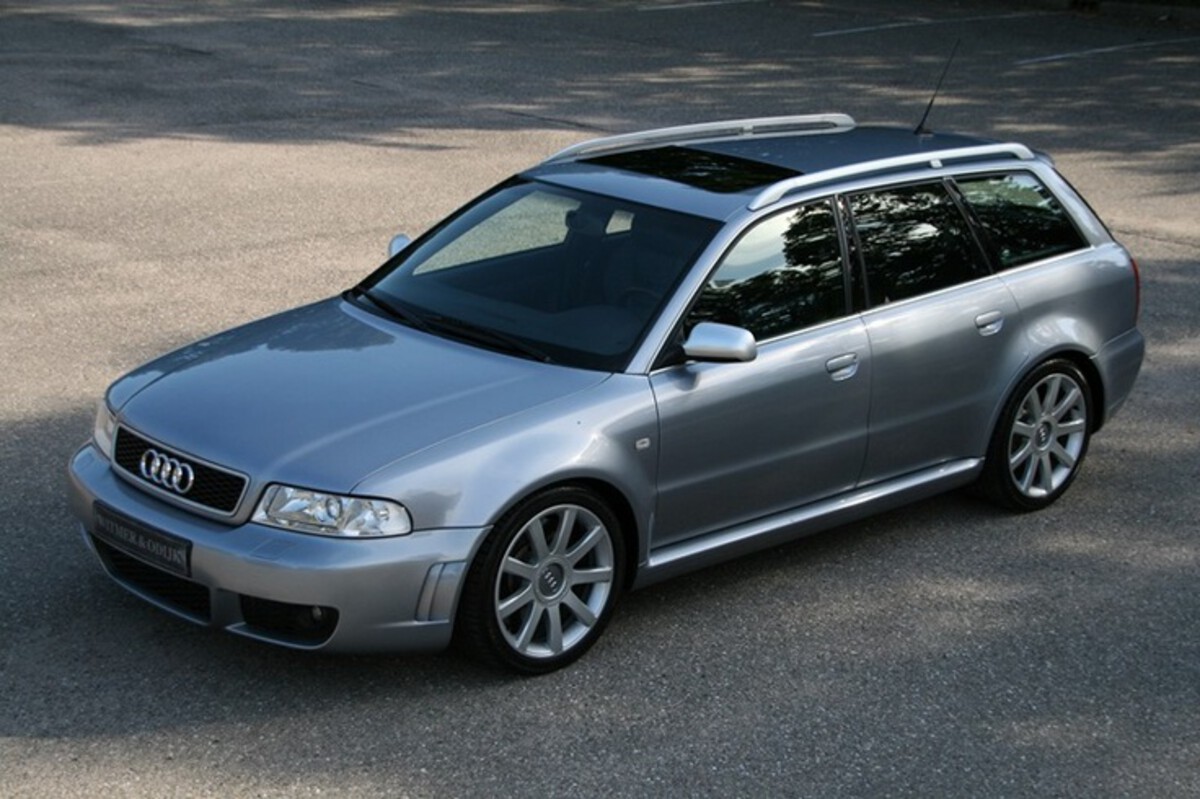
Visually, the RS4 B5 introduced design cues that became RS staples. Flared wheel arches, larger air intakes, and subtle badging communicated performance without excess. It looked serious, not flashy, appealing to drivers who wanted capability over attention.
The RS4 B5 also expanded Audi’s RS audience. It proved that RS models were not limited to niche wagons but could succeed in popular body styles. This success encouraged Audi to invest further in RS development, paving the way for future icons.
In many ways, the RS4 B5 defined what an Audi RS sedan should be: fast, controlled, practical, and engineered for real-world performance. It remains one of the most influential RS models ever built.
Audi RS6 (C5)
The Audi RS6 C5 generation was a statement of intent. When it arrived, it challenged the idea that a large executive car could not deliver true high-performance credentials. Audi didn’t just want the RS6 to be fast it wanted it to dominate in the real world, where comfort, space, and speed must coexist.
At the heart of the RS6 C5 was a twin-turbocharged V8 engine that produced immense power for its time. The acceleration was relentless, pushing the car into supercar territory while maintaining composure at high speeds. This engine defined the early reputation of Audi RS performance models as brutally effective machines rather than delicate sports cars.
The quattro all-wheel-drive system was essential to managing this power. Instead of feeling overwhelming, the RS6 delivered controlled aggression. Hard launches were clean, corner exits were confident, and stability at speed felt almost effortless. This made the RS6 exceptionally capable on highways and long-distance drives, where it could sustain performance without fatigue.
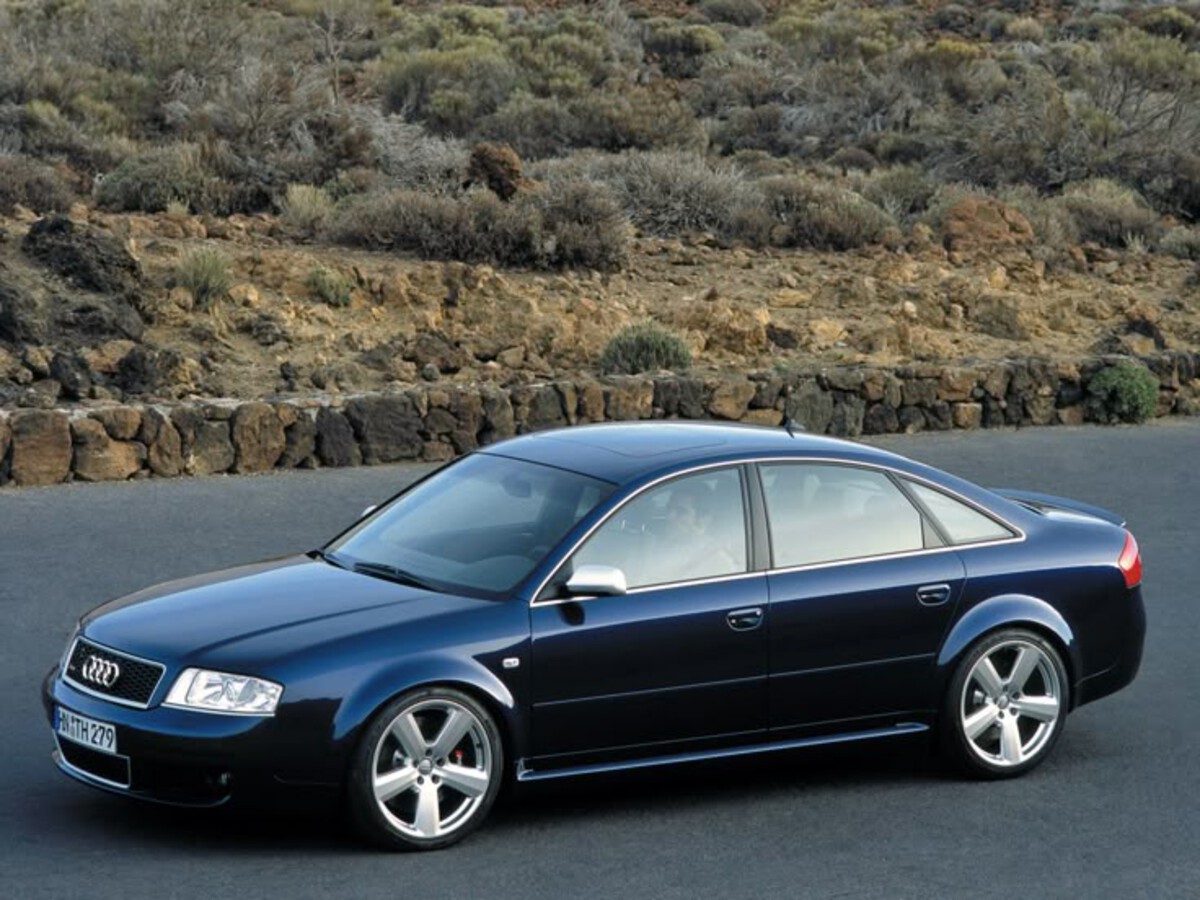
Chassis development focused on balance rather than stiffness alone. Audi tuned the suspension to handle weight intelligently, ensuring the car felt planted rather than heavy. Large brakes provided strong stopping power, reinforcing confidence during aggressive driving.
Design-wise, the RS6 C5 stayed true to Audi’s understated performance approach. Subtle flared arches, wider wheels, and discreet badging gave it presence without excess. It looked refined, yet purposeful a car that didn’t need to shout.
What truly defined the RS6 C5 was its versatility. It could comfortably carry passengers and luggage while outperforming many dedicated sports cars. This combination reshaped expectations in the performance sedan segment and proved Audi could blend luxury with extreme capability.
The RS6 C5 didn’t just succeed it forced competitors to rethink what a performance executive car could be. It became a benchmark and set the tone for every RS6 that followed.
Audi RS3
The Audi RS3 redefined the compact performance segment. It proved that an RS badge didn’t require a large body or massive footprint to deliver serious results. Instead, Audi focused on power density, precision engineering, and a distinctive driving character.
The standout feature of the RS3 has always been its turbocharged five-cylinder engine. This powerplant delivers a unique sound and an aggressive power curve that separates it from four-cylinder rivals. The engine’s responsiveness and mid-range punch make the RS3 feel explosive, especially during quick acceleration bursts.
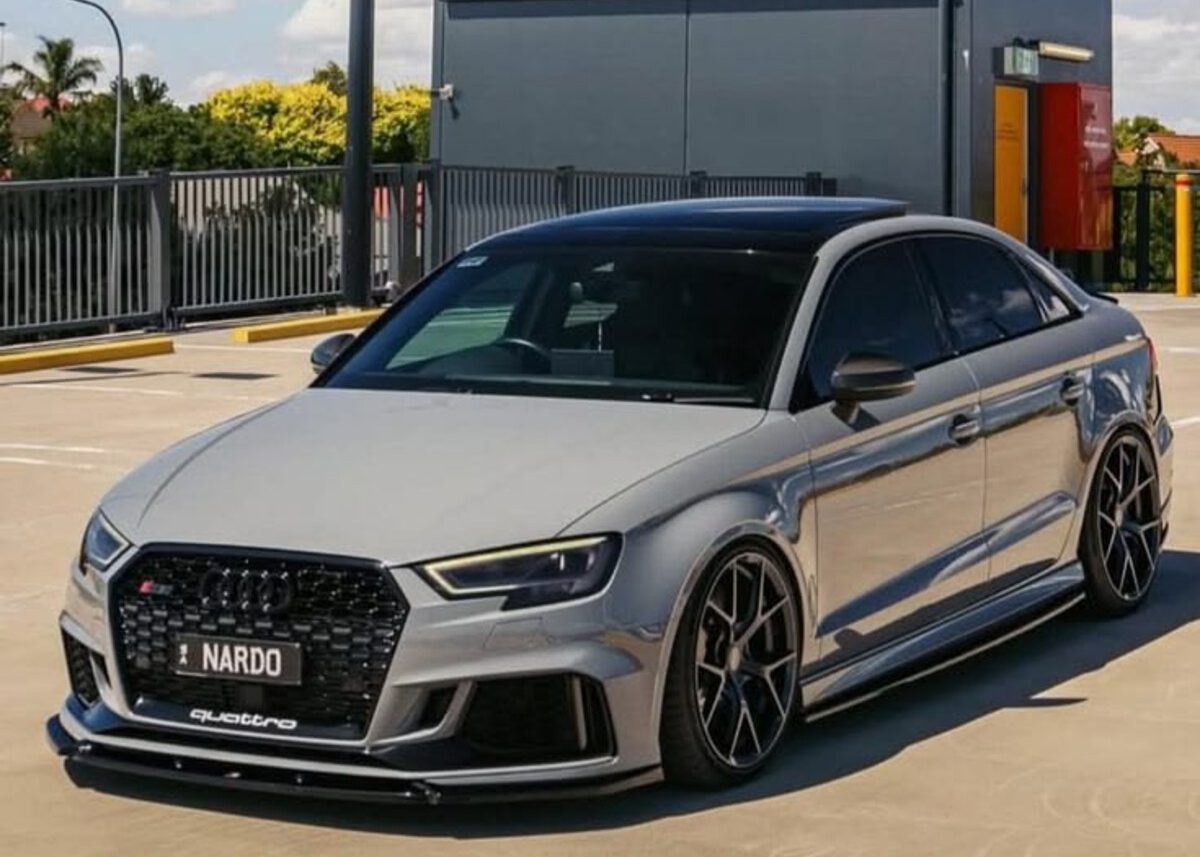
Despite its compact size, the RS3 delivers performance figures that rival much larger cars. Audi tuned the drivetrain to maximize traction, using the quattro all-wheel-drive system to eliminate wheel spin and improve corner exit speed. This made the RS3 especially effective on tight roads and urban environments.
Handling was sharpened to match the power. The suspension setup focused on agility, allowing the RS3 to change direction quickly while maintaining stability. Steering response was direct, giving drivers confidence during spirited driving. This balance made the RS3 approachable without sacrificing excitement.
Design elements emphasized muscular compactness. Wider wheel arches, aggressive front intakes, and RS-specific detailing gave the RS3 a planted, performance-focused stance. It looked compact, but not subtle.
The RS3 played a critical role in expanding the Audi RS audience. It attracted drivers who wanted performance without moving into larger, more expensive models. This broadened appeal helped strengthen Audi’s position in the performance market.
More importantly, the RS3 showed that RS performance was scalable. It didn’t dilute the RS identity—it reinforced it. Compact, fast, and character-rich, the RS3 became a modern icon within the Audi RS lineup.
ALSO READ: Top 6 Audi Sedans We’d Buy Used And 6 We Wouldn’t
Audi RS7
The Audi RS7 brought a new dimension to RS performance by blending dramatic design with serious power. Unlike traditional sedans, the RS7 used a sleek four-door coupe body style, proving that performance could be visually striking without losing substance.
Under the hood, the RS7 featured a high-output turbocharged V8 engine that delivered effortless acceleration. Power delivery was smooth yet aggressive, allowing the car to surge forward with minimal effort. This made high-speed cruising and overtaking feel almost casual.
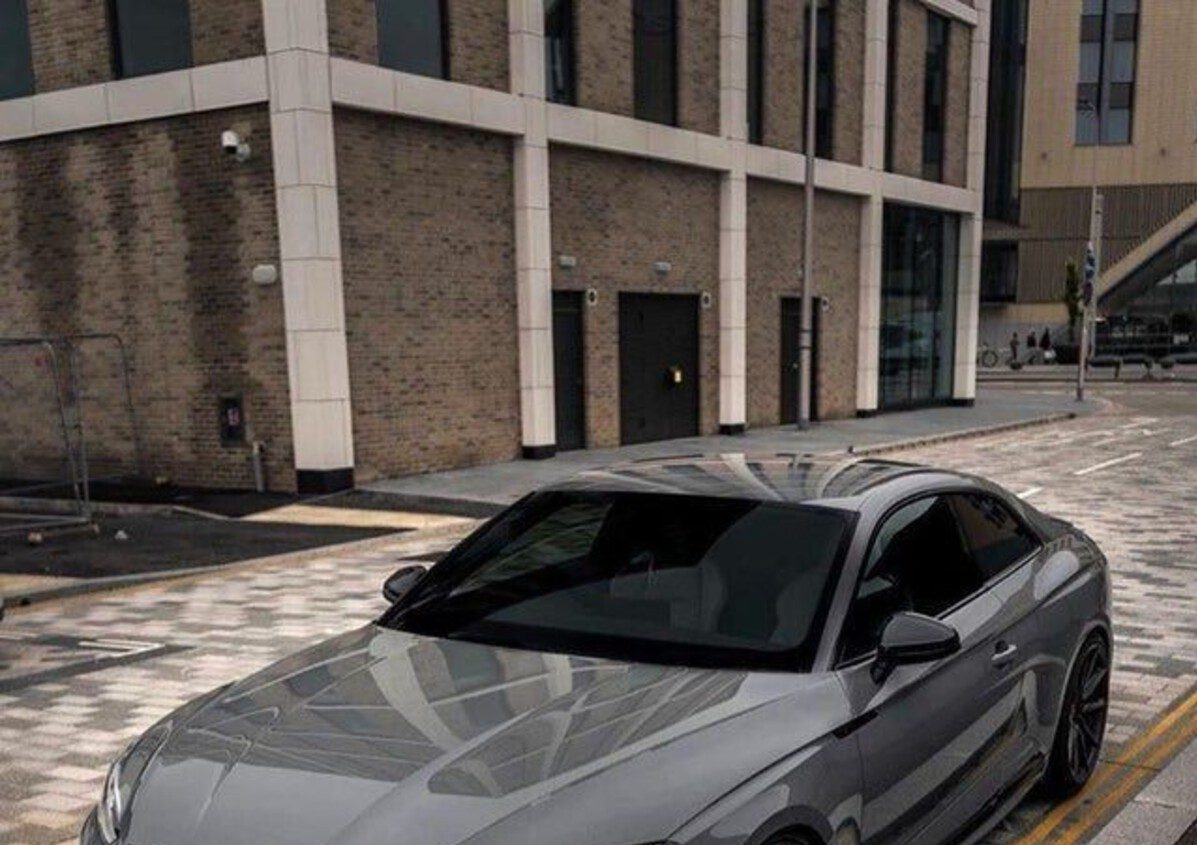
Audi’s quattro all-wheel-drive system ensured the RS7 remained composed, even under hard acceleration. The car felt stable at speed, with a strong sense of control through corners. This combination of power and balance made it ideal for both spirited driving and long-distance travel.
Chassis tuning emphasized confidence. Adaptive suspension systems allowed the RS7 to switch between comfort and performance-focused setups, depending on driving conditions. This flexibility reinforced Audi’s philosophy of usable performance.
Visually, the RS7 stood apart. Its wide stance, sharp body lines, and aggressive detailing gave it an unmistakable presence. Unlike more conservative RS models, the RS7 embraced a bold design language while staying true to functional performance elements.
Inside, the RS7 balanced luxury with sportiness. Supportive seats, high-quality materials, and driver-focused controls created an environment suited for both daily driving and high-speed runs.
The RS7 demonstrated that Audi RS models could appeal emotionally as well as mechanically. It wasn’t just fast, it looked and felt special. By combining performance, technology, and design, the RS7 helped modernize the RS identity for a new generation of drivers.
Audi RS5
The Audi RS5 represents a more refined side of Audi RS performance models. Instead of chasing extreme numbers alone, Audi focused on balance, precision, and driver connection. The RS5 showed that performance could feel sharp and controlled rather than overwhelming.
Earlier RS5 generations stood out for their naturally aspirated V8, an engine choice that emphasized response and sound over forced induction. Throttle input felt immediate, and power delivery was smooth and predictable. This gave the RS5 a distinct personality compared to turbo-heavy rivals.
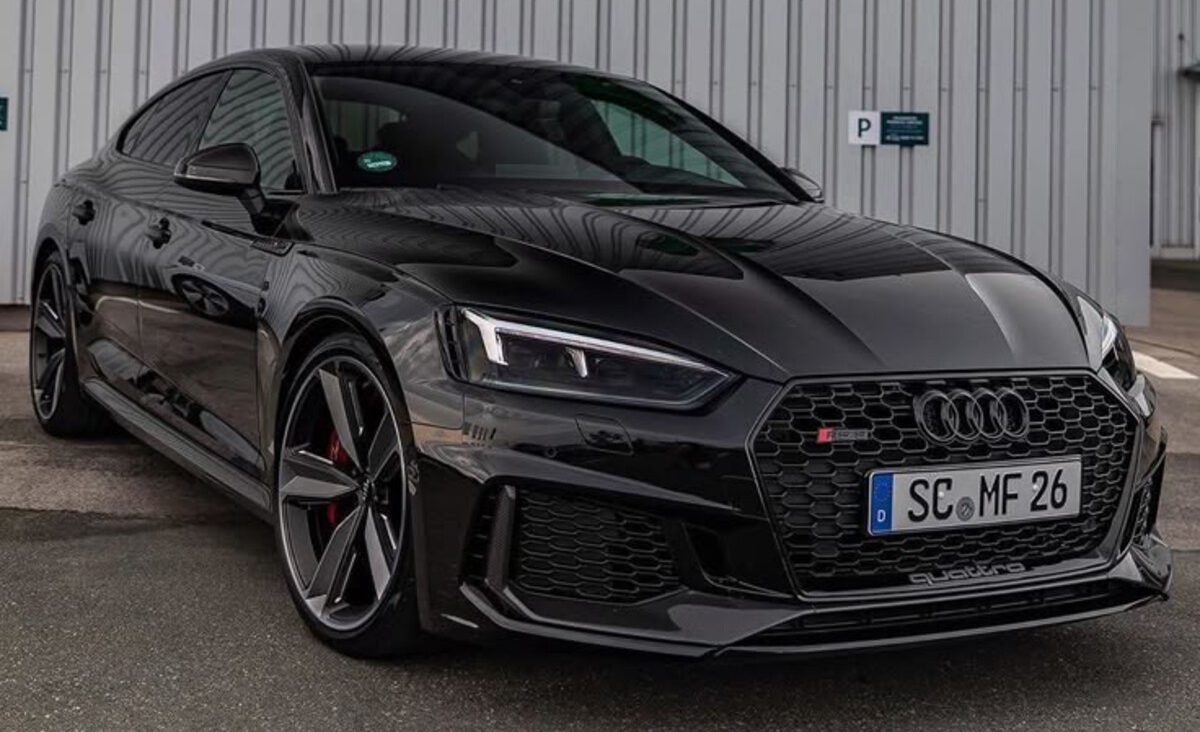
Handling was a major focus. Audi tuned the RS5 to feel lighter and more agile than its size suggested. Suspension geometry, weight distribution, and steering calibration worked together to create a car that rewarded confident driving. It excelled on winding roads where control mattered more than outright speed.
The quattro all-wheel-drive system provided grip without dulling engagement. Instead of masking driver input, it enhanced confidence, allowing drivers to push harder without fear of losing control. This made the RS5 feel approachable yet serious.
Design followed a clean, muscular approach. Wide arches, a low stance, and restrained detailing gave the RS5 presence without aggression overload. It looked fast, but not loud.
The RS5 played an important role in Audi’s performance lineup by offering a purist alternative. It proved that RS cars didn’t need to be brutal to be respected. Precision, balance, and character were enough.
Audi RS Q8
The Audi RS Q8 shattered expectations of what a performance SUV could be. Large, heavy, and luxurious on paper, it delivered acceleration and handling that rivaled dedicated sports cars. This model pushed Audi RS performance into new territory.
Powered by a twin-turbocharged V8, the RS Q8 delivered immense power with surprising smoothness. Straight-line speed was shocking for a vehicle of its size, but what impressed most was how composed it felt while doing it.
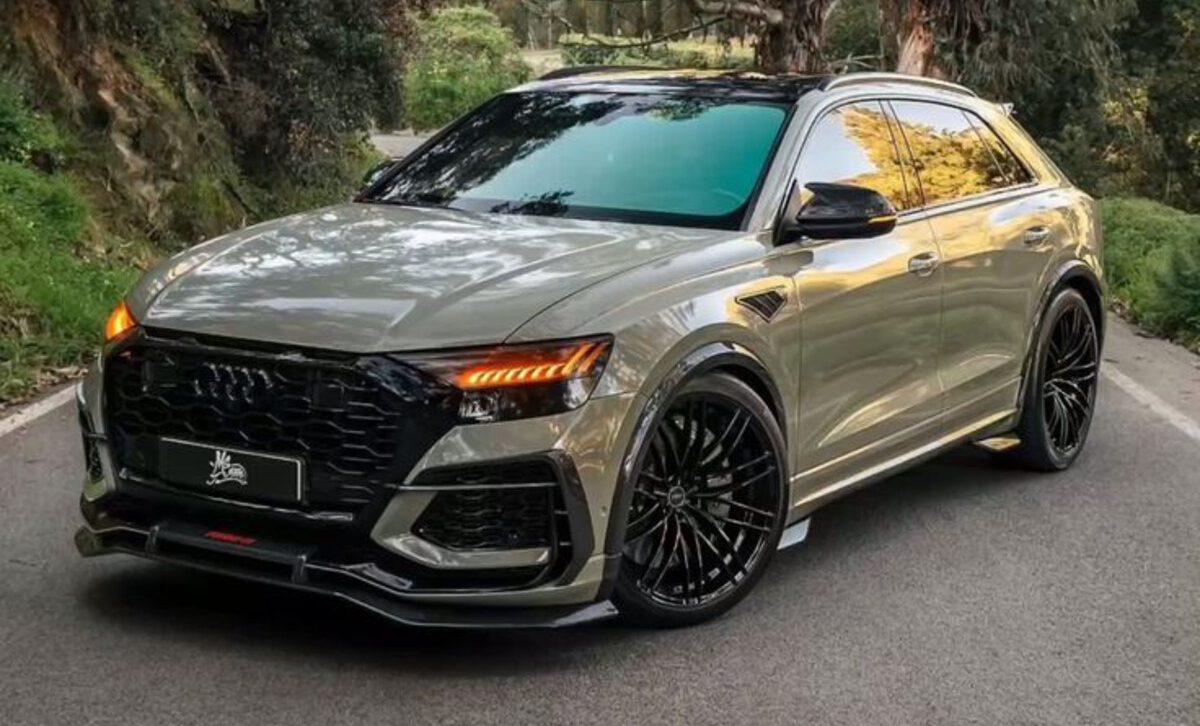
Advanced quattro all-wheel drive and performance-focused chassis tuning transformed the RS Q8’s dynamics. Active suspension systems minimized body roll, while torque distribution kept the vehicle stable through corners. It didn’t feel like a compromised performance car it felt engineered.
Design leaned into aggression more than most RS models. Wide bodywork, large air intakes, and an imposing stance made the RS Q8 impossible to ignore. It embraced its size rather than hiding it.
The RS Q8 proved that Audi RS could dominate segments beyond traditional sedans and coupes. It expanded the brand’s performance legacy into the SUV space without diluting credibility.
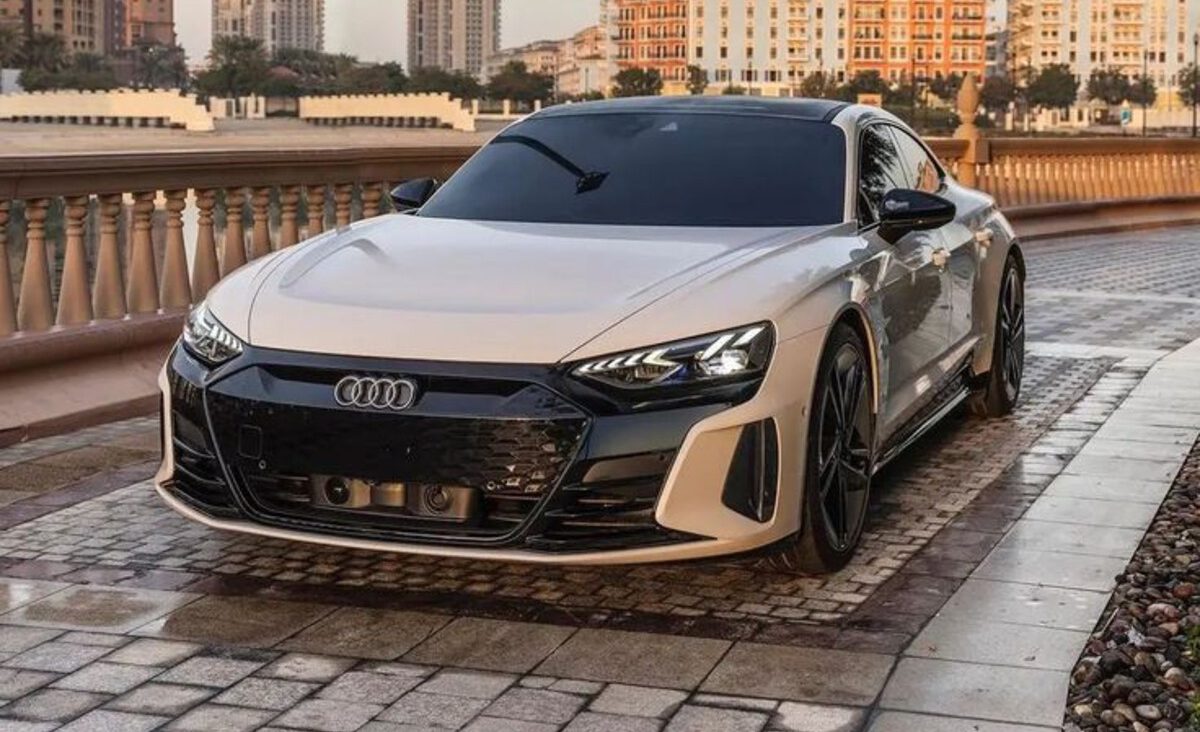
Audi RS e-tron GT
The Audi RS e-tron GT represents a turning point in Audi’s performance history. It proved that electrification does not weaken the RS identity it reshapes it.
Instant torque defines the driving experience. Acceleration is immediate and relentless, delivering speed in a way combustion engines cannot replicate. The RS e-tron GT feels fast without drama, yet deeply intense.
Weight management and low center of gravity help maintain control. Despite being electric, it feels planted and responsive, with sharp turn-in and impressive stability. Audi focused heavily on preserving driver confidence.
Design is sleek and purposeful. The RS e-tron GT looks futuristic without abandoning RS aggression. It signals evolution, not compromise.
This model confirmed that Audi RS performance is not tied to one type of powertrain. It’s about execution, control, and intent.
The eight Audi RS models discussed here did more than deliver speed. They built a reputation based on discipline, engineering confidence, and real-world performance. Each one pushed boundaries within its segment while staying true to Audi’s core philosophy.
From the RS2 Avant that broke stereotypes to the RS e-tron GT that reshaped the future, these cars defined what Audi RS stands for. They proved that performance does not need excess noise or impractical design. It needs balance, control, and purpose.
Audi RS models earned respect by being usable. They handled daily driving as confidently as aggressive acceleration. This dual personality became the brand’s signature strength and helped Audi compete at the highest level.
What truly connects these cars is intent. None were built to follow trends. Each responded to a specific challenge whether proving wagons could be fast, SUVs could handle, or electric cars could thrill.
Today, Audi’s performance legacy stands strong because of these defining RS models. They didn’t just represent progress at the time. They continue to influence how performance cars are engineered, driven, and judged.
If Audi RS has proven anything, it’s this: performance isn’t about shouting. It’s about delivering every time, in every condition.