
German sports cars have always carried a certain weight in the car world. When people talk about speed, precision, and long-term performance, German engineering usually enters the conversation fast. But power alone is not what sets these cars apart.
What really matters to buyers is dependability. A sports car that looks good but spends more time in the garage than on the road loses its charm quickly. This is where German sports cars stand strong.
Brands like Porsche, BMW, Audi, and Mercedes-Benz have spent decades refining engines, transmissions, and chassis systems that can handle stress without falling apart. These manufacturers do not just chase speed numbers.
They focus on balance, performance that lasts, parts that age well, and systems that keep working even after years of aggressive driving. This approach has helped many German sports cars earn a reputation for being reliable even under demanding conditions.
Another reason for their dependability is strict engineering discipline. German automakers test their vehicles in extreme weather, high-speed autobahn runs, and long-distance endurance conditions.
These tests are not for marketing. They help identify weak points early, so problems are fixed before cars reach customers. As a result, many German sports cars age better than expected when properly maintained.
It is also worth noting that reliability does not mean “maintenance-free.” German sports cars still need regular servicing, quality fuel, and proper care. But when owners follow service schedules, these vehicles often deliver consistent performance for years. Engines stay tight, gearboxes remain smooth, and handling does not fade quickly.
This article focuses on 10 German sports cars known for rock-solid dependability. These models are not just fast or stylish. They are proven to handle daily use, long drives, and spirited runs without constant mechanical trouble. If you are searching for reliable German sports cars that combine excitement with peace of mind, this list highlights the models that truly deliver.
ALSO READ: 2028 Porsche Panamera Spy Photos Show Tech Additions and Minor Exterior Revisions
1. Porsche 911 (997 Generation)
The Porsche 911 has always been a benchmark for sports cars, but the 997 generation stands out when it comes to dependability. Produced between 2005 and 2012, this version refined the 911 formula without overcomplicating it. Many enthusiasts consider it one of the most reliable modern 911 generations.
One major strength of the 997 is its engine lineup. Later models, especially those with the updated flat-six engines, solved many of the issues seen in earlier generations. These engines are known for strong internals, smooth power delivery, and long service life when maintained correctly. Oil consumption is generally well-controlled, and cooling systems are robust.
The driving experience also plays a role in reliability. The 997 is fast but not overwhelming. Power levels are manageable, which reduces stress on components like the transmission, clutch, and suspension. Manual gearboxes in particular are known for their durability and precise feel even after high mileage.
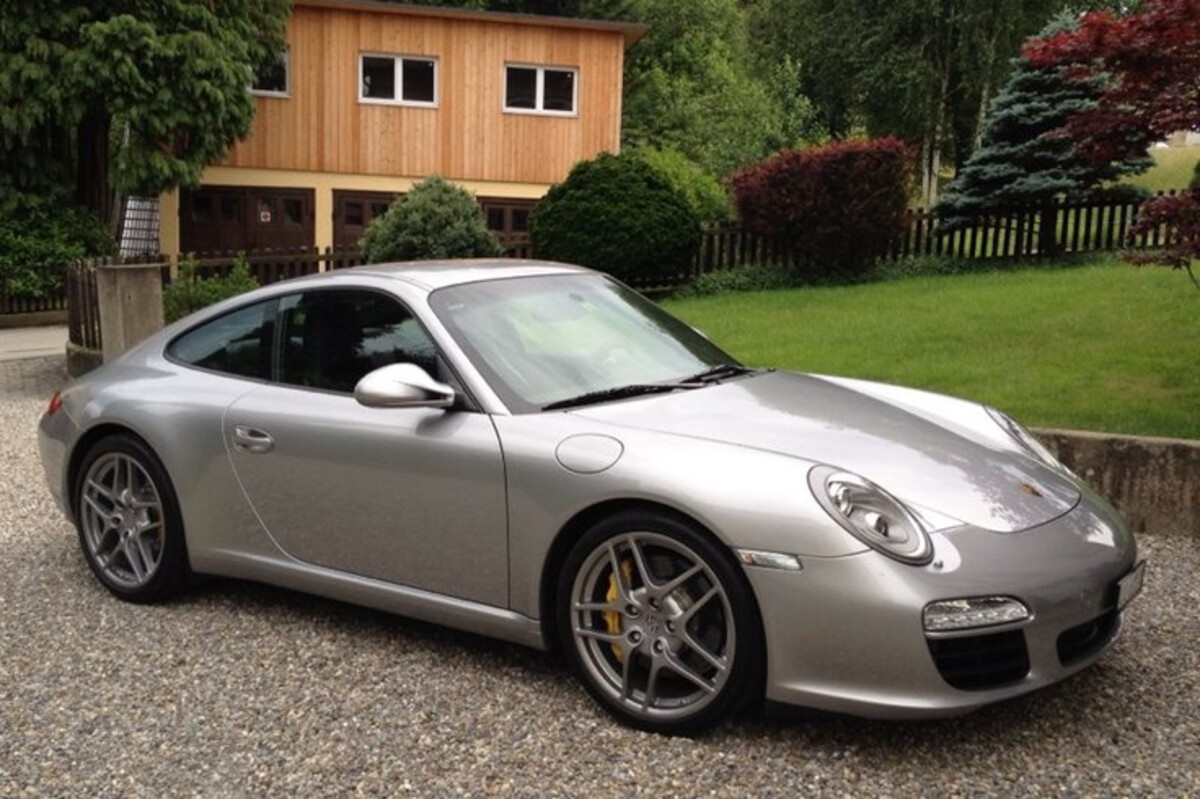
Build quality is another key factor. Interior materials age well, electronics are relatively simple compared to newer models, and body panels resist wear. Unlike some modern sports cars packed with fragile tech, the 997 keeps things focused and functional.
Maintenance is not cheap, but it is predictable. Owners who follow Porsche’s service schedule usually avoid major surprises. Many high-mileage examples still run strong, proving that the 997 can handle long-term ownership better than most sports cars.
For buyers seeking a reliable German sports car with timeless design and real performance, the Porsche 911 (997) remains a top choice. It offers excitement without constant mechanical headaches, which is rare in this segment.
2. BMW M2 (First Generation)
The first-generation BMW M2 quickly earned respect for doing something many modern sports cars struggle with: delivering raw performance without sacrificing dependability. Built between 2016 and 2018, the M2 focused on simplicity, balance, and mechanical strength.
At the heart of the M2 is a turbocharged inline-six engine that proved to be both powerful and reliable. BMW avoided pushing extreme tuning numbers, which helped keep engine stress under control. Cooling systems are strong, and the engine handles spirited driving without overheating issues when properly serviced.
The chassis also contributes to long-term reliability. The M2 uses reinforced suspension components borrowed from larger M models. This gives it excellent handling while reducing wear on key parts. Bushings, brakes, and control arms tend to last longer than expected for a performance car.
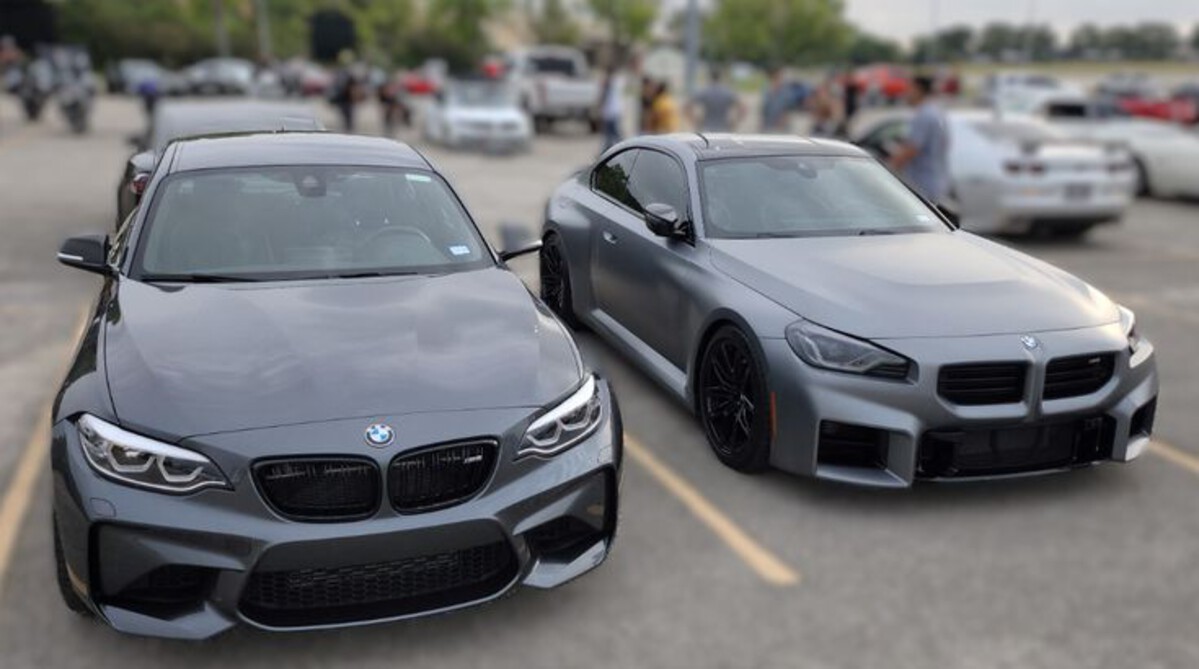
Transmission options add to its appeal. Both the manual and automatic gearboxes are known for durability. Manual models in particular attract enthusiasts who value mechanical simplicity and long-term ownership.
Interior quality is solid, with fewer complex features than newer BMW models. This reduces the risk of electrical problems over time. The car feels built for driving first, not gadgets.
For drivers looking for a dependable German sports car that still feels aggressive and engaging, the BMW M2 delivers. It proves that modern performance does not have to mean fragile engineering.
3. Audi TT RS
The Audi TT RS proves that compact sports cars can still be dependable when engineered properly. While the standard TT models are already known for solid build quality, the RS version takes things further without becoming fragile. It blends strong performance with everyday usability, which plays a big role in its long-term reliability.
The standout feature of the TT RS is its turbocharged five-cylinder engine. This engine has become one of Audi’s most respected performance units. It delivers strong power without being overstressed. The design is proven, and Audi has refined it across different models, reducing common failure points. When maintained well, this engine holds up impressively over time.
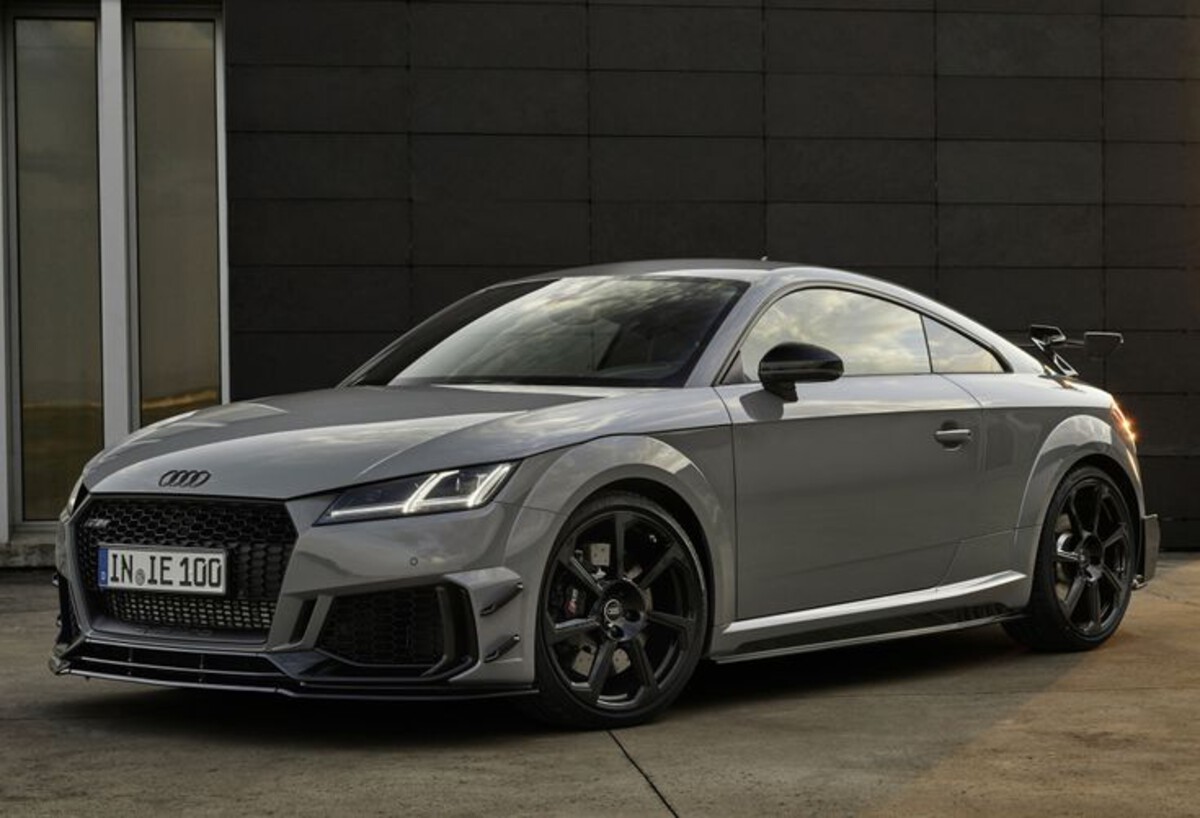
Another major advantage is Audi’s Quattro all-wheel-drive system. Instead of putting excessive strain on one axle, power is distributed evenly. This improves traction and reduces wear on tires, suspension components, and drivetrain parts. For drivers who enjoy spirited driving, this balance helps keep mechanical stress in check.
The dual-clutch automatic transmission is also known for reliability when serviced on schedule. Shifts remain smooth, and failures are rare compared to less-tested systems. Suspension tuning is sporty but not extreme, which helps parts last longer even on rough roads.
Interior quality adds to the dependability story. Controls are solid, materials age well, and electrical systems are generally stable. Audi avoided unnecessary complexity in key driving systems, which reduces long-term repair risks.
For buyers looking for a reliable German sports car that offers strong performance in a smaller package, the Audi TT RS stands out. It delivers speed without sacrificing durability, making it suitable for both daily driving and weekend fun.
4. Mercedes-Benz C63 AMG (W204)
The Mercedes-Benz C63 AMG from the W204 generation is often praised for its raw character, but its dependability is just as impressive. Built between 2008 and 2015, this model represents a time when AMG focused on mechanical strength rather than heavy electronic layers.
Under the hood sits a naturally aspirated V8 engine that has earned a strong reputation for reliability. Unlike heavily turbocharged setups, this engine delivers power smoothly and consistently. It is known for solid internals and long service life when basic maintenance is followed.
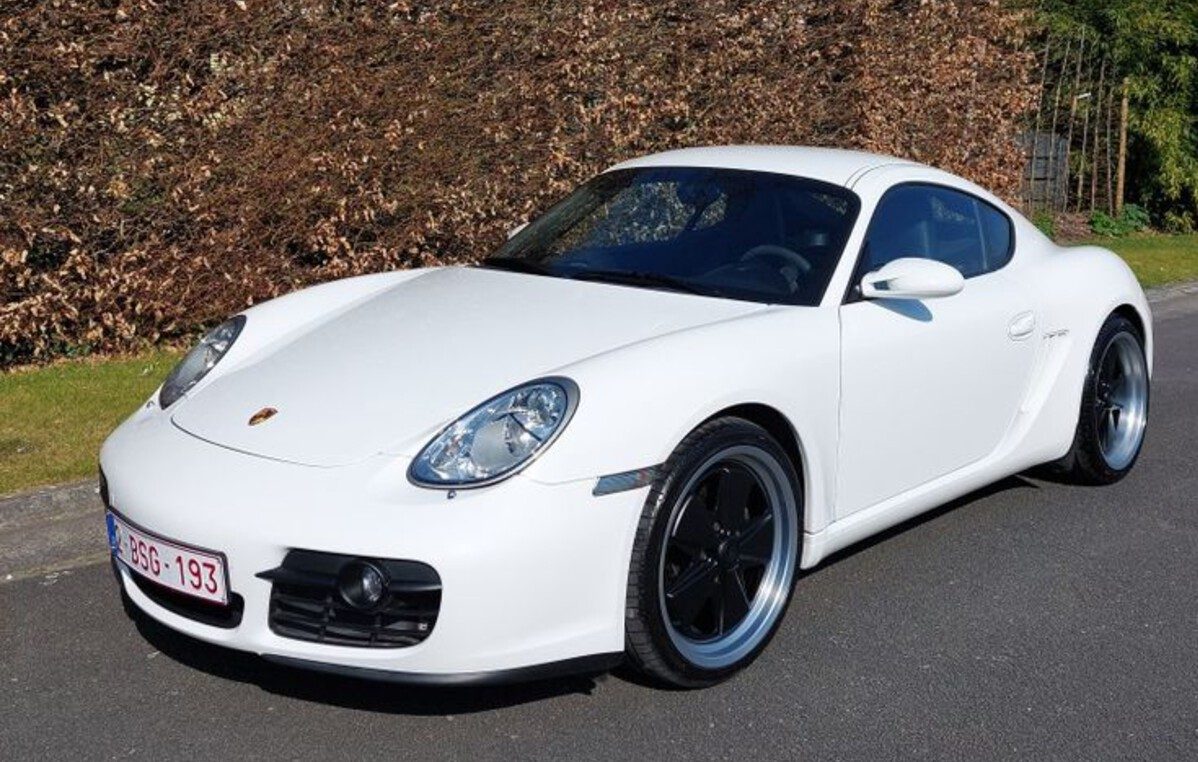
The transmission, whether automatic or manual in rare cases, is equally robust. It handles high torque without frequent failures, which is not always the case in high-performance sedans. Cooling systems are effective, even during aggressive driving, helping protect critical components.
Chassis and suspension durability also stand out. The car is heavy, but it is built to manage that weight. Suspension components are reinforced, and brakes are designed for repeated hard use. This reduces the chances of early wear or failure.
Interior quality reflects Mercedes-Benz’s focus on durability. Buttons, seats, and trim pieces tend to age well. Electronics are simpler than in newer models, which lowers the risk of long-term electrical problems.
For drivers who want a dependable German sports car with muscle-car energy and luxury comfort, the C63 AMG (W204) remains a strong choice. It offers thrilling performance without constant repair concerns.
ALSO READ: Top 8 German Sports Cars With Lower-Than-Expected Ownership Costs
5. Porsche Cayman (987 Generation)
The Porsche Cayman has always lived in the shadow of the 911, but the 987 generation deserves recognition for its reliability. Produced between 2006 and 2012, this model benefits from Porsche’s focus on balance and simplicity.
Engine placement plays a big role here. The mid-engine layout improves weight distribution, which reduces strain on suspension and drivetrain components. The flat-six engines used in the 987 are well-regarded for smooth operation and strong durability when properly serviced.
Unlike some earlier Porsche models, later 987 versions addressed known engine issues, improving long-term reliability. Cooling systems are efficient, and oil management is better controlled. Many owners report consistent performance even at higher mileage.
The Cayman’s lighter weight also helps. Less mass means brakes, tires, and suspension parts last longer. This reduces maintenance costs over time and improves overall dependability.
Manual transmissions in the 987 are particularly durable and offer a direct driving feel. Automatic options are also reliable when maintained correctly. Interior build quality is solid, with fewer complicated systems than newer sports cars.
For enthusiasts seeking a reliable German sports car that focuses on driving purity, the Porsche Cayman (987) delivers. It combines sharp handling with engineering that stands the test of time.
6. BMW M3 E46
The BMW M3 E46 is often called one of the best performance cars ever made, and its dependability plays a big role in that reputation. Produced between 2000 and 2006, this model focused on mechanical excellence rather than excessive electronics. That choice helped it age better than many newer sports cars.
Its naturally aspirated inline-six engine is the star of the show. This engine delivers high-revving performance without relying on turbochargers, which reduces long-term stress. When maintained correctly, it is capable of running smoothly for many years. Key components are strong, and the engine design is well understood by specialists.
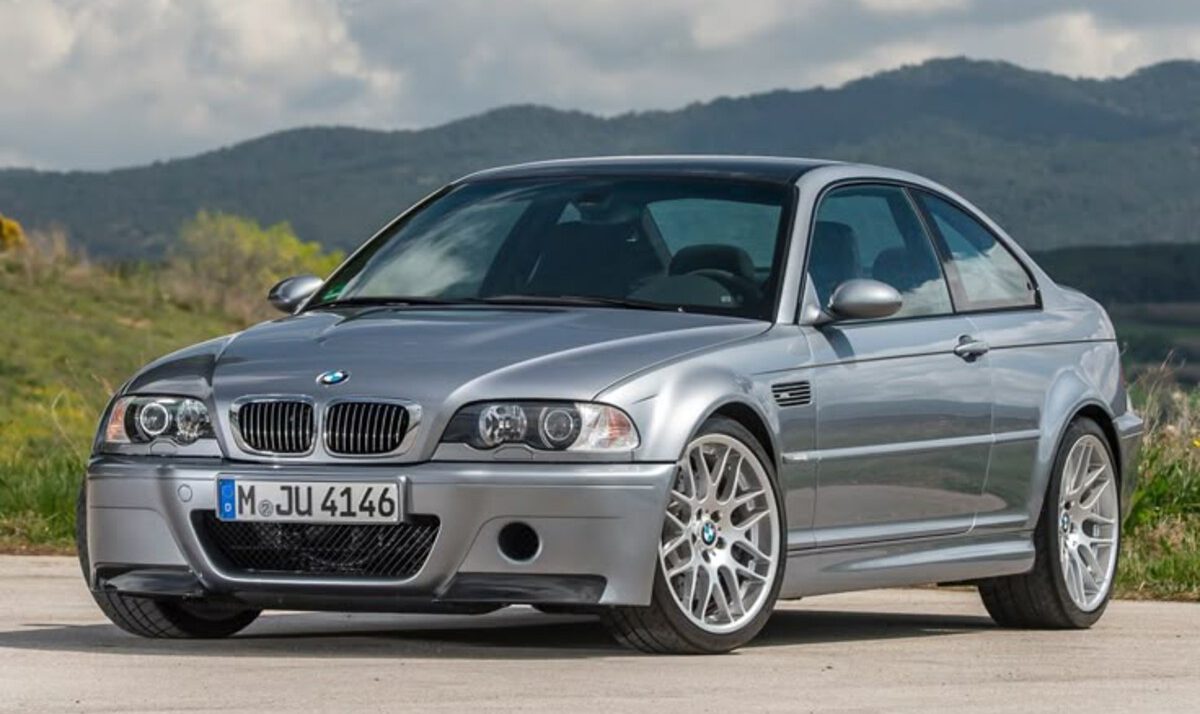
The chassis is another reliability highlight. Suspension geometry is precise but not fragile. Parts are built to handle spirited driving, track use, and daily commuting without frequent failures. Brake systems are also durable, especially when used within their design limits.
Manual transmissions in the E46 M3 are known for their strength and driver engagement. The automated manual option requires more care, but when serviced properly, it can still deliver consistent performance.
Interior quality holds up well over time. Materials feel solid, and controls remain functional even after years of use. Electrical systems are simpler compared to modern vehicles, which reduces repair risks.
For buyers looking for a reliable German sports car with a pure driving feel, the BMW M3 E46 remains a strong long-term option.
7. Audi R8 V8
The Audi R8 proved that a supercar does not have to be unreliable. The first-generation V8 model, in particular, earned respect for combining exotic performance with everyday durability.
Its naturally aspirated V8 engine is tuned for balance rather than extreme output. This helps reduce internal stress and improve longevity. Cooling systems are effective, even during aggressive driving, which protects engine components.
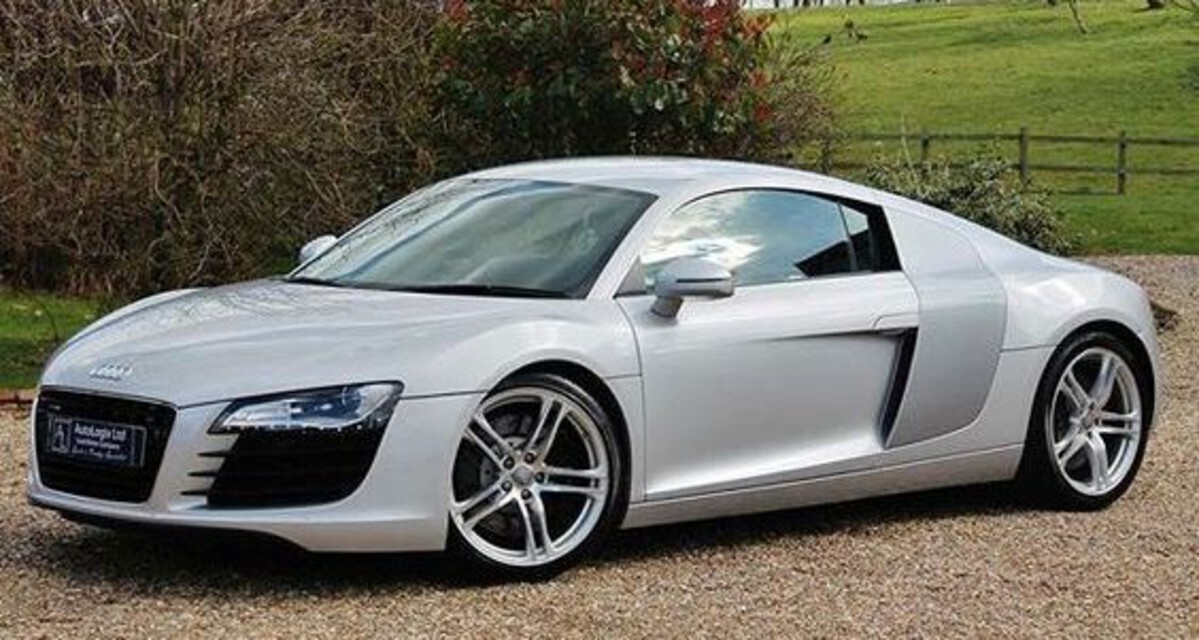
Audi’s Quattro all-wheel-drive system also adds reliability. Power is distributed efficiently, improving traction and reducing wear on individual drivetrain parts. This setup makes the R8 more forgiving than many rear-wheel-drive supercars.
The chassis is built using lightweight but strong materials. Suspension components are engineered for both performance and durability, allowing the car to handle daily use without excessive wear.
Interior quality is another strong point. Controls are solid, and electronics are more stable than many expect from a supercar. Audi focused on usability, which improves long-term ownership experience.
For drivers who want a dependable German sports car that still feels special, the Audi R8 V8 delivers excitement without constant mechanical issues.
8. Mercedes-Benz SLK 55 AMG
The Mercedes-Benz SLK 55 AMG is often overlooked, but it deserves attention for its reliability. This compact roadster combines a naturally aspirated V8 with solid engineering, making it one of the more dependable AMG models.
The engine is detuned compared to larger AMG cars, which helps improve longevity. Power delivery is smooth, and internal components are built to last. Routine maintenance keeps the engine running strong for years.
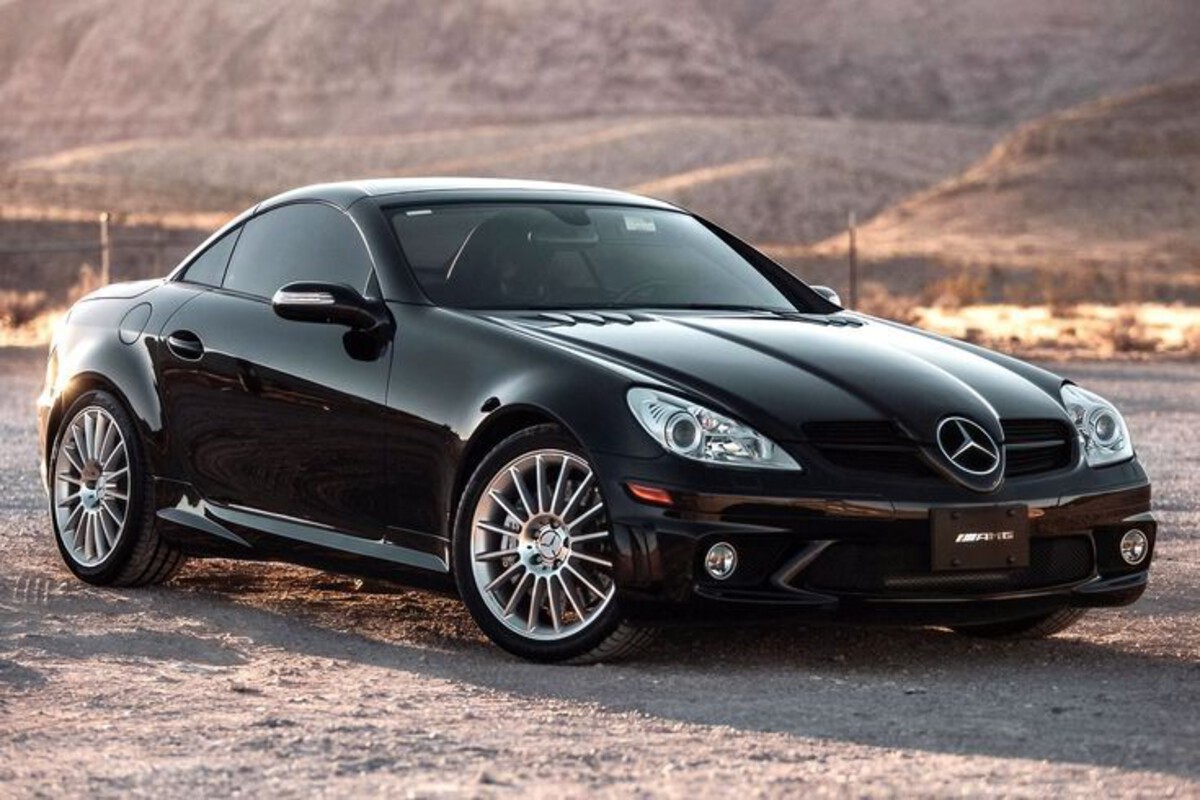
The transmission handles torque well and does not suffer from frequent failures. Cooling systems are efficient, and the car manages heat effectively even during spirited driving.
The retractable hardtop is also more reliable than many expect. When maintained properly, it operates smoothly without common roof mechanism failures seen in other convertibles.
Interior materials age well, and electronics are relatively straightforward. This reduces long-term repair complexity.
For those seeking a reliable German sports car with open-top fun and strong performance, the SLK 55 AMG is a solid choice.
ALSO READ: 5 German Cars That Make Sense Long-Term vs 5 That Don’t
9. Porsche Boxster 981
The Porsche Boxster 981 refined everything that made earlier Boxsters good while improving reliability. Built between 2012 and 2016, this generation focused on quality and balance.
Its flat-six engines are known for smooth operation and strong durability. Porsche improved cooling and oil management, reducing long-term issues. Power delivery is consistent and predictable.
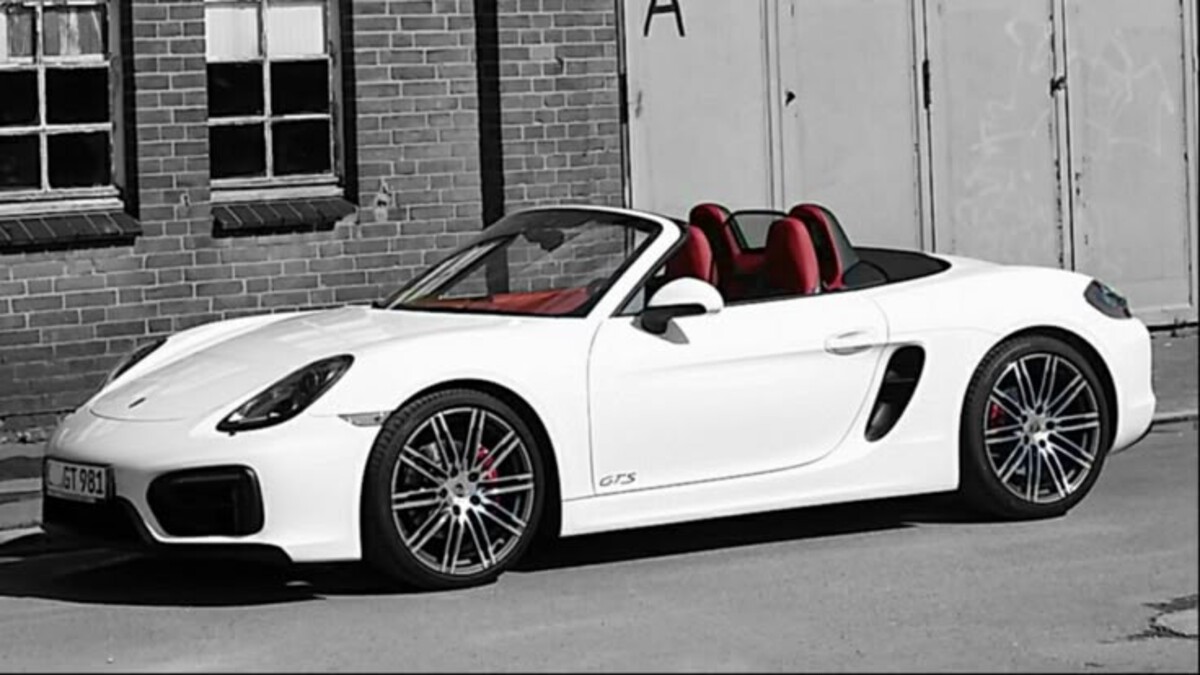
The mid-engine layout reduces strain on suspension and drivetrain components. This improves handling while also extending component life.
Manual and automatic transmissions in the 981 are both dependable when serviced on time. Interior quality is high, and materials resist wear.
For buyers wanting a dependable German sports car with everyday usability, the Boxster 981 is a smart option.
10. Volkswagen Golf R
The Volkswagen Golf R proves that a practical sports car can still be reliable. While not a traditional coupe, it delivers serious performance with everyday durability.
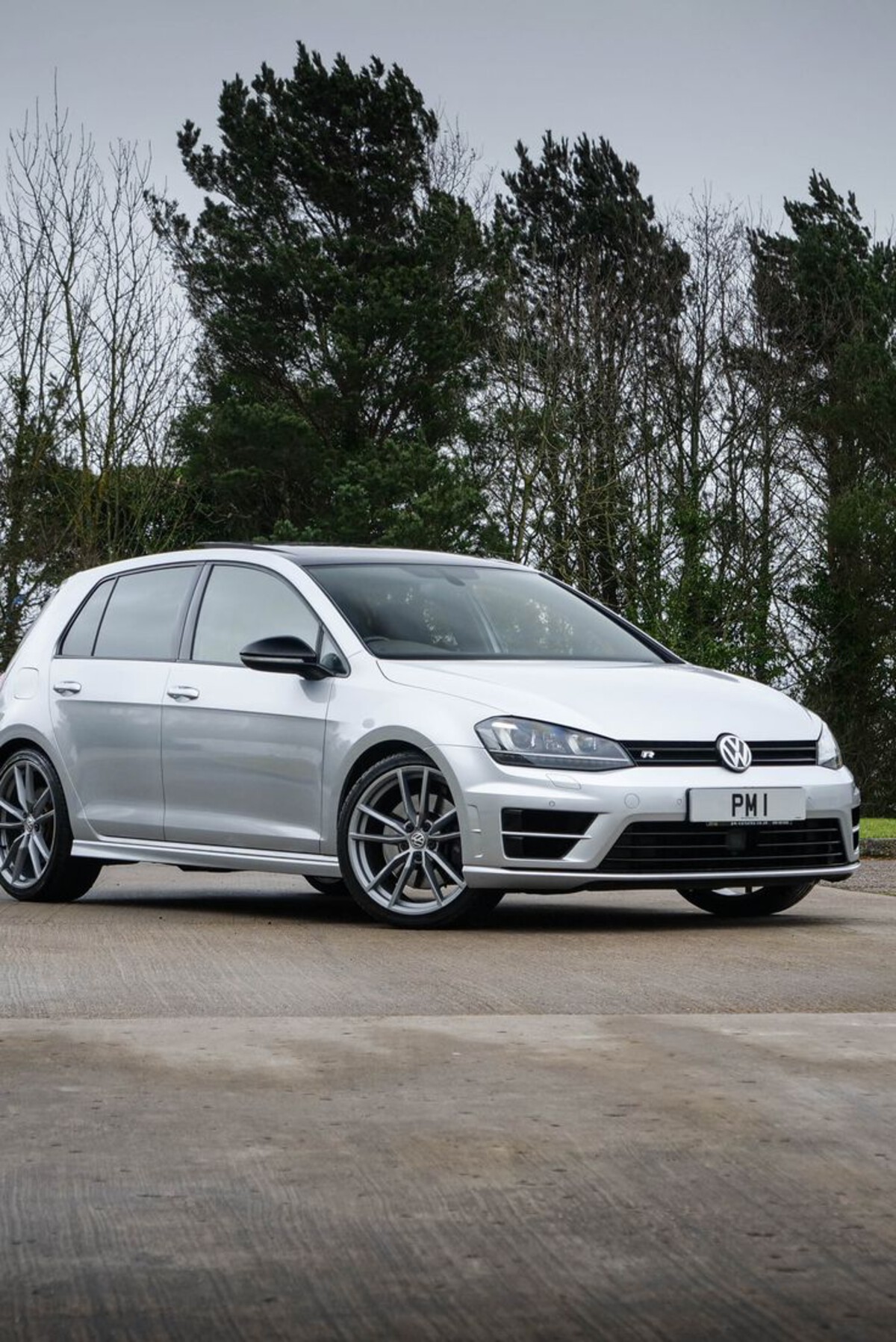
Its turbocharged engine is well-tested and not overly stressed. When maintained properly, it offers long service life. The all-wheel-drive system improves traction and reduces drivetrain wear.
The transmission options are robust, and suspension tuning balances comfort with performance. Interior quality is solid, and electronics are generally stable.
For drivers seeking a reliable German sports car that works as a daily driver, the Golf R is hard to ignore.
Reliability in a sports car is not accidental. It comes from thoughtful engineering, proven components, and realistic performance goals. The German sports cars discussed in this article succeed because they avoid chasing numbers at the cost of durability.
A key factor is engine design. Many of these vehicles rely on naturally aspirated or moderately tuned turbo engines. This reduces internal stress and helps engines last longer. Strong cooling systems and refined oil management also play a big role.
Another reason is build quality. German manufacturers are known for strict quality control. Materials, assembly processes, and testing standards are designed to catch problems early. This leads to cars that feel solid even after years of use.
Drivetrain balance also matters. All-wheel-drive systems, reinforced transmissions, and well-tuned suspensions help distribute stress evenly. This prevents early wear and reduces the chance of major failures.
Finally, these cars reward proper ownership. When serviced on time and driven responsibly, they deliver consistent performance and reliability. They prove that excitement and dependability can exist together.