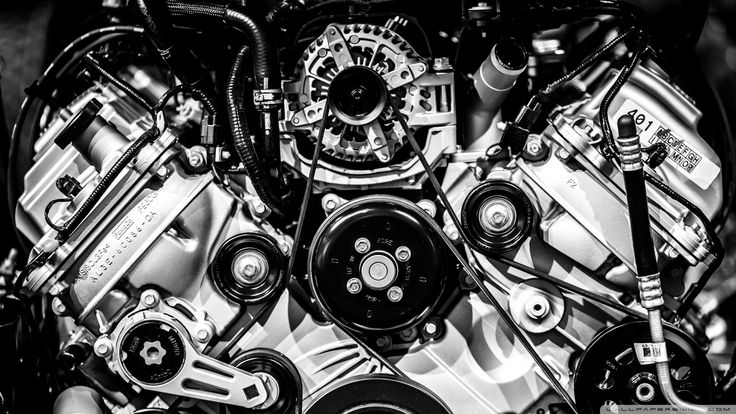
In a car world obsessed with turbos, hybrid assist, and downsized engines pushed to their limits, naturally aspirated engines feel almost old-school. But here’s the thing: old-school doesn’t mean outdated. It often means dependable, predictable, and built to last. That’s exactly why naturally aspirated engines with legendary reliability still get so much respect from enthusiasts, mechanics, and everyday drivers.
A naturally aspirated engine relies on atmospheric pressure to draw air into the combustion chamber. No turbochargers. No superchargers. No complex boost systems waiting to fail. Fewer parts usually mean fewer problems, and that simplicity is the backbone of long-term reliability. When engineered right, these engines can run hundreds of thousands of kilometres with minimal drama.
Legendary reliability doesn’t happen by accident. It comes from conservative engineering, strong internal components, manageable power output, and designs that prioritise longevity over flashy numbers. Many of the engines on this list were never the most powerful in their class, but they earned something far more valuable: trust. Owners trusted them for daily commutes, long road trips, harsh climates, and years of neglect that would kill weaker motors.
Another reason naturally aspirated engines age so well is heat management. Forced induction engines operate under higher pressures and temperatures, which accelerates wear. Naturally aspirated setups avoid that stress, allowing parts like pistons, bearings, and valves to last longer. That’s why many of these engines are still running strong decades after production ended.
This list focuses on engines, not just cars. Some appeared in multiple models across generations, quietly building a reputation for being almost impossible to kill. These are engines known for crossing 300,000 km without rebuilds, surviving poor fuel quality, and forgiving owners who skipped a service or two.
If you value reliability over hype and engineering over gimmicks, these naturally aspirated engines deserve your attention.
1. Toyota 2JZ-GE
The Toyota 2JZ-GE is often overshadowed by its turbocharged sibling, but the naturally aspirated version is where pure reliability shines. Designed as a 3.0-litre inline-six, the 2JZ-GE was built with durability as a priority, not outright performance. That mindset is exactly why it became one of the most reliable naturally aspirated engines ever made.
At its core, the 2JZ-GE features a massively overengineered cast-iron block. This block is famously strong, capable of handling far more power than the engine ever produced in stock form. For everyday drivers, that strength translated into extreme longevity and resistance to wear. Bottom-end failures are incredibly rare, even at high mileage.
The engine uses a smooth inline-six configuration, which naturally reduces vibration and stress on internal components. Less vibration means less fatigue over time, helping parts last longer. Combined with a well-designed oiling system, the 2JZ-GE maintains stable lubrication even under hard driving.
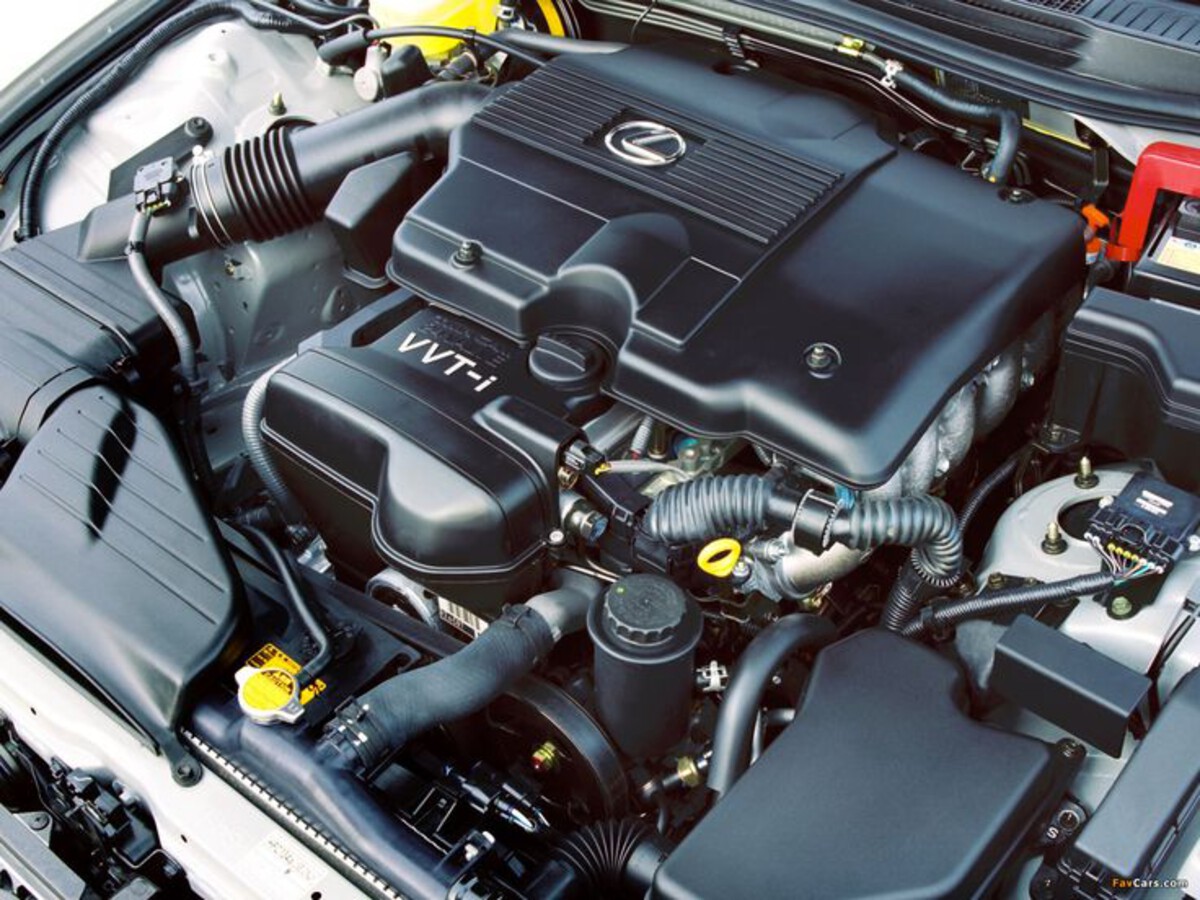
Another reason for its legendary reliability is its tolerance for neglect. While no engine should be ignored, the 2JZ-GE has a reputation for surviving missed oil changes and poor fuel quality better than most. Timing components, cooling systems, and fuel delivery setups were all designed with long service intervals in mind.
Power output was modest, but predictable. That predictability prevented sudden stress spikes that often damage engines. Owners could drive the car hard without constantly worrying about mechanical failure. Even today, high-mileage examples continue running smoothly with basic maintenance.
The naturally aspirated 2JZ-GE proves that Toyota’s reputation for reliability wasn’t luck. It was the result of careful engineering and a refusal to compromise durability for short-term gains.
2. Honda K20 Series
The Honda K20 series represents a rare combination of reliability and high-revving performance in a naturally aspirated engine. While many engines become fragile when pushed to higher RPMs, the K20 thrives there, and that’s what makes its reliability so impressive.
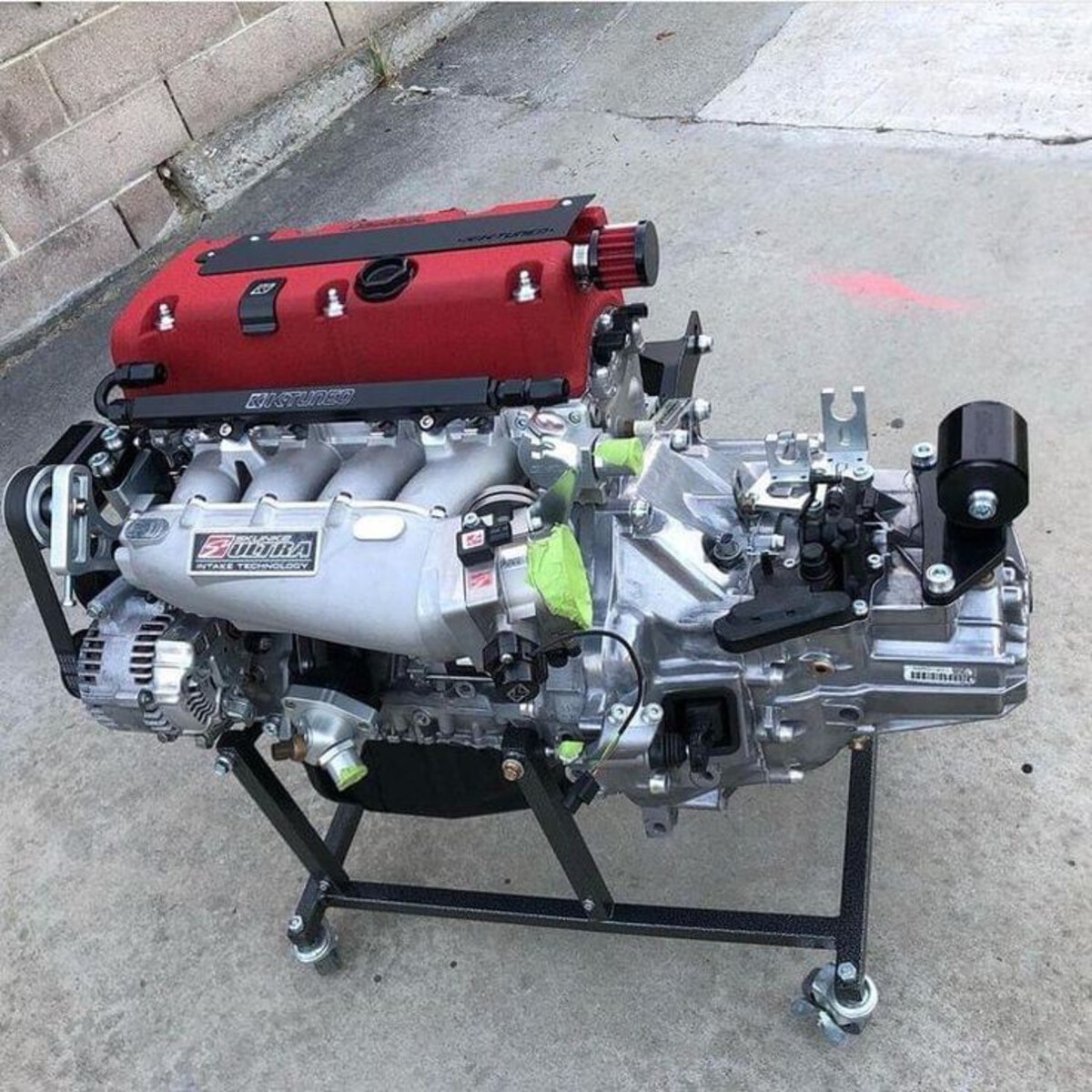
Built with an aluminium block and reinforced internals, the K20 was engineered to handle sustained high engine speeds without excessive wear. Honda paid close attention to oil flow, cooling efficiency, and internal balance. These factors allowed the engine to rev freely while maintaining long-term durability.
One standout feature is Honda’s precise valvetrain design. The K20’s valve control system is known for staying reliable even under aggressive driving. Unlike some performance-oriented engines that require frequent valve adjustments or rebuilds, the K20 maintains stability over years of use.
Another reason for its legendary reliability is consistency. Whether used in daily commuting or spirited driving, the engine behaves predictably. It doesn’t suffer from sudden power loss, overheating issues, or chronic oil consumption when properly maintained.
The timing chain setup, instead of a belt, further improves longevity. Chains typically last the lifetime of the engine, reducing maintenance costs and failure risk. Combined with a solid cooling system, the K20 avoids many of the age-related issues that plague other engines.
Owners regularly report K20 engines surpassing 300,000 km without internal repairs. That kind of lifespan, especially for a performance-leaning naturally aspirated engine, is rare. It proves that smart engineering can deliver both excitement and dependability without compromise.
ALSO READ: 10 Cars With Lane-Assist Tech That Creates More Problems Than It Solves
3. Toyota 1UZ-FE
The Toyota 1UZ-FE is one of those engines that quietly built a bulletproof reputation while doing everything asked of it without complaint. Introduced as a 4.0-litre naturally aspirated V8, this engine was never about headline-grabbing power. Instead, it focused on smoothness, durability, and long-term reliability, and it delivered all three consistently.
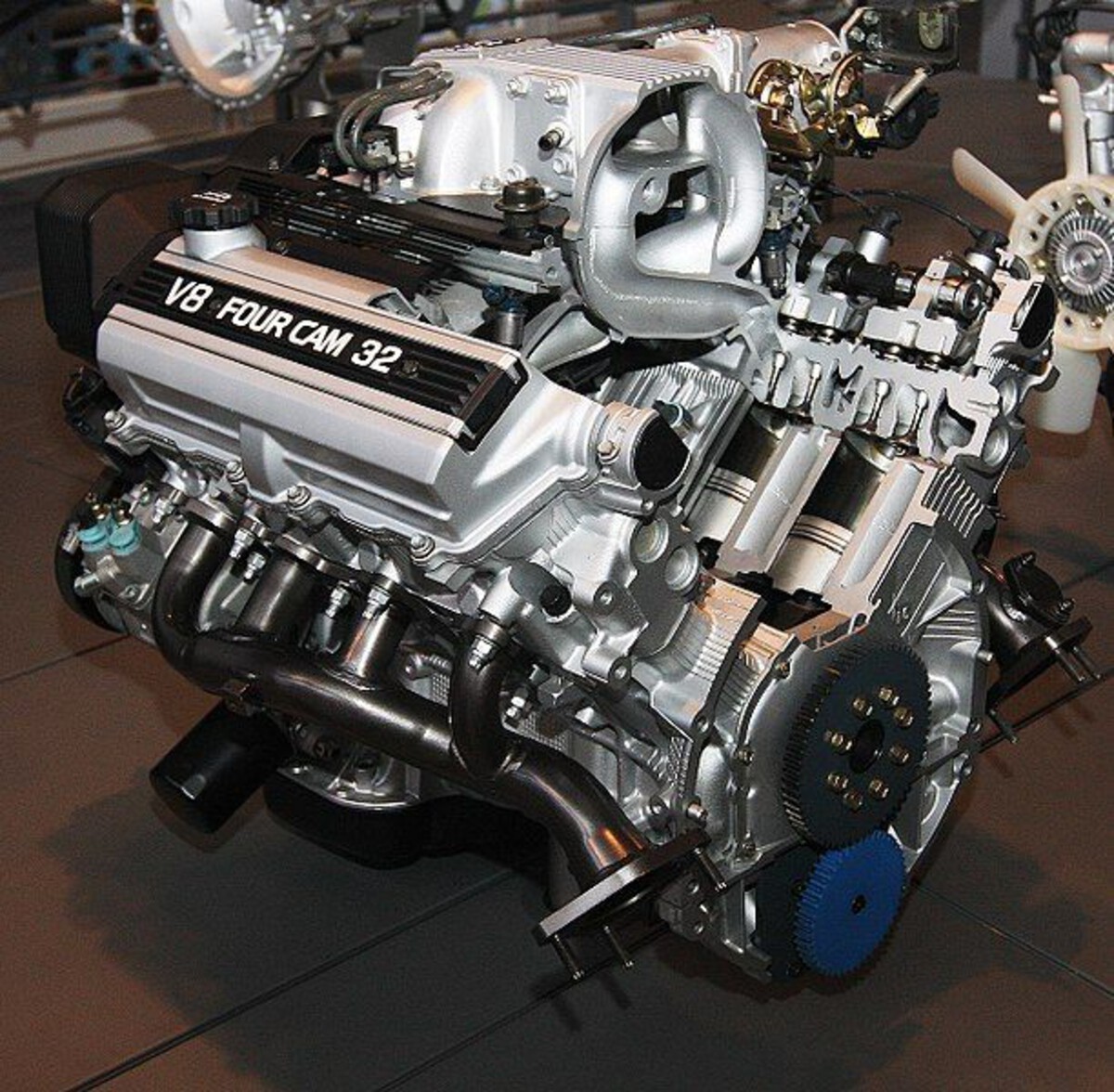
One of the strongest points of the 1UZ-FE is its build quality. Toyota engineered this engine during a time when cost-cutting wasn’t the priority. The aluminium block is reinforced, the internals are overbuilt, and tolerances were kept conservative. That approach resulted in an engine that could handle daily driving stress for decades.
The V8 layout was tuned for balance rather than aggression. Power delivery is linear, which reduces sudden stress on internal components. This makes the engine especially reliable over long periods, even when driven hard. Heat management is also excellent, thanks to an efficient cooling system that prevents overheating, a common cause of engine failure.
Another reason the 1UZ-FE earns legendary reliability status is its timing belt system. While timing belts often raise concerns, Toyota designed this one with durability in mind. When maintained at recommended intervals, failures are extremely rare, and even high-mileage engines continue running smoothly.
Oil consumption issues are uncommon, and the engine is known for maintaining compression well into high kilometre counts. Many owners report crossing 400,000 km without internal rebuilds, which is remarkable for a naturally aspirated V8.
The 1UZ-FE proves that a luxury-focused engine can still be incredibly tough. Its reliability record isn’t built on hype, but on years of real-world performance across different driving conditions and ownership styles.
4. Lexus/Toyota 3UZ-FE
The 3UZ-FE is essentially the refined evolution of the already dependable 1UZ-FE, and it carries that reliability legacy forward without losing strength. As a 4.3-litre naturally aspirated V8, this engine focused on smooth torque delivery, quiet operation, and mechanical longevity.
Toyota didn’t chase extreme power figures with the 3UZ-FE. Instead, engineers focused on improving efficiency while keeping stress levels low. That balance plays a big role in why the engine lasts so long. The internals were designed to handle more load than they typically see, which means reduced wear over time.
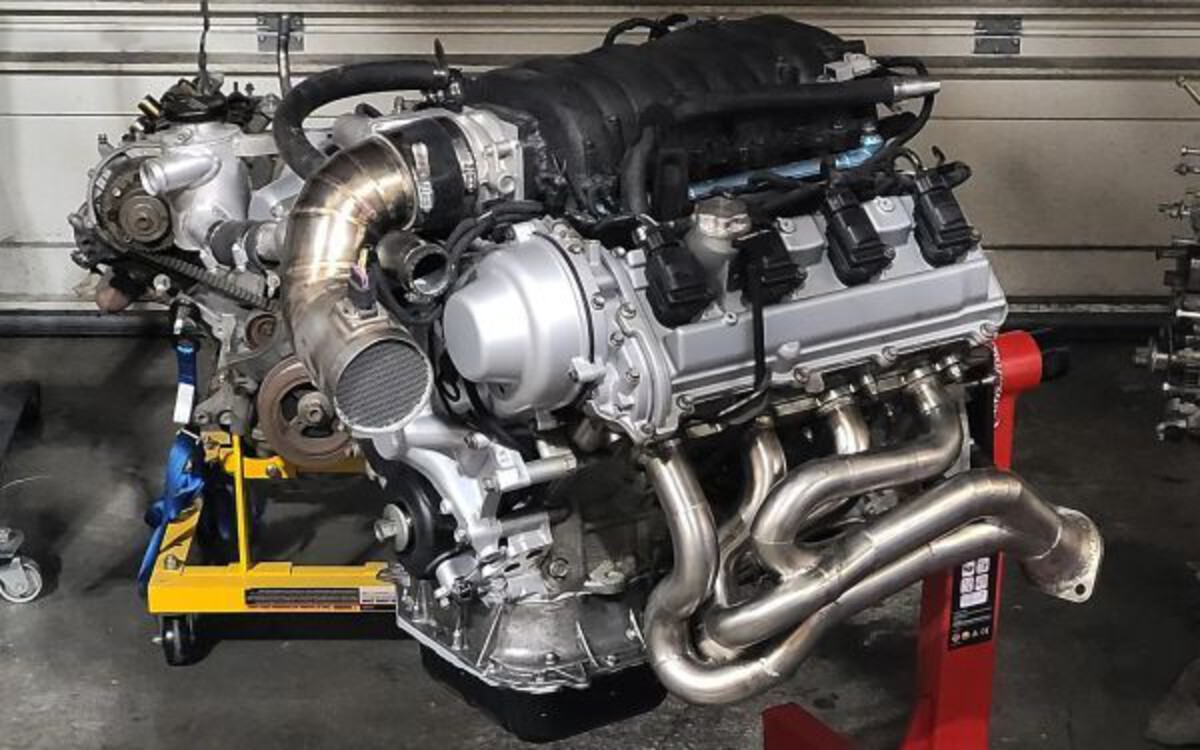
One standout trait of the 3UZ-FE is its ability to run smoothly even at high mileage. Vibration is minimal, and the engine remains quiet and composed even after years of use. This reduces fatigue on mounts, bearings, and rotating components, further improving reliability.
Cooling and lubrication systems were also improved compared to earlier designs. Consistent oil pressure and effective heat control help prevent common long-term issues such as bearing wear and warped components. As a result, catastrophic failures are extremely uncommon.
The engine is also forgiving. While regular maintenance is always recommended, the 3UZ-FE has shown an ability to tolerate less-than-perfect care without immediate consequences. That resilience is a big reason it’s often described as “unkillable” by long-term owners.
With proper servicing, many 3UZ-FE engines exceed 350,000 km without major internal repairs. That level of durability, combined with the refinement expected from a V8, makes it one of the most reliable naturally aspirated engines ever produced.
5. Mazda 13B-REW
Mazda’s rotary engines often get a bad reputation, but the naturally aspirated versions of the 13B tell a very different story. When stripped of forced induction complexity, the 13B becomes a surprisingly reliable and consistent naturally aspirated engine.
The key to the 13B’s reliability lies in its simplicity. Fewer moving parts compared to piston engines mean fewer components that can fail. In naturally aspirated form, the engine operates under much lower thermal and mechanical stress, which significantly improves longevity.
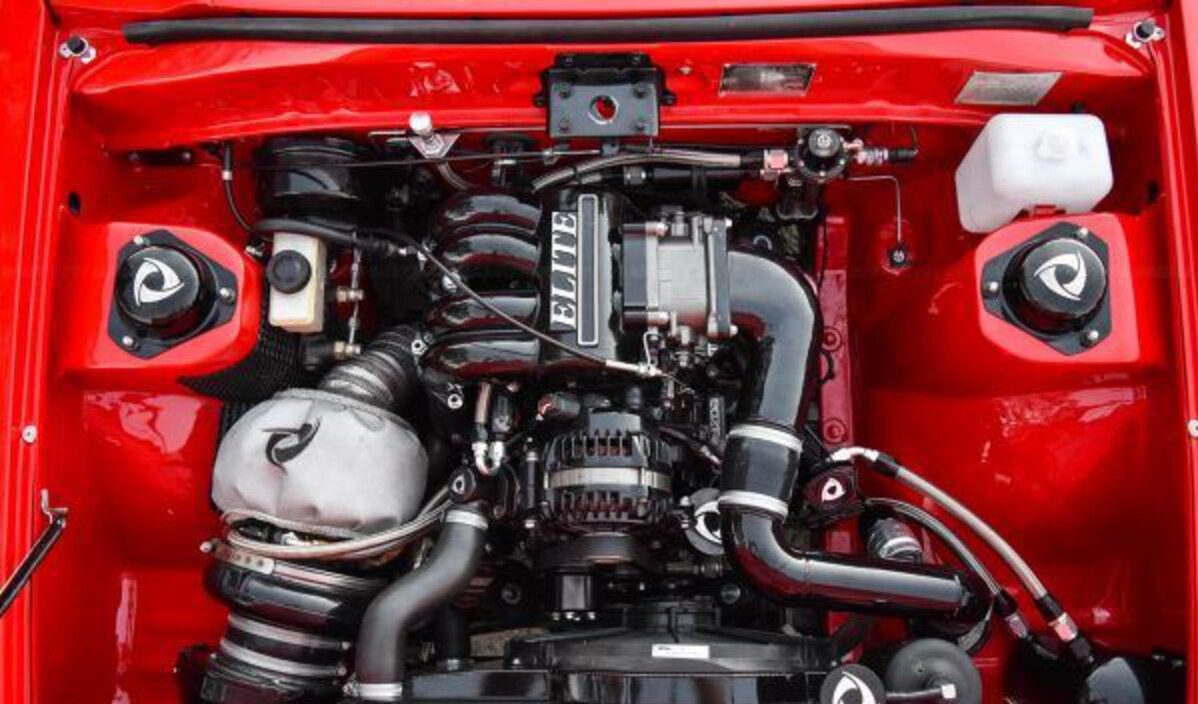
Mazda engineered the 13B with high-quality materials and precise tolerances. Proper lubrication is critical, and when maintained correctly, the engine rewards owners with smooth operation and long service life. Many reliability complaints stem from poor maintenance rather than flawed design.
Another advantage is the engine’s compact and balanced nature. Low vibration levels reduce wear across the drivetrain, while the lightweight design puts less strain on surrounding components. This contributes to overall vehicle reliability, not just engine health.
Naturally aspirated 13B engines are also less prone to overheating than their turbocharged counterparts. Lower operating temperatures help preserve seals and housings, which are often cited as weak points in rotary engines.
When owners follow basic maintenance routines, naturally aspirated 13B engines can easily surpass 250,000 km without major issues. That may not sound extreme compared to some piston engines, but for a rotary, it’s a testament to how reliable the design can be when kept simple.
6. BMW M54 Inline-Six
The BMW M54 inline-six stands as one of the brand’s most reliable naturally aspirated engines, especially when compared to later, more complex designs. Built with a focus on smoothness and durability, the M54 avoided unnecessary complications that often hurt long-term reliability.
The inline-six configuration naturally balances itself, reducing vibration and mechanical stress. This design choice plays a huge role in the engine’s longevity. Components wear evenly, and internal parts are less likely to suffer from fatigue-related failures.
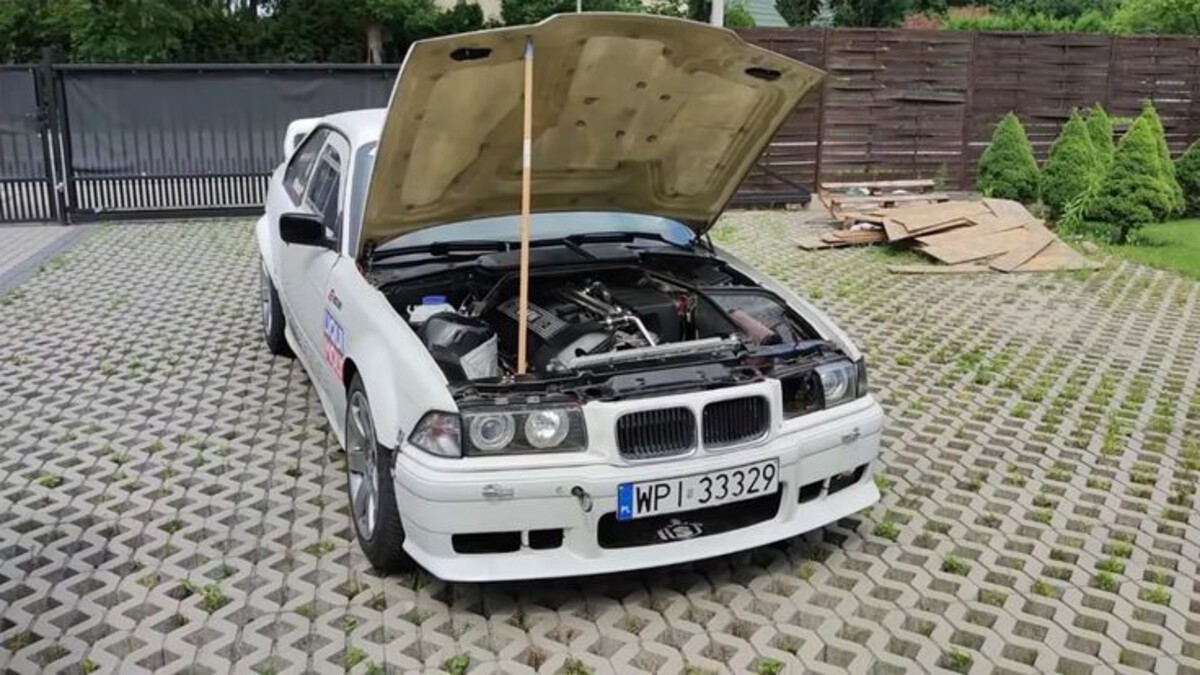
BMW engineered the M54 with a strong aluminium block, robust crankshaft, and reliable valvetrain. While it delivers respectable performance, it never pushes its internals beyond safe limits. That conservative approach pays off over time.
Cooling and oiling systems are well-designed, keeping temperatures stable even during extended driving. When cooling components are maintained properly, overheating issues are rare. Oil consumption exists in some cases, but it’s manageable and doesn’t usually lead to engine failure.
Another factor in the M54’s legendary reliability is predictability. Problems, when they occur, tend to develop slowly rather than catastrophically. This gives owners time to address issues before serious damage happens.
With proper maintenance, many M54 engines exceed 300,000 km without rebuilds. For a naturally aspirated performance-oriented engine, that’s a strong reliability record that continues to earn respect today.
ALSO READ: 12 Badge-Engineered Cars You Forgot Even Existed
7. Toyota 5S-FE
The Toyota 5S-FE doesn’t get flashy praise, but that’s exactly why it deserves a spot among naturally aspirated engines with legendary reliability. This 2.2-litre four-cylinder engine was built for everyday use, not excitement, and it executed that role flawlessly for years.
What sets the 5S-FE apart is its conservative engineering. Toyota never tried to squeeze maximum output from this engine. Power levels remained modest, which reduced stress on internal components. Pistons, bearings, and valves operate well within safe limits, extending engine life significantly.
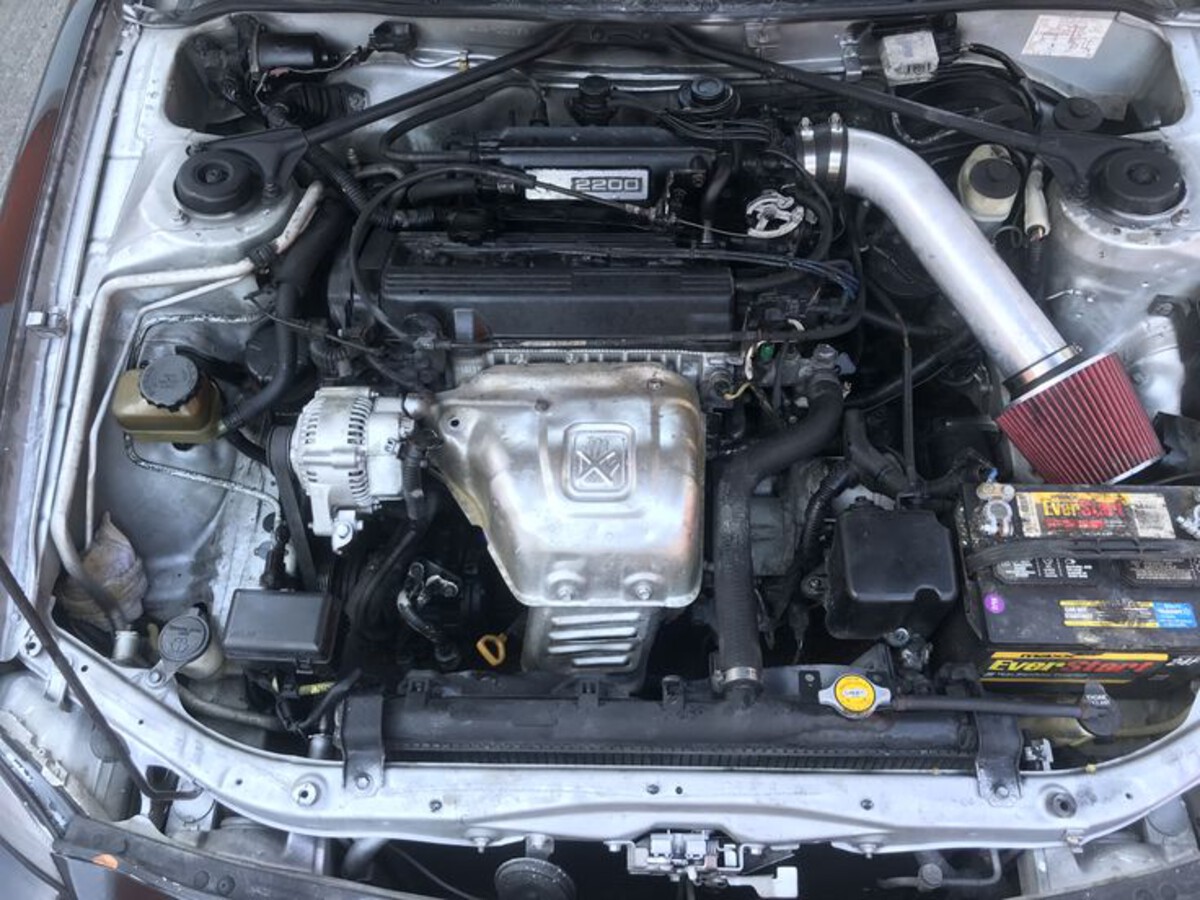
The cast-iron block plays a major role in durability. It handles heat cycles and long-term wear better than lighter materials, especially in stop-and-go driving. Combined with a simple overhead cam layout, the engine avoids many of the complex failures seen in modern designs.
Cooling efficiency is another strength. The 5S-FE rarely overheats when basic maintenance is followed. Its cooling system was designed to handle extended idling and hot climates, making it especially dependable in daily driving conditions.
Timing belt maintenance is straightforward and predictable. When replaced on schedule, failures are extremely rare. Oil consumption remains low even at higher mileage, and compression tends to stay consistent well past 300,000 km.
The 5S-FE proves that reliability doesn’t require innovation for innovation’s sake. It just needs solid engineering and restraint.
8. Nissan VQ35DE
The Nissan VQ35DE is one of the most respected naturally aspirated V6 engines ever produced, and for good reason. This 3.5-litre engine strikes a rare balance between usable performance and long-term reliability.
Nissan designed the VQ35DE with a focus on smooth torque delivery. Instead of aggressive tuning, the engine produces power evenly across the rev range. That predictability reduces mechanical shock and wear, helping components last longer.
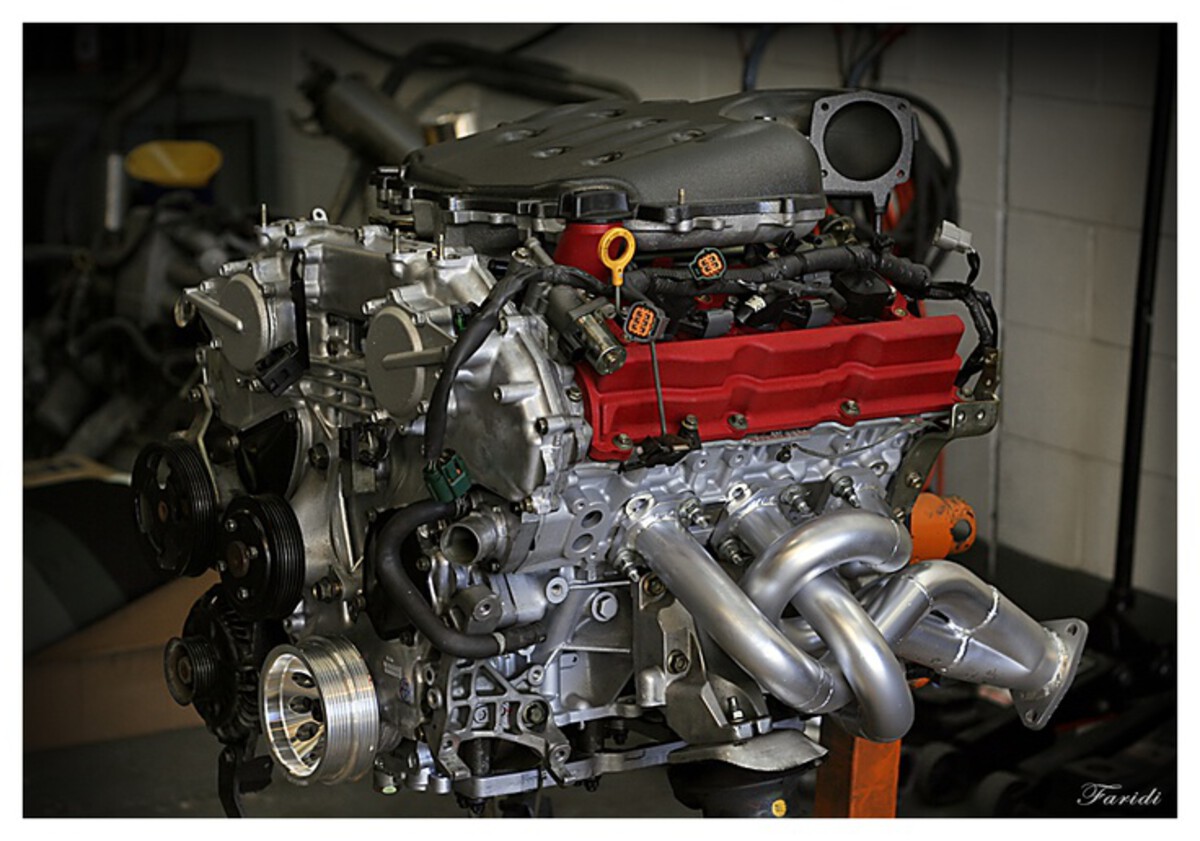
The aluminium block is reinforced where it matters most, and internal components are designed to handle sustained use without fatigue. Oil flow is well-managed, ensuring consistent lubrication even during extended highway driving or spirited use.
One of the engine’s biggest strengths is thermal control. Overheating issues are uncommon when cooling components are maintained. Stable operating temperatures significantly extend engine life and reduce the risk of head gasket failure.
The VQ35DE also benefits from a robust timing chain system. Unlike belts, the chain typically lasts the life of the engine, reducing long-term maintenance risks. Valve and piston wear remains minimal under normal conditions, even at high mileage.
It’s common to see VQ35DE engines surpass 300,000 km without internal repairs. That reliability record has earned it trust across a wide range of vehicles and ownership styles.
9. Chevrolet LS1
The Chevrolet LS1 is proof that naturally aspirated V8 engines can be both powerful and dependable. While later LS variants added complexity, the original LS1 remains one of the most reliable naturally aspirated engines ever built.
Its pushrod design is often misunderstood, but simplicity is its biggest advantage. Fewer moving parts mean fewer things to break. The engine’s compact layout also improves reliability by reducing overall stress on components.
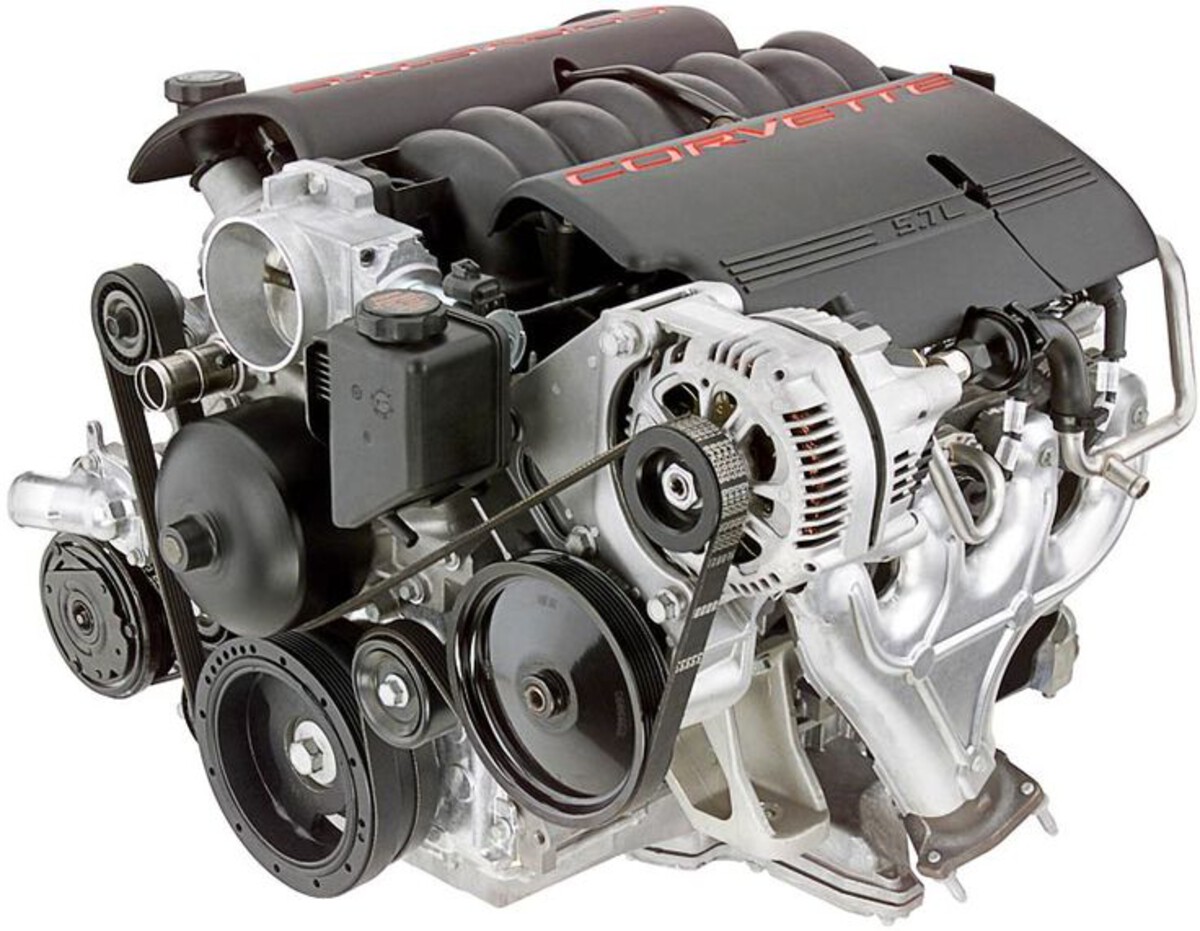
The aluminium block is lightweight yet strong, and the rotating assembly is built to handle sustained use. Even when driven hard, the LS1 maintains consistent oil pressure and stable temperatures.
Another key factor is parts availability and design maturity. Chevrolet refined the LS platform extensively, eliminating early weaknesses. As a result, the LS1 developed a reputation for running reliably with minimal maintenance.
The engine tolerates modifications better than most, but even in stock form, it regularly exceeds 350,000 km. Valve train wear is manageable, and bottom-end failures are rare.
The LS1 shows that straightforward engineering, when done right, can deliver both performance and legendary reliability.
10. Mercedes-Benz M113
The Mercedes-Benz M113 is one of the brand’s most dependable naturally aspirated V8 engines, built during a period when longevity still mattered more than complexity. Designed for smoothness and durability, this engine earned its reputation quietly.
The M113 features a strong aluminium block with reinforced internals designed to handle long-term stress. Power output was intentionally kept reasonable, reducing wear and extending service life.
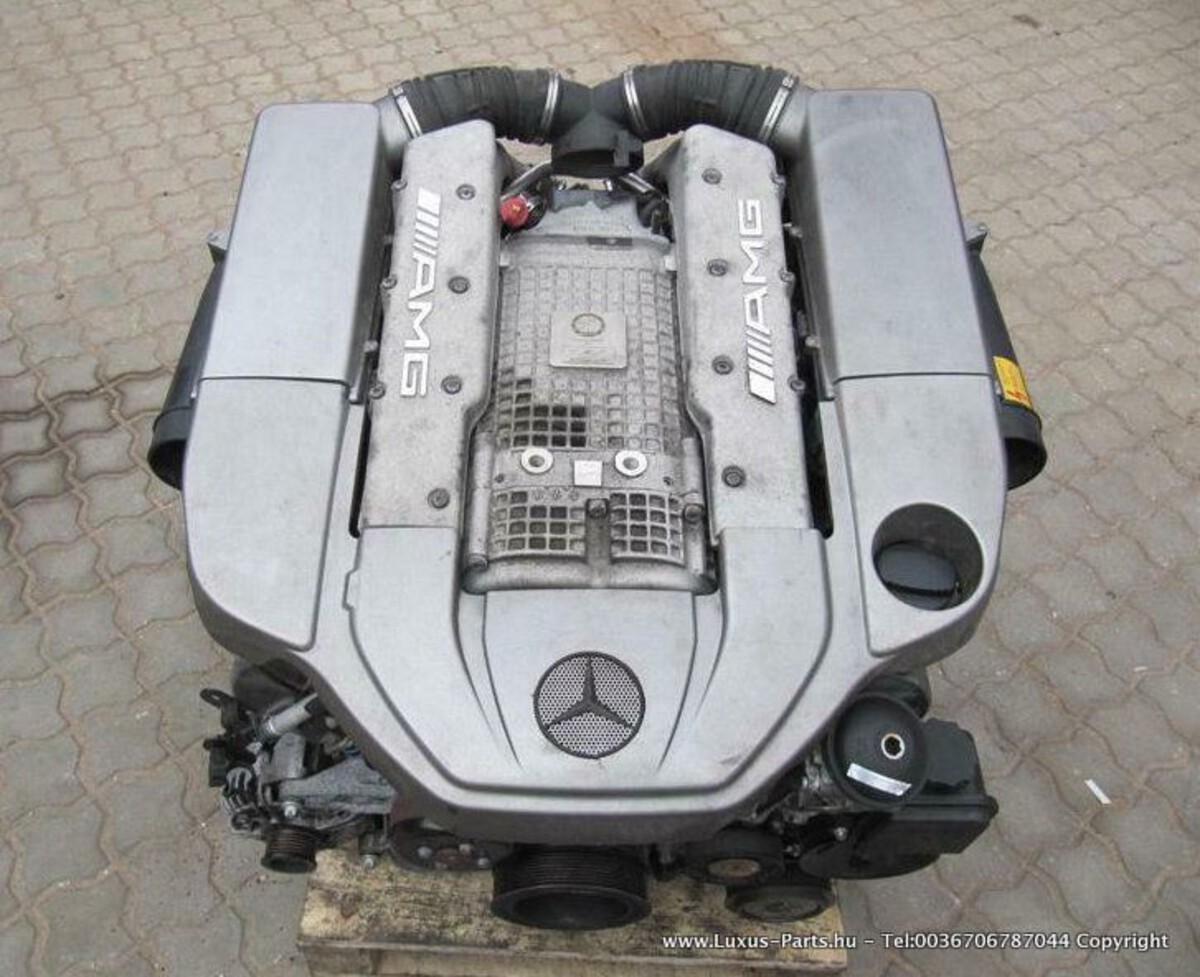
One standout quality is its ability to maintain smooth operation even at high mileage. Vibration is minimal, which protects internal components and supporting systems over time.
Cooling and lubrication systems are robust, keeping temperatures stable in a wide range of conditions. When maintained properly, overheating issues are rare, and oil consumption remains controlled.
The timing system is durable, and major internal failures are uncommon. Many examples exceed 400,000 km without rebuilds, which speaks volumes about its engineering quality.
The M113 represents an era of engines built to last, not just impress.
Naturally aspirated engines with legendary reliability remind us that progress isn’t always about complexity. While modern engines deliver impressive numbers, they often sacrifice long-term dependability. The engines on this list took a different path.
They prioritised durability, predictable performance, and mechanical simplicity. As a result, they earned trust through real-world use, not short-term testing. Many are still running today, decades after production ended, proving that good engineering never goes out of style.
For buyers who value peace of mind over trend-chasing, these engines remain benchmarks. They show that when manufacturers focus on longevity instead of squeezing every last horsepower, the results speak for themselves.
In a world chasing efficiency and speed, legendary reliability is still the real flex.