
The allure of luxury automobiles is undeniable. These magnificent machines represent the pinnacle of automotive engineering, combining exquisite craftsmanship, cutting-edge technology, and breathtaking performance. For many enthusiasts, the dream of owning a prestigious luxury vehicle seems perpetually out of reach until they discover the used car market.
Here, yesterday’s flagship models become today’s tempting bargains, often selling for a fraction of their original sticker prices. A Mercedes-Benz S-Class that once commanded six figures might now be available for the price of a new economy sedan. An exotic sports car that turned heads on showroom floors could be sitting on a dealership lot with a surprisingly accessible price tag.
However, these seemingly incredible deals come with a significant caveat: luxury vehicles are engineered with complexity that rivals aerospace technology, featuring advanced electronics, specialized components, and intricate mechanical systems.
When these sophisticated machines are new, they’re covered by comprehensive manufacturer warranties that shield owners from devastating repair costs. But once that protection expires, owners face the full financial reality of maintaining vehicles designed without budget constraints.
The cars on this list represent some of the most compelling and risky propositions in the used luxury market. They offer extraordinary value and unforgettable driving experiences, but without warranty coverage, they can transform from dream machines into financial nightmares. Understanding these risks is essential for anyone considering stepping into luxury car ownership through the used market.
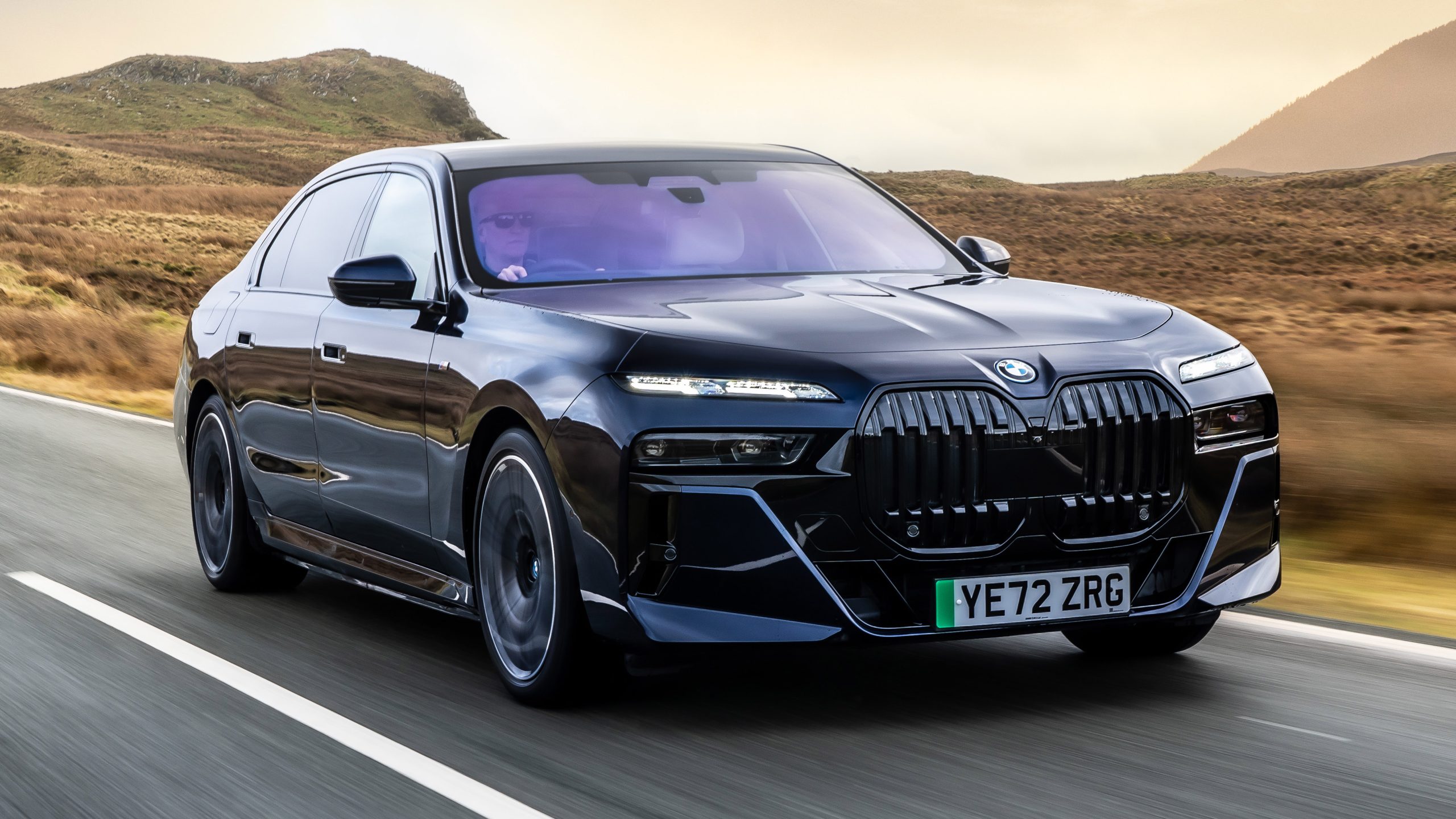
1. BMW 7 Series (2009-2015)
The BMW 7 Series represents the Bavarian automaker’s flagship sedan, showcasing the absolute pinnacle of luxury, technology, and performance that BMW can deliver. These executive sedans were designed to compete directly with the Mercedes-Benz S-Class and offer an intoxicating combination of dynamic handling and opulent comfort.
Models from 2009 to 2015 are particularly attractive in today’s used market, with prices that have depreciated dramatically from their original $75,000-$100,000+ MSRPs. You can now find these technological marvels for $15,000-$30,000, making them appear to be exceptional bargains.
However, this generation of 7 Series is notorious for reliability issues that make ownership without warranty coverage extraordinarily risky. The most common and expensive problem involves the air suspension system, which can fail catastrophically with repair costs frequently exceeding $5,000 for a complete replacement.
The Active Roll Stabilization system, which uses hydraulic actuators to minimize body roll, is another common failure point with repairs costing $3,000-$4,000 per corner.

The electrical systems in these vehicles are Byzantine in their complexity, featuring over 100 control modules managing everything from the comfort access system to the active steering.
When these modules fail and they do with concerning regularity diagnosis can be extremely time-consuming and repairs expensive. The iDrive system, while innovative, suffers from numerous glitches and failures requiring expensive component replacement.
Engine issues vary by model, but the turbocharged N63 V8 found in 750i models has earned a particularly poor reputation for valve stem seal failures, turbocharger problems, and timing chain issues any of which can result in repair bills exceeding $10,000.
The diesel models, while more reliable mechanically, suffer from expensive diesel particulate filter and emissions system failures. Transmission problems are also common, with the 8-speed automatic experiencing mechatronic unit failures that cost $4,000-$6,000 to repair.
Without warranty coverage, a single major repair can exceed the vehicle’s entire market value, making these beautiful sedans a genuine gamble for unprotected buyers.
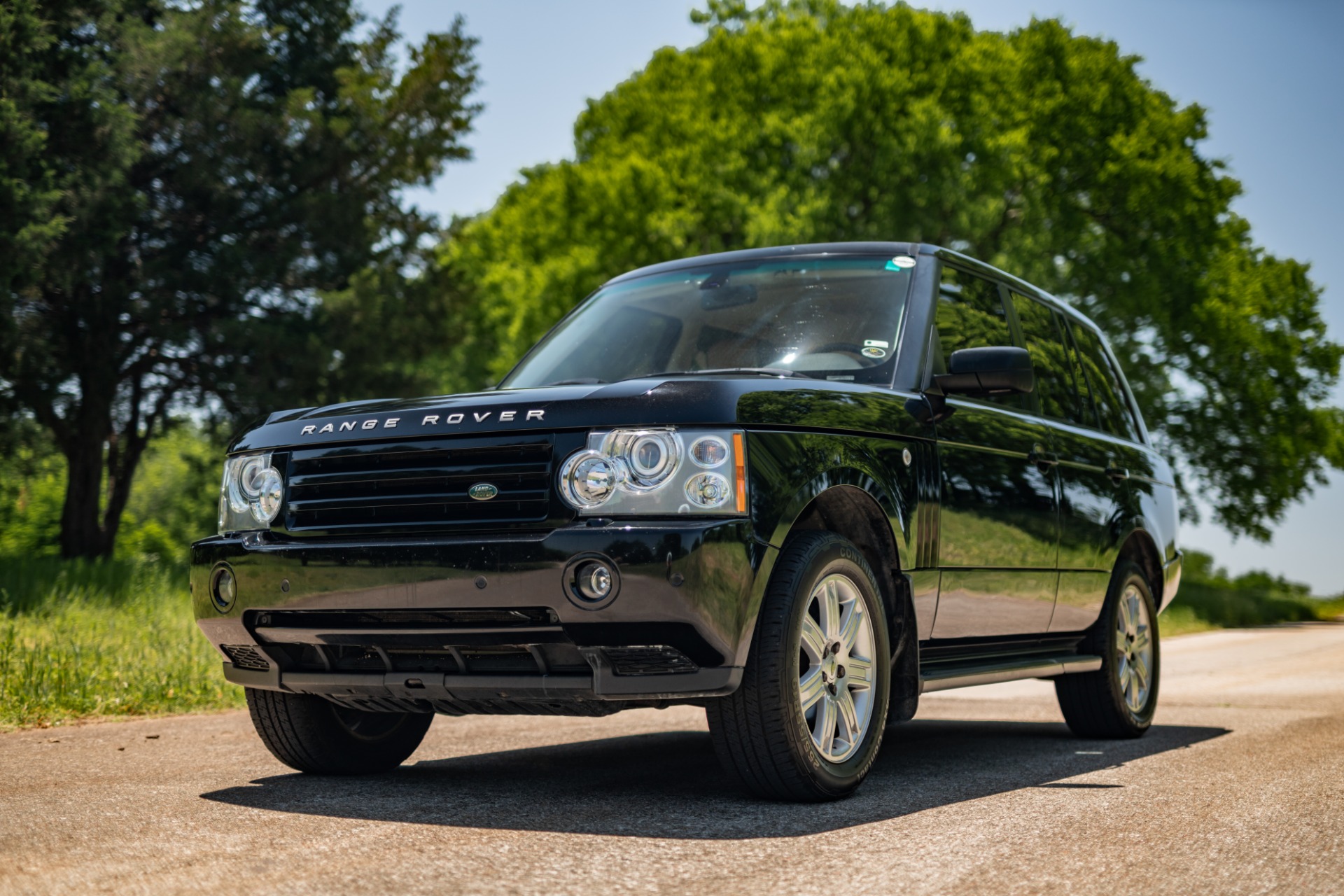
2. Range Rover (2006-2012)
Few vehicles command presence like a Range Rover. These British luxury SUVs represent the ultimate combination of off-road capability and refined elegance, appealing to everyone from country estate owners to urban sophisticates.
The third-generation models produced between 2006 and 2012 were particularly advanced for their time, featuring innovative terrain response systems, luxurious interiors with premium materials, and powerful engine options.
These Range Rovers originally sold for $75,000-$90,000 but can now be purchased for as little as $10,000-$25,000, representing depreciation of over 75%. This dramatic price drop reflects the vehicle’s well-deserved reputation as one of the most unreliable luxury vehicles ever produced.
The air suspension system is the most common failure point, with compressor failures, air spring leaks, and control module issues creating repair bills of $4,000-$8,000. Many owners eventually convert to traditional coil spring suspension to escape the endless cycle of air suspension repairs.
The electrical systems are spectacularly problematic, with issues ranging from complete instrument cluster failures to malfunctioning door locks, window regulators, and infotainment systems.
The vehicle’s complex multiplexed electrical architecture means that diagnosing problems requires specialized equipment and expertise, with labor costs alone often exceeding $150 per hour at specialist shops.
Engine reliability varies dramatically by powerplant choice. The supercharged V8 models suffer from timing chain tensioner failures that can destroy the entire engine if not addressed promptly, with preventive repairs costing $4,000-$6,000.
The diesel engines, while offering better fuel economy, experience turbocharger failures, fuel injector problems, and emissions system issues that are equally expensive to remedy.
Transmission problems plague these Range Rovers as well, with the ZF 6-speed automatic experiencing torque converter failures, valve body issues, and complete transmission failures requiring rebuilds costing $5,000-$8,000.
The transfer case can also fail, adding another $3,000-$5,000 repair to the list of potential expenses. Without comprehensive warranty coverage, these magnificent SUVs can easily consume $10,000-$20,000 annually in repairs.
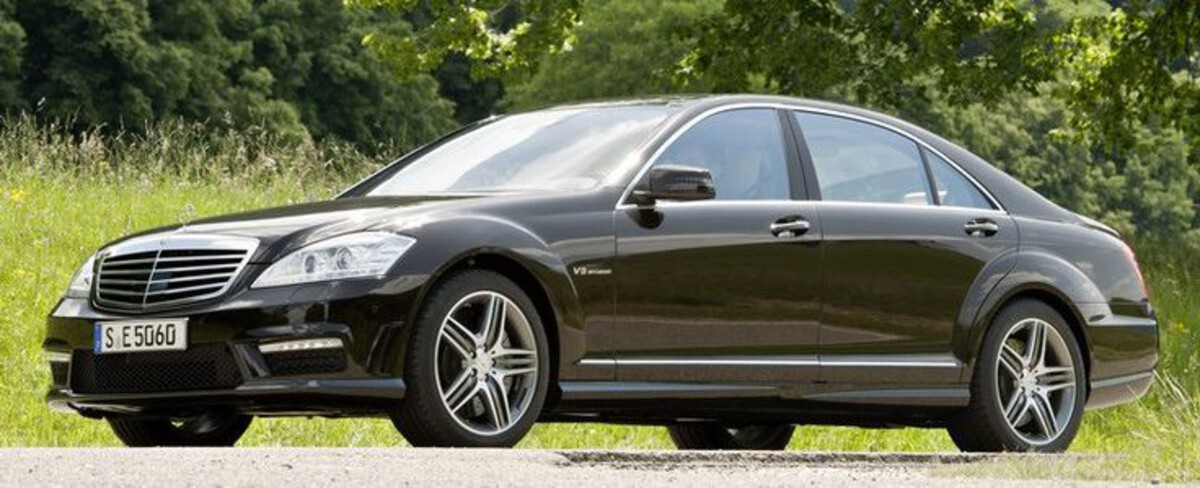
3. Mercedes-Benz S-Class (W221, 2007-2013)
The Mercedes-Benz S-Class has long been considered the standard by which all luxury sedans are measured. The W221 generation, produced from 2007 to 2013, raised the bar even higher with groundbreaking technology including night vision, active body control, and some of the most sophisticated safety systems ever fitted to an automobile.
These vehicles represented the absolute pinnacle of Mercedes-Benz engineering, with original prices ranging from $85,000 to well over $150,000 for AMG variants. Today, these technological showcases can be purchased for $15,000-$35,000, making them seem like incredible bargains.
Unfortunately, the complexity that made these vehicles so impressive when new becomes their greatest liability in the used market. The Active Body Control (ABC) suspension system, while providing an unmatched combination of comfort and handling, is catastrophically expensive to repair.
Complete system failures can cost $15,000-$20,000 to address properly, with individual components like hydraulic struts costing $2,000-$3,000 each. Many S-Class owners face the difficult choice between spending more than the car’s value on suspension repairs or scrapping an otherwise functional luxury sedan.
The AIRMATIC air suspension system, fitted to models without ABC, is more reliable but still problematic. Air spring failures, compressor issues, and control valve problems create repair bills of $3,000-$6,000. The electrical systems are equally troublesome, with the extensive electronic architecture prone to module failures, wiring harness issues, and communication errors between systems.
Engine reliability depends heavily on the specific powerplant, but even the most reliable engines require expensive maintenance. The M273 V8 engine suffers from balance shaft gear failures that can destroy the engine, requiring preventive repairs costing $4,000-$5,000. The V12 models, while phenomenally smooth, require specialist maintenance that costs double or triple the already expensive V8 servicing.
The 7-speed automatic transmission can develop valve body issues and torque converter problems requiring $4,000-$6,000 in repairs. Without warranty coverage, these magnificent sedans can transform from symbols of success into financial anchors.
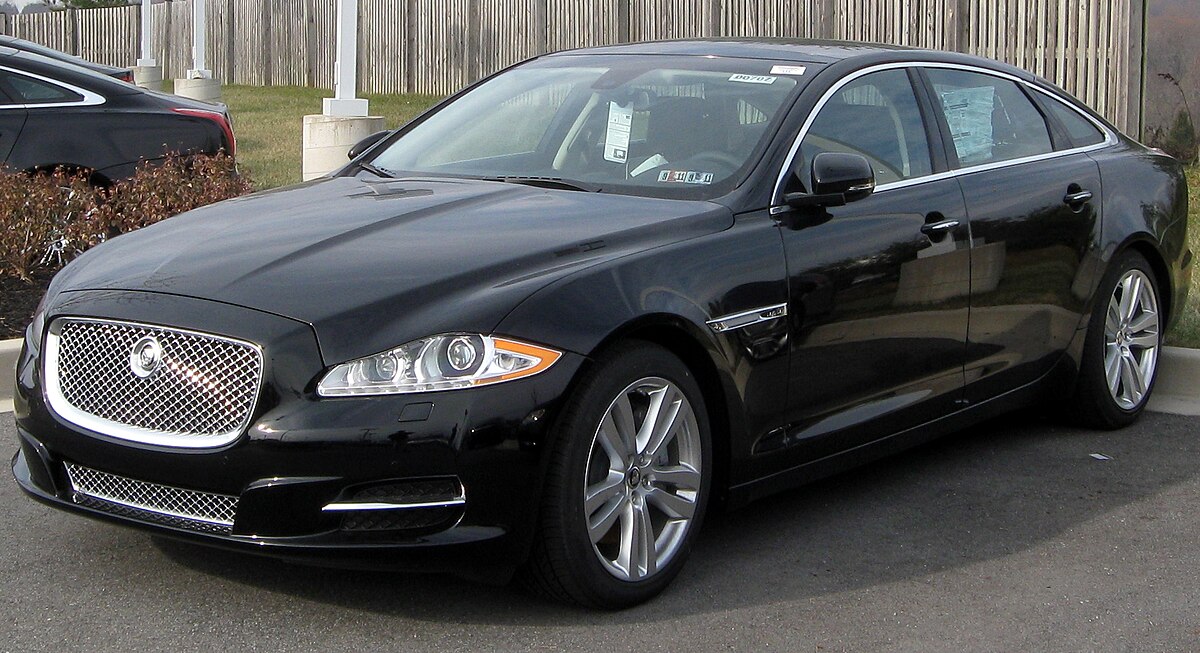
4. Jaguar XJ (X351, 2010-2015)
The Jaguar XJ underwent a revolutionary redesign for 2010, emerging with an all-aluminum body structure that made it the lightest car in its class while maintaining rigid structural integrity.
This generation represented Jaguar’s bold reimagining of the traditional luxury sedan, featuring dramatic styling that departed from conservative executive sedan conventions.
These beautiful machines originally commanded prices of $70,000-$85,000 but have depreciated to just $15,000-$30,000, making them appear to be exceptional values for buyers seeking distinctive luxury.
However, the XJ’s technological sophistication and British heritage combine to create significant reliability concerns. The electrical systems are particularly problematic, with the extensive electronics managing everything from the adaptive dynamics suspension to the touchscreen infotainment system prone to failures.
Common electrical issues include complete instrument cluster failures requiring $2,000-$3,000 replacements, malfunctioning parking sensors and cameras needing expensive module replacements, and intermittent electrical gremlins that can be maddeningly difficult to diagnose.
The supercharged V8 engines, while delivering exhilarating performance, require meticulous maintenance and suffer from several known issues. Timing chain tensioner failures can occur, potentially causing catastrophic engine damage if not addressed promptly. Supercharger failures, while less common, result in repair bills exceeding $5,000.
The cooling systems are complex and prone to failures including water pump issues, thermostat failures, and radiator problems that can lead to expensive engine damage if ignored.
The 8-speed ZF automatic transmission is generally reliable but can develop shifting issues, harsh engagement problems, and complete failures requiring $4,000-$7,000 in repair costs. The electronic parking brake system frequently malfunctions, requiring replacement of expensive actuators and modules.
The air suspension system, standard on many models, experiences compressor failures, air spring leaks, and control module issues that create $3,000-$6,000 repair bills.
The adaptive dynamics suspension adds another layer of complexity with active dampers that cost $1,500-$2,000 each to replace. Without warranty protection, these stunning sedans can quickly overwhelm owners with repair costs that far exceed the vehicles’ market values.
Also Read: 10 Vehicles That Are Cheaper to Buy New Than Used Right Now
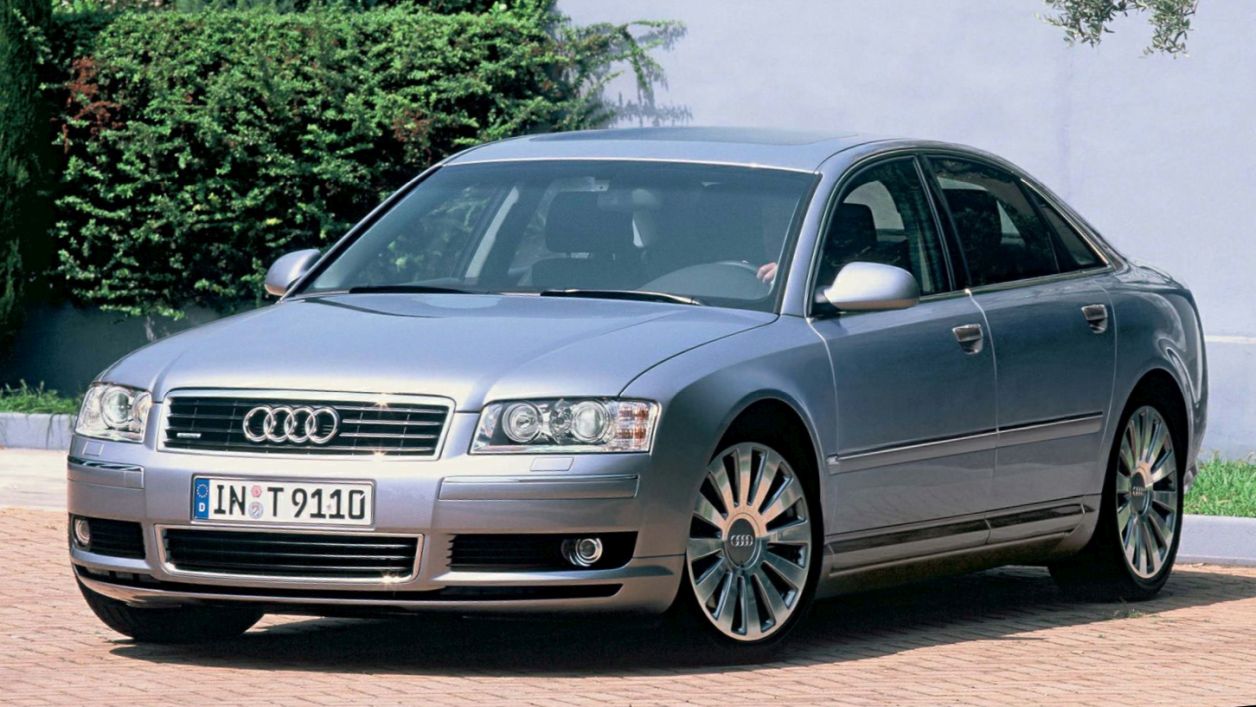
5. Audi A8 (D3/D4, 2004-2015)
The Audi A8 represents the German manufacturer’s flagship sedan, combining quattro all-wheel drive technology with luxurious appointments and advanced engineering.
Both the D3 generation (2004-2010) and D4 generation (2011-2015) offered impressive technology, refined powertrains, and the confidence-inspiring traction of Audi’s legendary all-wheel drive system.
These technological tour de forces originally sold for $75,000-$100,000+ but now trade for $8,000-$25,000, representing extraordinary depreciation that makes them appear to be compelling bargains.
The reality of A8 ownership without warranty coverage is far less appealing. These vehicles are extraordinarily complex, featuring advanced systems that are expensive to maintain and repair.
The air suspension system is the most common major failure point, with air springs developing leaks, compressors failing, and control modules malfunctioning. Complete air suspension replacement can cost $5,000-$8,000, and many owners eventually convert to traditional coil springs to escape ongoing air suspension expenses.
The MMI infotainment system, while advanced, suffers from numerous failures including complete system crashes, navigation failures, and control module malfunctions requiring expensive replacements costing $2,000-$4,000.
The extensive electronics managing everything from the adaptive cruise control to the four-zone climate control are prone to failures that can be difficult and expensive to diagnose and repair.
Engine problems vary by model year and powerplant. The 4.2-liter V8 suffers from timing chain tensioner failures that can cause catastrophic engine damage, with preventive repairs costing $3,000-$5,000. Carbon buildup on intake valves, common to direct-injection engines, requires expensive walnut blasting services costing $800-$1,500.
The W12 engines, while impressive, require specialist maintenance costing significantly more than already expensive V8 servicing. Transmission issues include mechatronic unit failures in the dual-clutch transmissions and torque converter problems in the conventional automatics, with repairs costing $4,000-$7,000.
The Quattro all-wheel drive system adds complexity and potential failure points including differential issues and transfer case problems. Without warranty coverage, these sophisticated sedans can easily consume $5,000-$15,000 annually in repairs and maintenance.
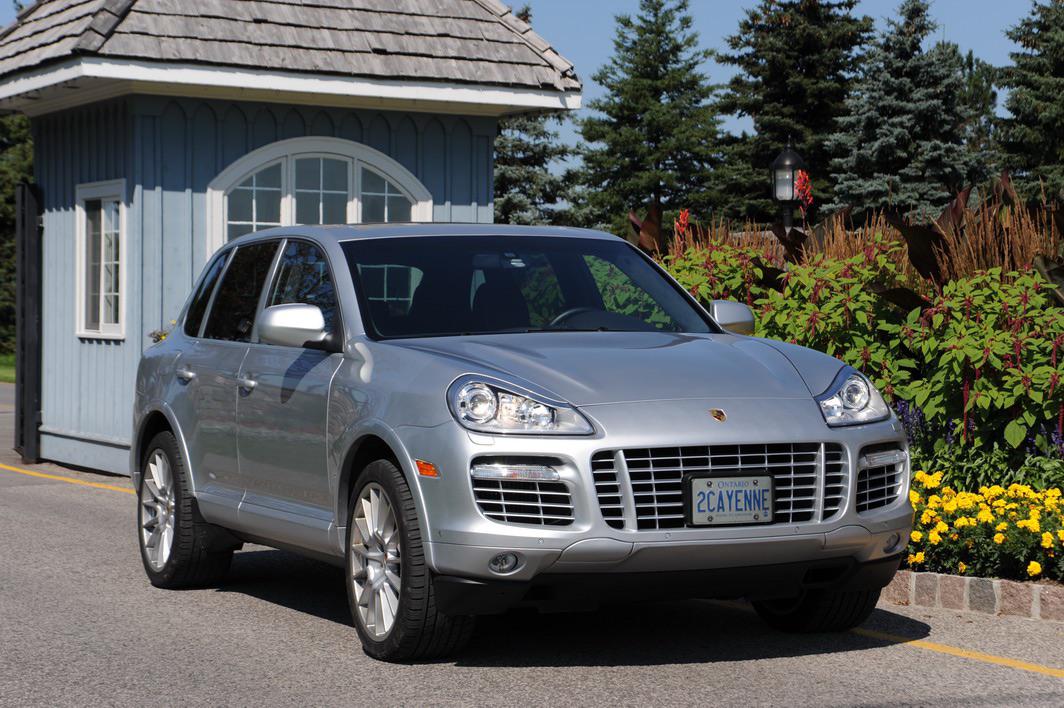
6. Porsche Cayenne (First Generation, 2003-2010)
When Porsche introduced the Cayenne in 2003, purists were horrified that the legendary sports car manufacturer would produce an SUV. However, the Cayenne proved to be a commercial success while maintaining Porsche’s commitment to driving dynamics.
These first-generation models offered genuine Porsche performance in a practical SUV package, with the Turbo variants delivering supercar acceleration. Original prices ranged from $55,000 to over $100,000 for Turbo S models, but these vehicles now sell for $8,000-$20,000, making them seem like incredible performance bargains.
Unfortunately, first-generation Cayennes are notoriously unreliable and expensive to maintain. The Porsche tax the premium charged for parts and service bearing the Porsche crest makes even minor repairs significantly more expensive than comparable luxury SUVs.
The most catastrophic problem affects the base Cayenne models with the 3.2-liter V6 engine: intermediate shaft bearing failure. This manufacturing defect causes the intermediate shaft bearing to fail, potentially destroying the entire engine. Preventive replacement costs $2,500-$4,000, while a complete engine replacement following failure can exceed $15,000.
The V8 models, while not suffering from the IMS issue, experience their own problems including coolant pipe failures that can cause severe engine damage, air-oil separator failures requiring expensive repairs, and numerous cooling system issues.
The Turbo models add the complexity and expense of maintaining twin turbochargers, with turbocharger replacement costing $5,000-$8,000 per side.
The air suspension system fails with alarming regularity, with air springs developing leaks and compressors failing. Complete replacement costs $4,000-$7,000, and many owners convert to traditional coil springs.
The transfer case is prone to failure, requiring $4,000-$6,000 in repairs. The rear differential can also fail, adding another expensive repair to the list.
The extensive electronics suffer from various failures including complete instrument cluster malfunctions, PCM (Porsche Communication Management) system failures requiring $3,000-$5,000 replacements, and numerous sensor and module failures.
Without comprehensive warranty coverage, these capable SUVs can quickly become money pits that cost more to maintain than they’re worth.
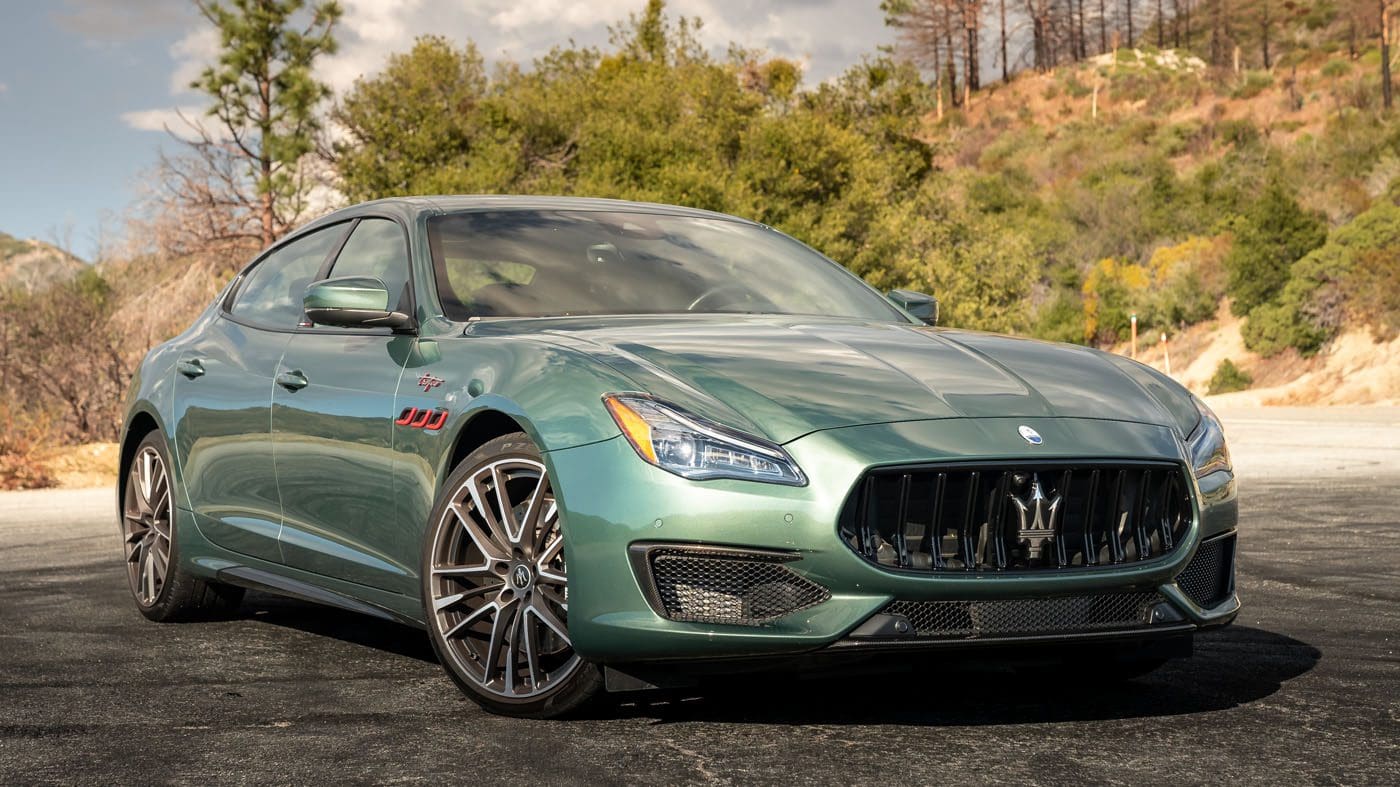
7. Maserati Quattroporte (Fifth Generation, 2005-2012)
The Maserati Quattroporte embodies Italian passion and style in a four-door executive sedan package. The fifth generation models featured stunning Pininfarina styling, glorious Ferrari-derived V8 engines producing an intoxicating exhaust note, and luxurious interiors crafted from premium materials.
These exotic sedans originally commanded prices of $110,000-$135,000, representing the pinnacle of Italian luxury and performance. Today, these same vehicles can be purchased for as little as $15,000-$30,000, making them seem like extraordinary bargains for buyers seeking exotic character at mainstream prices.
However, the Quattroporte’s reliability record is truly abysmal, making ownership without warranty coverage an extremely risky proposition. The vehicles suffer from widespread quality control issues, poorly executed electrical systems, and maintenance costs that reflect their exotic pedigree.
The most common and expensive failure involves the automated manual transmission (F1 gearbox) found in earlier models. This problematic transmission suffers from clutch failures requiring $4,000-$6,000 replacements, hydraulic actuator failures costing $2,000-$3,000, and complete transmission failures requiring $10,000+ rebuilds.
The ZF automatic transmission fitted to later models is more reliable but still experiences issues including valve body failures and torque converter problems requiring $5,000-$8,000 repairs.
The electrical systems are spectacularly unreliable, with problems ranging from complete instrument cluster failures to malfunctioning navigation systems, failed climate control modules, and mysterious electrical gremlins that can take dozens of diagnostic hours to identify.
The Ferrari-derived V8 engines, while magnificent when functioning properly, require expensive maintenance following Ferrari service intervals and costs.
Timing chain tensioner failures can occur, potentially causing catastrophic engine damage. Camshaft variator failures require expensive engine-out repairs costing $5,000-$8,000. The complex cooling systems are prone to failures that can lead to engine damage if not addressed immediately.
Suspension components wear quickly and cost significantly more than comparable parts for German luxury sedans. Interior quality issues are common, with electrical seat failures, trim pieces breaking, and navigation screens failing.
Without warranty coverage, these beautiful but fragile Italian sedans can easily consume $10,000-$20,000 annually in repairs, making them financial disasters waiting to happen.
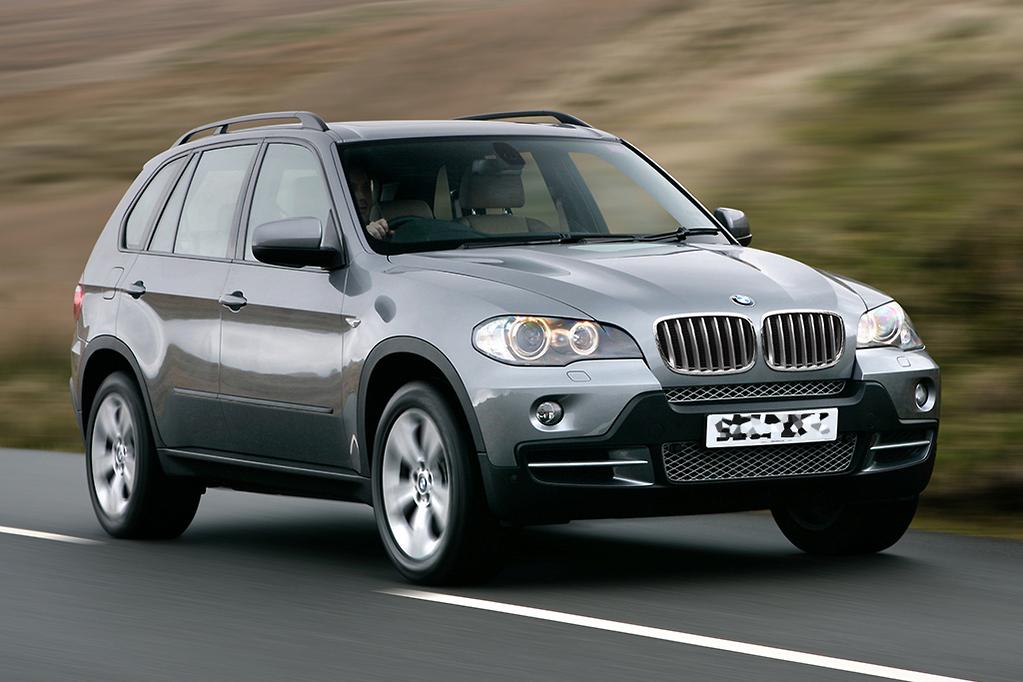
8. BMW X5 (E70, 2007-2013)
The second-generation BMW X5 represented the brand’s luxury SUV flagship, offering sophisticated styling, capable handling, and advanced technology in a practical family-friendly package.
These vehicles combined BMW’s driving dynamics with genuine practicality, featuring available third-row seating and powerful engine options ranging from efficient diesels to fire-breathing V8s.
Original prices ranged from $50,000 to over $70,000, but these capable SUVs now trade for $10,000-$25,000, making them appear to be excellent values for buyers seeking premium SUV transportation.
However, this generation of X5 suffers from numerous reliability issues that make ownership without warranty coverage financially dangerous. The most expensive and common problem involves the transfer case, which can fail catastrophically with little warning.
Transfer case replacement costs $4,000-$6,000 and is disturbingly common on higher-mileage examples. The all-wheel drive system adds complexity and failure points absent from rear-wheel drive vehicles.
The turbocharged engines, particularly the N54 and N55 inline-six engines found in the 35i models, suffer from numerous issues. High-pressure fuel pump failures can leave drivers stranded and cost $1,500-$2,500 to repair.
Turbocharger wastegate rattle is common and progressive, eventually requiring $2,000-$4,000 in turbocharger replacement or rebuild costs. Water pump failures occur with frustrating regularity, and while not extremely expensive to repair ($800-$1,200), they can cause catastrophic engine damage if the vehicle is driven after overheating.
The diesel models, while offering excellent fuel economy, experience expensive emissions system failures including diesel particulate filter issues and EGR system problems costing $2,000-$4,000 to properly address.
The V8 models suffer from valve stem seal failures causing excessive oil consumption and timing chain issues requiring expensive engine-out repairs.
The electrical systems are complex and troublesome, with common issues including failed parking brake actuators requiring $1,500-$2,500 repairs, malfunctioning transfer case actuators, and numerous sensor and module failures.
The iDrive system can experience glitches and complete failures requiring expensive component replacement. Without warranty coverage, these capable SUVs can quickly overwhelm owners with repair costs that exceed the vehicles’ market values, transforming practical family transportation into financial burdens.
9. Mercedes-Benz E-Class (W211, 2003-2009)
The W211 generation Mercedes-Benz E-Class represented a significant technological leap forward for the brand’s mid-size luxury sedan. These vehicles introduced advanced features, including pre-safe collision preparation systems, active suspension options, and sophisticated powertrains.
The E-Class has traditionally been Mercedes-Benz’s best-selling model line, combining prestige with everyday practicality. These vehicles originally sold for $50,000-$75,000 depending on configuration but now trade for as little as $5,000-$15,000, representing depreciation of over 80% and making them appear to be exceptional bargains.
Unfortunately, this particular generation earned a reputation as one of the least reliable E-Class generations ever produced, plagued by numerous widespread failures affecting multiple systems.
Early production models are particularly troublesome, suffering from extensive quality control issues. The most notorious problem involves the SBC (Sensotronic Brake Control) system, an early brake-by-wire technology that Mercedes fitted to these vehicles.
The SBC system is prone to failure and when it fails, the vehicle displays dire warning messages and significantly reduced braking capability. SBC replacement costs $2,500-$4,000, and Mercedes eventually issued a recall extending SBC warranty coverage, but many vehicles have now exceeded even the extended coverage period.
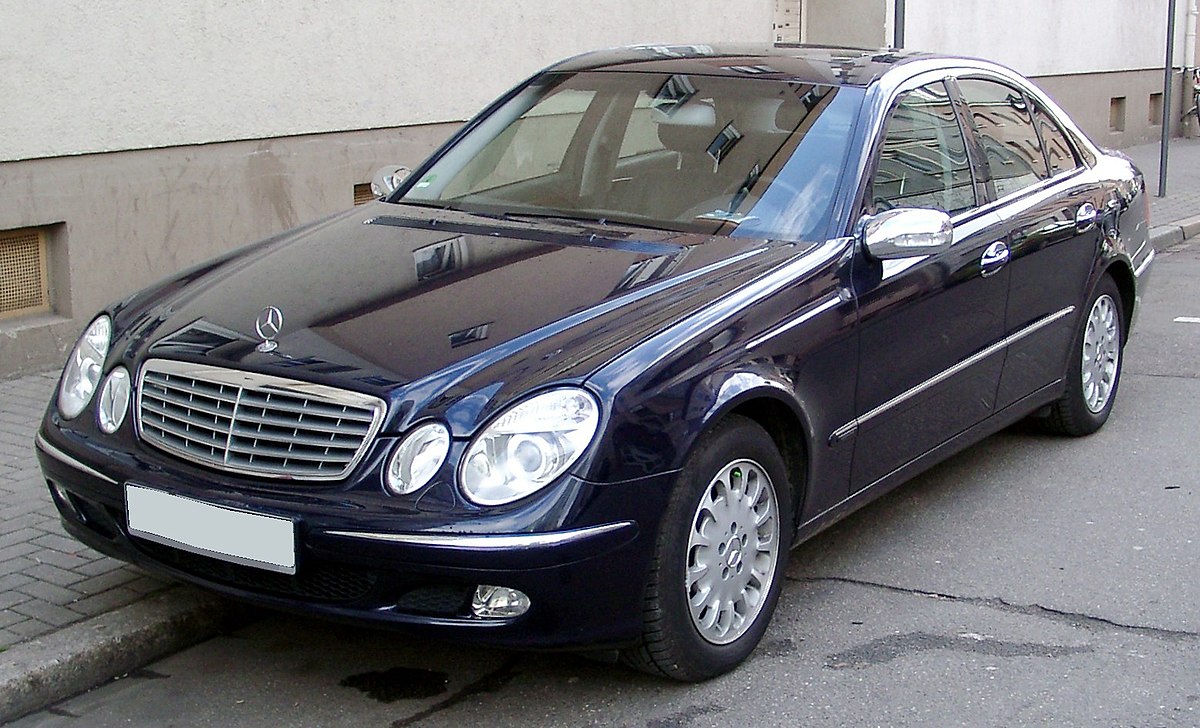
The AIRMATIC air suspension system suffers from compressor failures, air spring leaks, and control module issues creating repair bills of $3,000-$6,000. Many owners convert to traditional coil springs after air suspension failures to avoid ongoing repair costs.
The front suspension also experiences premature wear of control arms, bushings, and ball joints, with complete front suspension rebuilds costing $2,000-$3,000.
Electrical issues are widespread and varied, including complete instrument cluster failures, malfunctioning SAM (Signal Acquisition Module) units requiring $1,500-$2,500 replacements, failed window regulators, and problematic COMAND navigation systems.
The extensive electronics managing everything from the climate control to the transmission are interconnected in complex ways that make diagnosis time-consuming and expensive.
Engine reliability varies dramatically by model. The M272 V6 and M273 V8 engines suffer from balance shaft gear failures that can destroy the engine if not addressed preventively through $4,000-$5,000 repairs.
The diesel models experience expensive turbocharger failures and emissions system problems. Without warranty coverage, these once-prestigious sedans become financial liabilities that can cost more annually in repairs than their entire purchase price.
10. Audi Q7 (First Generation, 2007-2015)
The first-generation Audi Q7 represented the German manufacturer’s entry into the three-row luxury SUV segment, offering quattro all-wheel drive capability, advanced technology, and room for seven passengers.
These capable SUVs featured Audi’s signature refined driving dynamics, luxurious interiors with high-quality materials, and powerful engine options including V6, V8, and TDI diesel variants.
Original prices ranged from $45,000 to over $60,000, but these family haulers now trade for $8,000-$20,000, making them appear to be practical bargains for buyers seeking spacious luxury transportation.
However, ownership without warranty coverage is fraught with risk due to numerous common failures affecting multiple systems. The air suspension system is the most frequent and expensive problem, with air springs developing leaks, compressors failing after 60,000-80,000 miles, and control modules malfunctioning.
Complete air suspension system replacement costs $5,000-$8,000, leading many owners to convert to traditional coil springs. The conversion eliminates the air suspension’s adjustability but provides more reliable operation at lower long-term cost.
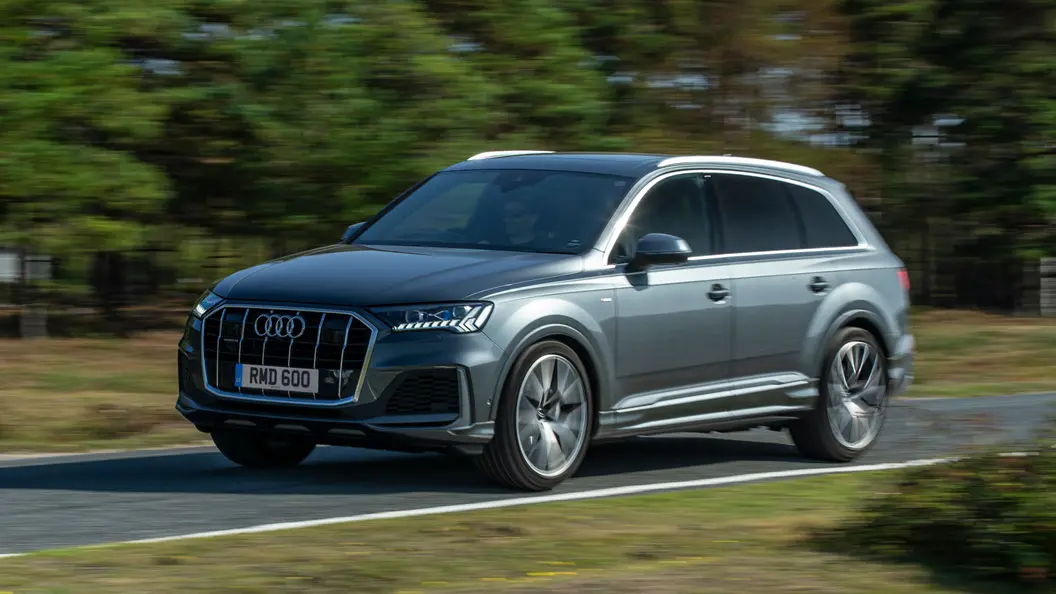
The 3.6-liter V6 engine suffers from timing chain tensioner failures that can cause catastrophic engine damage if not addressed preventively. The repair requires significant engine disassembly and costs $3,000-$5,000.
Carbon buildup on intake valves, inherent to direct-injection engines, requires periodic walnut blasting services costing $800-$1,500 to maintain proper engine performance. The TDI diesel models, while offering excellent fuel economy, experience expensive emissions system failures including diesel particulate filter regeneration issues and EGR system problems.
The transmission options include both conventional automatics and dual-clutch transmissions, with both experiencing issues. The dual-clutch mechatronic unit can fail, requiring $4,000-$6,000 replacements.
The conventional automatics can develop torque converter problems and valve body failures requiring expensive rebuilds. The quattro all-wheel drive system adds complexity including potential differential and transfer case issues.
Electrical problems are common and varied, including MMI system failures requiring expensive module replacements, malfunctioning parking sensors and cameras, and failed control modules managing various vehicle systems.
The extensive electronics are expensive to diagnose and repair, with labor rates at specialist shops often exceeding $150 per hour. Without warranty coverage, these practical family SUVs can transform into financial burdens requiring $5,000-$12,000 annually in repairs and maintenance.
Also Read: 5 Brands With the Best Certified Pre Owned Programs vs 5 With Weak Warranties
