
In an era dominated by screens, sensors, and semi-autonomous driving aids, steering feel has quietly become one of the rarest qualities in modern cars. Horsepower numbers are easy to inflate.
Touchscreens multiply by the year. But genuinely great steering, communication through the wheel, precise on-center response, and confidence at speed, is hard to engineer and even harder to preserve under modern safety and efficiency regulations.
For American drivers, this matters more than ever. Our roads are wide, our highways long, and our performance cars increasingly heavy.
When a manufacturer gets steering right, it transforms the entire driving experience. The car feels lighter than it is. Corners become intuitive. You stop thinking about inputs and start flowing with the road.
These ten vehicles stand apart because their steering systems don’t just point the car, they talk back. Each delivers clarity, feedback, and precision that elevate them above almost everything else on sale or recently available in the US market.
1. Porsche 911 GT3
Despite switching to electric power steering years ago, Porsche has somehow preserved the tactile magic that defined its hydraulic systems.
The 911 GT3’s steering is immediate, surgically accurate, and astonishingly rich in feedback. Small changes in road surface transmit directly through the wheel. Mid-corner corrections feel natural and predictable.
What separates the GT3 is how the steering integrates with chassis balance. The front end bites instantly, yet never feels nervous.
On canyon roads or track days, it delivers total confidence, making the car feel smaller and lighter than it really is. Among production vehicles sold in America, this is about as close to perfection as steering gets.
We evaluated the entry-level 911 Carrera coupe under controlled conditions. It reached 60 mph from a standstill in 3.5 seconds and completed the quarter mile in 11.7 seconds. Launch control simplifies hard starts, and the Carrera maintained consistent performance across multiple back-to-back runs without degradation.
The eight-speed dual-clutch automatic transmission delivers rapid yet refined shifts, and its programming typically selects the appropriate gear without hesitation. For drivers who prefer greater engagement, Porsche continues to offer a manual transmission in the Carrera T.
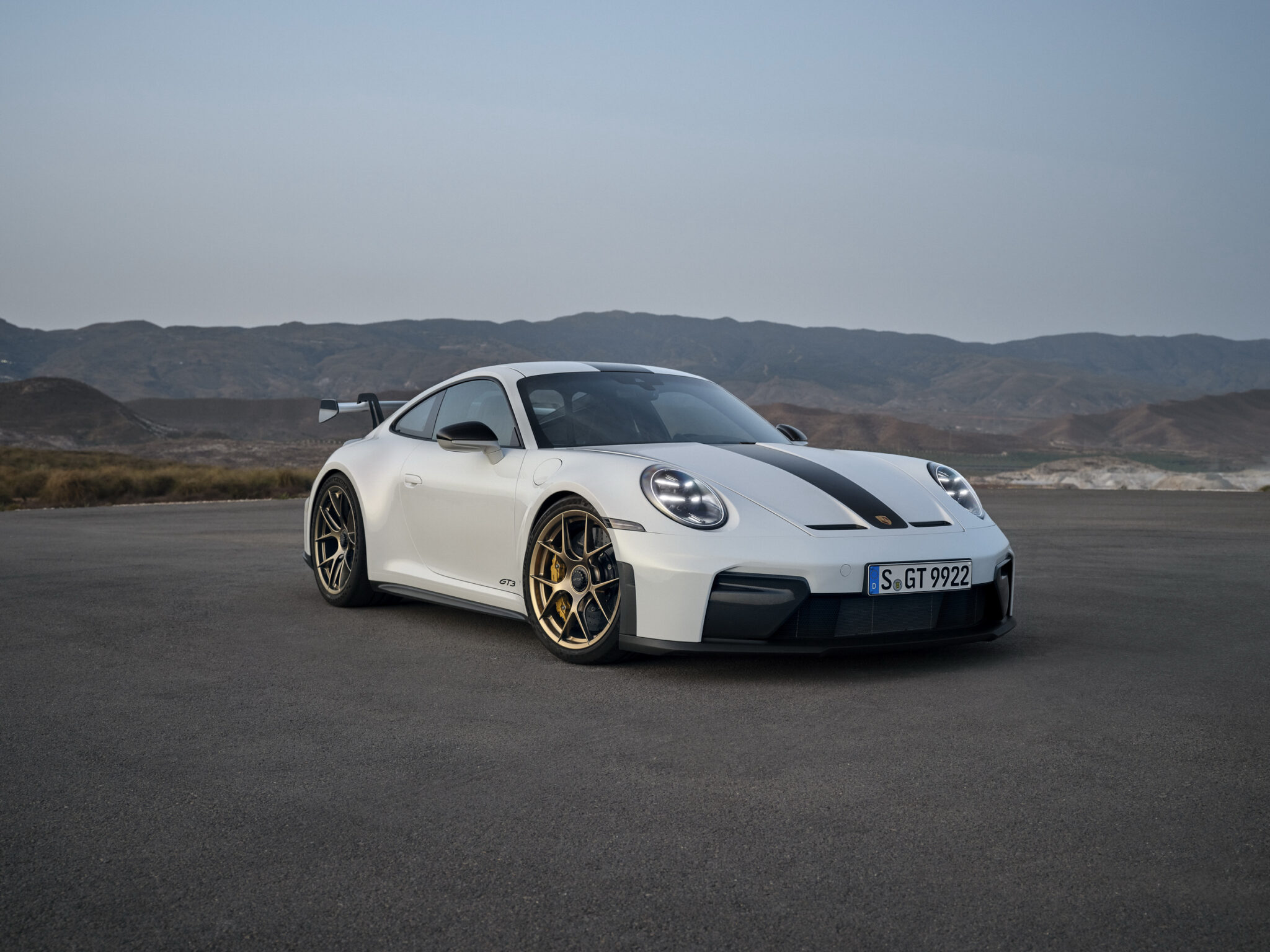
While the straight-line performance is notable, the 911 distinguishes itself through its steering precision, braking capability, and overall chassis dynamics. Its rear-engine configuration produces distinctive handling characteristics and enhances traction by keeping substantial weight over the rear axle.
Steering response is immediate and communicative, transmitting detailed road feedback to the driver. Braking performance is equally strong, enabling shorter emergency stopping distances than many vehicles currently on the market.
Ride comfort trends toward the firm side relative to others in this segment, but it avoids becoming harsh or uncomfortable. Competitors that deliver a more compliant ride often do so at the expense of outright performance. The 911 can also be equipped with a broad range of driver-assistance technologies. Although only a limited number of these features come standard, the available systems function effectively and integrate well with the car’s overall performance focus.
2. Mazda MX‑5 Miata
The Miata has always been about connection, and the latest generation continues that philosophy. Its steering is light, quick, and full of subtle feedback, especially impressive given its affordable price point.
On winding back roads, the MX-5 communicates tire grip and body movement in real time. There’s no artificial heaviness, no exaggerated resistance, just honest response.
For American drivers who want steering purity without supercar budgets, nothing else delivers this level of engagement per dollar.
The Miata’s engine climbs through the rev range with enthusiasm and provides enough output to produce genuinely engaging acceleration. Its lively, high-revving character is best experienced with the precise and fluid manual transmission, which makes gear changes intuitive and satisfying.
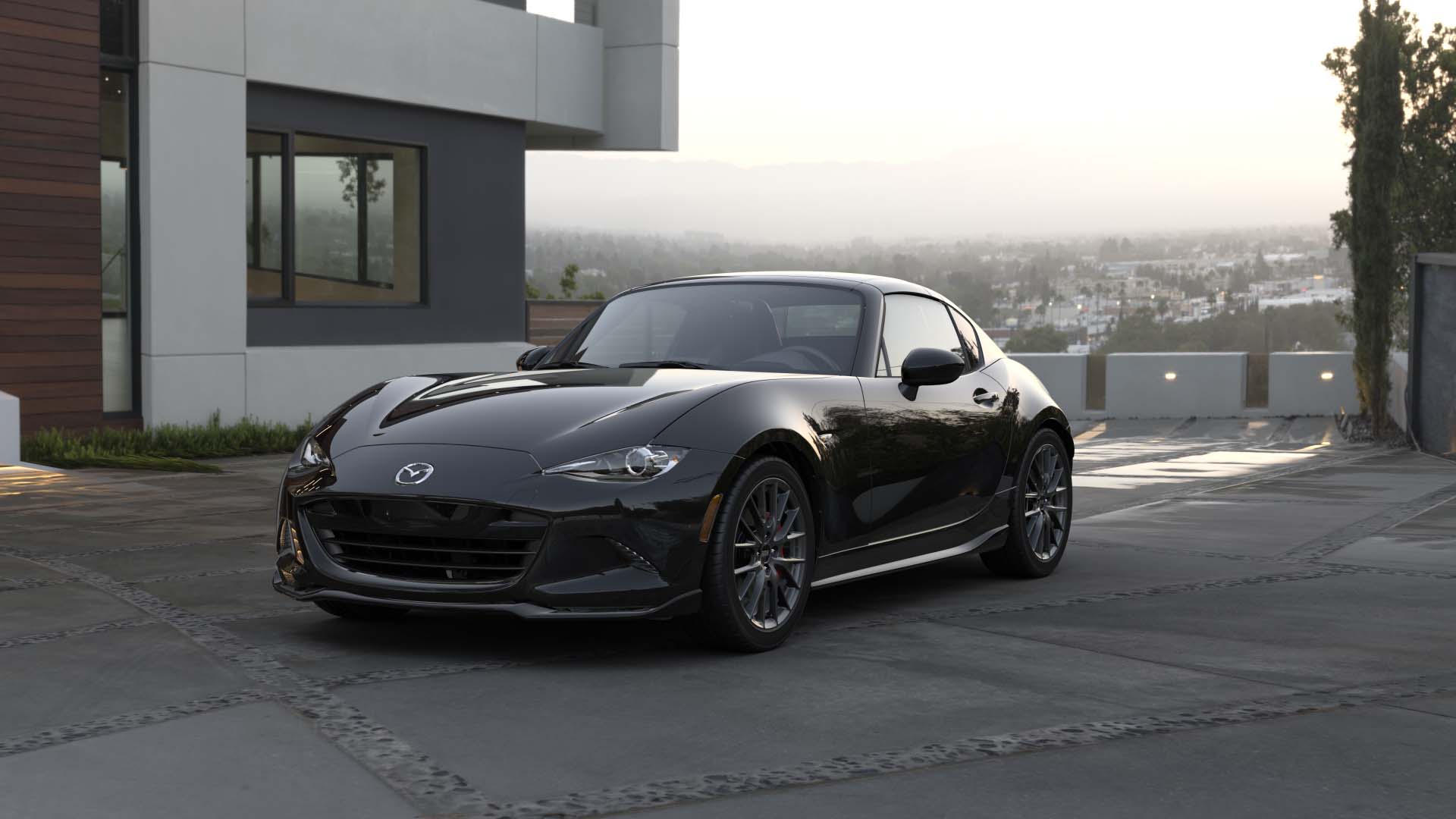
The available automatic transmission is also well executed, delivering prompt shifts and assertive programming that suits the car’s sporty nature. In our testing, the soft-top version reached 60 mph in 5.7 seconds, while the marginally heavier RF hardtop required 5.8 seconds to achieve the same benchmark.
Ride quality is firm, and the suspension can feel busy when encountering a rapid series of bumps. The Club trim, equipped with its specific shocks and springs, delivers the most rigid setup in the range, though none of the Miata variants cross into genuinely uncomfortable territory. Handling remains a defining strength: responses are crisp, immediate, and playful.
The steering stands out in particular, light yet communicative, it reacts quickly and provides clear feedback about the behavior of the front tires. The Miata prioritizes driver engagement above all else, resulting in an experience that is straightforwardly enjoyable.
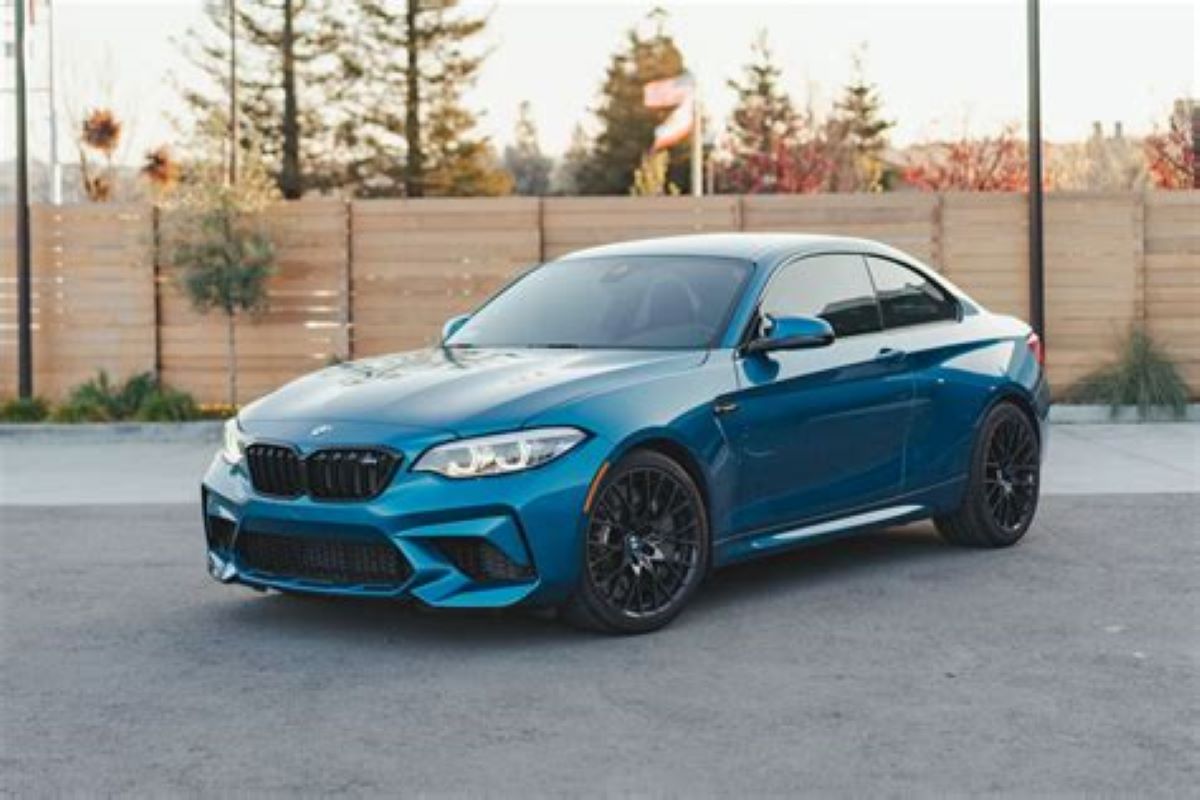
3. BMW M2
BMW has taken criticism for numb steering in recent years, but the M2 represents a meaningful comeback.
Its rack is fast and substantial, giving drivers a clear sense of front-end grip. While not as talkative as older hydraulic systems, the M2’s steering provides excellent precision and consistency under load, key traits when pushing hard through sweepers or technical sections.
Combined with its compact dimensions and rear-wheel-drive layout, the M2 feels playful yet controlled, making it one of the most satisfying modern performance coupes available in the US.
During our evaluation, an M2 equipped with the eight-speed automatic transmission accelerated from 0 to 60 mph in 3.9 seconds, whereas the six-speed manual version required 4.3 seconds to reach the same mark.
Both variants posted identical 0–30 mph times, indicating that the automatic’s advantage becomes more evident at higher speeds, where its rapid shift execution delivers measurable gains.
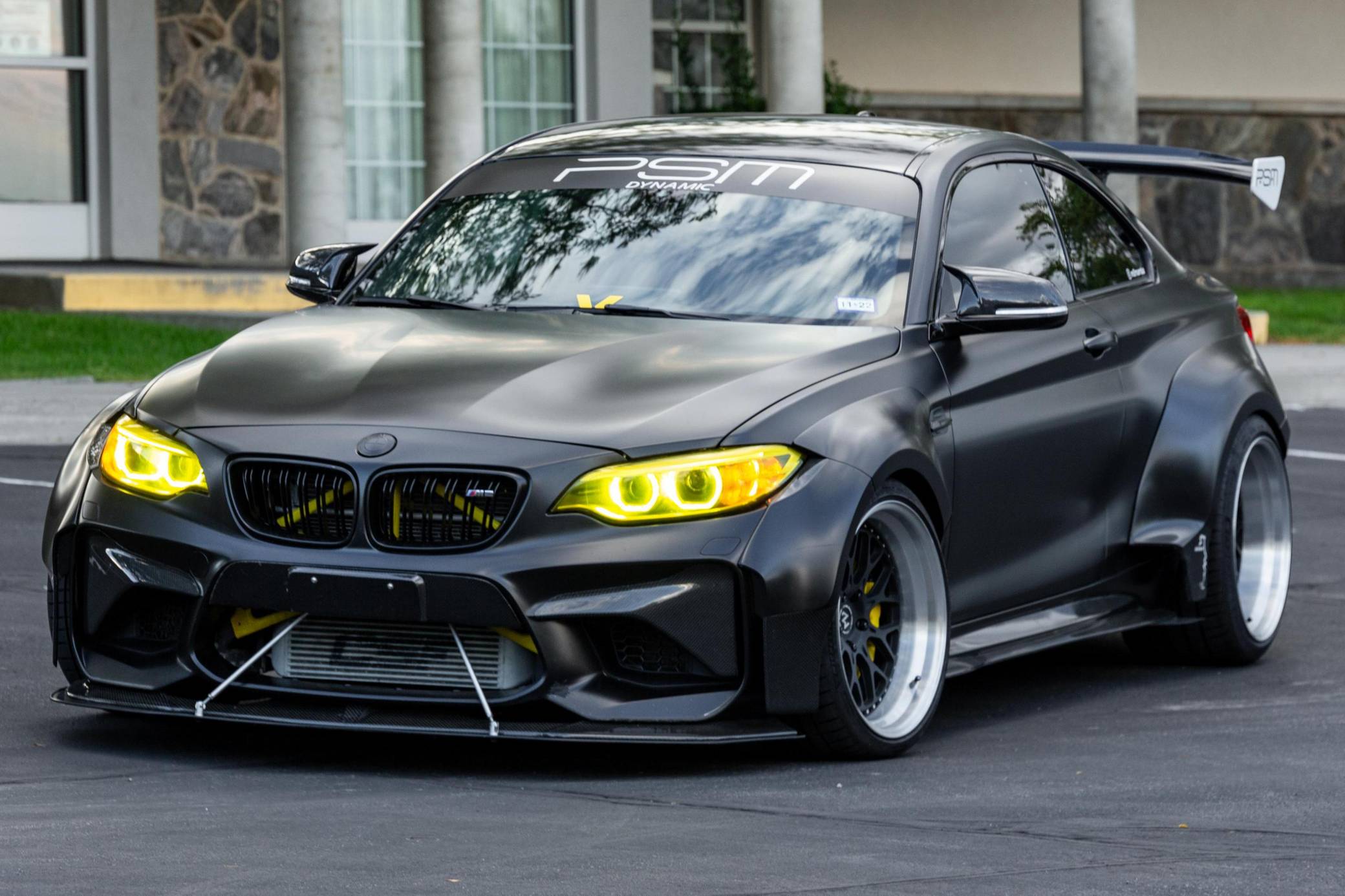
On the skidpad, the M2 generated an impressive 1.07 g of lateral grip. In real-world driving, BMW’s smallest M model feels both agile and composed, responding to steering inputs with quick, predictable directional changes.
It is highly entertaining to drive. Given the option, we would select the manual variant for its heightened sense of involvement. Its automatic rev-matching system and light, progressive clutch action make it manageable even in dense traffic or routine commuting.
The M2’s performance ceiling remains approachable across a broad range of driver skill levels, which is notable for a vehicle with this level of capability.
Compared with the prior-generation model, this version introduces a greater degree of refinement. Ride quality is relatively compliant over uneven surfaces, and the suspension effectively filters out many road imperfections, helping maintain a cabin environment that is subdued and well controlled.
4. Alfa Romeo Giulia Quadrifoglio
The Giulia Quadrifoglio delivers some of the sharpest steering ever fitted to a sedan. Turn-in is immediate, the ratio is quick, and feedback remains remarkably alive for an electric system.
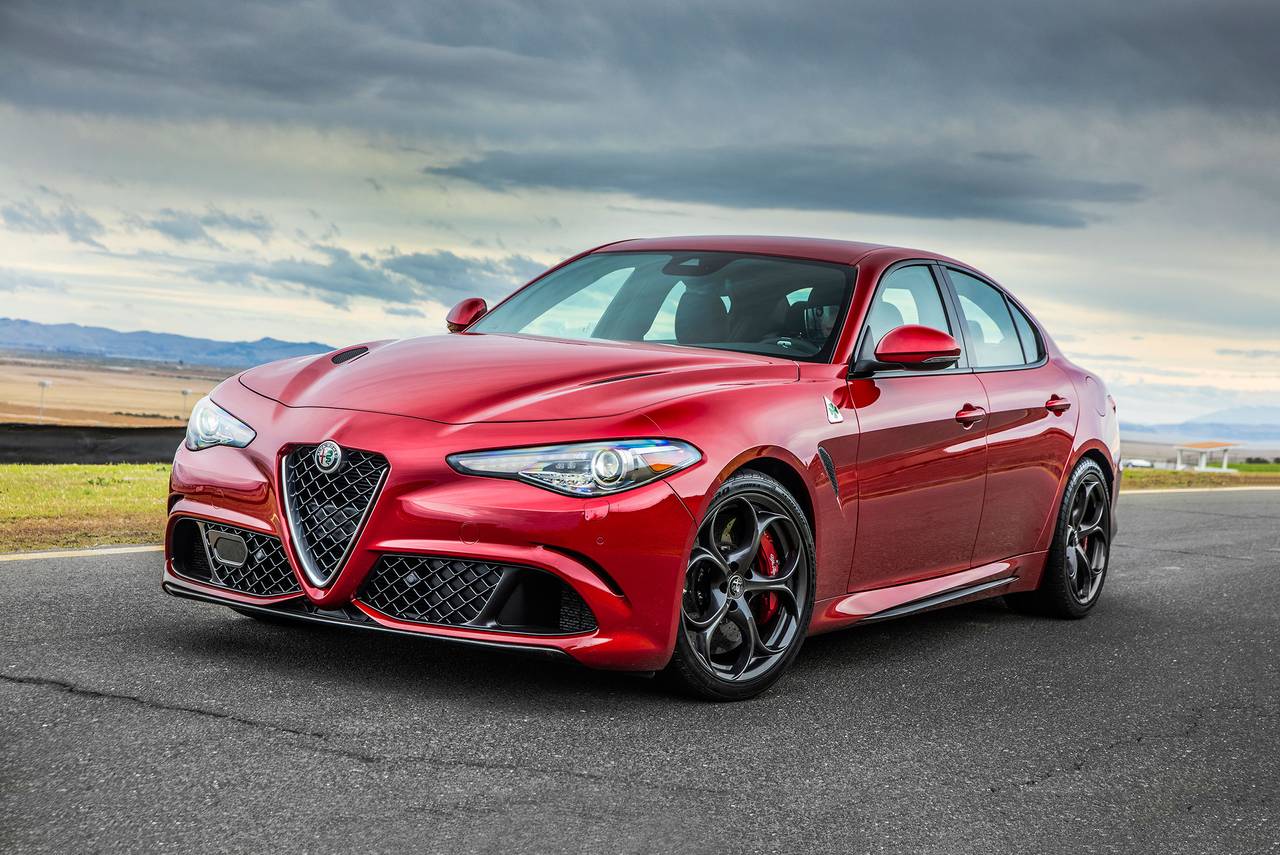
What’s most impressive is how natural it feels. There’s no sense of digital filtering, just direct communication between tire and driver. For Americans who need practicality but refuse to give up steering feel, this Alfa stands nearly alone.
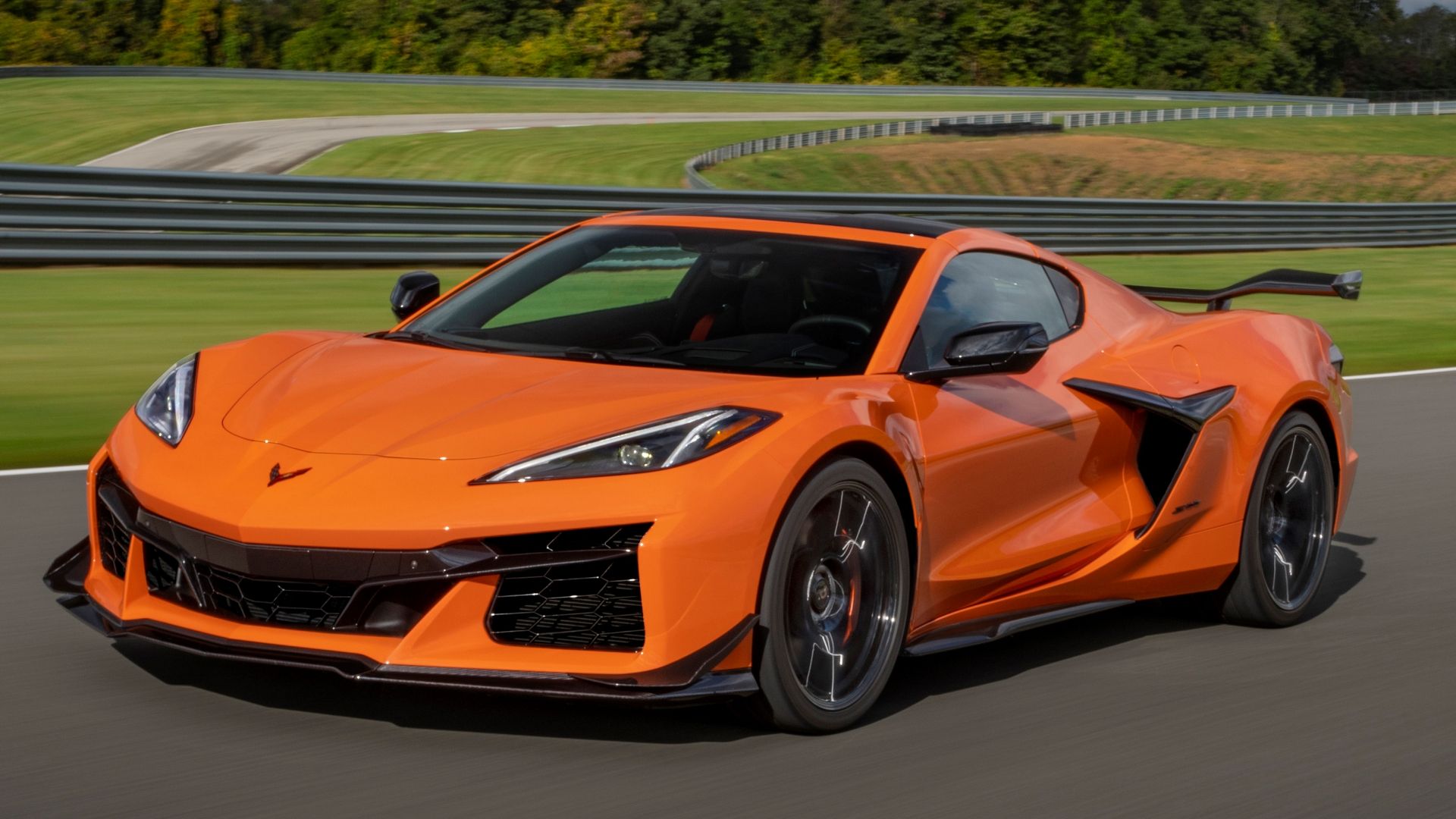
5. Chevrolet Corvette Z06
With the C8 generation, Corvette adopted a new layout, and the Z06 shows just how well Chevrolet executed it. The steering is fast, composed, and deeply confidence-inspiring, especially at high speeds.
There’s clarity in every input. You feel exactly how much grip remains, even under extreme braking or acceleration. For a homegrown American supercar, the Z06 delivers steering precision that rivals Europe’s best.
One of the most effective ways to appreciate the 2025 Corvette Z06 is to locate an empty tunnel, ensure the road is clear, and apply full throttle. Its appeal is not defined solely by its tested 2.8-second sprint to 60 mph or by the 670 horsepower generated from its flat-plane-crank LT6 V-8.
While certain electric vehicles can rival that level of straight-line acceleration, none combine it with the balanced dynamics of a mid-engine sports car and the distinctive, high-revving exhaust note that evokes a Ferrari-like soundtrack. That acoustic character, paired with its chassis capability, is central to what makes the Z06 compelling.
The Corvette E-Ray hybrid enters the market with a base price exceeding $100,000, yet the Z06 remains the more engaging option from a pure driving standpoint.
Increased fuel stops are the trade-off. If this V-8-powered configuration represents the closing chapter before a broader shift toward electrification, it is a fitting sendoff. Its impact was clear when it earned recognition as our 2023 Performance Vehicle of the Year.
Powered by a flat-plane-crank 5.5-liter V-8, the 2025 Corvette Z06 delivers 670 horsepower at 8,400 rpm and 460 lb-ft of torque at 6,300 rpm. An eight-speed dual-clutch transmission comes standard, channeling output to the rear wheels with rapid, precise shifts.
Fuel economy is not a primary strength. EPA estimates rate the Z06 at 12 mpg in city driving and 19–20 mpg on the highway, depending on configuration.
That represents a significant drop compared to the standard Corvette’s 16/25 mpg and the Corvette E-Ray’s 16/24 mpg figures. A gas guzzler tax is also applied to the Z06, underscoring its performance-first priorities over efficiency considerations.
6. Lotus Emira
Lotus built its reputation on steering, and the Emira carries that legacy forward.
It offers one of the most organic electric steering systems on sale today. Inputs feel linear and transparent, allowing drivers to sense minute changes in traction and camber.
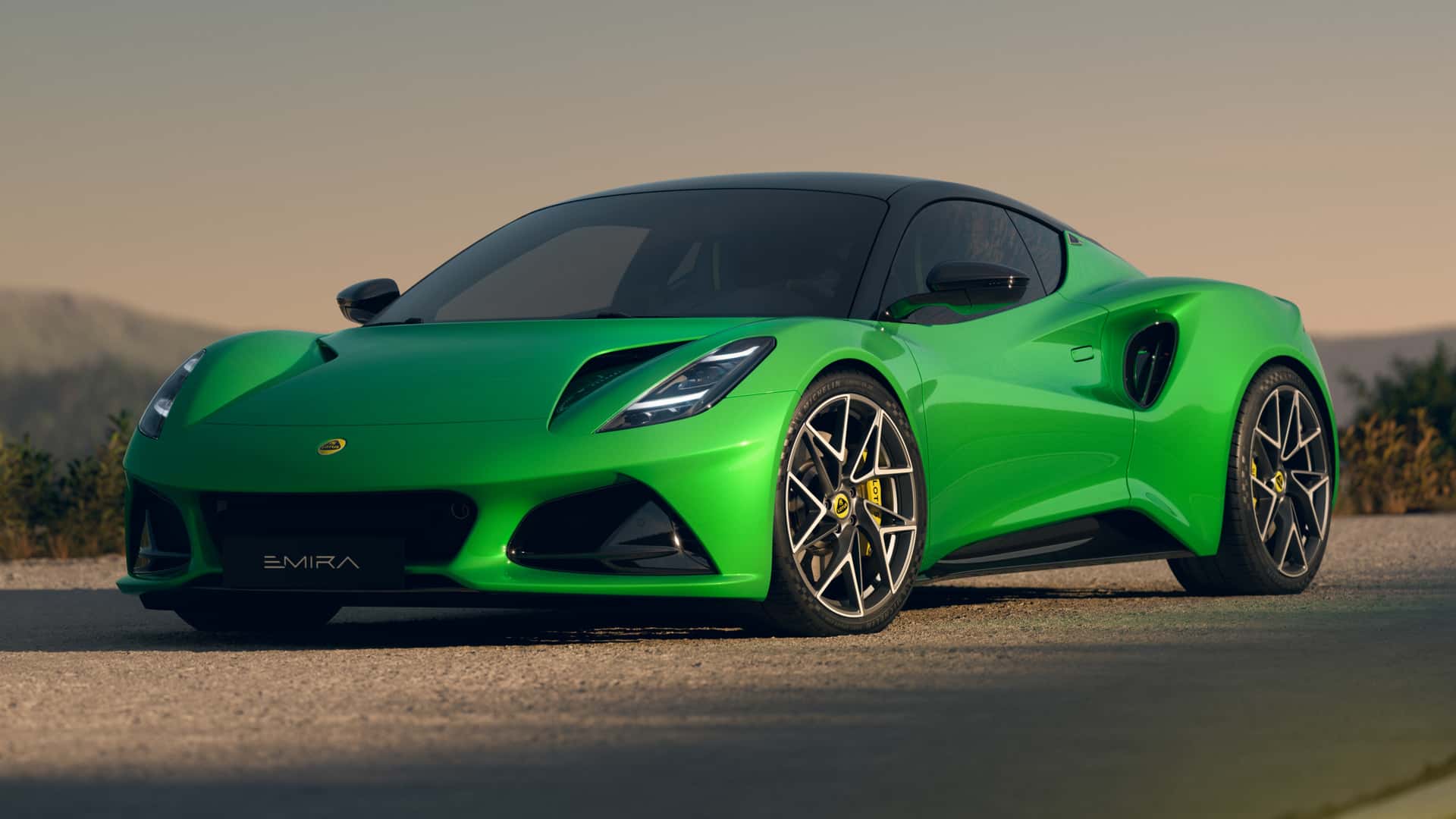
Unlike heavier performance cars, the Emira feels delicately balanced. Every corner becomes a conversation between car and driver, a rarity in the modern era.
Positioned behind the cabin of the 2024 Emira is a supercharged 3.5-liter V-6. This Toyota-derived engine is carried over from the departing Evora GT. It can be matched with either a six-speed torque-converter automatic transmission or a six-speed manual gearbox.
When equipped with the manual, Lotus states that the 3.5-liter generates 400 horsepower and 317 pound-feet of torque. In contrast to most contemporary sports cars, the Emira retains hydraulic power steering rather than adopting an electric system, delivering exceptional steering feel and feedback.
During our initial drive, we commended the Emira’s well-balanced chassis and outstanding steering precision, noting in particular its strong emphasis on driver engagement.
The model feels more polished than the outgoing Evora GT while preserving a measure of the brand’s characteristic eccentricity. The manual transmission’s shift action could benefit from additional refinement, and the brake pedal exhibits a sharp initial bite that can make smooth modulation challenging.
For the 2025 model year, a turbocharged four-cylinder variant will be added to the range. This engine is sourced from Mercedes-AMG and produces 360 horsepower. Power is sent to the rear wheels exclusively through an eight-speed dual-clutch automatic transmission, which will be the sole gearbox offered with that powertrain.
7. Honda Civic Type R
Honda’s engineers achieved something special here. The Civic Type R delivers steering that’s quick, stable, and shockingly communicative for a FWD platform. Torque steer is virtually eliminated, and the front tires relay grip levels with precision.
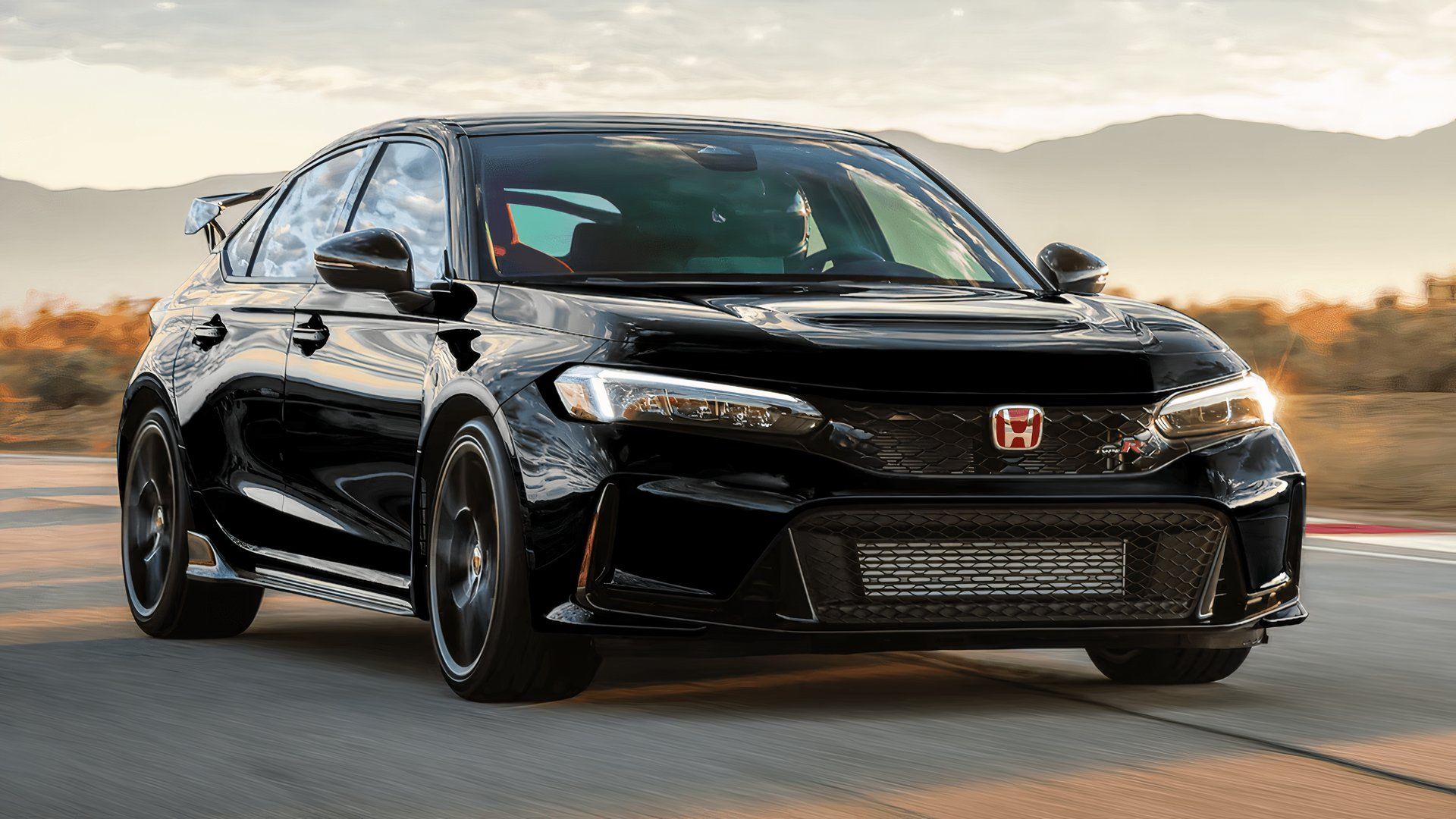
For US buyers wanting a practical daily driver that still feels alive on twisty roads, the Type R offers one of the most refined steering experiences in its class.
The Civic Type R demonstrates a high level of performance capability. In instrumented testing at our track, it accelerated from 0 to 60 mph in 5.5 seconds.
That figure is nearly a full second quicker than the 6.4-second 0–60 mph time recorded by a manual-equipped Elantra N. However, all-wheel-drive competitors such as the Volkswagen Golf R and Toyota GR Corolla are capable of reaching 60 mph in 5.0 seconds or less.
Braking performance is equally notable. From 60 mph, the Type R required only 108 feet to come to a complete stop, an excellent result for a hatchback, particularly given the relatively cool testing conditions.
Lateral grip also improved over the prior generation, with 1.07 g recorded on the skidpad, a level of adhesion that even some vehicles at twice the price point fail to achieve.
Beyond the metrics, the latest Type R delivers a highly engaging driving experience. It exhibits composure and stability through corners that few vehicles in its segment can replicate.
The balance between agile turn-in and substantial mechanical grip makes it rewarding to drive at both moderate and high speeds. Driver inputs are crisp and precise; steering response, gearshift action, and throttle calibration all feel carefully refined and cohesively tuned.
8. Acura Integra Type S
Sharing DNA with the Civic Type R, the Integra Type S adds a more mature character without sacrificing steering excellence.
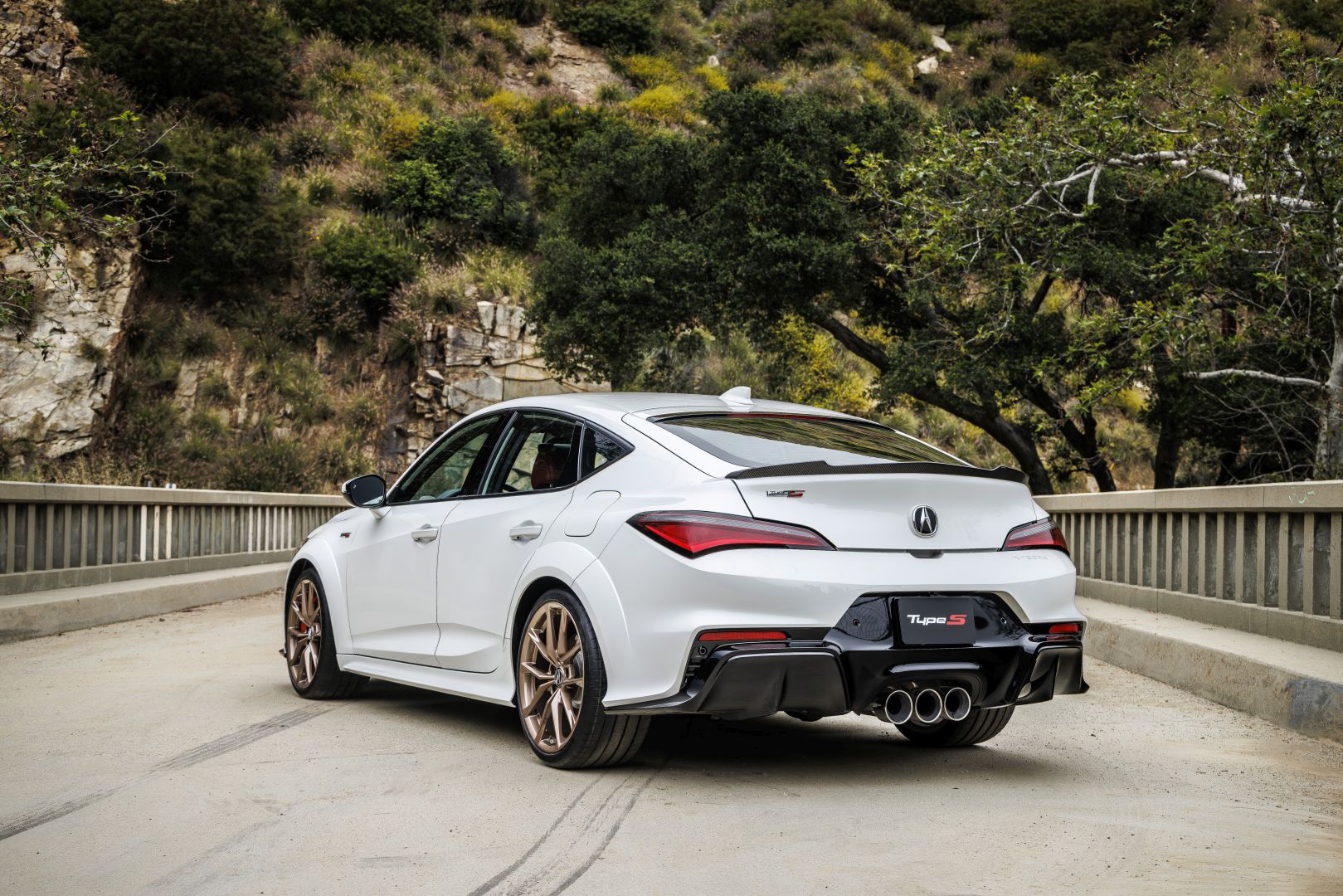
Its wheel weighting feels natural, response is immediate, and road feedback remains clear even during aggressive driving. It’s a compelling option for drivers who want performance steering wrapped in a subtler design.
The Integra Type S is powered exclusively by a 320-horsepower turbocharged 2.0-liter inline-four engine producing 310 pound-feet of torque. As with the Civic Type R, output is sent solely to the front wheels through a six-speed manual transmission paired with a limited-slip differential.
The shift mechanism is notably light and exact, among the finest manual gearboxes currently available, and the clutch engagement is progressive and easy to modulate. With peak torque available at just 2,600 rpm, it is possible to short-shift without compromising drivability, though doing so would diminish the overall engagement the powertrain offers.
In our testing, the Type S reached 60 mph in 5.1 seconds, nearly two seconds quicker than the 7.0-second result recorded for the standard Integra equipped with a six-speed manual, and only 0.2 second behind the most recent Civic Type R we evaluated.
The quarter mile was completed in 13.7 seconds, and Acura cites a top speed of 167 mph. Handling and braking performance closely mirror that of the Civic Type R. The Integra Type S generated 1.02 g on the skidpad and required just 153 feet to stop from 70 mph.
Despite its performance credentials, the Integra Type S transitions effectively into a more subdued role when conditions demand restraint. It can settle into composed, everyday transportation without effort.
All Type S variants are equipped with 19-inch wheels wrapped in summer performance tires, enlarged Brembo braking hardware, and a distinctive exhaust system featuring three centrally mounted outlets.
9. Ferrari 458 Italia
The 458 Italia represents Ferrari at its most emotionally connected. Its steering is lightning quick, incredibly detailed, and perfectly matched to its chassis. Even at modest speeds, the car feels alert and responsive.
Among electric steering systems, few offer this level of transparency. It’s one reason the 458 remains so revered by enthusiasts in the US resale market.
If you had outlined the benchmark performance standards expected of a modern supercar in the late 2000s, the resulting targets would have aligned almost precisely with those achieved by the Ferrari 458 Italia.
Its 0–60 mph acceleration began with a three-second figure, its maximum speed exceeded 200 mph, and it surpassed 100 mph in roughly seven seconds. The standing quarter mile required less than 12 seconds, and it swept past 150 mph before completing a standing kilometre.
What distinguished the 458 even more than its raw statistics was the manner in which it delivered them. Producing 562 bhp from a naturally aspirated 4.5-litre engine, equivalent to around 125 bhp per litre, would, not long before, have resulted in a temperamental and aggressive power unit ill-suited to everyday usability. A few years earlier still, such output would have been inconceivable in a production road car.
The 458 instead demonstrated how advancements in manufacturing tolerances, lightweight materials, fuel injection systems, and electronic management had reshaped performance engineering. The engine fired into life without theatrics and, by 3000 rpm, generated as much torque as the outgoing Ferrari F430 managed at its peak, despite spinning all the way to a 9000 rpm redline.
Particularly notable was the immediacy with which the engine accumulated revs. Throttle inputs were met without hesitation or delay, and the power delivery remained linear and entirely predictable throughout the range.
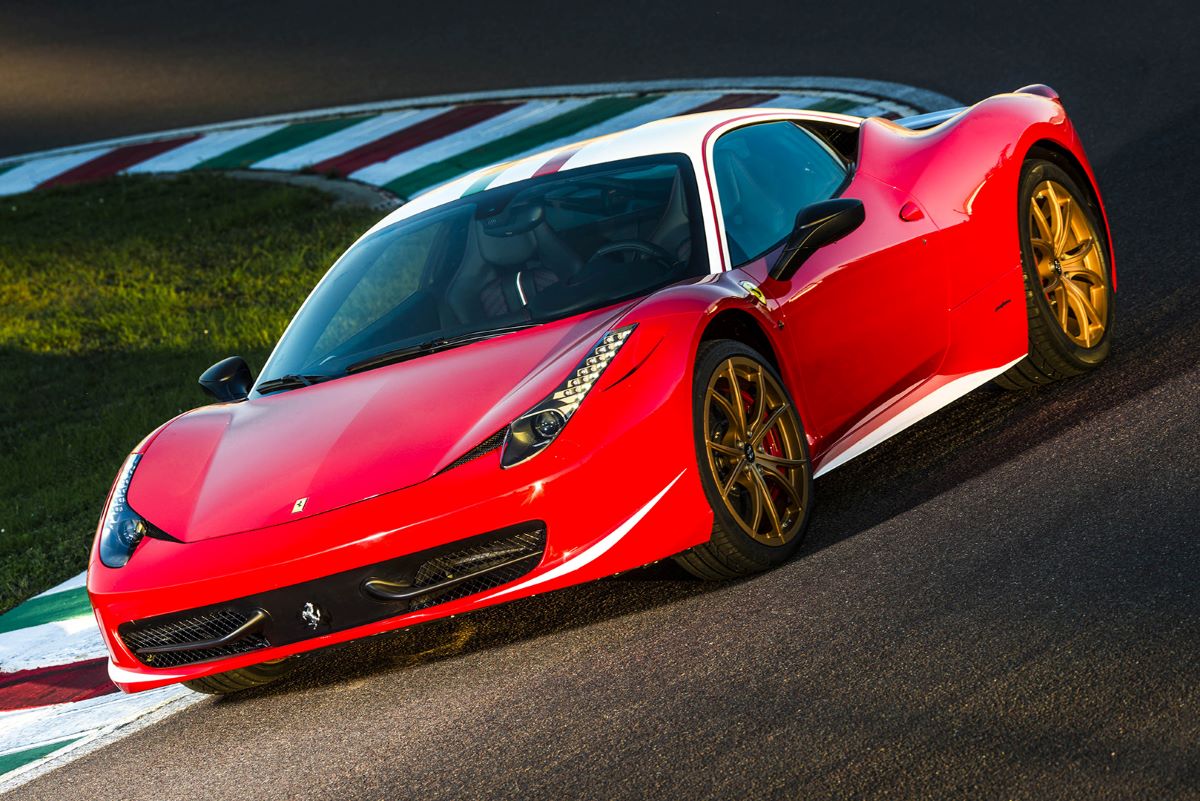
Ferrari had long mastered the art of refining the sound signature of its flat-plane crank V8 engines so they resonated as cohesive, high-revving units rather than two four-cylinder banks operating in parallel.
The 458 upheld that tradition. In this domain, Italy’s approach to induction and exhaust tuning remained unmatched. The result was a machine that succeeded as much on acoustic drama as on engineering merit.
As with the California, the 458 transmitted power through a dual-clutch gearbox. Some critics argued that this setup softened the involvement associated with earlier single-clutch automated manuals, though we did not share that view. Gear changes were executed with exceptional speed and precision, without sacrificing a tangible sense of mechanical engagement.
Like its contemporaries in the Ferrari range, the 458 was equipped as standard with carbon-ceramic braking hardware. These brakes delivered consistent, repeatable stopping performance from high speeds with minimal fade, reinforcing the car’s credentials as a complete and technically advanced supercar.
10. Toyota GR86
The GR86 delivers steering that feels mechanical in the best sense, direct, honest, and responsive. You always know what the front tires are doing, which makes learning car control both accessible and rewarding.
For younger drivers or budget-minded enthusiasts in America, it offers one of the purest steering experiences available new today.
Great steering doesn’t show up on spec sheets. It isn’t measured in horsepower or quarter-mile times. Yet it defines how a car feels every single mile.
The 86 benefits significantly from its rear-wheel-drive configuration and well-executed transmission options. Less compelling is the Subaru-derived 2.0-liter flat-four engine, which exhibits a coarse character, elevated noise levels, and a noticeable torque dip in the middle of the rev range. Even so, with the manual gearbox, we recorded a brisk 6.2-second run from 0 to 60 mph.
The manual transmission remains the preferred choice, thanks to its short throws and mechanical, slightly notchy engagement that enhances driver involvement.
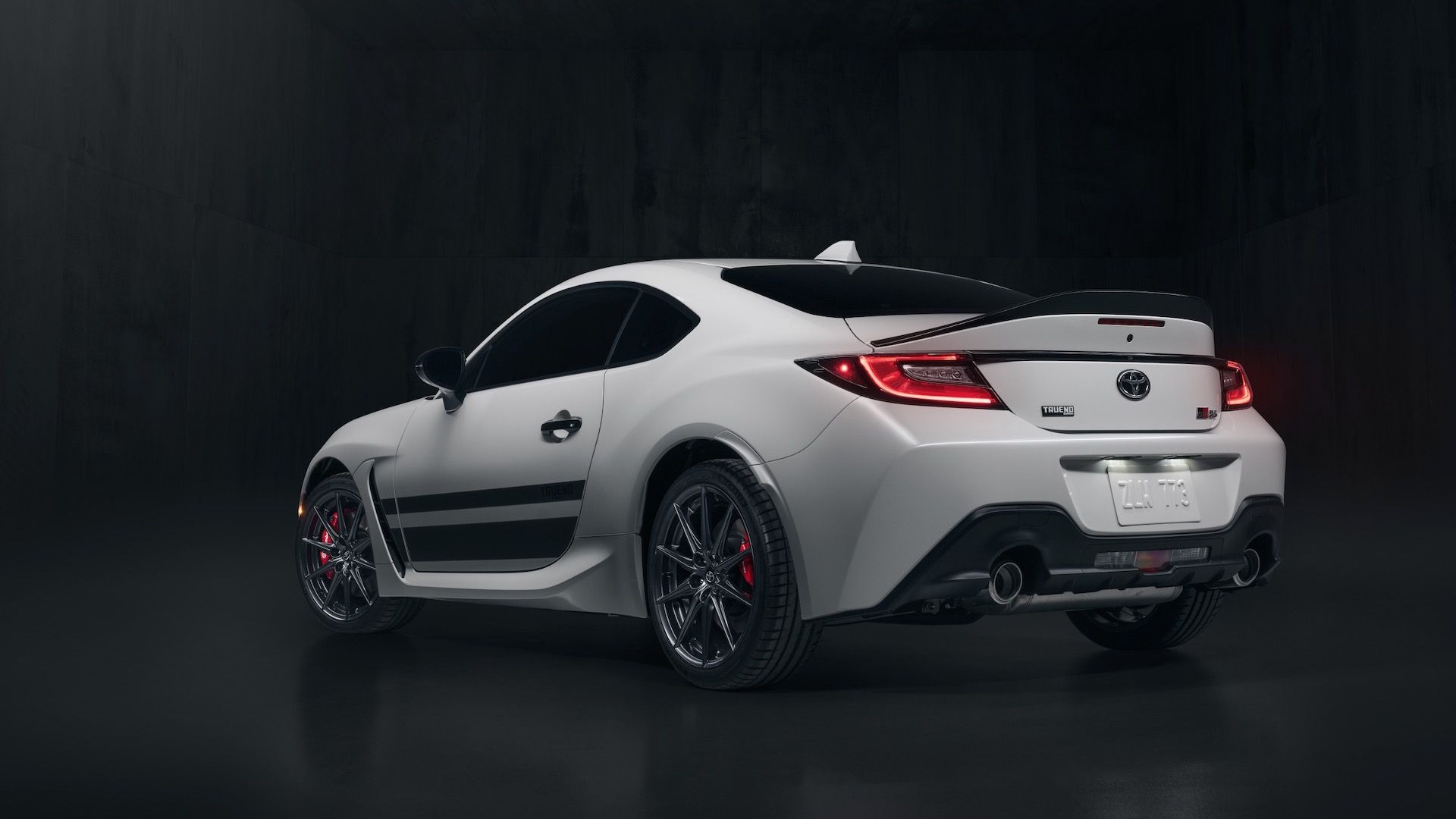
However, the available six-speed automatic stands out as one of the few torque-converter automatics in this segment that preserves the car’s dynamic appeal. It executes shifts promptly in automatic mode and responds quickly to driver-initiated inputs via the steering-wheel-mounted paddles.
More significant than straight-line acceleration is the 86’s steering and chassis tuning. The steering is direct, features a quick ratio, and is paired with a compact steering wheel that enhances responsiveness. Initial turn-in is immediate, and the body maintains composure through corners and rapid directional changes.
The chassis is tuned with a neutral balance that can produce mild understeer when pushed aggressively, characterized by the front tires beginning to slide outward, before progressively transitioning into manageable oversteer as the rear steps out. For experienced drivers seeking greater rotation, applying additional throttle can extend the slide into a sustained drift, provided the stability control system has been disengaged.
What all ten of these vehicles share is clarity: they translate driver intent into motion without delay or confusion. Whether it’s a track-focused GT3, a humble Miata, or a mid-engine Corvette, each proves that when steering is done right, everything else improves.
In a market increasingly shaped by automation and electrification, these cars remind us why driving still matters. They don’t just go fast, they communicate. And that connection is what separates truly great machines from everything else.
