
Buying a used European car can be exciting, but it comes with a critical choice: some models are famously reliable, while others are notorious for constant repairs. European manufacturers often push engineering and technology to impressive levels, combining luxury, performance, and advanced electronics.
However, these features can become expensive problems as cars age. Knowing which models hold up over time and which require frequent attention is essential for any buyer.
This guide highlights five European cars that have earned strong reputations for reliability. From Volkswagen’s precise engineering in the Golf Mk7 to Škoda’s practical Octavia, these vehicles offer proven engines, solid construction, and well-thought-out design, making them excellent options for daily driving, long-distance commuting, or family use.
We also examine five European cars that are prone to ongoing maintenance challenges. Vehicles such as the Land Rover Range Rover Sport and BMW 7 Series E65 showcase advanced technology, air suspension systems, and complex engines.
While these models deliver luxury, performance, and prestige, their frequent failures and high repair costs can turn them into financial burdens. Understanding which cars are dependable and which are high-maintenance helps buyers make informed choices and avoid unpleasant surprises.
5 Used European Cars That Are Reliable
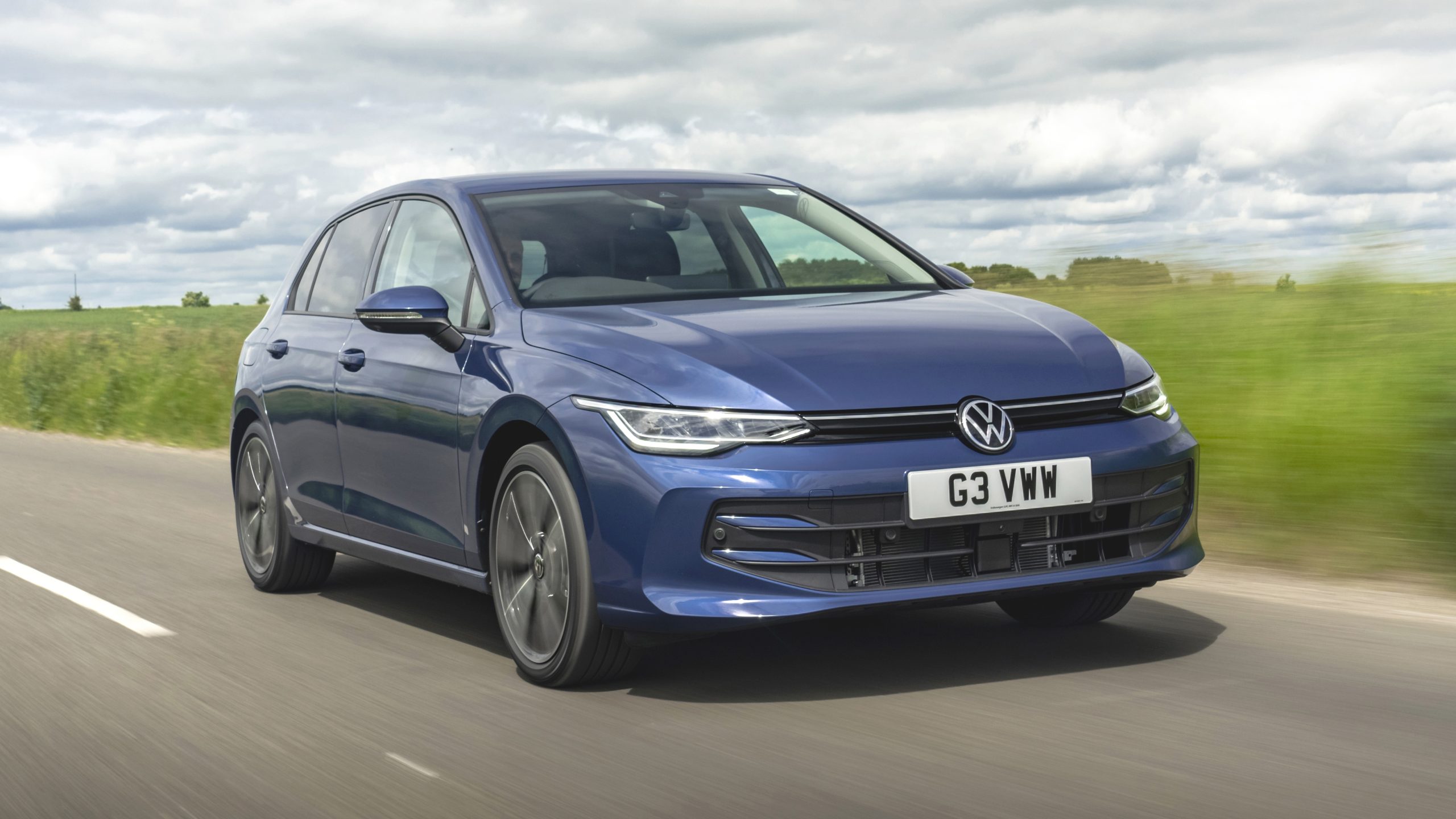
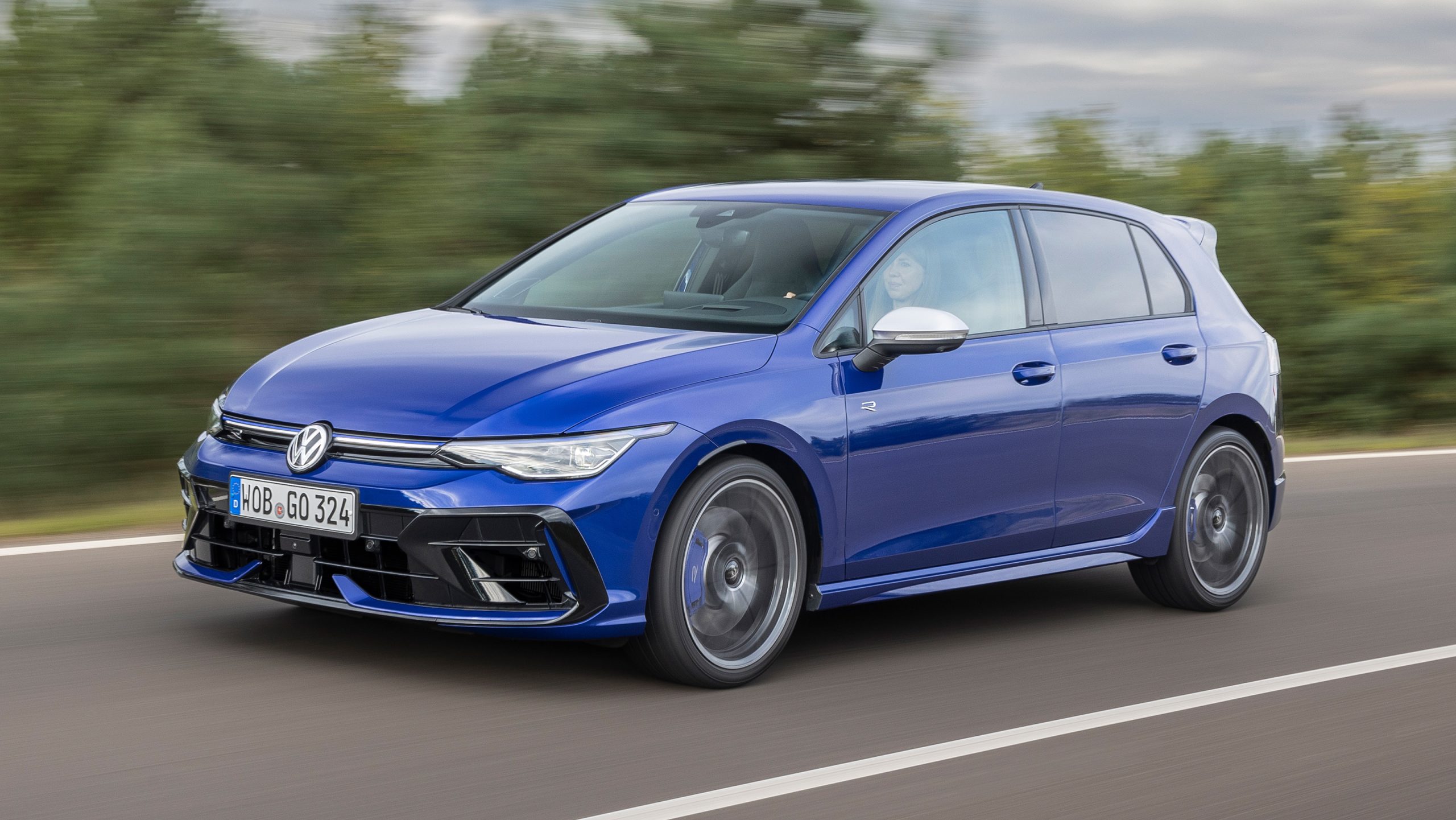
1. Volkswagen Golf Mk7 (2012–2019): Benchmark for Modern Hatchback Reliability and Refinement
The seventh-generation Volkswagen Golf Mk7 is widely regarded as the high point of Volkswagen’s modern engineering. Built on the advanced MQB platform, it delivered greater structural rigidity, reduced weight, and improved drivetrain refinement compared with its predecessor.
Importantly, it resolved earlier timing chain concerns and established a reputation for durability, particularly with the 1.8T and 2.0T TSI petrol engines and the dependable 2.0 TDI diesel.
Owners consistently praise the Mk7’s solid build quality, premium-feeling interior materials, and resistance to wear. It earned a five-star Euro NCAP safety rating and came generously equipped with airbags, stability systems, and driver aids such as Front Assist with city emergency braking.
While generally reliable, buyers should ensure DSG automatic gearboxes have been serviced correctly and check for potential coolant leaks around the thermostat or water pump housings on some engines.
Launched in 2013 and facelifted in 2017 (often referred to as the Mk7.5), the range expanded to include efficient 1.0 TSI and 1.5 TSI EVO petrol engines, updated infotainment systems, digital dials on higher trims, and improved smartphone connectivity.
Performance variants such as the GTI and Golf R offered serious pace, while the GTE plug-in hybrid and fully electric e-Golf broadened the lineup further. The practical Estate and rugged Alltrack versions added versatility.
On the road, the Mk7 strikes a fine balance between comfort and control. Steering is precise, grip levels are high, and ride quality is composed, making it refined yet engaging. Though not the most playful in its class, it blends performance with everyday usability exceptionally well.
Used prices remain strong due to its reputation, but low running costs, solid reliability, and high residual values make it a smart long-term choice. For many, the Mk7 represents the Golf formula perfected.
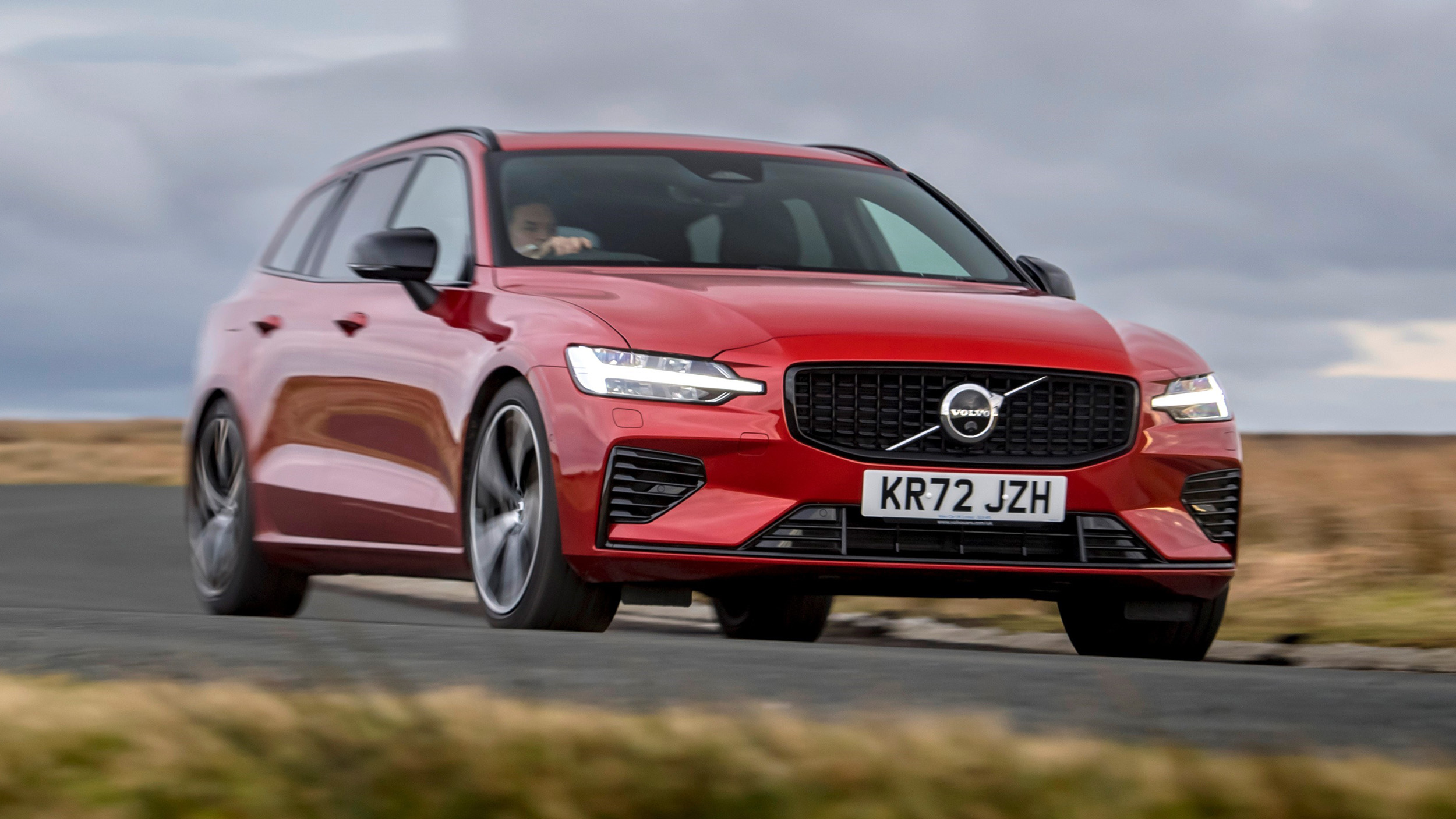
2. Volvo V60 (2010–2017): Durable Five-Cylinder Power Meets Scandinavian Style
The 2010–2017 Volvo V60 marks Volvo’s transition from boxy, utility-focused wagons to sleeker, lifestyle-oriented estates. While it retains the brand’s strong safety reputation and solid construction, it trades some cargo capacity for a more stylish profile. Built during Volvo’s Ford ownership era, the V60 shares components with several Ford-derived platforms, contributing to its straightforward mechanical layout.
One of its standout features is the availability of Volvo’s pre-hybrid five-cylinder engines, especially the T5 petrol, widely praised for durability. With proper maintenance and documented service history, many examples can exceed 200,000 miles.
Engine options ranged from smaller 1.6-liter petrol and diesel units to stronger 2.0-liter and 3.0-liter petrol engines (T5 and T6). Diesel choices included multiple D2, D3, and D4 variants, along with a 2.4-liter D5. Performance enthusiasts could opt for the Polestar model, while the D6 plug-in hybrid offered early electrification.
On the road, the V60 focuses on ride comfort rather than sporty handling. Steering is competent but not especially engaging, and suspension tuning favors smoothness over sharp cornering. Diesel models deliver the best efficiency, while petrol versions provide quieter performance.
Inside, the cabin feels premium for its era, highlighted by Volvo’s distinctive floating center console and supportive front seats. Rear legroom and cargo space, however, are tighter than some competitors.
Used prices in the U.S. market typically range from about $5,000 for higher-mileage early models to $18,000+ for low-mileage later versions or rare hybrids. Insurance and maintenance costs remain reasonable for a European wagon. For the best blend of performance and efficiency, the 2.0 D4 or T5 models stand out as smart used choices.
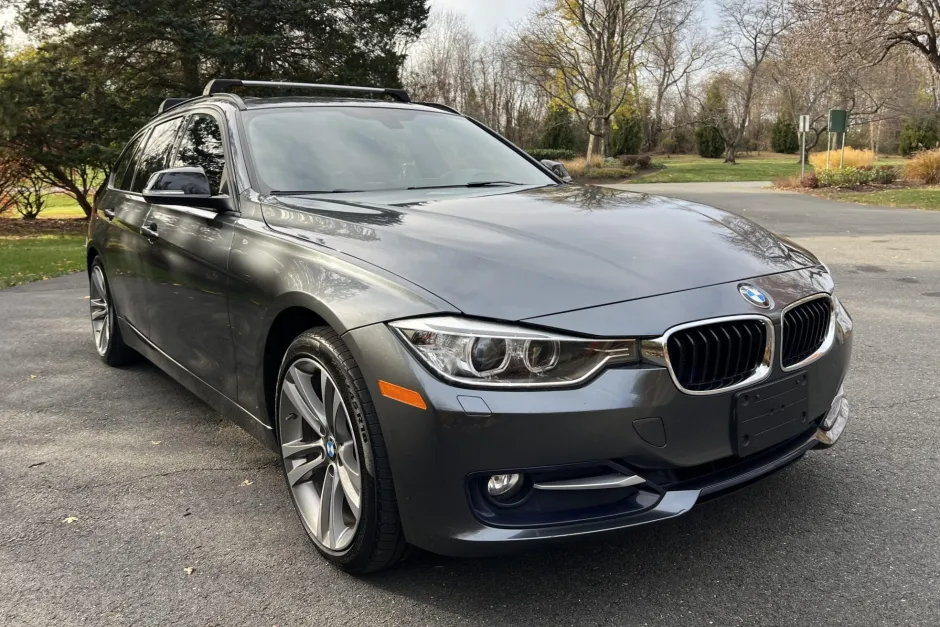
3. BMW 328d (F30, 2014–2018): Torque, Efficiency, and Modern BMW Reliability
The BMW 3 Series (F30) 328d occupies a rare position in the luxury sedan market. Built between 2014 and 2018 for North America, it combines strong diesel efficiency with classic BMW balance. While earlier BMW models from the 2000s were known for cooling system and electronic issues, the F30 generation marked a significant improvement in reliability, especially in its updated four-cylinder engines.
Power comes from a 2.0-liter TwinPower Turbo diesel engine. Output is rated at 180 horsepower, but the more important figure is 280 lb ft of torque, available at low engine speeds. This gives the 328d effortless acceleration during highway merges and passing maneuvers.
Real-world highway fuel economy often falls between 45 and 50 mpg, allowing a driving range of more than 600 miles on a single tank. The engine is paired with the widely respected ZF eight-speed automatic transmission, known for smooth shifts and long-term durability.
In terms of driving dynamics, the 328d delivers a composed and comfortable ride while maintaining Rear Wheel Drive balance. Many North American models feature xDrive All Wheel Drive, which improves traction in poor weather conditions.
Steering feel is lighter than previous generations, yet the car remains stable and confident in corners. Models equipped with the M Sport package offer firmer suspension tuning for drivers who prefer sharper handling.
Inside, the cabin follows BMW’s driver-focused layout. The iDrive infotainment system in later models is quick and intuitive, and physical buttons for climate and audio controls add convenience. Rear seat space is improved over earlier 3 Series models, and trunk capacity is competitive for the segment.
Reliability is strong when maintenance is consistent. Updated timing chain components addressed earlier concerns found in previous diesel variants. Owners should follow shorter oil change intervals and ensure emissions components such as the DPF and EGR system are functioning properly. For high-mileage highway drivers seeking performance and efficiency, the 328d remains an outstanding modern diesel choice.
4. Mercedes-Benz E-Class (W212, 2010–2016): A Return to Over-Engineered Luxury
The Mercedes-Benz E-Class (W212) is widely regarded as one of the most dependable modern Mercedes models. Produced from 2010 to 2016, it marked a deliberate return to traditional engineering values after some earlier models faced quality concerns. With its solid construction, proven engines, and relatively restrained use of complex electronics, the W212 earned a reputation for durability and long-term ownership potential.
A key strength of the W212 lies in its robust powertrains. The 3.0-liter V6 diesel OM642 engine is especially respected for longevity, with many examples surpassing 200,000 to 500,000 kilometers when properly maintained. This engine is frequently used in European taxis, a testament to its endurance.
Petrol buyers often favor the naturally aspirated 3.5-liter V6 M276, known for smooth performance and dependable operation. Both engines are typically paired with the 7G Tronic automatic transmission, which has proven durable when serviced at recommended intervals.
Unlike newer luxury sedans packed with intricate digital systems, the W212 strikes a balance between modern convenience and mechanical simplicity. Fewer overly complex electronics mean fewer potential failure points. The car feels solid and substantial, with tight panel gaps and a vault-like build quality that reinforces its reputation for longevity. With proper care, many examples comfortably reach 200,000 to 250,000 miles.
Comfort is a defining trait. The suspension prioritizes ride refinement over sporty agility, delivering a quiet and composed driving experience. The cabin is spacious and practical, offering high-quality materials and a functional layout filled with physical buttons. The sedan provides a generous 540-liter trunk, while the Estate version expands cargo capacity significantly.
Safety was also a highlight. Features such as Attention Assist and Collision Prevention Assist were introduced as standard, contributing to strong crash test ratings. A 2013 facelift refreshed the styling and updated technology, addressing minor early production issues.
Potential buyers should focus on maintenance history. Models equipped with AIRMATIC air suspension can develop costly leaks, and some diesel variants may experience oil cooler or EGR-related issues if neglected. A well-maintained W212 stands out as one of the most reliable and comfortable executive sedans of its era.
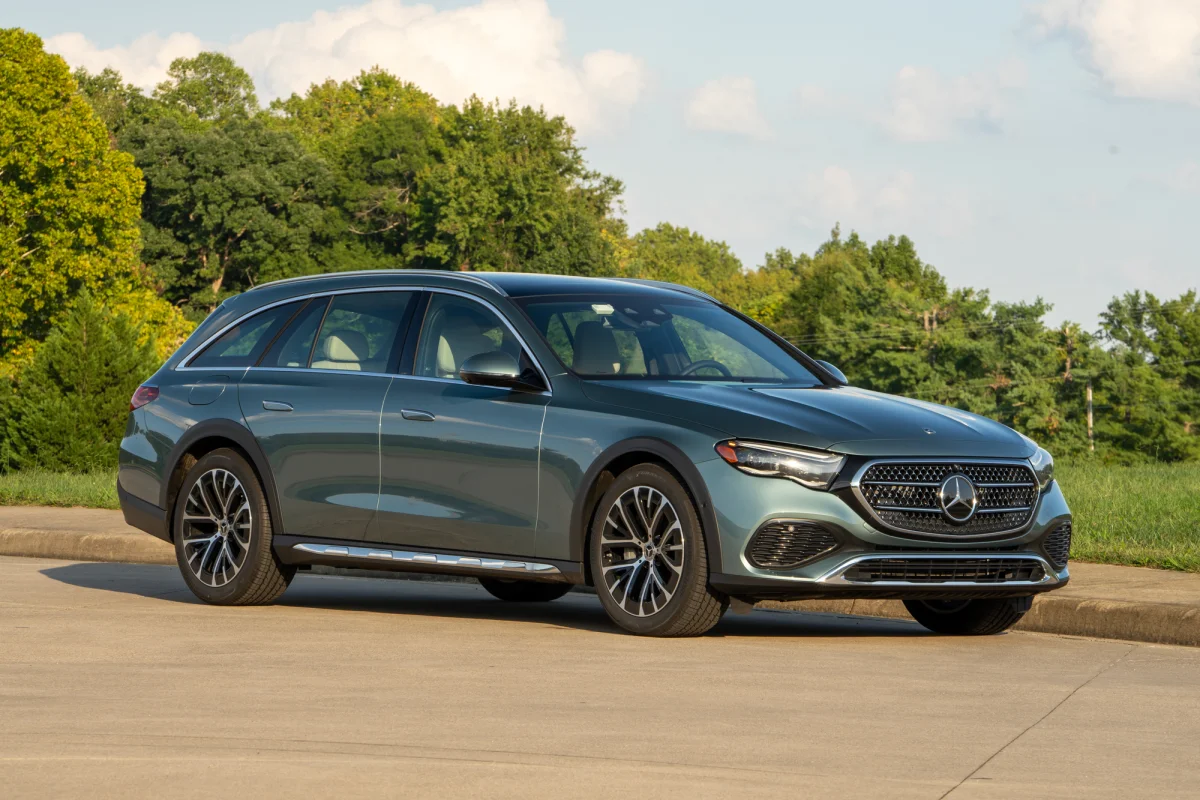
5. Škoda Octavia Mk3 (2013–2020): Practical, Proven, and Exceptionally Reliable
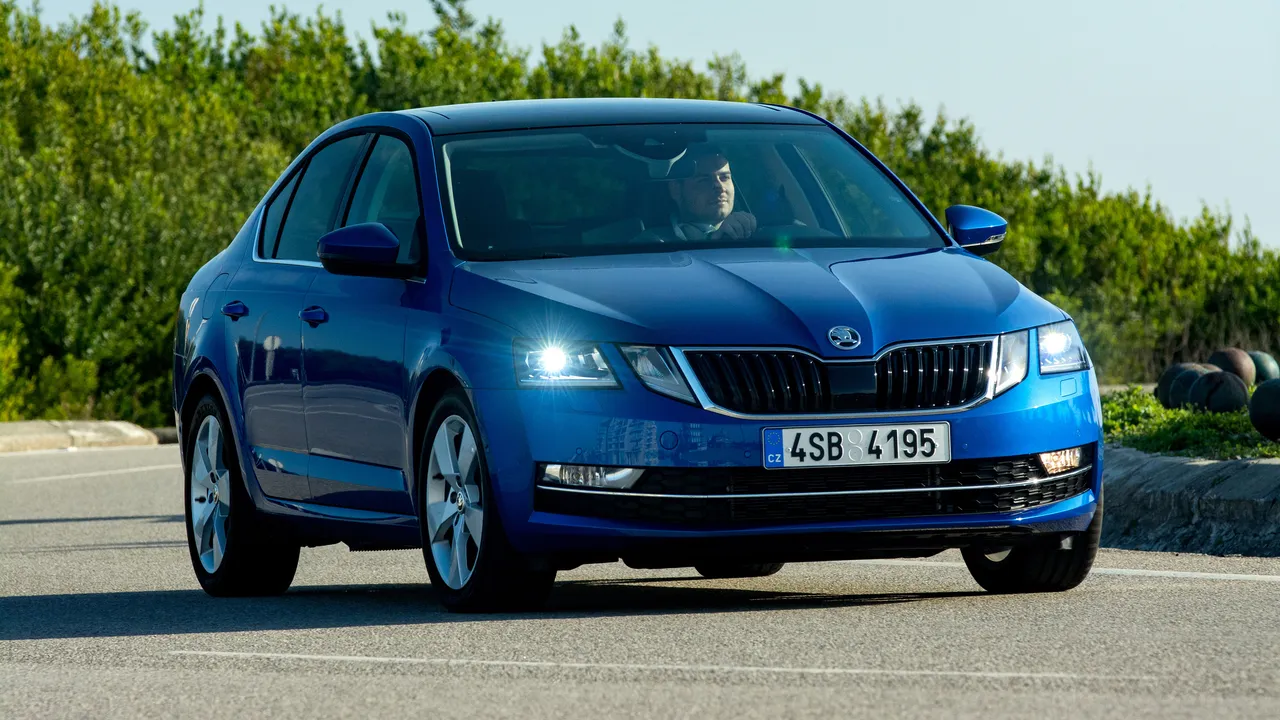
The Škoda Octavia Mk3 has built a strong reputation as one of the most reliable and practical European family cars of its era. Produced from 2013 to 2020, it represents a sweet spot for used buyers by combining Volkswagen Group engineering with a simpler, less failure-prone ownership experience.
Often described as “a Volkswagen underneath,” the Octavia shares much of its mechanical foundation with the Volkswagen Golf Mk7, but avoids some of the more complex and delicate luxury features that can cause issues over time.
A major factor behind its reliability is the MQB platform, a modular architecture used across multiple Volkswagen Group models. This platform relies on proven engines, transmissions, and suspension systems, benefiting from large-scale development and refinement.
High tensile steel construction improves durability while keeping weight under control. The Octavia is widely known for handling high mileage with ease, which explains its popularity among taxi operators and long-distance commuters.
Engine choice plays a key role in long-term dependability. The 2.0 litre TDI diesel from the EA288 family is considered the strongest option, offering excellent fuel economy and durability for motorway drivers.
The 1.4 TSI petrol engine is also highly regarded and largely free of major design flaws. While DSG automatic gearboxes perform well when maintained correctly, manual transmissions are especially robust and favored by cost-conscious buyers.
Reliability surveys reinforce Octavia’s strong standing. In a What Car? Reliability Survey, petrol versions of the 2013 to 2020 model achieved a class-leading score of 99.3 percent, outperforming rivals such as the Ford Focus and Audi A3. Fault rates were low, and most issues were resolved quickly. The brand itself consistently ranks highly in owner satisfaction studies.
Practicality is another standout strength. The hatchback offers 590 litres of boot space, while the estate provides even greater capacity. Clever interior touches and solid build quality enhance everyday usability. Facelifted models from 2017 onward introduced updated infotainment and refreshed styling while retaining proven mechanical components.
The Octavia Mk3 delivers rare value in the shrinking family car segment, offering durability, space, and low running costs in a well-engineered package.
Also Read: 5 Cars That Are Unstoppable in Deep Snow vs 5 AWD Models That Get Stuck
5 That Require Constant Repairs
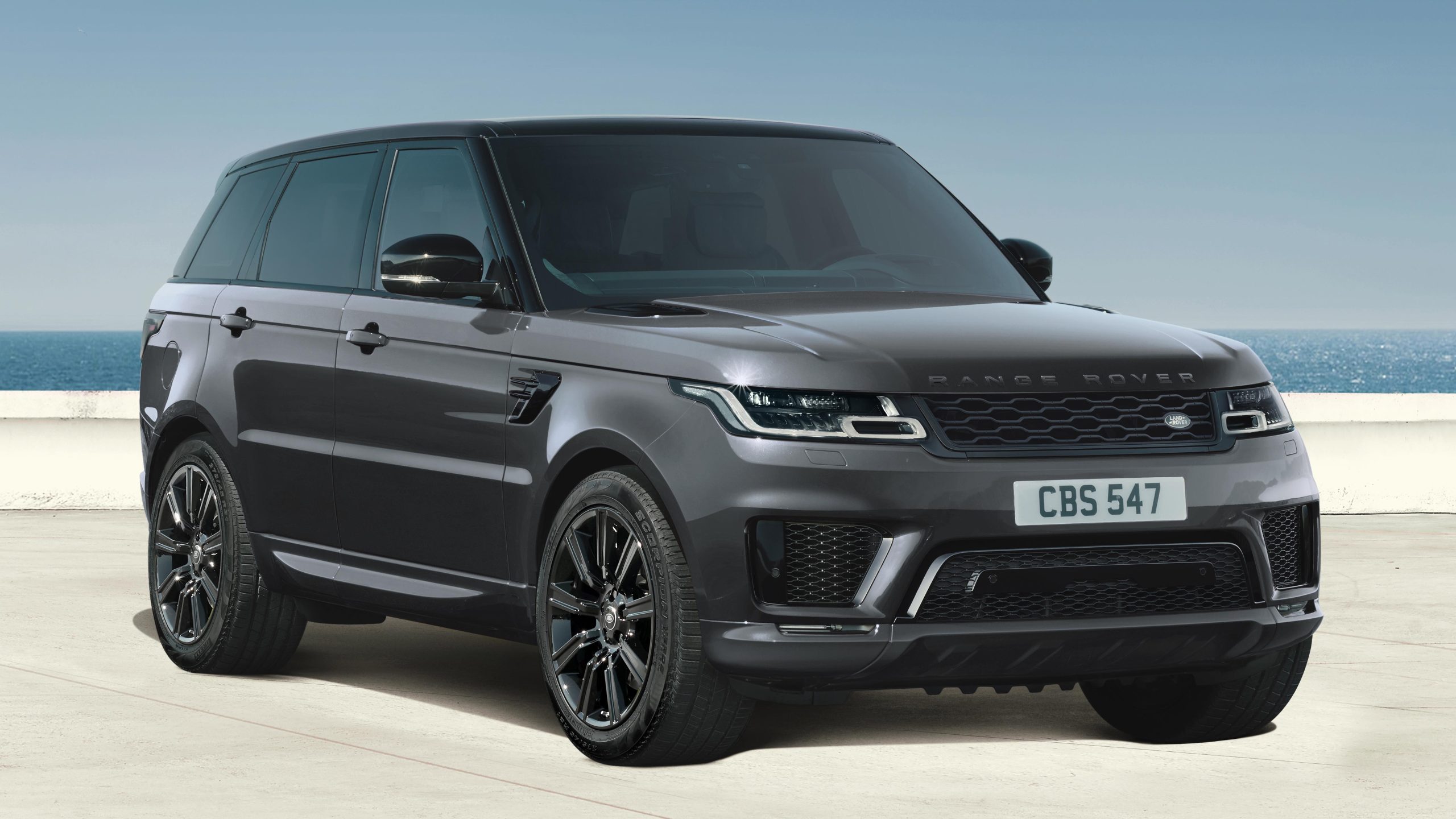
1. Land Rover Range Rover Sport (2005–2013): Luxury Ambition, Costly Reality
The first-generation Land Rover Range Rover Sport (L320) has earned a reputation as one of the riskiest used luxury SUVs to own. While its bold styling, strong performance, and premium badge make it tempting at today’s low resale prices, long-term reliability concerns often turn that bargain into a financial burden.
Many examples can be purchased for the price of a modest family car, yet repair costs over a short ownership period can quickly match or exceed the purchase price.
A major source of trouble is the air suspension system. Designed to deliver both off road capability and on road comfort, it relies on rubber airbags, compressors, and ride height sensors that degrade over time. Small leaks in aging airbags force the compressor to work harder than intended, eventually leading to burnout.
When sensors fail, drivers may encounter suspension warning lights or the vehicle entering limp mode. Because these components are interconnected, what begins as a minor leak can escalate into a major repair bill.
The vehicle’s heavy weight, nearly 2.5 tonnes, adds further strain to mechanical components. Brake pads and discs wear quickly due to the mass they must control, and suspension bushings often deteriorate under the constant load. Owners frequently report clunking noises that require control arm replacements to resolve properly.
Engine reliability is another concern. The 2.7 liter and 3.0 liter TDV6 diesel engines are known for crankshaft failures that can result in complete engine replacement. Later 5.0-liter V8 petrol models have documented timing chain guide wear, which, if ignored, can lead to catastrophic internal engine damage.
Electrical issues round out the problem areas. Water intrusion from blocked sunroof drains or leaking seals can damage sensitive electronic modules, causing unpredictable warning lights and system malfunctions. Together, these issues explain why the L320 is often viewed as a high-risk used purchase despite its luxury appeal.
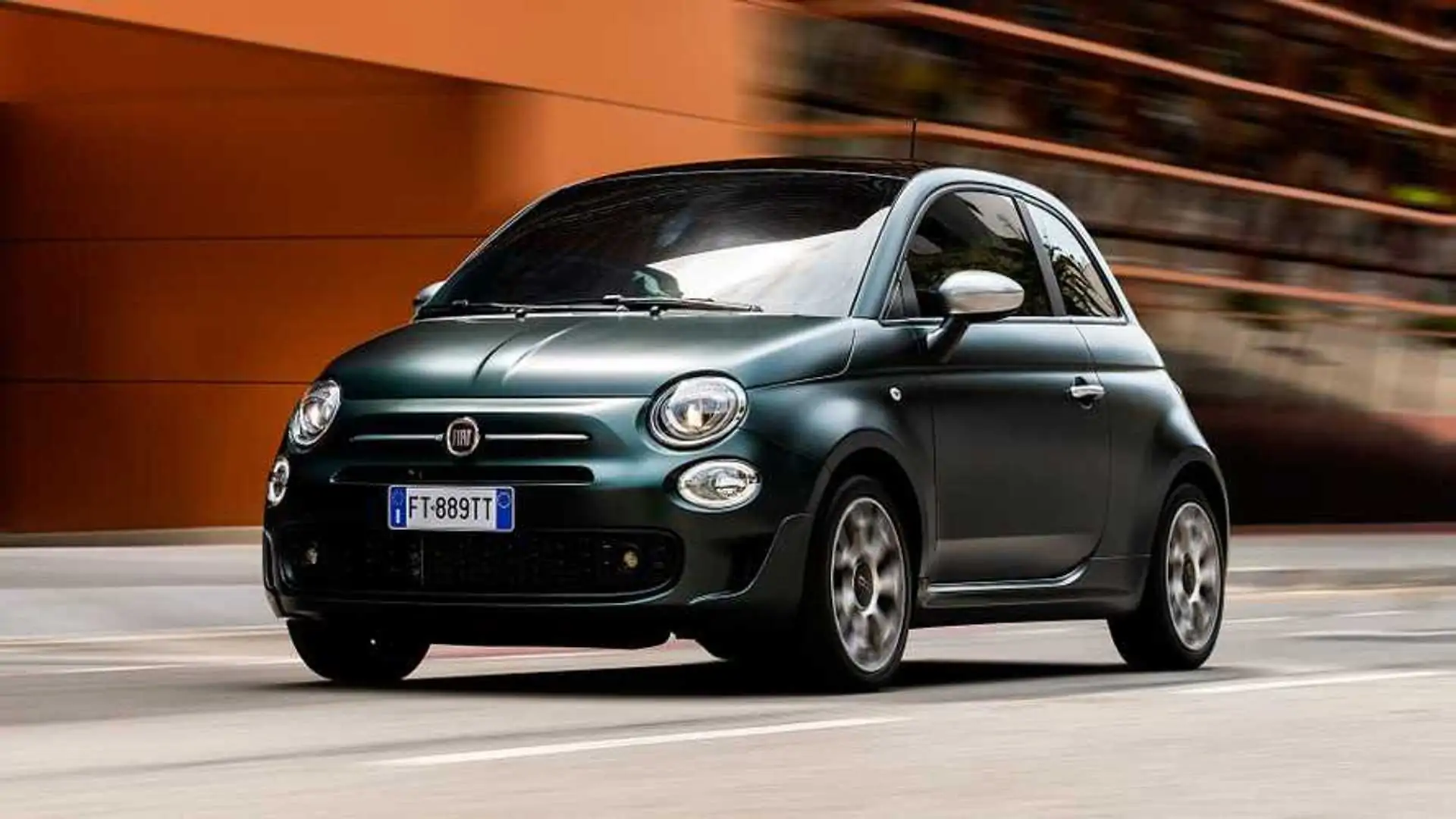
2. Fiat 500 (2012–2019): Charming but Mechanically Fragile
The Fiat 500 is widely regarded as a stylish and fun city car, but its reputation for reliability is poor compared with many European competitors. Owners often face recurring issues with the transmission, clutch, electrical systems, and suspension, leading to frequent trips to the mechanic. Despite its compact size and cheerful design, the 500 is prone to faults that can quickly accumulate in cost and inconvenience.
Transmission problems are one of the most notable weaknesses. The Dualogic automated manual transmission often suffers from jerky shifts, slipping gears, or failing to engage reverse.
Repairs are costly, typically involving hydraulic pump or actuator replacements. Manual versions are not exempt: the 2012–2016 models were recalled due to fractured clutch diaphragm springs, and owners report clutch pedal sticking or premature wear as early as 24,000 miles.
Electrical gremlins are another common complaint. Faulty alternators can drain the battery rapidly, while “ghost” issues such as flickering dashboard lights, blinking odometers, and erratic infotainment systems are widespread.
A recall affected over 91,000 cars, where wiring near the steering column could chafe, potentially disabling exterior lights and instruments simultaneously. Power door locks and the Blue&Me system also frequently fail.
Suspension and steering components are weak points, especially in city-driven vehicles. Worn strut mounts, ball joints, and control arm bushings often produce clunks over bumps. Electric Power Steering motors and torque sensors may fail intermittently, resulting in heavy or non-functional steering, sometimes requiring costly steering column repairs.
Engine and exterior maintenance add further challenges. The 0.9-liter TwinAir engine can develop oil leaks and fuel injector seal problems, while chrome door handles are prone to snapping, necessitating full replacements. While the Fiat 500 is charming and compact, its mechanical and electrical vulnerabilities make it a high-maintenance option for used buyers, especially those seeking dependable daily transport.
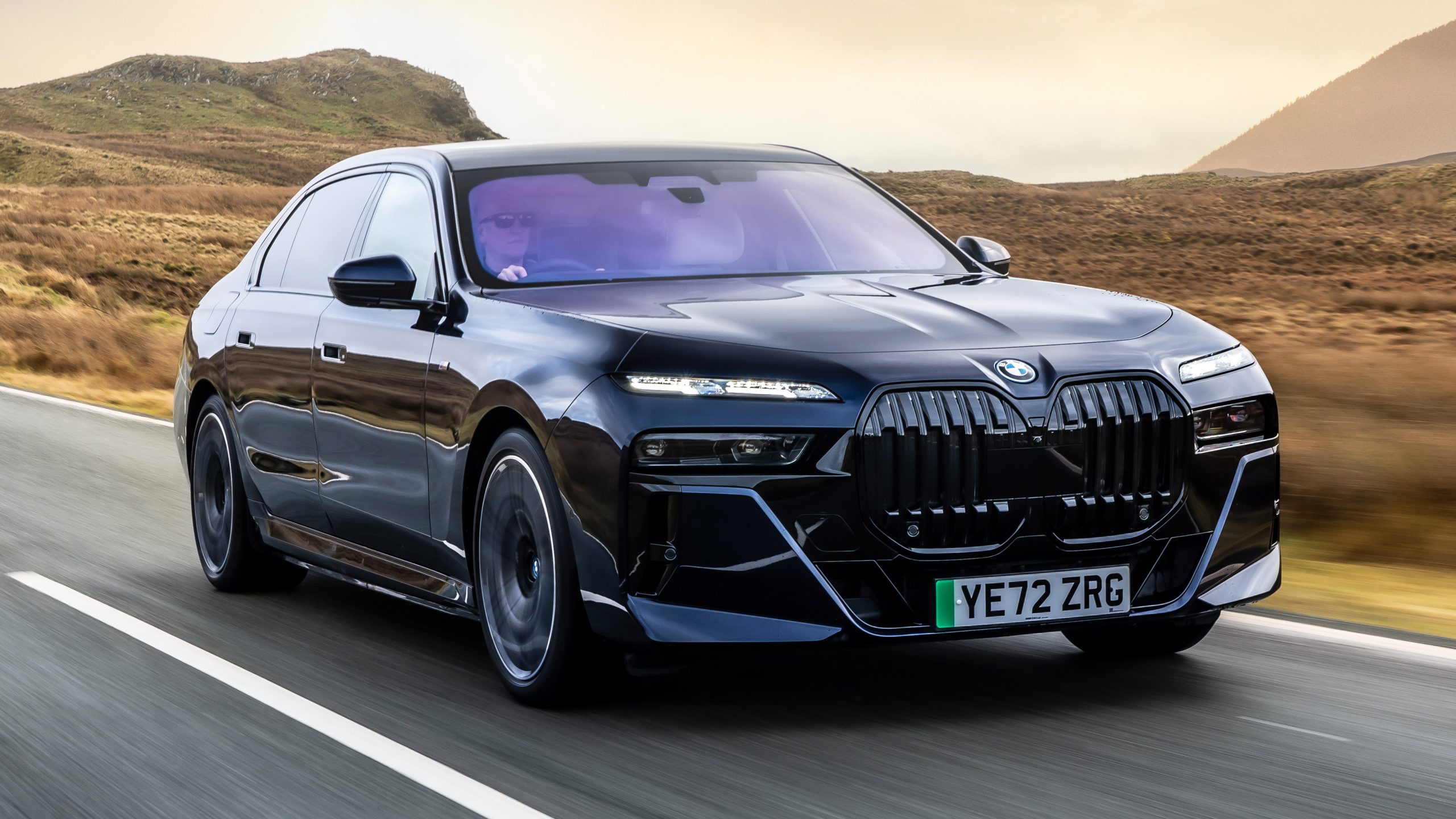
3. BMW 7 Series (E65/E66, 2002–2008): Over-Engineered Luxury with High Maintenance
The BMW 7 Series was BMW’s first ultra-tech flagship sedan, introducing the first-generation iDrive system and nearly 60 electronic control units. While groundbreaking at the time, its complexity has made it notoriously unreliable as a used car. Owners face persistent electrical, engine, and suspension problems that often require specialized tools and dealership-level repairs.
Electrical failures are among the most common issues. The early iDrive system frequently freezes, causing non-responsive controls, infotainment failure, and keyless entry malfunctions.
Battery drain is a frequent problem because even a slightly weak battery or alternator can trigger a cascade of errors across sensors and modules. Power seats, sunroof motors, central locking, and the electronic parking brake also fail often due to aging actuators and intricate wiring.
Engine and mechanical problems are costly and recurring. The N62 V8 engine suffers from worn valve stem seals, which lead to blue smoke and oil burning. Repairs at dealerships can cost $7,000 to $9,000, although independent specialists can sometimes do it for half that price.
Cooling system issues are common, including radiator leaks, alternator bracket leaks, and water pump failures, all of which risk catastrophic engine damage. The ZF 6HP automatic transmission is prone to mechatronic seal leaks and jerky downshifts.
Suspension and steering also demand attention. The Electronic Damper Control and rear air suspension are prone to leaks and sensor failures, causing uneven ride height or harsh ride quality. Steering vibrations at speeds above 35 mph are often caused by worn control arms or loose components, further increasing maintenance costs.
The E65/E66 7 Series is a high-maintenance vehicle that can quickly become a money pit. Small issues often snowball into multi-thousand-dollar repairs, making it suitable only for highly skilled DIYers or owners prepared to spend extensively on specialized diagnostics and preventative maintenance. Its advanced engineering was revolutionary, but it has not aged gracefully, turning this flagship BMW into one of the least reliable used luxury sedans of its era.
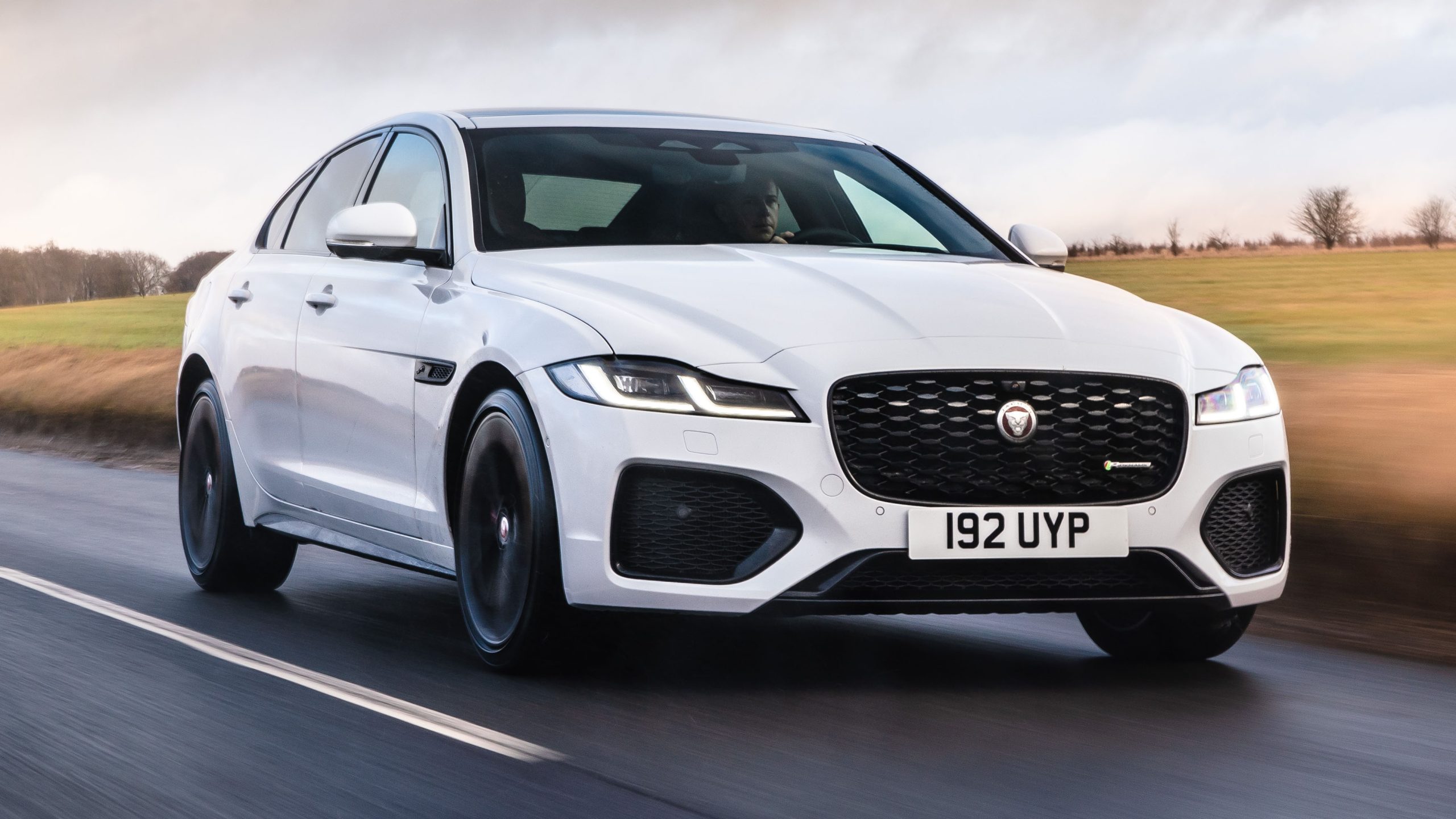
4. Jaguar XF (X250, 2008–2015): Stylish but High-Maintenance
The Jaguar XF gained acclaim for its sleek styling and helped restore Jaguar’s image, but its engineering makes it a high-maintenance used car. The X250 generation suffers from a combination of brittle plastic engine components, sensitive electronics, and deferred maintenance on so-called “sealed-for-life” systems. These factors contribute to frequent, costly repairs and a reputation as a “money pit.”
A major source of problems stems from Jaguar’s original maintenance philosophy. Key systems like the ZF automatic transmission and rear differential were marketed as having lifetime fluids. In reality, these degrade over time, leading to jerky shifts, whining differentials, and premature component wear. Many used examples reach buyers without having had these fluids changed, requiring expensive preventative maintenance.
Mechanical weak points also plague the XF. On petrol models, the 5.0L V8 and 3.0L Supercharged V6 feature steel-on-aluminum timing chain tensioners that wear down, potentially causing catastrophic engine failure if ignored.
Diesel variants face clogged Diesel Particulate Filters and EGR valves, particularly when used for short city trips. Plastic coolant crossover pipes are prone to cracking, causing rapid overheating and warped heads, which are costly to repair.
Electrical issues add another layer of concern. Even a slightly weak battery can trigger numerous warning lights, affecting DSC, gearbox, and other systems. A recurring culprit is the washer pump, which can leak fluid into the Central Junction Box, damaging the entire electrical harness and modules.
Chassis and interior wear compound maintenance needs. Heavy suspension loads accelerate bushing wear, producing knocking noises, while interior leather can peel from dashboards, and the rotary gear selector can fail due to solder joint issues, leaving the car stuck in Park.
The XF requires constant repairs because it combines high-performance engineering with fragile plastics and electronics. Deferred servicing of “lifetime” components exacerbates the problem.
Prospective owners need a specialist mechanic and a substantial budget to maintain this luxury sedan reliably. The Jaguar XF is visually stunning but mechanically demanding, making it suitable only for those prepared for ongoing maintenance.
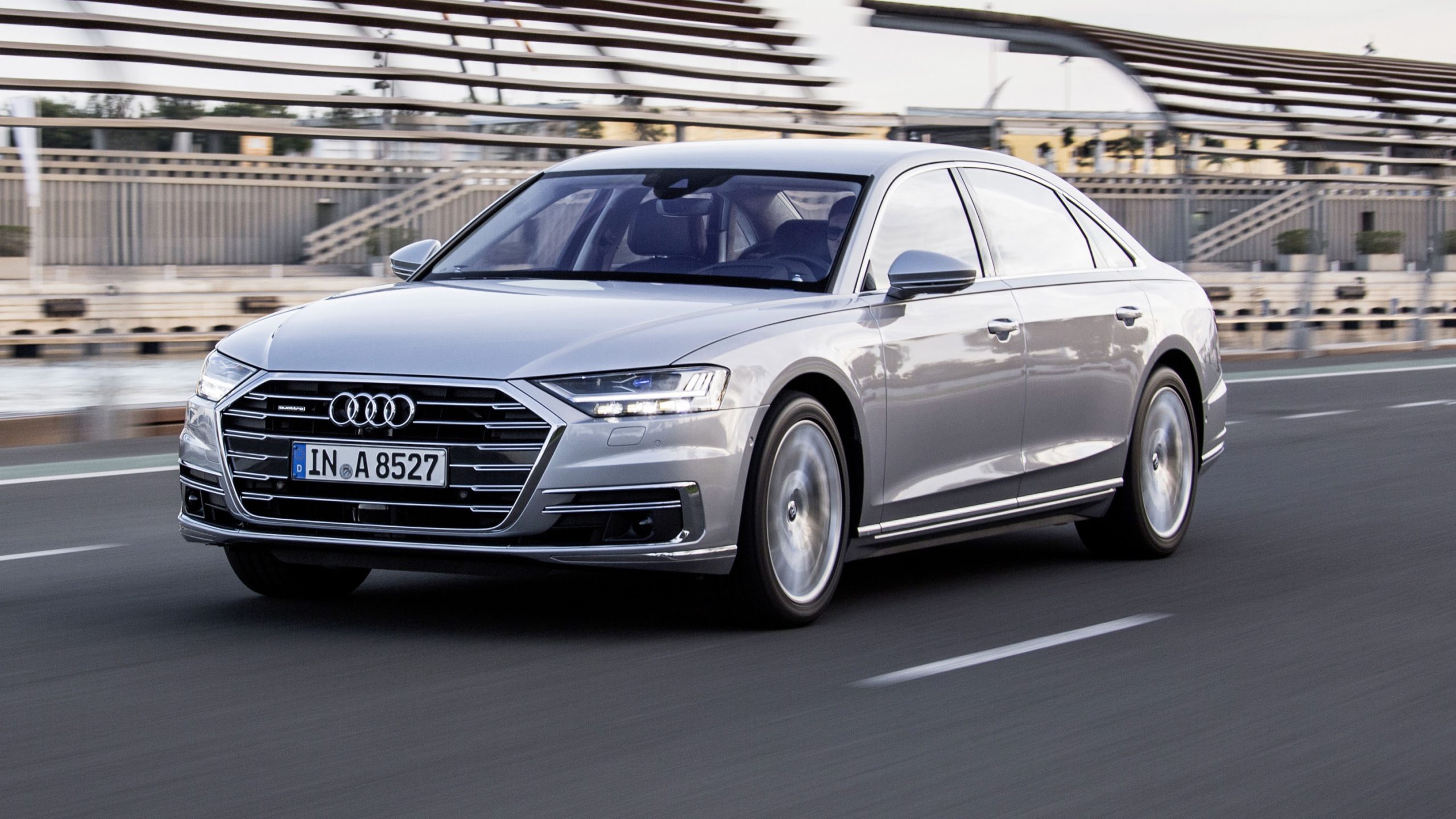
5. Audi A8 (D4, 2010–2017): High-Tech Luxury with High Maintenance
The Audi A8 is a technological showcase, offering exceptional comfort, performance, and advanced features when new. As a used car, however, it is often expensive to maintain. Its aluminum space frame, adaptive air suspension, and complex electronic systems make even minor issues costly to repair, turning it into a “rolling laboratory” of intricate engineering.
A frequent source of problems is the air suspension system. Adaptive air springs and compressors typically fail after high mileage, with leaks or damaged compressors potentially requiring a full system replacement costing up to $7,000. The car’s network of ECUs means that a single sensor failure can trigger multiple warnings and necessitate expensive recalibration.
Engine-specific issues also contribute to maintenance challenges. The 4.0 TFSI V8 is prone to turbocharger failure due to clogged oil strainer screens, with replacement exceeding $10,000.
The 3.0 TFSI V6 is generally more reliable but suffers from coolant leaks from plastic housings and carbon build-up on intake valves, which requires periodic walnut blasting. Early 4.2 FSI V8 models may experience timing chain tensioner wear, demanding labor-intensive engine-out repairs.
Electrical and environmental factors further complicate ownership. Blocked sunroof or plenum drains can allow water into the cabin, soaking sensitive electronics and causing erratic behavior. Common failures include jammed MMI screens and misaligned driver-assistance sensors, both of which are expensive to repair and recalibrate.
Maintenance costs for the A8 are high due to specialized labor and parts. Service over ten years can exceed $10,000, with labor rates often above $200 per hour. Dense packaging also increases repair time, making even simple fixes more expensive.
RepairPal gives the D4 A8 a 2 out of 5 reliability rating, placing it 38th out of 48 full-size luxury sedans. Buyers seeking long-term durability are advised to choose post-2015 facelift models with the 3.0 TFSI V6 or 3.0 TDI diesel engines, which are considered the most reliable. The Audi A8 delivers unmatched luxury and technology, but these benefits come with substantial maintenance demands and costs.
European cars offer a mix of rewarding ownership and potential headaches. Reliable models like the Volkswagen Golf Mk7, Volvo V60, BMW 328d, Mercedes-Benz E-Class W212, and Škoda Octavia Mk3 demonstrate how proven engineering, durable platforms, and straightforward maintenance result in long-term satisfaction.
These vehicles combine performance, comfort, and safety with lower running costs, allowing owners to enjoy European quality without constant worry.
In contrast, models such as the Land Rover Range Rover Sport, Fiat 500, BMW 7 Series E65, Jaguar XF X250, and Audi A8 D4 highlight the challenges of advanced engineering. Their sophisticated electronics, air suspensions, and high-tech engines can fail unpredictably, often requiring expensive repairs or specialist attention. Minor issues can escalate into major problems, making these cars a demanding choice for owners.
For anyone considering a used European car, choosing models with proven reliability and documented maintenance history ensures a more enjoyable and stress-free ownership experience. Selecting wisely allows buyers to benefit from European performance and style without the constant worry of costly repairs.
Also read: Top 10 Cars That Hit the Depreciation Sweet Spot at 5 Years Old
