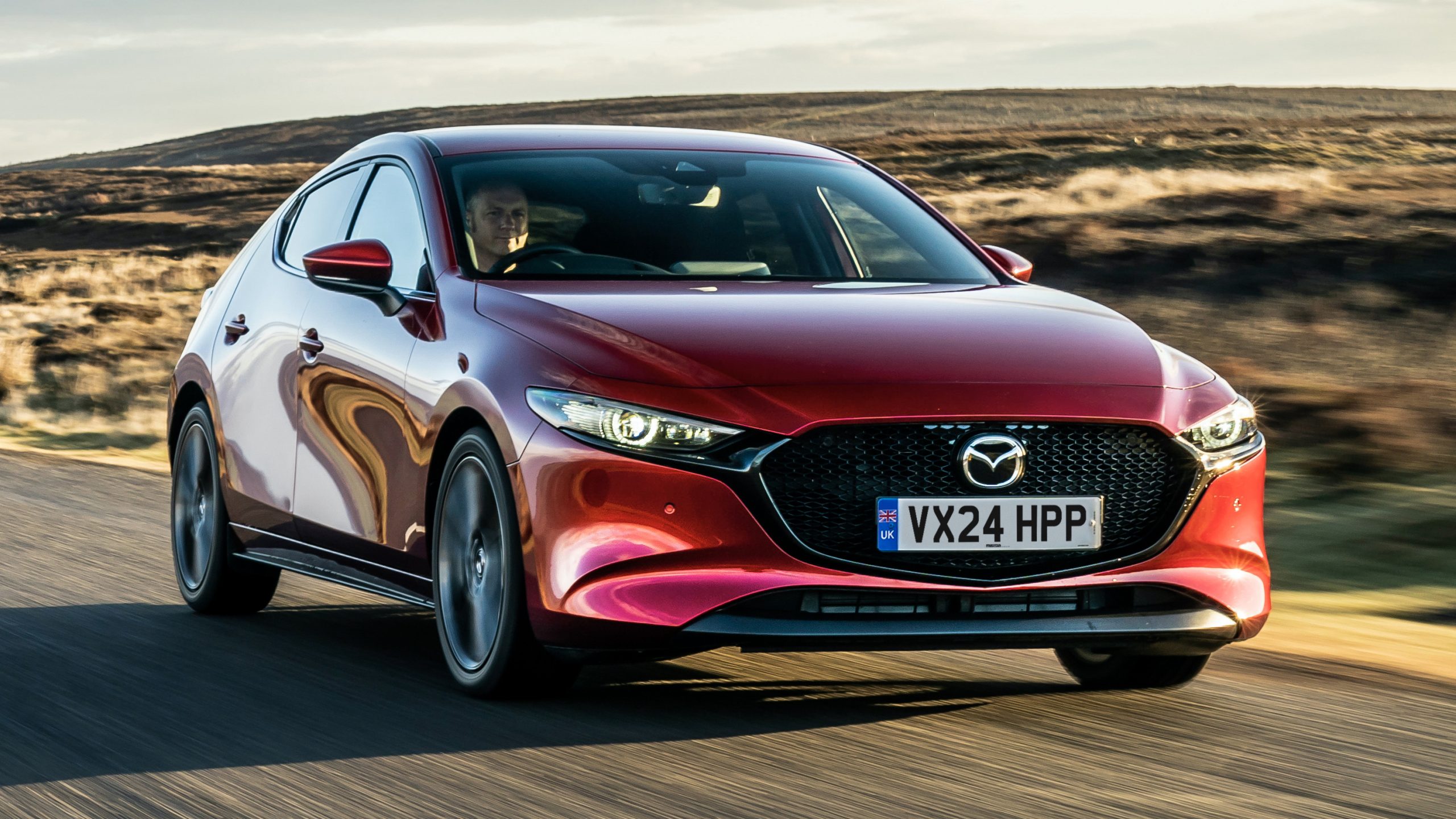
When shopping for a new car on a budget, the interior experience can vary dramatically. Some compact and subcompact models surprise with high-quality materials, thoughtful layouts, and advanced technology, providing a sense of refinement that rivals more expensive vehicles.
Cars like the Mazda 3, Honda Civic, Buick Envista, Volkswagen Jetta, and Kia K4 show that affordability does not have to mean compromise. These models feature soft-touch surfaces, well-designed dashboards, premium seating, and quiet, comfortable cabins.
On the other hand, vehicles such as the Mitsubishi Mirage G4, Suzuki S-Presso, Toyota Wigo, Dacia Spring, and Nissan Versa S demonstrate how cost-saving measures such as hard plastics, minimal insulation, basic seating, and simplified controls can result in interiors that feel excessively cheap. This comparison highlights the trade-offs buyers face between comfort, technology, and affordability when selecting a budget-friendly car.
5 Budget Cars With Premium Interiors
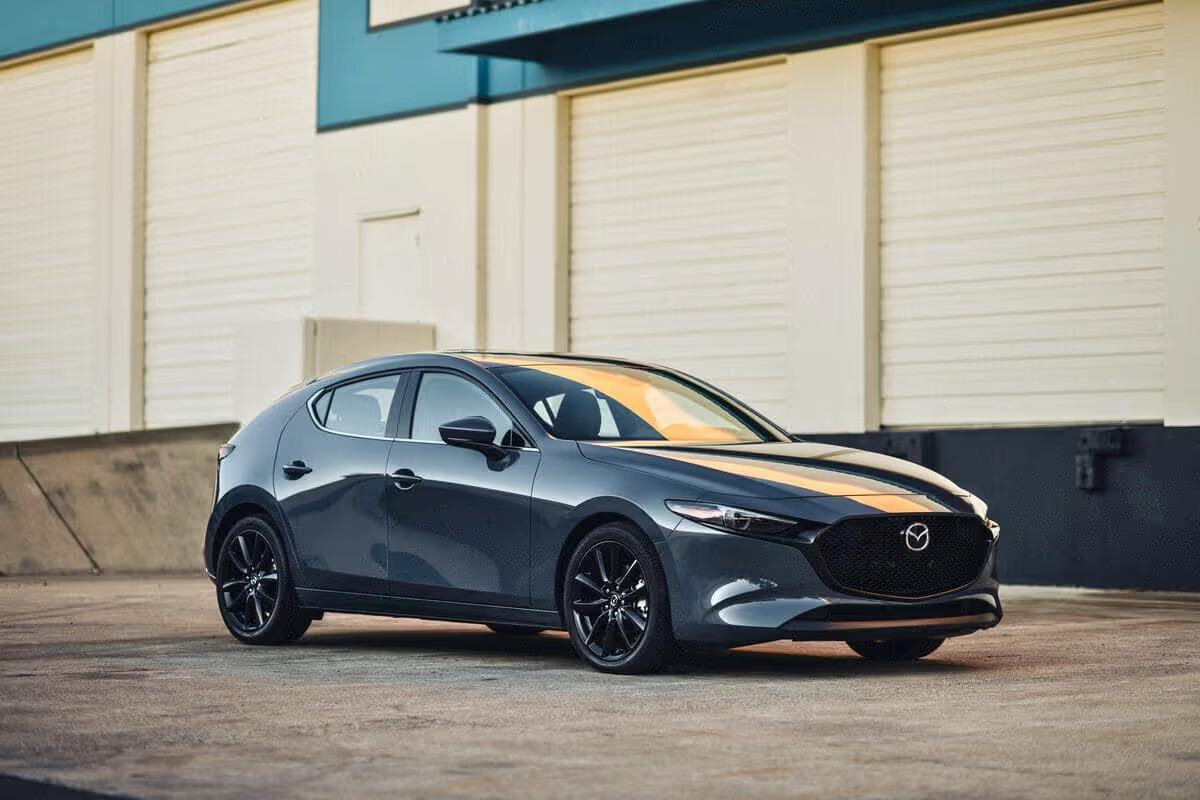
1. Mazda 3: Premium Feel in a Compact Package
The Mazda 3 sets a high standard for compact cars with upscale interiors, offering quality that rivals entry-level luxury vehicles. The cabin features soft-touch plastics, leatherette surfaces, and a minimalist, driver-focused dashboard that feels more expensive than its sub-$25,000 starting price.
Mazda’s “Mazda Premium” strategy emphasizes craftsmanship, high-quality materials, and driver-centric design, positioning the brand closer to Audi and BMW than typical mainstream competitors.
Key elements contributing to the Mazda 3’s premium interior include soft-touch surfaces, optional Nappa leather, real wood or metal accents on higher trims, and meticulously designed switchgear. The interior follows Mazda’s Jinba Ittai philosophy, creating a clean and ergonomic layout that enhances driver engagement.
Attention to sensory details, such as refined cabin insulation and tactile controls, complements advanced features like a 10.25-inch infotainment display, Bose 12-speaker audio system, head-up display, and heated seats. The Kodo “Soul of Motion” design philosophy extends to the interior, producing a flowing and refined aesthetic that rivals German luxury compact cars.
The Mazda 3 comes with a 186-hp naturally aspirated 2.5-liter four-cylinder engine as standard and offers a 250-hp turbocharged 2.5-liter engine for top trims. Transmission options include a 6-speed automatic or manual, with front-wheel drive standard and all-wheel drive available on select models.
While all models respond well to throttle inputs, only the turbocharged version delivers brisk acceleration, reaching 0–60 mph in 5.6 seconds. Other trims achieve 0–60 mph between 7.0 and 7.5 seconds, and both sedan and hatchback handle straight and twisty roads with composed and engaging dynamics.
Fuel efficiency is strong for the class, with front-wheel-drive sedans rated up to 27 mpg city and 36 mpg highway. All-wheel-drive and turbo variants sacrifice some efficiency for performance. Cargo space is competitive, with the sedan holding six carry-on bags with the rear seats up and the hatchback fitting five. Back-seat legroom is tight but acceptable, while first-row comfort is excellent.
Infotainment includes an 8.8-inch touchscreen upgradeable to 10.3 inches, wireless Apple CarPlay and Android Auto, and optional premium audio.
Standard safety features include automated emergency braking, blind-spot monitoring, and adaptive cruise control, with optional 360-degree cameras and parking sensors. Warranty coverage is three years or 36,000 miles for the limited warranty and five years or 60,000 miles for the powertrain.
The Mazda 3 combines luxury-like materials, engaging driving dynamics, and advanced technology in a compact and affordable package.
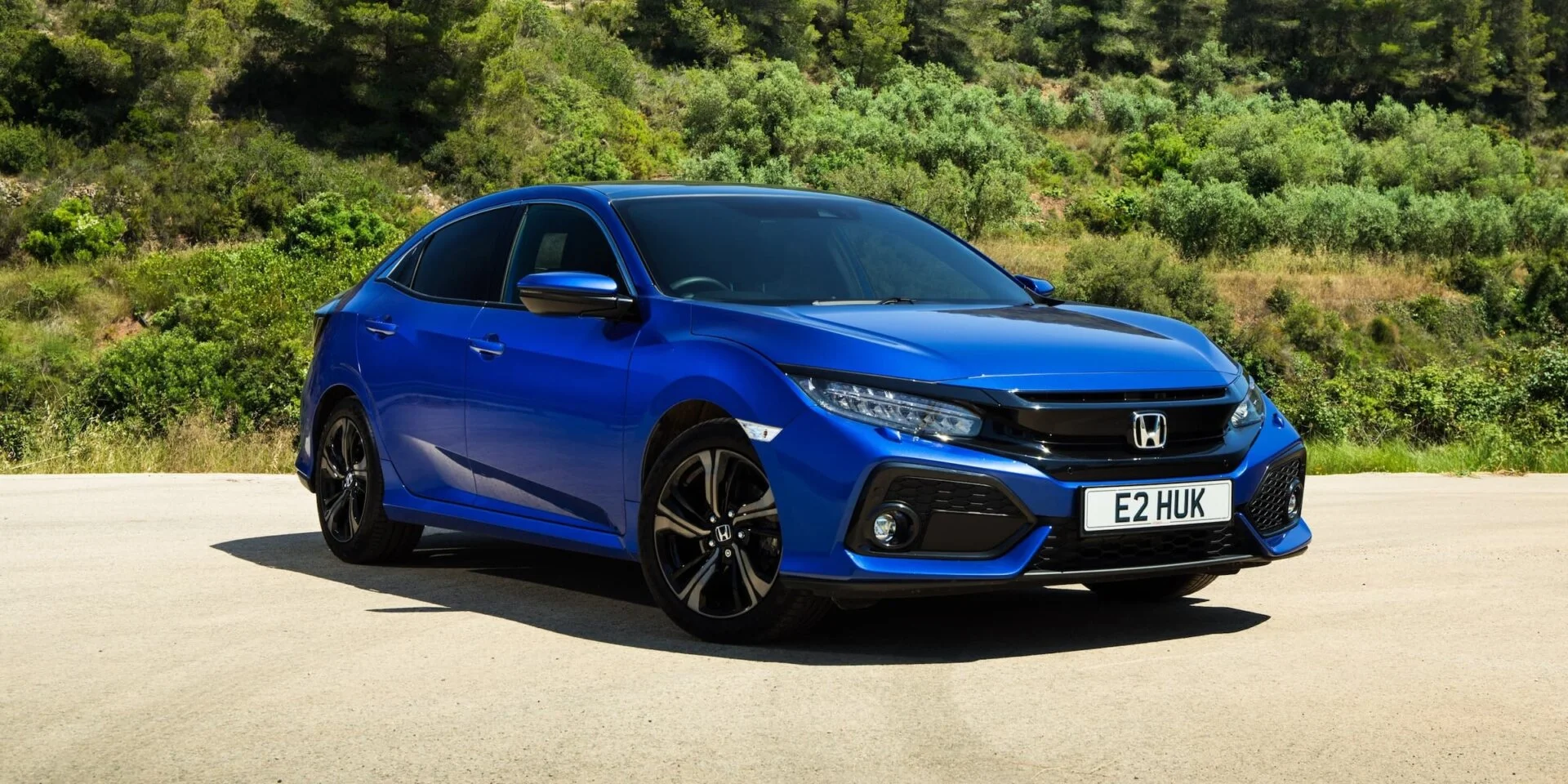
2. Honda Civic: Premium Design and Practical Performance
The Honda Civic combines a minimalist interior with thoughtful design details and modern technology, offering a premium feel in the compact segment. Its cabin features a clean layout centered on a distinctive honeycomb mesh strip that spans the dashboard and conceals the air vents.
Even lower trims provide tactile, high-quality knobs and buttons that contribute to a satisfying mechanical feel. Honda’s design philosophy emphasizes “Simplicity and Something” for minimalism and “Man-Maximum, Machine-Minimum” to maximize passenger space while reducing mechanical clutter, creating a refined, comfortable cabin.
The Civic interior features soft-touch materials across the dashboard, doors, and center console. Higher trims add leather-trimmed seats with contrast stitching and subtle graphite-like textures on the center console. The cabin is designed to reduce noise, vibration, and harshness for a quiet ride.
The layout is uncluttered, and physical knobs for climate control remain in place, offering usability that touchscreen-only competitors often lack. Advanced technology includes a 10.2-inch digital instrument cluster, 7-inch or 9-inch touchscreen infotainment system, wireless Apple CarPlay and Android Auto, wireless charging, ambient lighting, and a 12-speaker Bose audio system on top trims.
Passenger comfort is a strong point for the Civic. Front seats are ergonomic and supportive, while rear legroom is sufficient for two adults, with cargo capacity high for the class. The sedan fits six carry-on suitcases in the trunk and up to 17 when rear seats are folded, while the hatchback adds an extra carry-on with seats down. Visibility is excellent due to the low-set dashboard and clean design.
Engine choices include a 150-hp 2.0-liter four-cylinder for the nonhybrid sedan and a 200-hp hybrid powertrain combining a 2.0-liter four-cylinder with two electric motors. Both use a continuously variable transmission and front-wheel drive.
The hybrid achieves 0–60 mph in 6.2 seconds, while the nonhybrid reaches the same speed in 8.9 seconds. Fuel economy is excellent, with the hybrid rated at up to 50 mpg city and 47 mpg highway, and the nonhybrid up to 32 mpg city and 41 mpg highway.
Safety is comprehensive, with standard Honda Sensing features including adaptive cruise control, lane-keeping assist, and automated emergency braking. Optional features include blind-spot monitoring, rear-cross-traffic alert, and parking sensors.
Warranty coverage is typical, including three years or 36,000 miles limited, five years or 60,000 miles powertrain, eight years or 100,000 miles hybrid components, and one year of complimentary maintenance.
The Honda Civic delivers a compact package with premium materials, practical ergonomics, modern technology, strong fuel efficiency, and competitive performance, making it a refined and versatile choice in its segment.
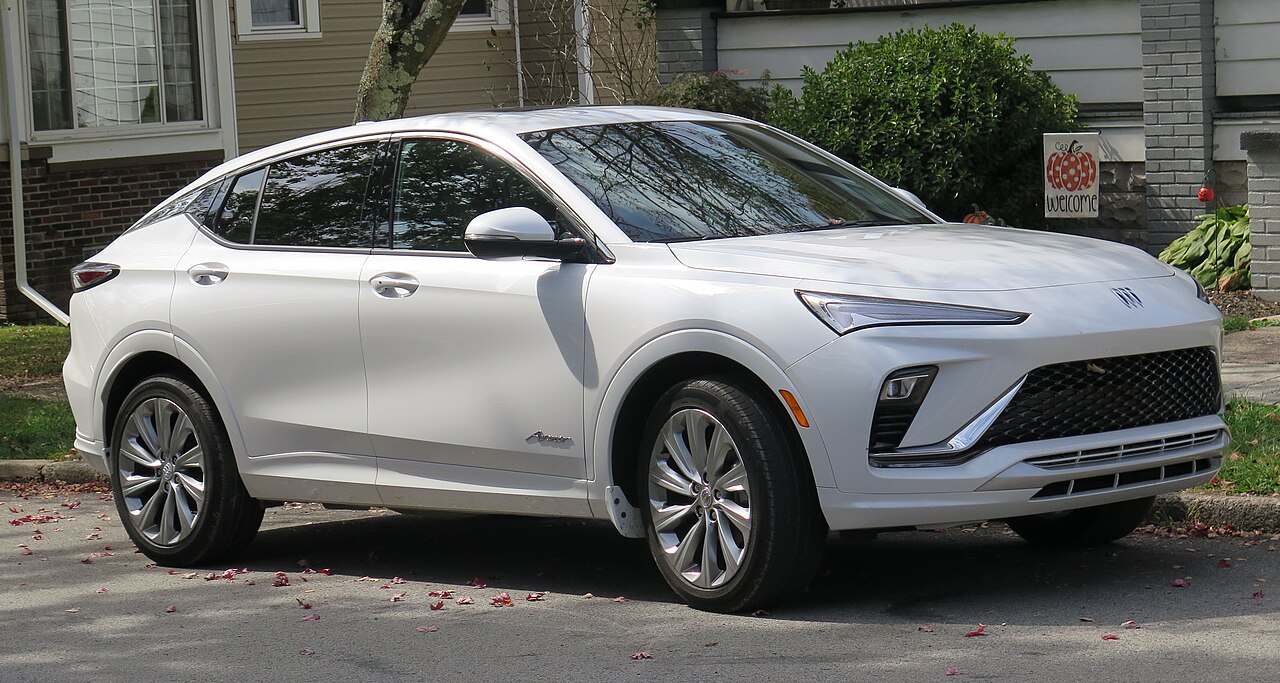
3. 2024–2025 Buick Envista: Modern Technology and Quiet Comfort
The 2024–2025 Buick Envista brings an upscale feel to the subcompact SUV segment, offering a stylish and tech-forward cabin at an accessible price. Its interior features a striking 19-inch combined glass display that integrates both the digital gauge cluster and infotainment touchscreen, creating a sleek and modern look.
Buick’s QuietTuning™ active noise cancellation enhances cabin serenity, making the Envista feel more refined than its economy-car MSRP suggests.
The Envista’s premium interior focuses on materials, technology, and comfort. Soft-touch surfaces, textured trim, and optional leather-appointed seats with detailed stitching give the cabin a high-quality appearance. The top-tier Avenir trim further elevates the experience with unique leather seating, a dark knit headliner, and aluminum-look accents.
Heated seats, a heated steering wheel, and a spacious, well-laid-out cabin with ample legroom contribute to a comfortable ride for driver and passengers alike. While not fully comparable to high-end luxury vehicles, the Envista delivers a stylish and quiet experience that surpasses many entry-level competitors.
Under the hood, the Envista is powered by a turbocharged 1.2-liter three-cylinder engine producing 137 horsepower, paired with a six-speed automatic transmission and front-wheel drive.
Acceleration is adequate for city driving but feels slow during highway passing, with a 0–60 mph time of 9.3 seconds. The engine provides a calm, relaxed driving experience rather than aggressive performance. Handling is confident and poised, with precise steering, firm brakes, and a well-controlled ride that prioritizes comfort.
Fuel efficiency is competitive, with EPA estimates of 28 mpg city and 32 mpg highway. Testing at 75 mph confirmed the Envista met the claimed 32-mpg highway rating. Cargo space is practical for its class, offering 20 cubic feet behind the rear seats and 42 cubic feet with the seats folded. Payload capacity is rated at 1,088 pounds.
Infotainment and connectivity are strong points. The 11-inch touchscreen supports wireless Apple CarPlay and Android Auto, and an onboard Wi-Fi hotspot is standard. Climate controls are located below the center dash, and the Buick software system is current and responsive.
Safety features include standard automated emergency braking, lane-departure warning with lane-keeping assist, and automatic high-beam headlamps. Optional upgrades include adaptive cruise control. Warranty coverage is typical for the segment, with a three-year or 36,000-mile limited warranty and a five-year or 60,000-mile powertrain warranty.
The Buick Envista combines modern technology, quiet comfort, and stylish design in a subcompact SUV package, providing an appealing option for buyers seeking near-luxury features at an affordable price.
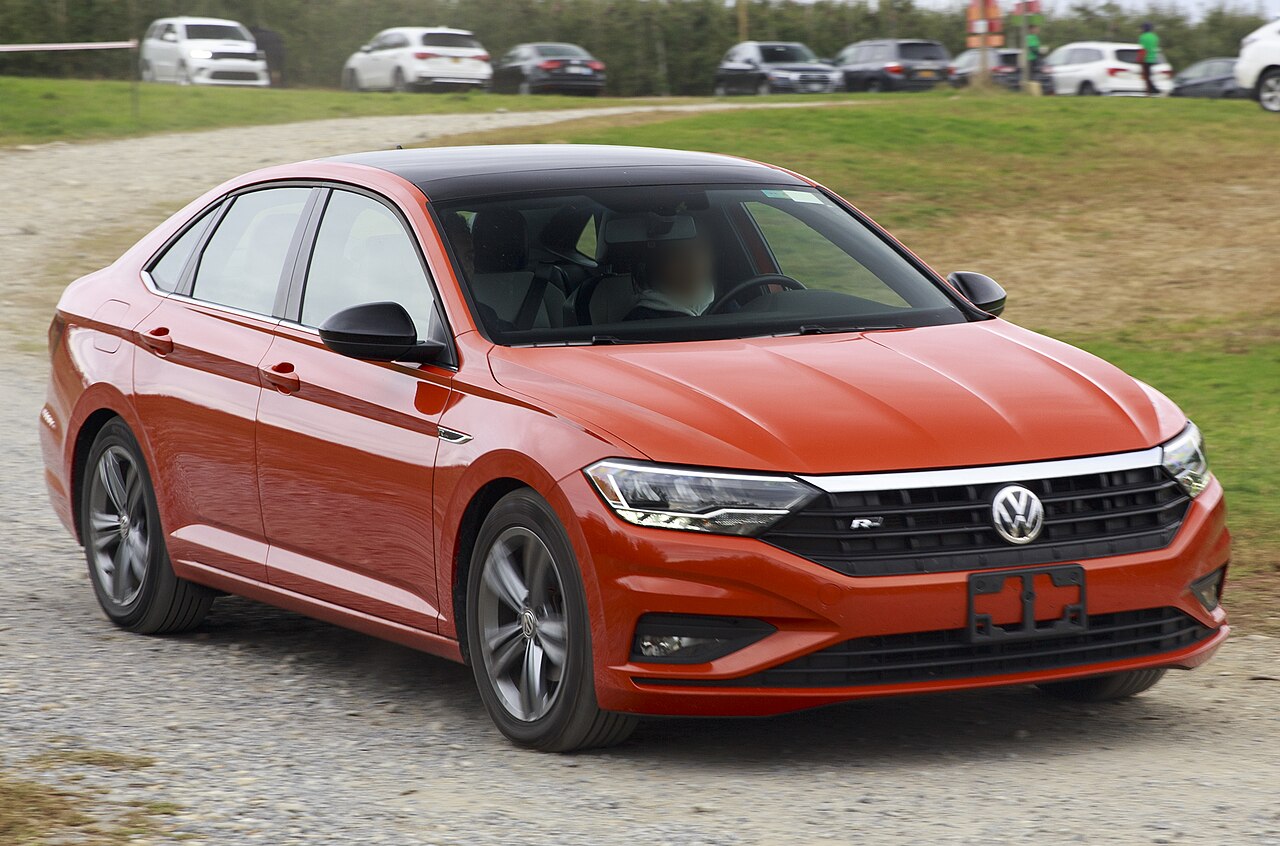
4. Volkswagen Jetta: German Precision and Practical Luxury
The Volkswagen Jetta delivers a refined and driver-focused experience in the compact sedan segment, combining German engineering precision with modern technology and upscale materials.
Its interior features soft-touch surfaces, tasteful metal accents, and a customizable 10-color ambient lighting system, creating a sophisticated cabin atmosphere. The driver-centric layout emphasizes ergonomics and convenience, retaining physical buttons for key functions while offering advanced digital displays.
The Jetta’s premium interior includes the VW Digital Cockpit, a 10-inch display, and an 8-inch infotainment touchscreen with wireless Apple CarPlay and Android Auto on higher trims. Seating is available in V-Tex leatherette or genuine leather, with heated and ventilated front seats, heated rear seats, and a heated steering wheel for comfort.
The panoramic sunroof adds an airy feel, while spaciousness is a strong point, providing 94.7 cubic feet of passenger volume and generous rear legroom. Cargo capacity is competitive, holding seven carry-on bags in the trunk and up to 18 with rear seats folded, exceeding similar models such as the Golf.
Power comes from a turbocharged 1.5-liter four-cylinder engine producing 158 horsepower and 184 lb-ft of torque, paired with an eight-speed automatic transmission. The six-speed manual is now limited to the sportier GLI trim. Acceleration is adequate, with a 0–60 mph time of 7.1 seconds in the SEL trim.
The Jetta emphasizes comfort and a smooth, quiet ride rather than aggressive performance, though steering and handling remain engaging within normal driving conditions. Fuel economy is impressive for the class, with EPA estimates of 29 mpg city and 40 mpg highway. In testing, highway performance exceeded expectations, returning 42 mpg.
Technology and connectivity are highlights, with wireless device integration, a customizable digital instrument cluster, gesture controls via VW Car-Net, and standard USB-C ports. Top trims include wireless charging and premium audio, with an eight-speaker Beats Audio system available on the SEL.
Safety features include forward-collision warning, automated emergency braking, blind-spot monitoring, rear cross-traffic alert, and optional adaptive cruise control with stop-and-go capability.
Warranty coverage includes a four-year/50,000-mile limited and powertrain warranty, along with two years or 20,000 miles of complimentary maintenance.
The Volkswagen Jetta successfully blends German-style interior quality, driver-focused technology, and practical space with solid performance and fuel efficiency, making it a competitive choice for buyers seeking a compact sedan that feels refined without exceeding its price range.
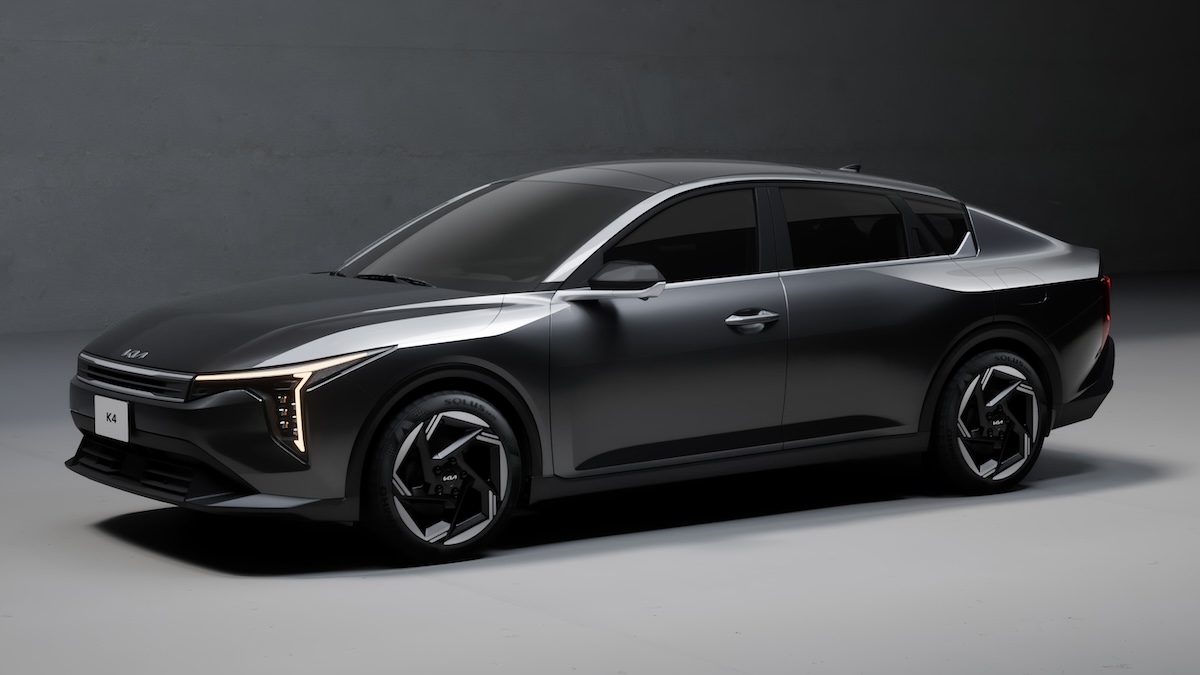
5. Kia K4: Advanced Technology and Spacious Comfort
The 2025 Kia K4 replaces the Forte with a bold, modern design that brings premium features to the compact sedan segment. Its cabin showcases a wide, panoramic dashboard layout more commonly seen in luxury vehicles, highlighted by a 30-inch combined display integrating the instrument cluster and infotainment system.
The clean, minimalist interior includes soft-touch surfaces, contrast stitching, and available SynTex synthetic leather seats, giving the cabin a refined and contemporary feel. Ambient lighting, heated and ventilated seats, and a heated steering wheel add comfort and a sense of luxury.
Technology is a key strength of the K4. The dual 12.3-inch displays dominate the dash, providing a high-resolution digital cockpit and configurable infotainment center. A smaller 5-inch display between the two main screens handles climate controls, while physical buttons remain for ease of use.
Standard wireless Apple CarPlay and Android Auto, in-dash navigation, and SiriusXM satellite radio provide connectivity and entertainment. The GT-Line Turbo trim adds higher-quality materials and a multi-link rear suspension for improved ride comfort.
Performance depends on the chosen powertrain. Base K4 models use a 147-hp 2.0-liter four-cylinder engine with front-wheel drive and a continuously variable automatic transmission, offering smooth but modest acceleration. The GT-Line Turbo trim features a 190-hp turbocharged 1.6-liter engine with an eight-speed automatic transmission, providing more responsive performance.
In testing, the GT-Line Turbo reaches 60 mph in 7.3 seconds, while the base engine is slower. Handling is competent but not as sporty as competitors like the Honda Civic or Mazda 3, with the transmission’s slow downshifts affecting passing responsiveness.
Fuel economy is competitive, with the base engine rated at 30 mpg city and 40 mpg highway. The GT-Line Turbo achieves 26 mpg city and 36 mpg highway, with real-world testing confirming close results. Cabin space is generous, offering best-in-class rear legroom and headroom. Despite the large displays, cargo access remains practical, and the interior layout is clean and user-friendly.
Safety features include standard automated emergency braking with pedestrian detection, lane-departure warning, and lane-keeping assist. Optional upgrades include adaptive cruise control with lane-centering and evasive steering assist. Warranty coverage is notable, with a five-year/60,000-mile limited warranty and a ten-year/100,000-mile powertrain warranty.
The Kia K4 combines modern design, advanced technology, spacious and comfortable seating, and solid performance options, making it a premium-feeling compact sedan at a competitive price.
Also Read: 5 Cars That Are Unstoppable in Deep Snow vs 5 AWD Models That Get Stuck
5 That Feel Excessively Cheap
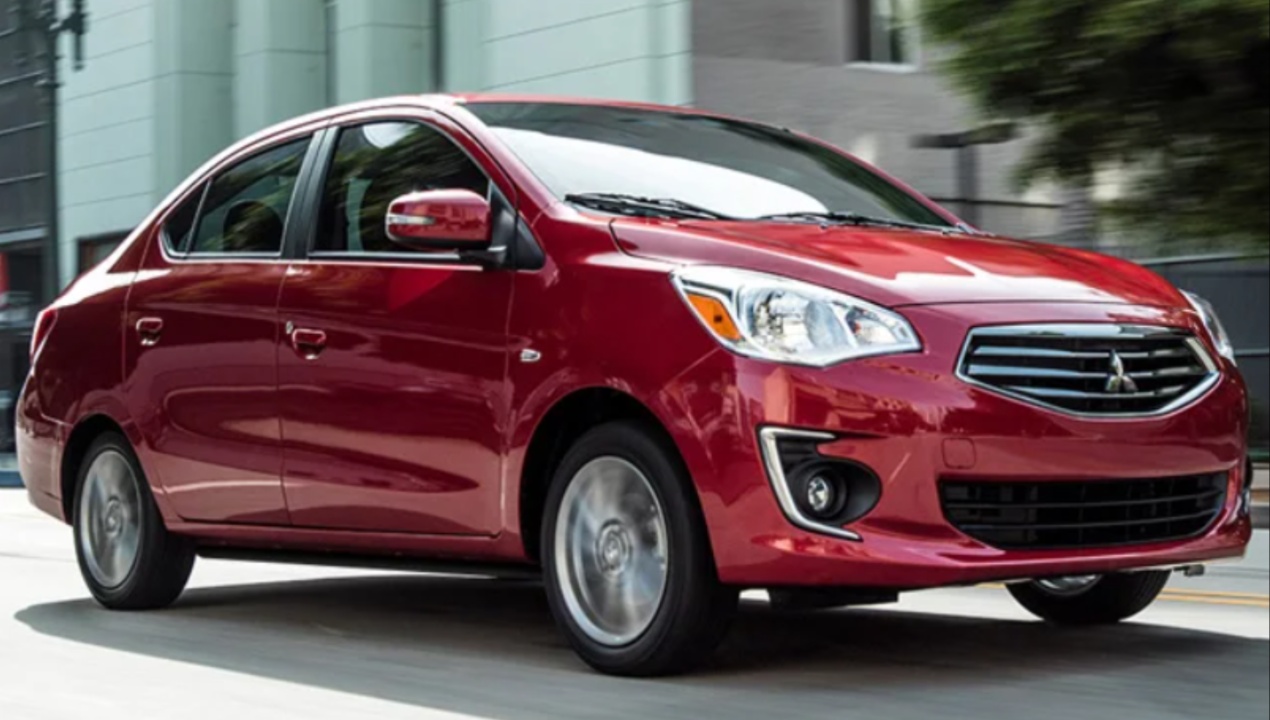
1. Mitsubishi Mirage G4: Functional and Budget-Focused Interior
The Mitsubishi Mirage G4 is designed as a purpose-built economy car, and its interior reflects this focus on low cost and practicality. The cabin is simple and utilitarian, with hard, textured plastics covering the dashboard, doors, and most surfaces.
Soft-touch materials are nearly absent, and door inserts are often molded plastic rather than fabric or leatherette. The result is a durable but uninviting interior that feels outdated compared with modern competitors.
The design of the Mirage G4 has remained largely unchanged for over a decade, contributing to a dated appearance. Basic hardware, such as pull-up door lock pins, handbrakes, and lightweight window switches, reinforces the low-cost feel. Controls lack the tactile weight and precision found in more refined vehicles, and the cabin layout is minimalist, offering functionality over aesthetics.
Noise, vibration, and harshness (NVH) are significant due to minimal insulation. The naturally buzzy 1.2-liter three-cylinder engine transmits sound through the thin firewall, while road and wind noise easily penetrate the cabin at highway speeds.
Upholstery, carpeting, and headliner are made of thin, felt-like materials, and exposed fasteners are visible in several areas. Seats are flat and minimally padded, prioritizing space over comfort.
Despite its “cheap” feel, the Mirage G4 provides practical benefits. The thin doors and seats allow for class-leading rear legroom of up to 37.3 inches, and the simple materials make the interior highly durable and easy to maintain. Its rugged plastics resist scratches and are easy to clean, making the vehicle popular among first-time owners and ride-sharing drivers.
The Mitsubishi Mirage G4 does not attempt to offer luxury or modern refinement. Instead, it delivers a functional, spacious, and highly economical interior, emphasizing practicality and low total cost of ownership over premium design or sensory appeal.
2. Suzuki S-Presso: Ultra-Budget City Car Interior
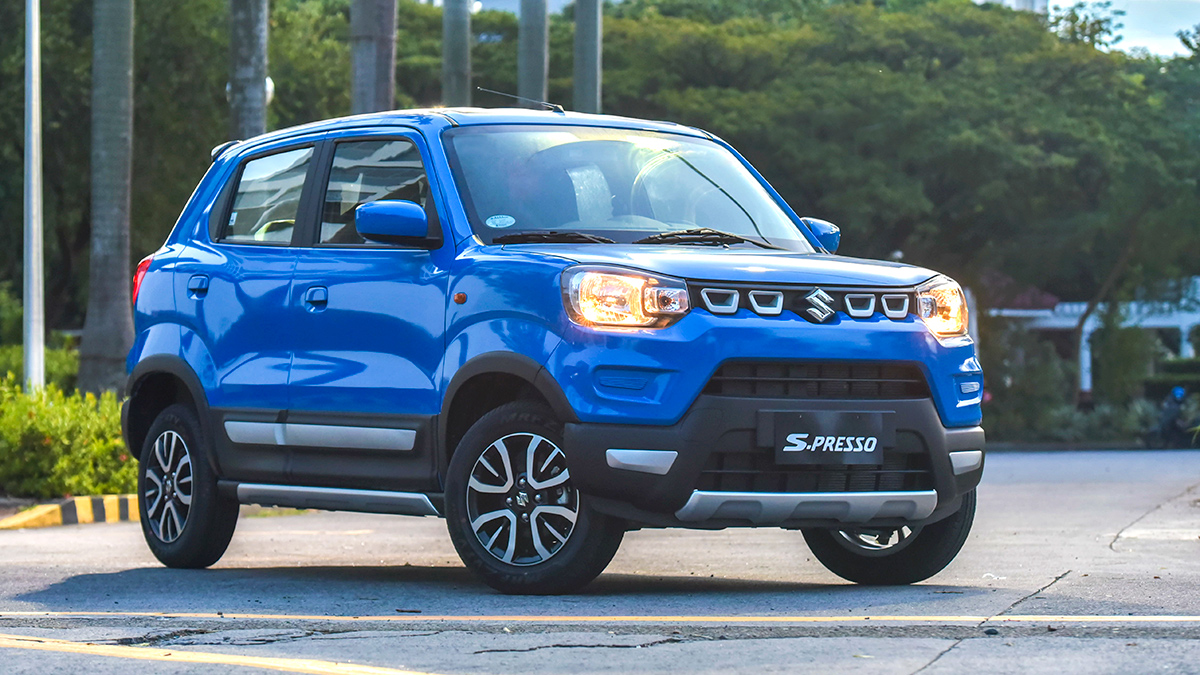
The Suzuki S-Presso is designed as a functional, ultra-budget city car, prioritizing cost savings and practicality over luxury or refinement. Its interior feels sparse and deliberately basic, reflecting Suzuki’s cost-optimization philosophy. Every design decision is aimed at keeping production simple and prices low, even if it compromises driver ergonomics and tactile quality.
A key feature of the S-Presso’s interior is its centralized dashboard layout. The speedometer, power window switches, and other controls are located in the center rather than in front of the driver. This design allows Suzuki to use the same dashboard for both left-hand and right-hand drive markets, significantly reducing production costs, but it results in an unconventional and less ergonomic driving experience.
Material quality reinforces the budget focus. The cabin is dominated by hard injection-molded polypropylene, with no soft-touch plastics or foam-backed vinyl. Surfaces feel hollow and plasticky, while heavy texturing attempts to hide the cheapness, often making it appear worn over time.
Seats feature integrated headrests to reduce components and simplify assembly, and exposed painted metal on door frames and manual window mechanisms further reduce costs.
Noise, vibration, and harshness are noticeable because minimal sound-deadening materials are used. The three-cylinder engine is audible, and road and gravel noise easily penetrate the cabin, giving the sensation of a lightweight, utilitarian structure.
Many standard features in modern cars are omitted to keep the S-Presso affordable. Steering wheel adjustment, vanity mirrors, and adequate cabin lighting are missing, emphasizing utility over comfort or convenience.
Despite its “cheap” feel, the S-Presso succeeds as a practical urban vehicle. Its simple, lightweight construction allows for class-leading fuel economy, low maintenance, and accessible pricing, making it ideal for first-time car buyers or those moving up from motorcycles. The interior reflects function and economy rather than sensory appeal, offering a no-frills environment built to serve basic mobility needs.
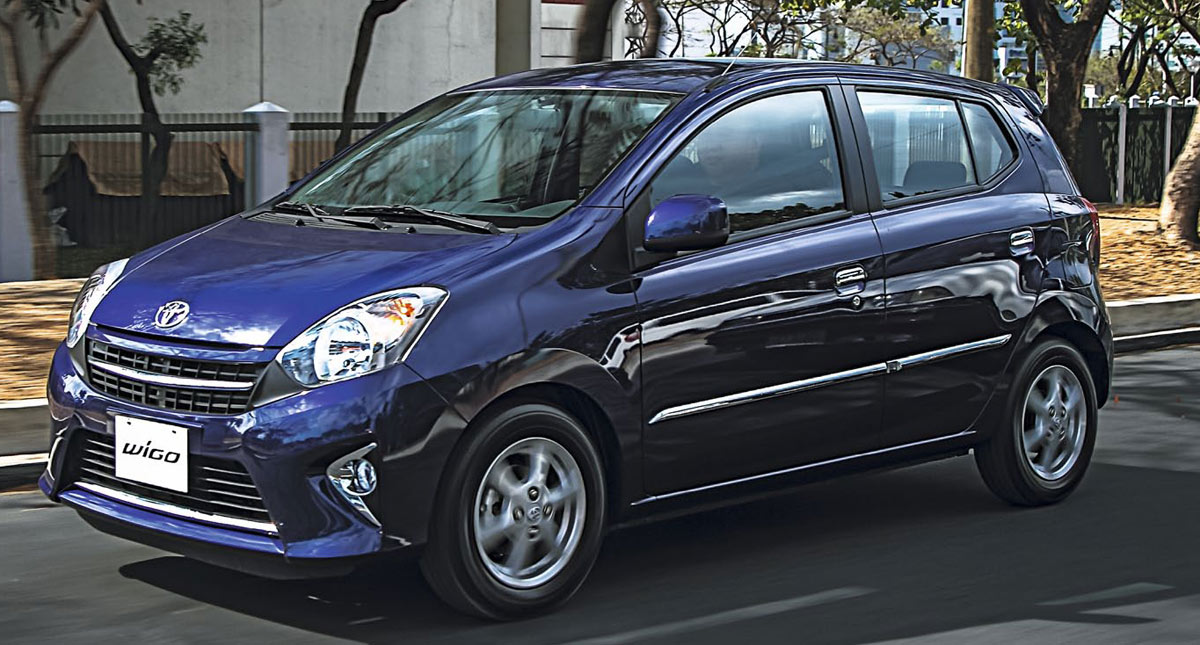
3. Toyota Wigo: Practical and Budget-Focused Interior
The Toyota Wigo is designed as an entry-level city car, emphasizing affordability and reliability over cabin refinement. Its interior feels basic and sparse, a result of deliberate cost-engineering aimed at keeping the vehicle accessible to first-time buyers and urban commuters. While newer models have added updated textures and modest tech upgrades, the fundamental interior experience remains utilitarian.
A major factor contributing to the “cheap” feel is the dominance of hard plastics throughout the dashboard, door panels, and center console. Unlike higher-tier subcompacts, the Wigo avoids soft-touch surfaces or leatherette accents.
The molded plastics are durable but scratchy and hollow to the touch. Even with the 2024 redesign adding more patterns and visual depth, the materials remain inexpensive and functional rather than premium.
Noise, vibration, and harshness (NVH) is another area where the Wigo shows its budget roots. Minimal sound insulation allows engine vibrations, wind noise, and road roar to enter the cabin early, particularly with the 1.0L three-cylinder engine. These factors combine to create a “tin box” sensation, making the interior feel less refined than rivals such as the Honda Brio.
Amenities are basic, with thin-padded fabric seats that offer limited support, fixed steering wheels in lower trims, and manual seat adjustments. Features like a center armrest are often absent, reinforcing the utilitarian design.
The Wigo is essentially a rebadged Daihatsu Ayla/Agya, built on the Daihatsu New Global Architecture (DNGA), which prioritizes interior space and fuel efficiency over luxury materials. Despite its budget interior, the 2024 G variant offers modern tech, including an 8-inch touchscreen with Apple CarPlay and Android Auto, a built-in dashcam, and keyless entry.
The Toyota Wigo trades interior refinement for affordability, reliability, and excellent fuel efficiency, achieving up to 29 km/L on the highway. For urban commuters, its functional, no-frills cabin provides a practical solution for daily driving without breaking the budget.
4. Dacia Spring: Ultra-Budget Electric City Car Interior
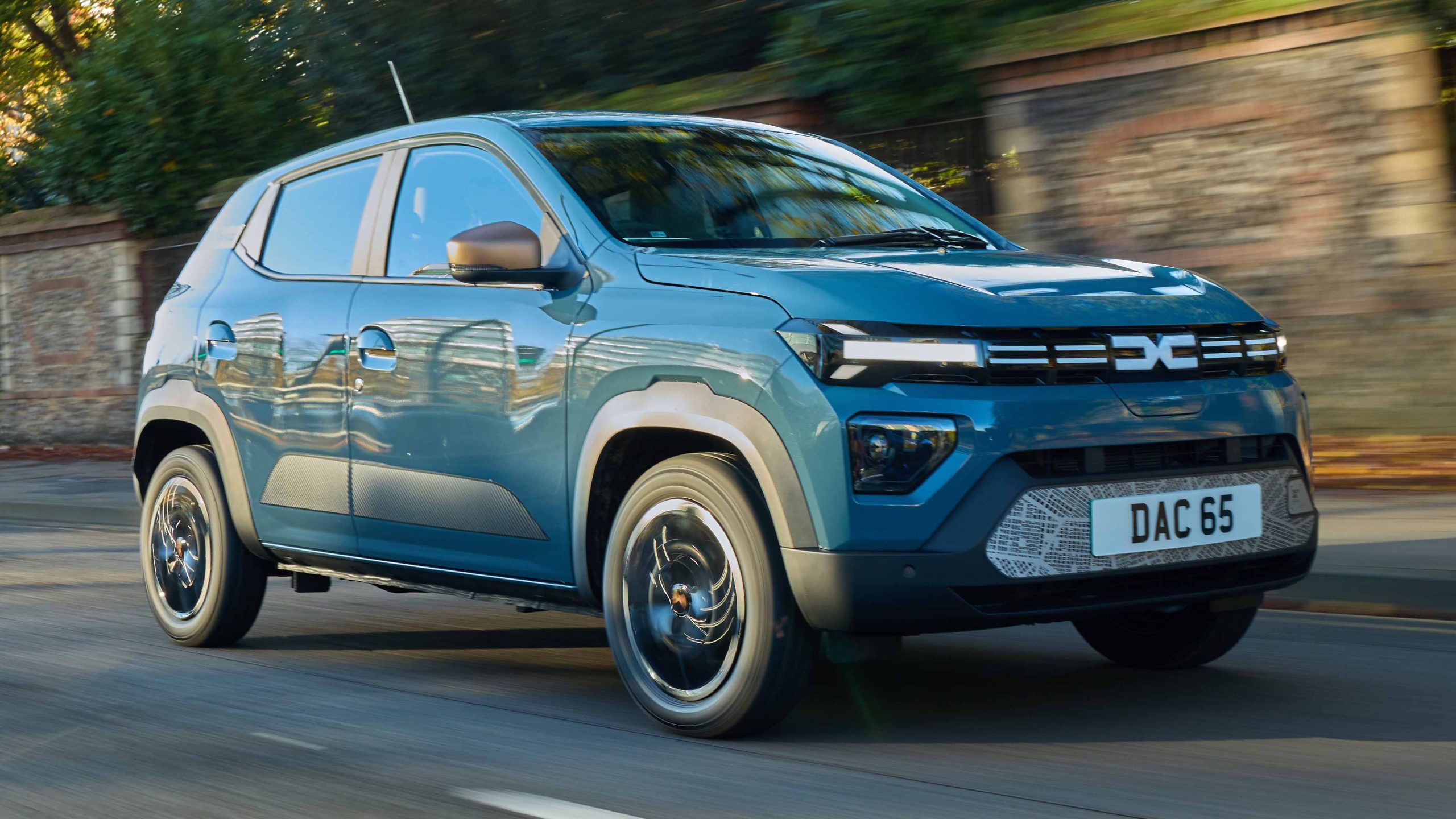
The Dacia Spring is one of Europe’s most affordable electric vehicles, and its interior reflects extreme cost-cutting measures. Based on the Renault Kwid, an ultra-budget combustion car, the Spring carries over minimalistic design choices to keep prices low while delivering a functional EV for short urban trips. The cabin prioritizes utility and efficiency over comfort or refinement, resulting in a stark, no-frills experience.
Hard plastics dominate the interior. The dashboard, door panels, and center console are made of thin injection-molded surfaces that feel hollow and prone to scratching. Even the steering wheel in base trims is a firm, rubberized plastic rather than a wrapped material, giving the interior a utilitarian, 1990s commercial vehicle feel. Soft-touch materials are completely absent, and visual textures do little to disguise the simplicity.
The Spring embodies extreme functional minimalism. Base trims have no infotainment screen, relying instead on a smartphone for media. Mirrors, seats, and other adjustments are manual, and the vehicle uses a traditional mechanical key for ignition rather than modern push-button systems.
The interior layout is narrow, forcing close seating for two adults up front and limiting the rear to two passengers on a flat, minimally supported bench.
Structural and NVH compromises further highlight the budget approach. Doors are thin and produce a metallic “clang” when closed, and minimal insulation allows wind and road noise to enter the cabin at moderate speeds. Hardware is simplified, with only a mechanical handbrake and a basic gear selector offering Drive, Neutral, and Reverse modes, reflecting a focus on efficiency over convenience.
Despite its spartan design, the Dacia Spring succeeds as a tool for city commuting. Its interior sacrifices luxury and refinement in favor of low weight, low cost, and simplicity. For short trips and first-time EV buyers, the Spring provides an economical, functional, and highly accessible urban vehicle, where price and efficiency outweigh comfort or premium materials.
5. Nissan Versa S: Budget-Friendly Interior
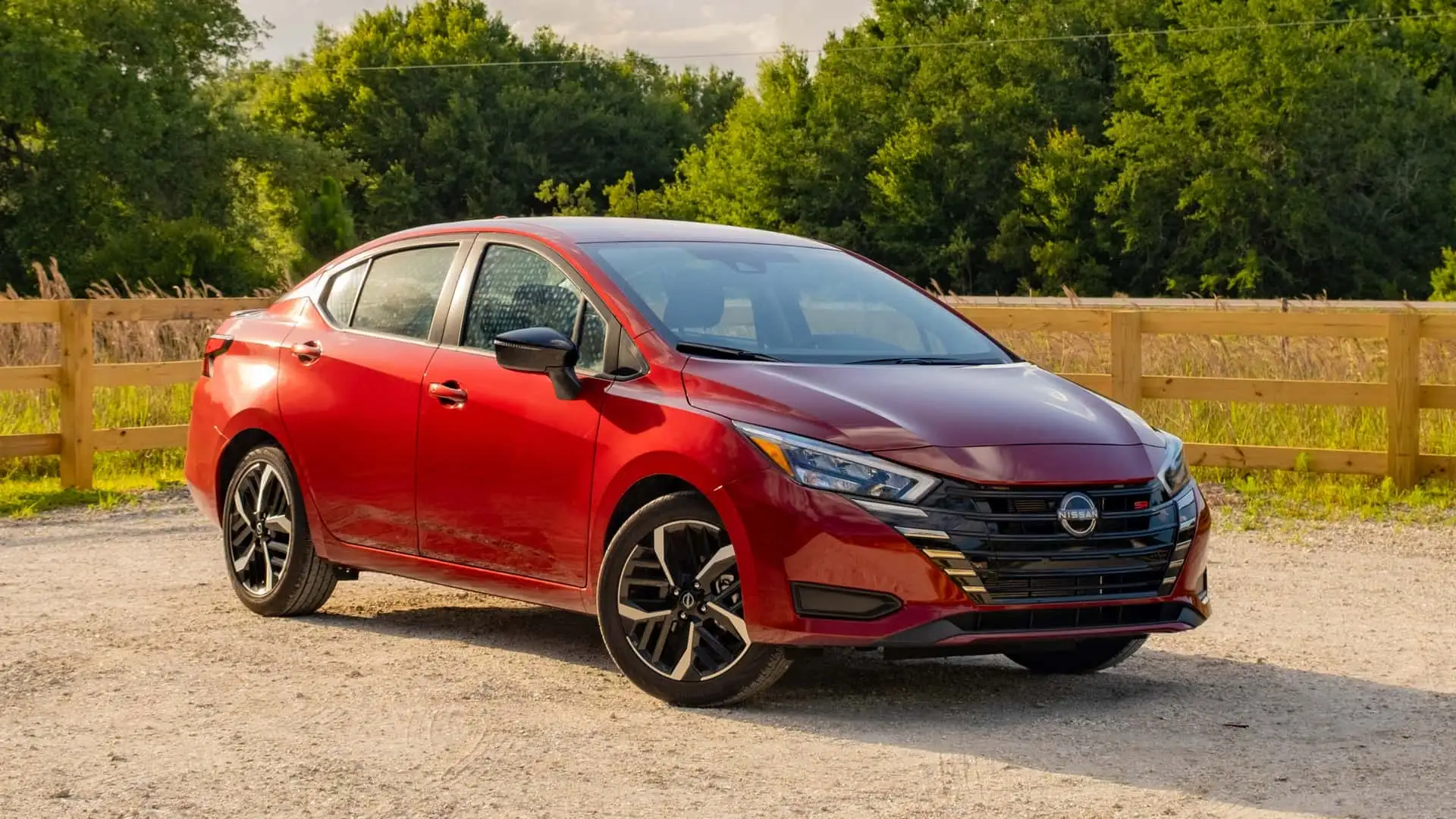
The Nissan Versa S is engineered to be one of the least expensive new cars in North America, with a starting price below $18,000. Its interior reflects strict cost-cutting measures designed to deliver a functional, safe vehicle while keeping the price exceptionally low. As a result, the cabin feels sparse and basic compared to higher trims or competing compact cars.
Hard plastics dominate nearly every surface. The dashboard, door panels, and console are made of injection-molded materials with a grainy, hollow texture. These plastics are durable but prone to scratches and cracking over time.
High-touch points like the steering wheel and gear shifter are coated in urethane, which can feel sticky in heat or slick in cold weather. Armrests offer minimal padding, leaving elbows resting against firm surfaces.
The rear cabin highlights further compromises. The base trim typically has a fixed bench without a 60/40 folding split, limiting cargo versatility. Rear passengers lack amenities such as USB ports, map pockets, or a center armrest. These omissions reinforce the vehicle’s entry-level nature.
Blank switch panels are another visible sign of cost-saving. Many buttons in the S trim are placeholders for features available only in higher trims. The gauge cluster is a basic analog setup with a small monochrome trip computer, and the infotainment system lacks Apple CarPlay and Android Auto, relying on a simple proprietary interface.
Noise, vibration, and harshness levels are higher due to minimal sound insulation. Road, tire, and engine noise penetrate the cabin, giving it a thin, utilitarian feel compared with more refined competitors.
Despite its Spartan interior, the Versa S delivers value in safety and reliability. Features like Front and Rear Automatic Braking, standard on this trim, ensure peace of mind. The trade-off is clear: buyers sacrifice interior refinement and premium touches in exchange for affordability, factory warranty coverage, and high-end safety technology typically absent in cars several times its price.
Exploring these extremes makes it clear that budget cars are not all created equal. Vehicles with premium-feeling interiors show that careful design, material selection, and smart technology integration can make an affordable compact feel refined and comfortable.
At the same time, ultra-budget models demonstrate that some compromises are unavoidable when cost takes priority over comfort, style, and quiet refinement. Choosing between these groups depends on priorities.
Buyers seeking comfort, aesthetics, and advanced features can find exceptional value in models like the Mazda 3 or Kia K4, while those focused purely on affordability, low maintenance, and practicality may prefer the Mirage G4 or Dacia Spring. Understanding these trade-offs helps consumers make informed decisions about price, performance, and interior experience.
Also read: Top 10 Cars That Hit the Depreciation Sweet Spot at 5 Years Old