When shopping for a crossover, visibility can make a major difference in safety and confidence behind the wheel. Some vehicles are designed to prioritize outward sightlines, with tall windows, thin pillars, and elevated seating that allow drivers to spot potential hazards without relying solely on cameras or sensors.
SUVs like the Subaru Forester, Kia Soul, and Honda Passport offer expansive glass areas, thoughtfully placed pillars, and advanced blind-spot monitoring, combining comfort, technology, and practical design to reduce dangerous blind zones.
On the other hand, many modern crossovers sacrifice visibility for style, aerodynamic efficiency, or structural safety. Vehicles such as the Toyota C-HR, Nissan Murano, and Tesla Model Y feature sloping roofs, thick pillars, and narrow rear windows that severely restrict sightlines.
While electronic aids help mitigate these challenges, drivers must rely on technology to compensate for the limitations of the vehicle’s physical design.
5 Crossovers With Excellent Blind Spot Visibility
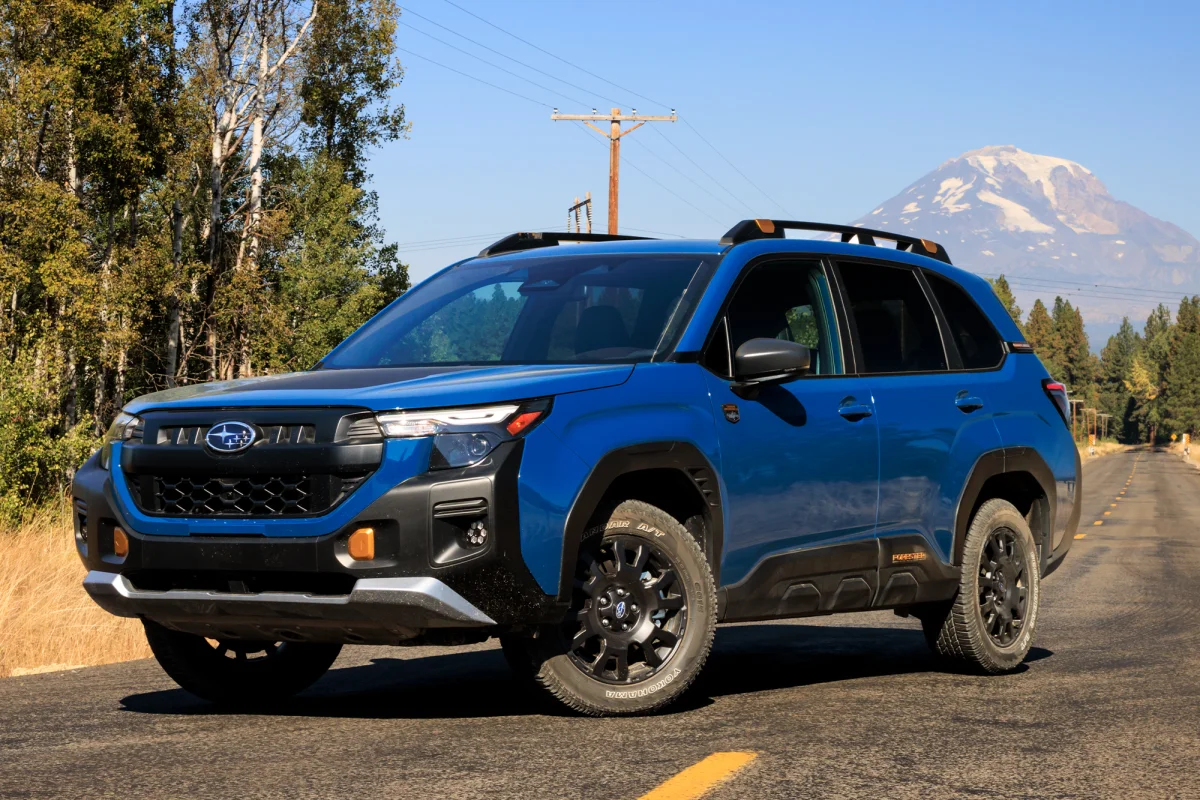
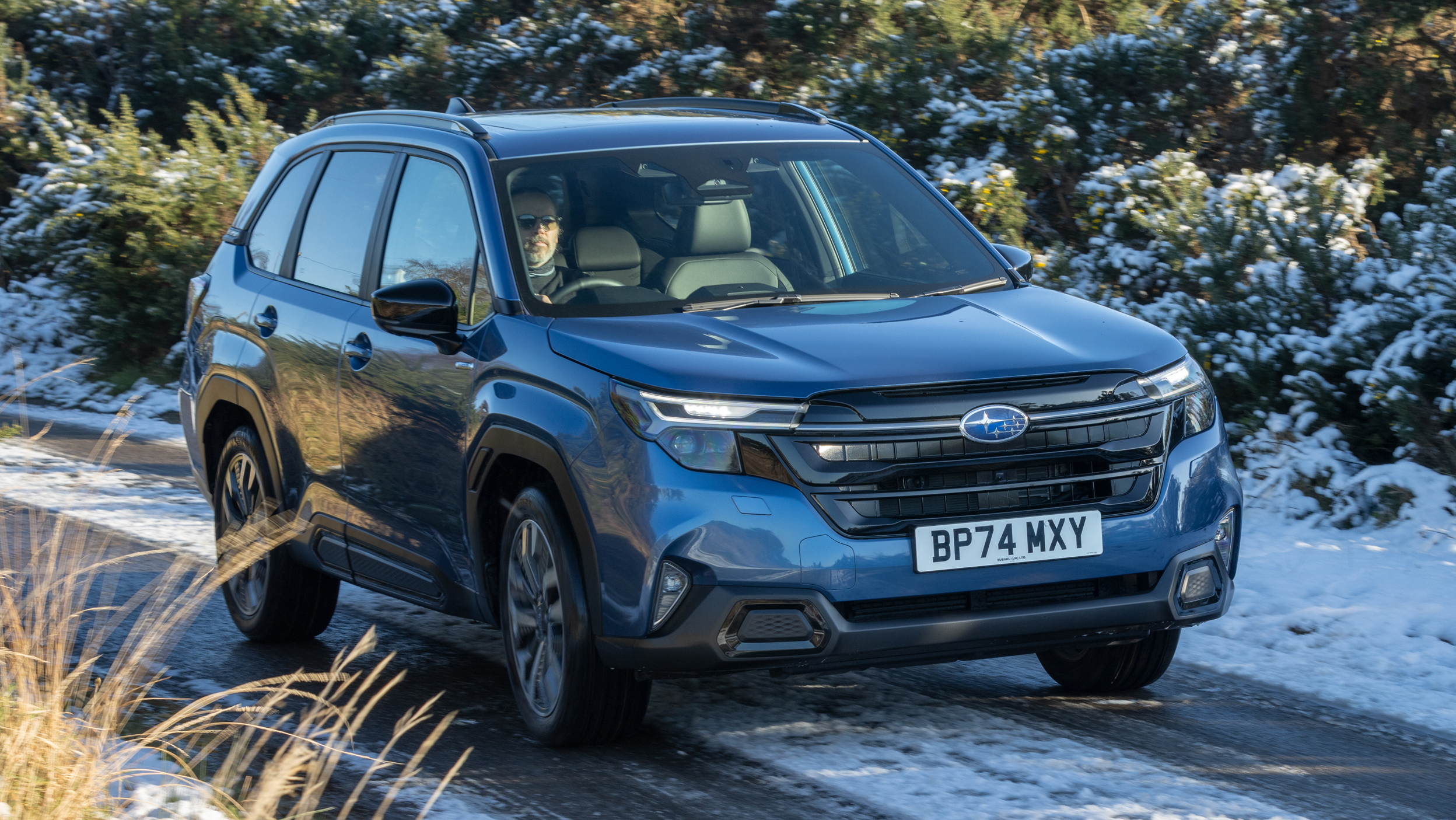
1. Subaru Forester: Exceptional Visibility, Comfort And Practical Interior
The Subaru Forester stands out in the compact SUV segment for its unmatched visibility and driver-friendly design. Its “fishbowl” cabin features large side windows, thin A-pillars, and quarter windows near the side mirrors, effectively reducing front-diagonal blind spots.
A low beltline, door-mounted mirrors, a large rear window, and an elevated seating position further enhance sightlines. Standard safety technology includes Blind Spot Detection, Rear Cross-Traffic Alert, and a 180-degree front-view monitor to detect hazards outside direct view.
Powering the Forester is a 2.5-liter flat-four engine producing 180 horsepower and 178 pound-feet of torque, paired with a continuously variable transmission and all-wheel drive. The SUV prioritizes comfort over sportiness, delivering a smooth ride even off-road, especially in the Forester Wilderness trim.
Acceleration is moderate, with 0–60 mph achieved in 8.3–8.4 seconds. Towing capacity reaches 3,500 pounds in the Wilderness trim, while other trims offer 1,500 pounds. Fuel efficiency ranges from 26–33 mpg, though the Wilderness experiences slightly lower numbers due to off-road gearing and tires.
Inside, the Forester offers a spacious and practical cabin. Tall windows, an upright seating position, and a panoramic sunroof create a light-filled interior. Seats come in cloth, leather, or water-repellent leatherette, with heated and ventilated options available in higher trims. Rear seating is generous, and cargo capacity ranges from 30 cubic feet behind the rear seats to 75 cubic feet with seats folded.
Infotainment is modern, with an 11.6-inch touchscreen standard on most trims, supporting wireless Apple CarPlay and Android Auto. Base trims use a dual 7-inch display.
Standard EyeSight driver-assistance includes automated emergency braking, lane-departure warning with lane-keeping assist, and adaptive cruise control. Warranty coverage includes three years/36,000 miles limited and five years/60,000 miles powertrain, less comprehensive than competitors like the Hyundai Tucson or Toyota RAV4.
The Forester remains an excellent choice for drivers seeking a combination of visibility, comfort, practical cargo space, and moderate off-road capability in a reliable compact SUV.
2. Kia Soul: Upright Design Offers Visibility, Comfort And Practical Interior
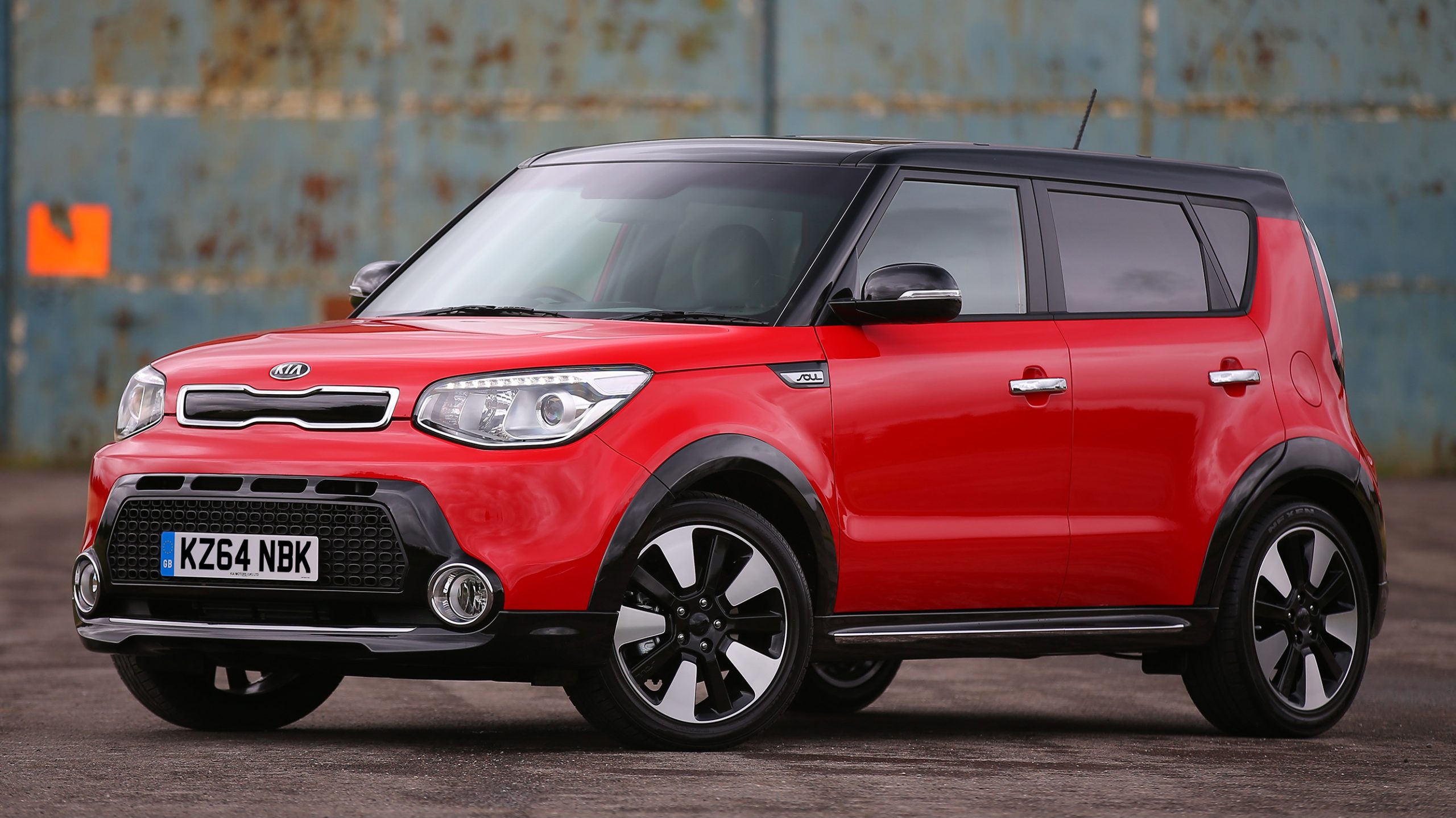
The Kia Soul stands out in the subcompact SUV segment thanks to its boxy, refrigerator-like design that maximizes outward visibility. Its tall glass, vertical rear hatch, and thin pillars create excellent sightlines, making it one of the easiest vehicles to maneuver and park without relying on cameras.
The elevated seating position further enhances the driver’s view, while available technology such as Blind-Spot Collision-Avoidance Assist, Rear Cross-Traffic Alert, and the Blind-Spot View Monitor provides added safety by detecting vehicles in hard-to-see areas. Daytime visibility is exceptional, although some owners note that factory tinting can slightly limit rear sightlines at night.
Under the hood, the Soul is powered by a 2.0-liter four-cylinder engine producing 147 horsepower and paired with a continuously variable transmission (CVT) driving the front wheels. While acceleration is modest, with 0–60 mph taking 8.0 seconds, the Soul delivers sufficient performance for city driving.
The ride emphasizes comfort over sportiness, and steering feedback is light, making it an approachable daily driver rather than a sporty performer. Fuel economy is competitive for the segment, with an EPA rating of 27 mpg city and 35 mpg highway; our highway testing recorded 30 mpg.
Inside, the Soul’s upright design translates into a spacious and practical cabin. First-row seating is comfortable and well-bolstered, with cloth, leather, and water-repellent leatherette options. Rear passengers enjoy generous head and legroom, while cargo space accommodates up to 20 carry-on suitcases with the seats folded.
Interior design incorporates playful touches such as colorful trim and ambient lighting, as well as convenience features including a smartphone charging pad, head-up display, push-button ignition, and heated seats and steering wheel.
Infotainment is modern and user-friendly, with Apple CarPlay and Android Auto standard on all trims. Mid-level models receive a large 10.3-inch touchscreen with optional features like SiriusXM radio, real-time navigation, and a premium Harman/Kardon audio system. Safety is also a focus, with forward-collision warning, automated emergency braking, lane-departure warning, and available blind-spot monitoring.
Kia provides a five-year/60,000-mile limited warranty and a 10-year/100,000-mile powertrain warranty, offering long-term coverage for buyers. The Soul’s combination of standout visibility, practical interior space, and user-focused technology makes it a compelling choice for those seeking a safe, comfortable, and versatile urban SUV.
3. Jeep Wrangler: Off-Road Focused SUV With Advanced Blind-Spot Technology
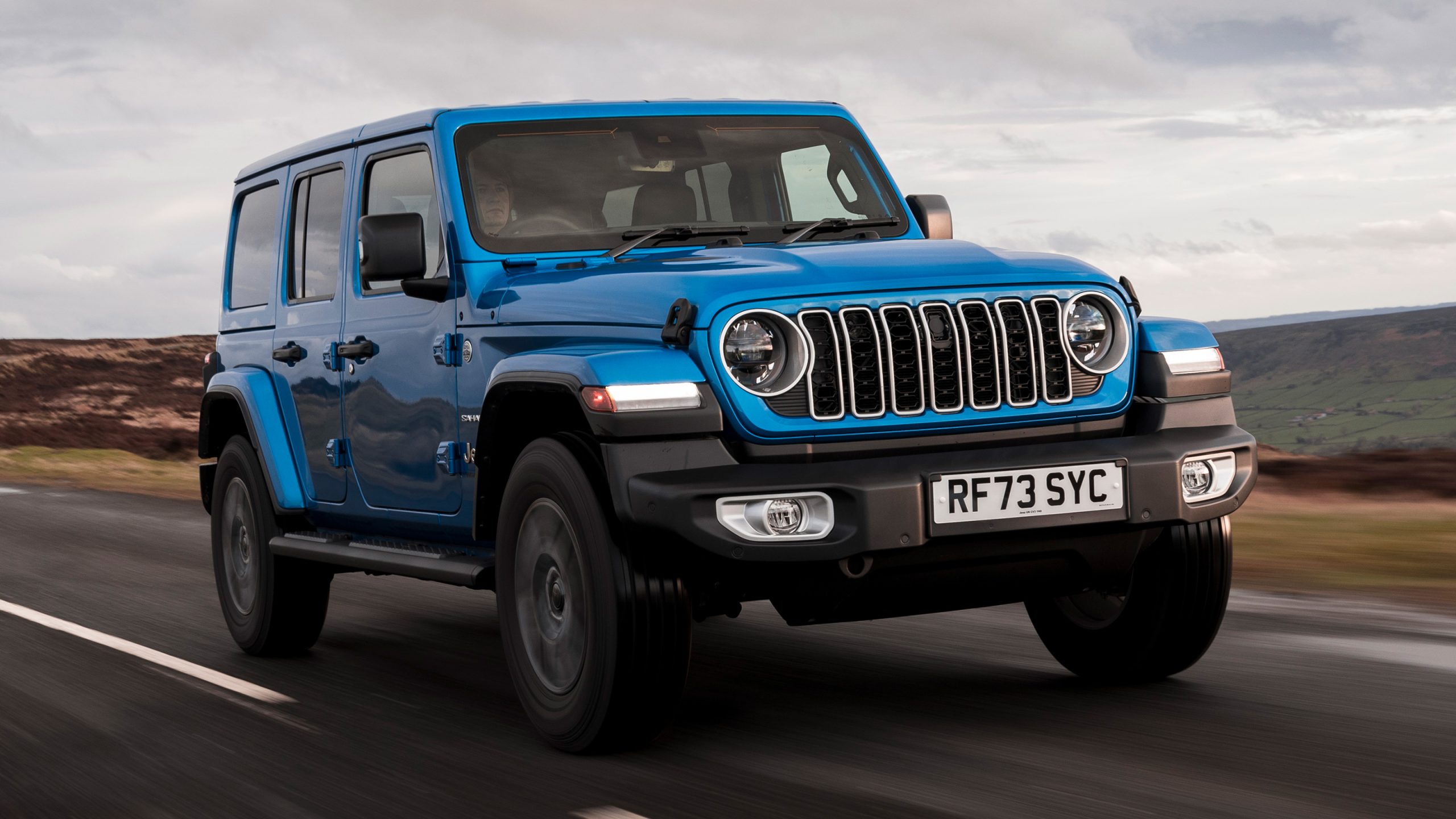
The Jeep Wrangler is designed for serious off-road adventures, combining rugged capability with modern safety features to address blind spots inherent to its boxy design. Its flat glass, narrow pillars, and short dashboard provide drivers with a clear view of the terrain directly ahead.
A high seating position and large side mirrors further improve visibility, while radar-based systems like Blind-Spot Monitoring and Rear Cross Path Detection alert drivers to vehicles in hard-to-see areas. A standard ParkView® rear backup camera assists in reversing, and higher trims offer forward-facing cameras to navigate tight trails and obstacles.
Under the hood, the Wrangler offers multiple engine options to suit different driving styles. The standard 3.6-liter V-6 produces 285 horsepower and pairs with a six-speed manual or optional eight-speed automatic transmission. Optional engines include a 270-hp turbocharged four-cylinder and a 470-hp 6.4-liter V-8. Four-wheel drive is standard on most trims, with full-time systems available on select models.
The Wrangler maintains a traditional, truck-like feel, with the four-door delivering a smoother ride over rough surfaces and the two-door being more prone to bouncing over larger bumps. Acceleration ranges from 4.0 seconds to 60 mph in the Rubicon 392 to 7.1 seconds in other variants.
Fuel efficiency reflects the Wrangler’s off-road focus, with EPA estimates between 13–20 mpg city and 16–23 mpg highway. In real-world testing, the turbo-four returned 26 mpg on the highway, while the V-8 392 managed just 13 mpg.
Interior and cargo space are functional; the upright windshield and square dashboard provide a commanding view, while rear-seat comfort favors the four-door model. Cargo capacity varies significantly: the two-door fits two carry-on bags behind the rear seats, compared with 10 for the four-door.
The Wrangler’s Uconnect 5 infotainment system includes a 12.3-inch touchscreen, wireless Apple CarPlay and Android Auto, and optional navigation with trail maps. Audio ranges from an eight-speaker system to a nine-speaker Alpine setup.
Safety features include optional blind-spot monitoring, rear cross-traffic alert, and rear parking sensors. Warranty coverage includes a three-year/36,000-mile limited warranty, a five-year/60,000-mile powertrain warranty, and two complimentary maintenance visits.
With its iconic styling, off-road capability, and modern safety technology, the Jeep Wrangler remains a strong choice for adventurous drivers who value visibility, performance, and rugged versatility.
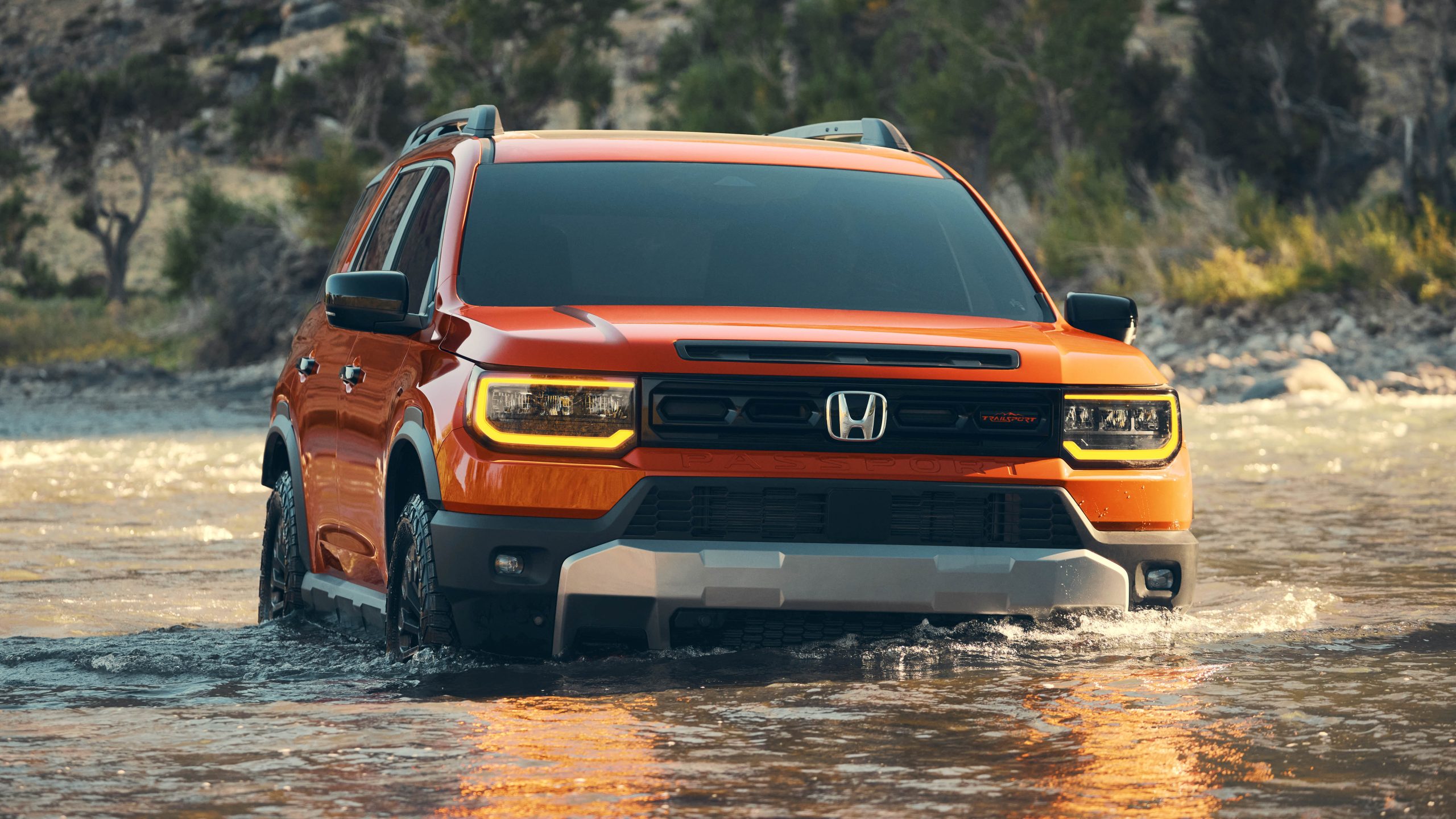
4. Honda Passport: Adventure-Ready SUV With Enhanced Visibility And Tech
The Honda Passport delivers excellent blind spot visibility thanks to a combination of thoughtful design and advanced safety technology. Its upright, boxy structure features large side windows, thin D-pillars, and a high seating position, providing a natural, commanding view of the road.
A large rear window allows drivers to see clearly when merging or reversing, while the Passport’s Blind Spot Information System (BSI) with enhanced rear radar detection identifies vehicles in adjacent lanes.
The TrailSport Elite trim adds TrailWatch, a multi-view camera system that includes cameras under the side mirrors, a front-facing camera, and a rear backup camera, creating a near 360-degree view. Standard Honda Sensing® technology provides automated emergency braking, lane-keeping assist, adaptive cruise control, and rear sensors, enhancing driver confidence in various traffic situations.
Power comes from a 285-hp 3.5-liter V-6 paired with a 10-speed automatic transmission and Honda’s new i-VTM4 torque-vectoring all-wheel-drive system. The Passport features a stiffer chassis, upgraded suspension, and seven drive modes, including Sport, Trail, and Tow.
TrailSport models receive all-terrain 275/60R-18 tires and skid plates for off-road protection. In testing, the Passport TrailSport accelerated from 0–60 mph in 7.3 seconds, reflecting a more relaxed, capable performance suited for both road and trail. Maximum towing capacity is 5,000 pounds, outperforming competitors like the Chevy Blazer and Hyundai Santa Fe.
Interior comfort has been redesigned with higher-quality materials and increased space. Standard features include power-adjustable and heated front seats, while TrailSport and TrailSport Elite trims offer synthetic or perforated leather, panoramic sunroofs, ventilated seats, heated steering wheels, rear climate controls, and expanded ambient lighting.
Cargo capacity has increased thanks to a longer wheelbase, accommodating 16 carry-on suitcases behind the rear seat and 38 with the seats folded.
Infotainment technology includes a 12.3-inch touchscreen, a 10.2-inch digital instrument cluster, wireless Apple CarPlay and Android Auto, 5G-LTE Wi-Fi, and a wireless smartphone charger. TrailSport models add 110-volt power outlets for convenience.
Fuel economy is estimated at 21 mpg combined, 19 city, and 25 highway, with TrailSport trims slightly lower due to all-terrain tires.
Honda provides a three-year/36,000-mile limited warranty, a five-year/60,000-mile powertrain warranty, and one year/12,000 miles of complimentary maintenance. With its blend of visibility, capability, and technology, the Passport is well-suited for drivers seeking adventure without sacrificing comfort and safety.
5. Volkswagen Tiguan: Compact SUV With Strong Visibility And Modern Tech
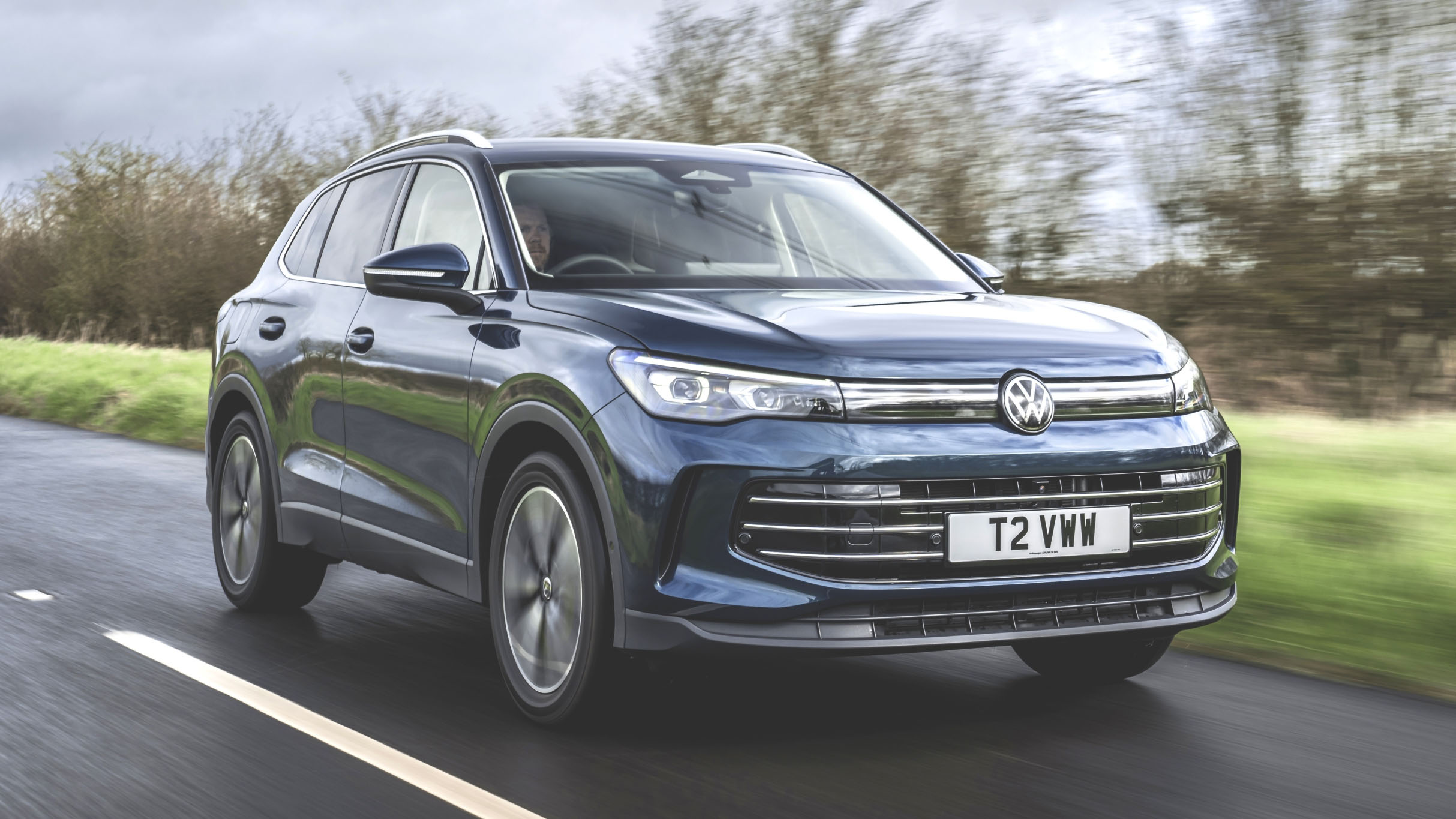
The Volkswagen Tiguan provides excellent blind-spot visibility thanks to a combination of thoughtful design and advanced technology. Its conservative, squared-off exterior features a large glass-to-metal ratio, ensuring clear sightlines even with three rows of seating.
Small front A-pillar windows improve forward-side visibility at intersections, while the upright rear glass gives a better view of vehicles behind. Standard Active Side Assist Blind Spot Monitoring uses radar to detect vehicles in hidden areas and alerts the driver visually and audibly.
Rear Traffic Alert warns of cross-traffic when reversing, and available Area View Camera systems provide a 360-degree overhead perspective to minimize blind spots. LED headlights add bright illumination in low-light conditions, enhancing safety during nighttime driving.
Under the hood, the Tiguan offers a turbocharged 201-hp 2.0-liter four-cylinder engine in the lower trims, while the SEL R-Line Turbo introduces a 268-hp version paired with an eight-speed automatic transmission.
Weight reduction of about 170 pounds from increased use of aluminum and high-strength steel improves handling, and the turbo-four engine delivers smooth acceleration, though it is less responsive from a stop than the R-Line Turbo.
In testing, the Tiguan R-Line 4Motion reached 60 mph in 8.5 seconds, while the SEL R-Line Turbo achieved 6.7 seconds. Front-wheel-drive Tiguans tow up to 1,500 pounds, with all-wheel-drive models rated at 1,800 pounds.
The interior has been redesigned for practicality and comfort. A larger console replaces the old gearshift location, providing extra storage space. Material quality is improved, with available leather upholstery and wood accents.
Power-adjustable massaging and ventilated seats, a heated steering wheel, and three-zone climate control are offered in higher trims. The second-row 60/40 split allows for flexible passenger and cargo arrangements.
Technology includes a standard 12.9-inch touchscreen, with an optional 15.0-inch display running Volkswagen’s Digital Cockpit Pro software. Wireless Apple CarPlay and Android Auto are included, along with wireless charging. Optional features include a premium 12-speaker Harman Kardon audio system and a head-up display.
Safety comes from standard forward-collision warning with automatic braking, blind-spot warning, lane-keeping assist, and adaptive cruise control with lane centering. The Tiguan adds four additional airbags, bringing the total to 10.
Fuel economy is rated up to 26 mpg city and 34 mpg highway, with slight reductions for all-wheel-drive and turbo trims. Warranty coverage includes a four-year/50,000-mile limited and powertrain warranty, with two years or 20,000 miles of complimentary scheduled maintenance. The Tiguan balances visibility, safety, and technology, making it a practical and confident choice for drivers in its segment.
Also Read: 5 Cars Owners Are Happy With Long-Term vs 5 They Aren’t
5 With Poor Sightlines
1. Toyota C-HR: Style-Focused Design Compromises Driver Visibility
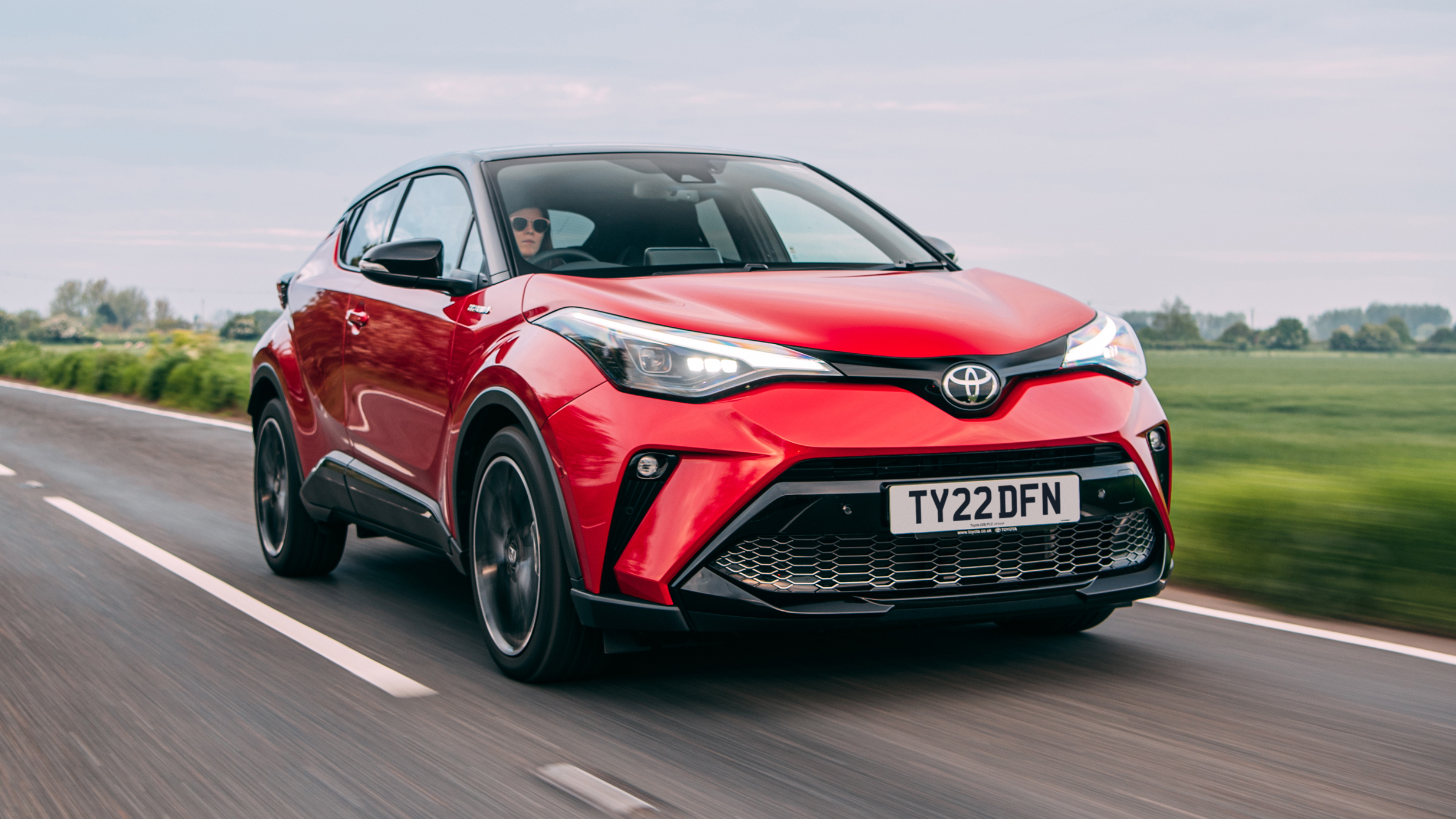
The Toyota C-HR prioritizes bold, coupe-like styling over practical visibility, resulting in limited blind-spot awareness and restrictive rear sightlines. Its “Diamond Design” philosophy gives the vehicle a distinctive, futuristic look but creates significant physical obstructions for drivers and passengers alike.
A major factor in the C-HR’s poor visibility is its oversized C-pillar, the structural post between the rear side window and the back windshield. Unlike traditional SUVs that include additional “quarter glass” to aid sightlines, the C-HR’s thick C-pillar can completely block a car or motorcycle from view when looking over the shoulder. This requires drivers to exercise extreme caution during lane changes.
The vehicle’s narrow rear glass and rising beltline exacerbate the issue. The sloping roofline compresses the rear windows into small triangular shapes, providing passengers with a “cave-like” experience and giving the driver minimal peripheral awareness of objects to the side or low behind the car. The sharply raked rear windshield adds to the problem, offering a limited, “mail-slot” perspective of traffic behind the vehicle.
Toyota further prioritized aesthetics by integrating the rear door handles high into the C-pillar, reinforcing the thick metal in this critical visibility zone. While this design preserves the sleek, two-door coupe appearance, it enlarges the blind spot even more, making it one of the most restricted in the subcompact SUV segment.
To address these inherent challenges, Toyota equips the C-HR with technological aids. Higher trims include Blind Spot Monitoring (BSM) with radar sensors that illuminate the side mirrors when a vehicle is detected in hidden zones.
Most models feature a rearview camera to assist with backing up, though its 2D view cannot fully replace direct sightlines. Rear Cross-Traffic Alert (RCTA) warns drivers of approaching traffic when reversing, a critical feature given the C-HR’s limited rear-quarter visibility.
In essence, the Toyota C-HR favors form over function. While its styling attracts drivers seeking a bold, futuristic appearance, owners must rely heavily on mirrors, cameras, and electronic sensors to navigate safely. For those prioritizing visibility and ease of driving, the C-HR’s design presents notable compromises despite its safety technology.
2. Nissan Murano: Stylish Design Limits Rear Visibility
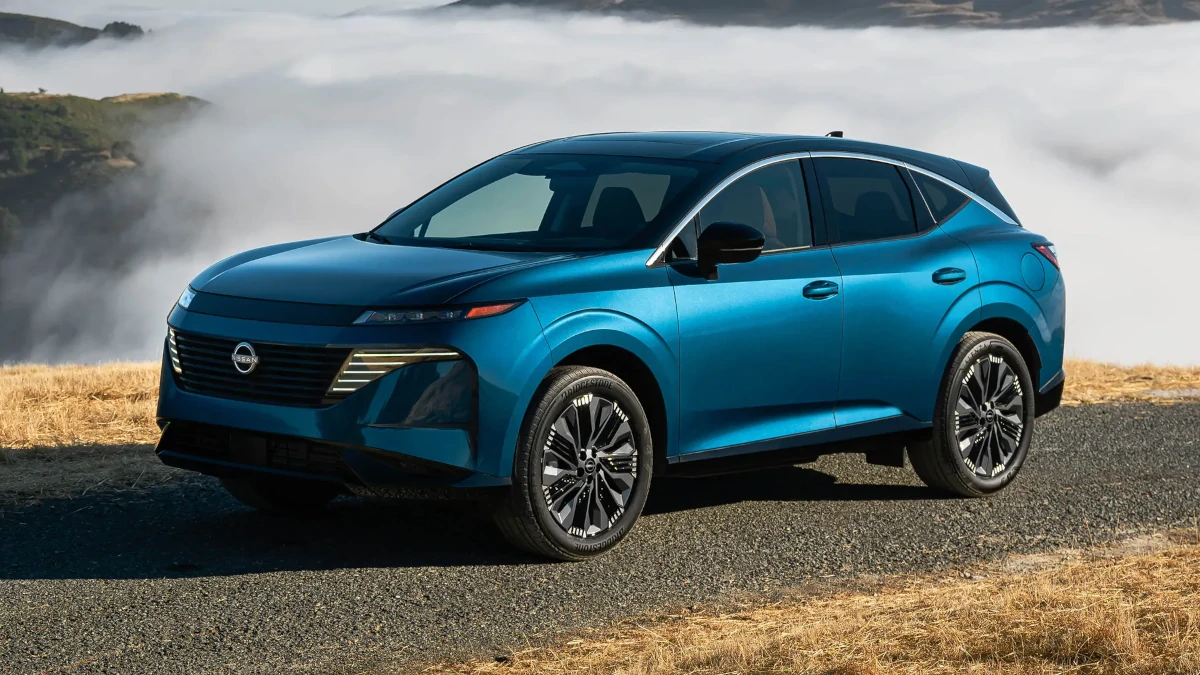
The Nissan Murano is recognized for its striking “floating roof” design, but its sleek styling comes at the cost of visibility. The upward-sweeping beltline and narrow rear glass create significant blind spots, particularly in the rear-quarter area, making drivers highly reliant on electronic safety systems.
The Murano’s aerodynamic, curvy silhouette prioritizes aesthetics and structural safety over outward sightlines. Its tapered window line and steeply raked rear windshield reduce the glass area available for drivers, resulting in near-zero visibility toward the back three-quarters of the vehicle. This design makes standard mirrors insufficient for detecting surrounding traffic and increases dependence on driver-assist technology.
Structural factors exacerbate the issue. Massive A-pillars flanking the windshield block pedestrians or cyclists at intersections, while thick C and D-pillars toward the rear create large visual gaps between the side windows and rear glass.
The Murano’s high beltline further limits the driver’s ability to see smaller vehicles or objects near the base of the car. These combined elements make the Murano less practical for drivers who rely on direct line-of-sight.
To address these limitations, Nissan equips the Murano with electronic aids. Blind Spot Warning (BSW) uses rear radar sensors to alert drivers of vehicles in lanes they cannot see, while the Intelligent Around View Monitor (360-degree camera) provides a virtual perspective of the vehicle’s surroundings. Experts often consider these systems essential for safe driving.
The redesigned Murano introduces improvements to mitigate visibility concerns. Side mirrors were moved from the A-pillars to the outer door panels, opening a small window previously blocked by the pillars and enhancing forward-corner visibility. The upgraded 3D Intelligent Around View Monitor now includes an “Invisible Hood View,” allowing drivers to virtually see obstacles directly in front of the wheels.
Despite these technological improvements, the Murano remains a vehicle where style takes precedence over traditional SUV practicality. Drivers must rely heavily on cameras and radar systems to navigate safely, particularly in tight spaces or heavy traffic.
3. Mazda CX-30: Sleek Design Compromises Visibility
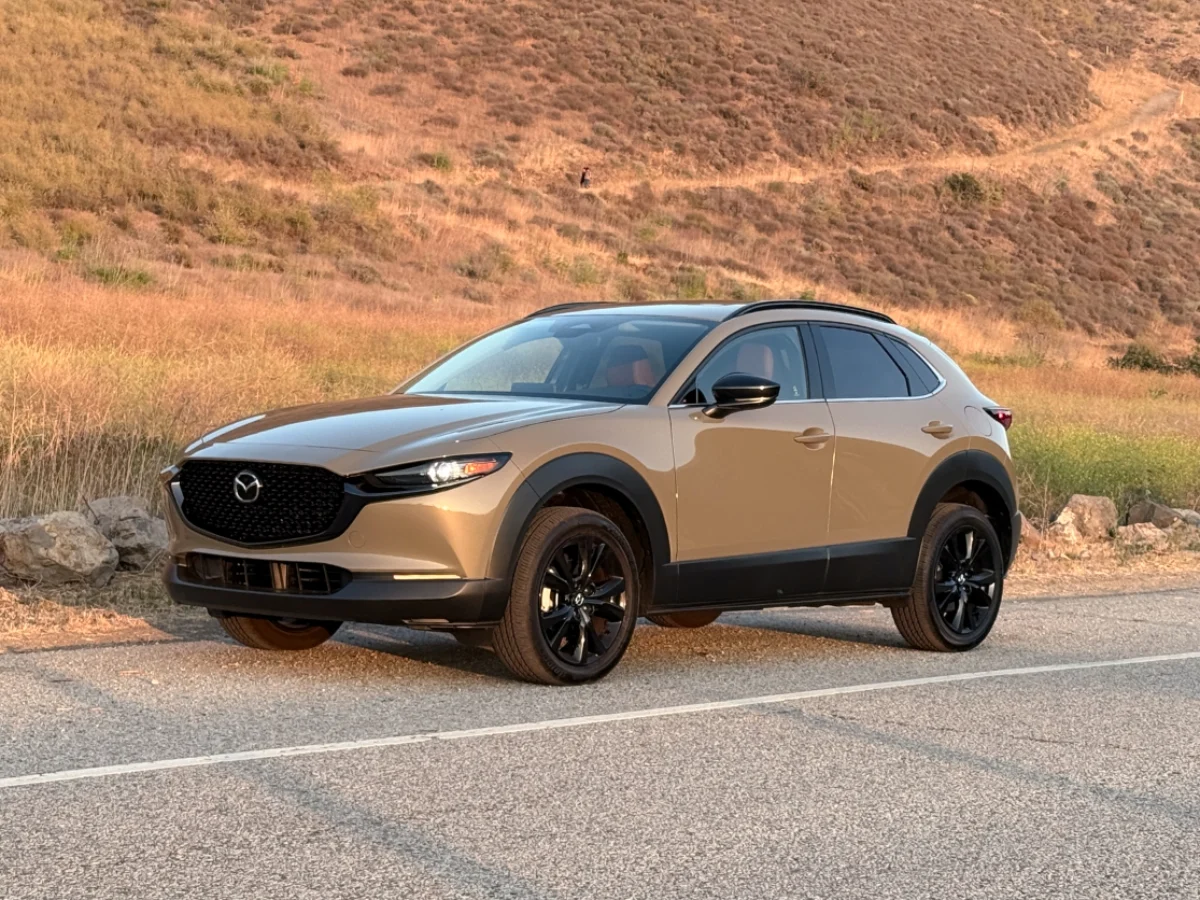
The Mazda CX-30 delivers striking, premium styling but sacrifices rear and side visibility for its sleek “Kodo” design philosophy. Its thick, sloping C-pillars, high beltline, and tapered roofline create significant blind spots, making it challenging for drivers to monitor adjacent traffic or spot cyclists and motorcycles. These design choices prioritize aesthetics over utility, resulting in a cockpit-like feel rather than an open cabin.
The CX-30’s reduced glass area further limits natural sightlines. Small rear side windows and a narrow rear windshield obstruct the driver’s ability to see fast-moving vehicles or smaller road users.
Competitive testing ranks the CX-30 low in visibility compared with rivals such as the Subaru Crosstrek, which incorporates small “quarter glass” panels to improve corner sightlines, and the Honda HR-V, which offers a more upright, boxy profile for better window coverage.
Internal features also contribute to blind spots. Tall, fixed rear headrests block portions of the already limited rear view, while the thick front A-pillars can create forward blind zones, especially during tight turns in urban settings. Privacy glass on rear windows can further impair visibility in low-light conditions.
To mitigate these challenges, Mazda relies heavily on technology. Blind Spot Monitoring (BSM) is standard across all trims, alerting drivers to vehicles hidden from view. Higher trims, such as the Turbo Premium Plus, offer a 360-degree View Monitor and parking sensors to assist with low-speed maneuvers where natural sightlines are most restricted.
The Mazda CX-30 demonstrates the trade-offs between form and function. While its stylish, dynamic profile appeals to buyers seeking a sporty, premium subcompact SUV, drivers must depend on electronic aids to safely navigate traffic, lane changes, and parking, particularly in congested urban areas.
4. Tesla Model Y: Sleek Design Creates Rear Visibility Challenges
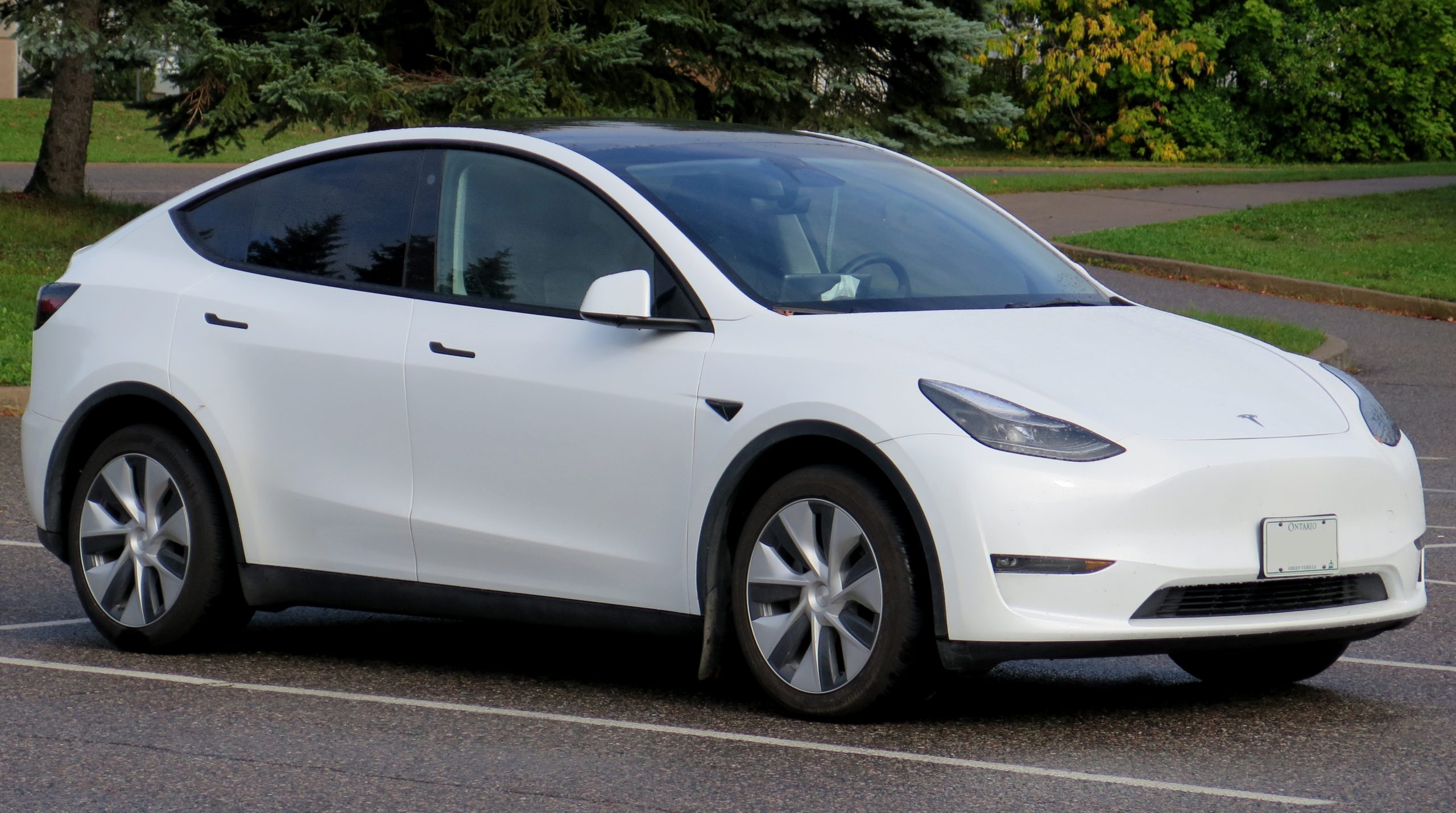
The Tesla Model Y combines aerodynamic efficiency and advanced safety engineering, but its design significantly limits rear and side visibility. The fastback, coupe-like silhouette slopes sharply toward the rear, creating a “mail-slot” effect in the rear-view mirror. Drivers often struggle to see vehicles closely following behind, making traditional over-the-shoulder checks less reliable.
Structural reinforcements exacerbate the problem. Thick A-pillars and robust B/C-pillars are essential for rollover protection and battery safety but create blind zones. The front pillars can obscure pedestrians or small vehicles during turns, while the rear pillars, combined with a horizontal roof beam, block diagonal sightlines necessary for lane changes.
Aerodynamic priorities further impact visibility. Slim, compact side mirrors reduce drag to improve range, but their small field of view often fails to cover the car’s rear sides. Tall drivers who slide seats back may find the mirrors cannot pivot wide enough, forcing reliance on camera feeds.
Nighttime driving presents additional challenges. Heavily tinted rear glass and auto-dimming mirrors can darken the view, making it difficult to judge the distance of approaching headlights. Drivers often must depend entirely on the car’s sensor suite to safely monitor rear traffic.
Tesla intentionally mitigates these limitations with a technology-centered approach. The Model Y provides a 360-degree camera system and blind-spot feeds on the central display, which activate automatically when signaling lane changes. While effective, this requires drivers to shift from traditional visual checks to screen-based monitoring, a behavioral adjustment for those accustomed to relying on mirrors and direct sightlines.
In the Model Y, the pursuit of aerodynamic efficiency, crash safety, and minimalist design compromises natural visibility. Drivers benefit from cutting-edge sensor technology, but physical blind spots remain a significant factor, especially in dense traffic or low-light conditions, emphasizing the need for caution and adaptation to the car’s digital assistance systems.
5. Chevrolet Blazer: Camaro-Inspired Style Reduces Visibility
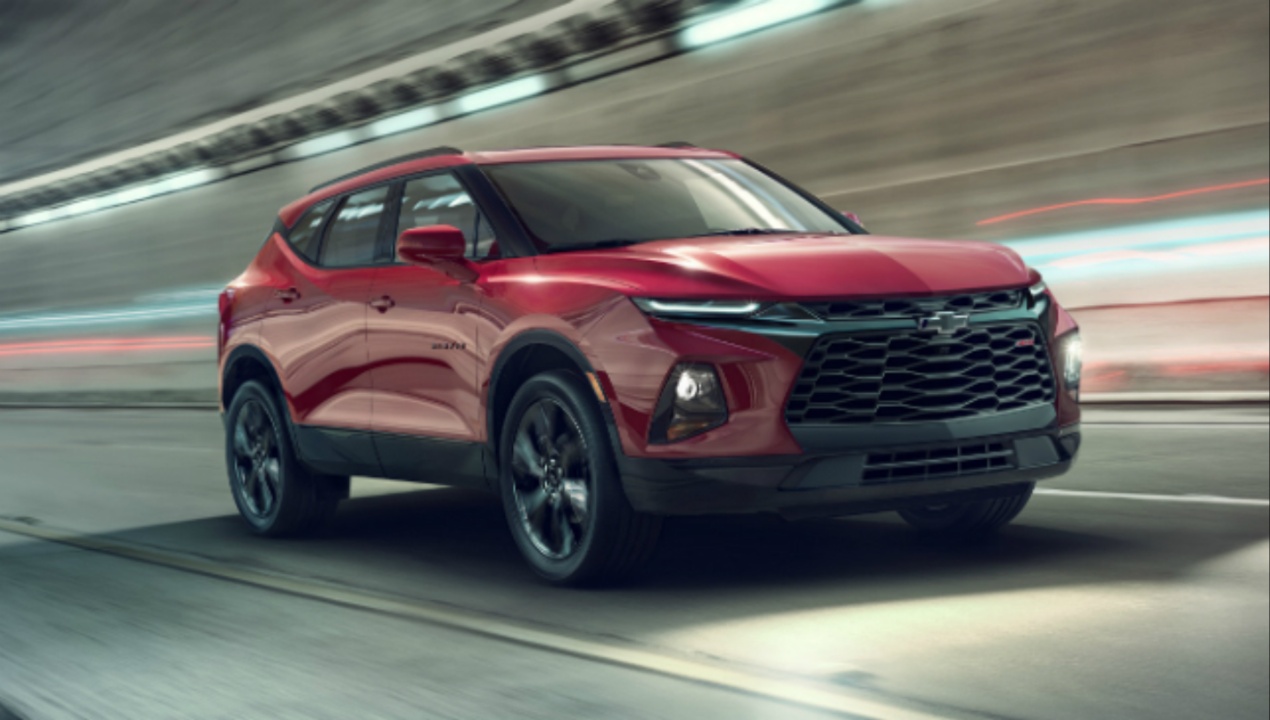
The Chevrolet Blazer emphasizes sporty, Camaro-inspired styling, but this design comes at the cost of driver visibility. Its high beltline, sloping roof, and narrow rear windows create significant blind spots, particularly in the rear three-quarter view.
Thick D-pillars, which provide structural support and side-impact protection, further block the driver’s ability to see smaller vehicles, cyclists, or low-profile objects alongside the car. The high-mounted rear windshield also limits the effectiveness of the rear-view mirror, creating large blind areas behind the vehicle.
The Blazer’s coupe-like silhouette is the main contributor to these sightline challenges. The upward-sweeping beltline reduces the size of the rear side windows, while the sloping roofline decreases the rear cabin glass, leaving minimal natural visibility. Shorter objects, such as fire hydrants or sports cars, can be completely hidden from the driver’s line of sight, making lane changes and tight parking more difficult without assistance.
To address these limitations, Chevrolet equips the Blazer with a range of driver-assistance technologies. The Rear Camera Mirror, available on higher trims like RS and Premier, streams a wide-angle video feed directly onto the rearview mirror, bypassing the thick pillars and rear headrests.
Standard Lane Change Alert with Side Blind Zone Alert uses radar sensors to detect vehicles in blind spots, while HD Surround Vision provides a digital bird’s-eye view that improves parking awareness. These systems are critical tools for safely driving the Blazer in urban and highway environments.
Compared with boxier mid-size SUV competitors such as the Honda Passport and Subaru Forester, which feature larger windows and thinner pillars, the Blazer provides more limited natural sightlines. Drivers must rely heavily on electronic aids to compensate for its aggressive styling, trading some practicality for the vehicle’s bold, high-style appearance.
Comparing crossovers with excellent blind-spot visibility to those with poor sightlines highlights the trade-offs between design, safety, and practicality.
Vehicles like the Subaru Forester, Kia Soul, and Honda Passport prove that careful engineering can provide expansive views, making lane changes, reversing, and urban driving safer and more intuitive. Drivers benefit from natural sightlines combined with supportive technology, reducing reliance on mirrors or cameras.
Conversely, style-focused models such as the Toyota C-HR, Mazda CX-30, and Chevrolet Blazer demonstrate that sleek aesthetics often come at a cost.
Thick pillars, narrow windows, and sloping roofs limit direct visibility, forcing drivers to depend heavily on blind-spot monitoring, rear cameras, and 360-degree systems. Choosing the right crossover ultimately depends on whether visibility, safety, and ease of driving outweigh sporty design and futuristic appeal.
Also Read: Top 10 Cars That Hit the Depreciation Sweet Spot at 5 Years Old