
Pressing a real button has a feeling that touchscreens simply cannot duplicate. There is feedback, a faint click, and a reassuring sense that you have commanded the car to do exactly what you asked. Before glossy displays dominated dashboards, vehicles from Volkswagen featured neatly arranged controls that drivers could operate without looking away from the road.
Climate dials turned with resistance. Radio presets sat in tidy rows. Window switches made a soft mechanical sound that became part of everyday driving. That era produced cars that balanced practicality with personality. Interiors were designed around clarity, with tactile controls placed exactly where your hand expected them to be.
For many drivers, these vehicles represent a time when technology supported the driving experience rather than overwhelming it. This list celebrates ten Volkswagen models from the age of physical buttons. Each one brought its own character, engineering approach, and driving feel. Some focused on performance.
Others leaned into comfort or versatility. All of them delivered dashboards filled with satisfying switches and purposeful layouts. Let us begin with five memorable models that helped define that button-rich period.
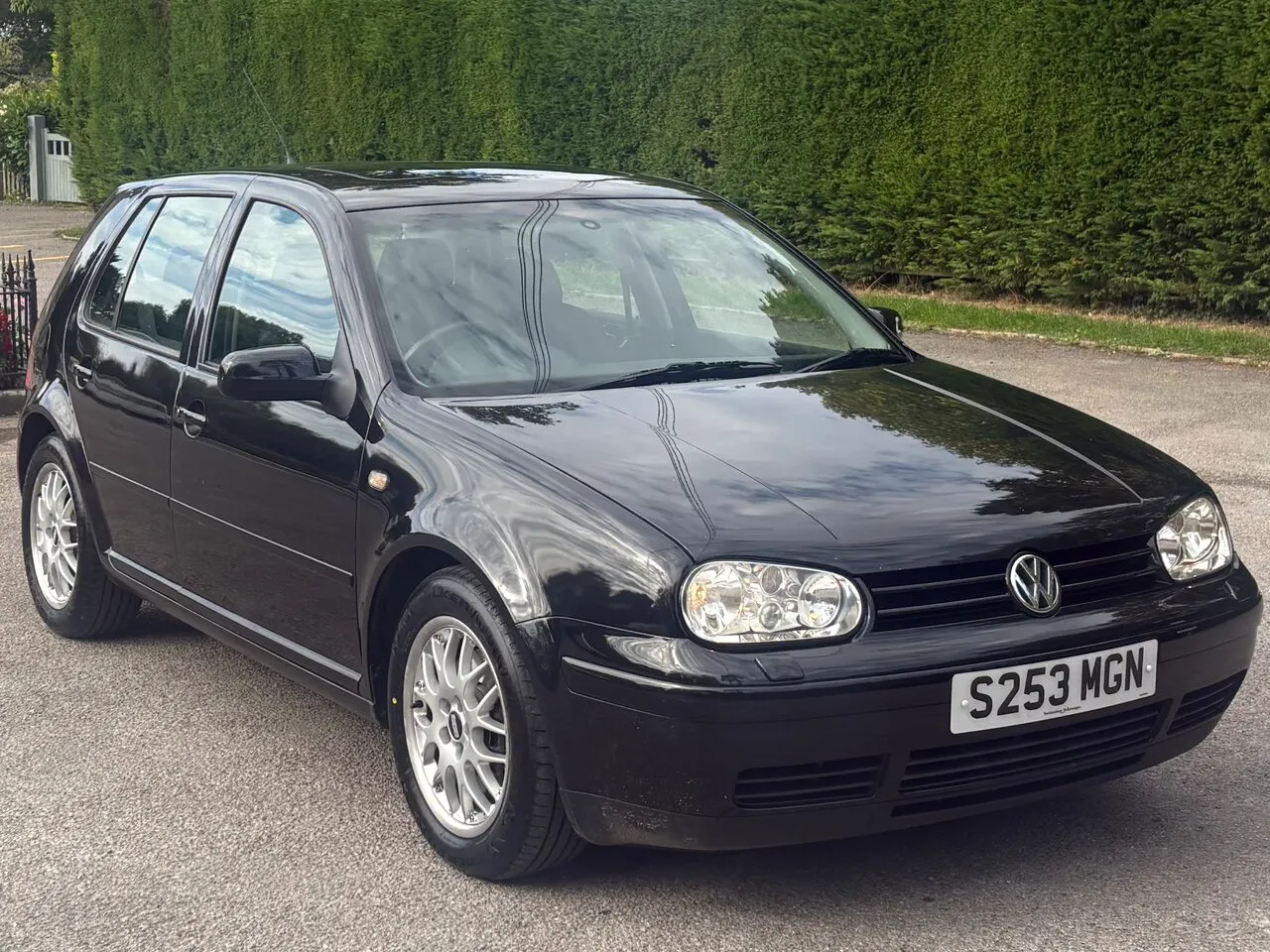
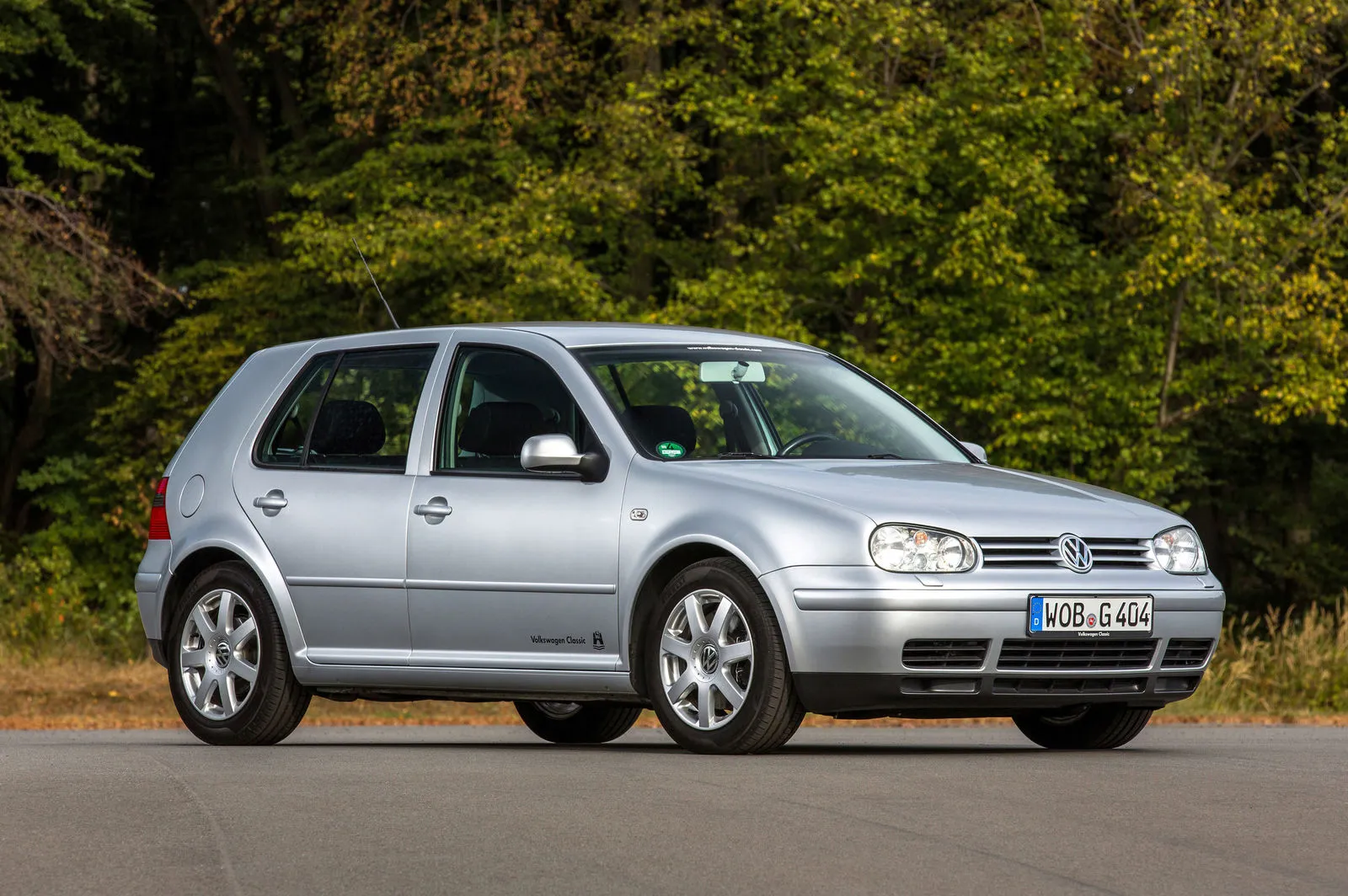
1. Volkswagen Golf Mk4 (1999 to 2005)
The Volkswagen Golf Mk4 arrived at a period when compact hatchbacks were gaining wider acceptance among professionals and families who desired efficiency without sacrificing refinement. Produced between 1999 and 2005, this generation strengthened the reputation of the Golf nameplate through disciplined engineering and careful attention to interior quality.
Its exterior design adopted clean lines and balanced proportions, avoiding excessive ornamentation. The result was a vehicle that appeared mature, confident, and suitable for both young drivers and established motorists. Upon entering the cabin, one immediately observed the orderly dashboard layout.
The fascia was symmetrical, with clearly arranged rotary climate knobs and well-damped push buttons. Each control felt deliberate, with a firmness that suggested durability. The hazard light switch, rear defrost button, traction control, and audio controls were positioned logically, enabling drivers to operate them without diverting attention from the road.
This practical arrangement encouraged familiarity, as regular use allowed muscle memory to develop naturally. Material selection distinguished the Mk4 from many competitors within its category. Soft-touch plastics covered much of the dashboard, while the switchgear conveyed precision.
The steering wheel offered a comfortable grip, and the instrument cluster provided legible readings in varying lighting conditions. These details contributed to a sense of understated quality rarely associated with compact vehicles of that era. Even after years of service, many examples retained solid door closures and resilient interior fittings.
Engine options were diverse. Standard models featured dependable four-cylinder engines that balanced fuel economy with adequate power for urban and highway driving. Performance-oriented drivers gravitated toward the GTI variant, equipped with a turbocharged engine that delivered energetic acceleration.
The R32 version introduced a narrow-angle VR6 engine paired with all-wheel drive, offering enhanced traction and a distinctive exhaust tone. Despite these variations, the core character of the Mk4 remained consistent: composed handling, steady steering feedback, and reassuring road manners.
Ride comfort also contributed to its appeal. Suspension tuning absorbed road imperfections competently while preserving stability during cornering. The chassis felt planted, fostering driver confidence during daily commutes and extended journeys alike. This balance between comfort and control reflected Volkswagen’s commitment to disciplined engineering rather than superficial appeal.
Durability formed another pillar of the Mk4’s reputation. Owners frequently reported that switches, knobs, and mechanical components withstood prolonged use without excessive wear. The tactile response of each button reinforced the impression of mechanical integrity. In an age preceding large touchscreens and menu-driven interfaces, the Golf Mk4 exemplified a period when physical interaction defined the driving experience.
Today, the Mk4 continues to command respect among motorists who appreciate straightforward design and reliable performance. Its cabin remains a reminder that thoughtful ergonomics and material integrity can create lasting value. Through its measured styling, practical controls, and disciplined engineering, the Volkswagen Golf Mk4 secured its place as a benchmark within the compact hatchback segment.
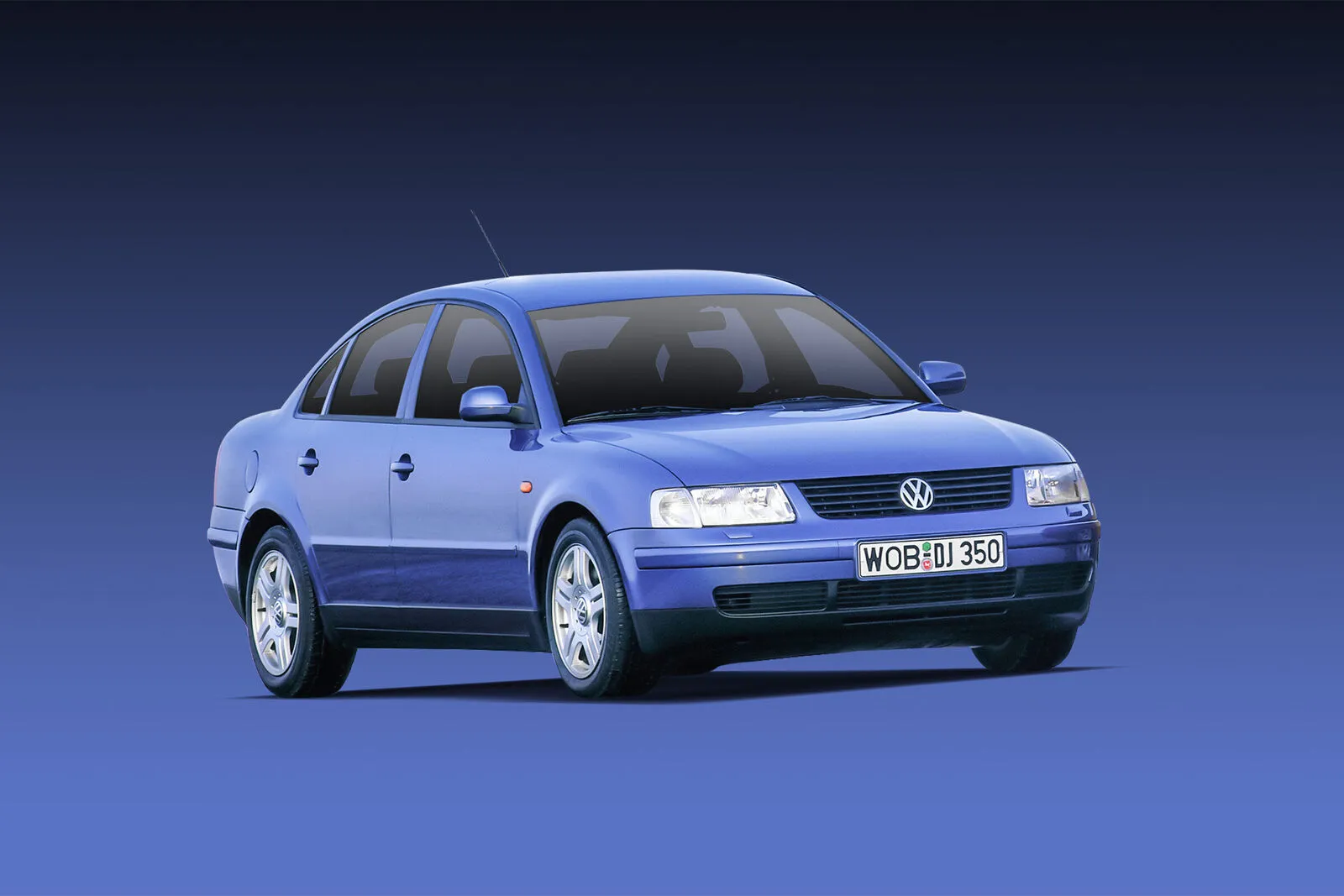
2. Volkswagen Passat B5 (1998 to 2005)
The Volkswagen Passat B5, produced from 1998 to 2005, represented a deliberate effort to provide executive comfort within reach of middle-class motorists. Drawing upon shared engineering foundations with certain Audi models of the same period, the B5 introduced a level of refinement that exceeded expectations for a mainstream saloon.
Its exterior styling conveyed restraint and maturity, characterised by clean body lines and subtle chrome detailing that avoided unnecessary flamboyance. Inside, the Passat B5 presented a disciplined and spacious environment. The dashboard extended horizontally, reinforcing a sense of width within the cabin.
Controls were arranged in orderly rows, with rotary climate dials and clearly labelled buttons positioned for intuitive use. Adjusting cabin temperature required only a simple turn of a knob, while audio selections responded to firm, tactile presses. This straightforward arrangement reduced distraction and fostered confidence during operation.
Seating comfort ranked among the model’s strongest attributes. Broad front seats offered generous support for long journeys, and rear passengers benefited from ample legroom. Upholstery options ranged from durable fabric to leather trim, depending on specification.
Attention to detail extended to the quality of plastics and trim elements, which conveyed solidity and refinement. The doors closed with reassuring weight, reinforcing the impression of structural integrity. Engine offerings catered to varied preferences. Turbocharged four-cylinder units provided an effective balance between fuel efficiency and responsive performance.
For those seeking additional power, a V6 engine delivered smoother acceleration and enhanced cruising capability. Transmission options included both manual and automatic variants, allowing buyers to select according to driving style. Suspension tuning prioritised ride comfort, ensuring that highway travel remained composed and relaxing.
Practical features enhanced daily usability. Dedicated switches activated seat heaters, while parking sensors delivered clear alerts without complicated procedures. The boot accommodated luggage for family trips or professional engagements. Each function possessed a physical control, reinforcing clarity and ease of operation.
The Passat B5 gained appreciation for its understated presence. It did not rely on excessive ornamentation to convey status. Instead, it offered measured design, reliable engineering, and thoughtful ergonomics. Drivers valued the predictability of its handling and the calm atmosphere within the cabin. Steering response remained steady, and braking performance inspired assurance.
Years after production ceased, the B5 retains a loyal following among motorists who esteem functional design and disciplined craftsmanship. Its interior stands as evidence that luxury can be expressed through material quality, space, and tactile precision rather than reliance on expansive digital displays.
Through careful engineering and practical execution, the Volkswagen Passat B5 affirmed its standing as a refined and dependable saloon suited to both professional and personal use.
Also Read: Top 10 1980s Cars That Are Finally Becoming Collectible
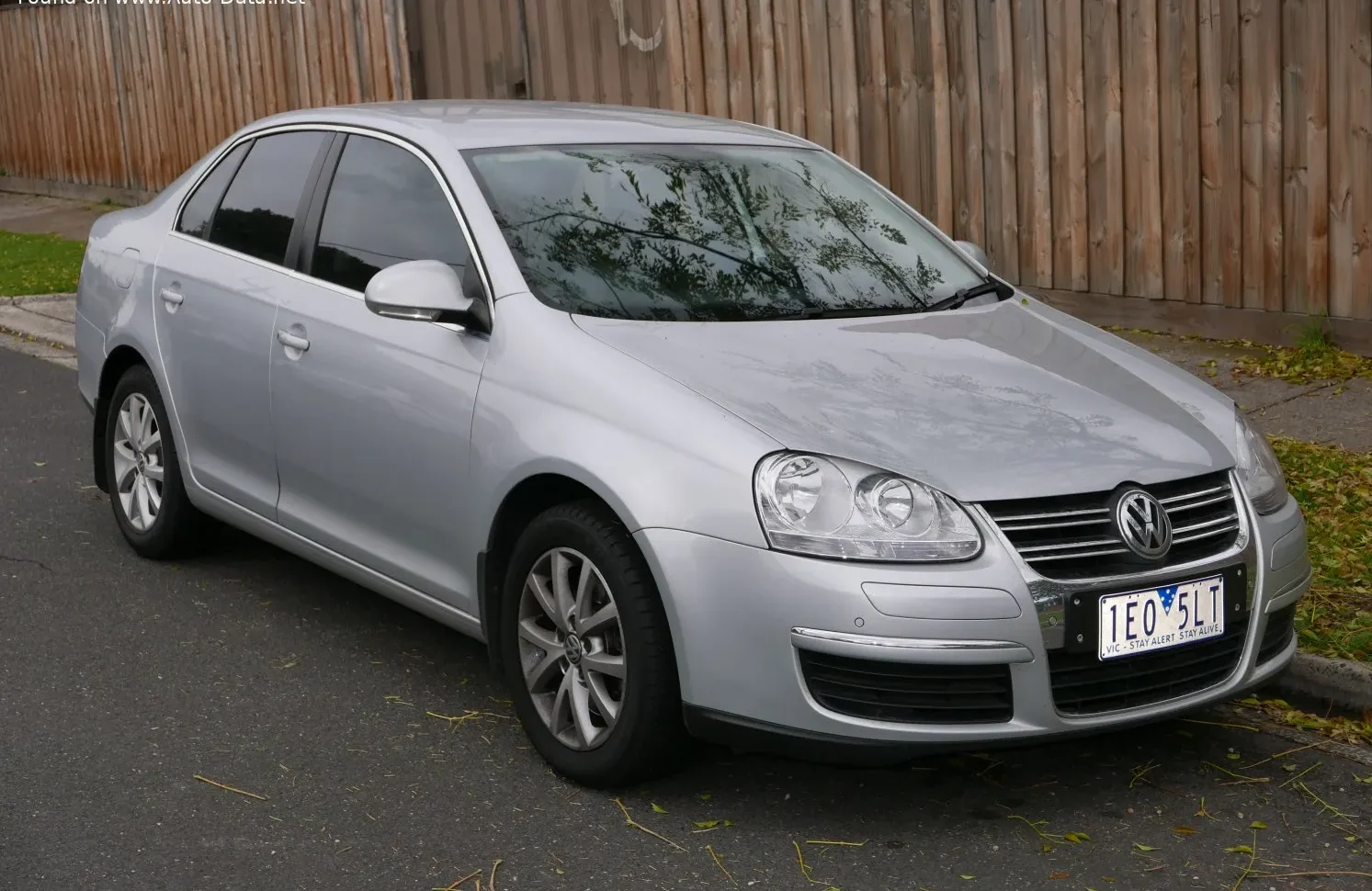
3. Volkswagen Jetta Mk5 (2005 to 2010)
During the mid-2000s, the Volkswagen Jetta Mk5 established itself as a refined compact sedan distinguished by disciplined engineering and thoughtful interior design. Introduced in 2005, this generation reflected a measured evolution from its predecessors, presenting a more assertive exterior stance while preserving the understated character associated with the brand.
Its upright posture and carefully sculpted front fascia conveyed confidence without unnecessary embellishment. Within the cabin, attention to ergonomics was immediately evident. The dashboard displayed a structured arrangement of physical buttons and rotary knobs, each positioned with careful consideration.
The centre console inclined slightly towards the driver, thereby enhancing accessibility to audio and climate controls. Radio presets were aligned in a logical sequence, allowing quick selection without visual distraction. Dual-zone climate regulation employed separate rotary dials for driver and passenger, enabling immediate temperature adjustments through tactile engagement rather than digital prompts.
Mechanical offerings included efficient four-cylinder engines as well as turbocharged variants that delivered spirited performance. Acceleration was responsive, and the vehicle maintained stable composure during cornering. Steering feedback remained precise, fostering a reassuring connection between driver and road surface.
Such attributes rendered the Jetta Mk5 suitable for both urban commuting and extended highway journeys. Practicality also defined this generation. The luggage compartment provided ample storage capacity for personal belongings and household purchases.
Rear seats could be folded through a straightforward mechanical release, thereby expanding cargo space with minimal effort. Controls for traction assistance and heated seating were clearly marked and positioned for intuitive operation.
Owners frequently commended the harmonious balance between driving enjoyment and comfort. Road noise was effectively contained, and suspension calibration absorbed irregularities without sacrificing stability. While later models adopted increasingly digital interfaces, the Mk5 retained a cabin environment centred on physical interaction.
Each button press and dial adjustment reinforced a sense of mechanical assurance, reflecting an era in which clarity and tactile precision shaped the driving experience.
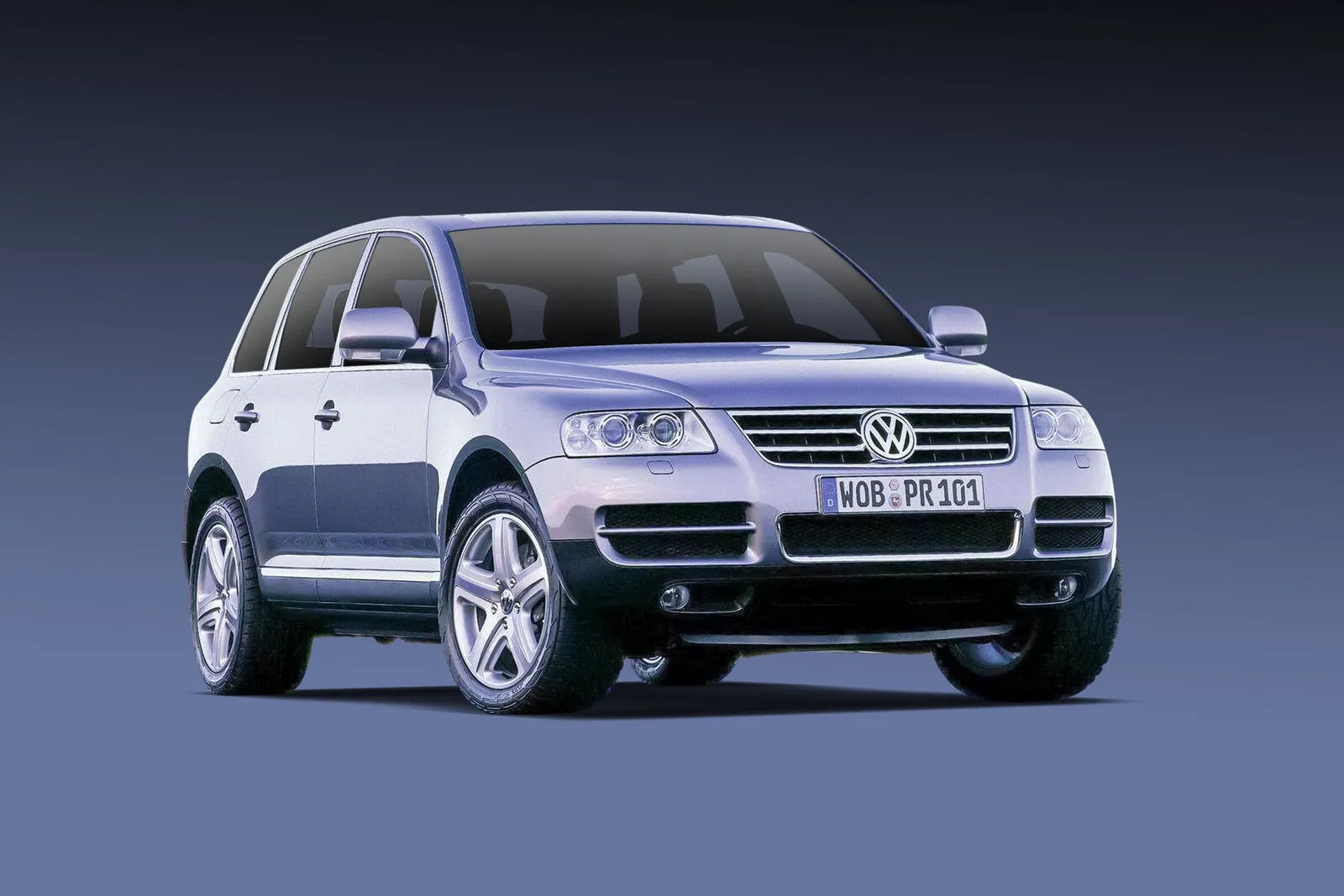
4. Volkswagen Touareg First Generation (2002 to 2010)
Introduced in 2002, the first-generation Volkswagen Touareg represented a deliberate expansion into the sport utility segment, combining robust engineering with refined interior craftsmanship. Conceived to perform competently on challenging routes while preserving comfort for daily use, the Touareg embodied versatility without sacrificing discipline in design.
The cabin presented a comprehensive array of physical controls suited to diverse driving conditions. Prominent switches governed locking differentials and adjustable suspension settings, reflecting the vehicle’s off-road capability. Large rotary knobs managed heating and ventilation functions, allowing precise regulation of airflow and temperature.
Controls for seat adjustment and infotainment systems were arranged in clearly defined clusters, reducing ambiguity and promoting operational confidence. Engine options varied according to market availability and included V6, V8, and V10 diesel configurations.
These powertrains provided ample torque for towing and sustained motorway travel. An available all-wheel drive system enhanced traction on uneven surfaces and in inclement weather. Despite its substantial dimensions, the Touareg demonstrated commendable stability on paved roads, with suspension tuning that balanced firmness and comfort.
Interior materials revealed Volkswagen’s aspiration to compete within the premium segment. Upholstery options included leather finishes complemented by metallic trim elements and soft-touch surfaces. Even with its emphasis on comfort, practicality remained evident.
Buttons and switches were constructed to withstand repeated use under varying environmental conditions, reinforcing durability. Drivers often described a sense of authority when seated behind the wheel. Each tactile control contributed to that assurance, enabling immediate engagement with the vehicle’s mechanical systems.
Rather than relying upon digital screens for essential adjustments, the Touareg emphasised direct physical interaction. This approach enhanced clarity and fostered trust in the vehicle’s capabilities. The first-generation Touareg thus demonstrated that rugged performance and refined interior design need not be mutually exclusive.
By integrating dependable mechanical controls within an upscale cabin, it offered a disciplined and confident interpretation of the modern sport utility vehicle.
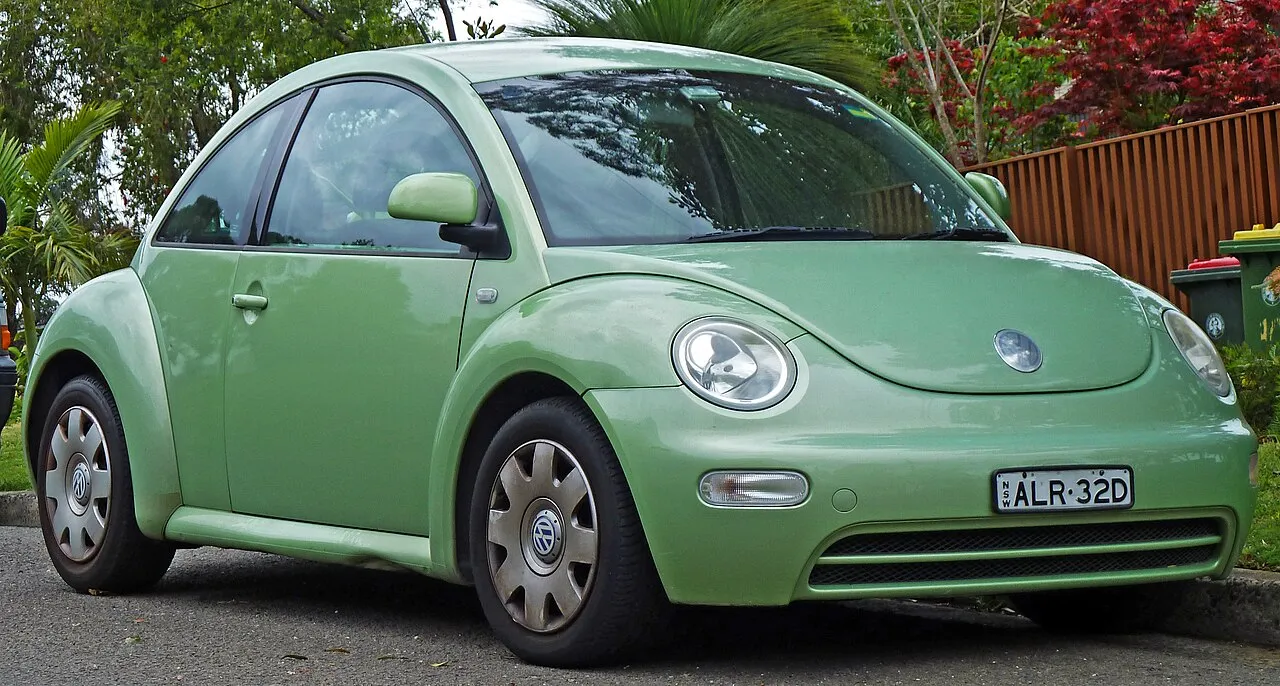
5. Volkswagen Beetle New Generation (1998 to 2010)
Reviving an iconic silhouette for contemporary audiences, the Volkswagen Beetle New Generation emerged in 1998 as a reinterpretation of a beloved classic. While its exterior paid homage to earlier designs through rounded contours and a distinctive roofline, its engineering reflected modern standards of safety and performance. Beneath its charming appearance lay a cabin organised around practical and tactile functionality.
Circular design elements defined the interior environment. Air vents mirrored the vehicle’s curved body shape, and climate controls featured large, easy-to-grasp rotary dials positioned beneath a centrally mounted speedometer. Audio buttons were spaced deliberately, facilitating intuitive adjustments during travel. Such arrangements reinforced operational simplicity and encouraged familiarity.
Despite its emphasis on visual character, the Beetle maintained commendable practicality. A rear hatch provided access to a usable cargo area suitable for everyday needs. Front seats offered adequate comfort for extended journeys, while rear seating accommodated passengers for shorter distances. Engine options included dependable four-cylinder units, with turbocharged variants introduced in later years to enhance performance.
Driving dynamics emphasised approachability. Steering was light yet sufficiently responsive to inspire confidence. Expansive windshield visibility enhanced situational awareness, particularly in urban settings. Physical controls responded with firm mechanical feedback, reflecting durability in construction.
Owners frequently regarded this model as a harmonious blend of personality and functionality. It demonstrated that nostalgic styling could coexist with disciplined engineering principles. Before the widespread adoption of touch-dominant dashboards, the Beetle New Generation preserved the tactile engagement that characterised earlier automotive eras, thereby offering drivers clarity, simplicity, and enduring charm.
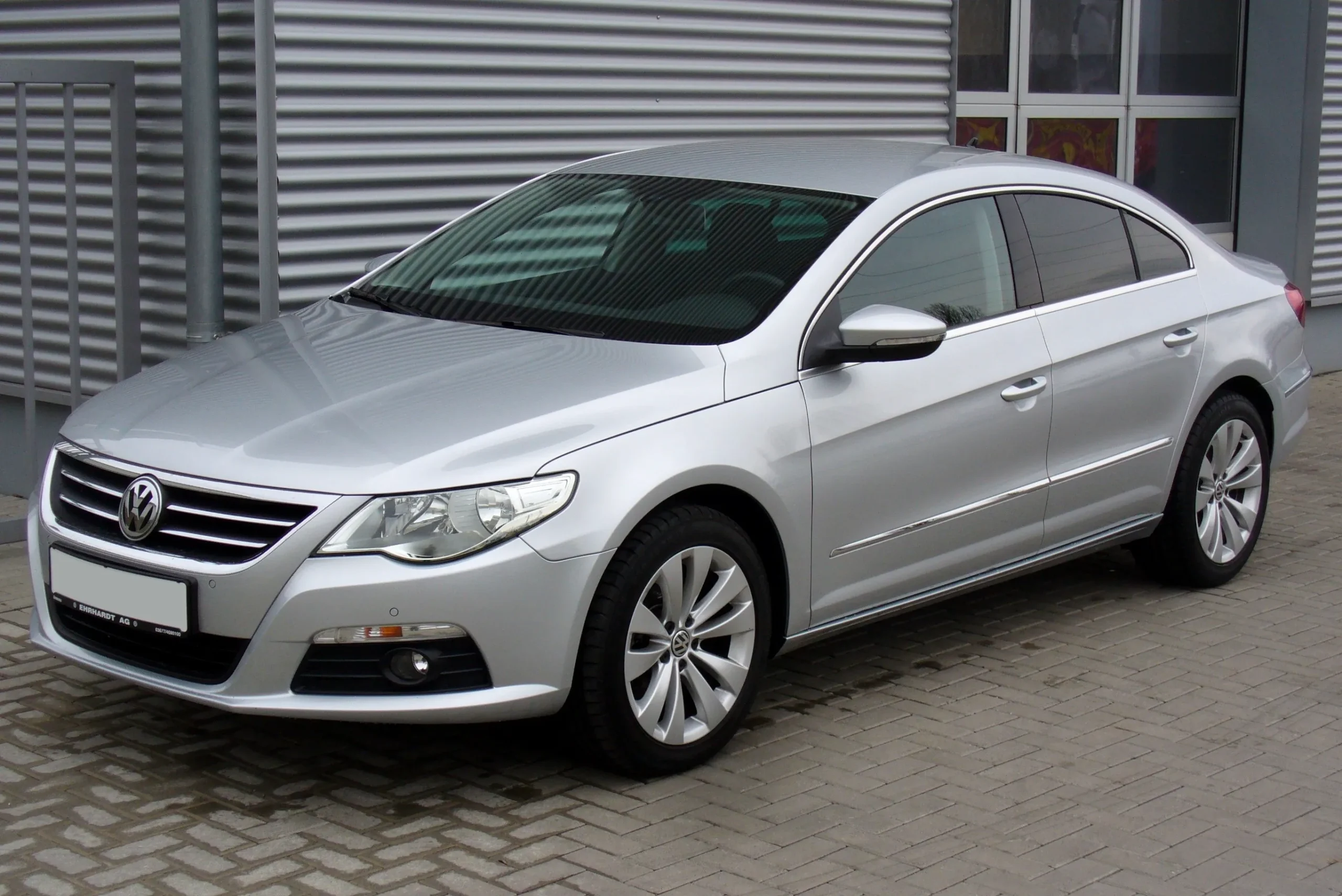
6. Volkswagen CC (2009 to 2017)
Distinguished by its graceful profile and coupe-inspired silhouette, the Volkswagen CC occupied a unique position within the brand’s range between 2009 and 2017. Designed as a four-door vehicle with the styling attributes of a coupe, it successfully combined aesthetic appeal with daily practicality.
Beyond its exterior presentation, the interior environment reflected a disciplined commitment to tactile functionality and driver-oriented ergonomics. Upon entering the cabin, one immediately observed a dashboard arranged with precision and clarity. Physical buttons, rotary dials, and clearly inscribed switches were positioned within comfortable reach of the driver.
Climate regulation relied on well-calibrated knobs that permitted immediate temperature adjustments without diverting attention from the road. Audio controls were situated beneath the central display and included preset buttons that responded with firm, mechanical feedback.
Heated seat functions and traction settings were accessed through dedicated controls, thereby eliminating reliance on layered digital interfaces. Powertrain options for the CC included a turbocharged four-cylinder engine and, in selected variants, a refined VR6 unit.
Acceleration was smooth and responsive, particularly when combined with Volkswagen’s dual-clutch transmission system. Steering exhibited commendable precision, providing the driver with a reassuring sense of command. The vehicle maintained composure during cornering while also delivering a comfortable ride during extended highway travel.
Interior materials reinforced the model’s premium orientation. Leather upholstery, brushed metallic trim, and supportive seating bolsters contributed to an atmosphere of restrained sophistication. Despite its upscale aspirations, the layout remained approachable and free from unnecessary complication.
Every button and dial served a clearly defined purpose, promoting ease of operation. Drivers who valued refinement without excessive digital dependency found the CC especially appealing. It demonstrated that contemporary styling could coexist harmoniously with tactile control systems.
Even as large touchscreens became increasingly prevalent within the automotive sector, the Volkswagen CC preserved a hands-on interface that prioritised certainty, responsiveness, and mechanical clarity.
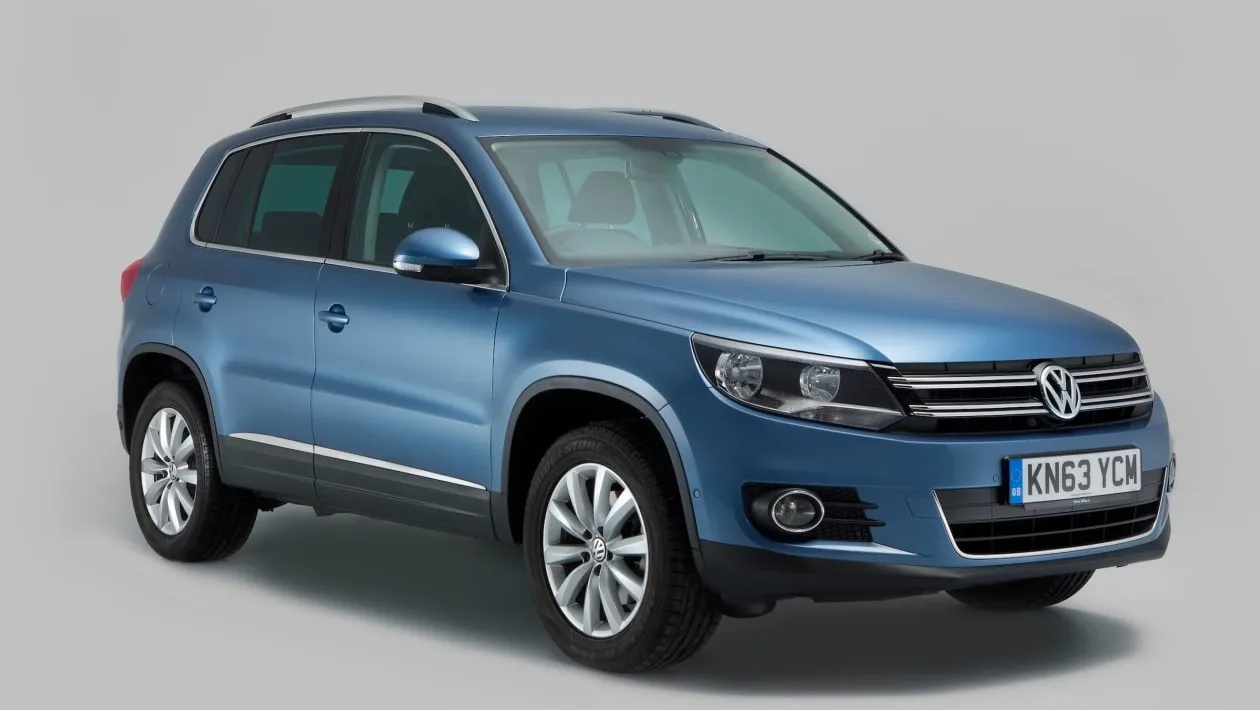
7. Volkswagen Tiguan First Generation (2008 to 2017)
Practicality and measured design defined the first-generation Volkswagen Tiguan, produced between 2008 and 2017. Developed during a period of growing demand for compact sport utility vehicles, the Tiguan combined manageable dimensions with the elevated driving position sought by many motorists.
Its interior configuration reflected a commitment to functionality through physical controls arranged with deliberate simplicity. Central to the cabin’s design were three prominent rotary knobs governing the heating and ventilation system. These controls allowed the driver to adjust temperature and airflow directly, without recourse to digital menus.
Audio systems incorporated dedicated preset buttons and clearly marked volume controls. Driving assistance features, including traction regulation, were activated through labelled switches positioned conveniently near the centre console. Such an arrangement encouraged familiarity and reduced operational distraction.
A turbocharged four-cylinder engine powered the Tiguan throughout much of its production run. This engine delivered balanced performance suited to both urban commuting and motorway travel. Manual and automatic transmission options were available, providing flexibility according to driver preference.
Selected variants featured all-wheel drive capability, enhancing traction in challenging weather conditions. Interior seating was designed with attention to comfort and support. Front seats provided adequate bolstering, while the adjustable rear bench accommodated both passengers and luggage with ease.
Cargo expansion relied upon mechanical seat releases, reinforcing the tactile philosophy present throughout the vehicle. Material selection within the cabin reflected durability and restraint. Buttons maintained consistent resistance after repeated use, and dials operated smoothly without looseness.
Owners frequently appreciated the logical placement of controls, which facilitated intuitive operation following brief familiarity. The first-generation Tiguan represented a disciplined approach to compact sport utility design. By emphasising physical engagement through tangible controls, it offered a practical alternative to increasingly digitised cabin environments.
For drivers who preferred straightforward operation and dependable ergonomics, this model provided a compelling and enduring choice.
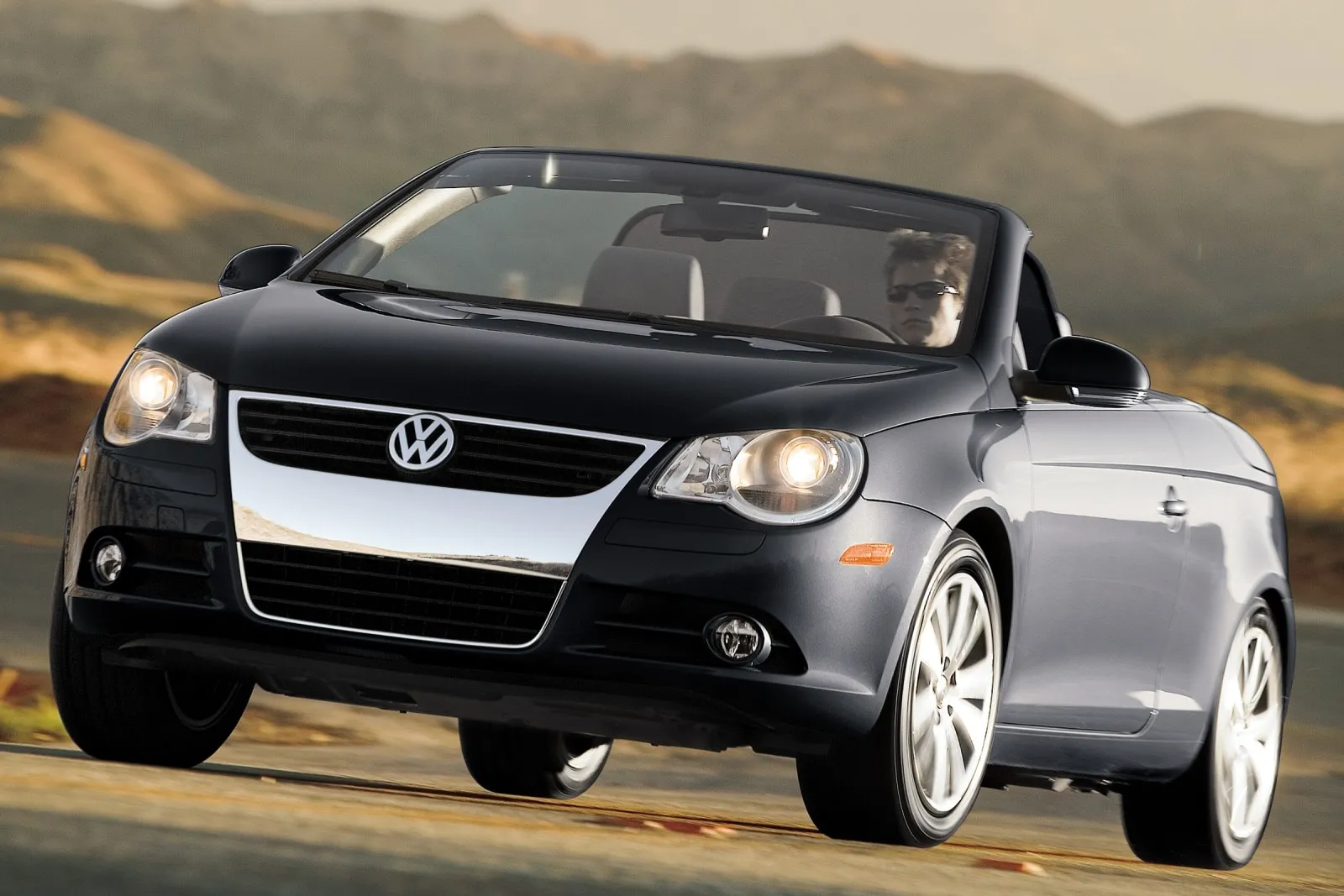
8. Volkswagen Eos (2007 to 2016)
Distinct among its contemporaries, the Volkswagen Eos introduced a retractable hardtop mechanism that combined the pleasures of open-air driving with structural refinement. Beneath its sculpted exterior, the interior layout adhered to Volkswagen’s disciplined approach to tactile functionality.
The operation of the folding roof relied upon a dedicated switch that initiated a carefully engineered mechanical sequence. Climate management employed rotary dials and push buttons positioned clearly within the center console. Window controls were mounted conveniently on the door panels, providing immediate access without distraction.
Engine offerings centered on turbocharged four-cylinder configurations that delivered energetic yet manageable performance. Suspension tuning sought equilibrium between agility and ride comfort, rendering the Eos suitable for both spirited drives and daily commuting responsibilities. Steering response maintained clarity, reinforcing driver confidence.
Cabin presentation balanced elegance with practicality. Upholstery options included leather finishes that complemented metallic trim accents. Despite its convertible character, interior ergonomics emphasized straightforward operation. Each press of a button generated a tangible click, affirming durability and mechanical precision.
By retaining conventional switchgear while offering modern engineering features, the Eos bridged style and substance. It stood as evidence that innovation need not abandon tactile clarity. For individuals who valued convertible freedom paired with structured control layouts, this model offered a compelling proposition.
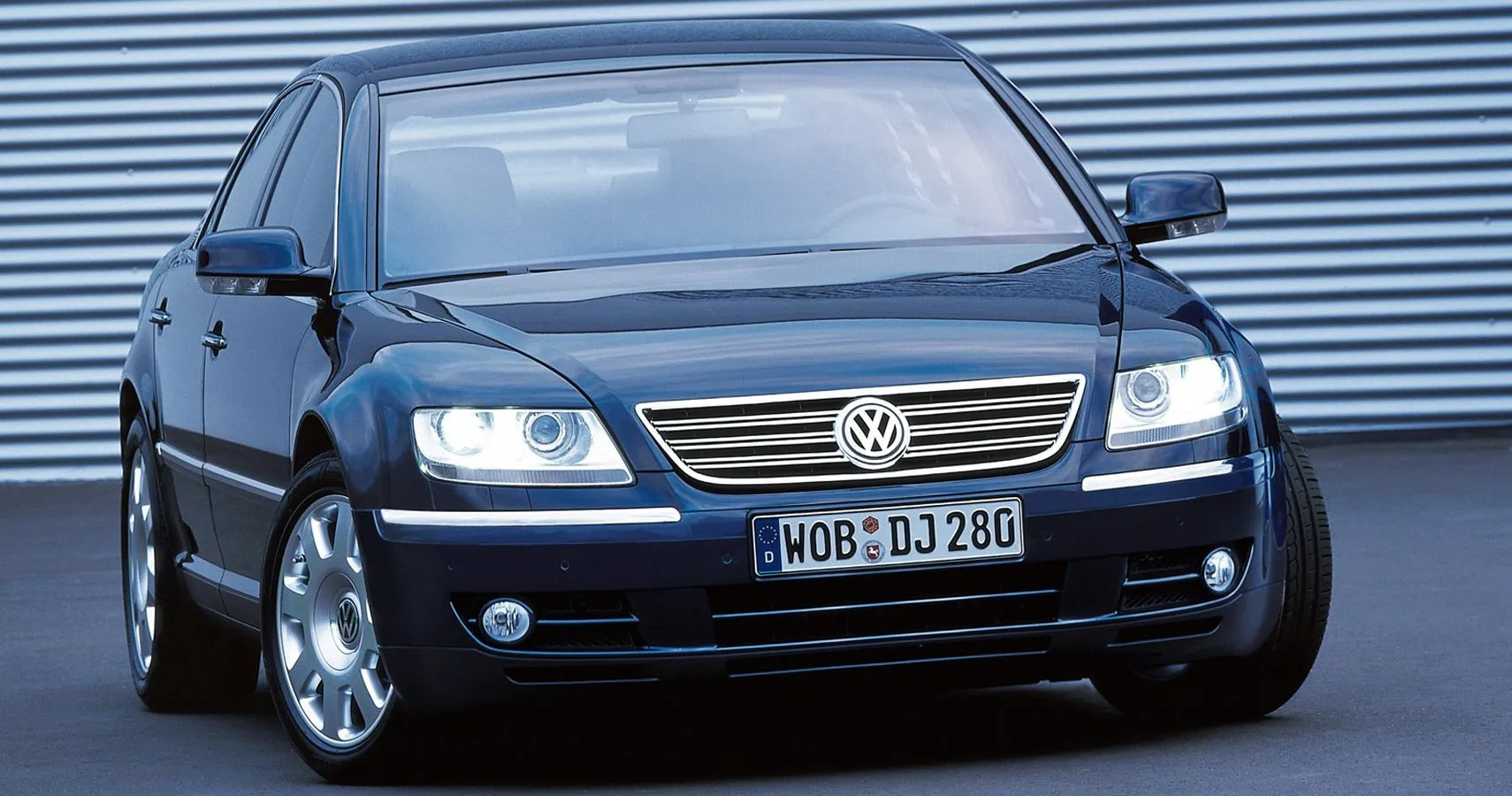
9. Volkswagen Phaeton (2004 to 2006 in the United States)
Luxury aspirations reached their height with the Volkswagen Phaeton, a flagship sedan introduced to compete with established executive vehicles. While understated in exterior branding, its interior displayed meticulous craftsmanship anchored by disciplined physical control design.
Climate regulation incorporated separate rotary dials for individual zones, permitting precise temperature management for each occupant. Seat heating and ventilation were operated through clearly identified switches, eliminating ambiguity. The infotainment interface surrounded a central screen with structured buttons, enabling straightforward navigation of audio and communication functions.
Power options included a refined V8 engine and, in certain markets, a W12 configuration that delivered smooth acceleration befitting an executive sedan. Air suspension systems contributed to ride composure, insulating passengers from road irregularities. Sound insulation measures enhanced cabin serenity.
Interior materials reflected careful selection. Wood veneers, high-grade leather, and precisely aligned panels conveyed attention to detail. Despite its luxury orientation, the Phaeton avoided reliance on purely digital controls. Physical switches retained prominence, reinforcing operational clarity.
Although sales volumes remained modest, the vehicle demonstrated Volkswagen’s engineering capability at the upper end of the market. It combined technical ambition with an adherence to tactile functionality rarely seen in later luxury designs. For drivers seeking refined comfort without surrendering physical engagement, the Phaeton represented a thoughtful synthesis of tradition and advancement.
Also Read: Top 10 Underrated Japanese Sports Cars That Are Not Supras
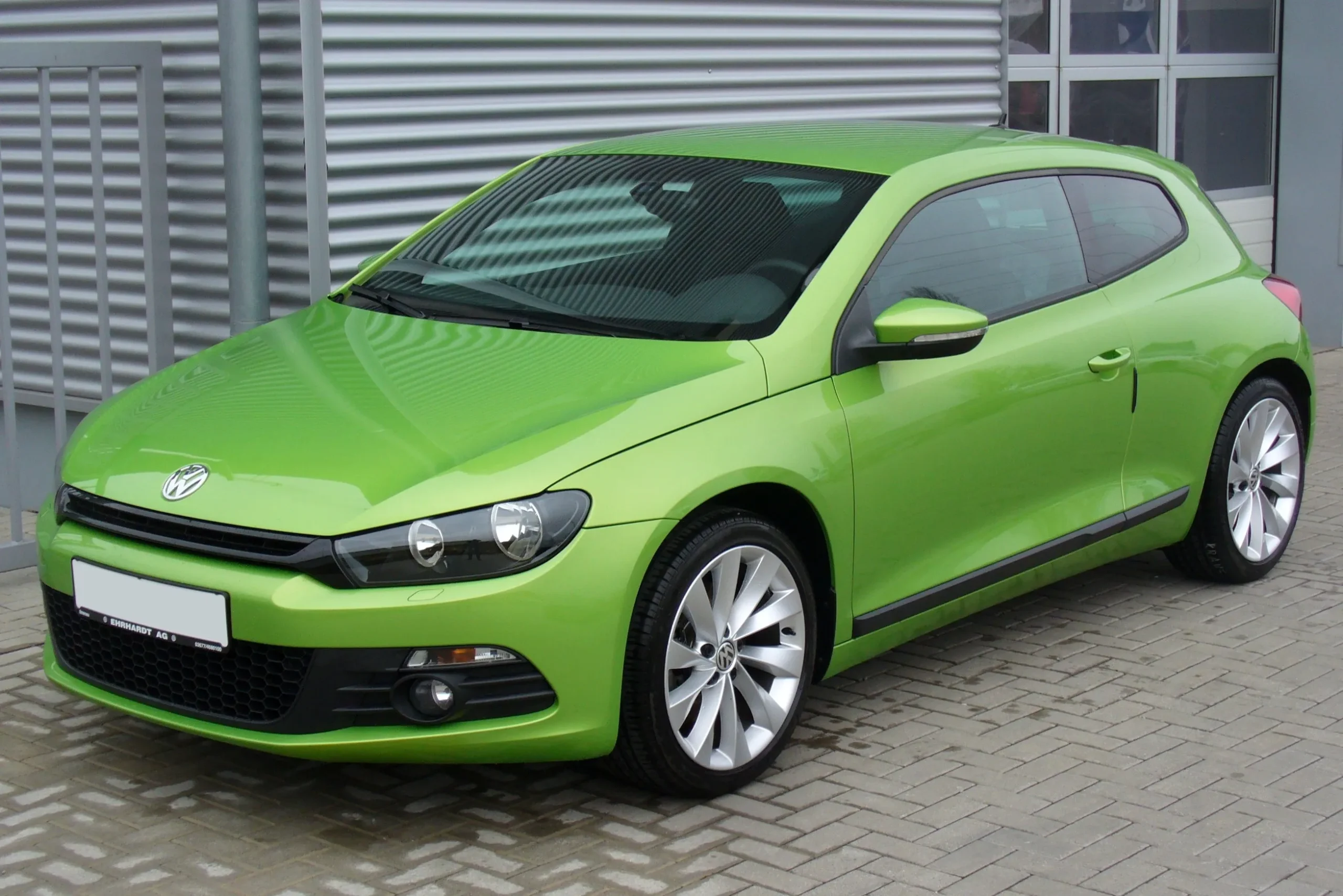
10. Volkswagen Scirocco Mk3 (2008 to 2017)
Sport-oriented design characterized the third-generation Volkswagen Scirocco. Reviving a historic nameplate, this compact coupe projected athletic intent through its low stance and assertive front fascia. Inside, a structured dashboard maintained Volkswagen’s commitment to physical interaction.
Auxiliary gauges positioned atop the center stack provided immediate data such as turbo pressure and oil temperature. Climate adjustments relied upon sturdy rotary dials placed beneath the infotainment display. Audio functions and driving aids were accessed through well-spaced buttons arranged for intuitive reach.
Engine selections ranged from efficient four-cylinder units to high-performance turbocharged variants, including the R model. Acceleration proved lively, and chassis tuning delivered responsive cornering behavior. Steering feedback communicated road conditions clearly, enhancing driver engagement.
Seating design complemented the vehicle’s dynamic character. Bolstered seats secured occupants during spirited driving while preserving comfort for routine travel. Materials throughout the cabin reflected durability, with controls engineered to withstand frequent use.
Physical buttons contributed meaningfully to the driving experience. Drivers could modify settings swiftly without reliance on layered software interfaces. This arrangement supported concentration and reinforced the mechanical connection between the driver and the vehicle.
The Scirocco Mk3 represented a transitional chapter before the widespread adoption of expansive touch displays. By retaining tactile clarity alongside modern engineering, it offered a satisfying blend of performance and practicality. For motorists who value tangible feedback within a performance-oriented coupe, this model remains a persuasive example of thoughtful automotive design.
