
Fresh technology often feels exciting when a new vehicle hits the showroom floor, yet automotive innovation moves at a relentless pace. A feature that seems cutting-edge today can become outdated faster than most drivers expect.
Touchscreens grow larger, software updates arrive more often, and driver assistance systems improve at a steady clip. As a result, features currently advertised as modern may appear surprisingly old-fashioned by 2028.
Car manufacturers are racing to integrate smarter connectivity, cleaner powertrains, and more intuitive interfaces into everyday driving. Buyers now expect seamless phone integration, advanced safety tools, and personalized digital environments inside their vehicles.
At the same time, companies continue experimenting with automation and artificial intelligence to reshape how drivers interact with cars. Progress rarely pauses, which means even recent models can age quickly in terms of technology.
Certain features already show signs of becoming outdated. Large touchscreens without tactile controls, traditional key fobs, and limited-range electric batteries may soon feel like relics from an earlier stage of automotive development. As new systems roll out, expectations rise, and yesterday’s innovations lose their shine.
This page looks ahead to 2028 and highlights ten features found in new cars today that could feel ancient in just a few short years. Each example comes from a current production vehicle, illustrating how quickly trends expand. Technology never stands still, and what feels modern now may soon feel like a memory from a different era of driving.
1. 2024 Toyota Camry and the Traditional Key Fob Experience
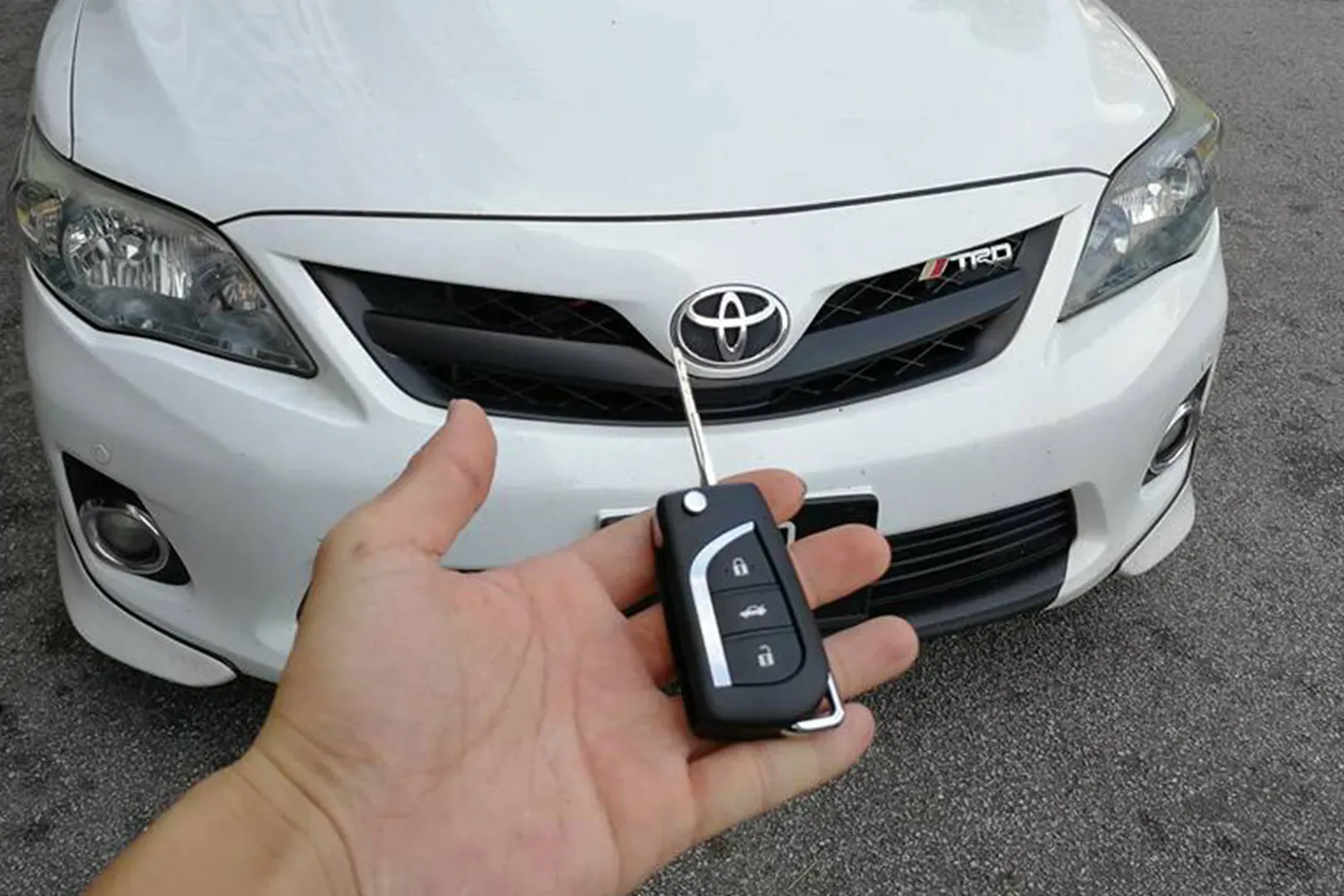
Picture a busy parking lot where drivers still reach into their pockets to press a small button on a plastic remote. That familiar click unlocks the 2024 Toyota Camry, a dependable midsize sedan equipped with a traditional key fob. While the feature remains practical, its days as a primary entry method appear numbered as smartphone-based access continues gaining traction.
Physical key fobs have served drivers for decades, offering convenience and security in a compact form. Locking and unlocking doors from a distance once felt revolutionary, and push-button ignition elevated the experience even further. Yet current trends point toward digital keys that live inside smartphones or wearable devices.
Several automakers already offer apps that unlock doors, start engines, and personalize driver settings automatically. By 2028, carrying a separate key fob may feel like carrying an extra remote control in an age dominated by integrated digital ecosystems.
Digital keys bring advantages beyond simple convenience. Remote vehicle monitoring, geofencing, and shared access for family members become easier when everything runs through a connected device.
Drivers can grant temporary access to a friend or delivery driver without handing over a physical object. Software updates can enhance security protocols without requiring new hardware. These capabilities make traditional key fobs seem limited in comparison.
Toyota continues refining smartphone integration across its lineup, yet the Camry still relies heavily on the familiar fob for everyday access. While reliable, the system lacks the seamless experience offered by emerging digital key platforms. Future vehicles will likely treat physical keys as backups rather than primary tools.
By 2028, unlocking a car with a standalone remote may feel as dated as using a flip phone. Vehicles will recognize drivers through devices already in their pockets or even through biometric identification. The trusty key fob will remain functional, but its central role in daily driving is quietly fading.
2. 2024 Honda CR-V and Basic Touchscreen Infotainment
Step inside the 2024 Honda CR-V and a clean touchscreen greets the driver from the center of the dashboard. The system supports smartphone mirroring, navigation, and audio streaming. While easy to use, this style of infotainment may look outdated within a few years as automotive interfaces move toward immersive digital environments.
Current infotainment systems rely on flat touchscreens with menu-driven controls. Drivers tap icons to access features, much like using a tablet.
Although functional, these systems require visual attention and physical interaction that can distract from the road. Automakers are now developing voice-driven assistants powered by advanced artificial intelligence. These systems understand natural speech, anticipate driver needs, and adjust settings without requiring manual input.
Augmented reality displays also stand poised to transform the cabin experience. Instead of glancing down at a central screen, drivers will receive navigation prompts projected directly onto the windshield. Information will appear in context with the road ahead, creating a more intuitive interface. Gesture controls and haptic feedback may replace traditional touch inputs, reducing the need to interact with a flat screen entirely.
Honda’s infotainment design emphasizes simplicity and reliability, yet it still reflects the current generation of touchscreen technology. Software updates can improve functionality, though hardware limitations remain. Larger integrated displays stretching across dashboards are already appearing in luxury models, hinting at the direction mainstream vehicles will follow.
By 2028, tapping through menus on a basic touchscreen could feel like using an early smartphone. Voice commands, predictive systems, and immersive displays will set new expectations. Drivers may look back at today’s infotainment setups and see them as stepping stones toward a more seamless and intelligent driving environment.
Also Read: 10 Budget Track Cars That Survive Abuse
3. 2024 Ford F-150 and Physical Climate Control Buttons
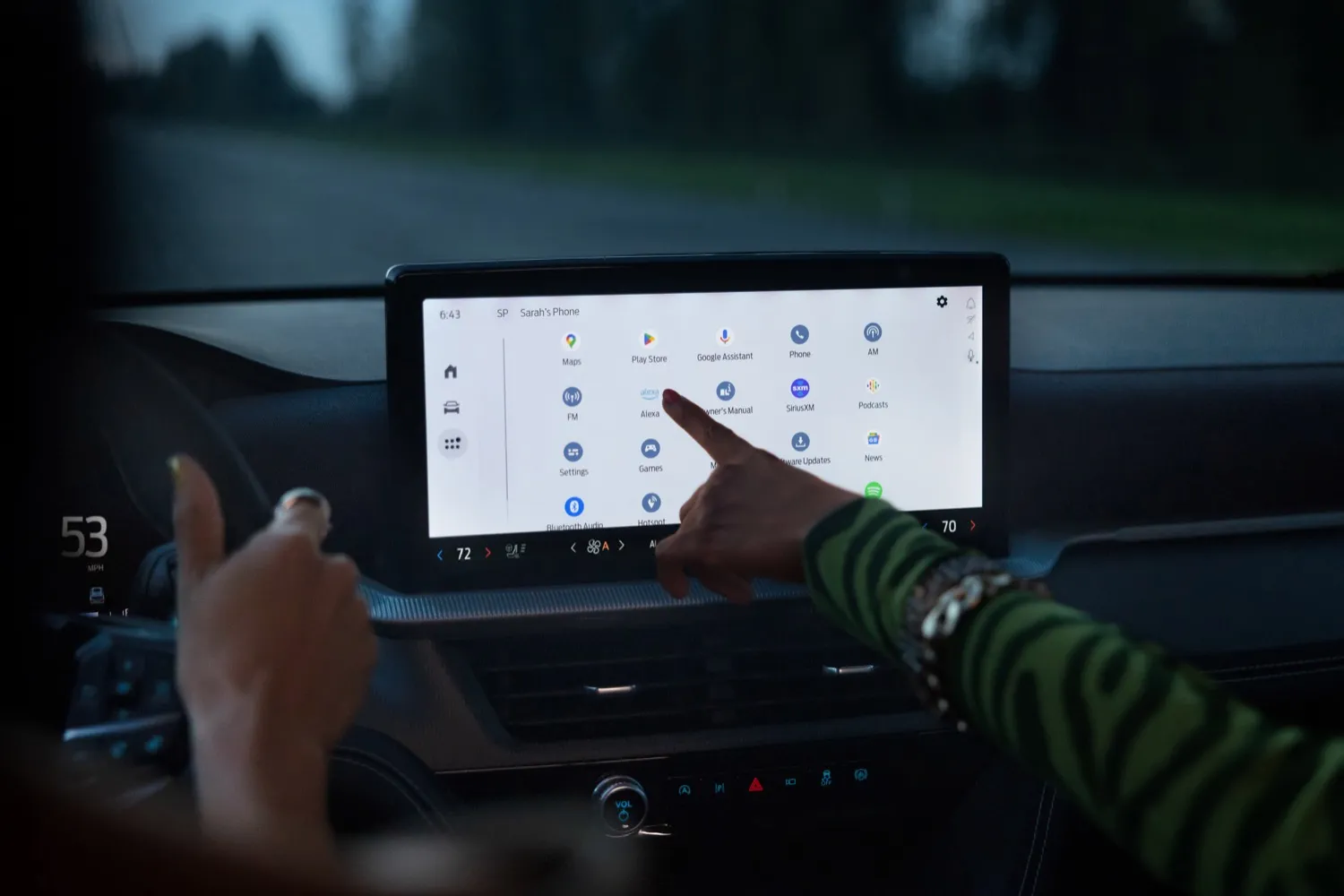
Open the door of a 2024 Ford F-150, and you will find a familiar layout beneath the central screen. Rows of physical buttons and knobs control temperature, fan speed, and airflow direction. These tactile controls provide clarity and ease of use, yet they may appear outdated once fully digital climate systems become standard.
Traditional climate controls rely on manual adjustments. Drivers turn knobs, press buttons, and monitor small displays to set cabin temperature. This approach has remained largely unchanged for years. Newer vehicles, however, are moving toward automated climate systems that use sensors and artificial intelligence to maintain comfort without constant input. Future cabins will monitor occupancy, sunlight, and personal preferences to adjust conditions automatically.
Advanced voice control will also reshape how drivers interact with climate settings. Instead of reaching for a dial, a simple spoken request will adjust temperature or airflow instantly. Personalized profiles will recognize individual passengers and apply their preferred settings without manual intervention. These improvements will make physical controls seem less necessary.
Ford continues to include tactile buttons in the F-150 to ensure usability, especially for drivers wearing gloves or operating in rugged conditions. While practical today, this design may give way to fully integrated digital panels and adaptive systems that require minimal interaction. As automation improves, manual adjustments will become less common.
By 2028, turning a knob to change cabin temperature may feel reminiscent of older vehicles that required manual tuning for radio stations. Climate systems will likely operate quietly in the background, maintaining comfort without demanding attention. Physical buttons will still function, though they may appear like relics from a more hands-on era of driving.
4. 2024 BMW 3 Series and Gesture Control Experiments
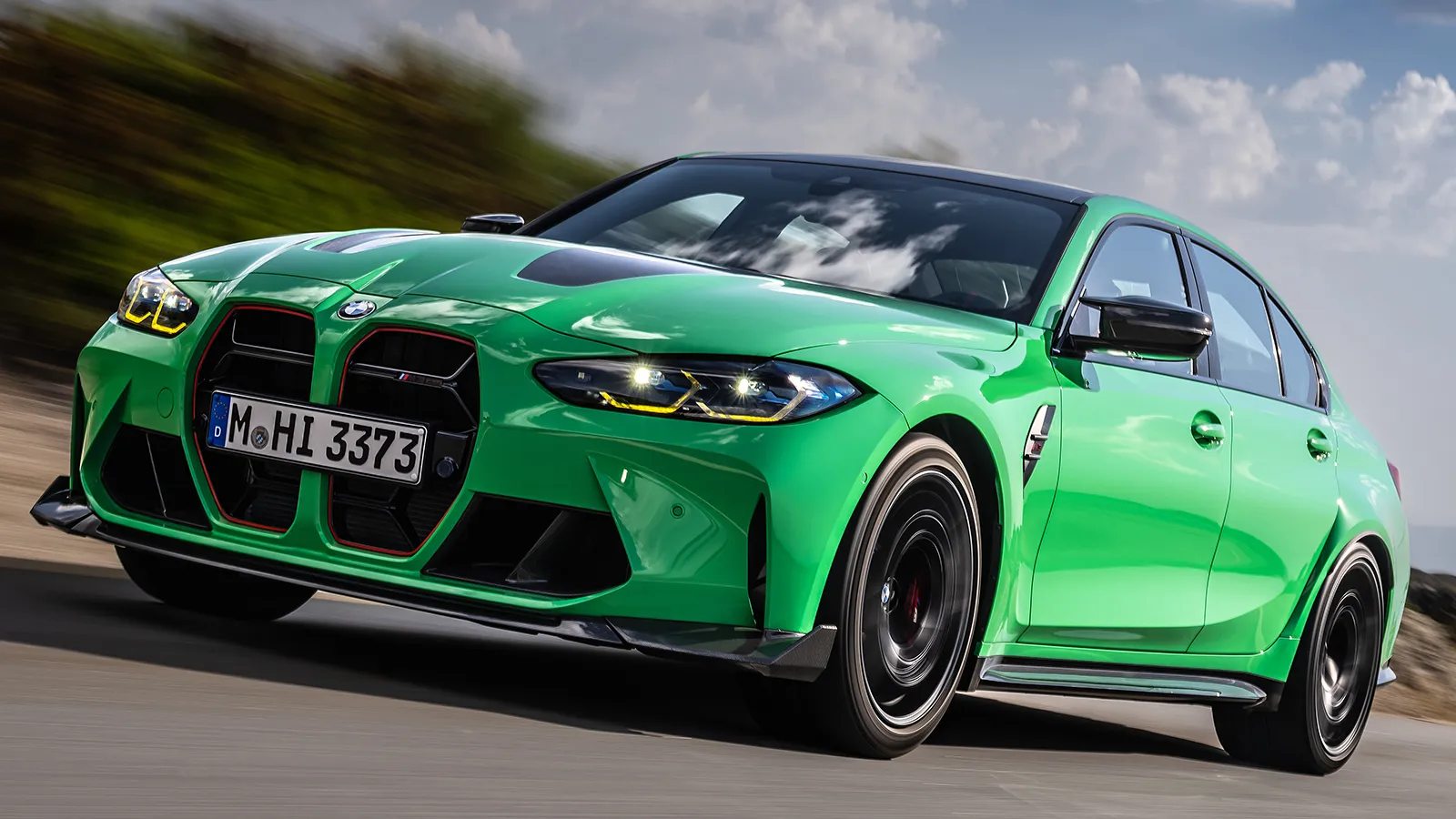
Innovation sometimes arrives in experimental form, and the 2024 BMW 3 Series showcases this with its gesture control system. Drivers can wave a hand near the center console to adjust volume or answer calls. The feature feels futuristic today, yet it may soon seem like an early attempt at a concept that developed in a different direction.
Gesture control aims to reduce physical contact with screens and buttons. A simple motion can perform tasks without requiring direct touch. While impressive in demonstrations, real-world use often proves inconsistent. Drivers must remember specific gestures and perform them within a defined sensor range. Accidental movements can trigger unintended commands, leading to frustration rather than convenience.
Voice recognition technology continues to improve at a rapid pace. Natural language assistants now understand conversational speech and respond accurately. This approach eliminates the need for memorizing gestures or performing precise movements. As artificial intelligence becomes more sophisticated, voice-based interaction will likely dominate in car interiors.
Augmented reality and eye tracking systems are also entering development. Vehicles may soon detect where a driver is looking and provide information accordingly. A glance at the navigation display could trigger route details without requiring any physical or gestural input. These advancements will make gesture-based systems feel like transitional technology.
BMW introduced gesture control as a look into future interaction methods, yet the feature may age quickly. By 2028, waving a hand to adjust audio could feel less intuitive than speaking naturally to an intelligent assistant. Drivers will expect systems that respond seamlessly without requiring rehearsed motions.
Gesture control represents an inventive step in automotive design. Its presence in current models highlights the experimental phase of user interface development. As technology advances, this once futuristic feature may soon appear like a curious footnote in the evolution of vehicle interaction.
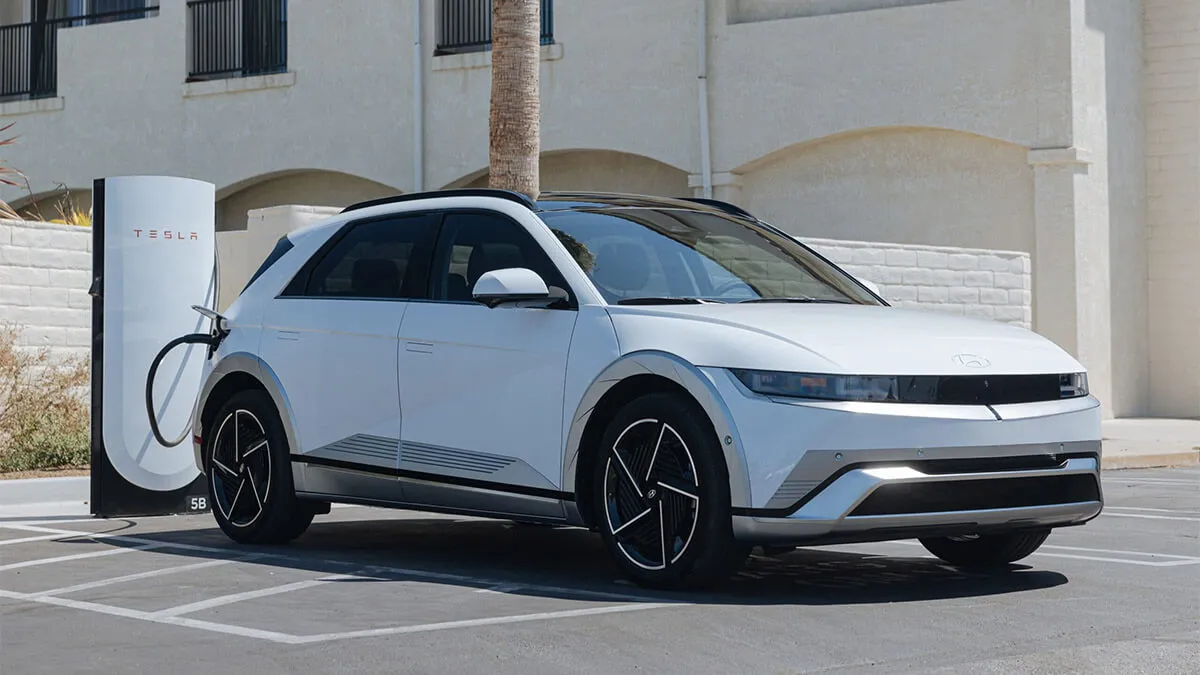
5. 2024 Hyundai Ioniq 5 and Limited Fast Charging Infrastructure
Electric vehicles promise cleaner transportation, and the 2024 Hyundai Ioniq 5 stands among the most forward-thinking models available today. Equipped with fast charging capability and modern battery technology, it offers impressive convenience for daily driving. Still, reliance on current charging infrastructure could make today’s systems feel outdated by 2028.
Charging networks continue expanding, yet availability and speed vary widely depending on location. Drivers often plan routes around charging stations and wait during longer trips. Even fast chargers require several minutes to restore a huge range. As battery technology advances, charging times will decrease dramatically. Solid-state batteries and ultra-fast charging systems under development may reduce charging stops to just a few minutes.
Wireless charging also holds promise for the near future. Parking over a charging pad could replenish battery levels without plugging in a cable. Public roads equipped with embedded charging technology may eventually allow vehicles to recharge while driving. These developments would transform how electric vehicles maintain power.
The Ioniq 5 represents a strong step toward efficient electric mobility, yet it still reflects current infrastructure limitations. Drivers must remain aware of station availability and charging speeds. Software updates and network growth will improve convenience, though hardware constraints remain.
By 2028, plugging in at a public charger and waiting for a session to complete may feel outdated. Rapid charging and widespread infrastructure will likely reduce downtime and planning. Early electric vehicle experiences will be remembered as the first stage of a much faster and more seamless system.
Electric mobility continues evolving at an impressive pace. Features that seem advanced today may soon appear like early chapters in a rapidly advancing story of automotive technology.
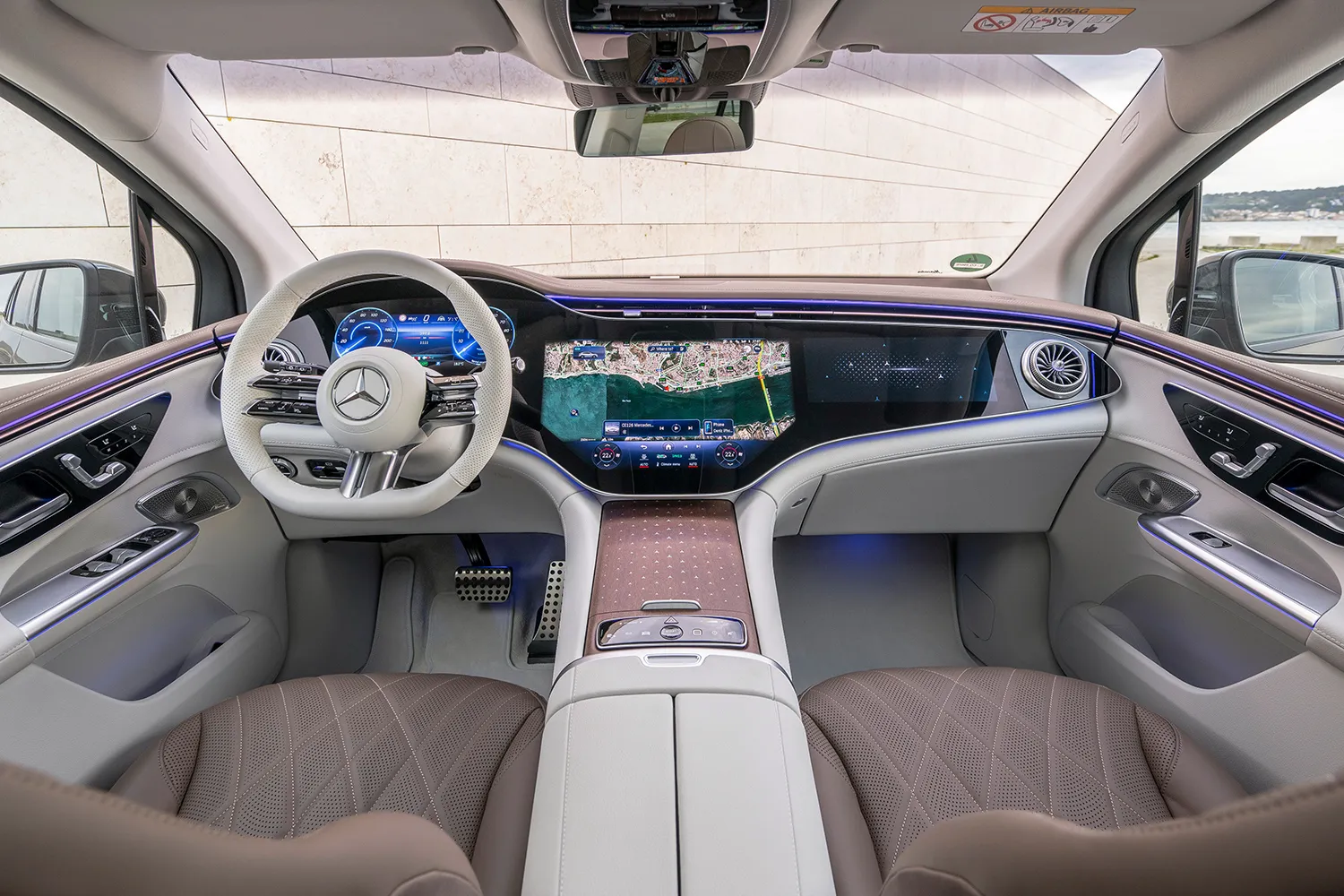
6. 2024 Mercedes-Benz EQE and Screen Heavy Dashboards
Step into the 2024 Mercedes-Benz EQE, and you are greeted by an interior dominated by glass and glowing displays. Screens stretch across the dashboard, merging instrumentation, infotainment, and passenger controls into a single digital wall. Today, this design feels futuristic and luxurious. Within a few short years, this screen-heavy approach could feel dated as cabin technology evolves toward subtler and more adaptive interfaces.
Large displays currently serve as visual centerpieces in many premium vehicles. Automakers use them to present navigation, entertainment, climate settings, and vehicle data. Drivers interact through touch, swipe gestures, and on-screen menus. While visually impressive, this setup still requires frequent attention and manual input. Newer technologies aim to reduce the need for constant visual interaction.
Voice-driven systems powered by advanced artificial intelligence are gaining accuracy and responsiveness. These assistants can manage navigation, adjust settings, and provide information without requiring the driver to look away from the road. As these systems improve, reliance on massive touchscreens will decline. Cabin environments will feel calmer, with fewer bright surfaces competing for attention.
Augmented reality projections are also on the horizon. Instead of staring at a central display, drivers will see navigation cues and alerts projected directly onto the windshield. Information will appear within the driver’s natural field of vision. Holographic elements may even allow passengers to interact with controls in midair, reducing the need for fixed screens.
Mercedes-Benz currently positions its expansive digital dashboard as a premium feature. Yet this generation of screen-centric interiors may soon resemble early flat-panel televisions compared to future innovations. Designers are already experimenting with hidden displays that appear only when needed, preserving a cleaner aesthetic.
By 2028, a dashboard filled with screens could feel excessive. Drivers will expect interfaces that respond intelligently without demanding constant visual engagement. The impressive glass surfaces in today’s luxury sedans will still function, though they may remind owners of an earlier stage in the journey toward seamless automotive technology.
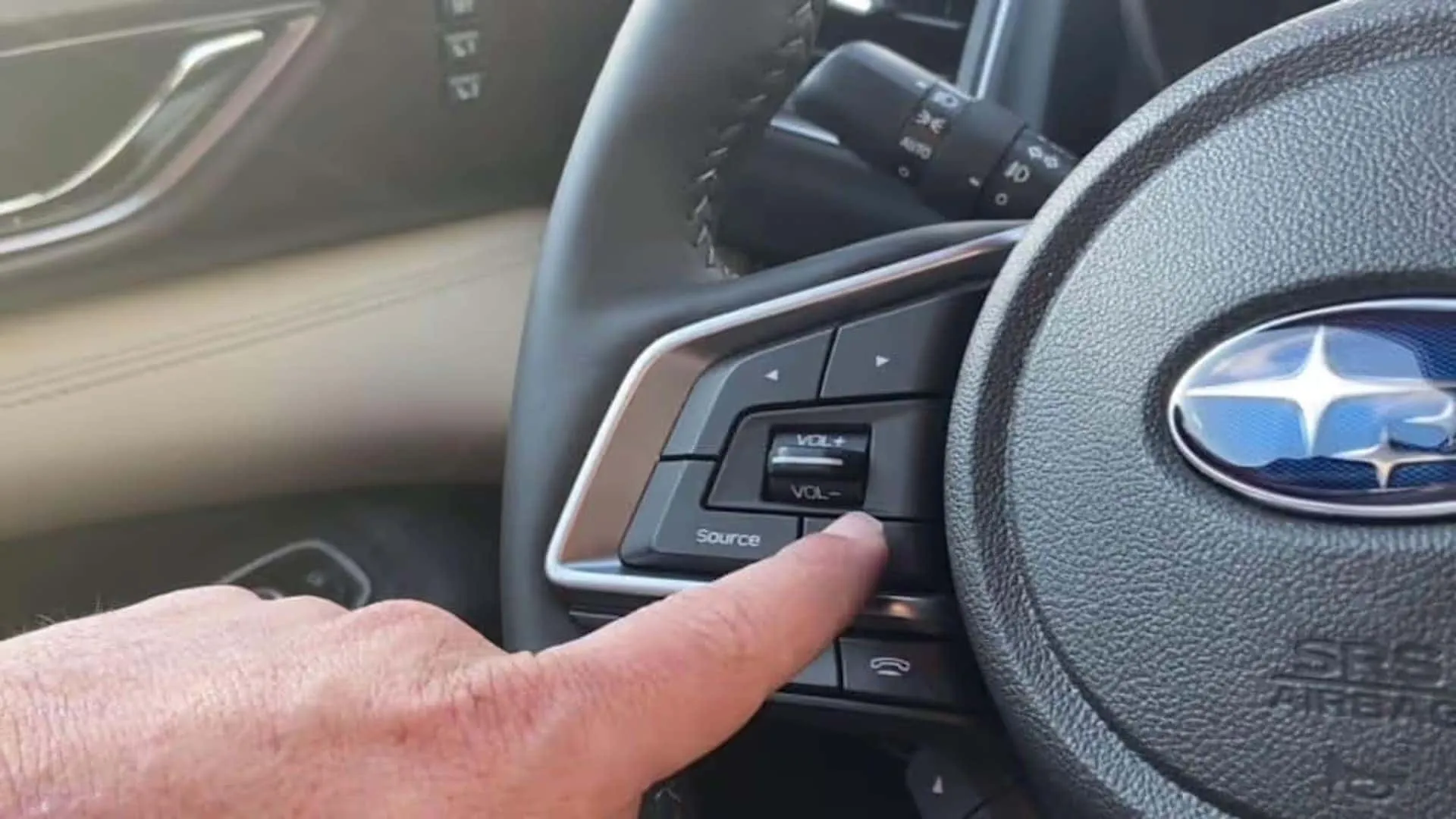
7. 2024 Subaru Outback and Traditional Driver Assistance Alerts
A long highway drive in the 2024 Subaru Outback highlights how modern safety systems communicate with drivers. Lane departure warnings beep, adaptive cruise control maintains speed, and collision alerts flash across the display. These systems provide valuable assistance, yet their method of communication may soon feel primitive compared to what lies ahead.
Current driver assistance technologies rely heavily on audible warnings and visual notifications. Drivers hear chimes when drifting out of a lane or approaching another vehicle too quickly. Visual alerts appear on dashboards or head-up displays. While effective, this approach can feel reactive rather than predictive. Drivers often receive warnings only after a potential issue begins developing.
Future systems aim to anticipate situations before they require correction. Advanced sensors, vehicle-to-vehicle communication, and machine learning will allow cars to analyze surrounding traffic patterns and driver behavior in real time. Instead of sounding alarms, vehicles will make subtle adjustments to maintain safety. Steering, braking, and acceleration will adapt smoothly without startling the driver.
Haptic feedback will likely replace many audible alerts. Steering wheels and seats may gently vibrate to guide attention in the correct direction. These physical cues guide without adding noise to the cabin. Combined with improved automation, they will create a more intuitive partnership between driver and vehicle.
Subaru has built a reputation for dependable safety technology, and the Outback reflects that commitment. Still, the current generation of alerts relies on sounds and symbols that may feel abrupt compared to future systems. As semi-autonomous capabilities expand, drivers will expect assistance that feels natural rather than intrusive.
By 2028, frequent beeps and flashing icons could resemble early warning systems from a less refined era. Vehicles will communicate through smoother interventions and subtle feedback. Safety will remain a priority, yet the way it integrates into daily driving will feel far more seamless than what exists today.
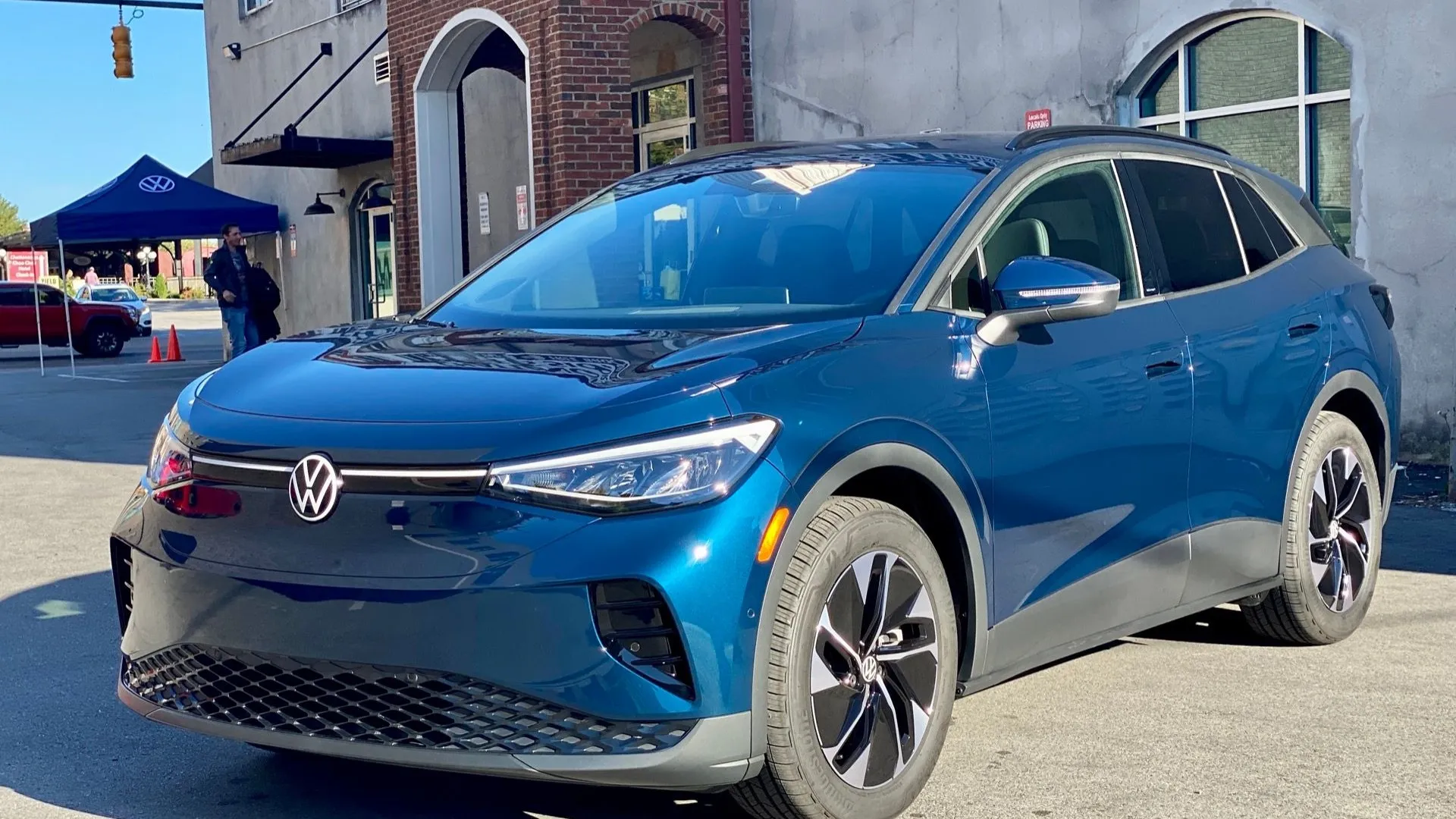
8. 2024 Volkswagen ID 4 and Limited Range Electric Batteries
Electric mobility continues gaining popularity, and the 2024 Volkswagen ID 4 represents a practical step toward widespread adoption. With a competitive range and everyday usability, it meets the needs of many drivers. Battery technology, however, is advancing rapidly. What feels sufficient today may appear limited just a few years from now.
Current electric vehicles typically offer between 250 and 350 miles of driving range per charge. For most daily routines, this range works well. Longer trips still require planning around charging stops, which can extend travel time. Battery chemistry improvements under development promise far greater energy density. Vehicles arriving later in the decade may exceed 500 miles of range on a single charge.
Solid-state battery technology is receiving intense research investment. These batteries aim to store more energy while charging faster and lasting longer. Reduced charging times will make electric vehicles more convenient for extended travel. Drivers may soon spend only a few minutes recharging instead of planning lengthy stops.
Energy efficiency improvements will also extend range without increasing battery size. Lighter materials, advanced aerodynamics, and smarter energy management systems will allow vehicles to travel farther using less power. Software updates may optimize performance automatically based on driving habits and environmental conditions.
Volkswagen designed the ID 4 to balance affordability with practicality. Its current range suits present-day expectations, yet rapid progress in battery development will raise standards quickly. Drivers purchasing electric vehicles in the near future will expect longer range and faster charging as standard features.
By 2028, stopping frequently to recharge during long trips could feel like an outdated inconvenience. Electric vehicles will likely travel farther and recharge faster than ever before. Early models with today’s battery capabilities will remain functional, though their limitations may highlight just how quickly electric technology continues advancing.
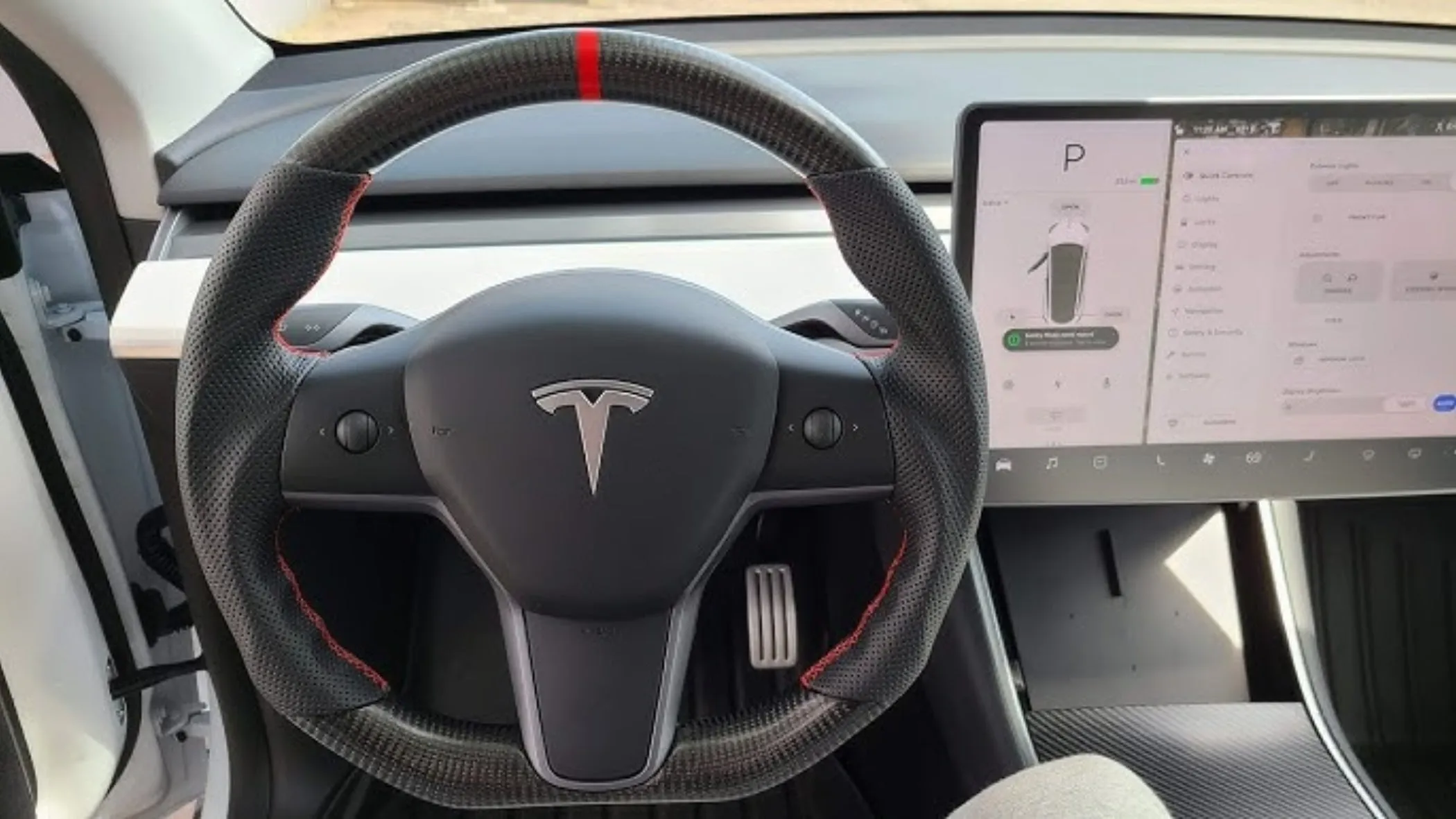
9. 2024 Tesla Model 3 and Manual Steering Wheel Adjustments
Comfort behind the wheel often begins with proper positioning, and the 2024 Tesla Model 3 offers power-adjustable seating and steering. Even with its advanced design, drivers still manually adjust steering wheel height and reach through on-screen controls or simple switches. This approach may soon feel outdated as personalization technology becomes more sophisticated.
Current vehicles allow drivers to create profiles that store seat positions and mirror settings. Steering adjustments still require manual input in many cases. Future vehicles will likely rely on biometric recognition to identify drivers instantly. Facial recognition or smartphone pairing will activate personalized settings before the driver even settles into the seat.
Automated positioning systems will adapt steering, seating, and mirrors based on individual body dimensions. Sensors could measure posture and adjust ergonomics automatically to reduce fatigue during long drives. These systems will operate seamlessly, removing the need for manual adjustments entirely.
Artificial intelligence will also learn driver preferences through daily use. Cabin temperature, audio volume, and display layouts will adapt without requiring repeated input. Each drive will feel tailored to the individual without requiring conscious configuration. Passengers may receive personalized settings as well, creating a more comfortable environment for everyone.
Tesla continues pushing boundaries in software-driven vehicle design. The Model 3 already supports over-the-air updates and driver profiles. Manual steering adjustments still exist, reflecting current hardware limitations. As personalization technology improves, physical or menu-based adjustments will become less common.
By 2028, reaching for control to reposition the steering wheel could feel like adjusting a manual seat in an older car. Vehicles will anticipate preferences and configure themselves automatically. Driving will begin with a cabin that feels perfectly tuned from the moment the door closes.
Also Read: 10 V8 Muscle Cars You Can Comfortably Drive Every Day
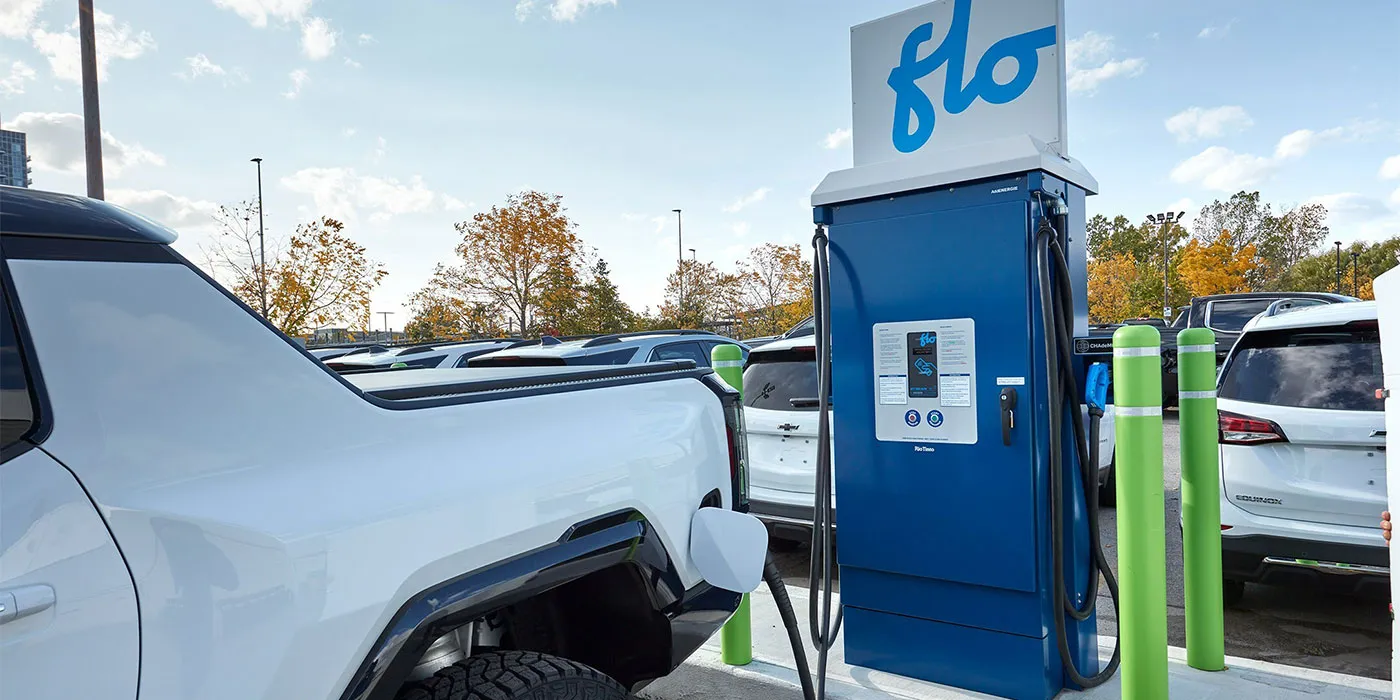
10. 2024 Chevrolet Silverado EV and Plug Dependent Charging
Electric pickup trucks represent a new chapter in automotive design, and the 2024 Chevrolet Silverado EV stands among the most anticipated entries. Equipped with a large battery capacity and modern charging capability, it supports both work and travel. Even so, reliance on plug-based charging may soon appear outdated as wireless solutions mature.
Plugging in an electric vehicle remains the standard method for replenishing battery power. Drivers connect cables at home or public stations and wait while energy flows into the battery. Although effective, this process requires physical interaction and time. Engineers are developing wireless charging systems that eliminate the need for cables.
Inductive charging pads installed in garages or parking spaces can transfer power through electromagnetic fields. Parking above a pad could begin charging automatically without any physical connection. Public infrastructure may eventually include wireless charging embedded in roadways or parking areas, allowing vehicles to recharge during routine stops.
Dynamic charging technology offers an even more advanced possibility. Vehicles traveling over specially equipped roads could receive power while in motion. This concept would reduce dependence on large battery packs and minimize charging downtime. Long-distance travel could become far more convenient as vehicles maintain a charge continuously.
Chevrolet designed the Silverado EV with impressive charging performance for current standards. Fast charging reduces wait times compared to earlier electric trucks. Still, the need to connect a cable represents an extra step that future drivers may no longer accept as normal.
By 2028, plugging in a vehicle to recharge might feel similar to connecting a device with an old-style cable instead of using wireless charging. Electric trucks and cars will likely recharge with minimal effort from drivers. Early plug-dependent systems will continue working reliably, though they may remind owners of a time when charging required a bit more planning and physical interaction.
