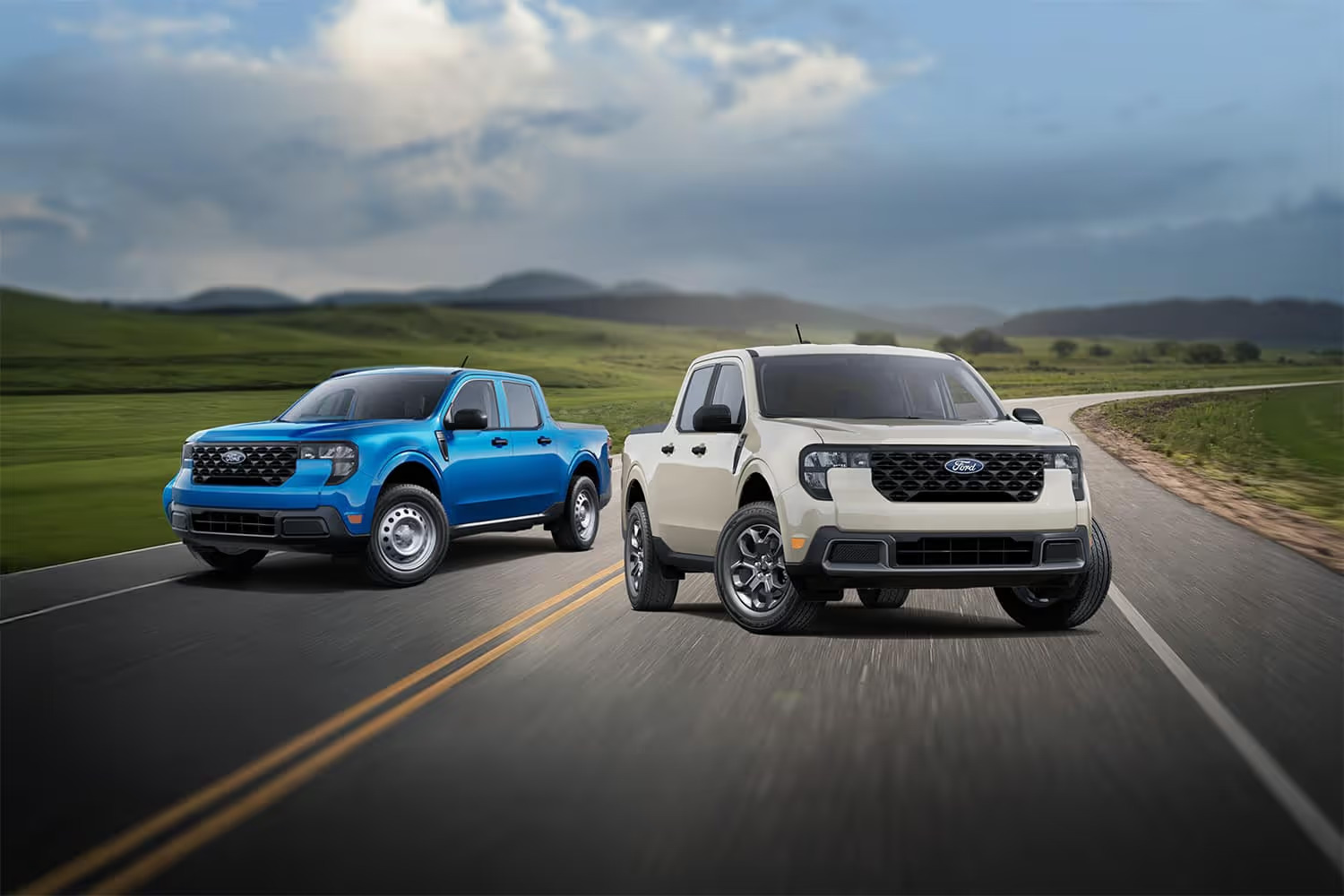
Base model trucks are often the most affordable way to enter the pickup market, offering practicality and utility at a lower price. However, not all entry-level trucks provide the same balance of performance, technology, and safety. Some models deliver impressive value by including capable engines, modern infotainment, and essential safety features that make them suitable for work and daily driving.
Others focus almost exclusively on durability and cost savings, leaving out comfort, convenience, and advanced technology that many buyers consider important.
In this article, we compare five base model trucks that offer great value, including the 2025 Ford Maverick XL, Chevrolet Colorado WT, and Nissan Frontier S, with five trucks that lack essential features, such as the Toyota Tacoma SR, Silverado 1500 WT, and entry-level Toyota Hilux.
This comparison highlights which trucks provide the best combination of capability and modern features and which are strictly designed as no-frills workhorses.
5 Base Model Trucks That Offer Great Value
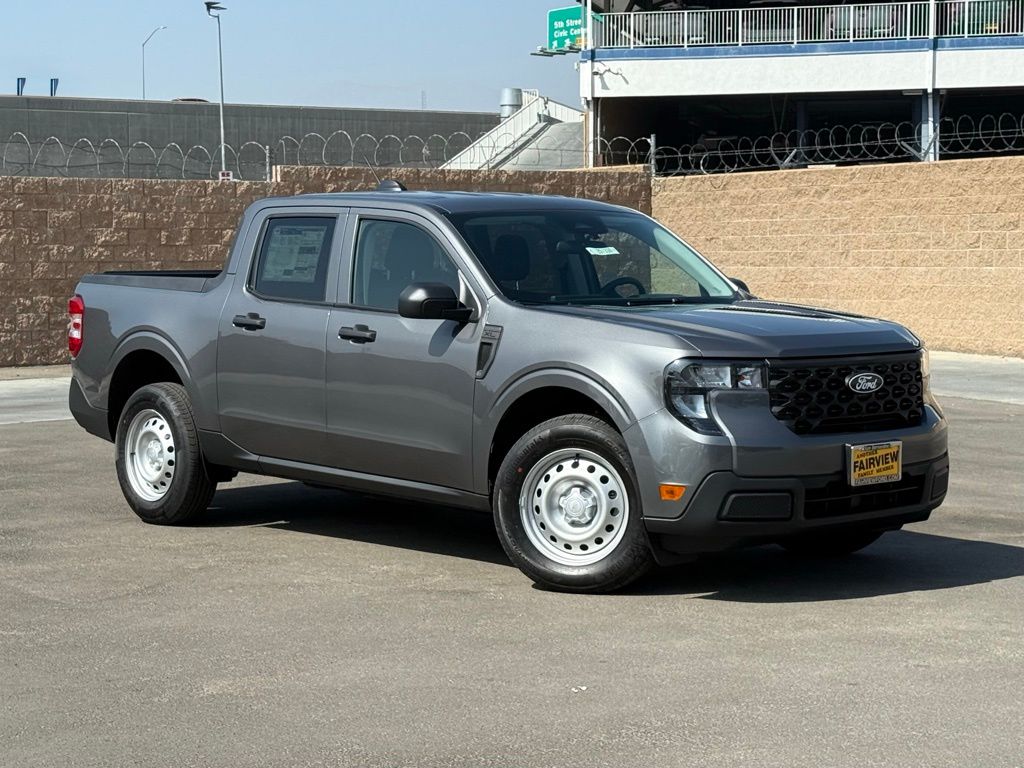
1. 2025 Ford Maverick XL: Affordable, Efficient, and Surprisingly Capable
The 2025 Ford Maverick XL continues to dominate the compact truck segment by combining affordability, efficiency, and practical utility in a way few other pickups can match. Starting around $23,500–$24,000 MSRP, it offers one of the lowest entry prices in the market while still including features often reserved for higher trims.
Standard equipment includes a 2.0L EcoBoost or 2.5L hybrid engine, an 8-inch or upgraded 13.2-inch touchscreen, Apple CarPlay/Android Auto connectivity, and a 4G LTE Wi-Fi hotspot.
The hybrid variant achieves over 40 mpg in city driving, making it an extremely cost-effective option for daily commuting or light-duty hauling. Its compact size and car-like unibody chassis make it maneuverable in urban environments while still offering sufficient utility for DIY projects or weekend adventures.
Technology and convenience have received a significant boost for 2025. The Maverick XL now comes with a 13.2-inch touchscreen running SYNC 4, offering wireless Apple CarPlay and Android Auto as standard. An 8-inch digital instrument cluster replaces the analog gauges, giving the cabin a modern, tech-forward feel.
These updates enhance usability and connectivity without raising the entry price significantly. However, the base XL does remove physical climate controls, integrating them into the touchscreen, which may require extra effort to operate on the move. Despite this, the interior remains functional, with durable materials and creative storage solutions designed for practical use rather than luxury.
In terms of performance and capability, the Maverick XL strikes a balance between everyday drivability and light-duty utility. The standard hybrid powertrain operates quietly and efficiently, while all-wheel drive is now available on more trims, expanding versatility.
Towing capacity is improved, reaching up to 4,000 pounds on select configurations, although the truck is still best suited for smaller trailers and light hauling. The 4.5-foot bed is thoughtfully designed with flexible storage features, making it useful for a range of tasks. While the ride can feel stiff due to its truck-oriented suspension, steering is responsive, and handling closely resembles that of a compact SUV.
The 2025 Ford Maverick XL delivers “as much truck as most people will ever need” without the higher price or size of a full-size pickup. Its combination of low purchase price, excellent fuel efficiency, modern technology, and practical utility makes it a standout in today’s market.
While it lacks premium interior touches and some convenience features, it remains a highly functional, no-frills workhorse for urban and suburban drivers alike. For buyers seeking a versatile, efficient, and affordable compact truck, the Maverick XL continues to set the standard for value in 2025.
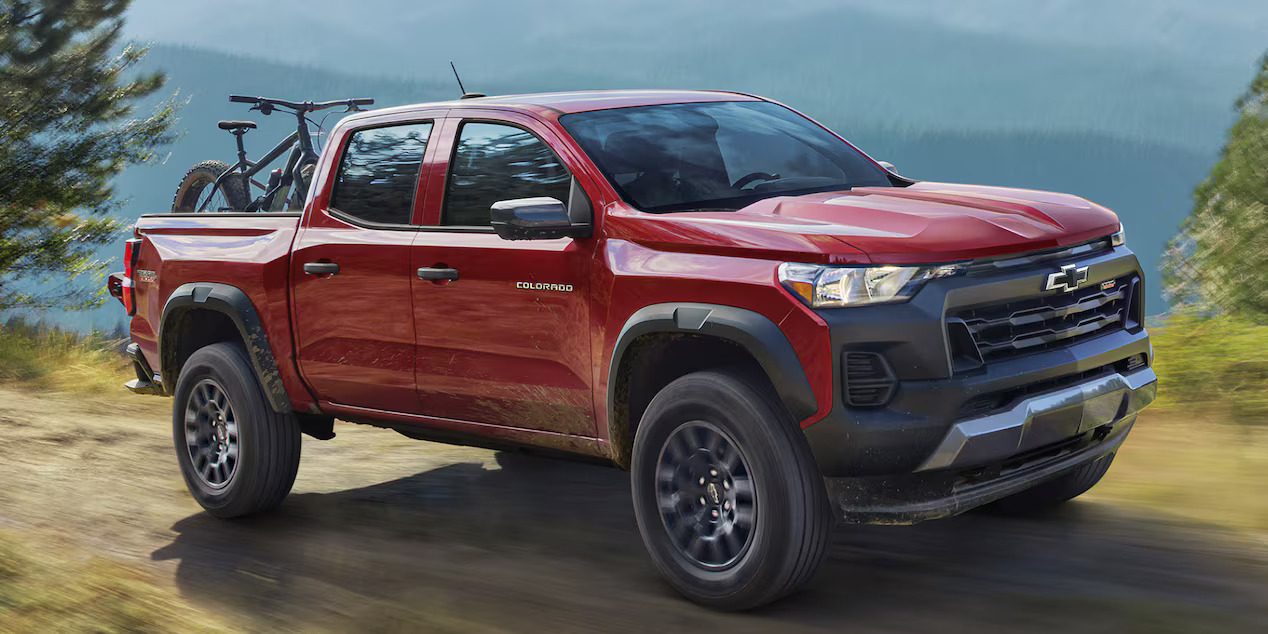
2. 2025 Chevrolet Colorado WT: A Powerful and Practical Base Pickup
The 2025 Chevrolet Colorado WT (Work Truck) demonstrates that an entry-level midsize pickup can deliver strong performance, modern technology, and practical utility without a high price. Starting at approximately $33,595, the Colorado WT comes standard with the 2.7L TurboMax engine, producing 310 horsepower and 430 lb-ft of torque.
Paired with an 8-speed automatic transmission, this powertrain allows the WT to tow up to 7,700 pounds when properly equipped, matching or exceeding the capabilities of many higher-priced competitors. This makes the WT a capable option for hauling equipment to a job site or towing recreational trailers while remaining manageable for daily driving.
The exterior of the Colorado WT emphasizes durability and practicality. It comes with 17-inch steel wheels, unpainted black plastic bumpers, door handles, and mirror caps designed to resist scratches and heavy use.
For added convenience, features that were previously optional, such as cruise control, a sliding rear window, and a rear window defroster, are now standard. These enhancements improve comfort and make the truck more livable for commuting and long drives while maintaining a utilitarian design suited for work environments.
Inside, the Colorado WT delivers a tech-focused cabin that competes with higher trims. Every WT features an 11.3-inch infotainment touchscreen with Google Built-In and an 11-inch fully digital driver information cluster. Wireless Apple CarPlay and Android Auto are standard, providing seamless smartphone connectivity.
Heavy-duty hard plastics on the dashboard and door panels allow for easy cleaning after worksite use, and the cabin feels modern and functional. One minor drawback is that some controls, including headlights, are integrated into the touchscreen, which may not suit all drivers. Despite this, the interior provides a premium feel compared with typical base work trucks.
Safety and comfort are strong points for the 2025 Colorado WT. The truck comes with the Chevy Safety Assist suite, which includes Automatic Emergency Braking, Forward Collision Alert, and Lane Keep Assist with Lane Departure Warning. Crew Cab models offer adequate space for front passengers, while rear seating is slightly tight for three adults on long trips.
With its combination of standard high-output power, class-leading towing capability, advanced technology, and practical features, the 2025 Chevrolet Colorado WT is a highly competitive choice for buyers who need a capable, value-oriented midsize pickup that performs well in both work and everyday driving conditions.
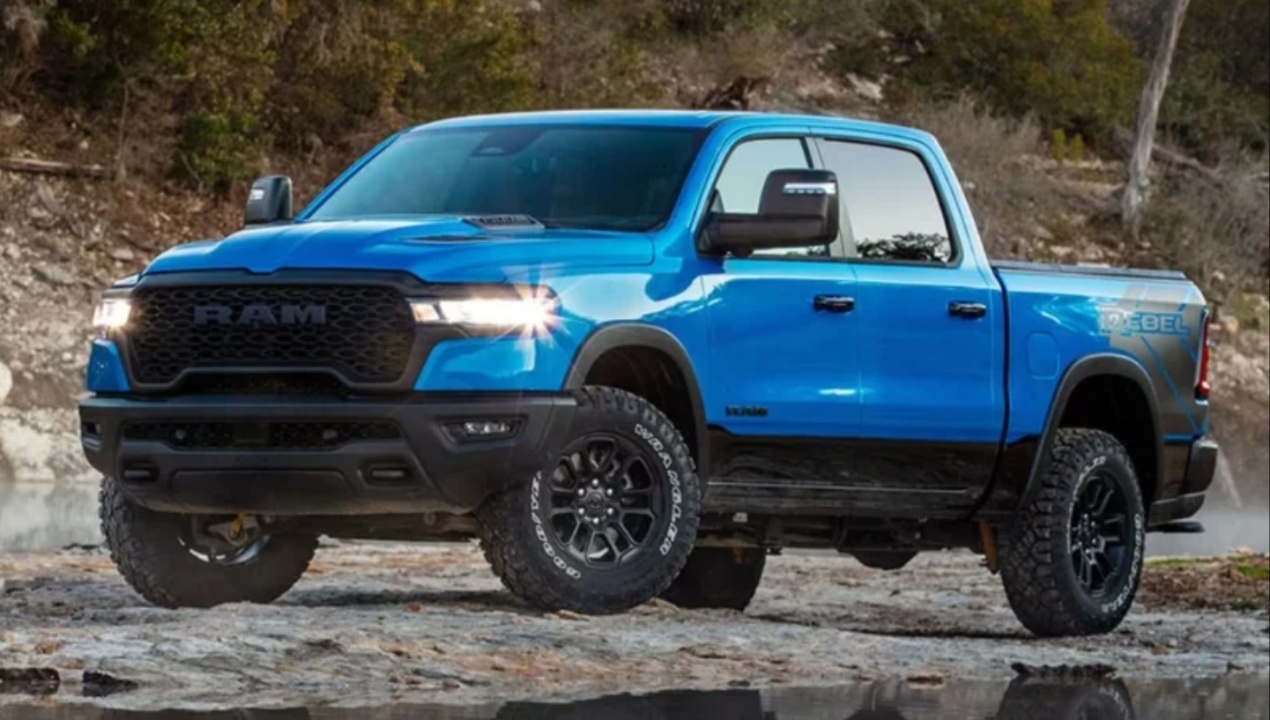
3. 2025 Ram 1500 Tradesman: Comfort, Power, and Practical Capability
The 2025 Ram 1500 Tradesman delivers a work-ready full-size truck with surprising refinement and modern features at an entry-level price. Even in its most basic form, the Tradesman provides a quiet, comfortable ride thanks to Acoustic Front Glass and active noise cancellation. Standard safety technology, such as Forward Collision Warning and Lane Keep Assist, adds peace of mind without requiring higher trim levels.
The base 3.6L V6 produces 305 horsepower, and buyers can opt for the new 3.0L Hurricane straight-six engine, which generates 420 horsepower and 469 lb-ft of torque, surpassing the performance of the previous V8. Paired with an eight-speed automatic transmission, the Hurricane engine delivers smooth and assertive power while remaining quiet inside the cabin.
Ride quality is a standout feature for the Tradesman. Unlike most competitors that use leaf springs, Ram uses a coil-spring rear suspension, providing a smoother, more refined ride even with a full bed.
This suspension design, combined with the quiet cabin, makes the Tradesman suitable not only for work but also for daily commuting and family use. The truck can carry up to 1,620 pounds in the bed and tow as much as 11,310 pounds, giving it serious capability for hauling equipment, trailers, or other heavy loads.
The interior focuses on functionality and technology. The base model comes with the Uconnect 5 system and an 8.4-inch touchscreen that includes Apple CarPlay and Android Auto. While the cabin uses hard-wearing materials like vinyl flooring and durable plastics, it provides modern connectivity and simple controls for work-focused use.
Optional packages, such as the Tradesman Level 1, Trailer-Tow Group, and Bed Utility group, allow buyers to upgrade seating to cloth, add towing aids, a spray-in bed liner, a 400-watt power outlet, and other useful features without spending on luxury trims. Bench seating for six and clever storage options make the Tradesman practical for crews or families.
The 2025 Ram 1500 Tradesman is a strong choice for buyers who need a capable, no-frills full-size truck. It offers premium comfort and advanced safety while maintaining the durability and utility expected of a work truck. The combination of powerful engine options, refined ride quality, and functional interior features creates a vehicle that can handle heavy-duty tasks and daily driving with equal competence.
For those willing to forgo luxury amenities like heated seats, multifunction tailgates, or panoramic sunroofs, the Tradesman delivers a well-balanced driving experience while saving a significant amount of money.
4. 2025 Ford F-150 XL: A Practical and Capable Entry-Level Pickup
The 2025 Ford F-150 XL provides a balanced combination of capability, technology, and affordability, making it a strong choice for work-focused buyers, fleets, and those seeking a reliable full-size pickup without luxury costs.
Unlike traditional base models, the XL comes standard with a 12-inch LCD touchscreen and a 12-inch productivity display, giving the cabin a modern feel. Wireless Apple CarPlay and Android Auto are included, along with practical, durable materials that ensure the interior can handle heavy use while remaining comfortable.
Standard safety technology from Ford Co-Pilot360, such as forward collision warning and lane-keeping assist, adds value and peace of mind without requiring higher trims.
Performance is a key strength for the F-150 XL. The base 2.7L EcoBoost V6 produces 325 horsepower and 400 lb-ft of torque, providing sufficient power for daily driving and light-duty work. Additional options, including the 5.0L V8 and the PowerBoost hybrid, offer higher performance, with the hybrid delivering 430 horsepower and 570 lb-ft of torque.
The truck handles well for its size, with quick, responsive steering and a composed ride, although the leaf-spring rear suspension is not as smooth as coil-sprung competitors. Towing and payload capacities are significant, reaching up to 13,500 pounds and 2,440 pounds, respectively, when properly equipped, ensuring the XL can handle most light-duty hauling and work tasks.
The interior focuses on utility and functionality while maintaining modern technology standards. The SuperCrew configuration offers spacious rear seating with a flat floor for easier storage, and the 40/20/40 cloth bench seat and durable vinyl flooring are practical for work or family use.
The infotainment system is intuitive and user-friendly, with physical buttons for commonly used functions. Driver-assist features are included as standard, such as automatic emergency braking, blind-spot monitoring, and lane-keeping assist. These elements combine to create a cabin that is practical, comfortable, and well-suited for both work and daily driving.
The 2025 F-150 XL delivers strong value for buyers seeking a capable and versatile full-size pickup. Its combination of standard technology, robust engine options, high towing and payload capacities, and essential safety features makes it an excellent choice for practical work or fleet applications.
While some minor issues, such as transmission clunkiness or isolated quality control concerns, have been reported, the F-150 maintains solid reliability, particularly with gas-powered engines. For those prioritizing performance, practicality, and modern technology at a lower entry price, the F-150 XL provides a strong, flexible foundation for customization and long-term use.
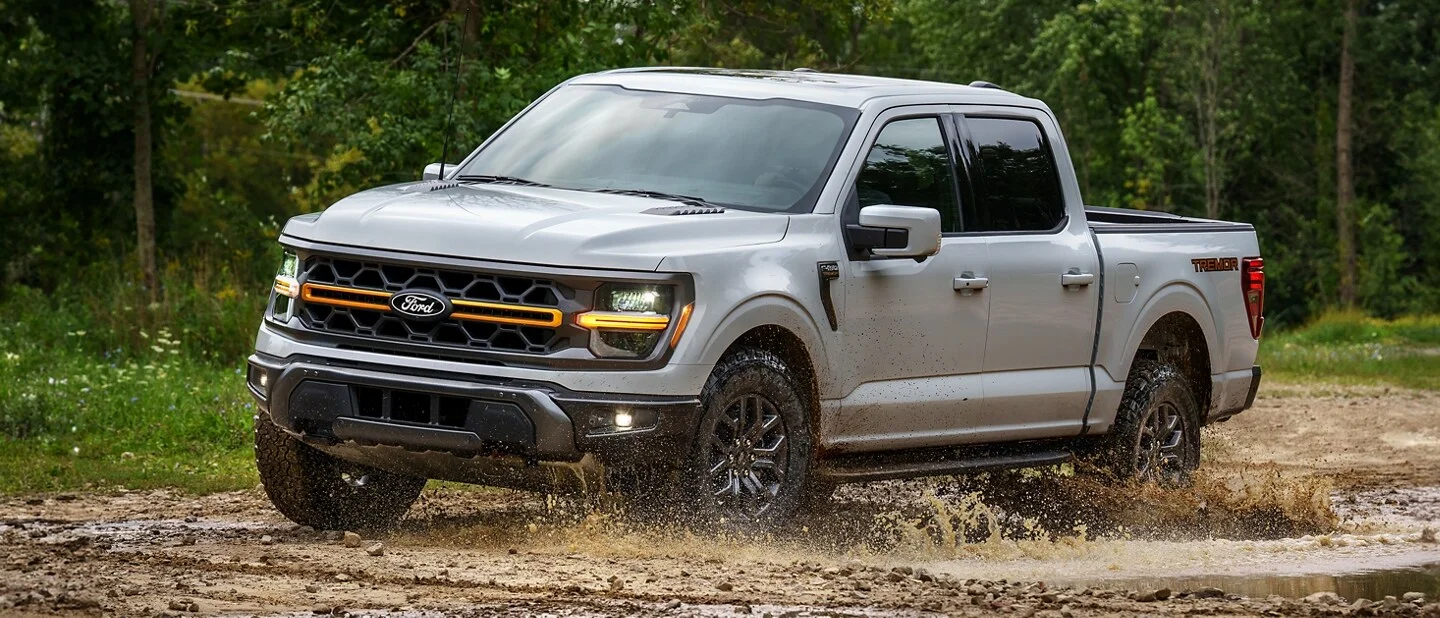
5. 2025 Nissan Frontier S: Rugged Performance and Practical Value
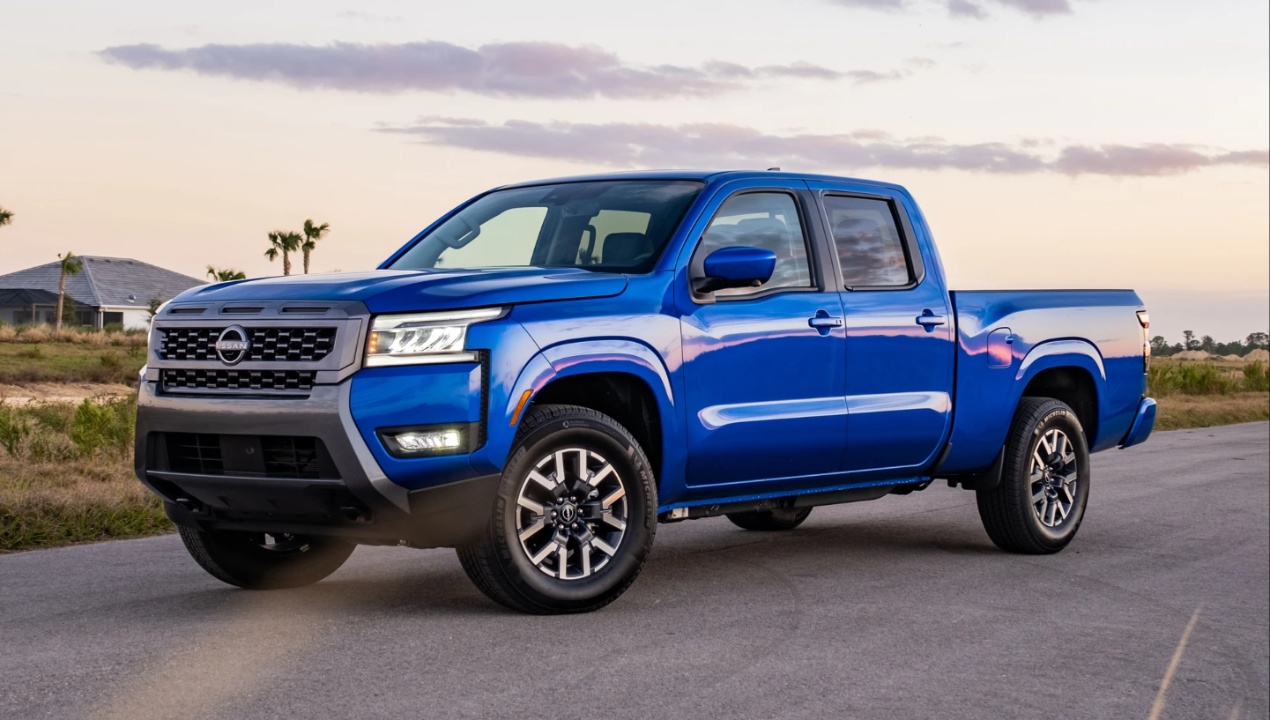
The 2025 Nissan Frontier S delivers impressive power and utility as the entry-level option in Nissan’s midsize truck lineup. Unlike competitors that limit engine performance in base models, the Frontier S comes standard with the 3.8L V6 engine producing 310 horsepower and 281 lb-ft of torque.
Paired with a 9-speed automatic transmission, it offers smooth, linear acceleration and confident merging on highways. Towing capacity has been increased to 7,150 pounds, allowing even the base model to handle trailers, boats, or heavy equipment. These features make the Frontier S a strong choice for buyers who need serious capability without paying for higher trims or unnecessary luxury options.
The truck includes key modern technology and safety features that enhance convenience and confidence. The 2025 Frontier S features a large 12.3-inch touchscreen and supports wireless Apple CarPlay and Android Auto, providing connectivity on par with segment leaders.
Physical knobs for climate and audio controls ensure usability in work or outdoor settings. Safety is addressed through the Nissan Safety Shield 360 suite, which includes Automatic Emergency Braking with Pedestrian Detection, Lane Departure Warning, Blind Spot Warning, and High Beam Assist. By including these features as standard, Nissan ensures that drivers do not have to pay extra for essential safety equipment.
Utility and practicality remain central to the Frontier S design. The interior emphasizes durability with cloth seating and hard-wearing plastics, ideal for job sites or outdoor adventures. The Zero Gravity front seats offer excellent lumbar support for long drives, while the cabin ergonomics have been improved with a standard telescopic steering wheel.
Storage solutions are practical and functional, and the truck retains the firm, connected feel of traditional hydraulic steering. Although the rear suspension can be slightly bouncy when unloaded, the ride is well-damped and stable for most driving conditions, reflecting the truck’s focus on rugged performance over refined luxury.
The 2025 Nissan Frontier S is a no-nonsense midsize truck that balances strength, reliability, and practicality at a competitive price. With a powerful engine, high towing capacity, essential safety features, and ergonomic improvements, it is a capable workhorse for both professional and recreational use.
ts mechanical simplicity and durable construction make it a long-term investment, supported by strong resale value and low total cost of ownership. Buyers seeking a truck that prioritizes real-world capability and honest engineering over flashy interiors or high-tech gimmicks will find the Frontier S a compelling option.
Also read: 5 Cars With Strong Heating Systems vs 5 With Weak Ones
5 That Lack Essential Features
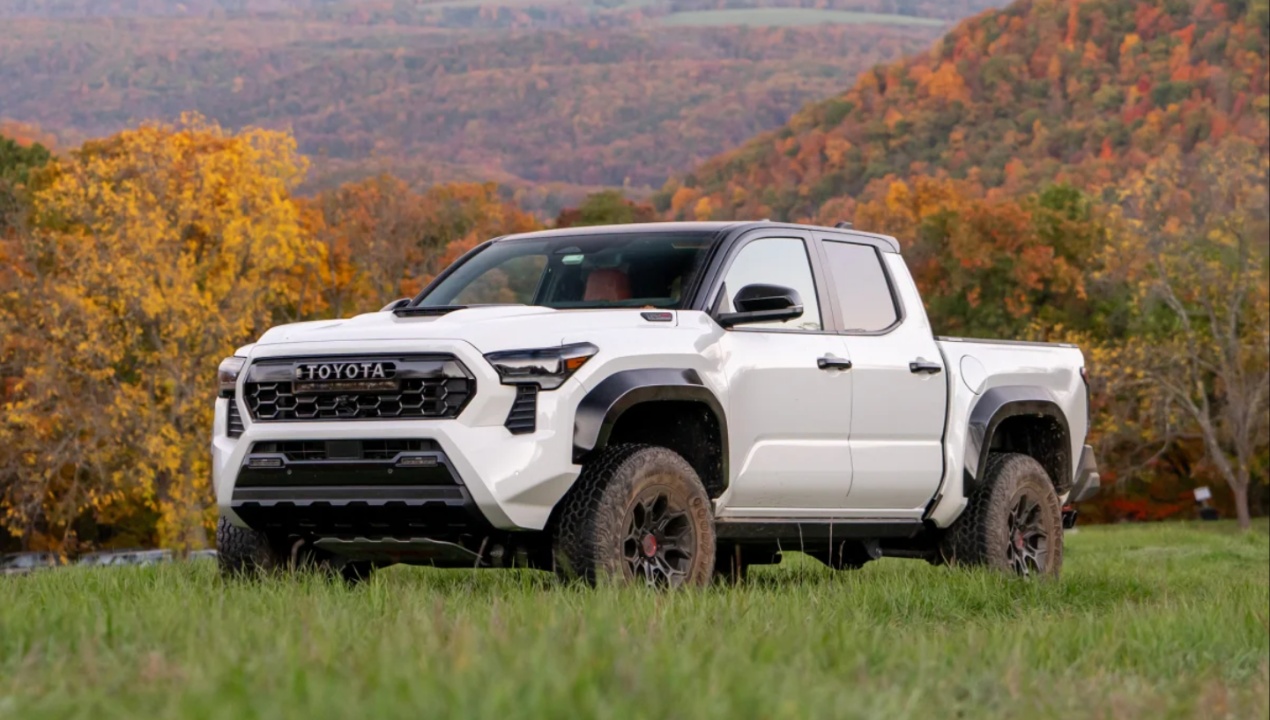
1. 2025 Toyota Tacoma SR: A No-Frills Work Truck
The 2025 Toyota Tacoma SR is designed as a basic, work-focused truck that prioritizes affordability and durability over performance, comfort, and advanced technology. Positioned as the fleet-oriented entry-level model, the SR features a detuned 2.4L engine producing 228 horsepower and 243 lb-ft of torque, compared with 278 horsepower and 317 lb-ft in the higher SR5 trim.
This reduction in power results in slower acceleration and less confidence when merging or passing on highways. Additionally, the SR retains a leaf-spring rear suspension, making it the only Tacoma trim not upgraded to a multi-link coil-spring system, which means a firmer ride and less refined handling on paved roads.
Inside, the Tacoma SR focuses on practicality rather than comfort. Seats are manually adjustable six-way fabric units, lacking the power-adjustable, heated, or ventilated options available in higher trims. Hard plastics dominate the cabin surfaces, and the single-zone manual air conditioning system omits rear vents, limiting comfort for rear passengers.
While the truck includes push-button start, keyless access is limited to the driver’s door, unlike higher trims with full smart key access. The SR is functional but sparse, making it more suited for work sites than long daily commutes.
Technology and safety features are also pared down. The SR comes with Toyota Safety Sense 3.0 as standard, but advanced active safety options like Blind Spot Monitoring, Rear Cross-Traffic Alert, and Parking Assist with Automatic Braking are unavailable.
The infotainment system is limited to an 8-inch touchscreen paired with a 7-inch digital gauge cluster. Audio quality is basic, with a four-speaker setup, lacking the premium sound systems found in SR5 or TRD trims.
While the Tacoma SR is a durable and capable work truck, the combination of reduced power, leaf-spring suspension, and limited comfort and tech features makes the SR5 a more practical starting point for most buyers. The SR is ideal for fleet use or purely utilitarian purposes, but daily drivers seeking a smoother ride, stronger performance, and modern amenities will find the SR5 a more compelling choice.
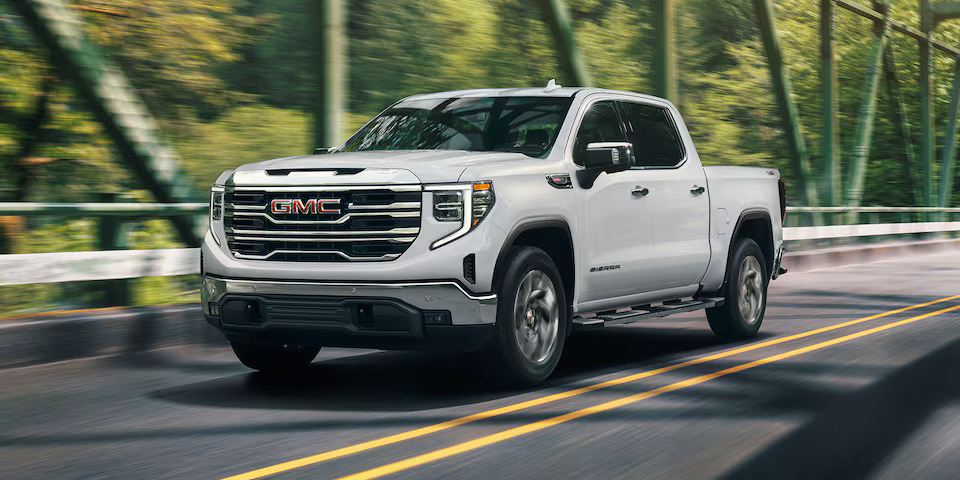
2. 2025 GMC Sierra 1500 Pro: A Spartan, Work-Focused Pickup
The 2025 GMC Sierra 1500 Pro is designed as a no-frills, entry-level work truck that prioritizes durability, utility, and affordability over comfort or premium technology. Its base configuration includes manual-folding mirrors, a 4-way manual driver’s seat, and vinyl flooring.
Features often expected in higher trims, such as a dampened tailgate, dual-zone climate control, or heated seats, are either absent or optional. This simplicity allows the Pro to serve as a reliable, cost-effective option for commercial fleets, construction sites, and buyers who value function over luxury.
Inside, the Sierra 1500 Pro offers a basic, utilitarian cabin. The infotainment system is limited to a 7-inch color touchscreen, while higher trims include a 13.4-inch multicolor display with Google Built-In and wireless Apple CarPlay/Android Auto.
The driver display is a small 3.5-inch monochromatic instrument cluster, compared with the 12.3-inch configurable digital cluster found in SLE and above models. Seating is vinyl or cloth with manual adjustments, and the floors are rubberized for easy cleaning. Audio is minimal, with a standard two-speaker system, underscoring the Pro’s focus on function rather than entertainment.
Convenience and utility features are pared down to essentials. The Pro comes with a traditional tailgate instead of the six-function MultiPro Tailgate, basic 17-inch painted steel wheels instead of alloy, and lacks a standard integrated Trailer Brake Controller.
Comfort amenities like remote start, a heated steering wheel, and premium materials are not included. While capable of towing and hauling, these features are available only as optional upgrades, allowing buyers to focus their budget on engine performance and the truck’s structural reliability.
The 2025 GMC Sierra 1500 Pro is not intended as a lifestyle truck. It is a straightforward, dependable workhorse that provides the core strength, towing capability, and durability of the Sierra lineup. Buyers seeking modern tech, luxury touches, or convenience features will need to consider higher trims, but for job sites and fleet use, the Pro delivers all the essentials efficiently and affordably.
3. 2025 Toyota Tundra SR: A No-Frills Full-Size Work Truck
The 2025 Toyota Tundra SR is designed as a dedicated entry-level work truck, prioritizing durability, low maintenance costs, and affordability over luxury, technology, or full performance. It features a smaller 22.5-gallon fuel tank compared with 32.2 gallons on higher trims, and lacks signature elements such as the Roll-Down Rear Window.
These omissions highlight its focus on fleet and commercial use rather than retail buyers seeking premium features. Despite these limitations, the SR shares the same high-strength steel frame and aluminum-reinforced composite bed as higher trims, providing a solid foundation for tough work.
Performance and towing are intentionally restrained in the SR. The 3.4L Twin-Turbo V6 engine is software-detuned to 358 horsepower and 406 lb-ft of torque, compared with 389 horsepower and 479 lb-ft in the SR5 and above.
This power reduction limits towing capacity to around 8,300 pounds, while higher trims can tow up to 12,000 pounds. Essential towing aids, such as the Integrated Trailer Brake Controller and TOW/HAUL driving modes, are not standard on the SR, further signaling its focus on basic, no-frills utility.
The exterior and utility features reflect the SR’s work-focused identity. It rides on 18-inch styled-steel wheels instead of alloys, and lacks adjustable deck rail tie-downs, LED fog lights, and assisted tailgate functions found on higher trims. These design choices emphasize functionality and cost savings over aesthetics and convenience.
Inside, the cabin is practical but sparse. It includes 4-way manually adjustable cloth seats, a basic 8-inch touchscreen with wireless Apple CarPlay and Android Auto, and core Toyota Safety Sense 2.5 features.
Luxury and advanced technology, including SofTex or leather seating, dual-zone climate control, a 14-inch touchscreen, and a digital gauge cluster, are reserved for premium trims. While the SR is intentionally “lacking,” it offers a durable, low-maintenance platform for fleet operators and buyers who prioritize rugged reliability over comfort and maximum towing capacity.
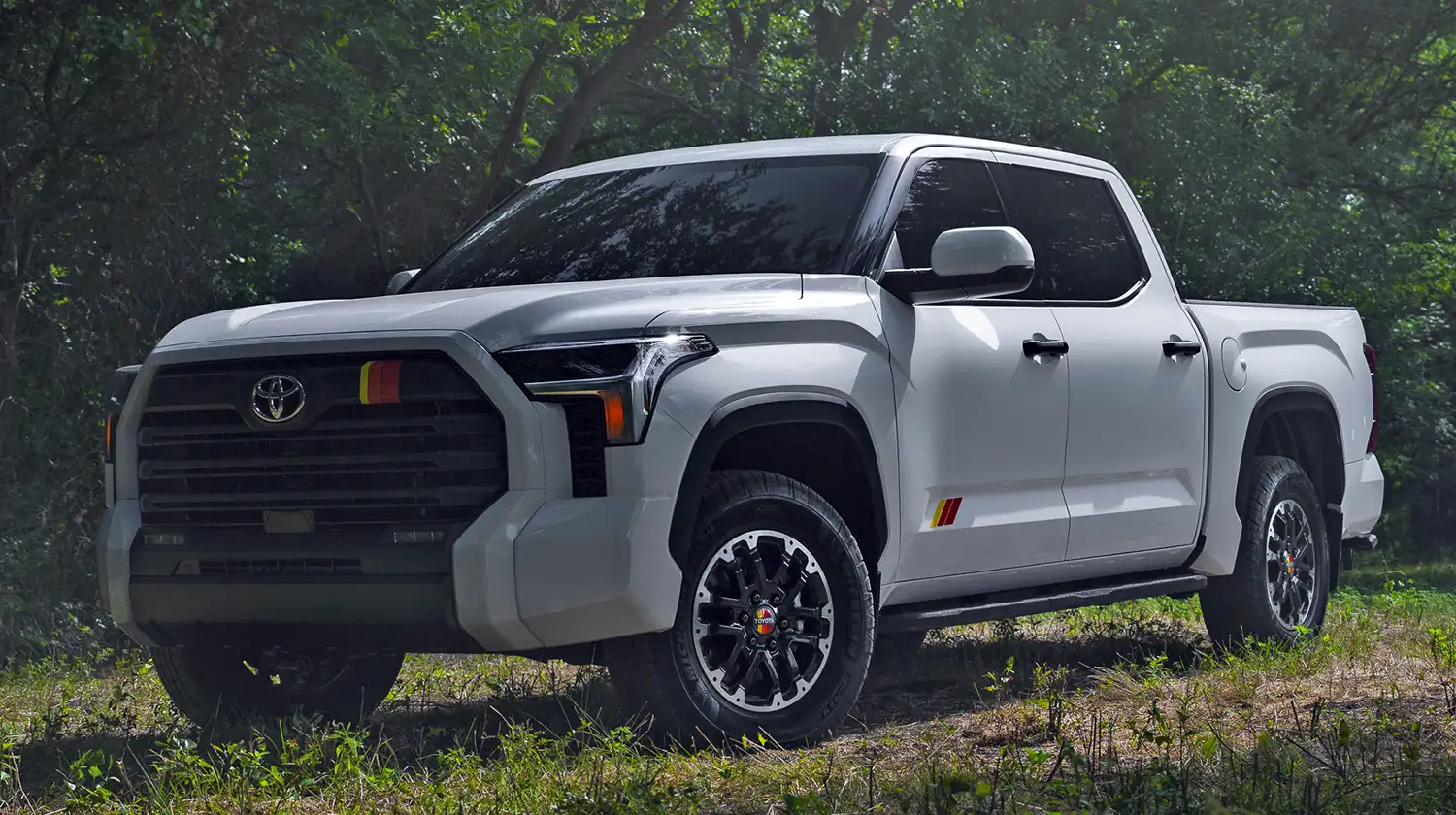
4. 2025 Chevrolet Silverado 1500 WT: A Spartan Work-Focused Pickup
The 2025 Chevrolet Silverado 1500 WT (Work Truck) is designed as a rugged, no-frills entry-level full-size pickup aimed at fleets and contractors. Its starting price near $37,000 emphasizes durability and utility over comfort, technology, or luxury.
Like its GMC Sierra counterpart, the WT lacks many modern conveniences, including a standard 120-volt power outlet in the bed, storage bins, and advanced trailering technology. These omissions make it a highly functional tool for work sites but less appealing as a daily driver for retail buyers.
Technology in the Silverado WT is basic. The cabin features a small 7-inch color touchscreen with wireless Apple CarPlay and Android Auto, far smaller than the 13.4-inch infotainment and 12.3-inch digital gauge cluster found on LT trims and above.
The dashboard and controls are dominated by hard plastics, which are durable but contribute to a dated feel. Essential productivity tools, such as Multi-Flex tailgate functionality and hidden storage compartments, are absent, forcing more manual effort for loading and limiting organizational options.
Comfort is intentionally minimal. Vinyl or basic cloth seating, rubberized floors, and manual seat adjustments prioritize easy cleaning and resilience over passenger comfort.
Noise insulation is limited, and seating lacks the support and adjustability found in higher trims. Some minor convenience features, such as cruise control, have been added to the WT, but more advanced systems, including a trailer brake controller, remain reserved for the LT and upper trims.
Safety features are functional but limited. Chevrolet Safety Assist is standard, offering Automatic Emergency Braking and Lane Keep Assist. However, advanced systems like 360-degree HD cameras, Blind Spot Monitoring, Rear Cross Traffic Braking, and Super Cruise hands-free technology are unavailable.
The Silverado 1500 WT delivers high torque and durability for work tasks, but its stripped-down interior, small touchscreen, and limited tech make it better suited as a pure utility vehicle than a daily commuter or family truck.
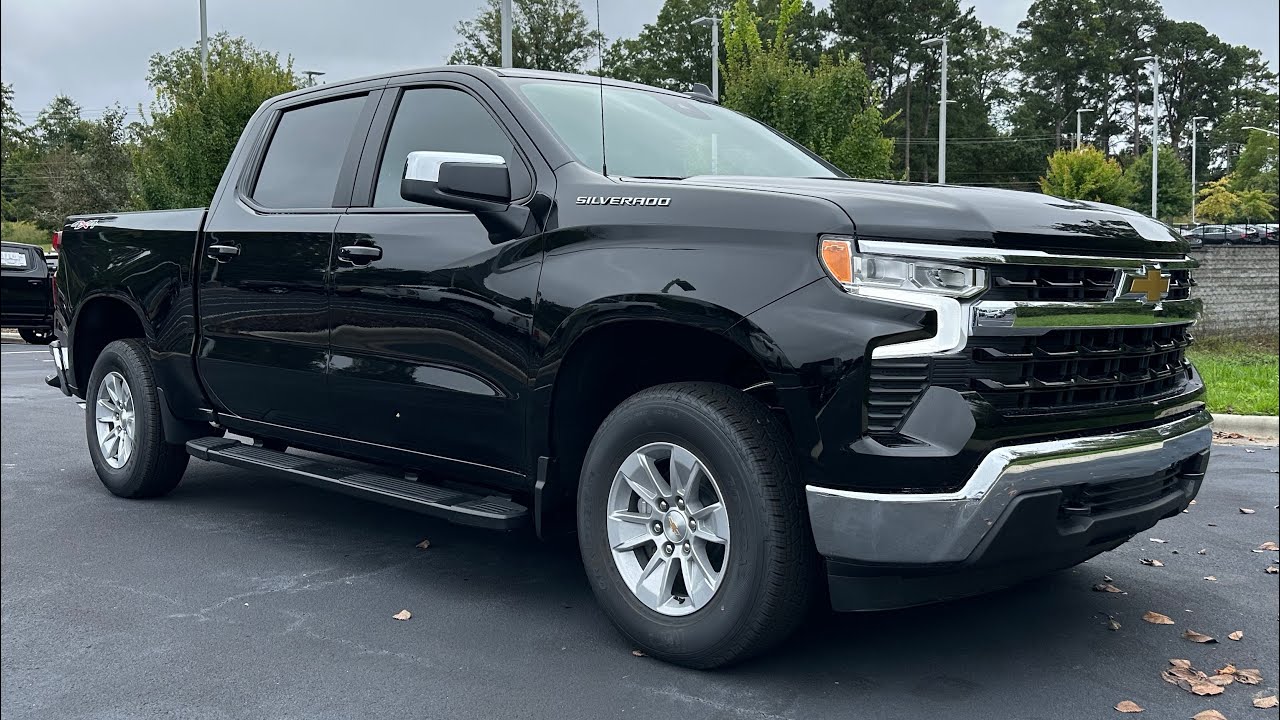
5. 2025 Toyota Hilux Entry-Level: Rugged, No-Frills Workhorse
The 2025 Toyota Hilux entry-level models, such as the WorkMate or Active trim, are built with durability and reliability as their highest priorities. Designed for commercial and fleet use rather than lifestyle buyers, these trucks intentionally omit many modern conveniences to maintain a lower price point and a reputation for being nearly indestructible.
While competitors like the Ford Ranger or Isuzu D-Max offer high-tech features even in base models, the Hilux focuses on simplicity and long-term resilience.
Technology and infotainment are minimal in the base Hilux. The WorkMate typically features an 8-inch touchscreen with wired Apple CarPlay and Android Auto, paired with a basic two-speaker audio system.
Features such as 12.3-inch displays, advanced audio systems, or wireless smartphone integration are reserved for higher trims. Convenience and comfort options like keyless entry, push-button start, and dual-zone climate control are absent. The cabin relies on durable materials, including vinyl floors and hard plastics, prioritizing cleanability over aesthetics.
The exterior and performance also reflect the Hilux’s work-focused nature. Entry trims use halogen headlights, black plastic door handles, and 16- or 17-inch steel wheels, while alloy wheels, LED lighting, and side steps are reserved for higher grades. Power is provided by a smaller 2.4L engine, with advanced off-road technologies such as Multi-Terrain Select and Hill Descent Control, typically excluded in 4×2 variants.
Toyota’s rationale is centered on quality, durability, and reliability. The proven IMV ladder-frame platform minimizes maintenance costs and allows repairs in remote locations without specialized tools. Safety remains a core focus, with Toyota Safety Sense standard on all trims, including Adaptive Cruise Control, Pre-Collision Systems, and Lane Departure Warning.
The entry-level Hilux is therefore a tool for high-duty cycles, fleet operations, and long-term ownership, rather than a tech-focused daily driver. Its simplicity and toughness make it a dependable choice for industries where reliability and low operating costs outweigh luxury or convenience features.
Choosing a base model truck requires understanding what matters most for your needs. Trucks like the Maverick XL and Frontier S show that affordability does not mean sacrificing performance, safety, or technology. They include modern touchscreens, strong engines, and practical features that make them suitable for both work and everyday driving.
Trucks such as the Tacoma SR, Silverado WT, and entry-level Hilux focus on durability and low cost, making them ideal for fleets or heavy-duty work but less comfortable for daily use.
By comparing these models, buyers can make informed decisions and select a truck that meets their priorities. Understanding which base models provide value and which lack essential features ensures a smarter investment that balances performance, convenience, and long-term usability.
Also read: 10 Cars With Factory Exhaust Notes Worth Preserving