
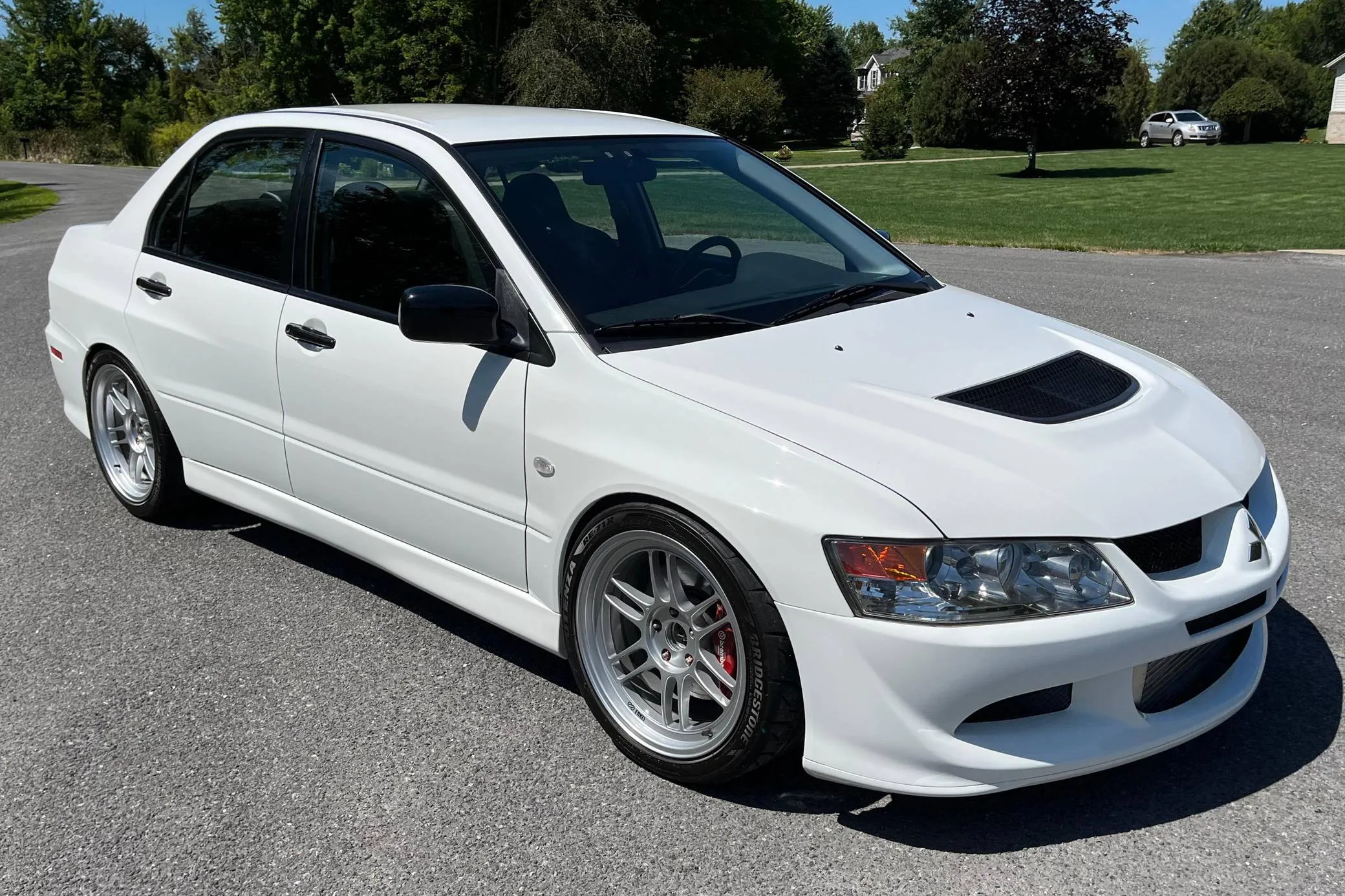
Japanese performance cars from the 1990s and early 2000s hold a special place in automotive history. They arrived during a golden era when manufacturers competed fiercely in motorsport, engineering, and innovation.
Instead of chasing massive horsepower numbers, many Japanese brands focused on balance, reliability, and driver engagement. That philosophy created sports cars that were not only thrilling when new but also remarkably satisfying decades later.
What makes these classic JDM machines age so gracefully is a combination of smart engineering and timeless design. Lightweight construction, naturally aspirated engines, precision handling, and driver focused cabins allow them to feel alive even by modern standards.
Unlike many contemporary performance cars that rely heavily on electronic assistance, these classics offer a pure and mechanical driving experience. That authenticity has helped them grow in popularity as enthusiasts search for cars that deliver genuine connection behind the wheel.
Another reason for their lasting appeal is durability. Many of these vehicles were built during a time when Japanese automakers prioritized long term reliability and over engineering.
As a result, countless examples still run strong today, often with hundreds of thousands of kilometers on the clock. Owners continue to celebrate them not only for performance but also for the trust they inspire.
Cultural influence also plays a huge role. Video games, films, and tuning culture introduced these machines to global audiences, turning them into icons far beyond Japan. Today they are collectible, desirable, and increasingly valuable.
In this article, we explore ten classic JDM sports cars that have truly aged like fine wine. Each of these models proves that great engineering and thoughtful design never go out of style. We begin with two legends that defined the golden era of Japanese performance.
Also Read: 10 Sports Cars That Will Financially Ruin You in 2026
1. Nissan Skyline GT R R32
The Nissan Skyline GT R R32 is often called the car that rewrote the rules of performance in the early 1990s. When it debuted in 1989, it immediately became a technological powerhouse that stunned the automotive world. Even decades later, it remains one of the most respected and admired performance cars ever produced in Japan.
At the heart of the R32 lies the RB26DETT engine, a twin turbocharged inline six that has achieved near mythical status among enthusiasts. Officially rated at 276 horsepower due to Japan’s gentleman’s agreement, the engine was widely known to produce more power than advertised.
Its strength, smoothness, and tuning potential made it legendary. Many examples today still run strong with minimal internal work, which speaks volumes about the engineering behind the powertrain.
The R32 also introduced the world to the ATTESA E TS all wheel drive system. This advanced setup could send power to the front wheels when traction was needed, transforming the Skyline into a performance weapon in all conditions.
Combined with the Super HICAS rear steering system, the car delivered extraordinary stability and cornering ability. These technologies were groundbreaking at the time and still feel impressive today.
One of the reasons the R32 has aged so well is its balanced design. The exterior looks purposeful and clean, without excessive styling trends that often date cars quickly. The boxy yet aggressive shape has become timeless, representing the essence of late twentieth century performance design. It feels authentic and functional rather than flashy.
Driving an R32 today remains a thrilling experience. The steering feels direct, the chassis communicates clearly, and the engine delivers a strong surge of power that builds smoothly through the rev range.
Unlike many modern cars, the Skyline requires driver involvement. That engagement creates a connection that continues to attract enthusiasts worldwide.
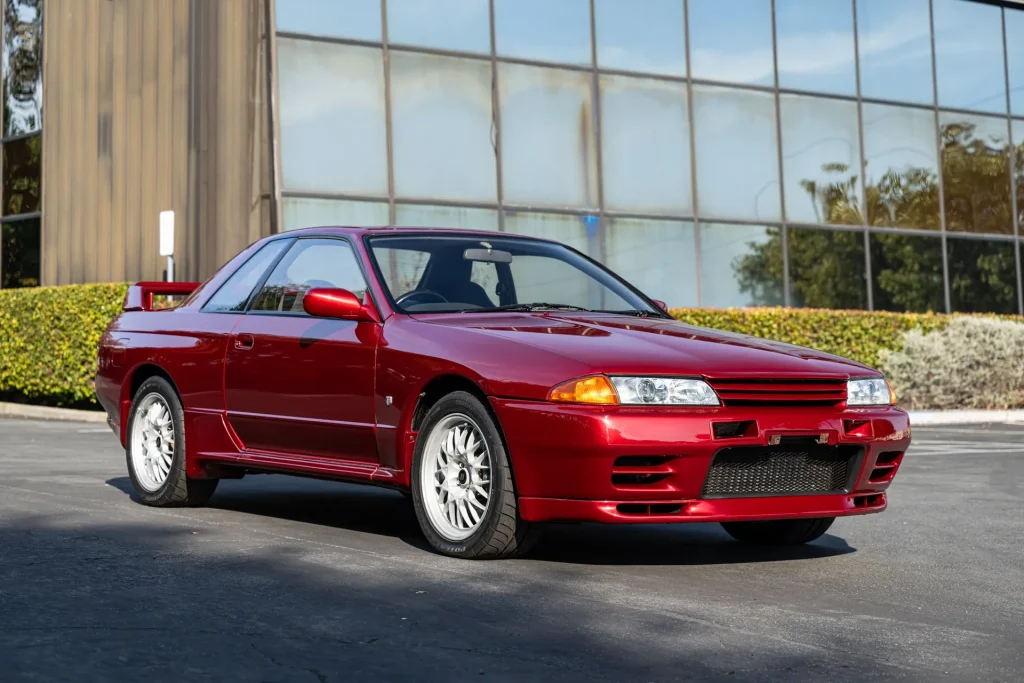
Motorsport success also cemented its legacy. The R32 dominated touring car racing, earning the nickname Godzilla in Australia after repeatedly defeating local competition. That reputation still enhances its appeal today.
The Skyline GT R R32 represents a perfect blend of performance, durability, and heritage. Its engineering excellence and cultural impact ensure it continues to grow in value and admiration with each passing year.
2. Toyota Supra MK4
The fourth generation Toyota Supra stands as one of the most iconic sports cars ever built. Introduced in 1993, it became a symbol of Japanese engineering excellence and performance potential. Today, the Supra MK4 is widely considered a masterpiece that has only gained respect with time.
The star of the show is the legendary 2JZ GTE engine. This twin turbocharged inline six has earned a reputation for incredible strength and reliability.
Even in stock form, it delivered impressive performance, but its ability to handle massive power increases turned it into a tuning legend. Enthusiasts regularly push this engine far beyond factory limits, yet it continues to perform with remarkable durability.
Beyond raw power, the Supra was engineered with serious attention to balance and aerodynamics. Toyota used advanced techniques to reduce weight while improving rigidity.
Aluminum components, careful weight distribution, and refined suspension tuning helped create a car that felt stable and confident at high speeds. Even today, the Supra feels planted and predictable on the road.
The design of the MK4 has aged exceptionally well. Its rounded shape, large rear wing, and muscular stance give it a timeless presence.
Unlike many cars from the same era, the Supra still looks modern and purposeful. The interior reflects a driver focused philosophy, with controls angled toward the driver and a cockpit that emphasizes performance.
One of the most remarkable aspects of the Supra is its versatility. It can serve as a comfortable grand tourer or transform into a high performance machine with minor modifications. That flexibility helped build a massive global fan base.
Pop culture played a major role in the Supra’s rise to fame. Appearances in movies and video games introduced it to new generations of enthusiasts. This cultural significance continues to boost its desirability and collector status.
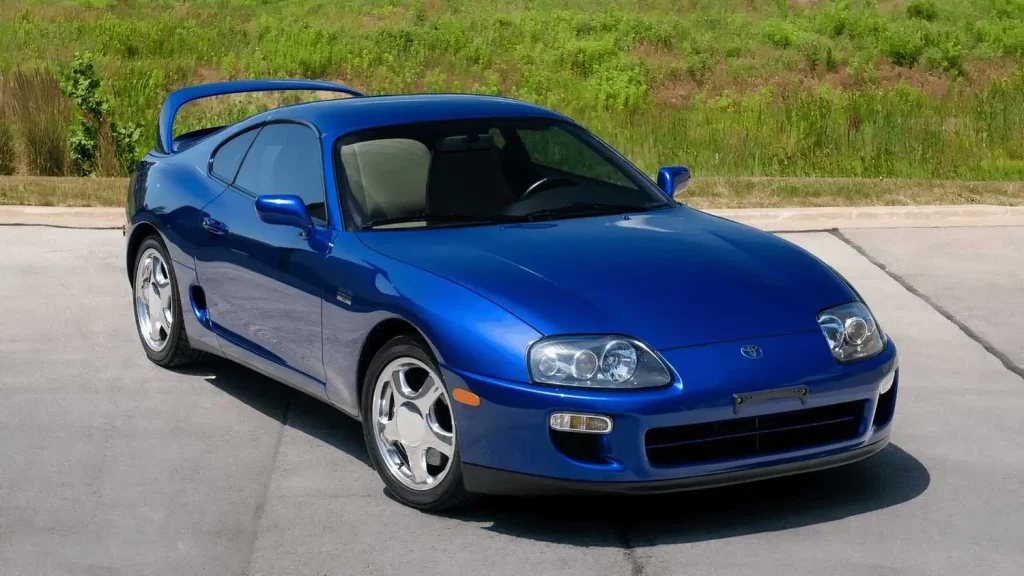
Driving a Supra today feels just as exciting as it did decades ago. The turbocharged acceleration, smooth power delivery, and solid chassis provide a thrilling experience that rivals many modern sports cars.
The Toyota Supra MK4 has aged like fine wine because it combines reliability, performance, and timeless design. It remains one of the most celebrated Japanese sports cars ever created.
3. Mazda RX 7 FD
The Mazda RX 7 FD represents one of the most distinctive sports cars ever created in Japan. Introduced in the early 1990s, it stood apart from competitors thanks to its rotary engine, lightweight construction, and exceptional handling balance. Decades later, the RX 7 FD continues to earn admiration for its unique character and driving purity.
At the heart of the RX 7 FD sits the 13B REW twin turbo rotary engine. Unlike conventional piston engines, the rotary design is compact, lightweight, and capable of extremely high revs.
The twin turbo system delivers smooth and progressive power, creating a driving experience that feels different from anything else on the road. The engine’s sound, response, and revving nature give the car a personality that remains unmatched.
One of the reasons the RX 7 FD has aged beautifully is its weight and balance. Mazda engineers focused heavily on reducing mass and achieving near perfect weight distribution.
The result is a sports car that feels incredibly agile and responsive. Steering feedback is sharp and communicative, allowing drivers to feel every movement of the chassis. Even by modern standards, the RX 7 feels light and connected in a way that many new performance cars cannot replicate.
The exterior design is another reason for its lasting appeal. Smooth curves, pop up headlights, and a low wide stance give the RX 7 a timeless silhouette.
It looks elegant yet aggressive, avoiding styling trends that quickly become outdated. Many enthusiasts still consider it one of the most beautiful Japanese sports cars ever made.
Driving the RX 7 today feels raw and engaging. The turbochargers build power smoothly, the chassis responds instantly, and the car rewards precise inputs. It encourages drivers to focus on technique and skill, creating an immersive experience that never feels artificial.
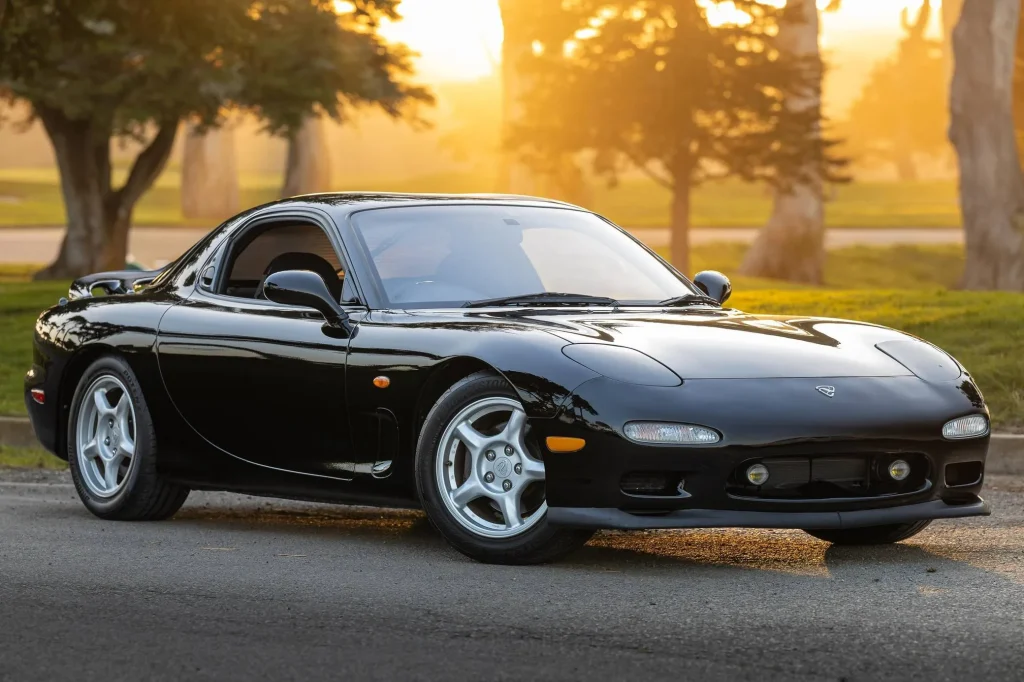
The RX 7 FD also played a major role in global tuning culture. Its lightweight platform and powerful engine made it a favorite among enthusiasts who wanted to personalize their cars. That strong aftermarket support helps keep the model alive and thriving decades after production ended.
The Mazda RX 7 FD proves that innovative engineering and elegant design can stand the test of time. Its unique rotary powertrain and driver focused philosophy ensure it continues to age gracefully.
4. Honda NSX NA1
The first generation Honda NSX changed the perception of Japanese sports cars forever. When it launched in 1990, it challenged European supercars by offering exotic performance combined with everyday reliability. Today, the NSX NA1 remains one of the most respected and admired sports cars in automotive history.
The development of the NSX involved input from Formula One legend Ayrton Senna, who helped refine the chassis and suspension. His influence is evident in the car’s exceptional balance and precision. The NSX was designed to deliver supercar performance while remaining approachable and easy to drive.
Power comes from a naturally aspirated V6 engine paired with Honda’s VTEC technology. This engine produces strong performance while delivering smooth power across the rev range. The transition into high revs is especially thrilling, creating an exhilarating driving experience that still feels special today.
Another groundbreaking feature was the aluminum body construction. Honda used lightweight aluminum panels and components to reduce weight while maintaining structural strength. This advanced engineering helped create a car that feels agile and responsive even by modern standards.
The NSX interior was designed with a focus on comfort and visibility. Unlike many supercars of its time, it offers excellent ergonomics and a practical cabin layout. Drivers can enjoy high performance without sacrificing usability. That combination made the NSX revolutionary and continues to attract enthusiasts today.
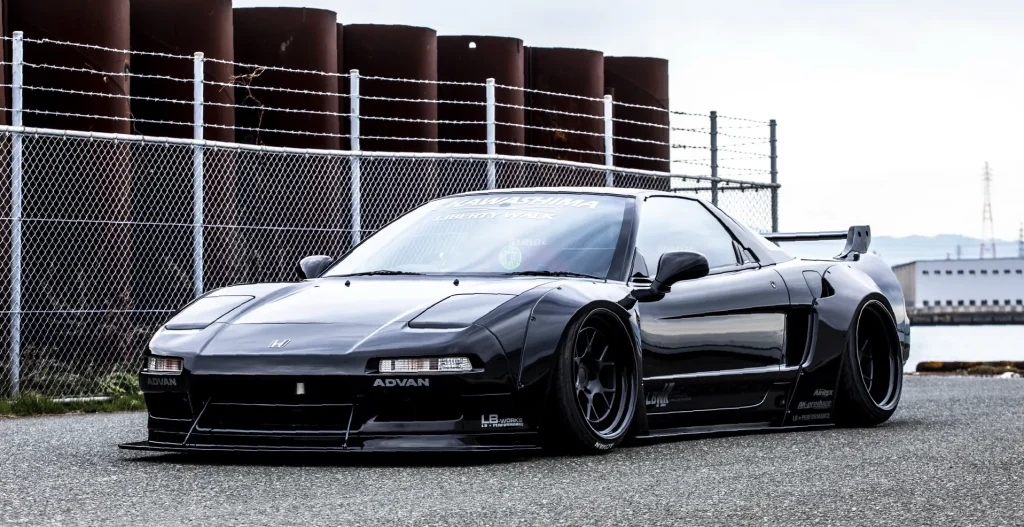
The exterior styling has aged remarkably well. Its clean lines, low stance, and understated elegance give it a timeless appearance. It looks sophisticated rather than flashy, which helps it remain visually appealing decades later.
Driving the NSX today still feels special. The steering is precise, the chassis is balanced, and the engine delivers an exciting yet refined experience. It provides a level of driver confidence that many supercars struggle to achieve.
The Honda NSX NA1 has aged like fine wine because it redefined what a supercar could be. Its blend of performance, reliability, and usability ensures its legacy continues to grow.
5. Mitsubishi Lancer Evolution VI
The Mitsubishi Lancer Evolution VI represents the peak of rally inspired performance from the late 1990s. Built with motorsport in mind, this machine was designed to dominate demanding terrain while delivering thrilling performance on everyday roads. Today, it stands as one of the most beloved and respected Japanese performance cars ever created.
At the core of the Evolution VI sits the turbocharged 4G63 engine, a powerplant known for strength and tuning potential. This engine delivers explosive acceleration, quick throttle response, and remarkable durability.
Even decades later, many examples still perform reliably, which shows the level of engineering that went into its development. Enthusiasts continue to celebrate the engine for its ability to handle significant performance upgrades without sacrificing longevity.
One of the defining characteristics of the Evolution VI is its advanced all wheel drive system. Mitsubishi engineered a sophisticated setup that maximizes traction and stability.
The car grips the road with incredible confidence, allowing drivers to push hard in challenging conditions. This capability helped the Evolution dominate rally competitions and build a legendary reputation.
The aggressive exterior design contributes to its timeless appeal. Large air intakes, wide fenders, and a prominent rear wing give the car a purposeful and functional appearance. Every design element serves a performance goal, which helps the car avoid looking dated. Instead, it continues to appear bold and exciting.
Driving the Evolution VI today feels exhilarating and engaging. The turbocharged engine delivers strong mid range power, while the chassis provides excellent feedback. The car encourages spirited driving and rewards confidence behind the wheel. Unlike many modern vehicles, it offers a raw and mechanical feel that enthusiasts deeply appreciate.
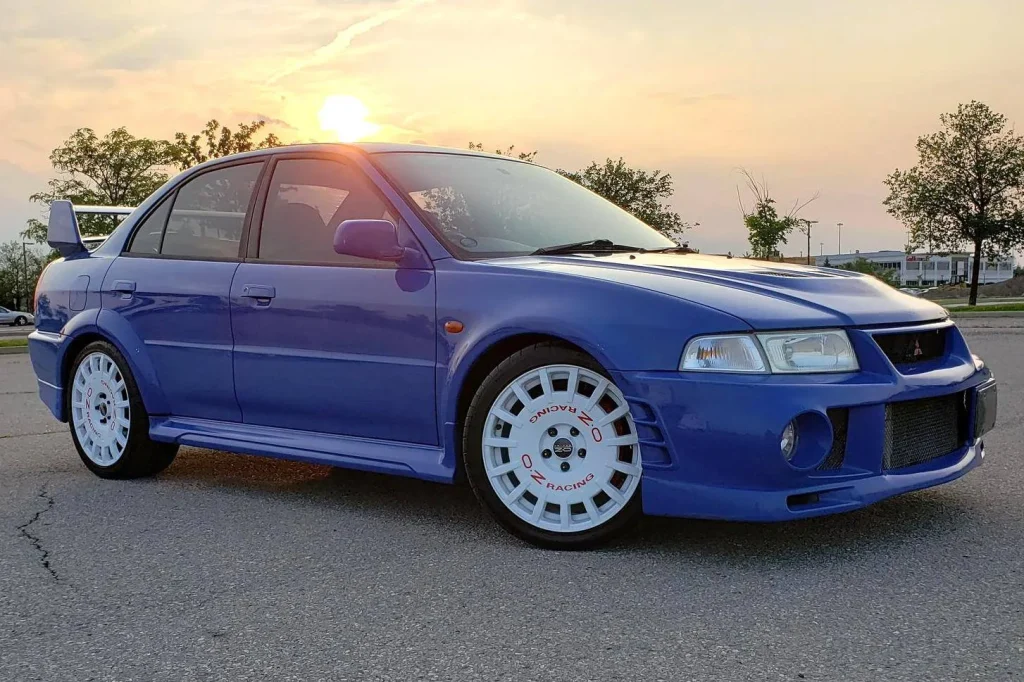
The Evolution series also played a major role in global car culture. Video games, rally events, and tuning communities helped introduce the model to audiences worldwide. Its motorsport success and performance credentials continue to increase its desirability.
The Mitsubishi Lancer Evolution VI has aged beautifully because it represents a pure connection between motorsport and road cars. Its performance, durability, and heritage ensure it remains a legend.
6. Subaru Impreza WRX STI GC8
The Subaru Impreza WRX STI GC8 stands as one of the most iconic rally inspired performance cars ever produced.
Introduced during the height of Subaru’s rally success, it quickly became a favorite among enthusiasts seeking thrilling performance combined with everyday practicality. Decades later, the GC8 continues to earn admiration for its character and capability.
Under the hood lies the turbocharged EJ20 boxer engine. This engine delivers strong torque, distinctive sound, and impressive reliability.
The symmetrical all wheel drive system provides outstanding traction, making the STI feel confident in a wide range of conditions. Whether on wet roads or winding mountain routes, the car maintains excellent stability and control.
One reason the GC8 has aged so well is its lightweight design. Compared to many modern performance cars, it feels compact and agile. The steering provides clear feedback, and the chassis responds quickly to driver inputs. This creates a sense of connection that remains highly rewarding today.
The exterior styling has become instantly recognizable. The hood scoop, large rear wing, and rally inspired stance give the STI a purposeful and energetic look. These features were originally designed for performance, which helps them remain relevant and timeless.
Driving the GC8 today still delivers excitement. The turbocharged acceleration feels lively, and the all wheel drive system inspires confidence. The car encourages spirited driving while remaining practical enough for daily use.
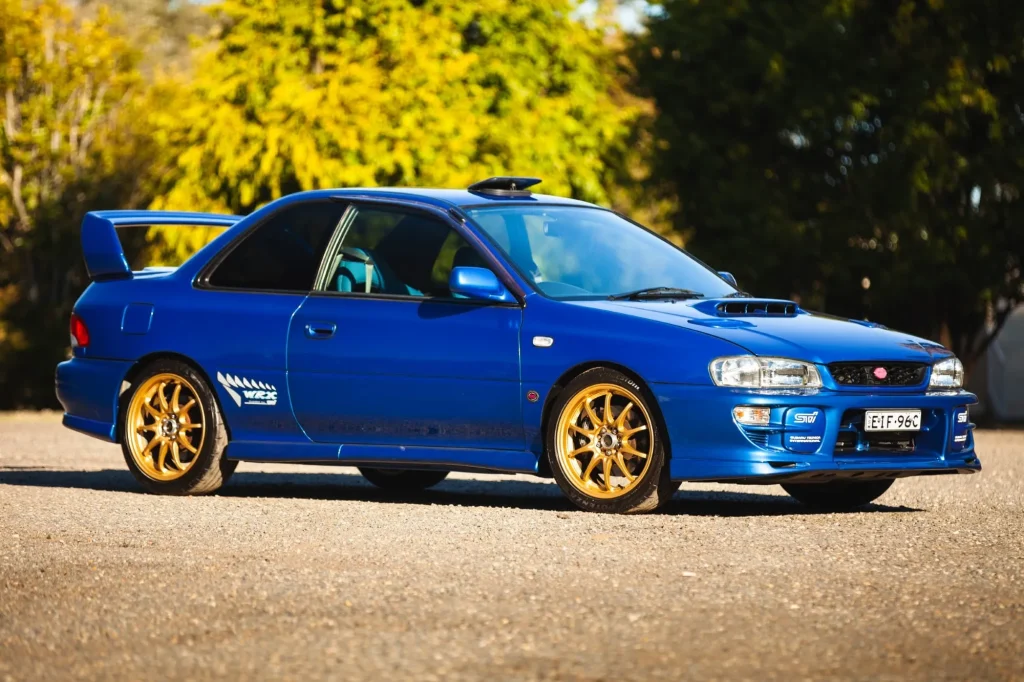
The WRX STI also built a strong global fan base through motorsport achievements and enthusiast communities. Its rally heritage continues to add to its legendary status.
The Subaru Impreza WRX STI GC8 has aged like fine wine because it captures the spirit of rally racing in a road car. Its performance, practicality, and heritage keep it highly desirable.
7. Nissan 350Z
The Nissan 350Z marked the revival of Nissan’s legendary Z car lineage in the early 2000s. After a period without a true Z sports car, the 350Z arrived with a mission to bring back affordable performance and driver engagement. Over the years, it has proven to be a modern classic that continues to gain appreciation.
At the center of the 350Z experience is the VQ35DE V6 engine. This naturally aspirated powerplant delivers strong torque and smooth acceleration, creating a satisfying and responsive driving experience. The engine’s reliability and durability have helped the car age gracefully, with many examples still performing well today.
One of the key strengths of the 350Z is its balanced rear wheel drive platform. The car offers excellent weight distribution, which contributes to confident handling and predictable behavior.
The steering provides clear feedback, allowing drivers to feel connected to the road. Even by modern standards, the 350Z remains engaging and enjoyable to drive.
The design of the 350Z successfully blends retro inspiration with modern styling. Its short overhangs, wide stance, and distinctive roofline give it a unique presence. Unlike many early 2000s designs that feel dated today, the 350Z still looks fresh and purposeful.
Inside the cabin, the car focuses on the driving experience. The seating position is low and sporty, and the controls are arranged with the driver in mind. This emphasis on functionality contributes to the car’s lasting appeal.
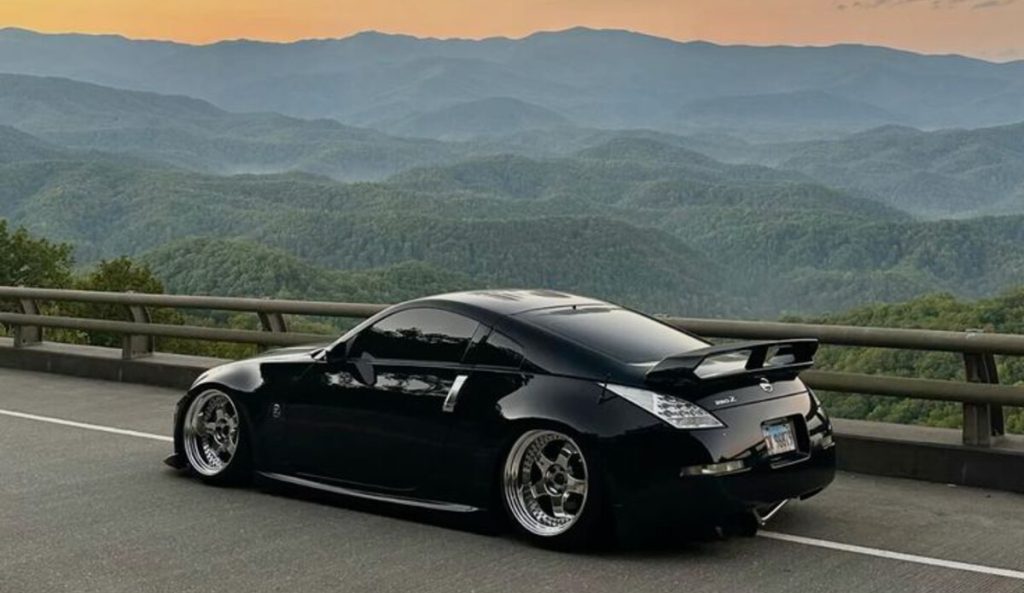
The 350Z also became a favorite among tuning communities. Its strong engine and solid chassis made it an excellent platform for modification. That popularity has helped keep the model relevant and visible in enthusiast circles.
Driving the 350Z today still feels rewarding. The engine provides strong acceleration, and the rear wheel drive layout offers a playful yet controlled experience. It delivers the kind of driving enjoyment that many enthusiasts seek.
The Nissan 350Z has aged beautifully because it revived a legendary nameplate while delivering genuine sports car performance. Its blend of reliability, design, and driving engagement ensures its lasting appeal.
8. Toyota MR2 SW20
The Toyota MR2 SW20 stands out as one of the most exciting mid engine sports cars produced in Japan. Introduced in the early 1990s, it offered exotic layout and performance at an accessible price. Today, it continues to gain recognition as a hidden gem among classic JDM sports cars.
The mid engine configuration is the defining feature of the MR2. Placing the engine behind the driver improves weight distribution and handling balance. This layout gives the car a unique driving feel that remains thrilling even by modern standards. The MR2 feels agile, responsive, and eager to change direction.
Turbocharged variants delivered strong performance and impressive acceleration. The engine provides quick response and satisfying power delivery, making the car exciting on winding roads. Combined with the lightweight chassis, the MR2 offers a driving experience that feels focused and engaging.
The design of the SW20 has aged gracefully. Smooth lines, pop up headlights, and a low stance give it a timeless appearance. Many enthusiasts still compare its styling to exotic sports cars from Europe, which highlights its visual appeal.
Inside the cabin, the driver focused layout emphasizes simplicity and functionality. The compact interior reinforces the car’s sporty character while maintaining comfort for daily use.
Driving the MR2 today remains a thrilling experience. The mid engine balance allows for precise cornering, and the car rewards skilled drivers with exceptional feedback. It offers a level of excitement that is increasingly rare in modern vehicles.
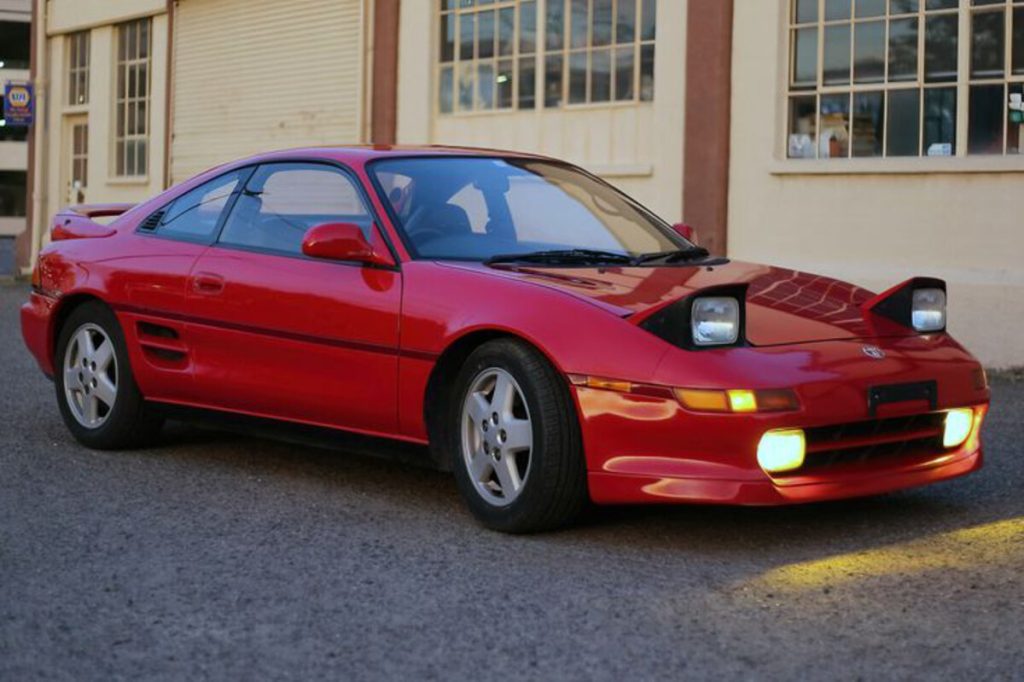
The MR2 also enjoys strong support from enthusiast communities. Owners continue to celebrate and preserve these cars, ensuring their legacy remains strong.
The Toyota MR2 SW20 has aged like fine wine because it delivers an exotic driving experience at an attainable level. Its unique layout, engaging performance, and timeless styling make it a standout classic.
9. Honda S2000
The Honda S2000 represents one of the purest driver focused sports cars ever produced. Introduced in 1999 to celebrate Honda’s fiftieth anniversary, the S2000 was engineered with a single goal in mind. Deliver an uncompromising open top driving experience. Over the years, it has proven to be a masterpiece that continues to grow in admiration.
At the center of the S2000 lies the legendary F20C engine. This naturally aspirated four cylinder is famous for its incredibly high redline and remarkable efficiency.
Producing impressive power without forced induction, the engine delivers a thrilling surge as it climbs toward its redline. The smooth and responsive nature of the power delivery creates a driving experience that remains exciting even today.
One of the most impressive aspects of the S2000 is its near perfect weight distribution. Honda engineers worked extensively to position the engine behind the front axle, creating a front mid engine layout. This configuration provides excellent balance and precise handling. The car feels stable in corners and responds quickly to driver input.
The six speed manual transmission deserves special recognition. It is widely considered one of the best gearboxes ever produced. Short, precise shifts enhance the connection between driver and machine. Even decades later, many enthusiasts consider it a benchmark for manual transmissions.
The exterior styling of the S2000 has aged beautifully. Its long hood, short rear deck, and compact proportions create a timeless silhouette. The design remains elegant and sporty without relying on trends that fade quickly.
Driving the S2000 today feels incredibly engaging. The steering is precise, the chassis is responsive, and the engine rewards drivers who push it to higher revs. It delivers a level of involvement that many modern cars struggle to match.
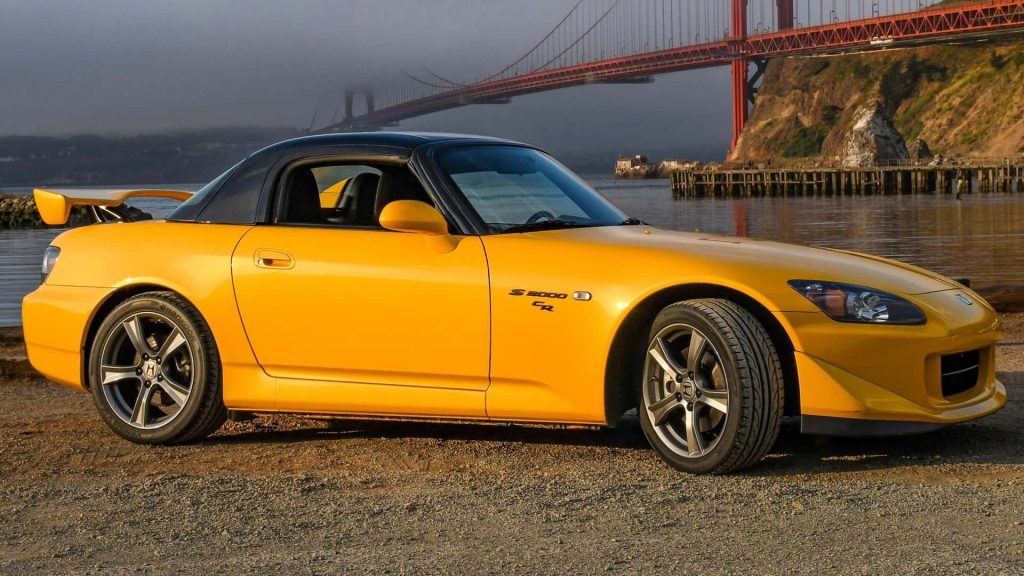
The Honda S2000 has aged like fine wine because it represents pure driving enjoyment. Its engineering precision and timeless design ensure its legacy continues to grow.
10. Toyota Celica GT Four ST205
The Toyota Celica GT Four ST205 represents the culmination of Toyota’s rally inspired performance during the 1990s. Built to compete in the World Rally Championship, this model combined advanced technology with strong performance. Today, it remains a highly respected classic among enthusiasts.
Under the hood sits a turbocharged engine that delivers strong and consistent power. Paired with an advanced all wheel drive system, the Celica offers excellent traction and stability. This combination allows the car to perform confidently in a variety of conditions, reflecting its rally heritage.
The engineering behind the GT Four focused heavily on durability and performance. Toyota designed the car to handle demanding environments, which contributes to its long lasting reliability. Many examples continue to perform well decades after production ended.
The exterior design has aged gracefully. Aggressive styling elements such as large air intakes, a functional rear wing, and wide stance give the car a purposeful look. These features were designed for performance, which helps them remain timeless rather than outdated.
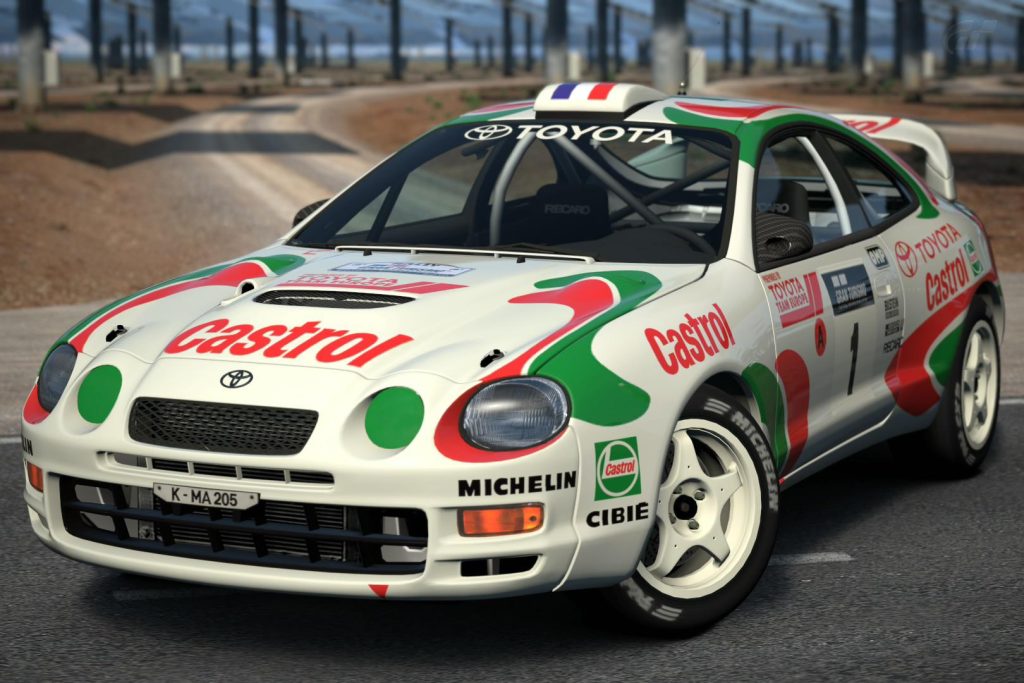
Inside the cabin, the Celica offers a practical and comfortable environment. The combination of performance and usability made it appealing to drivers who wanted excitement without sacrificing daily comfort.
Driving the GT Four today remains enjoyable and engaging. The turbocharged engine delivers strong acceleration, and the all wheel drive system provides confidence in challenging conditions. The car encourages spirited driving while maintaining stability and control.
The Celica GT Four also gained recognition through motorsport achievements and enthusiast communities. Its rally success continues to enhance its reputation and desirability.
The Toyota Celica GT Four ST205 has aged like fine wine because it blends performance, reliability, and heritage. It stands as a lasting symbol of Toyota’s rally inspired engineering.
Also Read: 10 Cheap Trucks That Make Incredible Off-Road Builds
