
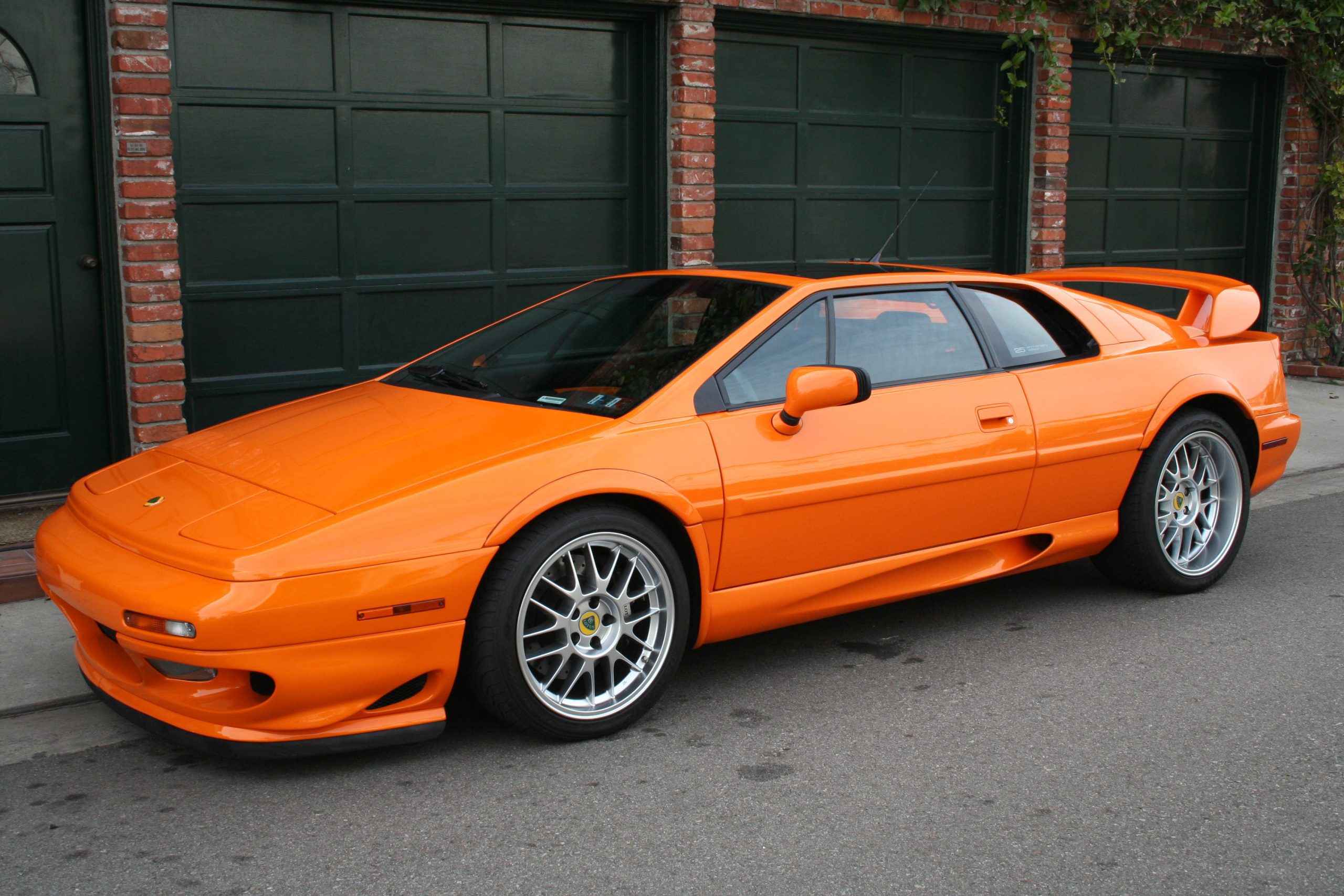
Classic sports cars often represent the peak of design, engineering, and driving passion. They capture an era when manufacturers pushed boundaries to create machines that felt thrilling, beautiful, and unique.
For many enthusiasts, owning one of these legendary vehicles is a lifelong dream. The sound of a high revving engine, the smell of leather and fuel, and the mechanical connection between driver and machine create an experience that modern cars rarely replicate.
However, the romance of classic sports car ownership comes with a serious reality. While these machines may look breathtaking and deliver unforgettable driving experiences, they can be extremely expensive to maintain.
Parts availability, complex engineering, specialized labor, and aging components all contribute to ownership costs that can surprise even experienced collectors.
Unlike modern vehicles, classic sports cars often require regular attention simply to remain roadworthy. Rubber seals deteriorate, electrical systems age, and rare components become harder to source each year.
Even routine service can demand specialist knowledge, and mistakes can quickly become costly. For many owners, maintenance becomes a long term commitment rather than an occasional responsibility.
Another factor that drives expenses is the engineering philosophy of older performance cars. Many were built with cutting edge technology for their time, but that innovation often means complicated mechanical systems that require expert care today. Exotic materials, hand built components, and limited production numbers make repairs more challenging and expensive.
Despite these challenges, enthusiasts continue to pursue these machines because the driving experience is unmatched. The connection, character, and heritage they offer are worth the effort for passionate owners.
In this article, we explore ten classic sports cars that are undeniably stunning but notoriously expensive to maintain. These vehicles prove that beauty and performance often come with a significant cost. Let us begin with two legendary machines that embody both breathtaking performance and demanding ownership.
Also Read: 10 EV Features That Gas Drivers Secretly Want
1. Ferrari Testarossa
The Ferrari Testarossa stands as one of the most recognizable supercars of the 1980s. With its dramatic side strakes, wide stance, and unmistakable presence, it became a symbol of wealth and performance. Even today, the Testarossa remains visually captivating and highly desirable among collectors.
Underneath the striking design lies a flat twelve cylinder engine mounted in the rear. This engine produces strong power and delivers a distinctive sound that defines the Ferrari experience. While thrilling to drive, the engineering complexity of this powertrain makes maintenance particularly expensive and labor intensive.
One of the biggest challenges of Testarossa ownership is the engine out service. Routine maintenance often requires removing the entire engine from the car.
This process demands significant time and expertise, which quickly increases service costs. Timing belt replacement, valve adjustments, and other essential work can become major financial commitments.
Cooling systems also demand careful attention. The Testarossa generates considerable heat, and aging components can lead to overheating if not maintained properly. Radiators, hoses, and cooling fans require regular inspection and replacement over time.
Electrical systems in older Ferraris are known for their complexity. As the car ages, wiring and connectors can deteriorate, leading to frustrating and expensive troubleshooting. Finding specialists who understand these systems adds another layer of cost.
Parts availability presents another challenge. While many components are still obtainable, they often come at premium prices. Limited production numbers and the Ferrari name contribute to high parts costs.
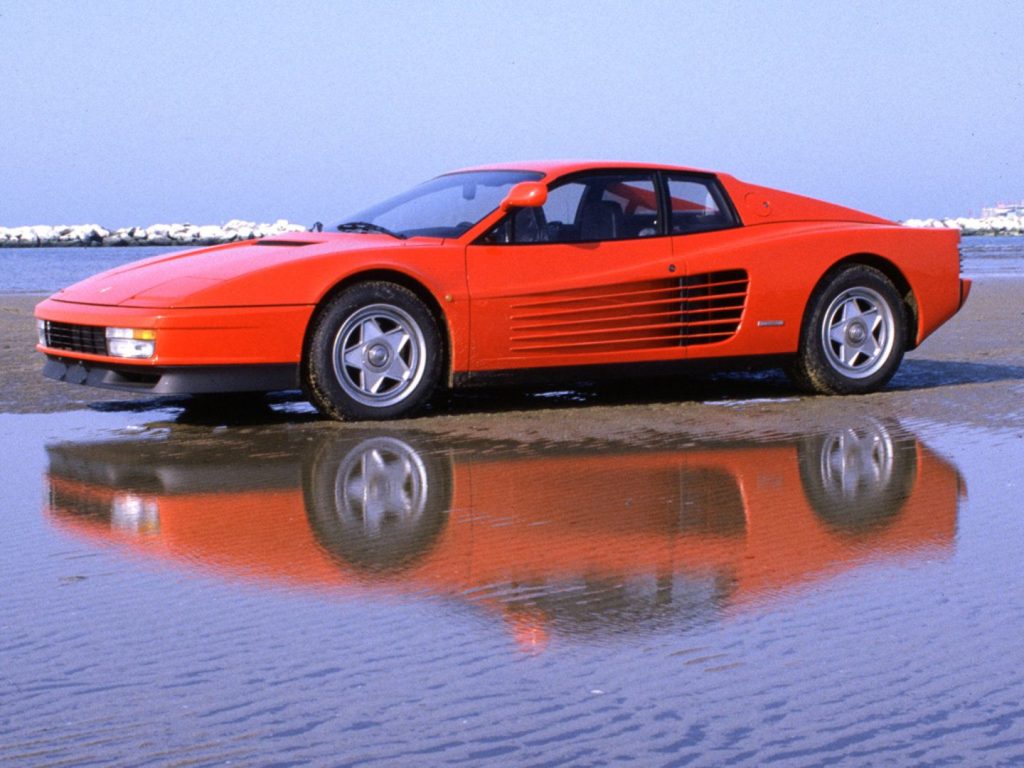
Despite these expenses, the Testarossa continues to captivate enthusiasts. Its dramatic styling and powerful performance ensure its place in automotive history. For those willing to accept the maintenance demands, the ownership experience can be deeply rewarding.
The Ferrari Testarossa proves that iconic design and thrilling performance often require significant dedication and financial commitment.
2. Lamborghini Countach
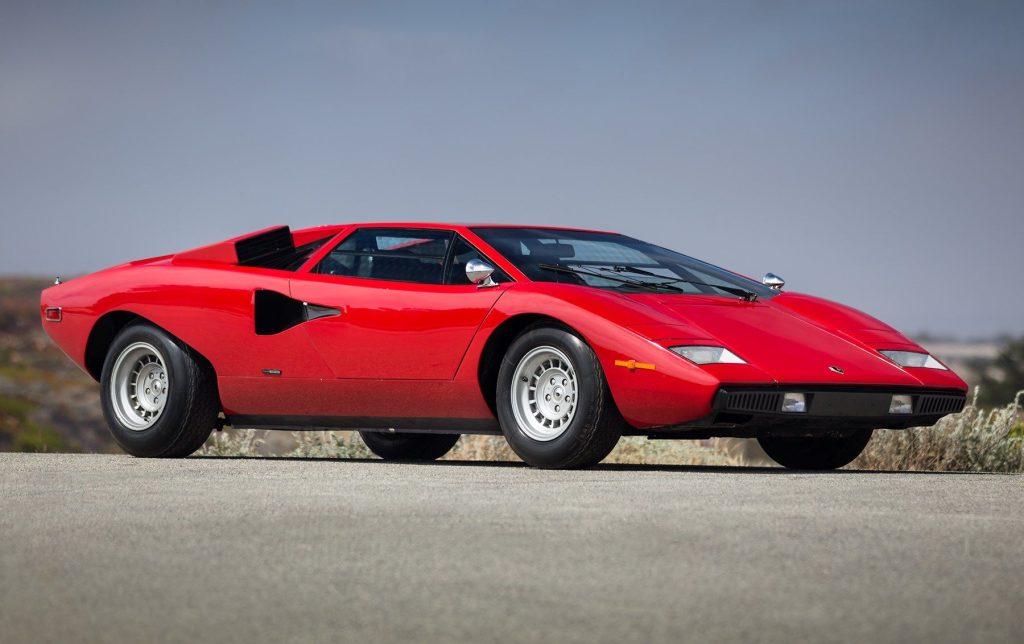
The Lamborghini Countach is one of the most dramatic and unforgettable sports cars ever produced. Its sharp angles, scissor doors, and futuristic appearance defined the supercar dream for an entire generation. Even decades later, the Countach still looks like a vehicle from another world.
Power comes from a naturally aspirated V12 engine that delivers exhilarating performance and a distinctive sound. While the driving experience is unforgettable, maintaining this engine requires specialized knowledge and considerable investment.
The Countach was built in relatively small numbers, which means replacement parts can be difficult to source. Many components are rare and expensive, making repairs a serious financial undertaking. Owners often rely on specialist workshops with experience in vintage Lamborghini models.
The car’s carbureted engine setup requires careful tuning and regular adjustment. Keeping the engine running smoothly demands attention and expertise. Neglect can lead to costly repairs and performance issues.
Cooling systems are another area of concern. The mid engine layout generates substantial heat, and maintaining proper cooling is essential for reliability. Radiators, fans, and hoses require regular inspection and replacement.
The interior also contributes to maintenance challenges. Hand built materials and unique components can be expensive to restore or replace. Even small interior repairs may involve significant cost.
Driving the Countach requires commitment as well. Its heavy controls and limited visibility make it demanding to operate. However, these characteristics also contribute to its legendary status.
The Lamborghini Countach remains an icon of automotive design and performance. Its beauty and rarity ensure lasting appeal, but ownership requires substantial financial dedication.
3. Porsche 911 Turbo 930
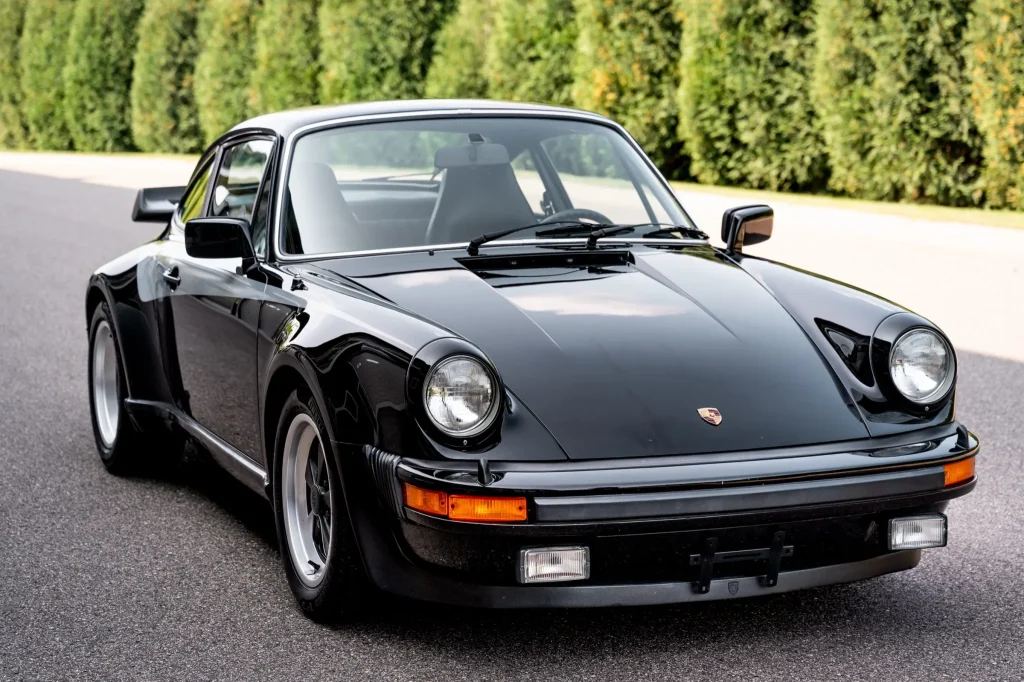
The Porsche 911 Turbo 930 represents one of the most famous and demanding performance cars of the late twentieth century. Introduced in the mid 1970s, it quickly earned a reputation for thrilling speed and challenging behavior. Today, it remains a highly respected classic that commands attention wherever it goes.
At the heart of the 930 sits a turbocharged flat six engine that delivers explosive acceleration. This early turbo technology created strong power but also introduced the well known phenomenon of turbo lag.
When the boost arrives, the surge is dramatic and unforgettable. While exciting, the complexity of this early turbocharged setup contributes to significant maintenance requirements.
The turbocharger system itself demands careful upkeep. Components operate under extreme heat and pressure, which means wear and deterioration are inevitable over time. Replacement or rebuilding of turbo components can be extremely expensive. Proper maintenance is essential to avoid major failures.
Air cooled engines also require specialized expertise. Unlike modern water cooled systems, air cooled engines depend heavily on precise tuning and airflow. Oil leaks are common and can require ongoing attention. Skilled technicians familiar with classic Porsche models are essential for proper service.
The gearbox and clutch can also present costly challenges. The powerful turbocharged engine places significant stress on drivetrain components. Replacing or rebuilding these parts requires specialized knowledge and can involve substantial expense.
Parts availability remains strong due to Porsche’s heritage support, but prices reflect the prestige of the brand. Even routine service items can be costly compared to standard vehicles.
Despite these challenges, the 930 continues to captivate enthusiasts. Its iconic shape, thrilling performance, and historical significance ensure lasting demand. The driving experience remains raw and engaging, offering a connection that modern cars rarely provide.
The Porsche 911 Turbo 930 is a perfect example of a classic sports car that delivers unforgettable excitement while demanding serious maintenance commitment.
4. Jaguar E Type
The Jaguar E Type is widely considered one of the most beautiful cars ever created. Introduced in the 1960s, it combined elegant design with impressive performance. Even today, it continues to draw admiration from enthusiasts and collectors around the world.
Beneath the stunning exterior lies a complex mechanical package that can be challenging to maintain. The inline six engine delivers smooth power and classic sound, but aging components require frequent attention. Carburetors, ignition systems, and cooling components often need regular adjustment and servicing.
Electrical systems are a well known weakness of vintage Jaguars. Wiring and connectors can deteriorate over time, leading to reliability issues that require careful troubleshooting. Repairing electrical problems in classic vehicles often involves significant labor and expertise.
The cooling system is another area that demands constant care. Overheating can become a concern if components are not maintained properly. Radiators, hoses, and water pumps require regular inspection and replacement.
Rust prevention and body maintenance also play a major role in ownership costs. Classic steel construction means corrosion can develop if the car is not stored and maintained properly. Body restoration can become extremely expensive.
Suspension and braking systems require periodic rebuilding to maintain safety and performance. Replacement parts and specialized labor contribute to ongoing expenses.
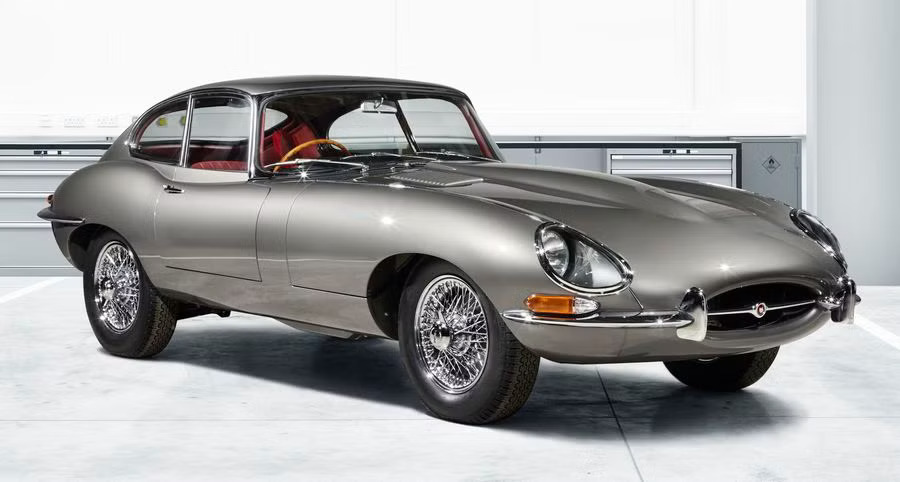
Despite the challenges, the E Type remains one of the most celebrated sports cars in history. Its timeless design and heritage ensure continued admiration.
Owning a Jaguar E Type offers a rewarding experience, but maintaining its beauty and performance requires dedication and financial commitment.
5. BMW M1
The BMW M1 occupies a special place in automotive history as the first true supercar developed by BMW’s motorsport division.
Produced in limited numbers during the late 1970s and early 1980s, it combined exotic styling with racing pedigree. Today, the M1 remains highly collectible, but maintaining one can be exceptionally expensive.
The mid engine layout and hand built construction contribute to the car’s complexity. Unlike mass produced vehicles, the M1 features numerous bespoke components. Many parts were produced in small quantities, which makes sourcing replacements difficult and costly.
The inline six engine delivers impressive performance and smooth power delivery. However, maintaining this engine requires specialist knowledge. Routine servicing can become expensive due to the rarity of parts and the expertise required for proper tuning and repairs.
The fuel injection system also presents challenges. Early fuel injection technology can require careful adjustment and periodic rebuilding. Diagnosing issues often demands experienced technicians familiar with vintage BMW engineering.
Body and interior components add another layer of expense. Unique panels and materials make restoration work time consuming and costly. Even minor cosmetic repairs can require significant investment.
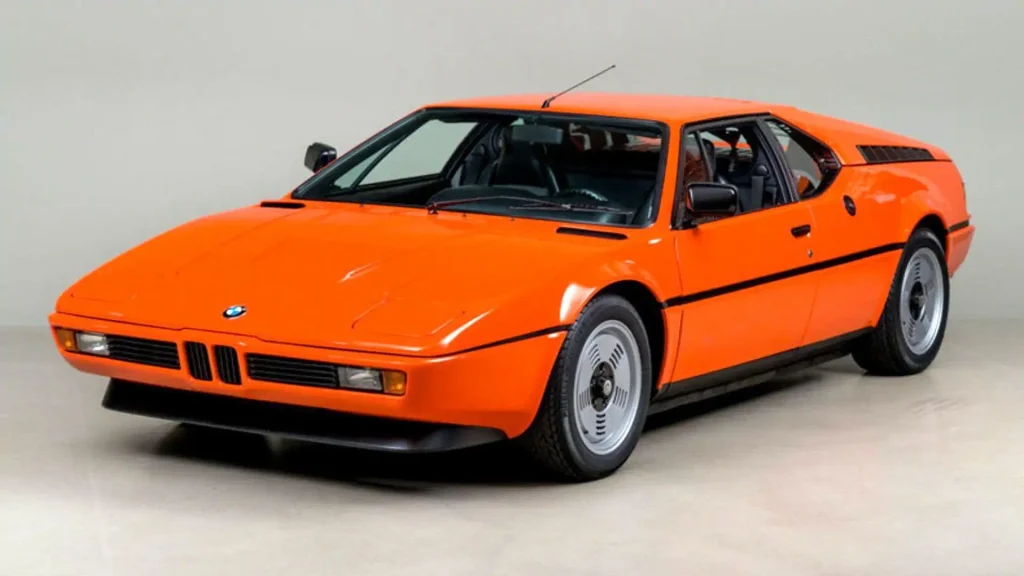
The limited production run contributes heavily to ownership costs. With fewer cars produced, the supply of spare parts remains limited. This scarcity increases prices and makes long term maintenance planning essential.
Despite these challenges, the BMW M1 continues to captivate collectors. Its rarity, design, and motorsport heritage ensure lasting demand and admiration.
Owning a BMW M1 is a rewarding experience, but it requires dedication and significant financial commitment to keep the car in top condition.
6. Aston Martin V8 Vantage 1970s
The Aston Martin V8 Vantage from the 1970s is a symbol of British luxury and performance. Known for its muscular design and powerful engine, it earned the nickname Britain’s first supercar. While its presence and performance remain impressive, maintaining this classic machine can be extremely demanding.
The large V8 engine delivers strong power and a distinctive sound. However, its complexity and age mean that regular maintenance is essential. Fuel systems, ignition components, and cooling systems often require frequent attention.
Hand built construction contributes to high ownership costs. Many components were produced in small numbers, making replacements difficult to obtain. Restoration work often requires skilled craftsmen and significant time.
Electrical systems can present ongoing challenges. Aging wiring and connectors may lead to reliability issues that demand careful troubleshooting and repair.
The interior features high quality materials that require proper care. Leather, wood, and custom trim components can be expensive to restore or replace.
Fuel consumption and general running costs also contribute to ownership expenses. Operating a large V8 engine requires ongoing financial commitment.
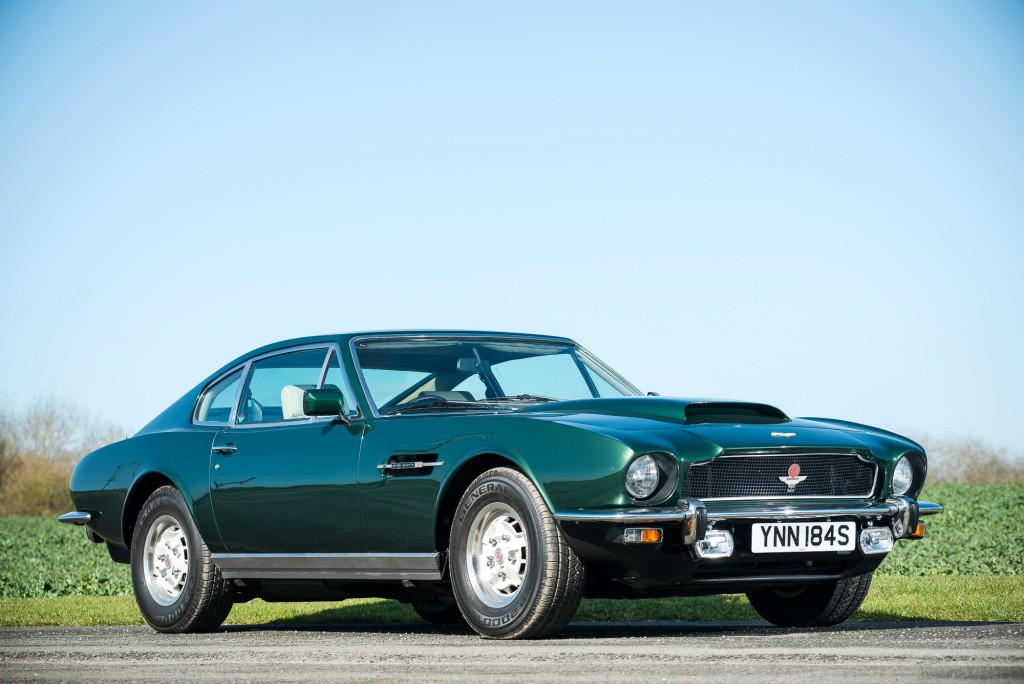
Despite these challenges, the Aston Martin V8 Vantage remains a stunning and desirable classic. Its combination of luxury and performance continues to attract enthusiasts.
Owning one offers a unique and rewarding experience, but maintaining its condition demands patience and significant investment.
7. Maserati Biturbo
The Maserati Biturbo arrived in the early 1980s with an ambitious goal. It aimed to bring Italian performance and luxury to a broader audience. With elegant styling, compact dimensions, and twin turbocharged performance, the Biturbo looked like a promising blend of excitement and sophistication.
While the car remains visually appealing and historically interesting, its maintenance reputation has become legendary for all the wrong reasons.
The twin turbocharged V6 engine was highly advanced for its time. Maserati pushed innovation by introducing forced induction into a compact luxury sports coupe.
This engineering decision gave the Biturbo impressive performance figures, but it also created a complex powertrain that demands constant care. Turbochargers, intercoolers, and associated plumbing add layers of mechanical complexity that can be costly to maintain.
Early fuel and ignition systems are known to require frequent tuning. Carburetors in early models demand precise adjustment to keep the engine running smoothly. Over time, maintaining proper calibration can become both time consuming and expensive. Neglecting routine servicing often leads to larger mechanical issues.
Electrical systems represent another major challenge. Aging wiring and connectors can cause unpredictable reliability problems. Diagnosing electrical faults in vintage Italian cars often requires patience and specialized expertise, which adds to labor costs.
Cooling systems must also be carefully monitored. Turbocharged engines generate significant heat, and any weakness in the cooling setup can lead to overheating. Radiators, hoses, and fans require regular inspection and replacement to ensure proper function.
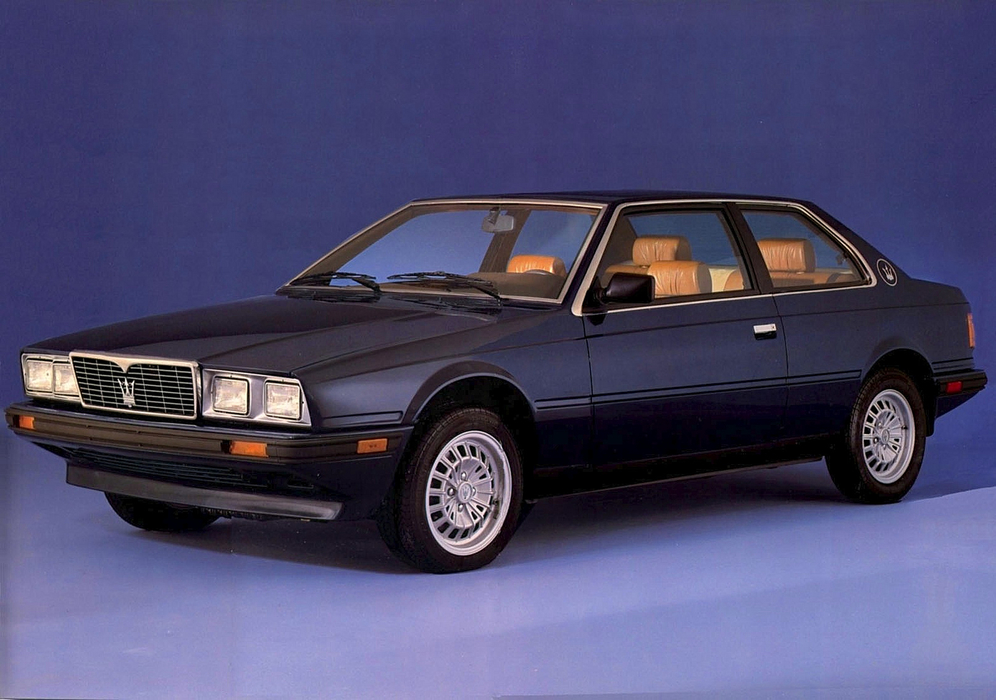
Interior materials and trim components also contribute to maintenance expenses. Unique parts and handcrafted details can be difficult to source, making restoration work costly.
Despite its reputation, the Biturbo remains an interesting piece of automotive history. Its styling, heritage, and performance continue to attract enthusiasts willing to accept the maintenance demands.
The Maserati Biturbo demonstrates how ambitious engineering can create a beautiful and exciting car that requires dedication and substantial financial commitment to maintain.
8. Ferrari 348
The Ferrari 348 represents a significant chapter in Ferrari’s evolution during the late 1980s and early 1990s. With sharp styling and mid engine performance, it captured the spirit of classic Ferrari design. While the car remains visually striking and exciting to drive, ownership involves considerable maintenance responsibilities.
The mid engine layout creates a thrilling driving experience, but it also complicates routine servicing. Accessing key engine components often requires extensive disassembly. This increases labor time and raises service costs significantly.
Like many Ferraris of its era, the 348 requires regular timing belt service. This process is labor intensive and essential for engine reliability. Skipping scheduled maintenance can lead to catastrophic engine damage, making preventative care a necessity.
Cooling systems demand consistent attention. The mid engine configuration generates substantial heat, and aging components can lead to overheating if not properly maintained. Radiators, water pumps, and hoses often require replacement over time.
Electrical systems can also become problematic as the car ages. Wiring degradation and aging sensors can lead to frustrating reliability issues that require expert diagnosis.
The clutch and transmission system add to ownership costs. Performance oriented components wear more quickly and often require replacement after spirited driving. Servicing these parts can be expensive due to labor requirements.
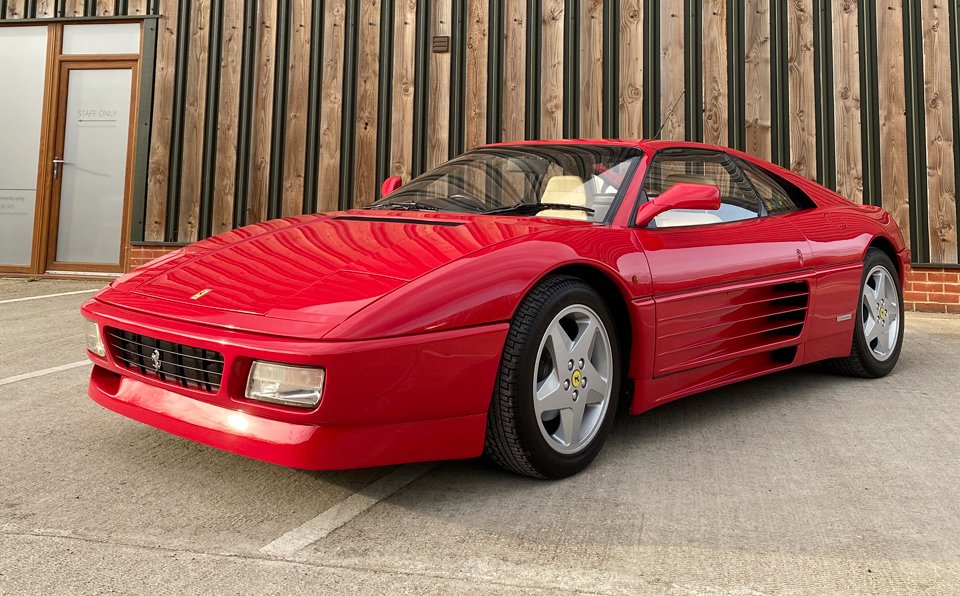
Interior materials and body components are also costly to maintain. Unique Ferrari parts and handcrafted details increase restoration expenses.
Despite these challenges, the Ferrari 348 offers a driving experience filled with character and excitement. Its styling and heritage continue to attract collectors and enthusiasts.
The Ferrari 348 proves that owning a classic Ferrari provides unforgettable experiences, but maintaining its performance and condition requires ongoing dedication and significant financial resources.
9. Lotus Esprit V8
The Lotus Esprit V8 represents the final evolution of one of the most iconic British sports car lines ever created. Known for its wedge shaped design and exotic appearance, the Esprit became a symbol of performance and style for decades.
The V8 version introduced in the late 1990s elevated the car’s performance to a new level. While undeniably stunning and thrilling to drive, maintaining an Esprit V8 can be a demanding and expensive commitment.
At the heart of the Esprit V8 lies a twin turbocharged V8 engine developed by Lotus. This engine delivers strong performance and rapid acceleration, transforming the lightweight chassis into a genuine supercar contender.
However, the complexity of the twin turbo system introduces significant maintenance requirements. Turbochargers operate under extreme heat and pressure, and over time they require inspection, rebuilding, or replacement. These services are costly and demand specialist knowledge.
The mid engine layout contributes heavily to maintenance difficulty. Accessing key components often requires significant disassembly, increasing labor time and service costs.
Routine tasks that might be simple on front engine cars can become complex procedures in the Esprit. Mechanics with experience working on this model are limited, which adds to the expense of ownership.
Cooling systems require constant attention. Turbocharged engines produce substantial heat, and the Esprit relies on a carefully engineered cooling setup to maintain reliability. Radiators, hoses, and water pumps must be monitored regularly to prevent overheating. Any failure in the cooling system can quickly lead to costly repairs.
Electrical systems also present ongoing challenges. As the car ages, wiring and electronic components may degrade. Diagnosing electrical issues in a limited production sports car requires time and expertise. Replacement parts can be expensive due to limited availability.
Suspension components and brakes require regular servicing to maintain performance. Lotus focused heavily on handling, which means the car uses performance oriented components that wear faster than standard parts. Replacing these items adds to long term ownership costs.
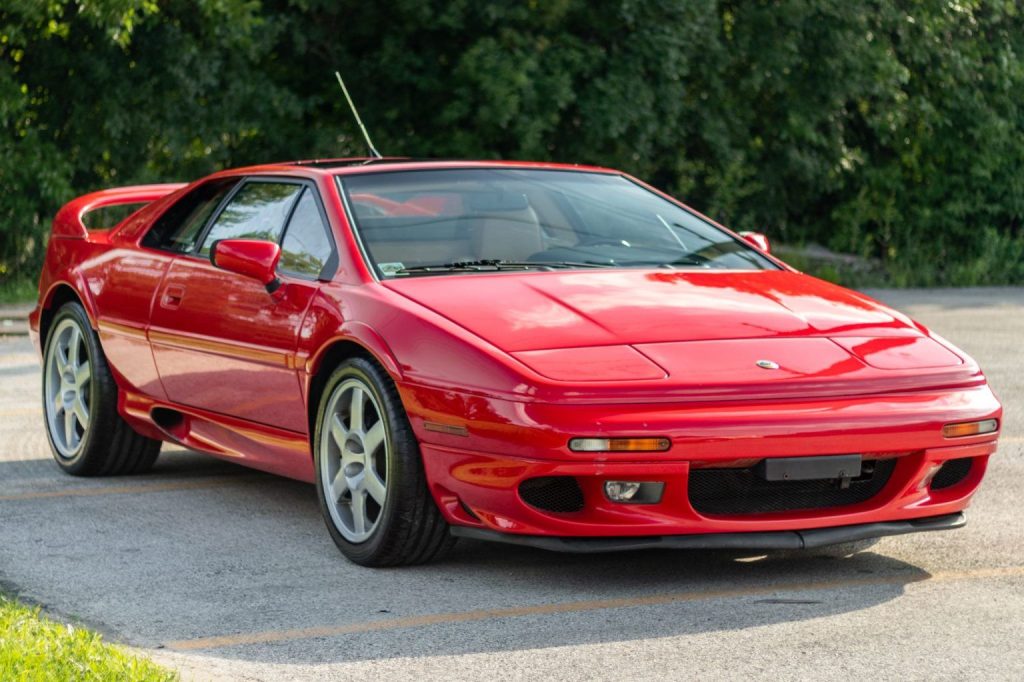
Interior and exterior restoration can also be expensive. Unique trim pieces, body panels, and specialized materials increase the cost of cosmetic repairs. Even minor restoration projects can require significant investment.
Despite these challenges, the Lotus Esprit V8 offers a driving experience that few cars can match. Its combination of lightweight design, turbocharged power, and sharp handling creates an unforgettable connection between driver and machine. Enthusiasts who accept the maintenance demands often find the experience deeply rewarding.
The Lotus Esprit V8 proves that exotic performance and breathtaking design often come with substantial ownership costs. Its beauty and performance remain timeless, but maintaining its condition requires dedication and financial commitment.
10. DeLorean DMC 12
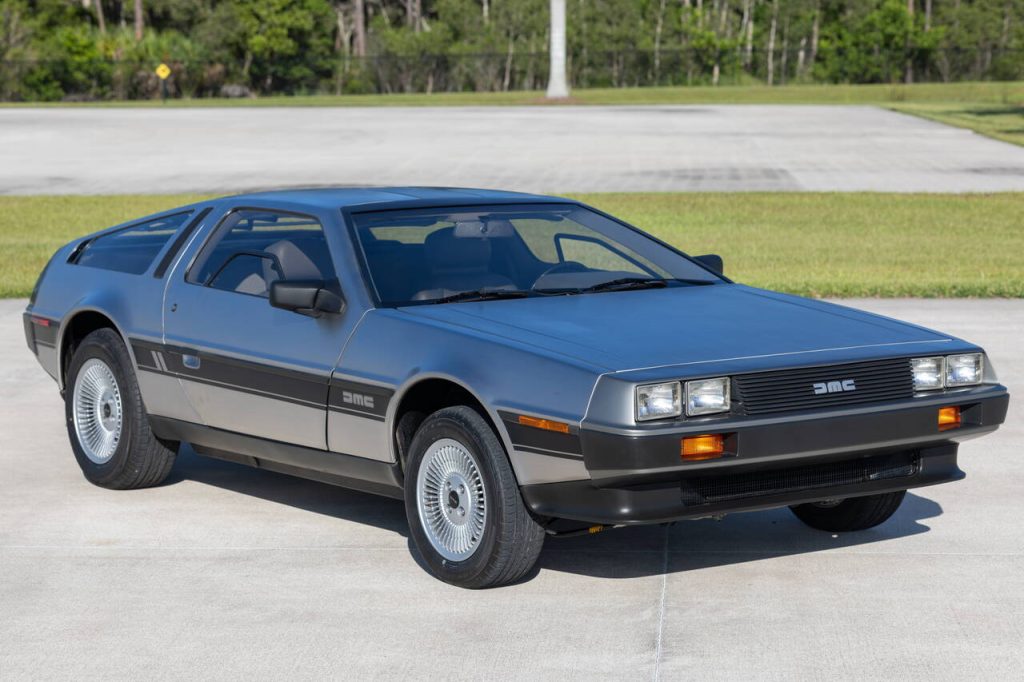
The DeLorean DMC 12 is one of the most recognizable sports cars ever produced. Its stainless steel body, gullwing doors, and futuristic styling made it an instant icon. While its cultural significance and unique appearance continue to attract attention, maintaining a DeLorean can be surprisingly expensive and challenging.
The stainless steel body panels are one of the car’s defining features. While resistant to traditional paint wear, they require specialized care and repair techniques. Fixing dents or damage often involves unique tools and skilled labor. Body restoration can quickly become expensive due to the unusual construction.
The gullwing doors add another layer of complexity. These doors rely on specialized gas struts and hinges that must be maintained properly. Over time, components wear out and require replacement. Servicing the door mechanisms can be costly and requires experienced technicians.
The PRV V6 engine delivers modest performance, but maintaining it can still be challenging. Parts availability varies, and sourcing components often involves specialty suppliers. Routine servicing can become expensive due to limited availability and specialist labor.
Electrical systems are known to require ongoing attention. Aging wiring and connectors can lead to reliability issues that demand careful troubleshooting. Repairing electrical problems in older vehicles can involve significant time and expense.
Cooling systems must also be monitored carefully. Radiators, hoses, and water pumps require regular inspection and replacement to maintain reliability. Neglecting these components can lead to overheating and costly repairs.
Interior restoration presents additional challenges. Unique trim pieces and materials can be difficult to source, making refurbishment projects expensive. Even small repairs can involve significant investment.
Despite these challenges, the DeLorean remains a beloved classic. Its distinctive design and cultural significance ensure lasting popularity among enthusiasts and collectors.
The DeLorean DMC 12 demonstrates that owning an iconic sports car can be rewarding, but maintaining its condition and functionality requires patience, dedication, and ongoing financial commitment.
Classic sports cars capture imagination with their beauty, performance, and heritage, yet they often demand serious financial commitment to maintain. Throughout this article, we explored ten legendary machines that remain breathtaking but come with costly ownership responsibilities.
These vehicles represent different eras and engineering philosophies, yet they all share one common trait. Maintaining them requires dedication, patience, and substantial resources.
Italian exotics such as the Ferrari Testarossa, Lamborghini Countach, and Ferrari 348 highlight how advanced engineering and exotic layouts can create complex servicing requirements.
Engine out maintenance, specialized parts, and expert labor quickly raise ownership costs. These cars deliver unforgettable driving experiences, but their mechanical sophistication means routine servicing can become a major investment.
European classics like the Jaguar E Type, Aston Martin V8 Vantage, Lotus Esprit V8, and DeLorean DMC 12 show how aging components and unique construction contribute to long term expenses.
Electrical systems, cooling components, and handcrafted materials require regular care and restoration. As parts become rarer, sourcing replacements becomes increasingly difficult and costly.
Performance icons such as the Porsche 911 Turbo 930 and BMW M1 demonstrate how motorsport inspired engineering adds another layer of complexity.
Turbocharging systems, rare components, and limited production numbers make servicing and restoration expensive. These vehicles were built to deliver exceptional performance, but maintaining that performance decades later requires specialized knowledge.
The Maserati Biturbo reminds us that ambitious innovation can introduce long term challenges. Complex turbocharged systems and early electronics demand ongoing attention to remain reliable.
Despite the financial demands, these cars continue to attract passionate enthusiasts. Their design, history, and driving experience create emotional connections that modern cars rarely match. Owners often view maintenance not as a burden but as part of preserving automotive history.
Ultimately, these classic sports cars prove that beauty and performance often come with significant responsibility. Owning one can be incredibly rewarding, but it requires realistic expectations and long-term commitment.
Also Read: 10 Cheap Trucks That Make Incredible Off-Road Builds
