
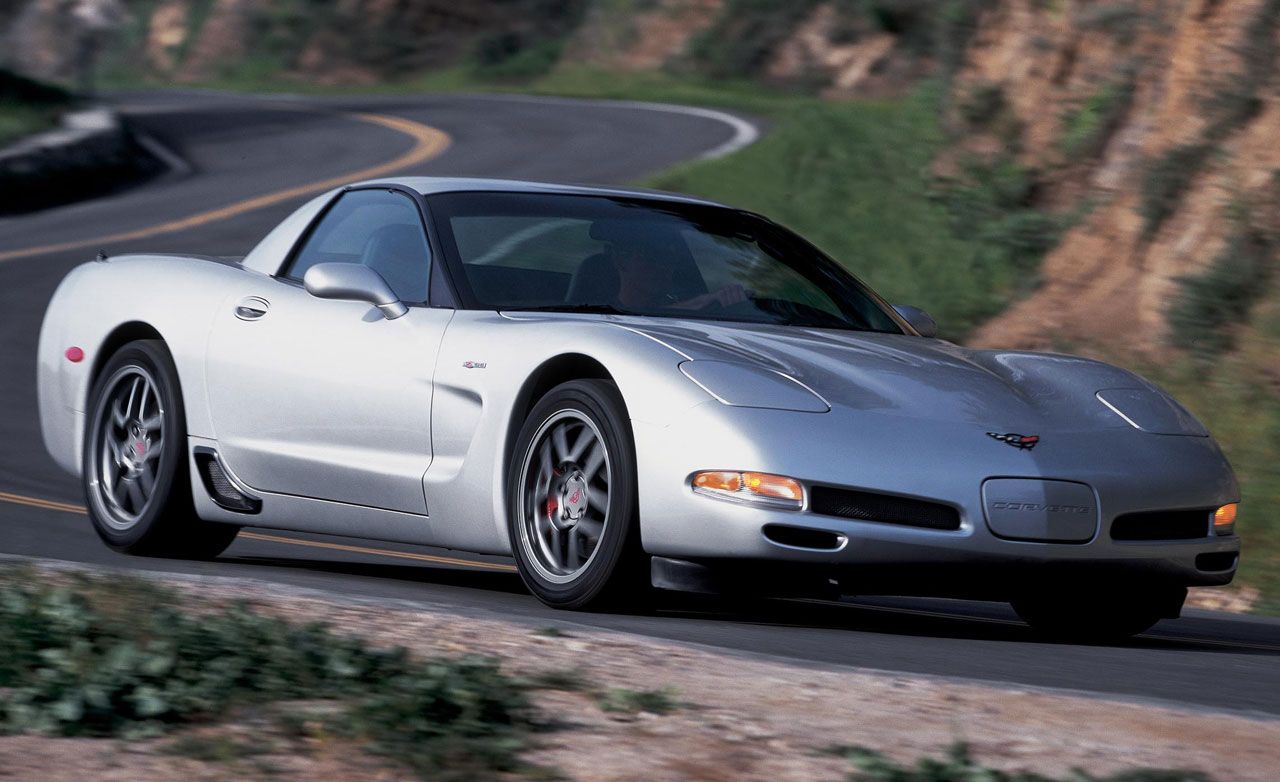
Restoring a classic Corvette is not just a mechanical task. It is a journey into American automotive history and a chance to bring an icon back to life.
Corvettes have always balanced performance, design, and cultural significance. That combination makes many generations ideal restoration candidates, especially when parts availability and community support are strong.
A good restoration project is not always about chasing the rarest or most expensive model. The best projects are the ones with strong aftermarket support, clear documentation, and timeless appeal.
Corvette history offers decades of models that fit this description perfectly. From early fiberglass pioneers to modern performance legends, there are restoration opportunities for every skill level and budget.
Another reason Corvettes make such rewarding projects is their passionate global community. Enthusiasts have preserved factory manuals, reproduction parts, and technical knowledge for decades.
This means restoring a Corvette often feels less intimidating than rebuilding other classics. Even complex models have detailed support networks ready to help.
This list highlights ten Corvette builds that stand out as ideal restoration projects. Each offers a unique blend of heritage, value potential, and hands on enjoyment.
Some are historically significant. Others deliver incredible performance after a careful rebuild. All of them reward patience and dedication.
Also Read: 10 Hybrid Cars With Reliability Records You Should Avoid
1. 1953 Chevrolet Corvette C1
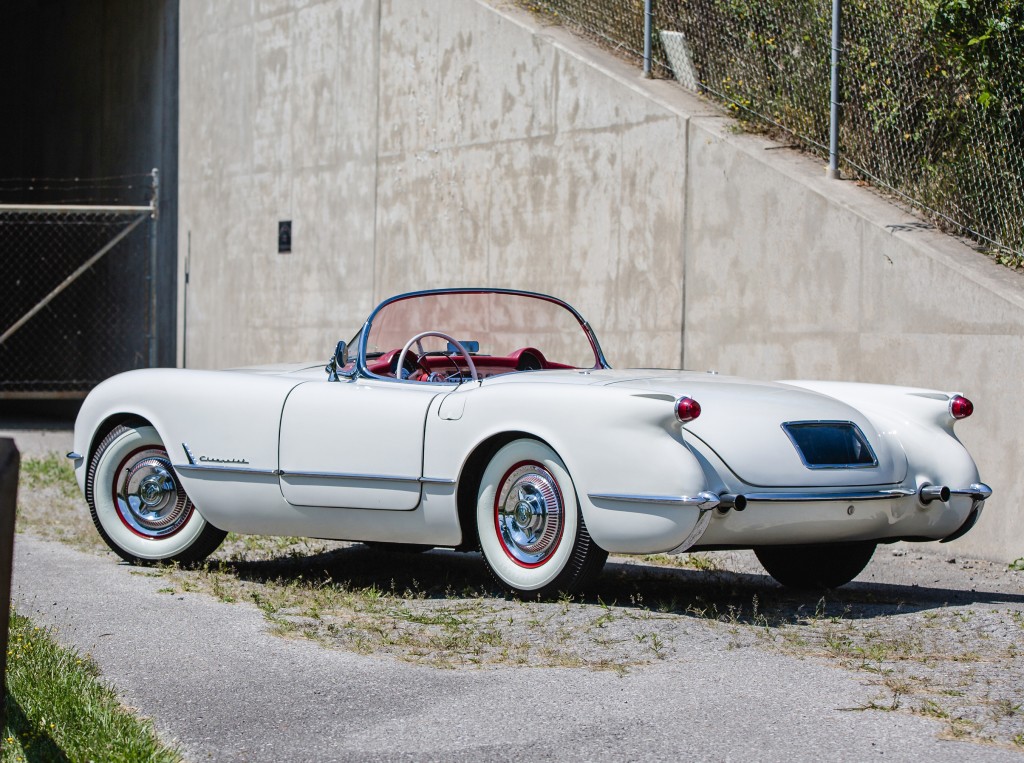
The 1953 Corvette represents the birth of America’s sports car. Only 300 units were produced, making it one of the most historically important cars Chevrolet ever built. Restoring one is not simply a project. It is preserving a piece of automotive history that shaped the future of performance vehicles.
Early C1 Corvettes came with a fiberglass body, which was revolutionary at the time. This construction method means restorers do not battle traditional rust issues found in steel bodied classics.
Instead, the focus shifts to repairing cracks, stress damage, and aging fiberglass. With modern repair materials available, bringing the body back to factory condition is achievable.
The car originally came finished in Polo White with a red interior and black soft top. This simplicity makes the restoration process more straightforward than later Corvettes with numerous color combinations.
Reproduction interior kits and trim pieces are widely available, allowing restorers to match factory specifications with impressive accuracy.
Mechanically, the 1953 Corvette used the Blue Flame inline six paired with a two speed Powerglide transmission. While not a performance powerhouse by modern standards, the engine is simple and well documented. Rebuilding it is relatively approachable, and parts suppliers specialize in authentic components.
Collectors value originality in these early Corvettes, which makes careful restoration incredibly rewarding. Matching numbers components and factory correct finishes significantly increase value. Even incomplete projects can become highly desirable once restored correctly.
The rarity of the 1953 model also means restoration investments are often justified financially. While the initial purchase price can be high, the long term appreciation potential is strong. Many enthusiasts consider this car the ultimate Corvette restoration milestone.
Restoring a 1953 Corvette is about honoring the beginning of a legend. Every completed example keeps the origin story alive for future generations.
2. 1963 Chevrolet Corvette Split-Window Coupe
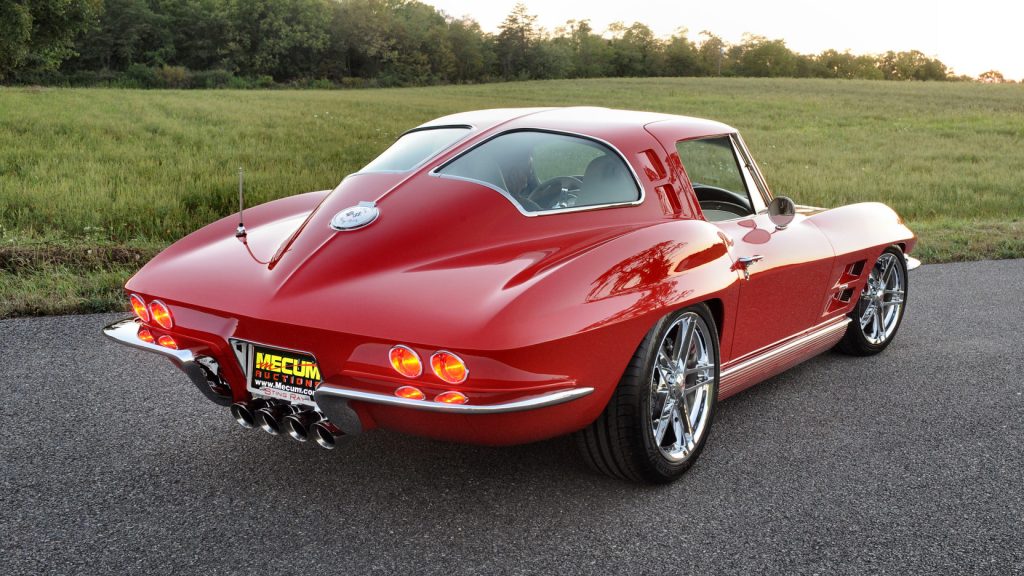
Few cars in history have a design as instantly recognizable as the 1963 Split Window Corvette. The divided rear window lasted only one year, which instantly elevated this model to legendary status. For restorers, it represents the perfect blend of beauty, performance, and historical importance.
The second generation Corvette introduced the Sting Ray design, which marked a massive leap forward in engineering. Independent rear suspension dramatically improved handling. This mechanical advancement makes the car far more enjoyable to drive after restoration compared to earlier models.
One of the most appealing aspects of restoring a Split Window Corvette is parts availability. Due to its popularity, nearly every trim piece, interior component, and body panel can be sourced through reproduction suppliers. This removes much of the guesswork from the restoration process.
The car was available with multiple small block and big block engines, which allows flexibility in restoration goals. Some builders pursue factory originality, while others recreate period correct performance builds. Either approach is widely accepted within the Corvette community.
The interior design of the 1963 model is simple but elegant. Restoring gauges, switchgear, and upholstery provides a satisfying transformation that dramatically improves the cabin experience. The cockpit feel is a major part of the car’s appeal.
Paint restoration is particularly rewarding on this model because the sculpted body lines highlight every curve. Colors such as Riverside Red and Sebring Silver remain extremely desirable. A high quality repaint can completely transform the car’s presence.
From a value perspective, the Split Window Corvette remains one of the strongest investments in the collector market. Properly restored examples continue to attract strong demand worldwide. This ensures that the time and effort invested in restoration is often rewarded.
Restoring a 1963 Split Window Corvette combines artistry, engineering, and history. Few projects offer such a perfect mix of emotional and financial satisfaction.
3. 1967 Chevrolet Corvette C2 Sting Ray
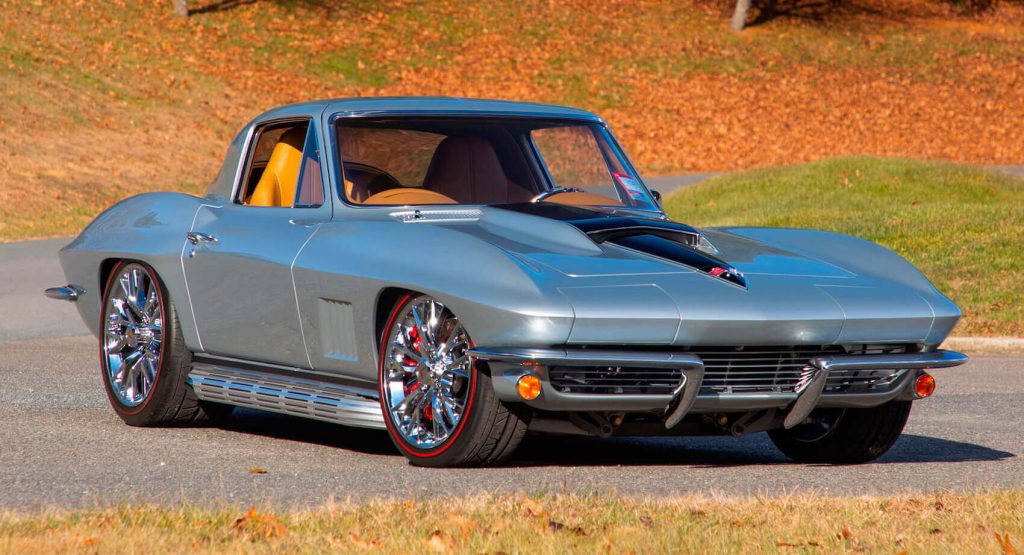
The 1967 Corvette represents the final and most refined year of the C2 generation. Many enthusiasts consider it the peak of classic Corvette styling, which makes it an exceptional restoration candidate. Every detail of the car reflects years of refinement and engineering maturity.
One of the biggest advantages of restoring a 1967 model is the incredible availability of parts. Because it is such a sought after year, nearly every mechanical and cosmetic component has been reproduced. This makes sourcing parts far easier than for many other classics from the same era.
The 1967 Corvette offered an impressive range of engine choices, including legendary big block options. This flexibility allows restorers to choose between factory accurate builds and performance oriented recreations. Both approaches are widely respected in the Corvette community.
Body restoration is particularly rewarding on the 1967 because of its aggressive yet elegant design. The bulging fenders, hidden headlights, and clean rear styling create a timeless silhouette. A properly restored paint finish brings out the sculpted lines beautifully.
The interior of the 1967 Corvette is another highlight. Improved switchgear, better seating, and refined trim made it the most polished C2 cabin. Rebuilding the interior gives restorers a dramatic visual transformation that elevates the driving experience.
Mechanical restoration is straightforward thanks to simple engine layouts and excellent documentation. Enthusiast forums and restoration guides provide step by step advice. This strong knowledge base reduces the fear factor for first time restorers.
The 1967 Corvette also benefits from strong collector demand. Values remain stable and continue to grow, especially for well restored examples. This makes the project both emotionally rewarding and financially sensible.
Restoring a 1967 Corvette feels like restoring the ultimate version of the classic Sting Ray formula. It is a project that combines beauty, power, and enduring desirability.
4. 1969 Chevrolet Corvette C3 Big Block
The 1969 Corvette introduced the muscular personality that defined the early C3 generation. With dramatic styling and powerful engine options, it remains one of the most exciting restoration projects available. It perfectly captures the spirit of late 1960s performance culture.
The 1969 model year is especially appealing because it marked the return of big block power after early C3 teething issues. Engines like the 427 delivered thrilling performance and established the Corvette as a true muscle car competitor. Restoring one offers the chance to revive serious horsepower.
Bodywork on the 1969 Corvette is bold and expressive. The long hood, sweeping fenders, and chrome accents create a dramatic presence. Bringing the fiberglass body back to life through careful repair and paint restoration is extremely satisfying.
The interior design reflects the futuristic themes of the late 1960s. Restoring the cockpit involves refreshing gauges, rebuilding the center console, and installing period correct upholstery. The transformation can make the car feel new again while preserving its vintage charm.
Mechanically, the 1969 Corvette is relatively simple compared to modern vehicles. Engine rebuilding, suspension refreshes, and brake upgrades are all well documented. This makes the project accessible for enthusiasts who enjoy hands on mechanical work.
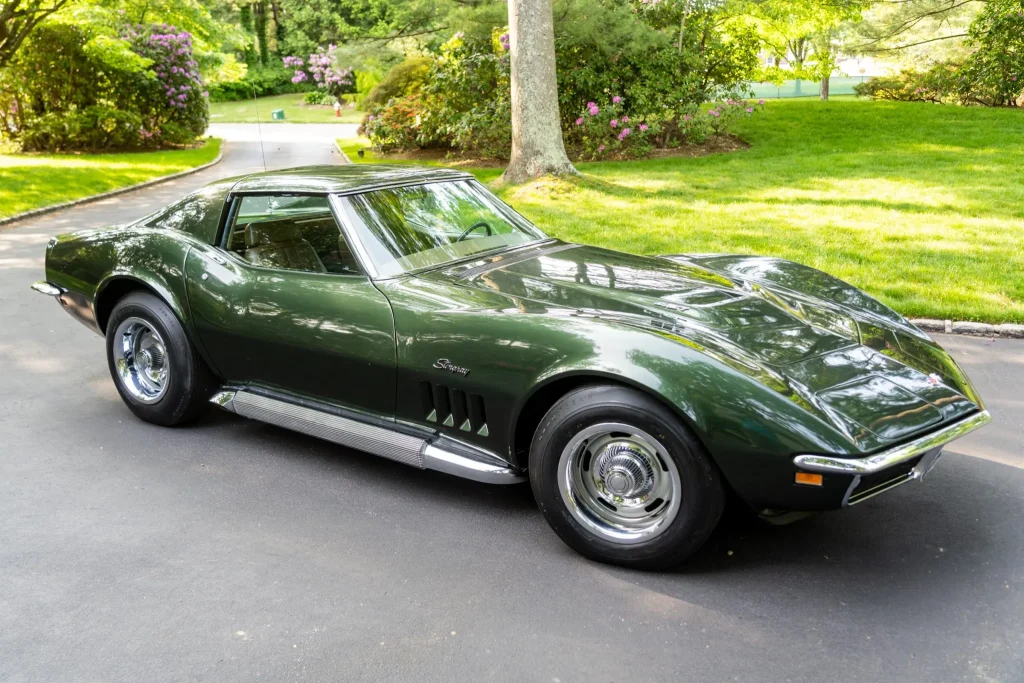
Another advantage is strong aftermarket support. Suppliers offer reproduction trim, weather stripping, wiring harnesses, and interior kits. This ensures restorers can achieve factory correct results without endless searching.
Market demand for early C3 Corvettes continues to grow as collectors appreciate their bold styling and performance heritage. Restored examples are increasingly sought after by enthusiasts who want a classic muscle era sports car.
Restoring a 1969 Corvette Big Block is about bringing raw power and dramatic design back to life. It is a project that delivers excitement from the first bolt turned to the first drive.
5. 1970 Chevrolet Corvette LT1
The 1970 Corvette LT1 holds a special place in Corvette history because it represents the peak of small block performance during the muscle car era.
While big block engines often grab headlines, the LT1 delivered an incredible blend of high revving excitement and balanced handling. That balance makes it a deeply rewarding restoration project.
The LT1 engine is one of the most celebrated small blocks Chevrolet ever produced. It was designed for performance rather than brute force, which gives the car a lively personality once restored. Rebuilding this engine allows enthusiasts to experience a classic high performance driving feel that remains thrilling today.
Restoration of the 1970 LT1 is supported by excellent documentation and strong parts availability. Enthusiasts have preserved factory specifications, paint codes, and assembly details for decades. This makes it easier to aim for factory correct results, which increases both authenticity and long term value.
The styling of the 1970 Corvette perfectly captures early C3 design at its most refined stage. Chrome bumpers, muscular curves, and clean proportions give the car a timeless appearance. A quality paint restoration dramatically enhances its visual presence and highlights the iconic body lines.
The interior restoration process is equally rewarding. Reproduction seat covers, carpets, trim panels, and dashboard components are widely available. Rebuilding the cabin transforms the driving experience and restores the car’s original character.
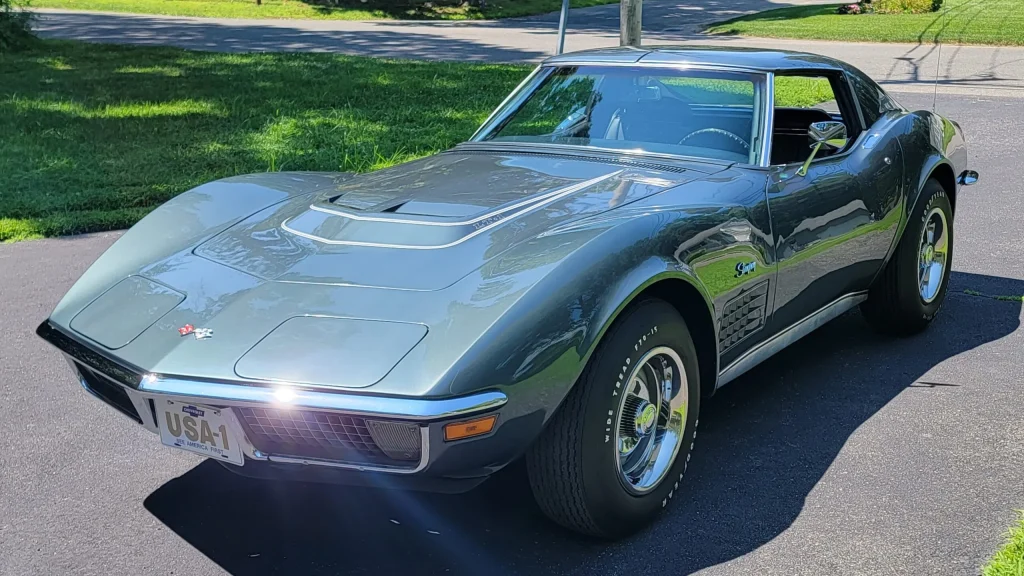
Mechanically, the LT1 Corvette is approachable for hobbyists. Suspension components, braking systems, and driveline parts can be rebuilt using readily available kits. This allows restorers to create a car that feels tight, responsive, and enjoyable on modern roads.
Collectors increasingly appreciate the LT1 because it represents the final years of high compression performance before emissions regulations changed the industry. This historical significance adds long term appeal to any completed restoration.
Restoring a 1970 Corvette LT1 brings back the excitement of classic American performance in a balanced and driver focused package.
6. 1978 Chevrolet Corvette Silver Anniversary Edition
The 1978 Corvette marked the 25th anniversary of the Corvette nameplate, making the Silver Anniversary Edition a meaningful and accessible restoration project. Unlike earlier rare Corvettes, this model offers historical significance without extreme purchase prices.
This edition introduced the fastback rear window design, which significantly improved cargo space and practicality. Restoring this feature involves refreshing seals, glass, and trim, which can dramatically modernize the car’s usability while preserving its vintage appeal.
The two tone silver paint scheme is one of the most distinctive aspects of this model. Bringing this finish back to life requires careful body preparation and precise paintwork. When completed correctly, the result is striking and instantly recognizable.
The late 1970s Corvette interior reflects the comfort focused design trends of the era. Restoring seats, panels, and dashboard components transforms the cabin from worn and dated to clean and inviting. Modern materials allow restorers to improve durability while maintaining a factory look.
Mechanically, the 1978 Corvette is simpler and more affordable to restore than earlier high performance models. Parts are abundant and relatively inexpensive. This makes the project ideal for enthusiasts entering the world of Corvette restoration.
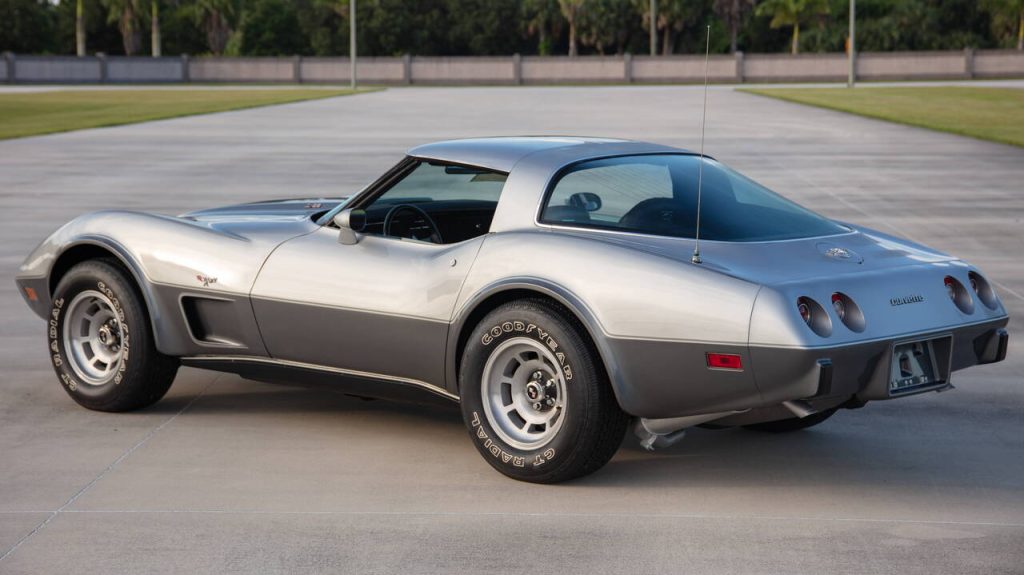
Another advantage is the strong community support surrounding late C3 Corvettes. Restoration guides, forums, and parts suppliers provide valuable assistance throughout the process. This reduces uncertainty and keeps projects moving forward.
The Silver Anniversary Corvette continues to gain appreciation as collectors recognize its historical role and distinctive styling. Well restored examples are becoming increasingly desirable among enthusiasts.
Restoring a 1978 Corvette Silver Anniversary Edition offers a perfect mix of affordability, history, and visual impact.
7. 1984 Chevrolet Corvette C4
The 1984 Corvette marked the beginning of a completely new generation. After a gap year in 1983, the C4 arrived with modern engineering, advanced aerodynamics, and digital technology. For restoration enthusiasts, this model offers a unique opportunity to revive an early modern performance icon.
One of the biggest reasons the 1984 Corvette is a great restoration candidate is affordability. Compared with earlier generations, these cars can still be found at reasonable prices. This makes them ideal for enthusiasts who want a meaningful project without entering the high value collector market.
The C4 introduced a rigid chassis and improved suspension design that dramatically enhanced handling. Restoring the suspension, bushings, and steering components transforms how the car feels on the road. Once refreshed, the driving experience becomes surprisingly modern and engaging.
The digital dashboard is one of the most distinctive features of the 1984 Corvette. While early digital displays can suffer from age related failures, restoration solutions are widely available today. Repairing or replacing the digital cluster brings the futuristic cockpit back to life.
The body design is sleek and aerodynamic, representing a major departure from the curves of the C3. Restoring the paint and trim highlights the sharp lines and aggressive stance that defined 1980s performance styling.
Interior restoration can dramatically improve comfort and usability. Reproduction upholstery, carpeting, and trim pieces allow restorers to refresh the cabin while maintaining the original look and feel.
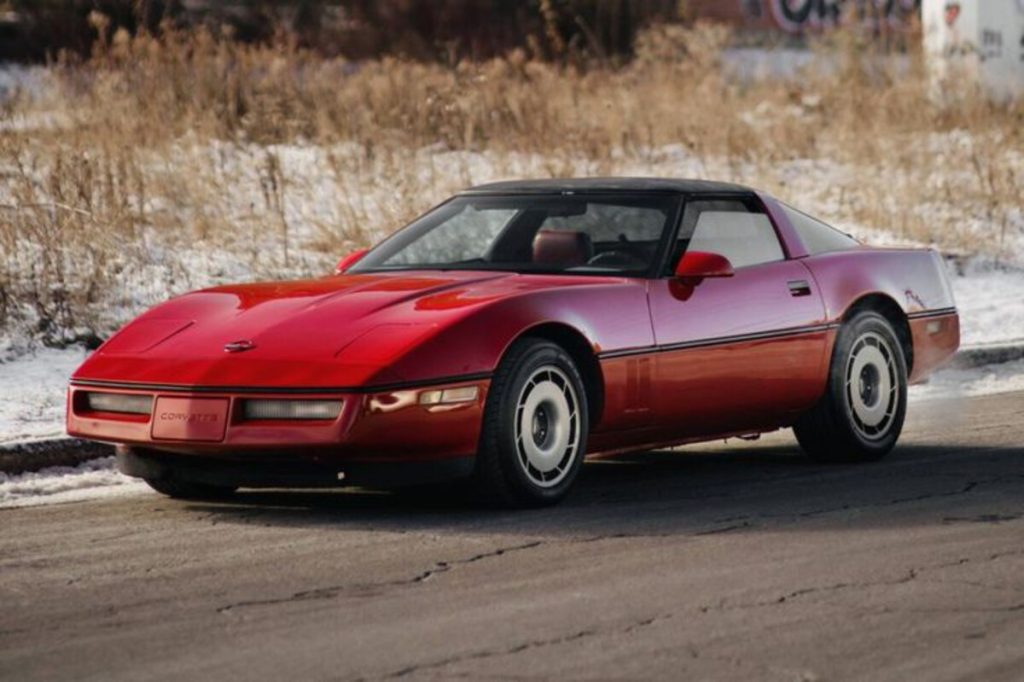
Mechanically, the L83 Cross Fire Injection engine provides an interesting restoration challenge. With proper tuning and maintenance, it can deliver smooth and reliable performance. Many enthusiasts enjoy refining this system as part of the restoration journey.
The 1984 Corvette represents a turning point in Corvette history. Restoring one means preserving the beginning of the modern Corvette era.
8. 1996 Chevrolet Corvette Grand Sport
The 1996 Corvette Grand Sport is a standout restoration project because it represents the final and most refined year of the C4 generation. Produced in limited numbers, it combines performance, rarity, and visual drama in a way that few 1990s cars can match.
The Grand Sport is instantly recognizable thanks to its Admiral Blue paint, white stripe, and red fender hash marks. Restoring this signature color scheme is one of the most satisfying aspects of the project. When completed correctly, the car becomes an unmistakable tribute to Corvette racing heritage.
Under the hood sits the LT4 engine, one of the most powerful small blocks of the 1990s. Rebuilding this engine offers the chance to revive strong performance while maintaining factory authenticity. Enthusiasts value the LT4 for its responsiveness and durability.
Suspension restoration plays a major role in bringing the Grand Sport back to life. Refreshing shocks, bushings, and brakes restores the sharp handling that made the car famous. Once completed, the car feels agile and capable even by modern standards.
The interior combines sportiness and comfort, and restoring it transforms the driving environment. Replacement seat covers, carpets, and trim panels are widely available. This allows restorers to achieve factory correct results without excessive difficulty.
Because the Grand Sport was produced in limited numbers, well restored examples continue to attract collector interest. This adds long term value to the restoration effort and makes the project particularly rewarding.
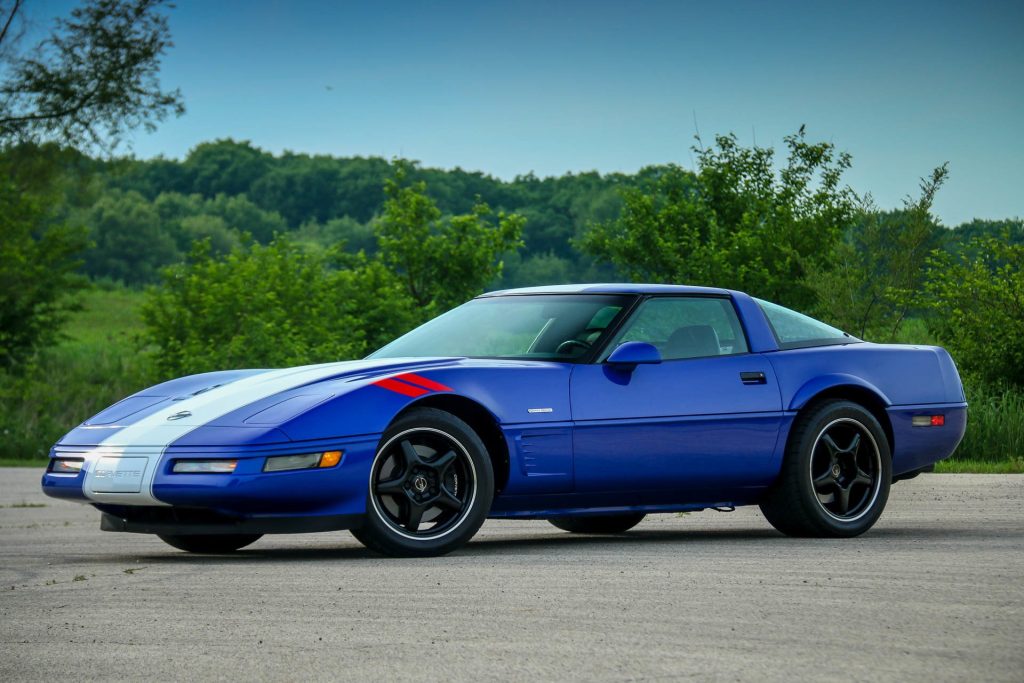
Restoring a 1996 Corvette Grand Sport preserves the legacy of the C4 generation at its peak. It is a project that celebrates performance, heritage, and distinctive design.
9. 2001 Chevrolet Corvette Z06
The 2001 Corvette Z06 represents the moment when the Corvette returned to serious track focused performance in the modern era. It launched the high performance reputation of the C5 generation and quickly earned respect from enthusiasts around the world. As a restoration project, it offers the rare combination of modern performance and growing collector interest.
Unlike earlier Corvettes that often need full body restoration, the C5 generation usually requires mechanical refreshing and cosmetic renewal. This makes the project more approachable for enthusiasts who want a performance focused build without tackling extensive bodywork.
The fiberglass panels are durable, and most restoration efforts focus on paint correction, trim replacement, and interior upgrades.
The heart of the 2001 Z06 is the LS6 engine. This powerplant is widely regarded as one of the strongest and most reliable V8 engines Chevrolet has ever produced.
Restoring and refreshing the LS6 involves updating seals, replacing aging components, and ensuring proper tuning. Once complete, the engine delivers performance that still feels modern and exciting.
Another reason this model is ideal for restoration is the massive aftermarket support for LS based engines. Performance parts, rebuild kits, and tuning solutions are widely available. This allows restorers to remain factory correct or enhance performance while maintaining reliability.
The Z06 also introduced a lighter, more track oriented chassis setup. Suspension restoration plays a major role in bringing the car back to its original sharp handling. Replacing bushings, shocks, and brake components transforms the driving experience and restores the car’s agility.
Interior restoration often focuses on worn seats, aging plastics, and dated electronics. Reproduction upholstery and modernized head units allow the cabin to feel fresh without losing its original identity. These upgrades dramatically improve daily usability.

Collectors are beginning to recognize early Z06 models as future classics. Their performance reputation, limited production, and motorsport influence make them increasingly desirable. This means restoration investments are becoming more justified each year.
Restoring a 2001 Corvette Z06 offers the thrill of reviving a modern performance legend while preserving an important chapter in Corvette history.
10. 2009 Chevrolet Corvette ZR1
The 2009 Corvette ZR1 represents the pinnacle of front engine Corvette performance before the mid engine revolution. Nicknamed the Blue Devil during development, this car pushed the boundaries of what a Corvette could achieve. Restoring one is about preserving a true supercar.
The centerpiece of the ZR1 is the supercharged LS9 engine. This powerhouse delivered astonishing performance and remains one of the most iconic engines Chevrolet has ever built. Restoration work often focuses on maintaining the supercharger system, cooling components, and supporting hardware to ensure long term reliability.
Unlike older Corvettes that require extensive rebuilding, the ZR1 restoration process centers on preservation and careful refurbishment. Many examples are still in good condition, but aging components such as seals, suspension parts, and electronics benefit from attention.
The carbon fiber body panels make this Corvette especially unique. Restoring and protecting these panels requires specialized knowledge, but the result preserves the lightweight performance character of the car. Paint correction and detailing can dramatically enhance the vehicle’s appearance.
The interior blends luxury and performance, featuring premium materials and advanced technology for its era. Restoration may involve refreshing leather surfaces, replacing worn trim, and updating infotainment systems. These improvements ensure the cabin feels modern and comfortable.
Suspension and braking systems are critical to the ZR1 experience. Rebuilding these components restores the precision and confidence that defined the car’s reputation. Once refreshed, the car delivers performance that still rivals modern sports cars.
The ZR1 holds a special place in Corvette history as the ultimate expression of the front engine platform. Collector interest continues to grow as enthusiasts recognize its significance and limited production numbers.
Restoring a 2009 Corvette ZR1 is about safeguarding a high performance milestone. It represents the closing chapter of an era and the peak of a legendary formula.
Restoring a Corvette is more than a mechanical project. It is a journey through decades of performance history and design evolution.
Each generation tells a different story, and together they show how the Corvette transformed from a stylish roadster into a world class performance machine. The ten models in this guide highlight the best restoration opportunities across that timeline.
The earliest cars in the list represent the foundation of Corvette heritage. The 1953 model stands as the beginning of the legend, offering historical significance that few vehicles can match.

The 1963 Split Window Coupe and the 1967 Sting Ray showcase the golden age of Corvette design, where engineering progress and iconic styling came together. Restoring these cars is about preserving history and craftsmanship.
Moving into the muscle car era, the 1969 Big Block and the 1970 LT1 highlight the performance boom of the late 1960s and early 1970s. These Corvettes delivered serious horsepower and bold styling that still excite enthusiasts today.
The 1978 Silver Anniversary model adds another dimension by combining historical importance with accessibility, making it a great entry point into Corvette restoration.
The transition into modern engineering begins with the 1984 Corvette. This model introduced new technology and advanced chassis design, marking the start of a new chapter. The 1996 Grand Sport represents the peak of that generation, blending rarity, performance, and distinctive styling into a highly rewarding restoration project.
The final two cars demonstrate how modern Corvettes are already becoming classics. The 2001 Z06 revived the Corvette reputation as a track focused performance machine.
Its LS6 engine and lightweight design make it a compelling restoration candidate with strong future collectability. The 2009 ZR1 stands as the ultimate front engine Corvette, delivering supercar performance and historical importance.
Together, these ten Corvettes show how restoration opportunities exist across every era and budget level. Some projects focus on historical authenticity, while others emphasize performance and driving enjoyment. Each car offers a unique experience and a connection to Corvette heritage.
Choosing the right restoration project depends on personal goals, budget, and skill level. Regardless of the choice, restoring a Corvette is always rewarding. It allows enthusiasts to preserve automotive history while creating a car that can be enjoyed for years to come.
Also Read: Top 10 90s Cars That Offer the Best Analog Driving Experience
