
Hybrid cars built their reputation on efficiency, quiet driving, and lower running costs. For many buyers, the promise sounds perfect. You get fuel savings, fewer emissions, and the reassurance of modern engineering working quietly in the background.
Over the last two decades, hybrids have evolved from niche experiments into mainstream family vehicles trusted across the world. However, reliability in the hybrid world is not equal across every brand and model.
While some hybrids became legends for durability, others quietly developed a reputation for expensive repairs, battery failures, and complex drivetrain issues that appear once the warranty expires. The difference between a great hybrid and a problematic one can be massive.
Many buyers assume every hybrid shares the same bulletproof engineering as the most famous examples. That assumption can lead to costly mistakes.
Hybrid systems combine internal combustion engines, electric motors, battery packs, inverters, and sophisticated software. When these parts are not engineered perfectly together, long term ownership can become stressful and expensive.
This article focuses on hybrid cars that developed concerning reliability records over time. These vehicles are not necessarily terrible in every way, and many owners enjoy them.
The problem is that they consistently show patterns of expensive failures, weak components, or poor long term durability compared with the best hybrids on the market.
Understanding which hybrids to approach cautiously can save thousands in repairs and prevent frustration down the road. The goal is not to criticize innovation, but to highlight real world ownership experiences and common mechanical trends. If you are considering a used hybrid, knowledge is your strongest protection.
Also Read: 10 Cheap Used Sports Cars That Still Feel Special to Drive
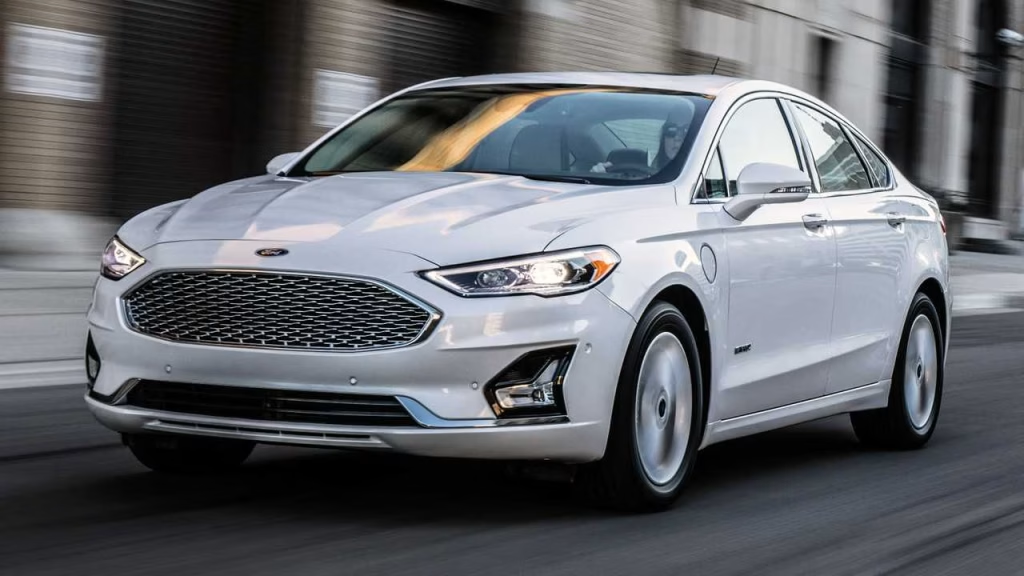
1. Ford Fusion Hybrid
The Ford Fusion Hybrid looked like a perfect idea on paper. It combined the comfort and size of a midsize sedan with impressive fuel economy and modern styling.
When it launched, many buyers believed Ford had finally created a true competitor to the dominant hybrid sedans in the market. Early reviews were positive and sales were strong.
Over time, ownership reports began to reveal recurring reliability concerns. One of the most common complaints involved the electronic continuously variable transmission.
While smooth and efficient when new, many units developed shuddering, hesitation, or complete failure as mileage increased. Repairs often required full transmission replacement, which could cost thousands.
The hybrid battery itself also became a concern for long term owners. While many lasted beyond warranty, a significant number experienced early degradation compared with rival hybrids. Replacement costs were extremely high, often shocking owners who expected hybrid ownership to be inexpensive over time.
Electrical system issues further complicated the ownership experience. Many drivers reported repeated problems with sensors, warning lights, and software glitches. These issues were rarely catastrophic individually, but the constant need for diagnosis and repair created frustration and unexpected maintenance bills.
Cooling system failures in the hybrid battery pack also appeared more frequently than expected. This component is critical for battery longevity, and when it fails, it can accelerate battery wear and reduce performance. Unfortunately, diagnosing the problem early is not always easy.
The biggest disappointment is that the Fusion Hybrid was comfortable, spacious, and pleasant to drive. Owners often loved the car when it worked properly. The problem was long term durability and repair costs that appeared after the warranty period ended.
For buyers searching for a dependable used hybrid sedan, the Fusion Hybrid requires careful inspection and maintenance history verification before purchase.
2. Nissan Altima Hybrid
The Nissan Altima Hybrid is one of the most unusual hybrids ever sold. It used technology licensed from Toyota, which initially gave buyers confidence. Many expected Toyota level reliability combined with Nissan styling and comfort. Unfortunately, real world ownership turned out to be far more complicated.
One major issue was limited production and availability. The Altima Hybrid was sold in small numbers and in limited markets. This created long term problems for parts availability and service expertise. Many mechanics rarely encountered the car, making diagnosis and repair more difficult and expensive.
Battery replacement became one of the biggest ownership concerns. Because of the car’s low production numbers, replacement battery packs were expensive and sometimes difficult to source. Owners reported long wait times and high repair bills once battery performance declined.
The hybrid control systems also developed a reputation for unpredictable warning lights and fault codes. Some owners reported repeated trips to dealerships without clear solutions. Intermittent electrical faults became a recurring complaint in long term ownership reports.
Another problem was the braking system. The regenerative braking setup sometimes felt inconsistent or grabby, especially as the car aged. While not always dangerous, the driving experience became less refined over time and repairs could be costly.
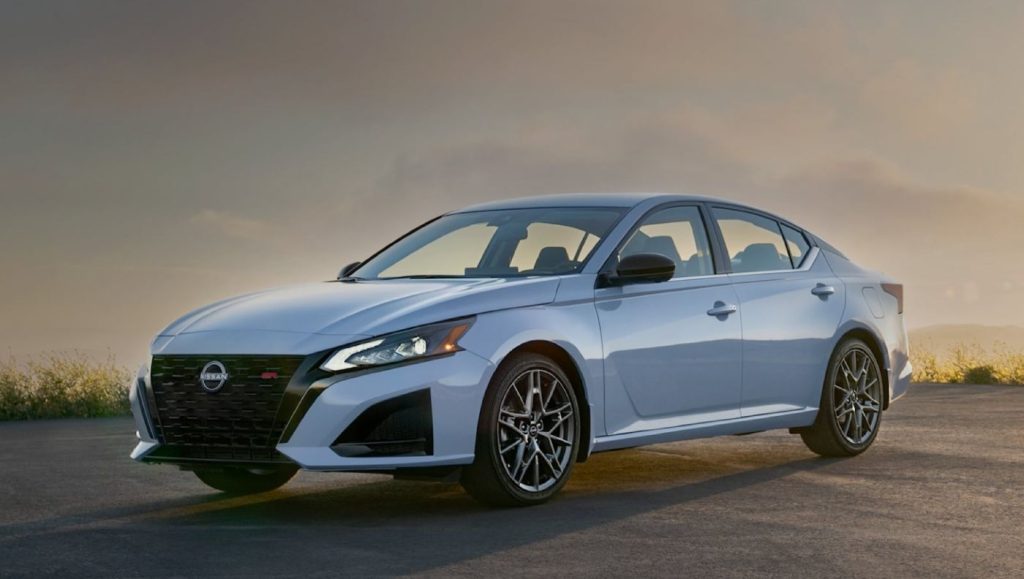
Resale value also suffered due to the car’s rare status and mixed reliability reputation. Many buyers avoided used Altima Hybrids due to uncertainty about long term ownership costs. This created a cycle where owners faced both depreciation and expensive repairs.
The Altima Hybrid was an interesting experiment, but its rarity and reliability concerns make it a risky used hybrid purchase today.
3. Chevrolet Malibu Hybrid
The Chevrolet Malibu Hybrid had big expectations when it arrived. It was designed to compete directly with the most popular midsize hybrids while offering American styling, comfort, and technology.
On paper, the car looked like a serious contender with excellent fuel economy and a refined driving experience. Early reviews were positive, and many buyers believed Chevrolet had finally cracked the hybrid sedan formula.
As miles accumulated, long term reliability concerns began to surface. One of the most common complaints involved the hybrid battery cooling system. Owners reported failures in cooling fans and sensors that regulate battery temperature.
When this system fails, battery performance drops and long term degradation accelerates. Repairs are expensive and sometimes difficult to diagnose early.
The power electronics, particularly the inverter and hybrid control modules, also developed a reputation for premature failure. These components are essential for managing energy flow between the battery and electric motor.
When they fail, the car can lose hybrid functionality or refuse to start altogether. Replacement costs often shock owners who expected low running costs from a hybrid vehicle.
Another concern involves the gasoline engine’s interaction with the hybrid system. Some owners experienced rough transitions between electric and gasoline power as the car aged. Hesitation, surging, and inconsistent acceleration became recurring complaints in owner forums and service reports.
Interior electronics also created frustration. Infotainment glitches, warning lights, and sensor faults appeared more frequently than expected. While these issues may seem minor individually, they add up over time and increase ownership stress and repair bills.
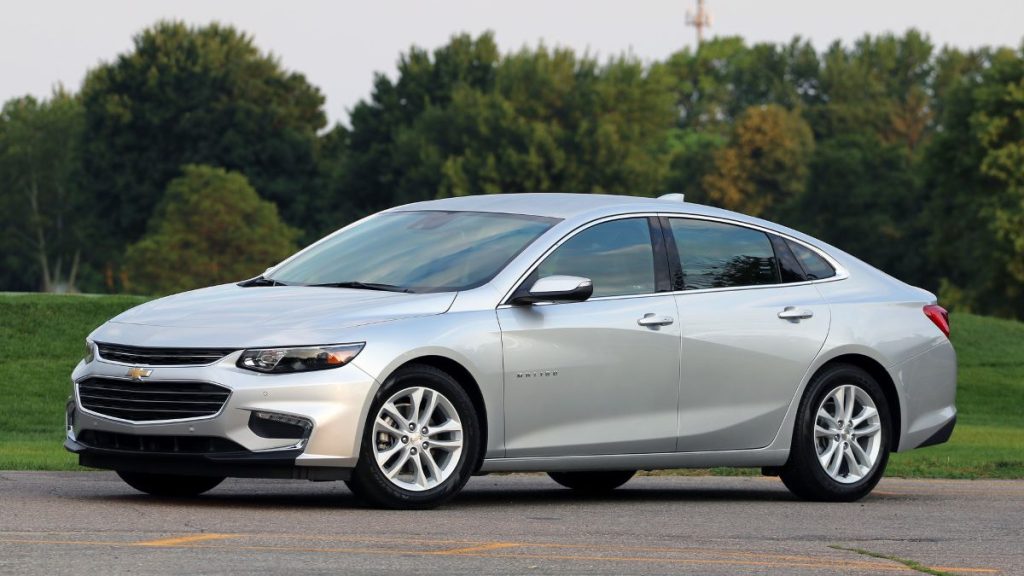
The Malibu Hybrid delivered strong efficiency and comfort when new, but long term durability did not match the best hybrids in the class. Buyers considering a used model should pay close attention to service history and battery health.
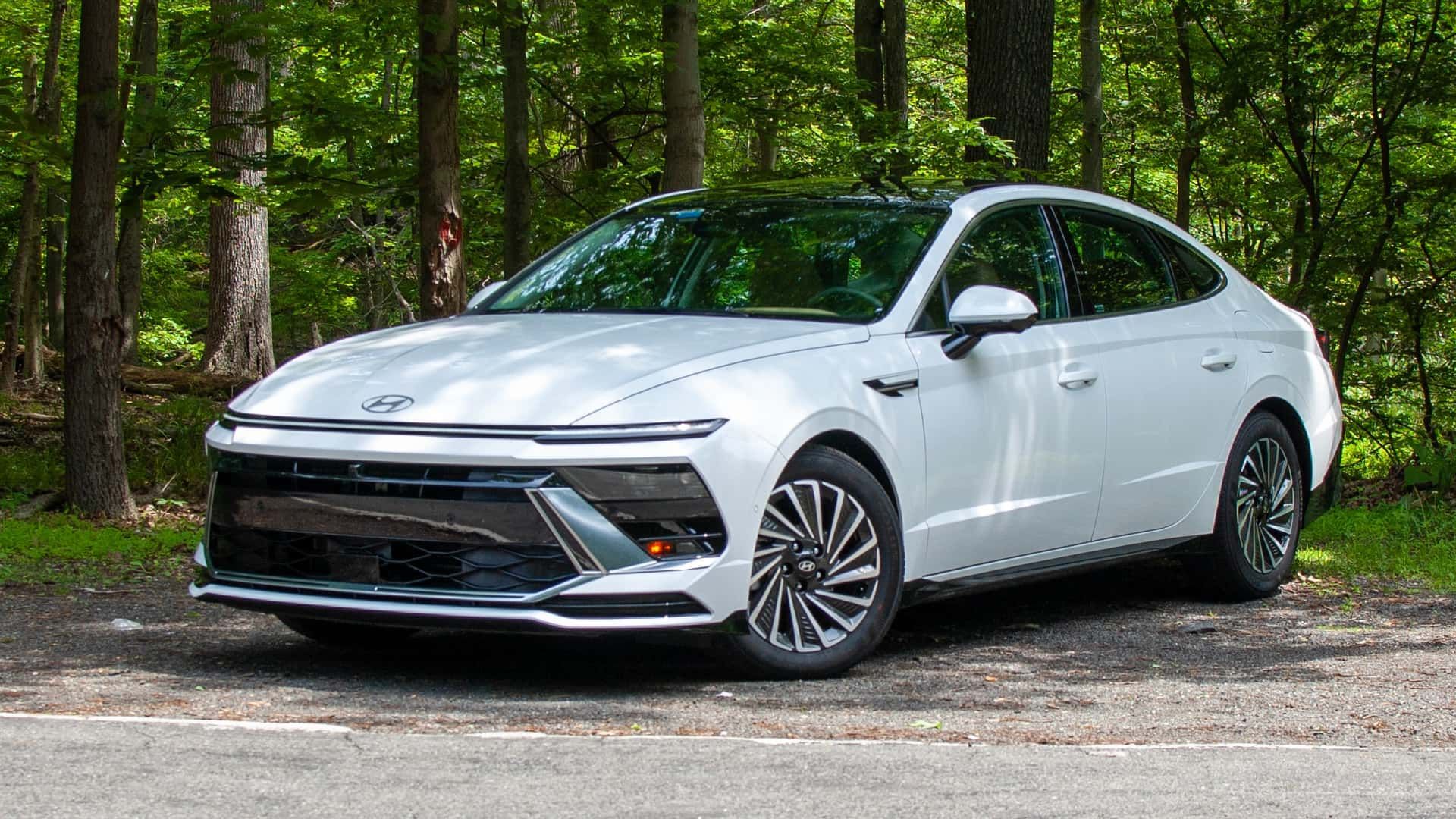
4. Hyundai Sonata Hybrid 2011 to 2015
The early Hyundai Sonata Hybrid was an ambitious attempt to challenge established hybrid leaders. Instead of using a traditional planetary gear system, Hyundai chose a unique hybrid setup paired with a conventional automatic transmission.
This design aimed to create a more familiar driving feel, but it introduced complexity that later affected reliability.
Transmission related issues became one of the most significant concerns. Many owners reported hesitation, jerking, and delayed engagement as mileage increased. Because the hybrid system depended heavily on the transmission working perfectly with the electric motor, problems often became expensive to repair.
Hybrid battery longevity also became a recurring topic among long term owners. While some batteries lasted well, a noticeable number experienced early degradation compared with competing hybrids. Replacement costs were high and often unexpected.
Cooling system failures once again played a role. The battery cooling components and associated electronics sometimes failed prematurely, which accelerated battery wear and reduced efficiency. These issues were not always easy to detect until performance noticeably declined.
Electrical system glitches were another common complaint. Warning lights, sensor failures, and intermittent hybrid system faults appeared in owner reports over time. Diagnosing these problems could be time consuming and costly due to the complexity of the hybrid architecture.
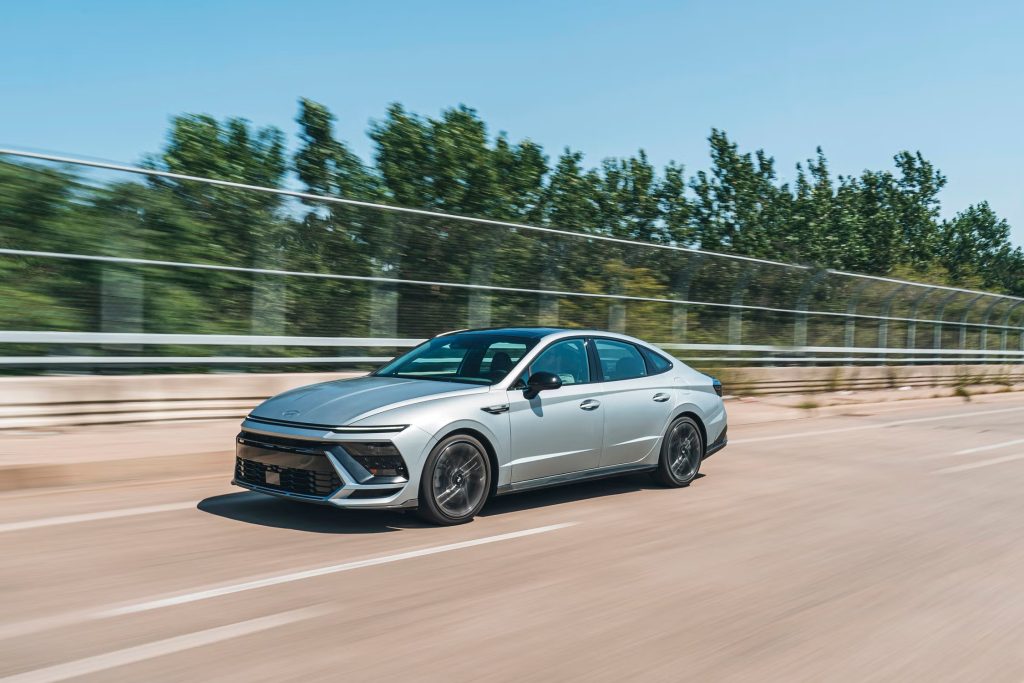
Despite these concerns, the Sonata Hybrid offered excellent fuel economy and a smooth ride when functioning correctly. Many owners enjoyed the car during the early years of ownership. The challenge appeared later, when repairs became more frequent and expensive.
For used car buyers, the early Sonata Hybrid requires careful inspection and a detailed maintenance history before purchase.
5. BMW ActiveHybrid 5
The BMW ActiveHybrid 5 was designed to prove that hybrids could be sporty and luxurious at the same time. It combined the turbocharged inline six engine from the 5 Series with an electric motor to deliver strong acceleration and improved fuel efficiency. On paper, the concept sounded exciting and forward thinking.
Unfortunately, long term ownership revealed a complicated and expensive reality. The ActiveHybrid 5 used a highly complex hybrid system that added layers of electronics, cooling components, and software. As the car aged, these systems became a major source of reliability concerns and costly repairs.
One of the most frequently reported issues involved the high voltage battery pack. Replacement costs were extremely high, often reaching luxury car repair levels that shocked owners who expected hybrid savings. Many used buyers discovered that a battery replacement could exceed the value of the vehicle.
Cooling system failures also became a recurring issue. The hybrid system required multiple cooling circuits to keep the battery and power electronics operating safely. When these systems developed leaks or component failures, repair bills quickly escalated.
The power electronics and control modules were another weak point. Failures could trigger warning lights, reduced performance modes, or complete loss of hybrid functionality. Diagnosing these issues required specialized technicians, which increased service costs.
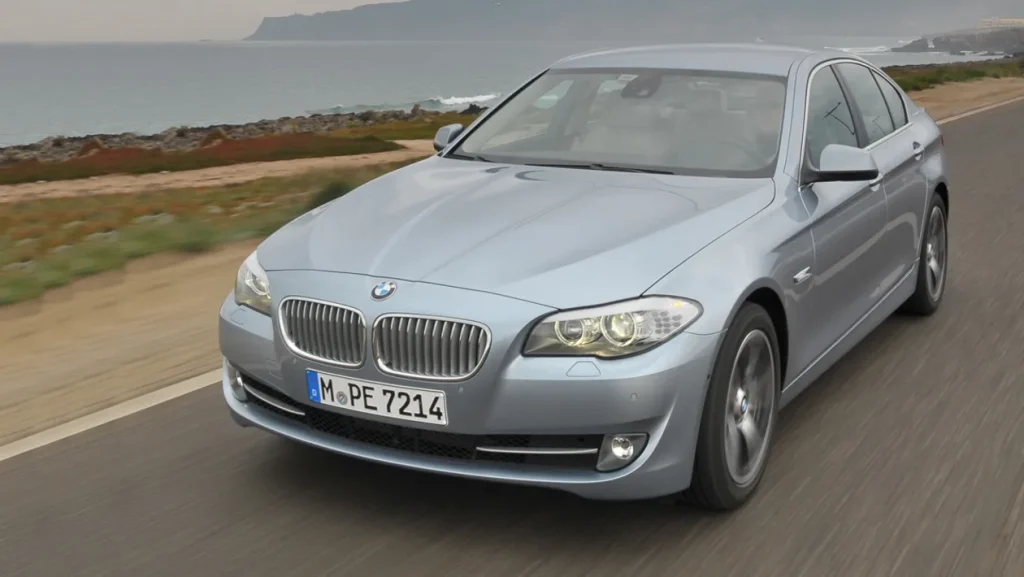
Even routine maintenance could become expensive due to the tight packaging and complexity of the hybrid components. Labor costs often exceeded expectations, especially once the car moved beyond the warranty period.
The ActiveHybrid 5 delivered impressive performance and luxury when new, but its long term ownership costs and reliability concerns make it a risky used hybrid purchase today.
6. Porsche Cayenne S Hybrid
The Porsche Cayenne S Hybrid represented Porsche’s first major step into hybrid technology. It promised sports car performance in a luxury SUV while improving fuel efficiency. The idea attracted buyers who wanted performance and environmental responsibility in one package.
However, combining performance engineering with early hybrid technology created a complicated ownership experience. The Cayenne S Hybrid is filled with advanced electronics, complex cooling systems, and expensive components that can become problematic over time.
Battery replacement is one of the most significant concerns. The cost of replacing the hybrid battery in this luxury SUV can be extremely high. Many owners were surprised to learn how expensive hybrid repairs can be in a premium performance vehicle.
The supercharged engine paired with the hybrid system also introduced additional complexity. Cooling system failures, electrical faults, and software glitches became recurring complaints as vehicles aged. These issues often required specialized technicians and expensive diagnostic procedures.
Owners also reported problems with warning lights and hybrid system faults that were difficult to diagnose. In some cases, the vehicle entered reduced performance modes, limiting power until repairs were completed.
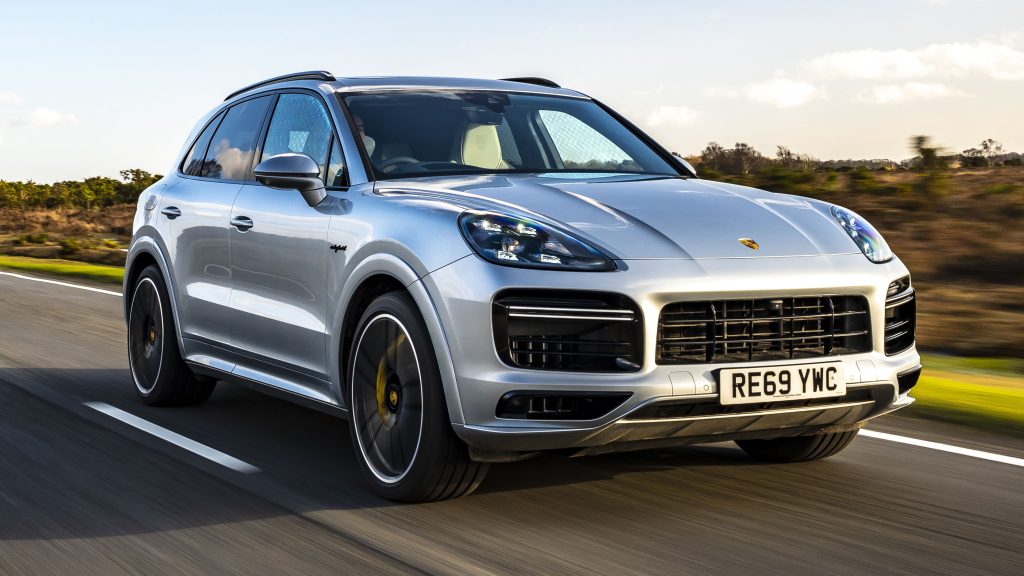
Maintenance costs for the Cayenne S Hybrid are significantly higher than typical hybrids. Routine service, replacement parts, and labor rates all reflect its luxury status. Over time, these costs can add up quickly.
While the Cayenne S Hybrid offers strong performance and prestige, its long term reliability concerns and high repair costs make it a risky choice in the used hybrid market.
7. Volkswagen Jetta Hybrid
The Volkswagen Jetta Hybrid arrived with big promises. It combined European driving dynamics with impressive fuel efficiency and modern styling.
Many buyers were excited by the idea of a fun to drive hybrid sedan that did not feel like a typical eco focused vehicle. Early impressions were positive and the car quickly attracted attention.
Unfortunately, the long term ownership story became far less encouraging. One of the most widely reported issues involved the dual clutch transmission.
While quick and smooth when new, many units developed rough shifting, hesitation, and premature wear as mileage increased. Transmission repairs were expensive and sometimes required full replacement.
The hybrid battery pack also became a source of concern. Owners reported premature degradation and high replacement costs. Unlike more common hybrids, replacement parts and expertise were not always easy to find, which increased repair times and expenses.
Another frequent complaint involved the hybrid control electronics. Warning lights, unexpected shutdowns, and software related faults appeared in many long term ownership reports. Diagnosing these issues could be challenging, leading to repeated dealership visits and rising repair bills.
Cooling system problems also surfaced over time. Failures in the battery cooling components could accelerate battery wear and reduce performance. These problems were not always obvious until the car began losing efficiency or power.
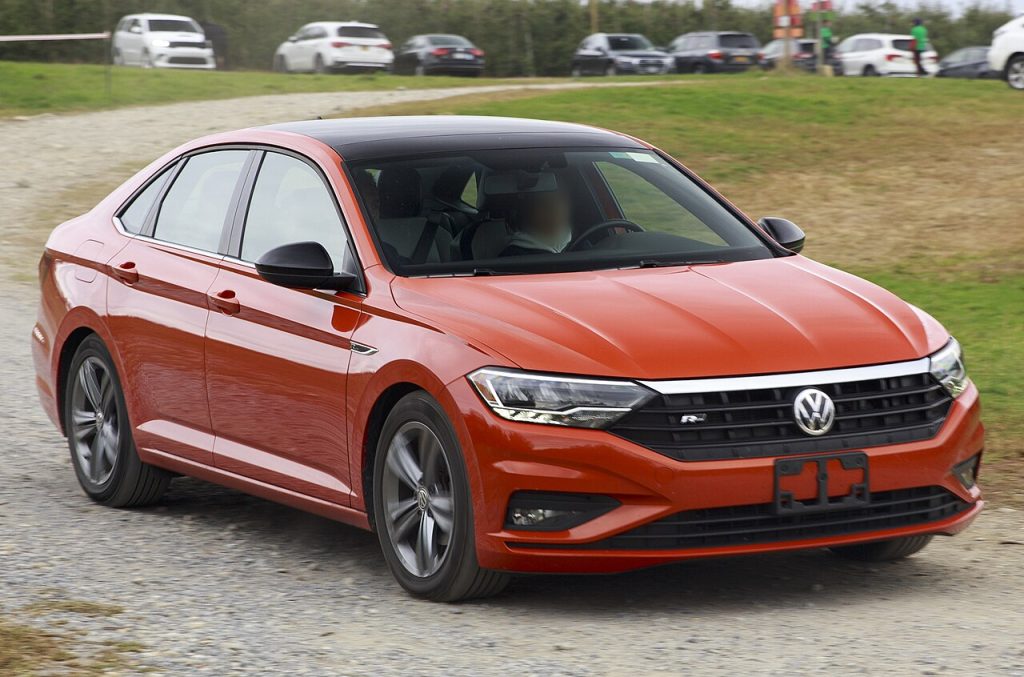
The Jetta Hybrid delivered enjoyable driving dynamics and strong fuel economy, but long term reliability concerns make it a risky used hybrid purchase.
8. Infiniti Q50 Hybrid
The Infiniti Q50 Hybrid aimed to combine luxury, performance, and efficiency in a sleek sport sedan. With strong acceleration and premium features, the car offered an appealing alternative to traditional luxury hybrids. Many buyers were drawn to its impressive power and refined interior.
However, long term reliability has been a consistent concern. One of the most significant issues involves the hybrid battery and power electronics. Replacement costs can be extremely high, and failures have been reported more frequently than expected for a premium hybrid.
The complex electronic steering and driver assistance systems also developed a reputation for glitches and faults. Warning lights, sensor failures, and intermittent system malfunctions became common complaints among long term owners.
Transmission related issues added another layer of concern. Some owners reported jerky behavior and hesitation as the car aged. Repairs can be costly due to the complexity of the hybrid drivetrain.
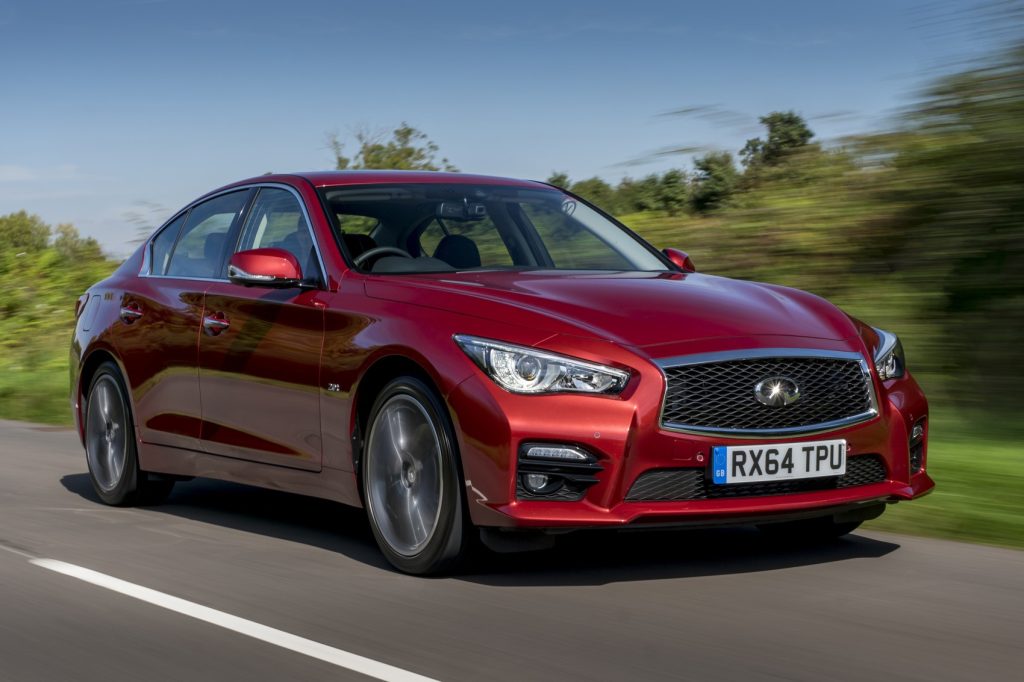
Cooling system failures affecting the hybrid components have also been reported. These issues can accelerate battery wear and lead to expensive repairs if not addressed early.
While the Q50 Hybrid offers strong performance and luxury features, its long term reliability record makes it a cautious choice for used hybrid buyers.
9. Kia Optima Hybrid 2011 to 2016
The first-generation Kia Optima Hybrid was a major step forward for the brand. Kia was rapidly building a reputation for value, long warranties, and modern design. The Optima Hybrid seemed like the perfect extension of that momentum.
It offered strong fuel economy, attractive styling, and a comfortable interior at a competitive price. Early buyers believed they were getting a smart and economical alternative to more established hybrid sedans.
As the years passed, long term reliability began to tell a more complicated story. One of the most common concerns involved the hybrid battery pack and associated electronics.
While many units lasted beyond the warranty period, a noticeable number experienced early degradation or sudden failure compared with the most reliable hybrid competitors. When the battery began to lose capacity, fuel economy dropped and performance became inconsistent.
The hybrid control system also developed a reputation for warning lights and intermittent faults. Owners frequently reported sudden hybrid system alerts that required dealership visits.
In some cases, the car would switch into limp mode or refuse to start until the issue was diagnosed. Because hybrid systems are complex, troubleshooting often took time and led to higher repair bills.
Transmission behavior became another recurring complaint. The Optima Hybrid used a traditional automatic transmission paired with the electric motor rather than a planetary gear system.
While this gave the car a more familiar driving feel, it introduced additional mechanical stress and complexity. Some owners reported hesitation, jerking, or delayed engagement as mileage increased. Repairs could be costly and frustrating.
Cooling system reliability also played a role in long term ownership concerns. The hybrid battery depends on proper temperature management to maintain health and performance.
Failures in cooling fans or sensors sometimes accelerated battery wear and led to expensive repairs. These issues were not always obvious until noticeable performance loss occurred.
Electrical system problems added to the overall ownership experience. Infotainment glitches, sensor failures, and repeated dashboard warning messages were commonly reported. Individually these problems may seem minor, but over time they increased maintenance visits and costs.
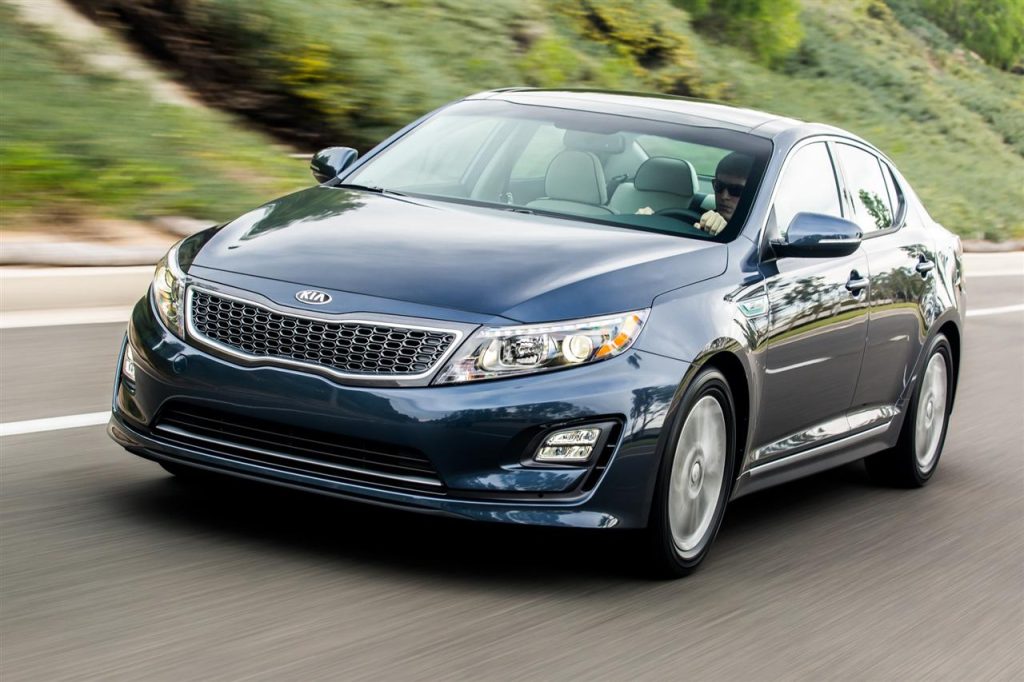
The Optima Hybrid was comfortable, efficient, and attractive when new. Many owners enjoyed the car during the first years of ownership. The challenge appeared later, when hybrid system repairs became more common and expensive.
For used car buyers, careful inspection and documented maintenance history are essential before considering this model.
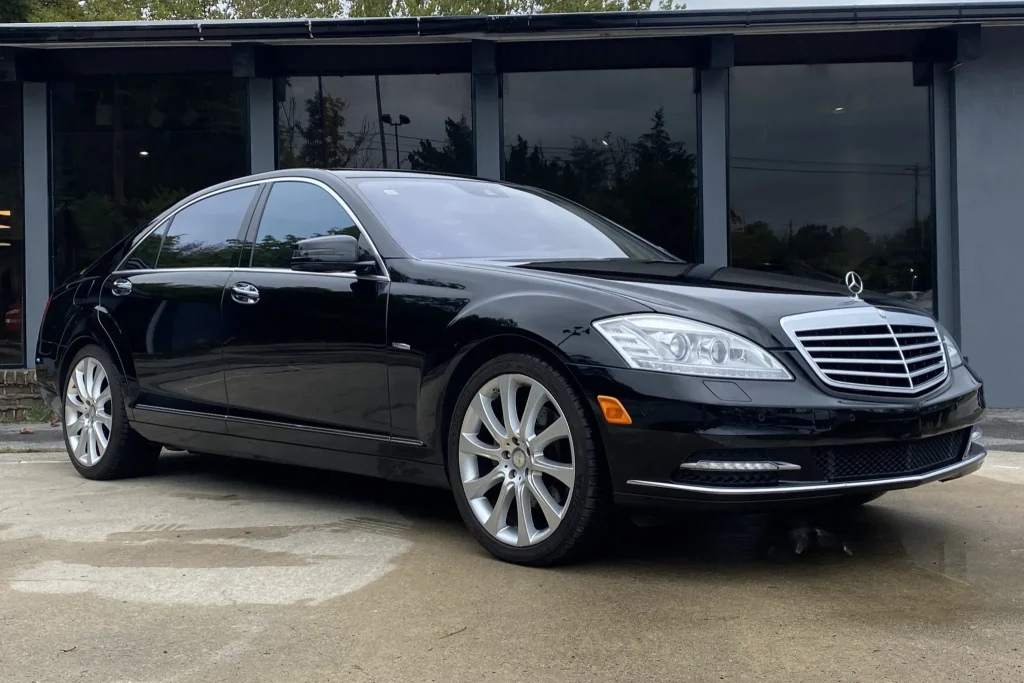
10. Mercedes-Benz S400 Hybrid
The Mercedes Benz S400 Hybrid represented one of the earliest attempts to bring hybrid technology into the ultra luxury segment. It promised the comfort and prestige of the S Class combined with improved fuel efficiency and lower emissions. The idea sounded perfect for buyers who wanted luxury without guilt at the fuel pump.
However, early luxury hybrids often faced challenges due to the complexity of combining advanced technology with already sophisticated vehicles. The S400 Hybrid became a prime example of how innovation can sometimes outpace long term durability.
One of the most significant concerns involves the hybrid battery pack and power electronics. Replacement costs are extremely high, often reaching levels that make repair financially difficult to justify for older vehicles. Many owners were surprised to discover how expensive hybrid repairs could be in a flagship luxury sedan.
Electrical system complexity became another major issue. The S Class already features extensive electronics, and the addition of a hybrid system increased that complexity even further.
Owners reported warning lights, sensor failures, and intermittent electronic faults that required specialized diagnostics. These problems often took time to resolve and added significant labor costs.
Cooling system failures affecting the hybrid components have also been reported. Proper cooling is essential for battery health and inverter performance. When these systems fail, repair bills can escalate quickly due to the labor involved in accessing and replacing components.
The interaction between the gasoline engine and hybrid system sometimes created drivability complaints as the car aged.
Rough transitions between power sources, hesitation, or unexpected warning messages became more common in long term ownership reports. These issues can be difficult to diagnose and often require experienced technicians.
Maintenance and repair costs are naturally high for any S Class, but the hybrid version adds another layer of expense. Once the vehicle moves beyond warranty coverage, owners may face repair bills that exceed expectations.
The S400 Hybrid remains a luxurious and technologically impressive vehicle. However, its long term reliability concerns and extremely high repair costs make it a risky choice in the used hybrid market.
Hybrid vehicles have earned a strong reputation for durability and low running costs, but this reputation is largely built on a handful of standout models.
The reality is that the hybrid market has also produced vehicles that struggled with long term reliability, expensive repairs, and complex systems that did not age well. Understanding this difference is critical for anyone considering a used hybrid purchase.
A common theme across many problematic hybrids is complexity. Hybrid systems combine gasoline engines, electric motors, battery packs, cooling systems, and advanced software.
When these components are not engineered perfectly together, the result can be frequent warning lights, expensive diagnostics, and major repair bills once the warranty expires. This complexity becomes even more challenging in luxury or performance hybrids where repair costs are naturally higher.
Battery longevity appears repeatedly as a major concern. Several of the vehicles discussed developed reputations for early battery degradation or extremely expensive replacement costs. While hybrid batteries are designed to last many years, failures do occur.
When replacement costs exceed the value of the car, owners face difficult financial decisions. This risk is especially noticeable in luxury hybrids such as the BMW ActiveHybrid 5 and Mercedes Benz S400 Hybrid.
Cooling system reliability is another recurring pattern. Hybrid batteries and power electronics depend heavily on proper temperature management.
Failures in cooling fans, sensors, or pumps can accelerate battery wear and reduce performance. These issues often go unnoticed until fuel economy drops or warning lights appear, making early detection difficult.
Transmission and drivability issues also appeared across several models. Vehicles that used unconventional hybrid systems or traditional automatic transmissions paired with electric motors sometimes developed hesitation, jerking, or rough transitions as they aged. Repairs were often expensive due to the specialized nature of hybrid drivetrains.
Electrical system glitches and software faults were frequently reported as well. Warning lights, sensor failures, and intermittent electronic problems created frustration for many owners. While not always catastrophic individually, repeated visits to the dealership increased long term ownership costs.
Another important lesson is the impact of rarity. Low production hybrids such as the Nissan Altima Hybrid suffered from limited parts availability and fewer technicians familiar with the systems. This made repairs slower and more expensive, reducing resale value and increasing ownership stress.
The biggest takeaway is that not all hybrids deliver the same ownership experience. Some became legends for durability, while others became cautionary tales.
Buyers considering a used hybrid should research long term reliability, verify service history, and budget for potential repairs. Careful research can make the difference between years of economical driving and a costly ownership experience.
Also Read: 10 Affordable Used Pickup Trucks With Impressive Towing Power
