The experience of a car is not just defined by speed, design, or handling; sound plays an equally important role in how a vehicle connects with its driver. Many enthusiasts focus on modifications to achieve a more aggressive note, but some cars already arrive from the factory with exhausts that create a symphony of tones.
Stock exhausts in these vehicles are carefully engineered to provide a balance of performance and audial pleasure, often leaving drivers and onlookers amazed by the naturally crafted sounds. The manufacturers design these exhaust systems with precision, considering factors like pipe diameter, muffler shape, and resonance chambers.
Every rev, throttle tip-in, and downshift resonates in a way that can stir emotion, making even mundane drives exciting. These cars highlight the rare cases where engineering and artistry merge, producing raw acoustic character without the need for aftermarket modifications.
Some of these vehicles achieve their iconic sounds through clever mechanical design rather than sheer engine displacement. For instance, turbocharged engines can whistle with a high-pitched note, while naturally aspirated engines may roar or growl with a satisfying depth.
A car that sounds powerful but refined shows a level of engineering mastery that few vehicles can achieve. For many enthusiasts, the thrill of hearing these exhausts on the street surpasses the feeling of acceleration itself, creating memories that last long after the drive.
The appeal of stock exhaust sound goes beyond mere performance enthusiasts. Sound defines identity. Cars that are celebrated for their stock exhaust tones often become benchmarks in their class, inspiring future models to maintain or improve upon the auditory experience.
Manufacturers invest in acoustic testing to ensure that each exhaust note evokes emotion, combining scientific methods with artistic intuition. The result is a harmonious blend of power and subtlety, allowing drivers to feel a visceral connection with the car’s engine.
Unlike aftermarket setups, which may sometimes compromise reliability or street legality, factory exhausts achieve an impressive balance of intensity and usability, making them enjoyable in daily driving situations.
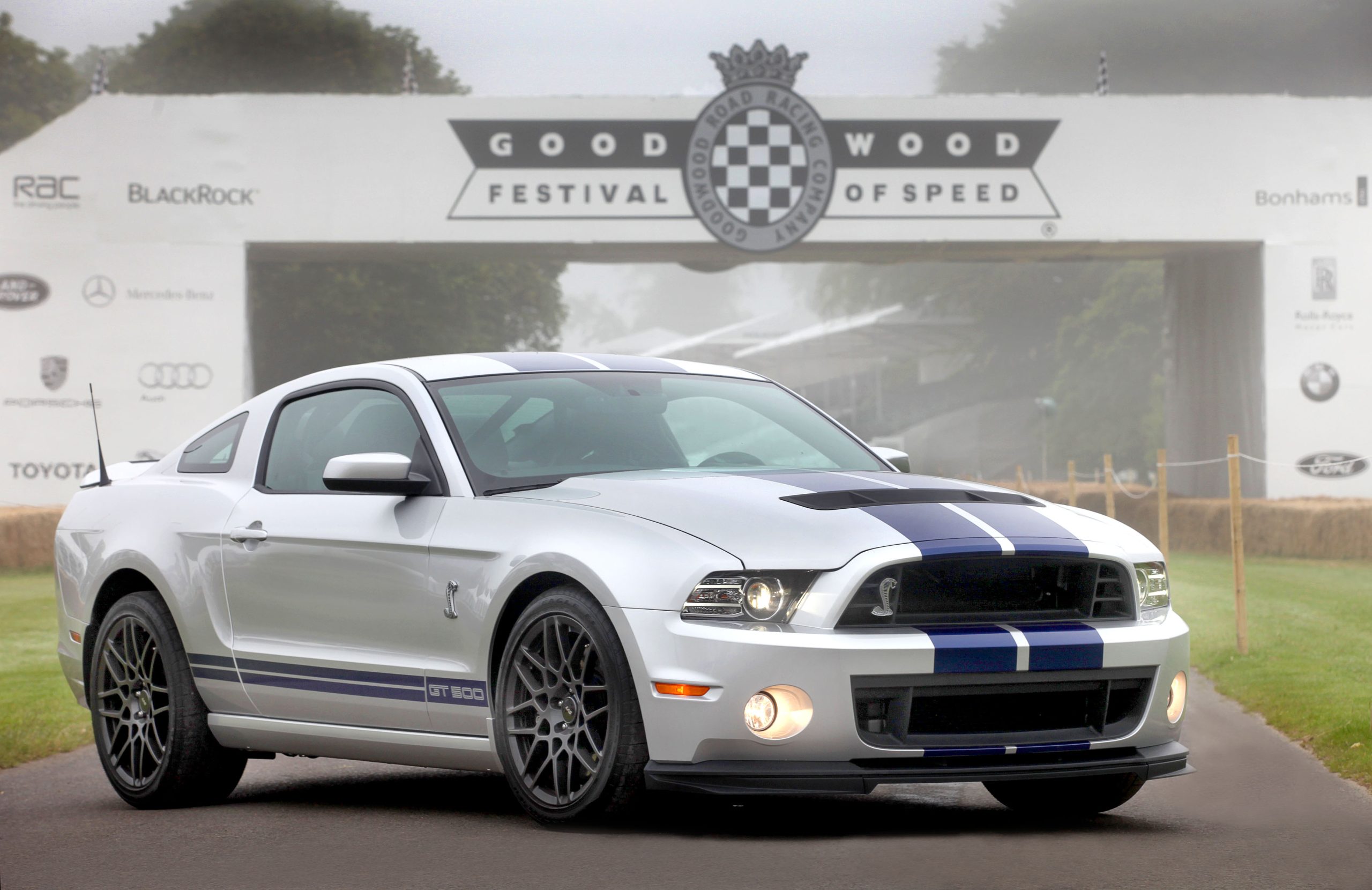
1. Ford Mustang GT
The Ford Mustang GT has long been celebrated for its iconic exhaust note. Even without aftermarket modifications, this car produces a deep, rumbling growl that resonates through the cabin. The engineers focused on creating a sound that would reflect the power of the V8 engine while maintaining street-friendly characteristics.
Each acceleration triggers a visceral response, making the Mustang GT feel alive and aggressive at any speed. Its stock exhaust manages to convey both authority and refinement simultaneously.
One of the key aspects of the Mustang GT’s sound is its active valve exhaust system. This technology allows the exhaust to adapt to driving conditions, producing a quieter tone at low speeds and a thunderous roar under hard acceleration.
The system is designed to enhance the engine’s natural rhythm, ensuring that every gear change accentuates the power delivery. Drivers often describe the sensation of the exhaust note as being in perfect sync with the throttle input, providing a highly engaging driving experience.
The exhaust tone is also shaped by the V8’s firing order, which produces a distinctive burble on deceleration. This feature adds drama to every downshift and gear change. Unlike many cars that rely solely on volume to impress, the Mustang GT uses its acoustic quality to command attention.
Listening to the exhaust at different RPM ranges highlights the versatility of the design, from deep low-end growls to high-pitched top-end accents. This variety keeps the auditory experience fresh and exciting during extended drives.
Another impressive aspect is how the Mustang GT’s stock exhaust interacts with its engine character. The 5.0-liter V8 delivers a combination of linear power and muscular punch. The exhaust amplifies these traits, allowing the engine to communicate its energy audibly.
Even at moderate speeds, the exhaust produces a resonant hum that reminds drivers of the car’s potential. This integration of mechanical and acoustic engineering creates an emotional connection between the driver and the vehicle.
Lastly, the Mustang GT’s exhaust is a signature element of its identity. When the car approaches, the note is instantly recognizable, setting it apart from competitors.
This stock sound has influenced countless aftermarket modifications, yet the factory system remains one of the most impressive for enthusiasts who prefer authenticity. The balance of power, depth, and refinement ensures that the Ford Mustang GT continues to be celebrated for its exhaust alone.
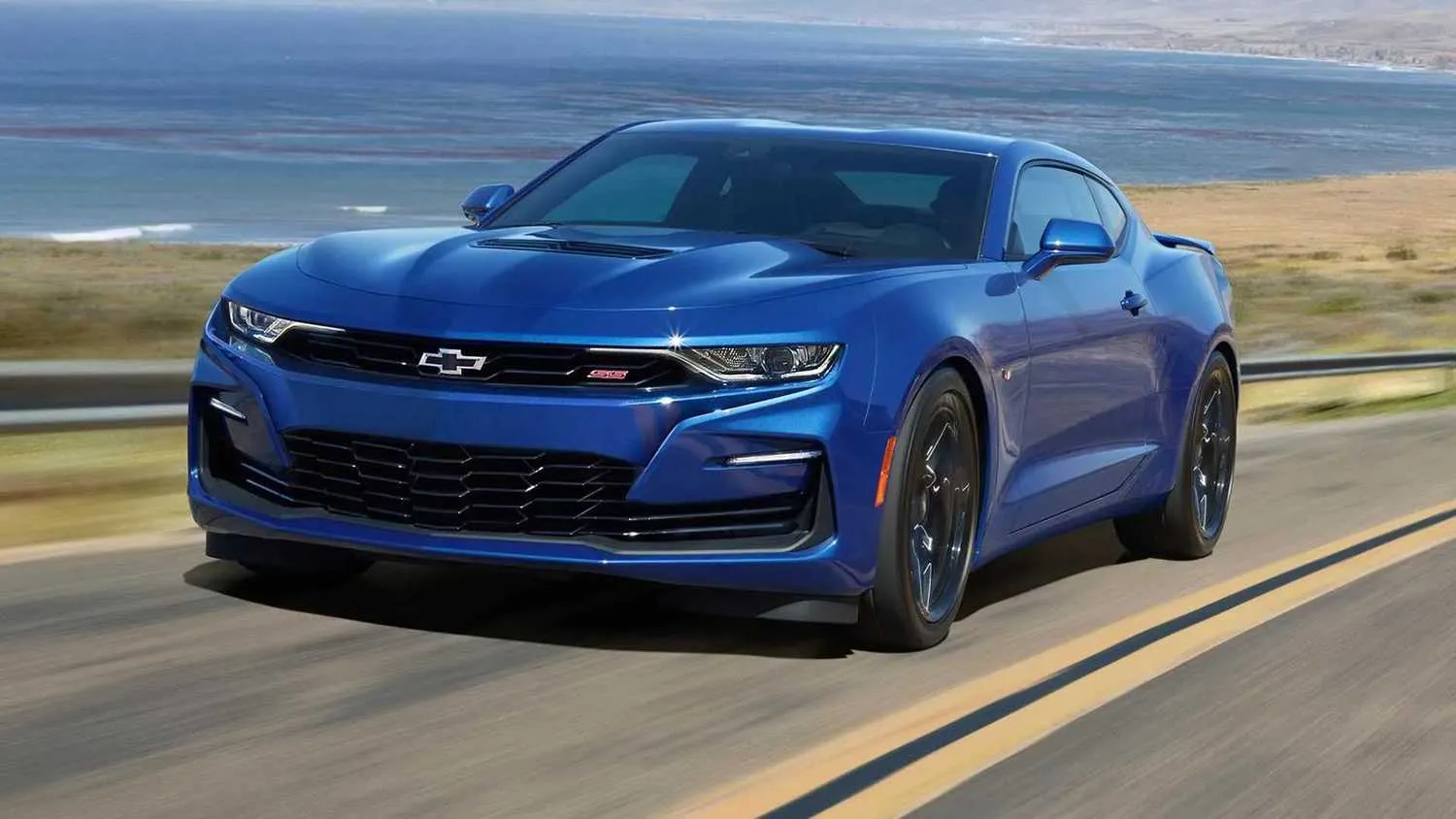
2. Chevrolet Camaro SS
The Chevrolet Camaro SS provides a stock exhaust experience that is aggressive and energetic. Its V8 engine produces a rich and resonant note that captures attention even at a distance.
Engineers designed the exhaust to highlight the natural tone of the engine while managing cabin resonance. Drivers appreciate the balance between power and auditory pleasure, which adds character to every ride. This car’s exhaust sound contributes to the sense of excitement behind the wheel.
One distinguishing feature of the Camaro SS is its dual-mode exhaust system. This system allows the car to alternate between a subtle, controlled tone and a louder, more thrilling roar.
The versatility ensures that the car is suitable for daily driving while maintaining a performance-focused personality. The sound is enhanced by the long, straight headers and carefully tuned mufflers, which create a layered auditory experience. Acceleration becomes a sensory event rather than just a mechanical action.
The Camaro SS also delivers unique burbles and pops on deceleration, which many enthusiasts find addictive. These acoustic cues are a direct result of precise valve timing and exhaust design.
Unlike some vehicles that sound artificial when trying to be aggressive, the Camaro SS remains authentic. Every note has a mechanical origin, giving it an organic and exciting presence. Even without modifications, it manages to feel dynamic and lively.
The engine configuration contributes significantly to the character of the exhaust. The V8 produces a low, throaty rumble at idle, transforming into a higher-pitched growl as RPM increases. This progression creates a dynamic soundscape that changes depending on driver input. The stock system is finely tuned to make every acceleration feel purposeful, providing immediate auditory feedback that enhances driver engagement.
Finally, the Camaro SS exhaust system reinforces the car’s identity as an American muscle icon. Its sound is loud enough to be noticed yet refined enough to avoid fatigue during longer drives.
This carefully considered design demonstrates that stock systems can be both thrilling and practical. The Chevrolet Camaro SS proves that a powerful exhaust does not require aftermarket modification to leave a lasting impression.
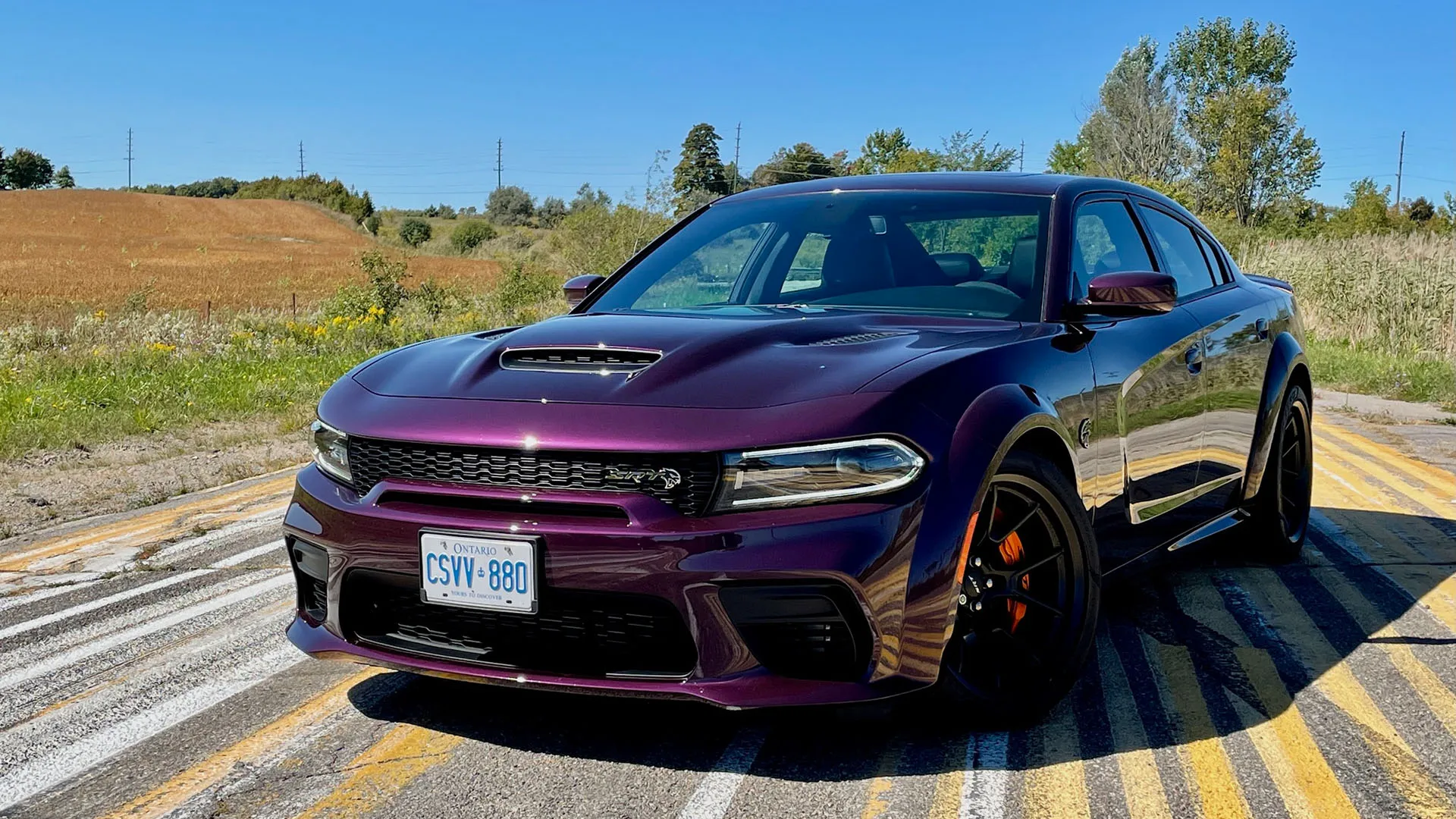
3. Dodge Charger SRT Hellcat
The Dodge Charger SRT Hellcat is renowned for its terrifyingly loud and aggressive stock exhaust. The supercharged V8 generates a deep, guttural roar that demands attention wherever it goes.
Unlike many cars that sound artificially enhanced, the Hellcat’s exhaust is purely mechanical in nature, reflecting the immense power of its engine. Even when idling, the note carries authority, signaling the presence of a high-performance machine.
One of the key aspects of the Hellcat’s exhaust is its active exhaust valves. These valves allow the car to transition between subdued city tones and full-throttle ferocity.
The system is engineered to make every rev, downshift, and launch exhilarating. This adaptability ensures that the exhaust complements the driving environment while still delivering the thrill expected from a top-tier muscle car. The result is a visceral experience for the driver.
The Hellcat’s firing order contributes to its distinctive roar and crackle during deceleration. The exhaust system captures and amplifies these tones, producing a sound that is instantly recognizable.
Its deep resonance makes the car feel larger than it is, emphasizing the size and output of the supercharged engine. Enthusiasts often note that the stock system creates a theater of sound that is difficult to replicate with aftermarket parts.
The exhaust interacts perfectly with the supercharger’s natural induction noise. This interaction produces a rich and aggressive soundtrack, layering whines, rumbles, and crackles in a way that feels mechanical and raw.
The effect is a fully immersive experience, connecting driver, car, and environment through sound. The system ensures that every throttle input resonates with intention and clarity.
Finally, the Hellcat’s exhaust reinforces the car’s identity as a dominant muscle sedan. Its combination of volume, depth, and tonal character makes it a reference point for high-performance exhausts.
The factory system is designed to thrill without needing any modifications, proving that the Dodge Charger SRT Hellcat delivers one of the most impressive stock exhaust experiences in modern automobiles.
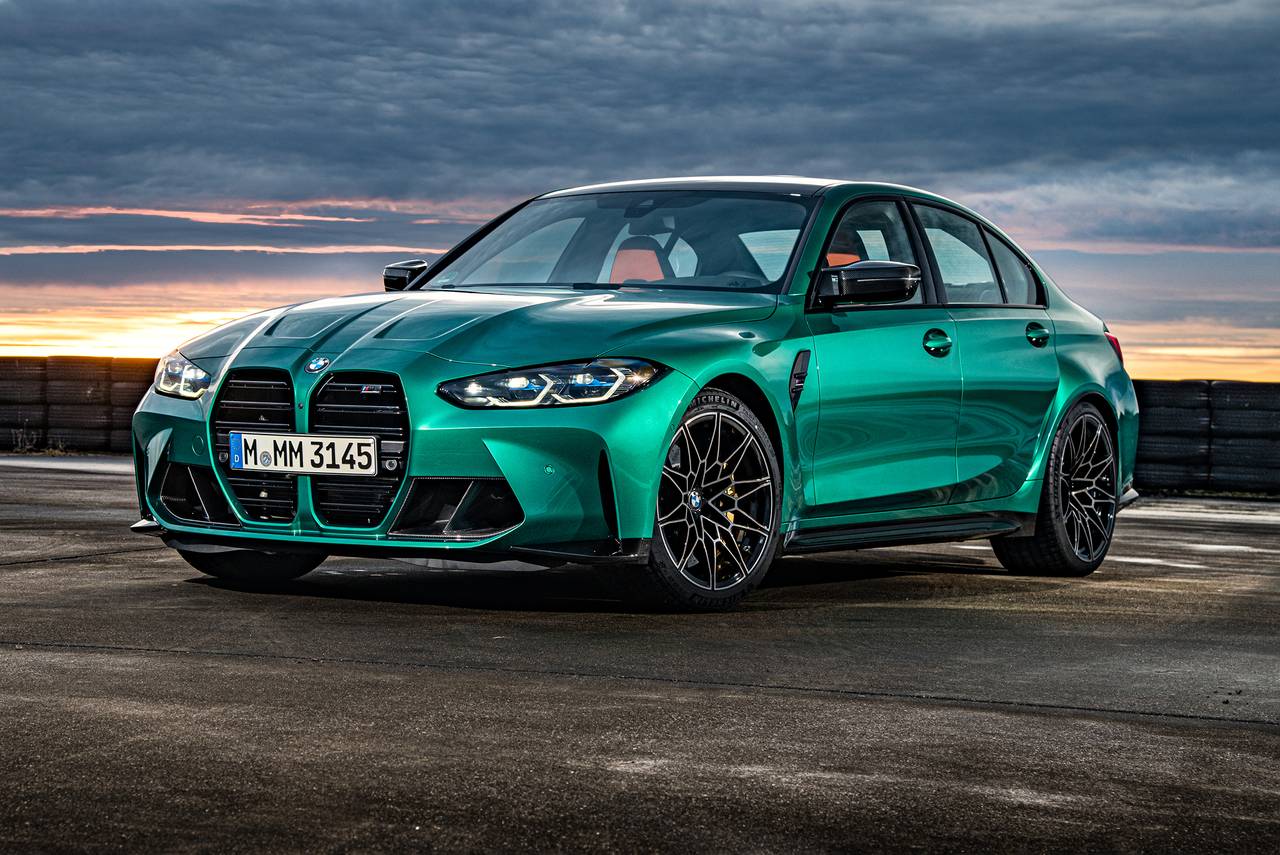
4. BMW M3
The BMW M3 delivers a stock exhaust sound that combines precision engineering with raw excitement. Its inline-six engine produces a distinctive, high-pitched growl that is unique to BMW’s modern performance lineup.
The engineers paid close attention to every aspect of the exhaust system, from the length and diameter of the pipes to the muffler design, in order to create a sound that is both exhilarating and refined. Unlike many cars that require aftermarket modifications to sound aggressive, the M3 offers a thrilling auditory experience straight from the factory.
One of the most impressive features is the variable sport exhaust system. This technology allows the exhaust to adapt dynamically to driving conditions, providing a soft, controlled tone in city traffic while unleashing a roaring symphony during spirited driving.
The system works in harmony with the engine’s RPM, ensuring that each acceleration and downshift is accompanied by a perfectly tuned exhaust note. The result is an immersive driving experience where sound communicates the engine’s intentions.
The exhaust note is further enhanced by the M3’s inline-six engine firing order. The combination of precision-engineered headers and resonators produces a smooth yet aggressive tone that evolves as RPM increases.
Drivers notice the way the exhaust rises in intensity, from a subtle hum at idle to a commanding wail at higher revs. This tonal progression creates a sense of engagement that makes every drive memorable. It is not just loudness that impresses but the character embedded in each note.
Another standout aspect is how the M3’s exhaust interacts with the car’s mechanical performance. The engine’s linear power delivery is matched by the exhaust, creating a cohesive experience where sound reflects the vehicle’s mechanical sophistication.
Whether cruising on open highways or navigating twisty backroads, the stock exhaust provides a soundtrack that enhances driver confidence and enjoyment. The sound feels natural, never forced or artificial, reinforcing the M3’s reputation for engineering excellence.
Finally, the M3’s exhaust plays a defining role in its identity. Enthusiasts and casual observers alike recognize the car by its unique note, which balances aggression and refinement.
The stock system proves that high-performance vehicles do not need aftermarket modifications to sound thrilling. For anyone who appreciates the art of automotive acoustics, the BMW M3 is a perfect example of how engineering can craft excitement through sound alone.
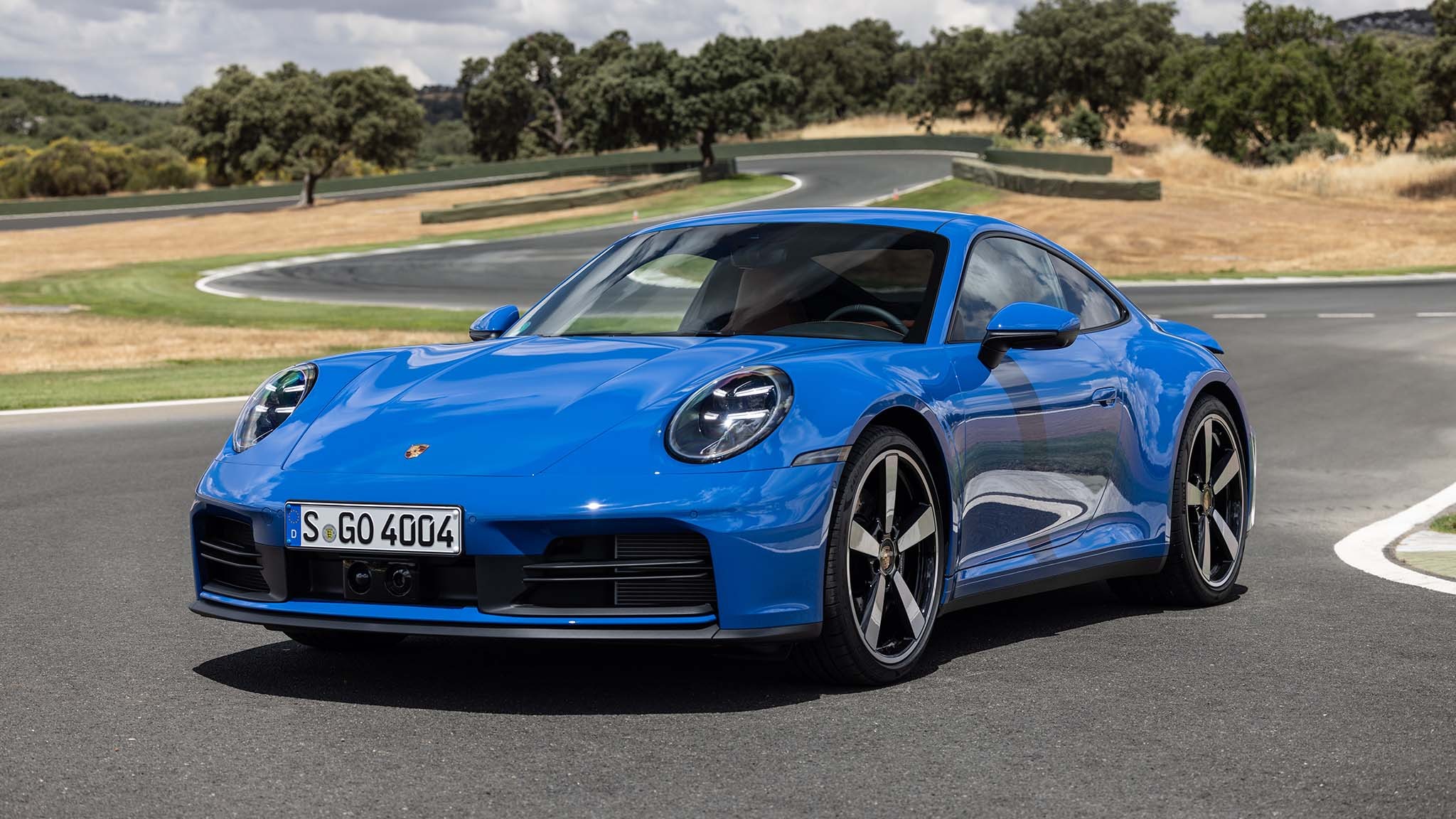
5. Porsche 911 Carrera S
The Porsche 911 Carrera S is known for its naturally aspirated flat-six engine that produces one of the most iconic exhaust notes in the modern sports car world. Its stock exhaust emits a sharp, musical growl that perfectly complements the car’s responsive handling and acceleration.
Each rev is precise, and the tonal characteristics are carefully tuned to emphasize the engine’s high-revving nature. Even without aftermarket parts, the Carrera S sounds alive, engaging both driver and listener.
Porsche’s engineers implemented a twin-exit exhaust system that maximizes resonance and amplifies the natural tone of the flat-six engine. The exhaust pipes are strategically tuned to create a balanced sound that is aggressive but never fatiguing.
The car’s signature burbles on deceleration are a product of this meticulous tuning, adding drama to every downshift and gear change. The result is a soundtrack that enhances the performance experience without being overwhelming.
The firing order of the flat-six engine also contributes to the Carrera S’s distinctive sound. Unlike V6 or V8 engines, the horizontally opposed configuration produces a rapid, staccato-like exhaust note that is crisp and recognizable.
Drivers often note that this sound evolves beautifully across the RPM range, starting with a refined growl at low speeds and building into a thrilling, high-pitched wail at the redline. It is an auditory journey that mirrors the vehicle’s acceleration profile.
The exhaust’s interaction with Porsche’s advanced engineering features, such as variable valve timing and precise throttle mapping, ensures a harmonious blend of sound and performance.
Even in normal driving conditions, the stock exhaust provides an emotional response, making everyday commuting a more enjoyable experience. The car’s exhaust system reinforces its performance identity, giving the Carrera S a presence on the road that is hard to ignore.
Finally, the 911 Carrera S exhaust is a signature element of Porsche’s brand identity. Its stock note demonstrates that a high-performance sports car can be both refined and thrilling without modifications.
From its melodic high-rev tones to the rich burbles during downshifts, the Porsche 911 Carrera S offers an experience that is as emotional as it is mechanical, embodying the perfect balance between performance and sound.
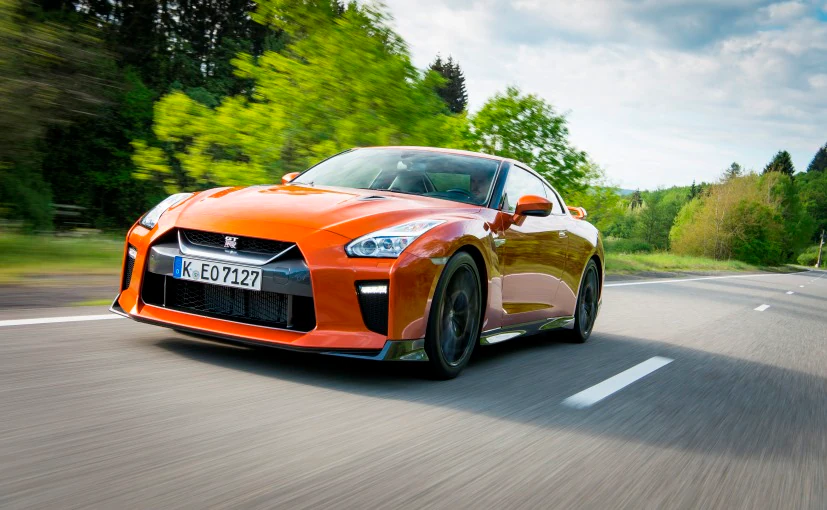
6. Nissan GT-R
The Nissan GT-R delivers an exhaust experience that is as commanding as the car’s performance. Its twin-turbo V6 engine produces a growl that is both deep and refined, capable of turning heads even at moderate speeds.
The stock exhaust system is carefully engineered to highlight the engine’s natural power while minimizing unwanted resonance in the cabin. Every rev, gear shift, and acceleration is accompanied by a rich, engaging tone that reinforces the GT-R’s identity as a supercar for the street.
One of the GT-R’s key features is its titanium-tipped exhaust, designed to provide clarity and sharpness to the engine note. The system enhances high-frequency tones while maintaining a strong, low-end rumble.
Drivers experience a complex sound that evolves as the car accelerates, combining growls, whines, and pops into a cohesive acoustic signature. The result is an exhaust that feels purposeful and alive, rather than artificially amplified.
The exhaust note is further shaped by the GT-R’s unique engine and drivetrain characteristics. The twin-turbo V6 produces a distinct whistle during throttle application, blending with the deep tone of the exhaust to create a layered auditory experience.
This dual character ensures that the car’s sound remains interesting across the RPM range. The sound communicates power and sophistication, reflecting Nissan’s careful attention to detail.
Another aspect is the GT-R’s exhaust behavior during high-speed driving. At sustained speeds, the tone maintains its intensity without becoming harsh or tiring.
The system is engineered to balance excitement and comfort, making long drives as engaging as short bursts of acceleration. The integration of the exhaust with the car’s turbocharging and intercooler setup produces a harmonious soundscape that is unmistakably GT-R.
Finally, the R35 GT-R’s exhaust serves as a defining element of the car’s identity. Its combination of aggression, precision, and clarity makes it one of the most respected stock exhausts in modern performance cars.
Enthusiasts recognize the sound instantly, and the Nissan GT-R continues to impress without the need for aftermarket modifications, demonstrating that engineering excellence can produce an exhaust worthy of admiration.
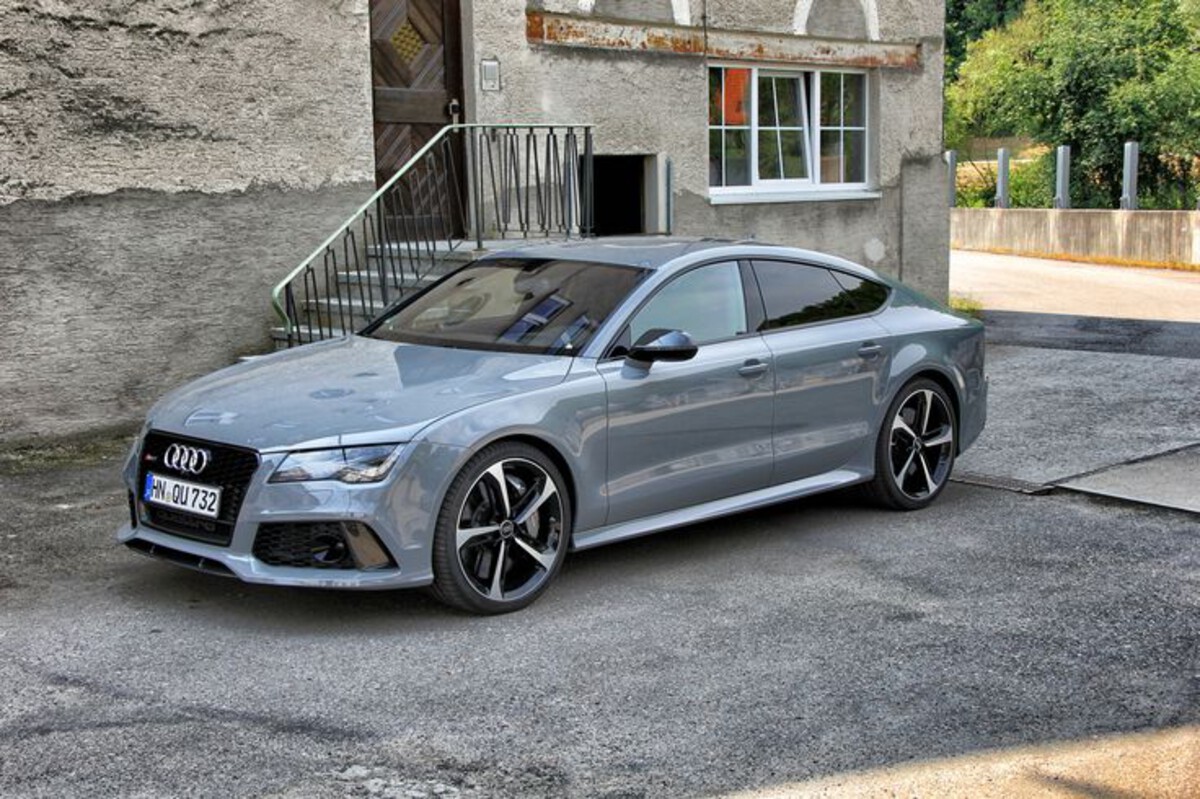
7. Audi RS7
The Audi RS7 delivers a stock exhaust that is both commanding and refined. Its twin-turbo V8 engine produces a deep, resonant growl that communicates power even before the throttle is touched.
Audi’s engineers designed the exhaust to balance aggressive tones with cabin comfort, allowing drivers to enjoy the soundtrack without fatigue. Each gear change and acceleration produces an unmistakable note that reflects the RS7’s high-performance pedigree.
One of the RS7’s standout features is its sport exhaust system with adjustable valves. These valves control the intensity and character of the exhaust sound, enabling a quiet, composed tone for city driving and a loud, assertive roar for spirited acceleration.
The system is integrated with the engine and transmission, creating a harmonic resonance that evolves with RPM. Drivers often note that the exhaust feels like an extension of the engine, responding dynamically to every input.
The RS7’s firing order and V8 configuration contribute to its signature sound. Low RPMs produce a deep rumble that emphasizes the engine’s mass and presence, while higher revs reveal a thrilling, high-pitched edge that excites the senses.
The exhaust also generates subtle crackles during deceleration, adding drama and emphasizing the car’s sporty nature. This layering of tones creates a sophisticated and exhilarating auditory experience.
Another aspect is the interaction between the exhaust and the RS7’s forced induction. The twin-turbo system adds a distinct whine and growl to the engine note, which blends seamlessly with the stock exhaust.
This combination results in a rich, multi-dimensional sound that is both aggressive and elegant. Even at moderate speeds, the RS7 communicates authority and performance through its exhaust note.
Finally, the RS7’s exhaust defines its character on the road. Its sound is instantly recognizable, a mark of Audi’s dedication to engineering and performance. The factory system proves that a stock exhaust can deliver excitement, refinement, and personality all at once. The Audi RS7 stands as a testament to how exhaust design enhances the driving experience.

8. Mercedes-AMG C63 S
The Mercedes-AMG C63 S offers a stock exhaust that is loud, bold, and unmistakably AMG. Its 4.0-liter twin-turbo V8 emits a deep, resonant roar with a metallic edge that excites drivers and onlookers alike.
The exhaust is tuned to maximize character and emotion, enhancing the sense of power that the C63 S delivers. Even during normal driving, the sound communicates strength and performance in every rev.
One of the car’s signature features is its AMG performance exhaust with variable flaps. These flaps allow the exhaust tone to be modulated depending on driving mode.
In comfort mode, the note is refined and subtle, while in sport or race mode, it transforms into a powerful and aggressive growl. The system responds to throttle input with immediacy, ensuring that every acceleration produces a satisfying auditory punch.
The C63 S benefits from a firing order that creates a distinctive burble on deceleration. This unique feature is a hallmark of AMG engineering, giving the car a characterful personality even when slowing down.
The exhaust produces layered tones, from deep rumbles at low RPMs to high-pitched, energetic growls near the redline. This tonal progression adds drama and excitement to every drive, reinforcing the car’s sporty credentials.
Another impressive aspect is the exhaust’s integration with the engine and turbocharging system. The sound is balanced across the RPM range, avoiding harshness while still remaining aggressive.
Each note feels purposeful, reflecting the car’s mechanical power and engineering precision. The result is a cohesive experience that ties the auditory sensation directly to performance.
Finally, the C63 S exhaust establishes its identity on the road. The sound is bold enough to announce the car’s presence without being overwhelming. Its combination of depth, intensity, and character makes the Mercedes-AMG C63 S a prime example of how a stock system can deliver exhilarating performance while maintaining refinement.
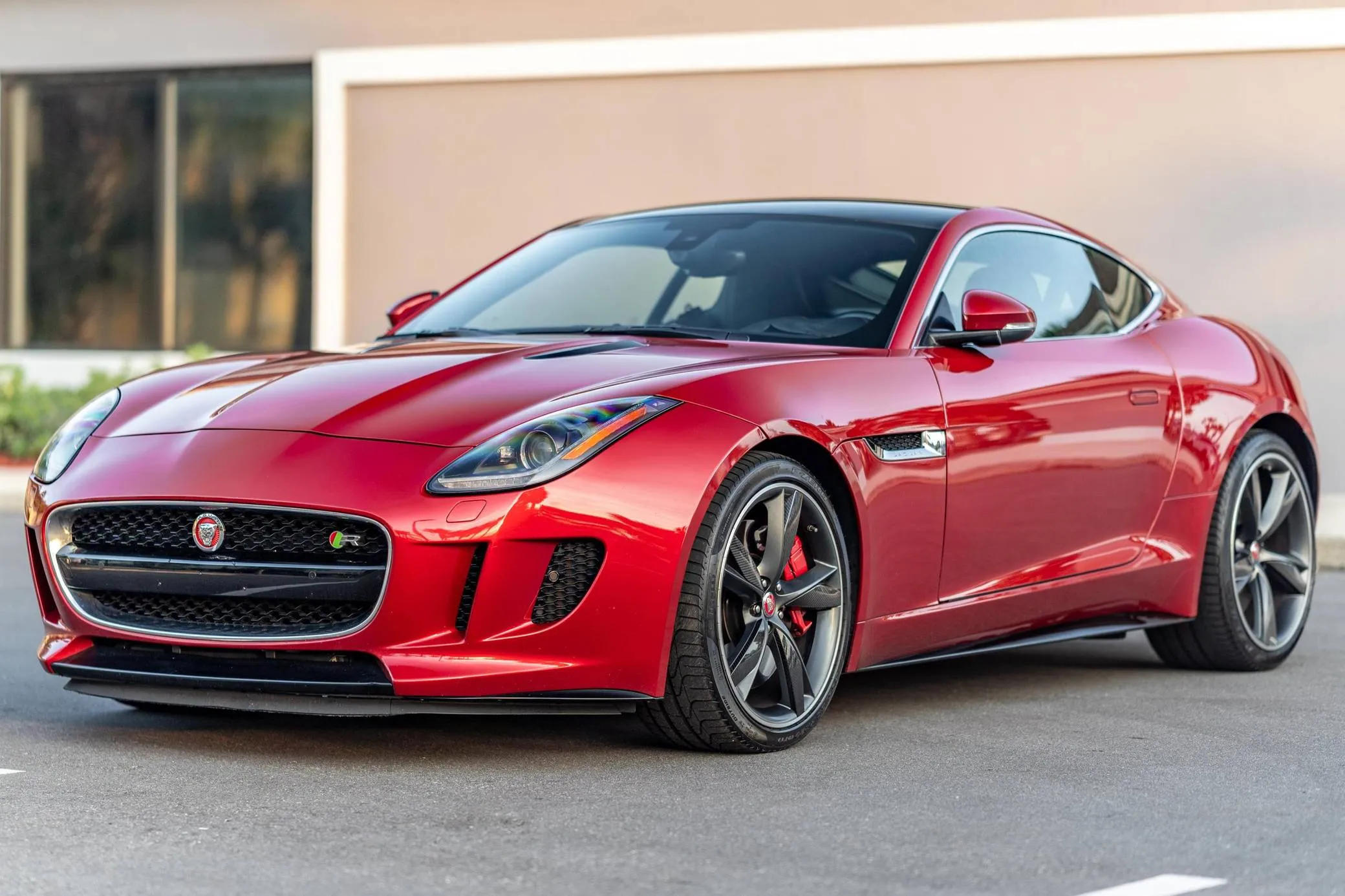
9. Jaguar F-Type R
The Jaguar F-Type R is celebrated for its exotic and powerful stock exhaust sound. Its supercharged V8 produces a deep, muscular roar that commands attention. Jaguar’s engineers carefully tuned the exhaust to enhance engine resonance while maintaining a distinct British sophistication. Every throttle input triggers a dramatic, engaging sound, making even short drives feel like a high-performance experience.
At low speeds, the note is controlled yet evocative, while at high speeds or wide-open throttle, it transforms into a ferocious, exhilarating roar. The system amplifies the engine’s natural character without artificial enhancements, creating a pure auditory connection.
The firing order and supercharged V8 layout give the F-Type R a signature growl and crackle. Even during normal driving, the exhaust produces subtle pops and burbles that hint at the engine’s potential.
As RPM rises, the exhaust tone sharpens, delivering a thrilling high-frequency edge that contrasts beautifully with the deep lows. This interplay between tonal layers makes the car’s stock exhaust captivating and dynamic.
Another critical aspect is how the exhaust complements the F-Type’s handling. The car’s lightweight chassis and responsive steering are mirrored in the exhaust note, producing an experience where sound and performance feel inseparable.
Acceleration, cornering, and downshifts are all accompanied by an auditory signature that enhances the connection between driver and car.
Finally, the F-Type R’s exhaust is integral to Jaguar’s performance identity. Its aggressive yet refined sound distinguishes it from competitors, making it instantly recognizable.
The stock system demonstrates that a supercar can deliver emotional and powerful exhaust tones straight from the factory. The Jaguar F-Type R proves that engineering, tuning, and sound design can create an unforgettable driving experience.
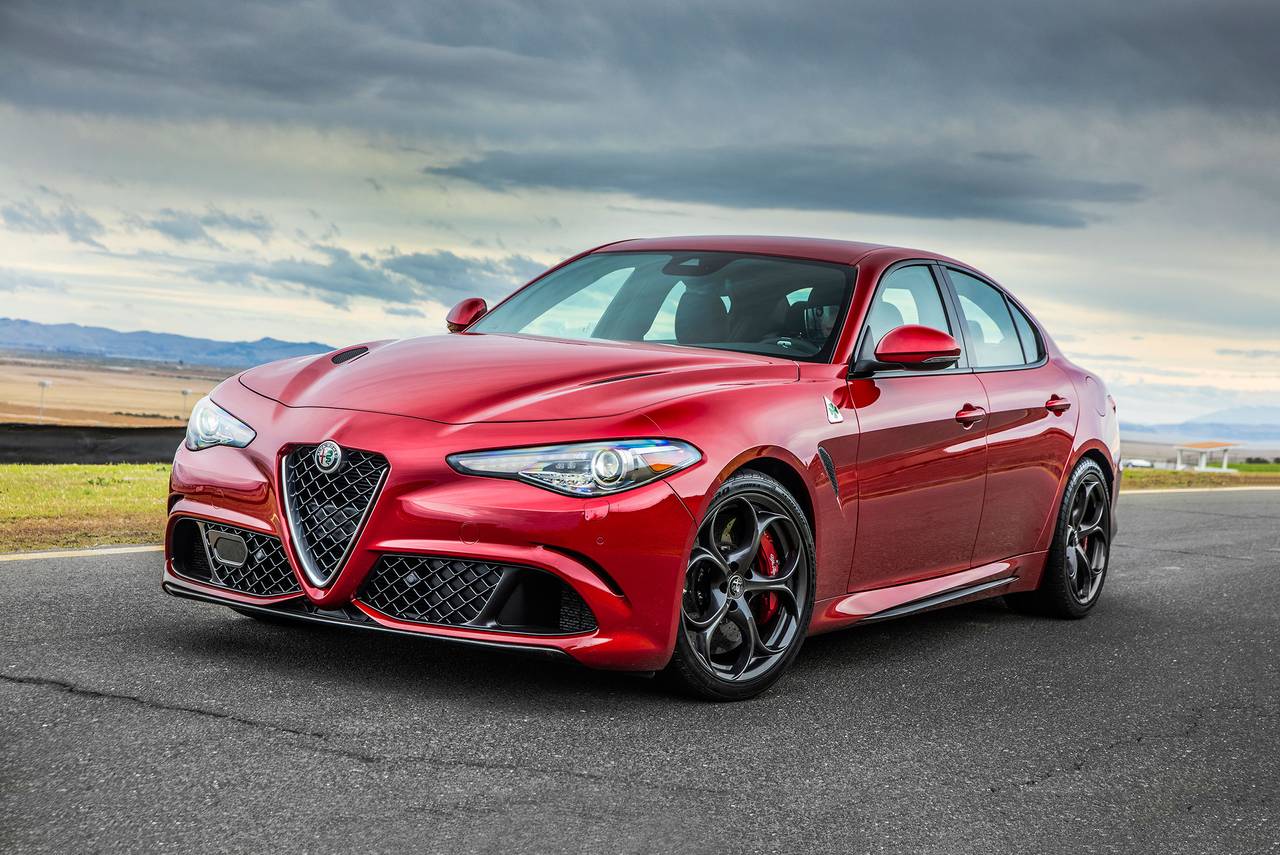
10. Alfa Romeo Giulia Quadrifoglio
The Alfa Romeo Giulia Quadrifoglio features a stock exhaust that embodies Italian passion and engineering flair. Its 2.9-liter twin-turbo V6 produces a symphony of tones that is both aggressive and musical.
From the first ignition to full-throttle acceleration, the exhaust delivers character and excitement that is rare among sedans. Each note reflects Alfa Romeo’s dedication to combining emotion with performance.
The Giulia Quadrifoglio is equipped with an active exhaust system designed to optimize tone across different driving conditions. At low speeds, the note is rich and refined, providing comfort and subtlety.
At higher RPMs, the exhaust opens fully to reveal a deep, thrilling roar that enhances the driving experience. The system’s ability to change dynamically ensures that the car sounds perfect in all situations.
The exhaust note is influenced by the V6’s firing order and Italian engine tuning. Low-end growls convey authority, while high-rev moments produce a metallic, almost operatic scream that excites the senses.
Subtle burbles on deceleration add drama and emphasize the engine’s responsiveness. This combination creates a soundtrack that feels both sophisticated and visceral.
Another impressive aspect is how the exhaust interacts with the car’s chassis and turbocharged engine. The sound matches the Giulia’s dynamic handling, giving drivers real-time feedback through tone and resonance.
Each corner, downshift, and acceleration is accentuated by the exhaust, making every drive feel performance-oriented and emotionally engaging.
Finally, the Quadrifoglio’s exhaust defines its identity as a high-performance sedan with Italian character. Its stock system is loud, emotional, and unmistakable, proving that Alfa Romeo engineered it to deliver excitement without modifications.
The Alfa Romeo Giulia Quadrifoglio leaves a lasting impression, showing that stock exhausts can be thrilling, memorable, and truly unforgettable.