Japanese sports cars have always held a special place in automotive culture, admired for their unique combination of performance, reliability, and design. While cars like the Toyota Supra often dominate discussions about iconic Japanese performance vehicles, there exists a remarkable range of other models that deliver excitement, handling, and style but remain largely overlooked.
These cars often offer drivers a more intimate, raw, and enjoyable driving experience compared to their more famous counterparts. They embody the spirit of innovation that Japanese manufacturers have embraced for decades, blending engineering excellence with distinctive aesthetics and character.
Many of these underrated vehicles emerged during periods of intense competition among Japanese automakers, especially during the late 1980s and early 1990s, a time when technology and performance were rapidly advancing.
They often featured engines capable of producing exhilarating power, chassis tuned for precise handling, and aerodynamic designs that were both functional and eye-catching.
Despite these qualities, market limitations, brand perception, or overshadowing by flashier models often kept them from achieving the recognition they deserved. Enthusiasts who seek a driving experience beyond the mainstream find these cars rewarding for their balance, engagement, and purity.
Another reason these cars remain underrated is their availability and rarity in global markets. Many were limited to domestic sales in Japan, while others were produced in smaller volumes, making them more exclusive and challenging to find today.
This exclusivity has not only preserved their appeal among collectors but also makes them excellent candidates for those seeking vehicles with historical significance and future investment potential.
Owning one of these cars often provides a sense of discovery and pride, as enthusiasts appreciate the engineering and design choices that distinguish them from more famous models.
Beyond performance, these cars frequently showcase innovative technology and design philosophies. From advanced suspension systems to lightweight construction techniques, they represent Japanese manufacturers’ commitment to pushing boundaries while keeping the driver’s experience central.
They also reflect cultural values of precision, attention to detail, and aesthetic balance, making them objects of admiration beyond mere statistics. Each car tells a story about its era, its engineering challenges, and the vision of its creators, offering insights into automotive history that extend far beyond their horsepower ratings.
For enthusiasts looking to explore the full spectrum of Japanese sports cars, focusing beyond the most famous names is essential. These underrated vehicles reveal layers of innovation and passion that are often hidden from mainstream audiences.
They offer driving excitement that rivals or surpasses better-known cars and frequently provide a more connected and authentic experience. This article aims to highlight ten of these hidden gems, celebrating their uniqueness, performance capabilities, and the reasons they deserve more recognition among car enthusiasts.
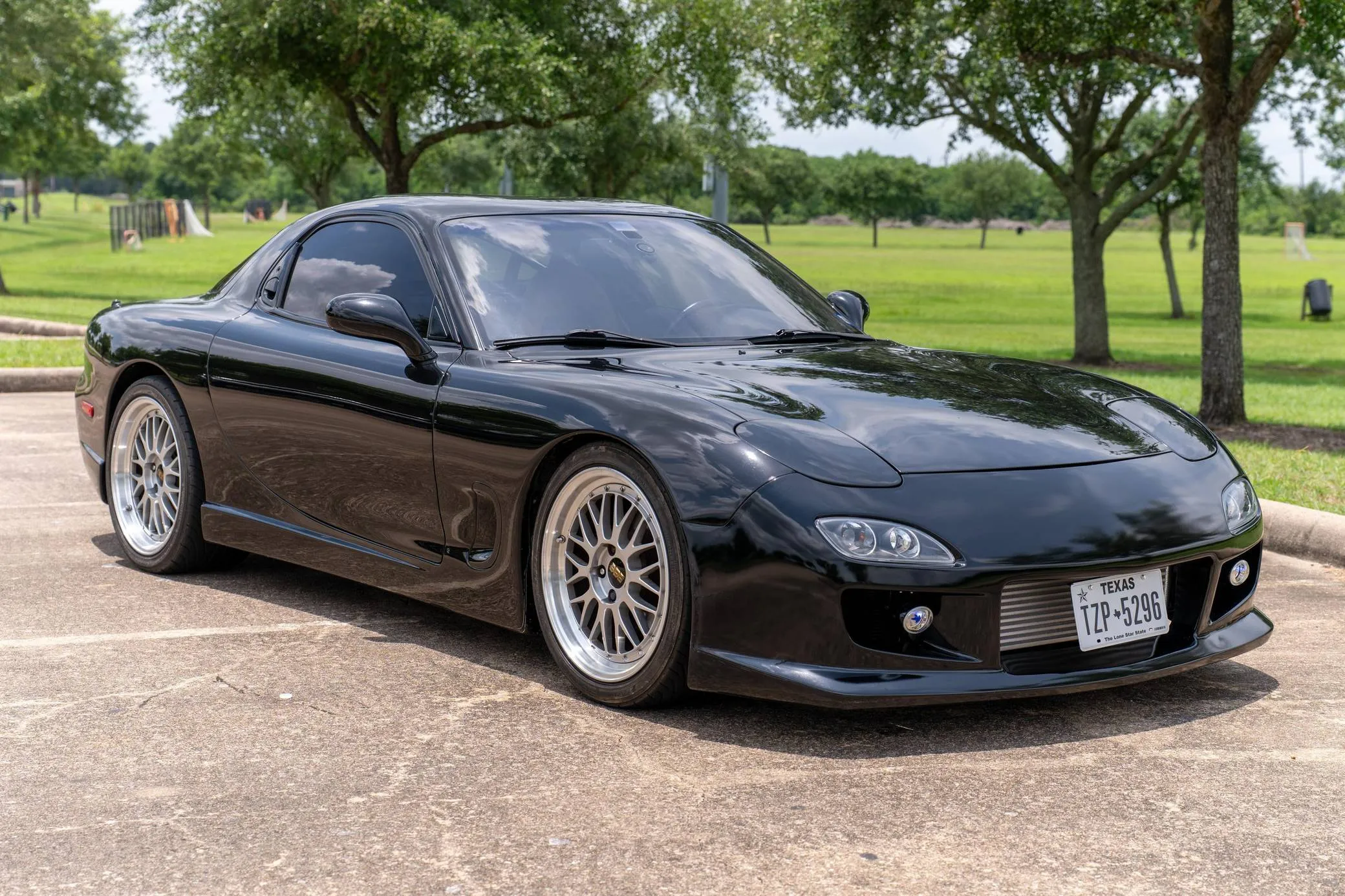
1. Mazda RX-7 (FD3S)
The Mazda RX-7 FD3S is often admired by enthusiasts for its lightweight rotary engine and perfect balance, yet it is frequently overshadowed by flashier models like the Supra or NSX. Its 1.3-liter twin-rotor engine produces surprising power while maintaining a compact size that contributes to nimble handling.
Unlike larger engines that dominate the streets, the RX-7 relies on its responsiveness and the unique characteristics of the rotary engine, offering an exhilarating experience to those willing to master its quirks. The FD3S became a symbol of Japanese engineering, showing that performance could be achieved without relying on massive displacement.
One of the most striking features of the RX-7 is its chassis, which emphasizes agility and driver connection. Mazda engineers meticulously tuned the suspension to minimize body roll while maximizing cornering grip.
This combination allows drivers to navigate tight corners with precision and confidence. While modern cars have more electronic aids, the RX-7 demands skill and attention, creating a rewarding bond between driver and machine. Its steering is direct and communicative, translating subtle inputs into immediate responses.
The styling of the FD3S is another reason it stands out. With smooth curves, retractable headlights, and a low, wide stance, it exudes a sense of speed even at a standstill. Its aerodynamics were carefully considered, reducing drag while enhancing stability at higher speeds.
The design has aged gracefully, retaining a timeless appeal that continues to attract enthusiasts today. Even in comparison to contemporary Japanese sports cars, the RX-7’s appearance communicates its performance-oriented nature without excessive flamboyance.
Ownership of an RX-7 requires dedication, especially regarding maintenance of the rotary engine. Rotary engines demand consistent care, proper cooling, and frequent checks to ensure reliability. Despite these challenges, enthusiasts find that the rewards outweigh the extra effort.
Driving a well-maintained FD3S offers sensations that are difficult to replicate in more conventional piston-engine sports cars. Its rarity outside Japan adds an extra layer of prestige for collectors and those seeking a unique automotive experience.
The RX-7 FD3S remains a benchmark for lightweight, high-revving sports cars from Japan. Its combination of agility, engine excitement, and styling makes it a standout in any collection. While it never achieved the widespread fame of some Japanese icons, it continues to inspire admiration among enthusiasts who appreciate its engineering purity. For those searching for a sports car that challenges and rewards in equal measure, the RX-7 is an unforgettable choice.
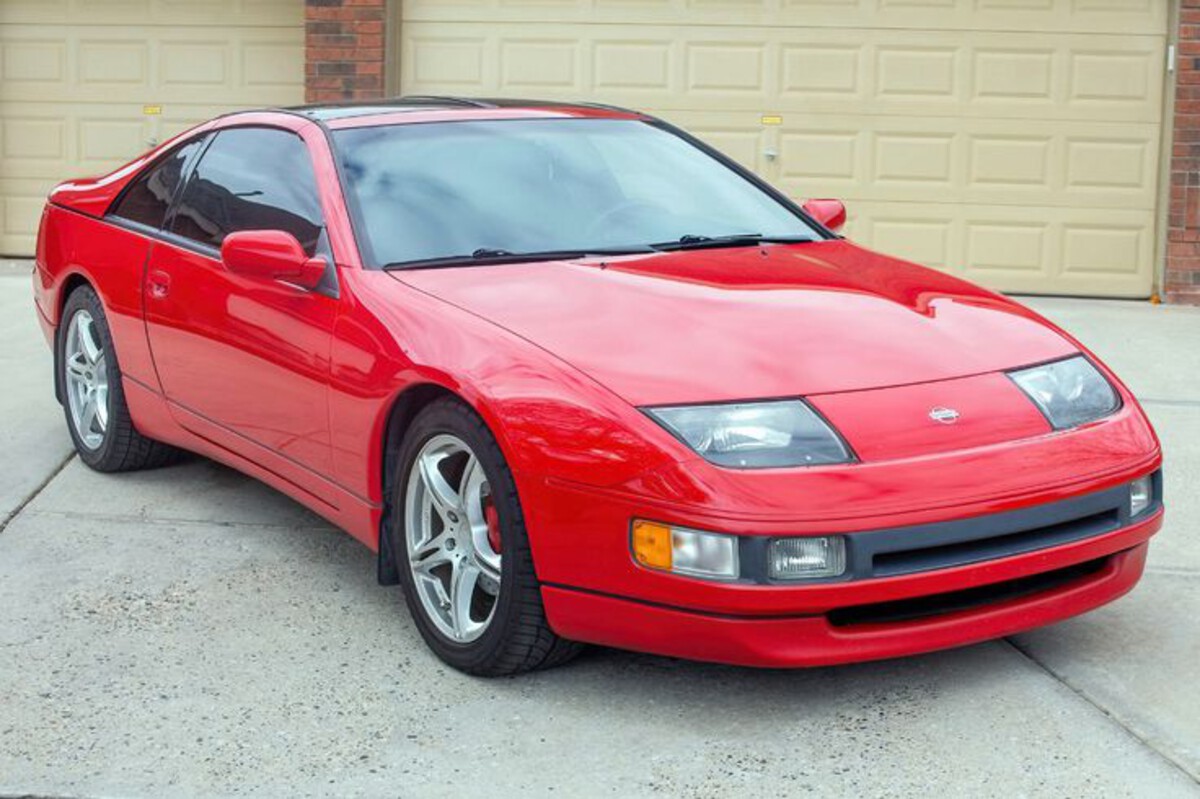
2. Nissan 300ZX (Z32)
The Nissan 300ZX Z32 is a sports car that demonstrated innovation and refinement in the early 1990s. With a sleek, aerodynamic body and a powerful V6 engine, it offered performance that could rival more well-known Japanese competitors.
The Z32 combined comfort with speed, providing a sports car that was also practical for longer journeys. Despite its achievements, it often gets overlooked due to the popularity of the Skyline and Supra models.
Performance-wise, the Z32 excelled with its twin-turbocharged V6 engine. Acceleration is smooth yet rapid, and the car maintains composure at high speeds. Nissan’s attention to handling ensured that the 300ZX was balanced and predictable, capable of rewarding precise driving inputs.
The car’s suspension was advanced for its time, giving it a competitive edge in cornering. Drivers felt connected to the road without being overwhelmed by excessive feedback or unpredictability.
Interior comfort sets the Z32 apart from other Japanese sports cars of its era. Its cabin features supportive seats, a driver-focused layout, and quality materials that enhance long-distance usability. Controls are intuitive, allowing drivers to concentrate on driving without distraction.
While it retains a sporty feel, the car also embraces refinement, making it suitable for everyday use. This combination of performance and comfort helped it appeal to a broader audience, even if it didn’t achieve lasting mainstream fame.
The design of the 300ZX emphasizes aerodynamic efficiency and visual balance. Rounded lines, pop-up headlights, and a low roofline contribute to a timeless look that has aged gracefully.
Unlike more aggressive designs, the Z32 communicates sophistication while hinting at its performance capabilities. Its proportions and styling details make it an attractive choice for collectors seeking a blend of elegance and sports car performance.
Despite its technological and design achievements, the Z32 has remained underrated compared to other Japanese sports cars of the same period. Its twin-turbo engine, advanced suspension, and thoughtful interior make it a compelling option for enthusiasts.
For those willing to explore beyond the mainstream favorites, the 300ZX offers both excitement and refinement, delivering a driving experience that continues to impress decades after its release.
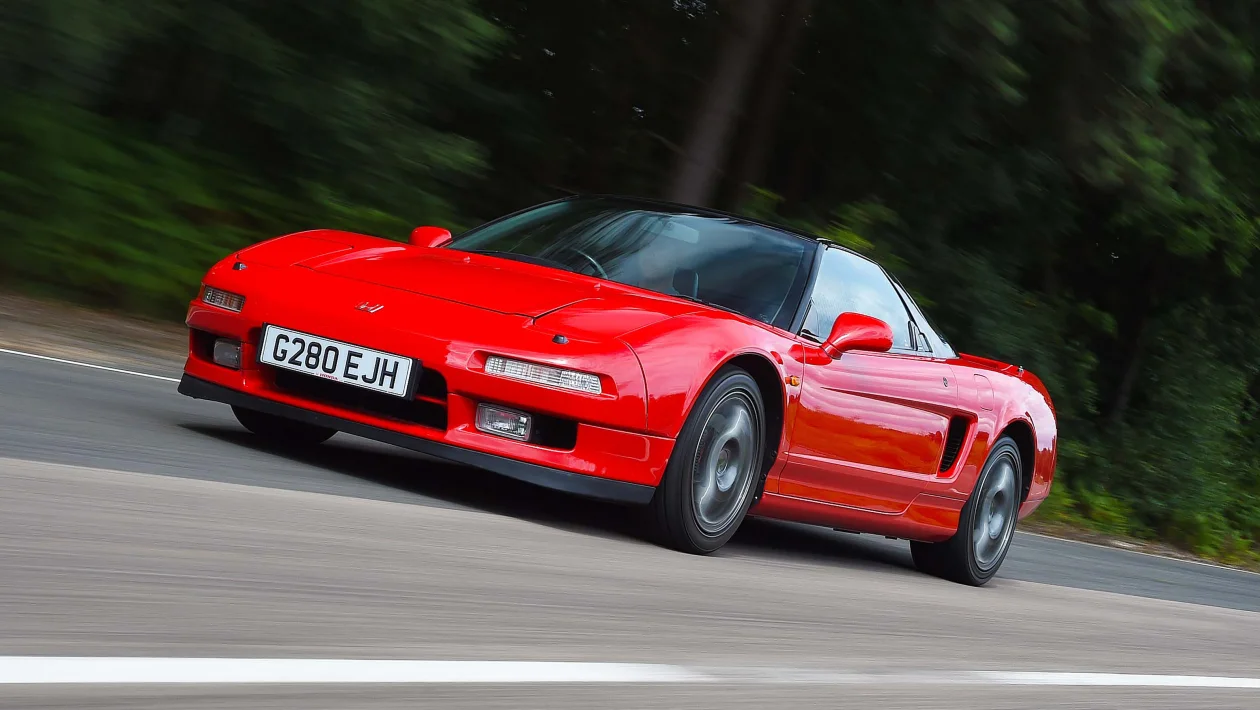
3. Honda NSX (First Generation)
The first-generation Honda NSX redefined expectations for Japanese sports cars in the 1990s. With a mid-engine layout, lightweight aluminum construction, and precise handling, it competed with European supercars while remaining approachable.
Its design is clean, purposeful, and aerodynamic, avoiding unnecessary exaggeration. While widely admired, it remains underrated compared to the hype surrounding Ferrari and Porsche models.
Honda’s approach to performance focused on balance and usability. The NSX’s naturally aspirated V6 engine delivers smooth, high-revving power with an emphasis on reliability.
Unlike turbocharged competitors, the NSX provides a predictable and linear power delivery that rewards skilled driving. Its manual transmission option enhances engagement, allowing drivers to exploit its full potential while feeling every nuance of the engine.
Handling is where the NSX truly shines. Its suspension setup provides excellent feedback and stability in corners, making it highly predictable and confidence-inspiring. Weight distribution and chassis stiffness are carefully balanced, resulting in a car that feels planted under all conditions.
Drivers can push it aggressively without fearing sudden loss of control. This approachability sets it apart from many high-performance vehicles of the era that required constant attention and skill to manage.
The NSX also showcases Honda’s dedication to engineering innovation. The use of aluminum in the chassis and body reduced weight and improved performance while maintaining structural rigidity. Aerodynamic features are integrated seamlessly into the body, improving stability and efficiency without drawing unnecessary attention.
Its design philosophy emphasizes function without sacrificing elegance, contributing to its enduring appeal among enthusiasts and collectors alike.
Even decades after its release, the NSX remains a benchmark for Japanese sports cars. Its combination of performance, reliability, and style demonstrates what a well-engineered car can achieve.
Despite being overshadowed in popular culture by flashier models, it remains highly respected by those who understand its capabilities. It represents a philosophy of performance that emphasizes balance, precision, and driver enjoyment above raw power alone.
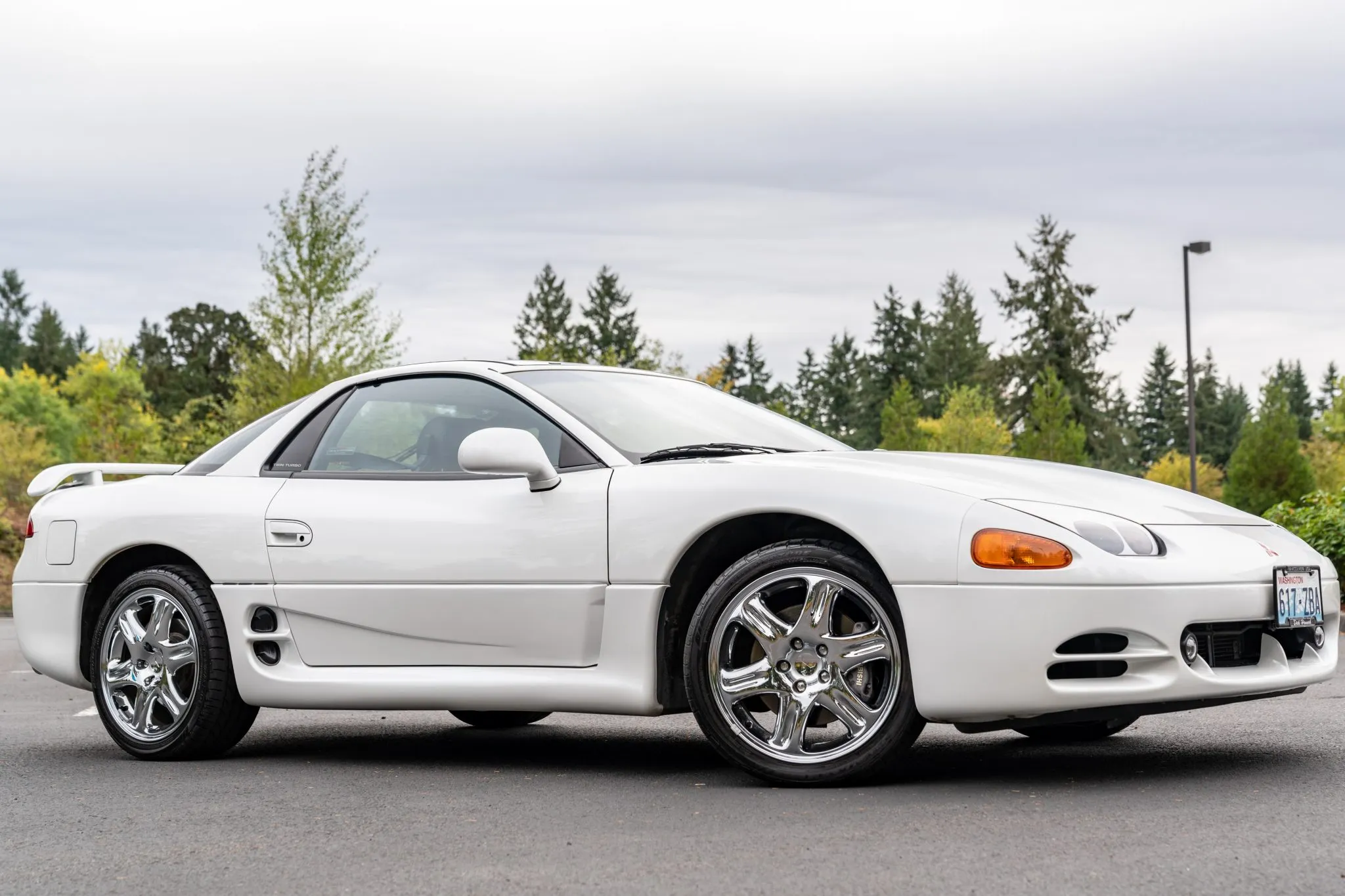
4. Mitsubishi 3000GT (GTO)
The Mitsubishi 3000GT, known as the GTO in Japan, is a remarkable combination of advanced technology and performance, yet it rarely receives the recognition it deserves.
Introduced in the early 1990s, it featured a twin-turbocharged V6 engine, all-wheel drive, and active aerodynamics, offering features ahead of its time. Its styling was bold and aggressive, reflecting the performance packed under the hood. Despite its capabilities, it is often overlooked compared to the Nissan 300ZX or Honda NSX.
Performance is a major strength of the 3000GT. The twin-turbocharged engine produces substantial power, delivering smooth acceleration and high-speed stability.
Advanced technologies such as all-wheel drive, active suspension, and four-wheel steering enhance control in corners and at high speeds. These features combine to make the car capable on both roads and tracks, providing confidence to drivers while remaining manageable. It was a technologically sophisticated sports car that represented Mitsubishi’s ambition.
Driving the 3000GT offers a sense of connection and excitement. Its handling is precise, with well-tuned suspension that balances comfort and performance. The car feels stable during rapid lane changes and cornering, giving the driver confidence to explore its capabilities.
While heavier than some other Japanese sports cars, the 3000GT’s advanced systems mitigate the weight, resulting in a surprisingly agile driving experience. Its active systems were pioneering at the time, demonstrating Mitsubishi’s engineering ambition.
The design of the 3000GT is muscular yet aerodynamic. Pop-up headlights, wide fenders, and a low stance emphasize its aggressive performance character. The interior blends comfort with driver focus, featuring supportive seats, clear gauges, and accessible controls.
It could be driven daily without sacrificing the feeling of driving a high-performance sports car, making it versatile in addition to capable. Its aesthetics continue to impress collectors who appreciate the 1990s Japanese sports car era.
Despite its innovation, the 3000GT is often underrated in discussions of classic Japanese sports cars. Its combination of power, technology, and design deserves more attention. For enthusiasts looking for a car that blends advanced engineering with a thrilling driving experience, the 3000GT offers an experience that few other Japanese cars of its era can match. It is a hidden gem waiting to be rediscovered.
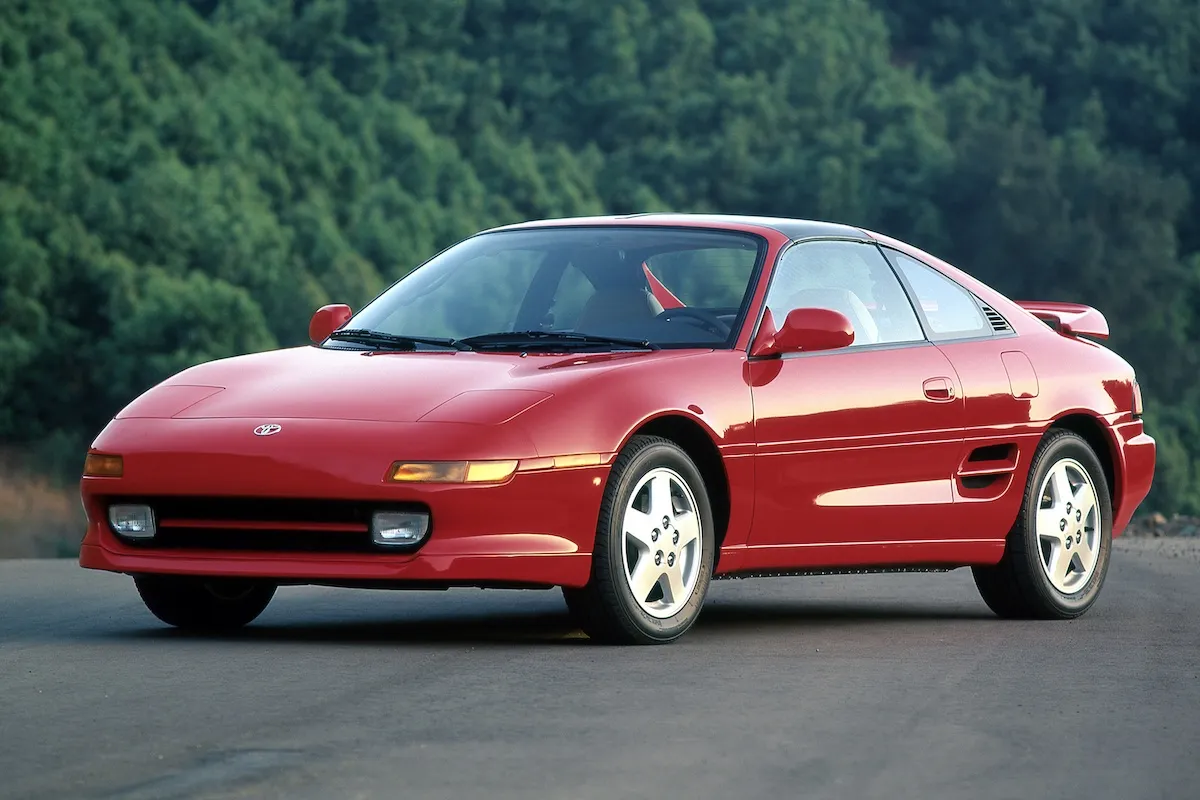
5. Toyota MR2 (SW20)
The Toyota MR2 SW20 is a mid-engine sports car that combined nimble handling and affordability, making it a favorite among enthusiasts, though often overshadowed by the Supra.
Its lightweight chassis and mid-engine layout created a responsive and balanced driving experience. The car’s styling is sleek and purposeful, with wide proportions and a low roofline enhancing its sporty character. It remains a rewarding choice for those who appreciate precise handling and driver engagement.
The MR2’s turbocharged variant adds excitement to its already capable chassis. Acceleration is rapid, and the lightweight body amplifies the sense of speed. Its rear mid-engine, rear-wheel-drive layout provides sharp cornering ability, though it requires respect from drivers due to potential oversteer.
Mastery of the MR2 rewards skillful driving, making it ideal for enthusiasts seeking a car that communicates with the road. Its engine and chassis harmony contribute to a balanced, exhilarating experience.
Driving the MR2 provides a strong connection to the road. Steering feedback is precise, and the suspension allows confident cornering while remaining comfortable for daily use.
Its compact dimensions make it easy to maneuver in urban environments, adding practicality to the sporty character. Even at higher speeds, the car feels controlled and planted, reflecting careful engineering that emphasizes handling over raw power.
The design of the SW20 MR2 is timeless. Pop-up headlights, wide rear fenders, and an aggressive stance give it a presence on the road. Aerodynamics are integrated seamlessly into the body, improving stability and reducing drag.
The interior is compact but functional, with driver-focused controls and comfortable seating. Its combination of aesthetics and performance ensures it remains appealing decades after production ended.
Despite being overshadowed by larger or more powerful Japanese sports cars, the MR2 remains a favorite among purists. Its mid-engine layout, lightweight chassis, and engaging driving dynamics offer a rewarding experience. Enthusiasts continue to admire it for its balance, style, and unique character, making it a true hidden gem among Japanese sports cars of the 1990s.
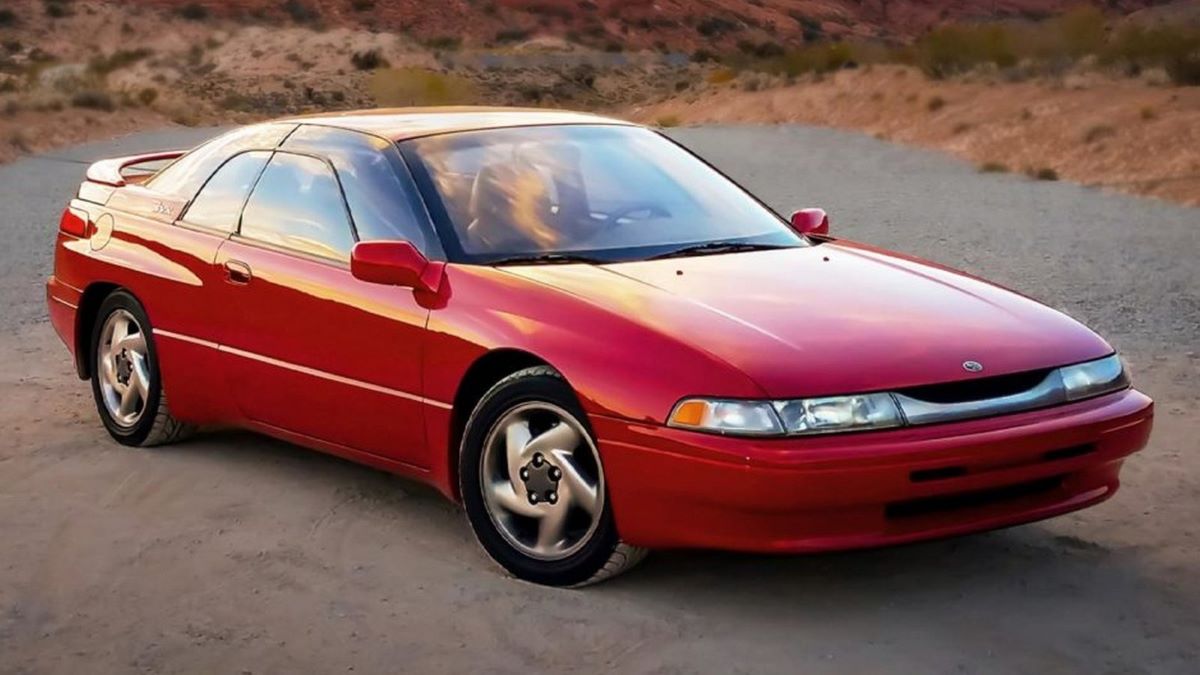
6. Subaru SVX
The Subaru SVX is a unique entry in Japanese sports cars, combining performance with unconventional design. Produced in the early 1990s, it featured a 3.3-liter flat-six engine and all-wheel drive, offering a distinctive alternative to more traditional sports cars.
Its styling is immediately recognizable, with futuristic lines and glass-panel detailing that remain bold even today. Despite its engineering achievements, it never reached mainstream popularity and is often overlooked by collectors.
The SVX’s engine provides smooth, linear power delivery, ideal for both spirited driving and comfortable cruising. The horizontally opposed flat-six reduces vibration and lowers the center of gravity, enhancing handling.
Paired with all-wheel drive, the SVX is stable and confident in corners, maintaining composure on a variety of road conditions. Its balance between comfort and performance makes it suitable for long drives as well as energetic driving sessions.
Handling is precise but understated. The SVX combines Subaru’s all-wheel-drive expertise with a well-tuned suspension to deliver predictable cornering. Steering is responsive without being sharp, giving the driver confidence in both tight turns and fast sweeping bends.
While not as aggressive as other Japanese sports cars, the SVX rewards smooth, controlled driving and demonstrates how engineering sophistication can create a refined yet engaging experience.
The SVX stands out for its design innovation. The cockpit-to-rear glass panels and sculpted body lines create a futuristic aesthetic. Interior comfort is excellent, with spacious seating, supportive cushions, and a driver-focused layout.
Unlike many sports cars that sacrifice usability for performance, the SVX manages to blend practicality with style. Its unique appearance has ensured it remains an object of curiosity and admiration for collectors.
Despite its unconventional design, the SVX is a remarkable and underrated Japanese sports car. Its combination of power, all-wheel-drive stability, and distinctive aesthetics make it unique in automotive history.
Enthusiasts who discover it appreciate its engineering, design, and driving qualities, making it a rewarding addition to any collection or a distinctive choice for drivers seeking something different.
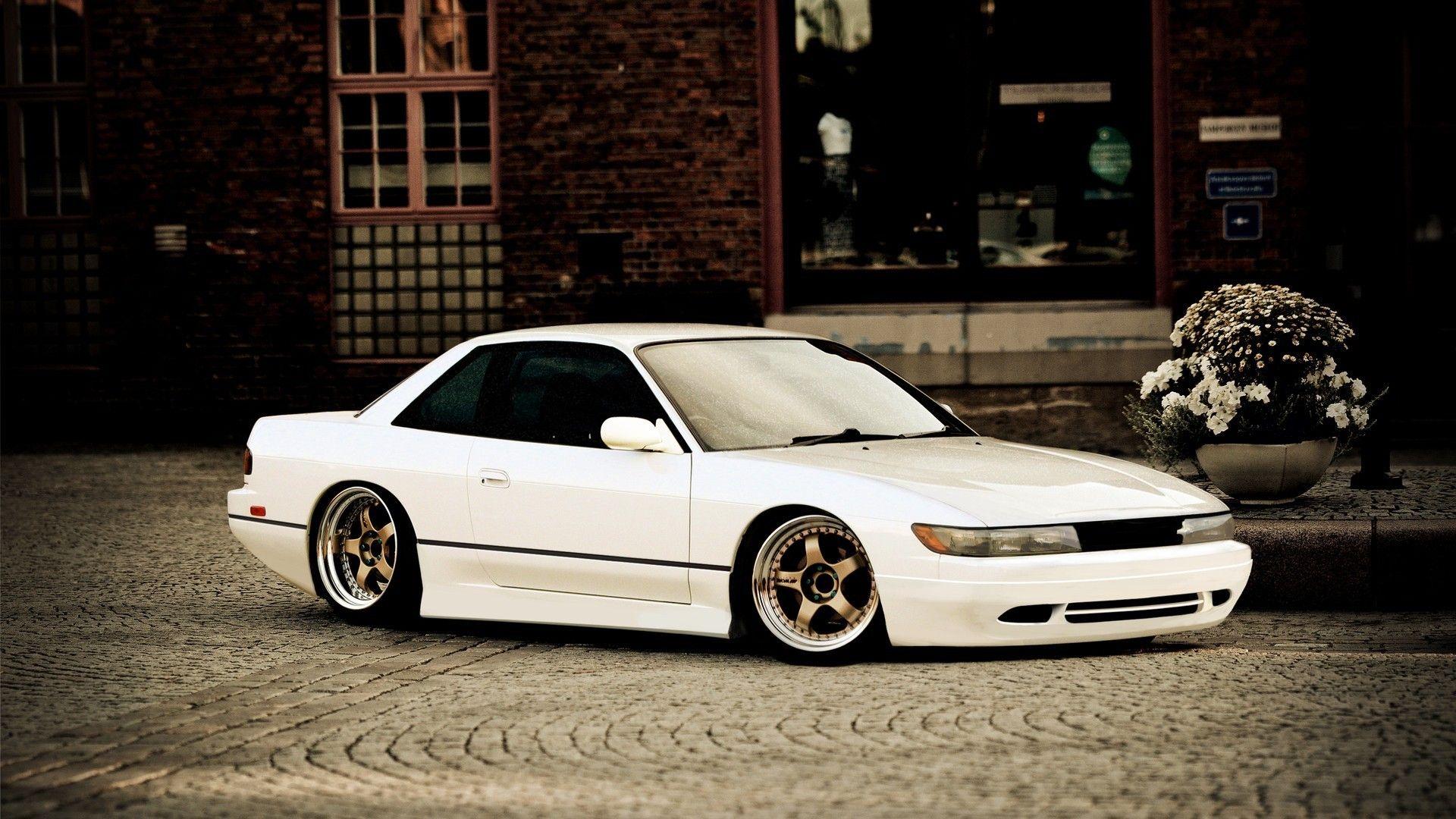
7. Nissan Silvia (S14)
The Nissan Silvia S14 is a compact, lightweight sports car celebrated in drift culture yet often underrated outside of enthusiasts’ circles. Its rear-wheel-drive layout, balanced chassis, and responsive engines make it a joy to drive.
The S14’s styling is elegant and understated, with smooth lines and a low profile that communicate performance without flamboyance. It represents Nissan’s commitment to accessible, driver-focused sports cars during the 1990s.
Performance is driven by the SR20DET turbocharged engine, which offers linear power and a wide tuning range. Acceleration is strong for a compact car, and the S14 responds well to modifications.
The car’s light chassis amplifies the engine’s capabilities, making it highly agile and capable in corners. Drivers often appreciate its ability to reward skill, offering balance and feedback that encourage precise driving.
The Silvia’s handling is sharp and predictable. Its rear-wheel-drive configuration and carefully tuned suspension create a dynamic experience, especially in turns and high-speed maneuvers. Steering is communicative, providing a strong sense of connection to the road. It is a car that emphasizes driver skill over electronic aids, allowing enthusiasts to fully experience its potential.
Design-wise, the S14 blends subtlety with sportiness. Smooth body panels, narrow headlights, and a clean profile contribute to timeless appeal. The interior is functional yet comfortable, with supportive seating and a focus on driver ergonomics. It can be driven daily without sacrificing performance, offering a practical but thrilling sports car experience.
Though overshadowed by flashier Japanese sports cars, the Silvia S14 remains an icon for enthusiasts who value handling and agility. Its lightweight design, turbocharged engine, and rear-wheel-drive dynamics make it a rewarding and versatile sports car. It continues to hold a strong reputation among those who appreciate balanced, driver-focused vehicles.
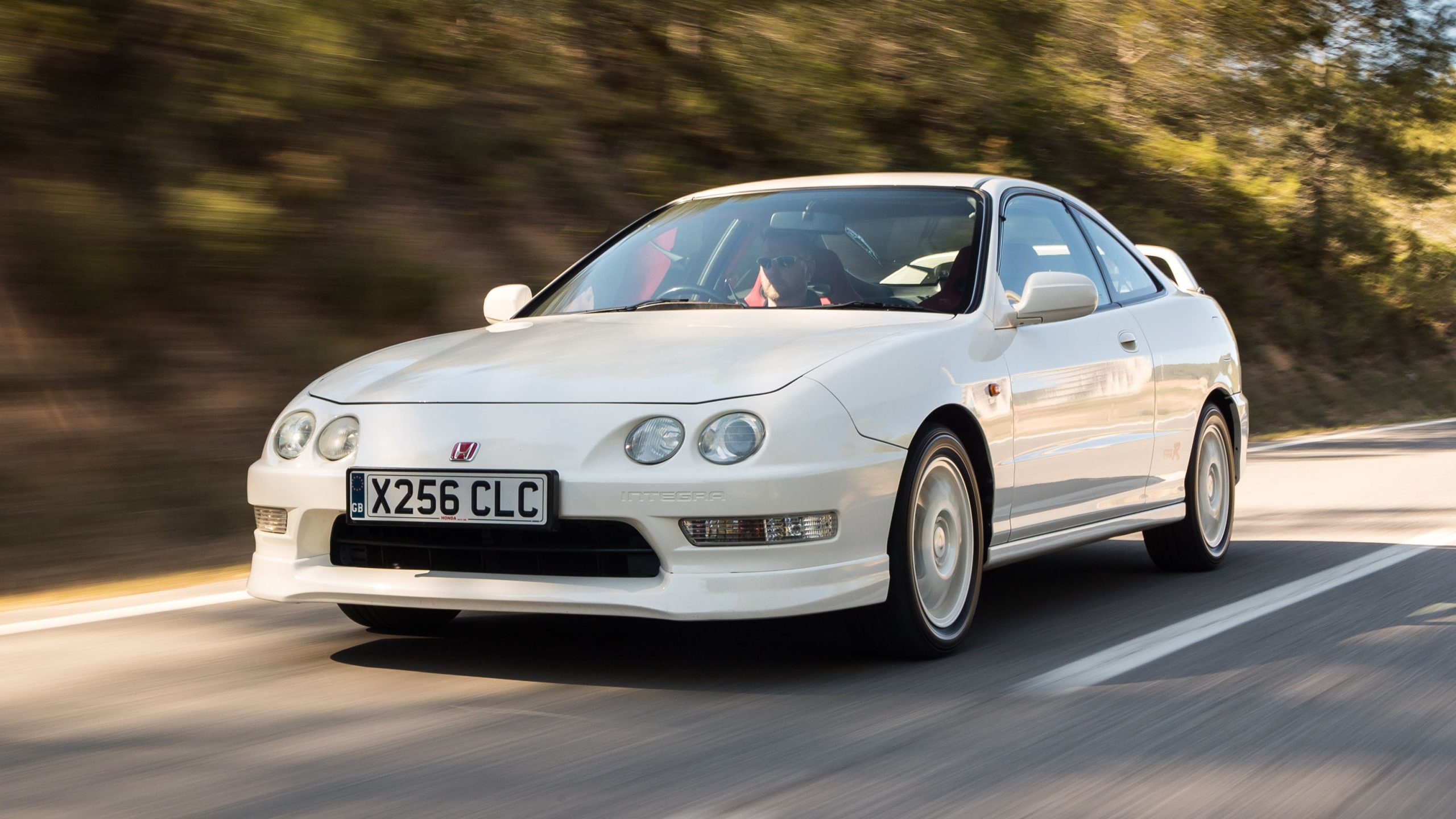
8. Honda Integra Type R (DC2)
The Honda Integra Type R DC2 is widely regarded as one of the purest front-wheel-drive sports cars ever built, yet it is often underrated compared to larger, more powerful Japanese vehicles. It combines a lightweight chassis, high-revving engine, and precise suspension tuning to deliver an engaging driving experience.
The styling is simple and purposeful, emphasizing function over flash, with clean lines and a low stance. Its engineering demonstrates Honda’s commitment to driver-focused performance.
The Type R’s 1.8-liter engine is naturally aspirated, producing impressive power relative to its size. High-revving characteristics reward enthusiastic driving, and the engine remains linear and responsive throughout the range.
Combined with a lightweight body, the Type R delivers excellent acceleration and handling. It is an example of how engineering balance and efficiency can create a thrilling sports car experience without relying on large displacement or forced induction.
Handling is exceptional due to precise suspension tuning and low weight. The car responds quickly to steering inputs, maintaining stability and composure in corners.
Its front-wheel-drive layout is engineered to minimize understeer, enhancing confidence for spirited driving. The Type R’s suspension allows both daily usability and track-capable performance, making it versatile and enjoyable in all conditions.
Interior features are driver-oriented, with supportive Recaro seats, a clear instrument cluster, and minimal distractions. The cabin focuses on driving experience rather than luxury, emphasizing engagement. Ergonomics are excellent, allowing drivers to operate the car efficiently at high speeds or in daily traffic. It proves that simplicity can enhance performance and driver satisfaction.
The Integra Type R remains a benchmark for front-wheel-drive sports cars. Its lightweight design, high-revving engine, and responsive handling make it a joy for enthusiasts who value precision and balance. Though it may lack the fame of larger Japanese sports cars, it continues to earn admiration for its engineering excellence and purity of driving experience.
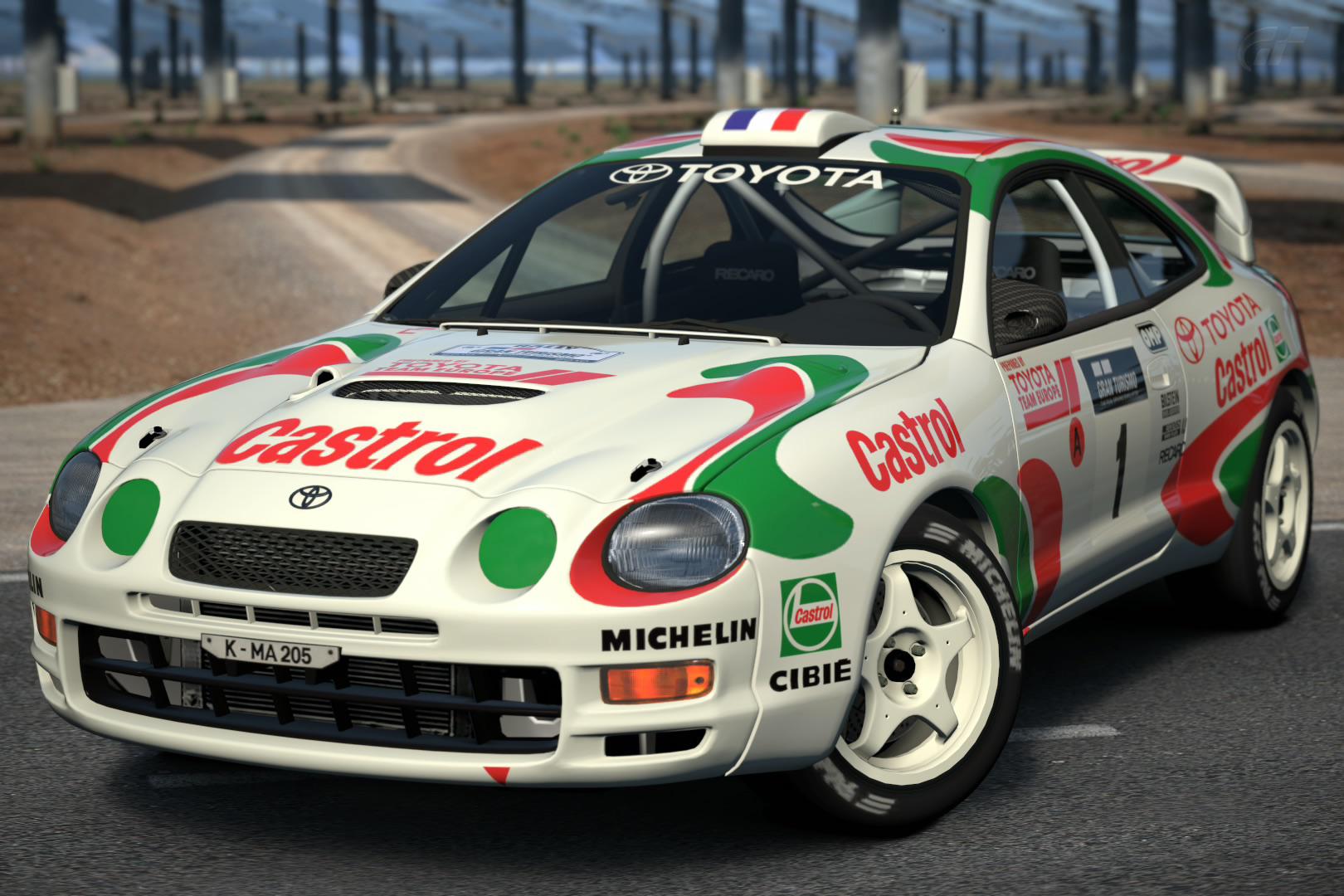
9. Toyota Celica GT-Four (ST205)
The Toyota Celica GT-Four ST205 is a rally-inspired sports car that combines turbocharged performance with all-wheel-drive capability.
Produced in the early 1990s, it featured a 2.0-liter turbocharged engine and advanced AWD system, bringing rally technology to the street. Its styling is aggressive yet aerodynamic, reflecting its motorsport pedigree. Despite its achievements, it is often overlooked in favor of more famous Japanese sports cars.
The turbocharged engine delivers strong acceleration and linear power throughout the rev range. Its all-wheel-drive system provides excellent traction, making the car confident in corners and slippery conditions.
Handling is precise, with minimal body roll and responsive steering. The combination of turbo power and AWD creates a driving experience that is both thrilling and predictable, rewarding skilled drivers.
Suspension tuning emphasizes balance and control, reflecting its rally origins. The car handles tight corners with agility, maintaining composure under aggressive driving. Feedback from the road is clear, allowing the driver to sense limits and adjust accordingly. It combines performance with usability, making it suitable for both spirited driving and daily use.
Design is both functional and attractive. The wide body, aerodynamic profile, and integrated spoilers enhance performance while maintaining style. The interior is driver-focused, with supportive seats and intuitive controls. Its motorsport inspiration is evident, but it remains comfortable enough for everyday driving.
The Celica GT-Four ST205 deserves recognition for bringing rally performance to the street. Its turbocharged engine, AWD system, and balanced chassis provide excitement that rivals more celebrated Japanese sports cars. Enthusiasts seeking a car that blends motorsport pedigree with street usability will find it a rewarding choice.
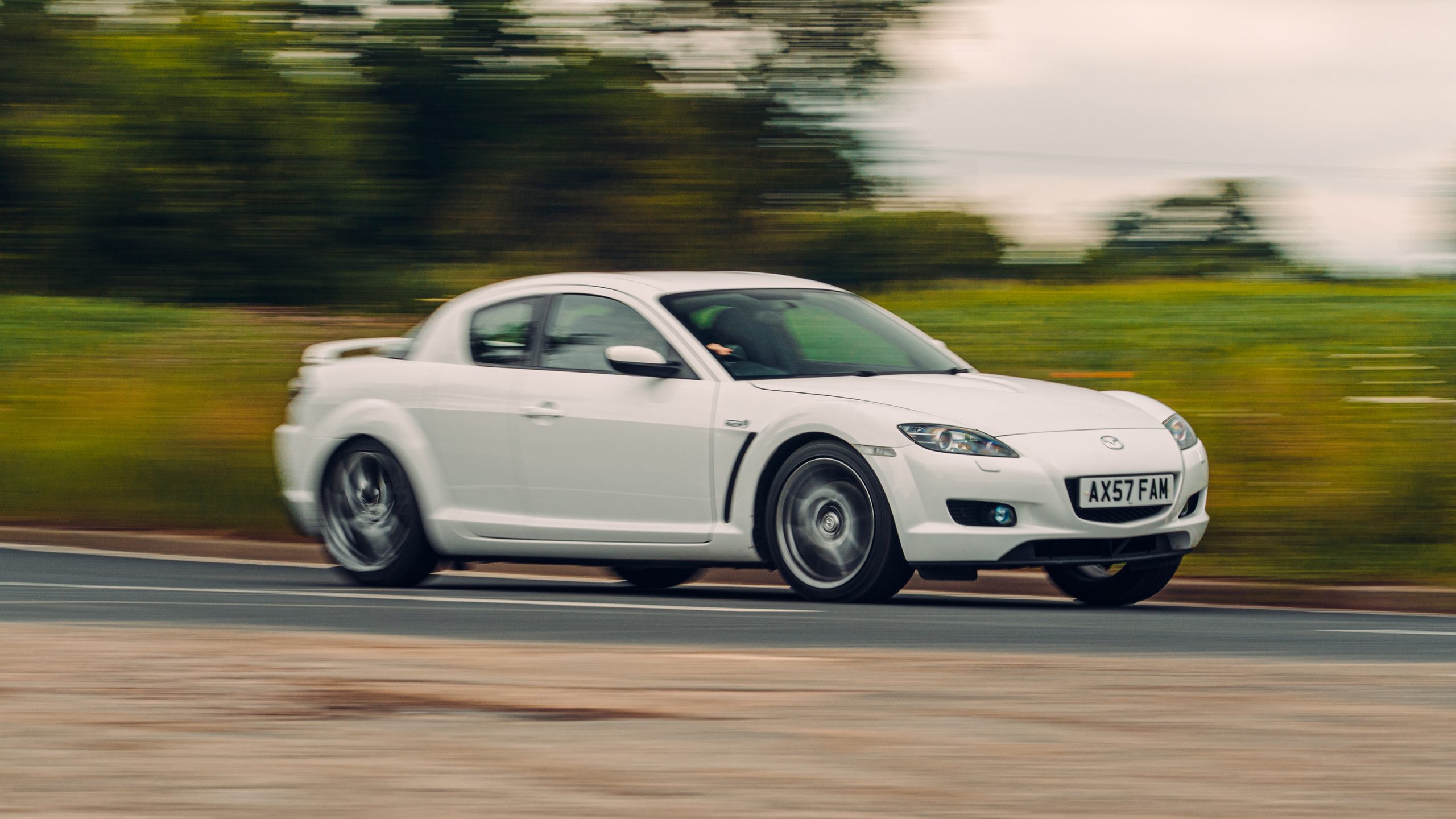
10. Mazda RX-8
The Mazda RX-8 continues the rotary engine legacy with a unique design and driver-focused dynamics. Produced in the early 2000s, it features a naturally aspirated rotary engine, lightweight chassis, and rear-wheel-drive layout.
Its four-door coupe design with rear-hinged “freestyle” doors provides practicality while retaining a sporty character. Despite its innovative engineering, it is often overshadowed by its predecessor, the RX-7.
The rotary engine offers high-revving performance and smooth power delivery. While less powerful than some turbocharged rivals, it delivers a unique driving experience, emphasizing responsiveness and precision.
The lightweight chassis amplifies its agility, allowing confident handling in corners. Enthusiasts appreciate the engine’s distinct character, which rewards engagement and attentive driving.
Handling is a highlight of the RX-8. Its balanced chassis, precise steering, and suspension tuning allow it to tackle corners with agility. Weight distribution is nearly perfect, enhancing stability and driver confidence.
The car encourages skillful driving, offering an engaging experience despite its naturally aspirated engine. It combines precision and fun in a package accessible to a wider range of drivers.
Styling is distinctive, with smooth lines, aggressive front fascia, and unique rear doors. Interior comfort is practical, with four seats and a driver-focused layout. Controls are intuitive, and the cabin feels connected to the driving experience. Its design balances sportiness and usability, making it suitable for daily driving while remaining engaging on twisty roads.
The RX-8 represents a modern continuation of Mazda’s rotary sports car philosophy. Its high-revving engine, agile handling, and distinctive design make it a rewarding car for enthusiasts. Though often underrated, it provides a unique experience that sets it apart from other Japanese sports cars. It remains a testament to Mazda’s commitment to innovation and driver-focused engineering.