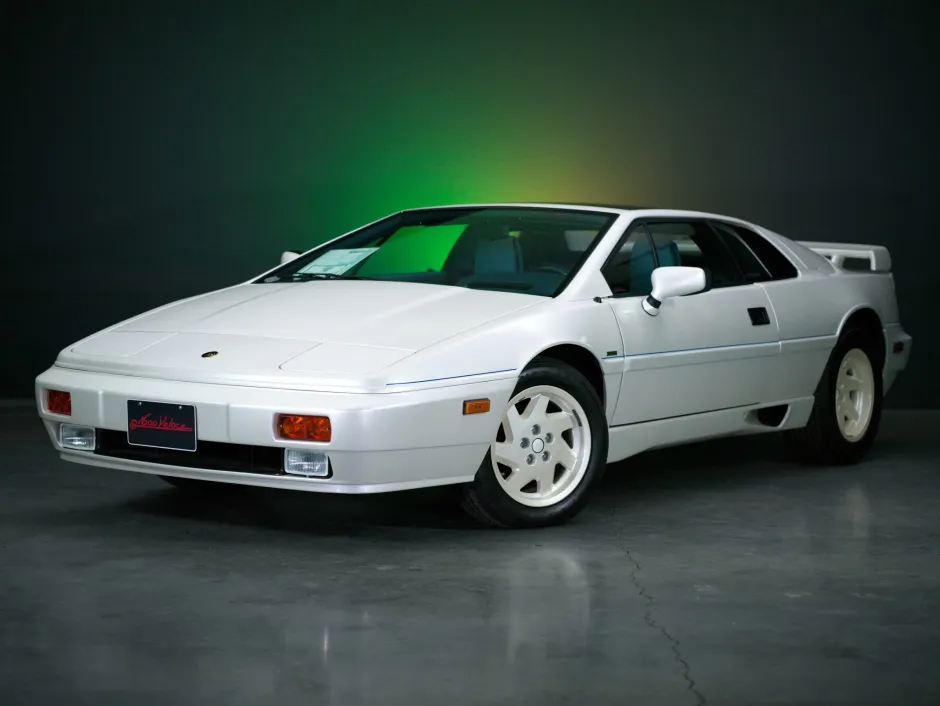
The 1980s marked a period of transformation in the automotive industry, with bold designs, technological experiments, and a growing focus on performance and style. Cars from this decade often reflected a sense of optimism and ambition, combining angular body lines, innovative electronics, and a willingness to push boundaries.
During this time, automakers were not only competing on speed and power but also trying to capture the imagination of a new generation of drivers who valued both flair and practicality.
What makes 1980s cars particularly fascinating today is that many of them were considered ordinary or utilitarian at the time, yet decades later, collectors and enthusiasts are beginning to appreciate their uniqueness and charm. The vehicles from this era are now appreciated for their historical significance, engineering quirks, and the way they captured the spirit of their time.
Several factors contribute to the rising collectibility of 1980s cars. First, the limited production numbers of many models make surviving examples increasingly rare.
Second, the nostalgia factor plays a significant role, as people who grew up in the 1980s now have the financial means to invest in the cars they admired in their youth. Third, improvements in restoration techniques and the availability of parts have made it easier for collectors to maintain and preserve these vehicles in excellent condition.
Additionally, the 1980s saw the introduction of turbocharging, all-wheel drive systems, and digital instrument clusters that were revolutionary at the time. These features, once criticized as gimmicks or overly complex, are now valued for their historical and mechanical significance.
Another reason these vehicles are becoming collectible is the design philosophy of the decade. Automakers experimented with sharp edges, wedge shapes, and pop-up headlights, creating cars that stand out compared to the more rounded, homogenized designs of later years. Some of the most sought-after models represent the pinnacle of this design thinking, offering a visual statement that is instantly recognizable to enthusiasts.
Moreover, cars from the 1980s often combined performance with affordability, meaning they could be driven regularly while still offering excitement, a combination that collectors now recognize as rare. The era also fostered a sense of community among enthusiasts who shared tips, experiences, and passion for these distinctive vehicles.
The economic and cultural backdrop of the 1980s also played a role in shaping automotive trends. Rising disposable incomes, changing lifestyles, and the influence of popular media led manufacturers to create cars that were flashy, bold, and sometimes experimental.
The decade gave birth to iconic sports coupes, luxurious sedans, and quirky hatchbacks that pushed the boundaries of what a car could be. These vehicles now represent not only a slice of automotive history but also a reflection of broader social trends. Collectors today seek models that capture this unique combination of style, technology, and cultural significance.
The 1980s produced cars that are only now being fully appreciated for their originality, performance, and design. As prices for classic cars from earlier decades continue to rise, enthusiasts are turning to this period for vehicles that offer both character and relative affordability.
Collecting 1980s cars has become a way to celebrate automotive history while enjoying a driving experience that feels both vintage and distinctive. The following list highlights ten of the most desirable cars from the decade, each offering a story of innovation, style, and the promise of a rewarding collector experience.
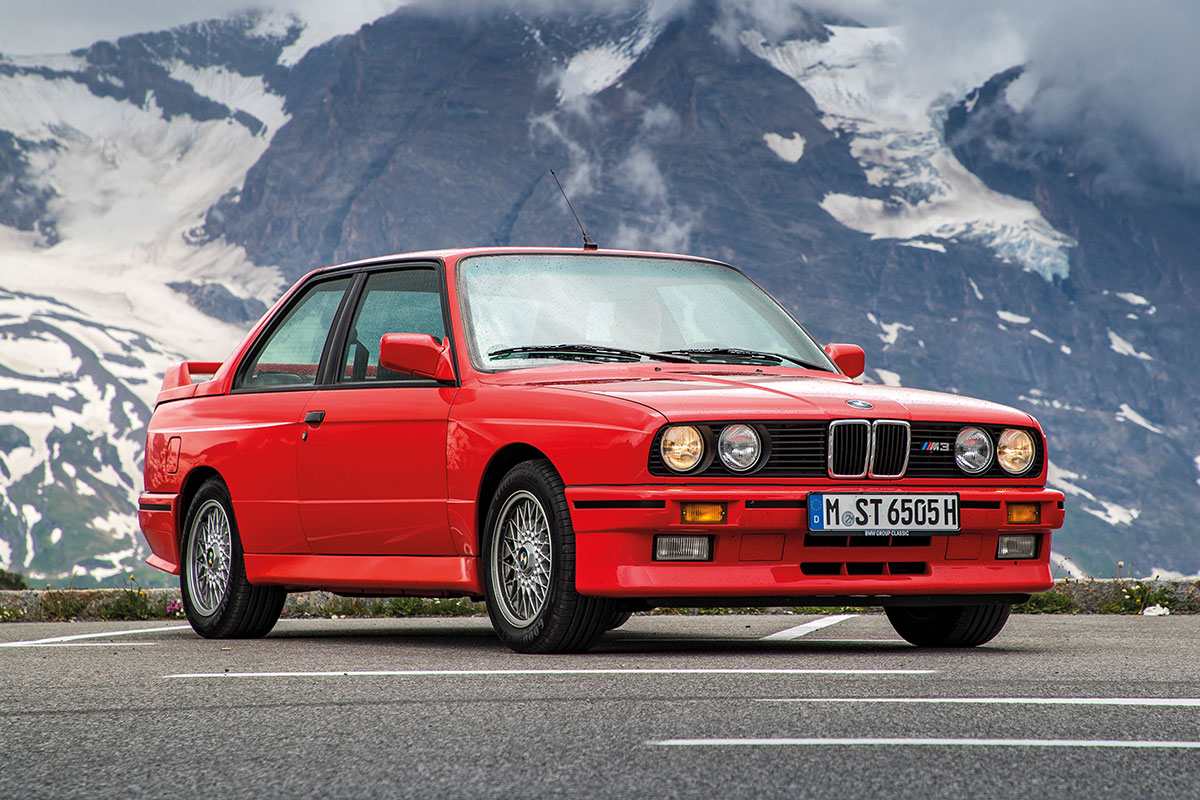
1. BMW M3 E30
The BMW M3 E30 is often considered one of the most influential sports cars of the 1980s. Its lightweight chassis, precise handling, and turbocharged engine set a benchmark for driving dynamics. Enthusiasts value its simplicity and connection between car and driver, a quality often lost in modern vehicles. Original examples with low mileage are now highly sought after, reflecting the car’s rising status among collectors.
Design played a crucial role in the M3’s popularity. Its boxy shape, flared wheel arches, and aggressive front end make it instantly recognizable. While modern cars may rely on electronics to enhance driving, the E30 M3 offered pure mechanical feedback. The interior focused on function over luxury, yet it provided all the essentials for a thrilling driving experience. Collectors often prize well-preserved examples with period-correct features.
Performance is a defining trait of the E30 M3. Powered by a naturally aspirated four-cylinder engine, it balanced power with lightweight agility. Its success on the racetrack reinforced its reputation as a driver’s car. Road tests from the era praised its cornering capabilities and responsive steering. Today, it represents an investment that combines history with tangible driving enjoyment.
Rarity contributes to the M3’s collectible status. Early models, particularly those in limited colors or with sport packages, are hard to find. Restored versions command premium prices, and unrestored cars are becoming increasingly scarce. Enthusiasts often look for cars with documented service history and original parts, as these details enhance long-term value.
Finally, the M3 E30 represents a cultural icon. It embodies the 1980s ethos of performance and engineering excellence. Movies, racing history, and fan communities have kept its reputation alive. Collectors view it not only as a car but also as a symbol of an era when driving skill and vehicle design were closely linked.
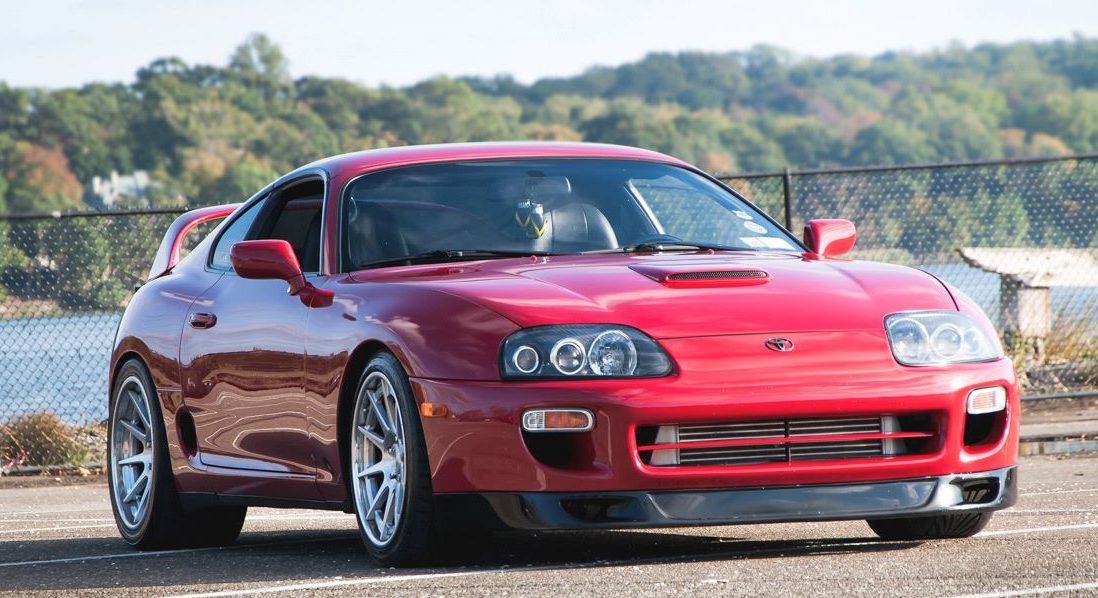
2. Toyota Supra Mark III
The Toyota Supra Mark III introduced a new level of sophistication for Japanese sports cars. It combined smooth lines, a comfortable interior, and a powerful inline-six engine. The Supra offered both performance and reliability, making it a favorite among enthusiasts. Its balance of everyday usability and spirited driving made it a versatile choice for many buyers.
The styling of the Mark III set it apart from other cars of its time. Pop-up headlights, sleek proportions, and subtle rear spoilers created a cohesive and appealing aesthetic. The interior emphasized comfort and ergonomics without sacrificing the sporty feel. Attention to detail in the dashboard and seating enhanced the driving experience. These design elements now contribute to its collectible appeal.
Engine options gave the Supra Mark III impressive performance for the era. Turbocharged versions delivered strong acceleration, while naturally aspirated engines provided smooth power delivery. Handling was precise, with a suspension designed to provide stability at speed. Enthusiasts praise its balance between performance, reliability, and comfort.
Limited production numbers make early models particularly desirable. Special editions, rare color combinations, and cars with original equipment attract collector attention. Maintaining originality is key, and examples with complete service records are highly prized. As a result, prices for well-kept cars continue to rise steadily.
The Supra Mark III represents a pivotal moment in Japanese automotive history. It signaled Toyota’s commitment to producing sports cars that could compete globally. The car’s reputation has grown through appearances in motorsports and pop culture. Today, it stands as a symbol of 1980s innovation and driving pleasure, appealing to both collectors and enthusiasts alike.
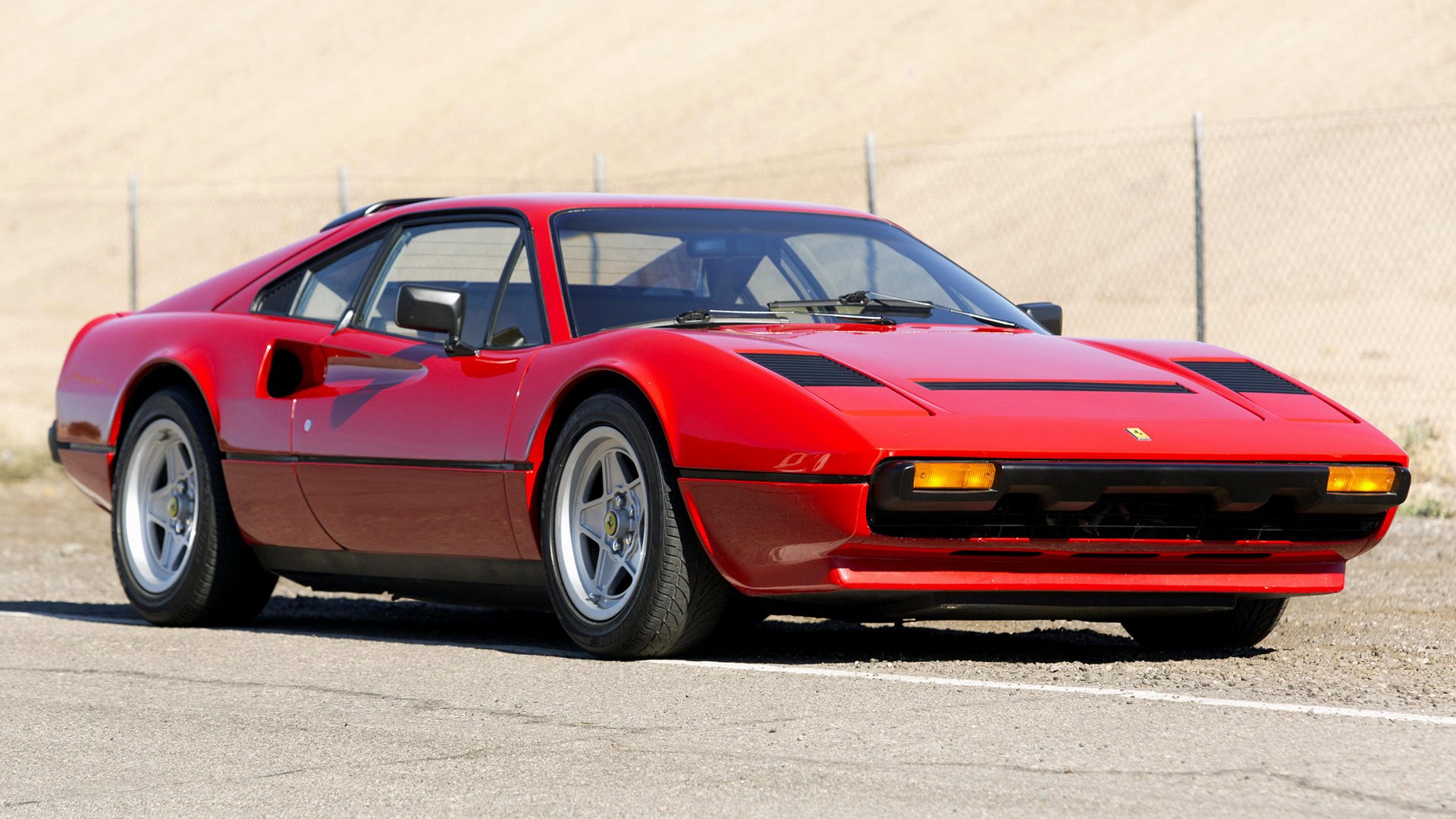
3. Ferrari 308 GTS
The Ferrari 308 GTS represents the quintessential Italian sports car of the 1980s. Its mid-engine layout, combined with a V8 engine, delivers an unmistakable sound and thrilling performance. The removable targa top added an open-air driving experience, which became a hallmark of the era. Collectors value its combination of style, driving excitement, and historical significance in Ferrari’s evolution.
The exterior design of the 308 GTS is immediately recognizable. Its wedge-shaped body, smooth curves, and pop-up headlights exemplify Italian design flair. The car’s proportions are perfectly balanced, giving it a timeless aesthetic that remains appealing decades later. Even minor details like alloy wheels and vents contribute to its classic look.
Performance is a defining trait of the 308 GTS. The naturally aspirated V8 produces lively power, while the manual gearbox allows a precise connection between driver and car. Acceleration and handling were considered impressive for its time, and it remains engaging on modern roads. Enthusiasts often seek models in original color schemes to preserve authenticity.
Rarity and provenance contribute significantly to its collectible status. Well-maintained examples with complete service records attract premium attention. Special editions and low-mileage cars are particularly valuable. The combination of scarcity, design, and performance has made the 308 GTS a sought-after investment for collectors worldwide.
Cultural influence reinforces the car’s appeal. The 308 GTS gained fame through media exposure, most in television shows that highlighted luxury and excitement. Its status as an iconic 1980s Ferrari ensures continued interest from collectors. Owning one today is as much about history and style as it is about driving enjoyment.
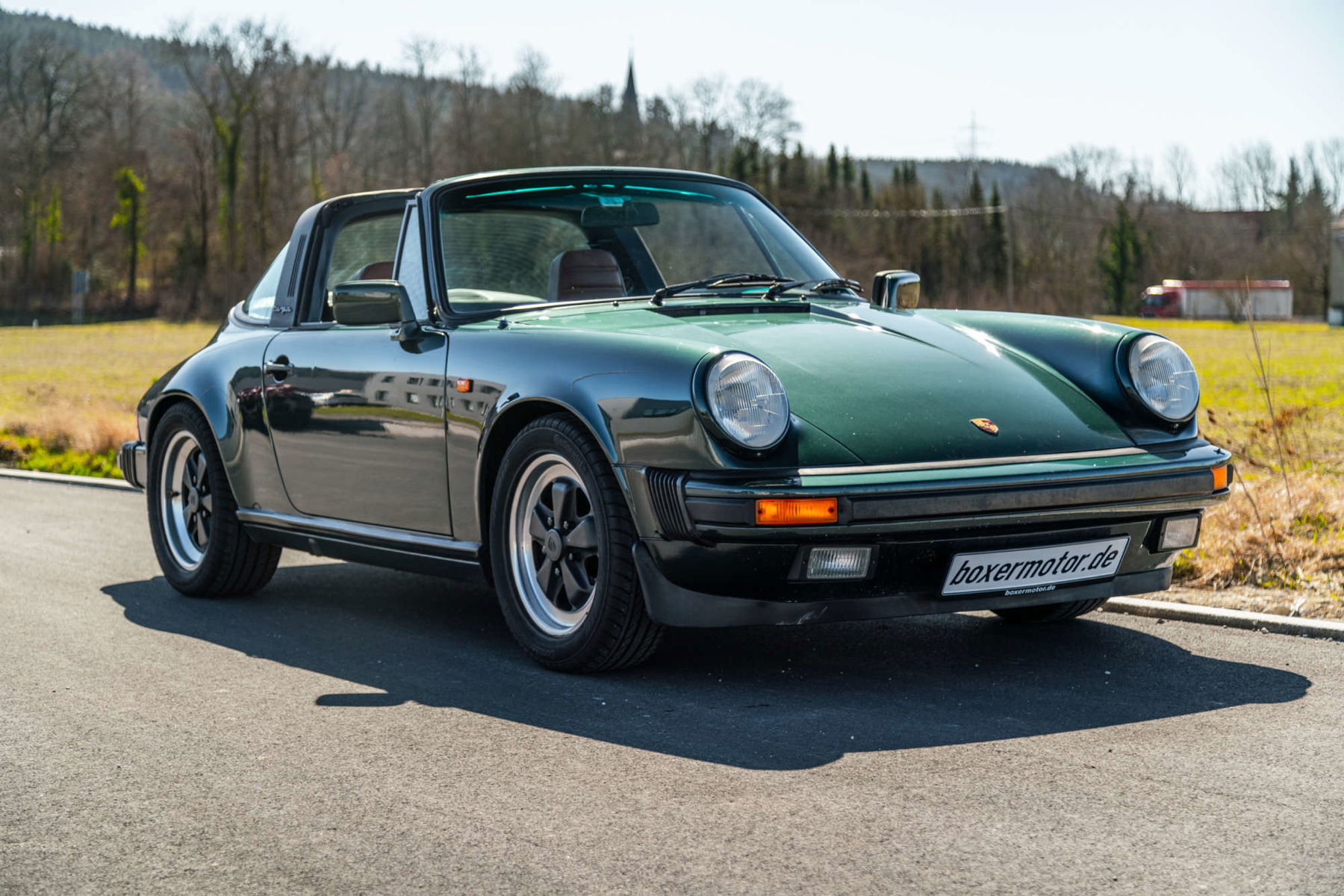
4. Porsche 911 Carrera 3.2
The Porsche 911 Carrera 3.2 marked a refinement in the legendary 911 lineup. It offered a balance of modern technology and classic air-cooled charm. Drivers appreciate its responsive handling and the familiar rear-engine layout. Collectors now recognize it as one of the most reliable and enjoyable 1980s 911 variants.
Its design maintains the iconic 911 silhouette while incorporating subtle updates. The 3.2 Carrera features updated bumpers, refined lights, and an sleeker profile. The interior blends simplicity with quality materials, emphasizing driver comfort and ergonomics. This combination of function and style has contributed to its lasting desirability.
Performance remains engaging despite its age. The 3.2-liter flat-six engine provides smooth power delivery, paired with a manual transmission that rewards skilled drivers. Braking and cornering abilities are strong, making it a fun and confidence-inspiring car. Enthusiasts often highlight the balance between daily usability and spirited driving.
Limited production and model-specific options enhance collectability. Certain colors, factory options, and special editions are rare and highly valued. Original documentation and maintenance history play a significant role in determining a car’s market value. Well-kept examples consistently command high prices at auctions and private sales.
The Porsche 911 Carrera 3.2 is more than a car; it is a symbol of 1980s automotive engineering. Its combination of design, performance, and heritage ensures it remains an object of desire. Collectors appreciate both its driving experience and its historical significance within the Porsche lineage.
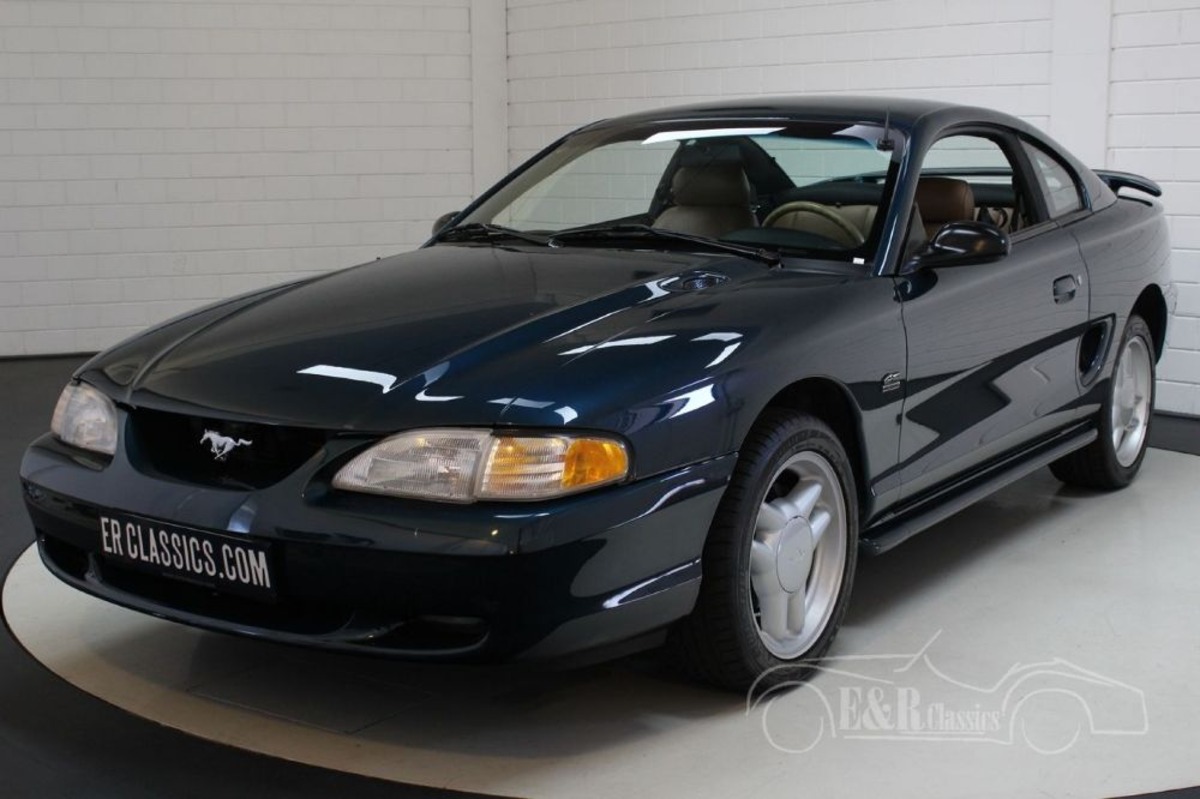
5. Ford Mustang GT 5.0
The Ford Mustang GT 5.0 represents a resurgence of American muscle in the 1980s. Its V8 engine offered strong performance while maintaining relative affordability. The Mustang GT combined classic muscle car characteristics with modern refinements, appealing to a wide range of drivers. Enthusiasts today value its blend of nostalgia, power, and accessibility.
Its design reflects 1980s American styling cues. Angular lines, bold front grille, and performance-oriented accents give it a strong road presence. Interiors focused on driver engagement, with clear instrumentation and supportive seats. Collectors often prize models in original colors with minimal modifications.
Performance was a key selling point for the GT 5.0. The naturally aspirated V8 produced robust horsepower and torque, offering exhilarating acceleration. Suspension improvements enhanced handling compared to earlier generations, making it competitive with other performance cars of the era. Its reputation as a fun, fast, and approachable car remains strong.
Rarity and condition heavily influence collectibility. Early production models, limited editions, and well-maintained cars are particularly desirable. Enthusiasts look for original parts and documented service history. The GT 5.0 has benefited from renewed interest in 1980s American muscle, increasing demand among collectors.
The Mustang GT 5.0 captures the spirit of 1980s American automotive culture. It represents an era of performance and ambition, reflecting the appeal of driving excitement combined with style. Today, it is celebrated as both a collector’s car and an enjoyable daily driver.
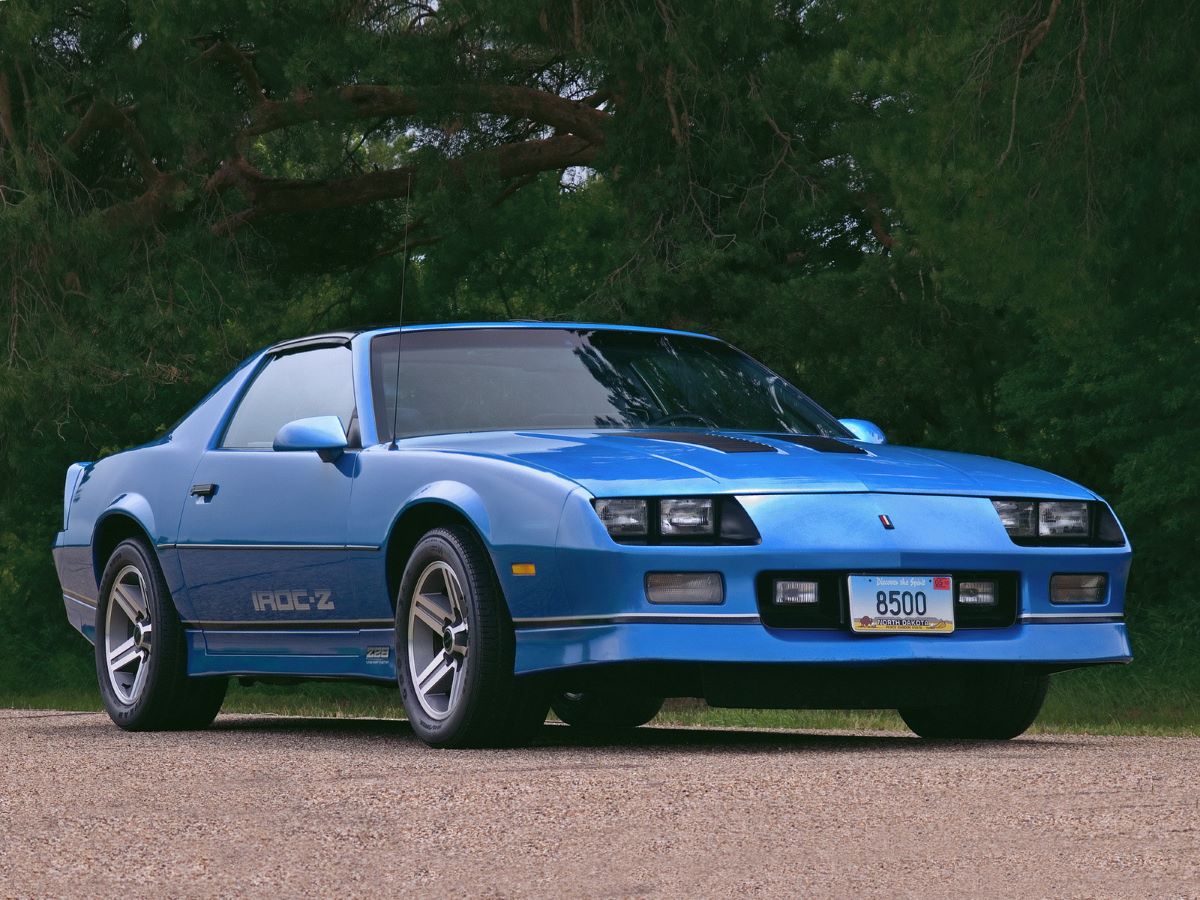
6. Chevrolet Camaro IROC-Z
The Chevrolet Camaro IROC-Z became a symbol of performance in the 1980s. Its tuned suspension, powerful V8 engines, and aerodynamic styling made it a standout among muscle and sports cars. Enthusiasts value the IROC-Z for its blend of speed, handling, and aggressive appearance. Well-maintained examples are rising steadily in collector markets.
The exterior design is unmistakable. Lowered stance, bold graphics, and distinct spoilers emphasized sportiness. The IROC-Z offered a combination of aggressive looks and functional aerodynamics. Interiors were driver-focused, with comfortable seats and clear instrumentation. The presentation helped define 1980s American performance style.
Performance was strong for the era. Engine options included V8s that delivered impressive acceleration. The suspension provided stability at speed and cornering precision, making it enjoyable on winding roads. Road testers praised its balance of comfort and performance, a combination rare in contemporary models.
Limited production and special editions make the IROC-Z highly collectible. Cars with factory options, rare colors, and low mileage attract enthusiasts. Original examples with full service records are particularly desirable. Collectors often view the IROC-Z as a key piece of American muscle car history.
Cultural influence reinforces its appeal. Featured in movies, racing events, and promotional campaigns, the IROC-Z symbolizes 1980s automotive ambition. Its combination of performance, style, and nostalgia ensures continued interest. Enthusiasts celebrate its unique place in the era’s car industry.
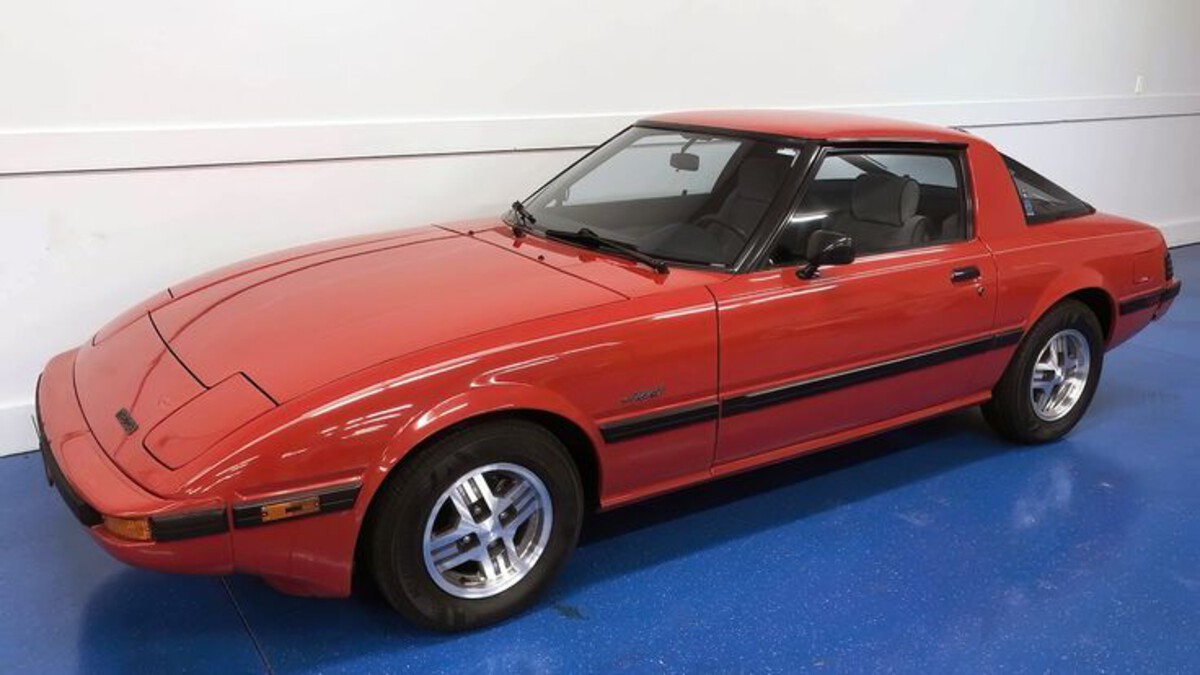
7. Mazda RX-7 FB/SA
The Mazda RX-7 FB and SA models exemplify lightweight, agile sports cars from the 1980s. With a compact chassis and front-engine, rear-wheel-drive layout, these cars delivered responsive handling and exciting driving dynamics. The rotary engine gave a unique character, combining high-revving performance with a small, efficient package. Collectors are drawn to the RX-7 for its engineering innovation and driving purity.
Design emphasized simplicity and sporty proportions. The RX-7 featured pop-up headlights, a sloping hood, and clean, aerodynamic lines. The cabin focused on the driver with supportive seating and minimal distractions. Exterior styling remained subtle yet unmistakably sporty, contributing to its timeless appeal. Well-maintained examples retain the charm of the original design.
Performance defined the RX-7 experience. Its rotary engine produced smooth power across the rev range, rewarding precise driving techniques. Lightweight construction enhanced cornering agility, giving the car a connected feel on twisty roads. The combination of speed, balance, and handling made it a favorite among enthusiasts in its day.
Rarity increases its desirability. Early production cars, especially those with special packages or limited editions, are highly sought after. Original parts and documentation are critical for collectors, with unrestored examples becoming increasingly rare. Prices for well-preserved RX-7s have steadily risen, reflecting growing demand.
The RX-7 represents a pivotal moment in Japanese sports car history. It introduced innovative technology and driving experiences that set it apart from competitors. Enthusiasts value it not only as a performance machine but also as a symbol of 1980s engineering creativity. Today, it enjoys a strong presence in collector circles worldwide.
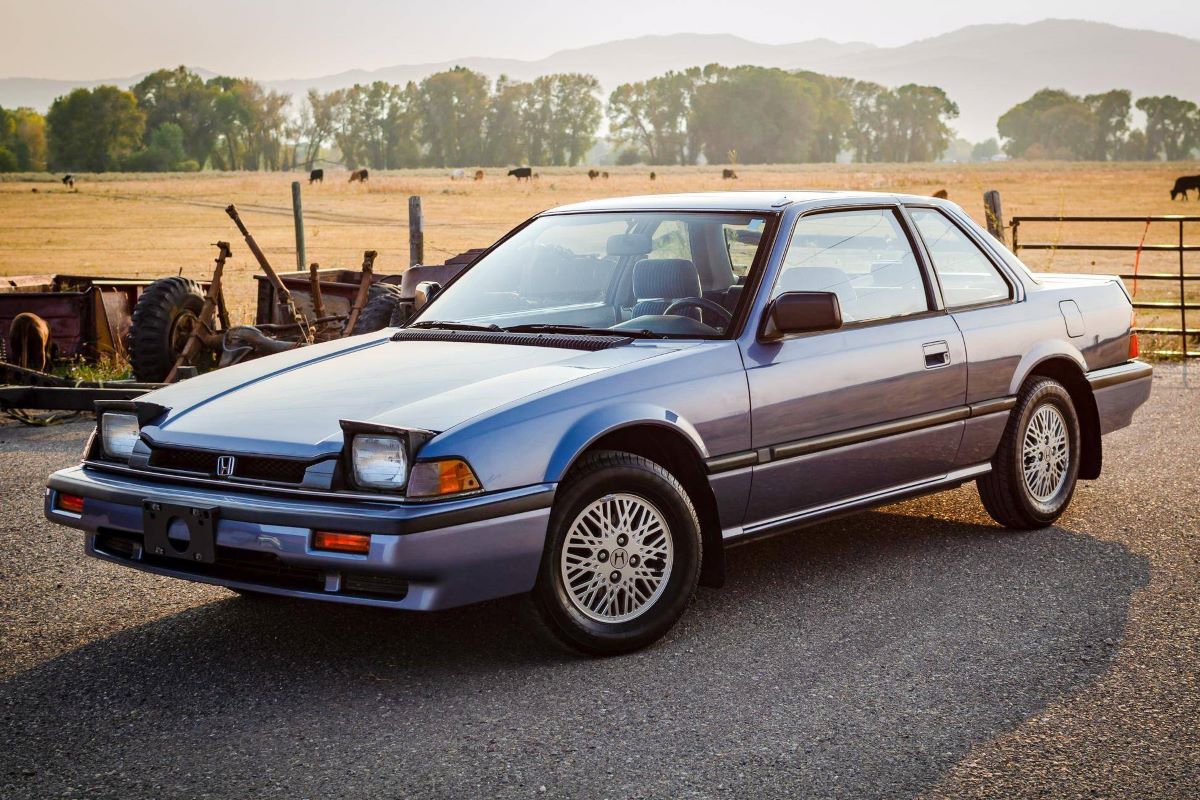
8. Honda Prelude Si
The Honda Prelude Si offered a refined combination of style, performance, and technological features. It was among the first Hondas to feature a sporty suspension, responsive steering, and driver-focused dynamics. Its reputation for reliability combined with engaging driving made it an appealing choice. Collectors are now recognizing its significance as a well-engineered and practical 1980s sports coupe.
Design was a key element of its appeal. The Prelude Si had a clean, wedge-shaped profile with pop-up headlights and distinctive side lines. Its interior emphasized driver ergonomics, with well-laid-out instruments and comfortable seating. These styling cues created a sporty yet understated aesthetic that has aged gracefully. Enthusiasts seek models that retain the original factory condition.
Performance impressed for its class. Powered by a high-revving four-cylinder engine, the Prelude Si delivered spirited acceleration and agile handling. Suspension tuning allowed for responsive cornering without compromising ride comfort. Drivers appreciated the balance between performance, reliability, and everyday usability.
Rarity adds to its collectible value. Special editions, lower production numbers, and factory options make certain Preludes highly desirable. Cars with documented maintenance history and original components are particularly valuable. As interest in classic Japanese cars grows, the Prelude Si has become a sought-after option.
Cultural impact reinforces its place in collector circles. The Prelude Si was part of Honda’s effort to create sporty, innovative vehicles for the global market. It exemplifies 1980s Japanese automotive design and engineering philosophy. Today, enthusiasts celebrate it for its combination of charm, drivability, and historical relevance.
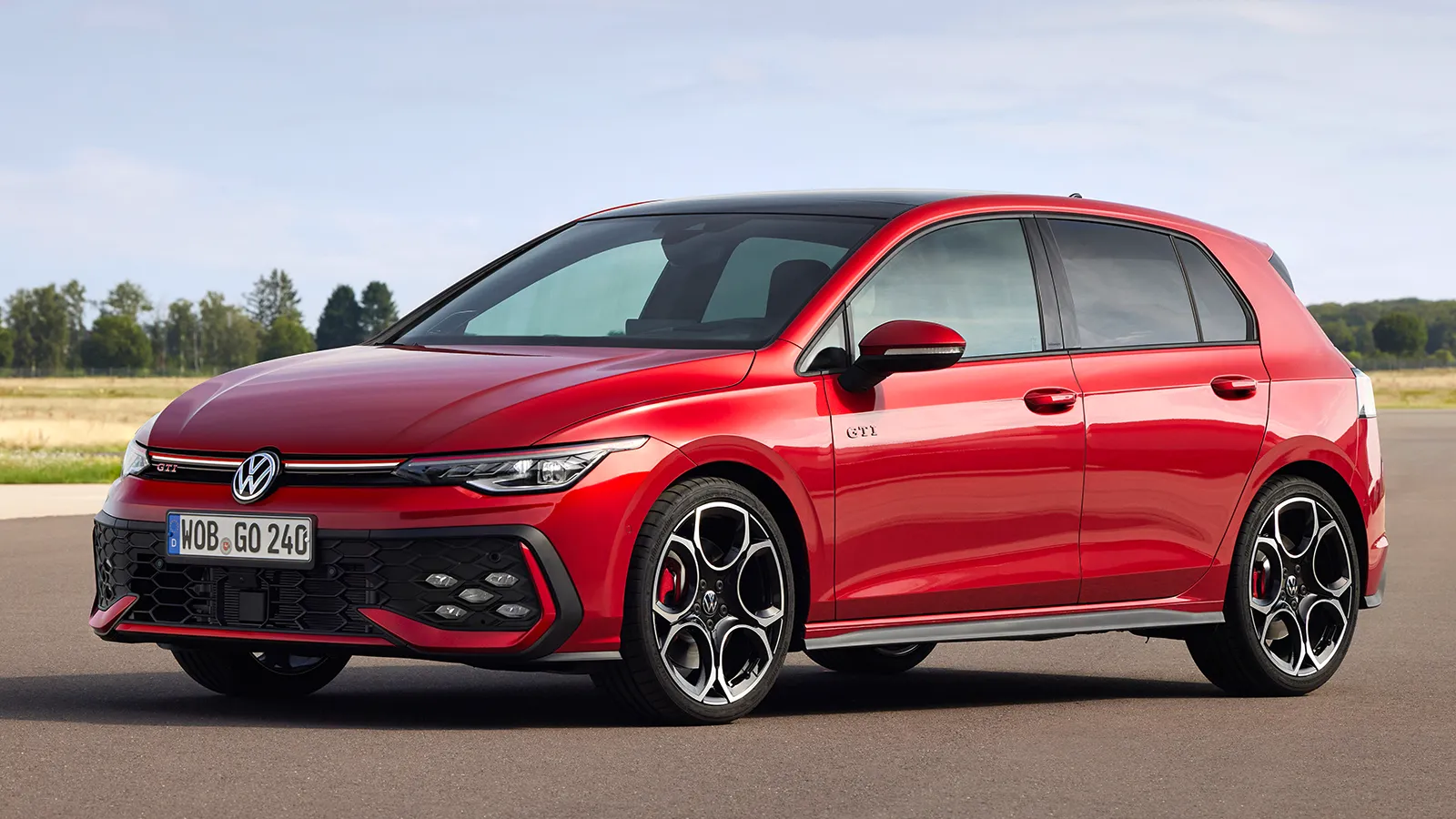
9. Volkswagen Golf GTI Mk2
The Volkswagen Golf GTI Mk2 defined the hot hatch segment in the 1980s. It combined practicality with sporty performance, offering a fun-to-drive experience in a compact package. The GTI’s lightweight chassis and responsive engine made it an instant favorite. Collectors now value the Mk2 for its historical significance and engaging driving character.
Design balanced functionality and style. The Mk2 retained a boxy profile but added subtle details like wider fenders, distinctive bumpers, and sporty wheels. The interior emphasized driver comfort and intuitive controls, making it practical yet enjoyable to drive. Enthusiasts often seek well-preserved examples with original trim and features.
Performance was impressive for its era. Turbocharged and naturally aspirated engines provided lively acceleration, while the suspension offered precise handling. The front-wheel-drive layout was tuned for agility, giving the car a spirited feel in everyday driving conditions. It became a benchmark for European compact sports cars.
Limited production and special versions enhance collectibility. GTIs with rare options, low mileage, or unique colors are particularly sought after. Original documentation and maintenance history increase value. As nostalgia for classic hot hatches grows, the Mk2’s market has strengthened considerably.
The Mk2 Golf GTI represents more than just a car; it reflects the 1980s European approach to combining fun, efficiency, and practicality. Enthusiasts appreciate its heritage, engineering, and playful personality. Today, it stands as a symbol of an era when compact cars could be thrilling, functional, and collectible all at once.
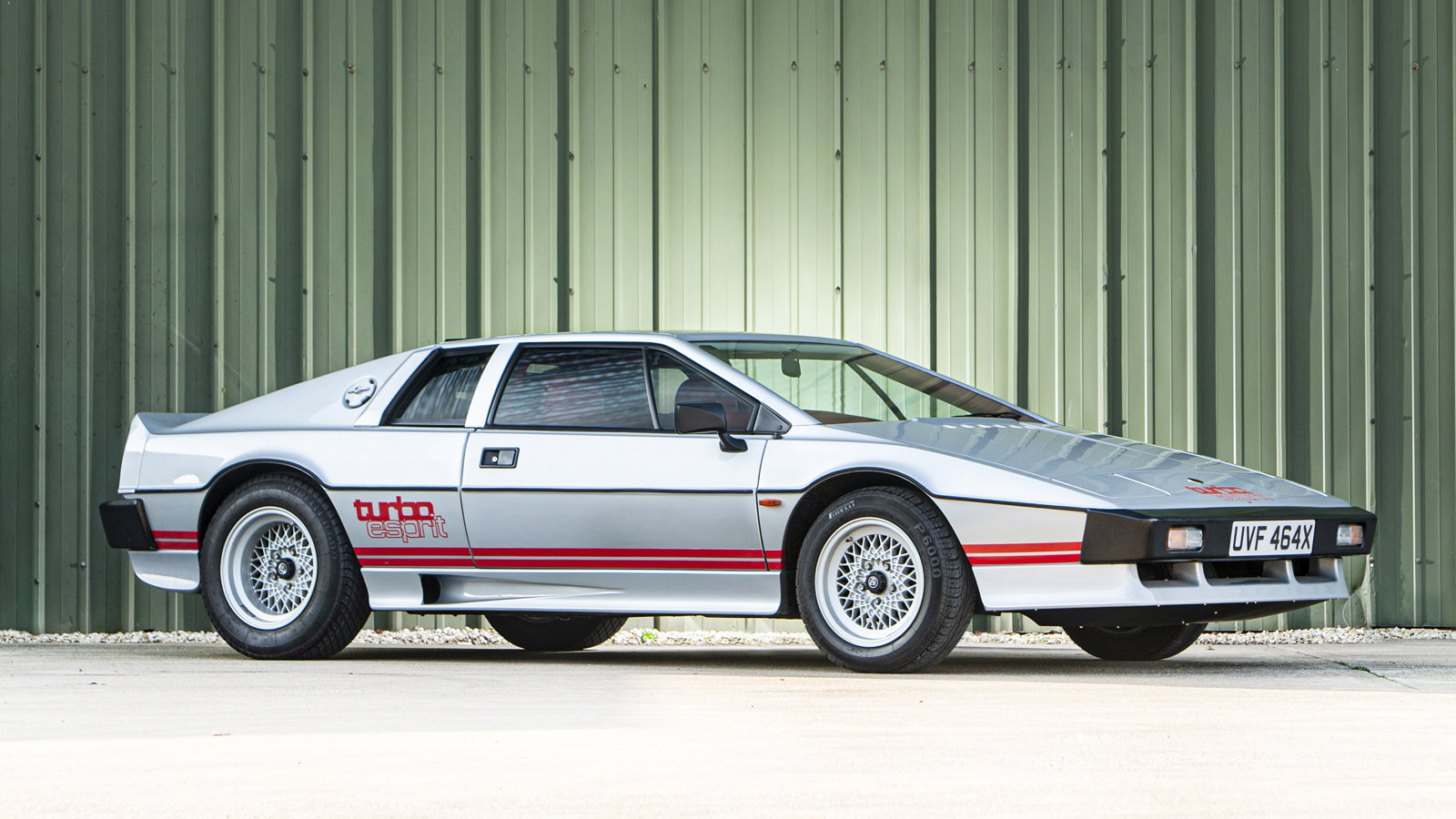
10. Lotus Esprit Turbo
The Lotus Esprit Turbo combined exotic design with high-performance engineering. Its mid-engine layout and turbocharged engine delivered thrilling acceleration and precise handling. The Esprit offered a rare combination of performance, style, and engineering sophistication. Collectors prize it for its bold design and representation of 1980s British automotive ingenuity.
Design was an essential part of its appeal. Wedge-shaped body lines, pop-up headlights, and low stance gave it a distinctive, futuristic appearance. The interior balanced sportiness and comfort, with driver-focused controls and supportive seats. Its aesthetic remains iconic, capturing the imagination of enthusiasts even decades later.
Performance exceeded expectations for the era. Turbocharging allowed for rapid acceleration and high-speed stability. Suspension tuning provided agile cornering and feedback, making it a rewarding car to drive. Road testers often praised its balance between extreme performance and manageable handling.
Rarity and provenance make the Esprit Turbo highly collectible. Low production numbers, special editions, and well-documented service history increase desirability. Original examples with factory options command premium prices. Collectors also value its unique combination of British engineering and Italian-inspired styling.
The Lotus Esprit Turbo remains a symbol of ambition and creativity in 1980s sports cars. Its blend of performance, design, and engineering excellence ensures enduring appeal. Enthusiasts today seek it as a representation of a distinctive era when automotive innovation and artistry were closely intertwined.