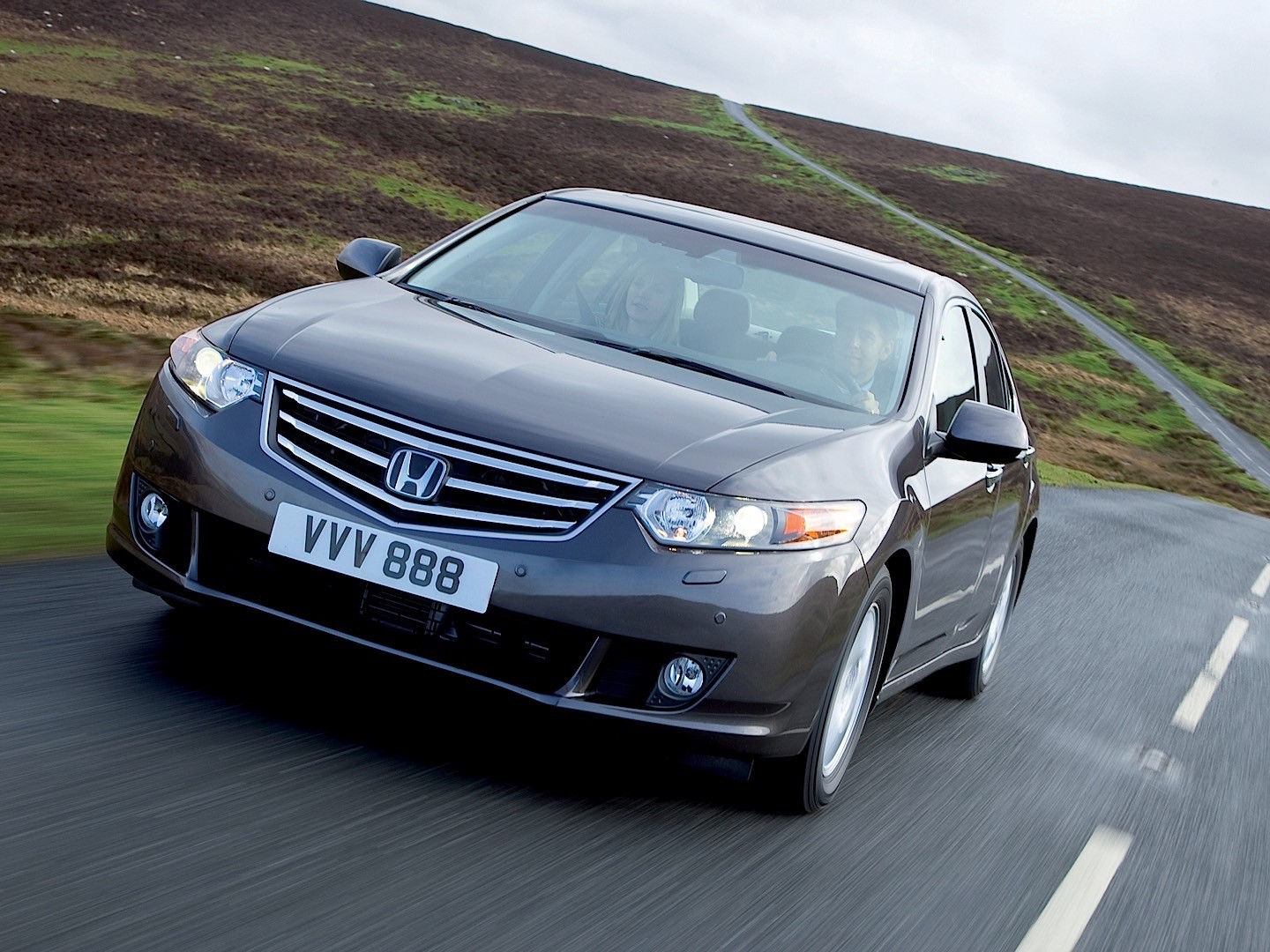
Modern vehicles rely heavily on plastic, dashboards, door cards, center consoles, switchgear, and trim pieces are all molded composites designed to keep weight down and costs manageable.
Unfortunately, not all plastics age equally. In hot states like Arizona, Nevada, Texas, and Southern California, UV exposure and extreme temperature swings can turn once-soft dashboards into brittle, spider-cracked messes within a few years.
Even in milder climates, cheap interior materials tend to fade, warp, or peel long before the drivetrain gives up.
Yet some automakers quietly get this right. Through better polymer blends, UV inhibitors, thoughtful grain textures, and tighter quality control, a handful of interiors consistently hold up for ten years or more without turning chalky or cracking.
These aren’t always luxury cars, and they’re not always new, many are older platforms that simply used better materials from the start.
Below are ten vehicles known among long-term owners and used-car inspectors for interior plastics that age exceptionally well, even after a decade of daily use.
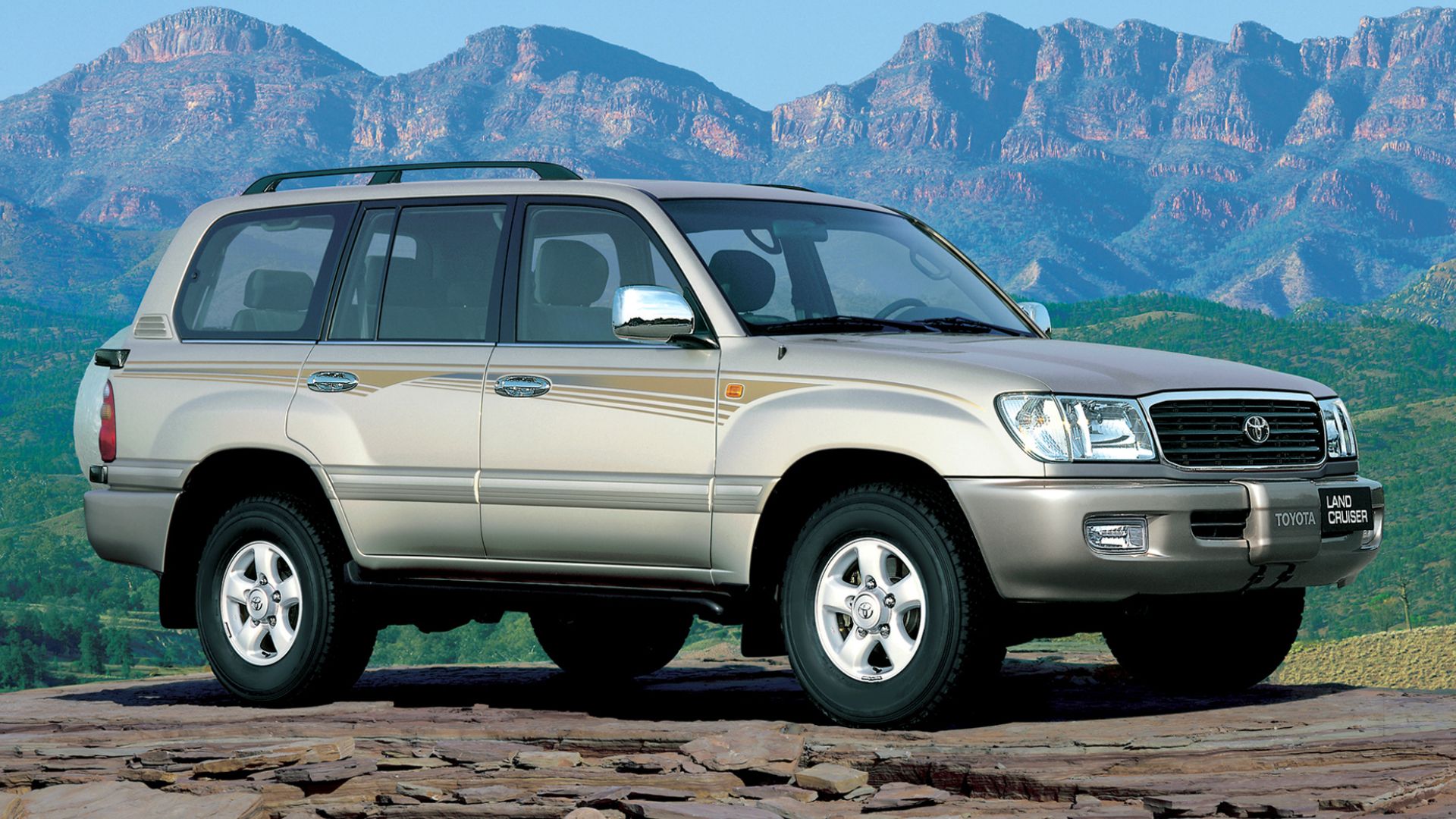
1. Toyota Land Cruiser (100 & 200 Series)
Built to survive deserts, jungles, and arctic tundra, the Land Cruiser was engineered with longevity in mind, and that mindset extended inside.
Toyota’s interior plastics in the 100- and 200-series Land Cruisers use thick, low-gloss polymers with heavy UV stabilization.
Even after years of sun exposure, dashboards typically remain intact without spider cracking, and door panels rarely warp.
The tactile surfaces don’t go sticky, and switchgear maintains its firmness far longer than most SUVs of the same era.
Part of this durability comes from conservative design: fewer ultra-soft coatings and more traditional molded plastics that resist chemical breakdown.
Owners routinely report interiors looking “broken in” rather than worn out at 200,000+ miles, which is almost unheard of in large SUVs.
The Toyota Land Cruiser is powered by a 2.8-litre four-cylinder diesel engine, shared with the Toyota Hilux, producing 201bhp and 369lb ft of torque.
While it is fundamentally the same unit used in the previous-generation Land Cruiser, it now features a smaller turbocharger and is paired with an eight-speed automatic transmission.
The gearbox shifts smoothly enough when underway, but the engine itself sounds coarse and gruff, and it does not feel particularly brisk on open roads.
The official 0–62mph time of 10.9 seconds makes the new Land Cruiser half a second slower than the lighter outgoing model.
Straight-line pace is not its primary focus, however. More relevant to its intended purpose, the engine delivers ample low-end torque to haul a fully laden vehicle up steep inclines, and it is rated to tow up to 3,500kg.
It is unfortunate that there is no more powerful or characterful six-cylinder alternative, as offered in the rival Land Rover Defender.
The six-cylinder Ineos Grenadier is also quicker in outright acceleration. Where the Land Cruiser matches those competitors is in off-road capability.
The new model retains a traditional body-on-frame construction, meaning the engine and suspension are mounted to a separate ladder-frame chassis rather than integrated into a single monocoque structure.
Toyota claims the new chassis is 50% more rigid than before, with the overall body-on-frame assembly 30% stiffer. The structure also incorporates 11.9 metres of structural adhesive to enhance strength and durability.
The Ineos Grenadier adopts a comparable approach, favoring robustness and durability over the lighter, all-in-one construction used by many modern SUVs. This layout also enables greater axle articulation, making it better suited to challenging off-road terrain.
Beyond its structural credentials, the Land Cruiser features permanent four-wheel drive, a low-range transfer case, a 700mm wading depth, and both central and rear locking differentials.
It also allows the front anti-roll bar to be disconnected, increasing wheel travel by 20% compared to the previous generation.
This feature, previously seen on highly capable off-roaders such as the Jeep Wrangler, further enhances its ability to tackle demanding terrain.
2. Lexus LS (LS430 / LS460 Generations)
As the luxury arm of Toyota Motor Corporation, Lexus applied obsessive quality standards to the LS sedans of the early 2000s through mid-2010s.
These cars feature multi-layer dashboard plastics with deep UV resistance and soft-touch surfaces that don’t peel like many European competitors.
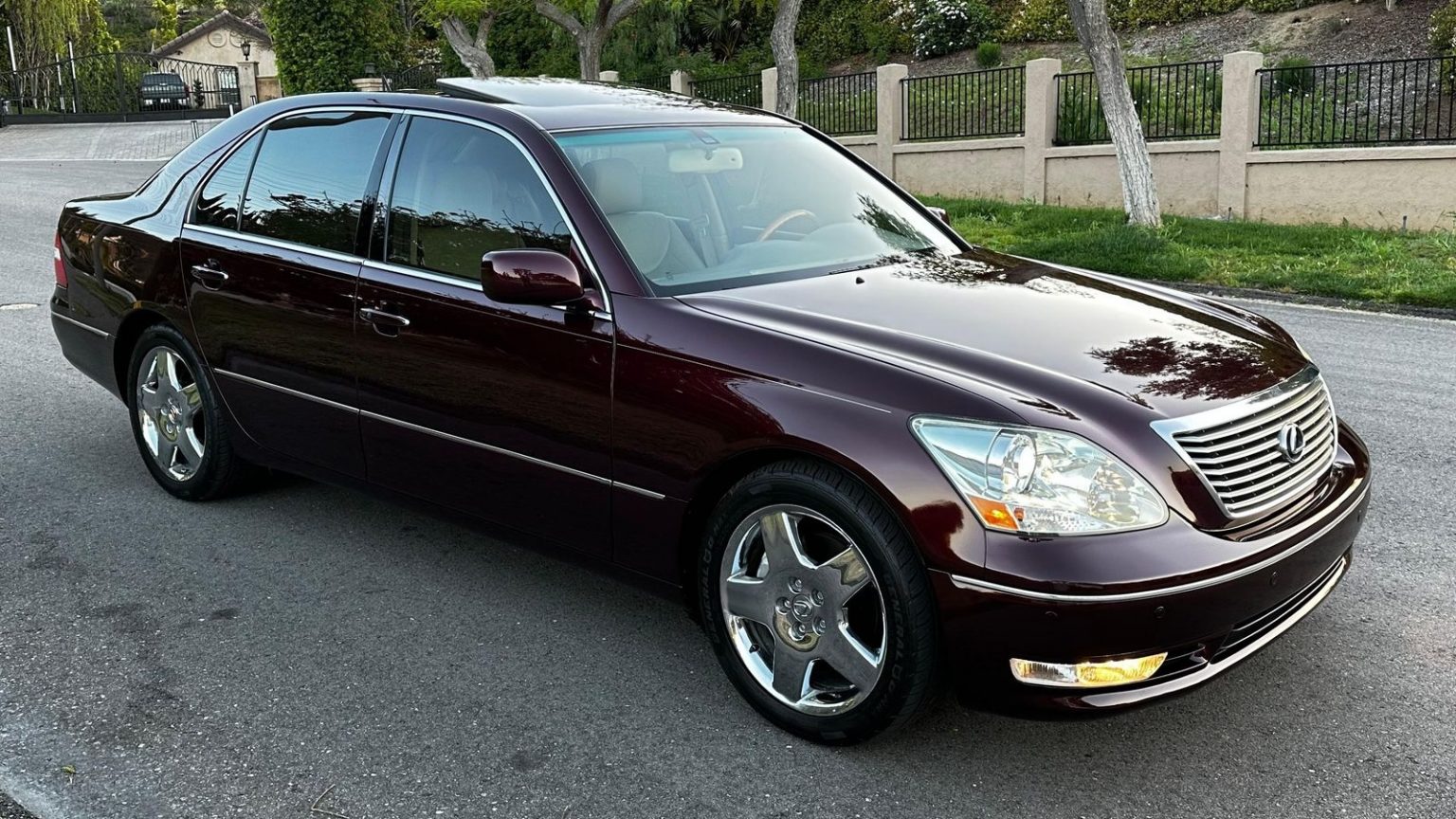
The material formulation prevents microfractures, which is why LS dashboards rarely show cracking even after a decade parked outdoors.
More impressively, the plastics retain their color and texture. While leather seats may show wear, the dash and door cards often look remarkably fresh, making older LS models some of the most “timeless” used luxury cars on American roads.
3. Honda Accord (2008–2017)
The Accord proves that durable interiors aren’t exclusive to premium brands.
During this generation, Honda shifted to higher-grade thermoplastics with improved heat tolerance.
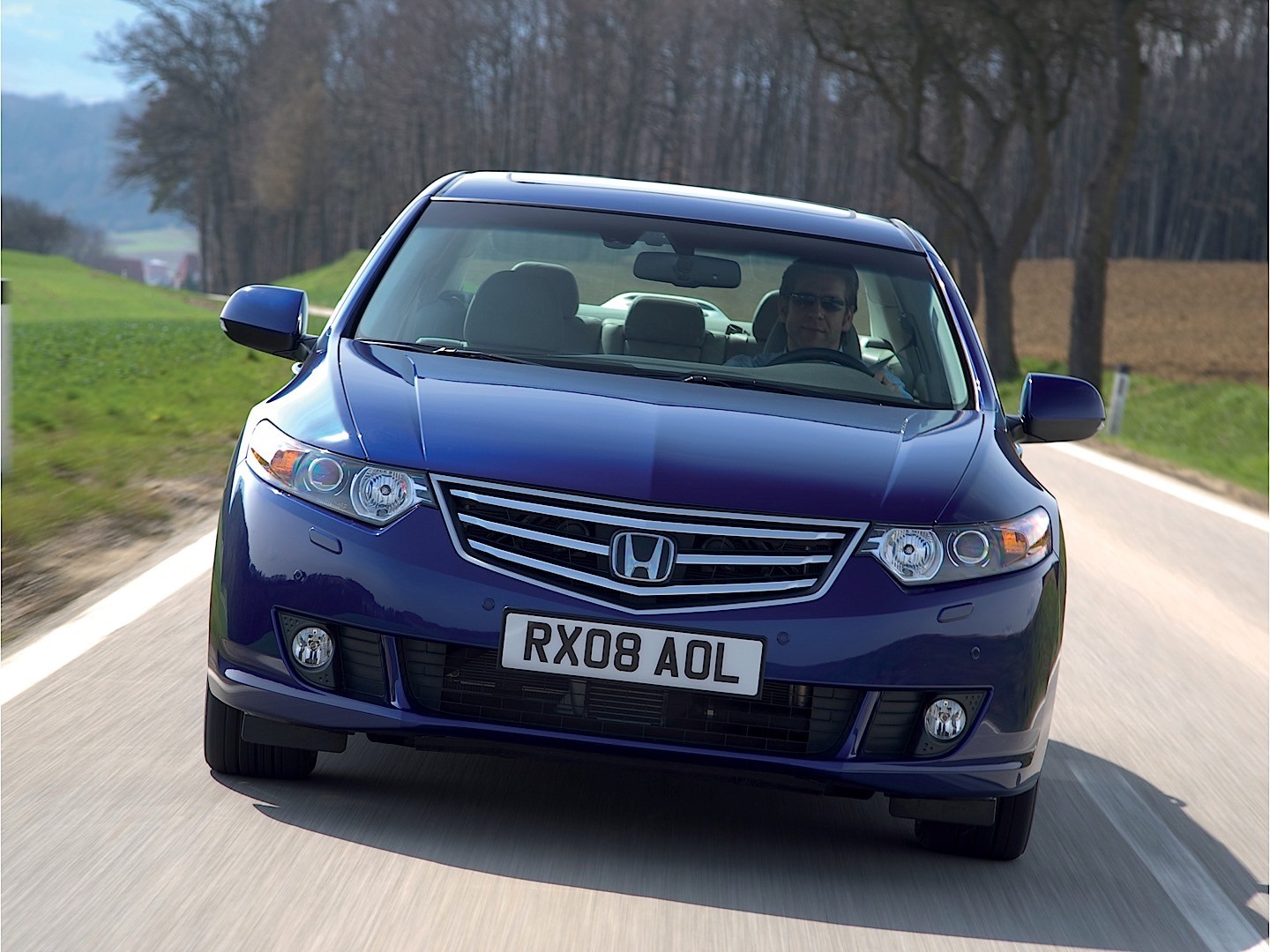
The dashboards resist cracking even in hot climates, and the door panels avoid the bubbling and separation seen in many midsize sedans.
While the Accord doesn’t offer soft-touch materials everywhere, what it does use tends to last.
The plastics stay firm, don’t discolor rapidly, and rarely develop squeaks. For commuters putting on 15,000–20,000 miles per year, that consistency matters more than surface luxury.
Published on 26 November 2010 and written by Steve Huntingford, this review examines the used Honda Accord saloon and what buyers can expect from it.
Although it closely resembles the previous-generation Accord, this version was officially introduced as an all-new model. In practice, it represents a thorough evolution of its predecessor, building on an already competent platform with incremental improvements to performance and refinement.
Aimed primarily at business users, the Accord excels on motorway journeys, where high levels of refinement keep wind and road noise to a minimum inside the cabin.
The Accord presents itself as a well-equipped and stylish family saloon. It offers an attractive design, generous interior space and a strong reputation for dependability.
Rear-seat passengers benefit from ample legroom and headroom, with enough space to accommodate three adults comfortably, while those in the front are equally well catered for. The principal compromise is the relatively modest boot capacity compared with some rivals.
Honda’s established reputation for reliability carries over to the Accord, reinforcing its appeal as a dependable used purchase.
In terms of running costs, diesel variants return average fuel economy figures of either 50.4mpg or 48.7mpg, depending on output.
The 2.0-litre petrol manages around 38mpg, while the larger 2.2-litre petrol averages approximately 32mpg.
One advantage of Honda ownership is comparatively slow depreciation, particularly for the more desirable diesel models, which tend to retain their value well.
Servicing costs are generally slightly lower than those of competitors such as the Ford Mondeo and Volkswagen Passat, although the Accord typically commands a higher purchase price at the outset.
4. Subaru Outback (2010–2019)
Subaru interiors are often described as utilitarian, but that simplicity works in their favor.
The Outback uses dense plastics with minimal coatings, which dramatically reduces long-term degradation.
These materials don’t soften excessively in heat and don’t become brittle in cold climates, important for owners in Colorado, the Pacific Northwest, and the Northeast.
After ten years, most Outbacks show cosmetic wear but very little structural plastic damage. Dashboards stay intact, and trim pieces remain tightly fitted, even on vehicles used for camping, skiing, and outdoor hauling.
For 2017, the Subaru Outback gains a new Touring trim that emphasizes style over outright utility, adding a more upscale presentation to the lineup.
Its already strong safety reputation is enhanced further with the inclusion of reverse automatic braking and automatic high beams, both added to Subaru’s well-regarded EyeSight suite of driver-assistance technologies.
In the current market, there are vehicles that overlap with the 2017 Outback in size and price, but few occupy quite the same niche.
The Outback is essentially a midsize wagon equipped with standard all-wheel drive and ground clearance comparable to that of a Jeep Grand Cherokee.
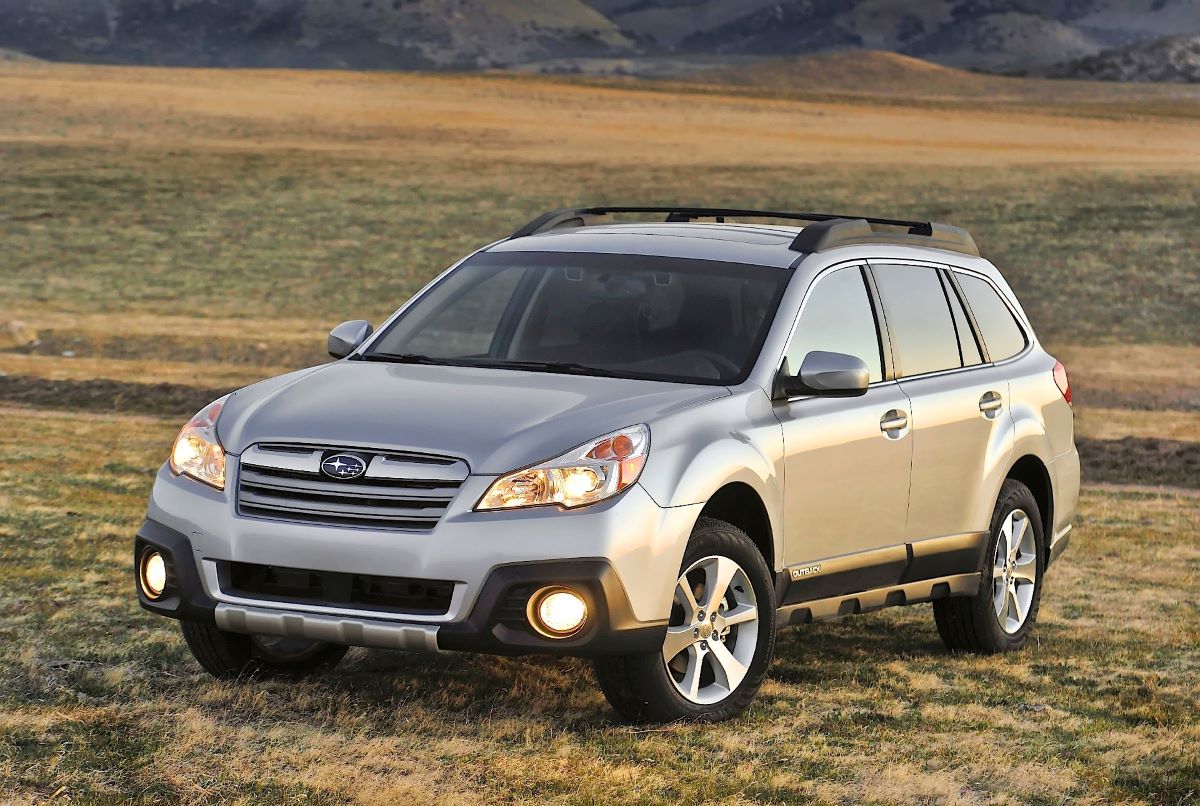
While it represents an alternative to the typical crossover SUV, it delivers such a broad range of practical strengths that it warrants consideration from anyone shopping in the segment.
Interior space rivals that of midsize SUVs such as the Ford Edge and Kia Sorento, yet the Outback’s lower roofline makes loading cargo easier.
Compared with smaller SUVs like the Honda CR-V, Toyota RAV4, and Subaru’s own Forester, the Outback offers similar versatility along with added comfort and refinement.
Fuel economy is also competitive for its size and capability, with EPA ratings of 28 mpg combined for the four-cylinder engine and 22 mpg combined for the six-cylinder.
For buyers who appreciate the practicality of a wagon, the 2017 Outback strikes a balanced mix of efficiency, space, and ruggedness that could simplify the buying decision.
Whether considered specifically as a wagon or as an alternative to a conventional SUV, the Outback stands out for its blend of rugged capability and long-distance comfort, both on paved roads and beyond them.
The ratings referenced are based on testing of a 2015 Subaru Outback 2.5i Limited equipped with a 2.5-liter four-cylinder engine, all-wheel drive, and a continuously variable transmission.
Although subsequent revisions for 2017 included updated steering feel, revised suspension tuning on Limited models, and additional safety features, the overall impressions remain broadly applicable.
In terms of driving dynamics, the Outback earns a 3.0 out of 5. The four-cylinder engine delivers modest performance, and overall handling is not particularly sporty.
The vehicle is more at home on uneven back roads or snowy highways than on twisty pavement.
Acceleration is one of its weaker attributes with the 175-horsepower four-cylinder, which requires 9.6 seconds to reach 60 mph. The available 3.6-liter six-cylinder, producing 256 horsepower, offers stronger performance.
Braking performance is adequate but uninspiring. Around town, the pedal can feel somewhat soft, and during testing the Outback required 123 feet to stop from 60 mph, accompanied by noticeable front-end dive.
Steering response, however, is precise and reacts quickly to driver input, though some may find the effort slightly heavy. Handling is characterized by considerable body roll in corners, limiting agility.
In everyday use, drivability is straightforward aside from an occasionally abrupt throttle response. The soft suspension, manageable dimensions, and well-behaved CVT contribute to ease of operation.
Off-road capability remains a key strength, earning a 4.0 rating. The standard all-wheel-drive system is well-calibrated and inspires confidence in light off-road situations.
With above-average ground clearance for its class and a durable setup, the Outback is more capable on rough terrain than most crossovers and traditional wagons.
5. Porsche 911 (997 & Early 991)
Sports cars are usually terrible at interior aging. The 911 is a notable exception.
Porsche invested heavily in polymer quality during the 997 and early 991 generations.
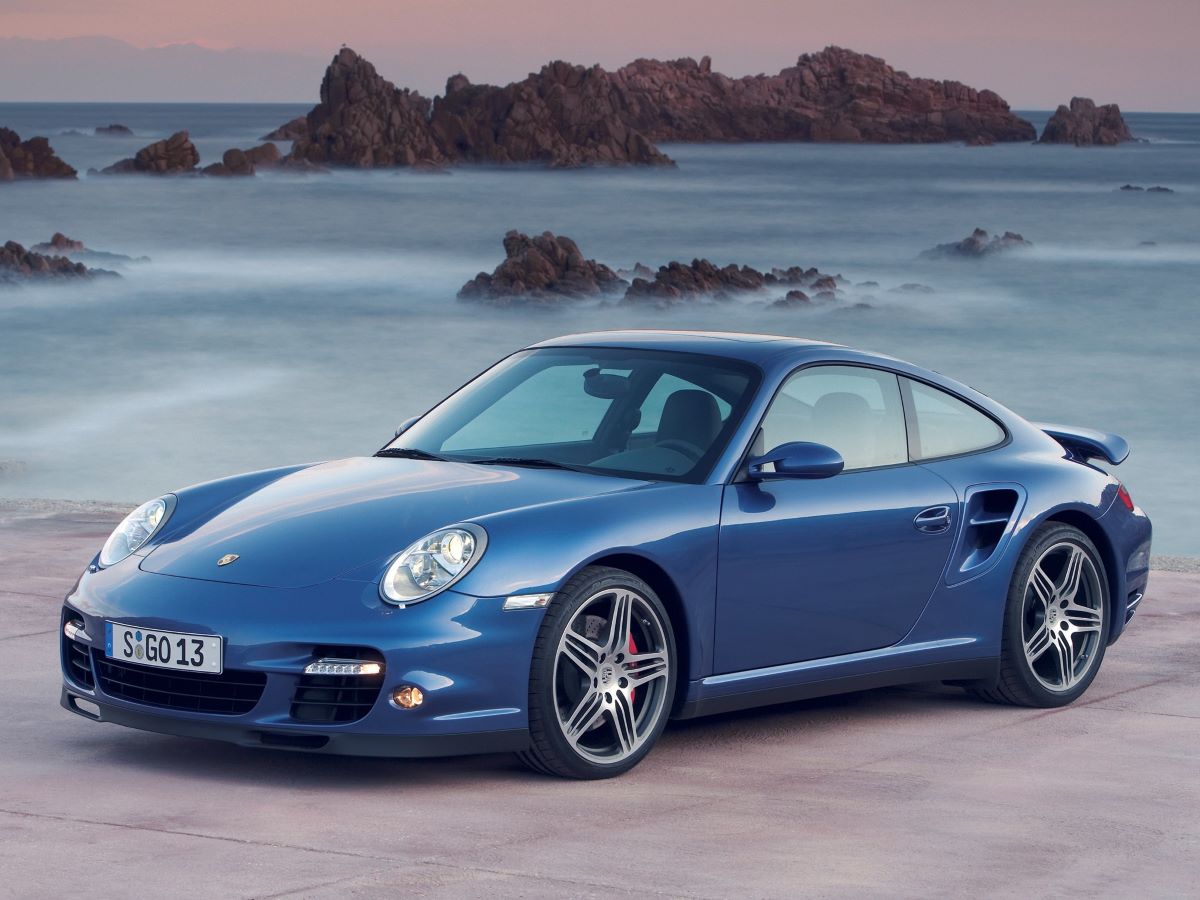
The dashboards resist UV cracking, and the soft-touch materials don’t melt or peel like many competitors from the same era. Even high-mileage examples often retain clean cabin lines with minimal plastic fatigue.
For a performance car that often lives in sunny garages or outdoor parking, this level of durability is rare, and one reason older 911s still feel solid inside.
6. Volvo XC90 (First Generation)
Volvo prioritized chemical stability over flashy finishes in the original XC90.
The result is an interior that ages gracefully. Plastics don’t off-gas excessively, which prevents the chalky residue seen in many SUVs.
The dashboard resists cracking, and the trim maintains structural integrity even after years of family use.
It’s not the most luxurious cabin visually, but it’s among the most durable in the three-row segment.
By 1992, Ford had taken control of the Swedish automaker Volvo and set the stage for the introduction of a new SUV line, culminating in the launch of the XC90.
When it entered the market, the XC90 made established rivals such as the BMW X5 and the Mercedes-Benz ML-Class appear comparatively less convincing. Its rugged design and practical seven-seat layout exceeded what many competitors were offering at the time.
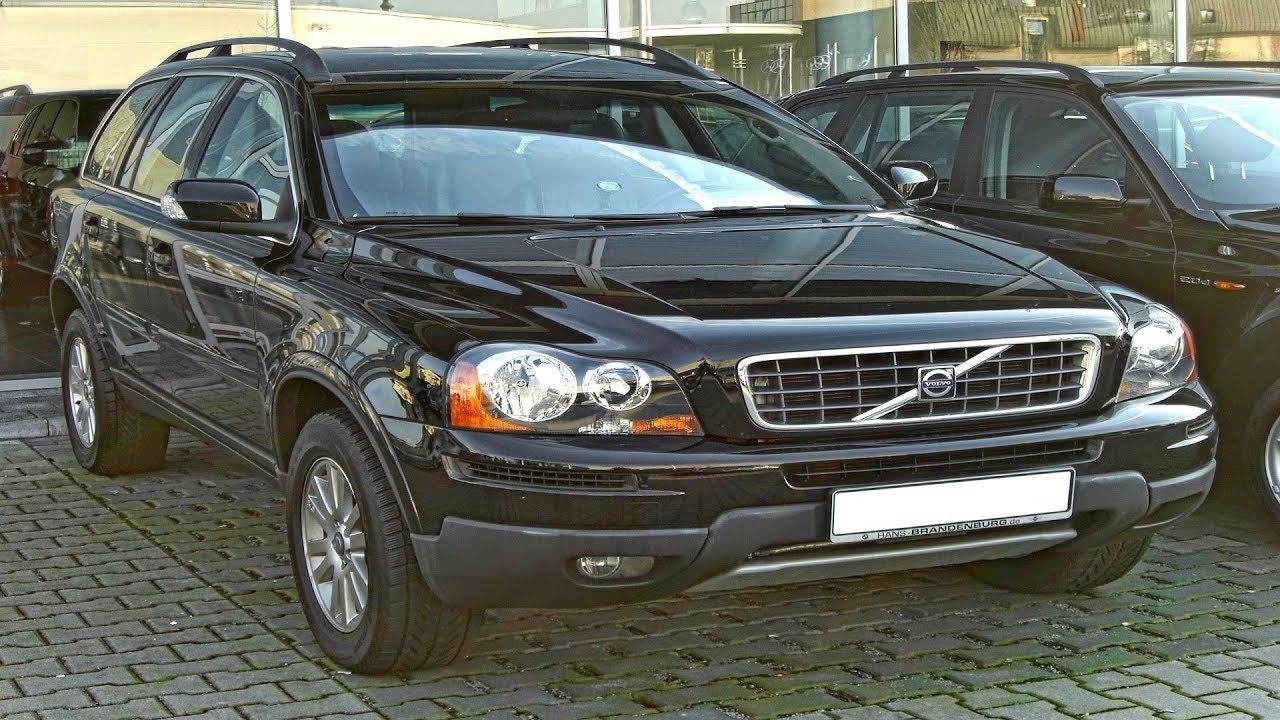
Combined with Volvo’s longstanding reputation for safety, the XC90 quickly became a popular choice for family use, particularly in the United States. The SUV was built on a platform engineered in Sweden, reflecting Volvo’s in-house development expertise.
Stylistically, the XC90 combined substantial proportions with softly rounded surfaces. The front fascia drew inspiration from the classic PV544, though it replaced the older model’s round headlights with horizontal units.
Inside, the XC90 blended the ambience of a conventional passenger car with the versatility of a multi-purpose vehicle. Its three-row configuration accommodated up to seven occupants, though the third row was primarily suited to children.
The second-row seats could fold and slide independently, allowing greater flexibility in balancing passenger space and cargo needs.
Under the hood, Volvo offered a range of petrol and turbo-diesel engines producing between 163 horsepower and 315 horsepower. With the exception of the 4.4-liter V-8 engine supplied by Yamaha, all powertrains were developed by Volvo itself.
7. Mercedes-Benz E-Class (W212)
Earlier Mercedes interiors were notorious for biodegradable plastics that failed prematurely. The W212 generation marked a turning point.
Mercedes reverted to more traditional polymer blends with stronger UV resistance. Dashboards stopped cracking at the seams, and door trims became far less prone to delamination.
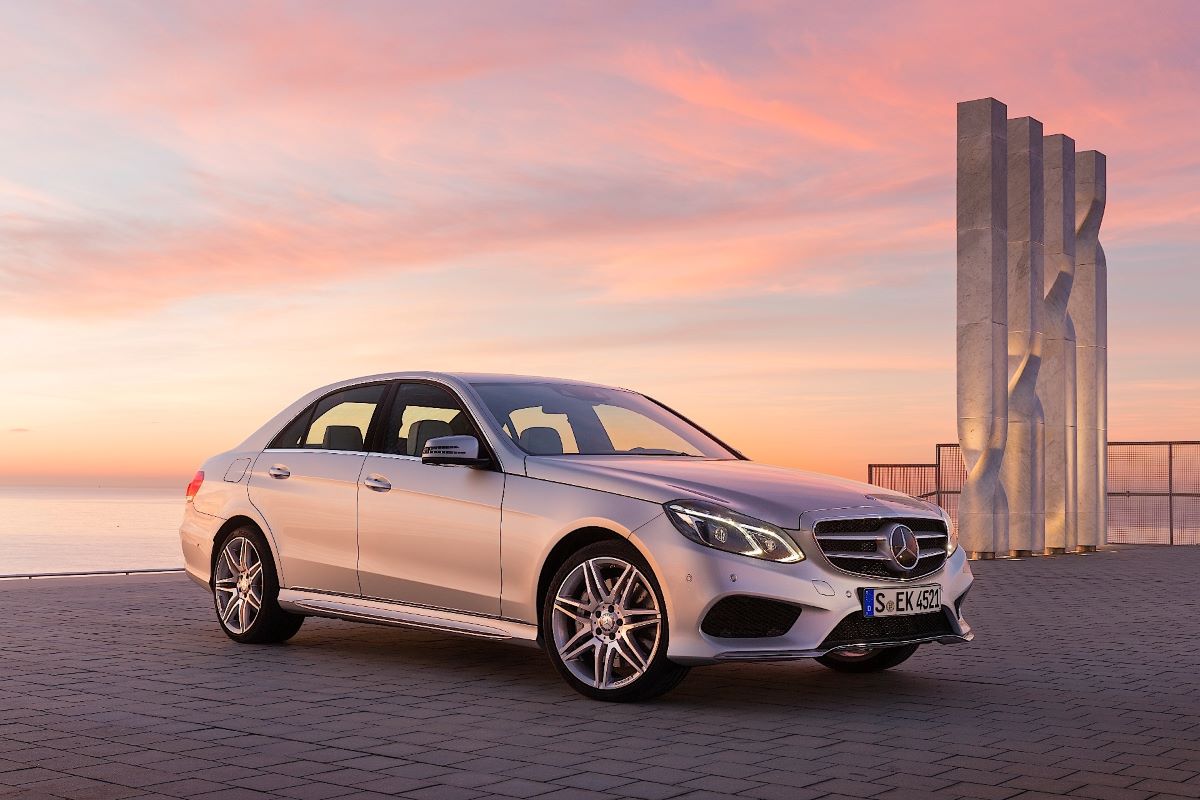
Ten years on, many W212 cabins still feel tight, with plastics that haven’t gone brittle.
It’s a quiet success story in German interior engineering.
8. Ford Crown Victoria
Fleet vehicles endure some of the harshest conditions imaginable, and the Crown Victoria was built for exactly that.
Used extensively by police departments and taxi services, its interior plastics were designed for abuse.
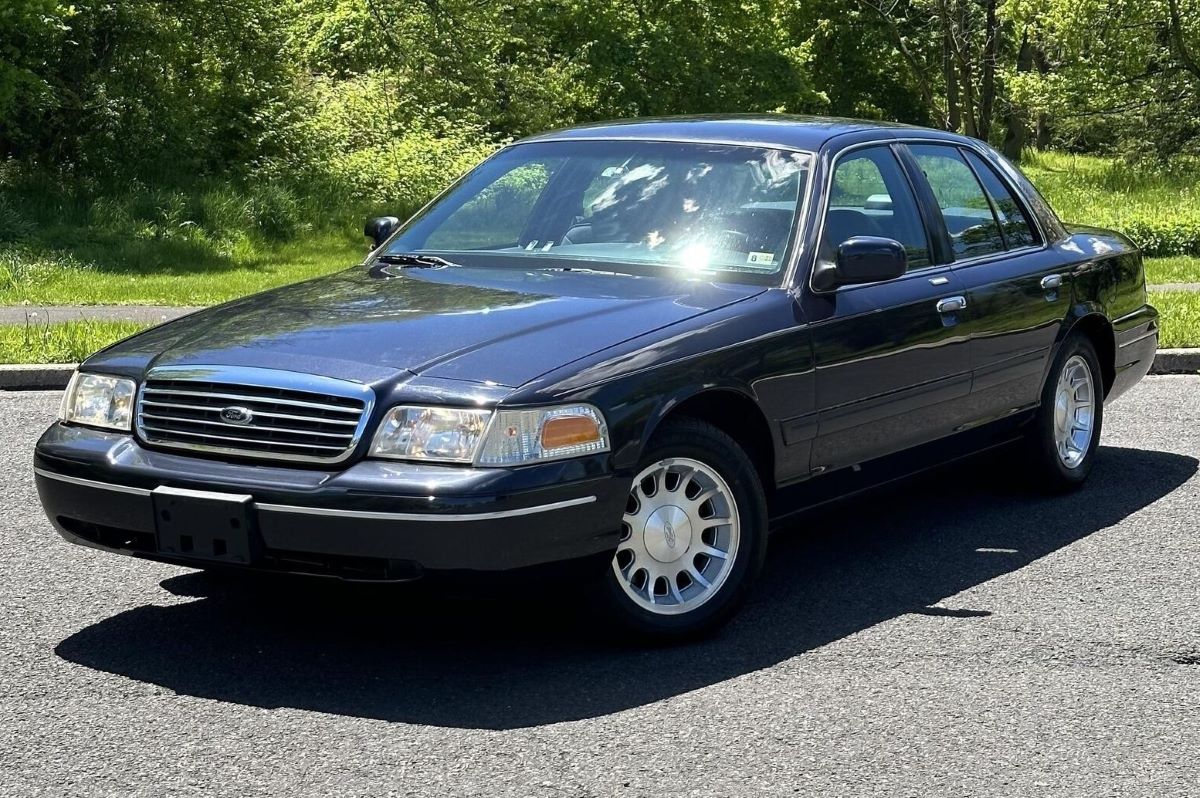
The materials are basic, but extremely tough, thick dashboards, simple door cards, and minimal coatings that can’t peel.
Many retired Crown Vics still have intact interiors after hundreds of thousands of miles, making them legends of durability.
The Ford Crown Victoria has become widely recognized as a symbol of durability and dependable American engineering. Best known for its long service as a police vehicle, the Crown Vic represents a workhorse ethos that resonated across decades.
In recent years, it has also experienced renewed interest as certain variants have begun to achieve classic status, with rarer examples commanding notable prices at auctions and private sales.
Its reputation for reliability stems from several practical strengths. Solid build quality, broad availability of replacement parts, and significant aftermarket support have made it especially attractive to custom builders and muscle car enthusiasts.
The car’s generous dimensions and straightforward mechanical layout allow for relatively simple performance upgrades and modifications. For buyers considering one today, understanding its history and identifying the most desirable model years are key factors.
The Crown Victoria name first appeared in the mid-1950s as a trim level for the Ford Fairlane, though that usage was brief. It resurfaced in 1980 as a luxury trim designation for the Ford LTD, which at that time rode on the Panther platform.
This platform would ultimately define not only the Crown Victoria but also its corporate siblings, the Mercury Marquis and Lincoln Town Car.
Through the 1980s and into the 1990s, the Crown Victoria remained associated with the LTD before eventually becoming a standalone model.
It continued to utilize the Panther platform, which featured traditional body-on-frame construction. While common during earlier automotive eras, this design has largely disappeared from passenger cars and is now typically found beneath trucks and large SUVs.
The body-on-frame architecture played a central role in the Crown Victoria’s durability. By mounting the body separately from the frame, the vehicle benefited from structural robustness and mechanical simplicity.
This configuration provided a sturdy foundation for its engines and drivetrain components, while also offering ample space for upgrades across different trim levels and applications.
As the 1990s progressed, the model incorporated more contemporary components and incremental performance improvements.
Although the Panther-platform Ford LTD had served in police roles earlier, it was the Crown Victoria Police Interceptor that became most strongly associated with law enforcement agencies, cementing its cultural identity.
9. Mazda MX-5 Miata (ND Generation)
Convertibles usually suffer the worst UV damage. The ND Miata defies that trend.
Mazda used UV-hardened plastics throughout the cabin, particularly on the dashboard and upper door panels.
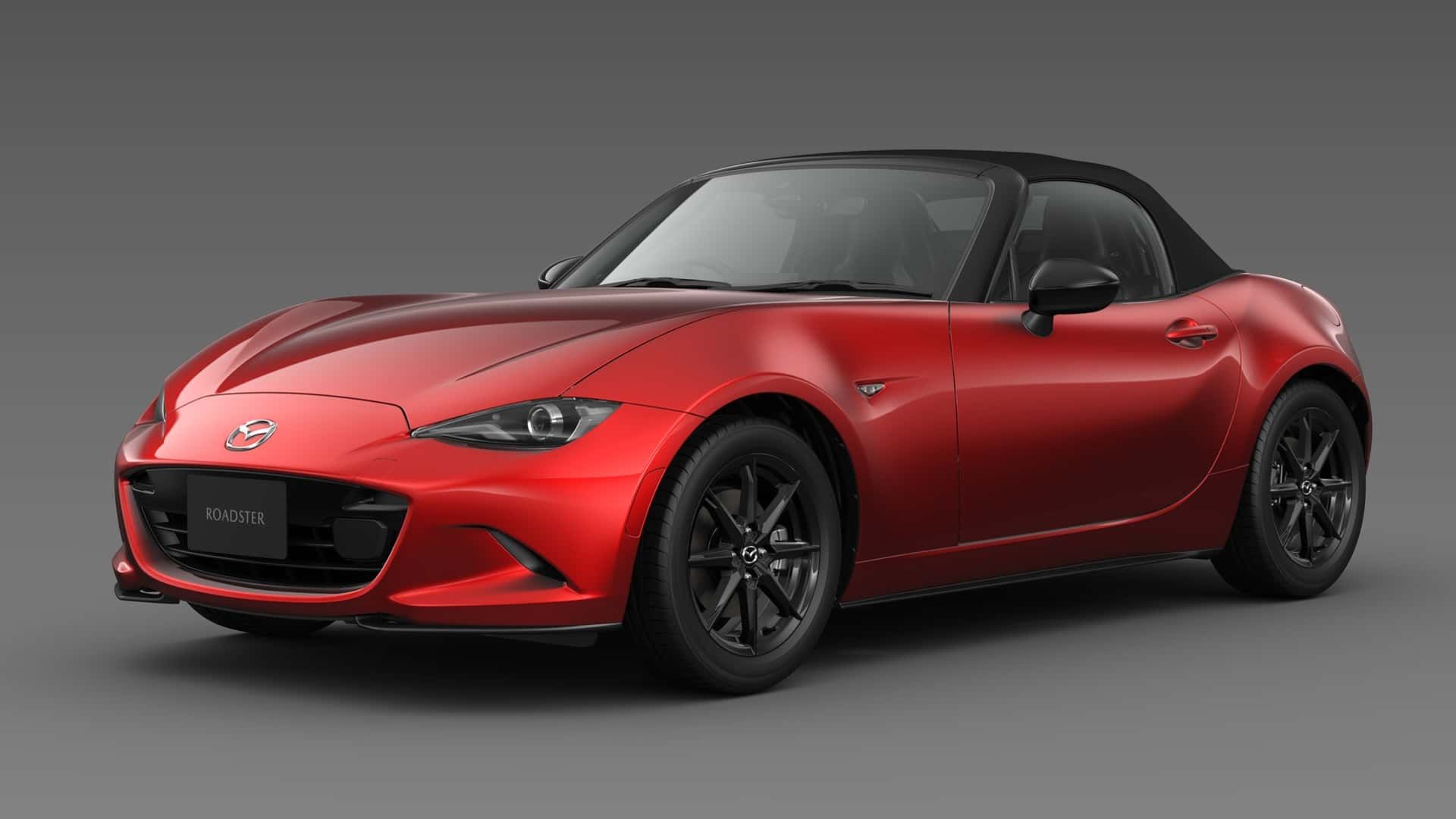
Even with frequent top-down driving, these surfaces resist fading and cracking far better than expected.
For a lightweight roadster, the interior materials punch well above their class.
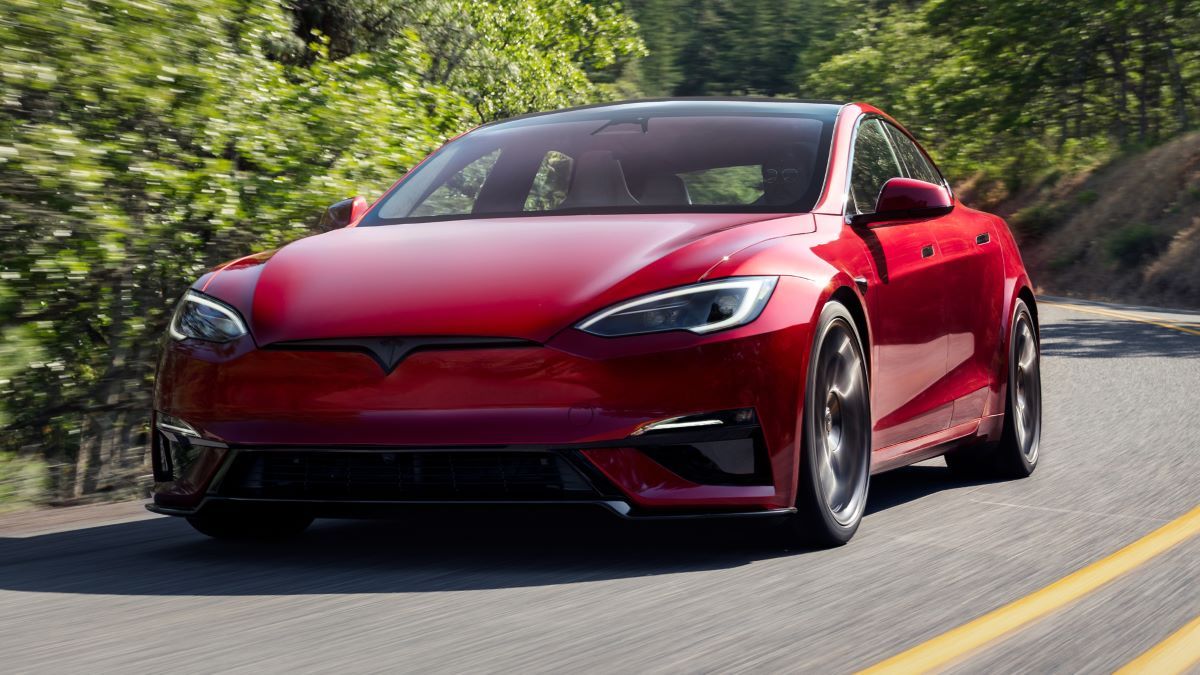
10. Tesla Model S (Pre-Refresh Years)
Early Teslas had quality inconsistencies, but one area that held up surprisingly well was basic interior plastics.
While trim alignment varied, the dashboard polymers themselves aged cleanly. Many first-generation Model S vehicles still show crack-free dashboards after a decade, even in sun-heavy states.
The materials don’t chalk or spiderweb the way cheaper EV interiors sometimes do.
It’s a reminder that simplicity, large molded panels with fewer seams, can improve long-term durability.
Across all ten vehicles, a pattern emerges. The plastics that survive a decade share several traits: thicker material sections, conservative surface coatings, strong UV inhibitors, and fewer glued layers. They prioritize chemical stability over ultra-soft touch.
For US buyers, especially those in warm climates, this matters. Interior repairs are expensive, and cracked dashboards often require full replacements costing thousands.
Even without it, today’s expanding roster of electric vehicles would look very different. With an estimated driving range of up to 412 miles, depending on specification, the Model S is well suited to long-distance travel.
At the other end of the spectrum, the 1020-hp Plaid variant delivers acceleration that rivals supercars, all while accommodating four adults in comfort. Practicality is another strength, thanks to a generous rear cargo area and an additional front trunk that enhances overall utility.
For 2022, changes are minimal following last year’s significant refresh. The previous update introduced revised exterior and interior styling, including the distinctive yoke-style steering wheel and the high-performance 1020-hp Plaid model.
This year is expected to bring few alterations, although Tesla has announced a substantial price increase for the base version.
Pricing for the 2022 Tesla Model S starts at $106,440 and rises to $137,440 depending on trim and options. We would opt for the base Model S, which offers the maximum estimated range of 412 miles per charge.
While the 1020-hp Plaid is undeniably impressive, its six-figure price tag represents diminishing returns unless outright drag-strip levels of acceleration are a priority.
Every Model S features an electric motor at both the front and rear axles, providing standard all-wheel drive across the lineup. Performance ranges from extremely quick to outright ferocious.
Although we have not yet tested the current Long Range version, our previous 2020 Model S test car achieved a remarkable 0–60 mph time of 2.4 seconds and impressed with its instant power delivery.
The Plaid model adds a third electric motor, increasing total output to 1020 horsepower and enabling a 0–60 mph sprint of just 2.1 seconds in our testing. Beyond straight-line speed, the standard Model S has demonstrated itself to be an agile sport sedan, with controlled body movements and direct steering.
Drivers can select between heavier or lighter steering effort, though neither setting significantly enhances road feedback. Ride comfort remains commendable, handling is sharp, and the car feels composed and nearly serene during highway cruising.
Choosing vehicles with proven interior durability can save serious money long after the warranty expires.
If you’re shopping used, inspect dashboards near defrost vents, door panel seams, and center consoles. Those areas reveal the true quality of an interior faster than any feature list.
In an era obsessed with screens and ambient lighting, it’s easy to overlook material science. But as these cars prove, well-engineered plastics are what quietly separate vehicles that age gracefully from those that fall apart.