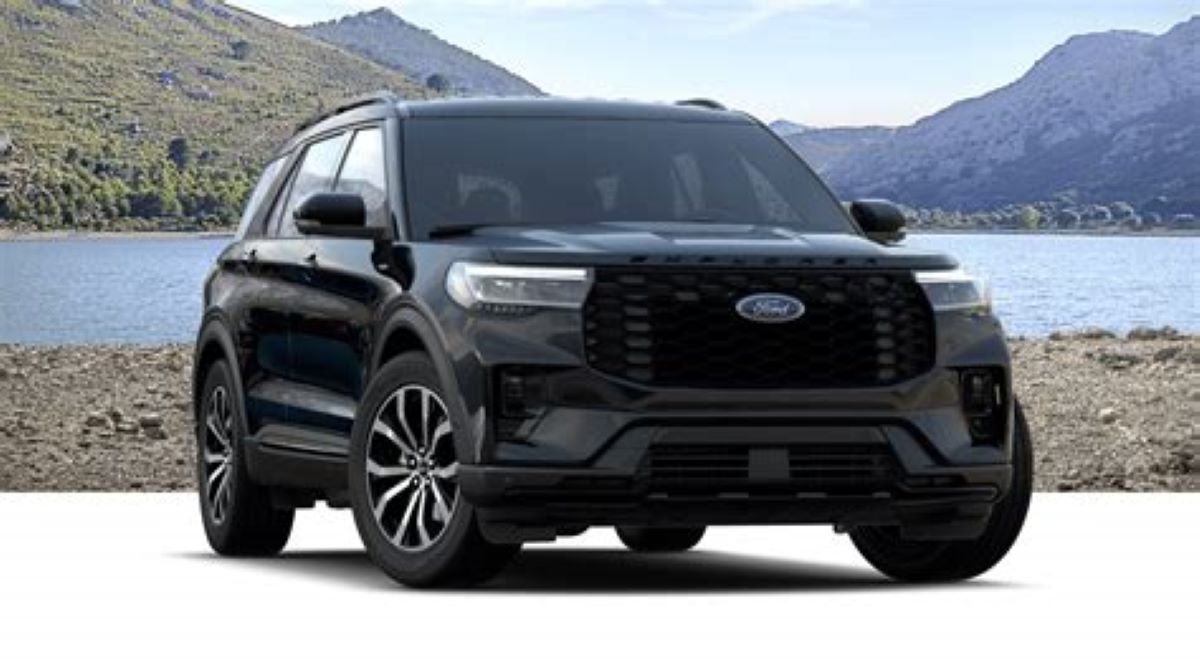
Over the past decade, automakers have made meaningful gains in safety, fuel efficiency, and in-car technology.
Turbocharging has replaced large-displacement engines, advanced driver-assistance systems (ADAS) have become mainstream, and interiors now resemble consumer electronics more than traditional dashboards.
For American buyers, that progress often feels worth the monthly payment. The surprise tends to arrive later, at the service counter.
Modern vehicles are engineered to tighter tolerances and stricter emissions standards than ever before. But that engineering sophistication has also created new failure points.
Components are packaged more densely. Electronics are integrated into assemblies that used to be serviceable individually.
Plastic and composite parts replace metal for weight savings but often require full-module replacement when damaged. In many cases, a relatively minor issue can trigger a repair estimate that appears disconnected from the severity of the problem.
The following eight modern cars stand out not because they are inherently unreliable, but because certain common repairs can be disproportionately expensive relative to expectations, segment norms, or vehicle value.
1. BMW 330i
The current-generation 3 Series is positioned as a compact luxury sports sedan, and in that context, premium maintenance is expected.
What catches many U.S. owners off guard is how quickly repair bills escalate once the factory warranty expires.
The 330i’s turbocharged 2.0-liter B48 engine is generally robust, but peripheral components, electric water pumps, thermostats, and high-pressure fuel system parts, can be costly to replace due to labor-intensive access.
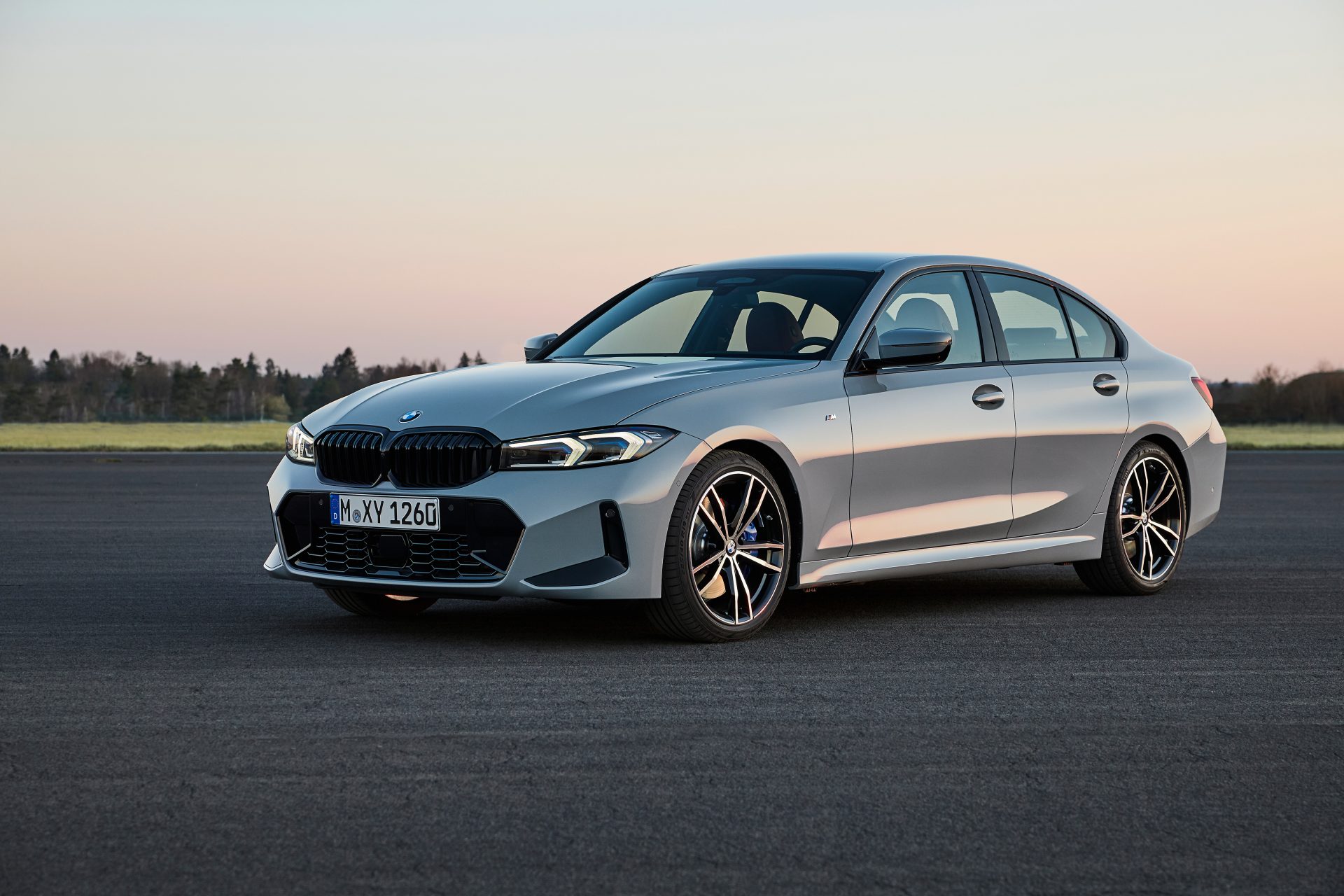
More problematic is BMW’s heavy reliance on integrated modules. A failing adaptive headlight, for instance, may require replacement of the entire assembly rather than a single motor or bulb.
Add ADAS recalibration, and a minor front-end repair can cross four figures easily. None of these costs are individually shocking for a German luxury brand, but when combined with relatively common wear items, the overall expense profile can feel disproportionate.
2. Jeep Grand Cherokee
The Grand Cherokee is a staple of American driveways, offering off-road capability and upscale features at a competitive price point.
However, higher trims equipped with the Quadra-Lift air suspension introduce a level of complexity that can be financially punishing outside warranty coverage.
Air struts and compressors are significantly more expensive than traditional coil spring setups. When one component fails, it often places additional strain on others.
Additionally, electronic modules tied to the Uconnect infotainment system can be costly to replace due to programming requirements.
For a vehicle often purchased as a practical family SUV, repair invoices approaching luxury-brand territory can feel misaligned with buyer expectations.
This marks the fifth generation of the Jeep Grand Cherokee, a lineage that dates back to the original ZJ introduced in 1992.
With this latest iteration, Jeep is making ambitious assertions, describing it as the safest and most technologically advanced Grand Cherokee to date.
The model incorporates contemporary digital systems throughout and, for the European market, adopts a plug-in hybrid powertrain to meet evolving regulatory and consumer demands.
In the UK, the range was initially offered in four trim levels, but it has since been streamlined to two. The entry-level Limited begins at £72,414 (pricing as of September 2025), while the range-topping Summit Reserve starts at £85,914.
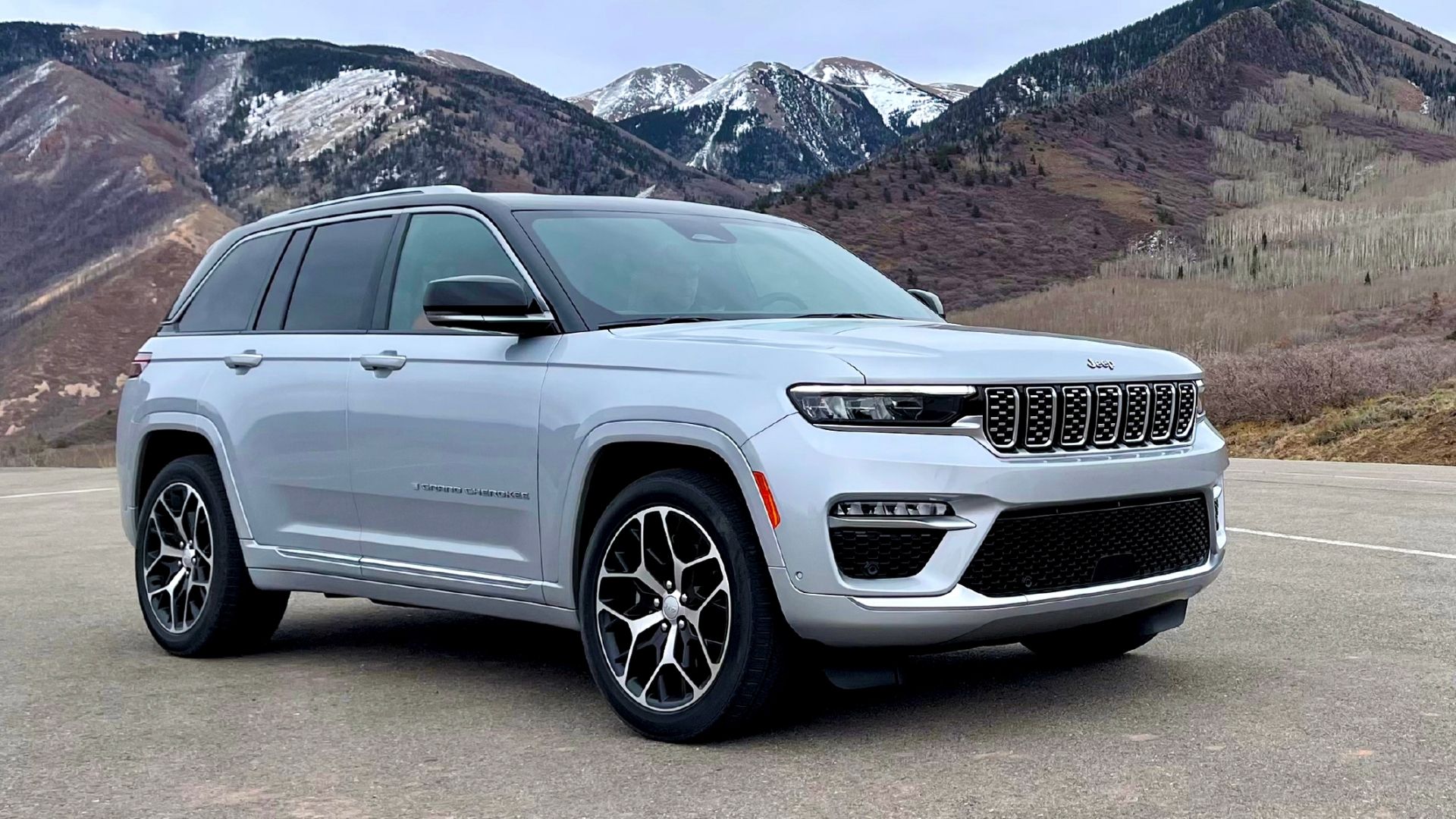
The Overland and Trailhawk variants have been discontinued in the UK lineup, although the Trailhawk remains notable and is discussed further below.
All Grand Cherokee models are generously equipped as standard. Each includes a 10.1-inch central infotainment touchscreen, a fully digital instrument cluster, and a digital rear-view mirror.
Active noise cancellation technology is fitted across the range, alongside heated and ventilated front seats, a powered tailgate, and wireless smartphone charging.
The Trailhawk variant, where available, is geared more heavily toward off-road use. It features smaller wheels wrapped in more aggressive tires, an electronic limited-slip differential on the rear axle, and a front anti-roll bar disconnect system to enhance articulation over rough terrain.
The Overland trim leans toward luxury, adding Nappa leather upholstery, a 19-speaker McIntosh audio system, a head-up display, and air suspension.
At the top of the range, the Summit Reserve builds on those features with premium seat stitching, walnut interior trim, massaging seats, a dedicated passenger display with HDMI connectivity and wireless headphone pairing, and an expanded suite of advanced driver-assistance technologies.
Across Europe, the only available powertrain is Jeep’s 4xe system, shared with the Wrangler 4xe. This plug-in hybrid configuration combines a 2.0-litre turbocharged petrol engine with an electric motor to produce a total output of 375bhp and 463lb ft of torque.
That figure surpasses the output of the previously offered V8 model, while also delivering improved efficiency.
The 17.3kWh battery provides an electric-only driving range of approximately 20 to 30 miles, which, while modest by current PHEV standards, is sufficient for short urban journeys when fully charged. In North America, buyers also have the option of a 3.6-litre Pentastar V6 petrol engine.
3. Ford Explorer
The sixth-generation Explorer shifted to a rear-wheel-drive–based platform, improving dynamics but adding mechanical complexity.
The widely used 2.3-liter EcoBoost engine is powerful and efficient, yet turbocharged engines operate under higher thermal stress, which can accelerate wear on components such as turbochargers and cooling system parts.
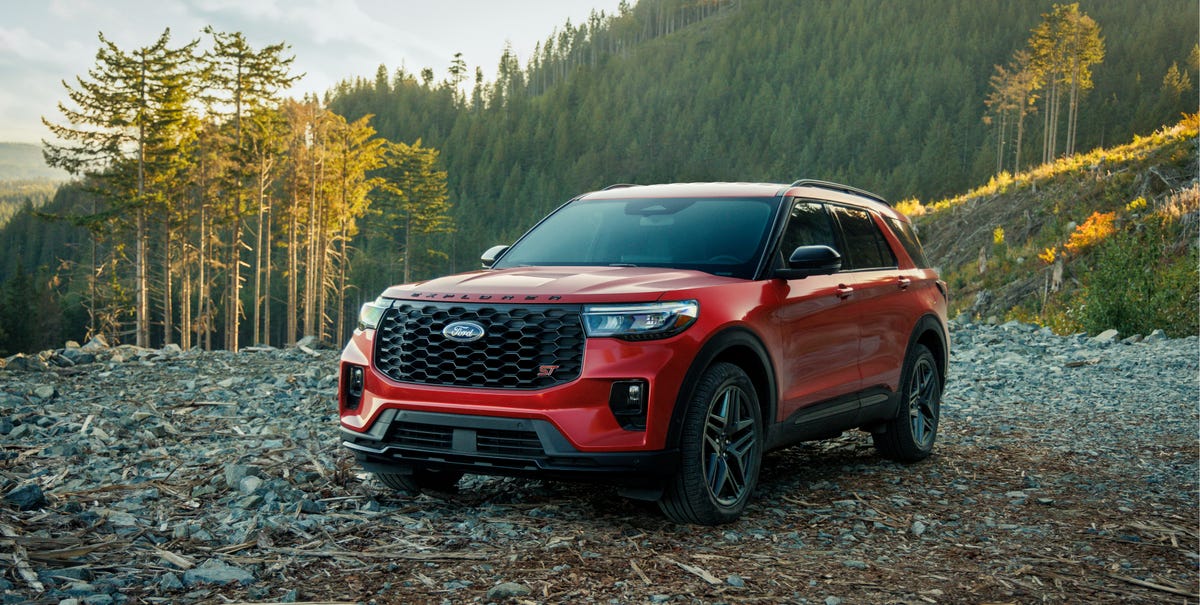
The 10-speed automatic transmission, co-developed with General Motors, has delivered smooth performance for many drivers.
Still, when issues arise, particularly related to valve bodies or electronic controls, diagnostics and repair costs can be steep.
The Explorer’s position as a mainstream three-row SUV makes those bills feel disproportionate compared to older, simpler V6-powered generations.
The standard Ford Explorer is equipped with a comparatively modest 52kWh battery, delivering an official driving range of 239 miles.
Performance is adequate, with a 0–62mph time of 8.7 seconds, but the more compelling option in the range is the Extended Range RWD (rear-wheel drive) variant.
Upgrading to this version brings a larger 77kWh battery and a significantly more practical official range of up to 374 miles on a single charge.
Opting for the larger alloy wheels fitted to the top-tier Premium trim reduces that figure slightly to 354 miles. Even so, that exceeds the range of the comparable Volkswagen ID 4 (339 miles) and is broadly in line with the Kia EV6 (361 miles) and Renault Scenic (379 miles).
The Extended Range RWD model produces 282bhp through its rear-mounted electric motor, making it noticeably quicker than the Scenic, with a 0–62mph time of 6.4 seconds. Those seeking even stronger acceleration can select the Extended Range AWD (all-wheel drive) version.
This dual-motor configuration generates a combined 335bhp and achieves 0–62mph in an official 5.3 seconds, which is quicker than the Ford Focus ST hot hatch. The trade-off for that additional performance, beyond the higher purchase price, is a reduced official range of 329 miles, despite the slightly larger 79kWh battery.
As with most electric vehicles, the Explorer features regenerative braking to recover energy during deceleration. The system is less intrusive than the setup in the Ford Mustang Mach-E and offers more consistent modulation than that of the Volkswagen ID 4, making it easier to manage speed smoothly.
Selecting B mode maximizes regenerative braking, causing the Explorer to slow substantially when the accelerator is released, to the extent that use of the brake pedal becomes minimal in many situations. However, it does not provide full one-pedal driving capability.
The Explorer does not offer adaptive suspension, so drivers cannot adjust ride firmness. Nevertheless, it handles larger bumps and potholes more comfortably than the Mustang Mach-E.
The AWD version appears to manage uneven surfaces slightly better than the RWD model when equipped with identical wheel sizes. Even so, both versions can feel unsettled over rougher roads, and overall ride comfort does not quite match that of the Scenic.
In compensation, the Explorer delivers well-controlled handling. Body roll through corners is more limited than in several electric SUV rivals, including the Hyundai Ioniq 5 and the Scenic. The steering response is measured and confidence-inspiring, contributing to a composed driving experience.
4. Audi Q5
The Q5 is one of America’s best-selling luxury compact SUVs. Its turbocharged 2.0-liter TFSI engine and Quattro all-wheel-drive system provide refined performance.
However, Audi’s tightly packaged engine bay can make routine repairs labor-intensive. Timing chain tensioners, water pumps, and PCV systems have historically been weak points across various Audi 2.0T applications.
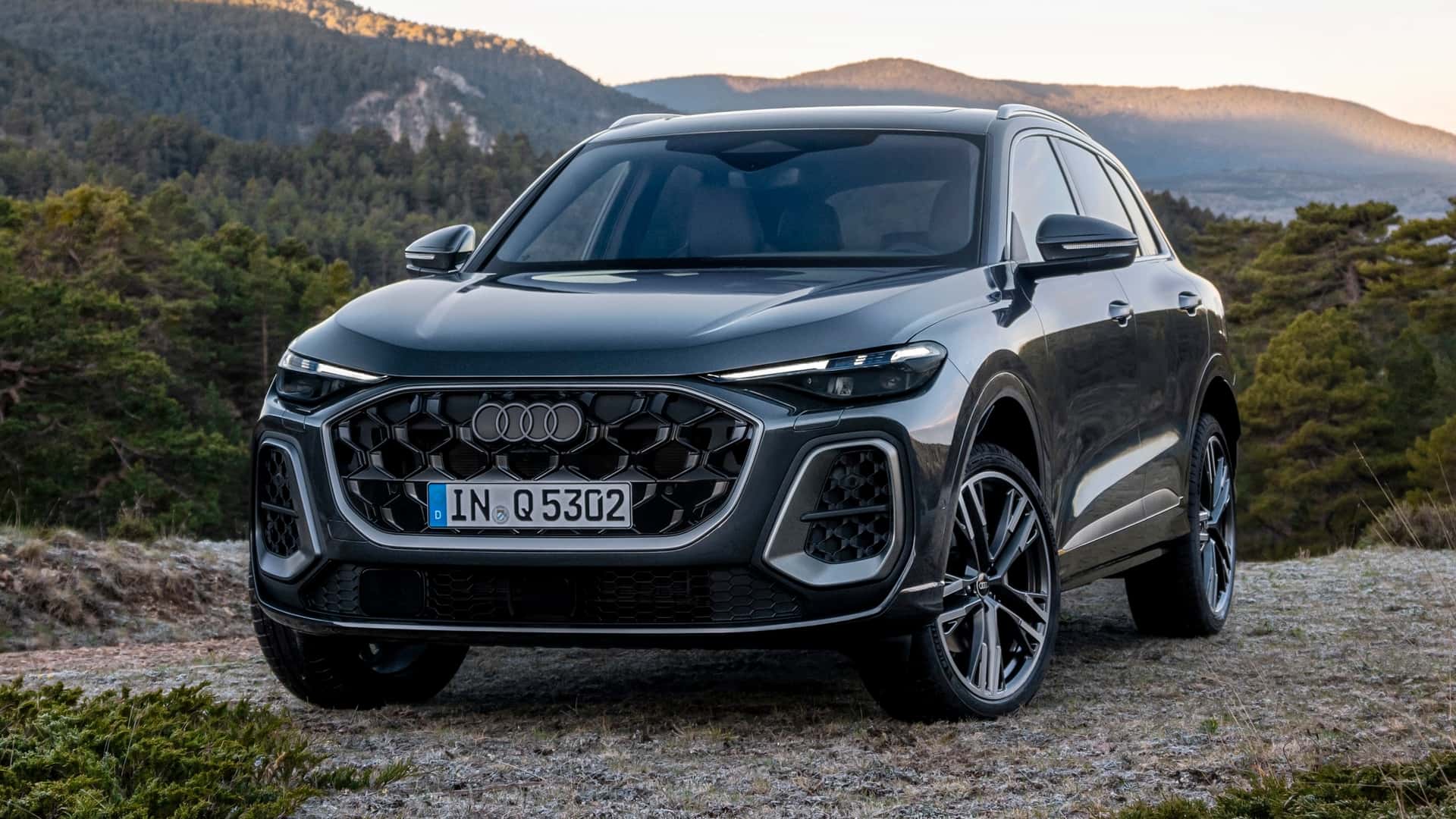
Even when the underlying fix is straightforward, labor hours increase total cost significantly. LED or matrix headlight replacements can also be surprisingly expensive due to sealed assemblies and calibration requirements.
Buyers stepping into the luxury segment sometimes underestimate the long-term cost implications of these engineering choices.
The Audi Q5 range is currently straightforward, offering a choice between one petrol and one diesel engine, excluding the high-performance SQ5.
Both are 2.0-litre four-cylinder units producing 201bhp and come with four-wheel drive as standard, delivering closely matched performance figures.
In our testing, the TDI diesel recorded a 0–60mph time of 6.9 seconds, edging out the BMW X3 20d (7.2 seconds) and the most powerful Mazda CX-60 3.3D (7.1 seconds).
The Q5’s mild-hybrid system is also noteworthy. In many applications, mild-hybrid technology relies on a small battery that provides only minimal assistance under acceleration.
In this case, however, the Q5 uses a comparatively substantial 1.7kWh battery, which can deliver enough electrical support to allow the vehicle to move with the engine switched off.
Admittedly, this capability is limited to low speeds, brief periods, and very light throttle inputs. Even so, it positions the Q5 somewhere between the more limited mild-hybrid setup found in the BMW X3 and a full hybrid such as the Lexus NX 350h.
Our preferred option is the diesel engine. It responds promptly at low revs and delivers strong mid-range torque, giving it a relaxed and flexible character in everyday driving.
Although both petrol and diesel variants are rated to tow up to 2400kg, the diesel is likely to prove the more capable choice for regular towing duties.
The petrol engine, meanwhile, is refined and responsive, and it complements the Q5’s character well. It requires more revs to extract its performance compared with the diesel and is correspondingly more vocal, though the sound remains pleasant and carries a mildly sporty tone.
It pairs effectively with the standard seven-speed S tronic automatic transmission, which shifts smoothly and unobtrusively.
For those seeking significantly greater performance, the SQ5 is available. Its 3.0-litre V6 petrol engine produces 362bhp and propels the SUV from 0 to 62mph in just 4.5 seconds.
A plug-in hybrid (PHEV) variant is due to join the Q5 lineup in the near future, and its performance and efficiency will be assessed once driven.
The Q5 can also be specified with air suspension, a feature more commonly associated with premium luxury SUVs than family-oriented models in this class.
Although it comes at additional cost, the system delivers a notably smooth and well-controlled ride across varying road conditions. Even when fitted with the largest available 21-inch alloy wheels, ride comfort remains impressive.
It remains unclear whether the air suspension justifies its extra expense, as we have not yet tested the standard “sports” suspension fitted to S line and Edition 1 trims, nor the “comfort” suspension available on entry-level Sport models, which cannot be paired with the air suspension option.
5. Tesla Model S
Electric vehicles reduce maintenance in areas like oil changes and exhaust systems. However, when something significant fails, costs can escalate quickly.
The Model S features advanced air suspension, complex cooling systems for its battery pack, and a large integrated infotainment screen that controls most vehicle functions.
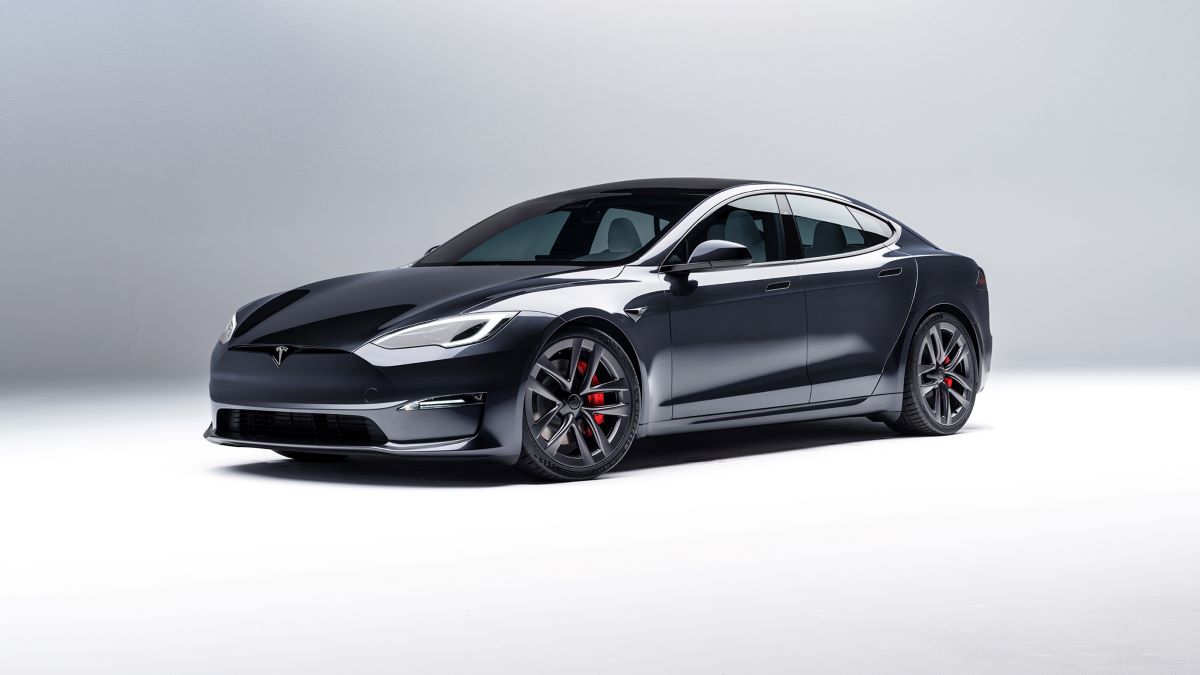
Battery degradation is generally gradual, but out-of-warranty battery or drive unit replacements remain among the most expensive repairs in the industry.
Even suspension or touchscreen issues can result in substantial bills due to Tesla’s centralized service model and proprietary parts ecosystem.
For early adopters who expected lower total ownership costs, these occasional high-dollar repairs can feel counterintuitive.
6. Subaru Outback
The Outback is marketed as durable, practical transportation with standard all-wheel drive. While generally reliable, certain repair scenarios can be unexpectedly costly.
Subaru’s continuously variable transmission (CVT) improves fuel efficiency, but when failures occur outside extended coverage, replacement is often the only viable solution.
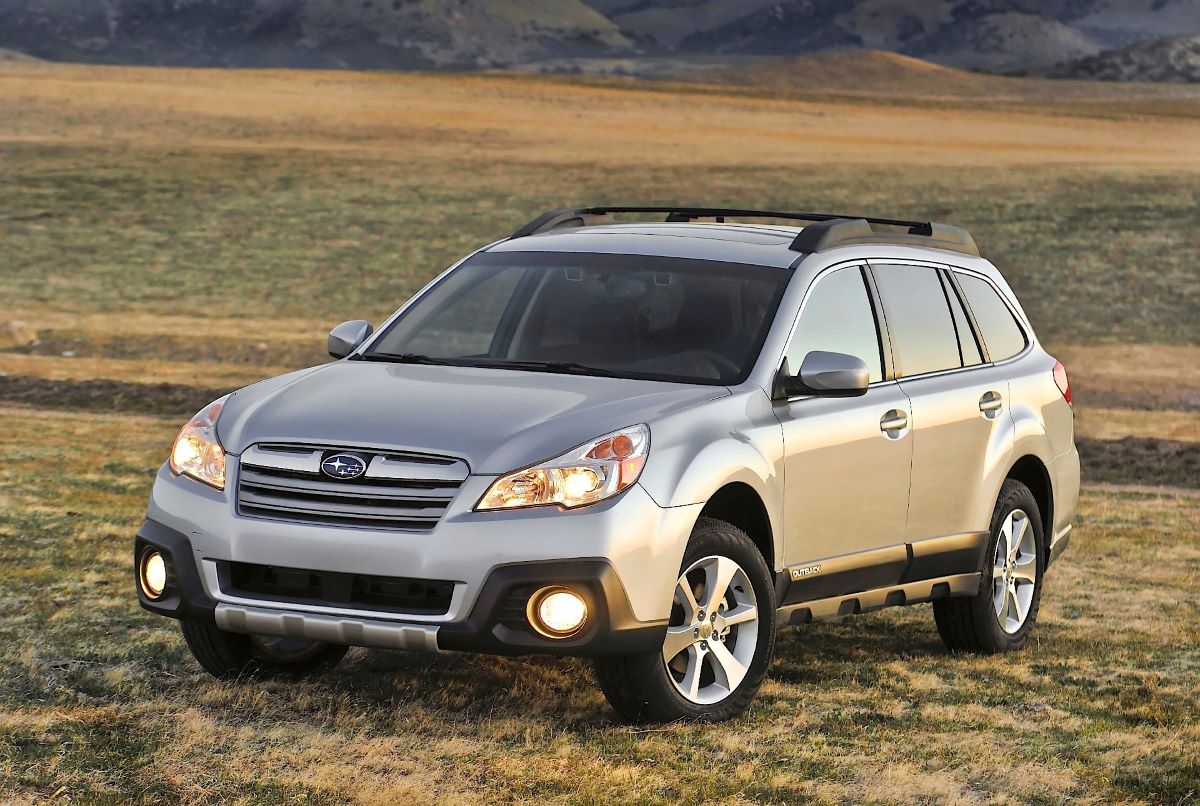
The large vertical infotainment screen integrates climate controls and other systems. If the unit fails, replacement involves more than just swapping a radio, it may require reprogramming multiple vehicle systems.
For buyers attracted to the Outback’s pragmatic image, high-tech component replacement costs can seem inconsistent with its rugged branding.
All versions of the Subaru Outback are fitted with the same 2.5-litre petrol engine producing 167bhp, paired exclusively with a continuously variable transmission (CVT). This combination results in a 0–60mph time of 10.2 seconds.
In urban driving, the Outback feels adequately responsive and sufficiently brisk. However, at higher speeds it is less convincing.
Strong acceleration requires significant throttle input, and even then performance remains modest. A number of competitors, including the entry-level Skoda Superb Estate, reach cruising speeds more readily and with less effort.
One advantage is that hard acceleration is less noisy and coarse than in many other CVT-equipped vehicles, such as the Honda HR-V.
Subaru has incorporated artificial shift steps into the transmission programming, briefly reducing power to simulate conventional gear changes. This lowers engine revs intermittently, making the driving experience quieter and closer in feel to a traditional automatic gearbox.
The Outback is straightforward to drive, thanks to light steering that simplifies low-speed manoeuvres. However, the steering lacks precision and feels vague when cornering, especially compared with the sharper, more direct setup found in the BMW 3 Series Touring.
Overall grip levels are average, and when pushed harder the car protests audibly. Body roll is also pronounced by estate car standards, detracting from confidence in more enthusiastic driving scenarios.
The standard four-wheel-drive system performs effectively, delivering strong traction in a variety of conditions. This capability is particularly beneficial for those towing caravans or navigating muddy campsites.
With a braked towing capacity of 2,000kg, the Outback is competent, though not class-leading as a tow car. Braking performance is reassuring, with strong stopping power and good pedal modulation for smooth deceleration.
Ride comfort, however, is not among the Outback’s strengths. While it becomes more settled at higher speeds, it lacks the suppleness expected given its raised suspension and relatively modest 18-inch alloy wheels.
7. Mercedes-Benz C300
The latest C300 incorporates a mild-hybrid system and an expansive MBUX digital interface. These features enhance efficiency and user experience, but they add layers of electronic complexity.
Integrated starter-generators, advanced sensors, and large curved displays are not inexpensive to replace.
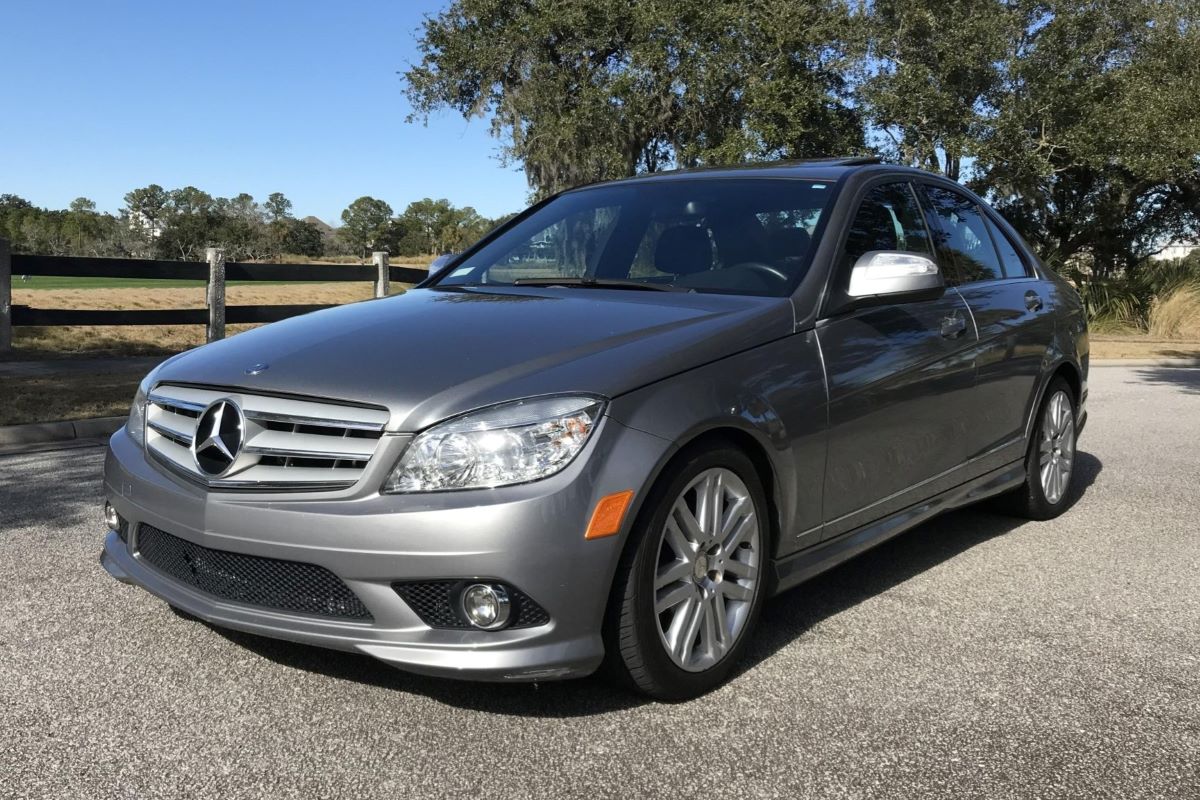
In addition, Mercedes’ use of proprietary diagnostic software can limit independent repair options.
Once warranty coverage ends, even relatively minor electronic faults can produce repair estimates that feel disproportionate to the vehicle’s compact size.
The 2022 Mercedes-Benz C300 4Matic starts at $46,600, with the tested example coming in at $55,200. It is powered by a 2.0-liter turbocharged four-cylinder engine paired with a 48-volt mild-hybrid system, producing 255 horsepower at 5,800 rpm and 295 lb-ft of torque between 2,000 and 3,200 rpm.
An additional 27 horsepower is available temporarily via overboost. Power is delivered through a nine-speed automatic transmission to all four wheels.
The sedan weighs 3,957 pounds, seats five passengers, and offers 17.9 cubic feet of cargo space. EPA fuel economy is rated at 23 mpg in the city, 33 mpg on the highway, and 27 mpg combined.
It presents itself as a refined and well-rounded luxury sedan with a plush interior and an easygoing driving character, though it is held back somewhat by an inconsistent brake pedal feel and occasionally frustrating touch-sensitive controls. It earns a score of 7.5 out of 10.
The C-Class has served as Mercedes-Benz’s compact sedan since the early 1990s. While smaller models such as the A-Class, GLA, and GLB have since entered the lineup, removing its status as the brand’s entry-level offering, the C-Class remains the archetypal Mercedes for many younger professionals before they graduate to an E-Class.
On the road, the new C-Class conveys a sense of maturity and restraint. Apart from the AMG Line grille, which gives the front end a somewhat exaggerated expression, the overall design is subtle and dignified.
It does not aim to provoke or draw undue attention, instead presenting a clean, understated appearance that contrasts with the more controversial styling of rivals such as the BMW 4 Series and the ornate details of some Lexus models.
The flat-bottom perforated leather steering wheel feels substantial in hand, and the extensive ambient lighting options add a customizable layer of sophistication. T
Rear-seat space is competitive within the segment, appearing more generous than in the Lexus IS and offering marginally more legroom and headroom than the BMW 3 Series and Audi A4 according to specifications. Combined with a practical trunk capacity for its class, the 2022 C300 4Matic balances everyday usability with its premium character.
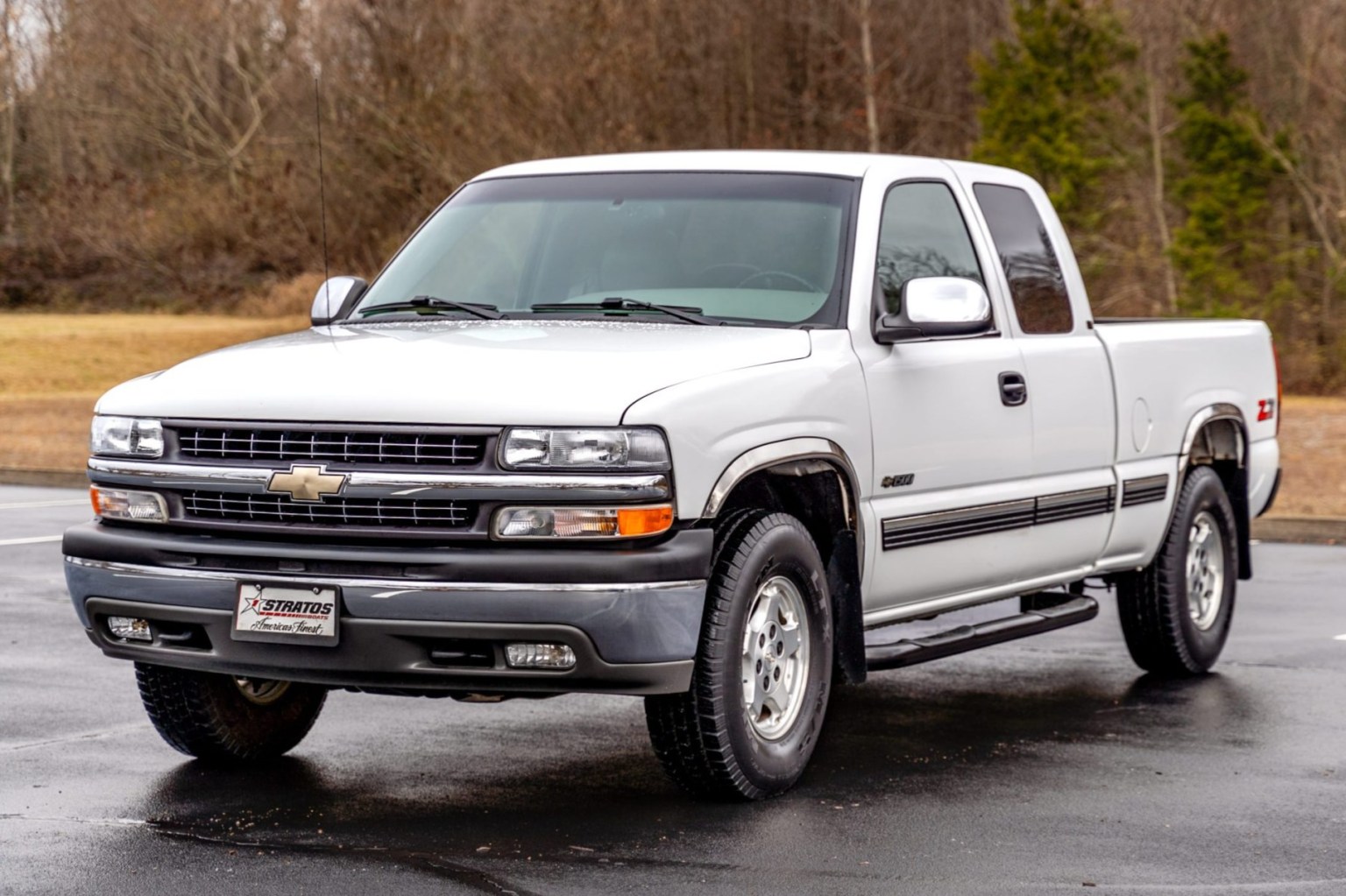
8. Chevrolet Silverado 1500
Full-size pickups are often perceived as durable workhorses with manageable maintenance costs. The modern Silverado, however, incorporates cylinder deactivation systems, complex infotainment modules, and advanced safety technology.
Active Fuel Management (AFM) and Dynamic Fuel Management (DFM) systems can lead to lifter-related issues in certain cases.
Repairing valvetrain components in a modern V8 is significantly more labor-intensive than in older pushrod engines due to tighter packaging and emissions hardware.
Additionally, large touchscreen replacements and camera system recalibrations add to potential expense. For a truck frequently purchased for long-term ownership, these repair costs can appear inconsistent with its traditional reputation.
In summary, modern vehicles deliver measurable gains in performance, safety, and efficiency. However, those gains are achieved through increased integration, electronics, and packaging density.
For American consumers, the key takeaway is not that these cars should be avoided outright. Rather, buyers should align expectations with engineering reality.
Turbocharging, air suspension, advanced infotainment systems, and hybridization all improve the driving experience, but they also introduce high-cost failure points.
Ownership strategy matters. Extended warranties, careful maintenance, and realistic budgeting for post-warranty repairs are increasingly essential.
In today’s market, the vehicles that feel most advanced on the showroom floor can sometimes produce the least intuitive repair bills years later.