
In 2026, owning a car in the United States is no longer just about monthly payments and gas prices.
Modern vehicles are packed with turbochargers, direct injection systems, adaptive transmissions, and complex electronics that demand consistent upkeep.
Skip scheduled service today, and you’re often paying for it tomorrow sometimes in four-figure repair bills.
Manufacturers still publish maintenance schedules, but not all cars respond to neglect the same way.
Some models are forgiving if you stretch oil changes or postpone coolant service. Others are engineered so tightly that even minor delays can snowball into major mechanical failures.
This list focuses on cars where the maintenance schedule genuinely matters. These are vehicles that reward owners who follow factory intervals and punish those who don’t.
For U.S. buyers planning to keep their cars past warranty, these are ten models in 2026 where disciplined servicing isn’t optional.
1. BMW 330i
The BMW 330i remains one of America’s most popular entry-level luxury sedans, but it’s also one of the clearest examples of a car that demands strict adherence to maintenance intervals.
Its turbocharged B48 engine runs hot and relies on fresh oil to protect internal components and turbo bearings.
BMW’s extended oil-change recommendations may look attractive on paper, but experienced owners know that shorter intervals dramatically reduce timing chain wear and oil sludge buildup.
Cooling system service is equally critical, as plastic components and electric water pumps don’t tolerate ignored coolant flushes.
Transmission fluid is another overlooked item. BMW markets it as “lifetime,” but real-world ownership shows noticeable shifting improvement when serviced around 60,000 miles.
Follow the schedule closely, and the 330i can easily reach high mileage. Ignore it, and ownership becomes expensive fast.
This marked my first experience reviewing a brand-new 3 Series generation. I had previously driven and evaluated earlier versions, but never an all-new model. That distinction carries weight. The 3 Series is one of the most commercially significant and historically influential sport sedans in the industry.
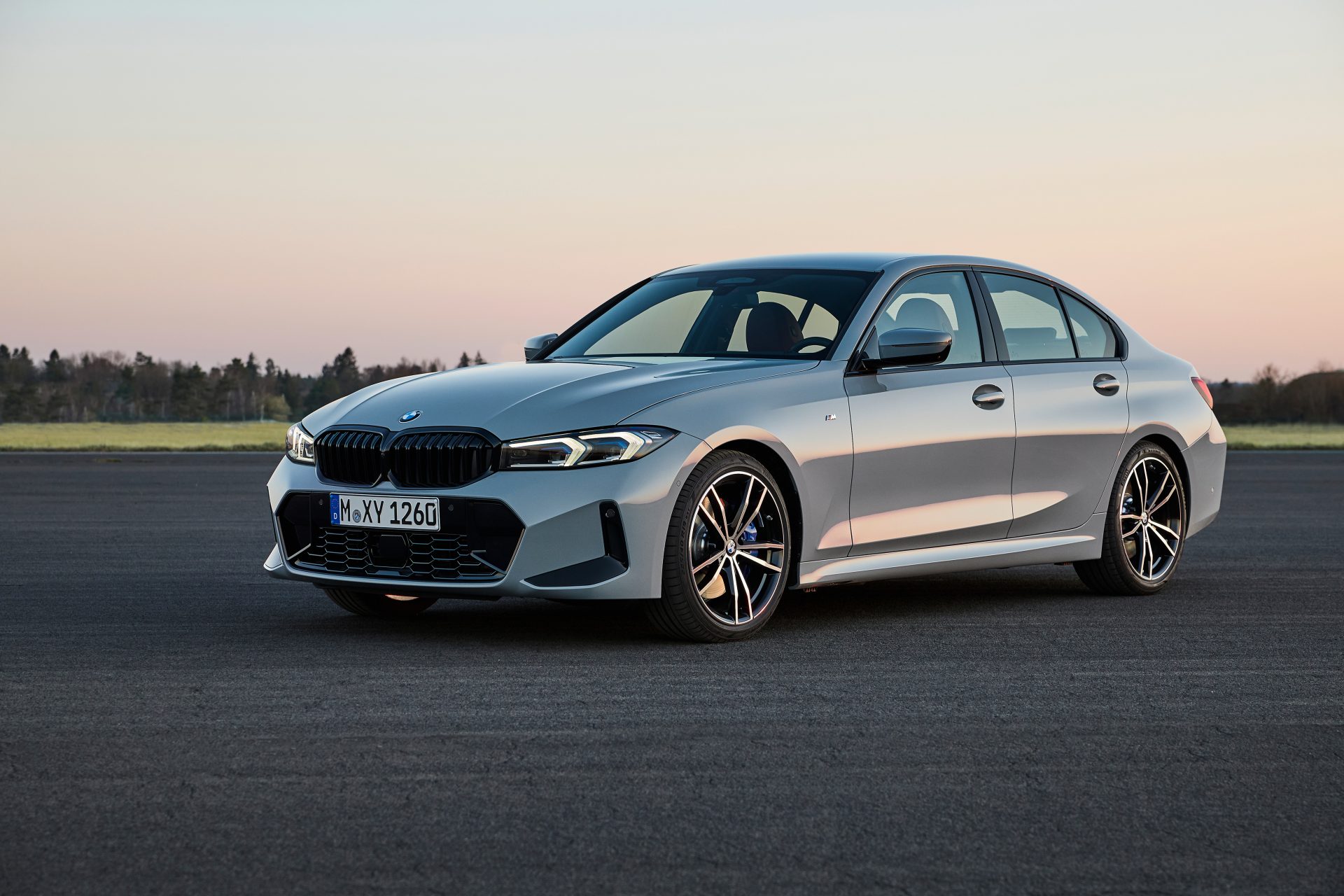
Testing a new iteration is not routine; it represents an opportunity to assess whether BMW has preserved, or restored, the essence that defined the nameplate. With that context, taking delivery of a 2019 BMW 330i xDrive felt consequential.
Enthusiasts were widely critical of the preceding BMW 3 Series, produced from 2012 to 2018. While objectively competent, the F30 lacked the sharpness and driver engagement that had long distinguished the 3 Series. The model historically exemplified the idea that a great car transcends the sum of its components.
The F30 felt precisely like that sum, well-engineered, effective, but lacking intangible appeal. It delivered solid performance and respectable dynamics, yet it failed to evoke the emotional response associated with earlier generations.
Compounding BMW’s challenge was the rapid advancement of its competitors. The Mercedes-Benz C-Class, the Audi A4, and especially the Alfa Romeo Giulia demonstrated that the segment had become more competitive than ever.
In various respects, these rivals matched or exceeded the F30’s driving dynamics. What once seemed unthinkable, surpassing the benchmark 3 Series, had become reality.
BMW’s response was to reassess and redesign. The outcome was the G20-generation 3 Series. The objective was clear: reestablish the dynamic character and emotional connection that defined the model’s reputation while meeting contemporary standards for refinement, technology, and performance.
2. Subaru Outback
The Subaru Outback is a favorite among families and outdoor enthusiasts, but its maintenance schedule deserves serious respect.
The boxer engine layout makes oil quality especially important, and the CVT transmission absolutely depends on fluid changes despite Subaru’s conservative language around service intervals.
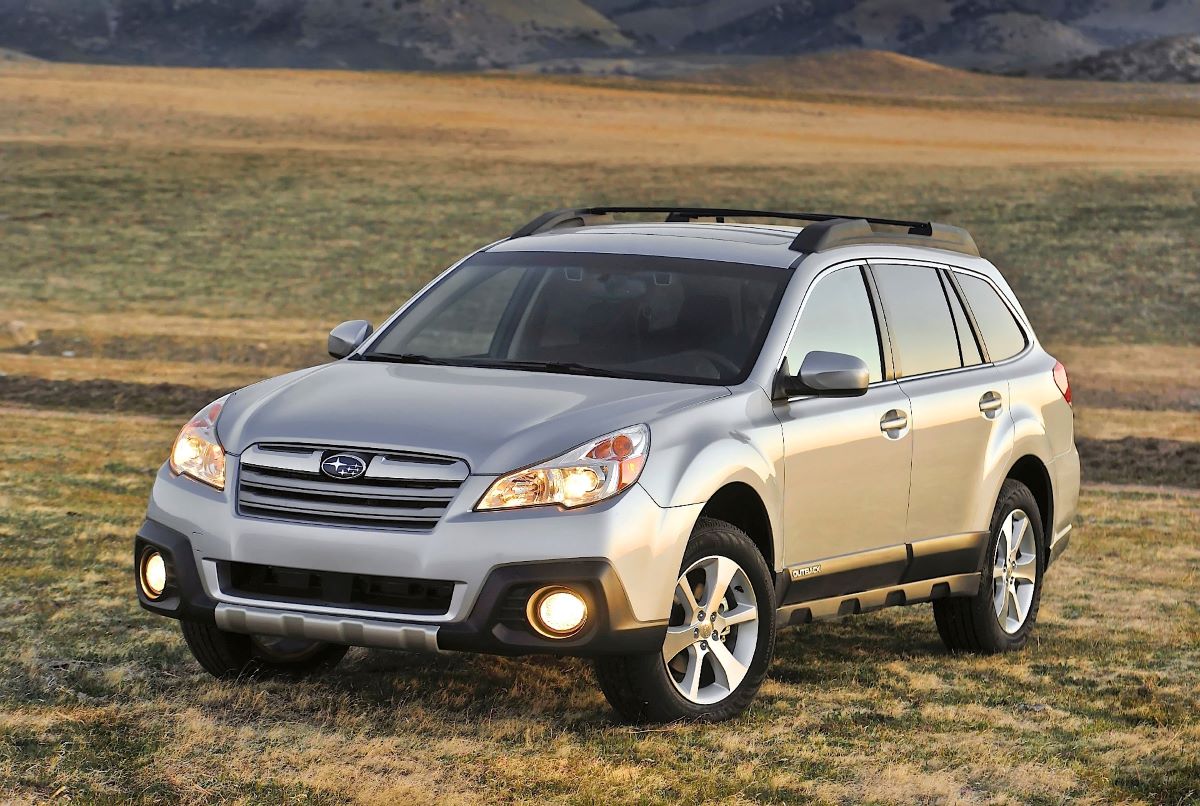
Owners who skip CVT fluid replacement often experience shuddering, overheating, or premature transmission failure.
Coolant service matters here too, particularly for drivers in hot or mountainous regions. Regular differential and AWD system fluid changes also play a major role in long-term reliability.
Outbacks maintained by the book routinely surpass 200,000 miles. Those that aren’t often develop transmission problems well before that.
3. Ford F-150 (2.7L EcoBoost)
America’s best-selling truck is tough, but the 2.7-liter EcoBoost version is surprisingly sensitive to skipped service.
This twin-turbo V6 relies on clean oil to protect its turbochargers and timing components. Delayed oil changes accelerate carbon buildup on intake valves, while neglected coolant service increases stress on turbo cooling lines.
The 10-speed automatic also benefits from regular fluid replacement, especially for trucks used for towing or hauling. Many owners assume pickups are maintenance-proof this engine proves otherwise.
Follow Ford’s schedule closely and this F-150 can be a long-term workhorse. Treat it like an old-school V8 and you’ll shorten its lifespan dramatically.
The 2.7-liter EcoBoost produces 325 horsepower and 400 lb-ft of torque, the latter an increase of 25 lb-ft over the 2017 model year.
Although it trails the 375-hp 3.5-liter EcoBoost and the naturally aspirated 395-hp 5.0-liter V-8 in peak output, the 2.7-liter unit delivers more than sufficient real-world performance.
It carries a modest $995 premium on XL and XLT trims, where it replaces the base 290-hp 3.3-liter naturally aspirated V-6, and comes standard on the Lariat.
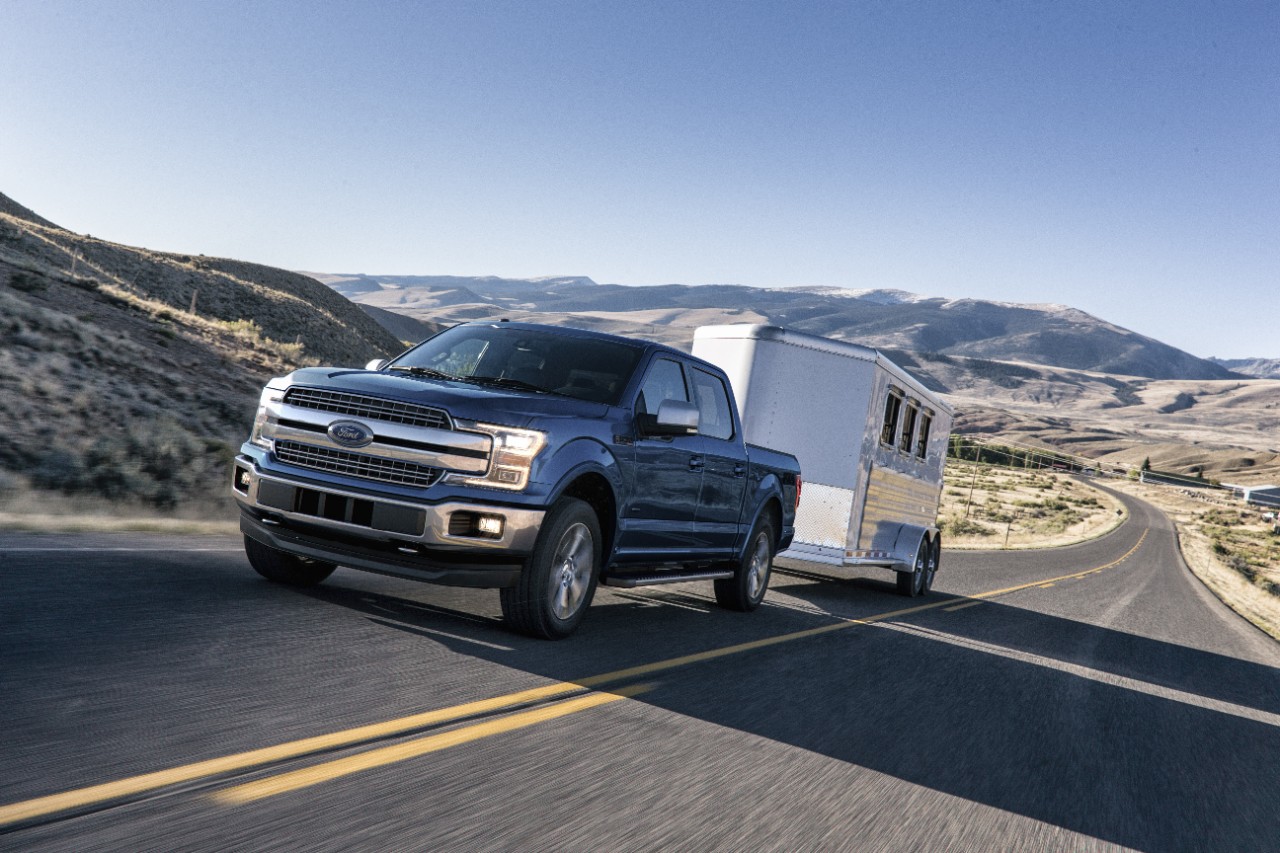
A SuperCrew F-150 XLT equipped with the 2.7-liter EcoBoost begins at $40,950. The test vehicle added a $295 center console with front bucket seats, a $945 Chrome Appearance package (including 18-inch chrome wheels, chrome side steps, grille detailing, and related exterior elements), and the $1150 301A package.
The pricing underscores an interesting contrast. The XLT’s interior presents a functional aesthetic, characterized by durable hard plastics, cloth upholstery, and the absence of a touchscreen interface.
Yet beneath the aluminum bodywork lies contemporary engineering and advanced drivetrain technology, creating a balance between traditional work-truck sensibility and modern capability.
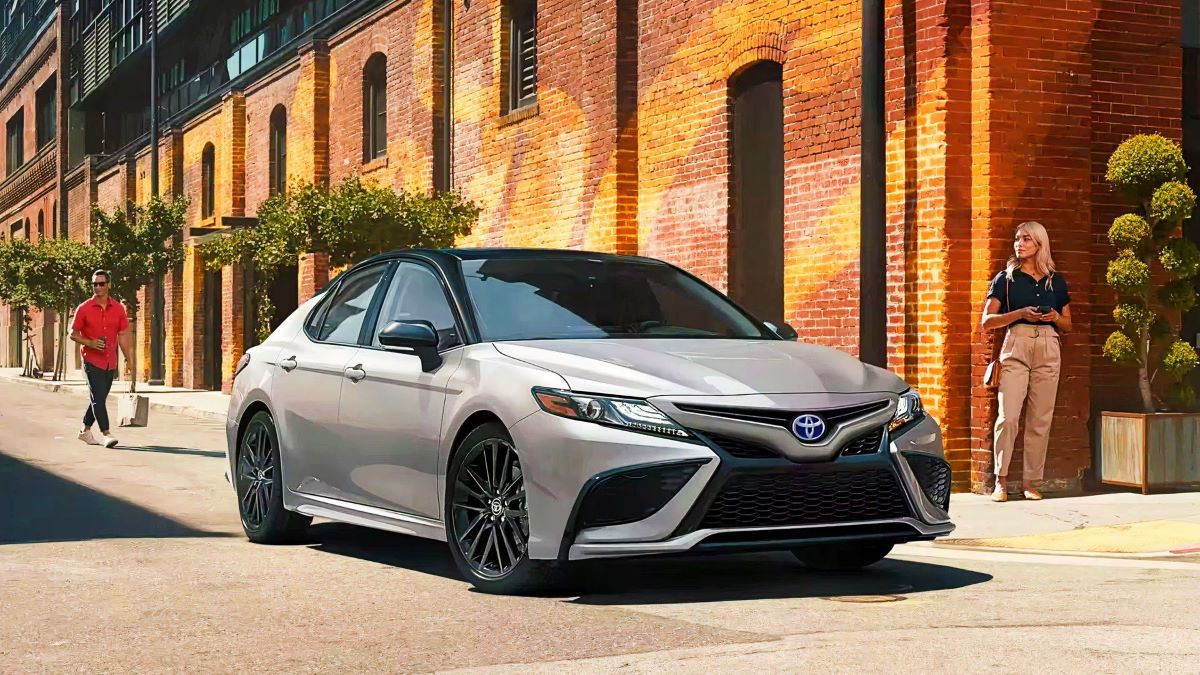
4. Toyota Camry Hybrid
Toyota hybrids have a reputation for durability, but that reputation exists largely because owners tend to follow maintenance schedules religiously.
The Camry Hybrid adds inverter coolant systems, electric motors, and battery cooling ducts to the standard service checklist. Ignoring these items leads to overheating issues and reduced battery life.
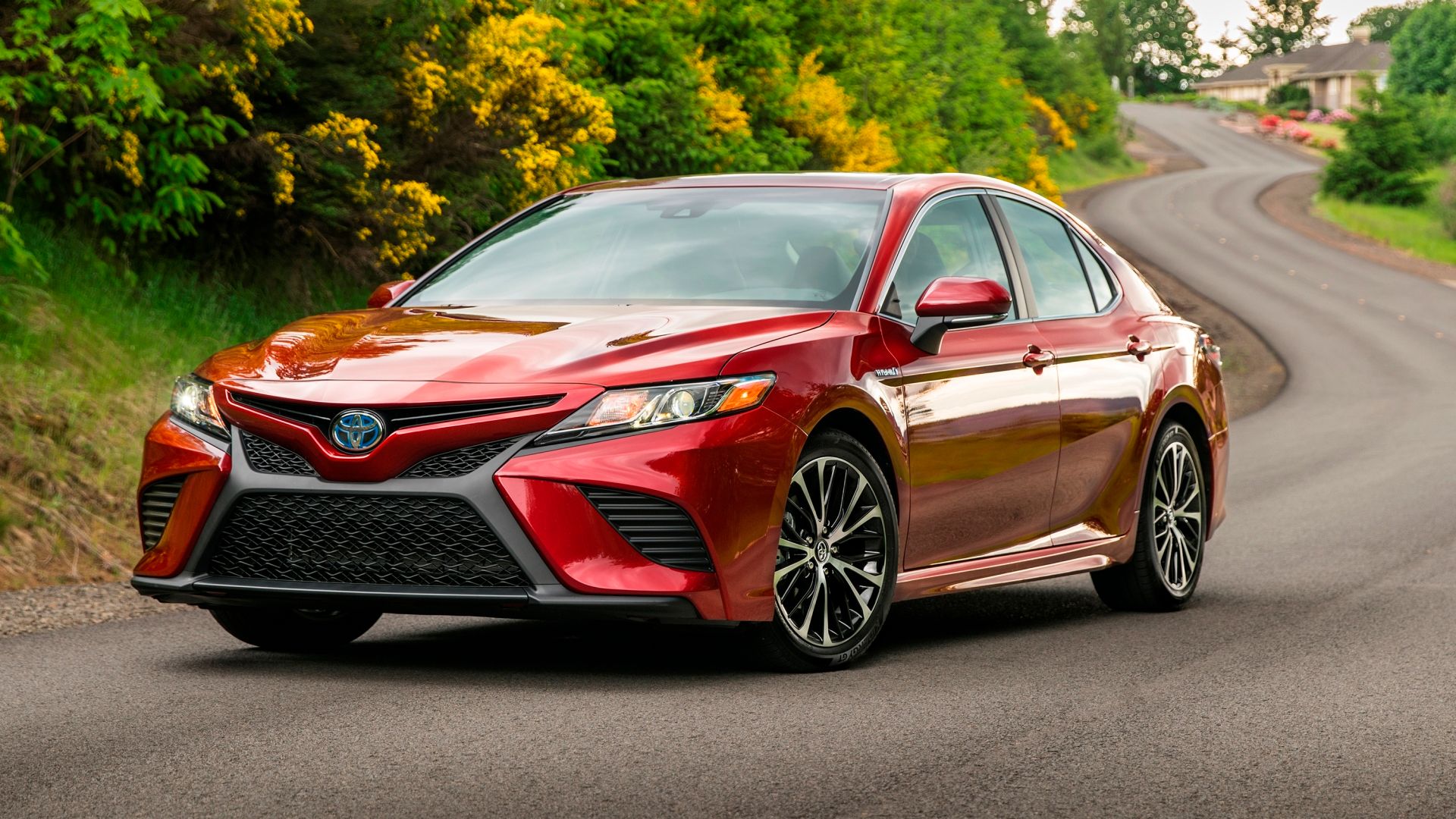
Brake service is another area where scheduled inspections matter. Regenerative braking means pads last longer, but calipers can seize if they’re not periodically cleaned and lubricated.
Keep up with hybrid-specific maintenance and the Camry Hybrid remains one of the most economical long-term cars in America.
5. Audi Q5
The Audi Q5 blends luxury and performance, but it’s far less tolerant of missed service than many competitors.
Direct-injection engines require frequent oil changes to prevent carbon buildup. Audi’s cooling systems also rely heavily on electric pumps and thermostats that degrade if coolant isn’t serviced on schedule.
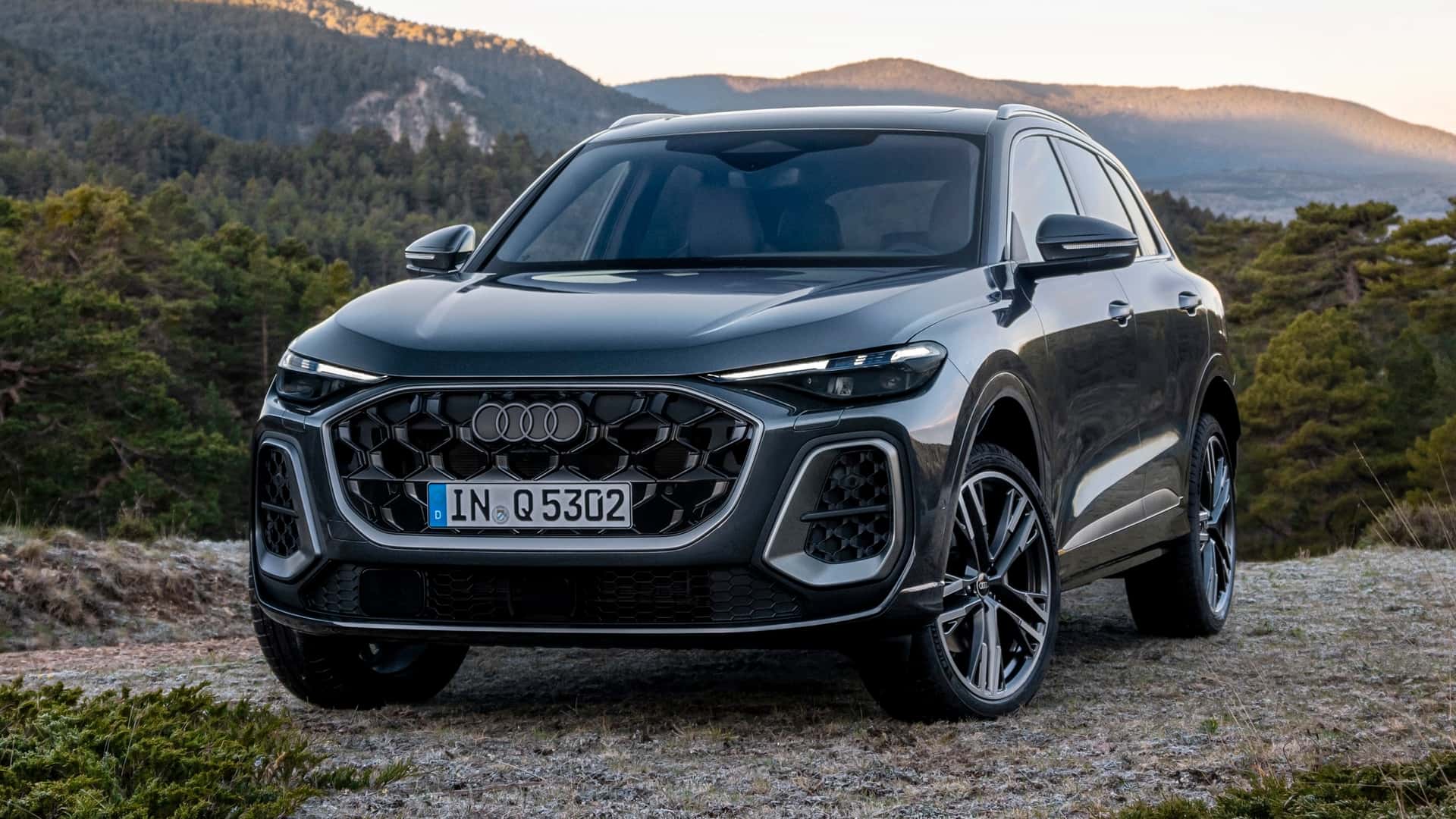
Quattro AWD components need fluid changes that many owners overlook, leading to premature differential wear. Suspension bushings and control arms also benefit from regular inspections.
Stick to Audi’s maintenance plan and the Q5 delivers refined daily driving. Skip it, and repair costs climb quickly.
Both are 2.0-litre four-cylinder units producing 201bhp and paired with four-wheel drive, resulting in broadly comparable performance.
In testing, the TDI diesel achieved 0–60mph in 6.9 seconds, edging ahead of the BMW X3 20d at 7.2 seconds and the most powerful Mazda CX-60 3.3D at 7.1 seconds.
The Q5’s mild-hybrid system is more substantial than many rivals’. While most mild hybrids rely on a small battery that provides only minimal assistance, the Q5 uses a 1.7kWh battery capable of propelling the vehicle with the engine switched off under light-load conditions.
This typically occurs at low speeds and for short durations when the accelerator is used gently, but it positions the Q5 somewhere between the lighter hybridisation of the X3 and a full hybrid such as the Lexus NX 350h.
The diesel stands out as the preferable engine choice. It responds willingly from low revs and delivers strong mid-range torque, making everyday driving feel effortless.
Although both petrol and diesel versions are rated to tow up to 2400kg, the diesel’s torque characteristics make it the more suitable option for towing duties.
The petrol engine is smooth and responsive, complementing the Q5’s character. However, it requires more frequent use of higher revs than the diesel and is consequently more audible, though the engine note remains refined and slightly sporty.
It pairs effectively with the standard seven-speed S tronic automatic transmission, which provides seamless gear changes.
For those seeking greater performance, the Audi SQ5 offers a 3.0-litre V6 petrol engine producing 362bhp, enabling 0–62mph acceleration in 4.5 seconds.
A plug-in hybrid (PHEV) version is scheduled to join the range, further broadening the line-up.
The Q5 can also be specified with optional air suspension, a feature more commonly associated with larger luxury SUVs than with family-oriented models. Although it carries an additional cost, it delivers a notably smooth and controlled ride across a range of conditions—even when fitted with the largest available 21-inch alloy wheels.
It is not yet possible to determine definitively whether the air suspension justifies its premium, as the standard “sports” suspension (on S line and Edition 1 trims) and the “comfort” set-up (on entry-level Sport versions, which cannot be combined with air suspension) have not been directly compared here.
Beyond ride comfort, the air suspension enhances dynamic capability. Selecting Dynamic mode firms the system, improving body control and composure.
While the Q5 does not transform winding roads into an engaging playground, it remains stable and confidence-inspiring. Grip levels are high, body roll is limited, and steering accuracy meets expectations for the class.
Rivals such as the petrol Porsche Macan offer a more playful driving experience, and the X3 provides sharper, more communicative steering that rewards enthusiastic driving.
However, the Q5 distinguishes itself through superior refinement, with lower wind and road noise levels than both the X3 and the CX-60 across a range of speeds.
6. Mazda CX-5 Turbo
Mazda’s turbocharged CX-5 offers premium feel at a mainstream price, but the turbo system makes maintenance far more important than on the naturally aspirated version.
Oil changes are critical for turbo longevity, and Mazda recommends more frequent service for drivers who make short trips or drive aggressively. Spark plugs also wear faster under boost and should be replaced on schedule.
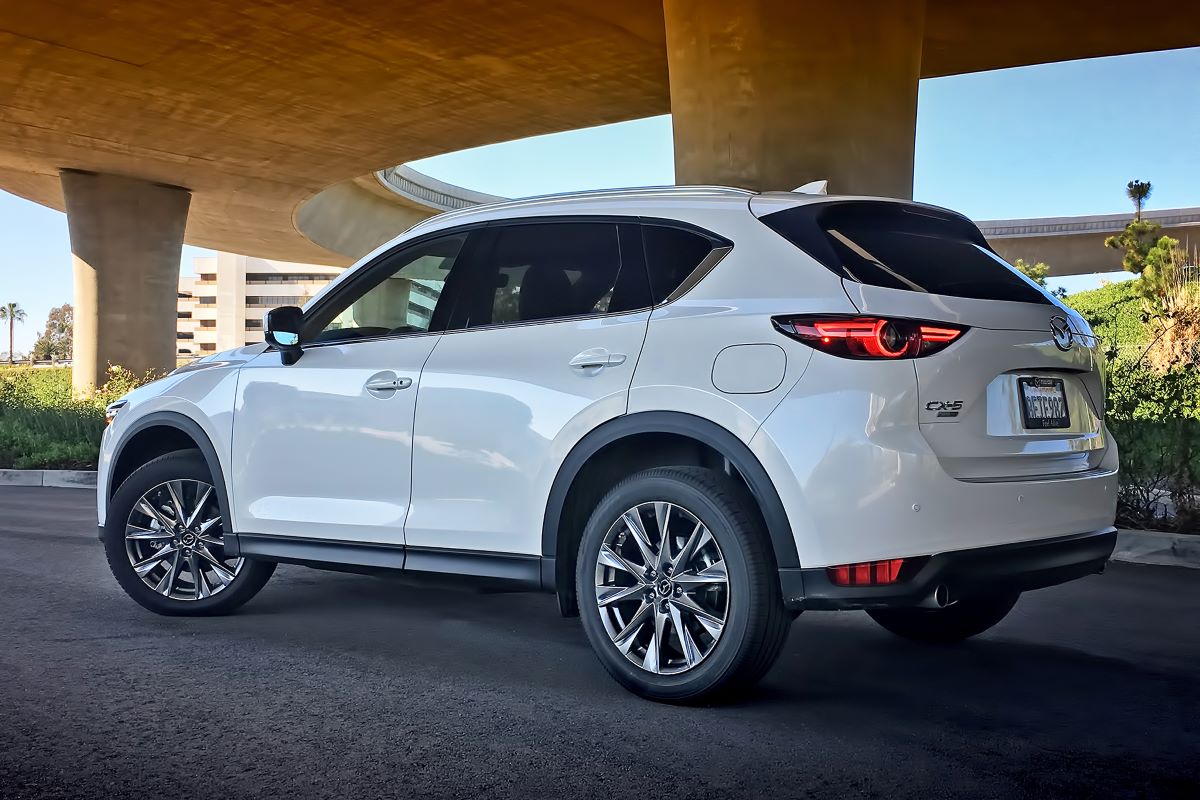
Brake fluid and transmission service often get ignored, yet both play a role in keeping this compact SUV smooth and reliable.
Owners who stay on top of service are rewarded with excellent long-term dependability.
Mazda continues to avoid turbocharging its petrol engines, and that philosophy shapes the CX-5’s performance character.
The 162bhp 2.0-litre e-Skyactiv-G mild-hybrid produces slightly more power on paper than rivals such as the Nissan Qashqai 158, yet it requires more effort to deliver comparable real-world pace.
The reason is a relative lack of low-rev torque compared with turbocharged competitors. Without the strong low-end surge typical of smaller turbo engines, the 2.0-litre unit feels less flexible and demands frequent downshifts to maintain momentum in everyday traffic.
Despite this, it remains the preferred option within the CX-5 line-up due to its smoothness and predictable power delivery.
The 191bhp 2.5-litre e-Skyactiv-G mild-hybrid petrol offers only a modest improvement in outright performance.
However, it comes paired with a responsive automatic transmission as standard, reducing the need for constant gear changes. This version also includes four-wheel drive.
For those seeking stronger low-speed pulling power, the 182bhp 2.2-litre Skyactiv-D diesel provides a more muscular response from around 1500rpm and continues to pull cleanly to the red line.
In manual form, it completes the 0–62mph sprint in 9.3 seconds, combining useful mid-range torque with respectable overall performance.
7. Mercedes-Benz C300
Mercedes builds its maintenance system around alternating “Service A” and “Service B” intervals, and the C300 is a prime example of why following them matters.
The turbocharged four-cylinder engine depends on clean oil and air filters to prevent premature wear. Brake fluid flushes, cabin filters, and transmission service are often delayed by owners trying to save money, only to face larger bills later.
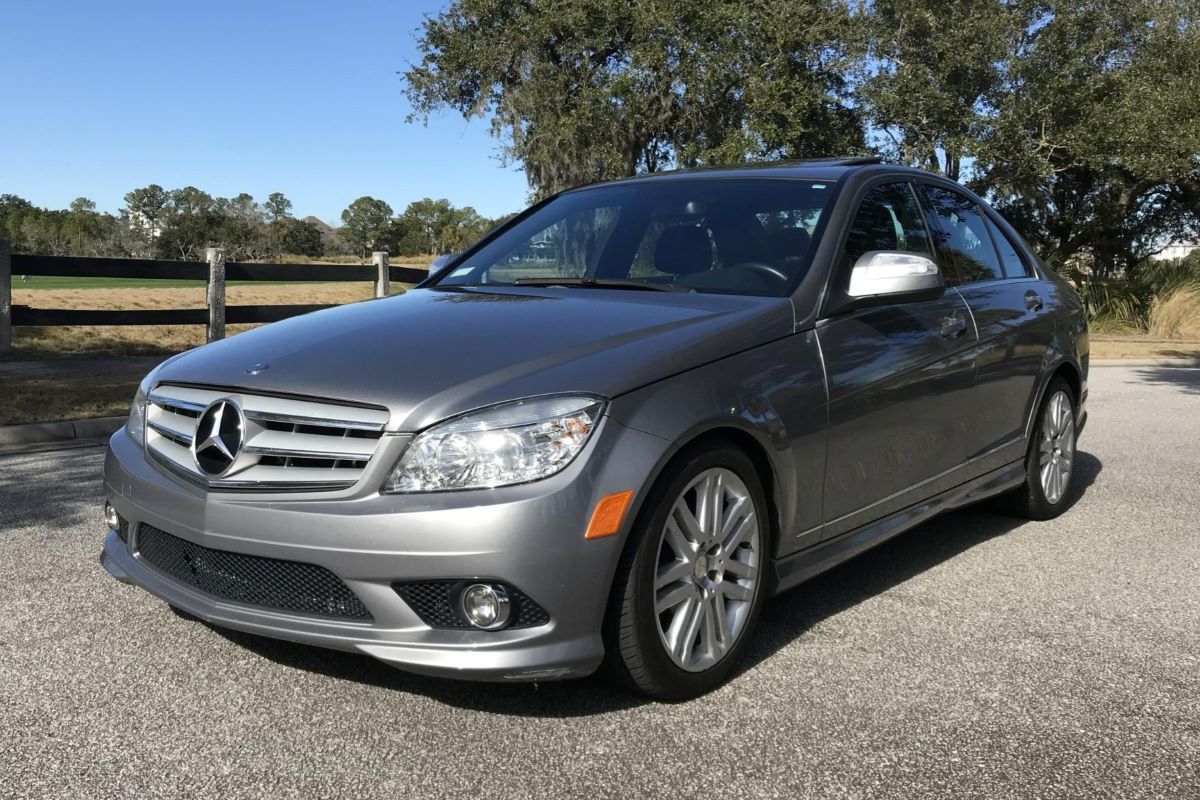
Electronic steering, adaptive suspension components, and advanced driver-assist sensors all benefit from routine inspections included in scheduled services.
For long-term ownership, skipping factory maintenance on a C300 is false economy.
8. Honda CR-V Hybrid
Honda’s hybrid CR-V uses a unique two-motor system that behaves differently from traditional transmissions. While incredibly efficient, it relies on precise fluid maintenance and software updates.
Cooling systems for both the battery and electric motors need regular inspection. Engine oil changes remain important even with reduced engine run time, as moisture buildup can occur during short trips.
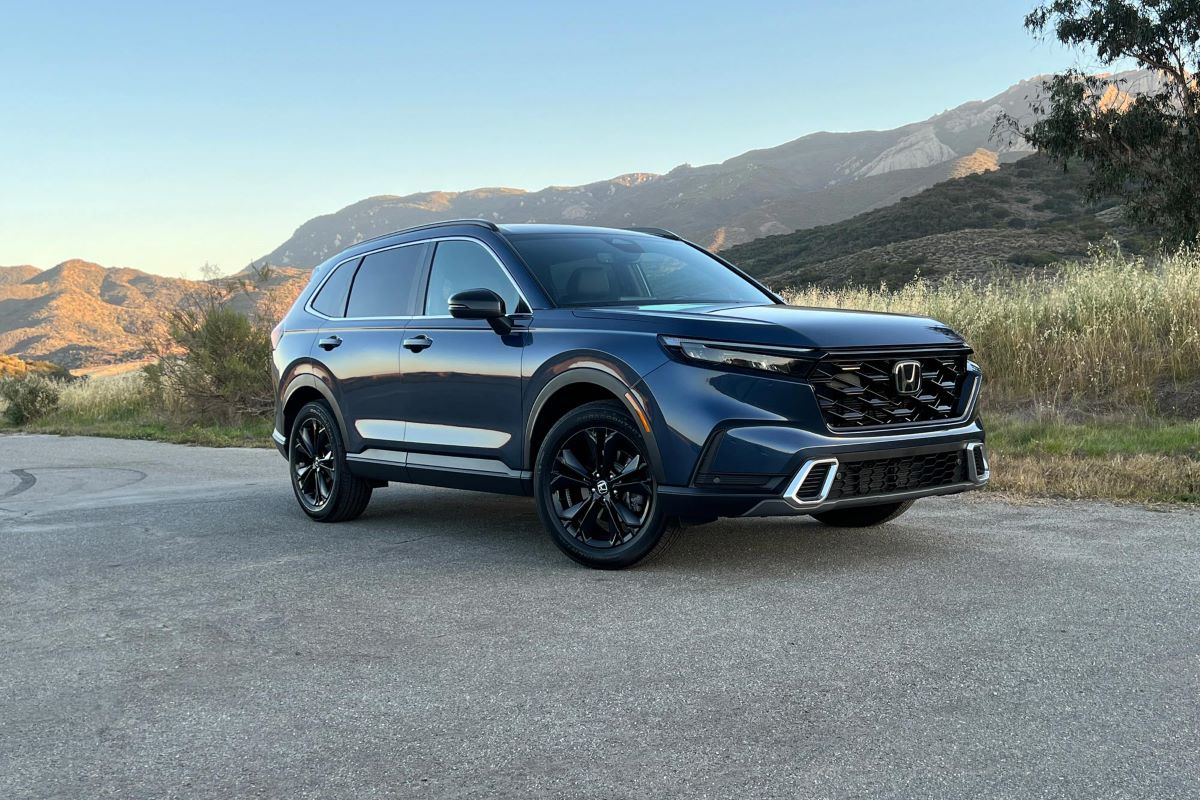
Neglected hybrids often show reduced fuel economy and battery performance. Maintained properly, the CR-V Hybrid is a standout for reliability.
Both CR-V variants use a 181bhp 2.0-litre four-cylinder petrol engine paired with an electric motor.
The standard hybrid (e:HEV) features four-wheel drive, while the plug-in hybrid (e:PHEV) is front-wheel drive and benefits from a significantly larger 17.7kWh battery, enabling extended electric-only driving.
In testing, the CR-V e:HEV accelerated from 0–60mph in 8.4 seconds. While that figure does not place it among the quickest family SUVs, performance is entirely adequate in everyday use and it does not feel underpowered in normal driving.
The e:PHEV is marginally faster, though it cannot match the acceleration of the Lexus NX 450h, which achieved 0–60mph in 5.8 seconds during evaluation.
On a real-world test route, the e:PHEV covered 37.6 miles on electric power before the petrol engine engaged. This falls short of its official 51-mile range but exceeds the 36.8 miles recorded by the NX 450h under the same conditions.
The e:PHEV also offers a dedicated towing mode, allowing both the petrol engine and electric motor to operate together and tow up to 1500kg, matching the capability of the NX and the Kia Sorento.
9. Volkswagen GTI
The GTI is a performance hatchback at heart, and performance cars always demand stricter service discipline.
Turbo oil quality is critical, and DSG-equipped models require regular transmission fluid changes to preserve smooth shifting. Spark plugs, coils, and intake systems also wear faster under spirited driving.
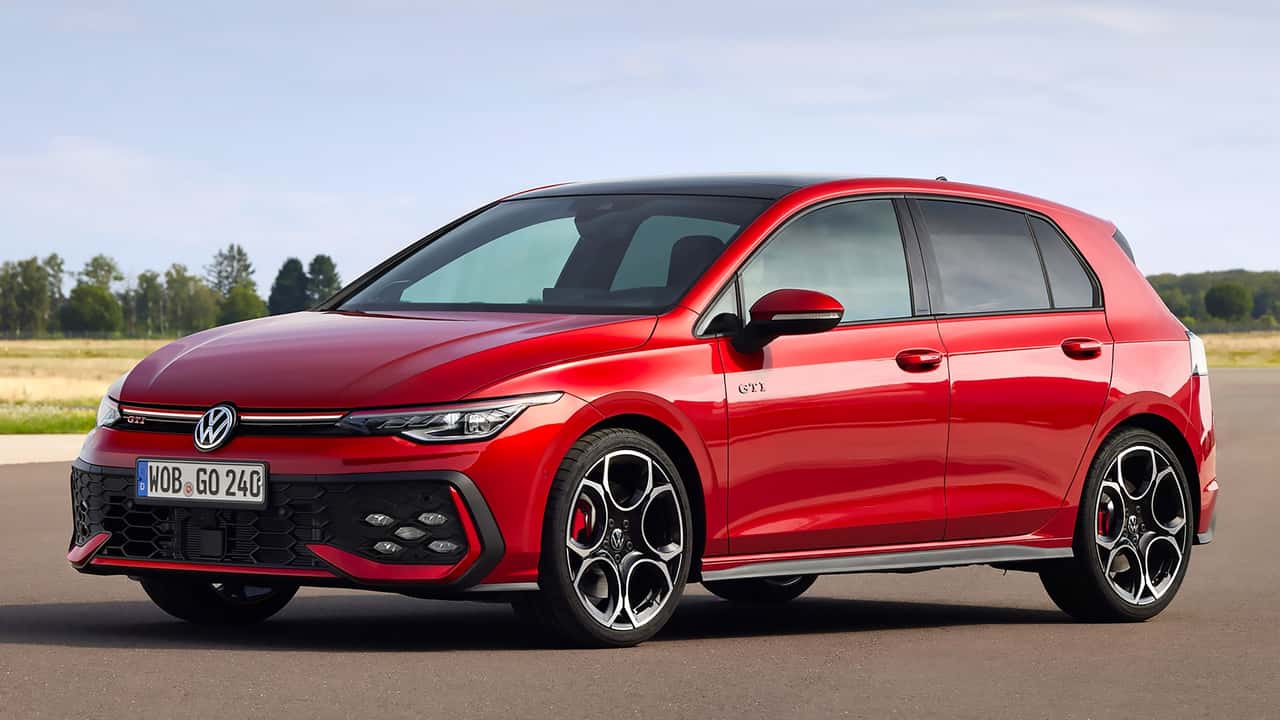
Many GTI owners modify their cars, making factory maintenance even more important. A properly serviced GTI stays fun and reliable. A neglected one becomes temperamental.
The Golf GTI delivers a composed and comfortable driving experience in everyday conditions, with an accessible layer of performance when required. However, some rivals offer a more overtly engaging and playful character.
The practical reality of owning a performance hatchback is that most driving occurs in urban environments rather than on open, twisting roads.
On its standard suspension, the Golf GTI rides comfortably, absorbing surface imperfections with reasonable composure. Opting for the adaptive suspension system enhances versatility; in Comfort mode, it manages bumps almost as effectively as the standard Golf.
Steering response is direct, and the relatively tight turning circle aids manoeuvrability through narrow streets and compact roundabouts.
A manual gearbox is no longer available, but the standard automatic transmission suits city use well. It shifts smoothly and removes much of the strain associated with stop-start traffic.
The Golf GTI remains equally capable on motorways and A roads. Its refinement mirrors that of a conventional family hatchback, with effective damping over uneven surfaces and commendable suppression of tyre and wind noise.
Long-distance cruising is relaxed, yet the GTI retains strong overtaking performance. Ample power is available across the rev range, making acceleration onto motorways or executing swift passing manoeuvres straightforward and confidence-inspiring.
10. Tesla Model Y
Electric vehicles don’t eliminate maintenance they change it.
The Model Y requires regular brake inspections, coolant service for battery thermal management, and HVAC filter replacement. Tires wear faster due to instant torque, making rotations essential.
Battery cooling systems are particularly sensitive to neglected service, especially in hot climates. Owners who assume EVs need “no maintenance” often discover reduced range and higher repair costs later.
Follow Tesla’s service recommendations and the Model Y remains one of the easiest vehicles to own long-term.
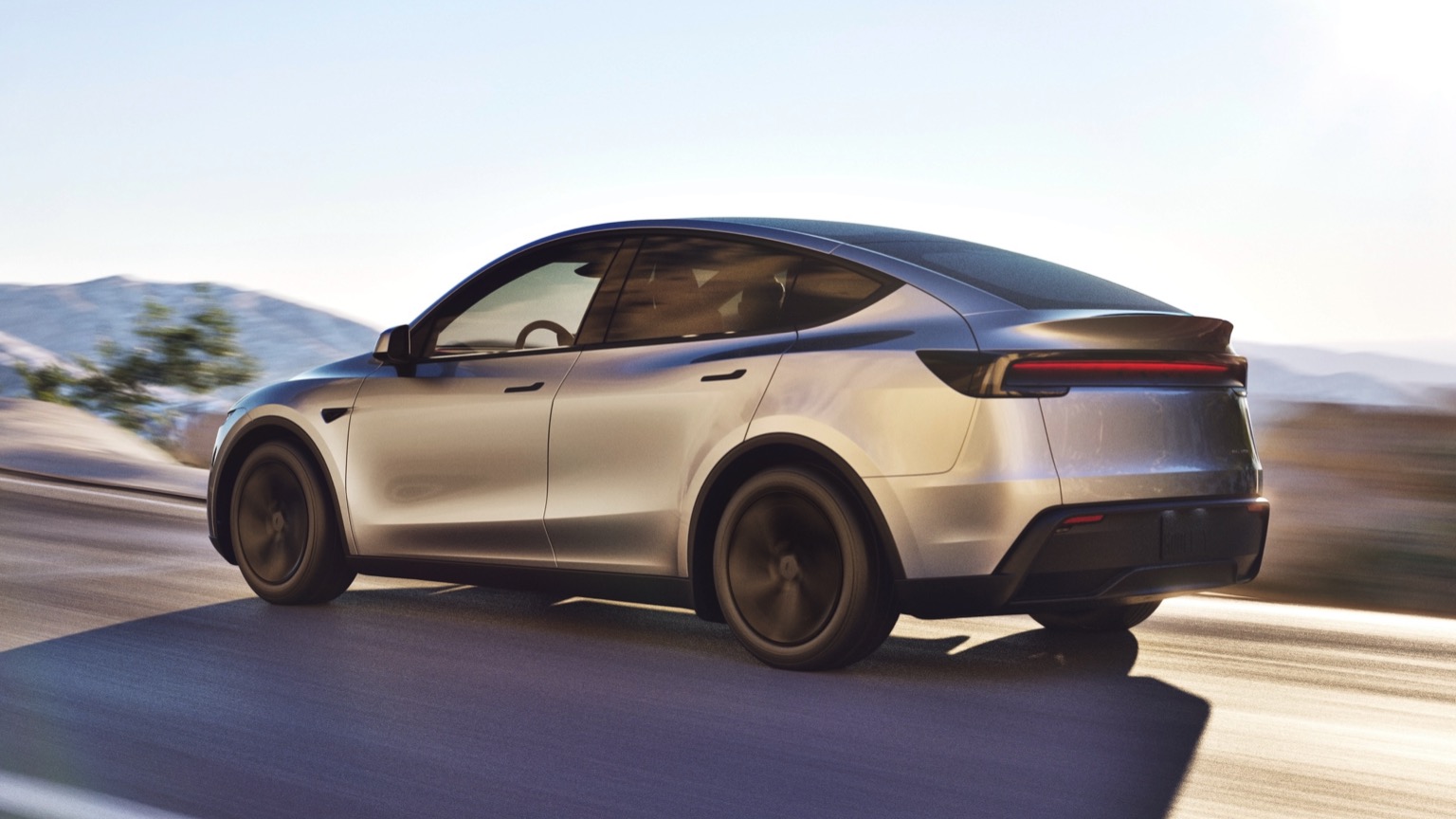
In 2026, maintenance schedules aren’t suggestions, they’re survival guides for modern cars. Turbocharging, electrification, and advanced transmissions have made vehicles more efficient and capable, but also less forgiving.
The Model Y was conceived to extend the commercial momentum of the Tesla Model 3 into the crossover segment. However, while the Model 3 delivers sharp handling and strong range in a cohesive package, the Model Y feels less focused.
Its driving dynamics lack the engagement of the sedan, and the largely carry-over cabin design does little to distinguish the SUV. This familiarity amplifies concerns about interior fit and finish as well as the challenges posed by its heavily digitized control layout.
That said, the Model Y retains certain strengths. Driving range remains competitive relative to rivals such as the Ford Mustang Mach-E and Volkswagen ID.4.
For 2022, the Standard Range trim has been discontinued, leaving the Long Range as the effective entry point. The estimated range for the Long Range increases to 330 miles when fitted with standard 19-inch wheels.
The 2022 Model Y starts at $67,440 for the Long Range and rises to $71,440 for the Performance variant. Given that electric vehicle ownership is closely tied to usable range, the Long Range represents the more balanced choice.
It maximizes distance per charge while still delivering strong acceleration. Customization options are limited, with five exterior colors available, three at additional cost. Buyers who require extra seating can add the optional third row for $3000.
With the Standard Range removed, the lineup consists of Long Range and Performance models. Testing of the all-wheel-drive Long Range version shows a 0–60 mph time of 4.4 seconds, only marginally behind the Model 3 sedan. The Performance variant improves this figure to 3.6 seconds.
Despite impressive straight-line speed, the Model Y does not replicate the dynamic sharpness of the Model 3.
The crossover’s higher center of gravity diminishes cornering precision, and ride quality is noticeably firmer over uneven surfaces. While acceleration is a clear strength, overall driving engagement does not fully match that of its sedan counterpart.
The cars on this list prove one thing clearly: following factory service intervals pays off. Owners who stay disciplined enjoy smoother performance, better resale value, and far fewer unexpected repair bills. Those who cut corners often learn the hard way.
If you’re shopping for your next vehicle or already own one of these models, treat the maintenance schedule as part of the purchase price.
