
Most American drivers treat maintenance as something you deal with after a warning light comes on.
Oil gets changed late, transmissions go untouched, and suspension components aren’t inspected until the steering wheel starts shaking.
That reactive mindset works if you lease every three years, but it’s costly if you actually plan to own a vehicle long term.
Preventive maintenance flips that equation. Instead of waiting for failures, you replace fluids early, inspect wear items regularly, and address small issues before they cascade into major repairs.
The payoff isn’t just fewer breakdowns, it’s smoother driving, stronger resale value, and dramatically lower lifetime ownership costs.
Some vehicles benefit from this approach more than others. Certain platforms are engineered in ways that compound good care.
When serviced on schedule, they feel tight and reliable even past 200,000 miles. Neglected, those same models can become financial sinkholes.
Here are twelve vehicles widely respected by mechanics and long-term owners for how well they respond to proactive ownership.
1. Toyota Camry
The Camry has become shorthand for reliability in the U.S., but what separates average examples from exceptional ones is maintenance discipline.
Regular oil changes prevent varnish buildup in high-mileage engines. Cooling system flushes protect water pumps and head gaskets.
Transmission fluid service, often ignored because Toyota labels some units “lifetime”, can easily add another 100,000 miles to drivetrain life.
Owners who treat the Camry like an appliance usually get “good enough” durability. Owners who stay ahead on fluids and suspension inspections often report 250,000+ miles with remarkably few repairs.
It’s not exciting, but it’s one of the smartest long-term ownership bets in America.
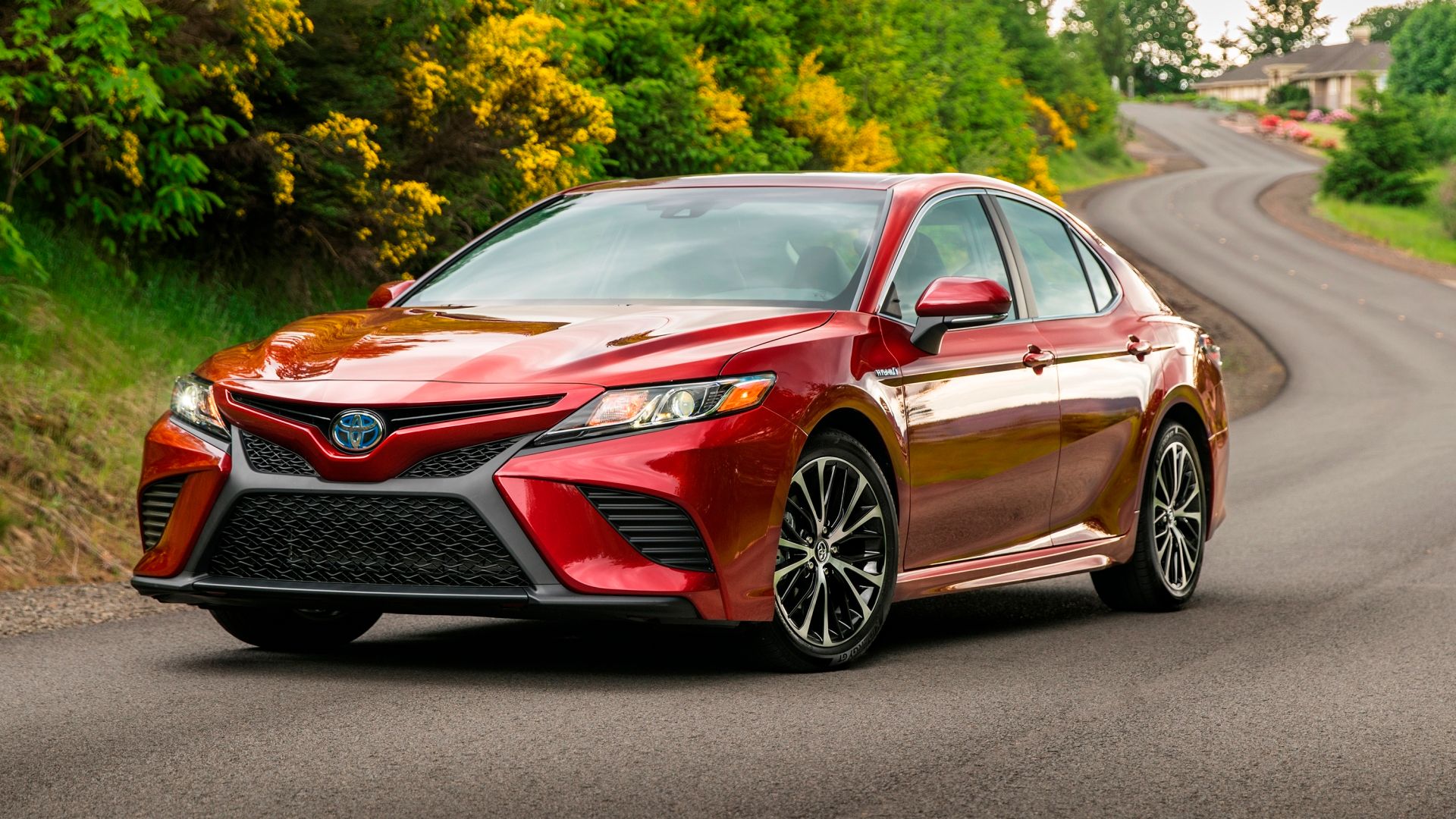
The standard four-cylinder engine is matched to a smooth-shifting eight-speed automatic transmission, but overall acceleration is underwhelming relative to expectations.
A detuned version of that same engine works in conjunction with a battery pack and two electric motors in the Camry Hybrid. While efficient, the hybrid powertrain does not introduce any additional excitement behind the wheel compared with the base setup.
The standout option in the range is the 301-horsepower V-6, offered on XLE, XSE, and Toyota Camry TRD trims. This engine delivers strong, refined performance and significantly enhances the car’s character.
More broadly, the Camry’s driving dynamics have improved meaningfully. Ride quality is well controlled, and handling is more responsive than expected in this segment.
Steering effort is appropriately weighted, substantial during cornering yet light enough for low-speed maneuvering.
Brake response is confident and consistent, including in hybrid form, where the system blends conventional friction braking with regenerative braking to recharge the battery.
At very low speeds, however, the hybrid’s brake pedal can feel overly sensitive, leading to slightly abrupt responses during parking maneuvers.
2. Honda Accord
The Accord rewards preventive care with refinement.
Fresh transmission fluid preserves smooth shifting. Brake servicing prevents caliper seizure. Older models benefit enormously from periodic valve adjustments, which restore idle quality and fuel economy.
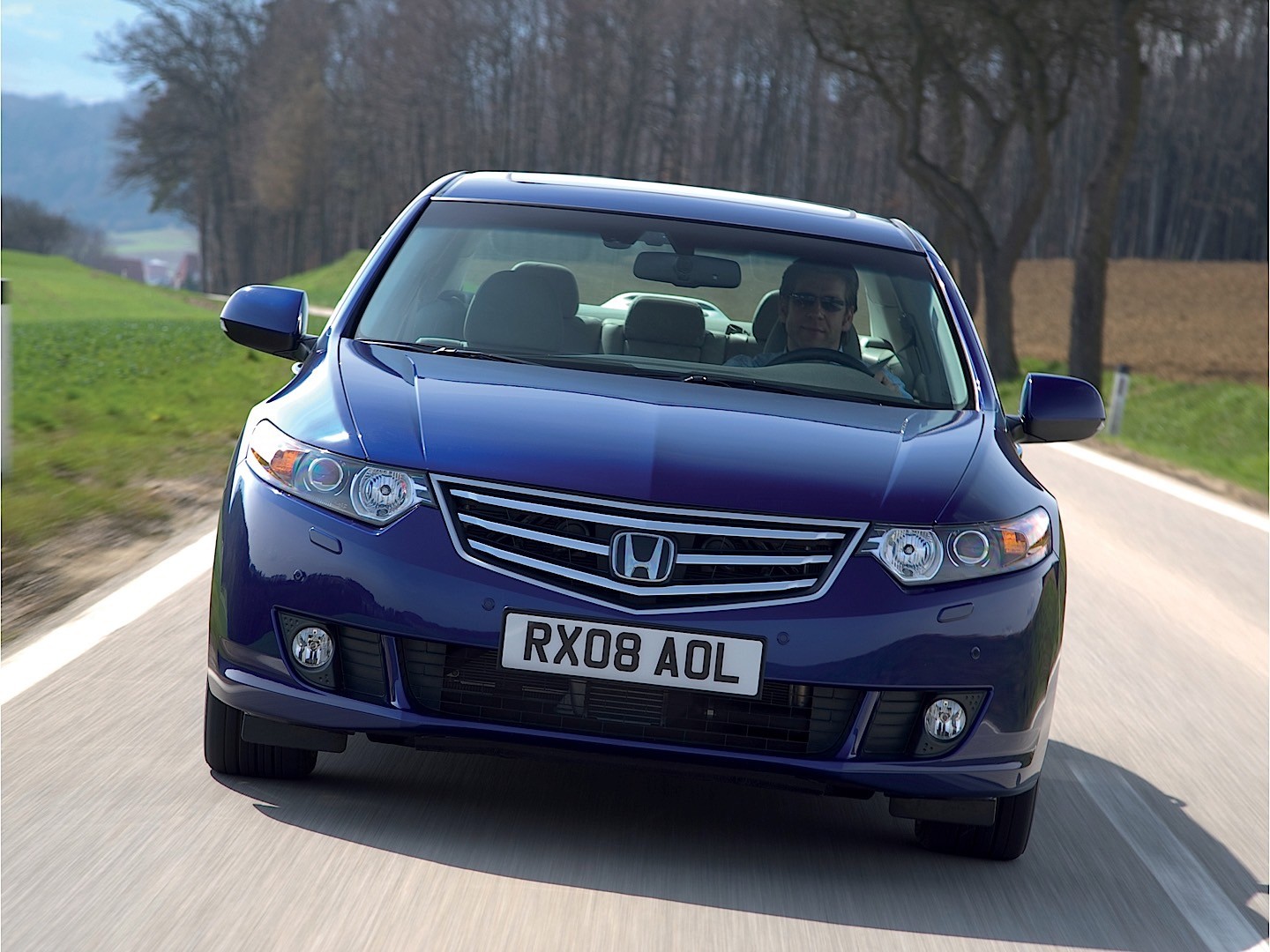
Accords maintained on schedule tend to feel composed even after a decade. Those that aren’t often develop harsh shifts, vibration, and uneven tire wear. Same car, completely different ownership experience.
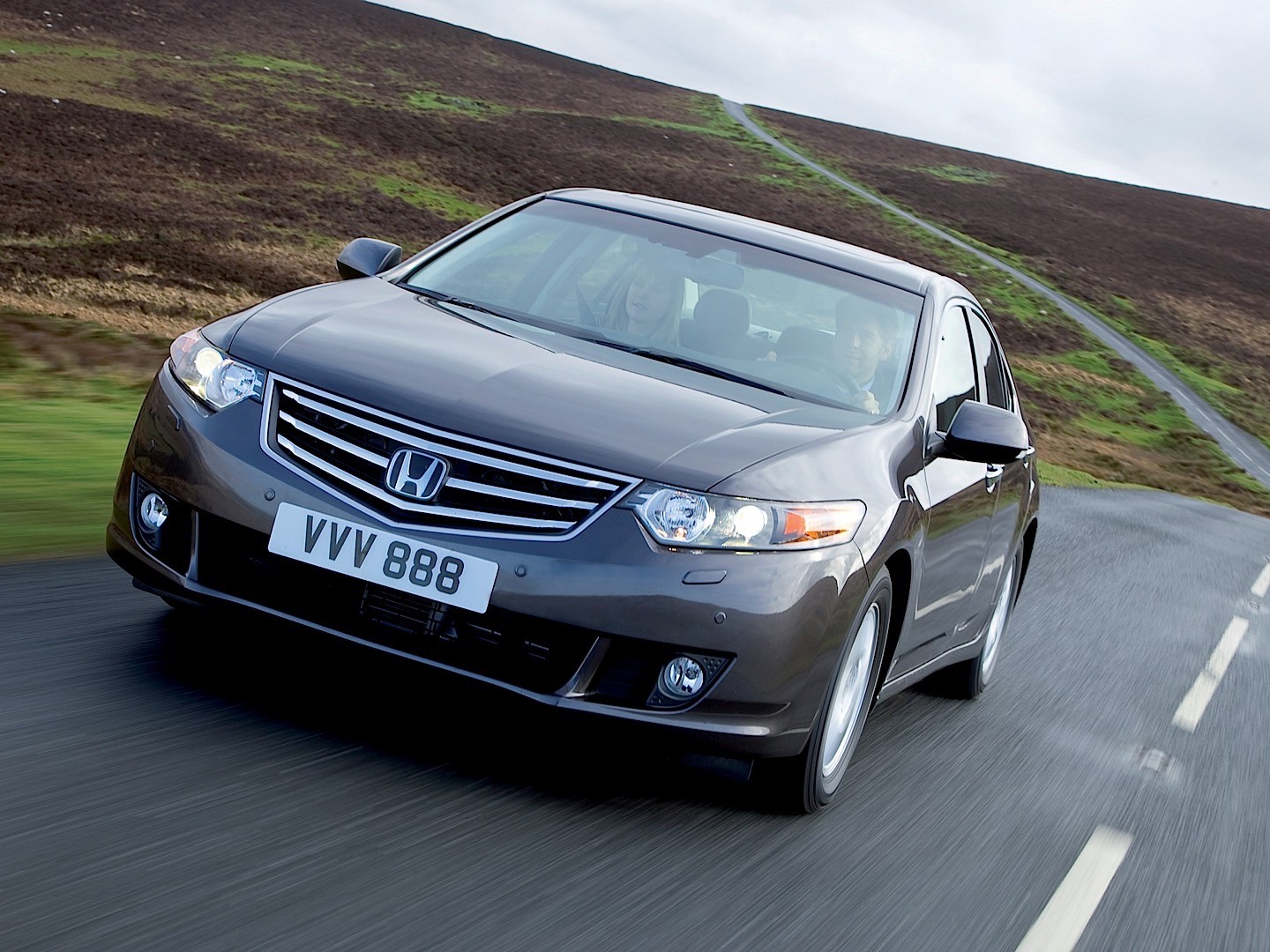
When fitted with the familiar 2.2-litre diesel engine, the Accord’s performance could best be described as adequate rather than brisk. Output rose to 148bhp, an increase of 10bhp over its predecessor, while retaining the engine’s characteristic smoothness.
Although the car’s overall weight increased, the gain was not substantial enough to meaningfully worsen what was already modest acceleration. Honda quoted a 0–62mph time of 9.5 seconds, and in testing we recorded a closely aligned 0–60mph figure.
More significant than outright pace is the engine’s refinement at cruising speeds. Noise levels are impressively subdued, and the Accord features one of the finest manual gearboxes in its class, rivaling even established German competitors.
A six-speed transmission is standard, and shift action is light yet highly precise. Overall refinement is a standout attribute, with wind, road, and engine noise effectively suppressed to create a calm and composed driving experience.
3. Subaru Outback
The Outback’s all-wheel-drive system is excellent, but highly sensitive to neglected fluids.
CVT fluid changes, differential servicing, and cooling system maintenance are essential. Owners who follow these intervals avoid many of the drivetrain failures that give Subarus a mixed reputation online.
When properly maintained, Outbacks regularly cross 200,000 miles while remaining comfortable daily drivers. Skip preventive care, and repair bills escalate quickly.
The Outback range offers two flat-four engines. The standard unit is a 2.5-liter producing 182 horsepower, while a 260-horsepower turbocharged 2.4-liter serves as the upgrade option.
Both engines are paired with a continuously variable transmission (CVT) engineered to simulate the behavior of an eight-speed automatic in an effort to reduce excessive engine noise. As expected from Subaru, all-wheel drive comes standard across the lineup, with the exception of the rear-drive Subaru BRZ sports coupe.
In testing, the naturally aspirated engine delivered modest acceleration, accompanied by somewhat lethargic transmission responses.
The turbocharged variant provided noticeably stronger p
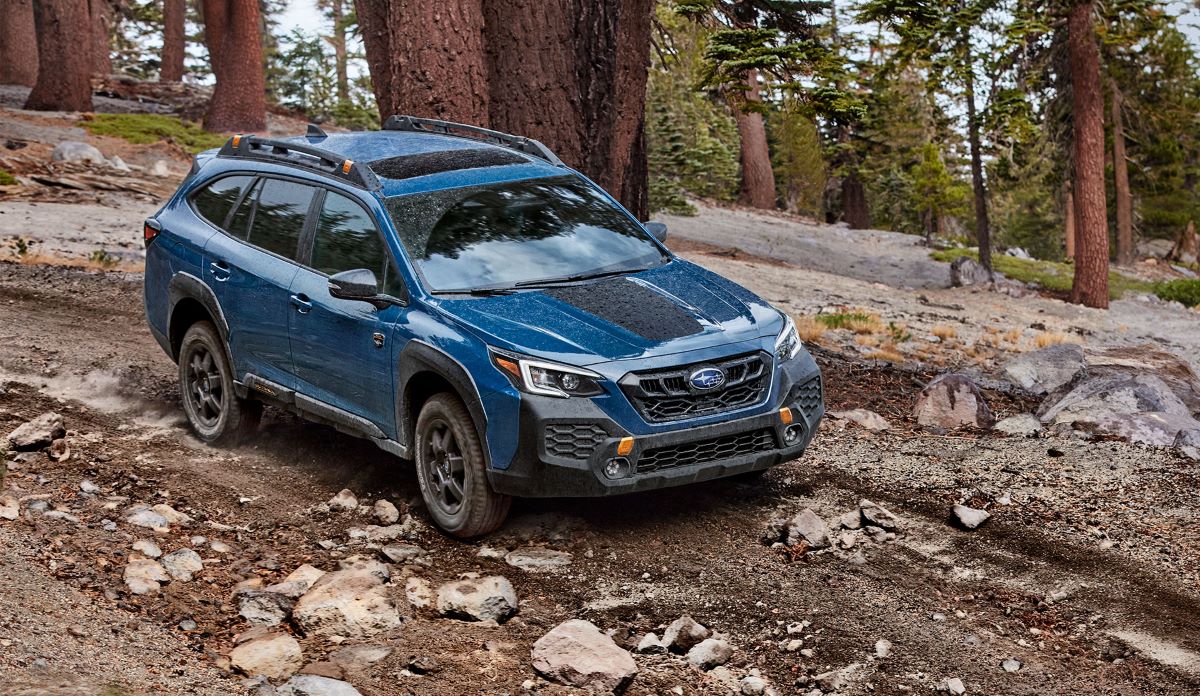
erformance, though it was similarly affected by the CVT’s reluctance. That said, outright speed is not the primary concern for most Outback buyers. Ride comfort and light off-road capability remain higher priorities.
With 8.7 inches of ground clearance and standard all-wheel drive, the Outback handles poor weather and uneven terrain with confidence.
On paved roads, the suspension tuning favors comfort, delivering a compliant ride. Steering response is accurate and straightforward at highway speeds.
However, the vehicle does not exhibit sporty handling characteristics, which may come as a surprise to drivers transitioning from performance-oriented Subaru models such as the WRX.
In terms of utility, the standard engine supports towing up to 2,700 pounds, while the turbocharged version raises that capacity to 3,500 pounds.
4. Ford F-150
America’s best-selling truck responds dramatically to proactive servicing.
Frequent oil changes protect turbochargers on EcoBoost models. Transmission fluid service preserves towing capability.
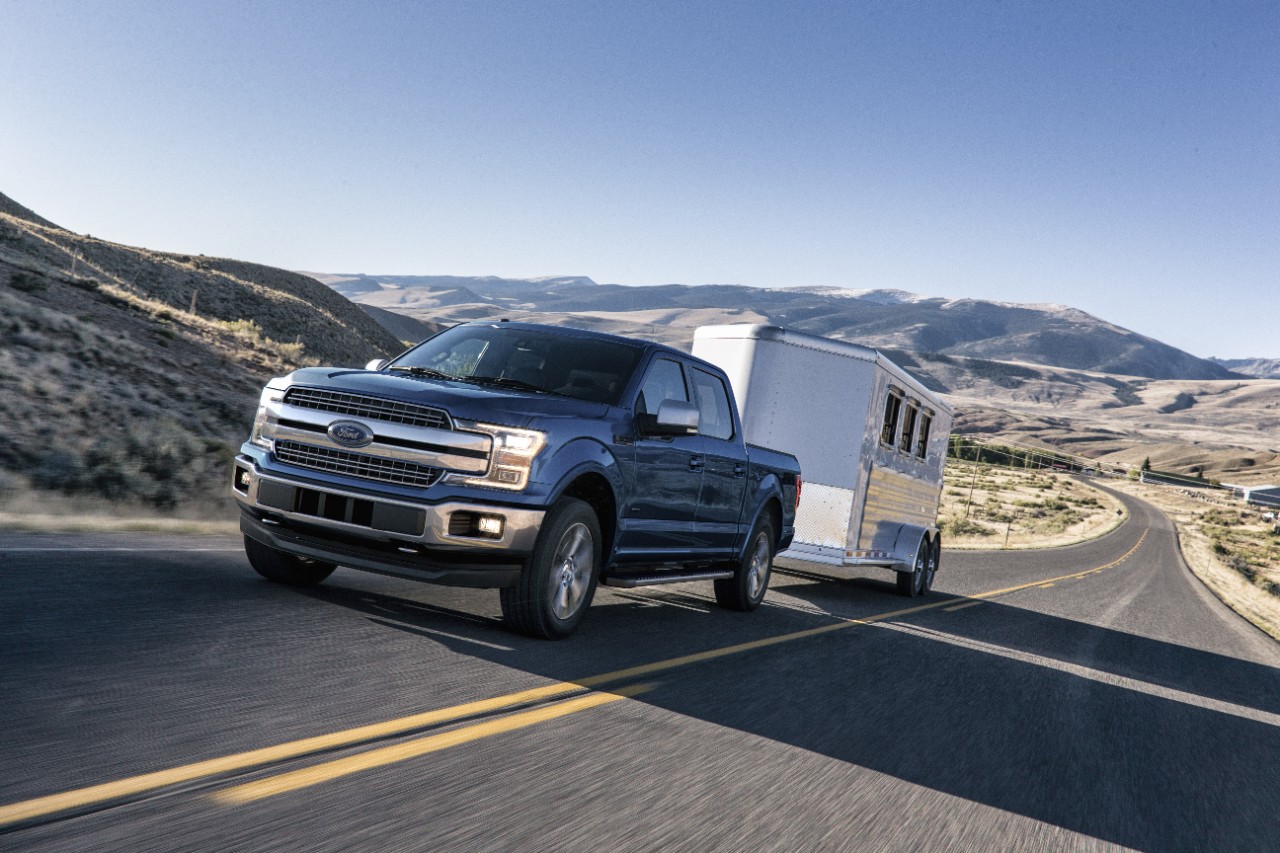
Front suspension inspections catch ball joint and tie-rod wear before expensive alignment damage occurs.
Fleet operators know this well: maintained F-150s commonly exceed 250,000 miles. Neglected ones rarely do.
5. Lexus RX
Luxury vehicles usually punish neglect. The RX does the opposite, it rewards structure.
Brake servicing prevents warped rotors. Cooling system maintenance protects the V6. Hybrid versions benefit significantly from early inverter coolant replacement.
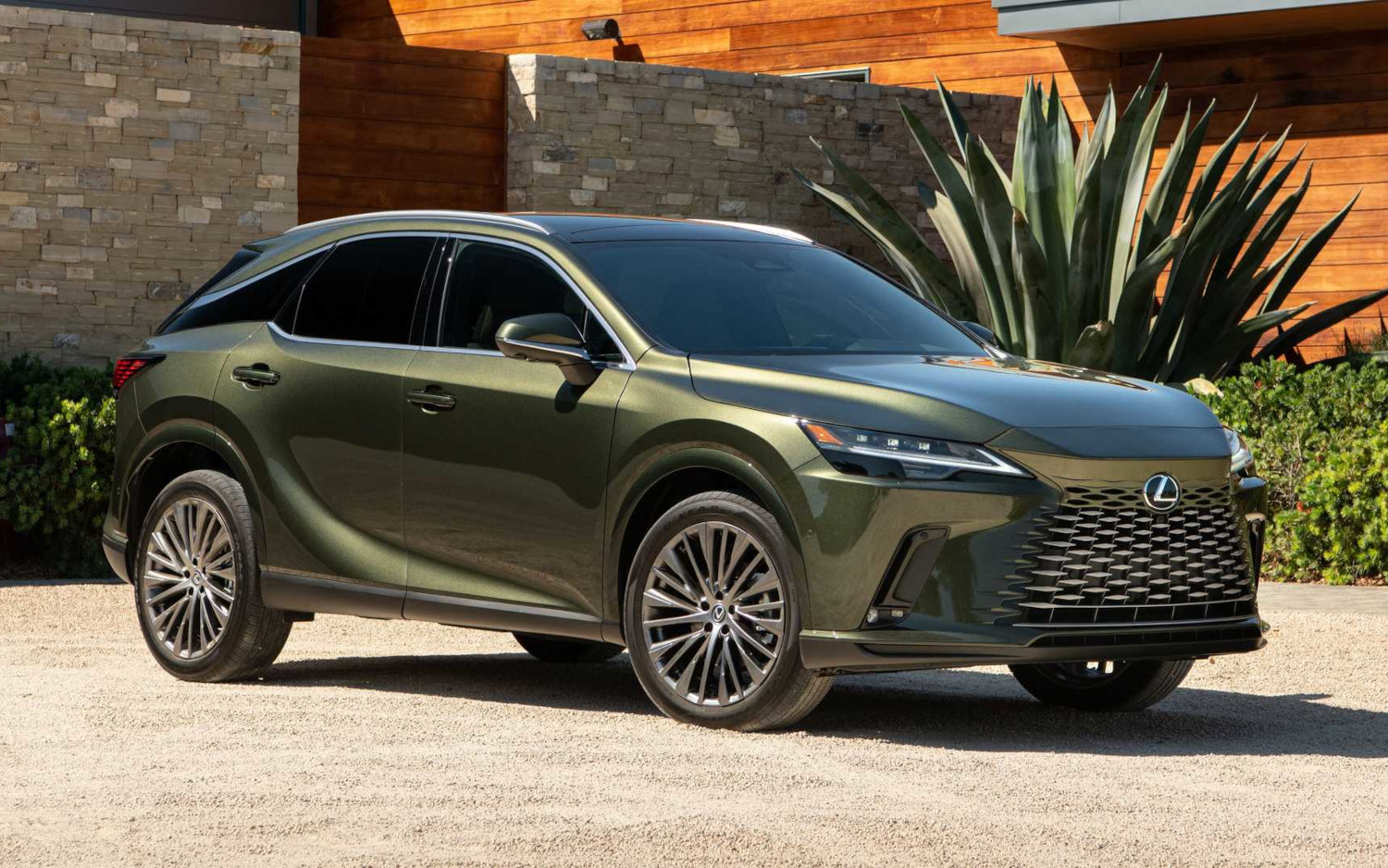
Owners who follow Lexus service schedules often enjoy years of quiet operation with resale values that remain unusually strong for a luxury SUV.
Lexus has never dominated the premium SUV segment by sheer sales volume, yet few competitors can rival its long-standing reputation for build quality, reliability, and customer service.
With its distinctive design language and alternative engineering philosophy, the RX stands apart from more conventional European offerings. For buyers seeking something different from the usual German marques, it presents a credible option.
Lexus consistently performs strongly in Driver Power surveys, and the RX has received repeated praise from owners. However, comparative testing has often shown that certain rivals offer broader appeal, so it remains advisable to sample competitors before making a final decision.
The RX celebrated 25 years since its original launch in Japan, though UK sales began two years later. While now closely associated with hybrid technology, the first-generation RX was offered solely with a petrol engine; hybridisation arrived with the second generation in 2004.
Over time, the model has become central to Lexus’s UK presence. By the introduction of the fourth generation, the RX accounted for roughly 30 percent of the brand’s total sales. Despite its strong ownership reputation, Lexus remains less commonly considered in the used market, raising the question of whether the RX deserves closer attention.
The RX 450h featured a 259bhp 3.5-litre V6 petrol engine supported by a 67bhp electric motor. Power was delivered to all four wheels via a continuously variable transmission (CVT).
In June 2018, Lexus introduced its first seven-seat SUV to the UK market: the Lexus RX 450hL. This extended version was 11cm longer than the standard RX, providing additional space for a third row of seats.
6. Mazda CX-5
The CX-5 blends engaging handling with straightforward engineering.
Preventive maintenance here focuses on alignment checks, brake service, and consistent oil changes.
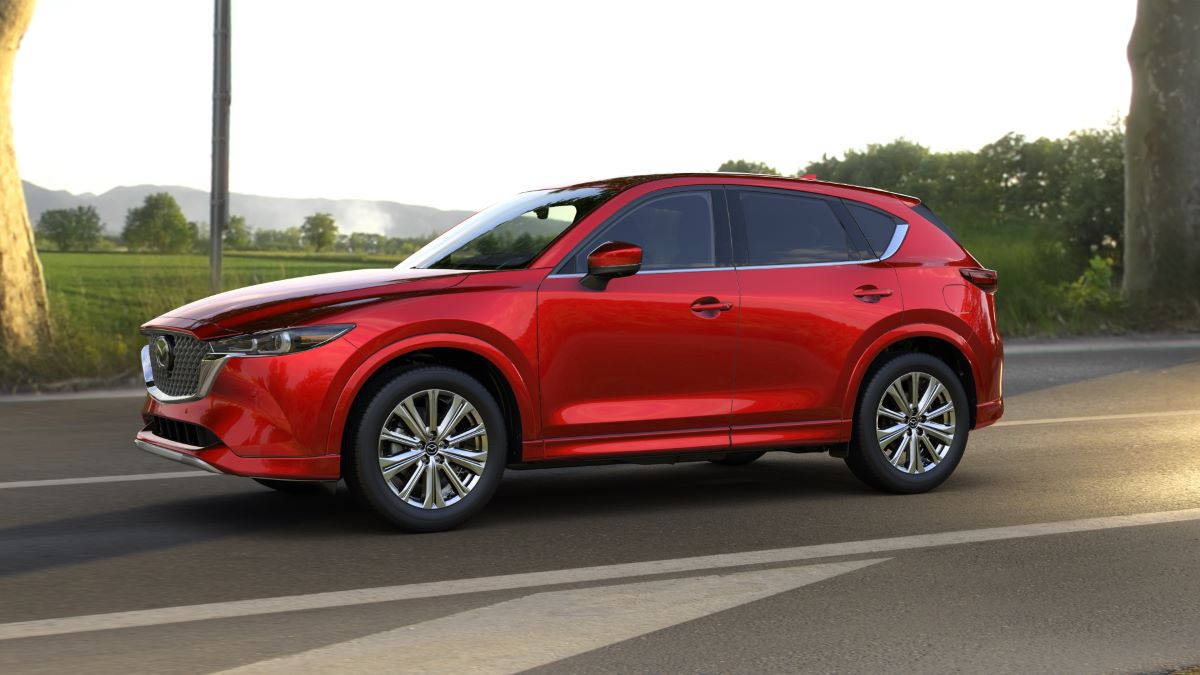
Owners who rotate tires regularly and address worn bushings early avoid the rattles and harshness that plague neglected examples.
It’s one of the few compact SUVs that still feels refined after years of attentive ownership.
Mazda continues to rely on naturally aspirated petrol engines rather than turbocharging, and that approach shapes the CX-5’s performance characteristics.
Although the 162bhp 2.0-litre e-Skyactiv-G mild-hybrid produces slightly more power on paper than alternatives such as the Nissan Qashqai 158, extracting brisk acceleration requires more effort.
The absence of strong low-end torque means it lacks the immediate surge delivered by turbocharged competitors.
As a result, the engine feels less flexible and calls for regular downshifts to maintain momentum in everyday traffic. Even so, it remains the preferred option in the range due to its smoothness and predictable response.
The 191bhp 2.5-litre e-Skyactiv-G mild-hybrid offers only a modest improvement in outright pace. However, it is paired as standard with a responsive automatic transmission, reducing the need for frequent gear changes. This version also benefits from four-wheel drive.
The alternative is the 182bhp 2.2-litre Skyactiv-D diesel. It delivers stronger pulling power from around 1500rpm and continues to rev cleanly to the red line. In manual form, it achieves 0–62mph in 9.3 seconds, combining useful mid-range torque with respectable overall performance.
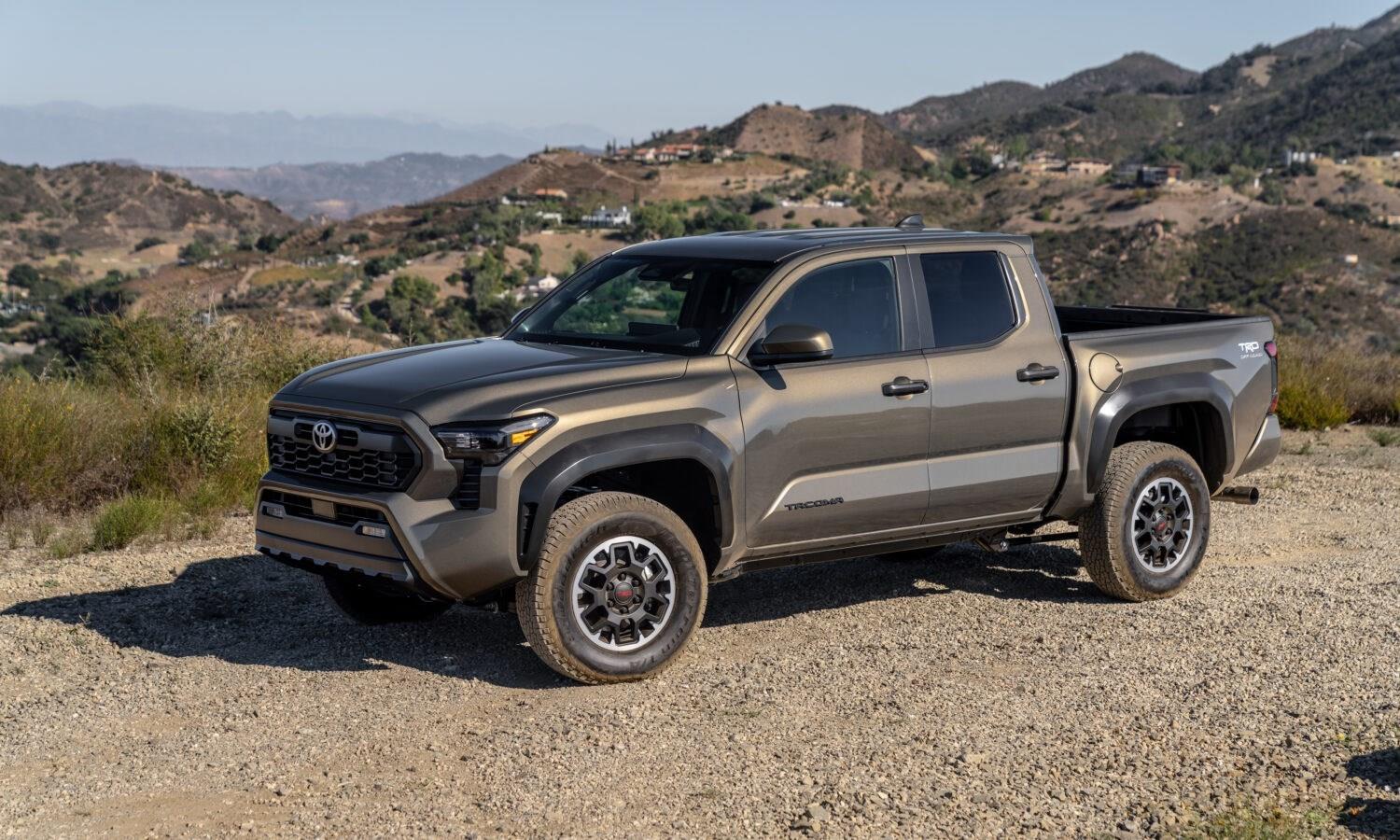
7. Toyota Tacoma
Tacomas are famous for longevity, but only when cared for. Frame inspections in salt states, differential services, and cooling system upkeep dramatically extend life.
Owners who grease suspension components and replace worn bushings early avoid steering slop and uneven tire wear.
Properly maintained Tacomas routinely become 300,000-mile trucks with resale values that border on irrational.
The available V-6 engine provides adequate acceleration and meaningful towing capability, whereas the base four-cylinder lacks sufficient output and is best avoided. Transmission choice also matters.
The six-speed automatic can feel indecisive with either engine; pairing the V-6 with the six-speed manual yields a more satisfying and responsive setup. When combined with the automatic, even the V-6 can feel strained under certain conditions.
Trim selection influences character. The TRD Sport and Limited variants are tuned more for on-road use, while the TRD Off-Road and Toyota Tacoma TRD Pro are engineered with trail capability as a priority. Regardless of configuration, outright speed is not a defining attribute.
Ride comfort and handling are not segment-leading, but the Tacoma excels in durability and off-road competence. It can be specified to prioritize either rugged terrain or paved-road comfort.
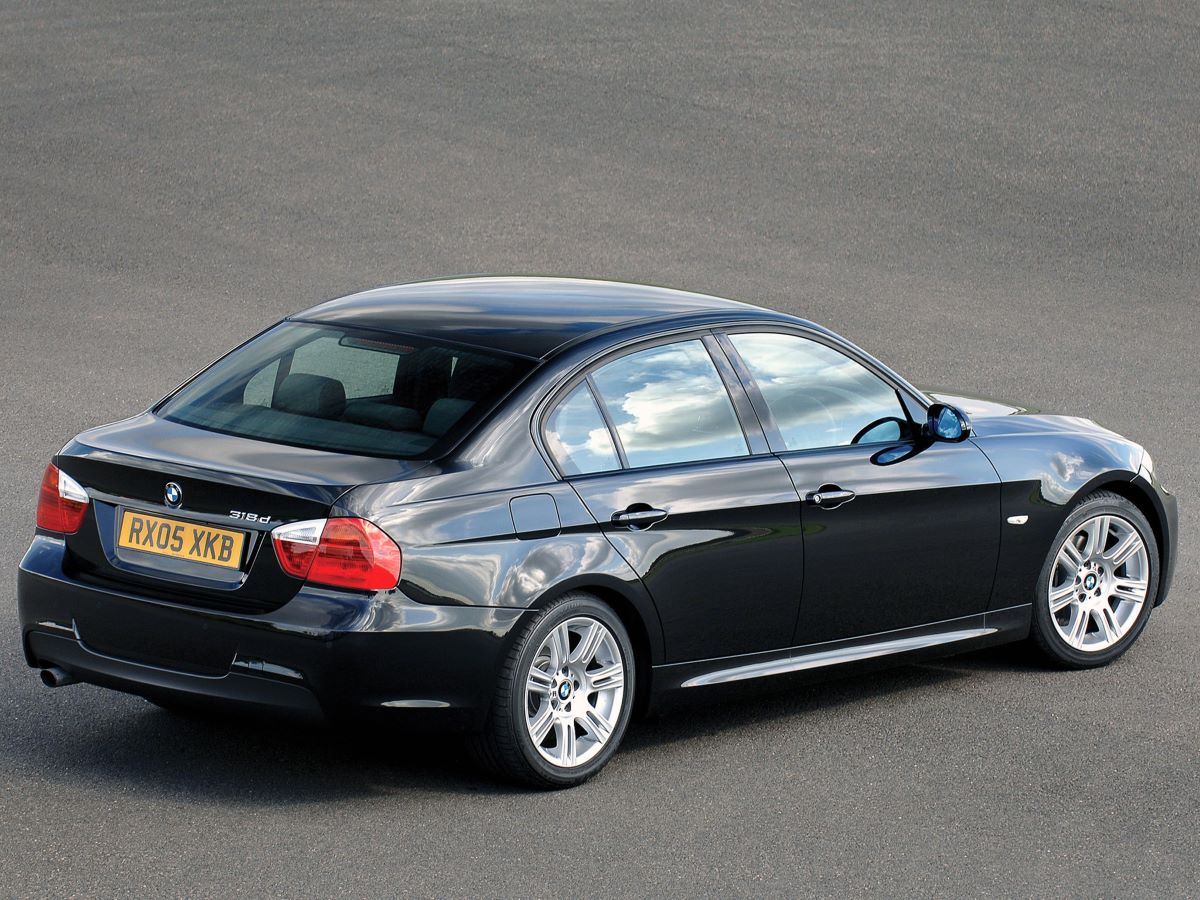
8. BMW 3 Series
The 3 Series demonstrates a hard truth: German cars aren’t unreliable, they’re intolerant of deferred maintenance.
Cooling systems must be serviced preventively. Oil intervals matter. Transmission fluid replacement preserves shift quality.
Owners who budget for early maintenance enjoy balanced handling and refined performance for years. Those who don’t often exit ownership after a single four-figure repair estimate.
Diesel power once dominated the executive car segment, but petrol, hybrid and fully electric options now take precedence. As a result, the current 3 Series range no longer includes a diesel variant.
The entry point is the 181bhp 320i petrol. It delivers sufficient performance for most scenarios, including confident overtaking on country roads, and its willingness to rev complements the 3 Series’ sporty character.
For company car users, the BMW 330e plug-in hybrid represents the more attractive option from a tax perspective.
At the top of the standard range sits the BMW M340i. This six-cylinder petrol variant produces 386bhp and reduces the 0–62mph time to 4.3 seconds. Drivers seeking even greater performance will need to consider the BMW M3.
Multiple suspension configurations are available. Even the most comfort-oriented setup—fitted to Sport trim models, prioritises composure and control over plush softness. Road imperfections are noticeable, more so than in the most comfort-focused versions of the Mercedes-Benz C-Class.
M Sport trims feature firmer suspension, yet body control remains so well managed that the ride can feel more settled than the occasionally floaty C-Class, particularly when comparing the 330e with the C300e.
Adaptive suspension is available on M Sport and M340i models and is a worthwhile option. It allows drivers to adjust ride firmness via selectable modes.
In Comfort mode, the 3 Series becomes more relaxed in urban driving and remains composed on A-roads and motorways. The package also includes variable steering, which sharpens response at lower speeds to improve manoeuvrability.
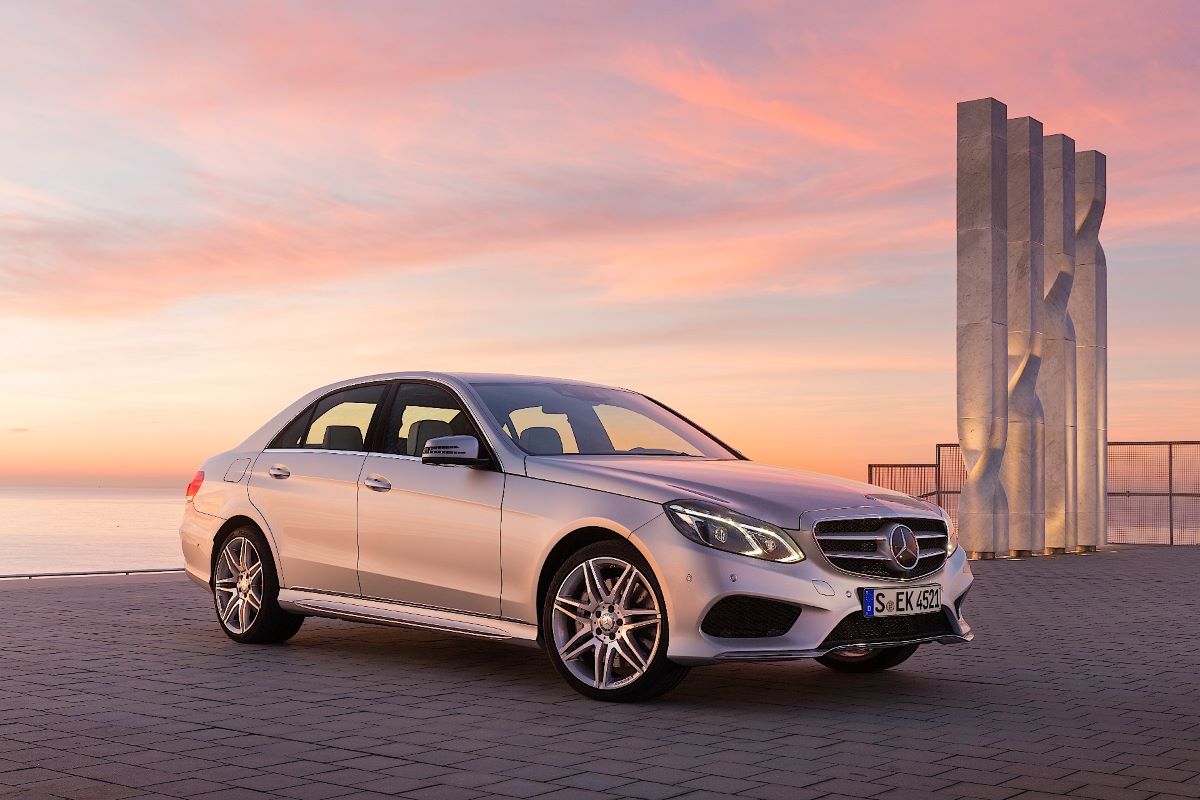
9. Mercedes-Benz E-Class
The E-Class thrives on predictability.
Brake fluid changes, suspension inspections, and cooling system service prevent catastrophic failures.
Treated properly, these sedans deliver hundreds of thousands of miles of highway comfort. Ignored, they become cautionary tales.
The new-car landscape is evolving rapidly, yet certain established formulas endure. The E-Class exemplifies that continuity. Despite decades of development, its core attributes, build quality, comfort, space and refinement, remain central to its identity.
Internally designated ‘W214’, this latest E-Class represents the 10th generation of a lineage stretching back to 1947. While Mercedes is keen to reference that heritage, it is not a manufacturer defined by nostalgia.
Unlike BMW’s approach of closely aligning the BMW 5 Series with the BMW i5, Mercedes has elected to keep the Mercedes-Benz EQE separate from the combustion-engined E-Class.
The stated objective is to bridge established executive saloons with the increasingly technology-focused EV era. Many buyers remain reluctant to adopt a fully digitised “smartphone on wheels,” and the E-Class aims to balance traditional strengths with contemporary connectivity.
So far, evaluation has included the E220d and E300e saloons, along with the E220d and E450d estates. The Estate variant carries particular significance as executive wagons face declining demand amid SUV dominance.
The competitive context reinforces that point. BMW has withdrawn diesel options from the latest UK-market BMW 3 Series and 5 Series line-ups, including Touring versions.
Audi’s diesel offering has also narrowed, with four-cylinder units now the mainstay for the Audi A4 Avant and Audi A6 Avant. Even the Audi S6 Avant stands as a rare six-cylinder alternative.
Against that backdrop, the range-topping E450d estate holds clear appeal for buyers seeking long-distance range, strong torque and traditional executive refinement.
On the petrol side, the Mercedes-AMG E53 offers a six-cylinder plug-in hybrid alternative. Other markets receive an E450 petrol variant, though it is not currently offered in the UK.
Trim structure is straightforward. Aside from the flagship Exclusive Edition, all versions are based on AMG Line specification, with Advanced, Premium and Premium Plus packages defining higher equipment levels.
10. Volvo XC90
Volvo’s flagship SUV emphasizes safety, but it demands attention.
Transmission servicing, turbo cooling maintenance, and regular brake inspections dramatically affect reliability.
Owners who stay ahead of wear items enjoy stable family transportation far beyond typical lease cycles.
The entry-level petrol B5 is the most balanced choice in the range, primarily due to its combination of performance and cost.
Producing 247bhp, it completes 0–62mph in 7.7 seconds. In everyday driving, acceleration feels suitably brisk, though diesel alternatives such as the Audi Q7 45 TDI offer stronger low-rev pulling power, which may make them preferable for towing duties.
The plug-in hybrid T8 variant is capable of exceeding 70mph on electric power alone. With the petrol engine and electric motor operating together, total output rises to 449bhp. This delivers genuinely strong performance.
While it does not match the outright intensity of a dedicated performance SUV like the Audi SQ7, it feels quicker in real-world driving than the Range Rover Sport P460e. In testing, the T8 achieved 0–60mph in 5.0 seconds.

All XC90 versions use an eight-speed automatic transmission that responds promptly, though it lacks the immediacy of the gearbox found in the BMW X5.
The XC90 does not disguise its size and mass in the way the BMW X5 manages. Where the X5 feels particularly agile and precise, the XC90 is less sharp in its responses.
However, given its dimensions and weight, this is not unexpected, and it remains more manoeuvrable than the Land Rover Defender.
For buyers prioritising ease of driving over ultimate handling finesse, the XC90 is entirely satisfactory. It offers sufficient grip and composure for winding roads and maintains reassuring stability at motorway speeds.
Ride comfort is a strength. The entry-level B5 Core with conventional suspension provides a well-cushioned experience. However, the Plus trim, equipped with air suspension as standard, delivers an even smoother and more composed ride.
While sharp imperfections can still be felt, overall comfort is high. Air suspension is particularly beneficial on the heavier T8 PHEV, and opting for smaller wheels helps maintain ride suppleness.
Even so, for the very highest standard of ride comfort in a luxury or seven-seat SUV, the Audi Q7 and the BMW X7 retain a marginal advantage.
11. Chevrolet Silverado
Like the F-150, the Silverado benefits massively from routine service.
Oil changes protect lifters. Transmission servicing prevents torque converter issues. Steering component inspections preserve alignment and tire life.
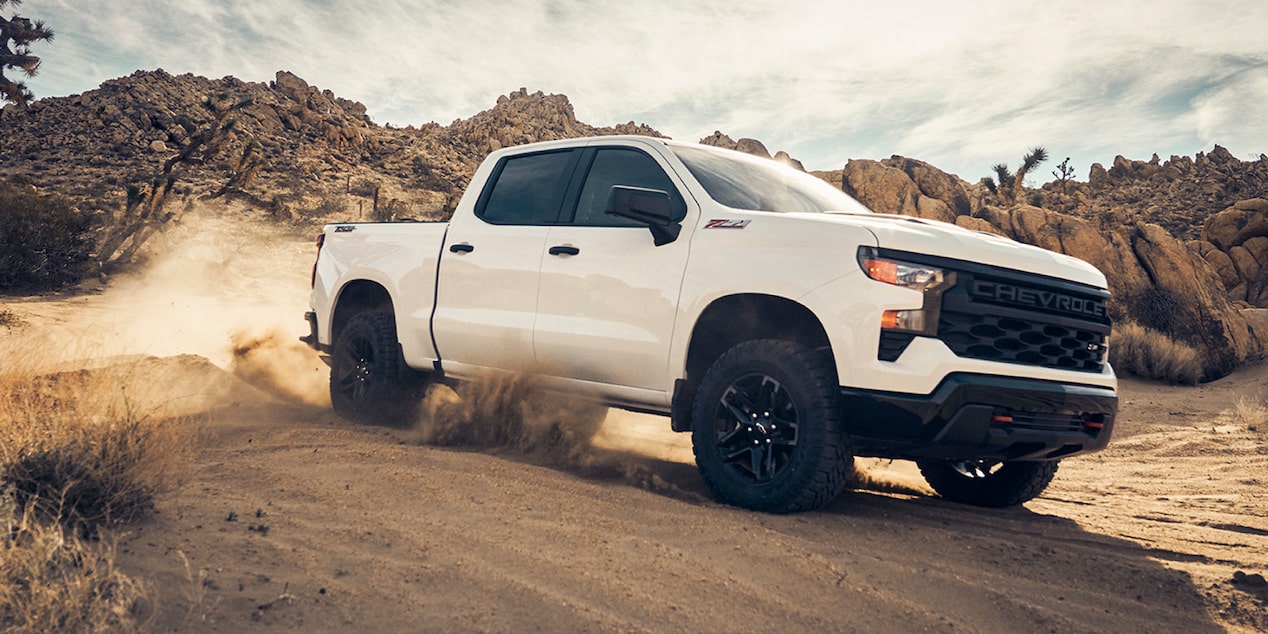
Work trucks that receive preventive care become dependable long-term tools instead of rolling liabilities.
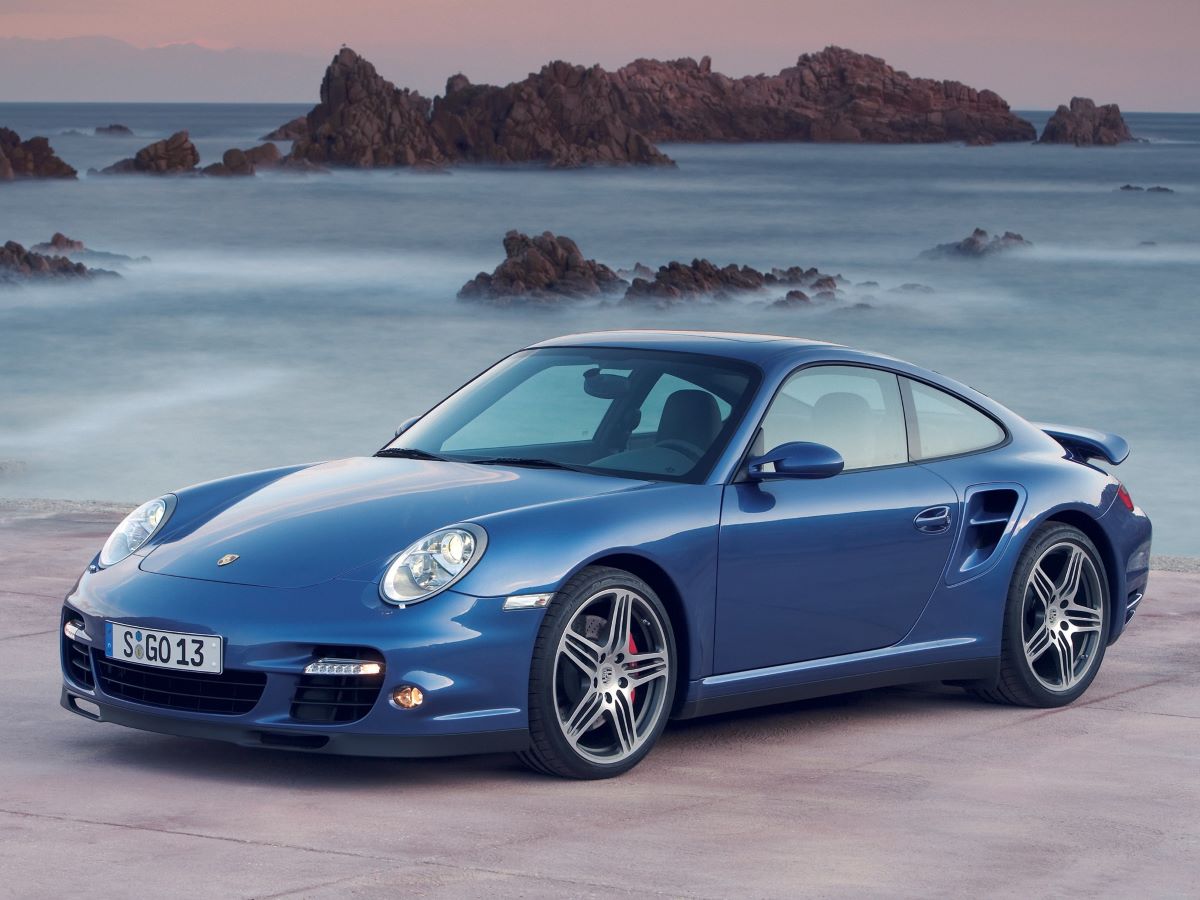
12. Porsche 911
Surprisingly, the 911 is one of the clearest examples of preventive maintenance paying dividends.
Oil analysis, suspension servicing, and cooling inspections keep these cars mechanically young. Owners who follow strict schedules often exceed 150,000 miles with minimal internal engine work.
It proves that performance and longevity aren’t mutually exclusive, if maintenance is treated seriously.
Preventive maintenance isn’t glamorous. It doesn’t show up on dealer window stickers or social media posts. But it’s the single biggest factor separating vehicles that age gracefully from those that collapse under deferred care.
These twelve models share a common trait: they respond positively to attention. Fluids matter. Inspections matter. Small repairs done early prevent large failures later.
For U.S. buyers planning to keep a vehicle beyond warranty, this approach can mean the difference between predictable ownership and a cycle of escalating repair bills.
