
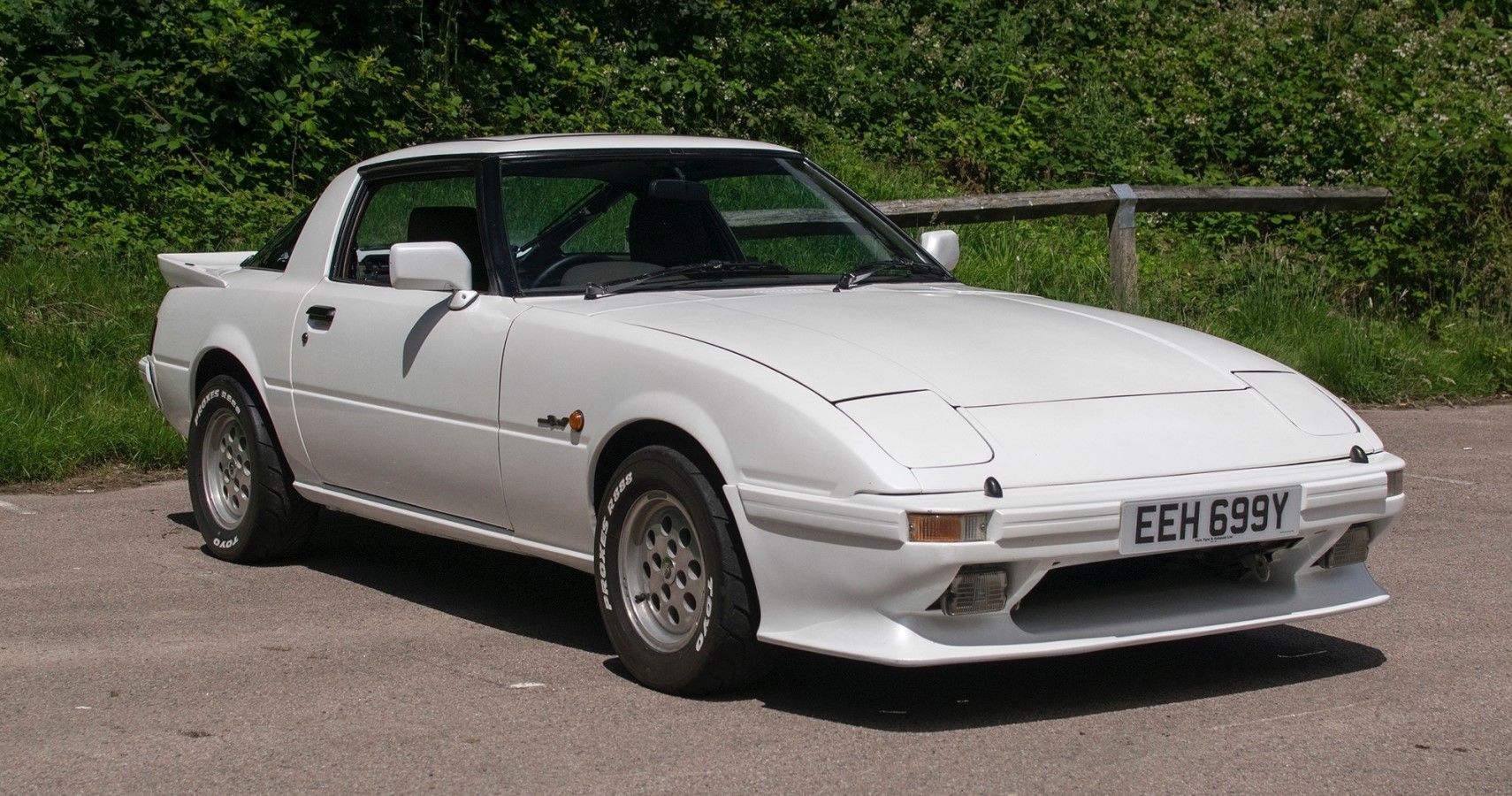
When most people think of coupes, they envision sleek styling, spirited performance, and weekend cruising rather than long-term durability. However, dismissing two-door vehicles as impractical or unreliable overlooks some genuinely impressive examples of automotive endurance.
While sedans and SUVs often dominate conversations about high-mileage champions, certain coupes have proven themselves equally capable of delivering extraordinary longevity when properly maintained.
The journey to half a million miles requires more than just robust engineering it demands a perfect marriage of bulletproof mechanical design, quality materials, and owner dedication.
These aren’t just vehicles; they’re testaments to manufacturers who prioritized durability over planned obsolescence. From legendary German engineering to surprisingly resilient Japanese sports cars, the coupes on this list share common traits: strong powertrain foundations, relatively simple mechanical systems, and passionate communities that keep detailed maintenance knowledge alive.
Reaching 500,000 miles represents roughly 25 years of average driving or decades of reliable daily service. It’s a milestone that separates truly exceptional vehicles from the merely adequate.
While modern cars boast impressive technology, these high-mileage heroes often rely on proven, time-tested designs that mechanics understand inside and out.
Their survival isn’t accidental it’s the result of careful engineering choices, quality construction, and owners willing to invest in preventative maintenance rather than waiting for catastrophic failures. Let’s explore ten coupes that have consistently proven their ability to go the distance.
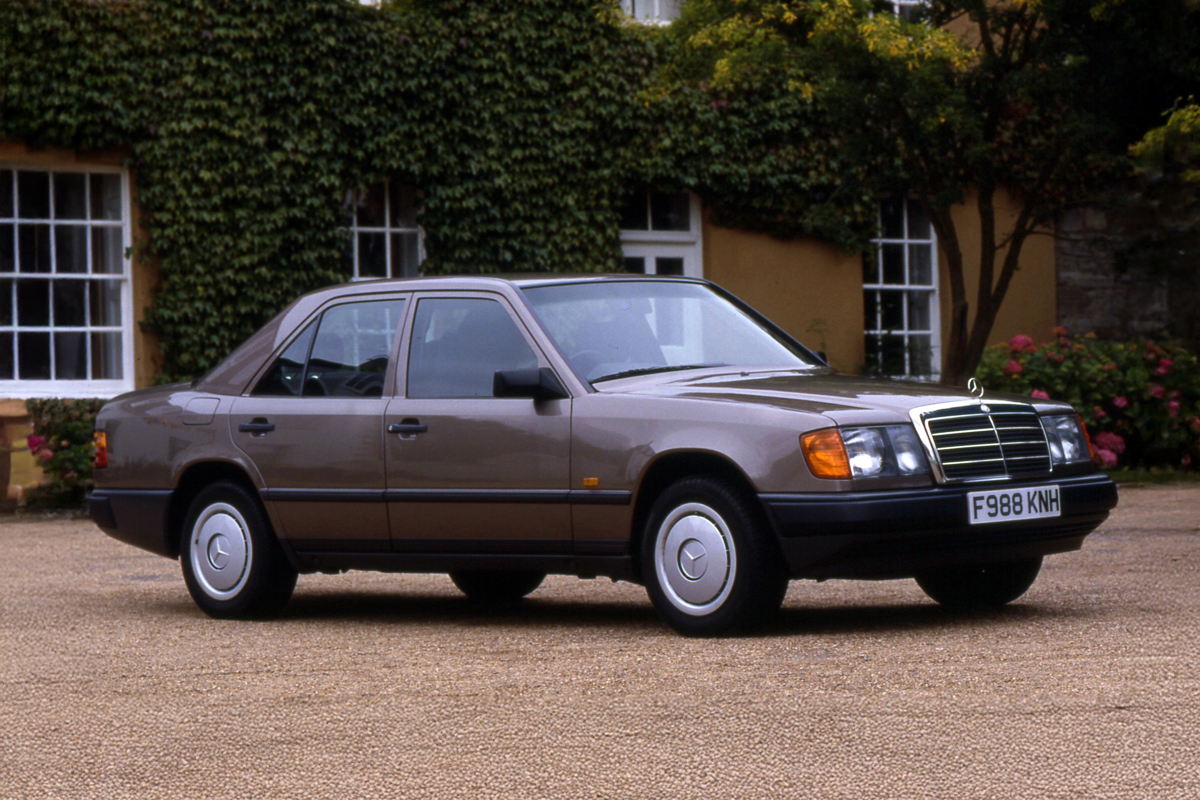
1. Mercedes-Benz W124 E-Class Coupe (1987-1995)
The Mercedes-Benz W124 E-Class coupe represents German over-engineering at its finest, a philosophy that has enabled countless examples to sail past the half-million-mile mark. Built during an era when Mercedes prioritized longevity over quarterly profits, these coupes feature robust construction that modern cost-cutting measures have largely eliminated.
The chassis was designed with substantial structural reinforcement, rust-proofing that actually worked, and components built to withstand decades rather than just warranty periods.
Under the hood, the M103 inline-six and later M104 engines are legendary for their durability. The 3.0-liter and 3.2-liter variants feature solid engineering with proper bearing surfaces, excellent oil circulation, and conservative tuning that prioritizes longevity.
These engines don’t produce overwhelming power by modern standards, but they’re nearly indestructible when maintained properly. Regular oil changes, cooling system maintenance, and timing chain inspections are the primary requirements for extraordinary longevity.
The five-speed manual and four-speed automatic transmissions are similarly bulletproof. The manual gearboxes are particularly robust, with strong synchros and heavy-duty internals.
The automatic transmissions, while somewhat antiquated by today’s standards, are mechanically simple and incredibly reliable when fluid changes are performed at proper intervals rather than following the “lifetime fluid” myth that plagues modern vehicles.
What truly sets the W124 apart is its electrical system’s relative simplicity compared to modern vehicles. While it has power windows, central locking, and creature comforts, it lacks the complex electronic modules that plague newer cars.
Problems can usually be traced to specific relays or switches rather than mysterious computer gremlins. The robust wiring harnesses are well-protected and properly routed, minimizing corrosion and breakage issues.
Owners consistently report that these coupes respond exceptionally well to preventative maintenance, rewarding attention with decades of faithful service across hundreds of thousands of miles.
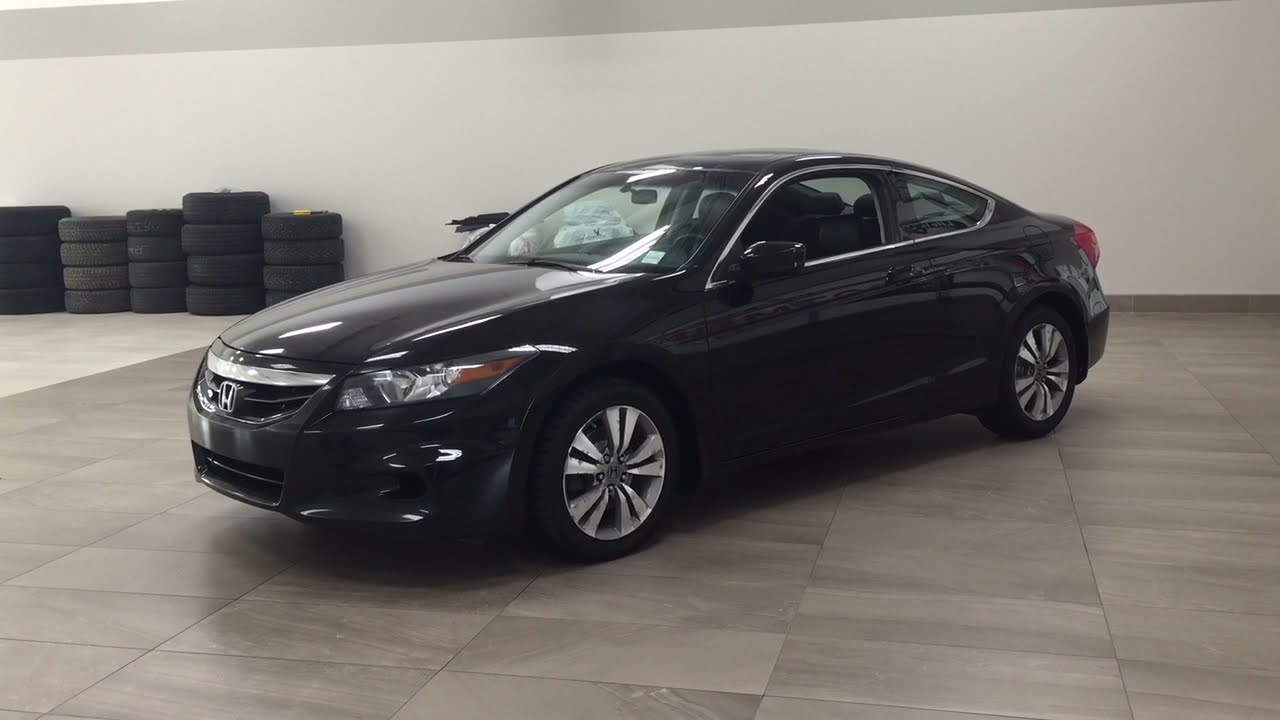
2. Honda Accord Coupe (1998-2002, Fifth Generation)
Honda’s reputation for building bulletproof vehicles is well-deserved, and the fifth-generation Accord coupe exemplifies this commitment to reliability.
These coupes combine Honda’s excellent engineering with simpler technology than later generations, creating a sweet spot of capability without complexity.
The chassis is solid, the suspension geometry well-sorted, and the build quality exceptional for its price point, making these vehicles capable of accumulating astronomical mileage without major mechanical failures.
The F-series and J-series engines powering these Accords are among Honda’s finest achievements. The four-cylinder F23 and V6 J30 engines feature Honda’s trademark precise manufacturing tolerances, excellent metallurgy, and designs that prioritize smooth operation and longevity.
These engines are known for maintaining compression and running quietly even after several hundred thousand miles. The VTEC technology adds performance without compromising reliability, a rare achievement in the automotive world.
Transmission longevity varies between manual and automatic versions, with manual transmissions proving nearly bulletproof. The five-speed manual is precise, robust, and capable of handling serious mileage with just clutch replacements and fluid changes.
The four-cylinder automatic transmissions are generally reliable, though Honda’s V6 automatics from this era require more careful maintenance to avoid premature failure. Regular fluid changes and avoiding excessive towing are crucial for automatic transmission longevity.
The suspension components are straightforward and affordable to replace, with readily available parts from numerous manufacturers. Ball joints, bushings, and struts wear at predictable intervals and can be replaced without specialized tools or dealer-specific knowledge.
The brake systems are similarly robust and easy to maintain, with excellent parts availability ensuring these coupes can be kept on the road economically.
Most importantly, there’s an enormous enthusiast community surrounding these Accords, providing detailed maintenance guides, troubleshooting advice, and modification knowledge that helps owners keep their vehicles running indefinitely.
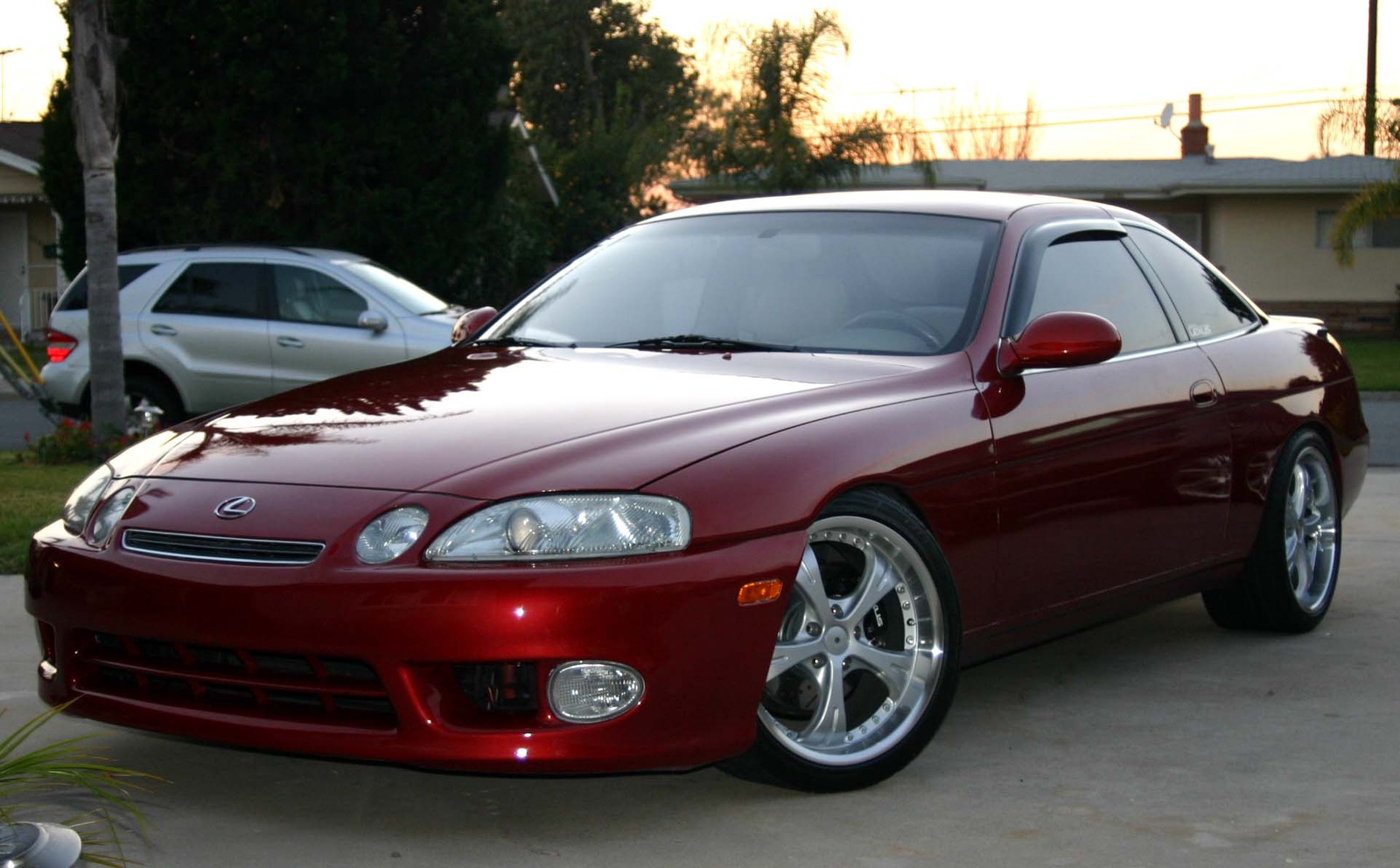
3. Lexus SC400 (1992-2000)
The Lexus SC400 represents Toyota’s luxury division at its reliability-focused best, combining Mercedes-rivaling comfort with Toyota’s legendary mechanical durability.
These grand touring coupes were engineered with the same obsessive attention to quality that made Toyota famous, but with upscale materials and refinement. The result is a vehicle capable of delivering half a million miles while still feeling remarkably solid and quiet, a testament to superior engineering and quality control.
At the heart of the SC400 sits Toyota’s magnificent 1UZ-FE V8 engine, considered one of the finest powerplants ever produced. This 4.0-liter all-aluminum engine delivers smooth, refined power while proving extraordinarily durable.
The engine features titanium connecting rods, forged internals, and meticulous assembly that allows it to run for hundreds of thousands of miles with basic maintenance. Timing belt replacements at proper intervals are crucial, but otherwise, these engines simply don’t quit.
The four-speed automatic transmission is robust and well-matched to the engine’s characteristics. While lacking modern transmissions’ efficiency and additional gears, its mechanical simplicity and conservative design contribute to exceptional longevity.
Transmission fluid changes at reasonable intervals ensure these units can last the lifetime of the vehicle without rebuilding. The transmission’s smooth operation often remains unchanged even after 300,000 or 400,000 miles.
Build quality throughout the SC400 is exceptional, with thick body panels, excellent rust protection, and interior materials that age gracefully. The electrical systems, while more complex than economy vehicles, are executed with Toyota’s typical reliability.
Switches, motors, and modules tend to function properly for decades, and when failures occur, diagnosis is straightforward and parts remain available.
The suspension uses high-quality components that, while eventually requiring replacement, maintain excellent ride quality throughout their service life. The SC400’s ability to feel tight and refined even at very high mileage speaks to the original engineering excellence.
4. BMW E46 330Ci (1999-2006)
The E46-generation BMW 3 Series coupe, particularly the 330Ci variant, represents a controversial choice on any high-mileage list given BMW’s mixed reliability reputation.
However, when properly maintained by knowledgeable owners, these coupes can absolutely achieve 500,000 miles and beyond. The key lies in understanding BMW’s maintenance requirements and staying ahead of known issues rather than adopting a reactive approach to repairs.
The M54 3.0-liter inline-six engine is robust and well-engineered, capable of tremendous longevity when respected. These engines produce excellent power while maintaining BMW’s characteristic smoothness.
The engine’s weaknesses are well-documented: cooling system components, VANOS seals, and oil leaks from valve cover gaskets and oil pan gaskets. However, none of these issues are fatal when addressed proactively.
Owners who replace cooling system components preemptively and maintain proper oil change intervals report engines running strong beyond 400,000 miles.
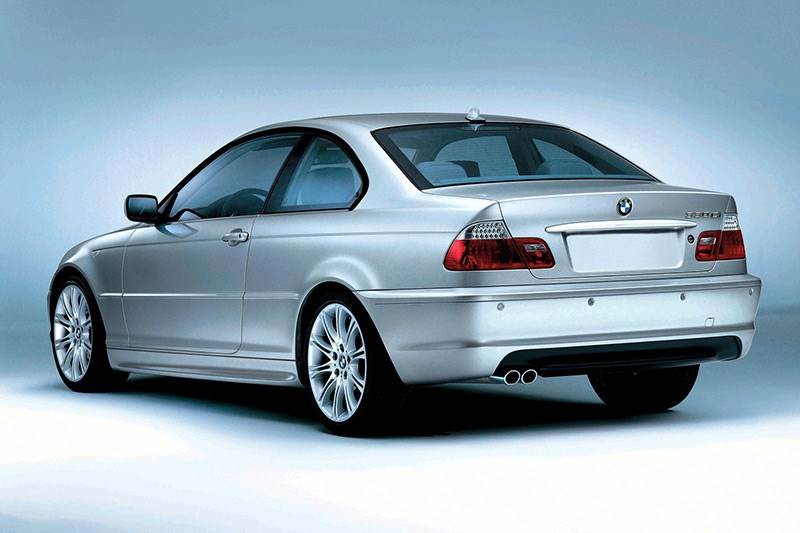
The manual transmissions in these cars are excellent precise, durable, and requiring only clutch replacements and fluid changes for extraordinary longevity.
The automatic transmissions are less bulletproof but can achieve high mileage with regular fluid changes using BMW-specification fluid. The ZF automatic transmissions are mechanically sound when not abused or neglected.
Suspension components require more frequent attention than some competitors, with bushings, control arms, and thrust arm bearings needing replacement at predictable intervals.
However, the aftermarket support is exceptional, with quality replacement parts readily available at reasonable prices. Many specialists can maintain these vehicles more affordably than BMW dealers while providing superior knowledge.
The electrical systems represent the E46’s Achilles heel, with window regulators, pixel failures in instrument clusters, and various sensor issues common.
However, these are generally inconveniences rather than show-stoppers, and the enthusiast community has developed fixes for virtually every common problem, making long-term ownership viable for dedicated individuals.
Also Read: Top 10 Luxury Bargains That Are Risky Without a Warranty
5. Toyota Celica GT-S (2000-2005, Seventh Generation)
Toyota’s seventh-generation Celica GT-S might not immediately spring to mind when discussing ultra-high-mileage vehicles, but these lightweight sport coupes are built on Toyota’s unshakeable reliability foundation.
The GT-S variant, with its legendary 2ZZ-GE engine co-developed with Lotus, combines genuine driving excitement with Toyota’s engineering excellence. These cars prove that sporty doesn’t necessarily mean fragile, especially when executed by engineers prioritizing long-term durability.
The 2ZZ-GE engine is a masterpiece of high-revving design that maintains reliability through precise engineering rather than compromising performance. This 1.8-liter four-cylinder produces 180 horsepower while revving freely to 8,200 RPM, featuring VVTL-i (Variable Valve Timing and Lift intelligent) that provides variable valve timing and lift.
Despite this performance-oriented design, the engine proves remarkably durable when oil changes are performed regularly using quality oil. The high-revving nature demands proper lubrication, but owners who respect this requirement report trouble-free operation for hundreds of thousands of miles.
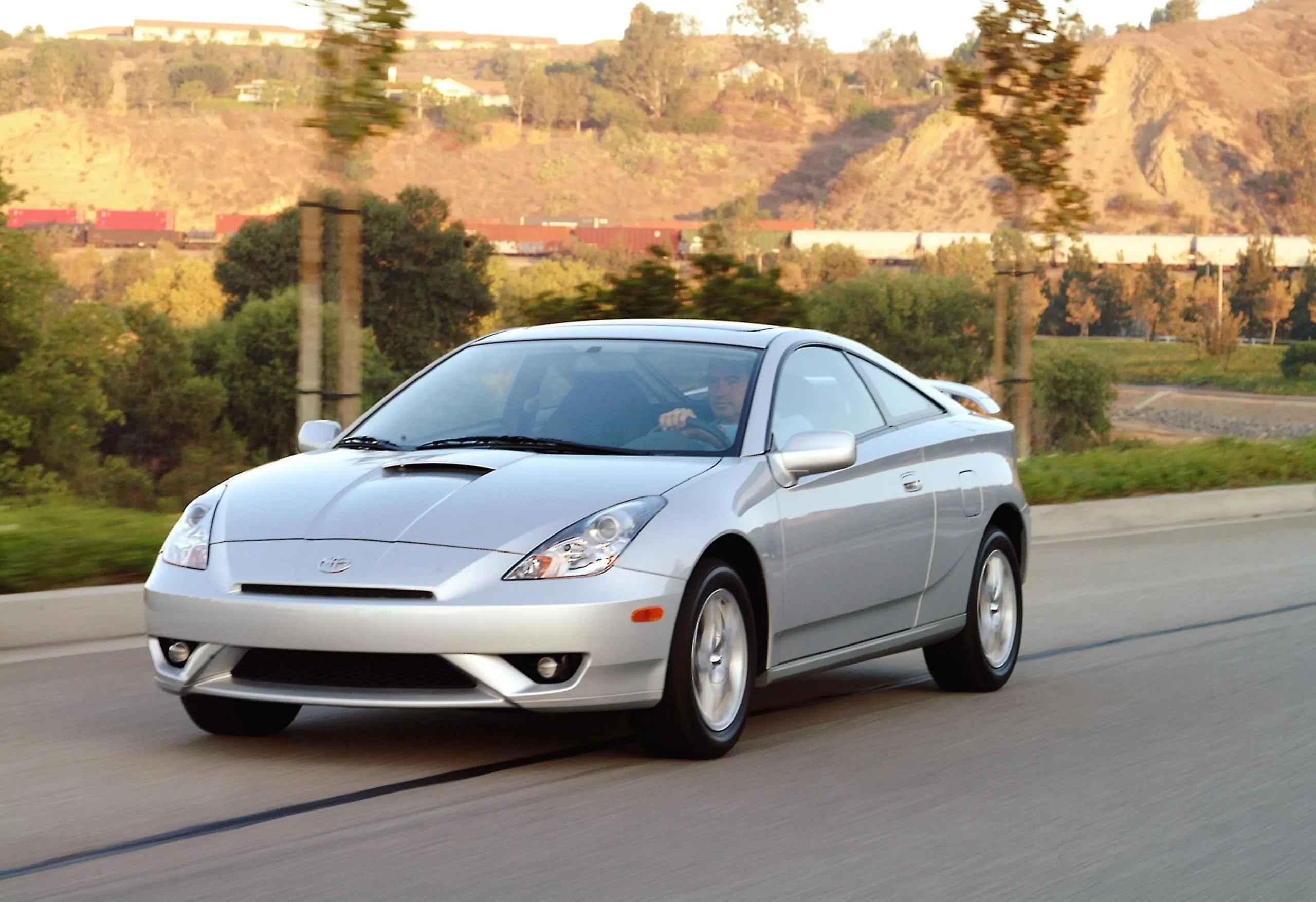
The six-speed manual transmission is beautifully precise and mechanically robust, requiring only clutch replacements and fluid changes.
The transmission’s close-ratio gearing and strong synchronizers hold up remarkably well even when driven enthusiastically. The automatic transmission option, while less engaging, proves equally reliable with proper maintenance.
The Celica’s lightweight construction and well-designed chassis minimize stress on components, contributing to longevity. The suspension uses straightforward MacPherson struts and components that wear predictably and can be replaced affordably. The brake systems are more than adequate for the vehicle’s weight and power, lasting well without excessive wear.
Rust resistance is excellent thanks to proper corrosion protection, and the interior materials, while not luxurious, prove durable and age well. The electrical systems are simple and reliable, with few complex modules to cause mysterious failures. Parts availability remains excellent through Toyota’s network and aftermarket suppliers.
6. Porsche 911 (964 and 993 Generations, 1989-1998)
Suggesting a Porsche for high-mileage service seems counterintuitive given German sports car stereotypes, but the air-cooled 911s from the 964 and 993 generations are remarkably durable when maintained properly.
These aren’t cheap vehicles to maintain, but they’re engineered with a robustness that enables serious longevity. Multiple examples exist with verified mileage exceeding 500,000 miles, maintained by owners who understand that proper care yields decades of reliable service.
The air-cooled flat-six engines are legendary for their durability, featuring robust internals, excellent metallurgy, and designs refined over decades. The 964’s 3.6-liter and 993’s 3.6 and 3.8-liter variants are particularly strong, benefiting from modern manufacturing techniques while retaining the simplicity of air cooling.
These engines require meticulous valve adjustments, oil changes with proper high-quality oil, and attention to cooling system integrity, but reward this care with extraordinary longevity.

The manual transmissions are robust Germanic units capable of handling serious power and mileage. The Getrag and later Porsche-designed gearboxes feature strong synchromeshes and well-engineered internals. Clutch replacements and fluid changes are the primary maintenance items.
The Tiptronic automatic transmissions are less common but prove reliable when maintained with proper fluid changes. These 911s feature relatively simple electrical systems compared to modern Porsches, minimizing potential failure points.
The mechanical components throughout suspension, brakes, steering are built to exacting standards and prove durable. Yes, parts are expensive, but they’re also high-quality and last significantly longer than cheap alternatives.
The enthusiast community surrounding air-cooled 911s is passionate and knowledgeable, with extensive documentation of common issues, maintenance procedures, and preventative measures.
Independent specialists can maintain these vehicles more affordably than dealers while often providing superior expertise, making long-term ownership economically feasible for committed individuals.
7. Acura Integra (1994-2001, Third Generation)
The third-generation Acura Integra represents Honda engineering at its finest, packaged in an affordable, sporty coupe that’s proven capable of extraordinary longevity. These vehicles combine precise handling, responsive engines, and bulletproof mechanical reliability in a package that’s increasingly appreciated by enthusiasts.
Multiple examples have documented mileage exceeding 400,000 or 500,000 miles, testament to Honda’s engineering excellence and the Integra’s simple, robust design.
The B-series engines, particularly the B18 variants, are legendary in Honda circles for their durability and tunability. These 1.8-liter four-cylinders feature Honda’s excellent VTEC technology, precise manufacturing tolerances, and conservative tuning that prioritizes reliability.
Even the higher-performance Type R variant, despite aggressive camshafts and high-compression pistons, proves remarkably durable when maintained properly. Regular oil changes, timing belt replacements, and basic maintenance yield engines that run strong for hundreds of thousands of miles.
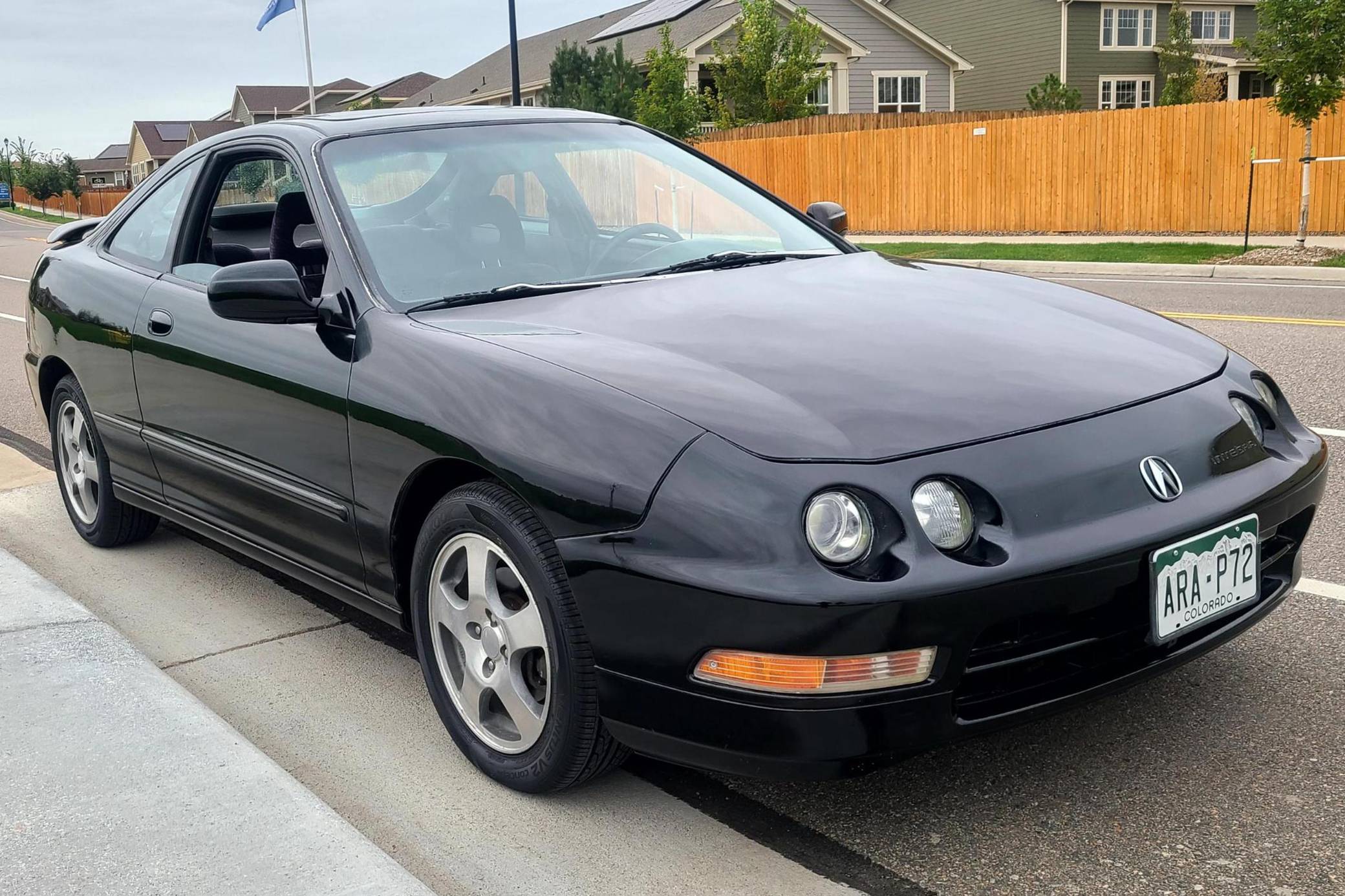
The manual transmissions are precise, durable, and widely regarded as among the best front-wheel-drive gearboxes ever produced. The shift action remains crisp even after serious mileage, and the transmissions require only fluid changes and eventual clutch replacements. The automatic transmission option is less desirable from an enthusiast perspective but proves mechanically reliable for those prioritizing convenience.
The chassis is lightweight yet rigid, featuring excellent suspension geometry that provides engaging handling without compromising reliability. Suspension components are affordable and readily available, with both OEM and high-quality aftermarket options. The brake systems are properly sized for the vehicle’s performance and prove durable with basic maintenance.
Interior quality is good for the era, with materials that age acceptably and controls that continue functioning reliably. The electrical systems are straightforward and trouble-free by modern standards. Parts availability is excellent through both Honda dealers and extensive aftermarket support, ensuring these vehicles can be maintained economically indefinitely.
8. Volvo C70 (1998-2004, First Generation)
Volvo’s reputation for building safe, durable vehicles extends to their coupes, with the first-generation C70 capable of accumulating impressive mileage when properly maintained.
While not as common as Volvo’s sedans and wagons, these elegant coupes share the mechanical robustness that made Volvo famous. The combination of solid Swedish engineering, turbocharged power, and proper maintenance creates vehicles capable of reaching half a million miles while maintaining structural integrity and mechanical reliability.
The turbocharged five-cylinder engines, particularly the high-pressure turbo variants, prove surprisingly durable despite their performance orientation.
These 2.3 and 2.4-liter engines produce strong power while maintaining Volvo’s reliability standards. The turbocharging system requires attention to oil quality and timely changes, but when respected, these engines deliver hundreds of thousands of miles of service. The naturally aspirated versions, while less powerful, offer even greater longevity potential with simpler mechanics.
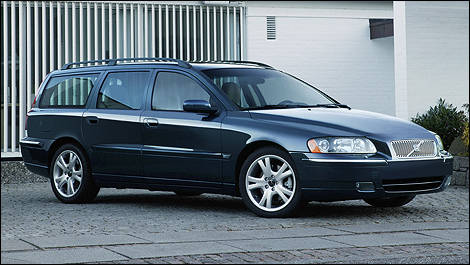
The manual transmissions are robust five-speed units capable of handling the turbocharged engine’s torque output without issue. The automatic transmissions, sourced from Japanese manufacturers, prove reliable with proper fluid maintenance.
Neither transmission presents significant reliability concerns when maintained according to Volvo’s specifications. The chassis is robustly built with excellent rust protection, particularly important given Volvo’s traditional markets in harsh climates.
The suspension components are durable and straightforward to maintain, though replacement parts can be expensive through Volvo dealers. Independent specialists and aftermarket sources provide more affordable alternatives.
The electrical systems are more complex than some competitors but are executed with typical Volvo reliability. When issues arise, diagnosis is straightforward, and the enthusiast community provides extensive troubleshooting resources.
Interior quality is excellent, with materials that age gracefully and maintain their integrity over hundreds of thousands of miles. The C70 proves that combining performance, luxury, and longevity is achievable when manufacturers prioritize engineering over cost-cutting.
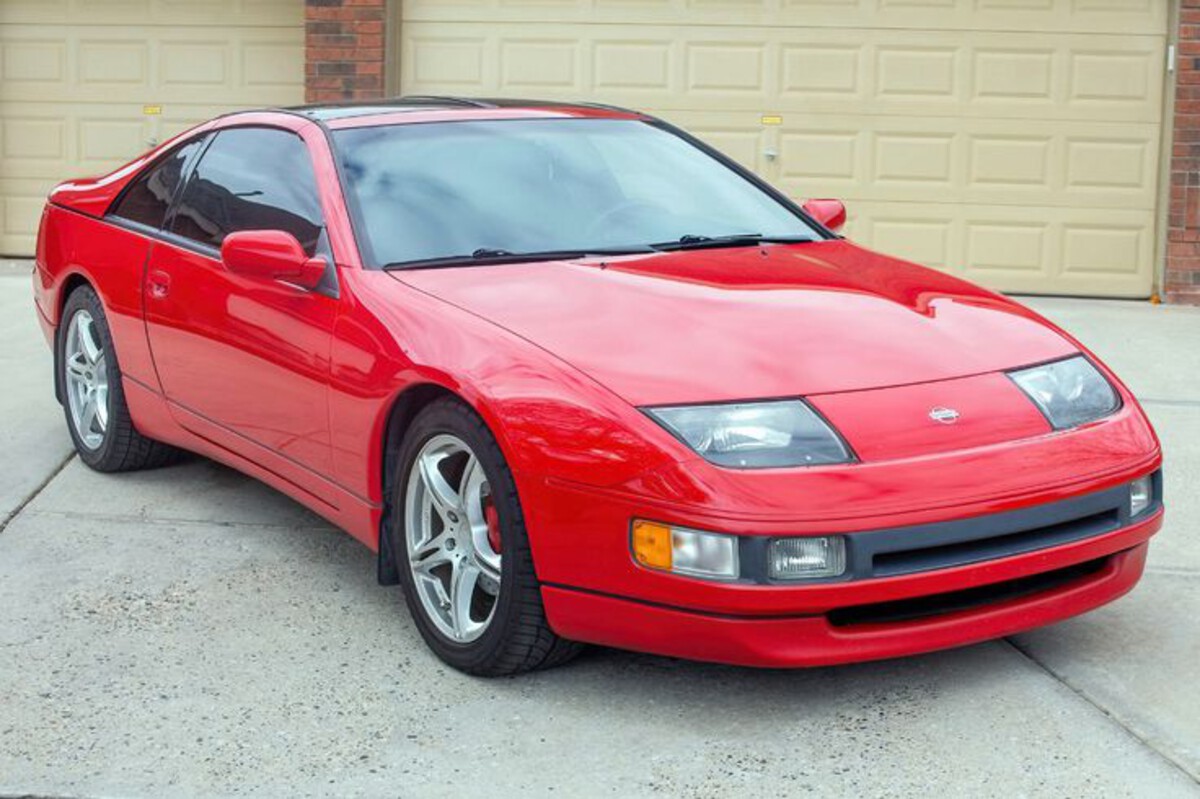
9. Nissan 300ZX (1990-1996, Z32)
The Z32-generation Nissan 300ZX represents Japanese engineering from an era when manufacturers weren’t afraid of complexity in pursuit of performance and refinement.
While these twin-turbocharged sports coupes have reputations for being challenging to maintain due to tight engine bay packaging, properly maintained examples can absolutely achieve extraordinary mileage. The key lies in finding vehicles with documented maintenance histories and owners willing to invest in preventative care rather than reactive repairs.
The VG30DETT twin-turbocharged V6 engine is powerful, sophisticated, and capable of serious longevity when respected. These 3.0-liter engines produce 300 horsepower while featuring advanced technology for their era. The turbocharging system requires attention to oil quality and cooling system integrity, but the fundamental engine design is
robust. Regular oil changes, timely timing belt replacements, and cooling system maintenance enable these engines to accumulate hundreds of thousands of miles. The naturally aspirated VG30DE variant offers simpler maintenance and even greater reliability potential.
The five-speed manual transmission is strong and precise, capable of handling the turbocharged engine’s output without reliability concerns.
The four-speed automatic transmission is less engaging but mechanically sound when maintained properly. Both transmissions prove durable with appropriate fluid service intervals.
The complex suspension system, featuring multi-link rear suspension and sophisticated geometry, provides excellent handling while proving reasonably durable.
Components eventually wear but are replaceable, though labor costs can be high due to complexity. The brake systems are properly engineered and prove reliable.
The electrical systems represent the most significant challenge, with various sensors, modules, and complex wiring that can develop issues over time. However, the enthusiast community is knowledgeable and has documented solutions for virtually every common problem.
The chassis is well-protected against rust, and interior quality is good for the era. While demanding more attention than simpler vehicles, dedicated Z32 owners prove these sophisticated sports coupes can achieve remarkable longevity.
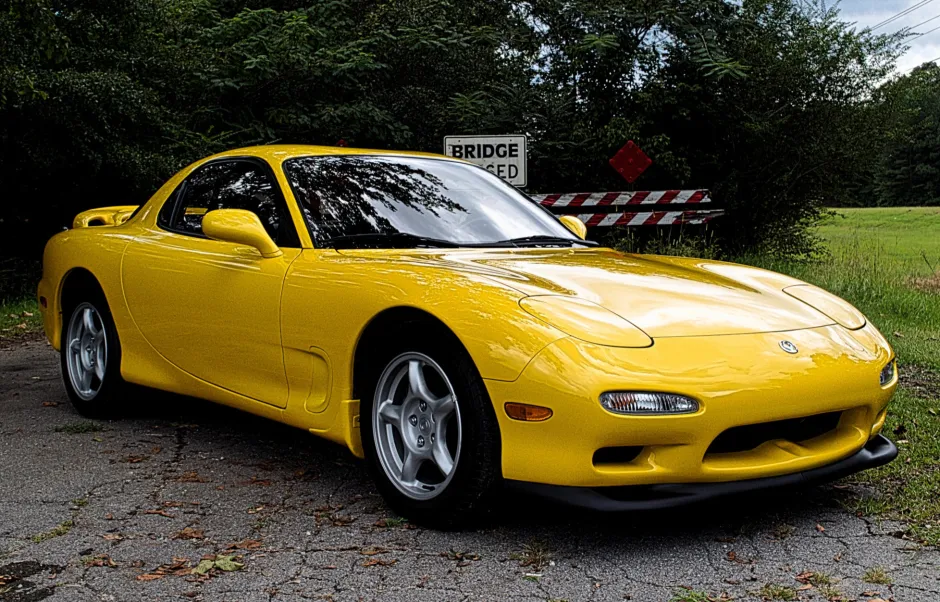
10. Mazda RX-7 (1993-1995, Third Generation)
Including the rotary-powered Mazda RX-7 on a high-mileage list is unconventional, as rotary engines have well-deserved reputations for requiring rebuilds more frequently than piston engines.
However, properly maintained third-generation RX-7s can achieve impressive longevity, and several examples have documented mileage exceeding traditional expectations. The key is understanding that rotary engines operate differently and require specific maintenance approaches that differ from conventional powerplants.
The twin-turbocharged 13B-REW rotary engine is sophisticated, powerful, and requires meticulous maintenance for longevity. These engines produce 255 horsepower from just 1.3 liters displacement through unique rotary architecture.
Achieving high mileage requires religious oil changes using quality oil, maintaining cooling systems meticulously, and allowing proper warm-up and cool-down procedures.
Owners who treat these engines with appropriate respect report achieving 150,000 to 200,000 miles before requiring rebuilds and rotary rebuilds are less catastrophic than piston engine failures, often being completed for reasonable costs by specialists.
The five-speed manual transmission is robust and well-matched to the engine’s characteristics. These transmissions handle the rotary engine’s power delivery without issues and require only fluid changes and eventual clutch replacements. The transmission’s precision and durability are rarely questioned.
The chassis is lightweight, rigid, and features sophisticated suspension geometry that provides exceptional handling. Components are straightforward to maintain, and the aftermarket support is extensive. The brake systems are properly engineered for the vehicle’s performance capabilities.
What enables RX-7 longevity is knowledgeable ownership enthusiasts who understand rotary-specific requirements and budget for engine rebuilds as routine maintenance rather than catastrophic failures.
The extensive enthusiast community, specialized rotary mechanics, and passionate owner base create an ecosystem supporting these unique vehicles indefinitely. While requiring different approaches than piston-powered vehicles, committed RX-7 owners prove that even rotary engines can deliver hundreds of thousands of miles of driving pleasure.
Also Read: 8 Electric Cars That Are Now Unbelievably Cheap Used
