Subcompact SUVs have become increasingly popular among urban drivers and small families, offering the versatility of an SUV in a size that is easy to park and maneuver. However, not all models in this segment deliver the same level of practicality when it comes to cargo space.
Some, like the Volkswagen Taos, Hyundai Kona, Kia Seltos, and Honda HR-V, combine compact dimensions with thoughtful interior design, split-folding rear seats, and clever storage solutions, making them surprisingly spacious for carrying luggage, groceries, or weekend gear. These SUVs balance usability with driving dynamics, technology, and comfort, providing real-world utility for daily errands or family trips.
On the other hand, some subcompact SUVs prioritize style, luxury, or off-road capability at the expense of cargo space. Vehicles such as the Mazda CX-30, Toyota C-HR, Jeep Renegade, Lexus LBX, and Hyundai Venue feature sleek rooflines, hybrid or AWD packaging, or short wheelbases that reduce interior volume.
While attractive and fun to drive, these models may struggle to accommodate larger items, making them less practical for families or frequent cargo hauling.
5 Subcompact SUVs With Usable Cargo Space
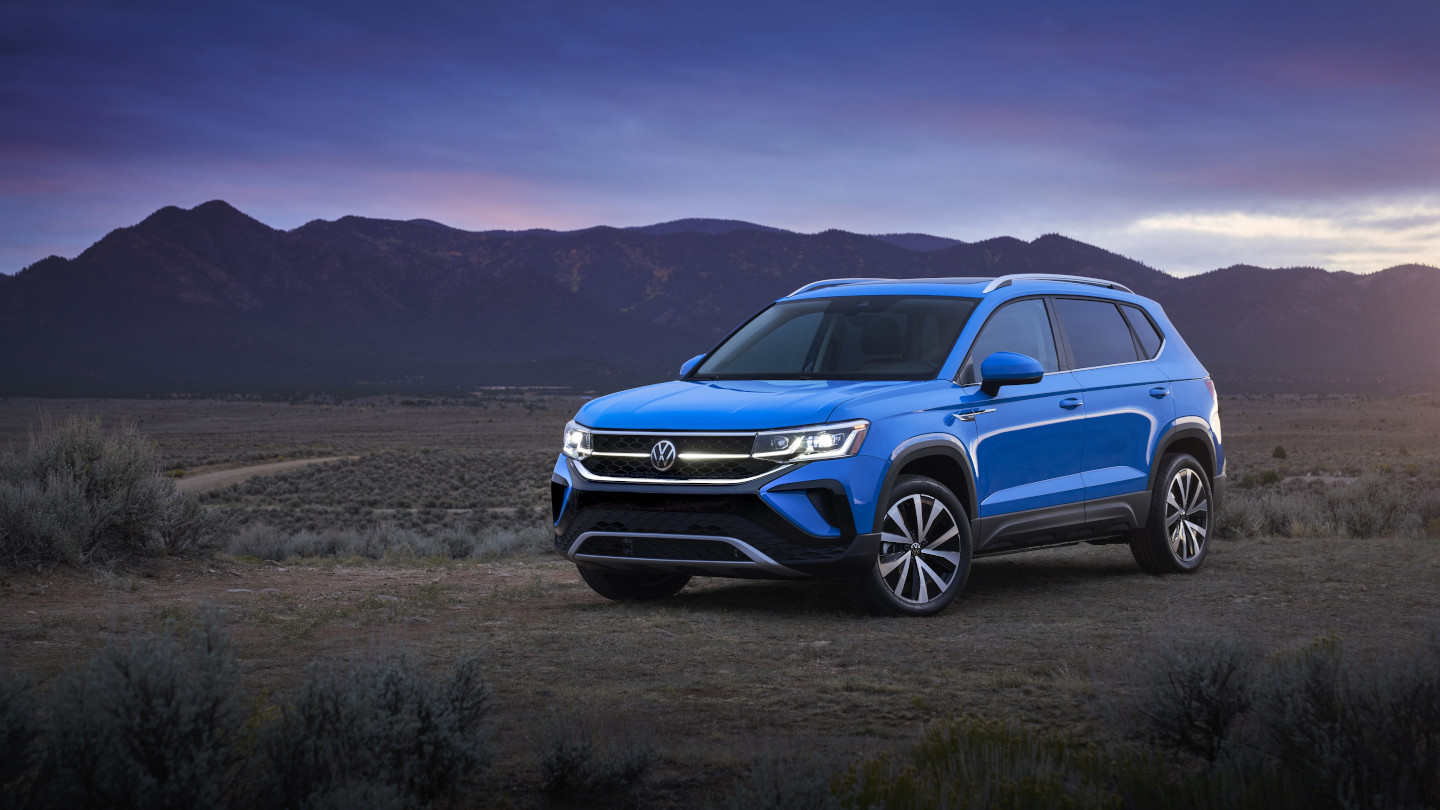
1. Volkswagen Taos: Combines Spacious Interior, Efficient Performance, and Advanced Safety
The Volkswagen Taos stands out in the subcompact SUV segment for its impressive cargo space and versatile interior design. Front-wheel-drive (FWD) models provide 27.9 cubic feet behind the second row and up to 65.9 cubic feet with seats folded. All-wheel-drive (AWD) versions remain competitive with 24.9 cubic feet of cargo space and a maximum of 60.2 cubic feet.
Its boxy, upright design maximizes usable height and width, while 60/40 split-folding rear seats, a center pass-through, and a low loading floor make it practical for transporting bulky items. Thoughtful cabin storage, such as deep door pockets and a wide-opening liftgate, enhances usability.
Under the hood, the Taos features a turbocharged 1.5-liter four-cylinder engine producing 174 horsepower paired with an eight-speed automatic transmission. The FWD model uses a torsion-beam rear suspension, while AWD models employ a multilink setup.
Acceleration to 60 mph takes approximately 8.2 seconds, slightly slower than the 2022 model but still adequate for a subcompact SUV. Fuel efficiency is strong, with FWD ratings of 28 mpg city and 36 mpg highway, and AWD achieving 25/33 mpg, with real-world highway performance exceeding 40 mpg.
Inside, the Taos offers modern comfort and technology. Standard cloth two-tone seats can be upgraded to leather or leatherette. Features include customizable ambient lighting, an eight-way power driver’s seat, dual-zone climate control, heated and ventilated front seats, and a panoramic sunroof. Rear passengers enjoy 37.9 inches of legroom, and cargo space remains highly flexible.
Infotainment includes an 8.0-inch touchscreen with Apple CarPlay, Android Auto, optional wireless mirroring, built-in navigation, a six-speaker stereo, SiriusXM, wireless charging, and a subscription-based Wi-Fi hotspot. Safety features are comprehensive, with forward-collision warning, automated emergency braking, blind-spot monitoring, rear cross-traffic alert, and adaptive cruise control with lane-centering.
Volkswagen backs the Taos with a four-year/50,000-mile limited warranty and powertrain coverage, plus two years or 20,000 miles of complimentary scheduled maintenance. With its combination of spacious interior, capable engine, advanced technology, and robust safety features, the Taos offers a compelling package for buyers seeking a practical, efficient, and well-equipped subcompact SUV.
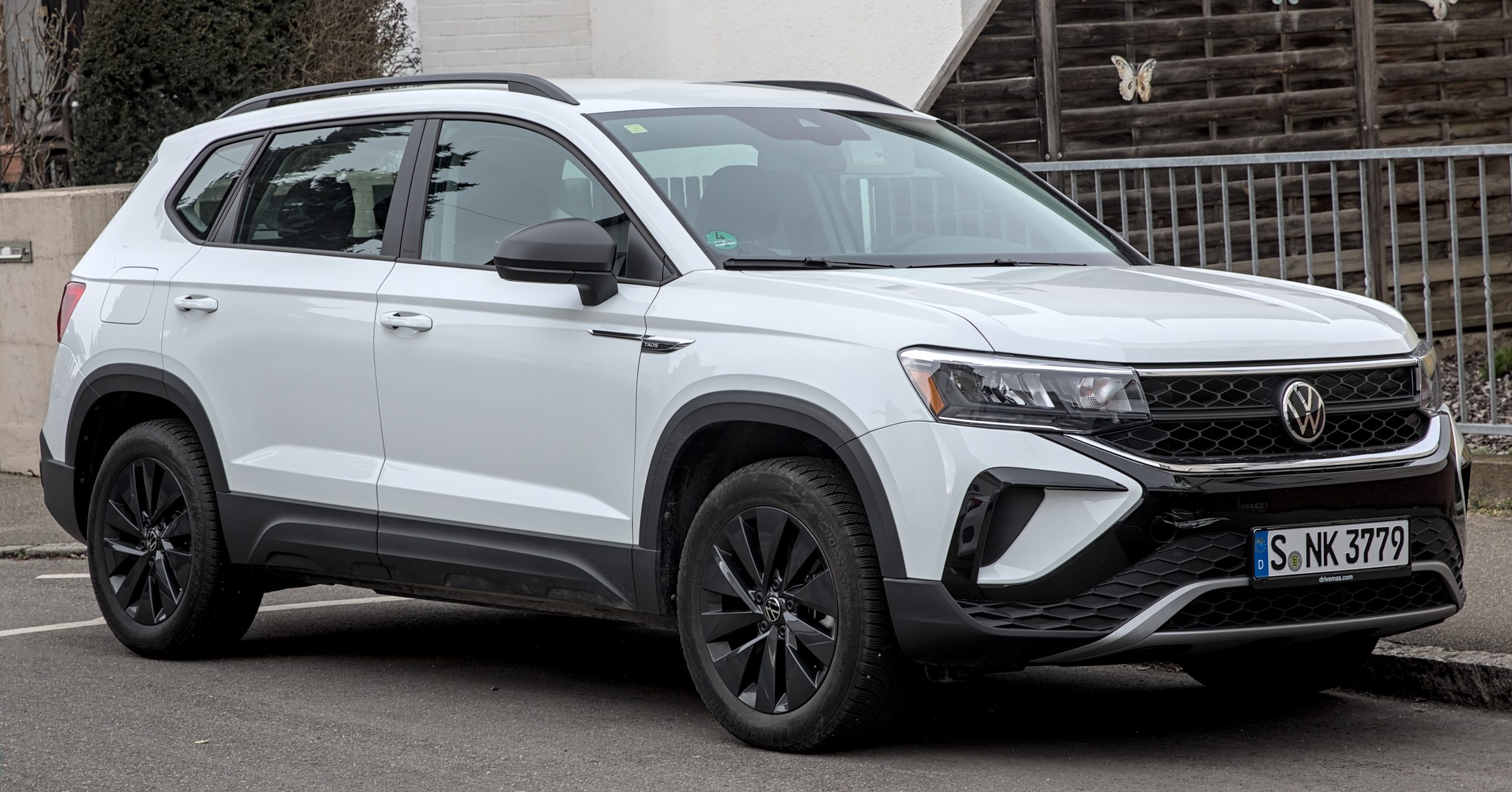
2. Hyundai Kona: Redesign Brings Spacious Interior, Versatile Powertrains, and Modern Features
The redesigned Hyundai Kona has significantly improved its utility, cabin space, and practicality for a subcompact SUV. Its second-generation model offers 25.5 cubic feet of cargo space behind the rear seats and expands to 63.7 cubic feet when the seats are folded.
The dual-level cargo floor, 60/40 split-folding seats, and boxy design maximize vertical space, making it easy to store bulky items, strollers, or luggage. A wide liftgate and low loading floor enhance accessibility, and the EV version provides similar functionality, often with a powered tailgate. While rear legroom may feel tight for some, the cargo capacity is among the best in its class.
Hyundai has retained the Kona’s distinctive styling, emphasizing futuristic design cues from the previous generation, including prominent front and rear light bars. Branded as an “urban-centric SUV,” it competes with vehicles like the Ford Puma, Nissan Juke, Kia Niro, VW T-Roc, and several electric crossover rivals.
The Kona provides multiple powertrain options to suit different drivers. A 1.0-liter turbocharged three-cylinder engine paired with a six-speed manual produces 99 horsepower and 148 lb-ft of torque.
A more powerful 1.6-liter turbocharged four-cylinder engine is available with either a six-speed manual or seven-speed dual-clutch transmission, delivering 136 horsepower and 184 lb-ft. The Kona Hybrid combines a 1.6-liter petrol engine with a small electric motor for a combined 127 horsepower and 195 lb-ft. In the U.S., front-wheel drive is standard, while all-wheel drive is optional for some models.
The interior combines modern technology with simple, functional controls. Dual 12.3-inch digital displays for the driver and infotainment complement a separate climate control panel.
The cabin has grown from the previous generation, adding 5.7 inches in length, 1 inch in width, 0.8 inch in height, and 2.4 inches to the wheelbase, providing more space for front and rear passengers. Material quality varies by trim, but the interior design is practical and thoughtfully arranged.
Pricing starts at approximately $26,735 for the base 1.0-liter petrol model, $27,685 for the 1.6-liter, and $30,890 for the hybrid. With its increased cabin space, versatile powertrains, and distinctive design, the Hyundai Kona is a highly practical and stylish option in the subcompact SUV segment.
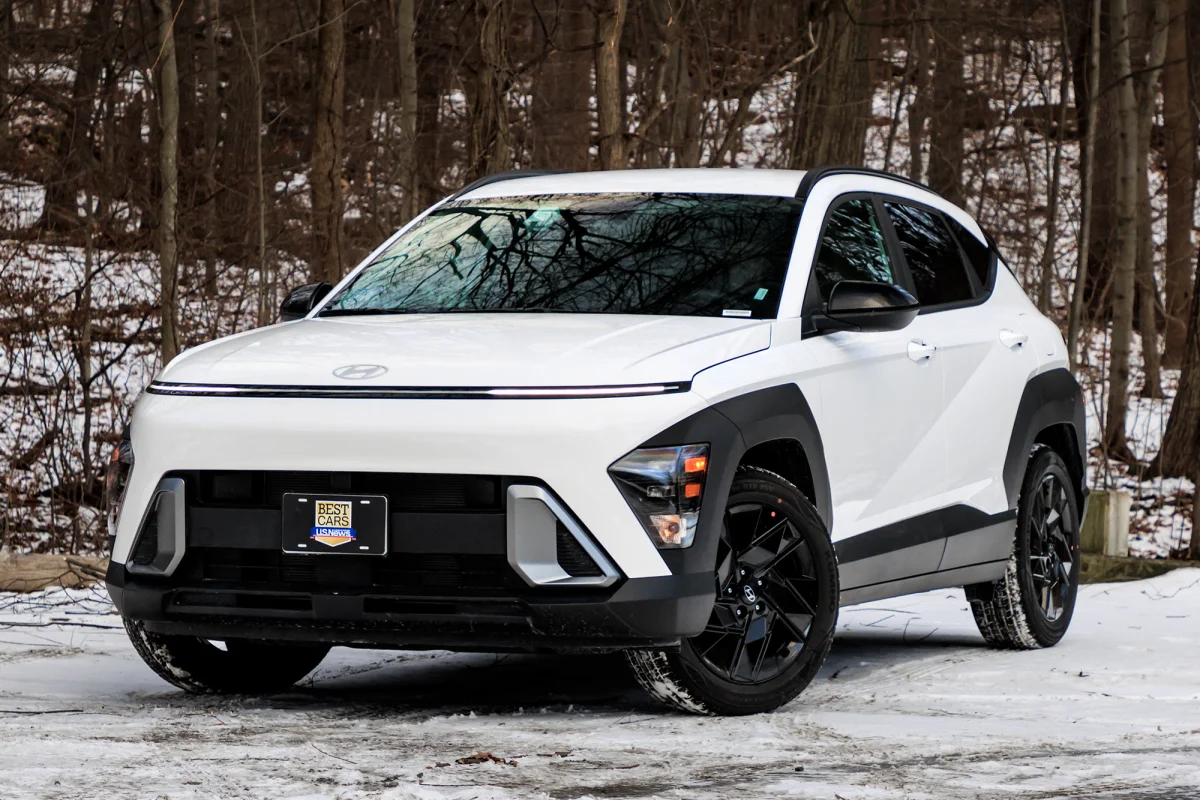
3. Kia Seltos: Combines Spacious Interior, Versatile Powertrains, and Modern Features
The Kia Seltos is a subcompact SUV that emphasizes practicality, comfort, and usability. Its upright, boxy design maximizes cargo space, providing 26.6 cubic feet behind the rear seats and expanding to 62.8 cubic feet with them folded.
A dual-level cargo floor, low liftover height, and wide hatch opening make loading larger items simple, while integrated roof rails allow for hauling gear like kayaks or skis. The 60/40 split-folding rear seats can also recline on select models, providing flexibility between passenger comfort and cargo capacity.
Inside, the Seltos offers a roomy cabin with refined materials that feel upscale for the segment. The SX trim features interior ambient lighting that can pulse along with music, while the optional infotainment setup stretches across much of the dashboard, combining a digital gauge display and touchscreen.
Apple CarPlay and Android Auto are standard on all trims, and optional features include SiriusXM satellite radio and an onboard Wi-Fi hotspot. Rear-seat and cargo dimensions allow for practical everyday use, with the ability to fit eight carry-on suitcases behind the rear seats and 20 with them folded.
The Seltos offers multiple powertrain options. A 2.0-liter naturally aspirated four-cylinder engine produces 146 horsepower and is paired with a continuously variable transmission (CVT). A turbocharged 1.6-liter four-cylinder engine delivers 190 horsepower and 195 lb-ft of torque with an eight-speed automatic transmission.
Front-wheel drive is standard, with all-wheel drive available on all but the base trims. In testing, the turbocharged model reached 60 mph in 6.9 seconds, providing sufficient performance for everyday driving. Fuel economy ratings are competitive, with the base AWD model achieving 27 mpg city and 31 mpg highway, and the turbo AWD model rated at 24 mpg city and 27 mpg highway.
Safety is a strong point, with standard automated emergency braking with pedestrian detection, lane-departure warning with lane-keeping assist, and adaptive cruise control with semi-autonomous capabilities.
Kia supports the Seltos with an industry-leading warranty, including five years or 60,000 miles of limited coverage and 10 years or 100,000 miles of powertrain protection, though complimentary scheduled maintenance is not included.
With its combination of spacious cargo capacity, flexible seating, practical interior design, multiple powertrain choices, and long-term warranty coverage, the Kia Seltos is a highly competitive option in the subcompact SUV market.
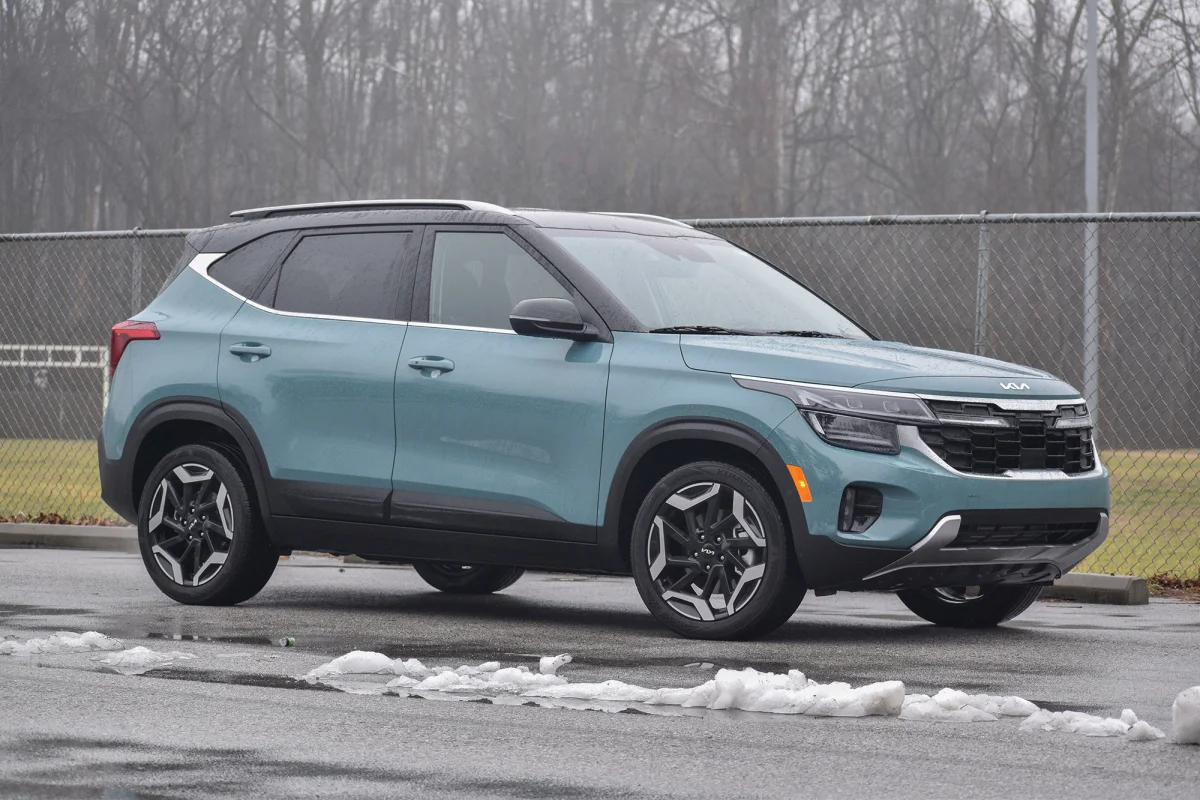
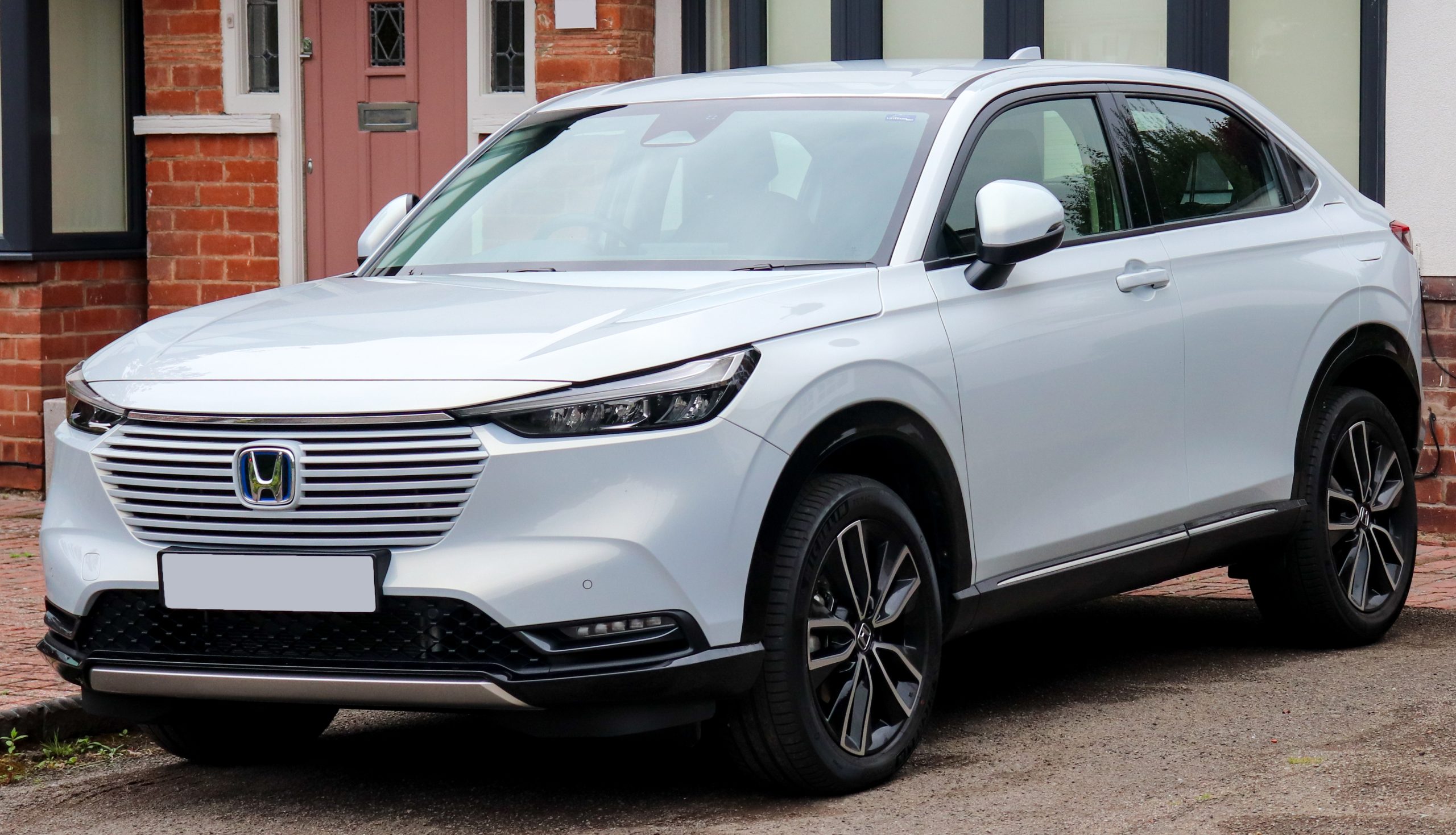
4. Honda HR-V: Offers Versatile Cargo Space and Practical Subcompact SUV Features
The Honda HR-V is a subcompact SUV known for its practical, user-friendly interior and versatile cargo area. Behind the rear seats, it offers 24.4 cubic feet of space, expanding to 55.1 cubic feet with seats folded. Its boxy rear design, low lift-over height, and nearly flat folding seats make loading large or heavy items simple.
The 60/40 split-folding rear seats provide flexibility for carrying passengers alongside longer cargo, and the vehicle includes additional storage cubbies such as a 16-liter under-floor compartment.
The HR-V’s “stadium seating” approach keeps the load floor low, maximizing vertical, horizontal, and depth space. With the rear seats down, the SUV can hold roughly 22 carry-on suitcases, highlighting its practicality for families and urban use.
Power comes from a single gasoline engine in the U.S., a 2.0-liter four-cylinder producing 158 horsepower paired with a continuously variable transmission (CVT). Front-wheel drive is standard, while all-wheel drive is optional on all trims. At the same time, adequate for city driving, acceleration is modest, with a 0–60 mph time of 9.4 seconds, noticeably slower than rivals like the non-turbo Mazda CX-30.
Although the HR-V’s performance may feel underpowered on highways or during passing maneuvers, its fuel economy is solid, with front-wheel-drive models rated at 26 mpg city and 32 mpg highway. All-wheel-drive versions are slightly lower, rated at 25 mpg city and 30 mpg highway, with real-world testing showing up to 32 mpg on the highway.
The interior adopts a modern design inspired by the Civic, combining functionality and comfort. Front seats are supportive with a wide range of adjustments, and the cabin offers thoughtful storage solutions.
The cargo area remains a highlight, capable of fitting seven carry-on suitcases behind the rear seats and 22 with the rear seats folded flat. Infotainment includes a 9.0-inch touchscreen with wireless Apple CarPlay and Android Auto, along with a wireless smartphone charging pad.
Safety features are robust, including standard automated emergency braking, lane-departure warning with lane-keeping assist, and adaptive cruise control. Honda provides a basic warranty package with three years or 36,000 miles of limited coverage, five years or 60,000 miles for the powertrain, and one year or 12,000 miles of complimentary maintenance.
The Honda HR-V stands out in the subcompact SUV segment for its spacious cargo capacity, flexible seating, and practical interior design, offering a family-friendly option with strong utility despite its modest power.
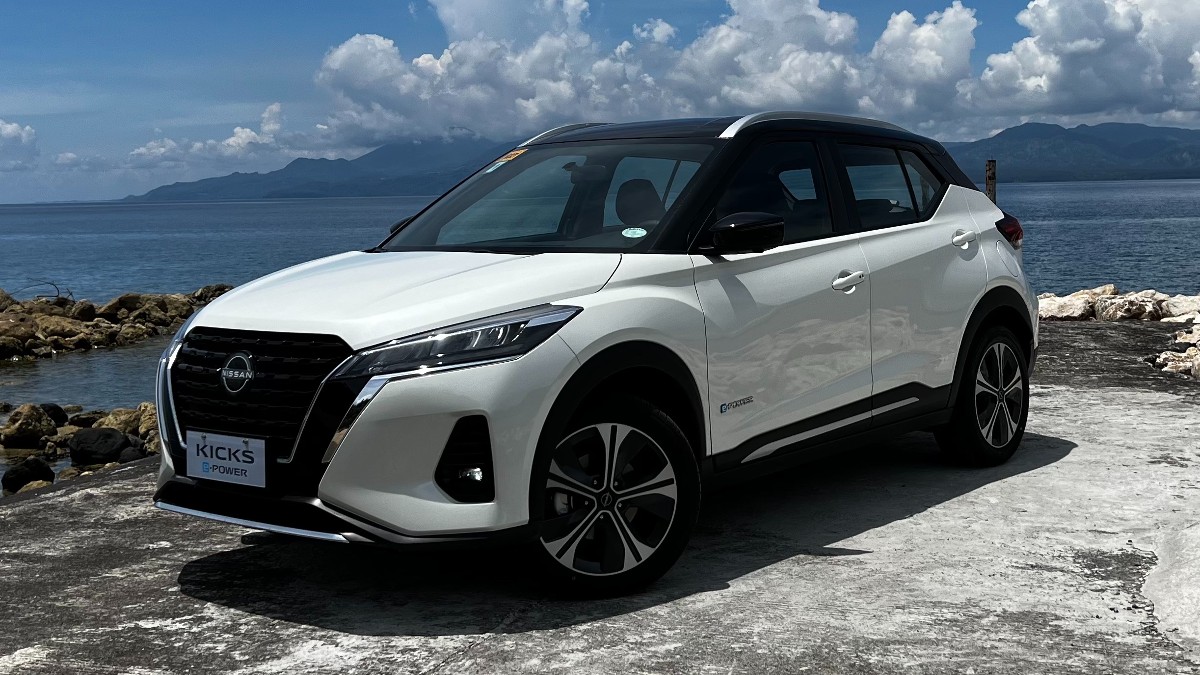
5. Nissan Kicks: Bigger, Smarter, and Surprisingly Spacious
The Nissan Kicks represents a major step forward for the nameplate, especially in cargo capacity and everyday usability. Thanks to a full redesign, the Kicks has grown in length, width, and height, resulting in one of the most practical cargo areas in the subcompact SUV class.
Front-wheel-drive models now offer up to 29 to 30 cubic feet of storage behind the rear seats and roughly 59 to 60 cubic feet with the seats folded. That makes it a standout choice for budget-conscious buyers who need generous seats-up cargo space for groceries, strollers, or travel bags.
A key reason for the Kicks’ usefulness is its boxy cargo shape. Unlike some rivals that sacrifice practicality for sleek styling, the Kicks features a deep, square load area that makes stacking luggage or bulky items much easier. The wide rear hatch opening improves loading access, and 60/40 split-folding rear seats allow drivers to carry longer items while still accommodating a passenger in the back.
Front-wheel-drive models also benefit from a dual-level cargo floor, which can create either a flat loading surface or a deeper well for taller items. All-wheel-drive versions trade some space for added traction, offering 24 cubic feet behind the seats and about 50 cubic feet total.
Under the hood, the redesigned Kicks replaces its former 1.6-liter engine with a stronger 2.0-liter four-cylinder producing 141 horsepower and 140 lb-ft of torque. Paired with a continuously variable transmission, it delivers improved responsiveness compared to the previous generation.
All-wheel-drive models add a Snow mode alongside Normal, Eco, and Sport settings. In testing, an AWD model reached 60 mph in 9.0 seconds, which is competitive for the class.
Fuel economy remains solid. According to the EPA, front-wheel-drive models earn up to 28 mpg city, 35 mpg highway, and 31 mpg combined, with AWD models dropping slightly by about 1 mpg per rating cycle.
Inside, the cabin feels modern, with available 12.3 inch displays and wireless smartphone connectivity on higher trims. Standard safety features include automated emergency braking and lane-keeping assist. With its expanded size, flexible cargo layout, and improved performance, the 2025 Kicks strengthens its position as one of the most practical and value-focused options in its segment.
Also Read: 5 Cars With Simple Dash Layouts vs 5 With Confusing Ones
5 That Are Too Small
1. Mazda CX-30: Focuses on Style and Driving Enjoyment Over Cargo Space
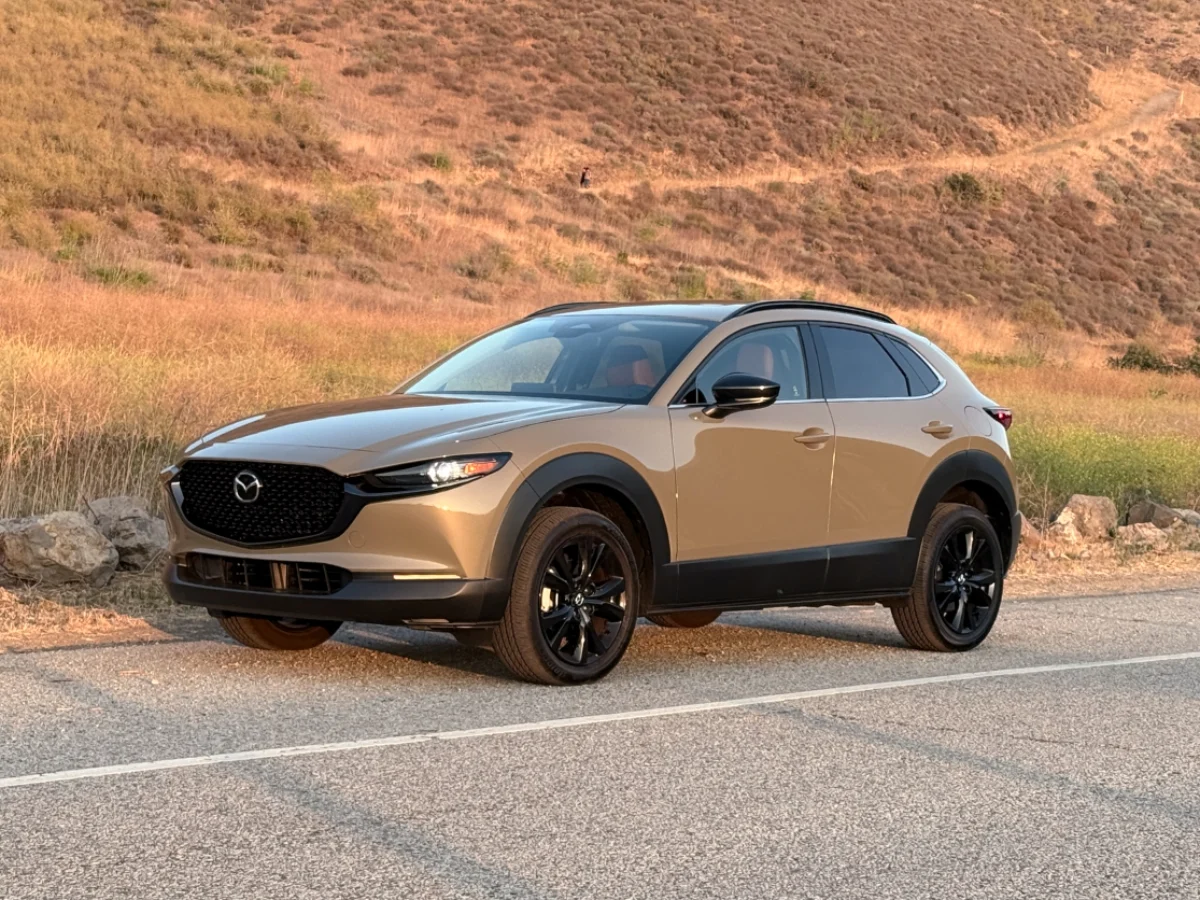
The 2026 Mazda CX-30 is a subcompact SUV that prioritizes premium styling, driving dynamics, and a high-quality interior while offering limited cargo capacity. It provides 20.2 cubic feet of space behind the rear seats and a total of 45.2 cubic feet with the seats folded.
Its sleek, sloping roofline reduces vertical storage, making it less practical for tall or bulky items. Compared to boxier rivals such as the Kia Seltos and Honda HR-V, the CX-30 clearly sacrifices utility to maintain a stylish, driver-focused design.
Mazda designed the CX-30 as a compact, urban-friendly SUV, keeping the total length under 4,400 millimeters. This size supports nimble handling and easy maneuverability but limits interior volume.
The coupe-like silhouette and high beltline enhance visual appeal but reduce rear headroom and cargo height. Sharing its platform with the Mazda 3 hatchback, the CX-30 functions as a lifted version of a compact car rather than a traditional, utility-focused SUV.
Inside, design decisions continue to favor the driving experience over storage. The rear seats are slightly elevated, and limited legroom makes the back area less comfortable for adults on long trips.
Essential components, such as the spare tire and an optional Bose subwoofer, occupy space beneath the cargo floor, further limiting maximum volume. Mazda has focused on usability, providing a low cargo floor and wide rear opening, making it easy to load everyday items like groceries or strollers despite the modest 20.2 cubic feet figure.
Compared with competitors, the CX-30 does not lead in cargo capacity. The Honda HR-V offers 24.4 cubic feet behind the rear seats, while the Kia Seltos provides about 27 cubic feet. Reviewers note that the CX-30 can fit a reasonable amount of luggage, such as six carry-on suitcases, but it cannot match the utility of larger, boxier subcompact SUVs.
The Mazda CX-30 is intended for buyers who value aesthetics, premium interior quality, and engaging driving performance rather than maximum cargo space. Its limited storage reflects a deliberate choice to prioritize style and driver enjoyment over utility.
2. Toyota C-HR: Trades Cargo Space for Urban Style and Design
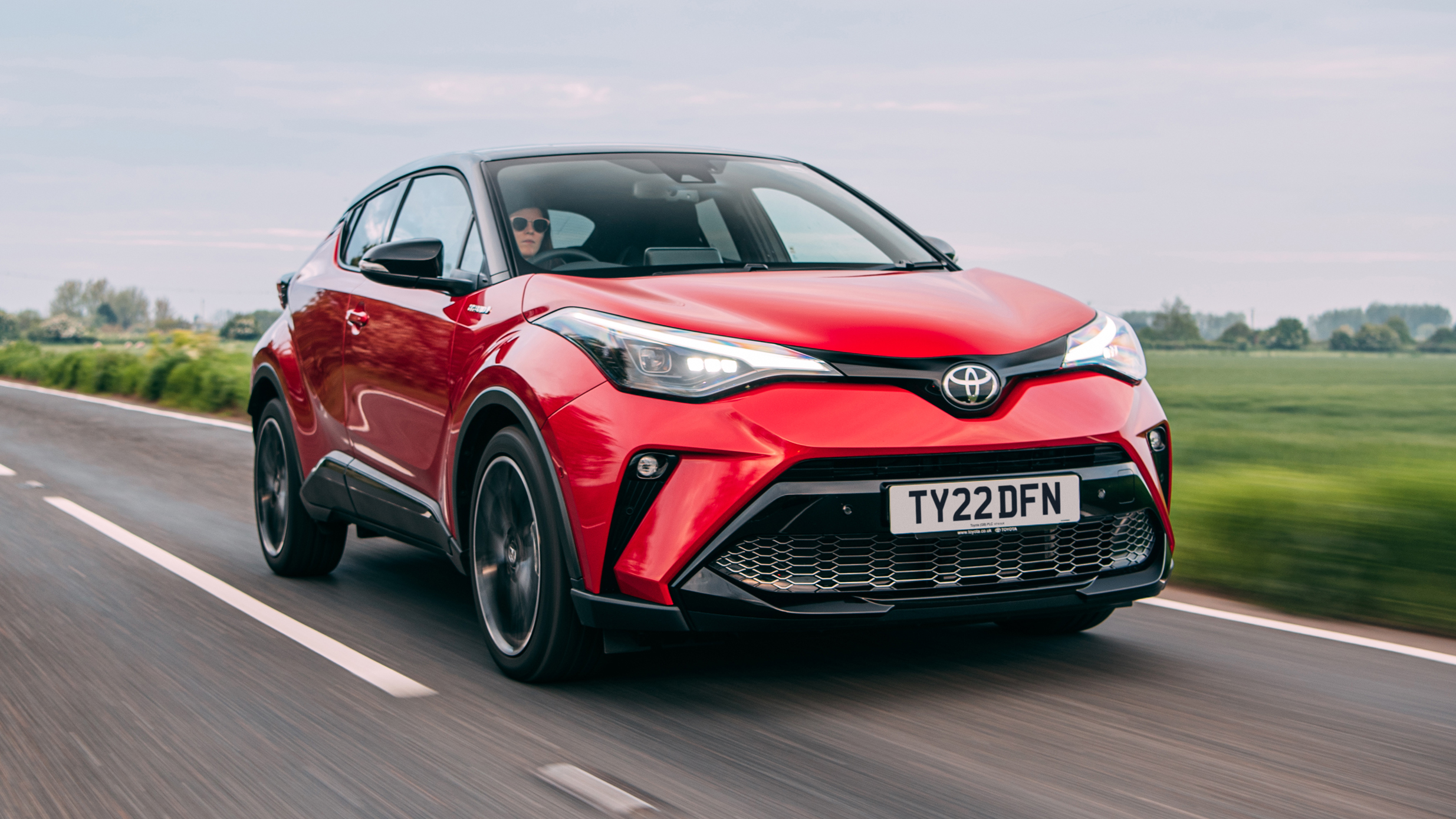
The Toyota C-HR, now discontinued in North America, was designed as a fashionable, urban-focused crossover rather than a utility-oriented SUV. Its cargo space was limited, offering only 19.1 cubic feet behind the rear seats and a total of 37 cubic feet with seats folded. This restriction stemmed from deliberate design choices aimed at creating a sleek, coupe-like appearance, which came at the expense of practicality.
A key factor reducing cargo capacity is the aggressively sloping rear roofline, which diminishes vertical space and makes it difficult to carry taller items. The trunk layout is also narrow and deep, limiting the ability to load wider or bulkier objects. Additionally, the cargo floor is relatively high with a pronounced loading lip, making it more challenging to lift heavy items into the back.
Hybrid versions of the C-HR further reduce usable space due to battery placement within the cargo area. Depending on the model, the boot space can drop to as little as 310 to 364 liters. Some models also include a spare wheel under the load floor, which cuts into depth and further restricts cargo volume.
Despite these limitations, the C-HR does feature a large rear hatch opening, making it easy to load smaller items such as groceries, weekend bags, or daily essentials. Its interior layout is sufficient for short trips or urban driving needs, but it cannot compete with boxier subcompact SUVs like the Honda HR-V or Nissan Qashqai when it comes to hauling capacity.
The Toyota C-HR prioritized standout design and city-friendly aesthetics over storage utility. Its limited cargo volume reflects a conscious choice to appeal to buyers seeking style, sharp handling, and a modern urban look rather than maximum practicality or family-oriented functionality.
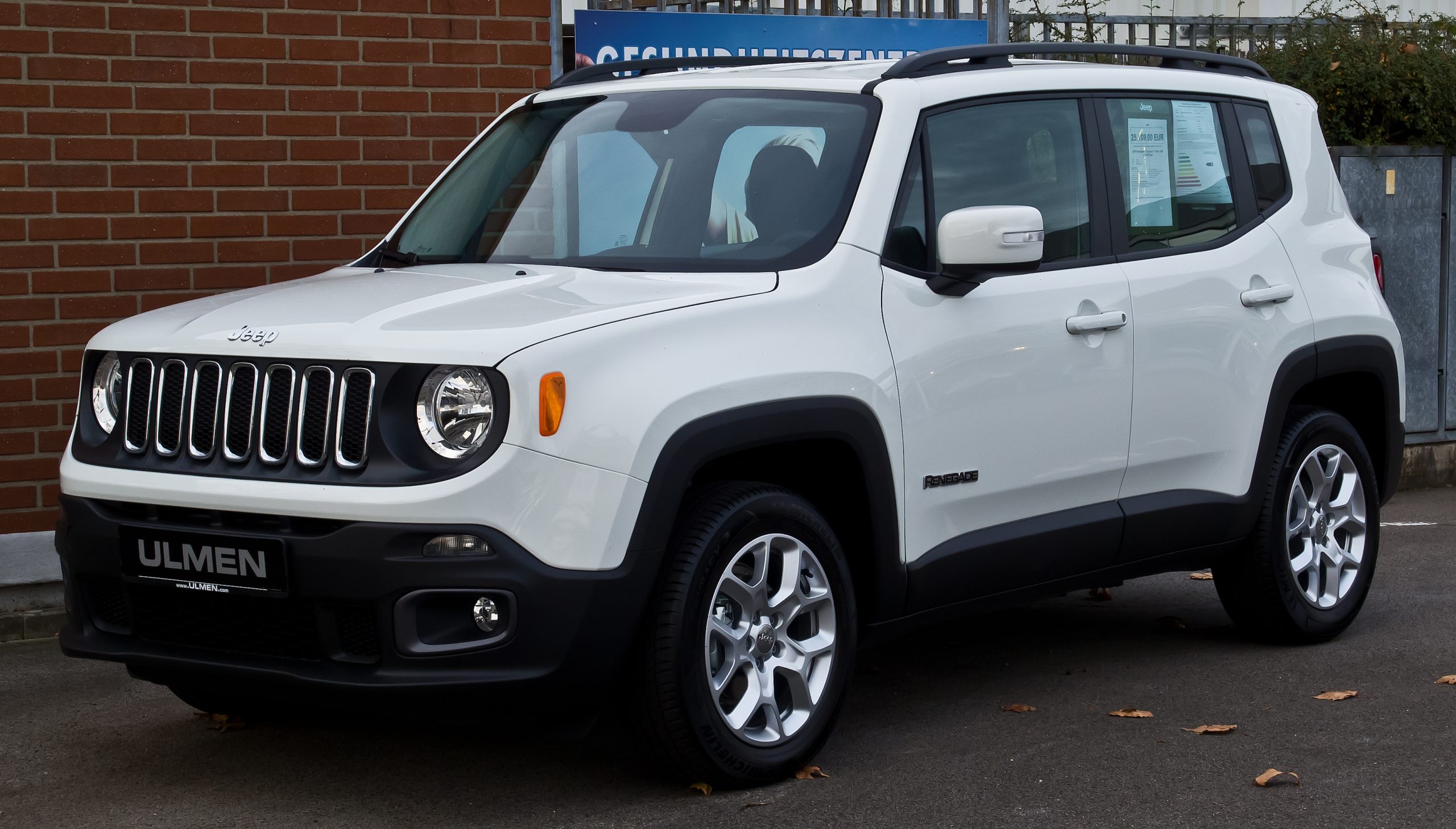
3. Jeep Renegade: Balances Off-Road Capability with Limited Cargo Space
The Jeep Renegade is a subcompact SUV known for its iconic boxy styling and off-road heritage, but its cargo capacity is limited. With the rear seats in place, it offers just 18.5 cubic feet of space, expanding to 50.8 cubic feet when the seats are folded. These numbers are below average for the class and make the interior feel tighter than its exterior dimensions suggest.
A major factor in the Renegade’s limited storage is its compact footprint. Measuring roughly 166.6 inches in length, the SUV was designed for city maneuverability and trail readiness. Its short wheelbase leaves less room for rear cargo, while prioritizing passenger comfort and headroom.
The upright seating and tall roofline provide over 40 inches of headroom for both front and rear passengers, but this comes at the expense of trunk depth, leaving only about 33 inches from the rear seatback to the hatch glass.
The vehicle’s interior design and equipment also impact usable space. Thick pillars, a chunky dashboard, and the narrow internal width of around 40 inches restrict the loading of wider items. Higher trims with subwoofers and 4xe plug-in hybrid models with battery packs further reduce available cargo space.
Despite these limitations, the Renegade includes several features to improve versatility. The rear seats fold flat in a 60/40 or 40/20/40 configuration, expanding cargo to 50.8 cubic feet.
Most models allow the front passenger seat to fold forward to accommodate long items, and a height-adjustable, reversible cargo floor adds vertical space or hidden storage. Roof rails provide additional carrying options for kayaks, bikes, or other large gear.
The Jeep Renegade prioritizes off-road capability, passenger headroom, and a compact, city-friendly footprint over raw cargo volume. While it cannot match boxier subcompact SUVs in storage, its clever design features help maximize utility for weekend adventures or urban errands.
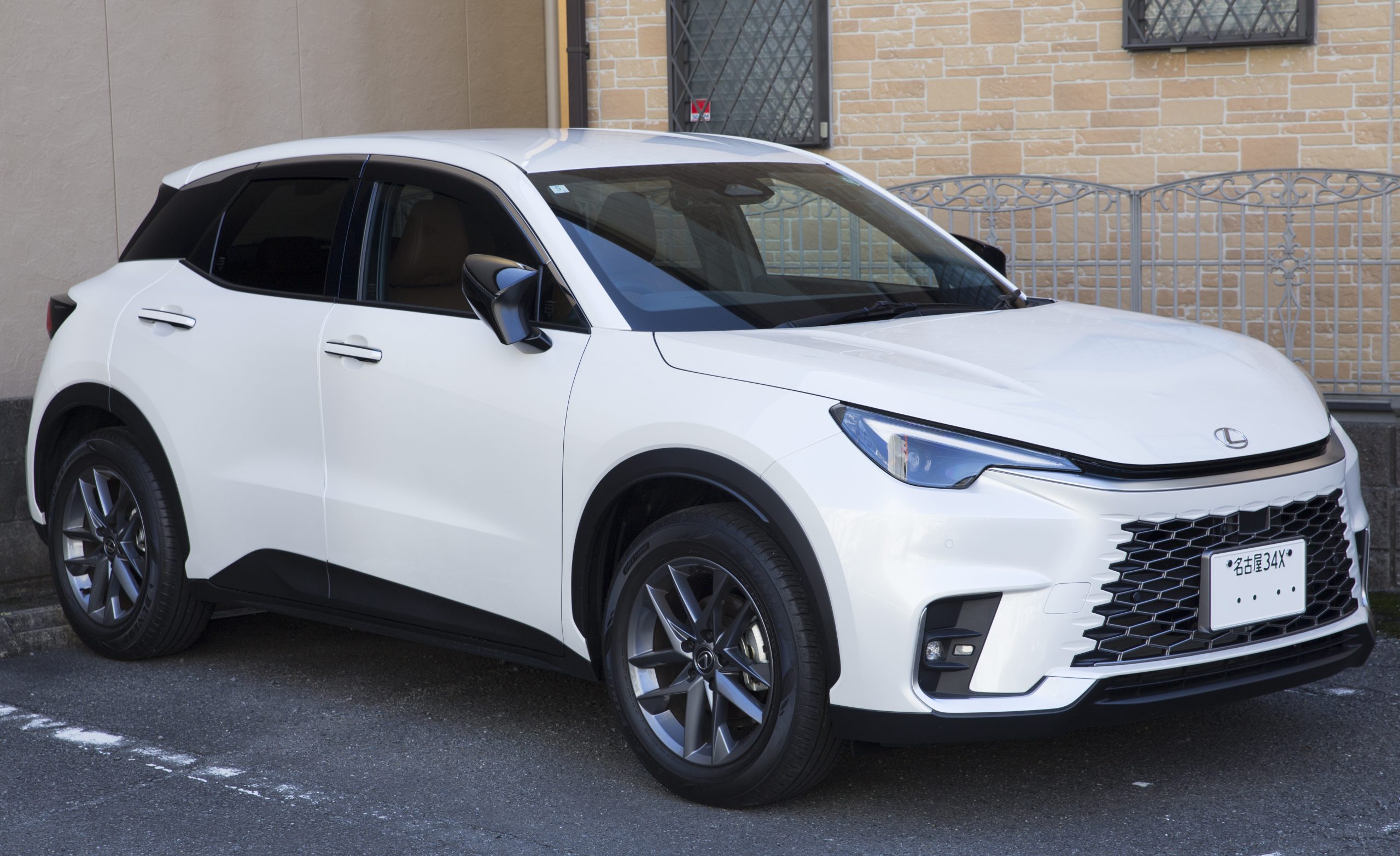
4. Lexus LBX: Prioritizes Luxury and Maneuverability Over Cargo Space
The Lexus LBX is a small luxury SUV designed for refinement and urban driving, but its cargo capacity is limited, offering roughly 14–15 cubic feet behind the rear seats similar to a standard sedan trunk. Its compact dimensions and complex hybrid or all-wheel-drive packaging reduce usable space, making it less practical than some rivals for carrying large items or multiple suitcases.
Cargo limitations are most pronounced in AWD models, where an additional electric motor on the rear axle raises the boot floor and reduces capacity from 402 liters in FWD models to 315–317 liters. This vertical loss makes stacking taller items difficult and limits space for larger luggage.
The LBX’s short footprint, built on the GA-B platform shared with the Toyota Yaris Cross, further constrains storage. Measuring only 4,190 mm in length, designers had to balance front-seat comfort with rear cargo space. Wheel arch intrusions inside the boot narrow the load bay, preventing wide items such as full-size golf bags from fitting without removing clubs.
The LBX also lacks flexible design solutions found in some competitors. It has a fixed boot floor with a deep loading lip, making heavy lifting necessary. The rear seats feature a basic 60/40 split instead of a versatile 40/20/40 arrangement, limiting the ability to carry long items while still accommodating passengers. Under-floor storage is minimal due to the hybrid battery and AWD components, leaving little room for small tools or cables.
Compared with rivals, the LBX is less practical. The Skoda Kamiq offers up to 1,395 liters with seats folded, the Volkswagen T-Roc provides a 445-liter boot, and the Audi Q2 delivers similar base capacity but better rear-passenger space and towing ability.
The Lexus LBX emphasizes urban maneuverability, premium interior finishes, and hybrid or AWD performance over raw cargo utility. It is best suited for buyers seeking a stylish, luxury-focused small SUV rather than a practical family hauler.
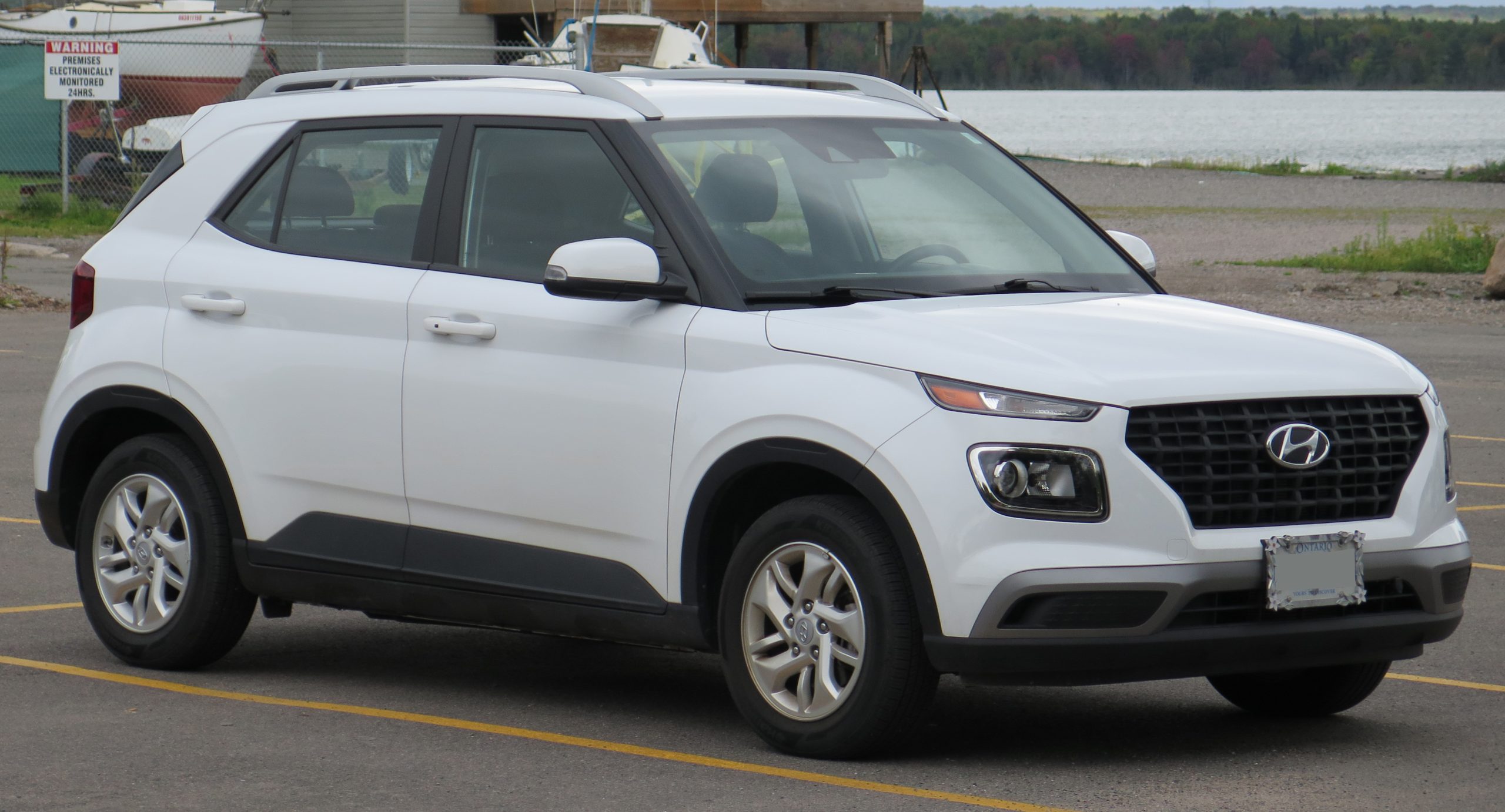
5. Hyundai Venue: Sacrifices Cargo for City-Friendly Size and Maneuverability
The Hyundai Venue is one of the smallest subcompact SUVs on the market, offering just 18.7 cubic feet of cargo space behind the rear seats and 31.9 cubic feet with the seats folded. Its limited storage results from a design focused on urban driving, affordability, and easy parking, rather than large-scale utility.
The Venue’s compact footprint, measuring roughly 159 inches in length, allows for tight turning radii and effortless maneuvering in crowded city environments, but it restricts interior and trunk volume.
Hyundai has prioritized passenger comfort within the Venue’s 110.6 cubic feet of total interior space. Front-seat occupants enjoy generous headroom and legroom, while some models provide rear-seat reclining options. This focus on a comfortable cabin leaves a modest cargo area suitable for small loads such as groceries, gym bags, or everyday essentials.
The Venue is marketed as a first car or city runabout rather than a family-hauling vehicle. Its storage capacity fits the needs of single owners or couples who rarely transport large luggage or bulky items.
To make the most of its limited space, the Venue features a boxy, upright roofline, a dual-level adjustable cargo floor, and a stowable cargo cover. Folding the 60/40 split rear seats expands the cargo area to nearly 32 cubic feet, allowing for small furniture, bicycles, or other taller items.
When compared to rivals, the Venue ranks near the bottom in cargo volume. The Nissan Kicks provides 25.3 cubic feet, the Kia Soul offers 24.2 cubic feet, and the Honda HR-V delivers 24.3 cubic feet behind the rear seats, with even greater capacity when folded.
The Hyundai Venue is a deliberately small, nimble SUV that prioritizes affordability, passenger comfort, and urban practicality over cargo capacity. It is ideal for city dwellers and first-time buyers who value maneuverability and convenience over hauling large loads.
Choosing a subcompact SUV requires balancing personal priorities between style, driving experience, and practicality. Models with usable cargo space, like the Taos or Seltos, provide flexibility for everyday life and occasional larger loads, making them ideal for small families or active lifestyles.
SUVs with limited storage, such as the CX-30 or LBX, are better suited for buyers who prioritize aesthetics, luxury, or city-friendly maneuverability over hauling capacity. Understanding the trade-offs between cargo volume and other features is key to selecting the right subcompact SUV for your lifestyle.
Also Read: 10 Cars Perfect for Freelancers Who Live in Coffee Shops