The 1970s was a remarkable decade for the American automotive scene, particularly for the muscle car market. After the roaring success of the late 1960s, manufacturers sought to create vehicles that combined raw power, bold designs, and distinctive personalities.
Many models became legends, such as the Chevrolet Camaro, Ford Mustang, and Dodge Charger, earning iconic status among car enthusiasts and collectors.
However, the era produced more than just these well-known giants. Numerous muscle cars were introduced with impressive performance, unique styling, and memorable engineering, but they failed to maintain widespread recognition over the decades.
Factors like limited production numbers, regional sales, rising insurance costs, and the oil crisis contributed to many of these vehicles fading from the public eye. Despite their obscurity, these cars hold incredible value for collectors today and provide a fascinating glimpse into the experimentation and ambition of 1970s American automakers.
They represented a time when manufacturers were willing to push boundaries with engine sizes, horsepower ratings, and daring designs. Some models were designed as premium variants with performance enhancements, while others focused on compact size or unique aesthetic appeal, offering alternatives to mainstream muscle cars.
Additionally, these forgotten cars often have compelling stories that reveal marketing strategies, regional popularity, and sometimes even cultural significance. The combination of rarity, performance, and style makes them appealing to those who value the history of the muscle car era beyond the most famous names.
Even if they did not achieve mass popularity, these vehicles captured the spirit of an age when automotive freedom was celebrated and speed was an essential part of identity. Collectors today are discovering the joy of restoring and owning these hidden gems, preserving not only the machines themselves but also the stories and innovation behind them.
Every forgotten muscle car carries a unique narrative that can inspire admiration, nostalgia, and appreciation for the creativity that flourished during a highly competitive automotive period. While some of these vehicles were technically advanced for their time, others were bold experiments that challenged conventional design philosophies.
Whatever their origin or purpose, they contribute to a fuller understanding of the 1970s muscle car movement and illustrate that the era was far more diverse than a list of household names. Their rediscovery continues to excite enthusiasts who value performance, originality, and the thrill of finding a car that has been overlooked for decades.
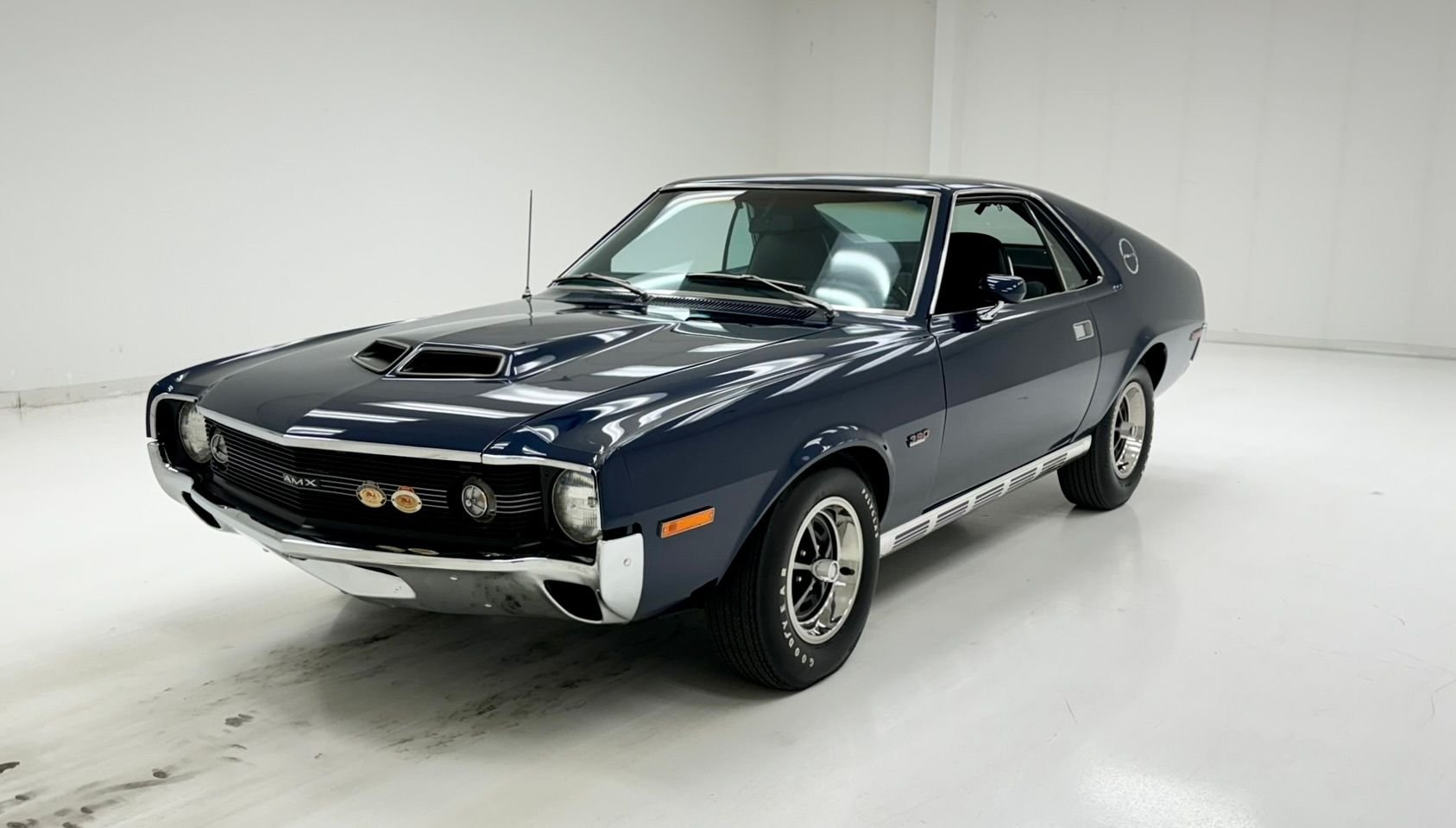
1. AMC Javelin AMX
The AMC Javelin AMX was one of the more daring attempts by American Motors Corporation to compete with bigger manufacturers. Its styling was aggressive, with a long hood and short rear deck that emphasized speed even when parked.
AMC offered a variety of engine options, including a 390 cubic inch V8 capable of impressive performance for its size. Despite strong racing credentials, the Javelin AMX struggled to gain the same recognition as the Camaro or Mustang.
Production numbers were limited, making it a rare sight on the roads even during its peak. The car was designed to appeal to younger buyers seeking performance with a touch of sophistication. AMC’s focus on handling gave it an edge in road courses compared to other muscle cars of the era. The interior featured driver-focused instrumentation, enhancing the experience of speed for enthusiasts.
The Javelin AMX also gained attention in motorsports, particularly in Trans-Am racing, where it competed against more established brands. Its lightweight construction and nimble handling allowed it to hold its own against competitors with higher horsepower. Fans of racing history often appreciate the Javelin for its unique contributions to the sport. Limited color schemes and trim options made each model feel special and collectible.
Many surviving examples today are highly sought after by collectors who value originality and historical significance. Restored models showcase the blend of style and performance that AMC pursued. The car’s rarity adds to its mystique and makes it a highlight at classic car events. Its distinct identity stands out among muscle cars, ensuring it is remembered even decades later.
Despite its obscurity, the AMC Javelin AMX is a testament to innovation and ambition from a smaller manufacturer. It proves that muscle car appeal was not limited to the largest companies. Enthusiasts who discover it are often drawn to its combination of rarity, performance, and unique design. Its continued admiration highlights the depth of the 1970s muscle car industry.
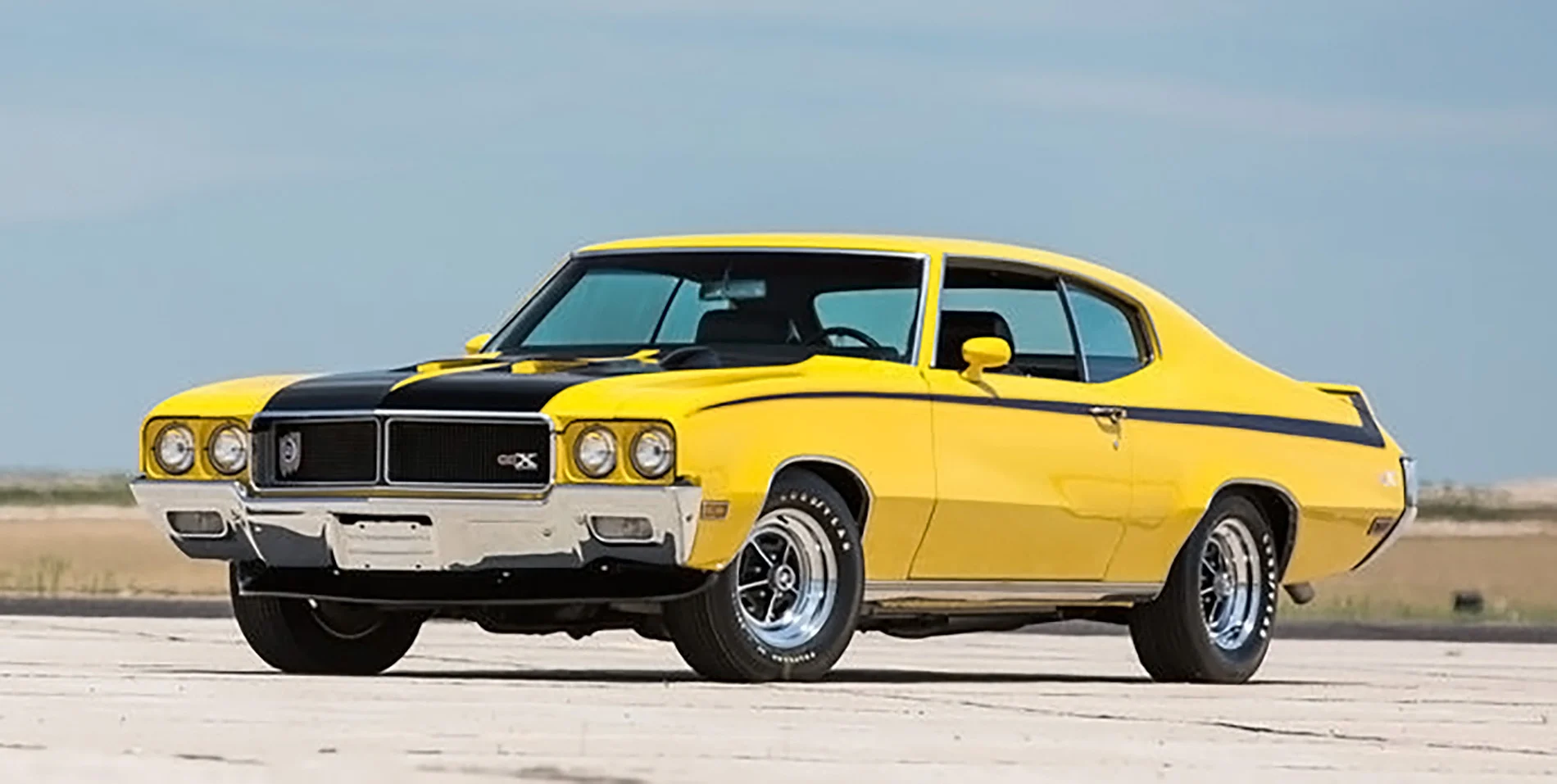
2. Buick GSX
Buick’s GSX was a high-performance variant of the Gran Sport series, built to showcase the company’s capability for producing serious muscle cars. Introduced in 1970, it featured a supercharged 455 cubic inch V8 that delivered tremendous acceleration.
The car had a sophisticated appearance, combining luxury cues with aggressive styling that set it apart from more basic muscle cars. Its performance made it competitive with contemporaries like the Chevelle SS and Pontiac GTO.
The GSX came with distinct exterior features, including bold stripes and a prominent rear spoiler. Its interior offered comfort and amenities that appealed to buyers seeking more than just raw speed. Buick emphasized both drivability and power, creating a muscle car that could handle daily driving while still thrilling on the track. Many enthusiasts admired the GSX for striking a balance between performance and refinement.
Production numbers were relatively low, making the GSX a rare collectible today. It was offered primarily in select colors, emphasizing the exclusivity of the model. The car’s suspension and handling improvements allowed it to excel in drag racing competitions, further solidifying its reputation. Buick’s approach demonstrated that muscle cars could cater to buyers interested in both speed and style.
Owners of GSX models often highlight the car’s smooth yet powerful ride. The engine delivered remarkable torque and acceleration, making it a favorite among enthusiasts looking for an alternative to more mainstream muscle cars. Its combination of luxury touches and extreme performance makes it unique in the muscle car world. The GSX stands as a symbol of Buick’s willingness to embrace performance in a period dominated by more aggressive brands.
Today, the Buick GSX is celebrated among collectors who appreciate the rare blend of sophistication and brute force. Its place in muscle car history may be overlooked by casual fans, but serious enthusiasts recognize its value.
The car’s continued admiration underscores the depth and variety of American performance vehicles in the 1970s. Owning a GSX provides a connection to a unique era of automotive experimentation and ambition.
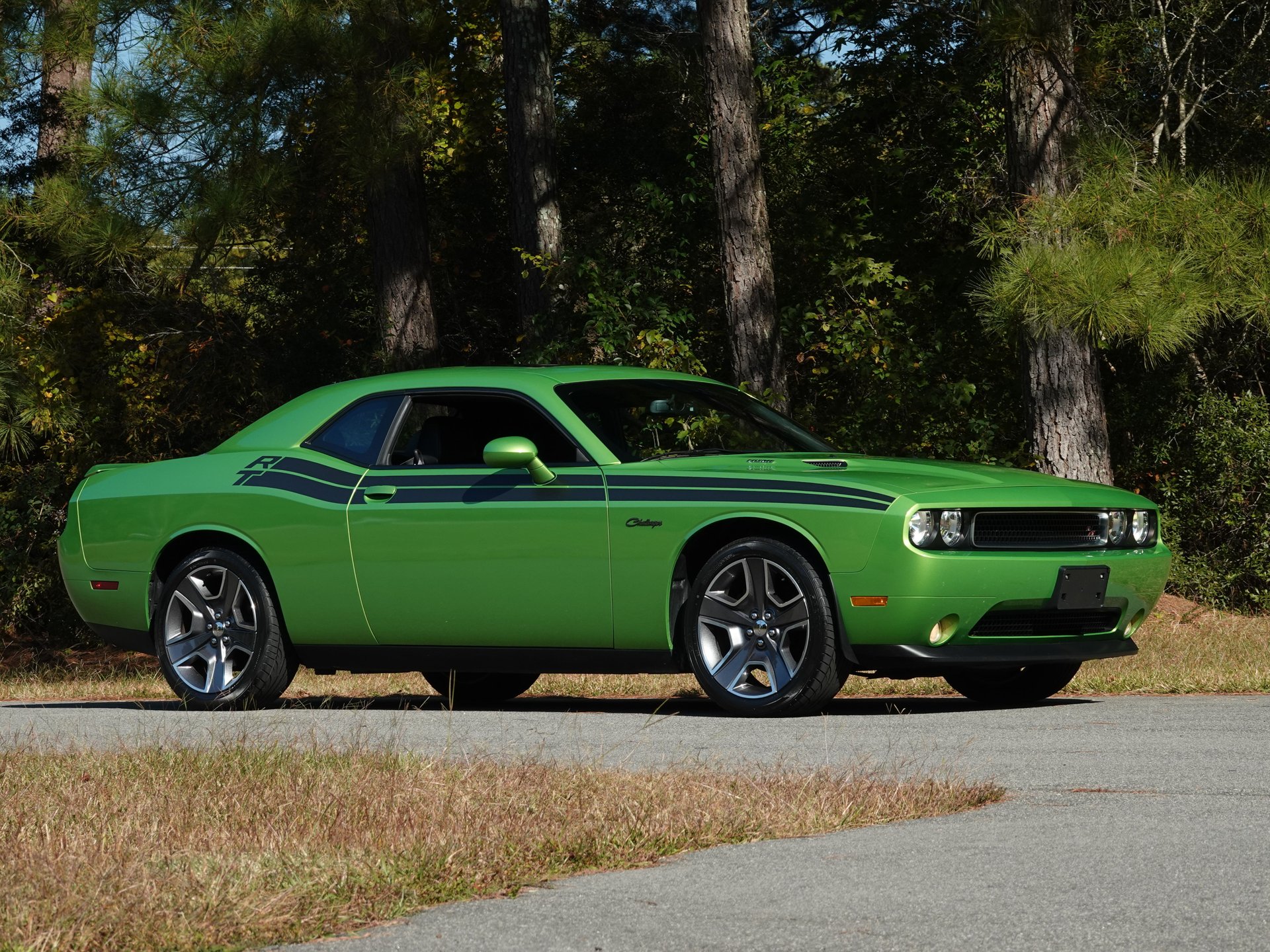
3. Dodge Challenger R/T SE
The Dodge Challenger R/T SE was introduced in the early 1970s as Dodge’s answer to the growing pony car market, yet it carried a level of refinement that set it apart from other muscle cars. Its long, sleek body and aggressive front grille gave it an unmistakable presence on the road.
Under the hood, buyers could choose from multiple V8 engines, including the legendary 426 HEMI, which made the car a formidable performer. Despite its power, the Challenger R/T SE offered a comfortable ride and well-appointed interior that appealed to drivers seeking both speed and daily usability.
One of the most appealing aspects of the Challenger R/T SE was its variety of styling options, including vinyl tops, dual racing stripes, and optional bucket seats that added personality to each vehicle. Dodge also offered unique trim packages that combined luxury touches with performance enhancements, giving the car a dual identity of muscle and sophistication.
The handling was improved with a well-tuned suspension, allowing it to compete in street racing and performance tests. Enthusiasts appreciated that the car felt both solid and responsive, capable of delivering excitement without compromising comfort.
Despite its popularity at launch, the Challenger R/T SE often gets overlooked today due to the focus on earlier Mopar models like the Barracuda and Charger. Production numbers for certain engine and trim combinations were limited, contributing to its rarity in the classic car market.
Collectors now prize these models for their combination of aesthetics, power, and historical significance within Dodge’s performance lineage. The car’s ability to bridge the gap between muscle car ferocity and approachable design makes it a hidden gem among 1970s vehicles.
In addition to street performance, the Challenger R/T SE had a presence in drag racing and road course events. Its balance of weight distribution and robust engine options allowed it to perform competitively, proving that the car was more than just a visually striking vehicle.
The design emphasized not only speed but also style, making it appealing to enthusiasts who wanted their cars to turn heads as well as accelerate quickly. Its understated reputation today adds to the mystique and allure for collectors seeking something beyond the obvious muscle car icons.
The Dodge Challenger R/T SE represents a perfect snapshot of 1970s ambition and innovation in the muscle car segment. It combined aggressive performance with comfort, a rare blend that makes it stand out decades later.
For enthusiasts who uncover one in good condition, the experience is not only a chance to own a powerful classic but also to preserve a piece of Dodge’s rich automotive history. The car’s enduring charm lies in its balance of style, power, and rarity, making it one of the most deserving of renewed recognition.
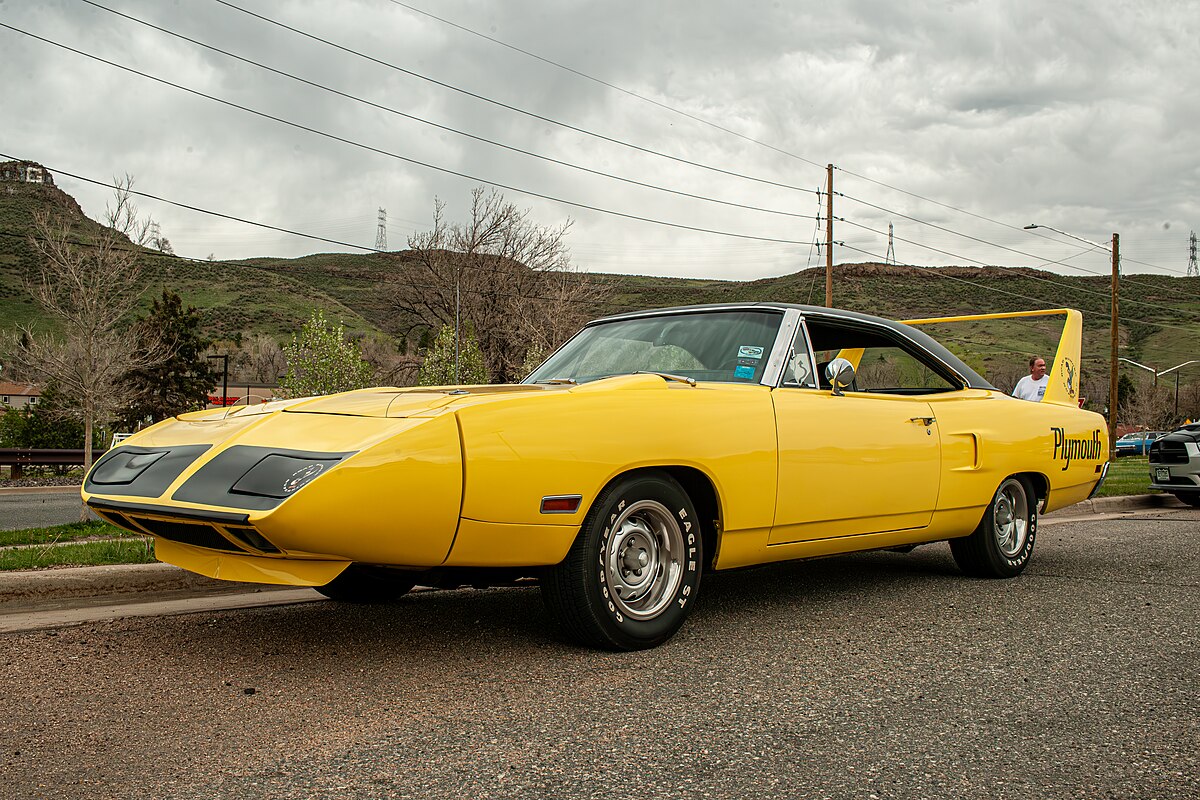
4. Plymouth Road Runner Superbird
The Plymouth Road Runner Superbird remains one of the most visually striking muscle cars of the 1970s, yet its true story often escapes mainstream attention. Designed primarily for NASCAR homologation purposes, the car featured a massive rear wing and aerodynamic nose cone that were unlike anything else on the road.
Beneath the surface, it shared components with the standard Road Runner but offered high-performance engines, including the 426 HEMI, capable of dominating racetracks. Its design was polarizing, but enthusiasts admired its audacious approach to blending aerodynamics with muscle car heritage.
The interior of the Superbird was surprisingly practical, with basic yet functional seating and a focus on driver experience. Plymouth aimed to create a car that could achieve maximum speed without sacrificing essential usability.
The combination of aerodynamic bodywork and powerful engine options allowed the Superbird to excel in NASCAR events, giving it legendary status in racing circles. However, the unusual styling led to limited commercial appeal outside of dedicated racing fans, contributing to its forgotten reputation in general culture.
Production numbers were extremely low, and the Superbird was only available for a single model year, increasing its rarity today. Its association with Richard Petty’s racing success has made it highly collectible, but many casual enthusiasts overlook its significance.
The car’s extreme design choices reflected Plymouth’s willingness to take risks in pursuit of performance dominance, creating an icon that was both functional and memorable. The combination of exclusivity, engineering innovation, and visual flair makes the Superbird a standout in any muscle car collection.
Collectors today value the Superbird not only for its performance but also for the story it tells about the era. It represents a time when manufacturers would go to extraordinary lengths to gain a competitive edge on the track. Its dramatic appearance and racing heritage provide context to the bold experimentation of the 1970s muscle car market.
Surviving models are rare and command high prices, reflecting the appreciation for vehicles that combined audacious design with serious engineering.
The Plymouth Road Runner Superbird deserves recognition as one of the 1970s muscle cars that challenged conventional thinking. Its legacy is intertwined with racing history, visual innovation, and extreme performance capabilities.
Enthusiasts who rediscover this car are reminded that muscle cars were not only about brute force but also about daring creativity. The Superbird’s presence continues to inspire admiration and highlight the rich diversity of American automotive design during a competitive era.
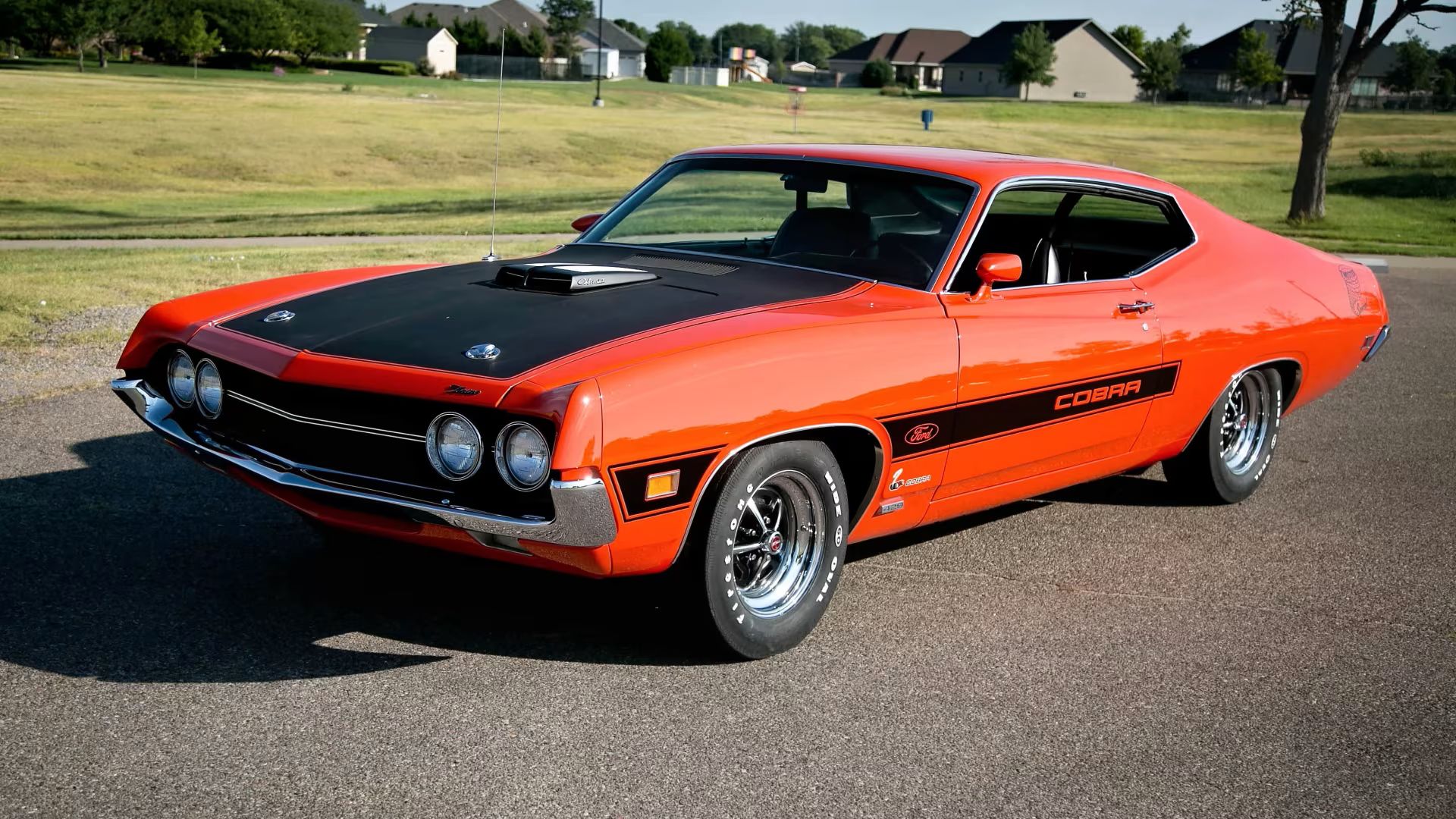
5. Ford Torino Cobra
The Ford Torino Cobra was a high-performance variant of the Torino, built to combine the practicality of a mid-sized car with the raw excitement of a muscle car. Its body was longer and slightly heavier than other pony cars, but Ford used this platform to house massive V8 engines, including the 429 and 460 cubic inch options.
With these engines, the Torino Cobra could produce impressive acceleration while still offering a spacious interior suitable for daily driving. Its clean lines and understated styling gave it a sense of sophistication that contrasted with more flamboyant muscle cars.
Ford marketed the Torino Cobra as a serious competitor in both street performance and drag racing. The car featured upgraded suspension components, improved brakes, and distinctive badging to differentiate it from standard Torino models.
Its ability to combine comfort and speed made it appealing to buyers who wanted a versatile vehicle without sacrificing power. The Cobra’s performance on the road and track helped establish Ford’s reputation for mid-sized muscle cars capable of competing with the larger Chevelles and Dodge Chargers.
Despite its capabilities, the Torino Cobra never achieved the mainstream fame of the Mustang or Camaro, largely because it was overshadowed by Ford’s larger and more iconic models. Limited production numbers for certain trim and engine packages contributed to its relative obscurity today.
However, collectors who seek rare and powerful cars have begun to rediscover the Torino Cobra as a hidden gem with both historical significance and practical appeal. Its balance of size, style, and engine performance makes it unique among muscle cars of the era.
The car’s interior reflected a focus on driver comfort and usability, with options for bucket seats, woodgrain accents, and upgraded instrumentation. These touches, combined with a potent powertrain, made the Torino Cobra a car that could perform in competition yet remain approachable for everyday use.
Its versatility and understated aggression have earned it a growing reputation among enthusiasts who value performance beyond the most obvious icons. The car’s presence in drag racing and collector circles emphasizes its enduring appeal despite being forgotten by casual fans.
Ford Torino Cobra serves as a reminder that the 1970s muscle car scene was not limited to the small pony car segment. Manufacturers were willing to experiment with mid-sized platforms to create cars that delivered both power and practicality.
The Cobra remains an overlooked classic, appreciated by those who recognize the combination of engineering prowess, stylish design, and limited production. Its rediscovery highlights the depth of innovation and ambition that characterized the muscle car era.
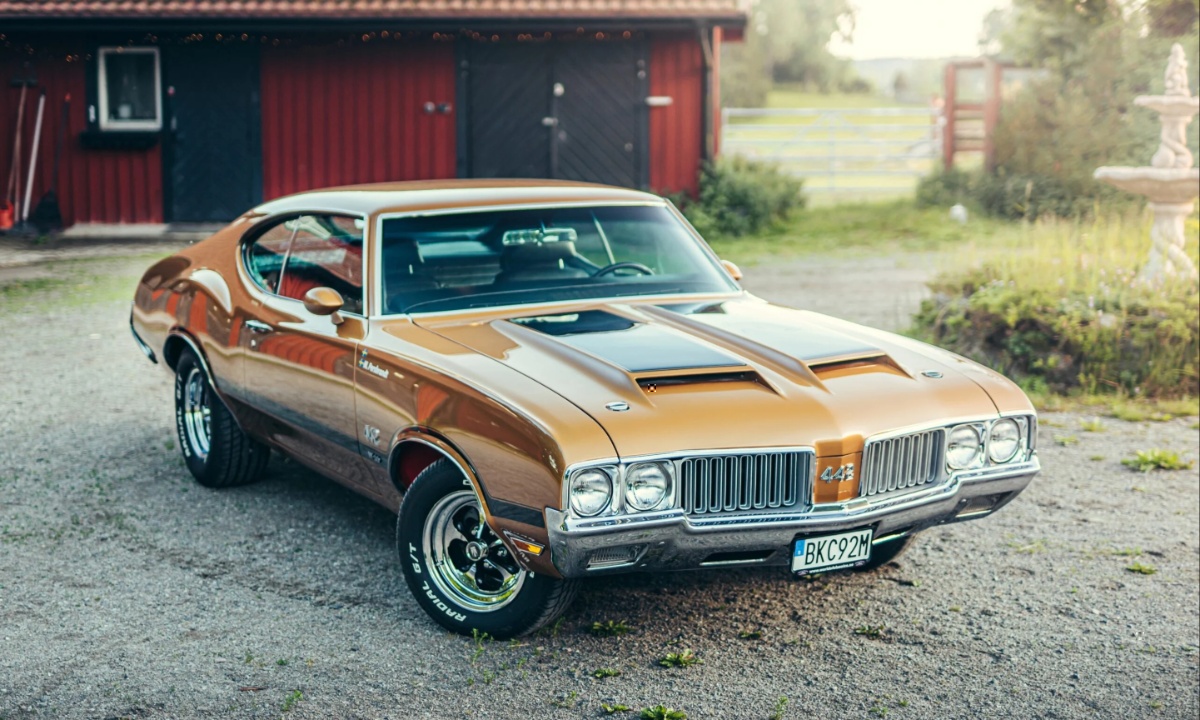
6. Oldsmobile 442 W30
The Oldsmobile 442 W30 was an extraordinary variant of the 442, known for combining luxury and serious muscle car performance. Its W30 package included a high-output 455 cubic inch V8, upgraded suspension, and strengthened drivetrain components.
Oldsmobile focused on refining both power and handling, creating a car that was capable of impressive acceleration while remaining smooth and controllable on the road. Its classic styling featured subtle yet aggressive lines, giving it an understated elegance compared to more flamboyant competitors.
Performance was a priority, with the W30 engine delivering remarkable torque and horsepower that made it a favorite in drag racing circles. The upgraded suspension improved handling, allowing the car to corner with confidence and stability.
Interior features were comfortable, with well-padded seating and thoughtful layouts designed for driver engagement. Oldsmobile succeeded in creating a car that could appeal to enthusiasts seeking both speed and comfort, a combination not often seen in the muscle car segment.
Limited production of the W30 package contributes to its rarity today, with surviving models highly prized by collectors. The car’s reputation grew slowly over the decades, as enthusiasts began to appreciate the balance of performance and refinement that it offered.
It stands as an example of Oldsmobile’s commitment to creating competitive muscle cars while maintaining a brand identity rooted in luxury and comfort. The W30 represents a thoughtful approach to performance that differs from the raw aggression seen in other 1970s muscle cars.
Collectors admire the Oldsmobile 442 W30 not only for its performance but also for its understated styling. Its elegant design, paired with a powerful engine, makes it a versatile and compelling classic. The car’s combination of exclusivity, engineering, and usability has led to renewed appreciation among enthusiasts seeking models that were overlooked during the height of the muscle car era. Owning a W30 is a chance to experience a rare blend of power, design, and sophistication.
The Oldsmobile 442 W30 embodies a side of 1970s muscle cars often forgotten: refinement paired with high performance. It demonstrates that muscle cars were not solely about aggressive styling or raw horsepower but could also combine engineering excellence and elegance.
Its rarity and quality make it one of the most deserving cars to be remembered and cherished by collectors today. The W30’s enduring legacy is a testament to Oldsmobile’s unique approach to the muscle car market.
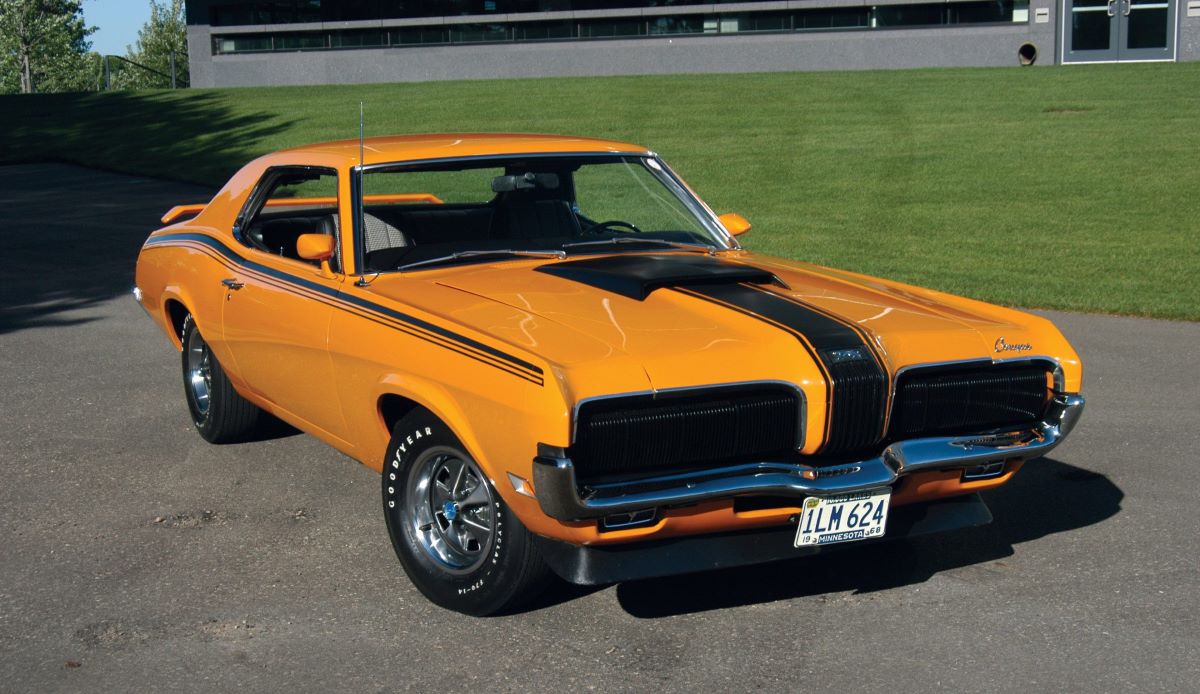
7. Mercury Cougar Eliminator
The Mercury Cougar Eliminator was Mercury’s answer to the pony car craze, offering bold styling and strong performance. While sharing a platform with the Ford Mustang, the Cougar Eliminator differentiated itself with distinctive trim, aggressive front and rear styling, and unique badging.
Under the hood, buyers could opt for a variety of V8 engines, including the powerful 429 cubic inch option, which made it competitive with its more famous rivals. Its styling was both elegant and aggressive, giving it a presence that stood out from standard coupes.
Performance features included heavy-duty suspension, optional limited-slip differentials, and upgraded brakes, which helped the Cougar Eliminator handle well at speed. Mercury aimed to create a car that was sporty, comfortable, and visually striking, appealing to buyers who wanted more than a typical pony car experience.
Its popularity in drag racing circles demonstrated that it could compete with other high-performance models despite its slightly larger size and weight. Enthusiasts admired the car for balancing power and handling, a combination that made it enjoyable both on the street and at the track.
Production numbers were modest compared to mainstream muscle cars, contributing to the Cougar Eliminator’s forgotten status today. Its unique appearance and options made each model feel special, yet it lacked the broad advertising reach of competitors like the Camaro or Mustang.
Collectors now seek these cars for their rarity, stylish design, and performance potential. The Eliminator demonstrates that Mercury was willing to experiment with performance-oriented models and bold aesthetics in the muscle car market.
The interior design reflected attention to driver engagement, with optional sports instrumentation and supportive seating for spirited driving. Despite its sporty intentions, the car remained practical enough for daily use, making it versatile for enthusiasts who valued both style and function.
Its combination of rarity, performance, and visual appeal ensures that it remains an intriguing option for collectors and muscle car historians. The Cougar Eliminator exemplifies the hidden gems of the 1970s pony car scene.
Today, the Mercury Cougar Eliminator is gaining recognition as a forgotten muscle car that deserves admiration. Its distinct identity, powerful engine choices, and striking design make it a standout among 1970s classics.
Enthusiasts who uncover well-preserved examples can experience the excitement of a muscle car that was both aggressive and refined. The Eliminator’s legacy highlights Mercury’s unique contributions to an era often dominated by larger, more famous manufacturers.
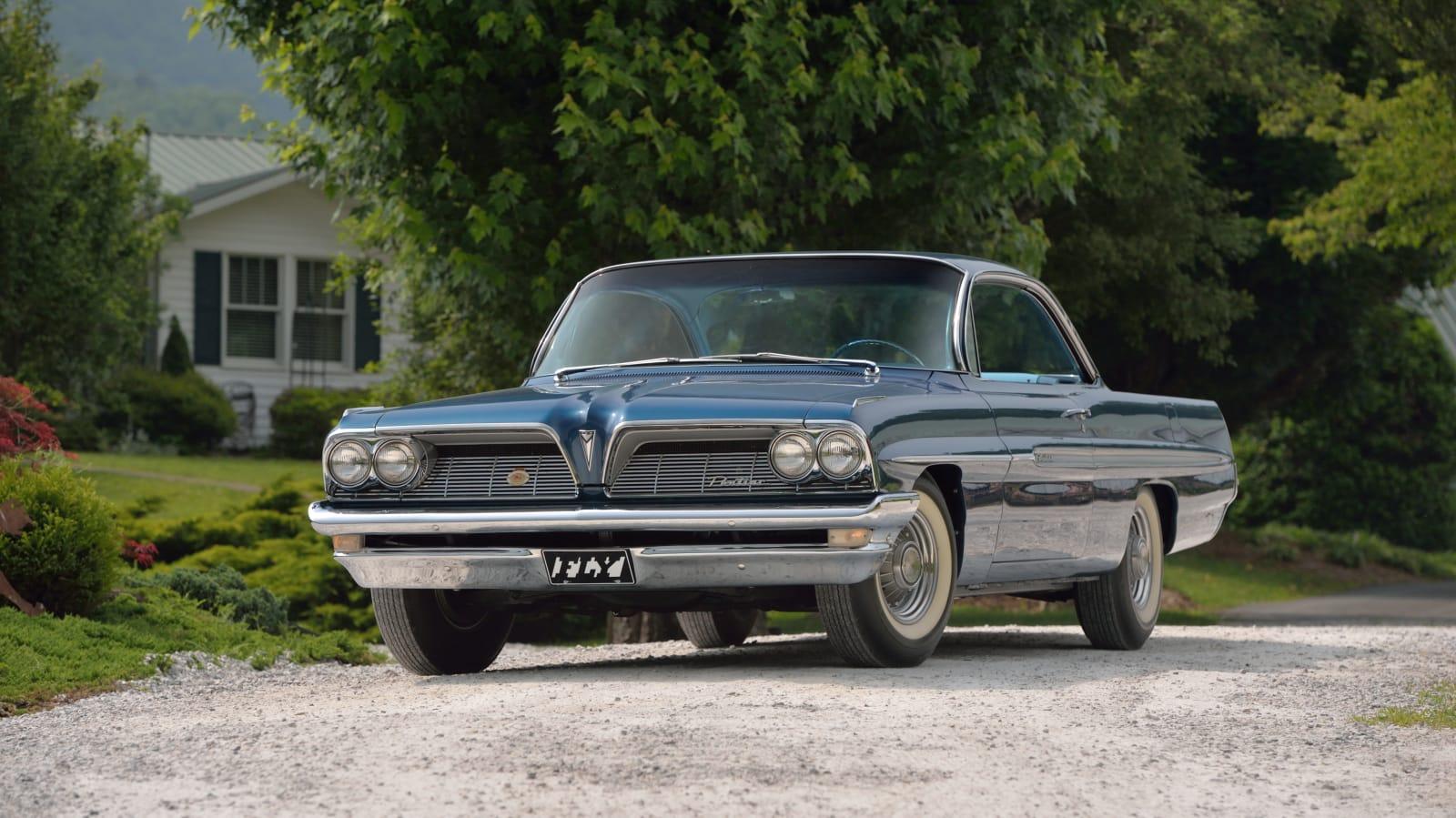
8. Pontiac Ventura GP
The Pontiac Ventura GP was a little-known sibling of the Grand Prix, designed to offer a sporty experience in a compact package. Its exterior styling was subtle yet aggressive, featuring sharp lines and a distinctive front grille that set it apart from standard Venturas.
Pontiac offered a range of V8 engines for the GP, including a 350 cubic inch option that provided ample power for its relatively lightweight body. Its performance, combined with affordability, made it appealing to buyers who wanted muscle car characteristics without the expense of a larger model.
Despite its capabilities, the Ventura GP never achieved the fame of the GTO or Firebird, overshadowed by more prominent Pontiac models. Its compact size allowed for nimble handling, giving it an advantage in tight corners and street racing scenarios.
Interior comfort was balanced with functionality, featuring supportive seats and practical controls that made it easy to drive both on short trips and longer journeys. The car represented Pontiac’s willingness to create niche performance vehicles for buyers seeking something distinctive.
Production numbers were limited, which contributes to its rarity today. Enthusiasts who uncover a well-maintained Ventura GP are often surprised by its performance and understated appeal. The car’s combination of power, handling, and size makes it a versatile classic that stands out among more conventional muscle cars.
Its unique position within Pontiac’s lineup illustrates the diversity of the 1970s performance market. Collectors increasingly recognize the Ventura GP as a hidden gem that deserves appreciation.
The GP’s styling choices, including sporty trim and optional decals, gave it personality without overwhelming its design. Pontiac focused on creating a vehicle that could compete in performance while remaining approachable and functional for everyday driving.
This balance is part of what makes the Ventura GP compelling for enthusiasts today. Its rarity, combined with the charm of a compact yet powerful muscle car, ensures that it maintains a special place among overlooked classics.
The Pontiac Ventura GP demonstrates that muscle cars were not only about size and power but also about design, practicality, and niche appeal. Its blend of performance and subtlety sets it apart from flashier competitors. For collectors and enthusiasts, the Ventura GP offers an opportunity to explore a lesser-known chapter of 1970s Pontiac history. It remains a testament to the creativity and ambition of automakers during a period of intense competition.
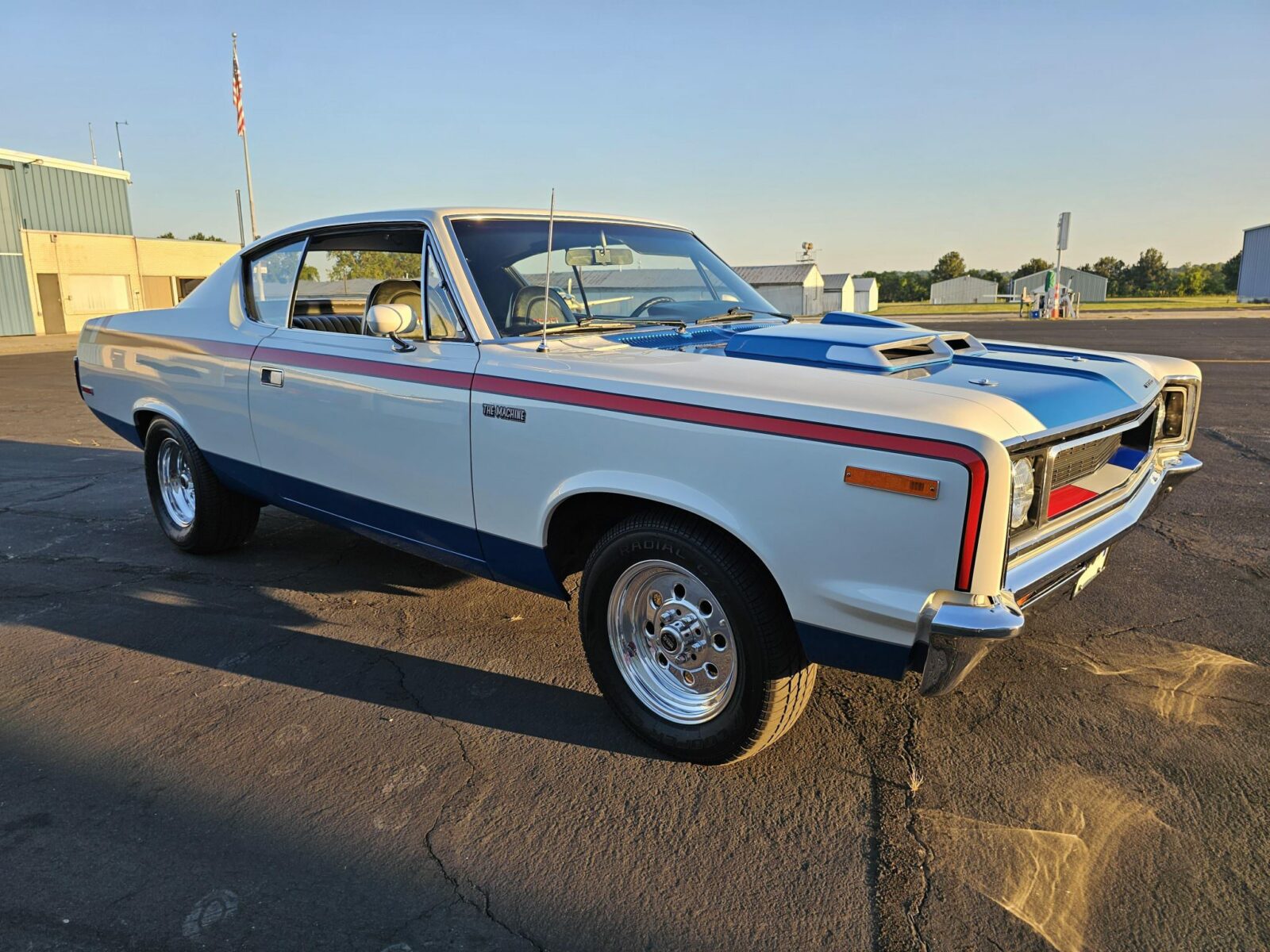
9. AMC Rebel Machine
The AMC Rebel Machine was a bold performance-oriented version of the AMC Rebel, designed to challenge larger muscle cars despite its smaller manufacturer. Its most striking feature was the bright red, white, and blue paint scheme, complemented by bold decals and racing stripes that signaled its high-performance intent.
Under the hood, AMC offered a 390 cubic inch V8, capable of impressive speed and acceleration for the time. The car was lighter than some competitors, which enhanced handling and allowed it to compete effectively in drag racing.
AMC focused on blending visual appeal with performance, offering upgraded suspension, brakes, and other handling enhancements. The Rebel Machine was designed to capture attention both on the street and at the track. Interior options were driver-focused, with a functional layout that emphasized engagement and control. Enthusiasts appreciated its bold styling and surprising performance, especially considering AMC’s relatively modest size compared to Detroit giants.
Limited production meant the Rebel Machine was a rare sight, contributing to its forgotten status today. Only a few hundred were produced, making it a prized find for collectors. Its unique paint scheme and distinctive decals ensure that it remains memorable even decades later.
The car’s racing capabilities and handling characteristics have earned it respect among enthusiasts who value performance beyond just horsepower figures. It represents AMC’s ambition to compete in a market dominated by larger brands.
Collectors value the Rebel Machine for its combination of rarity, performance, and bold aesthetics. Restored examples highlight AMC’s innovative approach to muscle cars, demonstrating that smaller manufacturers could produce vehicles capable of impressive speed and style.
Its legacy continues to inspire admiration for cars that defied the odds in a competitive era. The Rebel Machine proves that the 1970s muscle car market included unexpected and overlooked contenders.
The AMC Rebel Machine remains a symbol of creativity, ambition, and performance from a manufacturer often overlooked in muscle car history. Its bold styling, strong engine options, and rarity make it a favorite among enthusiasts seeking unique classics. Rediscovering the Rebel Machine provides insight into a period when even smaller automakers dared to challenge the dominance of the big players. Its story reminds collectors that the muscle car era was rich with surprises and hidden gems.