
Spotting a used Porsche at a price that seems too good to pass up can feel like winning the lottery. A sleek badge, legendary performance, and a sticker price that rivals a new economy car create a powerful temptation.
For buyers who have always dreamed of owning something from Stuttgart, that moment can cloud judgment faster than you might expect. Yet owning a Porsche is never just about the purchase price. Precision engineering, high-performance parts, and advanced electronics demand careful upkeep.
When prior owners cut corners or maintenance records go missing, that “bargain” can quickly morph into a financial headache. Parts are expensive. Labor rates at specialized shops are even higher. A small issue left unchecked often snowballs into something much larger.
By 2026, certain used Porsche models are drawing attention because they appear affordable on the surface. Listings look attractive. Mileage might not seem alarming. But beneath the paint and polished wheels, some of these cars carry known weak points that can drain your savings if you are not prepared.
Below are ten used Porsche models that can turn a smart buy into a costly lesson. Each has its appeal. Each also carries risks that deserve careful consideration before you sign anything.
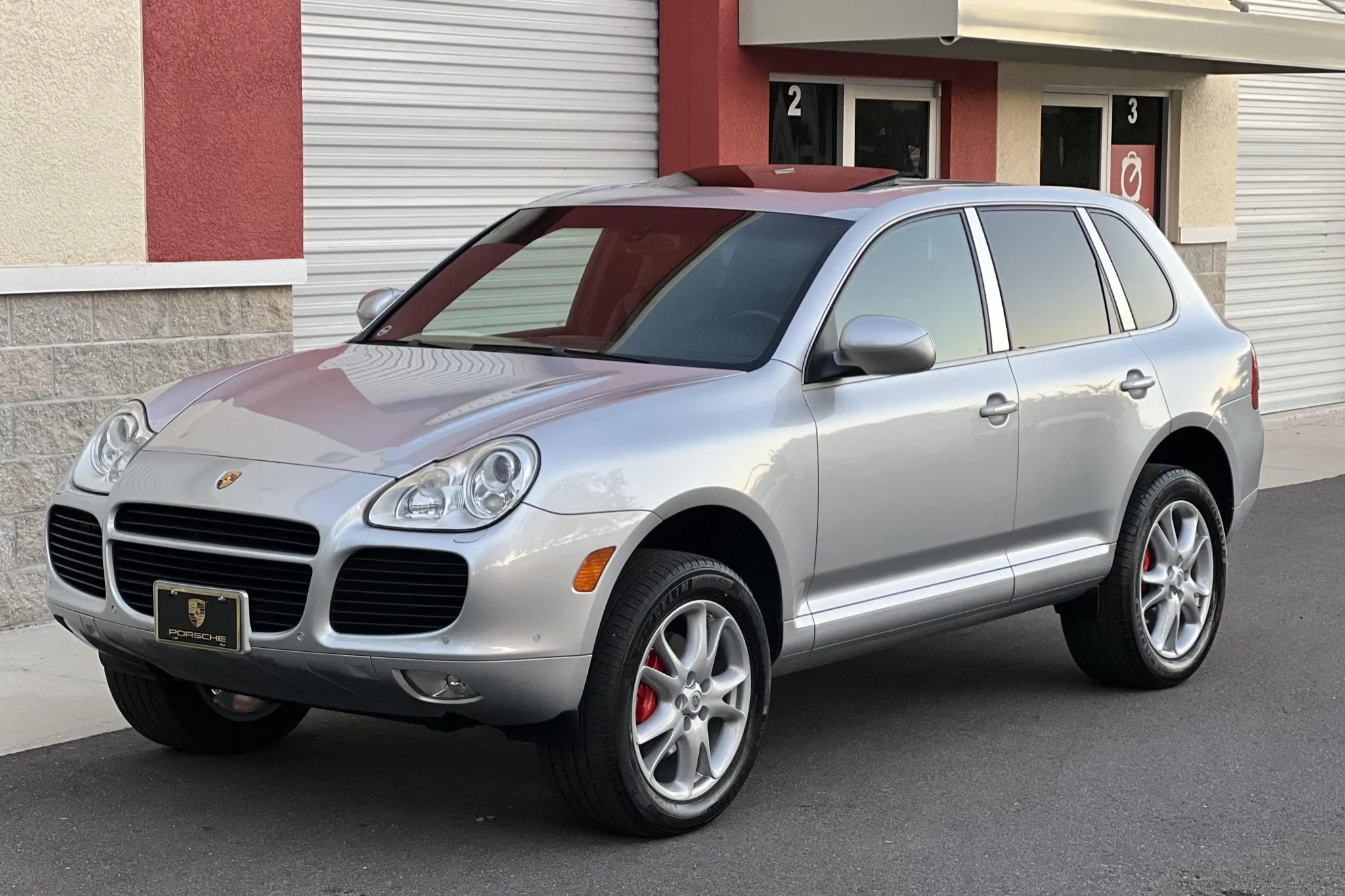
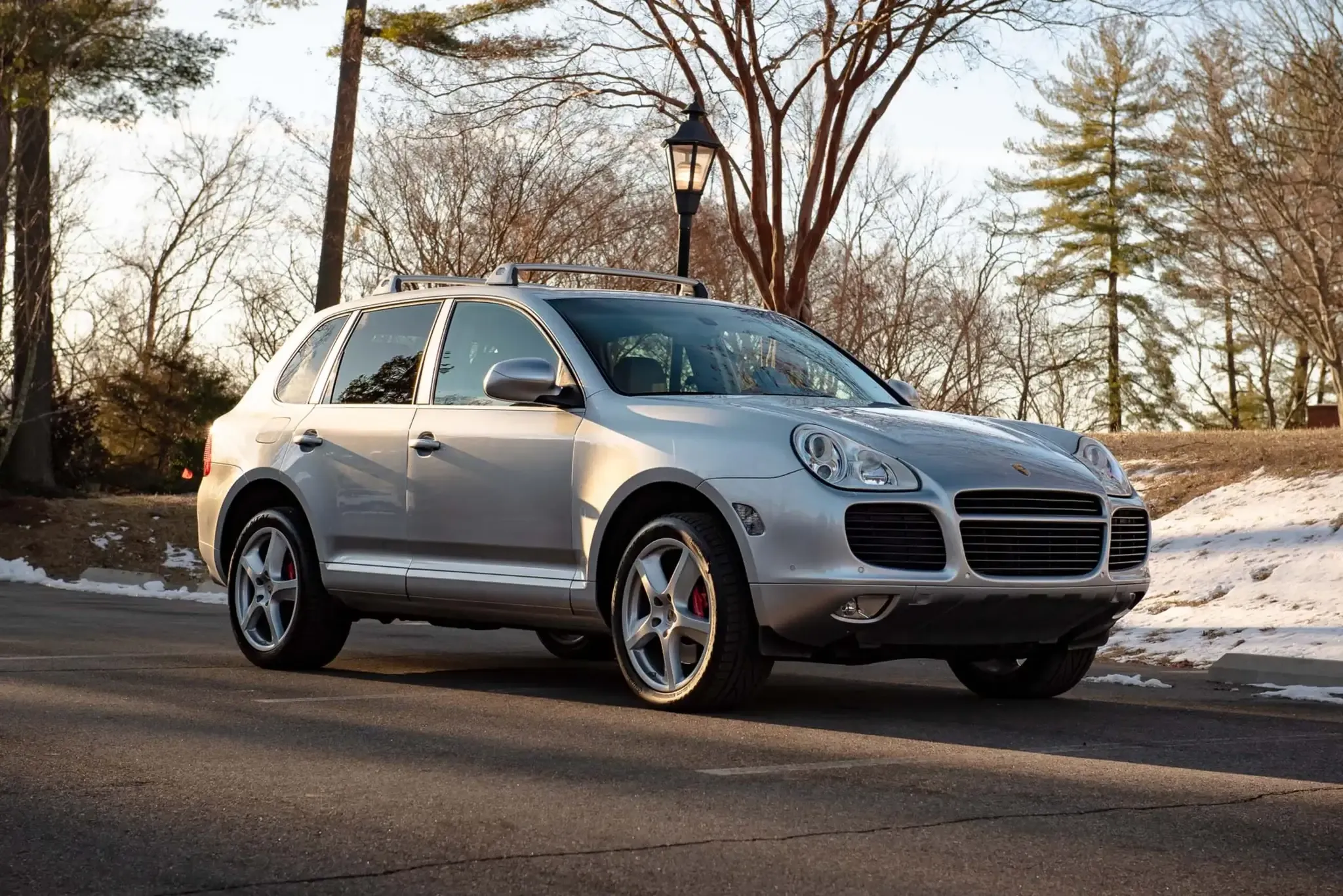
1. Porsche Cayenne Turbo 2004
Raw horsepower and SUV practicality made the first-generation Porsche Cayenne Turbo 2004 a shock to purists and a magnet for buyers. With a twin-turbocharged V8 pushing serious power, it delivered sports car pace in a family-friendly package.
Today, prices can dip into surprisingly reachable territory, which makes it look like an affordable entry into high-performance luxury. Reality tends to hit once ownership begins. Early Cayenne Turbo models are infamous for coolant pipe failures.
Plastic pipes routed through the engine valley can crack or leak, leading to overheating. Repair requires substantial labor because of the engine layout. Replacing those pipes with updated metal versions is not cheap, and ignoring the issue invites catastrophic damage.
Air suspension problems also show up frequently. The system offers adjustable ride height and comfort when functioning correctly.
When it fails, you are dealing with compressors, sensors, and air struts that cost far more than traditional suspension components. Electrical gremlins add another layer of frustration, ranging from faulty window regulators to malfunctioning control modules.
Fuel consumption is another hidden cost. Expect numbers that resemble a full-size pickup rather than a typical luxury SUV. Premium fuel is mandatory, and insurance rates remain higher than average because of the vehicle’s performance profile.
Add in the possibility of turbocharger wear, cooling system repairs, and transmission servicing, and that low purchase price starts to look less appealing.
Anyone considering a Porsche Cayenne Turbo 2004 should budget several thousand dollars annually for upkeep. Without a detailed service history and a thorough inspection by a specialist, this bargain SUV can become a relentless drain on your wallet.
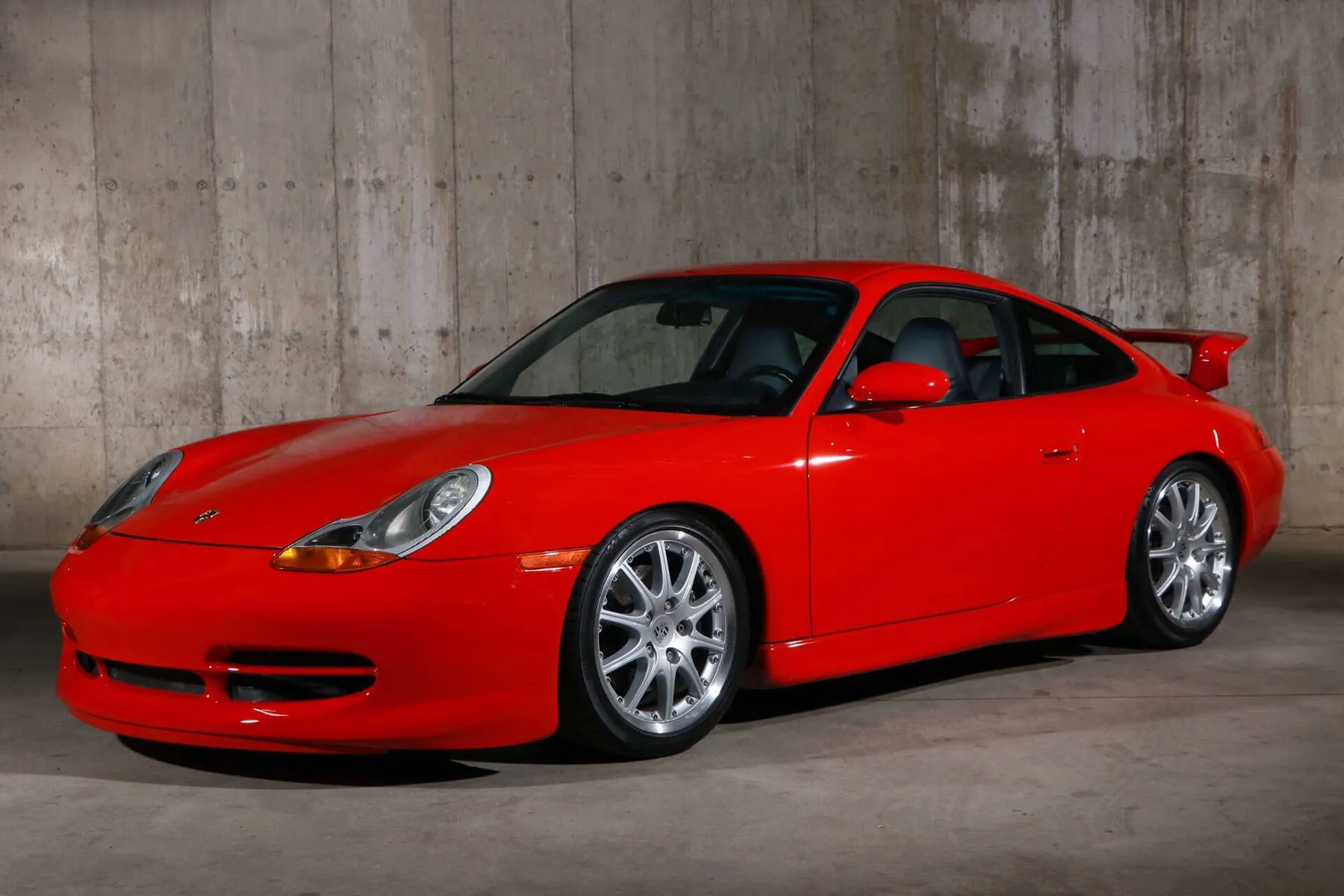
2. Porsche 911 Carrera 996 1999
Affordable 911 ownership often begins with the Porsche 911 Carrera 996 1999. As the first water-cooled generation of the iconic 911, it carries modern features and strong performance at a fraction of the price of newer models. Listings in 2026 frequently tempt buyers who want that classic rear-engine layout without paying six figures.
A single issue dominates conversations about this car: the intermediate shaft bearing, commonly known as the IMS bearing.
Failure can result in severe engine damage. While not every 996 experiences this problem, the risk alone has kept prices lower than those of other 911 generations. Preventive replacement of the IMS bearing is possible, but it requires professional installation and a meaningful expense.
Rear main seal leaks are also common. Oil seepage may appear minor at first, yet ignoring it can lead to clutch contamination and larger repairs. Cooling system components such as radiators and water pumps can fail as the car ages, especially if maintenance intervals were stretched.
Interior wear can be surprisingly pronounced on higher mileage examples. Soft touch plastics degrade, and electronic displays fade. Fixing these cosmetic issues adds to ownership costs without improving mechanical reliability.
Despite its balanced handling and strong flat six engine when healthy, the Porsche 911 Carrera 996 1999 demands careful vetting. Buyers who assume the lower price equals lower risk often find themselves facing a five-figure engine rebuild.
Owning a 911 has emotional appeal, but this generation requires a disciplined approach, a comprehensive pre-purchase inspection, and a realistic repair fund to avoid financial regret.
Also Read: 12 Affordable Sports Cars Built to Outlive Even a Porsche
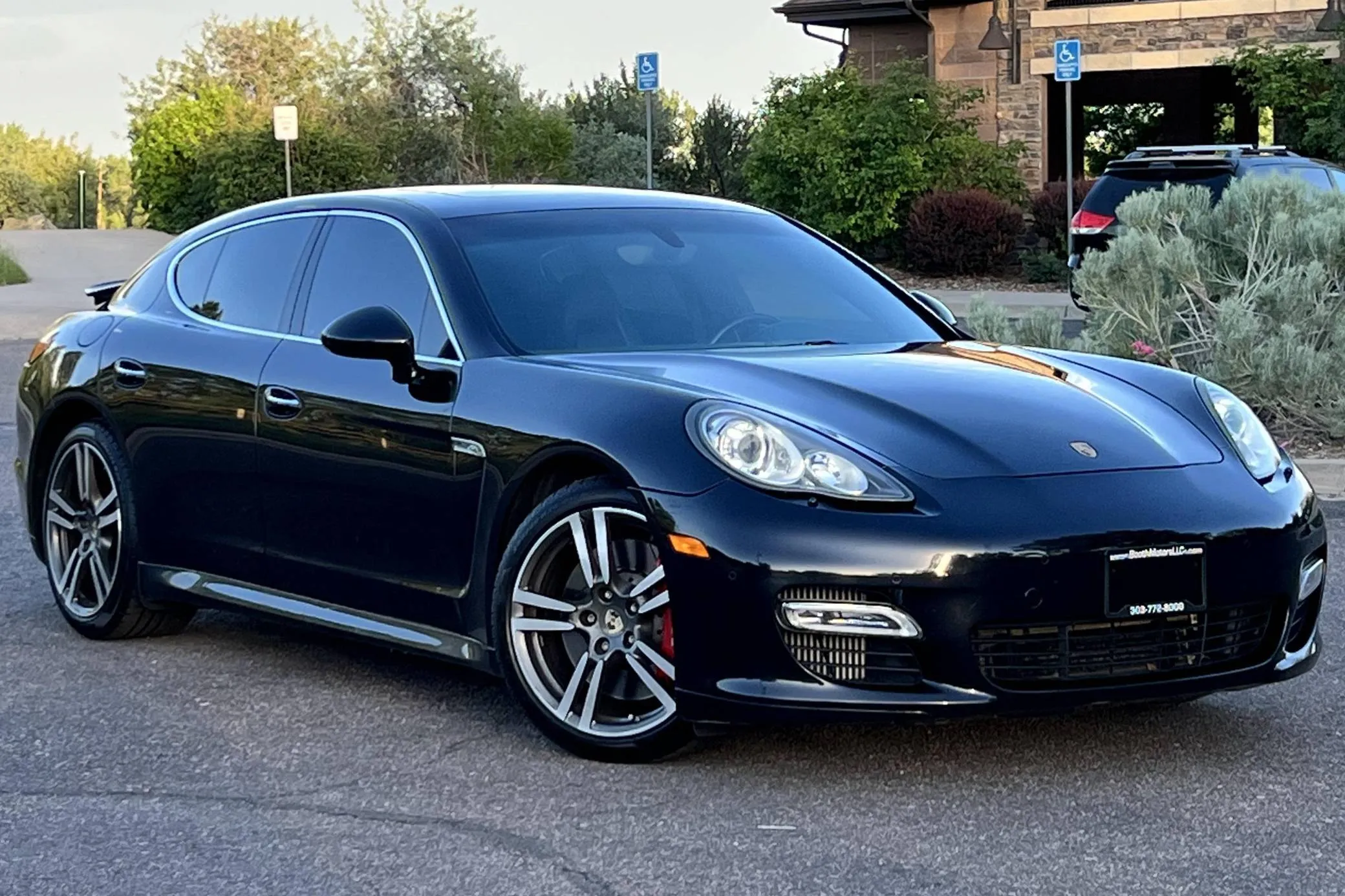
3. Porsche Panamera Turbo 2010
Four doors and a twin-turbo V8 sound like the perfect formula for a practical performance sedan.
The Porsche Panamera Turbo 2010 delivers blistering acceleration and refined highway comfort. As depreciation continues, used examples may cost less than a new mid-level family car, which creates a powerful incentive to jump in.
High-performance luxury sedans age in expensive ways. Early Panamera Turbo models are known for air suspension failures, similar to the Cayenne. Replacing air struts or compressors can quickly reach thousands of dollars. When multiple components fail at once, repair bills escalate rapidly.
Electrical systems in the 2010 model year can also become troublesome. Advanced infotainment for its time now feels dated and prone to glitches. Touch screens, control modules, and power seat mechanisms may fail, and diagnosing these issues often requires specialized equipment.
Engine-related repairs are rarely minor. Turbocharger wear, coolant leaks, and carbon buildup in direct injection engines all demand attention. Accessing the V8 for certain repairs can be labor-intensive due to tight packaging under the hood.
Depreciation itself should also be part of the equation. While the initial purchase price seems appealing, resale values can continue to drop as newer generations become more desirable. That means you could pour money into repairs without recouping much when it is time to sell.
Owning a Porsche Panamera Turbo 2010 offers thrilling performance and impressive road presence. It also demands a maintenance budget that matches its original six-figure sticker price. Anyone considering this sedan as a “cheap” Porsche needs to approach the decision with caution and a healthy repair reserve.
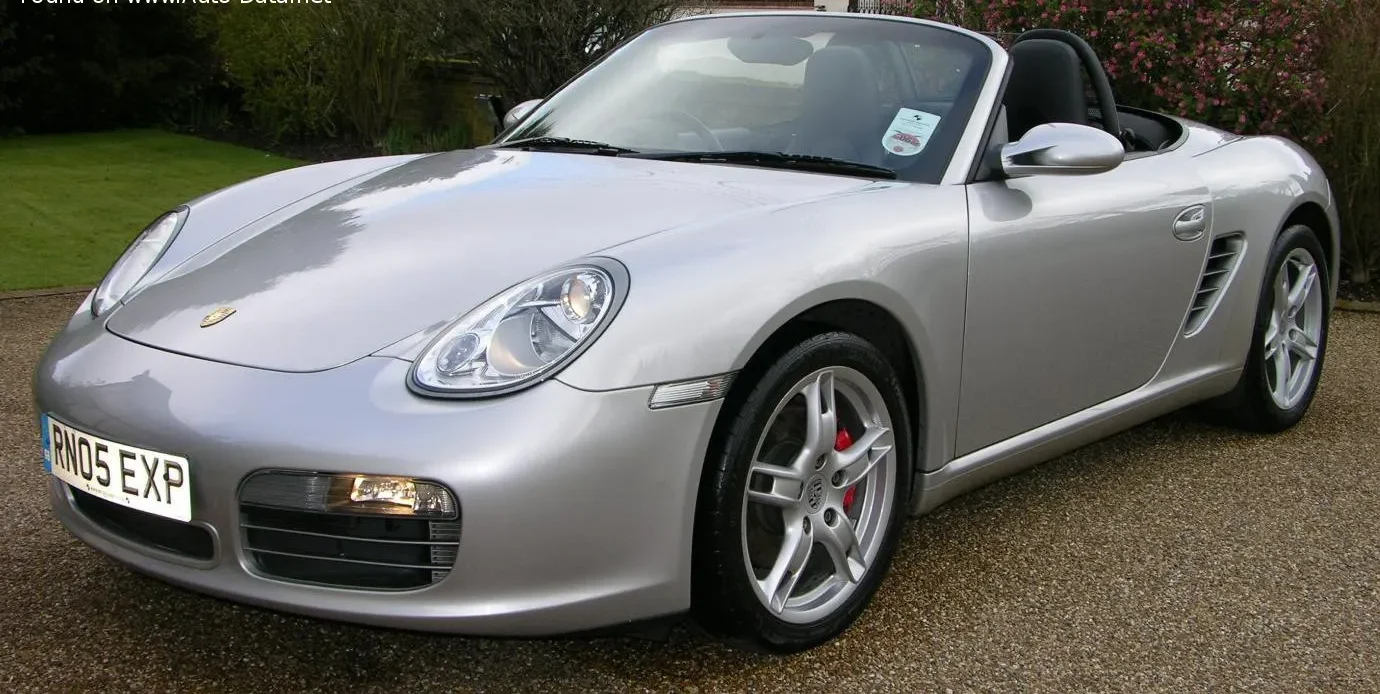
4. Porsche Boxster S 987 2006
Precision engineering and balanced proportions define the Porsche Boxster S 987 2006. Its mid-engine configuration provides admirable stability, while the open-top design delivers an engaging driving experience suited to those who value performance and refinement.
Compared with the earlier 986 generation, this model introduced sharper exterior styling and a more polished interior layout. As a result, it has remained attractive to buyers seeking entry into premium sports car ownership at a relatively accessible purchase price.
Purchase price, however, must never be mistaken for cost of ownership. Mechanical diligence is essential with this model. Although the intermediate shaft bearing issue is less prevalent than in certain earlier 911 variants, it has not been entirely eliminated.
Prospective owners are strongly advised to confirm whether any preventive upgrades have been carried out. Where documentation is unavailable, a detailed mechanical inspection, including examination of oil filters for metallic residue, becomes indispensable.
Cooling system reliability also demands attention. Components such as the water pump and expansion tank are known to deteriorate as mileage increases.
Leakage from these parts may lead to overheating, which can cause severe engine damage if not promptly addressed. Preventive replacement of aging cooling components is often wiser than waiting for failure.
Suspension integrity contributes directly to the handling quality for which this vehicle is respected. Control arms, bushings, and dampers naturally wear with use. Restoring factory precision may require comprehensive suspension refurbishment. Such work, though beneficial, carries substantial cost.
Manual transmission models require consideration of clutch wear. Replacement involves extensive labor due to the vehicle’s configuration. Tiptronic automatic versions introduce additional service obligations, including fluid changes and potential transmission repairs. Brake servicing is equally demanding financially, particularly where performance-oriented rotors and pads are installed.
Attention must also be given to the convertible roof mechanism. Hydraulic systems and fabric materials are subject to deterioration. Replacement of the soft top assembly is expensive and should be factored into ownership planning.
Porsche Boxster S 987 2006 offers impressive performance relative to its market value. Nevertheless, prudent buyers must approach acquisition with discipline, documented service verification, and readiness to sustain consistent maintenance expenditure.
Without such preparation, what appears to be an attractive sports car purchase may quickly become financially burdensome.
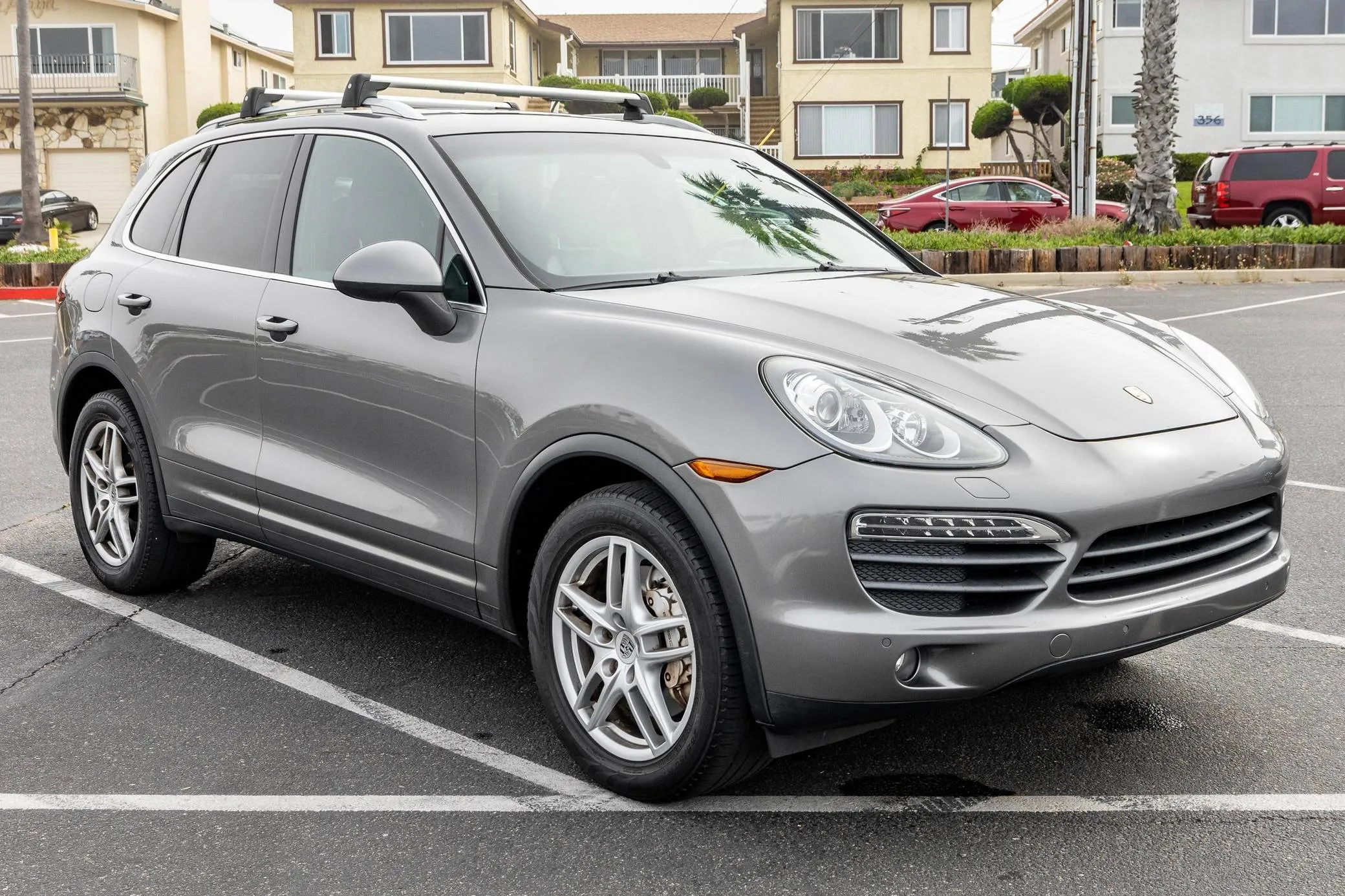
5. Porsche Cayenne S 2011
Refinement and improved engineering distinguished the Porsche Cayenne S 2011 from earlier versions of the model line. As part of the second generation, it presented enhanced styling, upgraded cabin materials, and a naturally aspirated V8 engine that delivered robust performance without reliance on turbocharging.
For buyers seeking a combination of practicality and performance, this sport utility vehicle appears to offer compelling value in the used market. Practical appearance does not exempt it from potential financial strain. Reports of transfer case malfunction in certain units warrant careful attention.
Symptoms such as vibration or shudder during acceleration may indicate internal wear. Addressing such faults requires technical expertise and can involve substantial expense. Ignoring early warning signs often leads to more extensive drivetrain damage.
Thermal management components represent another area of concern. Prolonged exposure to engine heat may weaken plastic cooling elements, resulting in cracks and coolant leakage. Failure to address minor leaks may lead to overheating, with attendant risk of severe engine damage. Preventive inspection of hoses, connectors, and reservoir units is advisable.
Direct injection technology, while enhancing performance and efficiency, may contribute to carbon accumulation on intake valves.
Professional cleaning procedures require specialized equipment and add to maintenance obligations. Brake components on this model are engineered for performance and carry premium pricing. Routine brake servicing, therefore, commands higher expenditure than standard utility vehicles.
Air suspension, when fitted, introduces additional risk. Compressors, sensors, and air struts may fail with age, and replacement costs are considerable. Even vehicles equipped with conventional steel springs are not immune to suspension wear that may impair ride comfort and handling stability.
Operational costs extend beyond mechanical repair. Fuel consumption remains substantial for a V8-powered sport utility vehicle, and premium fuel is required. Insurance premiums and tire replacement expenses also reflect the vehicle’s weight and performance capabilities.
Porsche Cayenne S 2011 can serve as a refined and capable luxury vehicle when properly maintained.
However, deferred servicing or incomplete maintenance records may expose the owner to repeated and costly repairs. Thorough inspection, verifiable service documentation, and realistic financial planning are essential before acquisition.
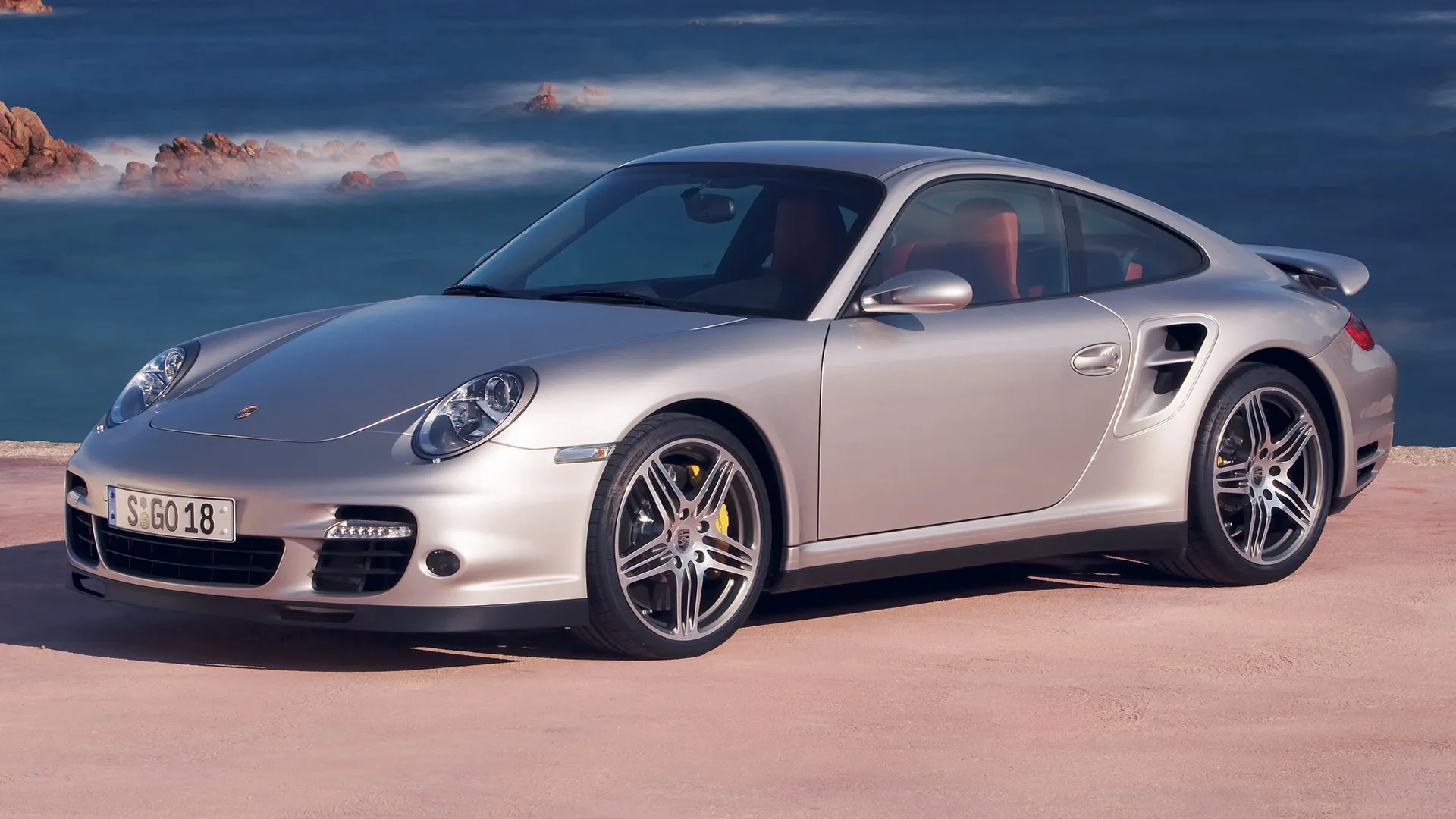
6. Porsche 911 Carrera 997.1 2005
Hope springs eternal when shoppers spot a Porsche 911 Carrera 997.1 2005 priced far below newer 911 models.
Classic round headlights returned with this generation, interior quality improved, and driving dynamics struck a beautiful balance between modern refinement and analog feel. At first glance, it looks like the safe way to buy a reasonably priced 911.
Optimism fades quickly if you skip due diligence. Early 997.1 cars still carry the same fundamental engine architecture as the 996, which means IMS bearing concerns do not completely disappear.
While failure rates are debated, the financial risk remains real. A blown engine is not a minor inconvenience. Replacement or rebuild costs can rival the purchase price of the car itself.
Cylinder scoring is another fear that haunts some 3.6 liter and 3.8 liter engines in this generation. Symptoms include excessive oil consumption, ticking noises, and soot buildup in the exhaust. Confirming scoring requires a proper bore scope inspection. Ignoring early warning signs can lead to catastrophic damage.
Suspension components also deserve attention. Control arms, bushings, and dampers wear with mileage and spirited driving. Restoring the precise feel that defines the 911 may require a full suspension refresh. Brake components are high-performance parts, priced accordingly.
Interior electronics add another layer of expense. Early PCM infotainment systems can malfunction, and replacement units are costly. Power seat motors, window regulators, and various sensors can fail as these cars age. Depreciation has slowed for clean examples, yet that does not guarantee financial safety.
Buyers drawn in by a lower asking price may underestimate what it takes to maintain this car properly. Without a documented service history and a thorough inspection from a Porsche specialist, the Porsche 911 Carrera 997.1 2005 can turn a dream purchase into an ongoing series of repair invoices.

7. Porsche Macan Turbo 2015
Compact luxury SUVs remain popular, and the Porsche Macan Turbo 2015 stands near the top of many wish lists.
A twin-turbo V6, sharp handling, and upscale cabin materials give it a sporty edge that few competitors match. Used prices in 2026 can look attractive compared to the cost of a new performance SUV.
That attractive pricing hides potential trouble. Transfer case failures have been reported in certain early Macan models. Symptoms include jerking or hesitation during acceleration. Repairing or replacing the transfer case is expensive, and warranty coverage may no longer apply for older examples.
Turbocharged engines bring strong performance along with higher stress on components. Oil leaks, coolant leaks, and worn turbochargers can appear as mileage climbs. Direct injection engines may develop carbon buildup on intake valves, requiring specialized cleaning procedures.
The Macan Turbo also relies heavily on advanced electronics. Infotainment systems, driver assistance features, and adaptive suspension components increase comfort and performance when functioning correctly. When something goes wrong, diagnostic work can be time-consuming and costly. Replacement modules are rarely inexpensive.
Brake components on the Turbo variant are large and designed for aggressive driving. Pads and rotors wear quickly if the vehicle has been driven hard. Replacement parts reflect the performance pedigree. Insurance costs can remain higher than expected for a compact SUV because of its power output and repair costs. Premium fuel is mandatory, and fuel economy is modest for the class.
A well-cared-for Porsche Macan Turbo 2015 can deliver a thrilling daily driving experience. Buying one without a complete service record or a detailed inspection can lead to repeated trips to the repair shop. For those hoping to own a sporty luxury SUV on a budget, this model demands realistic expectations and a healthy maintenance fund.
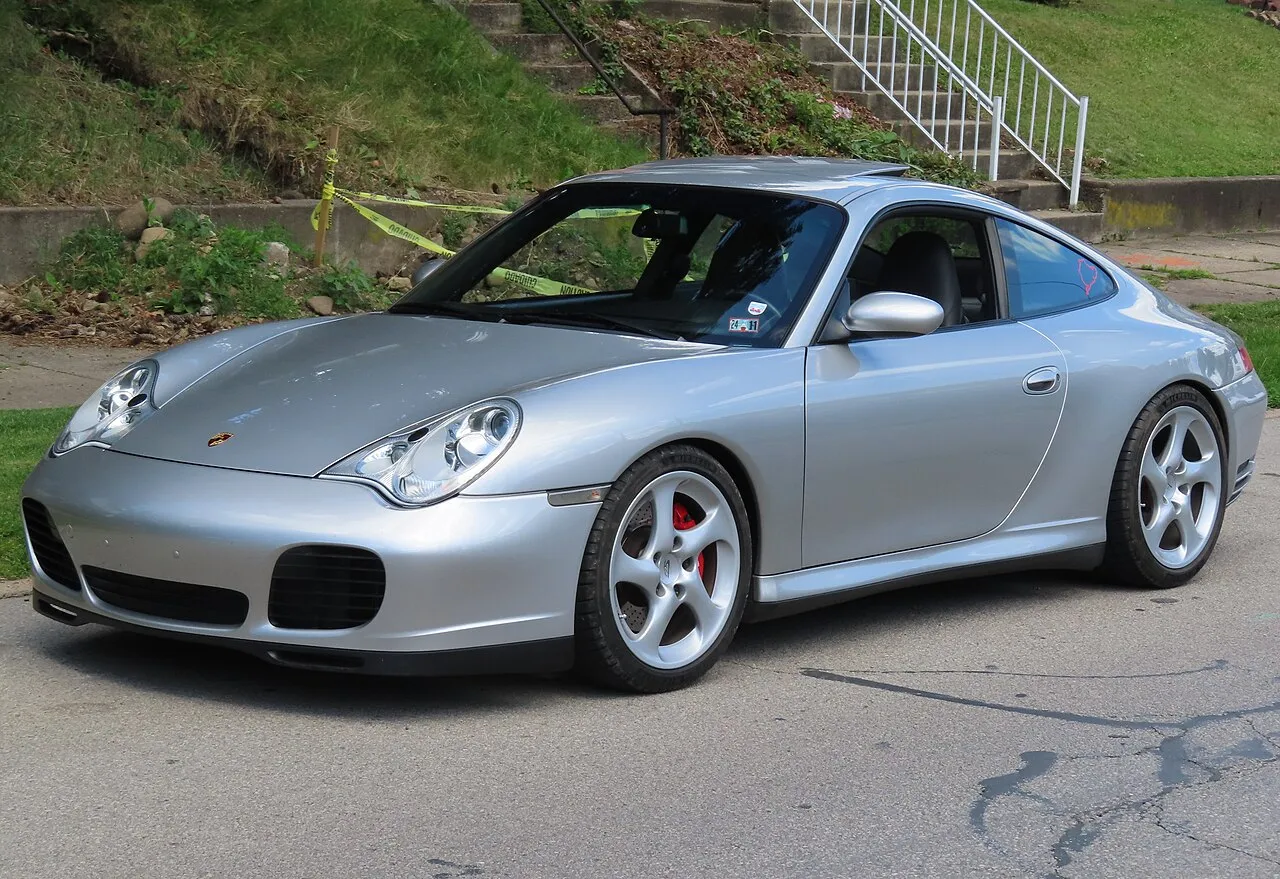
8. Porsche 911 Turbo 996 2002
Few badges carry as much weight as “Turbo” on a 911. The Porsche 911 Turbo 996 2002 offers supercar acceleration, All Wheel Drive traction, and everyday usability. Prices have remained lower than those of later Turbo generations, making it seem like an attainable high-performance machine.
Excitement can cloud financial judgment. Although the 996 Turbo uses a more robust engine derived from Porsche’s racing program, ownership costs remain high. Turbochargers, intercoolers, and associated plumbing introduce additional components that can fail or wear out. Replacing worn turbos is not cheap, especially when labor is factored in.
Clutch replacements on manual models are costly due to the labor involved. Automatic versions with the Tiptronic transmission add their own service considerations. Brakes are large and performance-oriented, meaning routine jobs cost more than standard sports cars.
Cooling systems deserve careful inspection. Radiators mounted in the front can collect debris and corrode. Coolant leaks should never be ignored. Suspension components also wear with age and spirited driving, and restoring factory handling may require substantial investment.
Interior materials in early 996 models can show age through peeling coatings and worn trim. Fixing cosmetic issues adds expense without increasing performance. Insurance premiums for a high-horsepower turbo model can surprise first-time buyers. Fuel costs remain high because premium gasoline is required, and spirited driving quickly lowers mileage.
A Porsche 911 Turbo 996 2002 offers breathtaking performance for the price. It also demands a budget that matches its engineering. Buyers who assume the lower market value translates into low operating costs often learn otherwise. Careful inspection and a realistic repair fund are essential before committing to this tempting icon.
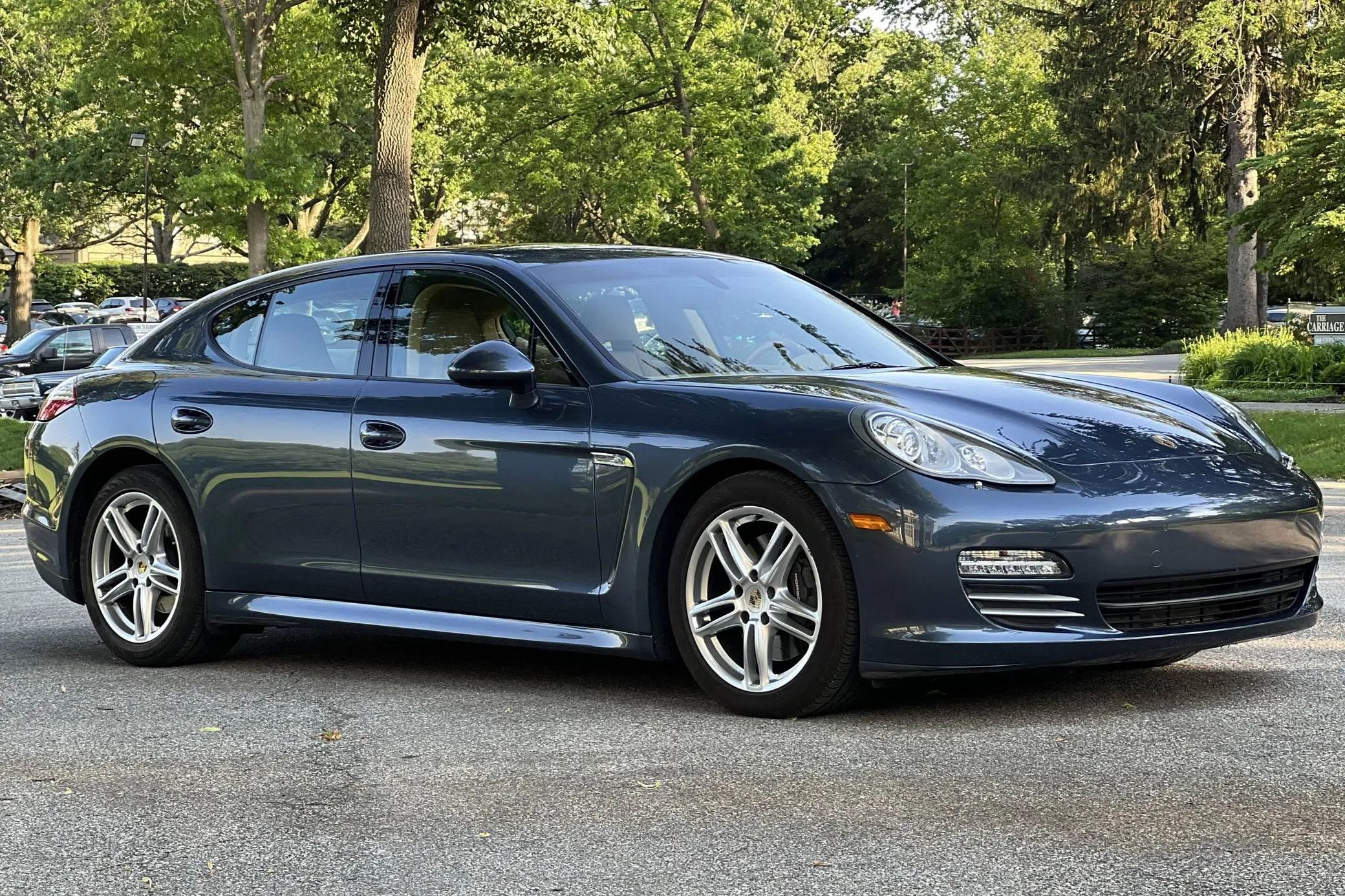
9. Porsche Panamera 4S 2012
Luxury, space, and performance come together in the Porsche Panamera 4S 2012. Powered by a V8 and equipped with All Wheel Drive, it blends sports car DNA with executive comfort. Depreciation has made early second-generation Panamera models accessible to a broader audience.
Accessibility does not equal affordability in daily ownership. Air suspension systems, in certain examples, can develop leaks or compressor failures. Repairing these components requires specialized parts and labor. Ignoring a sagging corner or warning light rarely ends well.
The 4.8-liter V8 is strong when properly maintained, yet oil leaks and cooling system issues can appear as the car ages. Direct injection engines may develop carbon buildup, which requires professional cleaning. Coil packs and ignition components may need replacement, especially in higher mileage vehicles.
Electronics inside the cabin add to the risk. Power seats, adaptive cruise control, and infotainment systems rely on modules that can fail. Diagnosing these issues often involves dealership-level tools. Replacement parts are rarely cheap.
Large brakes and performance tires contribute to recurring expenses. Insurance rates can also reflect the car’s original price and power output. Resale value continues to soften for older luxury sedans. Investing heavily in repairs may not translate into strong returns if you choose to sell later.
Buyers should weigh the appeal of a refined performance sedan against the reality of ongoing upkeep costs. A carefully maintained Porsche Panamera 4S 2012 can provide comfort and speed in equal measure. One with deferred service can drain savings quickly. A detailed inspection and full service records are critical before taking ownership.
Also Read: 10 Factory-Built Porsches We’d Pick Over a Singer
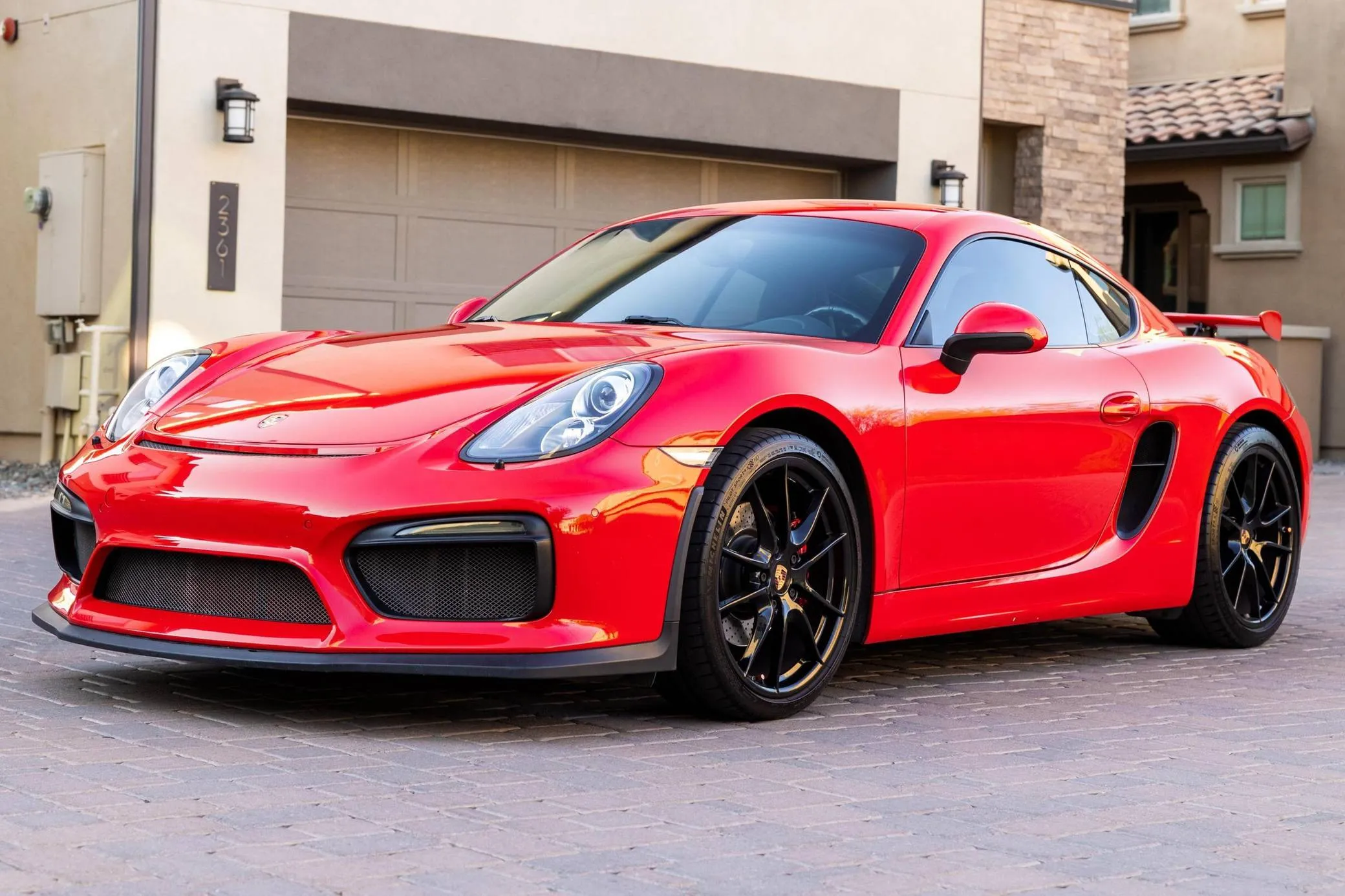
10. Porsche Cayman S 981 2014
Sharp styling, mid-engine balance, and strong performance define the Porsche Cayman S 981 2014. Many enthusiasts praise this generation for its steering feel and chassis tuning. Used examples in 2026 often appear attractively priced compared to newer Cayman variants.
Admiration should not replace caution. Although the 981 generation addressed some earlier IMS concerns, it still requires diligent maintenance. Direct injection engines may suffer from carbon buildup. Oil leaks and cooling system wear can surface as mileage increases.
Clutch replacements on manual models are expensive because of the labor involved in accessing the mid-mounted engine. PDK dual clutch transmissions deliver quick moves, yet fluid changes and potential repairs are not inexpensive. Skipping scheduled service can lead to costly consequences.
Suspension components play a major role in the Cayman’s precise handling. Worn control arms, bushings, and dampers reduce that sharp feel and require replacement to restore performance. Brake components are high quality and priced accordingly.
Interior electronics are more advanced than earlier models, which means more modules that can fail. Infotainment systems, sensors, and electronic parking brakes add layers of potential expense. Track use is common with Cayman S models.
A car that has seen frequent track days may have accelerated wear on brakes, tires, and drivetrain components.
Without careful inspection, hidden stress can remain unnoticed until problems arise. Owning a Porsche Cayman S 981 2014 can be deeply rewarding for drivers who value balance and feedback. It can also strain finances if purchased purely on price.
A thorough inspection, complete service history, and realistic budget are essential. Bargain pricing may open the door, but disciplined ownership determines whether that door leads to joy or regret.
