
American performance cars have long been defined by confidence. Thunderous V8 engines, dramatic launches at stoplights, and the unmistakable scent of burning rubber created an identity rooted in power and presence.
For decades, that formula worked. Straight line dominance earned admiration, and bold styling reinforced a culture built on strength. Yet automotive history reveals pivotal moments when confidence met careful calculation from across the Atlantic.
Germany approached performance from a different angle. Instead of relying solely on displacement, its engineers obsessed over balance, weight distribution, braking precision, and aerodynamic discipline.
Corners mattered as much as quarter-mile times. Steering feel was studied with the same seriousness as horsepower output.
The result was a series of sports cars that did more than compete on paper. They redefined expectations behind the wheel. Each arrival of a groundbreaking German machine forced American manufacturers to reconsider priorities. Suspension systems received renewed attention.
Chassis rigidity became a serious talking point. Brake technology advanced rapidly. Cabin craftsmanship improved as buyers began demanding refinement alongside speed.
Performance could no longer be measured by engine size alone. It required control, composure, and technical sophistication.
Healthy rivalry fueled progress. Germany introduced disciplined engineering solutions. Detroit responded with innovation and renewed focus. That exchange produced sharper sports cars on both sides, benefiting drivers everywhere.
Below are nine German sports cars that compelled America to raise its standards. These vehicles did not rely on marketing hype or exaggerated claims.
They proved their value on racetracks, highways, and winding roads. Each one sent a clear message that performance is as much about intelligence and precision as it is about power.
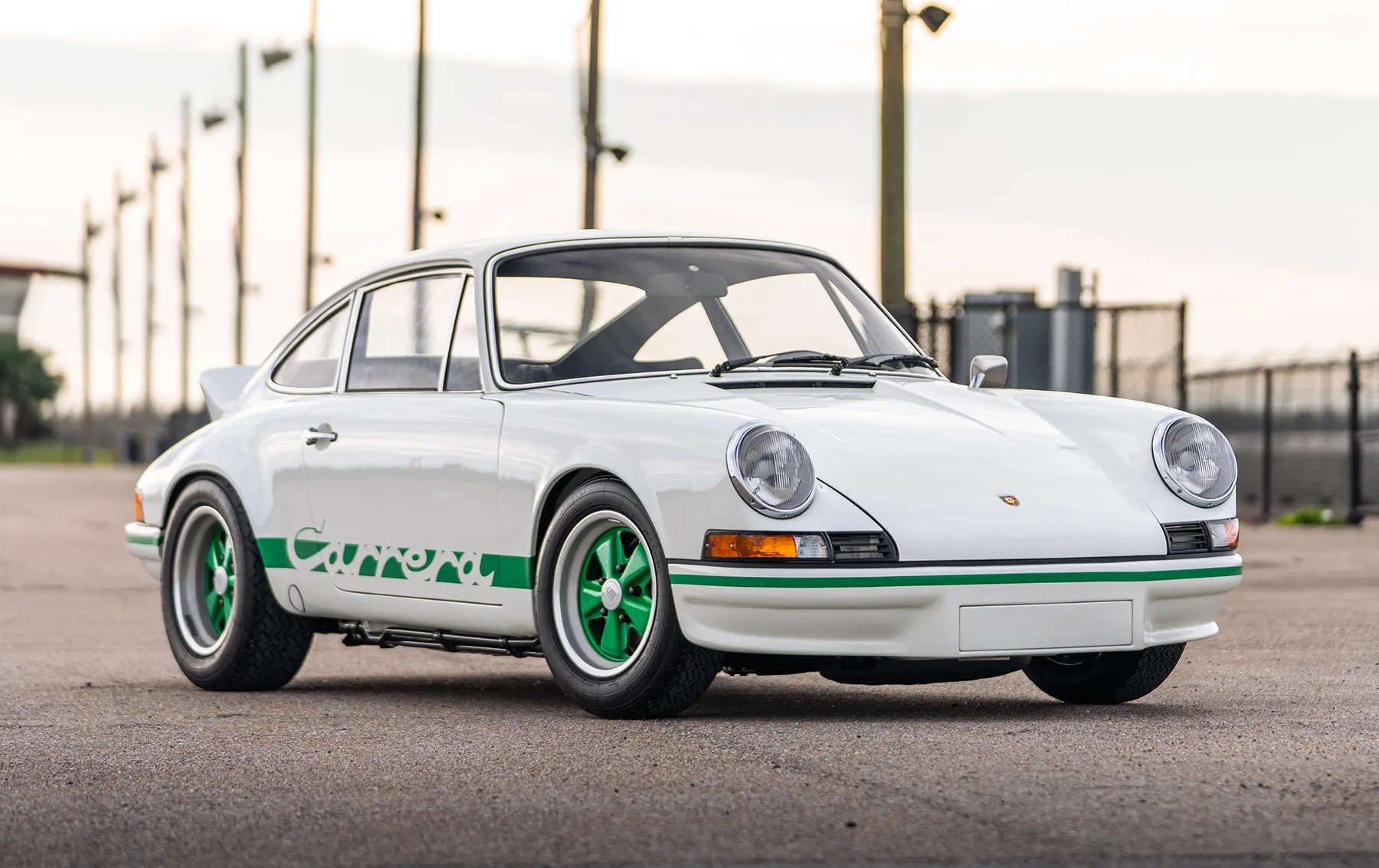
1. Porsche 911 Carrera RS 2.7 (1973)
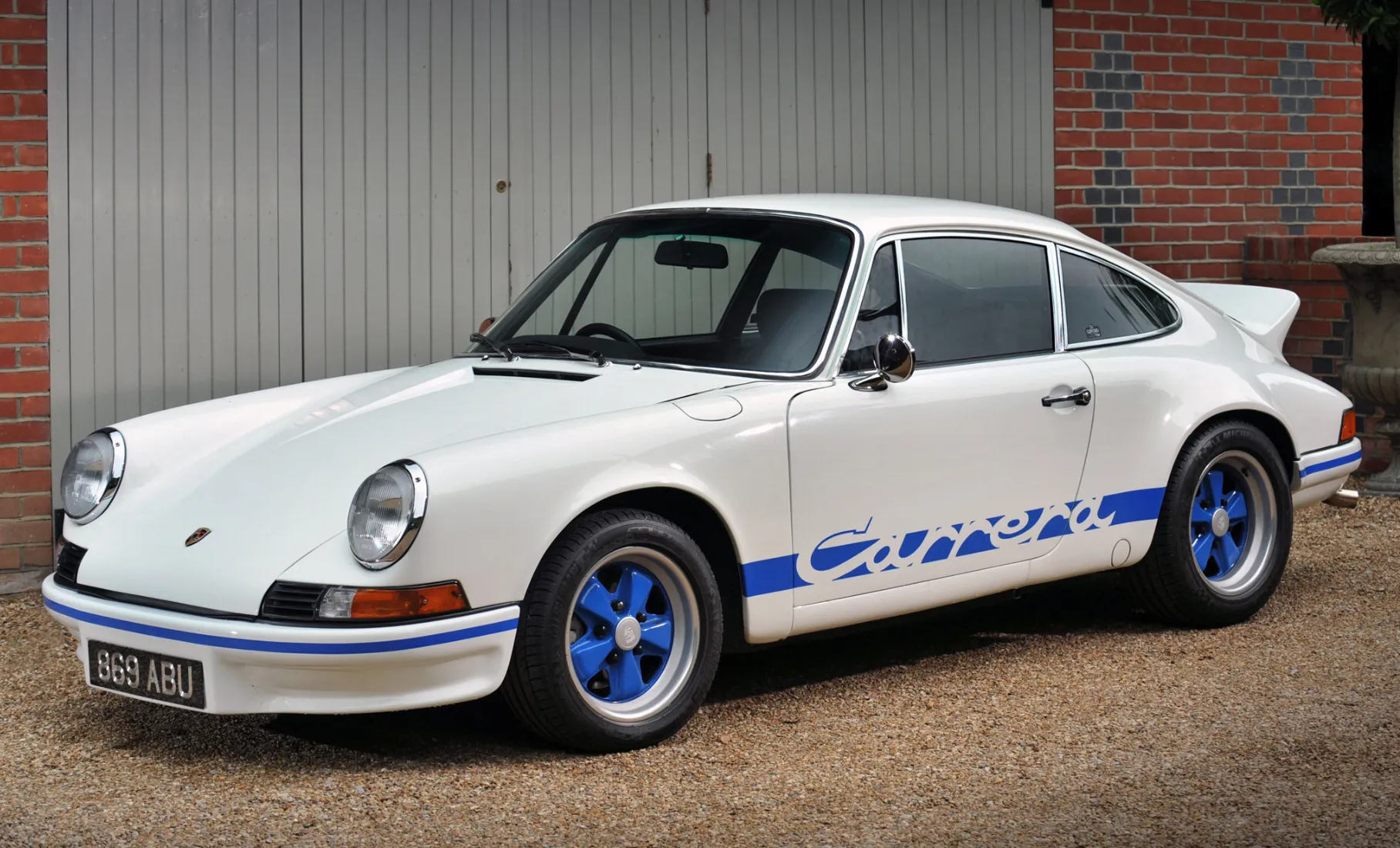
Lightweight construction, purposeful aerodynamics, and mechanical precision defined the Porsche 911 Carrera RS 2.7 when it appeared in 1973. Identified instantly by its distinctive ducktail rear spoiler, this coupe projected intent without unnecessary ornamentation.
Beneath its modest exterior lay a focused machine designed with competition principles in mind. Weighing slightly above 2,300 pounds and producing approximately 210 horsepower from its flat six engine, the vehicle demonstrated that intelligent engineering could rival far larger powerplants.
During the early 1970s, American performance philosophy relied heavily on engine displacement. Large V8 units and impressive straight-line acceleration commanded attention. Acceleration figures often served as the primary measure of superiority. Porsche approached the subject differently.
Rather than increasing cylinder count or pursuing sheer output, engineers concentrated on reducing mass, refining aerodynamics, and calibrating suspension geometry for precision. Each mechanical component contributed to balance and responsiveness.
Driving assessments conducted at the time revealed a clear distinction in character. American muscle cars possessed formidable power in direct acceleration. However, when faced with demanding bends and sustained cornering, their weight and suspension design limited composure.
The Porsche 911 Carrera RS 2.7 displayed agility and stability that highlighted these differences. Steering response felt immediate and communicative, while body control remained disciplined under pressure. Such behaviour demonstrated that speed could be achieved through control rather than brute force alone.
Manufacturers within the United States observed these developments. The message was direct: performance must include handling refinement. Suspension tuning, weight distribution, and braking capability required equal attention alongside horsepower figures. Gradually,
American performance divisions began adopting lighter materials, improving chassis balance, and refining suspension systems to meet higher expectations. The influence of the Carrera RS extended beyond its production period.
Later American track-oriented models displayed greater attention to aerodynamics and mass reduction, reflecting lessons learned from European engineering practice. Public perception also developed. Buyers became more informed and demanded vehicles capable of delivering both acceleration and confident cornering.
Enthusiasts continue to regard the 1973 Porsche 911 Carrera RS 2.7 as a defining moment in performance history. It relied on discipline, precision, and measured engineering rather than flamboyant statistics. By demonstrating that control and balance enhance measurable speed, it reshaped thinking on both sides of the Atlantic.
American manufacturers responded with renewed commitment to chassis development and driver engagement, strengthening competition and raising industry standards.
2. BMW M1 (1978)
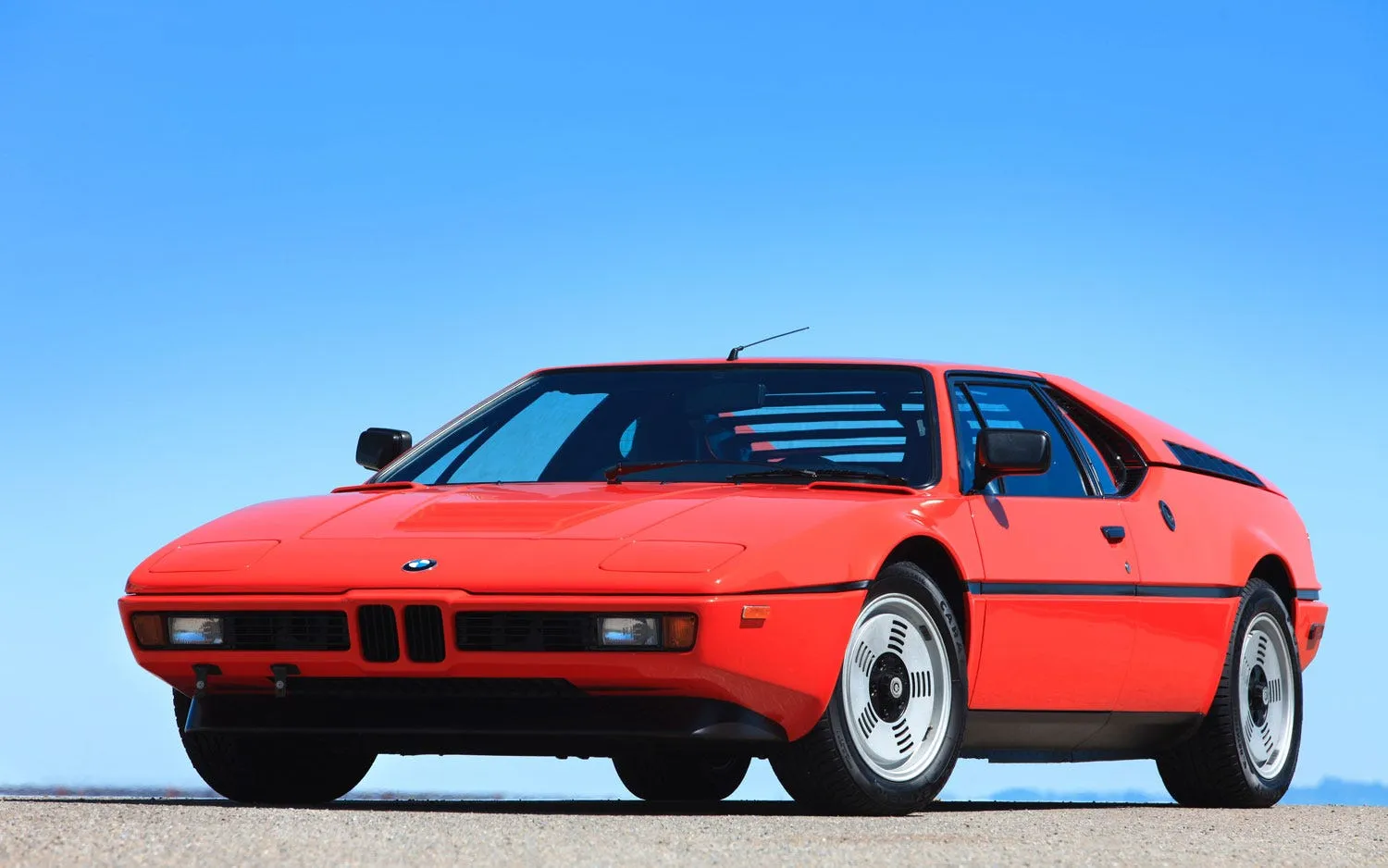
Production of the BMW M1 in 1978 represented a bold declaration of intent from Germany’s emerging performance division. Rare in number and striking in appearance, the vehicle stood apart with its sharply defined lines and purposeful stance.
Styled with the involvement of Italian designer Giorgetto Giugiaro, the M1 combined continental design influence with disciplined German engineering. Its visual presence communicated seriousness long before the engine was engaged.
Power came from a 3.5 litre inline six cylinder engine mounted behind the driver, producing approximately 273 horsepower. That configuration was unconventional for German road cars at the time and almost nonexistent among American manufacturers.
Placement of the engine in the middle of the chassis delivered balanced weight distribution, improving agility and stability. Rather than relying solely on raw displacement, BMW adopted a layout associated with elite racing machines. This decision immediately placed the M1 in a different category from many contemporaries.
Late 1970s American performance cars were contending with tightening emissions standards and reduced output. Within that climate, the BMW M1 projected clarity of purpose. It was engineered without apology. Reports from early road tests described composed behaviour at high speed, disciplined cornering ability, and braking performance that inspired confidence.
Steering response felt precise, with limited body movement through demanding turns. Such characteristics reflected preparation for international competition rather than domestic exhibition. Attention in Detroit was unavoidable. Engineers and executives recognised that the mid-engine format offered measurable advantages in handling dynamics.
Although American adoption of that configuration would take decades to materialise in a production setting, the intellectual seed had been planted. The M1 demonstrated that balance and structural design could transform performance results.
The quality of construction also distinguished the model. Interior materials appeared thoughtfully selected rather than decorative. Controls were logically arranged, and assembly standards conveyed durability. Buyers interested in performance began expecting refinement to accompany speed.
American manufacturers gradually acknowledged this expectation, improving interior finishes within their high-performance divisions. Despite limited production numbers, the BMW M1 exerted influence beyond its commercial reach.
It broadened the understanding of what a German sports car could represent and challenged American brands to pursue engineering excellence on a global scale. By combining design discipline, innovative layout, and measured craftsmanship, the M1 left a durable imprint on performance development across the Atlantic.
Also Read: 10 Cheap Used Sports Cars That Still Feel Special to Drive
3. Mercedes-Benz 300SL Gullwing (1954)
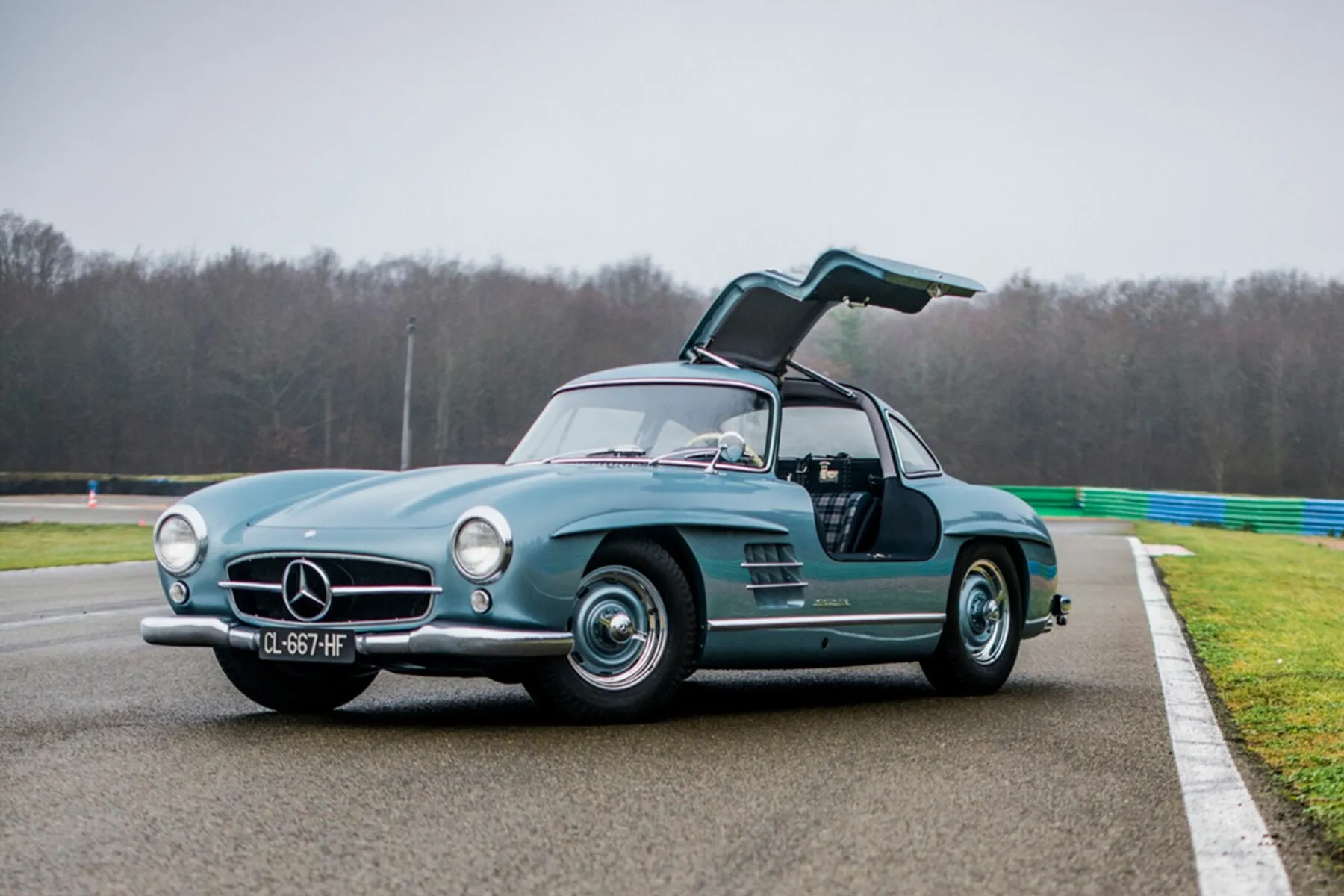
The arrival of the Mercedes-Benz 300SL Gullwing in 1954 altered established perceptions within the American automotive space. Upward-opening doors, hinged at the roof rather than the side, immediately distinguished the car from anything produced domestically at the time.
That dramatic design element was not a mere stylistic indulgence; it was a practical response to the vehicle’s tubular space frame, which required high sills for structural rigidity. Form and engineering worked together in a manner that conveyed the seriousness of purpose.
Beneath its long bonnet rested a 3.0 litre inline six cylinder engine capable of producing approximately 215 horsepower. While such output may appear moderate by contemporary standards, it was extraordinary within the mid-twentieth-century performance category.
With a top speed approaching 160 miles per hour, the 300SL established itself as one of the fastest production automobiles of its era.
American sports cars of that period tended to prioritise relaxed cruising and visual appeal rather than sustained high-speed stability. The Gullwing introduced a disciplined focus on aerodynamic efficiency and mechanical refinement.
Technical innovation distinguished this model even more clearly. Direct fuel injection, adapted from aviation technology, replaced traditional carburettors and delivered improved power delivery and throttle response. This development placed the vehicle far ahead of many competitors in terms of engineering sophistication.
Its lightweight tubular space frame further enhanced rigidity while keeping mass under control, thereby improving handling characteristics. Such decisions reflected a deliberate commitment to precision and performance.
American buyers, particularly affluent enthusiasts, observed these advancements with keen interest. Expectations gradually developed. Domestic manufacturers recognised that aesthetic appeal and engine displacement alone would not suffice in securing international respect.
Consequently, American performance vehicles began incorporating fuel injection systems, independent suspension arrangements, and refined aerodynamic profiles. Culturally, the Mercedes-Benz 300SL Gullwing strengthened the perception of European engineering as technically advanced and meticulously executed.
It did not arrive merely as a foreign alternative; it presented itself as a benchmark. Detroit responded with renewed determination to match that level of mechanical credibility. The pursuit of technical excellence intensified, and American performance cars matured as a direct result of that challenge.
4. Audi Quattro (1980)
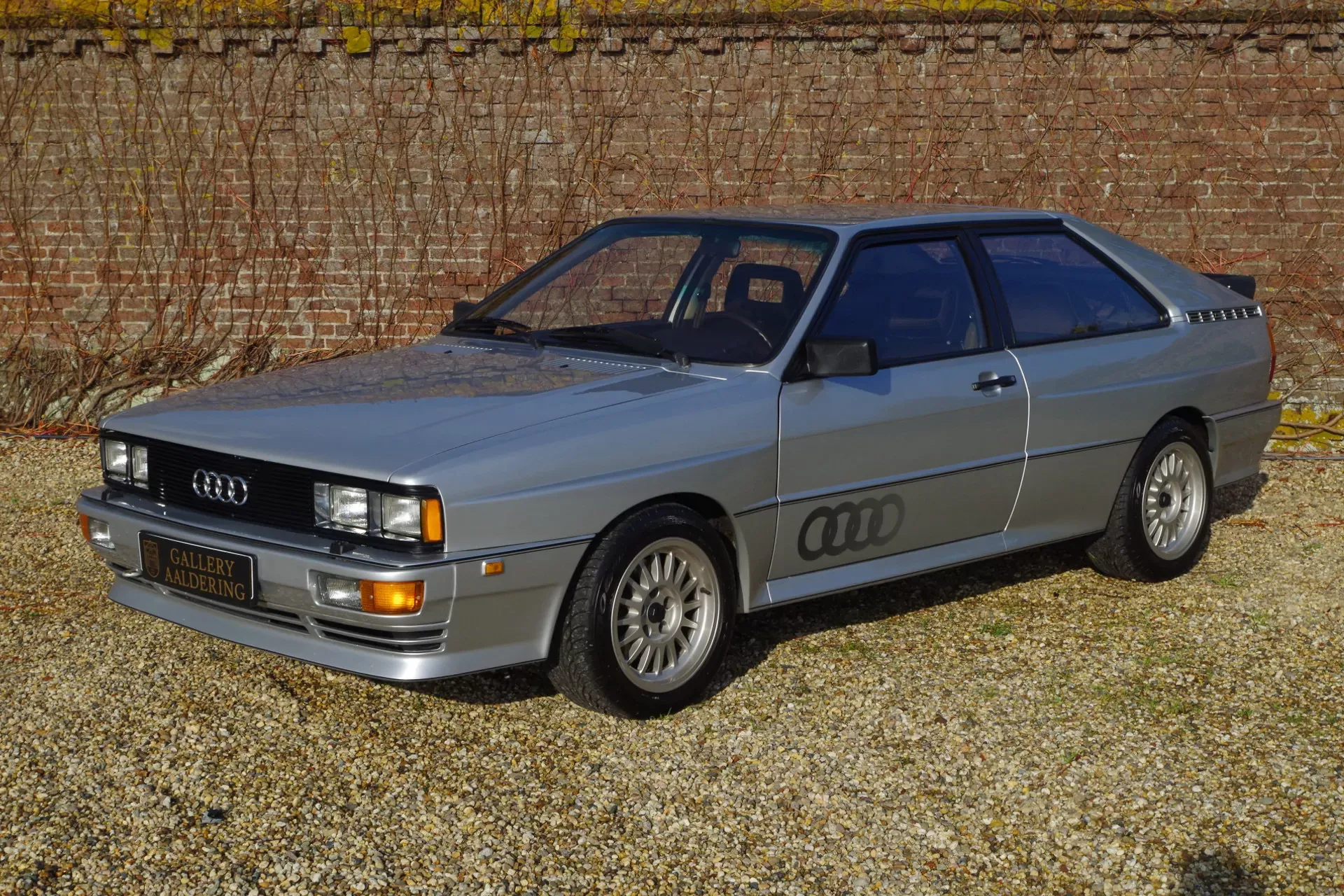
The introduction of the Audi Quattro in 1980 marked a decisive turning point in performance engineering philosophy. Before its arrival, high-performance automobiles generally transmitted power either to the rear wheels or, less commonly, to the front.
Audi departed from convention by integrating a permanent All Wheel Drive system into a compact, rally-inspired coupe. What initially appeared unconventional soon proved transformative.
Equipped with a turbocharged 2.1-litre inline five cylinder engine producing approximately 200 horsepower, the Quattro demonstrated that traction could serve as a decisive advantage.
Adverse weather conditions, loose gravel surfaces, and demanding road layouts did not diminish its composure.
Where many Rear Wheel Drive performance cars struggled for grip, the Quattro maintained stability and forward momentum. By distributing power to all four wheels, it enhanced acceleration and cornering confidence in a manner previously unseen in mainstream performance vehicles.
Success in an international rally competition reinforced its credibility. Dominance in that environment established All Wheel Drive as a legitimate performance strategy rather than a technical curiosity.
Engineers in the United States began reassessing drivetrain configurations, particularly as turbocharging gained wider acceptance during the 1980s and 1990s.
The concept that power management could influence speed as profoundly as engine output gained wider recognition. Practicality also formed part of the Quattro’s appeal. Unlike many sports cars limited to two occupants, it offered rear seating and reasonable comfort for everyday use.
This blend of usability and performance encouraged American manufacturers to reconsider product positioning. High-output engines no longer need to reside exclusively within minimalist coupes. Performance could coexist with versatility.
Subsequent American sports sedans and high-performance coupes incorporated advanced All Wheel Drive systems, reflecting lessons drawn from Audi’s initiative. The Quattro challenged entrenched assumptions regarding traction and balance.
By demonstrating that controlled grip enhances measurable speed, it redirected engineering priorities. Detroit responded by investing more heavily in drivetrain innovation, thereby enriching the competitive dialogue between German and American performance traditions.
5. Porsche 959 (1986)
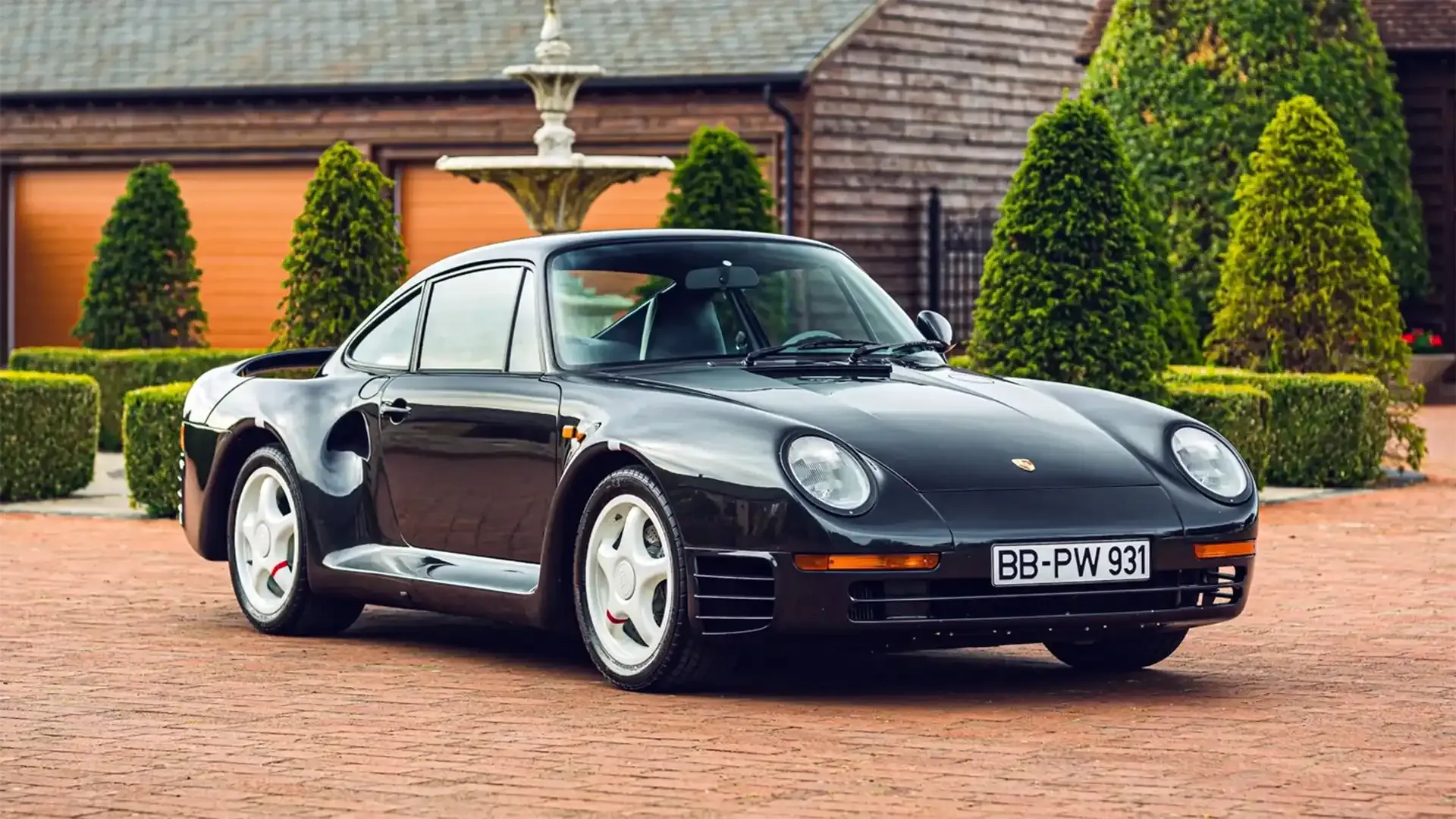
During the mid 1980s, Porsche introduced a machine that felt years ahead of its time. The Porsche 959 combined twin turbocharging, adjustable All Wheel Drive, advanced aerodynamics, and electronically controlled suspension into one cohesive package.
Producing roughly 444 horsepower, the 959 reached 60 miles per hour in under four seconds. That level of performance rivaled dedicated supercars.
Yet what impressed engineers most was its intelligence. Sensors constantly adjusted the power distribution. Suspension settings adapted to conditions. This was a performance guided by computers.
American manufacturers observed. Up to that point, electronics in domestic sports cars played a minor role. The 959 signaled a future where software and hardware worked together to enhance speed and control. Limited availability in the United States only increased its mystique.
Enthusiasts read about it in magazines and imagined what domestic brands might create if given similar resources. That pressure encouraged investment in turbocharging technology, traction control systems, and electronically adjustable suspensions.
Even though the 959 remained rare, its impact stretched far beyond production numbers. It demonstrated that cutting-edge engineering could coexist with everyday usability. Drivers could enjoy staggering speed without sacrificing comfort or reliability.
Porsche set a technological benchmark that resonated across the Atlantic. American performance cars gradually adopted smarter systems and more advanced drivetrains. The era of purely mechanical muscle began giving way to integrated technology.
By blending innovation with relentless performance, the Porsche 959 raised expectations worldwide. American automakers answered with increasingly sophisticated sports cars, proving that competition across continents benefits drivers everywhere.
6. BMW E46 M3 (2000)
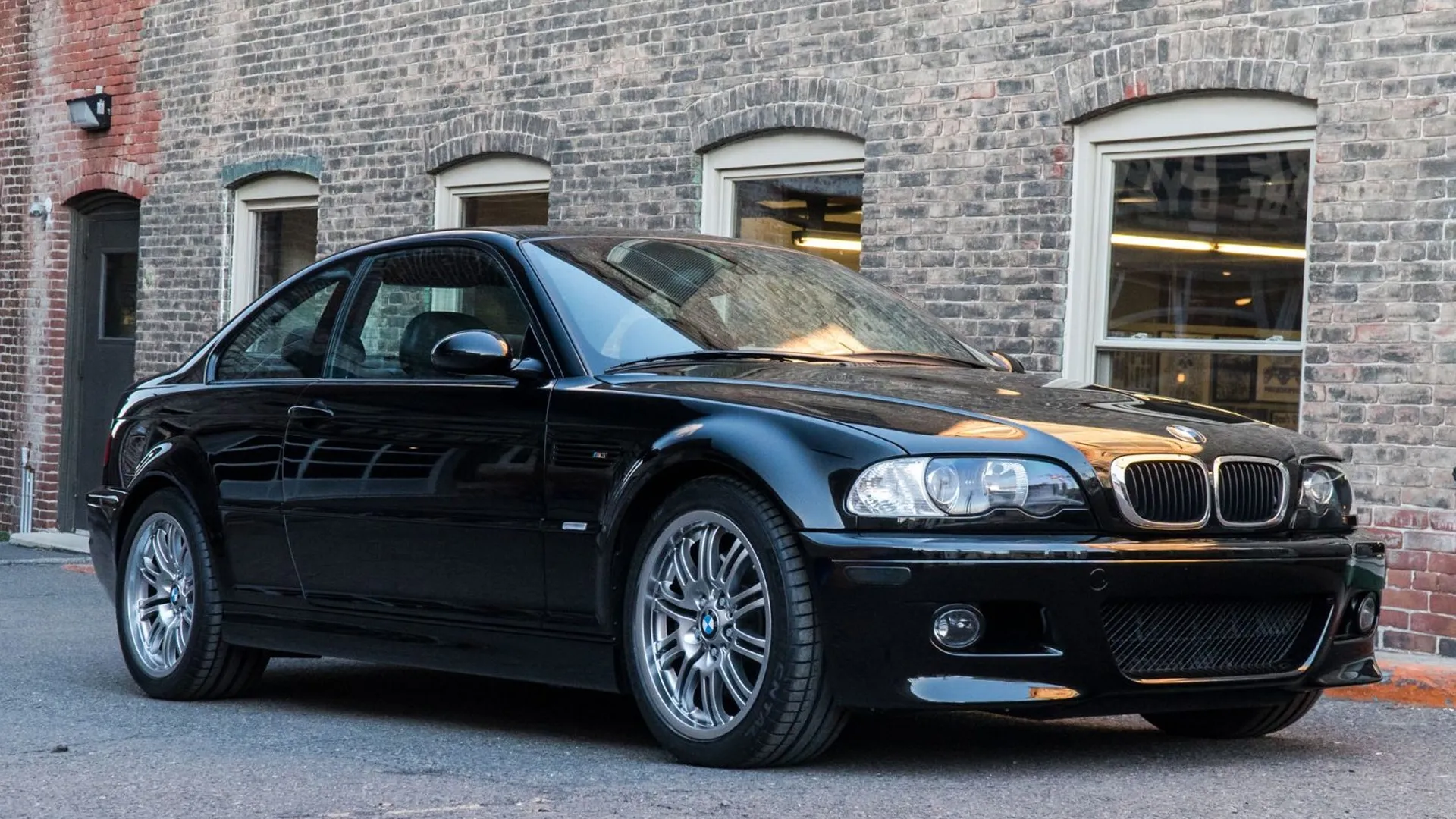
High-revving precision defined the BMW E46 M3 from the first press of the throttle. Powered by a 3.2-liter inline six known as the S54, this coupe delivered 333 horsepower and a redline of 8,000 rpm. That engine did not just produce power. It demanded driver involvement.
Each gear change felt purposeful, especially with the six-speed manual transmission that quickly became the preferred choice among enthusiasts. American performance cars at the start of the 2000s leaned heavily on torque-rich V8 engines.
They were quick in a straight line and thrilling in their own way, yet the E46 M3 introduced a different philosophy. Balance mattered just as much as acceleration. Steering response felt immediate. Braking remained consistent even under hard use. Suspension tuning struck a rare harmony between daily comfort and track readiness.
Track comparisons published during that era revealed something eye-opening. The M3 often matched or beat more powerful American coupes on road courses. Lighter weight, sharper chassis tuning, and precise throttle response helped it carve through corners with confidence.
That reality pushed American automakers to refine suspension geometry, upgrade braking systems, and pay closer attention to weight distribution. Interior quality also played a role. The E46 M3 offered supportive sport seats, clear instrumentation, and materials that felt carefully assembled.
Buyers began expecting performance cars to deliver refinement alongside speed. Detroit responded by raising interior standards in its performance divisions, recognizing that buyers wanted both excitement and craftsmanship. Culturally, the BMW E46 M3 changed conversations.
Instead of debating horsepower figures alone, enthusiasts discussed balance, steering feel, and lap times. That broader definition of performance helped reshape American engineering priorities. Two decades later, the E46 M3 remains a benchmark for driver-focused design.
It reminded manufacturers that raw power does not guarantee superiority. Precision, feedback, and thoughtful engineering matter just as much. American brands accepted that challenge and began producing sharper, more disciplined sports cars as a result.
7. Porsche 918 Spyder (2015)
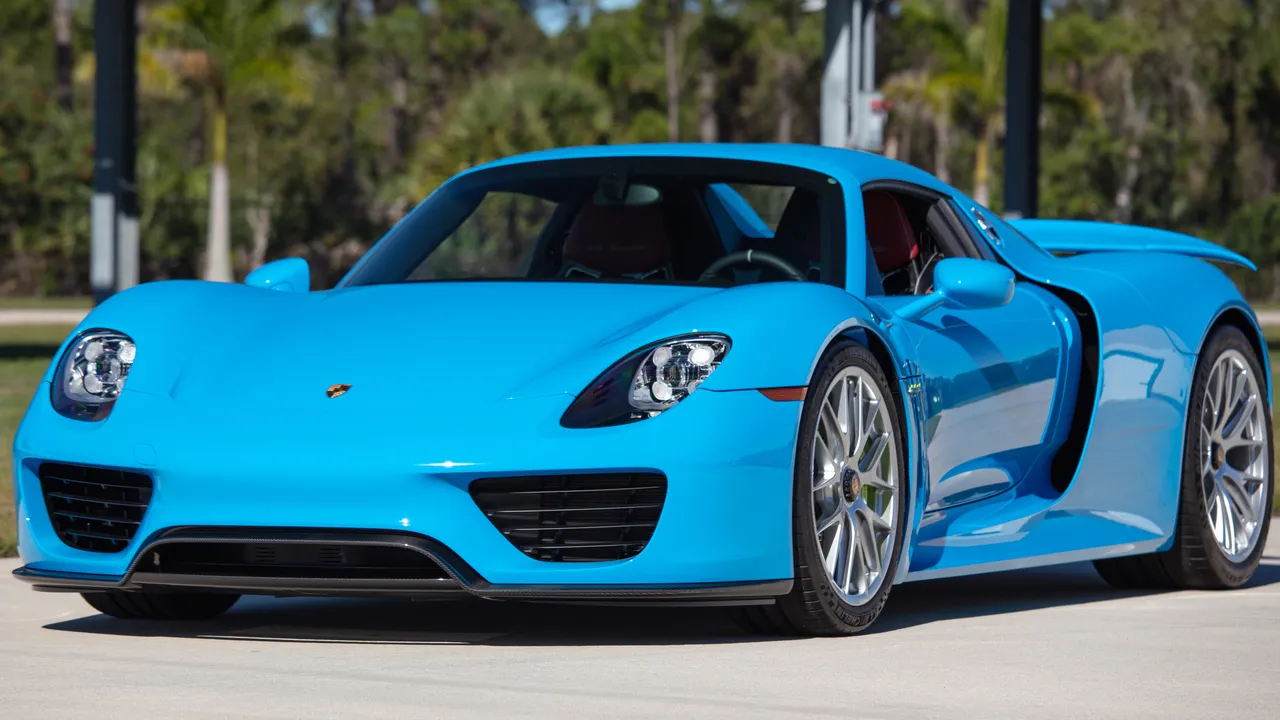
Hybrid technology once carried a reputation for efficiency above excitement. Porsche rewrote that assumption with the 918 Spyder. This hypercar combined a 4.6-liter naturally aspirated V8 with two electric motors, generating a combined output of 887 horsepower. Acceleration bordered on surreal, launching from zero to sixty in well under three seconds.
Performance alone does not explain its impact. What truly surprised competitors was how seamlessly the 918 blended electric assistance with traditional combustion power. Instant torque from the electric motors filled gaps in the power band. All Wheel Drive provided a relentless grip. Regenerative braking systems added efficiency without sacrificing stopping power.
American automakers faced a new reality. Electrification was no longer limited to fuel-saving commuters. It could enhance speed, responsiveness, and traction.
That realization accelerated domestic investment in hybrid and electric performance programs. The mindset changed from skepticism to opportunity.
Track testing reinforced the message. The 918 Spyder posted lap times that rivaled or surpassed established supercars while maintaining composure and drivability.
Engineers across the Atlantic studied how software controlled torque distribution and how battery placement influenced weight balance. Lessons learned from this German machine-shaped future American hybrid performance projects.
Design philosophy also advanced. The 918 did not hide its technology. Carbon fiber construction, aerodynamic channels, and visible cooling elements signaled that advanced engineering formed the foundation of its identity.
American performance cars began embracing similar transparency, highlighting aerodynamic development and lightweight materials as core selling points.
Public perception followed. Buyers started viewing electrified powertrains as tools for performance rather than compromises. That move-in attitude encouraged American brands to introduce high-output hybrid systems in sports cars and performance trucks.
Porsche 918 Spyder demonstrated that innovation and speed can coexist without sacrificing emotion. Its influence pushed American manufacturers to rethink how they integrate electric power into performance vehicles. A new chapter in the rivalry emerged, one defined by intelligent power rather than displacement alone.
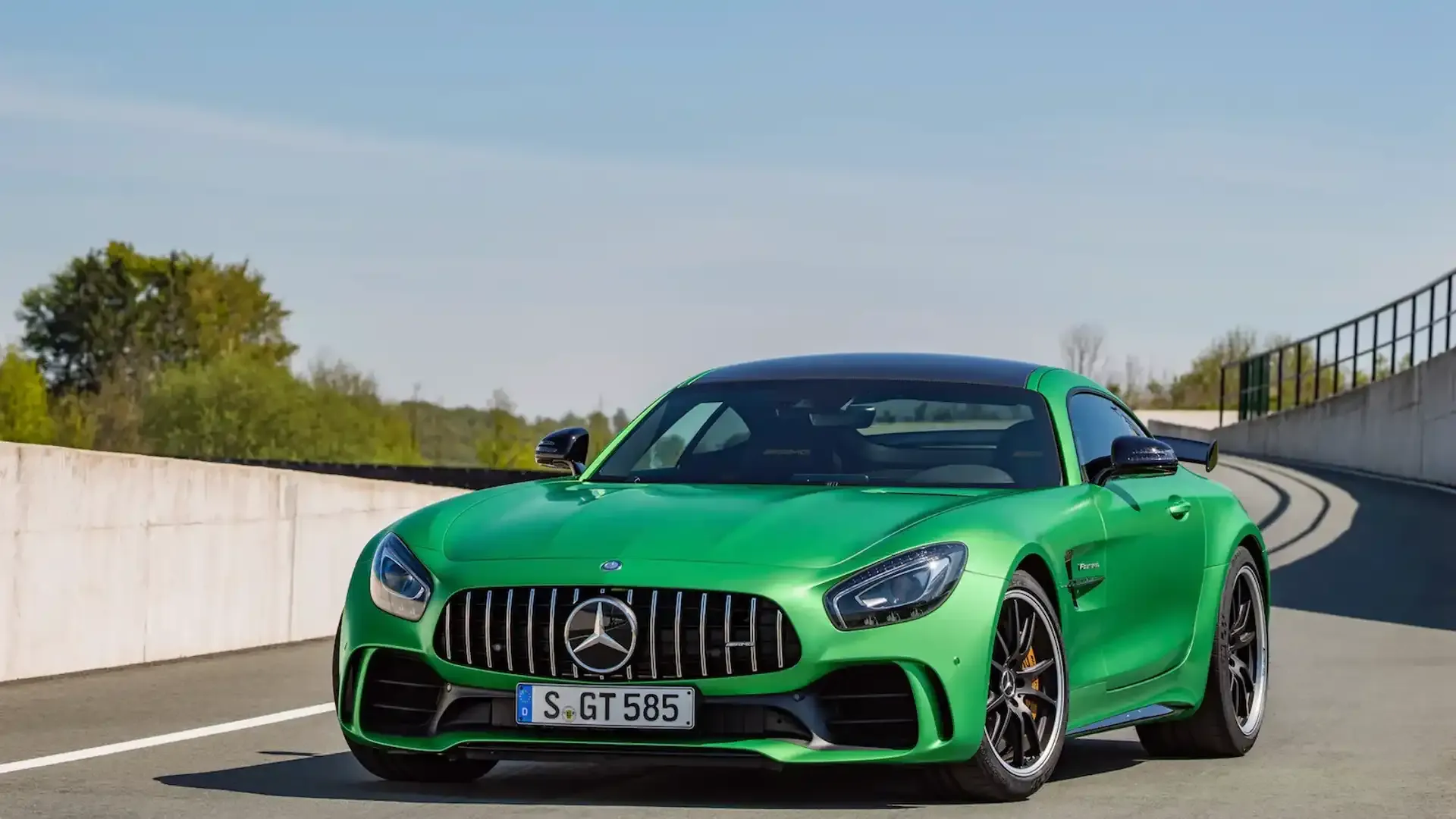
8. Mercedes AMG GT R (2017)
Aggression defines the Mercedes AMG GT R from its wide stance to its vertical grille slats inspired by racing heritage. Beneath the sculpted hood sits a 4.0-liter twin-turbocharged V8 producing 577 horsepower. Rear wheel drive channels that power through a transaxle layout, enhancing weight distribution and sharpening response.
Track development at the Nürburgring shaped this car’s character. Adjustable coilover suspension, active aerodynamics, and rear wheel steering transformed it into a precision instrument. Drivers could feel the rear wheels subtly assisting during high-speed cornering, increasing stability without dulling engagement.
American performance cars have long embraced V8 power, yet the AMG GT R introduced a level of chassis sophistication that demanded attention. Active aerodynamic elements adjusted automatically to balance downforce and drag. Traction control systems offered multiple stages, allowing drivers to tailor the experience from road comfort to track aggression.
Testing data showed impressive lap times that rivaled purpose-built track specials. That performance placed pressure on American brands to refine their own high-performance variants. Magnetic ride control systems, adjustable drive modes, and advanced stability programs gained renewed focus.
Sound also mattered. The AMG GT R delivered a deep, thunderous exhaust note while maintaining mechanical precision. It proved that emotional appeal and engineering discipline can coexist without compromise. Cabin design reflected the same philosophy.
Performance-focused controls surrounded the driver, while materials conveyed the quality expected in a premium sports car. American manufacturers responded by improving cockpit layouts in their performance models, integrating digital displays and customizable drive settings.
Mercedes AMG GT R did not simply compete in the horsepower race. It showcased how technology, aerodynamics, and mechanical tuning can converge into a cohesive package. That convergence encouraged American automakers to adopt a more holistic approach to performance engineering, where every component works toward a unified goal.
Also Read: 10 Performance SUVs That Are Faster Than 2000s Sports Cars
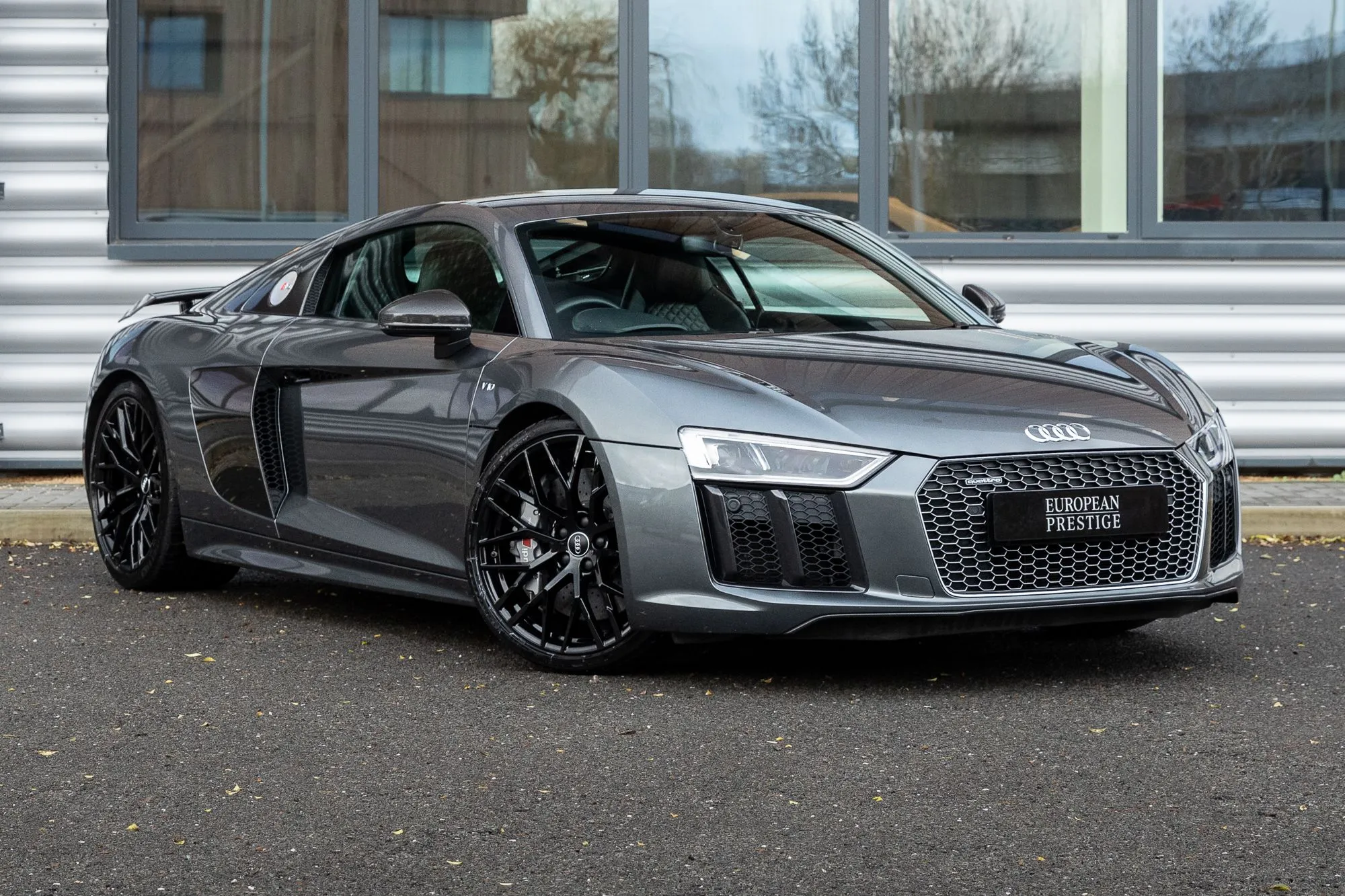
9. Audi R8 V10 Plus (2016)
Exotic presence meets everyday usability in the Audi R8 V10 Plus. Powered by a 5.2-liter naturally aspirated V10 producing 610 horsepower, this mid-engine coupe delivered breathtaking acceleration paired with Quattro All Wheel Drive confidence. The engine’s high-pitched scream near redline provided drama that rivaled Italian supercars, yet the R8 remained approachable on public roads.
Structure and materials defined its strength. An aluminum and carbon fiber space frame kept weight controlled while maintaining rigidity. Magnetic ride suspension adapted quickly to changing conditions, offering both comfort and razor-sharp handling when needed.
Such adaptability raised expectations for what a supercar could provide. American performance vehicles traditionally separated daily drivability from track capability. The Audi R8 V10 Plus blurred that line. Drivers could commute during the week and attend track events on the weekend without major compromises.
That dual personality influenced American engineering strategies, encouraging the development of sports cars that balance livability with extreme capability. Acceleration figures drew headlines, yet braking performance and steering precision impressed just as strongly.
Carbon ceramic brakes delivered consistent stopping power under intense use. Steering response felt predictable and direct, fostering confidence at high speeds. Interior technology added another layer.
Audi’s Virtual Cockpit digital instrument cluster replaced traditional gauges, placing customizable information directly in the driver’s line of sight.
American brands soon followed with advanced digital displays in their flagship performance models. Market response confirmed demand for refined supercar experiences.
Buyers appreciated speed paired with reliability and comfort. American manufacturers recognized that performance customers sought more than raw numbers. They wanted sophistication, usability, and cutting-edge features.
Audi R8 V10 Plus demonstrated that supercar thrills need not sacrifice practicality. Its success contributed to a new expectation: performance cars should deliver excitement without punishing their owners.
That expectation pushed American automakers to raise standards once again, strengthening a rivalry that continues to drive innovation on both sides of the Atlantic.
