
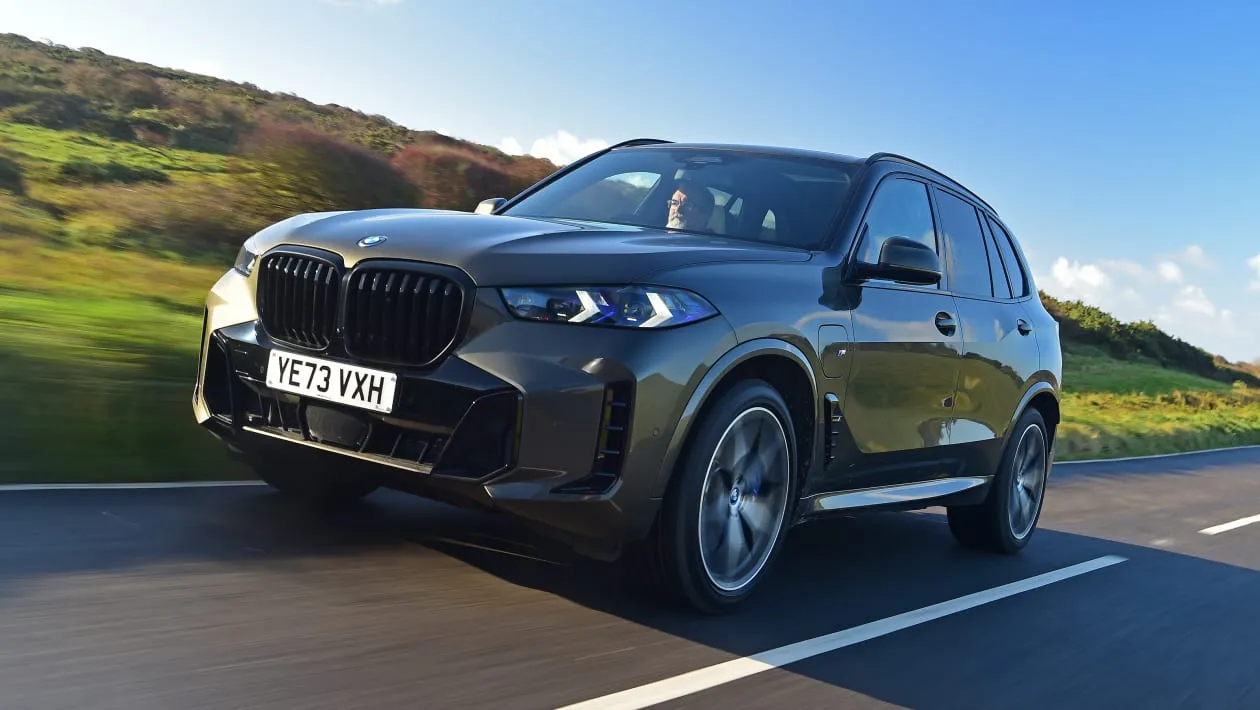
Sticker price rarely tells the full story when it comes to hybrid SUVs. A vehicle might promise impressive fuel savings, smooth electric assistance, and a modern driving experience, yet long-term ownership expenses can paint a very different picture.
Hybrid technology brings efficiency and refinement, but it can also introduce higher repair bills, specialized servicing, and costly components that stretch far beyond initial expectations. Drivers often choose hybrid SUVs, believing they will spend less at the pump and keep maintenance manageable.
That assumption sometimes holds, especially for simpler systems designed for reliability and affordability. Certain models, though, come with premium engineering and luxury features that drive ownership costs upward.
Expensive battery packs, complicated electronics, performance-focused components, and high insurance rates all contribute to long-term expenses that may surprise even careful buyers. Understanding which hybrid SUVs carry hidden financial weight helps shoppers make smarter decisions before signing paperwork.
A model that looks appealing in a showroom might require deeper pockets once warranty coverage ends or replacement parts come into play. Luxury brands and performance hybrids tend to demand more attention from both service technicians and owners’ wallets.
Below are ten hybrid SUVs known for delivering comfort, performance, and advanced technology while also bringing unexpectedly high ownership costs. These vehicles offer impressive features and driving experiences, yet long-term expenses can catch buyers off guard. Awareness remains the best defense when choosing a hybrid SUV that fits both lifestyle and budget.
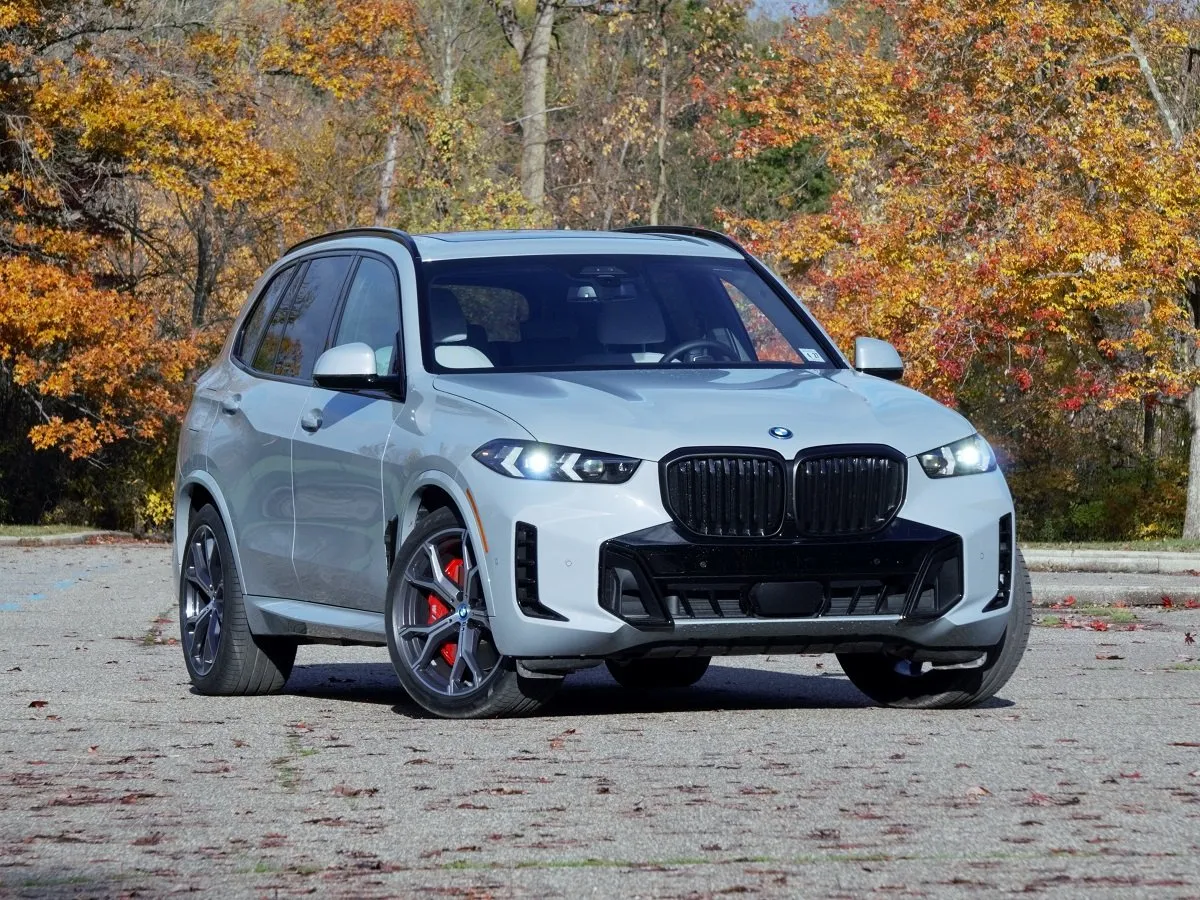
1. BMW X5 xDrive50e
Luxury and advanced technology define the BMW X5 xDrive50e, yet ownership expenses can rise quickly once the honeymoon phase ends.
This plug-in hybrid combines a turbocharged inline-six engine with an electric motor, producing strong performance and smooth electric-only driving capability. Power and refinement feel exceptional, though the price of maintaining such sophistication can be steep.
Battery technology stands as one of the most expensive components in the long run. Replacement costs for high-capacity lithium-ion packs can reach several thousand dollars once warranty coverage expires. Cooling systems designed to protect the battery also add layers of maintenance that owners must consider. Even software updates sometimes require dealership attention, adding to ongoing expenses.
Insurance rates often reflect the vehicle’s high value and repair costs. Luxury branding, powerful performance, and advanced driver assistance systems can raise premiums compared to mainstream hybrid SUVs. Owners may also face higher tire replacement costs due to performance-oriented wheel and tire packages.
Fuel savings exist, especially for drivers who maximize electric-only range. Charging infrastructure at home can reduce daily fuel expenses, yet electricity usage and charging equipment installation add to the total cost of ownership. Drivers who rely heavily on public charging may find expenses rising faster than expected.
Comfort and performance remain undeniable strengths. Plush seating, refined interior design, and advanced infotainment create a rewarding driving environment. Acceleration feels effortless, and electric assistance enhances responsiveness during city driving. These qualities attract buyers seeking a premium hybrid experience.
Owning the BMW X5 xDrive50e delivers luxury and efficiency in one package, though financial planning becomes essential. High service costs, premium parts, and potential battery replacement expenses combine to create an ownership experience that requires a generous budget. Buyers who value performance and prestige must be prepared for the ongoing financial commitment that accompanies this sophisticated hybrid SUV.
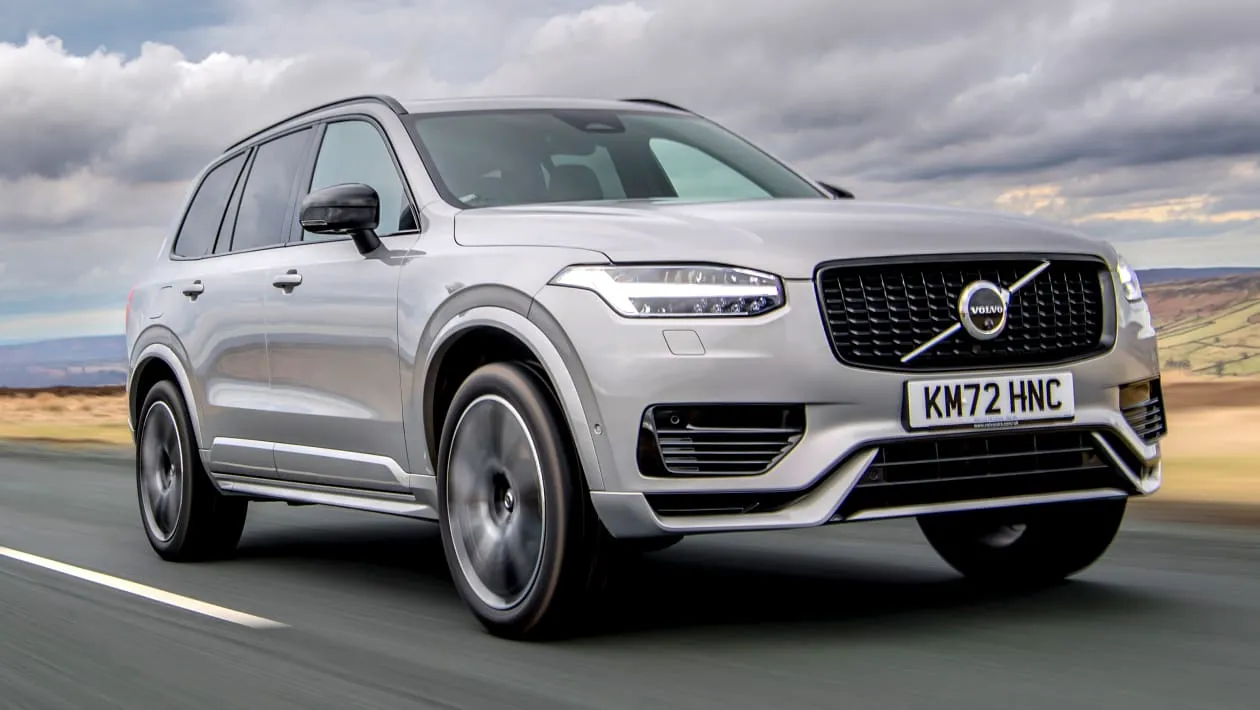
2. Volvo XC90 Recharge T8 Ultimate
Elegance meets electrified performance in the Volvo XC90 Recharge T8 Ultimate, a plug-in hybrid SUV that delivers comfort and advanced safety technology. Beneath its refined exterior lies a powerful hybrid system combining a turbocharged and supercharged engine with electric motors. Such engineering creates impressive acceleration and efficiency, yet long-term costs can surprise owners.
Ownership begins with premium pricing for routine servicing. Volvo’s advanced safety systems require specialized calibration when components such as windshields or sensors are replaced. Even minor repairs may involve recalibrating driver assistance features and increasing labor charges. Parts designed specifically for this hybrid configuration often come at a higher cost than standard components.
Interior luxury enhances the driving experience while also influencing repair costs. Premium materials, large digital displays, and advanced audio systems create a sophisticated cabin environment. Replacing damaged trim or malfunctioning electronics can become expensive due to proprietary components. Even small interior repairs may involve higher parts prices than mainstream alternatives.
Insurance premiums tend to reflect the vehicle’s high value and repair expenses. Advanced driver assistance technology increases replacement costs for sensors and cameras after minor accidents. Owners often face higher premiums as a result. Tire replacement costs can also rise due to large wheels and performance-oriented specifications.
Fuel efficiency remains appealing, especially for drivers who regularly charge the battery. Electric-only driving can reduce gasoline usage for short commutes. Charging equipment installation and electricity costs, however, must be considered when calculating total expenses. Public charging fees may add up depending on usage patterns.
Driving comfort stands as a highlight. Smooth acceleration, quiet electric operation, and supportive seating create a relaxed experience for both driver and passengers. Spacious design and premium finishes enhance everyday usability. Owners enjoy a vehicle that blends performance and refinement effortlessly.
Financial planning becomes essential when choosing the Volvo XC90 Recharge T8 Ultimate. Luxury engineering and advanced hybrid technology bring higher ownership costs that extend beyond fuel savings. Buyers who appreciate comfort and performance must be prepared for the ongoing expenses associated with this sophisticated plug-in hybrid SUV.
Also Read: 10 Hybrid Cars With Reliability Records You Should Avoid
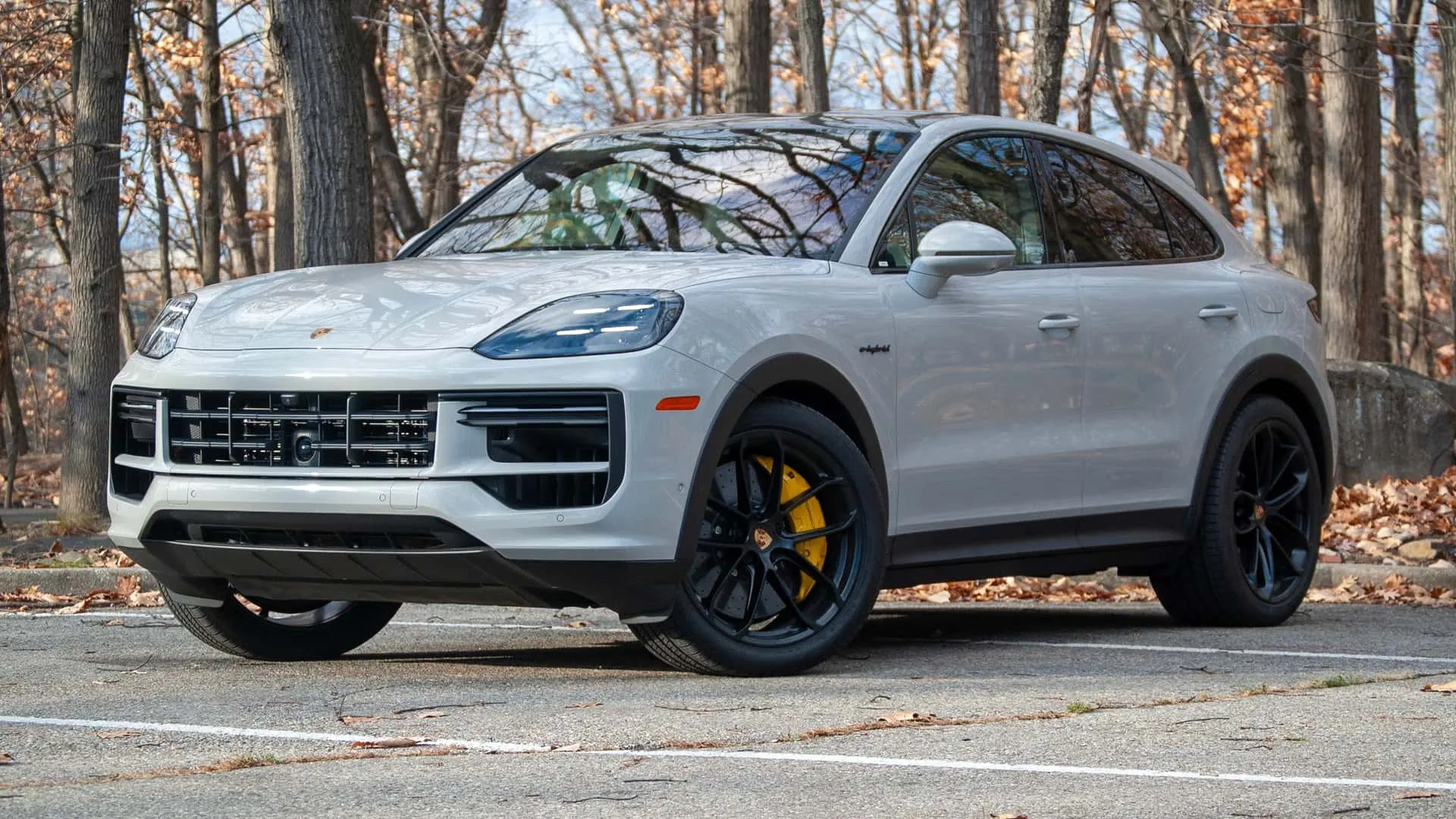
3. Porsche Cayenne E-Hybrid
Performance enthusiasts often gravitate toward the Porsche Cayenne E-Hybrid for its blend of sports car dynamics and electrified efficiency. Combining a turbocharged engine with electric assistance, this luxury SUV delivers thrilling acceleration and precise handling. Ownership, however, comes with expenses that can exceed expectations.
Service costs reflect Porsche’s reputation for high-performance engineering. Routine maintenance requires specialized parts and skilled technicians familiar with both hybrid systems and performance components. Brake systems, suspension elements, and performance tires often cost more than those found on conventional SUVs. Even scheduled servicing can carry premium pricing.
Battery replacement represents a major long-term expense. High-performance hybrid systems rely on advanced battery technology designed for both power and efficiency. Replacing such components outside warranty coverage can become costly. Cooling systems and electronic modules associated with the hybrid drivetrain add to potential repair bills.
Insurance rates frequently rise due to the vehicle’s high value and performance capabilities. Luxury branding and expensive replacement parts contribute to higher premiums. Minor collisions involving advanced sensors or lighting systems can lead to costly repairs. Owners must factor these potential expenses into their budgets.
Fuel savings may offset some costs during daily driving. An electric-only range allows short trips without gasoline consumption. Charging infrastructure installation and electricity usage still contribute to total ownership expenses. Public charging fees may also accumulate depending on usage habits.
Interior craftsmanship enhances the driving experience. Premium materials, advanced infotainment systems, and customizable features create a luxurious environment. Repairing or replacing interior components can become expensive due to proprietary design and high-quality materials. Owners should consider these potential costs when evaluating long-term ownership.
Driving satisfaction remains exceptional. Strong acceleration, precise steering, and balanced handling make every journey engaging. Electric assistance adds smoothness during city driving, while the gasoline engine delivers power for highway performance. Such capability attracts buyers seeking both excitement and efficiency.
Owning the Porsche Cayenne E-Hybrid delivers performance and prestige, yet it demands careful financial preparation. High maintenance costs, expensive parts, and potential battery replacement expenses combine to create an ownership experience that requires a generous budget. Buyers who value performance and luxury must be ready for the ongoing investment associated with this advanced hybrid SUV.
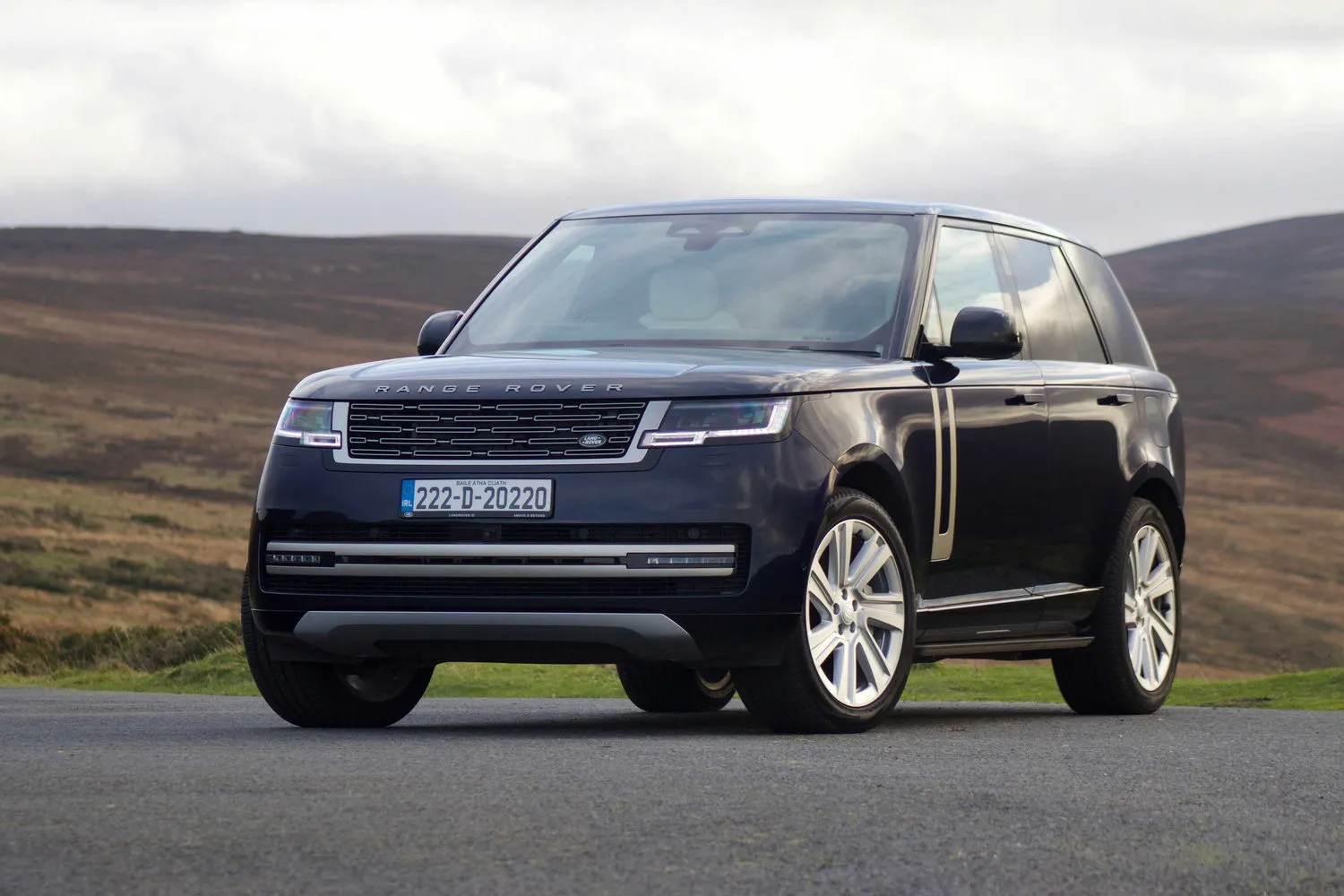
4. Range Rover Sport P440e Plug-in Hybrid
Refined luxury and off-road capability converge in the Range Rover Sport P440e Plug-in Hybrid. This model combines a turbocharged engine with electric power to deliver smooth acceleration and impressive efficiency. Service visits often involve specialized equipment and trained technicians. Advanced air suspension systems, hybrid components, and sophisticated electronics require careful attention.
Battery technology adds another layer of expense. High-capacity battery packs deliver useful electric range but can become costly to replace once warranty coverage ends. Cooling systems and control modules associated with the hybrid drivetrain also contribute to potential repair bills. Owners must consider these factors when evaluating long-term costs.
Insurance premiums often reflect the vehicle’s value and repair expenses. Luxury branding and advanced driver assistance systems increase replacement costs after accidents. Large wheels and performance tires add to maintenance expenses.
Interior craftsmanship enhances comfort while influencing repair pricing. Premium leather, digital displays, and advanced infotainment systems create a sophisticated cabin. Replacing damaged components may involve higher parts costs and labor charges. Owners who prioritize luxury should prepare for these potential expenses.
Fuel efficiency remains a positive aspect. Electric-only driving can reduce gasoline consumption for short trips. Charging infrastructure installation and electricity usage still contribute to total costs. Public charging fees may add up depending on driving habits.
Driving experience stands out. Smooth acceleration, quiet electric operation, and confident handling create a refined journey. Off-road capability remains strong, allowing this hybrid SUV to tackle varied conditions with ease. Owners enjoy versatility combined with luxury.
Choosing the Range Rover Sport P440e Plug-in Hybrid requires careful budgeting. High service costs, expensive components, and potential battery replacement expenses can lead to surprising ownership costs. Buyers who value luxury and capability must be prepared for the financial commitment that accompanies this advanced hybrid SUV.
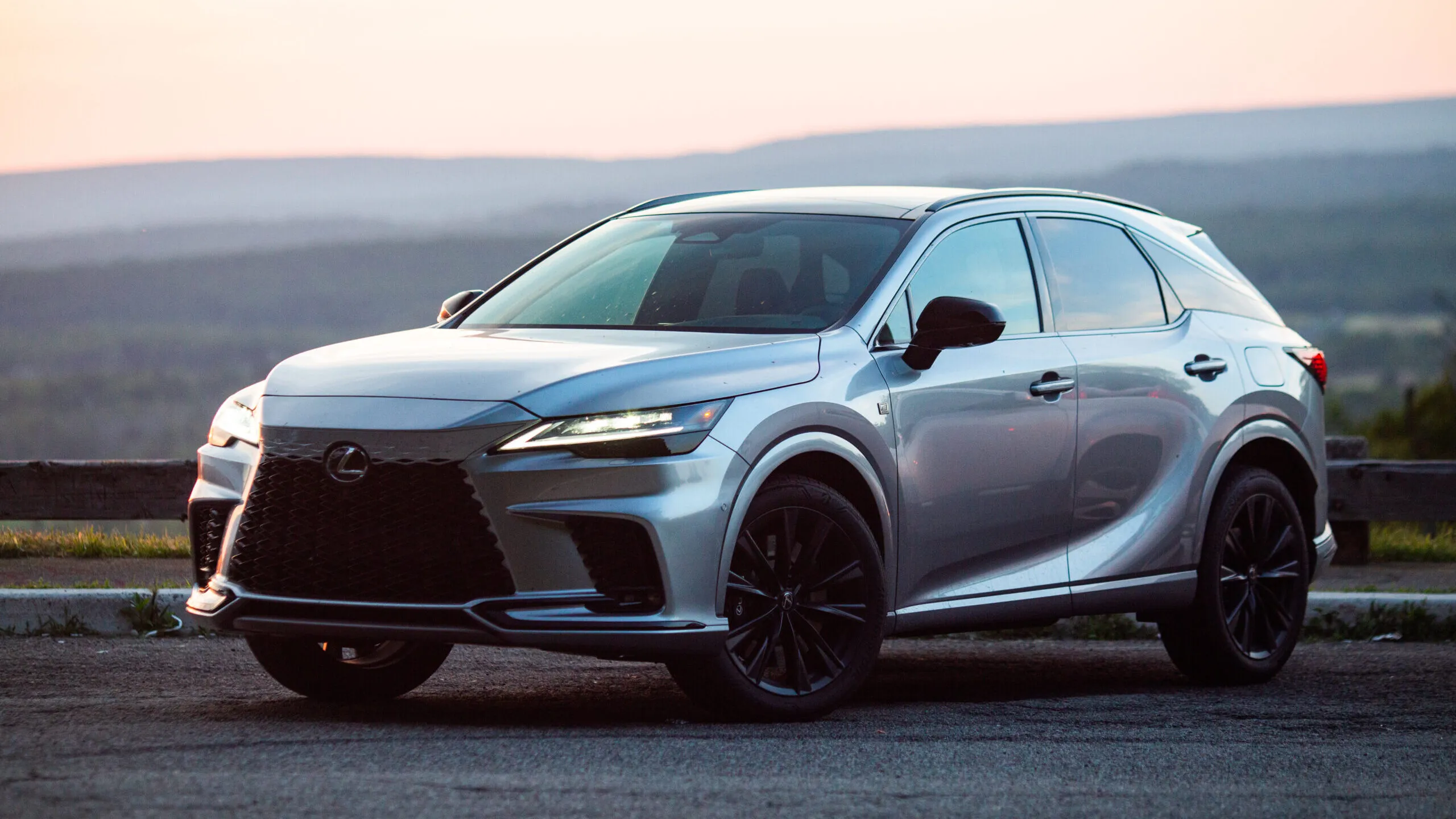
5. Lexus RX 500h F Sport Performance
Sharp styling and performance-focused engineering define the Lexus RX 500h F Sport Performance. This hybrid SUV combines turbocharged power with electric assistance to deliver quick acceleration and refined driving dynamics. Ownership expenses can rise beyond expectations despite Lexus’s reputation for reliability.
Routine servicing often costs more than mainstream hybrid models. Performance-oriented components such as larger brakes and specialized suspension parts increase replacement expenses. Dealership servicing may be recommended to maintain warranty coverage, adding to long-term costs. Premium materials and advanced electronics also contribute to higher repair bills.
Insurance premiums can be higher due to the vehicle’s value and performance capabilities. Advanced driver assistance features and premium components increase repair costs after accidents. Tire replacement expenses may also rise due to performance-oriented specifications.
Interior design emphasizes luxury and technology. High-quality materials, large digital displays, and advanced audio systems create a comfortable environment. Repairing or replacing interior components can become expensive due to proprietary parts and intricate design. Owners who appreciate luxury should prepare for these potential costs.
Fuel efficiency remains respectable for a performance-oriented hybrid SUV. Electric assistance reduces gasoline consumption during city driving. Charging infrastructure is not required for this hybrid system, yet fuel savings may not fully offset higher maintenance expenses.
Driving experience feels engaging and refined. Strong acceleration, responsive handling, and smooth power delivery make daily driving enjoyable. Comfort remains a priority, ensuring passengers experience a quiet and supportive ride. Lexus balances performance and luxury effectively.
Financial planning becomes essential when choosing the Lexus RX 500h F Sport Performance. Premium servicing costs, performance components, and potential battery replacement expenses can lead to higher ownership costs. Buyers seeking luxury and performance must be prepared for the ongoing financial commitment associated with this advanced hybrid SUV.
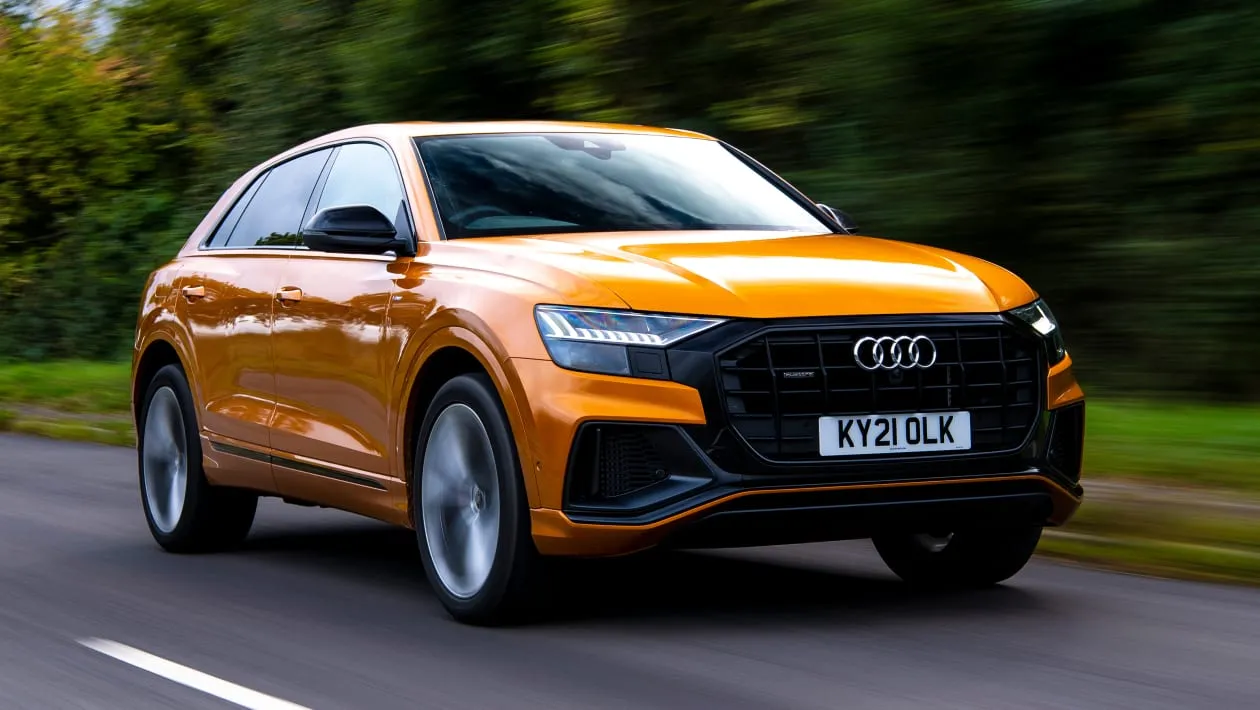
6. Audi Q8 55 TFSI e Plug-in Hybrid
Prestige often carries a price that extends well beyond the dealership floor, and the Audi Q8 55 TFSI e Plug-in Hybrid proves that point clearly. Combining a turbocharged V6 with electric assistance, this luxury SUV delivers impressive acceleration and refined cruising. Ownership expenses, however, can climb steadily once regular servicing and long-term care enter the equation.
Routine maintenance visits frequently involve specialized tools and trained technicians. Hybrid systems paired with Audi’s advanced electronics require careful diagnosis and precise calibration.
Even basic service tasks, such as brake replacement or suspension work, may carry higher labor charges compared to mainstream hybrid SUVs. Premium materials and engineering standards add to the cost of replacement parts.
Battery technology stands as one of the most expensive elements to consider. Large lithium-ion packs deliver strong electric-only range but can become costly if replacement becomes necessary after warranty expiration. Cooling systems and power electronics designed to manage hybrid performance also contribute to potential repair expenses. Owners must plan for these possibilities.
Insurance premiums often reflect the vehicle’s high value and advanced safety features. Multiple sensors, cameras, and driver assistance systems increase repair costs after minor collisions. Large wheels and performance-oriented tires also require expensive replacements, especially for drivers who log many miles annually.
Interior sophistication adds another layer of expense. Premium leather upholstery, dual touchscreen displays, and high-end audio systems create a luxurious atmosphere. Repairing or replacing damaged interior components may involve proprietary parts that carry elevated prices. Even simple electronic malfunctions can require dealership attention.
Fuel savings can help offset some expenses, particularly for drivers who charge regularly and maximize electric range. Installing home charging equipment and paying for electricity still contribute to ownership costs. Public charging rates vary and can add up quickly depending on usage habits.
Comfort and performance remain standout features. Smooth acceleration, quiet electric driving, and a spacious interior create an enjoyable experience for both driver and passengers. Technology integration keeps the cabin modern and convenient.
Buyers drawn to this level of luxury must remain prepared for the financial commitment that comes with maintaining such a sophisticated hybrid SUV throughout years of ownership and daily use.
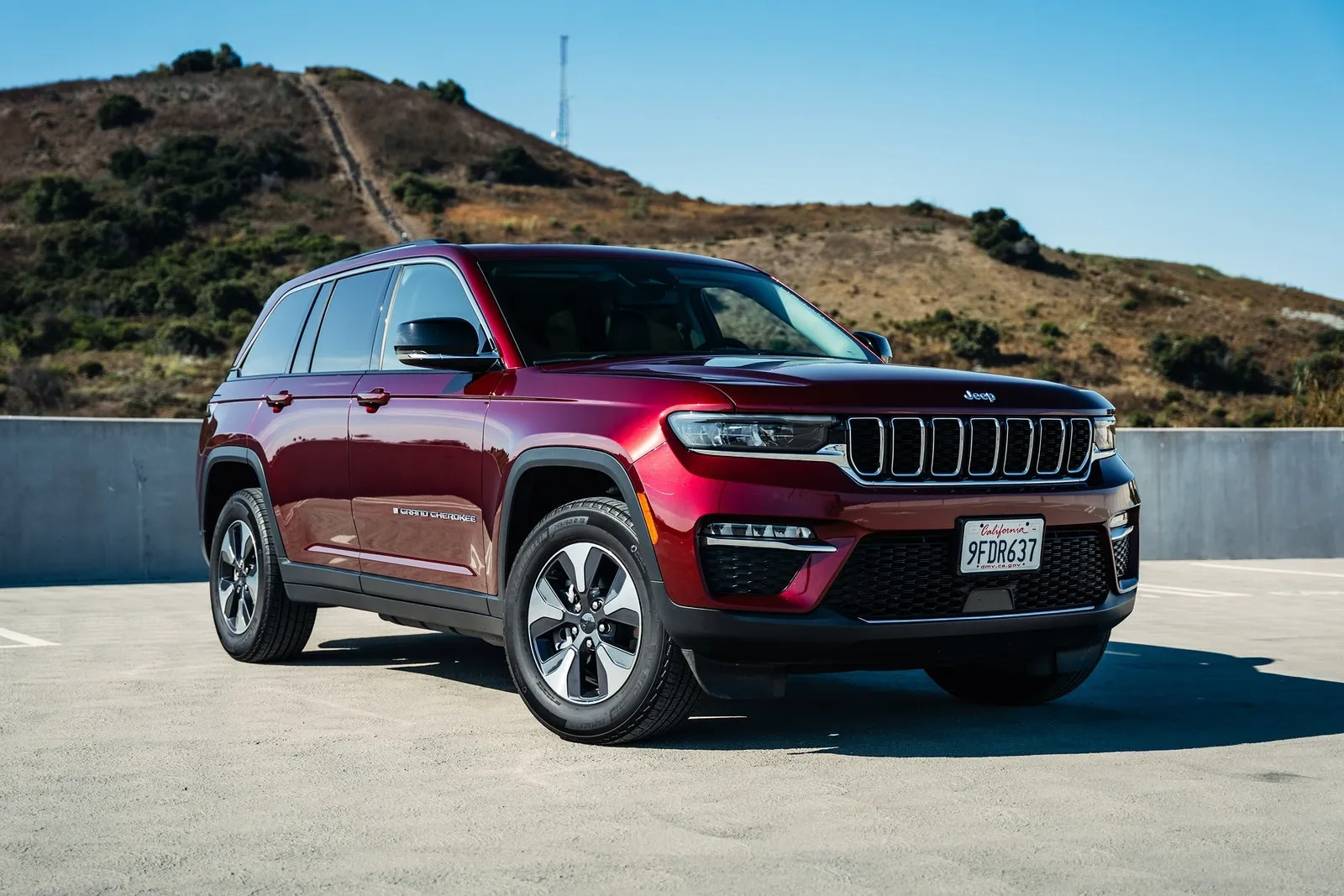
7. Jeep Grand Cherokee 4xe
Adventure meets electrification in the Jeep Grand Cherokee 4xe, a plug-in hybrid SUV designed to deliver off-road capability with improved efficiency. While its rugged personality attracts many buyers, long-term ownership costs can rise more than expected. Hybrid technology combined with advanced four-wheel-drive systems introduces added servicing requirements and potential repair expenses.
Routine maintenance may involve higher costs than standard gasoline models. Hybrid components require specialized inspection, and off-road capable suspension systems add further service considerations. Replacement parts for drivetrain components, especially those designed for rugged use, often carry premium pricing.
Battery replacement stands as a major long-term consideration. High-capacity battery packs designed for plug-in operation provide useful electric range but can be expensive once warranty coverage ends. Cooling systems and electronic modules that support the hybrid drivetrain also contribute to potential repair bills. Owners should factor these possibilities into their budgets.
Interior comfort and technology enhance the driving experience while influencing repair pricing. Large infotainment displays, premium materials, and advanced connectivity features create a modern cabin. Replacing damaged components or repairing electronic systems may involve higher parts costs and labor charges. Owners who prioritize technology should prepare for these expenses.
Fuel savings provide some relief for drivers who charge frequently and use electric mode for short trips. Charging equipment installation and electricity usage still contribute to total ownership costs. Public charging fees may add to ongoing expenses depending on driving habits.
Capability and versatility remain strong selling points. Confident off-road performance, smooth on-road driving, and spacious design make this SUV appealing to adventurous buyers. Choosing the Jeep Grand Cherokee 4xe requires careful budgeting to handle the higher ownership costs associated with its advanced hybrid and off-road systems, ensuring that excitement and practicality remain balanced throughout the ownership experience.
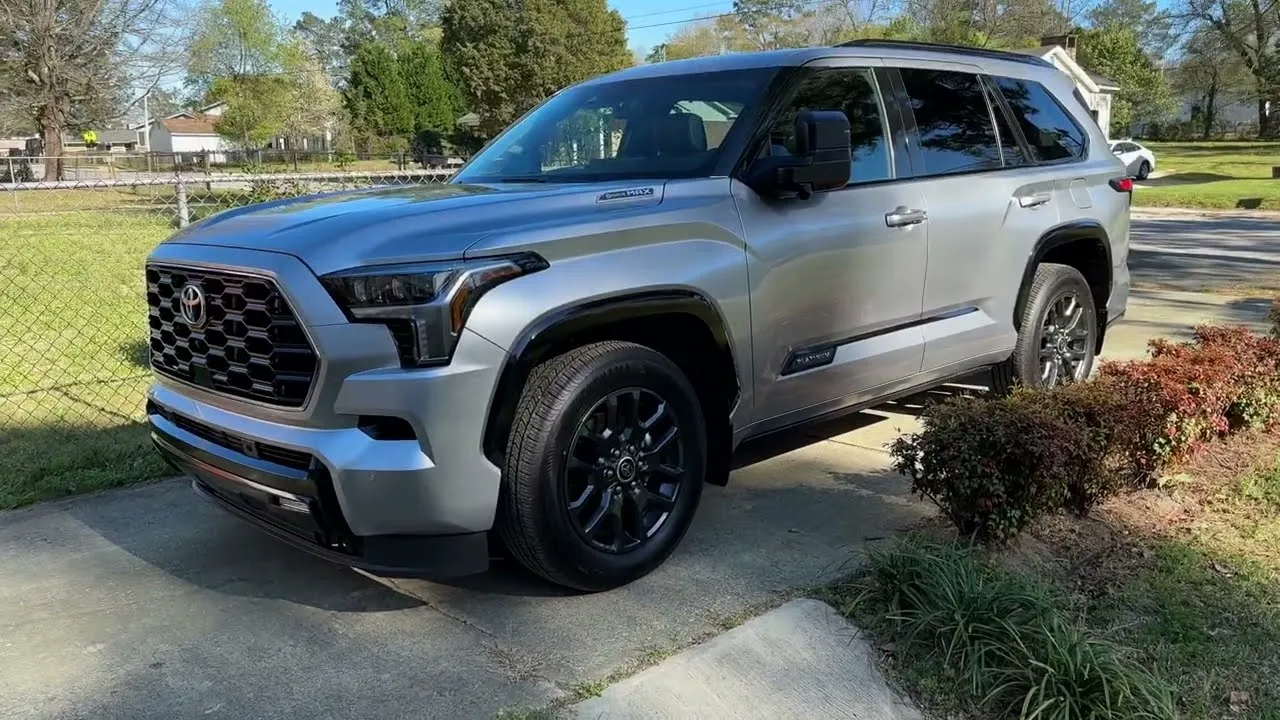
8. Toyota Sequoia i-FORCE MAX Hybrid
Size and strength define the Toyota Sequoia i-FORCE MAX Hybrid, a full-size SUV that blends hybrid efficiency with powerful performance. This model delivers impressive towing capability and spacious comfort, yet ownership costs can rise due to its scale and advanced engineering. Buyers often focus on fuel savings while overlooking the long-term expenses tied to maintaining such a large hybrid vehicle.
Routine servicing typically costs more than smaller hybrid SUVs. Large brake components, heavy-duty suspension systems, and specialized hybrid parts contribute to higher replacement expenses. Labor charges may increase due to the vehicle’s size and the additional time required for certain repairs. Even standard maintenance items can carry premium pricing.
Battery technology introduces another potential expense. Hybrid battery packs designed for performance and efficiency may last many years, yet replacement costs remain substantial once warranty coverage expires. Cooling systems and electronic controls supporting the hybrid drivetrain add further maintenance considerations. Owners should prepare for these long-term possibilities.
Insurance premiums often reflect the vehicle’s high value and repair costs. Large body panels, advanced safety systems, and powerful drivetrain components can increase expenses after accidents. Tire replacement costs also tend to be higher due to the vehicle’s size and weight. Drivers who log many miles may face frequent replacements.
Interior space and technology enhance comfort while influencing ownership costs. Premium seating, large infotainment displays, and advanced audio systems create a welcoming environment. Repairing or replacing damaged components may involve higher parts costs and labor charges. Owners who prioritize comfort should be aware of these potential expenses.
Fuel savings may help offset some costs compared to traditional full-size SUVs. Hybrid assistance improves efficiency during city driving and towing scenarios. Fuel consumption remains higher than that of smaller hybrid models due to the vehicle’s size and power. Electricity is not required for this hybrid system, simplifying charging considerations.
Versatility and capability remain strong advantages. Spacious seating, impressive towing strength, and smooth highway cruising make the Toyota Sequoia i-FORCE MAX Hybrid appealing for families and travelers. Careful financial planning ensures owners can enjoy these benefits while managing the higher ownership costs associated with maintaining such a powerful hybrid SUV across years of use and demanding driving conditions.
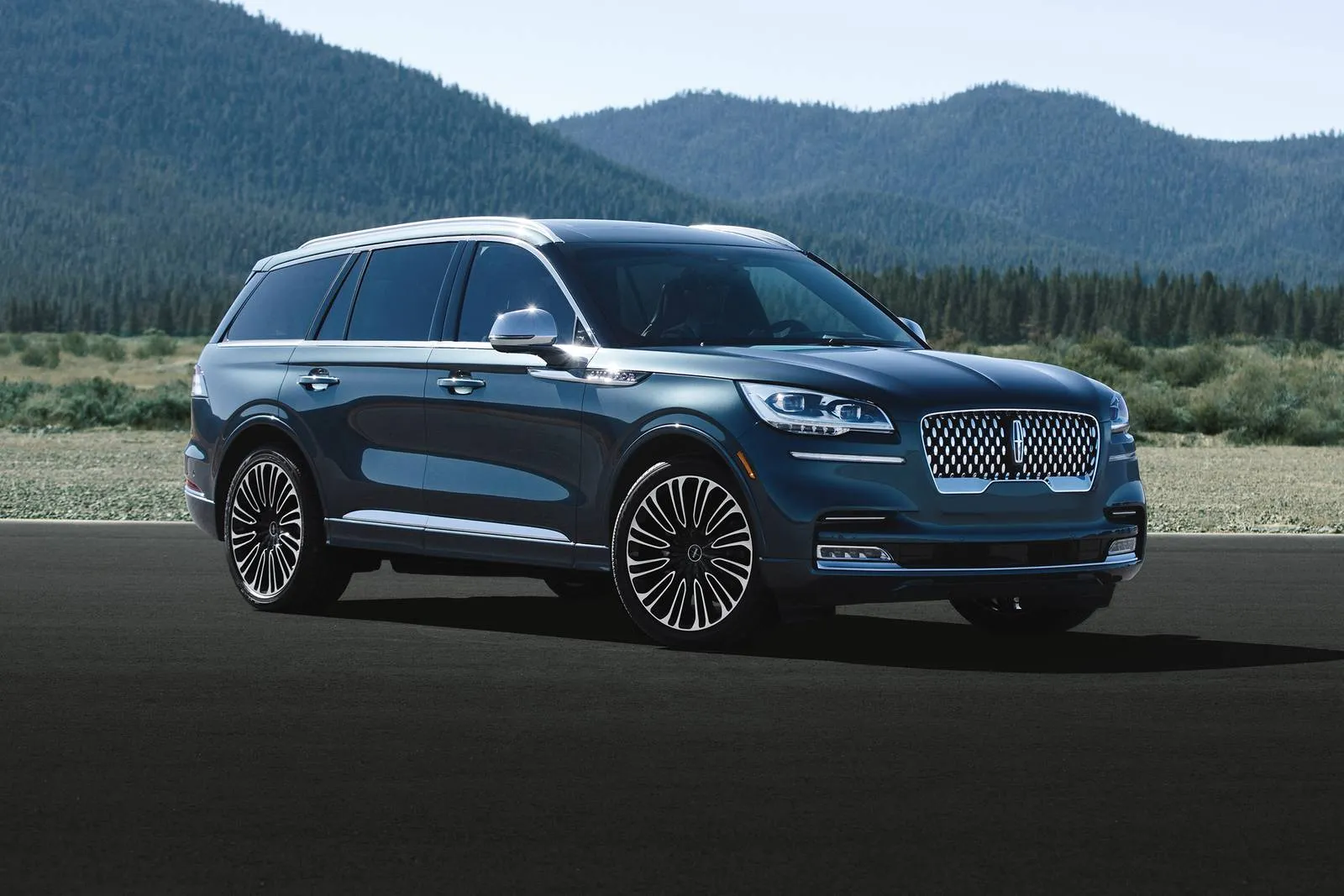
9. Lincoln Aviator Grand Touring Plug-in Hybrid
Luxury and electrified performance combine within the Lincoln Aviator Grand Touring Plug-in Hybrid, creating a refined SUV that appeals to drivers seeking comfort and efficiency. Beneath its elegant exterior lies a sophisticated hybrid system that can deliver strong acceleration and quiet electric driving. Ownership expenses, however, can accumulate faster than expected.
Battery replacement stands as one of the most expensive long-term considerations. High-capacity battery packs designed for plug-in operation provide useful electric range but can be costly to replace once warranty coverage ends. Cooling systems and power electronics supporting the hybrid drivetrain add to potential repair bills. Owners should prepare for these possibilities.
Insurance premiums frequently reflect the vehicle’s high value and repair expenses. Advanced driver assistance features, large wheels, and luxury materials increase replacement costs after accidents. Even minor repairs can involve expensive components and labor charges. Drivers must account for these factors when planning ownership.
Interior comfort and craftsmanship enhance the driving experience. Premium leather seating, large digital displays, and high-end audio systems create a relaxing cabin environment. Repairing or replacing interior components may involve higher parts costs due to proprietary design and materials. Owners who value luxury should consider these potential expenses.
Fuel savings can offset some costs when drivers charge regularly and maximize electric range. Installing home charging equipment and paying for electricity still contribute to ownership expenses. Public charging fees may add to long-term costs depending on usage habits.
Smooth performance and quiet operation define the driving experience. Strong acceleration and refined ride quality make daily driving enjoyable for both driver and passengers. Choosing the Lincoln Aviator Grand Touring Plug-in Hybrid requires careful budgeting to manage higher maintenance costs, insurance rates, and potential battery replacement expenses while enjoying the luxury and performance it offers throughout years of ownership.
Also Read: 10 Used Hybrids That Still Deliver Excellent Fuel Economy in 2026
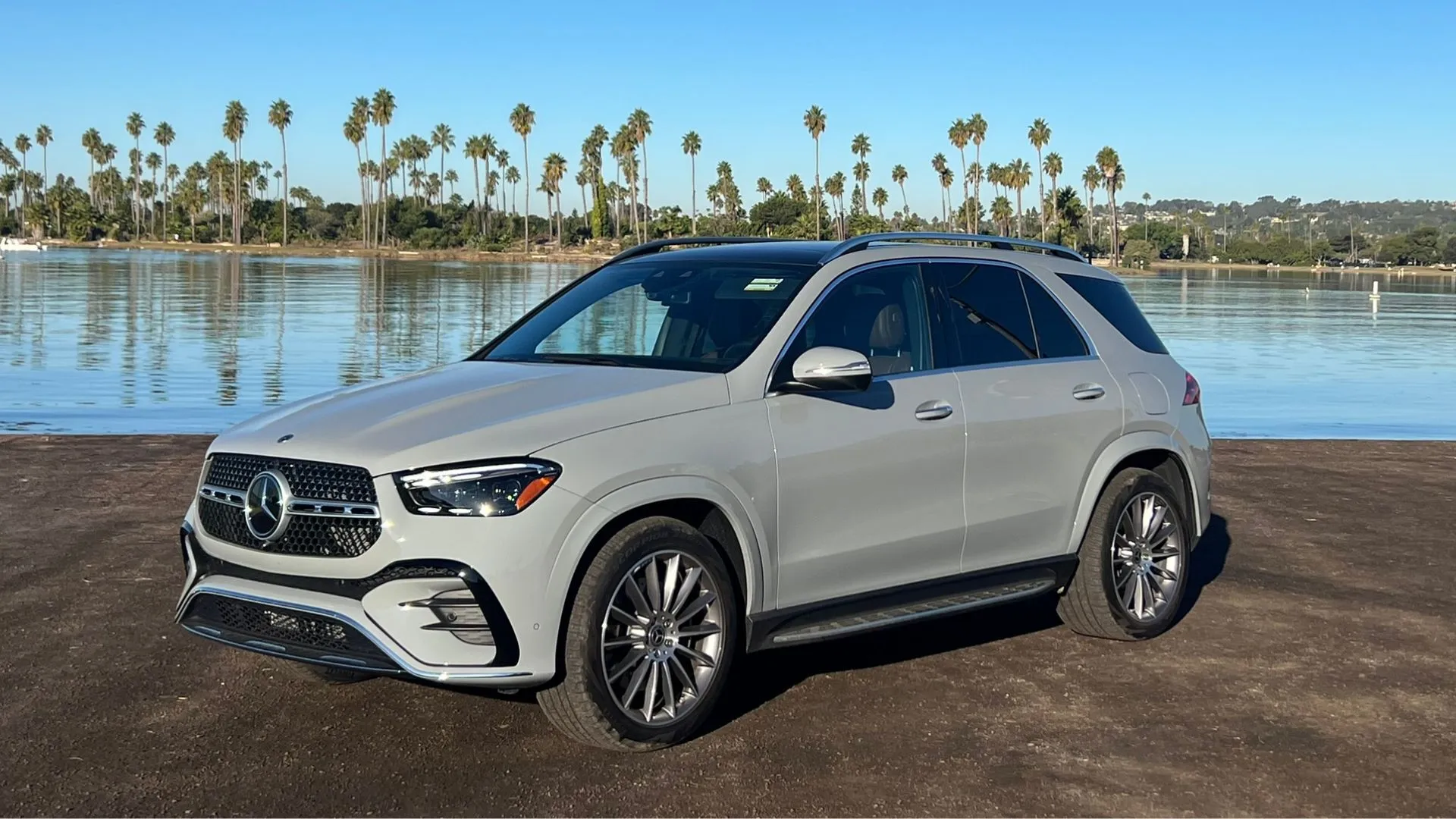
10. Mercedes-Benz GLE 450e 4MATIC Plug-in Hybrid
Advanced engineering and refined comfort characterize the Mercedes-Benz GLE 450e 4MATIC Plug-in Hybrid. Combining a turbocharged engine with electric power, this luxury SUV delivers impressive performance and smooth efficiency. Ownership costs, however, can rise due to the vehicle’s sophisticated design and premium positioning.
Service appointments frequently involve specialized diagnostic tools and trained technicians. Hybrid components and advanced electronics require precise handling during repairs and maintenance. Replacement parts for suspension, braking systems, and drivetrain components often carry higher prices than mainstream alternatives. Labor charges may increase due to the vehicle’s intricate engineering.
Battery replacement represents a major long-term expense once warranty coverage expires. High-capacity lithium-ion packs deliver a strong electric range but can be costly to replace. Cooling systems and electronic modules associated with the hybrid drivetrain add further potential repair costs. Owners must plan for these possibilities.
Insurance premiums typically reflect the vehicle’s value and repair expenses. Advanced driver assistance features, luxury materials, and performance capabilities increase replacement costs after accidents. Tire replacement expenses may also rise due to large wheels and performance-oriented specifications. Drivers should account for these factors when budgeting.
Interior refinement enhances comfort while influencing repair pricing. Premium upholstery, digital displays, and advanced infotainment systems create a sophisticated cabin. Repairing or replacing interior components can involve higher parts costs and labor charges. Owners who appreciate luxury should prepare for these expenses.
Fuel efficiency improves when drivers use electric mode for short trips and charge regularly. Installing home charging equipment and paying for electricity still contribute to total ownership costs. Public charging fees may add to ongoing expenses depending on driving patterns.
Smooth acceleration, quiet operation, and advanced technology make this SUV enjoyable to drive daily. Comfort for passengers and the driver remains a strong advantage.
Choosing the Mercedes-Benz GLE 450e 4MATIC Plug-in Hybrid requires thoughtful financial planning to manage maintenance expenses, insurance rates, and potential battery replacement costs while enjoying the luxury and performance it provides throughout years of ownership.
