
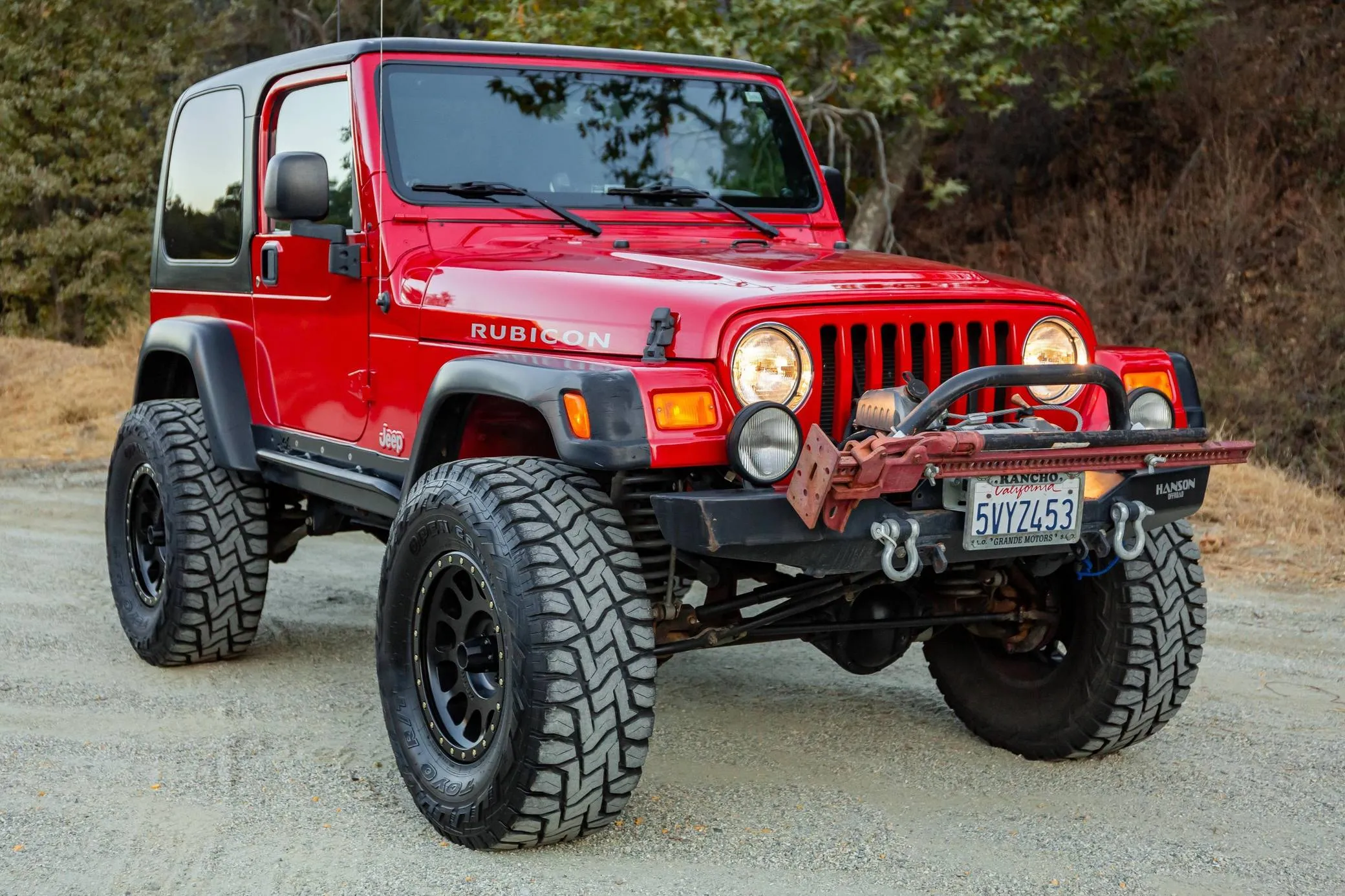
Longevity means something special when talking about vehicles built for daily duty, long road trips, work tasks, and rough paths far from city streets. A Jeep that stays dependable year after year earns trust through action rather than marketing claims.
Drivers who hold onto a vehicle for decades care about how it starts on cold mornings, how it responds after years of use, and how well it holds together once the odometer climbs well past six figures. That kind of dependability does not happen by accident.
Jeep has produced a wide range of models across different eras, each shaped by engineering decisions, mechanical layouts, and real-world use. Some designs leaned into simplicity. Others relied on proven powertrains refined across several production cycles.
A few became known for shrugging off age with little drama, staying useful long after trends changed around them. This list focuses on Jeeps that built reputations through long service lives rather than short bursts of excitement.
These vehicles earned loyalty because owners kept them, repaired them sensibly, and trusted them again and again. Stories surrounding these models often include decades of ownership, second or third drivers in the same family, and steady performance without constant shop visits.
Below, each Jeep stands on its own merits, shaped by its era and purpose. Reliability here reflects endurance, consistency, and the ability to keep moving long after others retire.
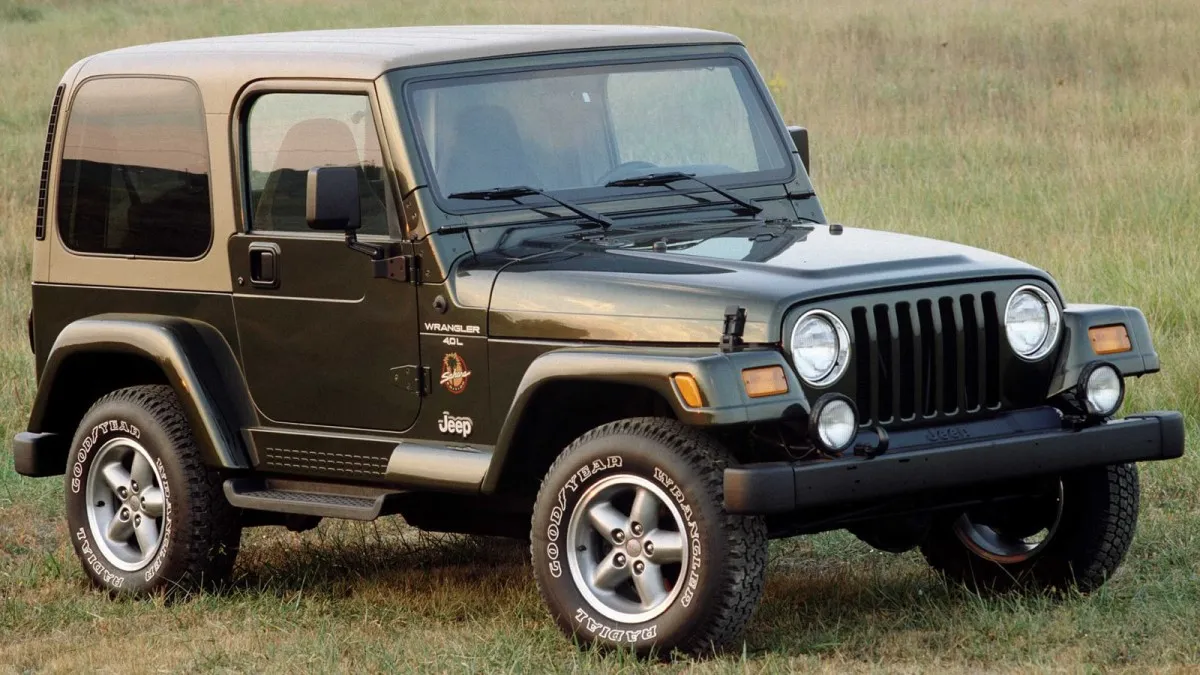
1. Jeep Wrangler TJ (1997-2006)
Built during a period when simplicity still guided off-road design, Jeep Wrangler TJ models earned respect through straightforward mechanics and sturdy construction.
Coil spring suspension replaced leaf springs from earlier generations, creating improved ride quality without sacrificing toughness. Owners valued that balance because comfort improved while durability remained intact.
Power came from engines already familiar to Jeep loyalists. The 4.0-liter inline six stood out for its ability to run smoothly for hundreds of thousands of miles when treated with routine care.
That engine developed a reputation for tolerating heat, cold, dirt, and long idle periods without complaint. Manual transmissions paired well with it, offering direct control and fewer electronic points of failure.
Interior design stayed basic, which worked in favor of long service life. Simple controls, physical switches, and limited digital features reduced aging issues tied to screens or sensors. Wear surfaces handled abuse better than expected, making high-mileage cabins feel worn yet functional rather than broken.
Frame construction supported serious use. Rust prevention depended heavily on climate and care, yet many examples survived harsh environments through sensible upkeep. Suspension components remained easy to replace, parts stayed widely available, and mechanical layouts allowed owners to perform repairs without specialized equipment.
Wrangler TJ reliability came from honesty. Nothing tried too hard to impress. Each system focused on doing one job well, and that mindset paid dividends over long ownership periods. Years after production ended, these Jeeps still appear on roads and trails, driven by people who trust them without hesitation.
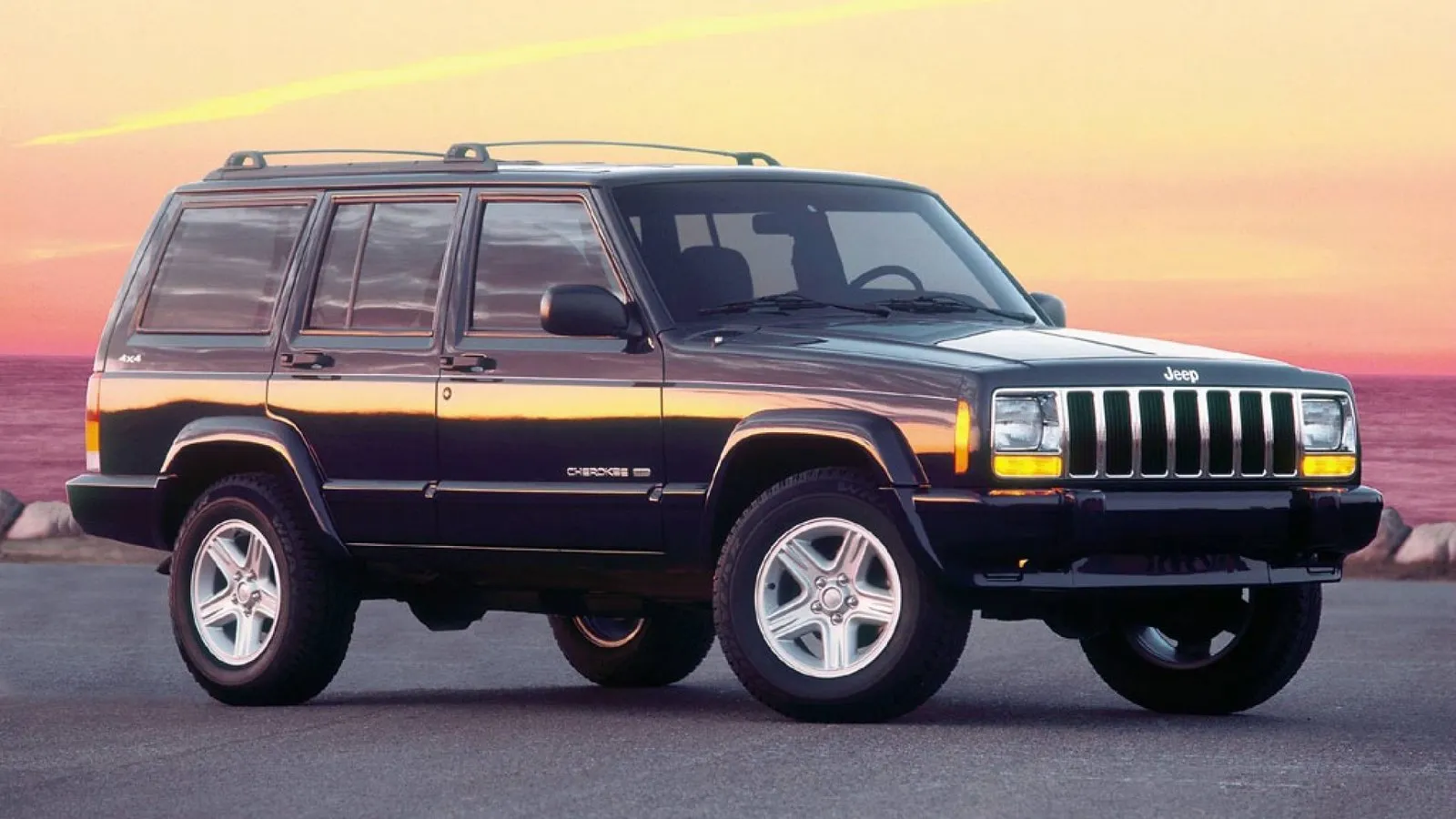
2. Jeep Cherokee XJ (1984-2001)
Compact proportions combined with truck-based engineering defined the Jeep Cherokee XJ, establishing it as a model that impressed owners with its long-term reliability. Its unibody design reduced the entire weight while maintaining structural rigidity, allowing the vehicle to balance strength and efficiency in ways that few contemporaries could match.
That thoughtful approach to construction helped the Cherokee XJ withstand demanding use while offering a manageable driving experience for daily commutes and off-road excursions alike.
Engine selection played a pivotal role in durability. The 4.0-liter inline six became synonymous with the XJ, known for smooth torque delivery, predictable operation, and tolerance for extended mileage when serviced regularly.
Owners who followed basic maintenance schedules experienced minimal performance degradation even after years of consistent driving. Transmissions, both manual and automatic, demonstrated long-term resilience when coupled with appropriate care, allowing vehicles to maintain dependable functionality across decades of ownership.
Suspension systems contributed to the XJ’s versatile reputation. Independent front suspension and solid rear axle arrangements provided a balance between ride comfort and load-bearing capability.
This combination enabled the Cherokee to handle urban streets, uneven rural roads, and light off-road tracks without excessive stress on components.
Accessible suspension parts supported straightforward repairs, and the affordability of replacement pieces encouraged owners to maintain rather than abandon older vehicles. This practicality ensured that longevity was achievable without specialized mechanical expertise.
Interior design emphasised usability over decorative features. Seats, storage compartments, and dashboard controls were arranged to prioritise function, allowing passengers and drivers to operate the vehicle comfortably while keeping essential systems within reach.
Minimal electronic complications reduced potential points of failure, meaning that even XJ models with extensive mileage remained operational without frequent intervention. Materials selected for durability resisted excessive wear, maintaining utility even as cosmetic signs of age appeared.
The Cherokee XJ earned its reputation through consistent performance across decades. Families retained vehicles for multiple generations, daily commuters depended on their dependability, and outdoor enthusiasts loaded them for adventures without concern over premature failure.
Its combination of mechanical simplicity, practical interior design, and resilient powertrain ensured that the Cherokee remained a trustworthy choice for owners seeking a long-lasting SUV.
The XJ’s continued presence on roads and trails demonstrates a design philosophy built around enduring function, proving that reliable construction and thoughtful engineering could create vehicles capable of sustained, multi-decade service.
Also Read: 10 Jeep Models That Actually Last With Simple Mods
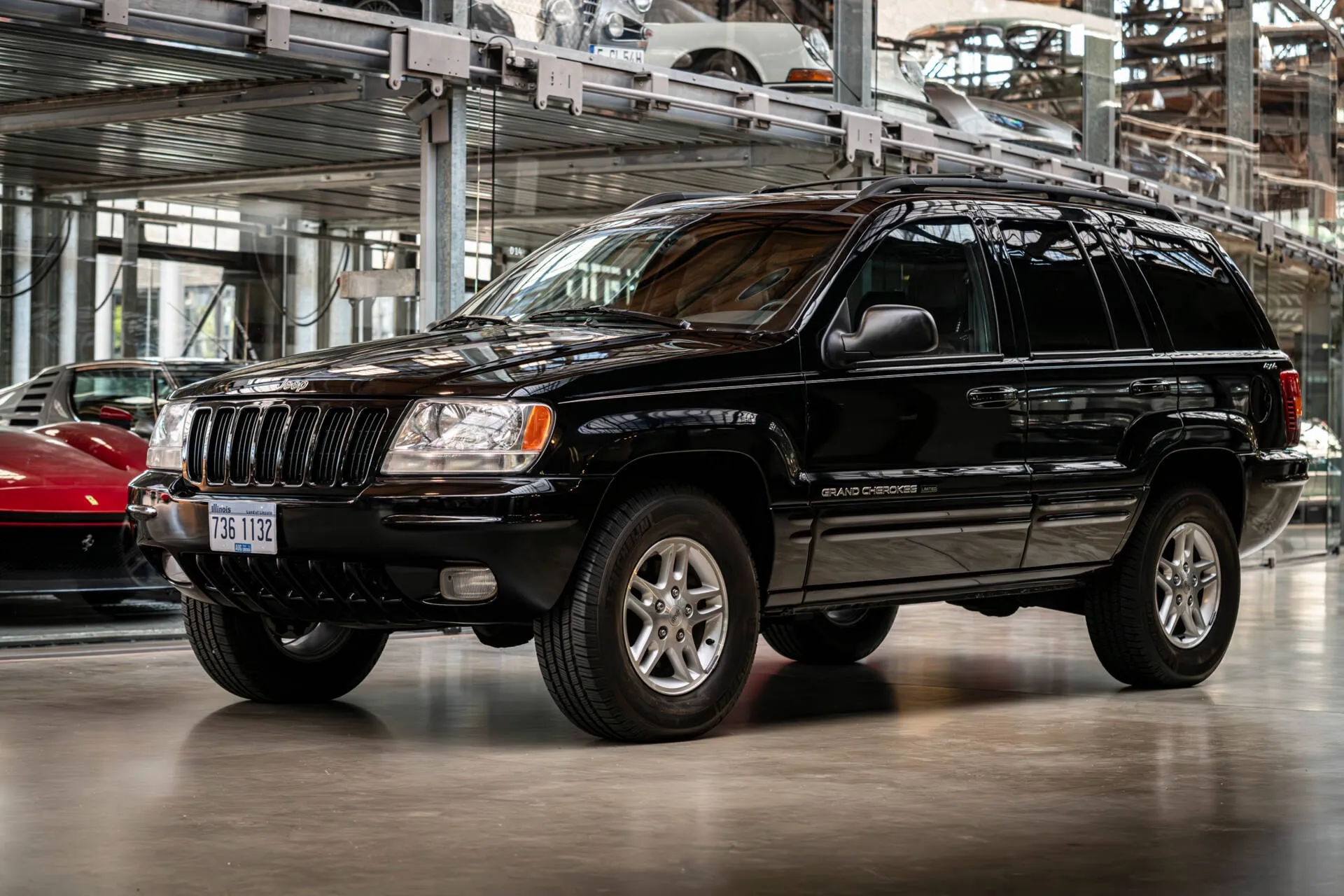
3. Jeep Grand Cherokee WJ (1999-2004)
Luxury elements became more visible with the arrival of the Jeep Grand Cherokee WJ, yet long-term dependability remained firmly embedded in its engineering philosophy. This generation marked a period when Jeep sought to appeal to drivers desiring comfort without abandoning mechanical strength.
Designers refined suspension geometry, improved structural rigidity, and enhanced interior quality while retaining proven drivetrain layouts that had already earned trust across earlier models. That measured approach supported extended vehicle life rather than short-lived appeal.
Engine selection played a central role in durability. The 4.0-litre inline six continued to demonstrate impressive endurance, supported by a reputation for tolerance under daily use and extended journeys. V8 options delivered smoother power delivery and improved towing confidence, though they required attentive servicing to sustain reliability.
Cooling systems, transmission pairings, and axle assemblies reflected gradual improvement rather than radical change, which reduced unforeseen failures across years of ownership. Ride refinement distinguished this generation from predecessors. Suspension tuning absorbed surface imperfections more effectively, limiting repeated shock transfer to chassis components.
Reduced vibration helped preserve mounts, bushings, and frame integrity over extended periods. Drivers benefited from composed handling during highway travel, which contributed indirectly to mechanical preservation through smoother operation. Interior construction reflected careful material choices.
Seating, trim, and control surfaces aged with dignity when maintained properly. Switchgear placement encouraged intuitive use, limiting driver distraction and misuse. Electrical features displayed improved longevity compared to earlier iterations, especially when owners addressed minor faults promptly rather than postponing repairs.
Long-term ownership accounts frequently reference consistent performance rather than dramatic resilience stories. Many vehicles remained in family service for years, accumulating mileage without prolonged workshop stays. Reliability is derived from thoughtful balance rather than minimalism.
Jeep Grand Cherokee WJ demonstrated that comfort and endurance could coexist without compromise, offering owners confidence grounded in sound engineering and disciplined design decisions.
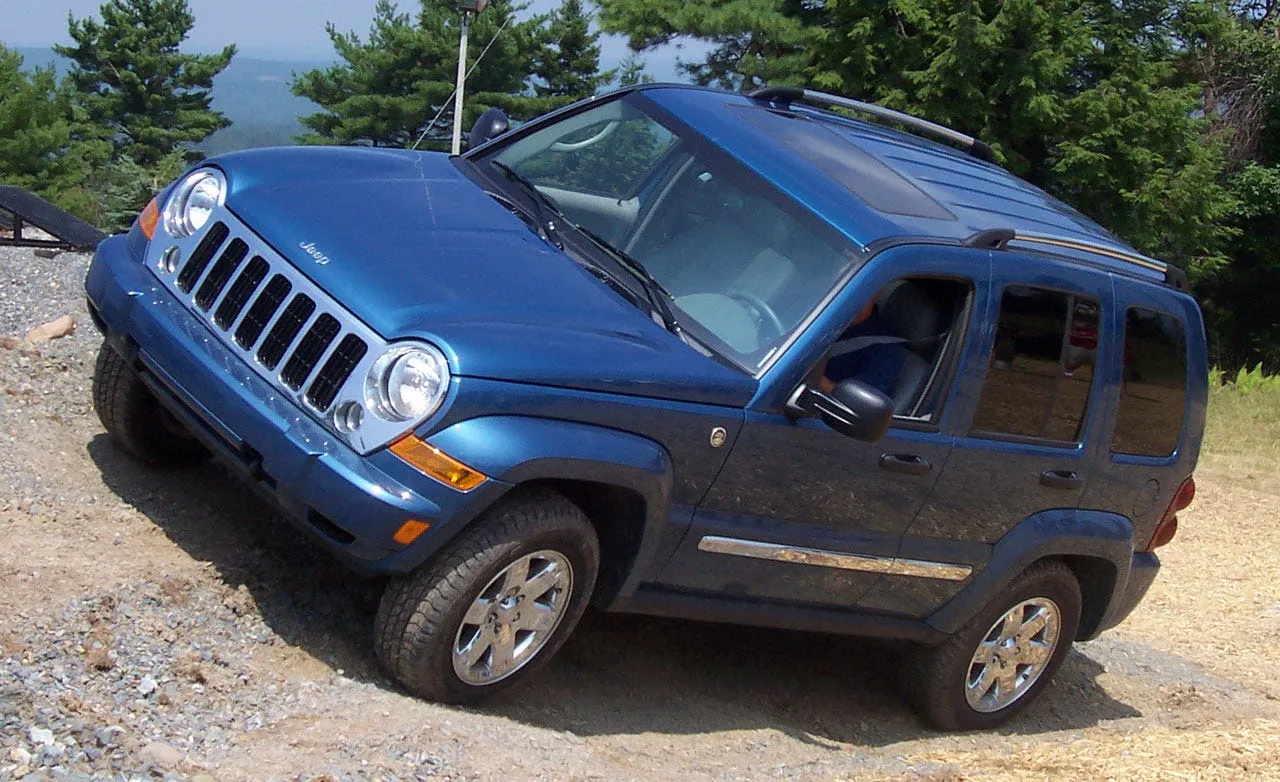
4. Jeep Liberty KJ (2002-2007)
Compact proportions defined the Jeep Liberty KJ, presenting a departure from traditional Jeep silhouettes while retaining mechanical resilience beneath its styling. Introduced during a period of design transition, this model carried forward durability expectations through careful component selection rather than visual tradition.
Early reactions varied, yet extended ownership revealed a vehicle capable of dependable service when treated with consistency and attention. Powertrain offerings included petrol V6 engines that favoured steady delivery and manageable servicing requirements. These engines tolerated daily commuting, extended trips, and moderate load demands without frequent internal issues.
Automatic transmissions paired effectively, providing smooth operation across many miles when fluid maintenance remained disciplined. Diesel variants available in certain regions demonstrated strong torque characteristics, though petrol models formed the backbone of long service reports.
Suspension architecture reflected evolving design philosophy. Independent front suspension replaced older layouts, improving ride comfort while maintaining structural integrity.
Components withstood routine use and moderate off-road exposure without accelerated deterioration. Availability of replacement parts supported continued service, allowing owners to address wear incrementally rather than facing sudden system failure.
Cabin design prioritised resilience. Hard-wearing surfaces resisted heavy use, while control layouts remained uncomplicated. Ageing interiors often displayed cosmetic wear rather than functional loss, allowing vehicles to remain dependable even as appearances softened. Reduced reliance on advanced electronics lowered the risk associated with component ageing.
Reliability associated with the Liberty KJ emerged gradually. Owners who adhered to service schedules often reported dependable behaviour well beyond expected mileage thresholds. Rather than achieving recognition through dramatic endurance feats, this model earned respect through quiet consistency.
Jeep Liberty KJ illustrated how measured engineering could support longevity even within evolving design approaches, reinforcing trust among drivers who valued sustained performance over stylistic permanence.
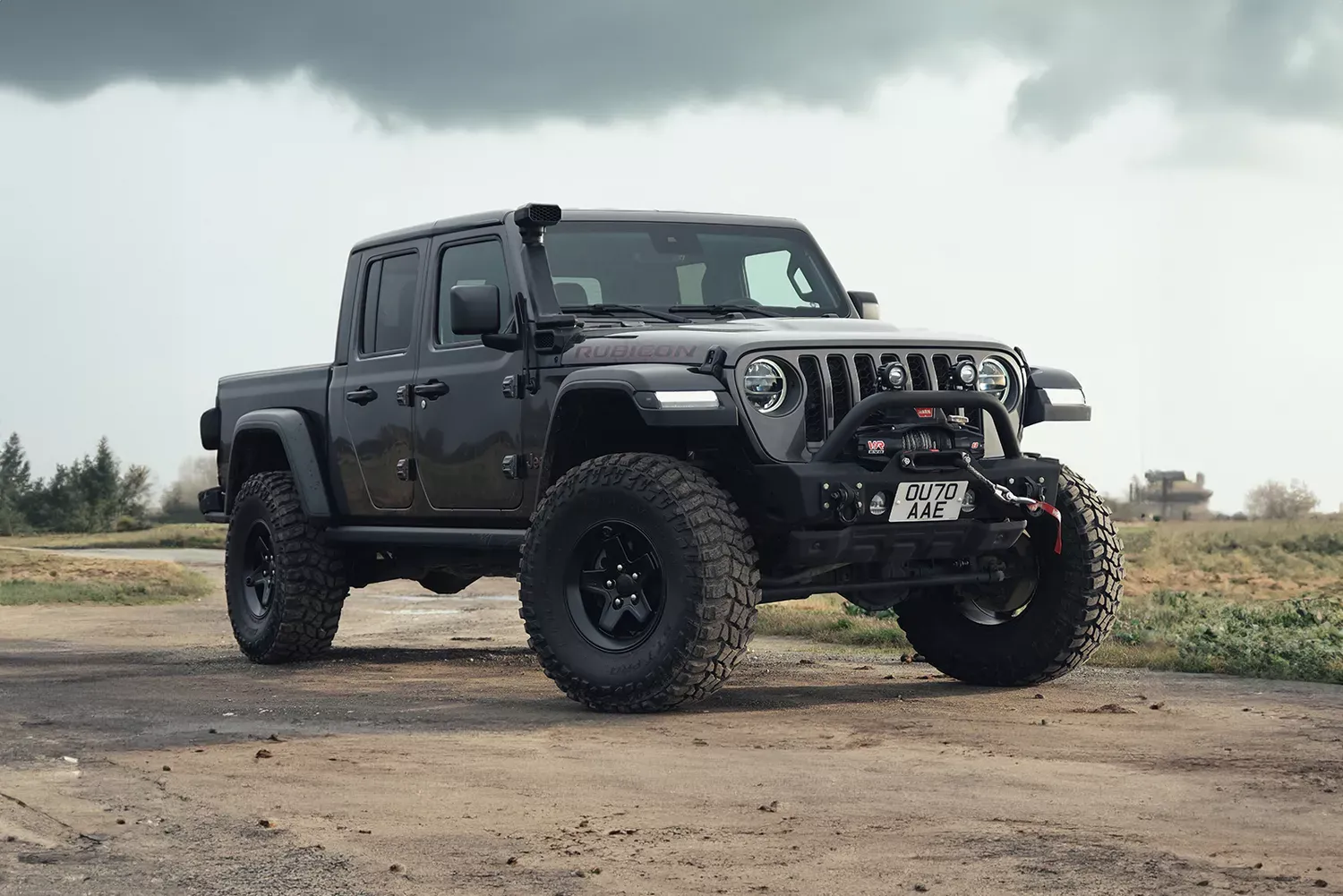
5. Jeep Gladiator JT (2020-Present)
Modern production standards shape the Jeep Gladiator JT, yet its foundation rests on engineering principles refined across decades. This pickup blends contemporary features with structural discipline inherited from the Wrangler platform.
Designers focused on rigidity, mechanical continuity, and serviceability, positioning the Gladiator as a vehicle capable of long-term reliability rather than short-term novelty.
Engine choices centre on a naturally aspirated V6 recognised for steady operation and predictable servicing demands. Power delivery remains smooth under varied conditions, supporting daily use as well as hauling duties.
Transmission options, both manual and automatic, benefit from iterative refinement across recent Jeep models. Drivetrain assemblies demonstrate resilience under repeated load, aided by components selected for durability rather than experimental performance gains.
Chassis construction emphasises strength and balance. Frame design supports payload and towing requirements without excessive flex, preserving suspension alignment and driveline geometry.
Suspension systems closely mirror those proven in related models, promoting durability while maintaining acceptable ride quality. That shared architecture allows lessons from extensive field use to influence ongoing reliability.
Interior arrangements integrate modern conveniences without overreliance on fragile systems. Touch interfaces exist alongside physical controls, ensuring continued usability even as technology ages. Material quality supports frequent use, reducing premature wear within cabins exposed to varied conditions.
Reliability perception surrounding the Gladiator JT continues to develop, yet early indicators inspire confidence. Consistent engineering, shared component heritage, and disciplined design choices suggest strong potential for extended service life. Jeep Gladiator JT presents itself as a modern utility vehicle grounded in durability, offering owners confidence rooted in structural integrity and proven mechanical foundations.
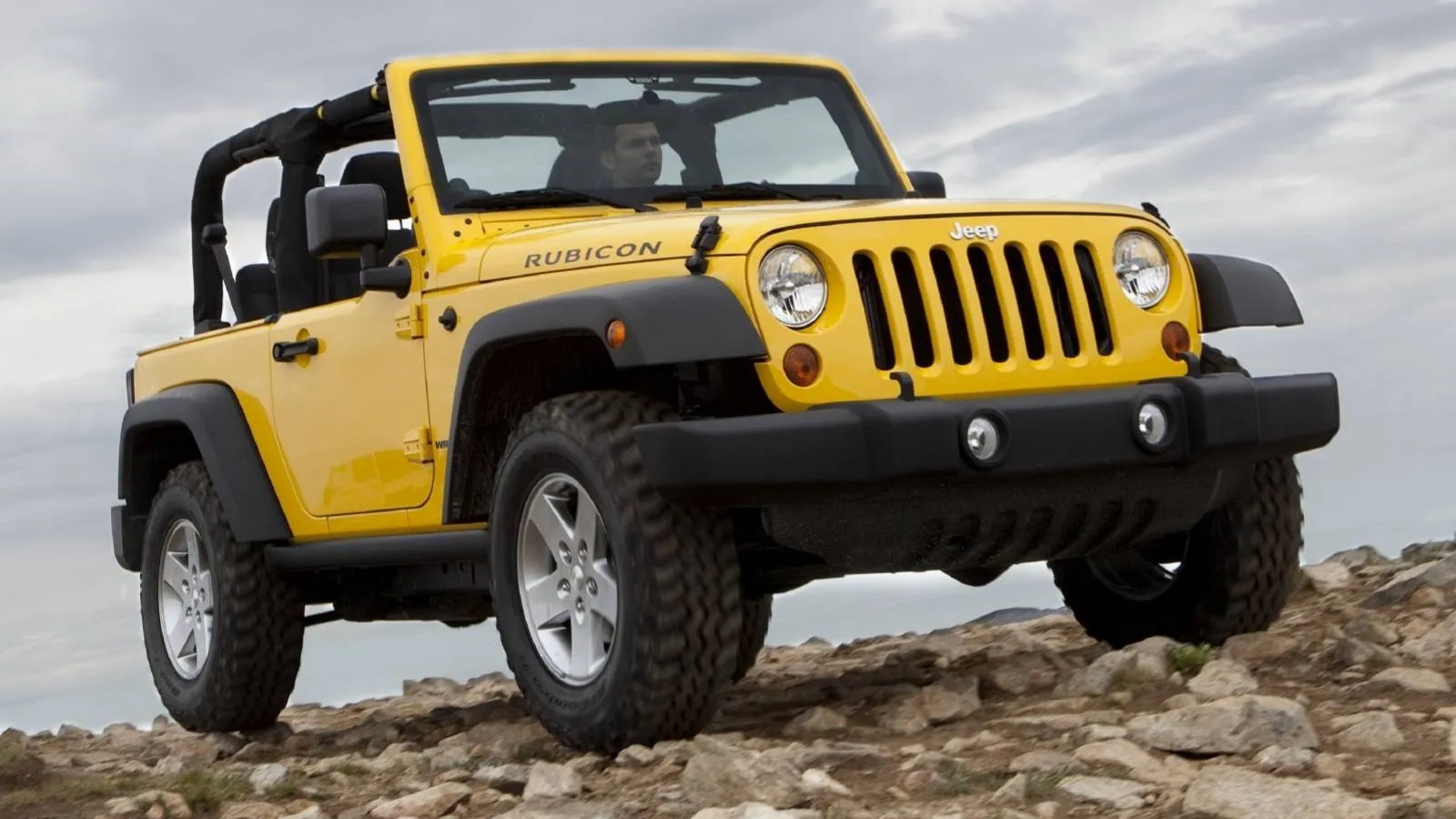
6. Jeep Wrangler JK (2007-2018)
Entering a more advanced production period, the Jeep Wrangler JK represented a careful step forward for a name already associated with endurance. Engineers approached this generation with respect for earlier designs while improving structural integrity and daily usability.
Frame rigidity increased, allowing suspension components to distribute weight more evenly and respond better to repeated stress. This approach supported consistent road manners without undermining the vehicle’s long-established toughness. Engine dependability shaped ownership experience throughout this generation.
Early production relied on a 3.8 litre V6 designed for steady output and durability rather than aggressive performance figures. Later versions received the 3.6 litre Pentastar V6, which delivered smoother power delivery and improved fuel control while retaining mechanical strength.
With disciplined oil servicing, cooling system attention, and routine inspections, many units recorded extensive mileage without major internal repair.
Gearbox choices reflected different driver preferences. Manual transmissions attracted owners who valued mechanical engagement and straightforward servicing.
Automatic variants matured quickly after initial refinements, earning trust for sustained reliability under regular use. Axles and transfer cases benefited from reinforcement, reducing wear during repeated load application and extended use across uneven surfaces.
Cabin arrangements balanced function with modest refinement. Switchgear placement allowed intuitive use, seating materials resisted deterioration, and removable roof systems maintained structural integrity after frequent operation. Electrical architecture improved compared to earlier generations, lowering the likelihood of persistent faults that often shorten service life.
Reputation for reliability associated with the Wrangler JK developed through years of consistent ownership reports. Drivers valued predictable behaviour, manageable upkeep, and resilience under genuine use. Longevity emerged through thoughtful engineering that accepted real-world demands without requiring constant corrective attention.
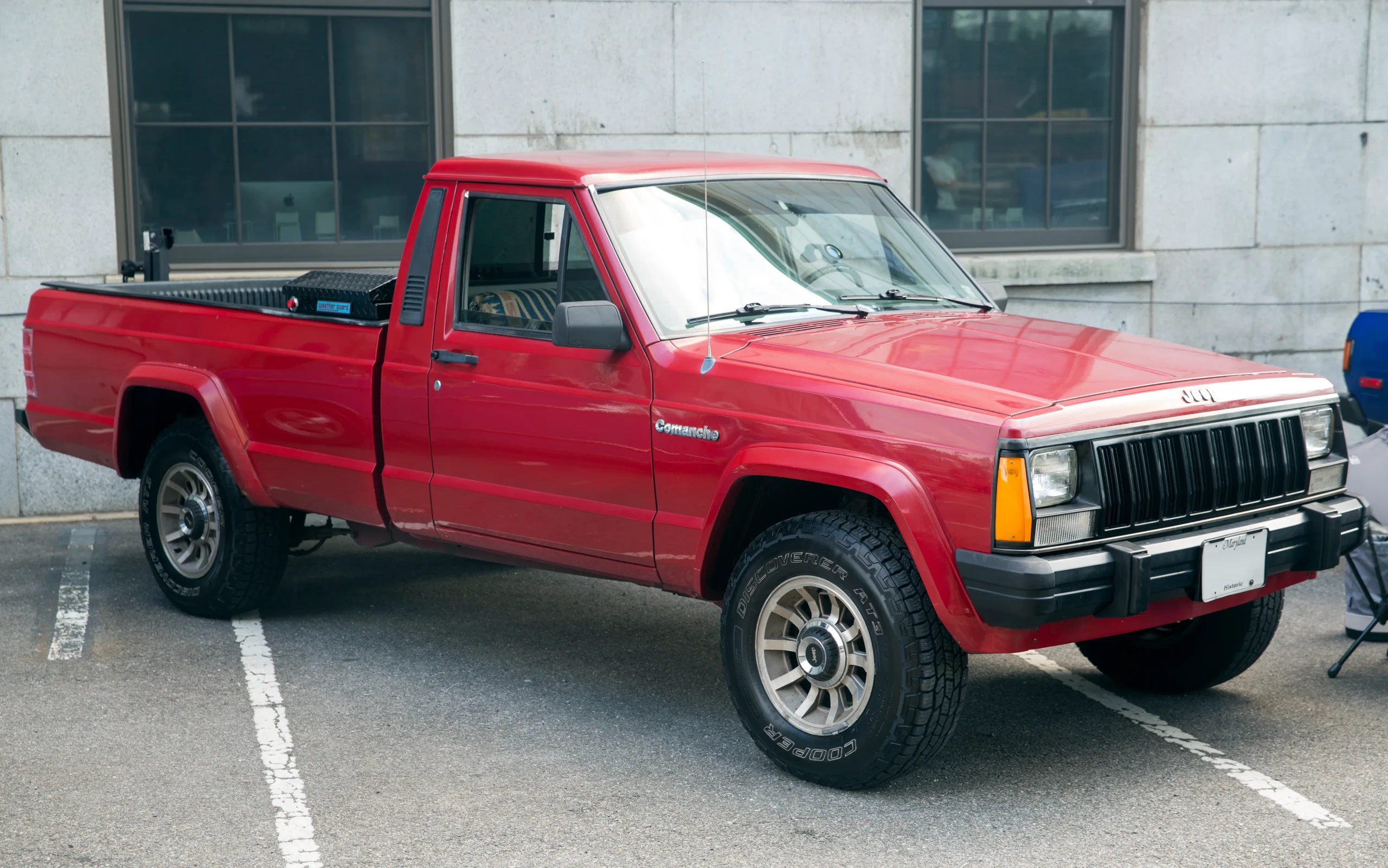
7. Jeep Comanche MJ (1986-1992)
Utility combined with proven engineering defined the Jeep Comanche MJ, a compact pickup that quietly demonstrated exceptional staying power.
Built on the Cherokee platform, this model inherited mechanical foundations already respected for endurance. Designers extended that reliability into a cargo-capable format, allowing the vehicle to serve both personal transport and work duties over long periods.
Powertrain options reflected established Jeep practice. The widely respected 4.0-litre inline six featured prominently, delivering dependable torque and consistent operation across varied conditions.
When paired with robust transmissions, this engine handled hauling responsibilities without premature wear, provided routine servicing remained consistent. Many owners reported long service lives supported by basic mechanical care.
Structural design supported sustained load carrying. Rear suspension systems prioritised strength and stability, allowing repeated transport of tools, supplies, and recreational equipment. Frame components resisted distortion, especially when owners addressed bushings, mounts, and wear points early rather than allowing minor issues to expand into larger faults.
Cabin design reflected practical priorities. Controls remained simple, seating materials endured heavy use, and minimal electronic dependency reduced age-related complications. Clear sightlines and sensible driving ergonomics supported extended workdays, encouraging careful operation that indirectly preserved mechanical condition.
Long service stories associated with the Comanche MJ often involve demanding roles rather than casual use. Owners relied on these trucks because performance remained consistent year after year.
Without visual excess or trend-driven features, the Comanche built trust through function and restraint. That dependable character secured its place as a durable companion for drivers who valued sustained service above fleeting appeal.
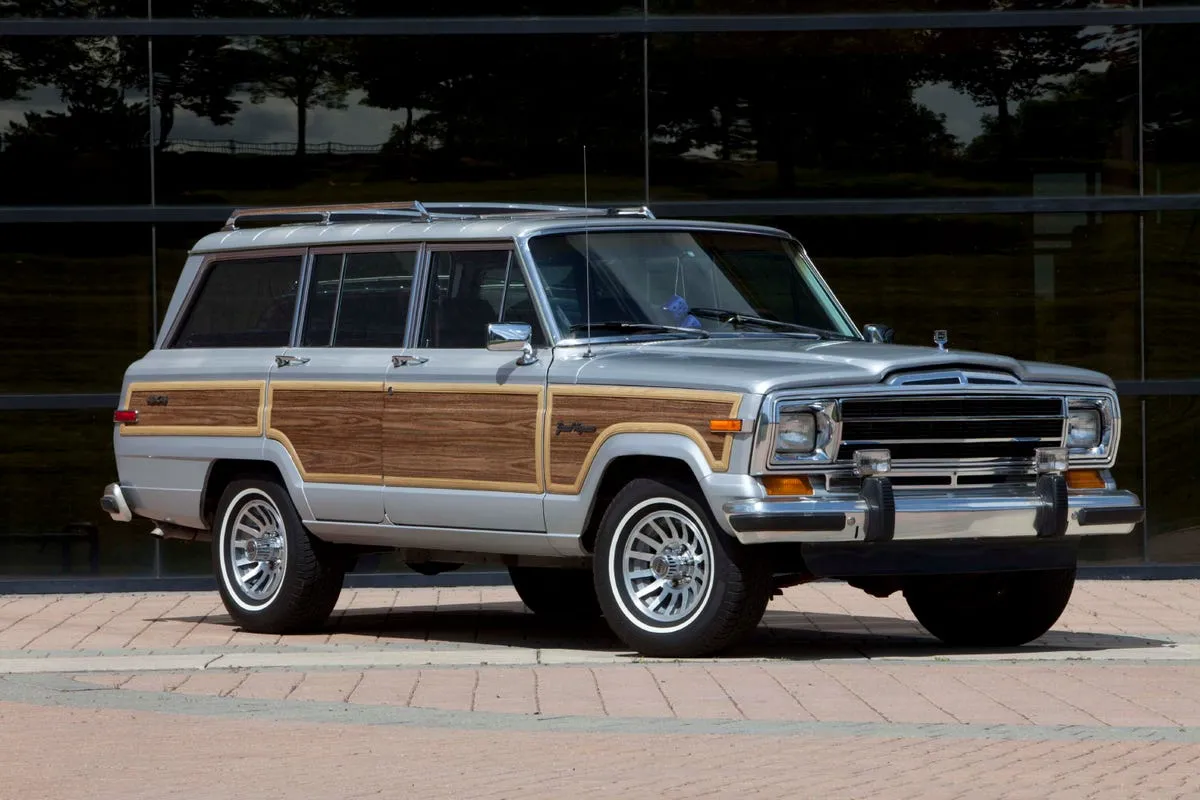
8. Jeep Grand Wagoneer SJ (1963-1991)
Luxury and strength existed side by side in the Jeep Grand Wagoneer SJ, a vehicle developed at a time when manufacturers prioritised endurance ahead of frequent design revisions. Production spanned several decades, and that long lifespan reflected the confidence Jeep placed in its engineering decisions.
Rather than chasing constant mechanical changes, this model relied on stable construction principles that supported prolonged service across varying conditions. Buyers who invested in the Grand Wagoneer expected consistency, and that expectation shaped its reputation.
Power came primarily from large displacement V8 engines engineered for steady delivery rather than aggressive output. These engines performed best when maintained with discipline, rewarding owners who observed regular servicing schedules. Cooling systems, lubrication components, and ignition assemblies required attention, yet they responded well to proper care.
When treated responsibly, these powerplants operated for years without internal failure, even during extended journeys and towing duties. Body-on-frame architecture contributed heavily to durability. This structural approach allowed the vehicle to absorb daily wear without compromising alignment or integrity.
Environmental exposure influenced exterior preservation, particularly in regions prone to moisture or road salt, yet vehicles kept under attentive care demonstrated impressive longevity. Suspension systems focused on comfort, reducing stress across mounting points, and preserving cabin structure through prolonged use.
Interior construction matched the vehicle’s premium positioning. Timber trim, durable upholstery, and tactile control surfaces aged gradually instead of deteriorating rapidly. Electrical layouts remained straightforward, enabling repairs without specialised tools or inaccessible components. Owners often maintained original systems rather than replacing entire assemblies, reinforcing long-term usability.
Reliability associated with the Grand Wagoneer SJ reflects a design approach grounded in restraint and foresight. This Jeep was not built for short attention spans but for steady ownership across decades. Its continued presence on public roads and private collections speaks to a vehicle created with longevity as a guiding principle.
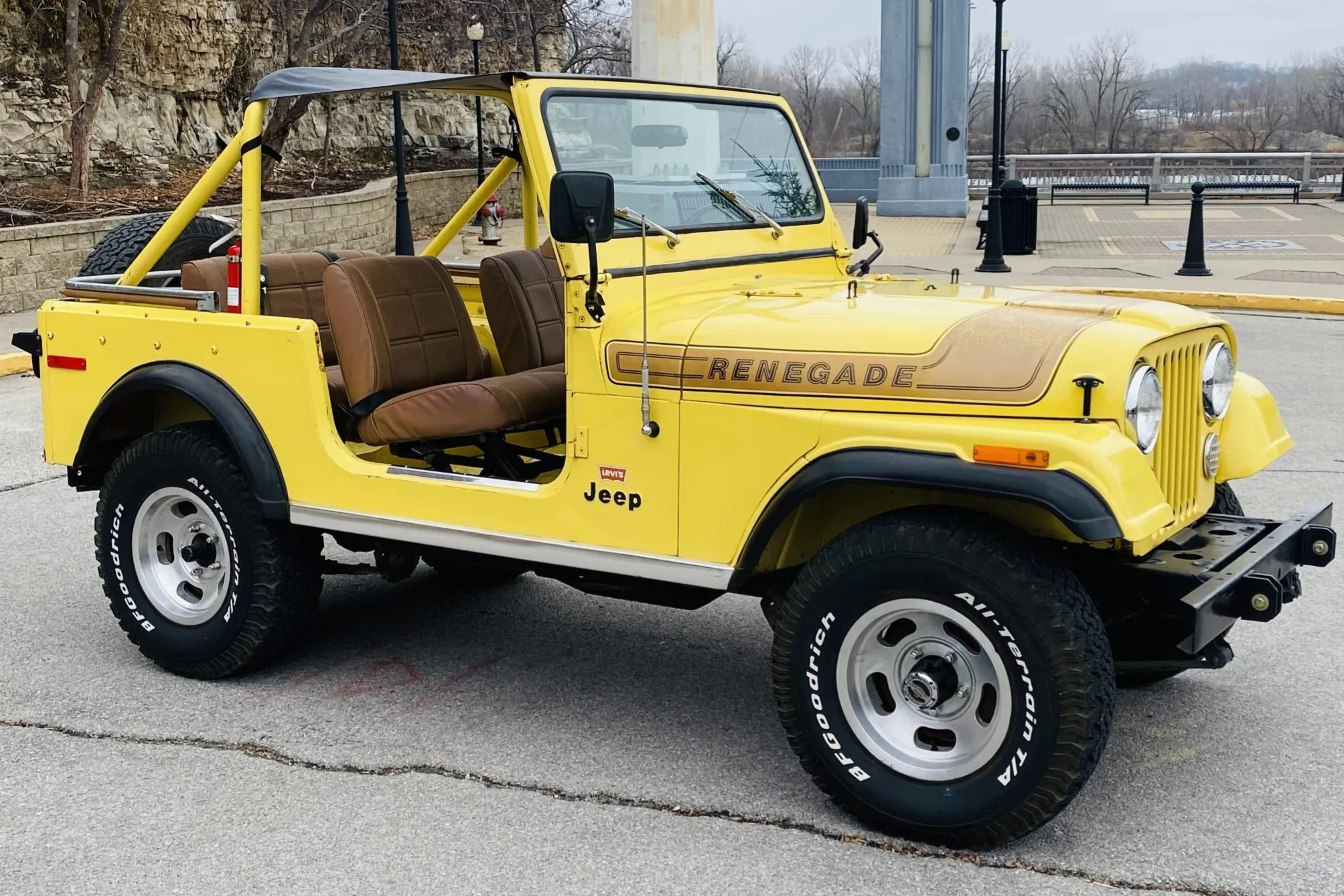
9. Jeep CJ-7 (1976-1986)
Utility directed every design decision behind the Jeep CJ-7, establishing it as a purposeful continuation of earlier civilian Jeep platforms. Production philosophy during this period emphasised mechanical clarity and functional durability, allowing the vehicle to remain serviceable under demanding conditions for extended periods.
Owners appreciated a structure that prioritised straightforward engineering, which reduced reliance on specialised diagnostic tools and encouraged long-term preservation through practical upkeep.
Powertrain options reflected this durable mindset. Inline six engines provided balanced output and steady operation, while available V8 units delivered increased strength for drivers requiring additional capability.
Carburettor-based fuel systems required regular tuning, yet their mechanical nature supported clear fault detection and uncomplicated repair procedures. Drivers with foundational mechanical knowledge often addressed issues independently, limiting service interruptions and supporting prolonged usability.
Drivetrain construction reinforced reliability expectations. Solid front and rear axles, paired with manual transfer cases, tolerated repeated strain from uneven surfaces and load demands. Gear assemblies resisted premature wear when lubricated correctly, even under frequent off-road use.
Service life remained closely tied to routine inspections rather than avoidance of challenging conditions, reinforcing confidence among users who relied on the CJ-7 for varied duties. Interior arrangements reflected functional priorities rather than aesthetic ambition. Seating materials, instrument panels, and switchgear endured consistent exposure without frequent failure.
While weather exposure affected some surfaces, component replacement remained accessible and economical. Limited electrical dependency reduced vulnerability to system-wide malfunctions, allowing vehicles to remain operational despite advancing age.
Trust associated with the CJ-7 was developed through consistent performance rather than isolated achievements. Drivers valued predictable mechanical responses and transparent operation. Longevity resulted from honest construction principles that favoured accessibility and repairability.
Through decades of service across personal, agricultural, and recreational roles, the Jeep CJ-7 secured enduring respect as a vehicle built to remain useful rather than fleetingly impressive.
Also Read: 10 Most Trustworthy Used Jeeps You Can Own Today
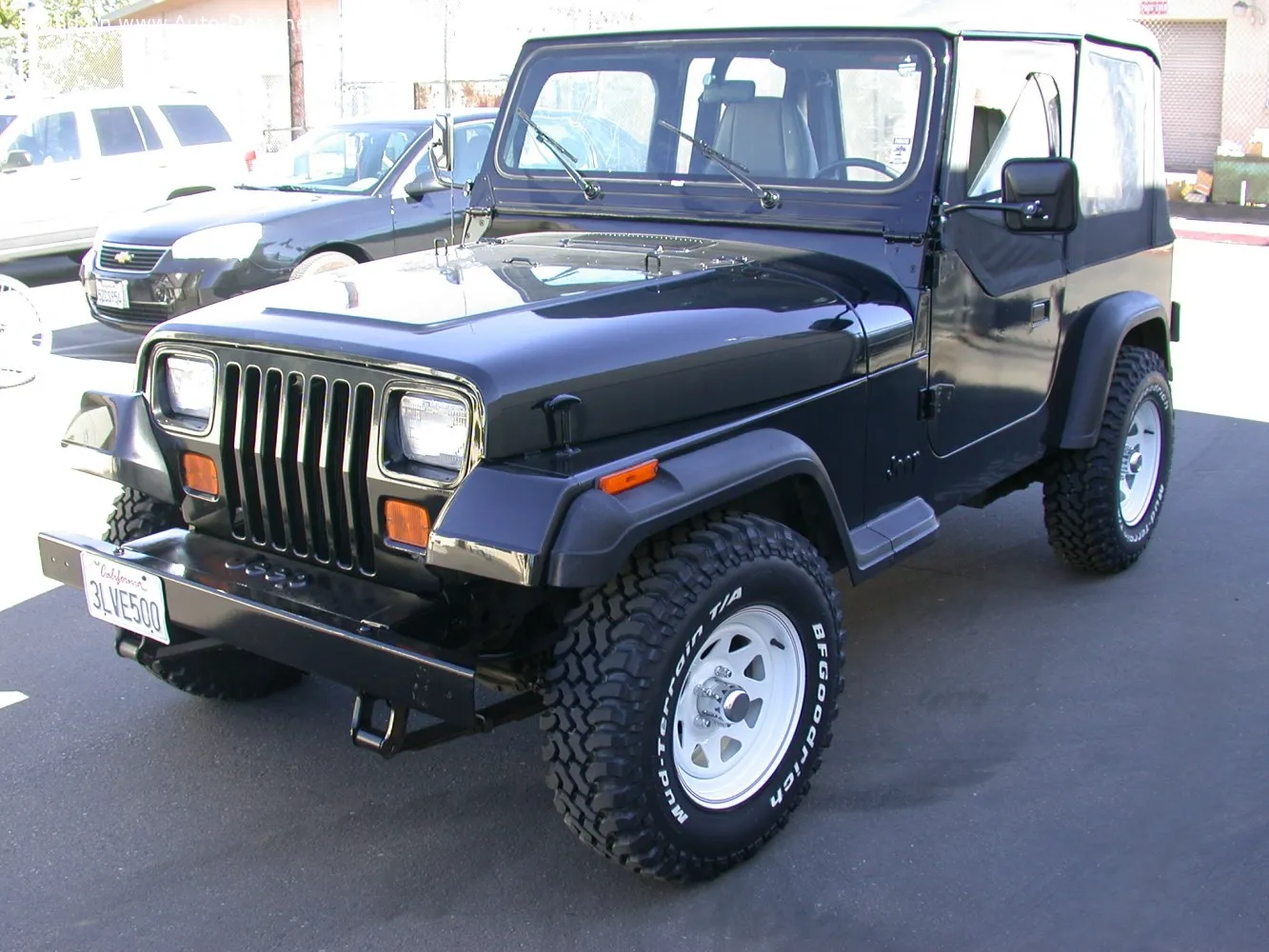
10. Jeep Wrangler YJ (1987-1995)
Distinct visual identity introduced the Jeep Wrangler YJ to a new generation of drivers, yet structural philosophy remained closely aligned with established Jeep traditions. Development efforts sought to improve comfort and usability without sacrificing mechanical resilience.
That careful balance allowed the model to meet evolving expectations while preserving dependable service characteristics valued by long-term owners. Engine selection supported this objective. The 4.0-litre inline six emerged as a dependable power unit, recognised for smooth delivery and tolerance under sustained use.
Consistent servicing enabled this engine to operate reliably across diverse driving conditions. Manual transmission options complemented its mechanical character, providing direct control and reducing reliance on intricate systems that often complicate long-term maintenance.
Suspension engineering received thoughtful refinement. Leaf spring assemblies absorbed surface irregularities effectively, limiting excessive force transfer to the chassis. This approach supported stability during uneven travel while maintaining acceptable comfort for daily road use. Frame longevity benefited from balanced load distribution, allowing structural components to age without accelerated fatigue.
Interior improvements enhanced practicality without introducing vulnerable technology. Seating comfort increased modestly, dashboard layouts improved clarity, and instrumentation remained uncomplicated. Limited electronic integration reduced exposure to age-related system failure, ensuring essential functions remained dependable across years of use.
Ownership experiences frequently describe the Wrangler YJ as reliable rather than dramatic. Regular starting performance, manageable servicing demands, and tolerance for varied operating conditions defined its reputation.
That steady dependability fostered confidence among drivers who valued continuity. Through measured refinement and disciplined engineering choices, the Wrangler YJ earned lasting trust as a Jeep capable of sustained service across generations.
