
Remote work has reshaped how Americans think about productivity. Coffee shops, co-working spaces, and home offices still matter, but increasingly, the car itself is becoming a serious workspace.
Whether you’re a consultant bouncing between client sites, a freelancer chasing daylight and Wi-Fi, or a sales professional who practically lives on the road, the right vehicle can double as a surprisingly capable mobile office.
A good “office car” isn’t just about comfort. You need supportive seats for long calls, quiet cabins for Zoom meetings, reliable connectivity, enough power outlets to keep devices alive, and smart storage for laptops, bags, and paperwork.
Increasingly, electrified vehicles also bring unique advantages like silent climate control and onboard power, huge perks when you’re working while parked.
Below are ten vehicles that stand out in the US market for turning drive time into productive time, each offering a different balance of space, technology, efficiency, and professionalism.
1. Tesla Model S
If your idea of a mobile office includes silence, speed, and cutting-edge tech, the Model S sets the benchmark. Built by Tesla, it delivers one of the quietest cabins on the road, making phone calls and voice dictation feel effortless.
The massive center touchscreen handles navigation, media, and vehicle controls in one place, while the minimalist dashboard leaves room for a laptop or tablet on your lap.
Long range means fewer charging stops, and when you do plug in, you can keep climate control running without engine noise or fumes, ideal for working while parked.
For professionals who value sleek design and high performance alongside productivity, the Model S feels more like a rolling tech studio than a traditional sedan.
The vehicle that helped ignite the modern EV movement is beginning to show signs of age. Although the 2023 Tesla Model S now competes with newer rivals boasting more extravagant features and extended driving ranges, it remains a formidable presence in the segment. The sedan-like hatchback still delivers up to 405 miles of estimated range on a single charge.
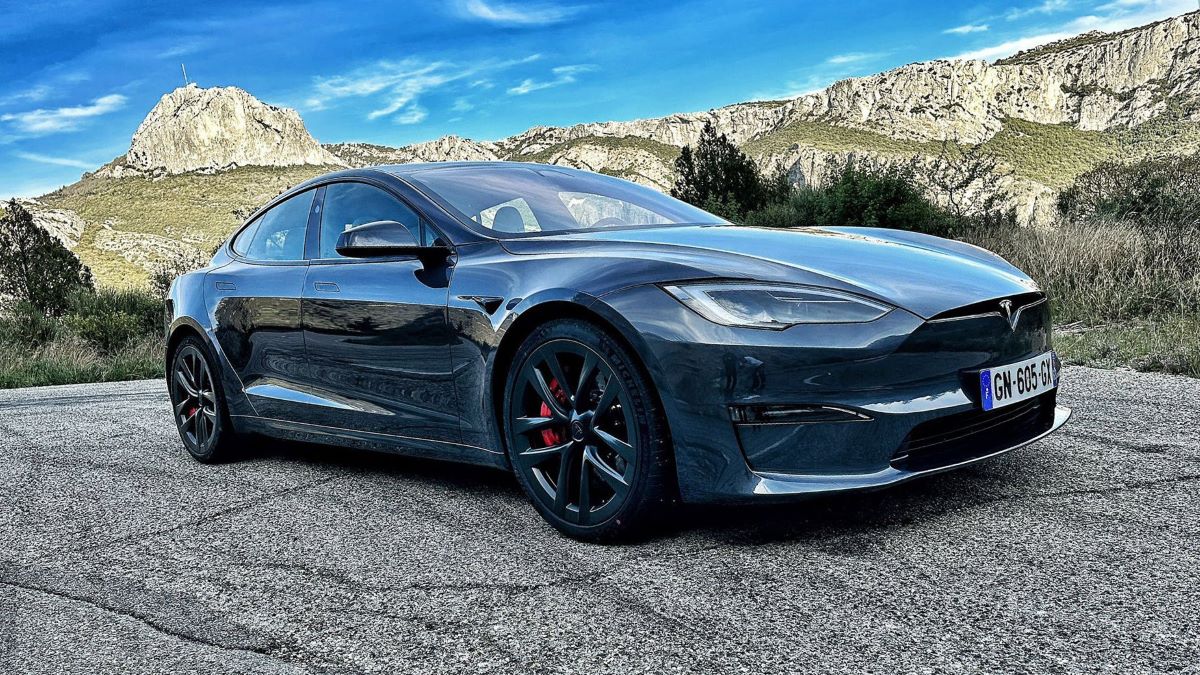
At the top of the lineup, the 1020-horsepower tri-motor Plaid variant accelerates from 0 to 60 mph in just 2.1 seconds, a figure comparable to that of multimillion-dollar hypercars. Nevertheless, competitors such as the BMW i7 and Lucid Air have captured much of the attention in the luxury EV space.
The Model S’s six-figure pricing feels mismatched with its relatively modest interior materials, particularly when compared with the more opulent cabins offered by Lucid and BMW.
The controversial yoke-style steering wheel also detracts from the driving experience, though a conventional steering wheel is once again available. Despite these concerns, the Model S continues as Tesla’s flagship, offering the brand’s latest software updates and access to its advanced, though sometimes debated, AutoPilot driver-assistance system.
Pricing for the 2023 Tesla Model S begins at $76,630 and rises to $91,630 depending on trim. The lineup includes the Long Range and the high-performance Plaid model.
While the Standard Range offers a lower entry price, the Long Range variant is the recommended choice due to its 405-mile estimated range. The Plaid delivers extraordinary performance, but its six-figure pricing may represent diminishing returns unless maximum acceleration is a priority.
All Model S variants feature dual- or tri-motor electric configurations that provide full-time all-wheel drive. Performance ranges from exceptionally quick to extraordinary, depending on trim. The standard Model S demonstrates agile handling, controlled body movements, and accurate steering response.
Drivers can choose between heavier or lighter steering effort settings, though neither provides substantial additional road feedback. The yoke-style steering wheel, when equipped, feels poorly integrated and compromises usability; opting for the conventional steering wheel is advisable.
2. Ford F-150 Lightning
Pickup trucks aren’t usually associated with office work, but this electric version of America’s best-selling truck flips that assumption. Developed by Ford Motor Company, the F-150 Lightning offers something few vehicles can: massive onboard power.
Multiple 120V and 240V outlets let you run laptops, monitors, printers, or even power tools directly from the truck.
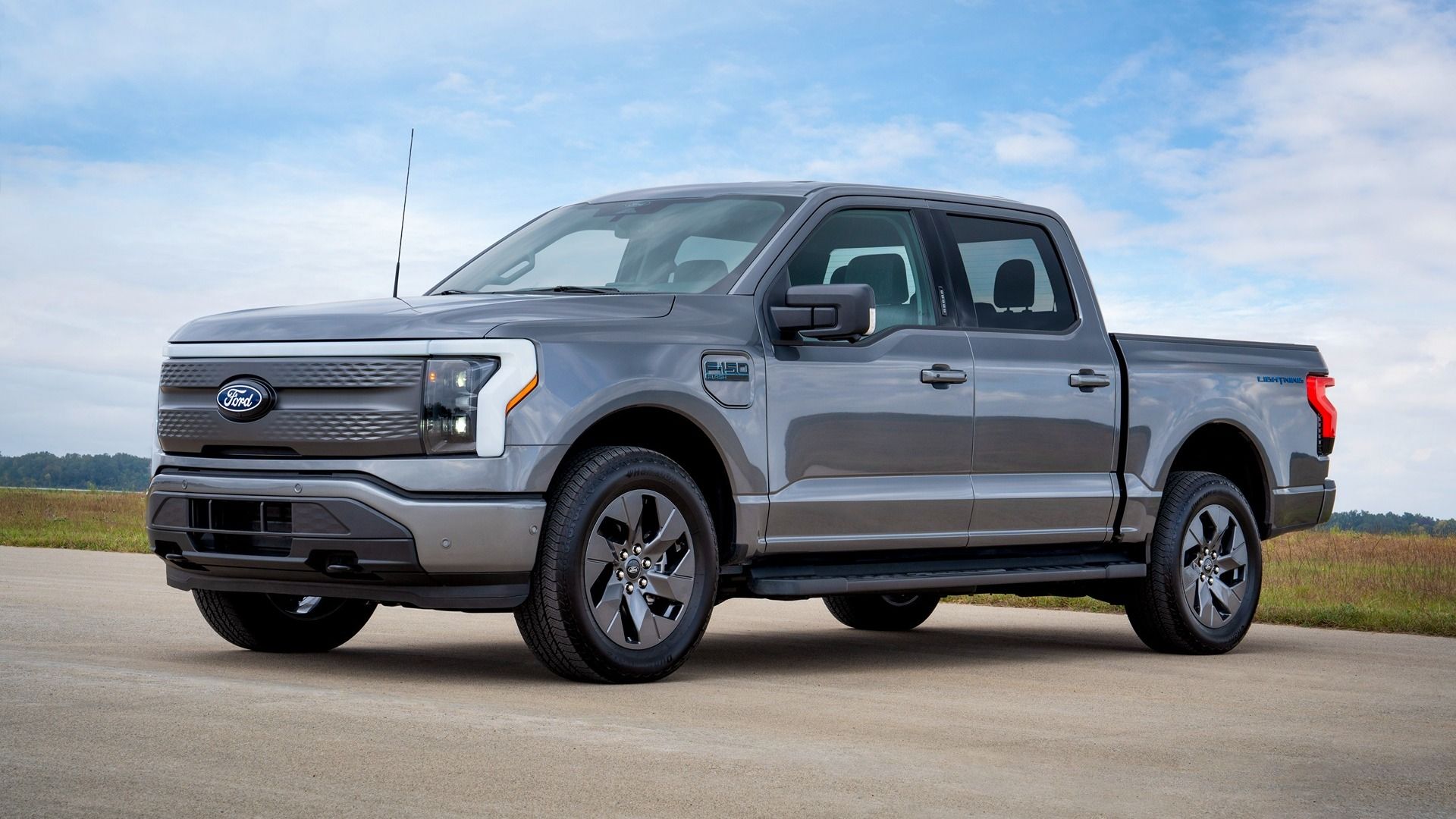
The front trunk (“frunk”) is large enough to hold work gear securely, and the fold-down center console can act as a desk.
For contractors, field engineers, or anyone whose job blends digital and physical work, this truck doubles as a rolling workstation.
3. Toyota Sienna Hybrid
Minivans don’t get much glamour, but they excel at space efficiency, and the Sienna Hybrid proves how practical that can be for work. From Toyota, it combines excellent fuel economy with a cabin that feels more like a small office suite.
Slide the second-row seats back, drop a folding table between them, and you have room for spreadsheets, snacks, and conference calls.
The low step-in height makes loading equipment easy, and the hybrid system keeps operating costs down for high-mileage professionals.
It’s an especially smart choice for people who balance family life with mobile work.
The 2023 Toyota Sienna Hybrid adopts a more rugged, SUV-inspired exterior design, though its minivan proportions remain unmistakable. That is not a drawback. On the road, the Sienna delivers a composed and quiet driving experience with a refined ride quality. As expected from a minivan, practicality is a key strength.
The interior is spacious and well equipped, though unlike some competitors, the second-row seats cannot be removed or stowed into the floor. This fourth-generation Sienna is available exclusively as a hybrid, with both front-wheel-drive and all-wheel-drive versions producing 245 horsepower. In testing, performance has proven to be modest.
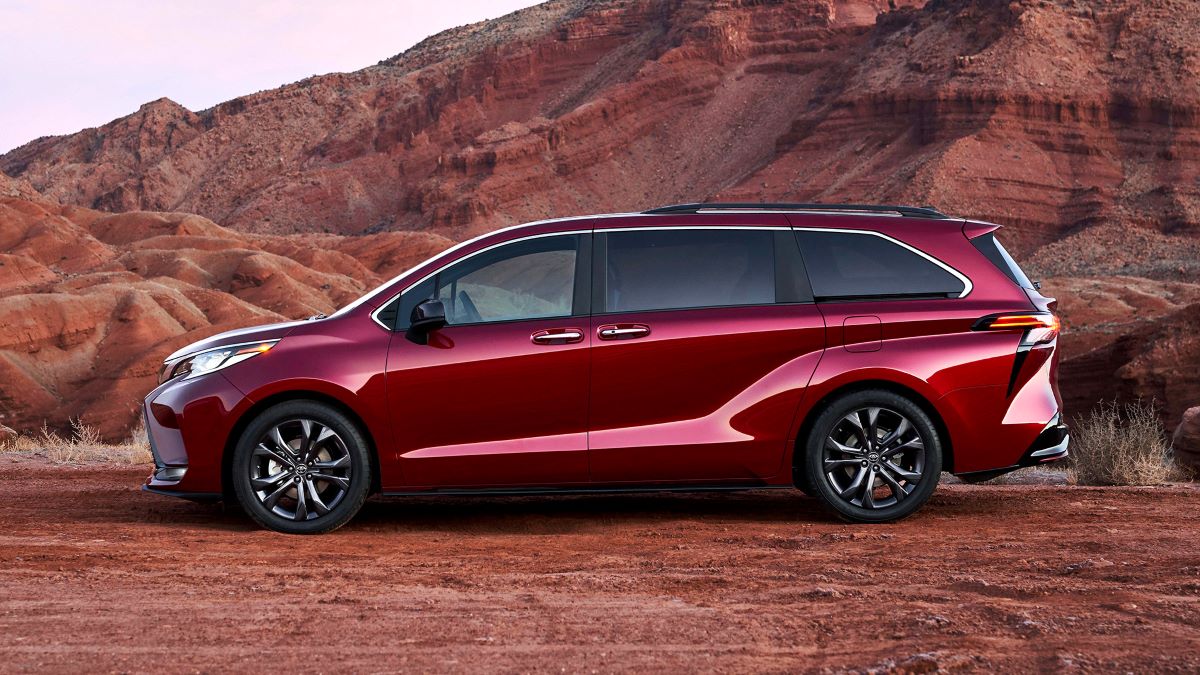
However, its 36 mpg combined fuel economy rating significantly surpasses other minivans in the segment, even if certain aspects of the Chrysler Pacifica, Honda Odyssey, and Kia Carnival remain more appealing in specific areas.
Pricing for the 2023 Sienna ranges from $38,280 to $53,740, depending on trim and equipment. The lineup includes the LE, XLE, XSE, Woodland Edition, XSE 25th Anniversary, Limited, and Platinum trims.
The XSE stands out as a recommended choice due to its sportier styling elements, including 20-inch wheels, more aggressive front and rear fascias, and sport front seats. It also comes standard with in-dash navigation and second-row captain’s chairs. All Sienna trims feature front-wheel drive as standard, with all-wheel drive available for an additional $760, a reasonable option for added capability.
Under the hood, the Sienna pairs a 2.5-liter four-cylinder gasoline engine with two electric motors for a total system output of 245 horsepower. All-wheel-drive models add a third electric motor to power the rear wheels.
By comparison, the Chrysler Pacifica Hybrid is front-wheel-drive only but produces 260 horsepower from its V-6-based hybrid system. In performance testing, our all-wheel-drive Sienna Platinum required 7.5 seconds to accelerate from 0 to 60 mph and completed the quarter mile in 15.8 seconds at 88 mph.
These figures are comparable to those of the Pacifica Hybrid but lag behind non-hybrid Pacifica models as well as the Honda Odyssey and Kia Carnival in straight-line performance.
4. Honda CR-V Hybrid
Compact SUVs are popular for a reason: they’re easy to drive, efficient, and surprisingly roomy. The CR-V Hybrid from Honda fits neatly into this sweet spot.
Up front, you get comfortable seats and intuitive controls for quick stops and short work sessions. Fold the rear seats flat and there’s enough cargo space for mobile printers, camera gear, or a pop-up desk.
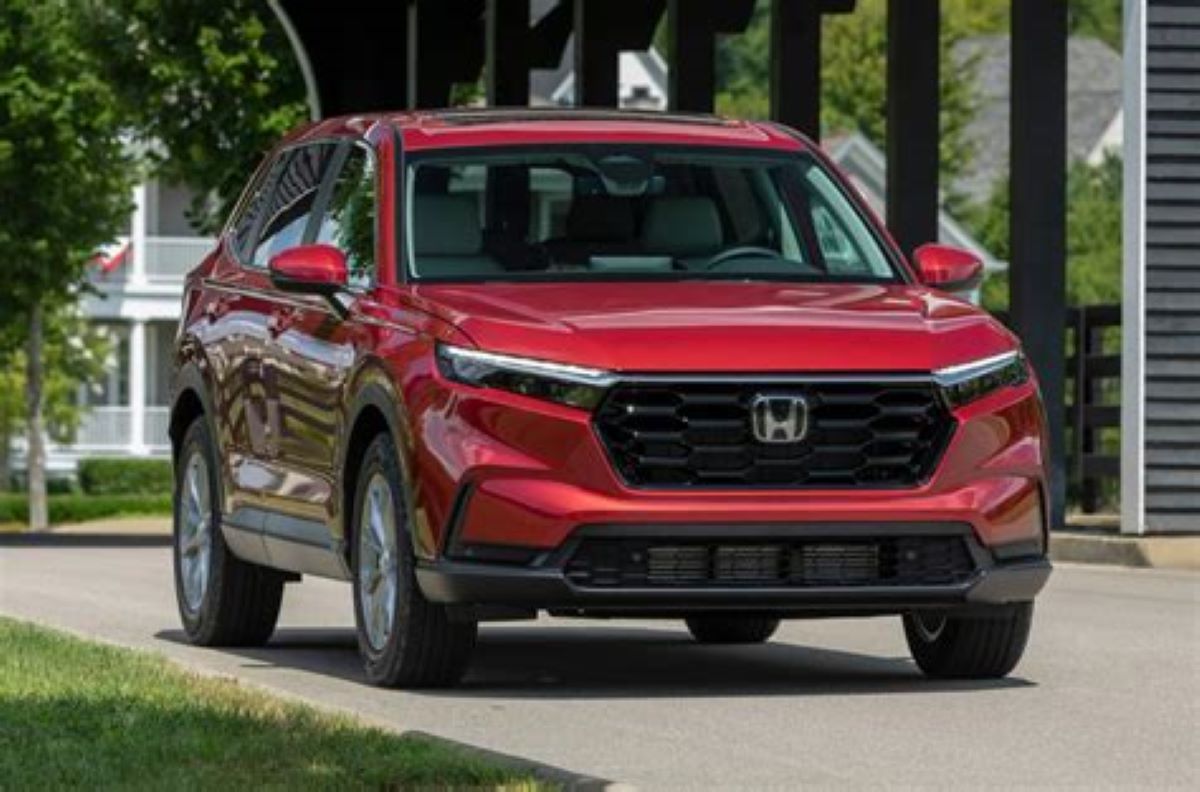
It’s not flashy, but for consultants and real-estate agents who need reliability and low running costs, it’s a practical mobile base. Ahead of the fully redesigned 2023 model, the 2022 Honda CR-V Hybrid carries over without changes.
This marks the first generation of the CR-V offered with a hybrid powertrain in the United States, targeting buyers who want improved fuel efficiency but prefer the practicality and stance of an SUV over hybrid sedans such as the Honda Insight or Honda Accord Hybrid. In the compact hybrid SUV segment, it competes directly with the Toyota RAV4 Hybrid, Ford Escape Hybrid, and Hyundai Tucson Hybrid.
Compared with a similarly equipped Toyota RAV4 Hybrid, the CR-V Hybrid represents strong value. It delivers a generous list of features for the price, but its appeal extends beyond equipment levels.
The Honda stands out for interior practicality, highlighted by a spacious and highly flexible center console storage area and wide-opening rear doors that enhance accessibility. Where the CR-V Hybrid trails the RAV4 is in its aging exterior and interior design as well as overall fuel efficiency.
Replacing the conventional CR-V’s 1.5-liter turbocharged four-cylinder engine, the hybrid model utilizes a 2.0-liter naturally aspirated four-cylinder paired with an electric starter-generator and electric motor. All CR-V Hybrid models come standard with all-wheel drive and a continuously variable automatic transmission (CVT).
Combined system output is 212 horsepower. Fuel economy is rated at an impressive 40 mpg city and 35 mpg highway, compared with 27/32 mpg for an equivalent all-wheel-drive gasoline CR-V. Performance is respectable for the class, with the CR-V Hybrid reaching 60 mph in 7.5 seconds, approximately 0.3 second quicker than the conventional model.
The 2022 CR-V also receives a five-star overall safety rating from the NHTSA, though this includes a four-star rollover rating and a 16.4 percent rollover risk.
Honda includes its Honda Sensing suite of advanced driver-assistance features as standard equipment across the lineup. Automatic emergency braking, adaptive cruise control, lane-keeping assist, automatic high beams, blind-spot monitoring, and rear cross-traffic alert are all included.
Cargo capacity is slightly reduced in the hybrid model due to the space required for its battery and electric components. The CR-V Hybrid provides 33.2 cubic feet of cargo space behind the second row and 68.7 cubic feet with the rear seats folded, compared with 39.2 and 75.8 cubic feet, respectively, in the gasoline-only version.
However, passenger legroom remains unchanged between the two models. The CR-V Hybrid offers 41.3 inches of front legroom and 40.4 inches in the second row. By comparison, the 2022 Toyota RAV4 Hybrid provides 37.6/69.8 cubic feet of cargo space and 41.0/37.8 inches of front and rear legroom.
In direct comparisons between the CR-V Hybrid and the RAV4 Hybrid, the results are closely matched. The Toyota holds a slight edge in efficiency and acceleration to 60 mph, and its handling characteristics are marginally sharper. However, the Honda delivers a more comfortable ride and feels equally enjoyable in everyday driving.
The CR-V’s interior design leans toward a refined, near-luxury aesthetic, whereas the RAV4 emphasizes a more rugged, outdoors-oriented theme. Although the RAV4 offers slightly more cargo volume on paper, the CR-V’s cabin feels more open and practical in real-world use. Both are strong contenders, but when comparing higher trims, the Honda emerges as a compelling choice.
5. Volvo XC90 Recharge
If your workday includes client meetings where image matters, the XC90 Recharge brings executive-level refinement. Built by Volvo, this plug-in hybrid SUV blends Scandinavian design with modern tech.
The cabin feels calm and premium, with supportive seats and a clean infotainment layout.
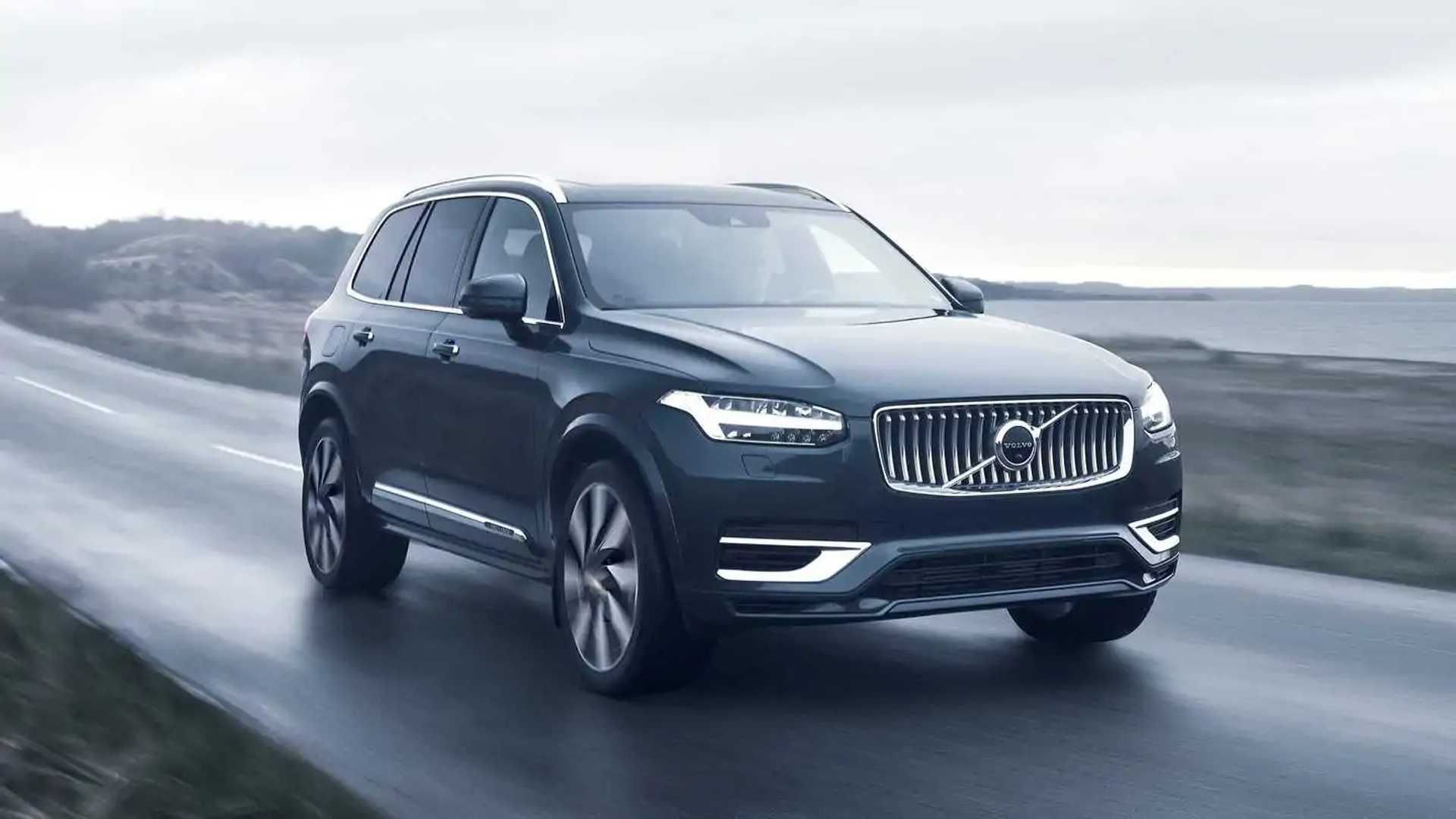
Short trips can be handled on electric power alone, meaning you can sit in silence while reviewing documents or taking calls. It’s ideal for professionals who want their mobile office to project credibility and comfort.
The 2024 XC90 Recharge is configured as a three-row family SUV that prioritizes composure over outright sportiness. While it does not exhibit razor-sharp, high-performance dynamics, it remains stable through corners and manages its size with confidence.
Steering response is prompt, the suspension effectively absorbs many road imperfections, and braking performance is strong and reassuring. That said, some body roll is evident during cornering, and models equipped with the optional 21-inch wheels experience a firmer, occasionally choppier ride.
Power comes from a turbocharged 2.0-liter four-cylinder engine paired with an electric motor and a 14.7-kWh battery pack. Combined system output is rated at 455 horsepower and 523 pound-feet of torque.
This setup delivers brisk acceleration from a standstill and provides ample power for highway merging and passing maneuvers. The standard eight-speed automatic transmission shifts smoothly, and all-wheel drive is included across the lineup to ensure consistent traction and road stability.
6. Chevrolet Suburban
Few vehicles offer as much usable interior volume as the Suburban from Chevrolet. With the third row folded, you can build a full workstation in the back, complete with desk, storage bins, and even a small filing system.
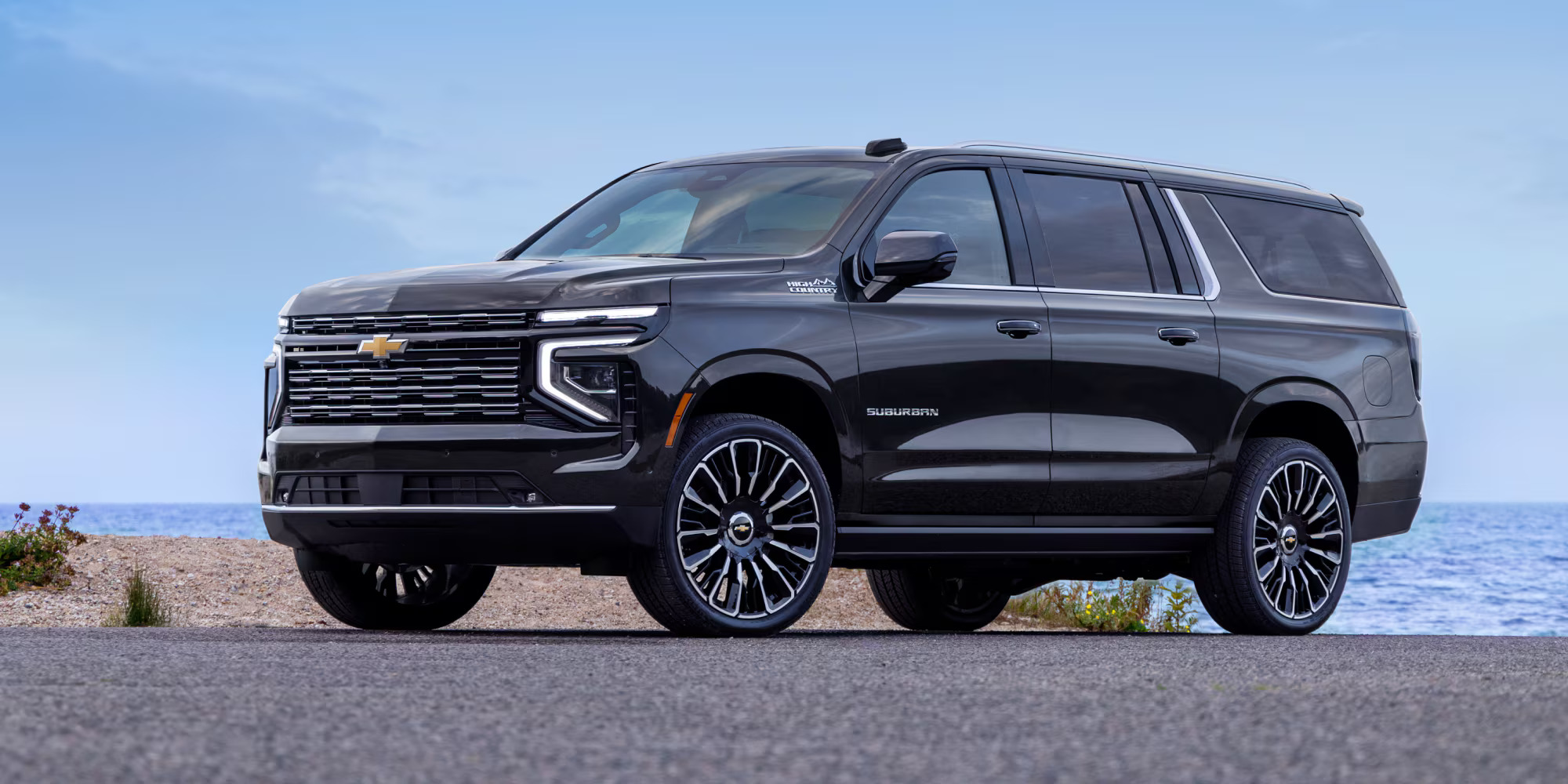
It’s overkill for solo workers, but perfect for teams on the move, event planners, or creatives hauling gear. The commanding driving position and long-distance comfort also make it a solid choice for cross-state work trips.
Our test Suburban was fitted with the available 6.2-liter V-8 engine, which provides abundant power delivered through a refined 10-speed automatic transmission. Acceleration is strong for a vehicle of this size, with the Suburban reaching 60 mph in 6.7 seconds at our test track, comparable to the Ford Expedition.
Braking performance is equally commendable, with confident stopping power and stable composure under hard deceleration. That said, the Suburban remains a large and heavy SUV, characteristics that become more apparent on winding roads.
It maintains good balance and can negotiate tighter corners competently, but steering feedback is limited. The steering setup favors straight-line stability, a trait that proves advantageous for towing applications.
Ride quality is a clear strength. The Suburban effectively absorbs most road imperfections, and our test vehicle benefited from the optional Magnetic Ride Control and adaptive air suspension systems.
Together, these upgrades enhance isolation from rough surfaces and improve overall comfort. While the SUV can occasionally feel somewhat floaty or busy over uneven pavement, the advanced suspension components noticeably elevate ride quality compared to standard setups.
The Suburban also offers a comprehensive suite of driver-assistance technologies, including adaptive cruise control and lane-keeping assist, both of which are particularly useful given the vehicle’s substantial dimensions. However, the controls for these systems require some familiarization, as their operation is not entirely intuitive at first use.
7. Mercedes-Benz Sprinter
For maximum customization, few platforms beat the Sprinter from Mercedes-Benz. Many freelancers and startups convert these vans into full mobile offices with desks, swivel chairs, Wi-Fi routers, and power systems.
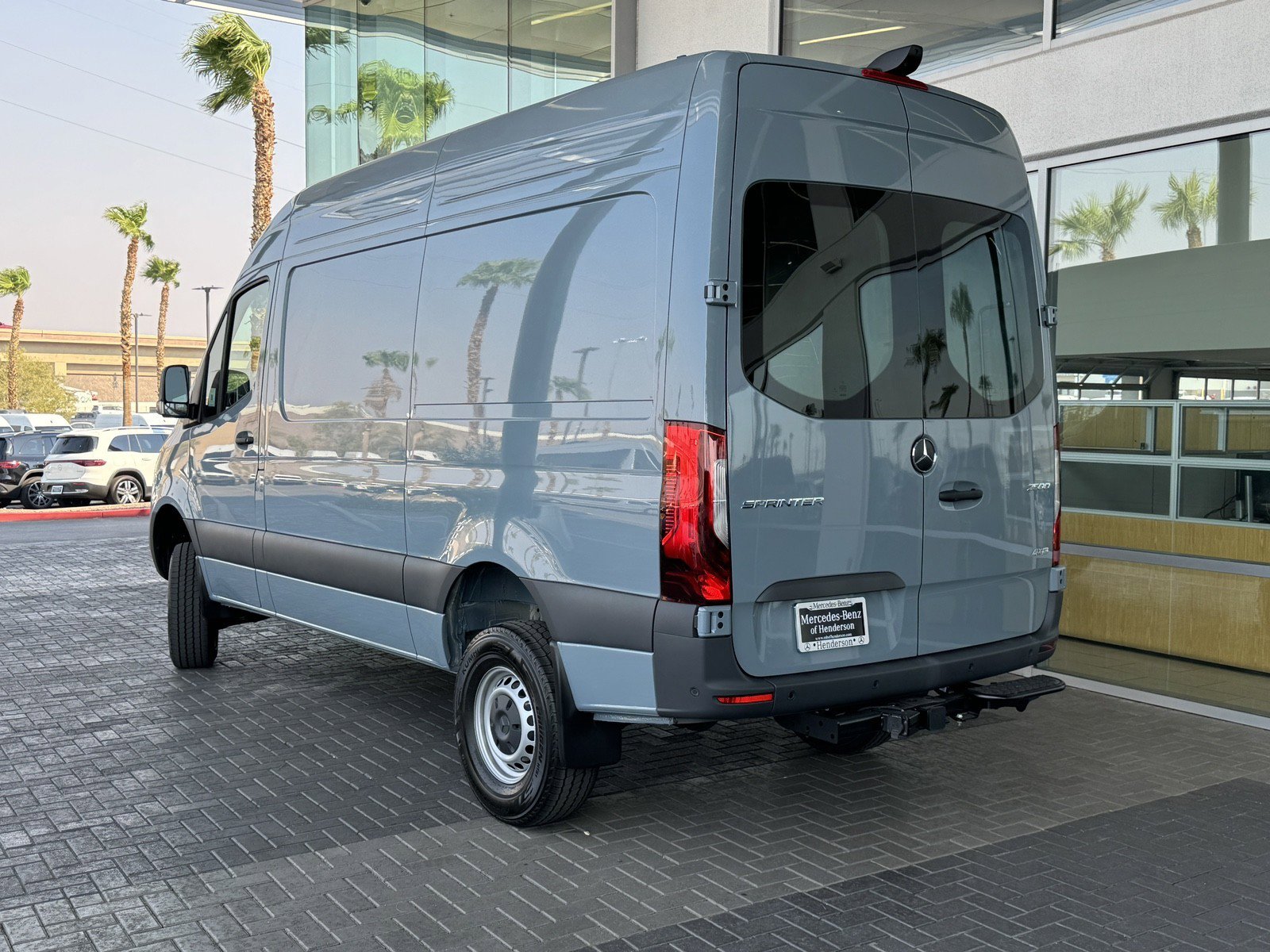
The high roof option allows you to stand upright, turning the vehicle into a true workspace rather than just a place to answer emails.
If your job demands constant travel and long on-site hours, this is the closest thing to bringing your office with you.
8. Subaru Outback
The Outback from Subaru appeals to remote workers who like mixing productivity with outdoor access.
Fold-flat rear seats create a long cargo area perfect for a compact desk setup, and standard all-wheel drive helps you reach trailheads, cabins, or rural job sites.
It’s a favorite among photographers, writers, and field researchers who want their office to come with a view. Although Subaru has made minor revisions to the Outback’s engine lineup, overall performance is expected to remain largely unchanged.
The standard 2.5-liter four-cylinder boxer engine now produces 180 horsepower, down by two horsepower, while torque increases slightly to 178 lb-ft. This engine continues to work with Subaru’s symmetrical all-wheel-drive system and a Lineartronic continuously variable transmission.
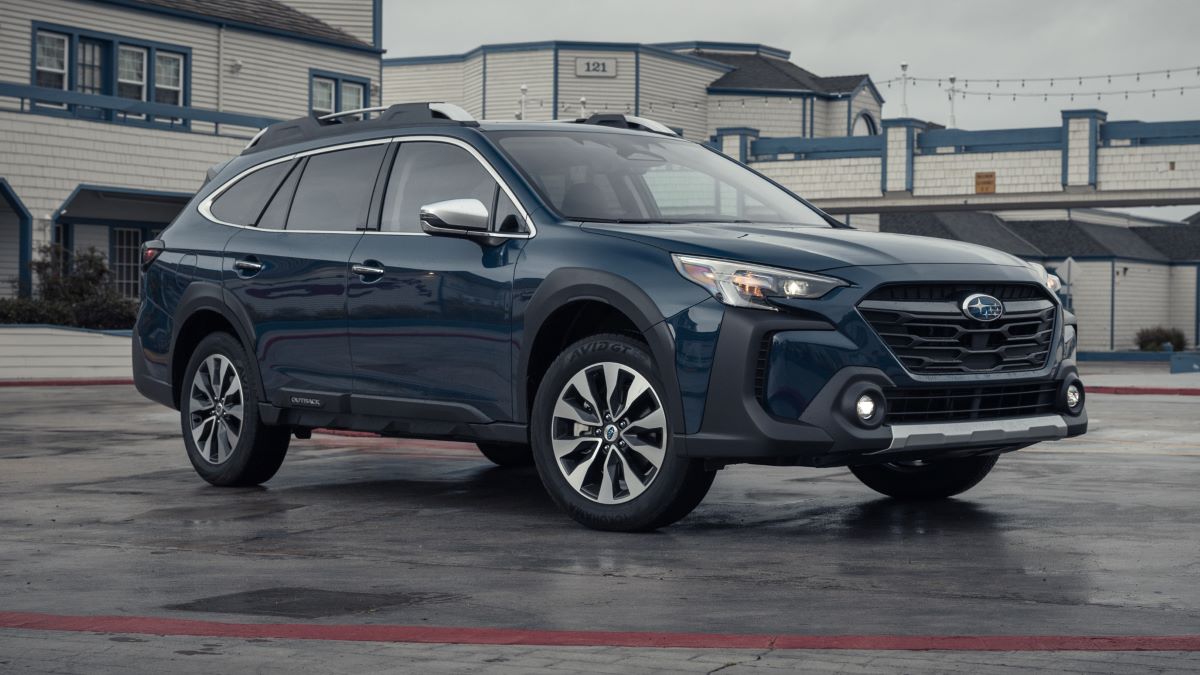
An eight-speed manual shift mode is also available for drivers who prefer greater control. The optional 2.4-liter turbocharged boxer four carries over unchanged from the previous generation, delivering 260 horsepower and 277 lb-ft of torque. This more powerful engine is reserved for trims wearing the XT badge as well as the Wilderness model.
Subaru states that steering performance has been enhanced through the adoption of a dual-pinion electric power steering rack derived from the WRX. The system incorporates a variable gear ratio intended to improve maneuverability at lower speeds.
Additionally, updates to the symmetrical all-wheel-drive system allow the center differential to react more quickly to wheel slip. Working in conjunction with steering angle sensors, the system is designed to distribute power more effectively and maintain driver confidence.
X-Mode operation has also been simplified, now activated via a button on the steering wheel rather than a console-mounted dial. Subaru has not yet released official 0–60 mph figures for the updated Outback, though performance is expected to closely mirror that of the outgoing model.
9. Hyundai Ioniq 5
This electric crossover from Hyundai feels purpose-built for modern work. The flat floor and sliding center console make it easy to rearrange your space, and available vehicle-to-load capability lets you power laptops and accessories directly from the car.
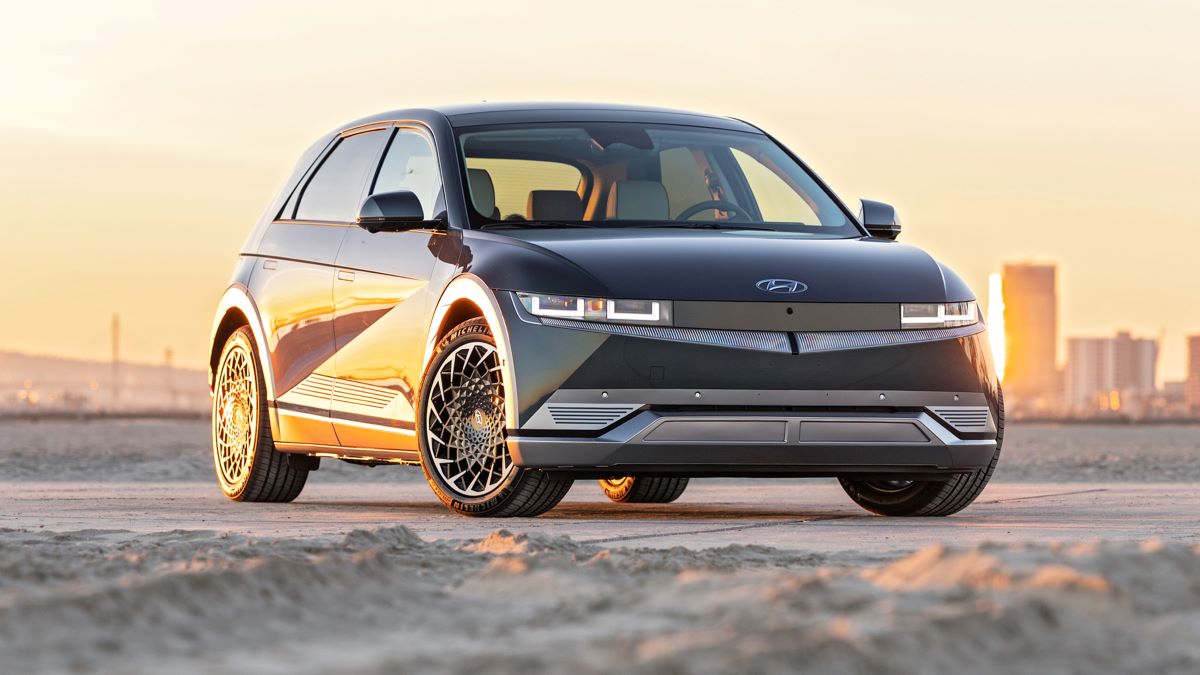
Its airy interior and quiet ride make it a strong choice for creatives and digital professionals who value flexibility and contemporary design.
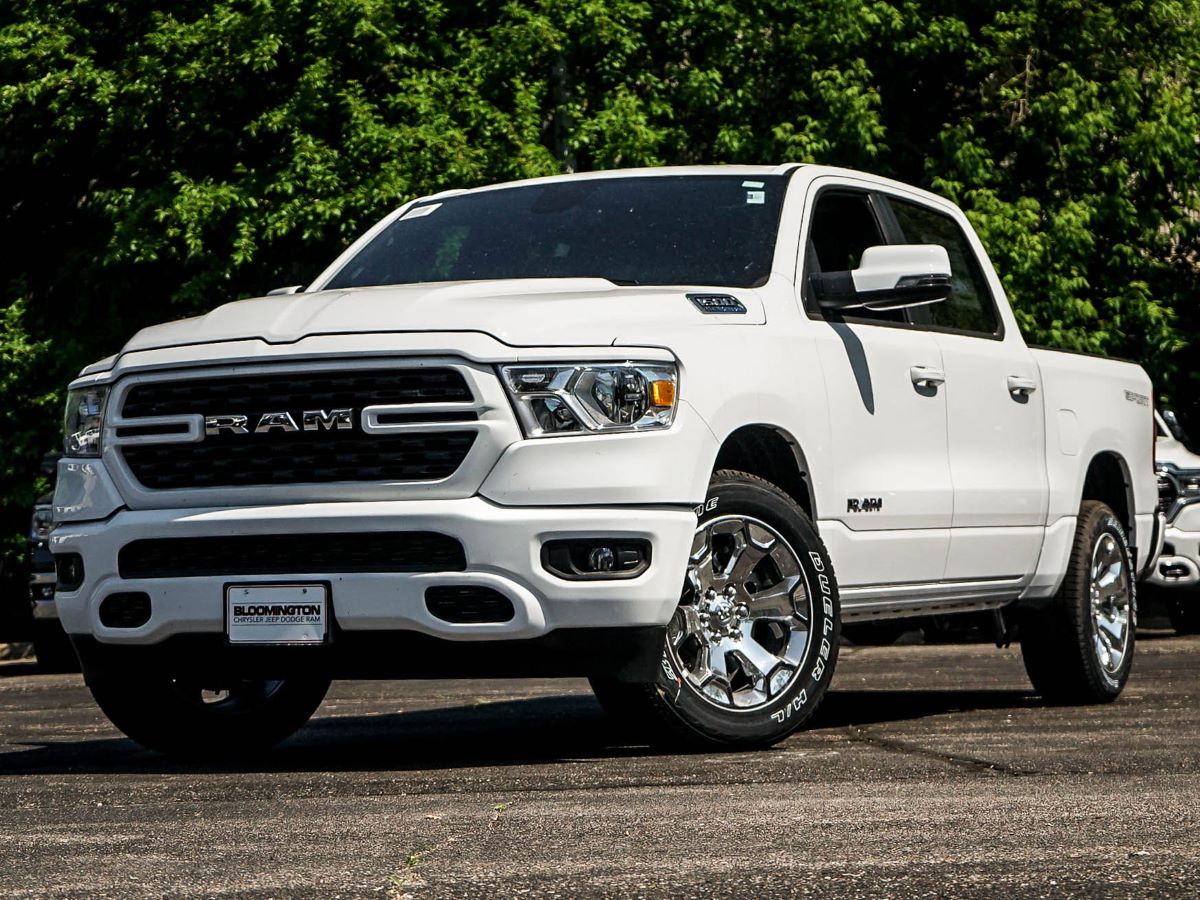
10. Ram 1500
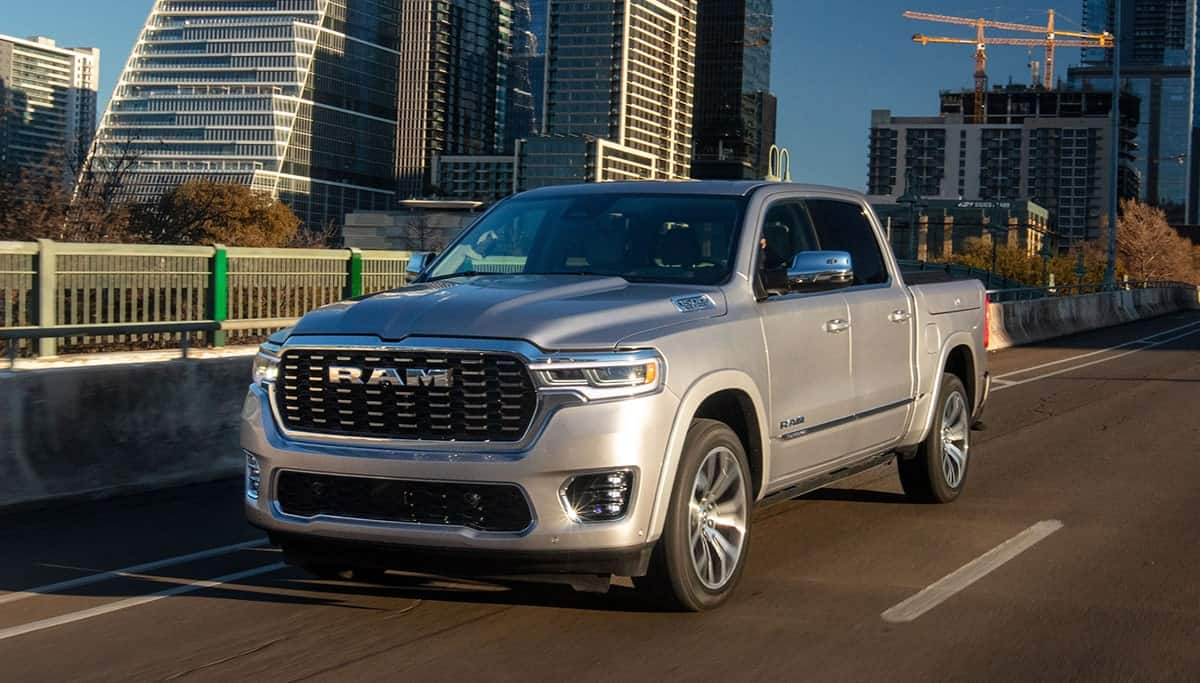
Rounding out the list is the Ram 1500 from Ram Trucks. Known for its comfortable ride and upscale interior options, it offers a surprising amount of cabin storage and a large center console that works well as a temporary desk.
For professionals who need towing capability alongside their digital workflow, it’s a balanced option that doesn’t sacrifice comfort.
The idea of a “mobile office” has evolved far beyond answering emails in a parking lot. Today’s vehicles offer quiet cabins, advanced connectivity, onboard power, and flexible interiors that make serious work on the road not just possible, but practical.
Across its extensive trim lineup, the Ram 1500 offers both V-6 and V-8 gasoline engines, each paired with a refined eight-speed automatic transmission. Both gasoline powertrains incorporate a 48-volt mild-hybrid system, though the 5.7-liter Hemi V-8 remains available without electric assistance.
In models equipped with the non-hybrid Hemi, the engine delivers brisk acceleration accompanied by a deep, baritone exhaust note that enhances its character.
The lineup also includes a 3.0-liter V-6 EcoDiesel engine producing 480 lb-ft of torque, exceeding the output of comparable diesel engines in the half-ton Chevrolet Silverado and GMC Sierra. While the diesel variant is not as quick as the Hemi, it operates with notable refinement for a compression-ignition engine and returns superior fuel economy.
For buyers seeking greater off-road capability, the Rebel trim offers more aggressive styling and meaningful hardware upgrades suited to rugged terrain. Ride quality is a consistent strength across the Ram 1500 range, thanks to its rear suspension design that utilizes standard coil springs or available air springs rather than the traditional leaf-spring setup found in many domestic competitors.
Models equipped with the air suspension benefit from adjustable ride heights, which enhance both aerodynamic efficiency and off-road performance. Light steering effort and strong braking performance further contribute to a relaxed driving experience and confident stopping capability.
The best choice ultimately depends on how you work. Electric vehicles shine for silent productivity, vans dominate for customization, and SUVs and pickups strike a balance between comfort and capability.
But all ten of these models prove that, with the right car, your office doesn’t have to stay in one place.
