
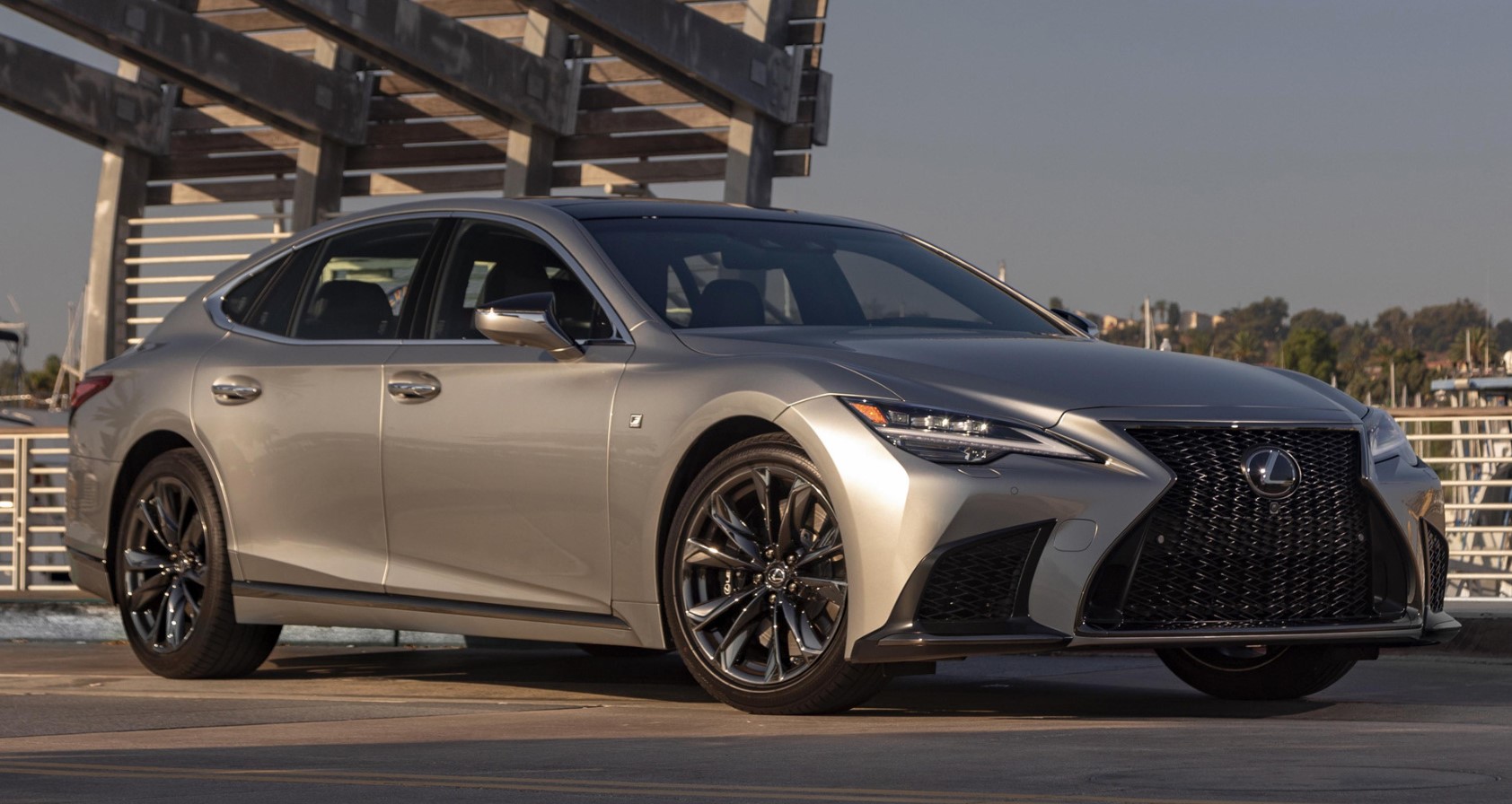
In the United States, cars have quietly evolved into something far more than transportation. With longer commutes, cross-state road trips, and remote work becoming part of everyday life, many Americans now expect their vehicles to function as personal sanctuaries.
Comfort, quietness, and interior space increasingly matter as much as horsepower or towing capacity.
Manufacturers have responded by transforming cabins into lounge-like environments. Heated and ventilated seats, adaptive suspensions, acoustic glass, ambient lighting, and expansive layouts are no longer exclusive to ultra-luxury sedans.
Today, family SUVs, minivans, and premium crossovers can deliver a surprisingly residential experience.
Below are twelve vehicles available in the U.S. that best capture that “rolling living room” feeling, prioritizing plush seating, ride refinement, and thoughtful cabin design over aggressive performance.
1. Mercedes-Benz S-Class
The S-Class has long served as the benchmark for luxury sedans, and its interior still feels closer to a high-end living room than a traditional cockpit.
The seats are deeply cushioned, multi-adjustable, and available with heating, ventilation, and massage functions in both rows. Rear passengers can recline, stretch out, and enjoy individual climate zones, creating a genuine lounge experience.
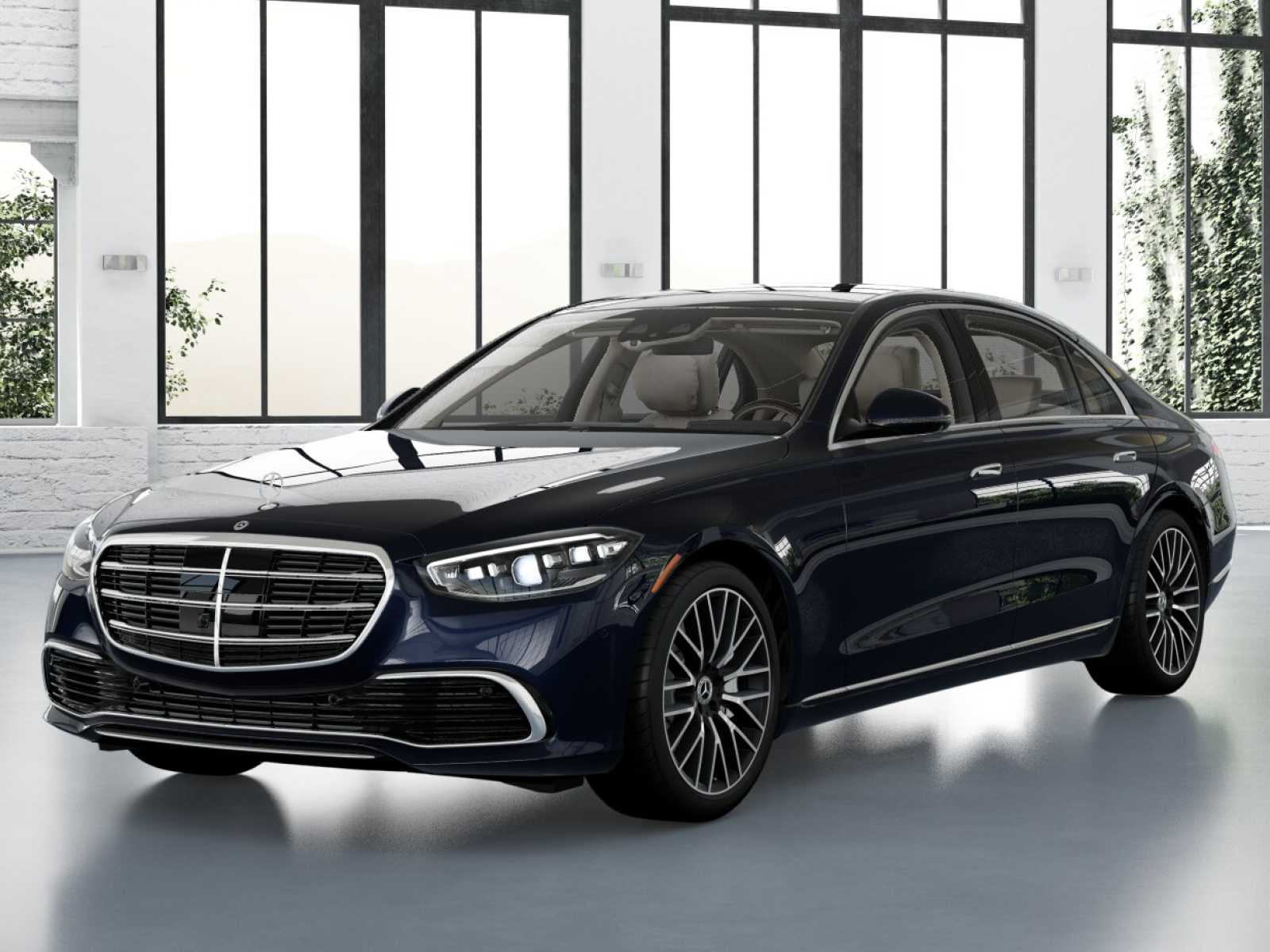
What truly separates the S-Class is its ride quality. An advanced air suspension system glides over broken pavement and highway seams with minimal disturbance.
Acoustic insulation and laminated glass keep wind and road noise impressively low, even at freeway speeds. Add customizable ambient lighting and premium audio, and the cabin becomes a calm, softly illuminated retreat.
2. Lexus LS
The Lexus LS approaches comfort with a quieter, more restrained philosophy. Instead of overwhelming technology, it emphasizes craftsmanship and serenity.
Available Kiriko glass trim and hand-finished door panels add subtle elegance, while the seats are tuned for long-distance comfort rather than aggressive bolstering.
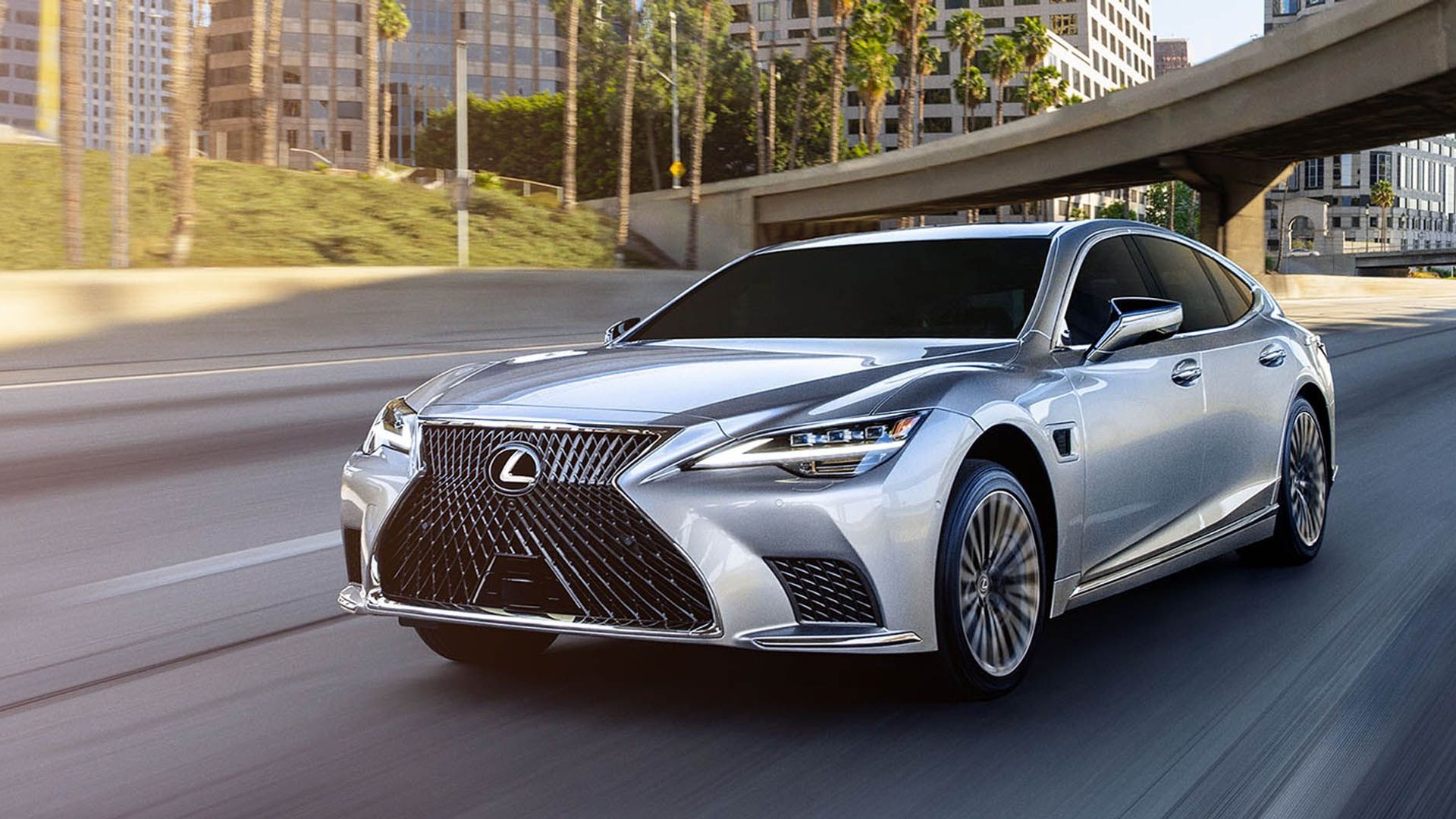
Rear-seat configurations can include an ottoman-style recliner that feels more like first-class airline seating than automotive furniture.
The suspension favors softness, making city streets and interstates feel smoother than expected. For buyers who value tranquility over flash, the LS delivers a deeply relaxing environment.
The LS is the sedan that established the Lexus brand, and while the 2021 model presents a far more contemporary and assertive design than the 1990 original, its mission remains largely the same. Competing against long-standing luxury leaders such as the Audi A8, BMW 7-series, and Mercedes-Benz S-class continues to be a formidable task.
The LS distinguishes itself with a uniquely Japanese design philosophy and striking styling details. A twin-turbocharged V-6 engine comes standard, while a hybrid variant is available for buyers focused on fuel efficiency.
However, the hybrid’s uneven power delivery detracts from the smoothness expected in this segment. Similarly, the LS does not match the athletic character demonstrated by several German competitors. Even so, the cabin is exceptionally quiet and nearly as comfortable as those of its rivals, and the LS maintains a strong executive presence when arriving at any venue.
For 2021, Lexus has introduced subtle updates to its flagship sedan. Exterior revisions include redesigned headlamps and updated trim accents. Interior refinement has been enhanced through improvements to the active noise-cancellation system, resulting in a quieter cabin.
Pricing for the 2021 Lexus LS begins at $77,075 and rises to $91,575 depending on trim level and selected options. The lineup includes the LS500, LS500 F Sport, and the hybrid LS500h. The standard LS500 is generally the recommended configuration, particularly with rear-wheel drive and the twin-turbocharged V-6, as it allows room in the budget for desirable options.
The standard LS500 is powered by a twin-turbocharged 3.4-liter V-6 producing 416 horsepower. The engine delivers smooth and refined power under heavy acceleration while remaining quiet during steady cruising. Gear changes are managed by a 10-speed automatic transmission.
Performance is sufficient for the LS’s luxury-focused role, though V-8-powered versions of the BMW 7-series and Mercedes-Benz S-class have demonstrated quicker acceleration during testing. The LS500h hybrid combines a 3.5-liter V-6 engine with two electric motors to produce a total of 354 horsepower.
While the conventional twin-turbo V-6 operates with composure, the hybrid system lacks refinement. The engine note can become coarse under load, and the transmission, an unconventional pairing of a continuously variable transmission with a traditional four-speed automatic, cycles through simulated gear ratios with less-than-smooth transitions.
3. Lincoln Navigator
The Navigator takes American luxury and scales it up. Its massive cabin offers genuine sprawl, especially in the second row, where available captain’s chairs feel more like recliners than car seats.
The flat floor and wide body make movement inside the vehicle easy and natural.
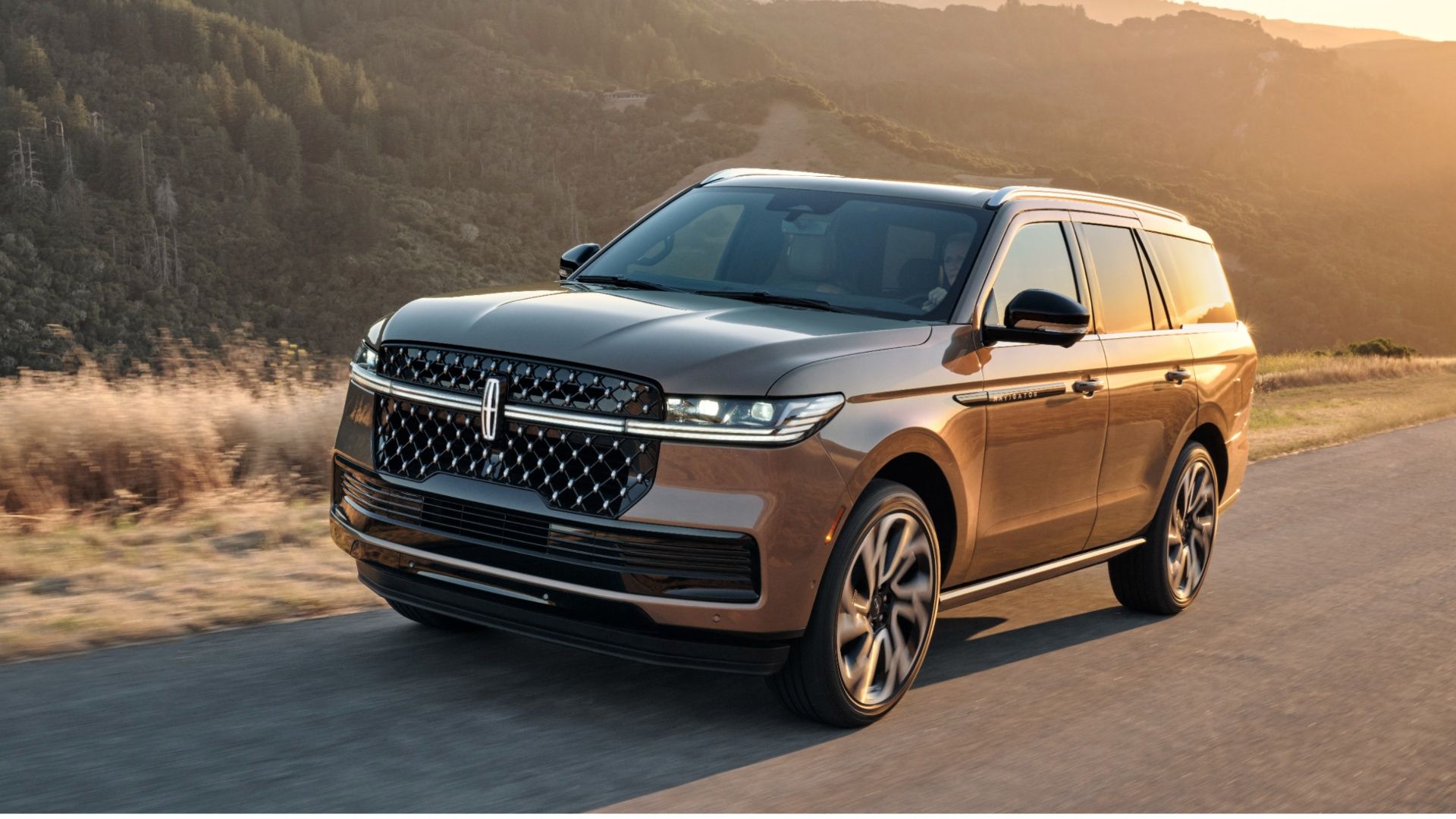
Lincoln’s adaptive suspension delivers a soft, floating ride that filters out rough surfaces remarkably well for such a large SUV.
In Black Label trims, premium leathers and open-pore wood trim create an upscale residential atmosphere. For families or executives who prioritize space and comfort, the Navigator feels like a rolling penthouse.
4. Cadillac Escalade
The Escalade combines bold design with genuine interior indulgence. Its curved OLED dashboard dominates the front cabin, but comfort remains the real highlight.
The seats are generously padded, and higher trims offer massaging functions and premium audio that turns the vehicle into a mobile theater.
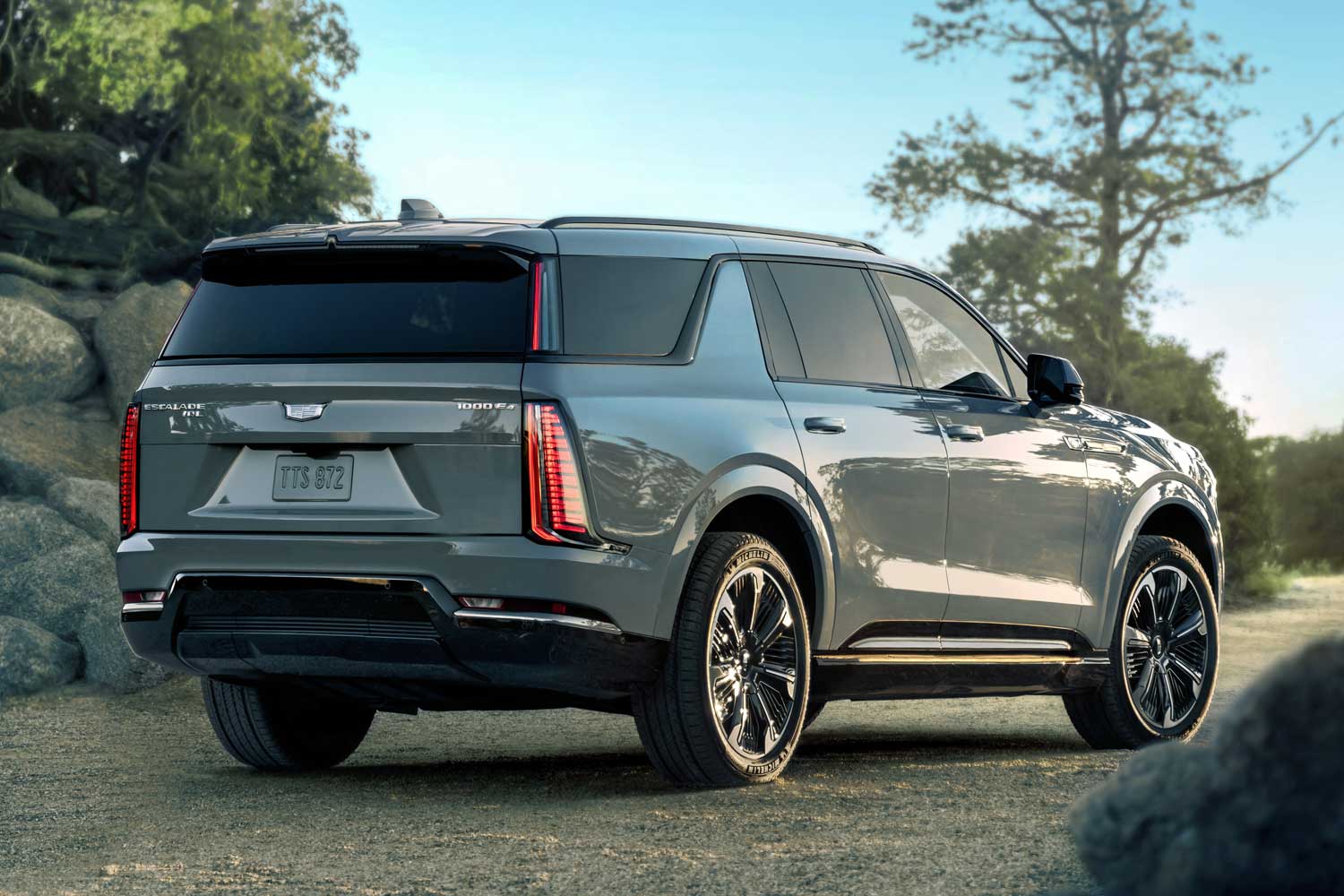
Magnetic Ride Control and available air suspension smooth out highway imperfections, while the extended ESV version adds even more rear legroom. It’s a vehicle that manages to feel both dramatic and deeply comfortable.
The Escalade’s exterior styling is assertive and immediately recognizable, projecting a strong presence on the road. While the exterior design is striking, the interior is where the vehicle truly distinguishes itself.
The leather upholstery represents some of the highest quality materials seen in a Cadillac, and the dashboard is dominated by an expansive 38 inches of curved OLED touchscreen displays. This advanced interface can be paired with an optional 36-speaker audio system that delivers an exceptional listening experience.
Luxury extends well beyond the front seats. Second- and third-row passengers are accommodated with plush, supportive seating, making the Escalade particularly well suited for extended travel.
Cargo capacity is generous in the standard model, which is based on the Tahoe platform. Buyers who opt for the larger, Suburban-derived Escalade ESV benefit from even greater interior space and storage volume.
Despite its position among the top-rated three-row luxury SUVs, the Escalade is not without minor shortcomings. The suspension tuning leans toward firmness, and its benefits are most apparent on smooth, winding roads where the fully independent setup can be appreciated.
Some shared switchgear with other GM models slightly diminishes the premium ambiance. Additionally, the V-8 variant returns fuel economy figures that fall short of several competitors in the segment.
In a head-to-head comparison with the Jeep Grand Wagoneer, the Escalade impressed with its extensive digital displays, 36-speaker AKG audio system, and Super Cruise semi-autonomous driving technology. However, the Grand Wagoneer ultimately secured a narrow victory due to its superior ride comfort and greater sense of luxury for second- and third-row occupants.
For the 2022 model year, Cadillac offers two powertrain choices in the Escalade. The standard engine is a naturally aspirated 6.2-liter V-8 producing 420 horsepower and 460 lb-ft of torque.
Equipped with this engine, the Escalade accelerated from 0 to 60 mph in 6.1 seconds during testing. EPA fuel economy ratings are 15 mpg city and 20 mpg highway for rear-wheel-drive models, and 14 mpg city and 19 mpg highway for four-wheel-drive versions.
The alternative powertrain is a 3.0-liter turbocharged inline-six diesel engine generating 277 horsepower and 460 lb-ft of torque. This engine is available with either rear-wheel drive or four-wheel drive.
We estimate the diesel-powered Escalade will reach 60 mph in approximately 8.5 seconds. EPA fuel economy is rated at 21 mpg city and 27 mpg highway for rear-wheel-drive models, and 20 mpg city and 26 mpg highway with four-wheel drive.
5. Genesis GV80
The GV80 proves that luxury doesn’t need to feel ostentatious. Quilted leather seating, real wood trim, and a wide, horizontal dashboard create a calming visual flow. Road noise suppression is excellent, and the suspension is tuned for comfort rather than sportiness.
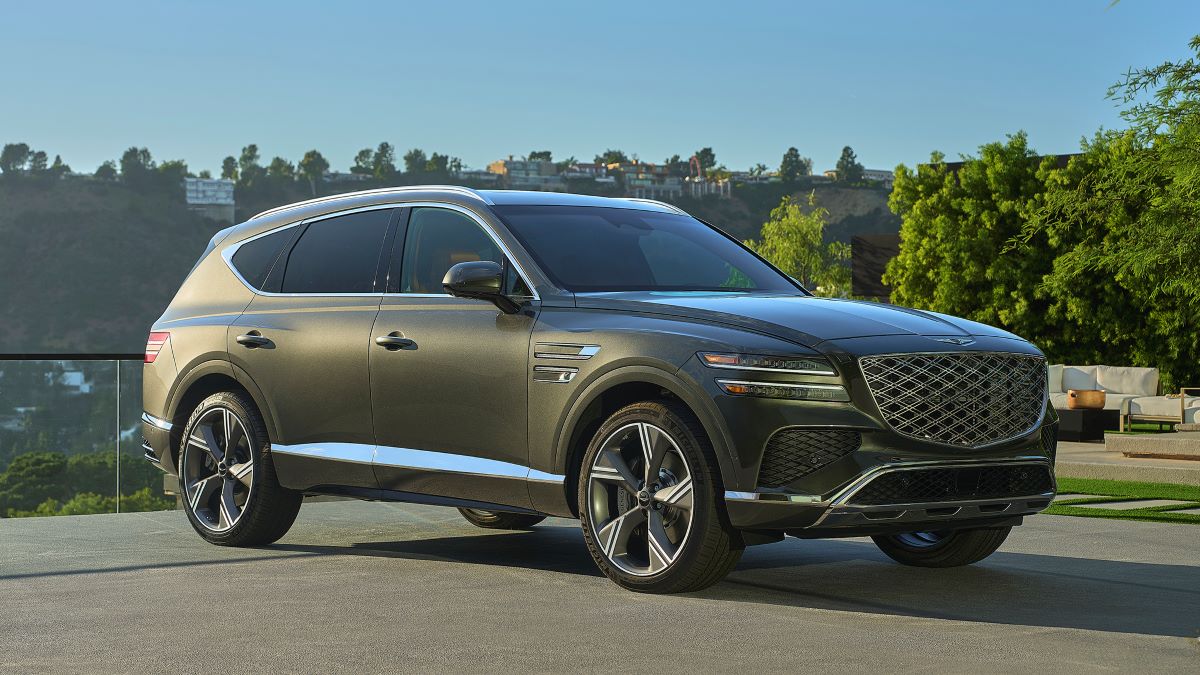
Rear passengers benefit from generous legroom and soft seating, making long trips feel effortless. For buyers seeking refined comfort without the traditional luxury-brand price tag, the GV80 stands out.
A turbocharged 2.5-liter four-cylinder engine producing 300 horsepower serves as the standard powerplant in the Genesis GV80, while higher trims offer a twin-turbocharged 3.5-liter V-6 generating 375 horsepower. Every GV80 is equipped with all-wheel drive and an eight-speed automatic transmission.
Although Genesis’s approach, blending premium materials, refined interior design, and modern technology, is well established among competitors such as the BMW X5, Mercedes-Benz GLE-class, and Volvo XC90, the GV80 distinguishes itself by delivering a level of perceived luxury that suggests a significantly higher price point. In practice, it is priced competitively with, or even below, many of the most popular vehicles in its segment.
For 2023, Genesis has made all-wheel drive standard across the lineup, resulting in a noticeable increase in base pricing compared with the 2022 model. The 2.5T Advanced trim now includes a panoramic sunroof and ventilated seats.
The exterior color palette has been updated, with Capri Blue replacing Adriatic Blue. The four-seat Prestige Signature trim has been discontinued, though the Prestige Matte version remains available, now finished in Makalu Gray rather than Melbourne Gray. All models receive a new oil life monitoring system, along with minor design revisions to the center-console-mounted infotainment control knob and second-row cup holders.
Even the entry-level models come well equipped, featuring a 14.5-inch touchscreen infotainment display, heated front seats, and a power liftgate. However, the twin-turbocharged 3.5-liter V-6, which costs approximately $7,000 more than the four-cylinder, provides a noticeable performance advantage.
The recommended configuration is the 3.5T Prestige, which adds 22-inch wheels, a large digital instrument cluster, Nappa leather upholstery, and adjustable rear seats with heating and ventilation.
Built on the same platform as the G80 sedan, the GV80 benefits from a balanced chassis and standard all-wheel drive. In performance testing, the 375-horsepower twin-turbo V-6 propelled the GV80 to 60 mph in 5.3 seconds.
The turbocharged four-cylinder model recorded a slower 6.1-second run to 60 mph. While the V-6 delivers stronger acceleration, many drivers may find the four-cylinder’s performance sufficient for everyday driving.
6. Volvo XC90
The XC90 delivers comfort through Scandinavian minimalism. Clean lines, natural materials, and some of the industry’s most supportive seats define the cabin. Volvo’s seat design excels on long drives, reducing fatigue better than many competitors.
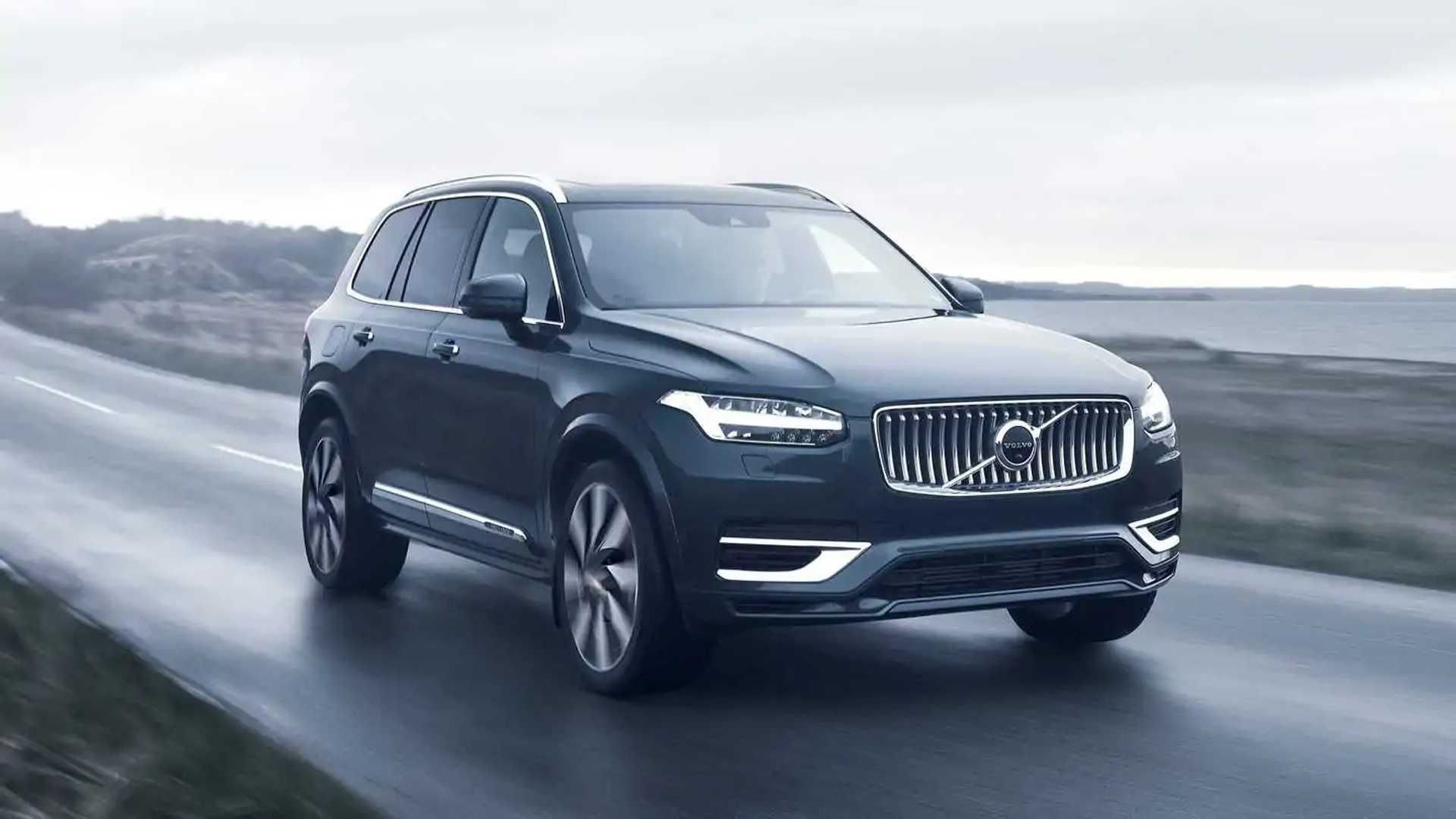
The interior avoids clutter, creating a sense of calm that feels more like a modern living space than a vehicle. It’s an ideal choice for drivers who prefer understated elegance.
To improve efficiency, Volvo has introduced electrification across the XC90 lineup. Although a fully electric version has not yet been launched, even the base Core model incorporates mild-hybrid assistance, pairing a 48-volt electric motor with a 2.0-liter turbocharged four-cylinder engine to produce a combined 247 horsepower.
The B6 powertrain, available on the Plus trim and standard on the Ultimate trim, raises output to 295 horsepower. At the top of the range, the T8 plug-in-hybrid XC90 Recharge generates 455 horsepower and achieves an EPA-estimated 66 MPGe, making it both the most powerful and most efficient variant, though it is evaluated separately. Regardless of trim or engine choice, every XC90 is equipped with all-wheel drive and an eight-speed automatic transmission.
Like many vehicles in this taller SUV segment, the XC90 exhibits noticeable body lean when cornering. However, steering responses are precise, and the steering wheel offers a well-balanced weight that avoids feeling either overly light or excessively heavy.
The example we tested featured the optional air suspension, which delivered a composed and well-isolated ride while managing a variety of road conditions effectively. Over particularly sharp surface imperfections, some chassis noise and minor clatter can be detected, but these issues represent small drawbacks in an otherwise refined and well-executed luxury SUV.
7. Kia Telluride
The Telluride has redefined expectations in the midsize SUV segment. Higher trims offer ventilated seats, soft-touch surfaces, and a spacious second row that rivals more expensive vehicles.
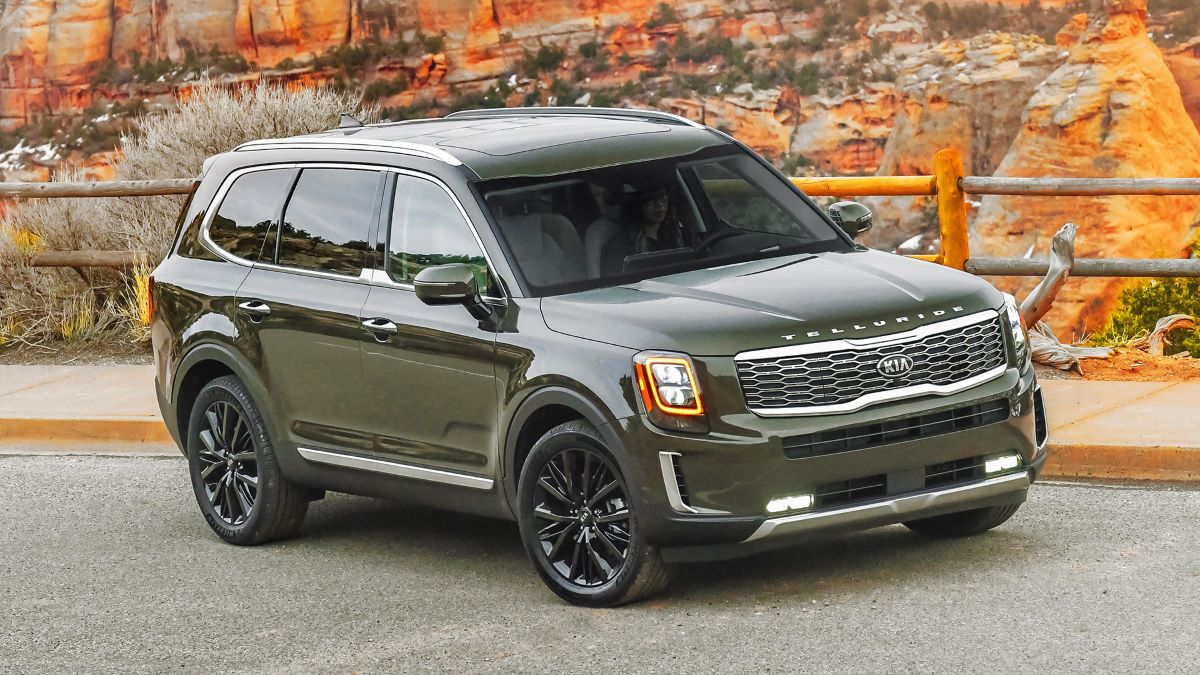
Its ride quality leans toward comfort, and the wide cabin creates a sense of openness that families appreciate. For many American buyers, it represents one of the best value propositions in comfort-focused SUVs.
Every Telluride is powered by a naturally aspirated V-6 engine producing 291 horsepower and 262 lb-ft of torque. The engine is paired with an eight-speed automatic transmission that drives the front wheels in standard configuration, while all-wheel drive is available as an option on all trims.
In our testing, the Telluride X-Line accelerated from 0 to 60 mph in 6.8 seconds. Despite this respectable performance, the engine does not deliver the same immediate throttle response at low speeds as some competing SUVs equipped with turbocharged powertrains.
Ride quality trends toward firmness, and uneven pavement can occasionally unsettle the three-row SUV, causing minor deviations from its intended path. An optional self-leveling rear air suspension is available to enhance ride stability.
Braking performance is strong, and steering response is accurate, with a satisfying weight that contributes to driver confidence. The Telluride offers up to 8.4 inches of ground clearance for light off-road use and has a maximum towing capacity of 5,500 pounds.
8. Chrysler Pacifica
Minivans still dominate when it comes to usable interior space, and the Pacifica showcases why. Its second-row captain’s chairs, flat floor, and wide doors make it exceptionally easy to move around inside.
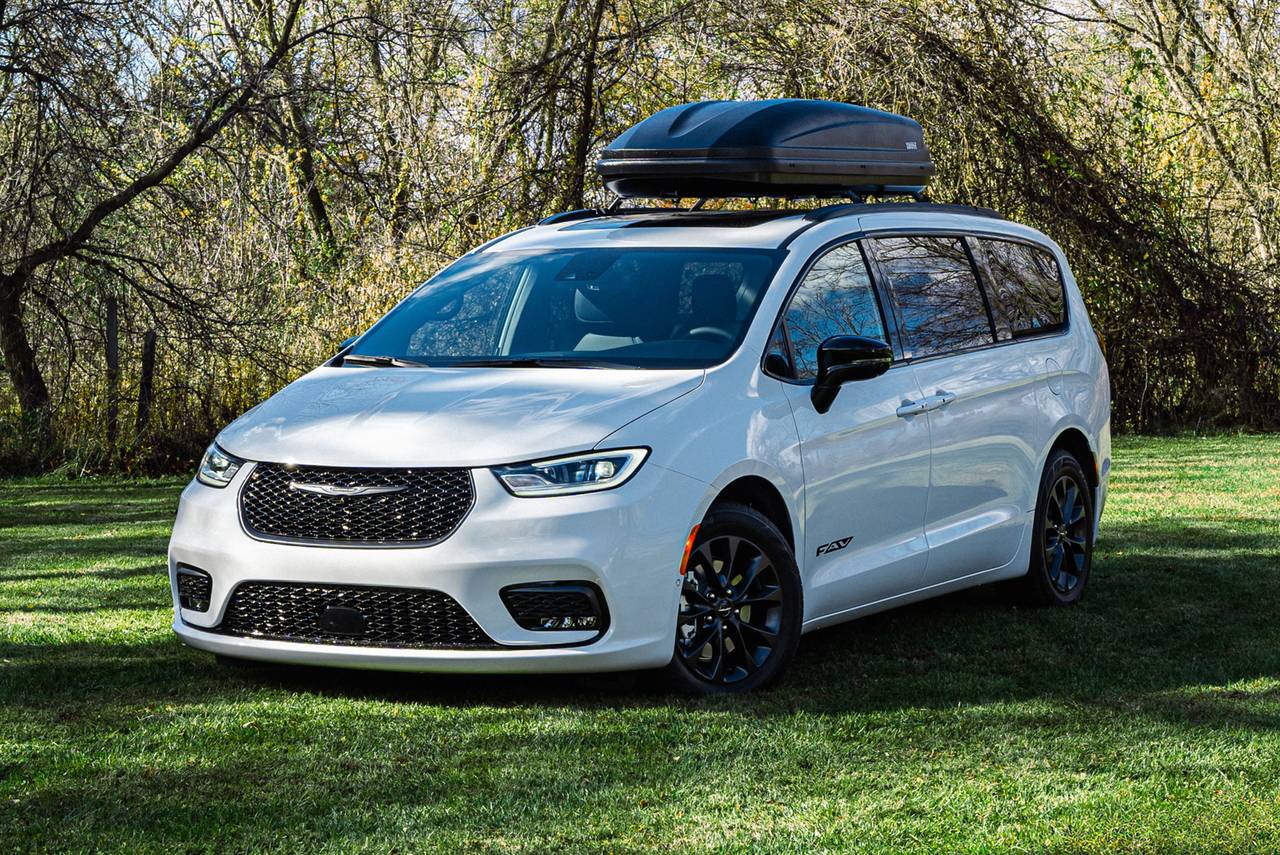
Available rear entertainment and a smooth suspension turn long trips into relaxed journeys. For families, few vehicles offer a more genuine living-room-on-wheels experience.
The Pacifica delivers performance that meets expectations for the segment but does not stand out. Its V-6 engine provides sufficient power for everyday driving, though it does not deliver strong acceleration.
Acceleration times are typical for the class, and braking performance is similarly average. Steering and overall handling are competent but lack distinction. For drivers seeking a more engaging experience, the Toyota Sienna and Honda Odyssey offer superior dynamics from behind the wheel.
The nine-speed automatic transmission generally operates smoothly, but it can occasionally hesitate on steep inclines or declines. In those situations, it may select a gear that feels either too high or too low for the circumstances, requiring additional driver input. As a result, the transmission can demand more attention than expected.
Ride comfort is one of the Pacifica’s stronger attributes. The suspension absorbs a variety of road surfaces with composure, delivering a generally smooth experience.
As with most minivans, noticeable body lean occurs when navigating winding roads, though it remains consistent with competitors in the segment. Large windows contribute to excellent outward visibility and minimize blind spots. The available 360-degree camera system further enhances ease of maneuvering in confined spaces.
9. Toyota Sienna
The hybrid-only Sienna blends efficiency with comfort. Its available second-row ottoman seats feel almost like recliners, while the quiet powertrain keeps cabin noise low.
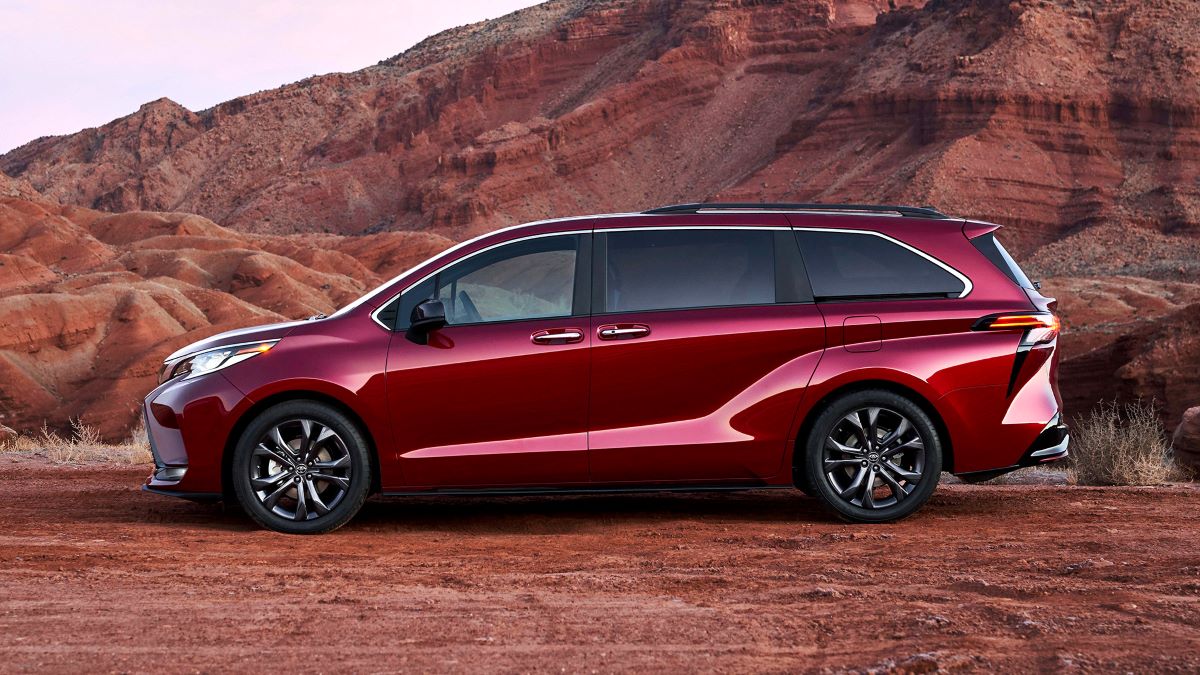
For buyers who want excellent fuel economy without sacrificing passenger comfort, the Sienna delivers a uniquely balanced package.
A year after debuting as a hybrid-only model, the Toyota Sienna remains one of the few minivans still available in the United States and continues to make a strong case for itself. In characteristic Toyota fashion, it comes equipped with a comprehensive suite of standard safety features that contribute to excellent crash-test ratings.
The brand’s longstanding reputation for reliability further enhances its appeal. Power comes from a four-cylinder engine working in conjunction with two electric motors to produce a combined 245 horsepower, all while delivering impressive fuel efficiency for a vehicle of this size and weight.
Combined with a spacious interior capable of seating up to eight passengers and substantial cargo capacity, the Sienna has managed to retain relevance despite the dominance of crossover SUVs.
The Sienna faces competition from the Honda Odyssey, Kia Carnival, and Chrysler Pacifica. Among these rivals, only the Pacifica also offers a hybrid variant, and it is the sole competitor that can be equipped with all-wheel drive to rival the Toyota’s available AWD system. With increasing competition and rising fuel costs, the Sienna’s hybrid strategy remains central to its continued success.
Dimensionally, the 2022 Sienna measures 203.7 inches in length with a 120.5-inch wheelbase. It stands 68.5 inches tall and 78.5 inches wide overall, with front and rear track widths of 67.7 inches and 68.5 inches, respectively. Curb weight is approximately 4,610 pounds.
Built on a modern platform and powered exclusively by its hybrid system, the 2022 Sienna offers competent driving dynamics. The 245-horsepower hybrid setup is paired with an electronically controlled continuously variable transmission (eCVT), and buyers can choose between front-wheel drive and all-wheel drive.
Acceleration is modest rather than brisk, and outright performance is not a highlight. Once underway, however, the Sienna handles predictably. Body roll is present, as expected in a large and heavy vehicle, but light steering effort helps it feel manageable in urban environments.
When driven within its intended parameters, the minivan remains composed. Selecting Sport mode sharpens throttle response slightly, though the Sienna performs best when driven smoothly rather than aggressively.
Ride comfort is one of the Sienna’s strengths. Its substantial mass and well-tuned suspension allow it to absorb most road imperfections with ease. Larger bumps or particularly rough pavement can unsettle it somewhat, but overall refinement is strong.
Wind noise is effectively muted, and the hybrid system contributes to a generally quiet cabin environment. Under heavy acceleration, however, the engine can produce a noticeable drone typical of hybrid powertrains paired with an eCVT.
10. Chevrolet Suburban
The Suburban excels through sheer size. Its long wheelbase provides impressive legroom across all three rows, and recent updates have dramatically improved ride comfort thanks to independent rear suspension.
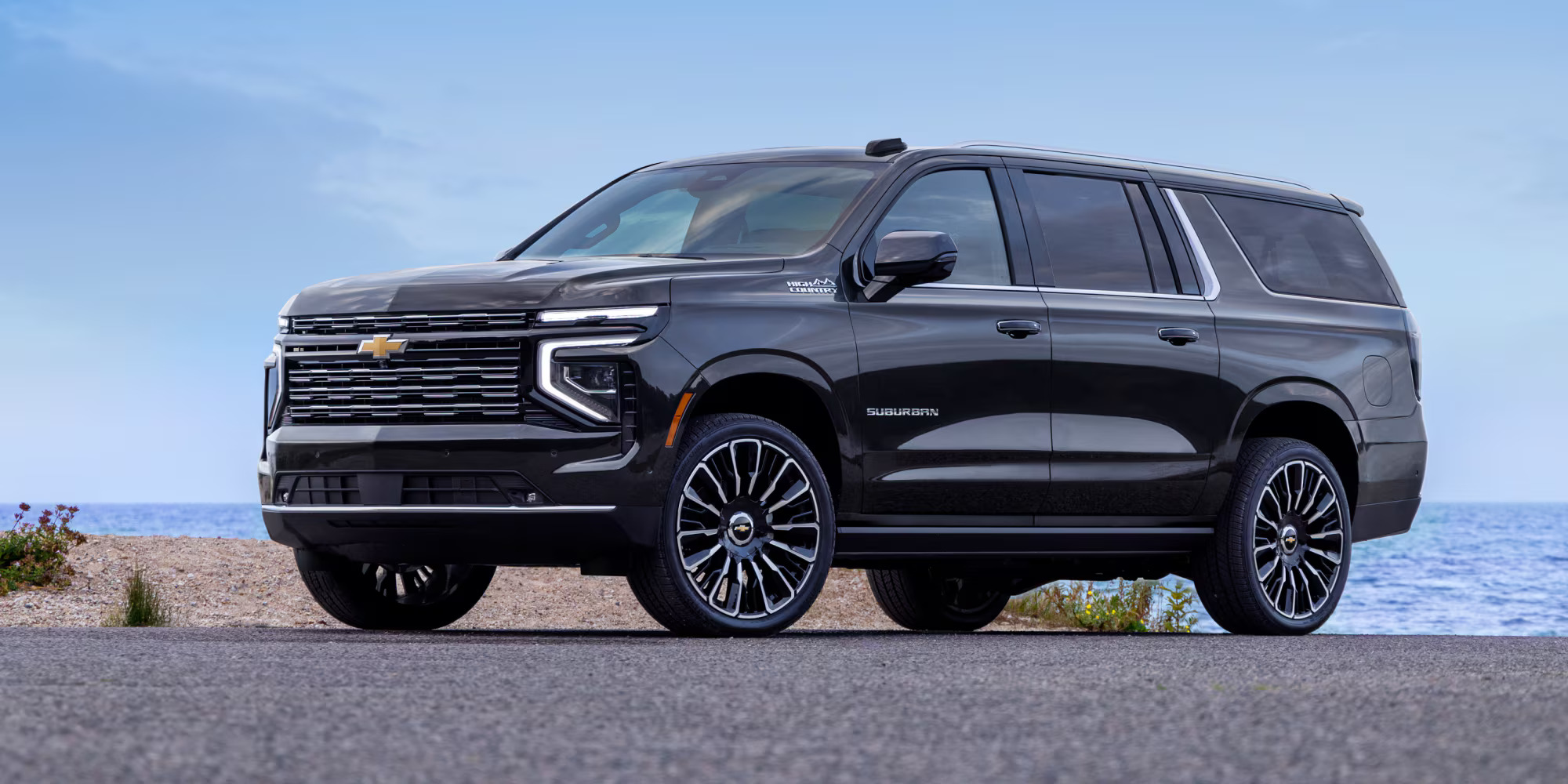
Higher trims add ventilated seats and upscale materials, making it ideal for large families who want both space and refinement.
11. BMW 7 Series
While BMW is known for driving dynamics, the modern 7 Series leans heavily into rear-seat luxury. A massive fold-down theater screen, reclining rear seats, and adaptive air suspension create a surprisingly lounge-like atmosphere.
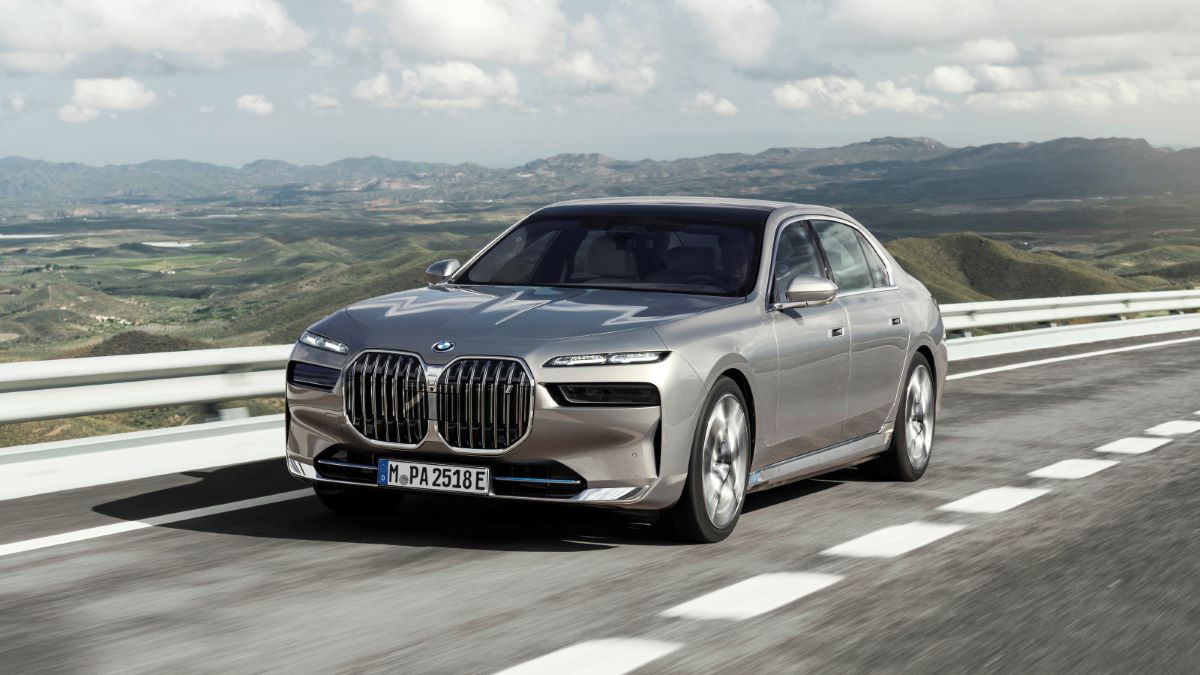
It’s a sedan designed as much for being driven in as driving.
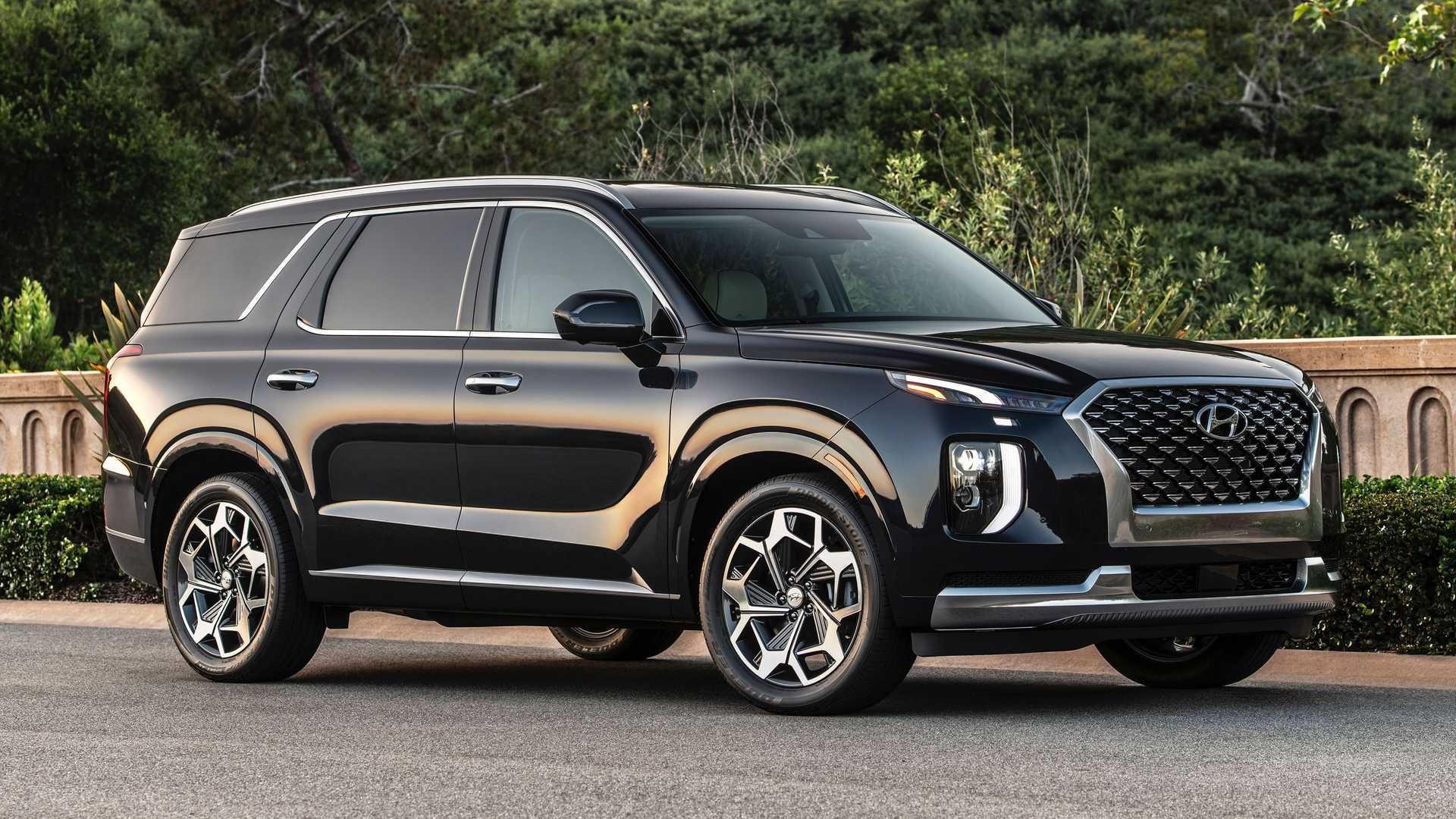
12. Hyundai Palisade
The Palisade brings near-luxury comfort to a mainstream price point. Quilted leather in Calligraphy trims, wide second-row seating, and a compliant suspension give it an upscale feel that surprises many first-time buyers.
It’s an excellent option for those who want premium comfort without stepping into a luxury brand.
Today’s vehicles increasingly serve as personal refuges, places to relax, work, or reconnect with family while on the move.
Whether it’s a flagship luxury sedan, a spacious SUV, or a well-equipped minivan, comfort-focused design now reaches across nearly every segment of the U.S. market.
These twelve models stand out not because they chase lap times or aggressive styling, but because they prioritize what matters most during everyday driving: quiet cabins, supportive seating, smooth rides, and space to breathe.
For buyers seeking a true rolling living room, each of these vehicles offers a compelling take on modern automotive comfort.
