The dynamics of car buying have shifted, and purchasing a new vehicle can now be more cost-effective than opting for a used model. High demand for reliable and affordable vehicles combined with limited availability of lightly used inventory has caused pre-owned prices to rise close to, and sometimes above, the cost of new cars.
Manufacturers are offering incentives, low financing rates, and comprehensive warranties, which further enhance the appeal of buying new. Cars ranging from subcompact sedans like the Nissan Versa and Hyundai Elantra to compact SUVs such as the Subaru Crosstrek, Honda HR-V, and Mazda CX-5 now deliver modern technology, advanced safety features, and long-term reliability at prices comparable to used options.
Buyers also gain the latest infotainment systems, fuel-efficient engines, and comfortable interiors while avoiding the uncertainties associated with older vehicles. This combination of factors has made new cars a smarter investment for many shoppers.
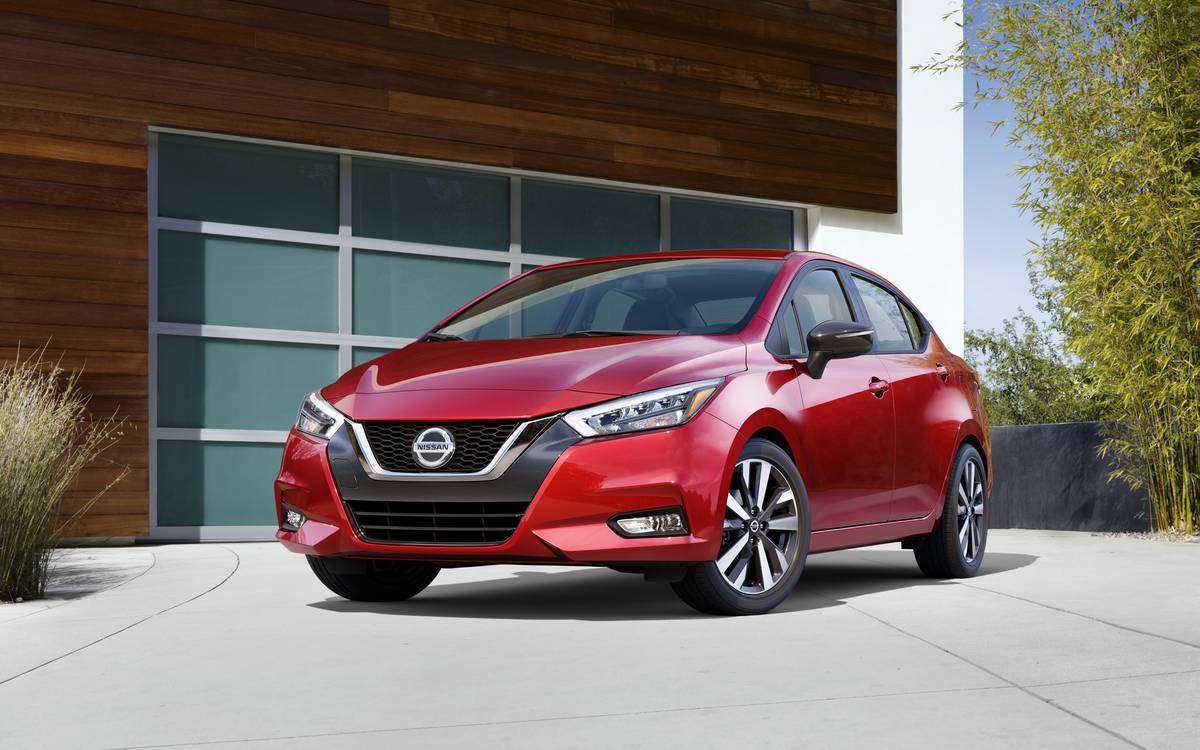
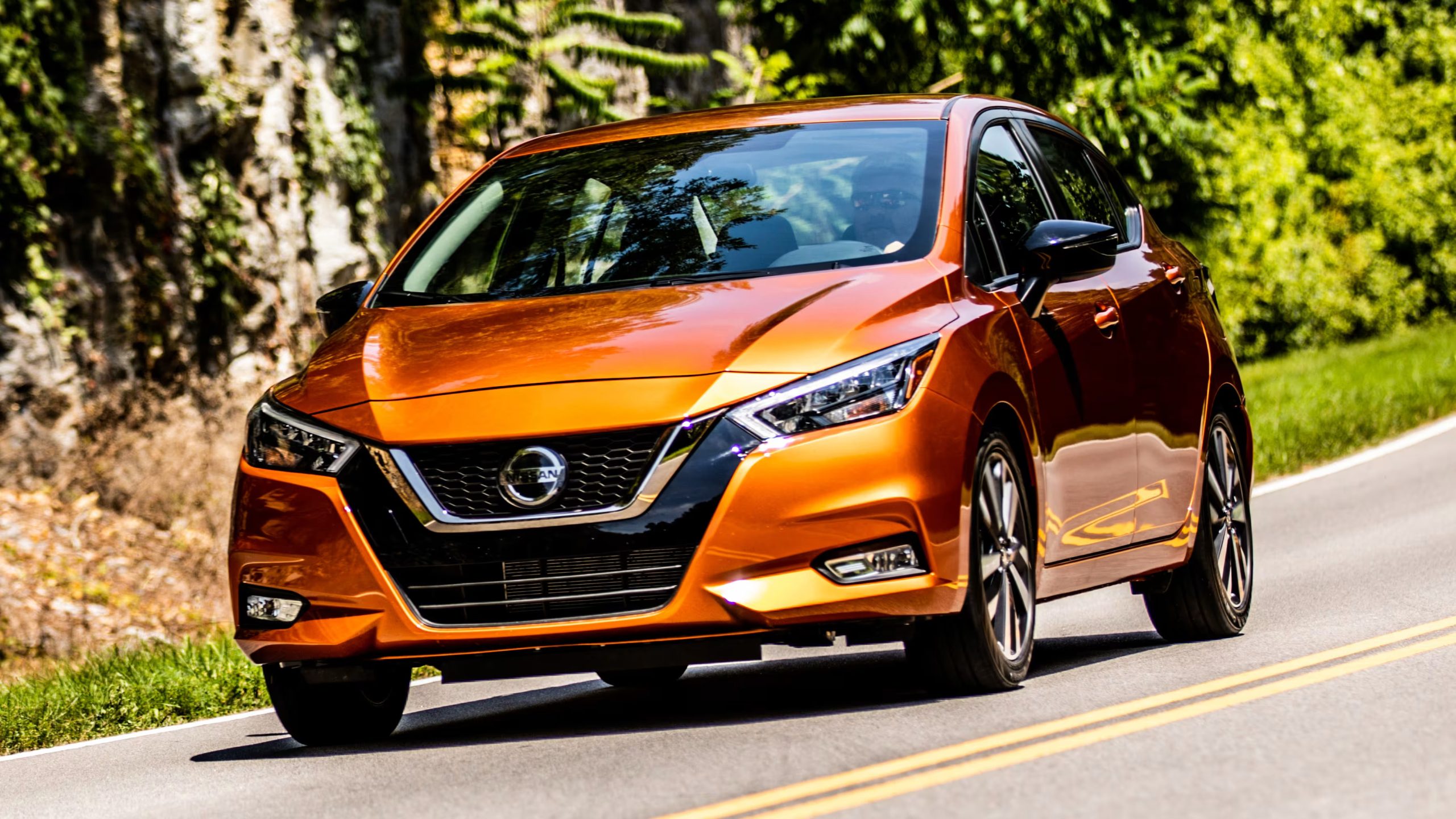
1. Nissan Versa: Budget Pricing with Modern Features
The Nissan Versa remains one of the most affordable new cars in the United States, frequently carrying a starting price between $17,000 and $20,000. For the 2026 model year, it was the last new vehicle available under the $20,000 mark. This extremely low MSRP places it in direct competition with lightly used vehicles, and in many cases, a new Versa costs only slightly more than a two or three year old model. 4
Strong demand for affordable transportation has kept used car prices elevated, while older Versas experienced steep depreciation. As a result, buyers often gain better value by choosing a new model that includes a full factory warranty, updated safety technology, and access to low interest financing incentives.
Every Versa is powered by a 122 horsepower four cylinder engine that sends power to the front wheels. A five speed manual transmission comes standard on the base S trim, while a continuously variable transmission is optional on the S and standard on the SV and SR trims.
Acceleration is modest, with a 0 to 60 mph time of about 9.5 seconds in testing, yet the ride quality is smooth and composed. Steering feels accurate, braking is predictable, and the CVT helps maintain steady power delivery. Fuel economy is a strong point, reaching up to 32 mpg in the city and 40 mpg on the highway with the CVT.
The interior reflects meaningful improvements compared with earlier generations. Soft touch materials and a cleaner dashboard design create a more refined atmosphere. The SV trim adds a digital gauge display, wireless charging, and a center console with armrest, while the SR includes automatic climate control, remote start, and passive entry.
Apple CarPlay and Android Auto are standard on SV and SR models. The cabin seats four adults comfortably and offers generous trunk space capable of holding six carry on suitcases, expanding significantly with the rear seats folded.
Standard safety features include automatic emergency braking, lane departure warning, and automatic high beams. Nissan provides a three year or 36,000 mile limited warranty, a five year or 60,000 mile powertrain warranty, and two years of complimentary maintenance, reinforcing the Versa’s reputation as a smart financial choice.
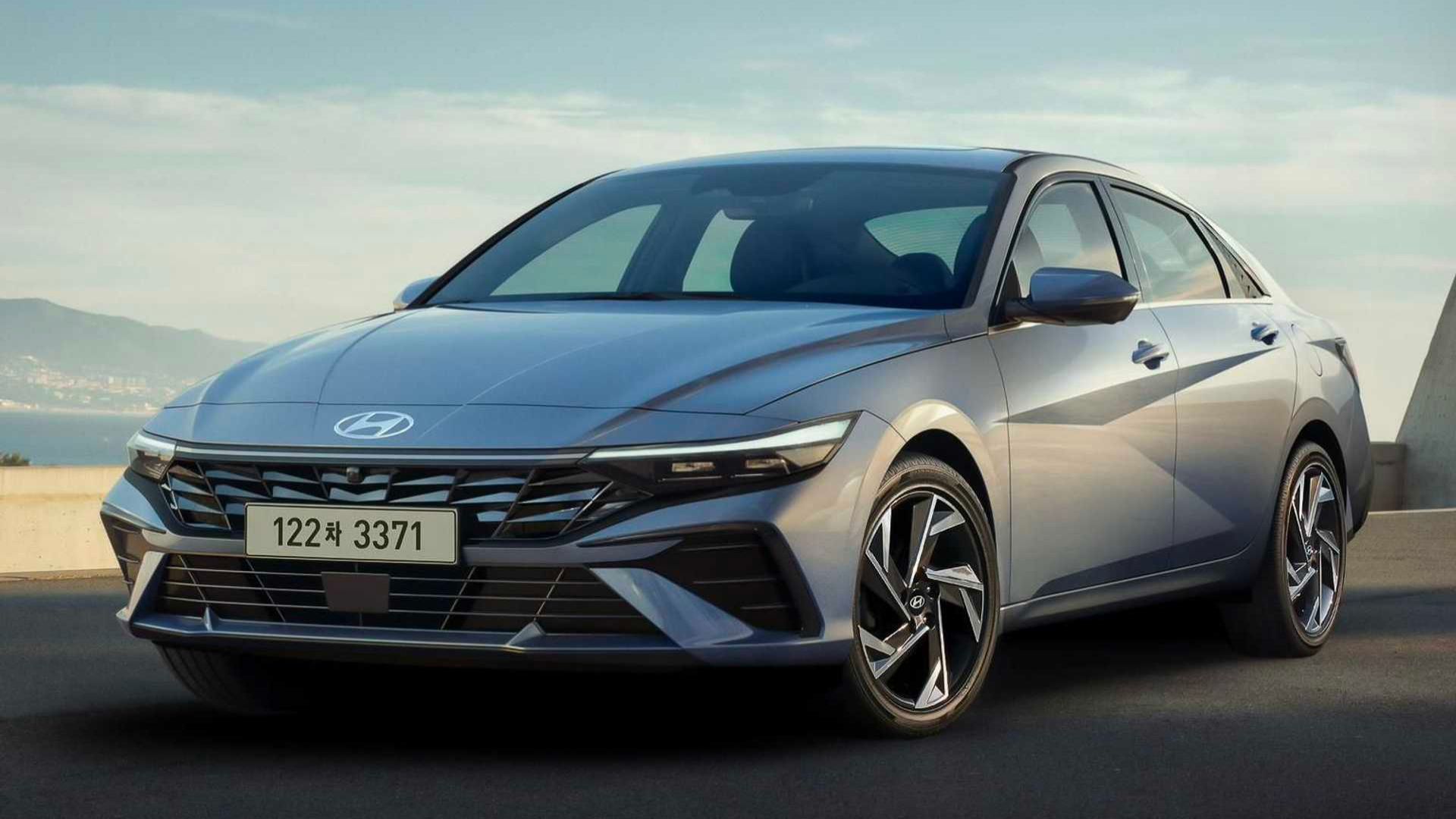
2. Hyundai Elantra: Strong Incentives and Long-Term Value
The Hyundai Elantra delivers impressive value in today’s market, where pricing gaps between new and used vehicles have narrowed. Thanks to competitive MSRP pricing and generous manufacturer incentives, a brand new Elantra can sometimes cost only slightly more than a lightly used model.
High demand for affordable used cars has kept pre owned prices elevated, while Hyundai dealerships frequently offer rebates and low APR financing on new vehicles. Because used car loans often carry higher interest rates, monthly payments on a new Elantra may rival or even undercut those of a used version.
When factoring in warranty coverage, maintenance costs, and total ownership expenses over three to five years, the new Elantra can emerge as the smarter financial choice.
The 2026 model continues to enhance its appeal with upgraded technology, including improved infotainment and broader availability of wireless Apple CarPlay and Android Auto.
Buyers benefit from modern connectivity and updated safety features without paying a significant premium over older models. Hyundai’s strong warranty coverage further strengthens the value proposition, providing peace of mind that many used vehicles cannot match.
Under the hood, the Elantra offers several powertrains. The standard 147 horsepower 2.0 liter four cylinder pairs with a continuously variable automatic transmission and front wheel drive. For drivers seeking stronger performance, the N Line trim features a 201 horsepower turbocharged 1.6 liter engine and a seven speed dual clutch automatic.
There is also a hybrid option that combines a 1.6 liter engine with an electric motor for 139 horsepower and uses a six speed dual clutch automatic. The turbocharged N Line delivers the quickest acceleration, with an estimated 0 to 60 mph time around 6.5 seconds, while the standard and hybrid models reach 60 mph in just over eight seconds.
Fuel efficiency remains a highlight. The standard engine can achieve up to 31 mpg city and 40 mpg highway, while the hybrid Blue trim is rated as high as 51 mpg city and 58 mpg highway. In testing, the hybrid returned 48 mpg on a 75 mph highway route.
Inside, the cabin balances style and practicality, offering generous passenger space and a usable trunk that holds six carry on suitcases. Standard safety features include automated emergency braking and lane keeping assist, while higher trims add adaptive cruise control.
Hyundai backs the Elantra with a five year or 60,000 mile limited warranty, a 10 year or 100,000 mile powertrain warranty, and three years of complimentary maintenance, reinforcing its long term value.
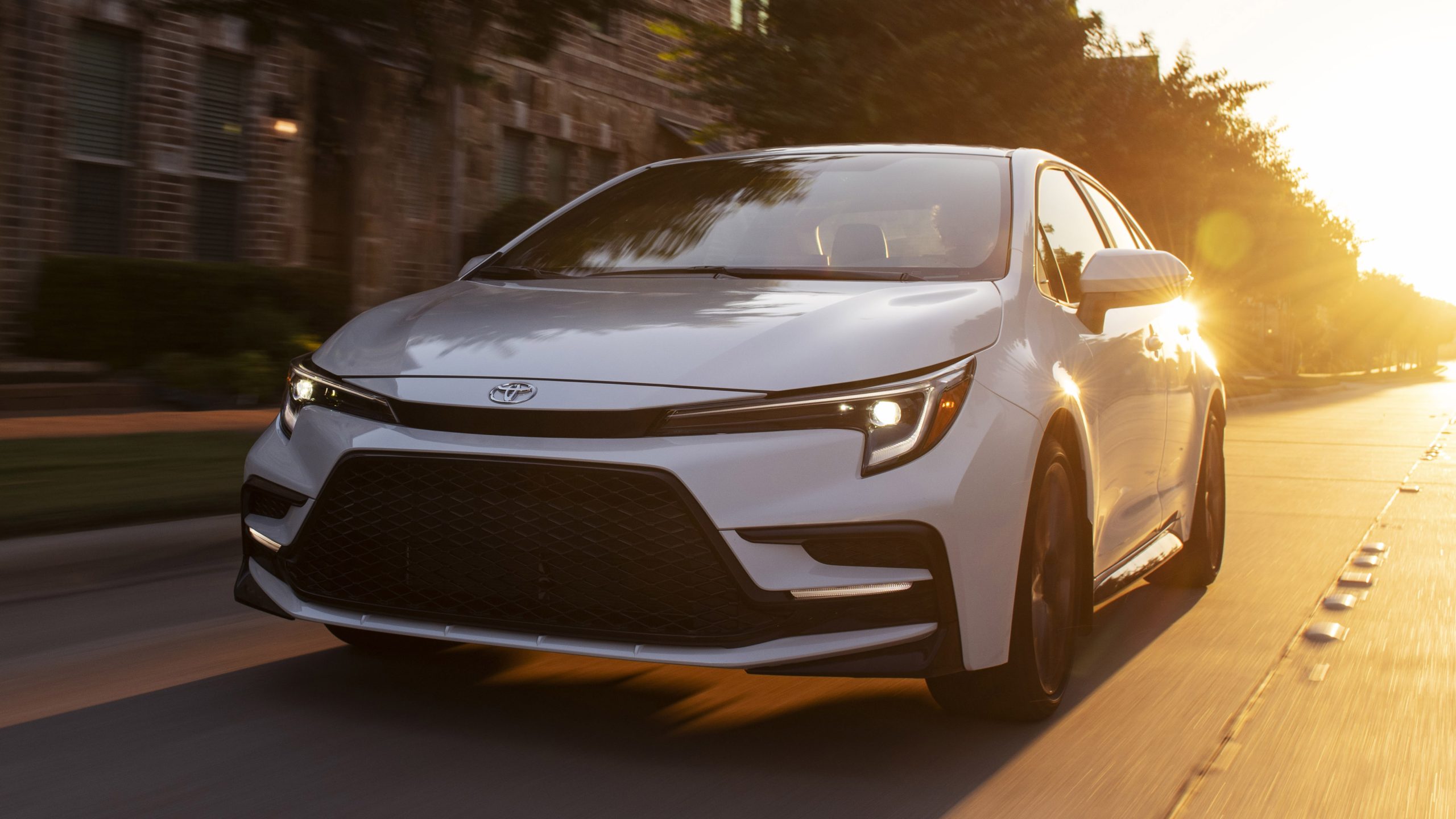
3. Toyota Corolla: High Resale Value and Smart New-Car Appeal
The Toyota Corolla has long been known for reliability and strong resale value, but current market conditions have created situations where buying new can make more financial sense than purchasing used. Intense demand for affordable, fuel efficient vehicles has pushed used Corolla prices unusually high.
In some cases, lightly used models have been priced very close to or even above newer versions due to limited supply and strong brand loyalty. Reports have shown that certain 2020 to 2021 used models carried median prices higher than a new 2022 example, illustrating how market imbalances can narrow or eliminate the typical savings associated with buying used.
One major factor is the Corolla’s exceptional residual value. Because it holds its worth so well, a one to three year old model often does not experience the steep depreciation seen with many other vehicles. When combined with better financing rates on new cars, buyers may find that monthly payments on a new Corolla are similar to those of a used one financed at a higher interest rate.
Additionally, a new model provides the latest safety systems, updated infotainment technology, and full warranty coverage, all of which add tangible value. Hybrid variants further complicate the equation, as strong demand for fuel efficiency has occasionally made used Corolla Hybrids five to ten percent more expensive than brand new models.
Performance remains steady and practical. The standard Corolla uses a 169 horsepower 2.0 liter four cylinder engine paired with a continuously variable automatic transmission and front wheel drive.
Acceleration is modest, with tested 0 to 60 mph times ranging from about 8.3 to 9.0 seconds depending on configuration. The ride quality is comfortable and composed, with controlled body motions and dependable braking. Sport oriented SE and XSE trims add a firmer suspension for improved handling.
Fuel economy is another highlight. Gas powered models achieve up to 32 mpg city and 41 mpg highway, while hybrids are rated as high as 53 mpg city and 46 mpg highway.
Inside, both sedan and hatchback models offer an 8.0 inch touchscreen with Apple CarPlay and Android Auto, along with standard driver assistance features under Toyota Safety Sense 3.0. Toyota backs the Corolla with competitive warranty coverage and two years of complimentary maintenance, reinforcing its lasting appeal.
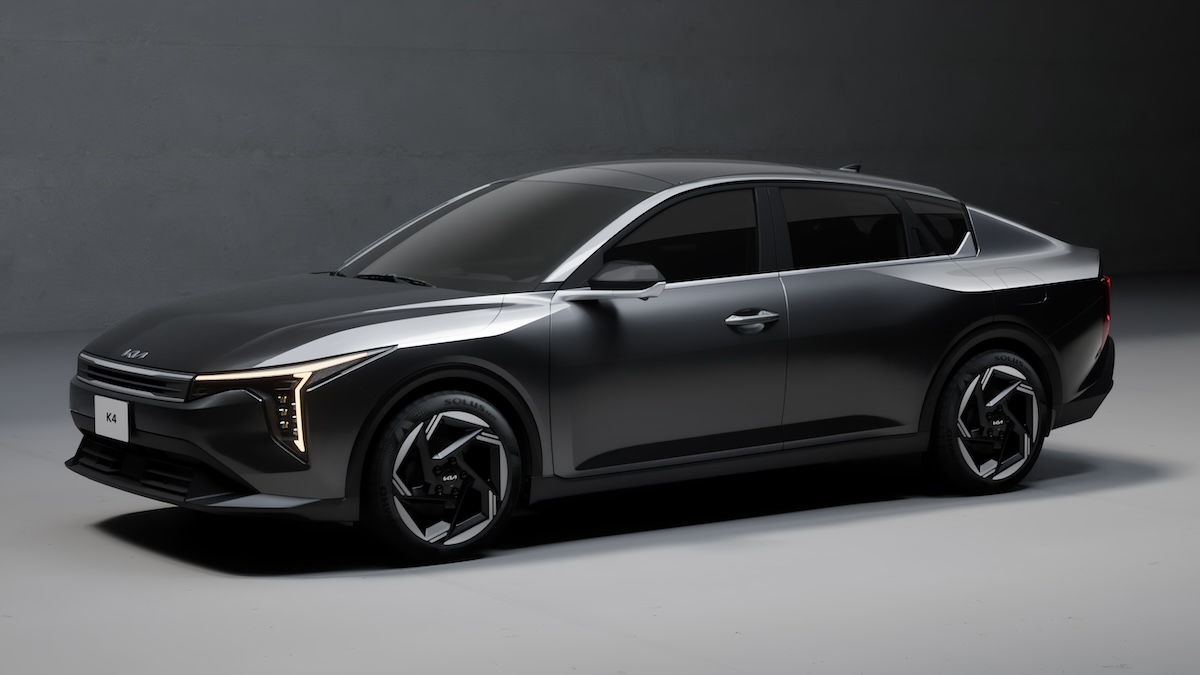
4. Kia K4: New-Car Value in a Tight Market
The all new Kia K4 enters the compact sedan segment with bold styling, a roomy interior, and aggressive pricing that challenges both new and used rivals. With a base LX trim starting at roughly $23,385, the K4 undercuts many competitors while delivering a high level of standard equipment.
In today’s market, where used vehicle prices remain elevated due to supply shortages and strong demand, the price gap between a new and lightly used compact car can be surprisingly small. Kia’s strategy of offering generous incentives and low APR financing on new models often makes a brand new K4 as affordable, or even more affordable, than a comparable used alternative.
One of the biggest advantages of buying new is warranty coverage. The K4 includes a five year or 60,000 mile limited warranty and an industry leading 10 year or 100,000 mile powertrain warranty.
When factoring in the potential maintenance costs of a used vehicle and higher interest rates on used car loans, the financial case for choosing new becomes even stronger. The K4 also comes packed with modern technology and safety features that may not be present on similarly priced used cars, reinforcing its strong value proposition.
Under the hood, most K4 models use a 147 horsepower 2.0 liter four cylinder engine paired with a continuously variable automatic transmission and front wheel drive. This setup prioritizes refinement and efficiency over quick acceleration.
For those seeking more power, the GT Line Turbo trim offers a 190 horsepower turbocharged 1.6 liter engine matched with a conventional eight speed automatic transmission. The turbo model reaches 60 mph in about 7.3 seconds and features a more advanced multi link rear suspension, though its driving character remains composed rather than sporty.
Fuel economy is competitive within the segment. The base engine earns EPA ratings of 30 mpg city and 40 mpg highway, while the turbocharged version delivers 26 mpg city and 36 mpg highway. On a 75 mph highway test route, the turbo achieved 35 mpg.
Inside, the K4 emphasizes a clean, tech forward design. A standard 12.3 inch infotainment screen anchors the dashboard, and higher trims offer dual 12.3 inch displays integrated into a single panel.
Wireless Apple CarPlay and Android Auto are standard, and a full suite of driver assistance features comes included. With its combination of modern styling, strong warranty coverage, and competitive pricing, the K4 stands out as a compelling new car alternative to inflated used options.
5. Chevrolet Trax: Affordable Redesign with Modern Appeal
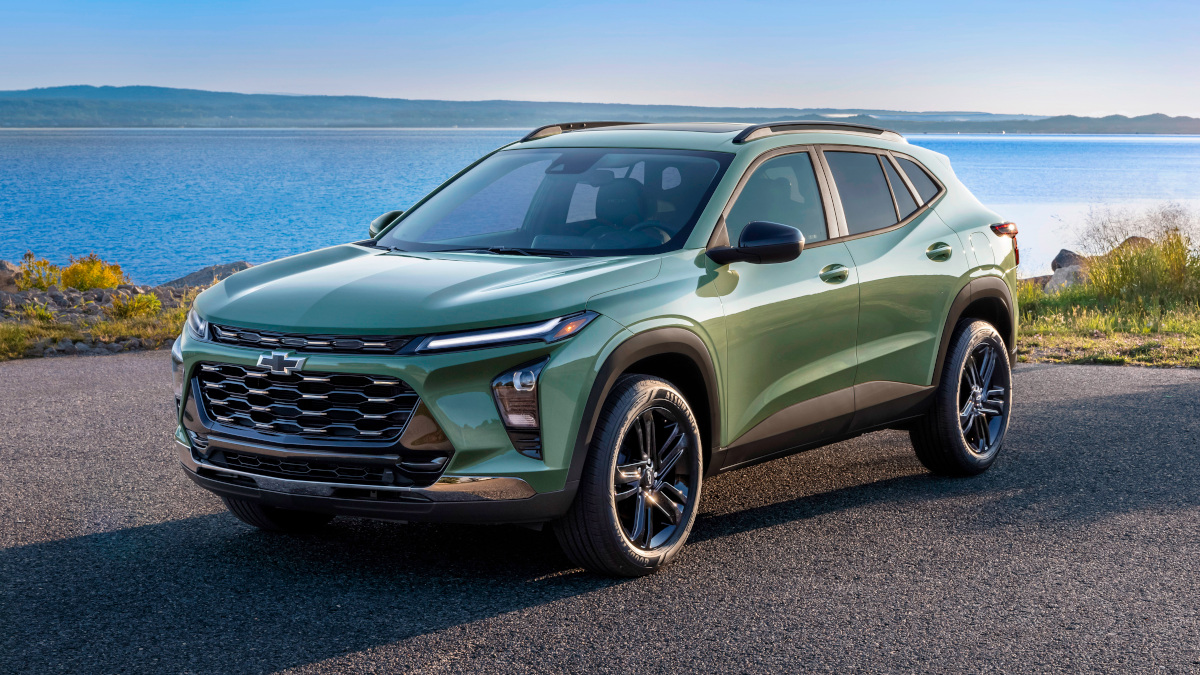
The completely redesigned Chevrolet Trax has emerged as one of the most affordable new crossovers on the market, with a starting MSRP around $21,500 for 2024 through 2026 models. This aggressive pricing places it in direct competition with many used subcompact SUVs that remain expensive due to lingering inventory shortages and strong consumer demand.
In some cases, a lightly used older generation SUV costs nearly the same as a brand new Trax. With updated styling, improved space, modern technology, and a full factory warranty, the new Trax presents a compelling financial case over used alternatives.
Several market trends explain this pricing advantage. Pandemic era supply disruptions pushed used vehicle prices higher, shrinking the typical depreciation gap between new and pre owned models. When Chevrolet introduced the redesigned Trax at a lower entry price than before, it effectively reset expectations in the segment.
Buyers now have access to a more refined and better equipped vehicle without paying a premium. Standard features such as wireless Apple CarPlay and Android Auto, along with the Chevy Safety Assist suite of driver assistance technologies, add further value compared with older models that may lack these upgrades. Lower financing rates for new vehicles also strengthen the argument for buying new.
The Trax is powered by a 137 horsepower turbocharged 1.2 liter three cylinder engine paired with a six speed automatic transmission and front wheel drive. While all wheel drive is not available, the conventional automatic transmission provides smooth shifts and avoids the droning often associated with continuously variable transmissions in rivals like the Honda HR V and Subaru Crosstrek.
Acceleration is adequate for daily driving, reaching 60 mph in about 8.8 seconds, though highway passing requires some planning. Handling feels agile and carlike, with predictable steering and confident brake response.
Fuel economy is competitive, with EPA estimates of 28 mpg city and 31 mpg highway. Inside, the longer wheelbase improves rear legroom and cargo space compared with the previous generation.
An 8.0 inch touchscreen is standard, with an available 11.0 inch display on higher trims. With its combination of low pricing, expanded space, and modern features, the Trax stands out as a smart new vehicle choice in a market where used prices remain elevated.
Also Read: 5 Cars With Simple Dash Layouts vs 5 With Confusing Ones
6. Hyundai Venue: Small Size, Strong Value
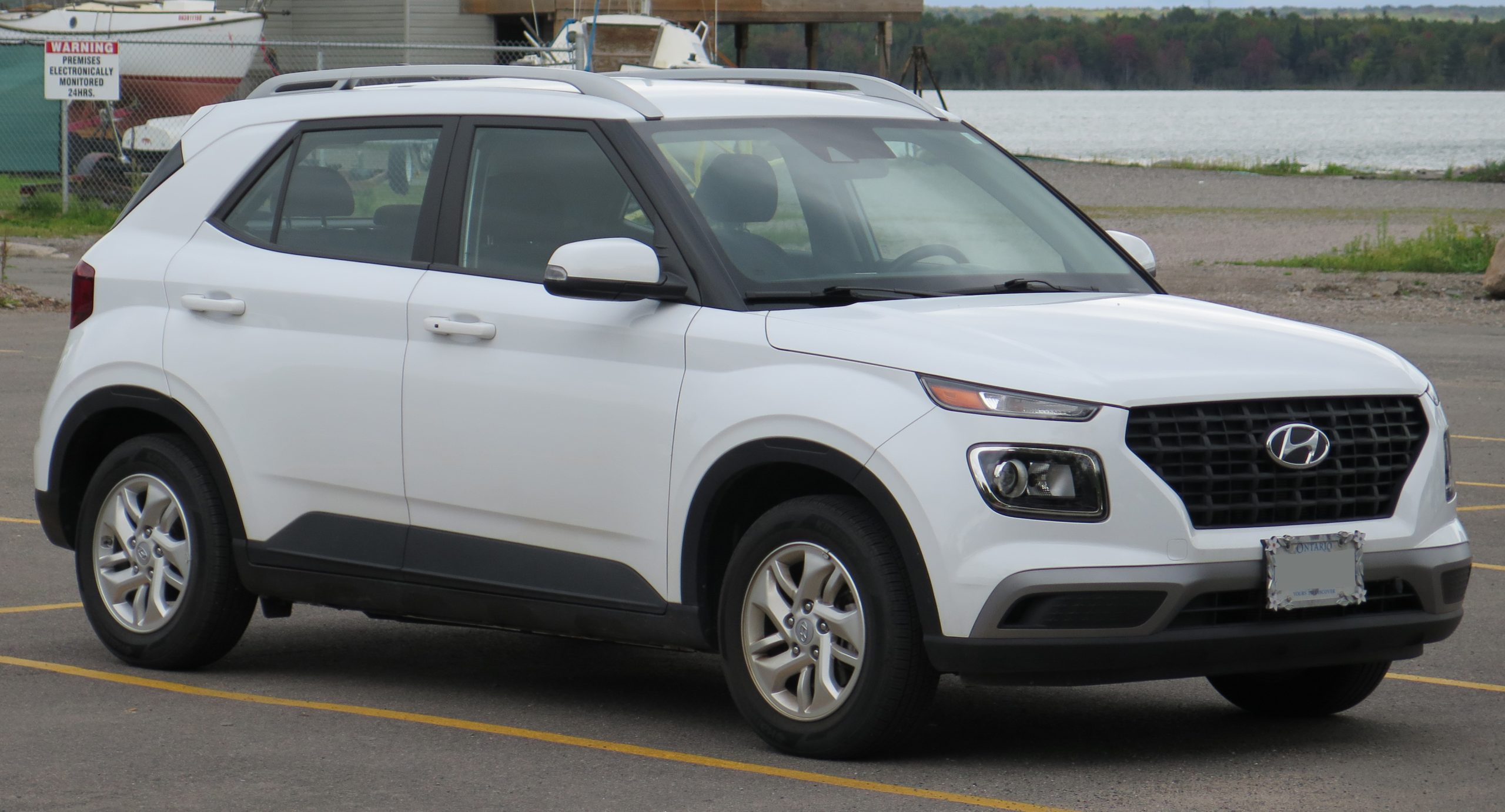
The Hyundai Venue stands out as one of the most affordable new crossovers in the United States, often priced close to used vehicles in the same segment. Its low base MSRP, combined with strong resale value and high demand, has created a market situation where buying new can make more financial sense than purchasing a lightly used model.
Because the Venue depreciates slowly, used prices frequently remain close to new ones. When factoring in special financing incentives, lower interest rates on new car loans, and full factory warranty coverage, the new Venue can represent the smarter long term investment.
Demand for affordable subcompact SUVs has remained high as consumers seek practical and efficient transportation. Limited used inventory and dealer markups have further narrowed the price gap between new and pre owned models.
With only a small difference in upfront cost, buyers may prefer the peace of mind that comes with a new vehicle, including modern safety features and comprehensive warranty protection. Hyundai’s generous coverage adds significant value, offering five years or 60,000 miles of limited warranty protection and a 10 year or 100,000 mile powertrain warranty, along with three years of complimentary maintenance.
Under the hood, the Venue features a 121 horsepower four cylinder engine paired with a continuously variable automatic transmission and front wheel drive.
While acceleration is modest, with a 0 to 60 mph time of about 8.5 seconds, the Venue feels responsive in city driving thanks to its compact dimensions and agile steering. Highway performance is less confident, particularly during passing maneuvers, and all wheel drive is not available.
Fuel efficiency remains a key strength. The Venue is rated at 29 mpg in the city and 33 mpg on the highway, with real world highway testing returning around 31 mpg. Inside, the cabin is well assembled and practical, offering an 8.0 inch touchscreen with wireless Apple CarPlay and Android Auto.
Passenger space is generous for a subcompact, and cargo capacity ranges from 19 cubic feet behind the rear seats to 32 cubic feet with them folded. With its blend of affordability, efficiency, and warranty coverage, the Venue presents compelling value in a competitive market.
7. Buick Envista: Premium Style at an Accessible Price
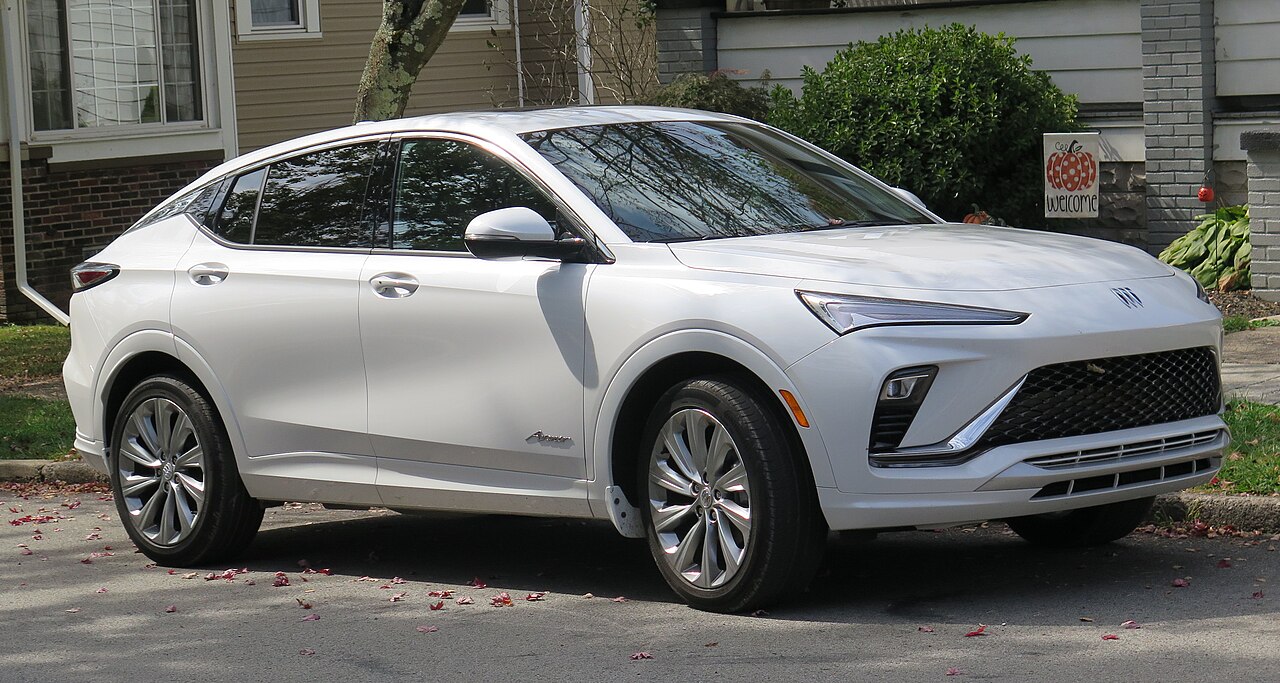
The Buick Envista blends sleek, coupe inspired styling with an entry level luxury feel at a price that rivals many used crossovers. Positioned as an affordable yet upscale compact SUV, the Envista often undercuts similarly priced pre owned vehicles, especially in a market where used car demand remains strong.
High incentives on new models, low APR financing offers, and slower sales velocity for new inventory have created opportunities for buyers to secure meaningful discounts below MSRP. In contrast, used Envistas tend to sell quickly and retain relatively high resale values, narrowing or even eliminating the typical savings of buying pre owned.
Market conditions play a major role in this pricing dynamic. Limited availability of lightly used vehicles across the industry has pushed up prices for three year old models. At the same time, new Envistas frequently sit longer on dealer lots, giving shoppers leverage to negotiate.
With projected value retention of around 47 percent after three years, used prices remain firm. However, special financing offers such as low interest rates for qualified buyers can make the total cost of a new Envista lower than financing a used example at a higher rate. Buyers also gain the assurance of full warranty coverage and a clear maintenance history.
Every Envista is powered by a turbocharged 1.2 liter three cylinder engine producing 137 horsepower, paired with a six speed automatic transmission and front wheel drive. Acceleration is adequate for city driving, though highway passing requires patience, with a 0 to 60 mph time of 9.3 seconds. The driving experience focuses on comfort rather than sportiness, delivering composed handling, precise steering, and a controlled ride.
Fuel economy is competitive, with EPA estimates of 28 mpg city and 32 mpg highway. Inside, the Envista offers a spacious cabin for four passengers and a stylish dashboard featuring an 8.0 inch digital gauge cluster and an 11.0 inch infotainment touchscreen with wireless Apple CarPlay and Android Auto.
Cargo capacity reaches 20 cubic feet behind the rear seats and 42 cubic feet with them folded. With modern technology, upscale design, and attractive pricing, the Envista presents a compelling new vehicle alternative to high priced used crossovers.
8. Subaru Crosstrek: High Resale Value Narrows the New vs. Used Gap
The Subaru Crosstrek is known for exceptional resale value, which has created a market where used models often cost nearly as much as new ones. Strong demand, limited affordable used inventory, and slow depreciation have kept pre owned prices elevated.
In recent years, used Crosstrek values rose sharply, and only a small percentage of models have been available under $20,000 compared with several years ago. Because the typical price gap between a one to three year old model and a brand new version can be surprisingly small, many buyers find that purchasing new offers better long term value.
One key reason is depreciation. The Crosstrek retains roughly 50 percent of its value after five years, far stronger than many competitors. That strength in the used market benefits sellers but makes it harder for buyers to secure significant savings.
When combined with higher interest rates on used car loans, the monthly payment for a used Crosstrek can approach that of a new one financed through manufacturer backed incentives. A new model also provides full warranty coverage, reducing the risk of costly repairs that could erase any savings from buying used.
Performance remains consistent across the lineup. All models come with a 180 horsepower 2.5 liter four cylinder engine paired with a continuously variable automatic transmission and standard all wheel drive. Acceleration is adequate, with 0 to 60 mph times ranging from about 8.1 to 8.6 seconds depending on trim.
The Crosstrek emphasizes comfort over sportiness, delivering a soft ride and composed handling. While it may not match the driving excitement of some rivals, it stands out with at least 8.7 inches of ground clearance and useful off road features such as hill descent control. The Wilderness trim increases clearance to 9.3 inches and boosts towing capacity to 3,500 pounds.
Fuel economy is competitive, with EPA ratings up to 26 mpg city and 33 mpg highway. In highway testing, models achieved up to 36 mpg. Inside, the Crosstrek offers generous passenger space and up to 55 cubic feet of cargo capacity with the rear seats folded.
Standard EyeSight driver assistance technology and Subaru’s balanced approach to practicality and capability reinforce why many buyers choose new when prices are so close.
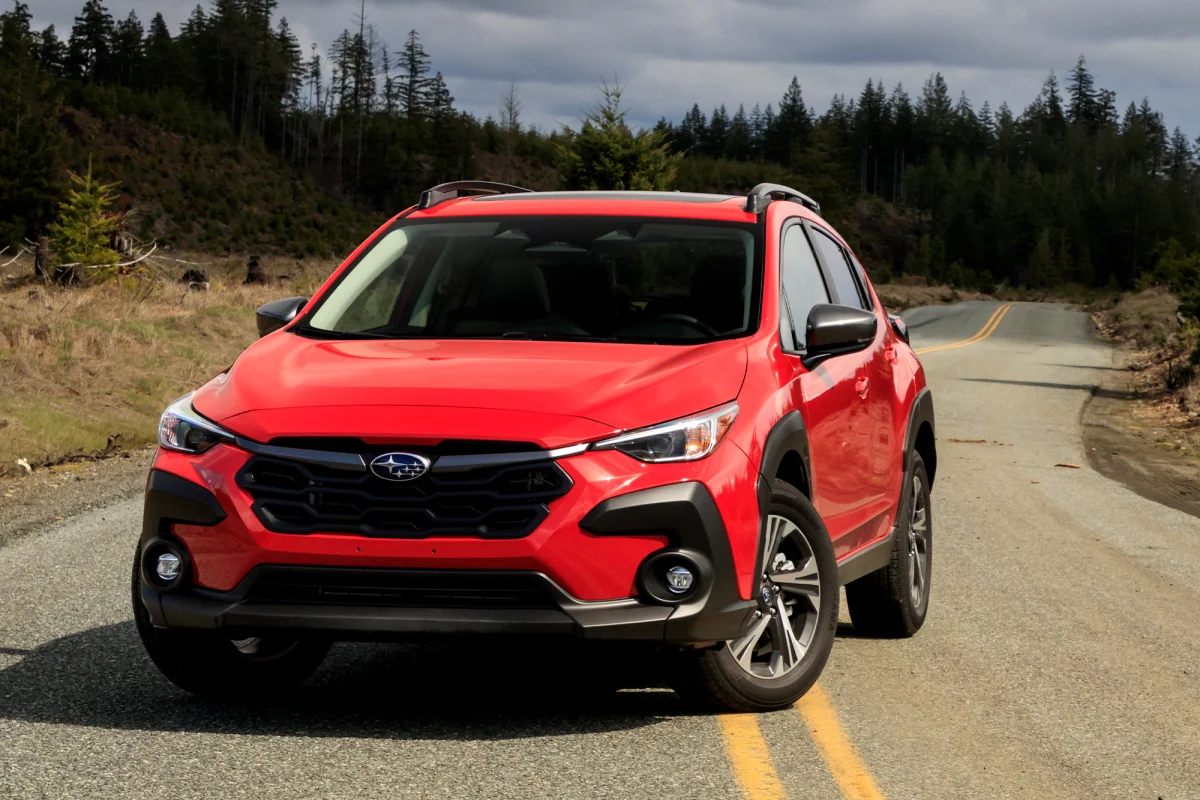
9. Honda HR-V: Strong Resale Value Makes Buying New a Smart Move
The Honda HR-V has built a reputation for reliability, efficiency, and long term value. Like the Toyota Corolla and Subaru Crosstrek, it holds its value exceptionally well in the used market.
While that is good news for owners, it creates an unusual situation for buyers. Used HR-V models often sell for prices very close to new ones, sometimes only a few thousand dollars less. Because of this narrow price gap, purchasing a brand new HR-V can make stronger financial sense.
Several factors keep used HR-V prices elevated. High demand for small SUVs, limited used inventory, and Honda’s strong brand reputation contribute to slow depreciation. In some cases, two to three year old models retain so much value that they compete directly with the pricing of new base trims.
Higher trim used models such as EX-L variants can even approach the cost of a new entry level version. Market conditions in recent years, including tight new vehicle supply, have further inflated used car prices.
Buying new offers advantages that can outweigh the modest cost difference. New HR-V models come with a full factory warranty, reducing the risk of unexpected repair expenses.
Financing incentives and lower interest rates on new vehicles can also help lower monthly payments compared to higher rate used car loans. Buyers also benefit from updated technology, improved safety systems, and the latest infotainment features without paying inflated used market prices.
In the United States, the HR-V is powered by a 158 horsepower 2.0 liter four cylinder engine paired with a continuously variable automatic transmission. Front wheel drive is standard, with all wheel drive available. Acceleration is modest, with a 0 to 60 mph time of 9.4 seconds, prioritizing efficiency over performance. Fuel economy reaches up to 26 mpg city and 32 mpg highway in front wheel drive models.
Inside, the HR-V features a modern cabin inspired by the Civic, generous cargo space capable of holding up to 22 carry on suitcases with the rear seats folded, and a standard 9.0 inch touchscreen with wireless smartphone connectivity. Standard driver assistance features and a practical design reinforce why choosing new can be a smarter long term investment.
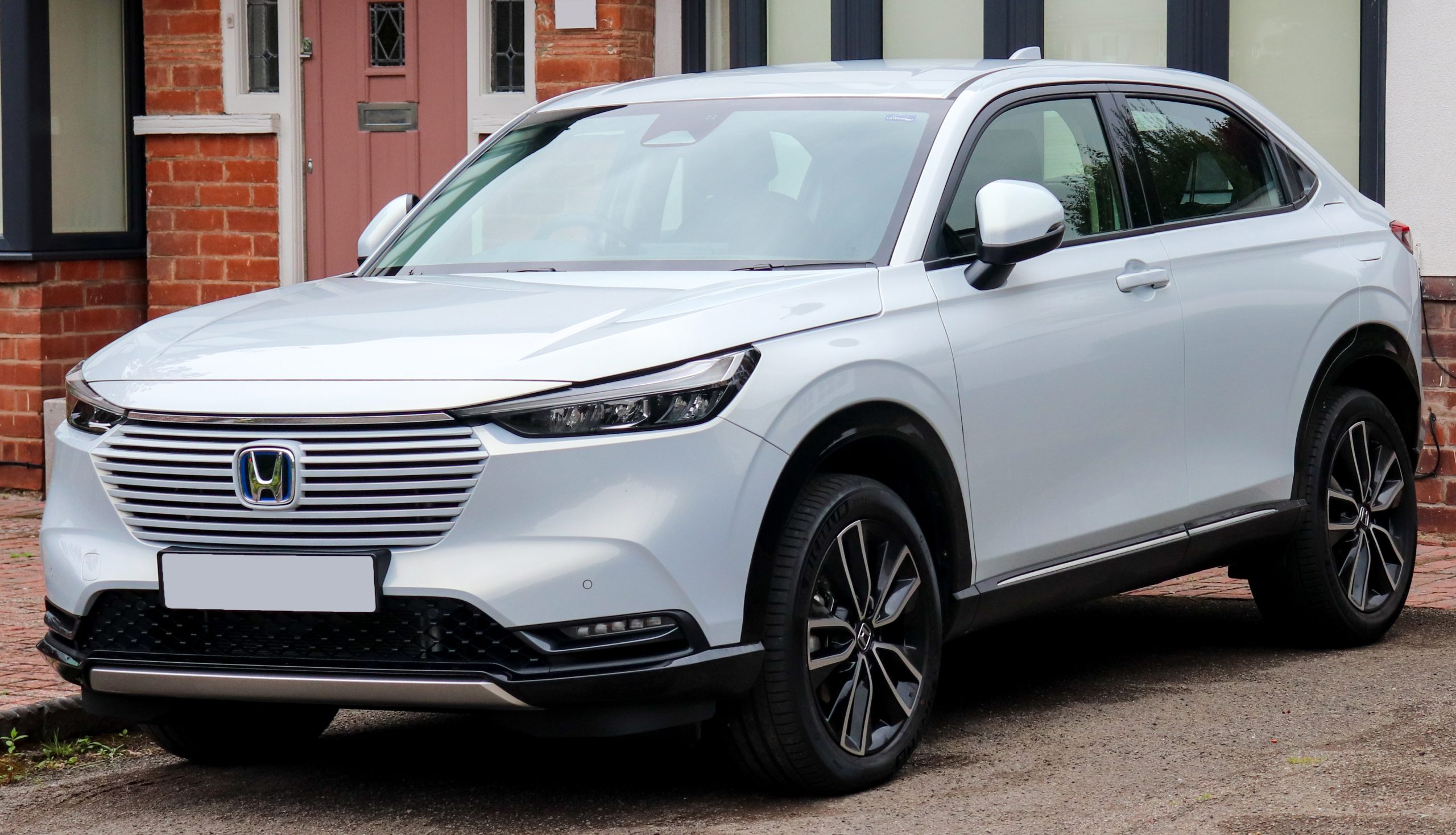
10. Mazda CX-5: High Demand Makes Buying New a Smart Choice
The Mazda CX-5 is a compact SUV that retains strong resale value, keeping used prices elevated. Because of this, the cost difference between a new and lightly used model is often minimal, making a brand-new CX-5 an attractive financial option. Buyers benefit from full warranty coverage, the latest Skyactiv technology, updated interior design, and modern safety features without paying a significant premium over a used vehicle.
Several factors drive the trend of new CX-5s being competitively priced relative to used models. Mazda has implemented aggressive manufacturer pricing, keeping starting prices for the 2026 model around $31,485 with destination charges, while maintaining high feature content.
The CX-5’s strong resale value ensures that 2-3 year old models are often only a few thousand dollars cheaper than new ones. Dealer incentives and occasional discounts can bring the effective cost of a new CX-5 under $30,000, further narrowing the gap. Combined with lower financing rates for new vehicles, buyers often find a new CX-5 provides better long-term value than purchasing used.
The 2026 CX-5 carries over the standard 187-hp 2.5-liter four-cylinder engine paired with a six-speed automatic transmission and all-wheel drive. While Mazda has not confirmed availability of the turbocharged 256-hp variant for this year, a hybrid model is expected for 2027. The CX-5 prioritizes smooth and controlled performance rather than outright speed, with acceleration similar to previous models.
Interior comfort and functionality have been enhanced, with additional legroom, headroom, and a larger cargo area with a lower load floor.
The cabin emphasizes refined materials and a clean layout, featuring a 12.0-inch standard infotainment touchscreen, with an optional 15.6-inch screen incorporating Google-based apps, Google Assistant voice control, and Google Maps. The system also allows app downloads from the Google Play Store.
Safety and driver-assistance features are expected to be carried over or upgraded, including automated emergency braking, lane-keeping assist, and adaptive cruise control. Mazda offers a standard limited warranty of three years/36,000 miles and a powertrain warranty of five years/60,000 miles, though no complimentary maintenance is included.
Given the minimal price gap between new and used models, coupled with better financing, a full warranty, and modern technology, purchasing a new 2026 Mazda CX-5 is often the smarter financial choice in today’s compact-SUV market.
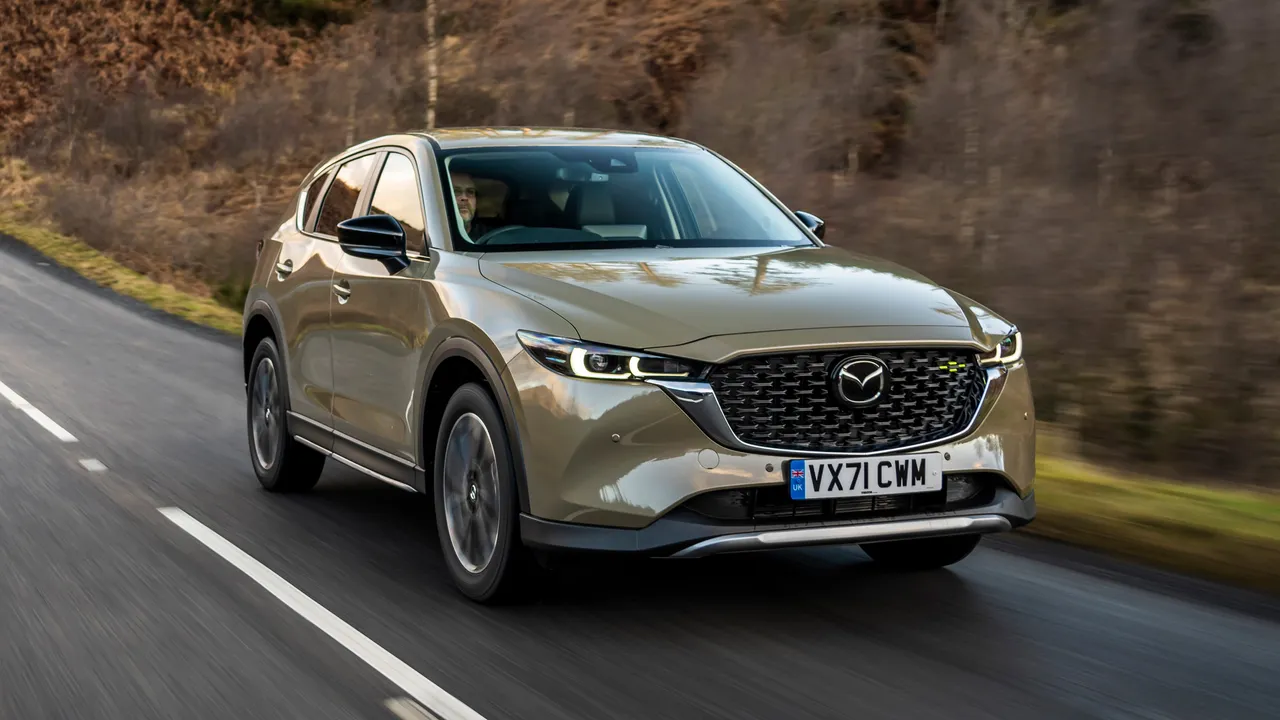
The ten models highlighted in this list, including the Toyota Corolla, Kia K4, Chevrolet Trax, and Buick Envista, demonstrate how market trends have narrowed the price gap between new and used vehicles. With high residual values and low depreciation, lightly used cars often carry prices similar to brand-new models.
Buyers benefit from full factory warranties, updated safety packages, and modern conveniences that older vehicles may lack. Financing incentives and lower interest rates make monthly payments on new cars competitive with or even lower than used-car loans.
For drivers seeking reliability, comfort, and up-to-date features, choosing new can provide both financial and practical advantages while ensuring the latest design, technology, and protection.
Also Read: 10 Cars With Maintenance Schedules That Actually Matter in 2026