The performance car market is constantly evolving, but not every sports car continues to lose value forever. Some reach a point where depreciation slows, stabilizes, and eventually reverses. That turning point often comes when enthusiasts begin to recognize a model’s uniqueness, limited production, engineering significance, or raw driving character.
In recent years, buyers have shown a stronger appreciation for naturally aspirated engines, manual transmissions, lightweight construction, and mechanical feedback. As new cars become more digital and electrified, older driver-focused machines are gaining renewed attention.
In this list of 6 Sports Cars That Have Stopped Depreciating and Are Rising in Value, we highlight models that have officially hit their market floor and are now climbing. These vehicles combine emotional appeal with increasing demand, making them exciting to own and potentially rewarding in the long term. If you are searching for a sports car that delivers both driving thrills and growing value, these six stand out.
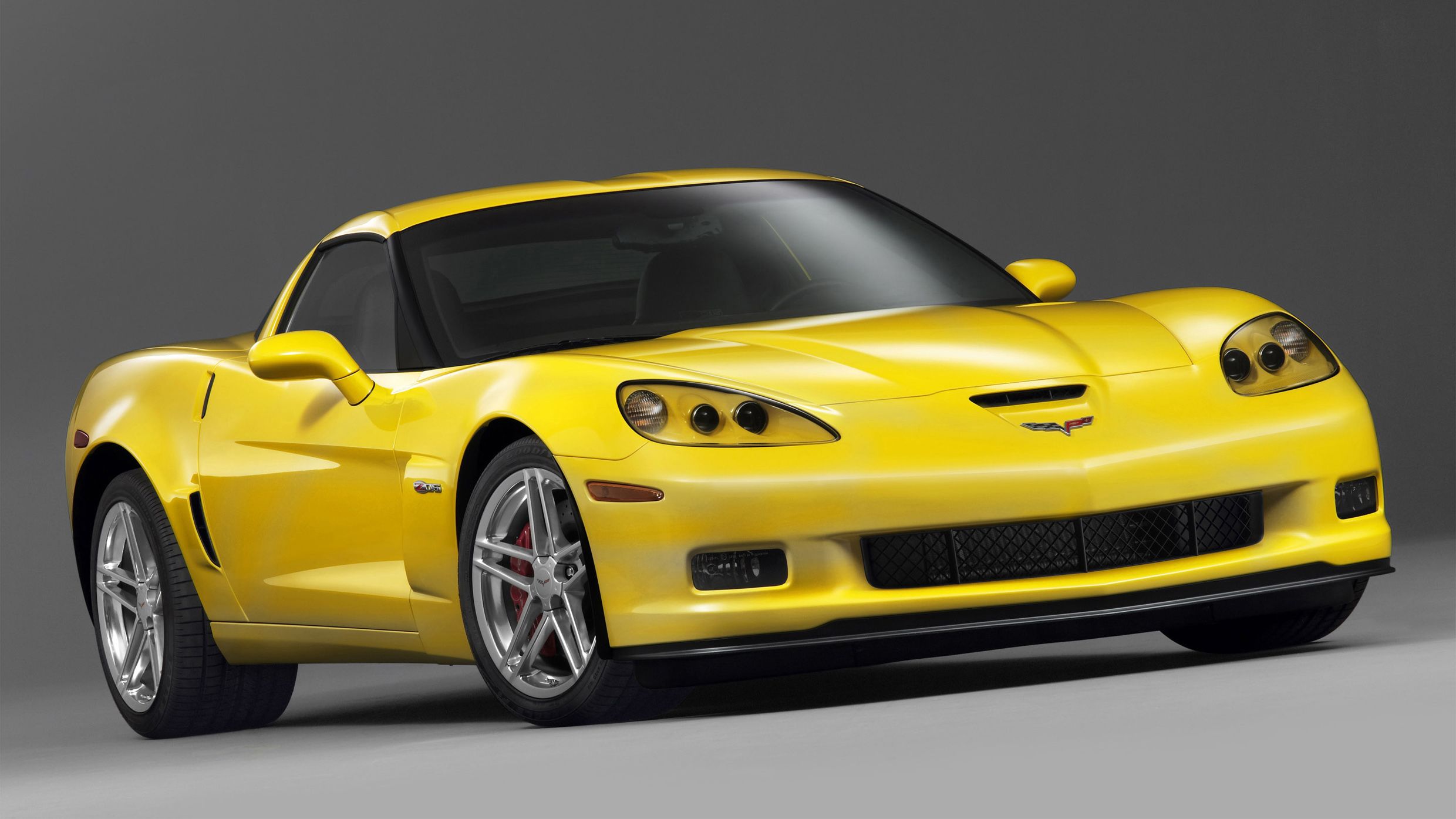
1. Chevrolet Corvette Z06 (C6, 2006–2013): The Pinnacle of Analog American Performance
The Chevrolet Corvette Z06 (C6, 2006–2013) has reached a sweet spot for performance and value in 2026. Powered by a hand-built 7.0-liter LS7 V8 engine producing 505 horsepower and 470 lb-ft of torque, it marks the final chapter of the analog Corvette era.
Unlike modern mid-engine or electrified Corvettes, the C6 Z06 retains a front-engine layout, a six-speed manual transmission, and hydraulic steering, offering a raw and driver-focused experience. Its lightweight construction, which includes an aluminum frame and carbon-fiber components, keeps the car competitive with contemporary supercars while remaining far more affordable.
Average values have risen more than eight percent since 2024 and now sit around $55,900, with pristine examples commanding higher prices as collectors and enthusiasts from Generation X and Millennials seek this classic model.
At the heart of the C6 Z06 is the 427-cubic-inch LS7 engine, considered one of the best engines in Corvette history. Its naturally aspirated 505-horsepower output provides a linear, high-revving response up to 7,000 rpm. Combined with the six-speed manual gearbox, it gives drivers a raw and connected driving experience that modern turbocharged or supercharged engines cannot match.
Hydraulic steering enhances this analog feel by delivering precise feedback and control. This combination of high-revving power, manual transmission, and mechanical steering has become rare in today’s sports cars, adding to the Z06’s appeal as a collector vehicle.
The C6 Z06 was also a performance bargain when it was new. It rivaled cars such as the Ferrari F430 and Porsche 911 GT3 while costing roughly half as much. Its lightweight engineering, including carbon-fiber fenders and an aluminum chassis, results in a curb weight of around 3,100 pounds, which allows for exceptional agility and handling.
Developed alongside the C6.R race car, it features dry-sump lubrication, track-focused suspension, and high-performance brakes. Drag-strip testing shows factory quarter-mile times near 11.6 seconds at 125 mph, and road-course testing highlights its precise steering, excellent balance, and cornering capabilities even in extreme heat.
The LS7’s abundant torque and high redline reduce the need for frequent gear changes and enhance the car’s usability for both track and street driving.
Collector demand has increased since the introduction of the mid-engine C8 Corvette. Enthusiasts now look back at the C6 as the ultimate front-engine Corvette. Depreciation has bottomed out, making the car accessible to a broader audience, while the 427ci LS7 engine is valued as the last of its kind in a production Corvette.
Low-mile, well-maintained examples in popular colors such as Velocity Yellow and Jetstream Blue are increasingly scarce, further driving market demand. Early cylinder head valve guide issues have been addressed by many owners, improving the car’s long-term reliability and appeal.
Despite its track-bred performance, the C6 Z06 is practical for everyday use. Its suspension balances ride comfort and responsiveness, the clutch is light, and fuel economy remains reasonable for a 7-liter engine. Inside, the cabin focuses on function over luxury, with durable materials in key areas and minor compromises in seat support. Dual-mode exhausts allow quiet driving around town or aggressive sound when desired.
The C6 Z06 is celebrated as the ultimate all-around Corvette of its era. It combines raw analog thrills, supercar-level performance, and everyday usability into a package that continues to grow in both emotional and monetary value. Its combination of power, precision, and classic driving feel ensures it will remain a highly sought-after collector car for years to come.
2. Porsche Carrera GT (2004–2007): The Last Analog Hypercar
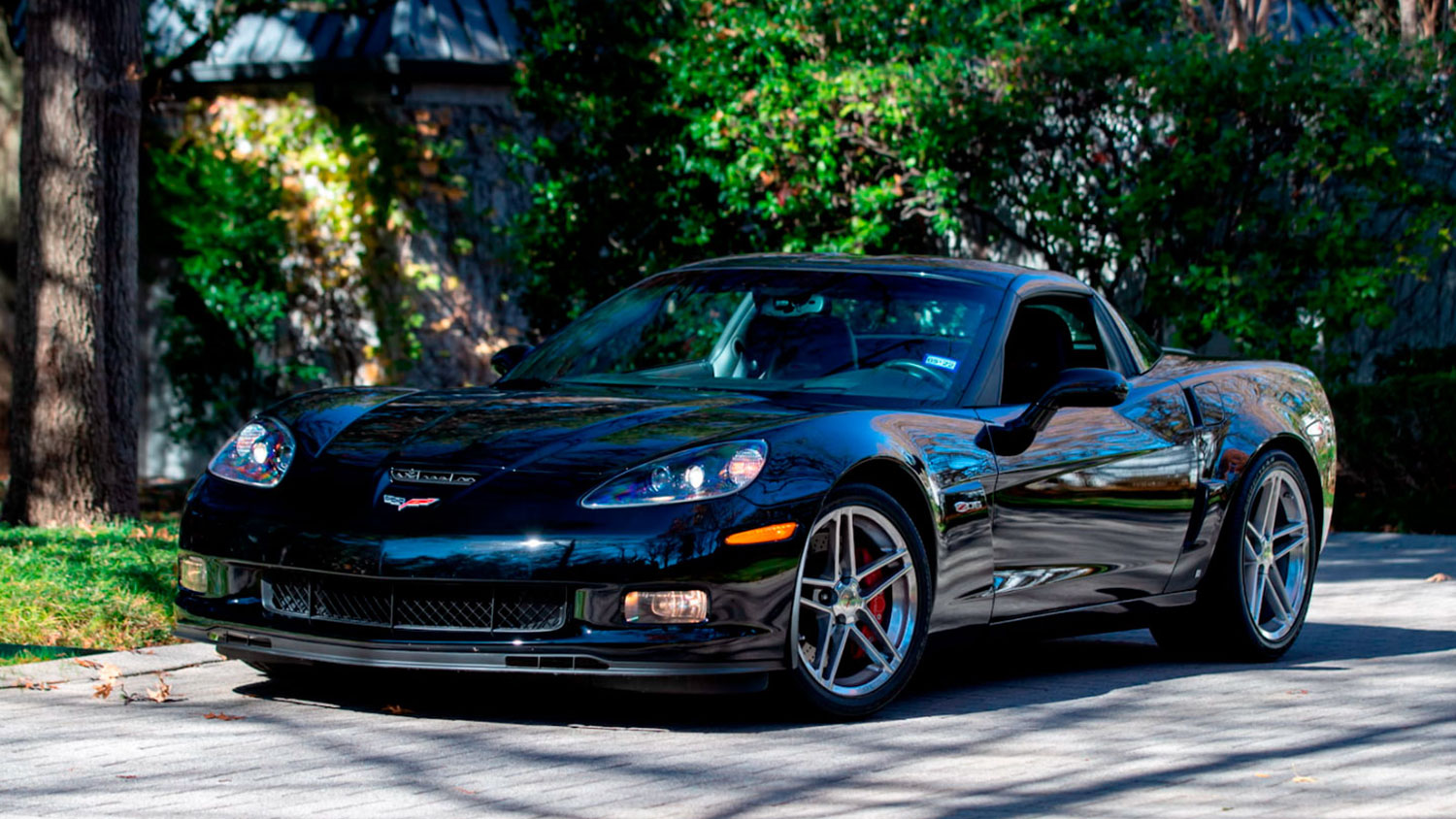
The Porsche Carrera GT (2004–2007) has evolved into a blue-chip collector asset, widely regarded as the ultimate analog hypercar. Only 1,270 units were produced worldwide, with approximately 644 delivered to the United States, making it extremely rare.
Powered by a racing-derived 5.7-liter naturally aspirated V10 engine that revs to 8,400 RPM and paired with a six-speed manual transmission, the Carrera GT delivers an unfiltered, visceral driving experience that no modern, digitally assisted supercar can replicate.
With values rebounding sharply after a brief market pause, typical examples now trade around $1.55 million in 2026, while low-mileage examples in signature GT Silver approach $2 million. Its combination of rarity, analog purity, and racing pedigree has solidified its status as a high-value, collectible investment.
The Carrera GT’s V10 engine originated from a canceled Le Mans race project and was designed for extreme performance and responsiveness. The engine’s high-revving nature, lightweight titanium connecting rods, and low rotational mass make it feel immediate and unrestrained, providing acceleration and sound that rivals Formula One cars.
Unlike most supercars, the Carrera GT lacks modern electronic aids such as stability control or automated shifting. This unassisted setup demands skill and precision from the driver, enhancing its appeal among enthusiasts who value the analog experience. The six-speed manual transmission, complete with a beechwood gear knob inspired by Porsche’s 917 race car, further reinforces the connection between driver and machine.
The car’s engineering is uncompromising. It features a full carbon-fiber monocoque chassis, magnesium center-lock wheels, and a lightweight ceramic clutch. These design choices keep the weight low, improve rigidity, and contribute to precise handling.
The engine sits low in the chassis due to a dry-sump lubrication system and compact clutch, giving the Carrera GT a remarkably low center of gravity that enhances stability through corners.
Suspension design incorporates unequal-length control arms and pushrod-activated coil-overs, resulting in minimal body roll and excellent road feel. Despite its performance focus, the Carrera GT rides surprisingly well on public roads, absorbing minor imperfections without feeling harsh or unstable.
Collector demand has fueled rapid appreciation. While most supercars depreciate quickly, the Carrera GT has seen a 218 percent increase in value since its release. Younger, wealthy collectors are especially drawn to its raw, mechanical driving experience.
Many Carrera GTs remain actively driven rather than being stored, which adds to their appeal. Factory support from Porsche Classic, including extensive inspection and recall programs, has maintained the model in pristine condition, further bolstering market confidence. Expensive maintenance, such as the $25,000 to $30,000 ceramic clutch replacement, limits ownership to dedicated buyers, preserving exclusivity.
Driving the Carrera GT is a unique experience. It is immediate, precise, and physically engaging. Its acceleration and braking are extreme but controlled, and the car communicates every nuance of the road.
The analog nature of the Carrera GT turns each drive into an immersive event, from careful clutch modulation to managing the rear-end dynamics at the limits. Every component, from the carbon-fiber monocoque to the low-slung V10, contributes to an experience that feels alive and entirely unmediated by computers.
The Porsche Carrera GT has transcended its reputation as a dangerous yet thrilling supercar, becoming a symbol of purity, rarity, and analog performance. It offers a driving experience that cannot be replicated by modern hypercars and continues to be a highly coveted collectible, combining performance, historical significance, and investment potential into a single, extraordinary package.
3. Mazda MX-5 Miata (NB, 1999–2005): Affordable, Analog Fun
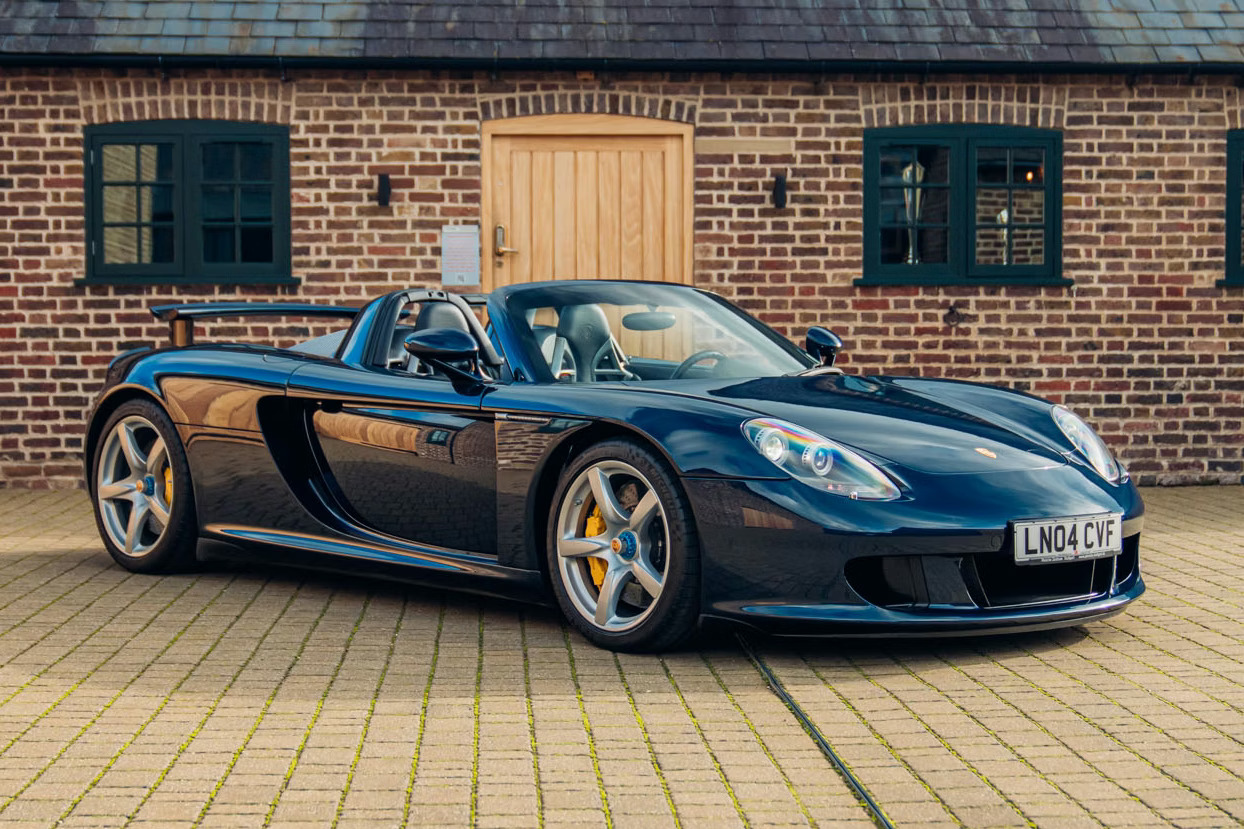
The second-generation Mazda MX-5 Miata (NB, 1999–2005) has become the primary target for enthusiasts who missed the original NA model. Offering a refined chassis, larger brakes, and a stiffer body while retaining the classic front-engine, rear-wheel-drive layout, the NB combines simplicity with an engaging driving experience.
In 2026, while a new Miata costs over $30,000, average NB prices hover around $16,600, making it a high-value entry point into the world of lightweight sports cars. Its rising appeal is driven by popularity across all age groups and its reputation as one of the last affordable, mechanically simple sports cars that provides immense enjoyment behind the wheel.
The NB Miata has stopped depreciating and is appreciating due to its reputation as a reliable, lightweight, and fun-to-drive car. Enthusiasts are drawn to clean, low-mileage examples, while strong aftermarket support and the ease of DIY maintenance make it accessible for a wide range of owners.
The NB is versatile, equally suited for daily driving, weekend road trips, or track use, which enhances its value and collectibility. It has become recognized as a modern classic, with good driver-quality cars often trading in the $8,000 to $12,000 range.
One reason for the NB’s popularity is its improved driving dynamics over the NA. It features a more rigid chassis, a 1.8-liter engine producing 140 horsepower, an optional Torsen limited-slip differential, and upgraded suspension components.
The car’s handling is balanced and responsive, with minimal body roll, precise steering, and a supple ride that allows drivers to feel the tires and road surface. The Miata is light enough to allow playful slips and controlled drifts, particularly with the optional Sport suspension, making it engaging for both casual drivers and enthusiasts.
Acceleration is also improved, with zero-to-60 mph in approximately 7.9 seconds and a top speed of 123 mph, while the 7000 rpm redline rewards careful throttle work and high-rev driving.
Reliability and low maintenance costs are another key factor in the NB’s appeal. Extensive aftermarket parts are available, and many owners perform their own maintenance.
Typical issues include rust in the rear quarter panels and rocker panels, early engine thrust bearing failures in 1999–2000 models, and wear items such as timing belts, coil packs, and clutch slave cylinders. Despite these considerations, the NB remains practical, easy to repair, and durable, making it a dependable choice for enthusiasts.
The NB Miata also excels in driver-focused ergonomics and interior design. Controls are well-placed, with a short-throw, precise shifter, light clutch, and well-positioned brake and accelerator pedals suited to heel-and-toe operation.
The cabin is compact yet comfortable for most drivers, with thoughtful details such as improved wind protection, a glass rear window, and an effective windblocker. Interior refinements include matte-finished instrument panels, improved seating, and a straightforward layout, emphasizing function over flashy aesthetics while maintaining a classic roadster feel.
The NB Miata provides a highly engaging and affordable sports car experience. It blends a reliable, analog driving experience with lightweight agility, simple mechanics, and a practical, driver-focused interior.
Its growing popularity, limited supply of clean examples, strong aftermarket support, and versatility as a daily driver or track car make it a modern classic and a high-value choice for enthusiasts seeking “smiles per mile” without the cost or complexity of modern sports cars.
Also Read: 5 Cars With Simple Dash Layouts vs 5 With Confusing Ones
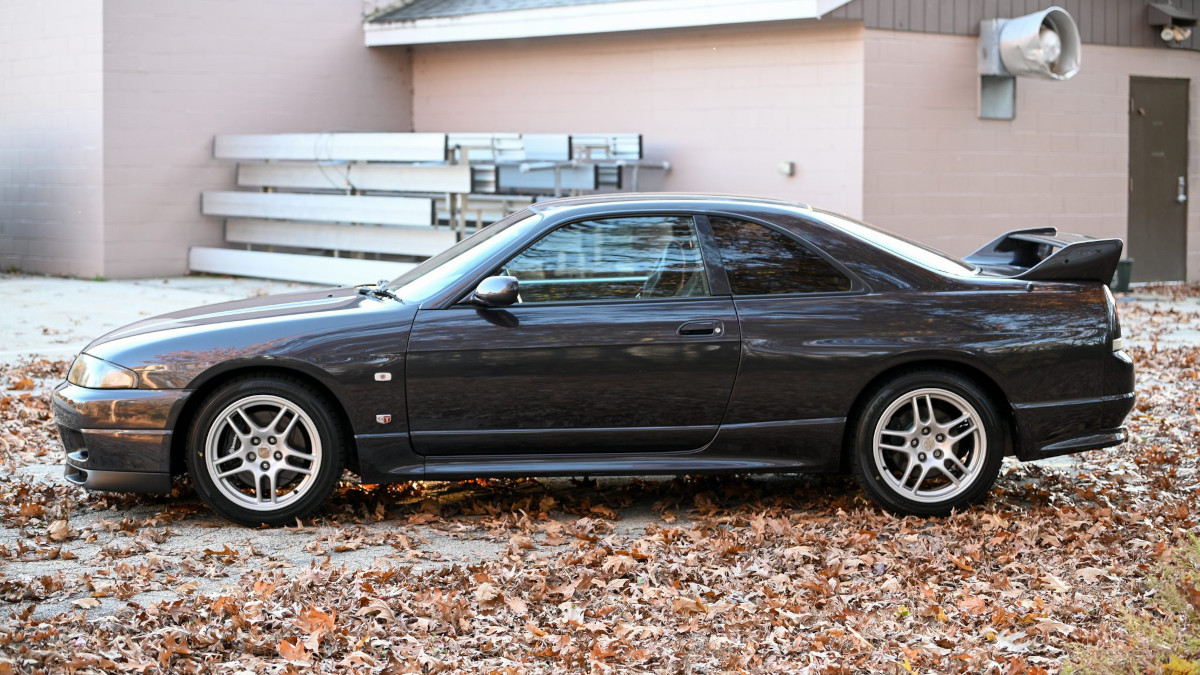
4. Nissan Skyline GT-R (R33, 1995–1998): The Rising Japanese Classic
The Nissan Skyline GT-R R33, once considered the “middle child” of the Skyline family, has emerged as a rising star among Japanese collectibles. Produced from 1995 to 1998 with only 16,668 units built, the R33 is now fully eligible for U.S. import under the 25-year rule, which allows vehicles of at least 25 years old to bypass standard safety and emissions regulations.
This milestone has dramatically increased its value in the American market, with average prices in early 2026 hovering around $82,350. Its appeal lies in combining the legendary RB26DETT twin-turbo inline-six engine, the ATTESA E-TS all-wheel-drive system, and electronic rear steering, all within a chassis that offers excellent high-speed stability and remains attainable compared to the rarer R34 GT-R.
The R33’s value surge is driven by multiple factors. Its U.S. import eligibility opened the doors for American collectors, creating strong demand from a previously restricted market. Its rarity amplifies desirability; with far fewer units produced than the R32, many R33s have been lost to accidents, neglect, or modification, leaving “survivor” examples increasingly valuable.
Originally overlooked and nicknamed the “heavy” or “ugly” middle child, the R33 is now appreciated for its longer wheelbase, refined structure, and technical achievements, including being the first production car to lap the Nürburgring in under eight minutes.
Popular culture exposure through the Gran Turismo video games, Fast & Furious films, and social media has also cemented the R33’s status among younger collectors, enhancing both demand and prestige.
The R33 was available in three main trims: the standard GT-R, GT-R V-Spec, and the V-Spec N1. The N1 was the most track-focused, featuring a stiffer suspension, deletion of non-essential comfort items, and reduced weight. Even stock examples provide a highly engaging driving experience, thanks to a well-balanced chassis, responsive steering, and mechanical precision.
Its RB26DETT engine produces over 300 horsepower despite a nominal rating of 276 hp due to Japanese power limits at the time. The engine delivers smooth power from 1500 rpm, revs cleanly past 5000 rpm, and reaches an 8000 rpm redline, offering a visceral turbocharged experience.
The stock twin-turbo setup features a front-mount intercooler, 4.11:1 axle ratios, and a strong limited-slip differential. Acceleration remains impressive, with the R33 V-Spec reaching 60 mph in 5.3 seconds and stopping from 70 mph in 159 feet, while the suspension provides strong grip, cornering stability, and a communicative, mechanical feel.
The R33’s combination of technical sophistication, driver engagement, and emerging rarity has solidified its status as a “blue-chip” Japanese classic. Discontinued parts and rising maintenance costs have created a “Skyline tax” that further increases the value of clean, unmodified cars.
The chassis, aluminum hood and fenders, and refined interior with supportive seats and ergonomic controls provide a balance of performance and usability that few contemporaries matched.
Today, the R33 GT-R offers enthusiasts a rare opportunity to own a historic Japanese sports car that is still relatively attainable while delivering the legendary performance, engineering, and visceral driving experience that define the GT-R legacy. With values climbing steadily, the R33 is a mechanically capable, culturally significant, and highly sought-after classic that bridges the gap between the R32 and the unobtainable R34.
5. BMW M5 (E60, 2006–2010): The V10 Four-Door Legend
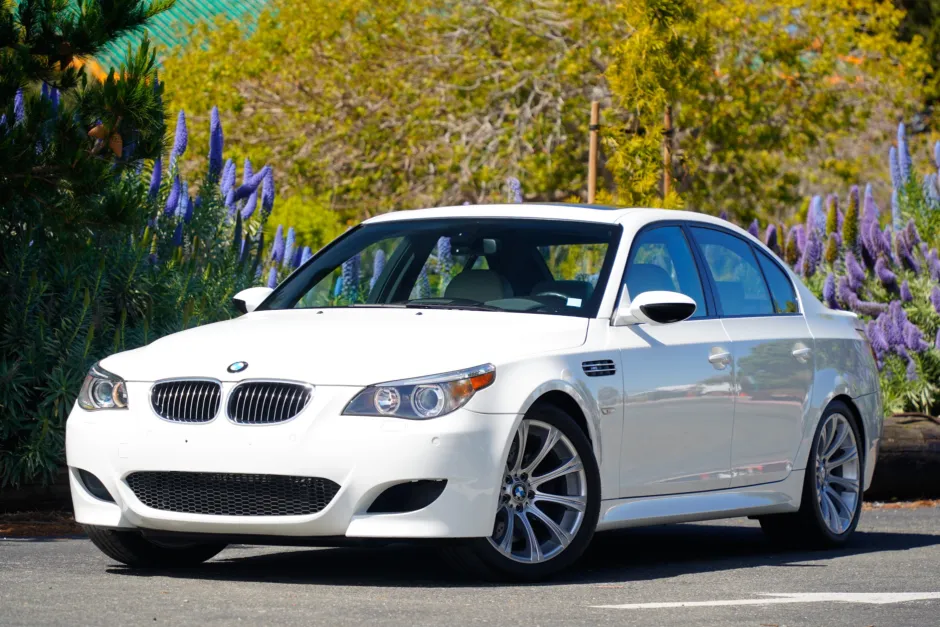
The BMW M5 E60, produced from 2006 to 2010, stands as one of the most iconic and divisive models in BMW’s history. It is the only production sedan to feature a naturally aspirated 5.0-liter S85 V10 engine, a powerplant inspired by BMW’s Formula 1 program and assembled in the same foundry as F1 engines.
With an 8,250 RPM redline and a distinctive exhaust note, the E60 M5 delivers a visceral, analog driving experience that remains unmatched in modern sedans. After years of steep depreciation due to high maintenance costs, the E60 has emerged as a “modern classic” in 2026, with average market prices for well-maintained or manual-transmission models climbing to around $36,000. Its rarity, high-revving engine, and F1-inspired technology ensure long-term collectibility.
The M5’s status as a unique historical outlier drives much of its appeal. It represents the last era of naturally aspirated M5 sedans before BMW embraced turbocharging and hybrid systems. Most E60 M5s were equipped with the SMG-III automated manual transmission, but North America received a limited run of 1,364 six-speed manuals, now commanding a premium of $10,000 or more over SMG models.
Rarer still is the E61 M5 Touring wagon, with only 1,025 produced worldwide. This combination of extreme rarity and performance pedigree has helped stabilize and increase values, particularly for well-documented, low-mileage examples.
The E60’s market correction was fueled by a combination of high maintenance costs and the “survivor effect.” Many neglected or poorly serviced cars were removed from circulation, leaving a smaller pool of well-maintained vehicles that naturally command higher prices.
Early criticism of the bold “Bangle-era” styling has softened, with enthusiasts now praising the M5’s distinctive character compared to modern, homogenized designs.
Driving the E60 M5 is a unique experience. The S85 V10 produces 500 horsepower at 7,750 RPM and 384 pound-feet of torque at 6,100 RPM when fully unleashed, making acceleration immediate and addictive. The engine uses individual throttle bodies for each cylinder, delivering strong low-end torque while maintaining high-rev precision.
The SMG-III transmission, inspired by Formula 1 technology, provides extremely fast automated shifts with multiple settings, including a fully automatic mode and a launch control feature. Despite the lack of a conventional manual option for most models, the gearbox allows a skilled driver to achieve smooth, precise shifts while unleashing the V10’s full potential.
The E60 M5 combines analog driving pleasure with advanced engineering. It features a passive, mechanically variable steering ratio, adjustable dampers, and large 14.7-inch front and 14.6-inch rear brakes, optimized to match tire traction rather than clamping force.
The chassis remains rigid and balanced, while the cabin offers a choice between luxurious leather and wood or sporty aluminum-trimmed appointments. Interior ergonomics and M-specific controls, including the configurable M button, ensure the car’s settings can be tailored to driver preference.
In performance, refinement, and driver engagement, the E60 M5 delivers the rare combination of a four-door sedan capable of matching sports cars in thrill while remaining usable daily. Its unique V10 engine, mechanical feedback, and bold styling have cemented it as one of BMW’s most desirable modern classics.
Compared to exotic alternatives like the Ferrari 612 Scaglietti, the E60 M5 provides a similar adrenaline rush at a fraction of the cost, earning it a permanent place in automotive history and enthusiast garages alike.
6. Alfa Romeo 4C (2014–2020): Carbon Fiber Purity in a Digital Age
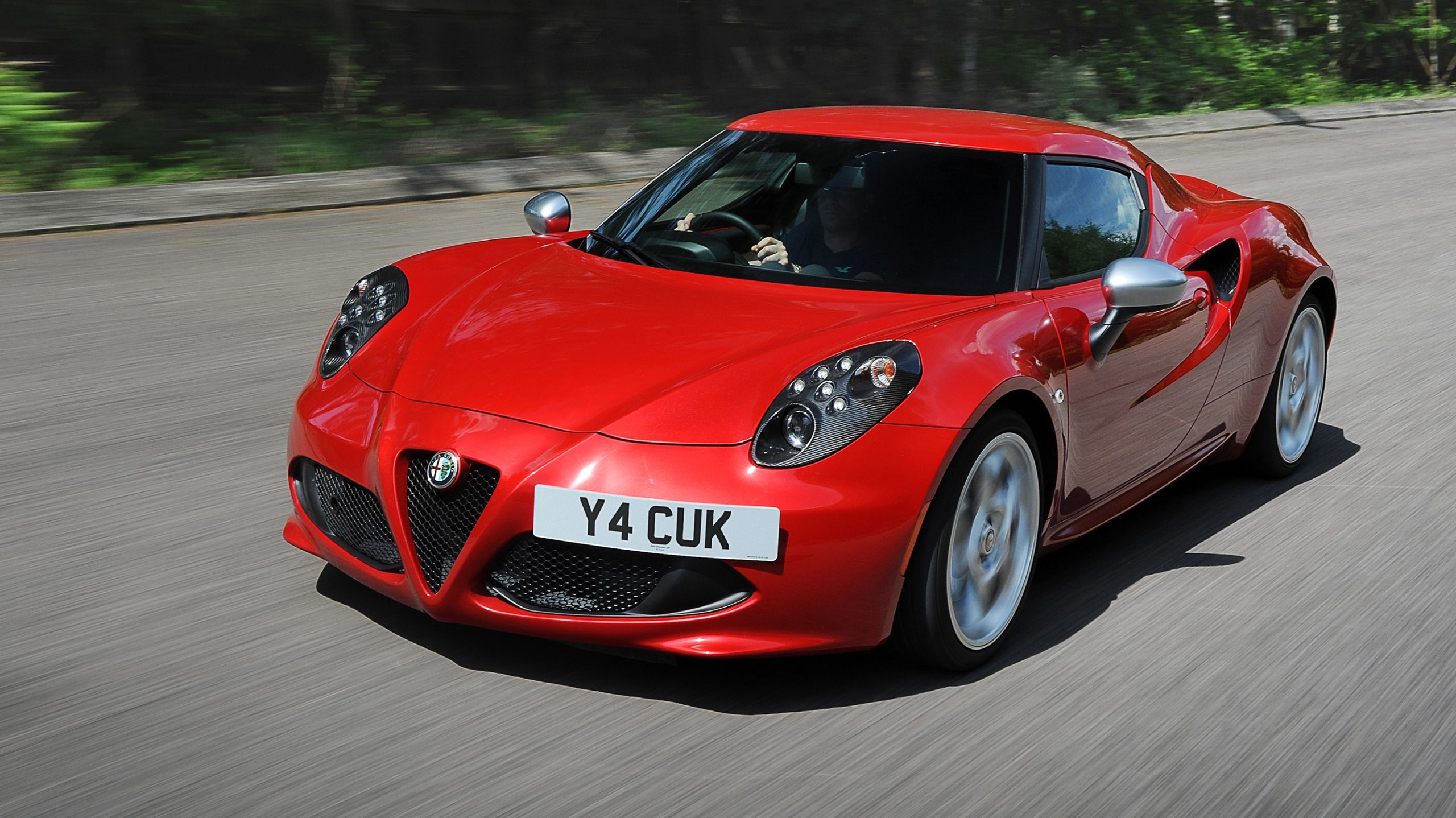
The Alfa Romeo 4C was considered a future classic from the moment it debuted in 2014. Built around a carbon fiber monocoque chassis more commonly associated with million-dollar supercars, the 4C delivered exotic construction at a comparatively attainable price point.
Weighing under 2,500 pounds and famously lacking power steering, it offered a raw and unfiltered driving experience that stood in stark contrast to increasingly heavy, turbocharged, and electronically assisted modern sports cars.
Production ended in 2020, and limited numbers have helped protect it from the steep depreciation typically associated with Italian performance cars. By 2026, used values have stabilized around $54,000, with clean, well-maintained examples often trading between $50,000 and $60,000 or more.
Several factors explain the 4C’s rising value. Low production numbers, particularly in North America, where the coupe was discontinued after 2018, have made the car relatively scarce. This rarity, combined with its distinctive engineering, has created strong demand in the used market. The carbon fiber tub is central to the car’s appeal.
Unlike aluminum or steel platforms common in its price range, the 4C’s lightweight carbon structure provides exceptional rigidity and race-inspired authenticity. This construction method not only enhances performance but also reinforces its long-term collectibility, as few cars at this price point feature such advanced materials.
The driving experience is what truly defines the 4C. Powered by a 237-horsepower turbocharged four-cylinder engine paired with a six-speed dual-clutch automatic transmission, the 4C delivers brisk acceleration and sharp responsiveness. Its lightweight design allows it to sprint from zero to sixty miles per hour in just 4.2 seconds in Spider form.
The power-to-weight ratio gives the car an eager, agile character, while the absence of power steering creates a direct mechanical connection between the driver and the front wheels. The steering is communicative and precise, demanding attention but rewarding commitment.
The suspension is tuned for aggressive cornering and track use, making the 4C feel at home on winding back roads or at a road course. The trade-off is a firm and sometimes punishing ride over rough pavement, underscoring the car’s uncompromising focus on performance.
Inside, the 4C embraces minimalism. The cabin feels intimate and driver-focused, with exposed carbon fiber and simple controls reinforcing its purposeful design. Comfort and practicality are secondary concerns. Cargo space is extremely limited, barely accommodating a small backpack, and road noise is constant.
Infotainment options are sparse, with only a basic audio system and an optional Alpine upgrade available. Advanced connectivity and driver assistance features are largely absent, aside from rear parking sensors and a backup camera. This simplicity, once criticized, now contributes to the car’s charm as enthusiasts increasingly seek analog experiences free from digital distraction.
Despite its focused nature, the 4C offers respectable efficiency, with EPA estimates of 24 mpg city and 34 mpg highway for the Spider. Warranty coverage matched competitors with four years or 50,000 miles for both limited and powertrain protection.
The Alfa Romeo 4C stands as a rare modern sports car that prioritizes lightweight engineering, exotic construction, and driver engagement over luxury or convenience. As performance cars become more electrified and insulated, the 4C’s uncompromising character and carbon fiber core ensure its status as a desirable collector car and a defining symbol of analog performance in the modern era.
What unites these six sports cars is more than strong resale performance. Each represents a distinct moment in automotive history when engineering passion outweighed compromise.
Whether it is a high-revving V10, a carbon fiber monocoque, a twin-turbo Japanese icon, or a naturally aspirated American V8, these machines offer an experience that feels increasingly rare. As supply tightens and well-maintained examples become harder to find, demand continues to push values upward.
For enthusiasts, this creates a unique opportunity. These cars are not just investments on paper; they are deeply engaging machines built to be driven.
Their rising prices reflect genuine appreciation from buyers who value authenticity, rarity, and connection behind the wheel. In a market filled with rapid technological change, these six sports cars prove that purity, character, and mechanical excitement still command respect and growing value.
Also read: 10 Cars With Maintenance Schedules That Actually Matter in 2026