

Modern cars are packed with sensors, electronics, and safety systems, but one of the most critical components under your hood remains surprisingly old-school: the cooling system.
Its job is simple in theory, keep your engine at a safe operating temperature, but in practice, it’s doing heavy lifting every single mile.
Whether you drive a daily commuter, a pickup, or a performance sedan, your cooling system is quietly preventing catastrophic engine damage every time you start the car.
In the United States, cooling system failures are a leading cause of roadside breakdowns, especially during summer heat waves and winter cold snaps.
Overheating doesn’t just mean an inconvenient tow. It can warp cylinder heads, destroy head gaskets, contaminate oil, and in worst cases, ruin the entire engine. Repairs can easily climb into the thousands.
The problem is that cooling systems rarely fail all at once. They usually give warning signs weeks or even months in advance. The drivers who recognize those signals early save money. The ones who ignore them often end up stranded.
Here are eight clear warning signs your cooling system may be on its last legs, and what they typically mean in real-world driving.
1. Your temperature gauge keeps creeping higher
The most obvious signal is also the most ignored. If your temperature gauge starts running hotter than usual, even by a small amount, something is already wrong.
Engines are designed to operate within a narrow temperature range. A gradual rise often points to restricted coolant flow, a weakening water pump, or a thermostat that isn’t opening fully.
In stop-and-go traffic or long highway climbs, this problem becomes more noticeable because the engine is producing more heat.
Many drivers dismiss early temperature spikes as “normal on hot days,” but that’s rarely true. A healthy cooling system should maintain stable temps even in summer traffic.
If you ever see the needle approach the red zone, pull over immediately. Continuing to drive while overheating can cause permanent engine damage in minutes.
Consider the thermostat as the control valve for your engine’s cooling system. It functions as a temperature-sensitive regulator, opening and closing at predetermined thresholds to manage how much coolant circulates between the engine block and the radiator.
If it sticks closed: Coolant is prevented from reaching the radiator, where heat is dissipated. As a result, engine temperatures rise rapidly and the gauge can spike toward the hot end. In many cases, the cabin heater may begin blowing cold air because hot coolant is not circulating through the heater core.
If it sticks open: Coolant flows continuously, even when the engine is still warming up. This can prevent the engine from achieving its proper operating temperature, causing the temperature gauge to read lower than normal, particularly in colder weather or during short trips.
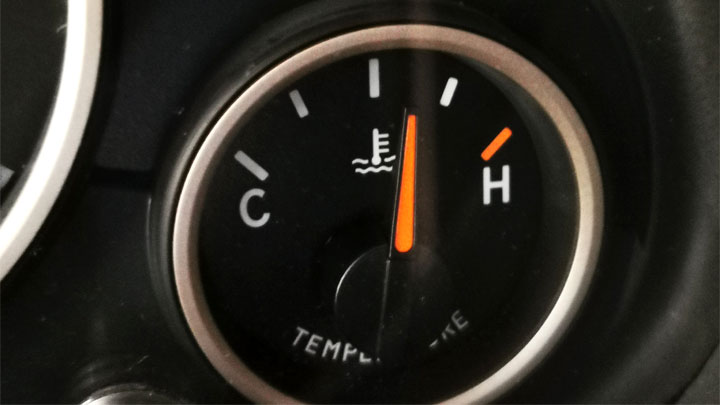
If it’s failing to regulate: The thermostat may open and close inconsistently, producing erratic temperature readings. It behaves like a gate that jams, then abruptly swings open, then shuts again, instead of maintaining stable flow as intended.
A malfunctioning thermostat is among the most frequent causes of a fluctuating temperature gauge. The good news is that replacement is typically straightforward and relatively affordable.
Coolant, also known as antifreeze, protects the engine from overheating in high temperatures and from freezing in low temperatures. Beyond thermal regulation, it also aids in corrosion prevention and internal lubrication within the cooling system.
Low Coolant Level: When coolant volume drops below the required level, the system cannot circulate heat efficiently, and the temperature sensor may provide inconsistent readings.
This often leads to sharp or unpredictable gauge fluctuations. Always check your coolant level when the engine is COLD. The reservoir tank is usually located under the hood and is typically a translucent plastic container marked with “MIN” and “MAX” or “LOW” and “FULL” indicators.
Old or Contaminated Coolant: Coolant degrades over time. It can accumulate rust particles, debris, or even traces of oil contamination.
As its chemical properties deteriorate, its ability to transfer heat declines, which can compromise temperature regulation and cause unstable gauge behavior. If the coolant appears cloudy, discolored, or contains visible particles, a complete flush and refill is advisable.
2. Coolant levels keep dropping
Having to top off coolant more than once every few months is not normal. Modern vehicles are sealed systems. Coolant doesn’t get “used up.” If levels are falling, it’s leaking, either externally or internally.
External leaks are often visible under the car or around hoses, radiator seams, or the water pump. Internal leaks are more dangerous and harder to detect. These can occur through a failing head gasket, allowing coolant to enter the combustion chamber or mix with engine oil.
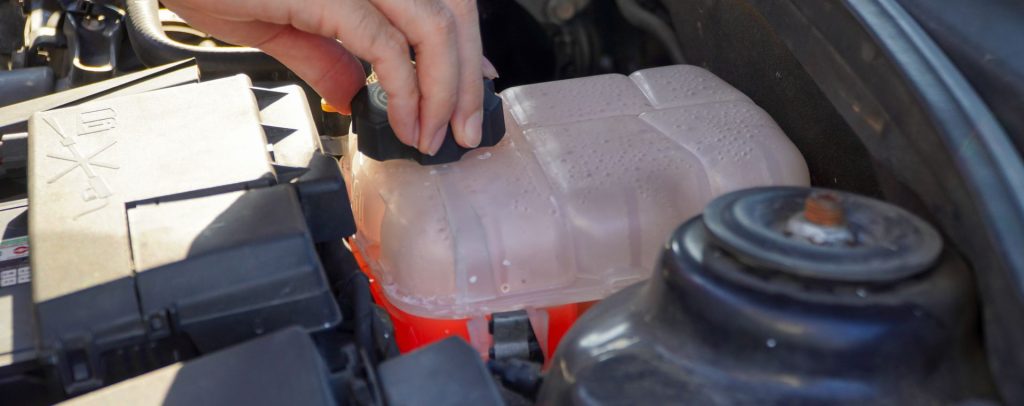
Many US drivers rely on quick oil changes and overlook coolant checks entirely. Make it a habit to inspect your coolant reservoir every couple of weeks. If it’s consistently below the minimum line, you’re already in the danger zone.
3. Sweet or chemical smells after driving
Coolant has a distinct sweet smell that’s hard to miss once you recognize it. If you notice this odor after parking or when standing near the front of your vehicle, it usually means hot coolant is escaping and vaporizing.
Common sources include cracked hoses, loose clamps, or small radiator leaks.
When everything is functioning properly, a vehicle operates smoothly and predictably. However, the moment unfamiliar noises emerge or unusual odors become noticeable, those changes warrant attention. They are often early warning indicators that a mechanical issue is developing.
“Our cars have gotten very good at kind of self-adjusting for problems, which means we don’t always know right off the bat when there’s something wrong. A burning oil odor often carries a sharp, industrial scent reminiscent of a factory environment.
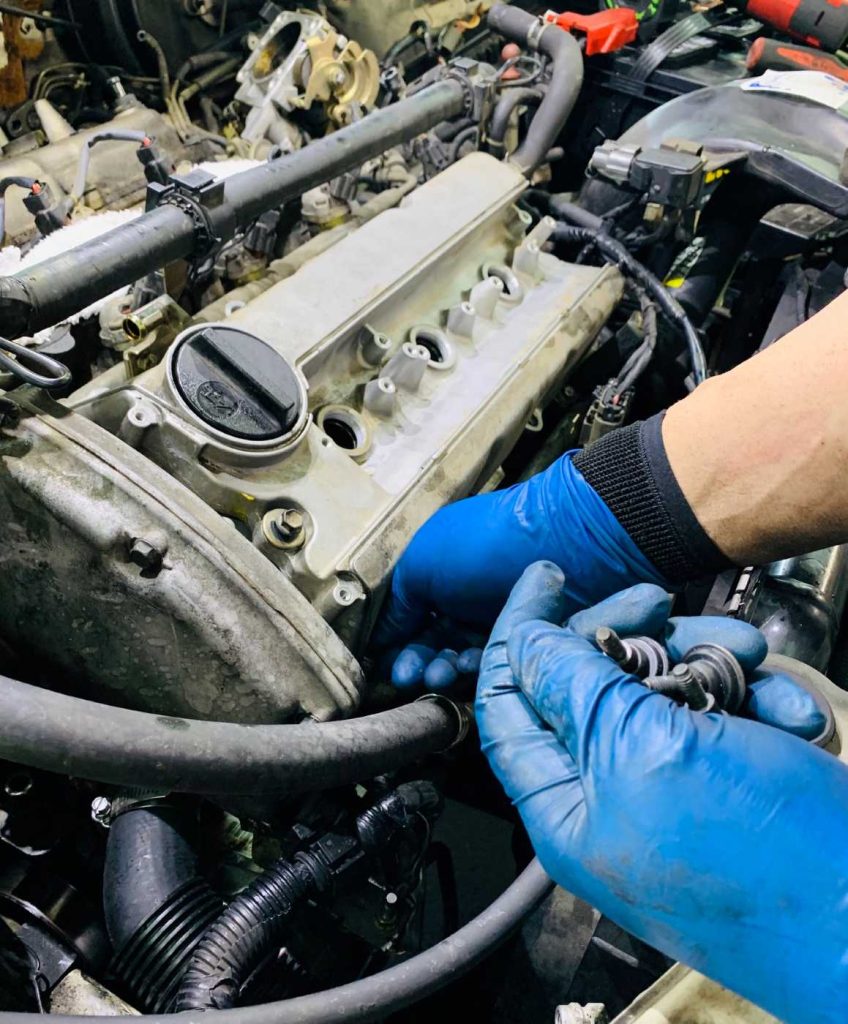
If the odor is noticeable inside the cabin or coming from beneath the hood, it typically indicates that oil is escaping from a component such as the engine or power steering system and dripping onto a hot surface, where it begins to burn off.
Oil leaks present two primary concerns. First, oil serves as the essential lubricant for critical engine components. There are often visual clues that accompany an oil leak. Observing the color of the fluid can assist a mechanic in identifying the source.
Because coolant evaporates quickly on hot engine parts, these leaks may not leave obvious puddles. Drivers often ignore the smell until overheating begins.
If you detect this scent, open the hood after the engine cools and look for crusty residue or damp areas around hoses and fittings.
4. Steam or vapor coming from under the hood
Steam is a late-stage warning sign. By the time you see vapor rising from the engine bay, coolant is already boiling or leaking onto hot components.
This situation typically indicates severe overheating or a burst hose. Some drivers mistake steam for harmless condensation, especially in cold weather, but true steam from under the hood is never normal.
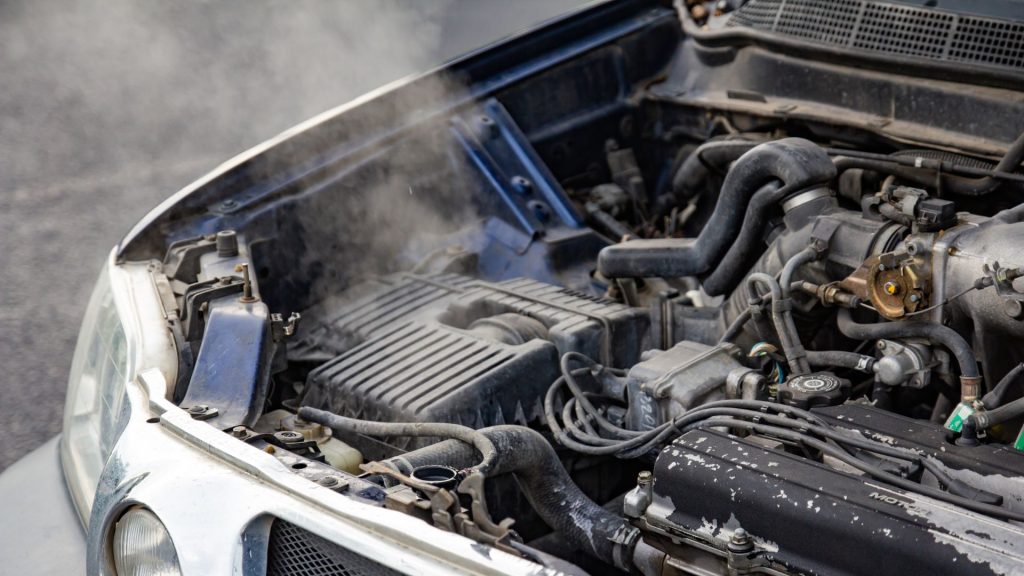
Pull over safely, shut off the engine, and do not open the radiator cap while hot. Pressurized coolant can spray out and cause serious burns. At this point, towing is usually the safest option.
5. The car heater suddenly stops working
This one surprises many people. Your cabin heater relies on hot coolant flowing through the heater core. If your heater starts blowing cold air despite a warm engine, that’s often a sign of low coolant or air trapped in the system.
In colder US climates, this symptom becomes especially noticeable during winter. Drivers may think the climate system is malfunctioning when the real issue is coolant circulation.
A failing water pump or clogged heater core can also cause this problem. Either way, loss of cabin heat paired with engine temperature changes should be treated as a serious cooling system warning.
Blend door actuators determine whether airflow is directed through the heater core, a small, radiator-like component located inside the dashboard, or routed around it.
Most vehicles have multiple actuators within the dash assembly, each responding to selected temperature settings and airflow commands. When one of these actuators fails, symptoms can include cold air instead of heat, uneven temperatures between driver and passenger sides, or a repetitive clicking noise coming from behind the dashboard.
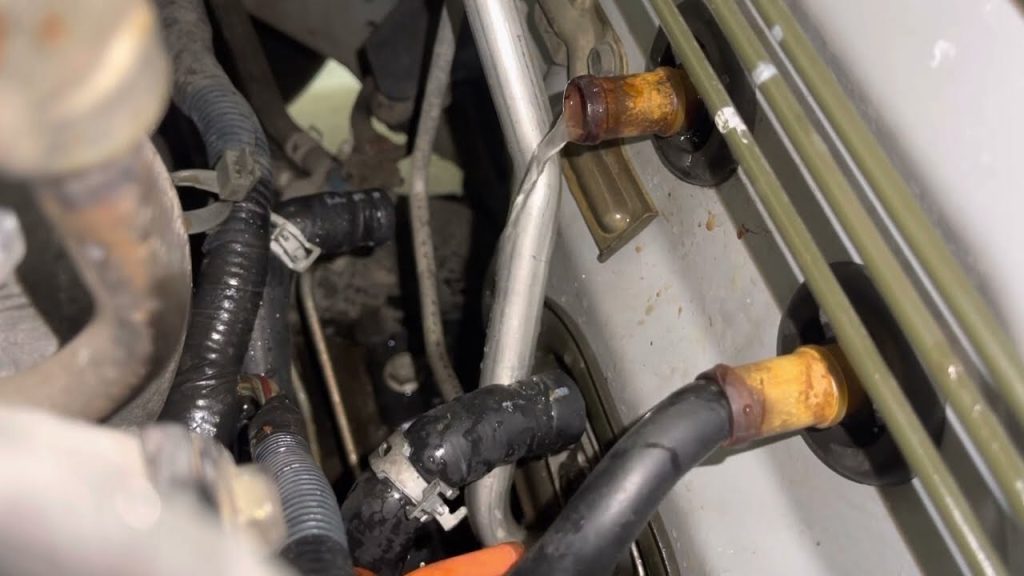
The vehicle’s heating system depends on hot engine coolant circulating through the heater core. If coolant levels are insufficient, there is not enough thermal energy available to generate cabin heat. In most cases, low coolant indicates a leak. Because the cooling system is sealed, any drop in fluid level means it is escaping from somewhere in the system.
Following a coolant service, trapped air pockets can obstruct proper circulation to the heater core. When airflow is restricted in this way, the result is weak, lukewarm, or completely absent cabin heat.
If a thermostat becomes stuck in the open position, coolant circulates continuously and prevents the engine from reaching normal operating temperature. A temperature gauge that remains low, well below the midpoint, is a common indicator.
6. Visible corrosion or sludge in the coolant
Healthy coolant should look clean and brightly colored, usually green, orange, pink, or blue depending on the type. If it appears rusty, brown, oily, or sludgy, internal corrosion is already underway.
Over time, neglected coolant breaks down and loses its anti-corrosion properties. This allows rust to form inside the radiator, engine block, and heater core. That rust restricts flow and accelerates component failure.
Many US vehicles go years without proper coolant service because owners assume it lasts forever. In reality, most manufacturers recommend coolant replacement every 30,000 to 100,000 miles depending on formulation.
Dirty coolant is a strong indicator that hoses, radiator passages, and even the water pump may already be compromised.
Coolant plays a fundamental role in regulating engine temperature, preventing overheating, and protecting internal components from damage. As the engine operates, combustion generates substantial heat.
Coolant absorbs that heat and transfers it to the radiator, where it is dissipated into the surrounding air. This continuous circulation process ensures the engine remains within its designed operating range.
When coolant begins to degrade, however, its ability to perform these functions diminishes. Common indicators of failing coolant include discoloration, such as brown, rusty, or cloudy fluid, along with visible sediment or sludge. Unusual odors, particularly sweet or burnt smells, can also signal chemical breakdown or leakage.
Coolant deterioration typically occurs due to age, contamination from external sources, or chemical reactions within the engine over time. As additives break down, corrosion protection weakens and debris can accumulate in the system.
Without proper maintenance, this degradation can lead to overheating, increased engine wear, reduced fuel efficiency, restricted coolant flow, and even higher emissions output. In more advanced cases, neglected coolant can contribute to clogged passages or major component failure, resulting in costly repairs.
Regular maintenance is essential to preserve coolant effectiveness. This includes periodic inspections, replacing coolant approximately every 30,000 to 50,000 miles, and performing a complete system flush every few years. These preventative measures help remove contaminants and restore proper chemical balance within the cooling system.
There are several types of coolant formulations used in modern vehicles. Ethylene glycol is among the most common and provides strong protection against both freezing and boiling; it is typically bright green or orange in color.
7. Engine Cooling fans run constantly, or not at all
Electric cooling fans are essential, especially in traffic and low-speed driving. If your fans run nonstop, it often means the engine is struggling to stay cool. This can point to radiator blockages, thermostat issues, or failing sensors.
Your vehicle’s cooling system is engineered to maintain the engine at its designated operating temperature. One of its primary components is the electric cooling fan, which draws air through the radiator to remove excess heat.
This function becomes especially important when the vehicle is idling or traveling at low speeds, where natural airflow is limited. Under normal conditions, the fan activates only after the engine reaches a predetermined temperature, typically near the midpoint of the temperature gauge.
If the fan begins operating immediately after startup, even when the engine is cold, it indicates that a control input is triggering it prematurely.
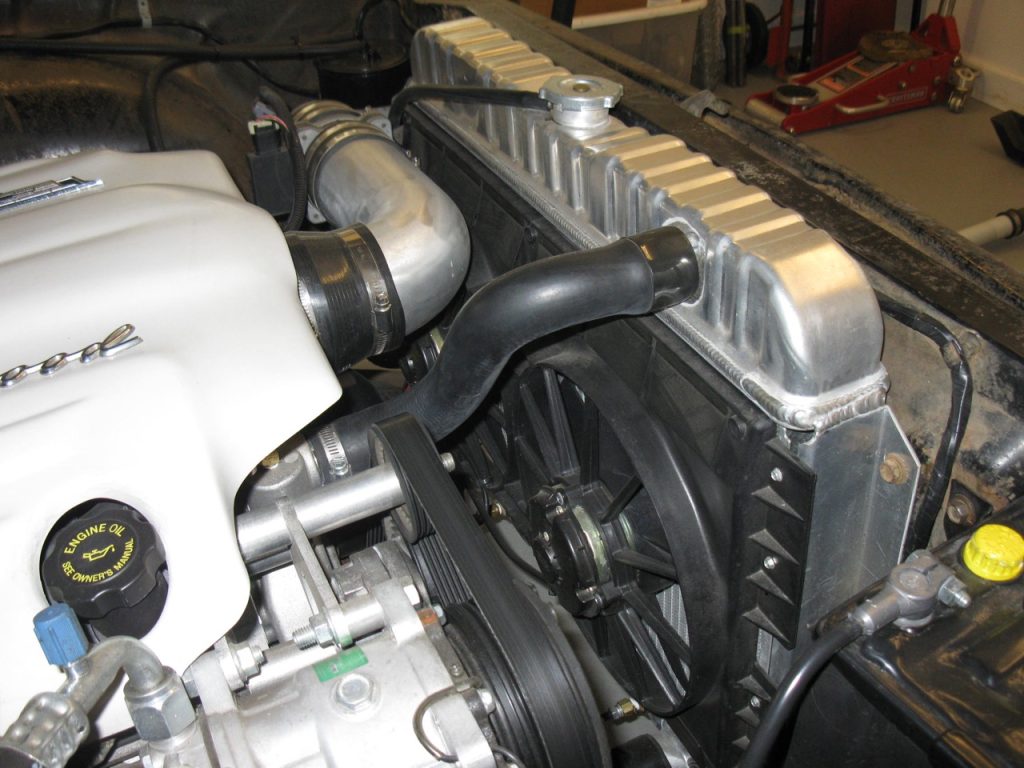
Several underlying issues can cause the cooling fan to activate as soon as the engine is started. Among the most common is a faulty coolant temperature sensor (CTS). The CTS acts as a critical input device for the engine control module, commonly referred to as the ECU (Engine Control Unit).
It monitors the temperature of the coolant circulating through the engine and transmits that data to the ECU, which then determines when fan engagement is necessary. If the sensor malfunctions, it may send inaccurate temperature readings, incorrectly indicating that the engine is overheating. As a result, the ECU responds by activating the cooling fan immediately, despite the engine being cold.
The coolant temperature sensor is typically threaded into the engine block or cylinder head and is immersed in engine coolant. It contains a thermistor, which is a temperature-sensitive resistor.
Its electrical resistance varies according to coolant temperature. Depending on the design, resistance may decrease as temperature rises or follow the opposite pattern. The ECU continuously monitors this resistance change to calculate engine temperature and adjust systems accordingly.
There are several indicators that may suggest a faulty CTS. Dashboard warning lights, such as the ‘Check Engine’ light or a temperature-specific alert, may illuminate. The temperature gauge may display inaccurate readings, either unusually high or persistently low.
Engine performance can also be affected because the ECU relies on coolant temperature data to regulate fuel mixture. A defective sensor may contribute to rough idling, sluggish acceleration, or reduced fuel efficiency. A cooling fan that runs continuously, regardless of engine temperature, is one of the most direct symptoms.
Replacing a coolant temperature sensor is often considered a manageable repair for individuals with basic mechanical knowledge. The process generally begins with locating the sensor, which can be confirmed through the vehicle’s service manual or manufacturer-specific resources. Work should only be performed when the engine is completely cool to prevent burns. For safety, the negative battery terminal should be disconnected.
In some cases, a small amount of coolant may need to be drained to minimize spillage during removal. The old sensor is then unscrewed using the appropriate wrench or socket, with the expectation that a minor amount of coolant may escape.
The new sensor should be threaded in by hand initially, then tightened securely without overtightening. After installation, the battery is reconnected, coolant is replenished as needed, and the engine is started to verify proper operation and confirm there are no leaks.
Replacement coolant temperature sensors are widely available through auto parts suppliers. It is essential to verify compatibility by matching the correct part number to the specific make and model of the vehicle.
On the flip side, if the fans never activate, overheating will happen quickly at idle. Faulty fan motors, relays, or temperature sensors are common causes.
Pay attention when sitting at drive-thrus or long stoplights. If the temperature rises rapidly while stationary, fan operation should be checked immediately.
8. Frequent overheating under load or on hills
A cooling system on its way out often reveals itself during hard work, towing, climbing hills, or sustained highway speeds. These situations generate more heat, exposing weaknesses that don’t appear during short city drives.
If your vehicle overheats while hauling cargo, pulling a trailer, or driving through mountainous areas, your radiator may be partially clogged or your water pump may be losing efficiency.
Many drivers experience this symptom during summer road trips, assuming the heat or terrain is to blame. In reality, a healthy system should handle these conditions without drama.
Ascending steep grades places substantial demand on both the engine and the cooling system, increasing the likelihood of overheating. When a vehicle travels uphill, the engine must generate additional power to counter gravity and maintain forward momentum.
This elevated load results in greater combustion activity and, consequently, increased heat production. The engine is therefore forced to operate at higher-than-normal temperatures for sustained periods.
Simultaneously, the cooling system must work harder to manage this thermal buildup. The radiator, cooling fan, and circulating coolant are responsible for absorbing and dispersing excess heat.
During uphill driving, however, cooling efficiency can be reduced. Engine speeds, airflow patterns, and coolant circulation dynamics may not always dissipate heat quickly enough to offset the increased thermal output. If the system cannot keep pace with the heat being generated, engine temperature may climb into the overheating range.
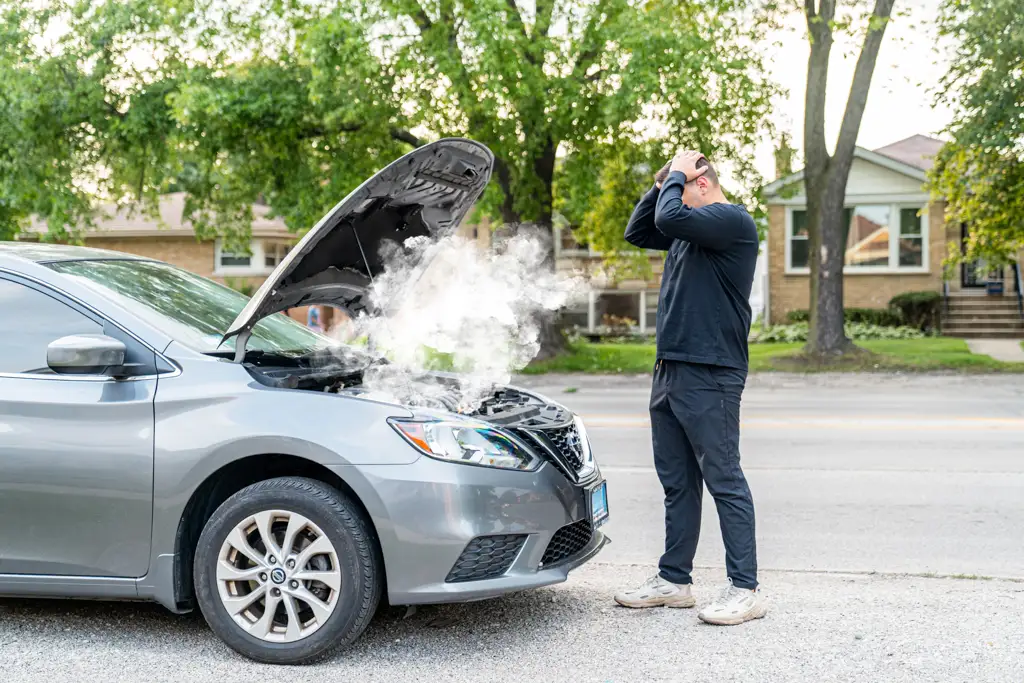
When an engine overheats, the consequences can extend beyond a temporary rise in gauge readings. Excessive heat can cause metal components to expand beyond their design tolerances, potentially leading to warping, gasket failure, or cracking.
Prolonged exposure to high temperatures may compromise cylinder heads, pistons, and other internal parts. In severe cases, overheating can result in complete engine failure, leaving the vehicle inoperable and requiring extensive repairs.
Overheating also affects operational efficiency. Engines are calibrated to perform within a specific temperature range. When temperatures exceed that range, combustion efficiency can decline, resulting in reduced power output and diminished fuel economy.
Drivers can take practical steps to reduce the risk of overheating while climbing hills. Routine inspection and maintenance of the cooling system are critical. This includes verifying proper coolant levels, ensuring the radiator is free from blockages, confirming the cooling fan operates correctly, and checking hoses and connections for leaks or deterioration.
Replacing worn or damaged components proactively helps maintain consistent heat management. Maintaining appropriate engine speed and avoiding excessive strain during prolonged climbs can further reduce thermal stress and support stable operating temperatures.
A failing cooling system doesn’t announce itself with a single dramatic event. It whispers through small changes: a warmer gauge, a sweet smell, a weak heater. Catching those whispers early is the difference between routine maintenance and major engine repair.
If you recognize even one of these warning signs, don’t wait. Cooling systems don’t heal themselves, and when they finally quit, they tend to do it at the worst possible moment.
