
Affordable SUVs often promise freedom, space, and confidence at a price that feels reachable. That promise can feel even stronger on a used car lot, where a low sticker price seems to open the door to ownership without stretching a budget. For shoppers focused on practicality, these vehicles appear ready to handle daily errands, family trips, and rough weather with equal ease.
The reality, however, does not always match that first impression. Some budget-friendly SUVs gained popularity because they looked right, drove comfortably, and carried trusted brand names. Beneath the surface, engine design choices sometimes worked against long-term dependability.
Weak internal components, poor cooling layouts, or oil circulation problems often appeared earlier than owners expected. Repairs could become expensive quickly, erasing the initial savings that made the purchase feel smart. This page focuses on SUVs that earned a reputation for early engine trouble, even though they remain common on the used market at appealing prices.
The goal here is clarity rather than fear. Understanding where problems often begin helps buyers make informed decisions, budget accurately, or avoid certain model years entirely. Each vehicle listed below carries a history of engine complaints that surfaced well before what drivers usually expect from an SUV. Awareness matters, especially when price alone tempts buyers into decisions that later feel heavy.
What follows is a detailed look at five SUVs whose engines often struggled early in their lives. Each section explains what went wrong, how those issues showed themselves, and why these models still appear cheap today. This knowledge allows shoppers to approach listings with open eyes rather than regret.
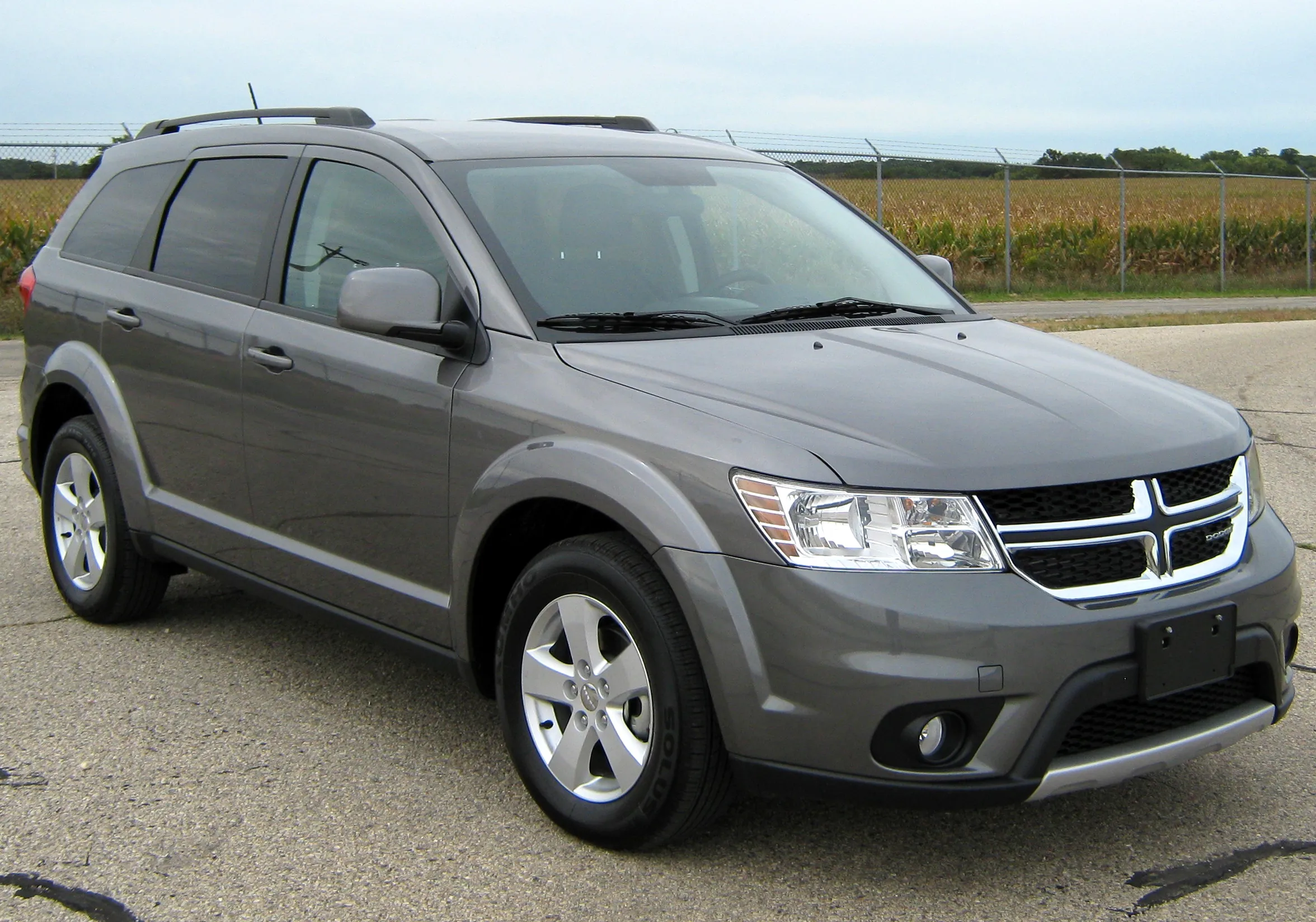
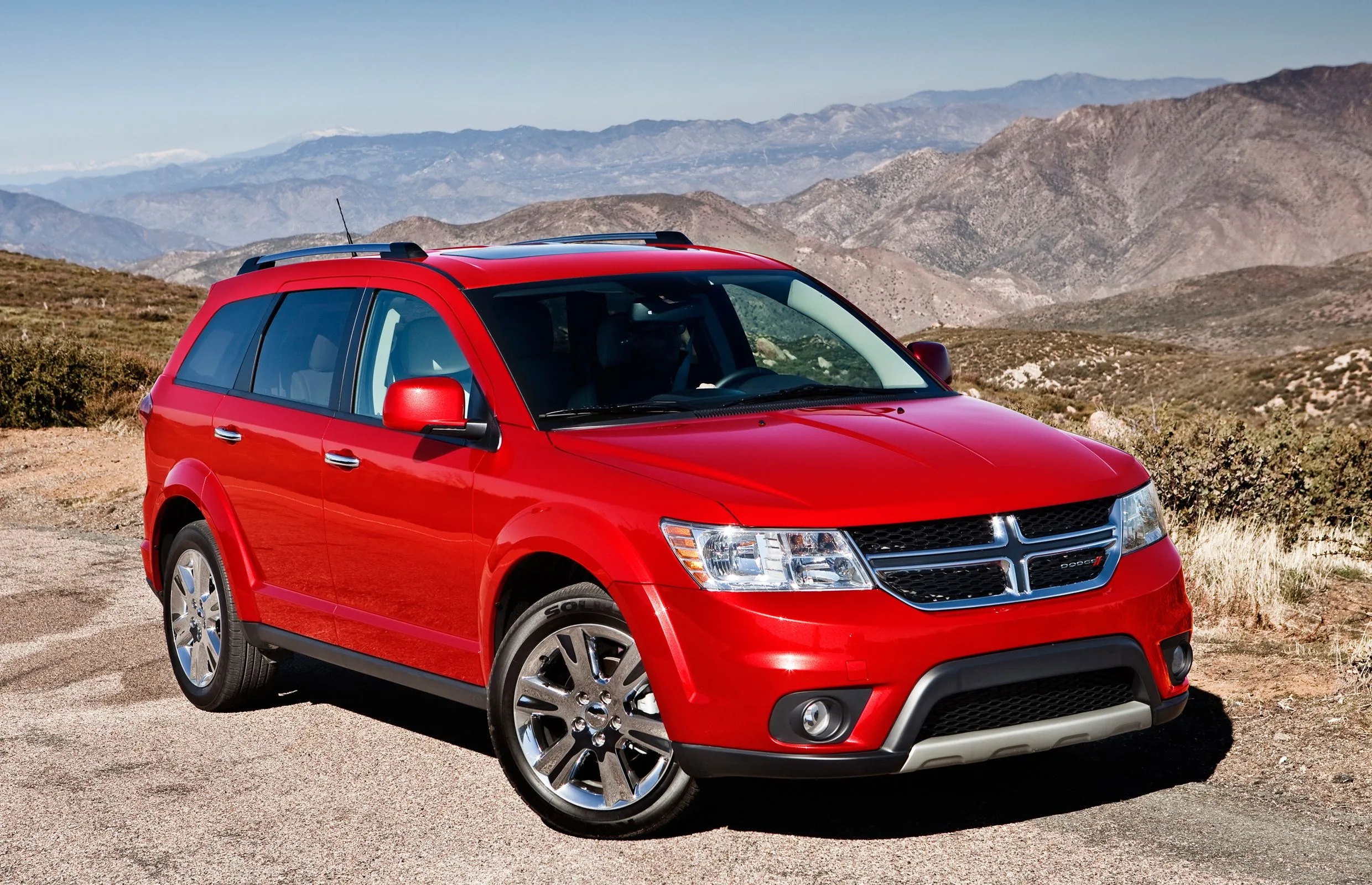
1. Dodge Journey 2.4L Four Cylinder (2009 to 2014)
Estimated Price Range: $3,500 to $8,000
A strong sales push and attractive pricing helped the Dodge Journey gain traction quickly among families searching for space without luxury costs. The exterior design felt modern enough, and interior flexibility appealed to buyers with growing households.
Trouble began under the hood, especially in models equipped with the 2.4-liter four-cylinder engine. While marketed as efficient and simple, this engine developed a pattern of early wear that frustrated owners long before high mileage appeared. Oil consumption became a frequent complaint.
Drivers reported needing frequent top-offs between service intervals, often without visible leaks. Internally, piston ring wear played a major role, allowing oil to slip past combustion chambers. As time goes on, this condition leads to fouled spark plugs, misfires, and reduced performance. Some owners noticed warning lights and rough idling before realizing oil levels had dropped dangerously low.
Cooling system shortcomings added pressure to an already stressed engine design. Thermostat failures and cooling fan issues caused temperature spikes that accelerated internal wear. Even brief overheating episodes increased the risk of head gasket damage. Repairs in this area often required labor-intensive work, pushing costs far beyond what budget-focused buyers expected.
Timing chain noise surfaced earlier than expected in many examples. Rattling sounds during cold starts often signaled stretched components or worn guides. Ignoring these sounds could result in severe internal damage if the chain skipped timing. Replacement involved huge labor due to the engine layout, turning what sounded like a small issue into a major financial decision.
Despite these problems, the Dodge Journey remains widely available at low prices. That affordability reflects market awareness of its engine history. Buyers drawn by low purchase costs often face a difficult choice once repairs surface. Without careful inspection and proof of extensive service records, this SUV carries a high risk of early engine failure.
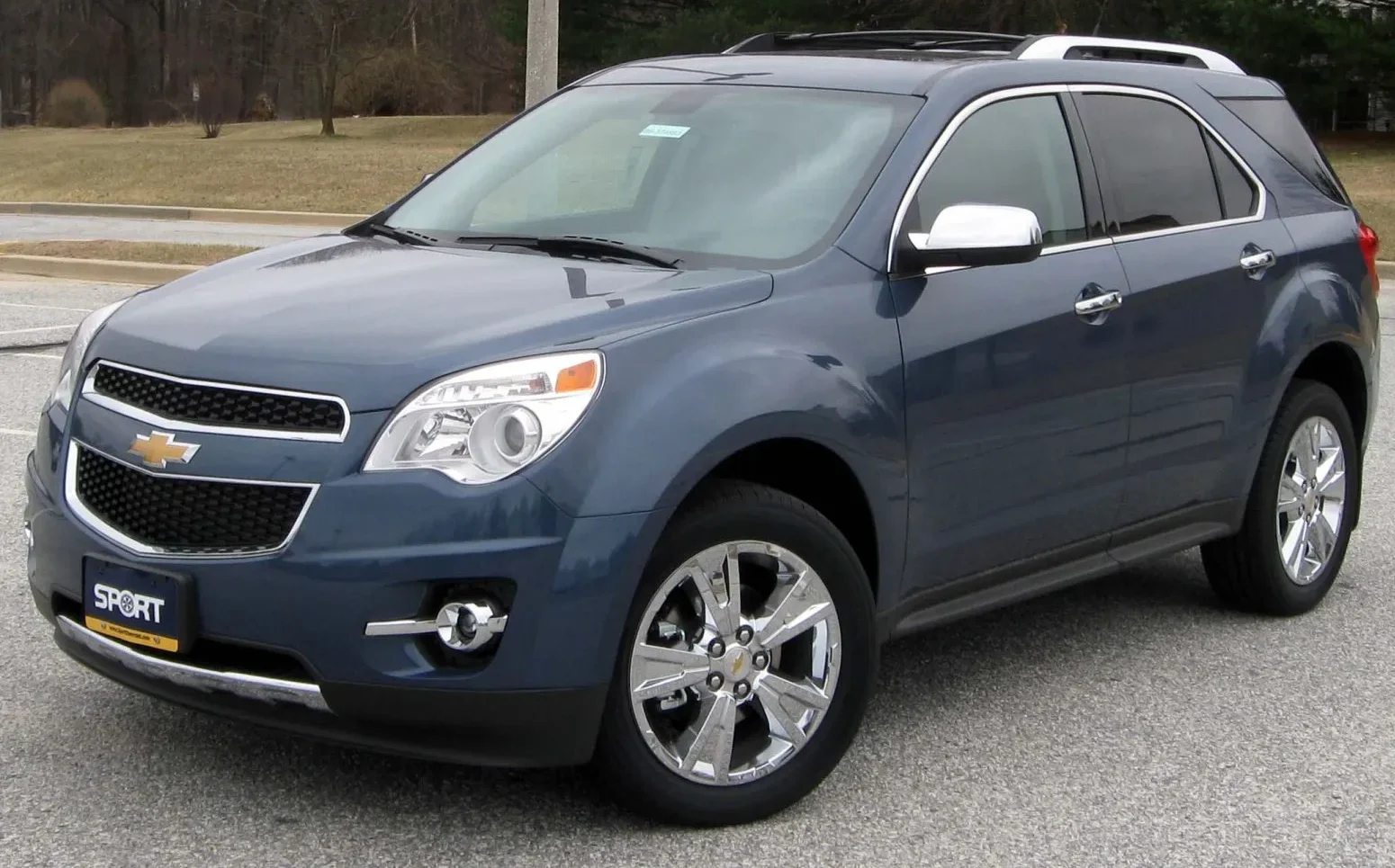
2. Chevrolet Equinox 2.4L Ecotec (2010 to 2013)
Estimated Price Range: $4,000 to $9,000
Chevrolet positioned the Equinox as a comfortable, efficient compact SUV suited for daily use. Sales numbers surged during the early 2010s, especially for models equipped with the 2.4-liter Ecotec engine. At first glance, the package seemed sensible. Smooth ride quality and modern styling helped seal deals. Under routine ownership, engine problems emerged with consistency that damaged trust quickly.
Excessive oil consumption defined the reputation of this powerplant. Owners frequently discovered dangerously low oil levels between scheduled changes. Piston ring design flaws allowed oil to burn during normal operation. Chevrolet issued service bulletins and extended warranties for certain cases, yet many vehicles fell outside coverage windows by the time symptoms appeared.
Timing chain wear followed closely behind oil-related issues. Inadequate lubrication accelerated chain stretch, leading to rough starts and warning lights. Once the chain skipped timing, engine damage often became severe. Repairs demanded partial or full engine disassembly, which few owners expected from a relatively young vehicle.
Carbon buildup created additional headaches. Direct injection technology, while efficient, allowed deposits to accumulate on intake valves. As time goes on, airflow suffered, causing hesitation and reduced fuel economy. Cleaning procedures helped temporarily, but repeated treatments added to ownership costs.
Cooling system failures also surfaced earlier than expected. Water pump leaks and thermostat malfunctions placed engines under thermal stress. Combined with oil issues, these failures shortened engine life in many cases. The Chevrolet Equinox from this period now appears at appealing prices across used markets.
Those low figures reflect buyer caution shaped by years of shared experiences. Without documented engine repairs or updated components, this SUV often brings financial strain rather than relief.
Also Read: Top 10 Shockingly Reliable German SUVs You Can Buy Cheap
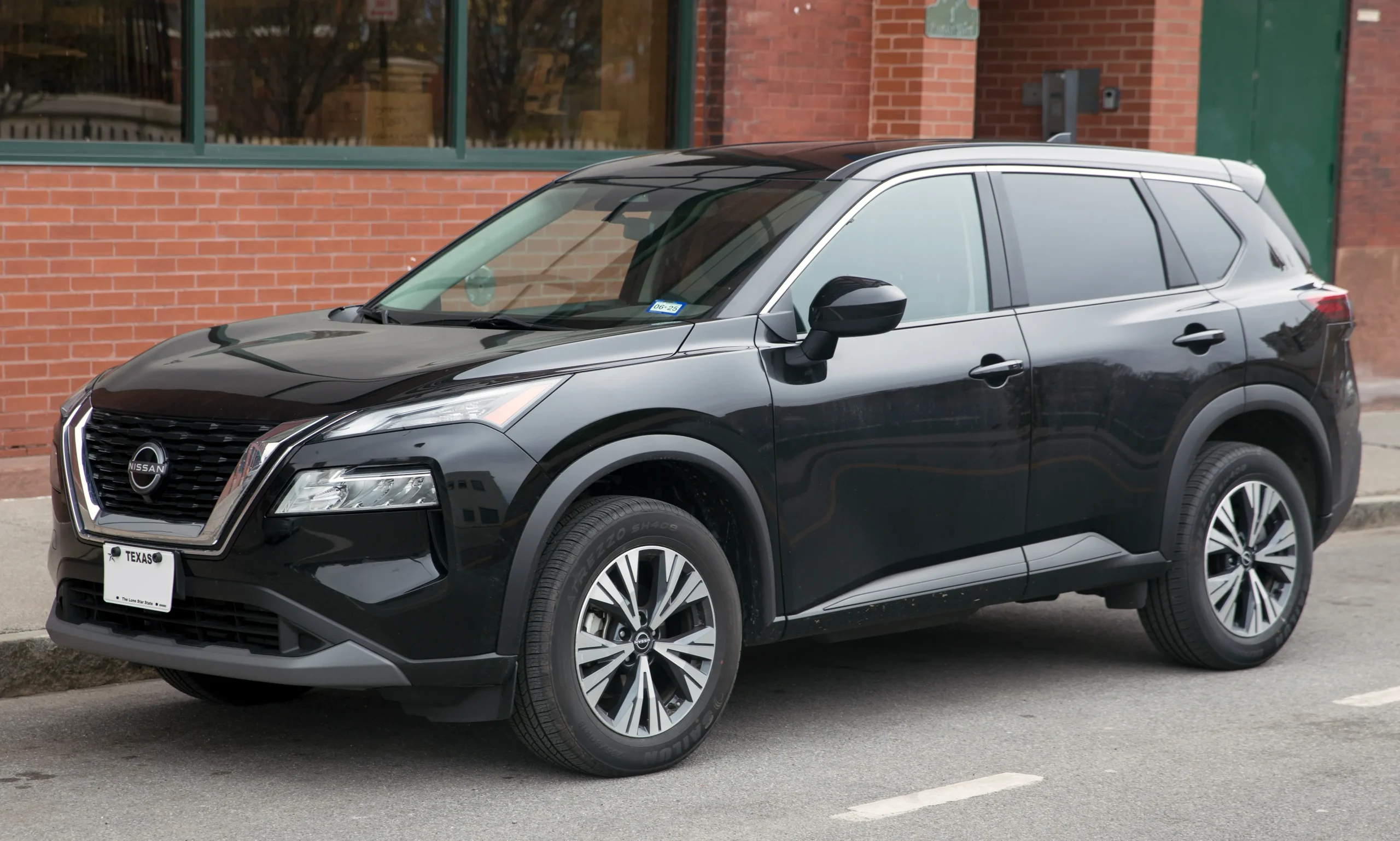
3. Nissan Rogue 2.5L Four Cylinder (2008 to 2015)
Estimated Price Range: $4,500 to $10,000
Nissan built a strong reputation for affordable crossovers, and the Rogue fit neatly into that image. Compact dimensions, good fuel economy, and a comfortable cabin attracted commuters and small families alike. Beneath the practical image, the 2.5-liter four-cylinder engine revealed durability concerns that surfaced earlier than expected for many owners.
Head gasket failures appeared with troubling frequency. Drivers reported coolant loss without visible leaks, followed by overheating warnings. Internal gasket breakdown allowed coolant to enter combustion chambers, causing rough running and white exhaust smoke. Repairs often required engine removal, driving costs beyond what owners anticipated for a modest SUV.
Oil leaks developed around valve covers and timing components. While some leaks began small, prolonged exposure to heat worsened the condition. Low oil levels increased friction inside the engine, accelerating wear. Many owners only discovered the issue after hearing ticking noises or noticing performance changes.
Cooling system limitations added to these concerns. Radiator and thermostat failures placed additional stress on already vulnerable engines. Even brief temperature spikes increased the risk of warped cylinder heads. Preventive replacement helped, yet many buyers remained unaware until damage occurred.
The Rogue also suffered from poor tolerance to neglected maintenance. Extended oil change intervals led to sludge buildup, restricting oil flow. Engines that experienced this condition often failed before reaching expected mileage benchmarks.
Despite these issues, the Nissan Rogue remains common on used lots with inviting prices. Buyers focused solely on affordability may overlook engine history. Without careful inspection and thorough service documentation, this SUV can become costly faster than expected.
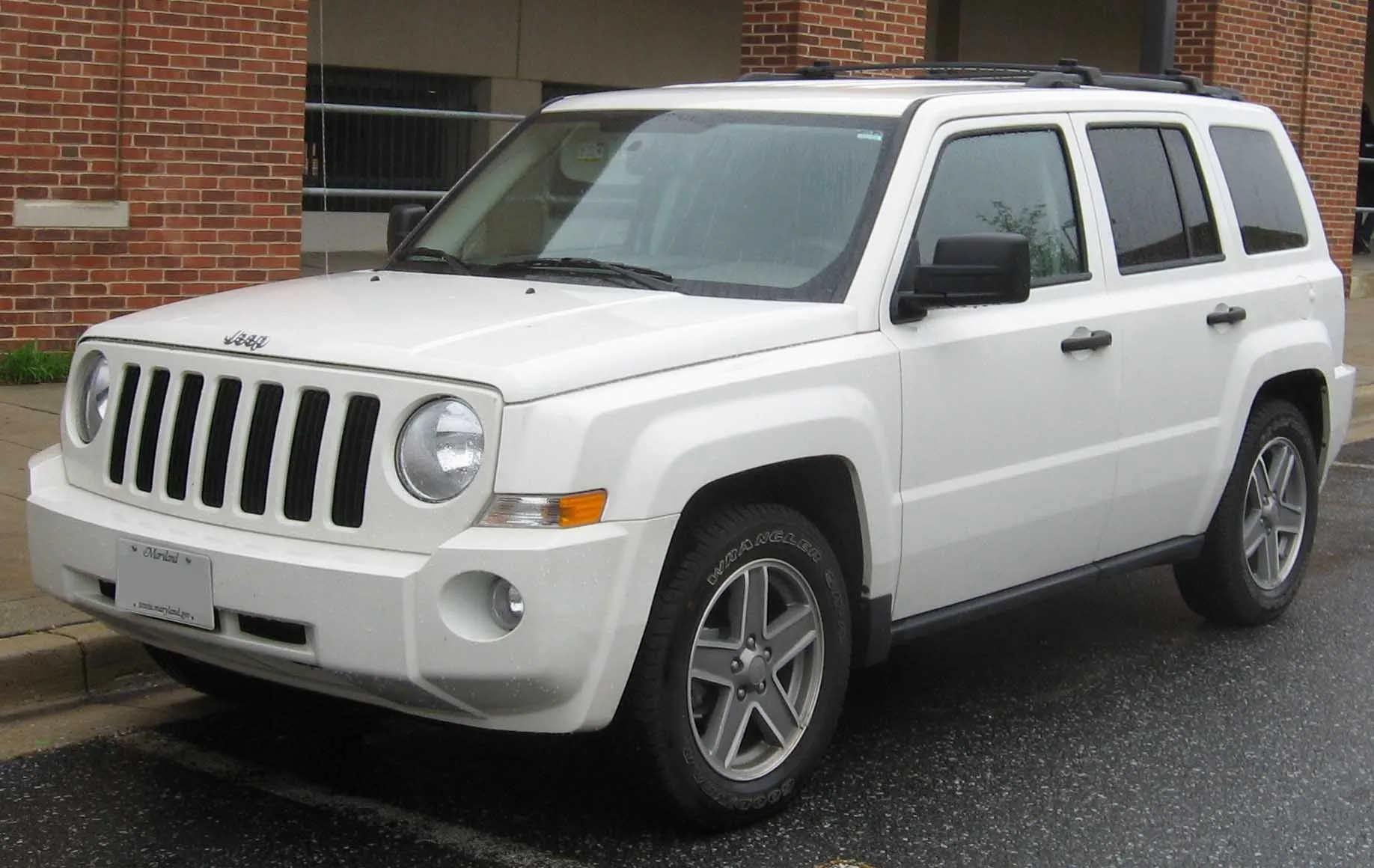
4. Jeep Patriot 2.4L World Engine (2007 to 2014)
Estimated Price Range: $3,500 to $8,500
Jeep marketed the Patriot as an entry-level SUV with rugged styling cues and practical sizing. Buyers drawn to the brand image appreciated its upright stance and available All Wheel Drive. The 2.4-liter World Engine, shared across several manufacturers, introduced a series of reliability challenges that affected long-term ownership satisfaction.
Oil-burning issues emerged early for many drivers. Internal wear allowed oil consumption to increase steadily, sometimes without obvious warning signs. Low oil levels led to bearing wear and eventual engine noise. Once the knocking sounds appeared, repair options narrowed quickly.
Valve train problems followed closely. Lifters and camshaft components showed premature wear, often resulting in ticking noises during startup. Left unresolved, these issues progressed into loss of power and misfires. Repairs required labor due to engine design constraints.
Cooling components presented another weak point. Thermostat housing failures and radiator leaks contributed to overheating episodes. Engines already stressed by oil issues struggled to tolerate temperature spikes. Head gasket damage became a real risk under these conditions.
Electrical sensor failures complicated the diagnosis. Faulty oil pressure and temperature sensors sometimes masked underlying problems, delaying necessary repairs. By the time accurate readings returned, internal damage had often progressed.
The Jeep Patriot continues to attract buyers through low pricing and brand recognition. Engine history, however, explains why values remain depressed. Without major engine work already completed, ownership often brings frustration rather than satisfaction.
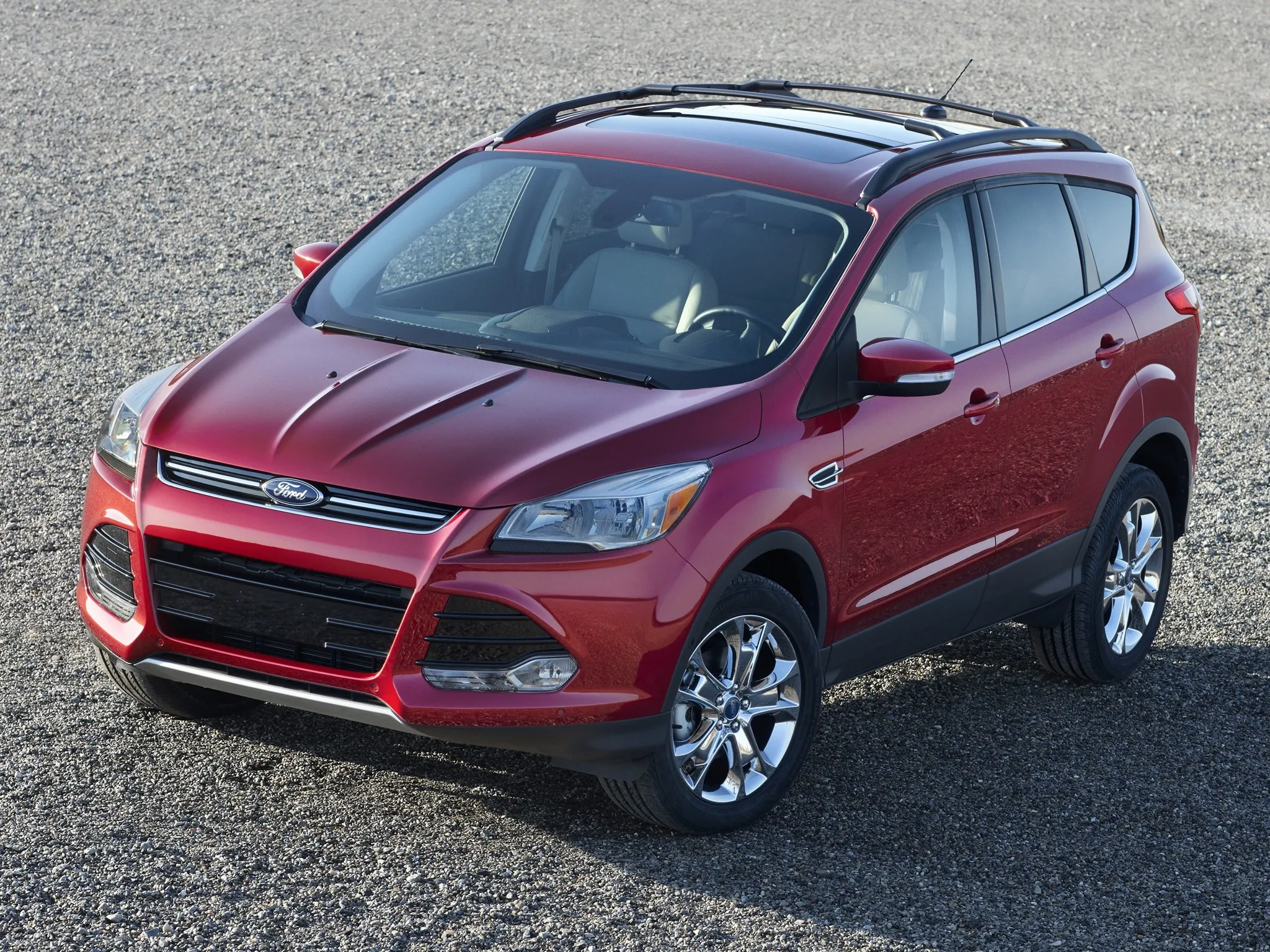
5. Ford Escape 1.6L EcoBoost (2013 to 2016)
Estimated Price Range: $5,000 to $11,000
Ford introduced turbocharged efficiency with confidence in the Escape lineup. The 1.6-liter EcoBoost engine promised strong fuel economy paired with responsive performance. Early enthusiasm faded as reports of engine trouble surfaced, many involving sudden failures that caught owners off guard.
Cooling system defects became the most alarming concern. Coolant intrusion into cylinders occurred due to a flawed engine block design. Drivers reported misfires, white smoke, and sudden loss of power. In severe cases, engines failed without warning, leaving vehicles stranded.
Turbocharger heat added stress to internal components. Without a perfect cooling balance, temperatures rose quickly under load. Prolonged exposure weakened gaskets and seals, allowing coolant and oil to mix. Repairs often required full engine replacement rather than component fixes.
Oil dilution issues compounded the problem. Fuel seeped into oil during short trips, reducing lubrication quality. Bearings and crankshaft surfaces suffered as a result. Frequent oil changes helped, but did not eliminate the underlying design weakness. Ford issued recalls and service campaigns, yet many vehicles fell outside coverage when symptoms appeared.
Replacement costs shocked owners who expected dependable service from a modern SUV. Despite these issues, the Ford Escape remains attractively priced in used markets. That affordability reflects widespread caution shaped by engine failure stories. Without proof of updated components or engine replacement, this SUV carries substantial financial risk for budget-focused buyers.

6. Hyundai Santa Fe 2.4L Theta II (2013 to 2016)
Estimated Price Range: $6,000 to $12,000
Hyundai Santa Fe models from this period attracted buyers through generous features and competitive pricing. Comfort, interior space, and modern styling created confidence at first contact. That confidence often faded once engine-related problems surfaced, particularly in versions equipped with the 2.4-liter Theta II four-cylinder.
Owners expecting long-term dependability instead faced repeated warnings and expensive repair decisions earlier than anticipated. Oil starvation emerged as a defining weakness. Internal debris from poor machining sometimes restricted oil flow, starving bearings of lubrication.
As miles accumulated, knocking sounds appeared during acceleration or startup. Many drivers reported sudden engine seizure with little warning, leaving vehicles immobile. Hyundai acknowledged this defect through recalls and extended warranties, yet not every affected vehicle received timely intervention.
Rod bearing failure became a frequent outcome of lubrication loss. Once bearings wore down, metal fragments circulated throughout the engine. Repairs at this stage required full engine replacement rather than isolated component fixes. Owners who missed early symptoms often faced repair bills exceeding vehicle value, making continued ownership difficult to justify.
Heat management issues compounded the risk. Engines under oil stress struggled to regulate temperature effectively. Even moderate driving conditions increased internal friction, accelerating wear. Warning lights sometimes appeared only moments before failure, limiting chances for preventive action.
Sensor-related inconsistencies complicated the diagnosis. Faulty knock sensors occasionally failed to alert drivers to early trouble. By the time accurate readings surfaced, internal damage had already progressed. This lack of early warning left many owners feeling blindsided.
Used market pricing for these Santa Fe models reflects accumulated caution. Attractive asking prices often hide potential engine replacement risk. Without documentation confirming engine updates or replacements, buyers face uncertainty that undermines the value proposition.
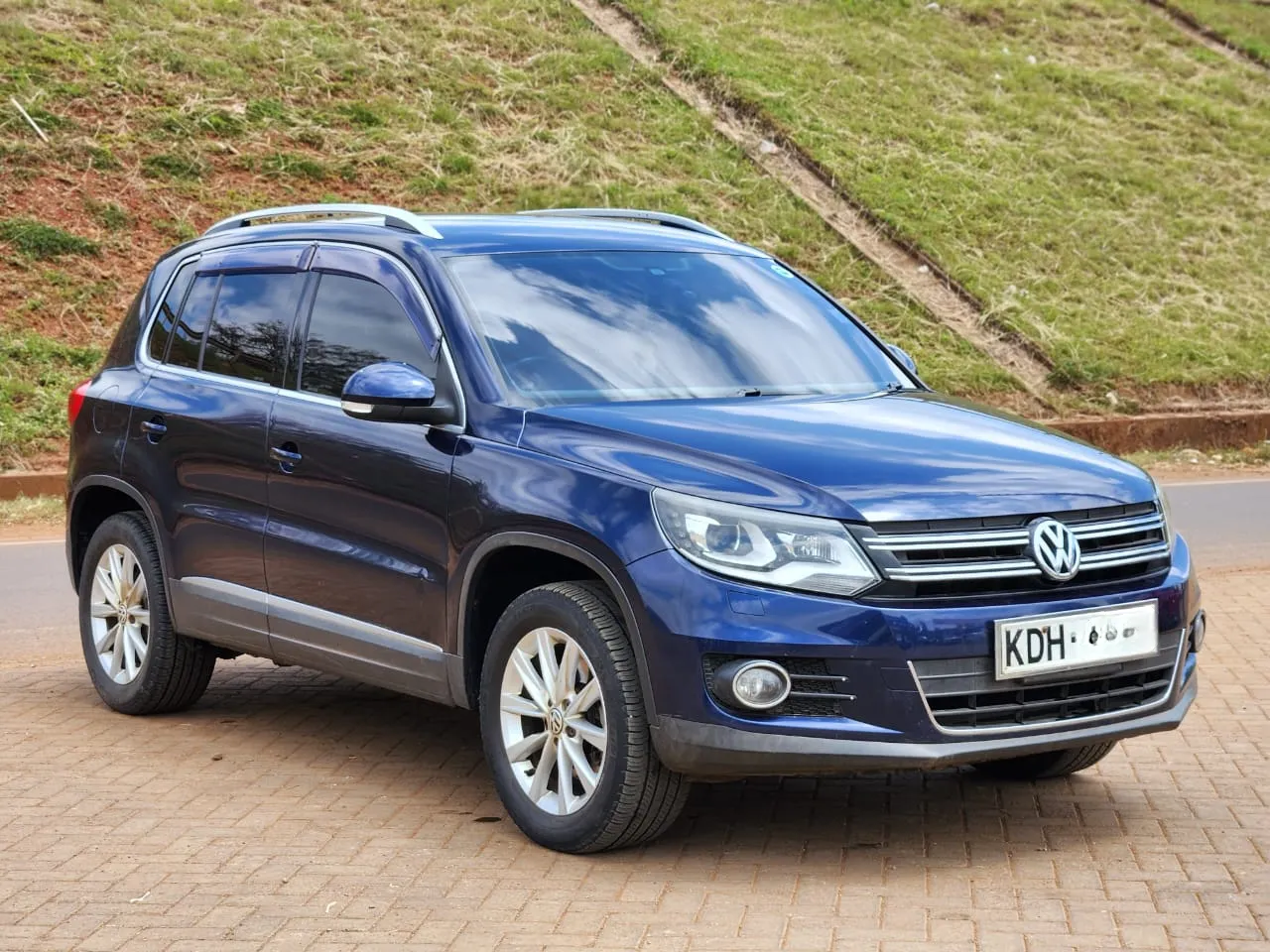
7. Volkswagen Tiguan 2.0L TSI (2009 to 2015)
Estimated Price Range: $4,500 to $10,000
Volkswagen Tiguan appealed to drivers seeking European styling and refined road manners at a modest price. Compact proportions and a turbocharged engine promised responsive performance paired with practicality. Ownership stories, however, often centered on mechanical frustration tied to the 2.0-liter TSI engine.
Timing chain tensioner failure defined many early complaints. Weak tensioner design allowed chain slack, especially during cold starts. A skipped chain caused immediate internal damage, often bending valves. Repairs required extensive engine disassembly, turning a small component flaw into a major expense.
Oil consumption added another layer of concern. Piston ring design allowed oil to pass into combustion chambers, leading to frequent top-offs. Drivers unaware of this behavior sometimes ran engines low on oil, accelerating wear. Warning lights did not always activate in time to prevent damage.
Carbon buildup on intake valves reduced performance gradually. Direct injection prevented fuel from cleaning valves naturally, allowing deposits to accumulate. Hesitation, rough idle, and reduced efficiency followed. Cleaning procedures improved performance temporarily, though repeated treatments raised ownership costs.
Cooling system components also showed early wear. Water pump leaks and thermostat failures increased thermal stress. Turbocharged engines already operating at higher temperatures suffered under these conditions. Combined issues shortened engine lifespan for many owners.
Used Tiguan prices remain appealing, yet engine history explains buyer hesitation. Without updated timing components and documented service, this SUV often carries financial risk beyond its purchase price.
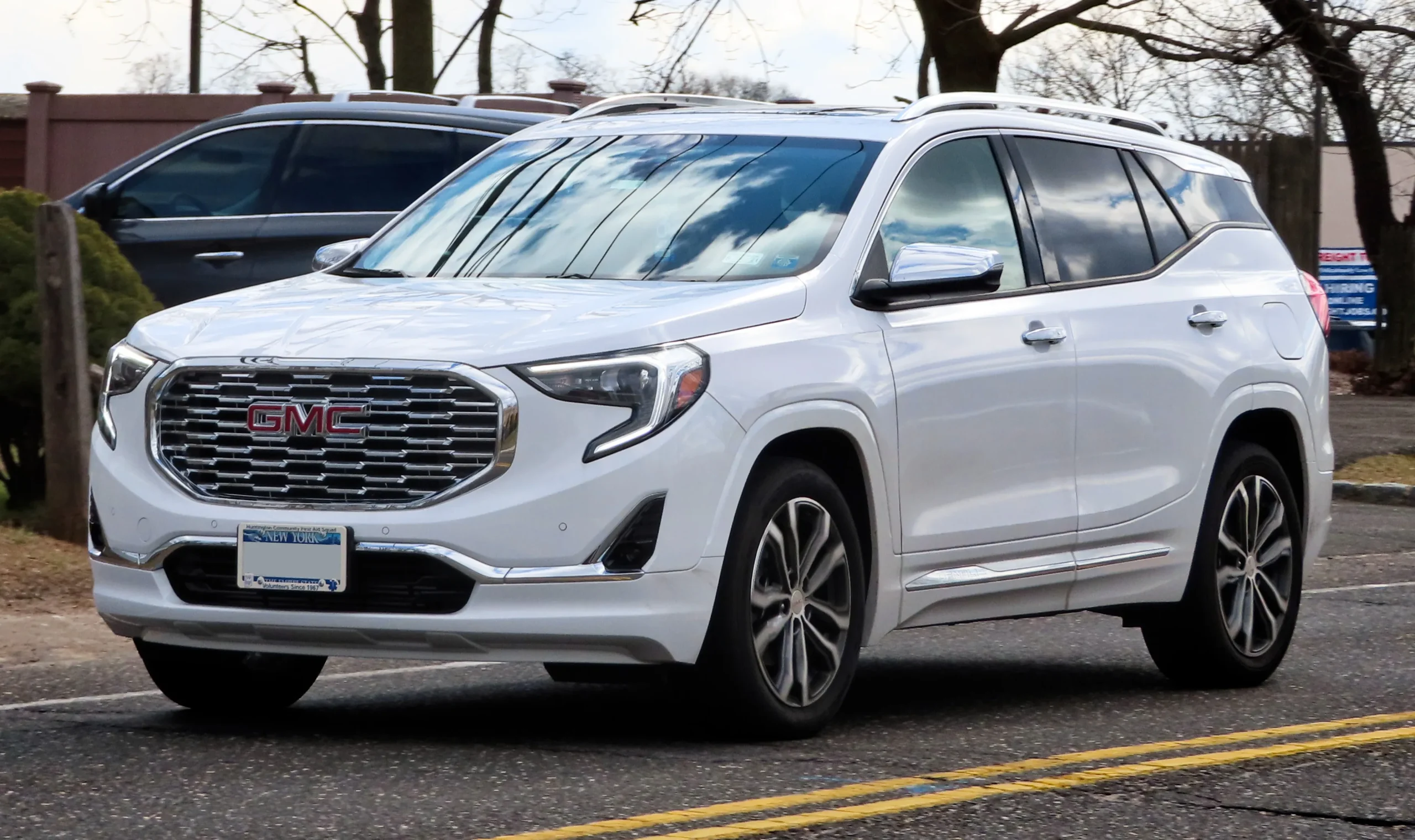
8. GMC Terrain 2.4L Ecotec (2010 to 2014)
Estimated Price Range: $4,500 to $9,500
GMC Terrain entered the compact SUV segment with an image built around refinement, visual confidence, and everyday comfort. Buyers were drawn to its upright stance, quiet interior, and promise of dependable performance suited for family use and daily commuting.
Expectations remained high during early ownership, yet engine-related concerns gradually altered public perception, particularly for models equipped with the 2.4 litre Ecotec petrol engine. Oil consumption emerged as an early and persistent problem. Drivers frequently observed declining oil levels without visible leaks or warning signs.
This condition resulted from premature piston ring wear, which allowed oil to pass into combustion chambers during normal operation. As oil levels dropped, engines began to experience rough idling, misfires, and reduced efficiency. Owners who failed to check oil levels frequently often discovered the issue only after dashboard alerts appeared.
Timing chain wear followed closely behind. Reduced lubrication accelerated chain stretching, leading to irregular engine timing. Cold starts became noisy, and engine fault codes appeared more frequently. Once the chain slipped beyond acceptable limits, internal damage progressed quickly. Repairs at this stage required extensive labour, discouraging many owners from pursuing corrective work due to cost concerns.
Direct injection design introduced additional challenges. Intake valves accumulated carbon deposits because fuel no longer washed over them during operation. Airflow restriction caused hesitation, sluggish acceleration, and declining fuel economy. Cleaning procedures restored performance temporarily, though repeated treatment increased long-term ownership expense.
Cooling system weaknesses further increased vulnerability. Water pump failures and thermostat malfunctions caused overheating episodes that stressed already compromised engines. Heat exposure accelerated internal wear, pushing some engines toward early failure.
Current market pricing for these Terrain models reflects caution. Low purchase costs often conceal the risk of major engine repairs. Without verified engine replacement or documented corrective work, longevity remains uncertain for prospective owners.
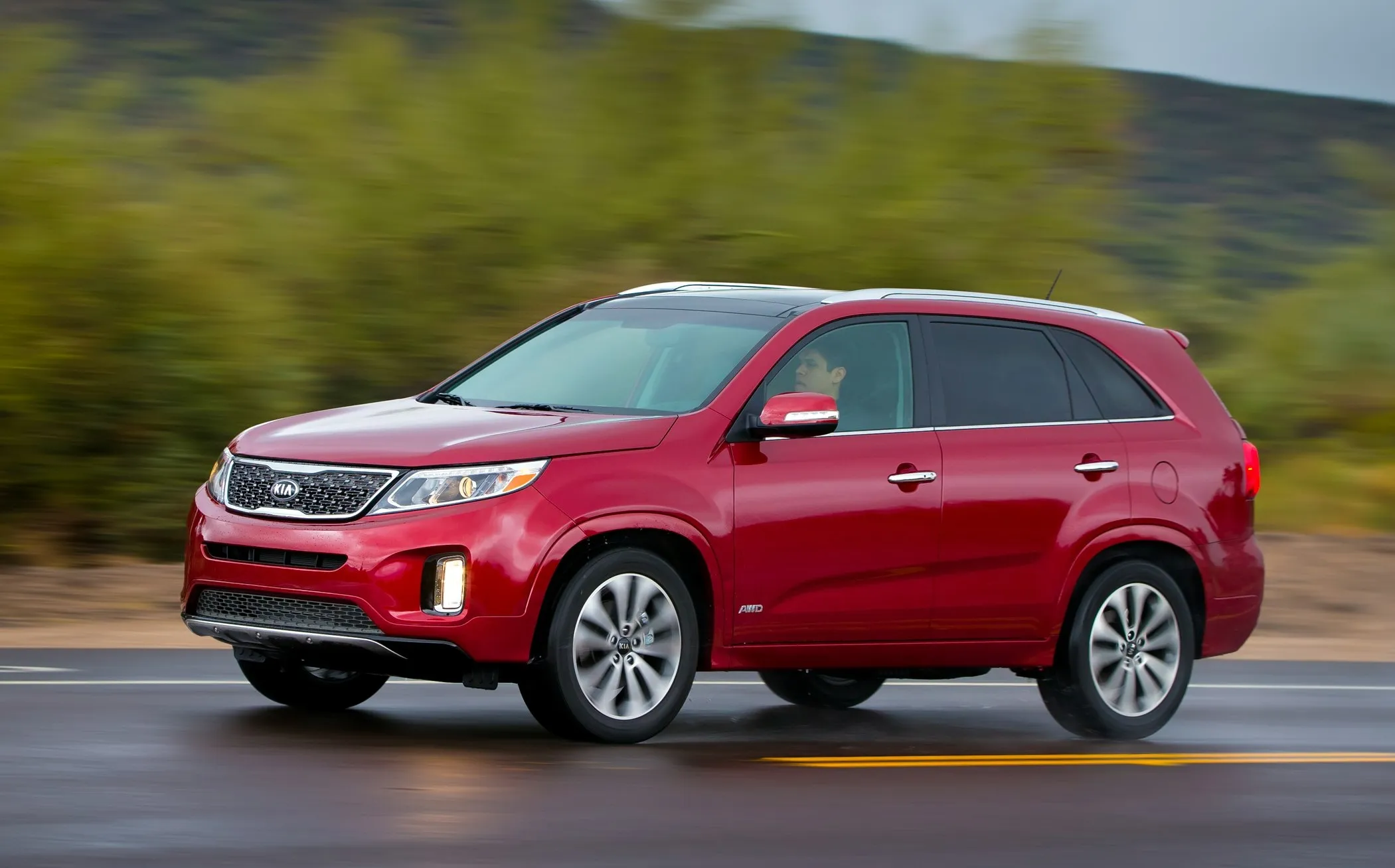
9. Kia Sorento 2.4L GDI (2011 to 2015)
Estimated Price Range: $5,000 to $11,000
Kia Sorento gained strong attention as a midsize SUV offering generous interior space, modern styling, and competitive pricing. Early ownership experiences often felt positive, supported by smooth ride quality and feature-rich cabins. As time goes on, engine reliability concerns began to dominate discussions, particularly in versions fitted with the 2.4 litre gasoline direct injection engine.
Rod bearing wear became a widespread concern. Manufacturing debris present in some engines restricted oil flow, starving bearings of proper lubrication. Knocking noises often appeared suddenly, usually during acceleration or startup. Once these sounds developed, engine failure followed quickly. Kia responded with recalls and warranty extensions, yet coverage depended on production period and compliance with service requirements.
Oil consumption added to owner frustration. Engines burned oil at increasing rates as internal components deteriorated. Low oil levels intensified bearing wear, especially when drivers remained unaware of consumption patterns. Many owners only recognised the issue after engine noise or warning indicators appeared.
Cooling system reliability also presented challenges. Thermostat failures caused unexpected temperature spikes that stressed internal components. Engines already suffering from lubrication issues responded poorly to heat exposure, accelerating deterioration.
Diagnostic limitations compounded problems. Sensors did not always detect early signs of bearing damage, leaving drivers with minimal warning before breakdown. Repair solutions at advanced stages often required full engine replacement rather than partial repair.
Used market pricing reflects this mixed reputation. Attractive listings may obscure potential repair exposure. Without confirmation of engine replacement or recall completion, buyers face elevated risk tied to ownership longevity.
Also Read: 10 SUVs That Are Cheap to Own and Last a Lifetime
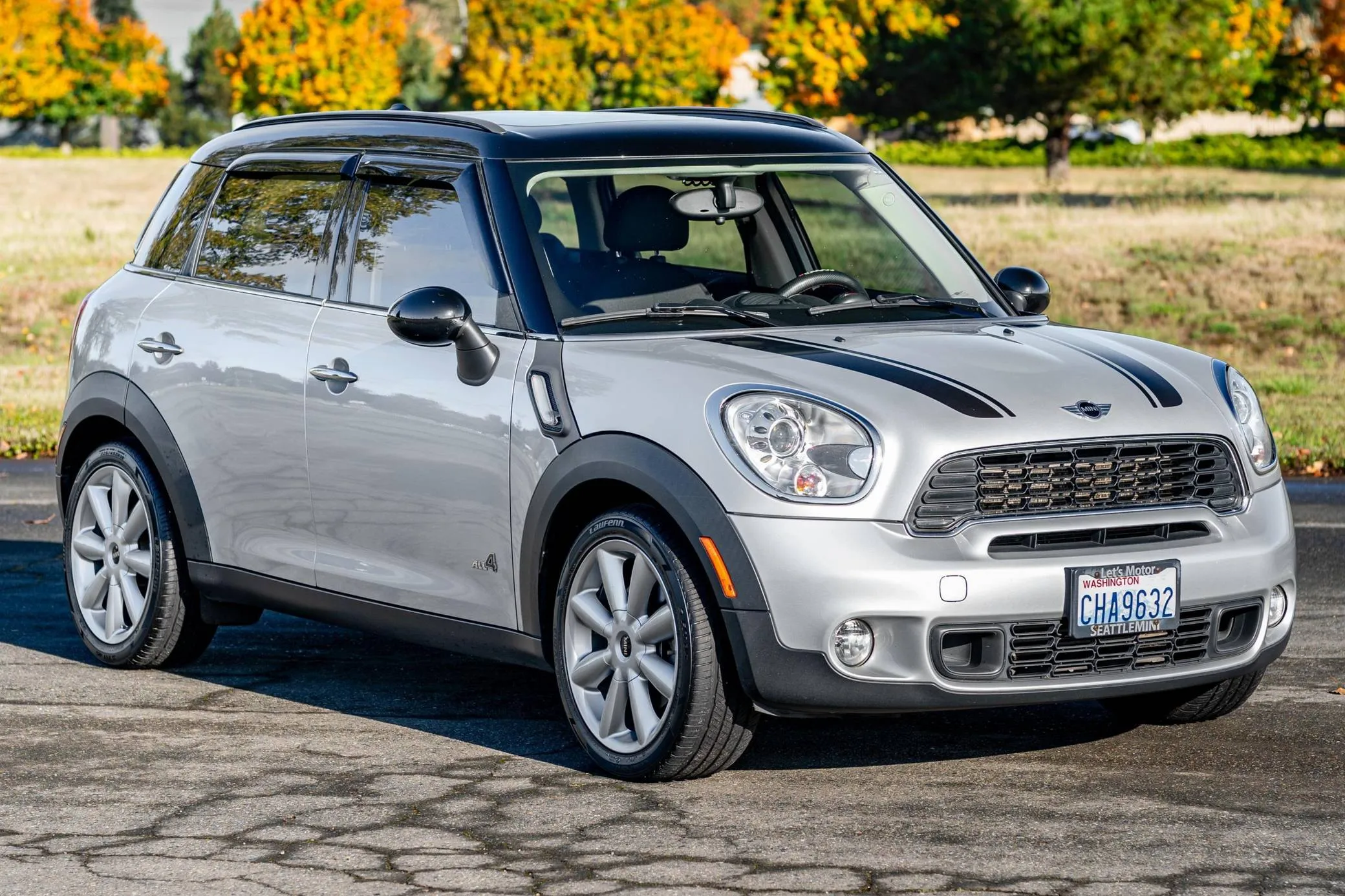
10. Mini Cooper Countryman 1.6L Turbo (2011 to 2016)
Estimated Price Range: $5,500 to $12,000
Mini Cooper Countryman presented a blend of compact sport utility proportions with distinctive visual identity and energetic driving behaviour. Buyers attracted to individuality and brisk performance often selected this model with high expectations, sometimes placing style and brand appeal above mechanical caution.
The 1.6-litre turbocharged petrol engine, shared across several Mini vehicles from the same production period, soon revealed durability weaknesses that affected long-term ownership confidence. Early ownership complaints frequently centred on the timing chain tensioner system. Rattling noises during cold starts indicated slack developing within the chain assembly.
When left unattended, this condition led to chain misalignment, exposing internal engine components to severe mechanical contact. Valves and pistons suffered damage once timing integrity failed. Corrective work required extensive disassembly, pushing labour expenses well beyond routine repair levels and placing considerable financial pressure on owners.
Turbocharger operation introduced additional strain across surrounding systems. Sustained heat generated by forced induction accelerated the deterioration of oil lines and sealing components. As these parts aged, oil leakage became more common, reducing lubrication efficiency throughout the engine.
Lower oil availability encouraged accelerated bearing wear, increasing the likelihood of internal damage long before expected service milestones. Carbon accumulation further complicated performance stability. Direct injection architecture prevented fuel from washing intake valves during normal operation, allowing deposits to collect steadily.
Restricted airflow led to rough idle behaviour, hesitation during acceleration, and declining fuel efficiency. Periodic cleaning restored acceptable drivability for limited periods, though repeated servicing added steadily to ownership costs without addressing root design limitations.
Cooling system reliability raised additional concerns. Water pump and thermostat failures produced overheating episodes that placed extra stress on an already sensitive powertrain. Turbocharged engines responded poorly to temperature irregularities, increasing vulnerability to gasket failure and warped internal components. Heat exposure often accelerated wear patterns already developing from lubrication issues.
Pricing within the used vehicle market frequently appears attractive, encouraging interest from cost-conscious buyers. Engine service history explains persistent caution surrounding this model. Without detailed maintenance documentation and evidence of updated components, ownership often transitions into a costly commitment far sooner than many buyers anticipate.
Prospective owners benefit from careful inspection before purchase. Verification of timing system updates, oil service consistency, and cooling component replacement reduces exposure to unexpected repairs. Professional evaluation offers insight into the internal condition beyond surface appearance.
Responsible assessment allows informed decisions, protecting buyers from preventable expense while clarifying realistic expectations associated with long-term use of this particular vehicle. A clear understanding of mechanical history remains essential, especially for drivers seeking dependable daily transport rather than occasional leisure use or short-term ownership satisfaction.
