
The electric vehicle market has changed dramatically over the past decade, creating unique opportunities for budget-conscious buyers. Many early EV models have experienced steep depreciation, recalls, or slower charging technology compared with today’s longer-range, faster-charging vehicles.
This shift has made it possible to own reliable, practical, and surprisingly capable electric cars at a fraction of their original price. From compact city hatchbacks to family-friendly crossovers, several models now stand out on the secondhand market for affordability and value.
Cars like the Nissan Leaf, Chevrolet Bolt EV, Tesla Model 3, BMW i3, Hyundai Kona Electric, Kia Niro EV, MG4 EV, and Volkswagen e-Golf show how used EVs can combine range, performance, and modern features without breaking the bank. For commuters, urban drivers, and families, these eight electric cars offer accessible entry points into electric mobility.
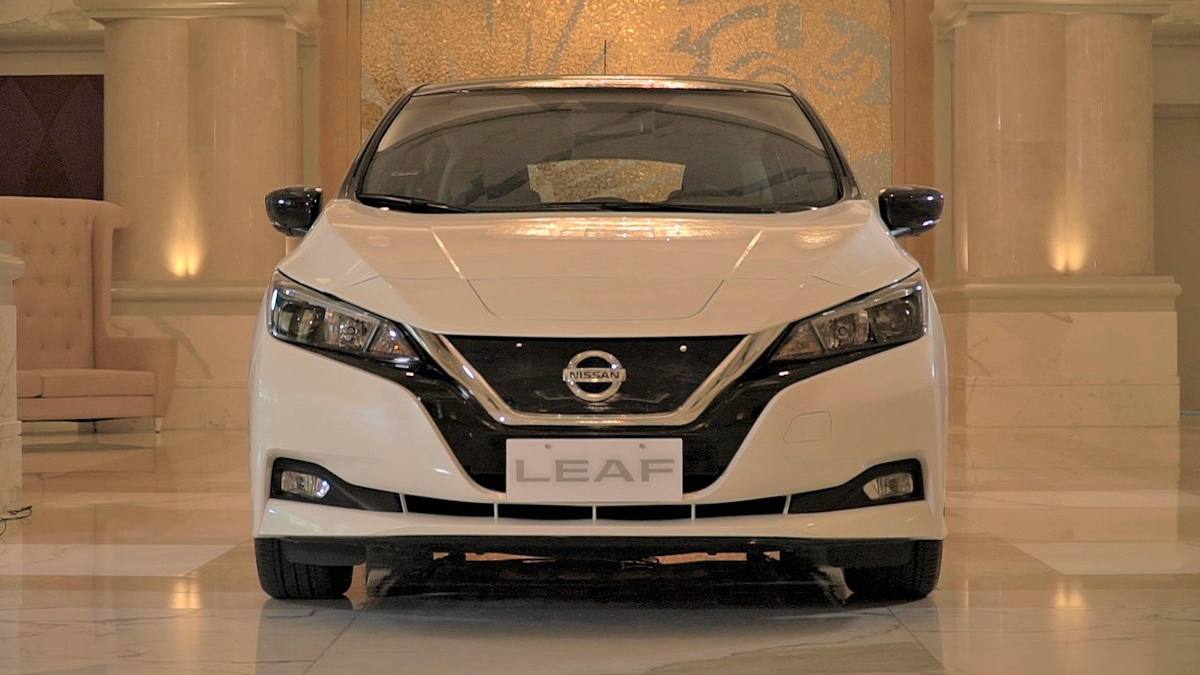
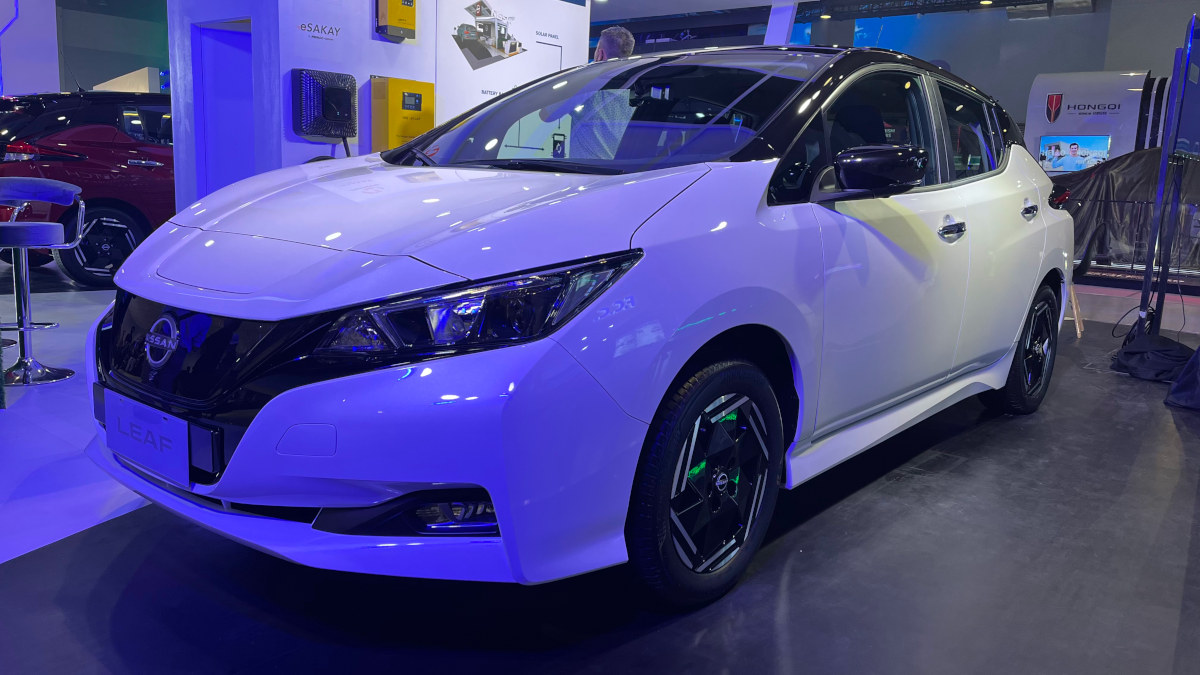
1. Nissan Leaf (2018–2022)
The 2018 to 2022 Nissan Leaf is widely recognized as one of the most affordable used electric vehicles on the market. Often described as a “best banger EV,” this second-generation model combines improved technology, decent range, and proven reliability at a heavily depreciated price.
Rapid value loss, concerns about battery longevity, and its reliance on the aging CHAdeMO charging standard have all contributed to low resale prices. While these factors hurt original owners, they create strong opportunities for budget-focused buyers seeking a practical commuter EV.
One of the biggest concerns surrounding this generation is its lack of active liquid battery cooling. Instead, the Leaf uses passive air cooling, which can allow the battery to heat up during repeated DC fast charging sessions or in hot climates.
This issue, sometimes referred to as RapidGate, has contributed to fears of faster battery degradation compared with rivals such as the Tesla Model 3 or Chevrolet Bolt EV. As a result, some used buyers worry about long-term range loss, particularly if the vehicle has been heavily fast-charged. Battery replacement costs can also be high relative to the car’s market value, further depressing resale prices.
Another factor affecting affordability is charging compatibility. The 2018 to 2022 Leaf uses the CHAdeMO DC fast charging connector, a standard that is gradually being phased out in favor of CCS and Tesla’s NACS connectors.
As public charging networks expand support for newer standards, CHAdeMO stations are becoming less common in some areas. This makes the Leaf less attractive for frequent long-distance travel, reinforcing its reputation as a city-focused commuter rather than a road trip vehicle.
Despite these drawbacks, the second-generation Leaf represents a clear improvement over earlier models. Buyers can choose between a 40 kWh battery with an EPA estimated range of about 151 miles or a 62 kWh battery in the Leaf Plus, which provides substantially more range.
Power comes from Nissan’s EM57 electric motor producing 147 horsepower and 236 pound-feet of torque, allowing a 0 to 60 mph time of roughly 8.8 seconds. The driving experience is smooth, quiet, and easy to manage, especially with the available e-Pedal one pedal driving feature.
Inside, the Leaf offers a practical and comfortable cabin with supportive seats, good rear passenger space, and a flat cargo floor. Higher trims add features such as heated leather seats, a heated steering wheel, and advanced driver assistance technologies. For drivers with home charging and primarily urban travel needs, the 2018 to 2022 Leaf remains an inexpensive, dependable entry into electric vehicle ownership.
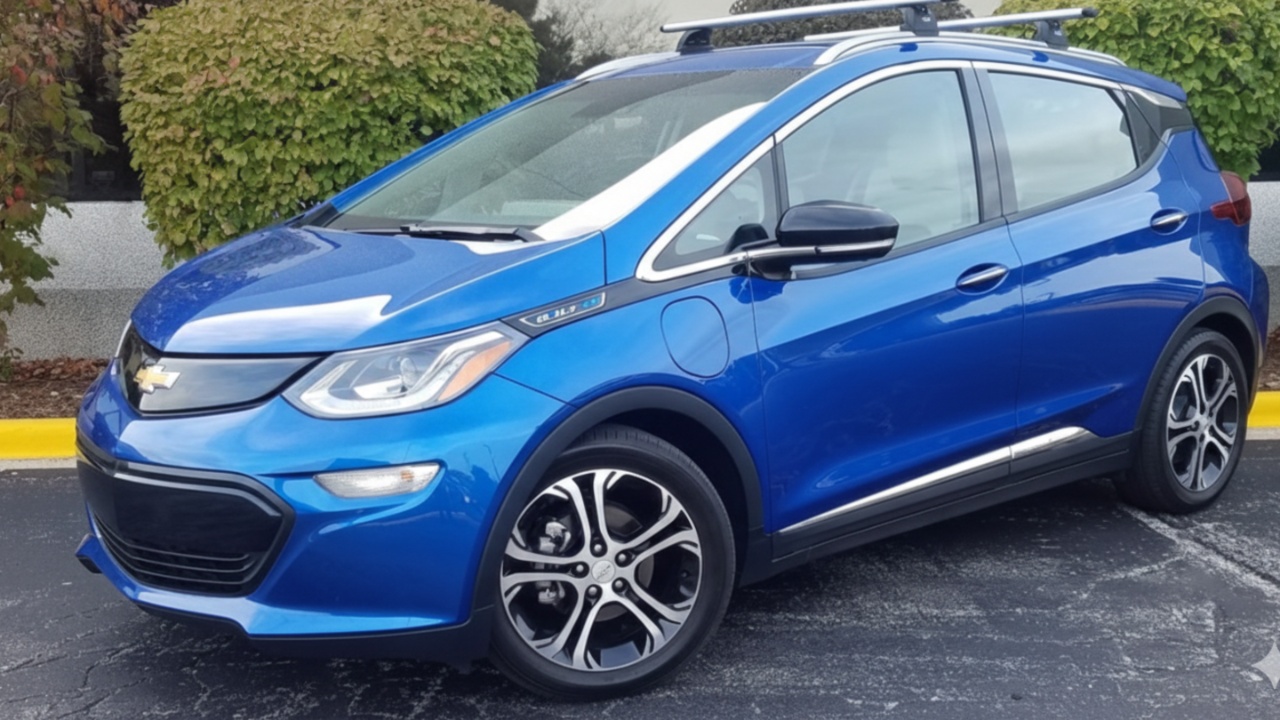
2. Chevrolet Bolt EV (2017–2022)
The 2017 to 2022 Chevrolet Bolt EV stands out as one of the most affordable long-range electric vehicles on the used market. Frequently available for under $20,000, and sometimes even between $10,000 and $15,000 for earlier models, the Bolt delivers an EPA-rated range of 238 to 259 miles, depending on the year.
Its low resale prices are largely the result of a nationwide battery fire recall, heavy depreciation, and a flood of off-lease vehicles entering the market. For informed buyers, these same factors create a strong value opportunity.
The battery recall significantly shaped public perception. A defect involving potential fire risk when charging to full capacity led to a massive recall covering 2017 to 2022 models. Although General Motors replaced battery packs in many vehicles, often installing updated 66 kWh units with fresh warranties, the damage to consumer confidence was substantial.
Some vehicles were repurchased under buyback programs, and others carry branded titles, further lowering resale values. As a result, many used Bolts are priced far below their original MSRP despite having relatively new batteries.
Depreciation has been steep. Certain models have lost close to half their value within three years. Early 2017 to 2019 examples experienced the sharpest drops, making them especially affordable.
Market saturation also played a role, as many Bolts were leased and later returned in large numbers. Meanwhile, newer EVs with faster charging speeds and updated platforms have made the Bolt’s older architecture feel dated to some shoppers.
Charging speed is one limitation. Most 2017 to 2021 models top out at 50 kW DC fast charging, which is slower than many newer electric vehicles. This makes the Bolt less appealing for frequent long-distance travel, though it remains practical for commuting and regional use. On a Level 2 home charger, it can recharge in roughly seven to nine hours, depending on power output.
Despite these drawbacks, the Bolt offers impressive performance and practicality. Its 200-horsepower electric motor produces 266 lb ft of torque and delivers brisk acceleration, reaching 60 mph in about 6.4 to 6.9 seconds. The low-mounted battery pack contributes to stable handling and a confident feel in corners. One pedal driving with strong regenerative braking enhances convenience in daily traffic.
Inside, the Bolt provides generous passenger space for a compact hatchback, along with flexible cargo storage. Later models feature a 10.2 inch touchscreen, digital instrument cluster, Apple CarPlay, Android Auto, and available advanced safety features such as automatic emergency braking and lane keeping assist. For buyers seeking affordable, long-range electric transportation, the 2017 to 2022 Bolt EV remains a practical and compelling choice.
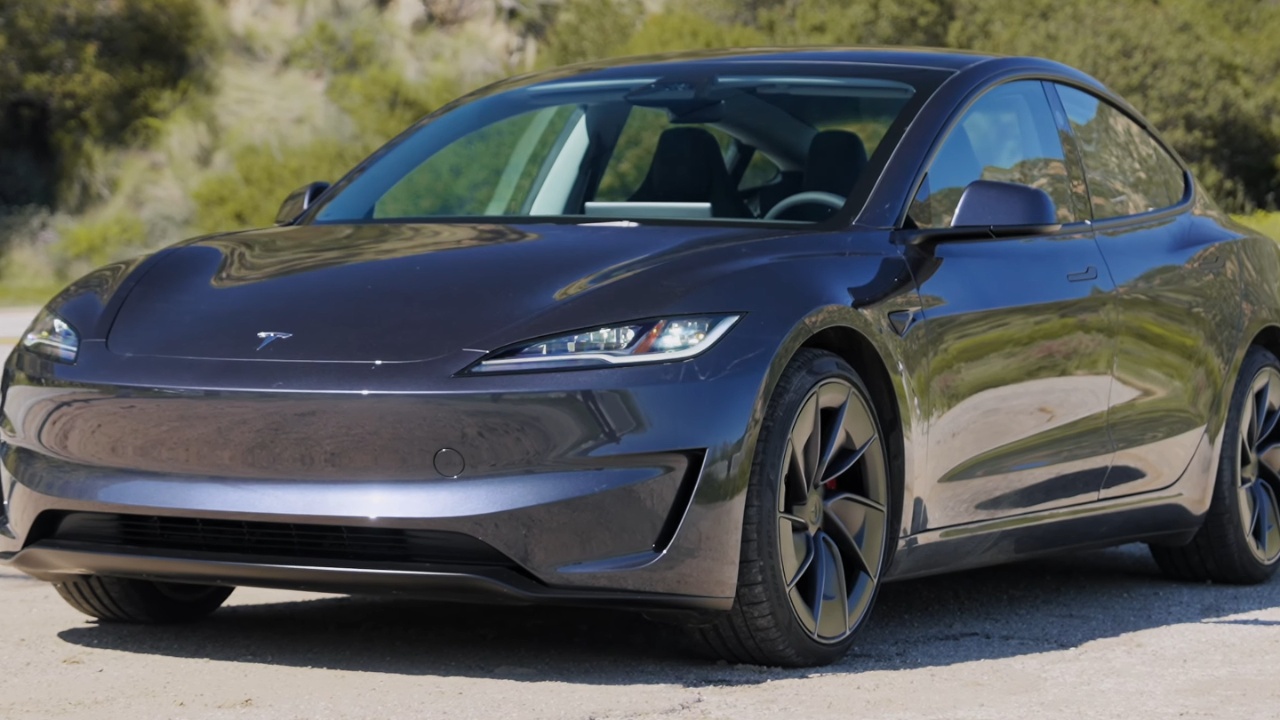
3. Tesla Model 3 (Standard Range 2018–2020)
The 2018 to 2020 Tesla Model 3 Standard Range has become one of the most compelling used electric vehicles available today. Earlier examples are now commonly listed for under $25,000, with some higher mileage cars falling below $20,000.
At these prices, buyers gain access to Tesla’s advanced electric platform, impressive efficiency, and the extensive Supercharger network, often for the cost of a mainstream compact sedan.
Several factors explain the Model 3’s rapid drop in resale value. A large supply of off-lease and trade-in vehicles has created strong competition in the used market. Tesla’s repeated price cuts on new models have also directly reduced the value of older cars.
In addition, depreciation has been accelerated by consumer concerns about long-term battery degradation and the fast-moving nature of EV technology. Some Model 3s have lost close to half their value within three years.
Despite these worries, many used examples still carry the remainder of Tesla’s 8-year battery and drive unit warranty, typically covering between 100,000 and 120,000 miles depending on specification, which adds peace of mind for second owners.
Performance remains one of the Model 3’s defining strengths. The Standard Range variant uses a rear-mounted electric motor driving the rear wheels, delivering brisk and immediate acceleration. While it does not match the power of the Long Range or Performance versions, it feels quick and responsive in daily driving.
The battery pack is mounted low in the chassis, lowering the center of gravity and helping the car corner with minimal body roll. Steering is sharp, and turn-in is precise, giving the car a sporty character. The ride can feel firm on uneven pavement, and road noise is more noticeable than in some competitors, but the car maintains a solid and controlled feel.
The Standard Range model offers an EPA estimated driving range of about 220 miles per charge, which is sufficient for most commuting and regional travel needs. Charging flexibility is a key advantage.
Owners can recharge at home using 240 volt or 120 volt outlets, and they benefit from access to Tesla’s Supercharger network for fast DC charging on longer trips. This charging infrastructure continues to be one of Tesla’s strongest selling points.
Inside, the cabin is minimalist and centered around a large 15 inch touchscreen that controls nearly every function, including navigation, media, and climate settings. The design feels modern and airy, thanks in part to the flat floor layout. Cargo practicality is enhanced by both a rear trunk and a small front trunk, making the Model 3 surprisingly usable for families and commuters alike.
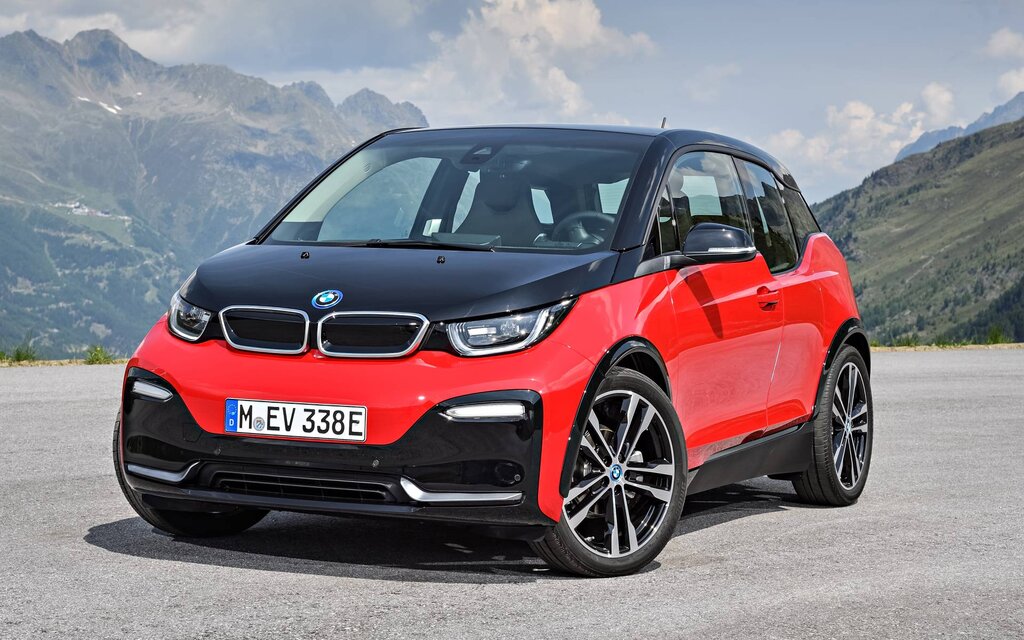
4. BMW i3 (2017–2020)
The 2017 to 2020 BMW i3 has become one of the most distinctive and affordable used premium electric vehicles on the market. Once priced as a high-end urban EV, it now sells for a fraction of its original cost due to steep luxury depreciation, limited mainstream appeal, and rapid advancements in EV technology.
The 94Ah models introduced for 2017 and the larger battery 120Ah versions from 2019 represent the sweet spot of the lineup, offering improved range and reliability compared with earlier versions while remaining attractively priced.
Depreciation plays a major role in the i3’s affordability. As a premium-branded EV with a high initial sticker price, it experienced sharp value drops within the first few years. Many examples were leased, and when those leases ended, a large number of vehicles returned to the market at once, pushing prices lower.
Its unconventional styling, compact footprint, and niche urban focus also limit demand, further softening resale values. Production ended in 2022, and although parts support continues, some buyers hesitate due to concerns about long-term relevance.
Technological progress in the EV market has also made the i3 seem dated in terms of range. The 94Ah battery delivers roughly 114 to 153 miles of range, depending on configuration, while the 120Ah battery offers about 153 miles.
Although suitable for city commuting, these figures fall short of newer electric vehicles that commonly exceed 250 miles per charge. This gap contributes to range anxiety and reduces appeal for drivers seeking road trip capability.
Ownership concerns also affect pricing. The i3 features a carbon fiber reinforced plastic body structure, which reduces weight and enhances safety but makes collision repairs more complex and expensive. Specialized narrow tires can also be costly to replace.
Some owners report issues with the air conditioning compressor, which cools the battery pack, and the 12 volt battery is known to fail every few years, sometimes triggering confusing electrical warnings.
Range Extender models add a small gasoline generator for backup power, easing long-distance anxiety but introducing additional mechanical complexity and maintenance compared with the pure battery electric version.
Despite these factors, the i3 remains a compelling urban vehicle. Its electric motor provides quick acceleration, reaching 60 mph in about 6.6 seconds. The ride is smooth and refined, and the small size makes city driving effortless. \
Inside, the cabin features sustainable materials, an airy layout, and BMW’s iDrive infotainment system with Apple CarPlay. For urban drivers seeking premium design and lively performance at a low entry price, the 2017 to 2020 i3 represents a unique and appealing choice.
Also read: 5 Cars With Simple Dash Layouts vs 5 With Confusing Ones
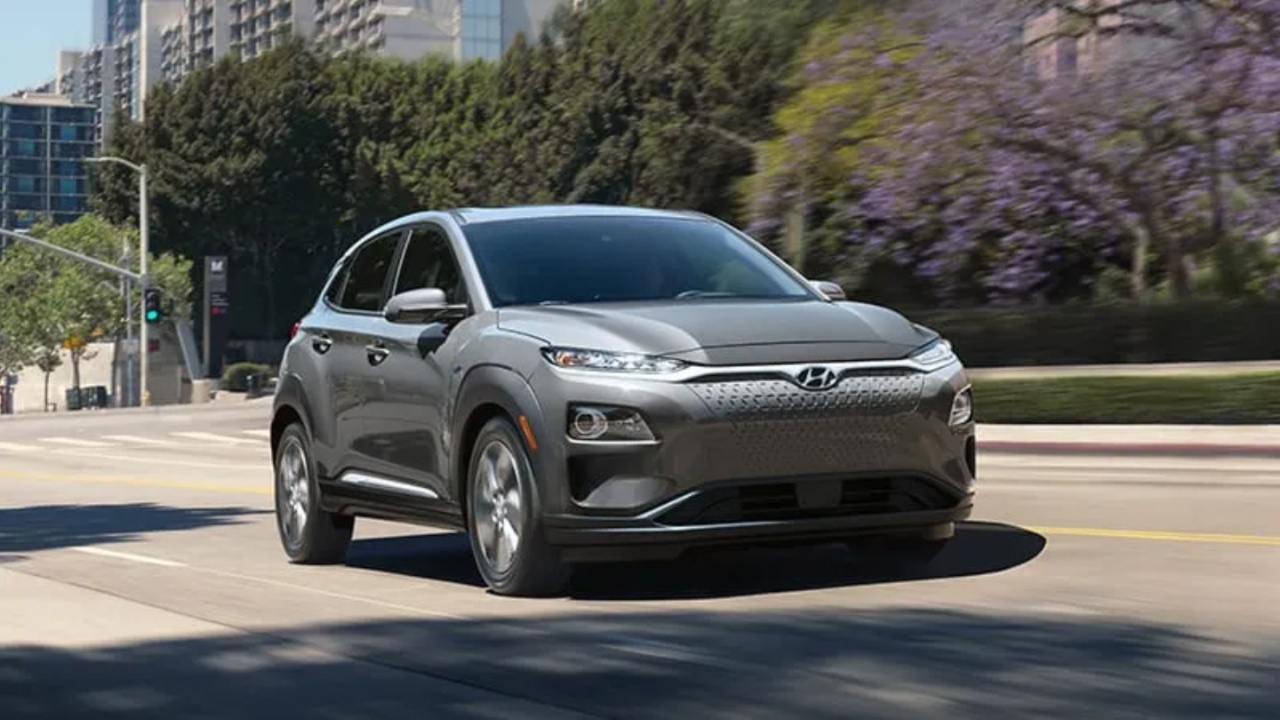
5. Hyundai Kona Electric (2019–2021)
The 2019 to 2021 Hyundai Kona Electric has become one of the strongest value propositions in the used EV market. Equipped with a 64 kWh battery pack and offering an EPA-rated range of up to 258 miles, with real-world results often approaching 279 to nearly 300 miles in moderate conditions, it delivers impressive usability for a compact crossover.
Despite these strengths, resale prices have dropped significantly, with some examples now available between $15,000 and $25,000, and occasional listings even lower.
A major factor behind its affordability is a widely publicized battery recall affecting many 2019 and 2020 models. The issue involved a manufacturing defect in certain LG battery cells that posed a fire risk. Hyundai responded with a recall that replaced battery packs in affected vehicles.
While this solution often resulted in cars receiving brand new batteries under warranty, the negative publicity reduced consumer confidence and depressed resale values. For used buyers, however, a properly repaired example can represent excellent value.
Rapid EV development has also contributed to depreciation. Electric vehicle technology evolves quickly, and a four or five-year-old model can appear outdated compared with newer EVs offering faster charging speeds, updated infotainment systems, and enhanced driver assistance features.
As new EV prices fluctuate and more competitors enter the market, used prices adjust downward to remain competitive. Like many early-generation EVs, the Kona Electric has experienced depreciation exceeding 50 percent in a relatively short period.
Performance remains a highlight. A 201-horsepower electric motor drives the front wheels, delivering brisk acceleration with a 0 to 60 mph time of about 6.4 seconds. Strong regenerative braking enables one pedal style driving, and steering wheel paddles allow drivers to adjust regen intensity.
The Kona Electric feels responsive and quick in city driving while maintaining composed highway manners. Its EPA efficiency rating of 120 MPGe underscores its energy efficiency, although cold weather can significantly reduce real-world range.
Inside, the Kona Electric shares much of its design with the gasoline Kona, featuring solid materials and a straightforward layout. Standard equipment includes a touchscreen infotainment system with Apple CarPlay and Android Auto, along with blind spot monitoring and automatic emergency braking.
Higher trims add adaptive cruise control and additional safety features. Rear seat space and cargo capacity are somewhat limited compared with larger crossovers, which may deter families.
Prospective buyers should confirm that recall work was completed, check the condition of the 12 volt battery, and review service records for coolant maintenance. For commuters seeking long-range capability in a compact, efficient package, the 2019 to 2021 Kona Electric stands out as a practical and affordable used EV choice.
6. Kia Niro EV (2019–2022)
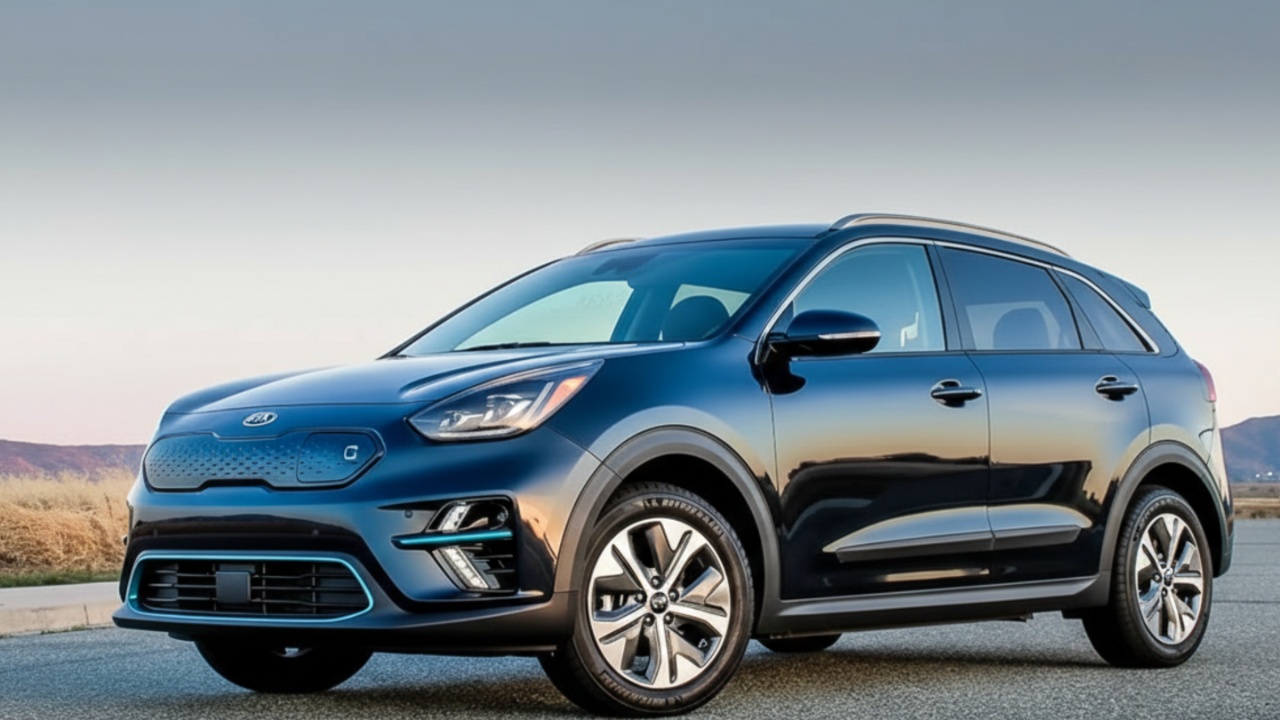
The 2019–2022 Kia Niro EV, also known as the e-Niro, has become one of the most appealing family-friendly electric crossovers on the used market. Its popularity stems from a combination of practicality, efficiency, and affordability.
The 64 kWh battery delivers a real-world range of roughly 250 to 280 miles, making it suitable for both daily commuting and longer trips, while a smaller 39 kWh battery was offered for city-focused driving. The Niro EV combines decent acceleration with a comfortable, if slightly firm, ride, making it a versatile vehicle for families and urban drivers alike.
Steep depreciation is the primary reason for its low secondhand prices. Early-generation Niro EVs lost 50–60 percent of their value within just three years, with 2019 models seeing the most significant drops. Factors driving this depreciation include the rapid introduction of newer EVs with longer ranges and improved technology, as well as market-wide declines in used EV pricing.
Concerns over the approaching end of Kia’s seven-year/100,000-mile battery warranty further reduce demand, as potential buyers worry about long-term battery health and possible degradation. Some reports of minor mechanical issues, such as clicking noises from motor bearings or early transmission lurching, have also slightly affected perceptions, though these are typically fixable.
Despite its low resale value, the e-Niro remains highly practical and reliable. The 2019–2022 models are praised for spacious interiors, accommodating families with generous headroom and legroom, as well as a sizable boot that, while slightly limited by battery packaging, remains competitive for the segment.
The cabin balances functionality and quality with a mix of digital screens and physical controls, offering a modern but not overly futuristic feel. Infotainment and driver-assistance features are robust, and the high reliability of both the electric motor and battery pack gives buyers confidence in long-term usability.
Performance is another strong point. The 64 kWh model produces 201 horsepower and accelerates from 0 to 60 mph in about 6.5 to 7.4 seconds. Regenerative braking enables efficient one-pedal driving, and the crossover maintains stable handling, though it prioritizes comfort over sporty dynamics. Energy efficiency is strong, helping to keep running costs low compared with conventional vehicles.
The 2019–2022 Kia Niro EV represents a compelling option for families seeking a well-rounded, long-range electric vehicle at a fraction of the new-car cost. While it faces competition from newer EVs with faster charging and more advanced tech, the e-Niro’s combination of spaciousness, reliability, and practicality ensures it remains a top pick for budget-conscious buyers looking for a dependable, long-range electric crossover.
7. MG4 EV (2022–2023)
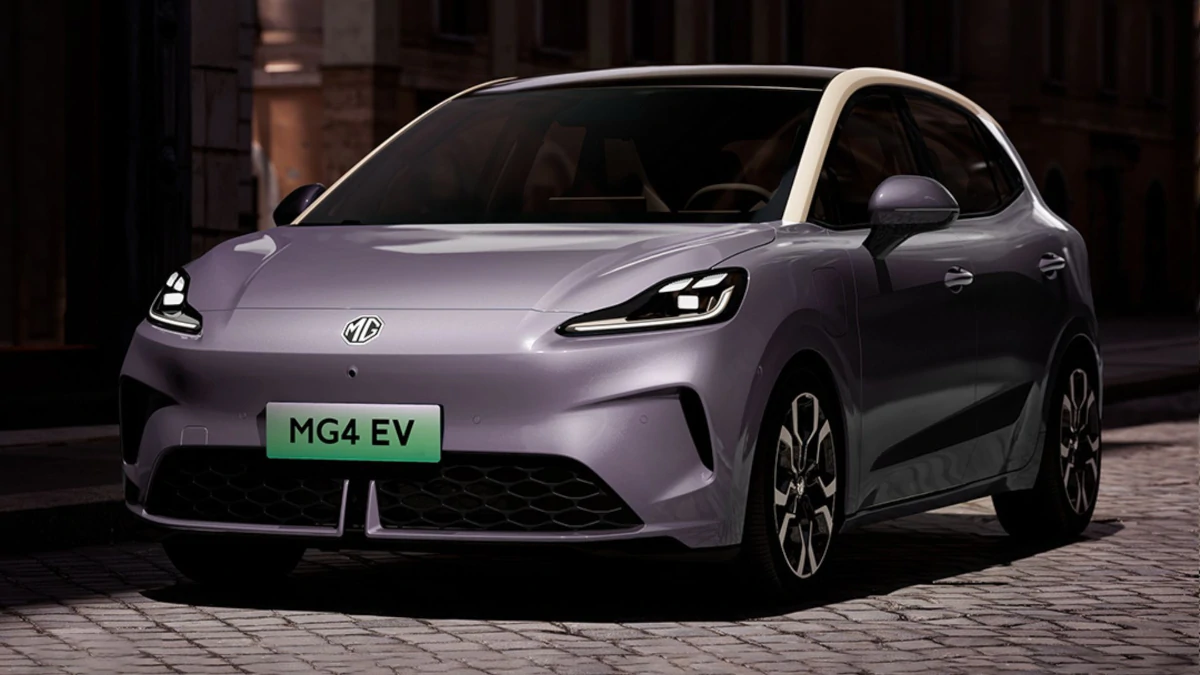
The 2022–2023 MG4 EV has become one of the most attractive nearly new budget electric vehicles on the secondhand market. Its low price is driven by aggressive initial pricing, rapid depreciation common to early-generation EVs, and significant new-car price cuts by MG that reduced the value of early models.
The MG4 is available with either a 51 kWh or 64 kWh battery, providing real-world ranges of approximately 218 to 323 miles. It features rear-wheel drive with a 200 bhp motor, offering engaging, responsive handling and a fun driving experience for a compact EV.
Aggressive new-car pricing has been a key factor in its affordability. The MG4 was launched, undercutting competitors like the VW ID.3, making it a high-value, budget-friendly option.
Subsequent price reductions, including cuts of up to $10,000 in markets like Australia in 2024, and the discontinuation of the entry-level 51 kWh model, further pushed down resale values. Rapid depreciation is typical for electric vehicles, and improvements in battery technology quickly make early models feel outdated compared to newer alternatives.
Market dynamics also play a major role. The MG4 was highly popular at launch and became Britain’s second best-selling EV in 2023. Many 2022–2023 models are returning from leases or fleet use, creating a high supply of nearly new vehicles that lowers prices. Early adopters often experience sharp value drops, while subsequent, cheaper new models reinforce downward pressure on the used market.
Buyers should be aware of certain concerns. Some reports indicate issues with the 12V battery, infotainment software glitches, and problems with the lane-keep assist system. The interior features hard plastics to maintain low costs, and the ride can feel firm on uneven roads. The infotainment system is functional but can be slow and unintuitive, and the aggressive lane-keep assist may be intrusive on narrow or winding roads.
Despite these issues, the MG4 EV offers strong value. It provides practical interior space with surprisingly roomy rear seats and a decent boot for its size. Fast-charging capability ensures convenient, longer trips.
The car delivers a modern, high-tech experience with solid range and enjoyable driving dynamics, making it a standout choice for budget-conscious buyers. With attention to battery condition and software updates, the 2022–2023 MG4 remains a highly practical and fun-to-drive electric vehicle. Its combination of affordability, range, and features makes it one of the best bargains in the EV market for its period.
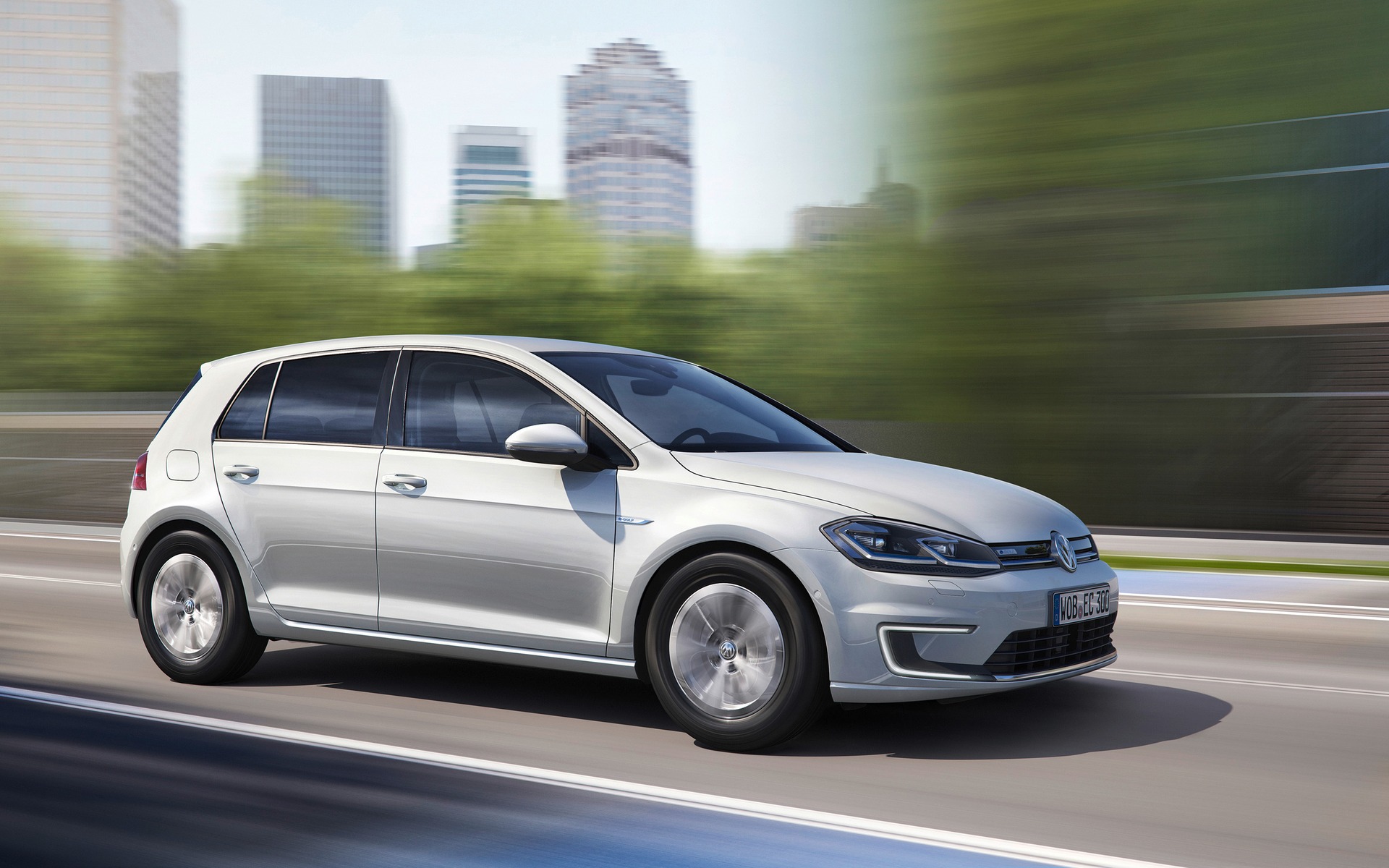
8. Volkswagen e-Golf (2017–2020)
The 2017–2020 Volkswagen e-Golf has become an attractive, budget-friendly option in the secondhand electric vehicle market. Its low price is primarily due to rapid advancements in EV technology, which have made its 125–130 mile EPA-rated range appear limited compared to newer vehicles.
Despite this, the e-Golf remains a refined, comfortable, and reliable choice for city commuting or as a second car, offering a traditional car feel and high-quality build.
One of the main reasons the e-Golf is affordable is its limited battery range. The 35.8 kWh battery provides roughly 125–130 miles on a single charge. While sufficient for daily commuting, this falls short of the 200-plus mile ranges offered by many modern EVs.
As a result, these models experience significant depreciation, often losing 40% or more of their value within three years. Buyers also worry about battery health as the vehicle ages, further pushing prices down, even though many batteries remain reliable.
Market competition has also driven affordability. Early owners frequently traded in e-Golfs for newer EVs like the Volkswagen ID.3 or ID.4, increasing the supply of used vehicles. Additionally, rivals such as the Chevrolet Bolt and Nissan Leaf offer longer ranges and faster charging, making the e-Golf less appealing for those seeking a single-car solution for longer trips.
The e-Golf is considered a “compliance car” because it is adapted from the standard Golf platform rather than being built as a dedicated EV. This gives it a familiar, premium interior and comfortable ride, but limits maximum range and modern EV technology. It features a 7.2 kW onboard charger for home use and 40 kW DC fast-charging, which is slow by current standards.
Despite these limitations, the e-Golf has many advantages. It is well-built, with a refined interior and nimble, responsive handling. Acceleration is zippy in urban settings, reaching zero to 60 mph in 8.5 seconds.
The hatchback design offers practical cargo space, fitting five carry-on suitcases behind the rear seats and up to 16 with seats folded. Interior features include faux-leather seating, ambient lighting, and touchscreen infotainment systems with Apple CarPlay, Android Auto, and MirrorLink support.
Safety features are available through optional packages or standard on higher trims, including automated emergency braking, forward-collision warning, and adaptive cruise control. Warranty coverage is standard, with three years or 36,000 miles for the limited warranty, five years or 60,000 miles for the powertrain, and eight years or 100,000 miles for the battery.
The Volkswagen e-Golf is affordable because its 125–130-mile range cannot compete with modern EVs, but it remains a well-built, comfortable, and practical choice for urban drivers or commuters looking for a reliable, budget-friendly electric vehicle.
The growing availability of affordable used electric vehicles has made sustainable transportation attainable for more people.
Models like the Chevrolet Bolt EV and Hyundai Kona Electric provide long-range capabilities and strong usability, while city-friendly options such as the Nissan Leaf and Volkswagen e-Golf deliver efficient, reliable, and easy-to-drive solutions for daily commuting.
Premium choices like the Tesla Model 3 and BMW i3 are now more accessible, offering advanced technology, responsive handling, and well-designed interiors at a lower cost. Family-focused vehicles such as the Kia Niro EV and MG4 EV combine spacious cabins with practicality and efficiency.
Whether prioritizing range, comfort, or value, the current secondhand EV market presents a wide selection of cars that deliver performance, reliability, and affordability. These eight models illustrate how buying used can be smart, economical, and environmentally responsible, giving more drivers the chance to experience electric mobility.
Also read: Top 10 Cars With Heavy Duty Floor Mats Included From the Factory
